20 Times a Job Completely Transformed Due to New Technology
Throughout history, technological advances have fundamentally changed how we work. Professions that have existed for centuries suddenly transform or even disappear as innovation renders old methods obsolete. These shifts often happen gradually, then suddenly—leaving workers to either adapt their skills or find themselves with an outdated profession.
The relationship between technology and employment is rarely a simple elimination; instead, jobs evolve in unexpected ways. Here is a list of 20 occupations that underwent dramatic transformations due to technological innovation, showing how work constantly reinvents itself in response to new tools and systems.
Switchboard Operator

Once essential to telephone networks, switchboard operators physically connected calls by plugging cables into the appropriate circuits. At their peak in the 1940s, hundreds of thousands of operators (mostly women) worked around the clock.
Automated switching technology gradually eliminated the need for manual connections, transforming the role into customer service positions before largely disappearing. Former operators often became the voices of automated systems or transitioned to specialized telecommunications roles.
Typesetter

For centuries, typesetters meticulously arranged individual metal letters to create printing plates for books and newspapers. These skilled craftspeople could identify thousands of characters by touch and arrange them backward to create forward-reading printed pages.
Digital typesetting in the 1970s and 1980s changed the industry; ex-typesetters turned into computer operators who mastered sophisticated software instead of physical type. Mechanical talent was moved to digital interfaces, hence cutting the labor force significantly and boosting production.
Elevator Operator

Elevator operators manually controlled elevator movement using levers and were fixtures in department stores, hotels, and office buildings throughout the early 20th century. These uniformed employees not only managed the equipment but also provided security, information, and added prestige to establishments.
Automatic elevators began their takeover in the 1950s, with push-button operation gradually eliminating the need for human controllers. Many operators transitioned to building security or customer service roles as their mechanical expertise became unnecessary.
Travel Agent

Travel agents once held the keys to vacation planning through exclusive access to reservation systems, destination knowledge, and airline relationships. These professionals spent years building expertise in geographical specialties and maintaining thick binders of hotel information.
Online booking platforms like Expedia and Travelocity democratized travel information, forcing agents to transform from ticket bookers to specialized consultants who charge for their expertise rather than commissions on simple bookings. The profession didn’t disappear but evolved dramatically to focus on complex itineraries and exclusive experiences.
Lamplighter

Every night, lamplighters would traverse towns igniting street lights one by one with a long pole and then come back at dawn to turn them off. Often acting as unofficial neighborhood watchmen, these workers knew every street in their areas.
While it required more work in maintaining electrical systems, electric street lighting did away with the necessity for manual lighting. Often becoming early electrical workers, former lamplighters passed their expertise in lighting upkeep and city plans to the new technology.
Secretary

The traditional secretary role involved taking dictation, typing correspondence, managing filing systems, and screening calls. Before digital tools, a skilled secretary was indispensable for business operations and could command significant respect within organizations.
Word processors, voicemail, email, and later smartphones transformed the role into the modern administrative assistant position focusing on higher-level coordination rather than basic communication tasks. The job evolved from one centered on transcription and typing speed to one requiring digital fluency across multiple software platforms.
Bank Teller

Bank tellers once handled virtually all consumer banking transactions in person, counting cash manually and updating paper ledgers for each account. These employees built personal relationships with customers and had extensive knowledge of banking procedures.
ATMs began replacing routine transactions in the 1970s, followed by online and mobile banking, transforming tellers from transaction processors to financial services representatives who handle complex issues and sell products. The profession shifted from cash handling to relationship management and financial advising.
Projectionist
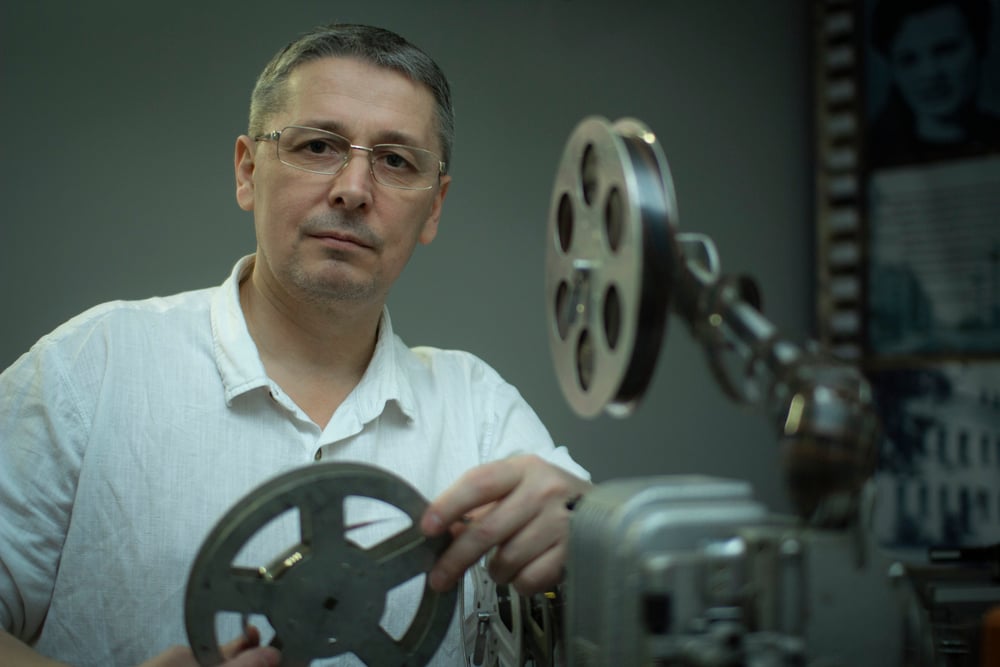
Movie projectionists were skilled technicians who threaded film through complex projector systems, monitored image quality, and perfectly timed reel changes to create seamless viewing experiences. These behind-the-scenes workers needed extensive training to handle delicate film and maintain projection equipment.
Digital projection eliminated physical film handling, transforming the role into IT specialists who manage computer systems rather than mechanical equipment. Many theaters now employ a single digital systems manager instead of multiple projectionists, fundamentally changing century-old projection booth operations.
Cartographer
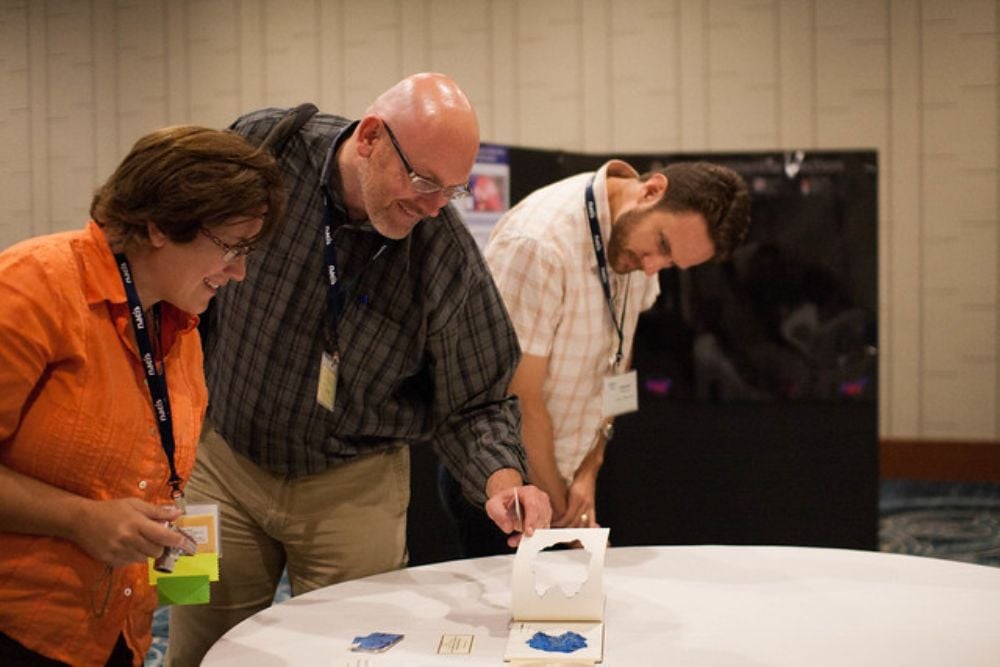
Mapmakers once painstakingly drafted maps by hand based on surveyor measurements and astronomical observations. These highly trained professionals combined artistic skill with mathematical precision to create navigation tools.
Geographic Information Systems (GIS) and satellite imagery transformed cartography from drawing to data management, with modern mapmakers manipulating digital information rather than ink and paper. The profession shifted from artistic drafting to programming and database management, though spatial reasoning skills remain crucial.
Newspaper Compositor
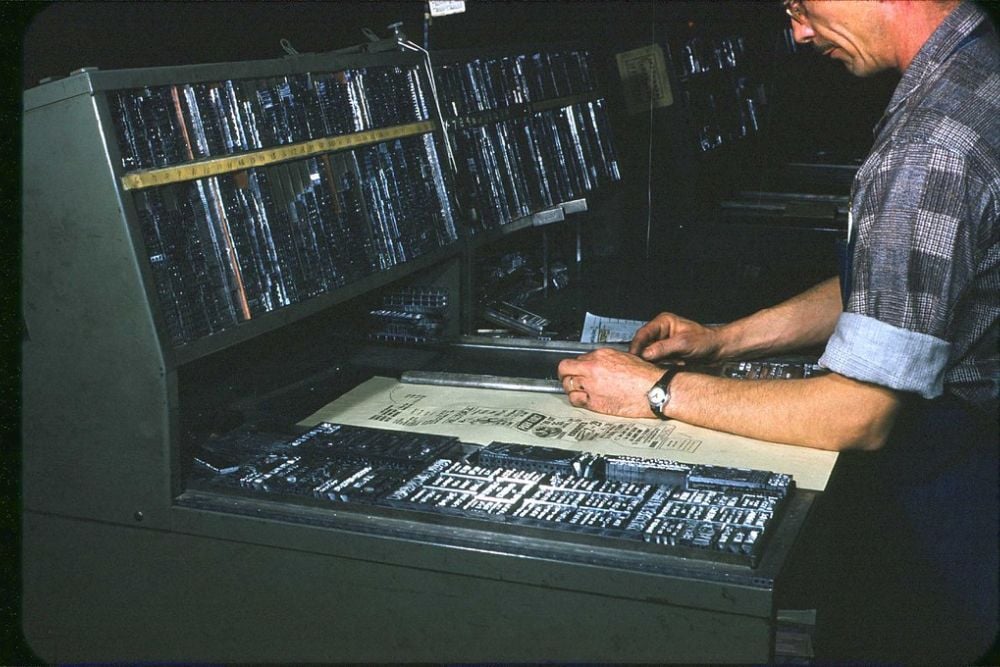
Compositors arranged newspaper stories, photos, and advertisements on pages before printing, using specialized tools and paste-up techniques. These design professionals physically constructed each page according to editorial requirements and aesthetic principles.
Desktop publishing software and digital workflow systems eliminated manual layout, transforming compositors into digital designers who create pages on screens rather than light tables. The core design skills transferred to digital tools, though the tactile aspects disappeared entirely.
Physician

Doctors practiced for centuries using primarily observational skills, hands-on examination techniques, and experience-based judgment. Medical technology, from stethoscopes to MRIs, continuously transformed how physicians diagnose and treat patients.
Modern doctors rely heavily on laboratory tests, imaging technology, and electronic health records that didn’t exist generations ago. The profession shifted from purely apprenticeship-based training to one requiring continuous education on new technologies, with artificial intelligence now augmenting diagnostic capabilities in ways that further transform medical practice.
Warehouse Worker

Warehouse employees once filled orders by memorizing inventory locations and physically retrieving items using paper lists. These workers developed extensive knowledge of stock layouts and efficient picking routes through massive facilities.
Barcode systems, RFID tags, and automated retrieval systems transformed the role into one increasingly focused on operating technology rather than memorizing locations. Modern warehouse workers often manage robotic systems or follow computer-optimized paths, with the profession shifting from physical navigation to technological operation.
Cashier

Traditional cashiers manually entered prices and calculated change without technological assistance. The introduction of barcode scanners, electronic payment systems, and touchscreen interfaces transformed the role from mathematical calculation to equipment operation.
Self-checkout systems further changed the profession, with fewer cashiers now supervising multiple checkout stations rather than operating individual registers. The job shifted from handling each transaction personally to troubleshooting technology and managing exceptional situations that automated systems cannot handle.
Farmer

Agricultural work once relied almost exclusively on manual labor and animal power, with farmers developing intuitive knowledge of weather patterns and soil conditions. Modern farming incorporates GPS-guided machinery, automated irrigation systems, and data analytics that have transformed the profession from physical labor to technological management.
Today’s farmers often monitor equipment remotely and analyze data rather than spend all day in the fields. The profession evolved from hands-on physical work to a combination of mechanical expertise, environmental science, and business analytics.
Librarian

Librarians traditionally managed physical card catalogs and developed an encyclopedic knowledge of their collections through years of handling books. The digital revolution transformed the profession from book custodians to information specialists who navigate complex digital databases and teach information literacy.
Modern librarians focus less on physical book management and more on helping patrons navigate the overwhelming amount of information available online. The profession shifted from collection management to becoming guides through information overload.
Court Reporter

Court stenographers once used specialized shorthand machines to create verbatim transcripts of legal proceedings, developing remarkable keystroke speed. Digital recording technology and voice recognition software transformed the role, with many courts now using automated systems rather than human recorders.
Modern court reporters often manage the technological systems and review automated transcripts rather than creating them from scratch. The profession shifted from pure transcription speed to hybrid technological oversight that combines human judgment with automated processes.
Accountant

Accountants spent decades performing calculations by hand or with adding machines, maintaining meticulous paper ledgers for financial records. Spreadsheet software, accounting programs, and cloud-based financial systems transformed the profession from calculation to interpretation and strategic planning.
Modern accountants spend less time on basic bookkeeping and more on analyzing data patterns to inform business decisions. The profession evolved from number processing to financial strategy, with a focus on insights rather than recording transactions.
Surveyor
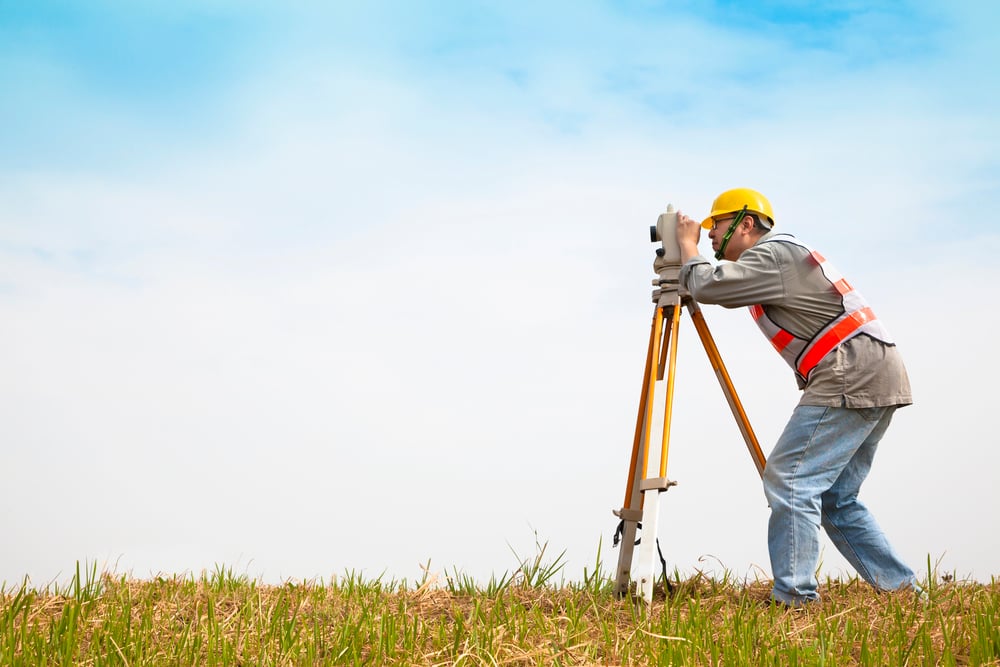
Land surveyors traditionally used theodolites, chains, and manual calculations to determine property boundaries and elevations. GPS systems, laser measurement tools, and drone technology transformed the profession from physical measurement to digital data collection and manipulation.
Modern surveyors operate sophisticated equipment that provides precision measurements automatically, focusing more on data interpretation than collection. The centuries-old profession shifted from hands-on field measurement to a blend of traditional knowledge and technological expertise.
DJ

Radio disc jockeys once physically handled vinyl records and magnetic tapes, curating music programs through personal collections and timing skills. Digital media, automated programming, and streaming services transformed the role from music playback technician to content creator and personality.
Modern DJs focus less on the technical aspects of playing records and more on building personal brands and engaging audiences across multiple platforms. The profession evolved from technical playback expertise to content creation and audience engagement in an increasingly automated media landscape.
Air Traffic Controller
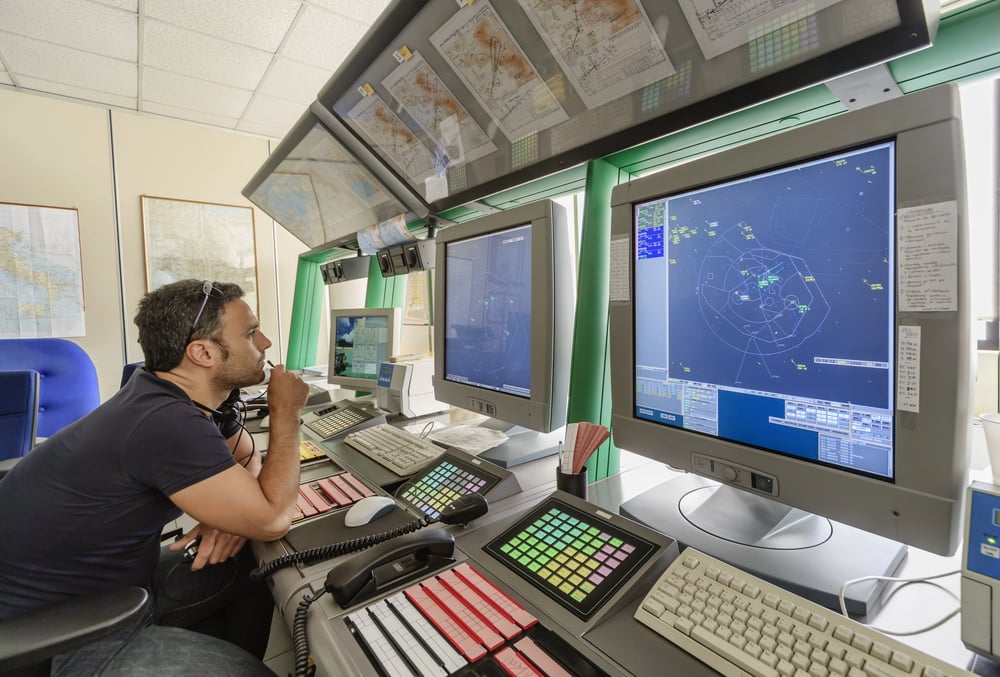
Controllers originally tracked flights using paper strips and radio communication, relying on mental visualization of aircraft positions. Radar systems, computerized tracking, and predictive software transformed the profession from memory-based tracking to technology-assisted visualization.
Modern controllers manage increasingly complex airspace with technological assistance that predicts potential conflicts and optimizes traffic flow. The high-pressure job shifted from pure mental tracking to managing sophisticated technological systems while maintaining human judgment for critical safety decisions.
Like Go2Tutors’s content? Follow us on MSN.
The Human Touch in a Digital World

These transformations reveal a consistent pattern: technology rarely eliminates jobs entirely, but instead reshapes them in profound ways. The core human elements—judgment, creativity, and interpersonal skills—often remain essential even as technical requirements evolve dramatically. Workers who successfully navigate these transitions typically embrace the technology while bringing uniquely human capabilities that machines cannot replicate.
Today’s workers face similar transformations as artificial intelligence, automation, and digital platforms continue reshaping occupations at an accelerating pace. The key lesson from these historical examples isn’t to resist technological change but to recognize how human skills can complement new tools. The most resilient careers often emerge at the intersection of technological fluency and irreplaceably human talents—suggesting that adaptation rather than resistance offers the surest path forward in an ever-changing workplace.
More from Go2Tutors!

- The Romanov Crown Jewels and Their Tragic Fate
- 13 Historical Mysteries That Science Still Can’t Solve
- Famous Hoaxes That Fooled the World for Years
- 15 Child Stars with Tragic Adult Lives
- 16 Famous Jewelry Pieces in History
Like Go2Tutors’s content? Follow us on MSN.



