18 Classic Cars That Are Surprisingly Easy to Restore
Diving into classic car restoration can seem intimidating—conjuring images of expensive specialized tools, rare parts hunts, and complex mechanical knowledge that takes decades to acquire. However, not all vintage vehicles require professional expertise or endless budgets to bring back to their former glory. Many beloved classics were built with simplicity and serviceability in mind, making them perfect candidates for first-time restorers.
Here is a list of 18 classic cars that have earned reputations for being surprisingly approachable restoration projects, even for those with limited mechanical experience.
Ford Mustang (1965-1973)

The first-generation Mustang ranks among the most restoration-friendly classics due to its straightforward design and extraordinary parts availability. These iconic pony cars feature uncomplicated mechanics with plenty of engine bay space for easy access.
The massive production numbers (over 2.5 million units) created a thriving aftermarket industry where virtually every part—from body panels to interior trim—remains readily available at reasonable prices.
Volkswagen Beetle (1960s-1970s)

The original Beetle epitomizes simplicity with its air-cooled rear engine and basic mechanical systems requiring minimal specialized tools. With over 21 million produced, finding donor cars and parts is rarely challenging for restorers.
The Beetle’s straightforward construction allows beginners to disassemble and reassemble components with confidence, while the massive community of enthusiasts provides endless resources and advice for any roadblocks encountered along the way.
Chevrolet Camaro (1967-1969)

First-generation Camaros offer the perfect blend of collectibility and restoration-friendliness with their uncomplicated construction and exceptional parts support. Their front-engine, rear-wheel-drive layout provides generous workspace for maintenance and modifications.
The booming reproduction market means restorers can purchase everything from complete body panels to the smallest trim pieces that are brand new, eliminating the frustrating parts hunt that plagues many restoration projects.
MGB (1962-1980)

The mechanics of this well-liked British roadster are pleasantly simple and don’t scare off inexperienced restorers. Due to its lengthy manufacturing life, the MGB produced a large number of vehicles and parts, and its outstanding aftermarket support is still in place today.
While the unibody construction has bolt-on fenders and other panels that make body repairs easier, the straightforward four-cylinder engine and easily accessible parts make mechanical restoration especially beginner-friendly.
Chevrolet C10 Pickup (1967-1972)

Because of their body-on-frame design, these vintage vehicles can be easily restored in small chunks. Even large-handed mechanics may operate comfortably in their roomy engine bays, which can accommodate a variety of power plants.
Due to the strong aftermarket support, restorers can replace rather than fix problematic sections because almost every part, from taillight lenses to entire chassis assemblies, can be bought new.
Datsun 240Z (1970-1973)

The early Z cars offer a compelling combination of sports car performance and surprisingly straightforward mechanics. Their inline-six engines feature accessible components with generous working space, unlike many modern cramped engine bays.
The 240Z’s increasing popularity has spawned excellent reproduction parts availability, with everything from body panels to interior components now readily accessible. This Japanese classic strikes an ideal balance between collectibility and restoration simplicity.
Pontiac Firebird (1967-1969)

Sharing many components with its Chevrolet Camaro cousin, the first-generation Firebird benefits from exceptional parts interchangeability and availability. The straightforward V8 options feature accessible layouts that are ideal for restoration beginners to gain confidence.
Body panels, interior pieces, and mechanical components remain widely available through specialty suppliers, eliminating the parts-hunting frustration common with more obscure classics.
Triumph TR6 (1968-1976)

Despite its British origins, the TR6 ranks among the most accessible European classics for restoration projects. The separate chassis and body construction allows work to proceed in manageable phases rather than tackling everything simultaneously.
Its relatively simple inline-six engine proves far less intimidating than complex European alternatives, while excellent parts availability through multiple specialists ensures restoration won’t stall due to unobtainable components.
Ford F-100 (1953-1979)

These workhorses combine rugged simplicity with incredible parts availability thanks to their immense production numbers and continued popularity. The body-on-frame construction allows restoration in logical segments, perfect for beginners needing to divide projects into manageable chunks.
The straightforward engines—particularly the inline-six and small-block V8 options—feature generous access and minimal complexity compared to modern alternatives.
Chevrolet Nova (1968-1974)

The third-generation Nova exemplifies Detroit’s straightforward engineering approach with its uncomplicated mechanics and accessible components. The subcompact size makes these projects manageable even in limited workspace situations like single-car garages.
Parts availability remains exceptional for these models, with reproduction components ranging from complete body panels to the smallest trim pieces readily available through numerous suppliers.
Volkswagen Karmann Ghia (1955-1974)

Sharing its mechanical platform with the Beetle, the stylish Karmann Ghia inherits the same restoration-friendly characteristics in a more distinctive package. The air-cooled rear engine requires minimal specialized tools while providing straightforward access to most components.
Body panels and trim pieces remain available through specialists, though some sheet metal work may be required for perfect restoration compared to more mass-produced alternatives.
Chevrolet Chevelle (1968-1972)

The second-generation Chevelle combines iconic muscle car styling with surprisingly accessible mechanics ideal for restoration enthusiasts. Their straightforward construction features body-on-frame design that allows systematic restoration rather than overwhelming all-at-once approaches.
The tremendous aftermarket support means virtually every component—from complete body panels to interior pieces—can be purchased new, eliminating the frustrating parts hunt common with rarer classics.
Ford Ranchero (1967-1971)

Based on mainstream Ford models, these car-truck hybrids benefit from exceptional parts interchangeability with their more common cousins. The straightforward front-engine, rear-drive layout provides generous working space for novice mechanics gaining confidence.
Body panels and trim components remain available through specialists, though some items may require sourcing from donor vehicles compared to more popular models.
Plymouth Valiant/Dodge Dart (1967-1976)

These Mopar A-bodies represent restoration-friendly simplicity with their uncomplicated design and robust engineering. The front-engine layout with inline-six or V8 power offers generous access and straightforward maintenance ideal for beginners.
Parts availability remains strong through both reproduction manufacturers and salvage sources, with these models’ long production runs ensuring plentiful donor vehicles still exist.
International Harvester Scout (1961-1980)

These rugged utility vehicles feature remarkably straightforward construction with their body-on-frame design and accessible components. The Scout’s utilitarian approach means fewer complex systems to restore compared to passenger-focused alternatives.
While not enjoying the same reproduction parts coverage as Ford or Chevy products, the growing popularity of vintage SUVs has significantly improved component availability through specialty suppliers.
Porsche 914 (1969-1976)

This entry-level Porsche offers a surprisingly approachable restoration experience compared to its more complex siblings. The mid-engine layout provides good component access, while the VW-derived parts in many systems ensure better availability than purely Porsche models.
The targa-top design eliminates the complex convertible mechanisms that often challenge restorers, while the fiberglass roof component removes concerns about roof rust common in other classics.
MG Midget/Austin-Healey Sprite (1961-1979)

These diminutive British roadsters combine charming aesthetics with mechanically straightforward designs ideal for first-time restorers. Their compact dimensions make them manageable projects even in limited workspace environments like single-car garages.
Parts availability remains excellent through multiple specialists, with nearly every component still produced as either original specification or improved aftermarket alternatives.
Toyota Land Cruiser FJ40 (1960-1984)
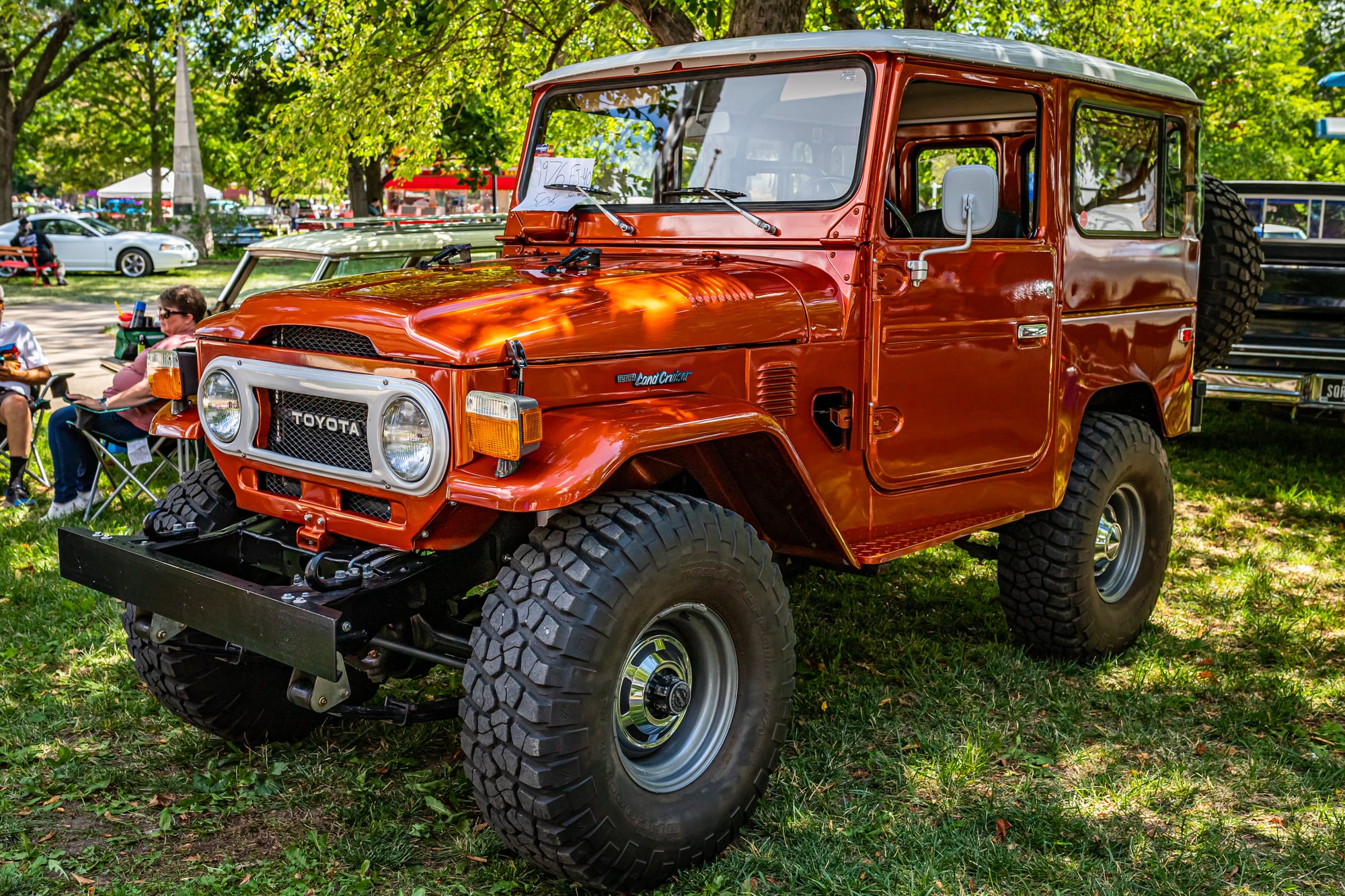
These legendary off-roaders feature incredibly durable mechanics with straightforward access and minimal complexity. Their body-on-frame construction allows restoration in logical phases rather than tackling everything simultaneously.
While body panels can be challenging to source, mechanical components remain widely available thanks to Toyota’s commitment to parts support and the vehicle’s global popularity creating a robust aftermarket network.
Mechanical Connections to Automotive Heritage

These 18 vehicles show that restoring vintage cars doesn’t have to be a scary or financially disastrous undertaking that is only done by professionals and the rich. They provide ideal entry points into the lucrative field of car restoration thanks to their simple engineering, easy access to parts, and outstanding parts availability.
These approachable classics provide a hands-on connection to automotive history that continues to draw in new generations of fans as current vehicles become more sophisticated and impervious to owner intervention. One of the strongest arguments for why these cars continue to have a unique appeal decades after they are produced is the joy that comes from maintaining automotive history via individual effort.
More from Go2Tutors!

- The Romanov Crown Jewels and Their Tragic Fate
- 13 Historical Mysteries That Science Still Can’t Solve
- Famous Hoaxes That Fooled the World for Years
- 15 Child Stars with Tragic Adult Lives
- 16 Famous Jewelry Pieces in History
Like Go2Tutors’s content? Follow us on MSN.



