21 Antique Jewelry Clasps That Help Identify Age
A piece of jewelry can hide its age behind polish and design, but the clasp usually tells the truth. Fastenings changed with technology, fashion, and the tools of the maker.
Collectors and appraisers flip a necklace over before they admire the front. These clasps are the ones they look for first.
Box Clasp
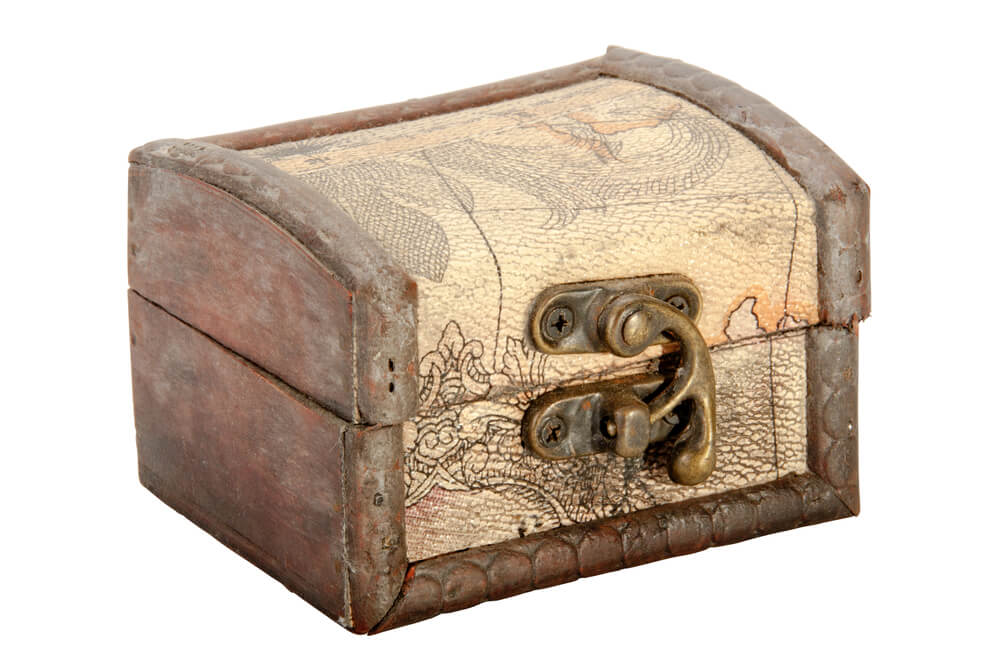
A tongue slides into a small box and clicks into place. Many antique necklaces and bracelets use this style, often decorated with filigree.
The tongue is usually backed by a spring that has weakened over time.
Figure-Eight Safety Catch
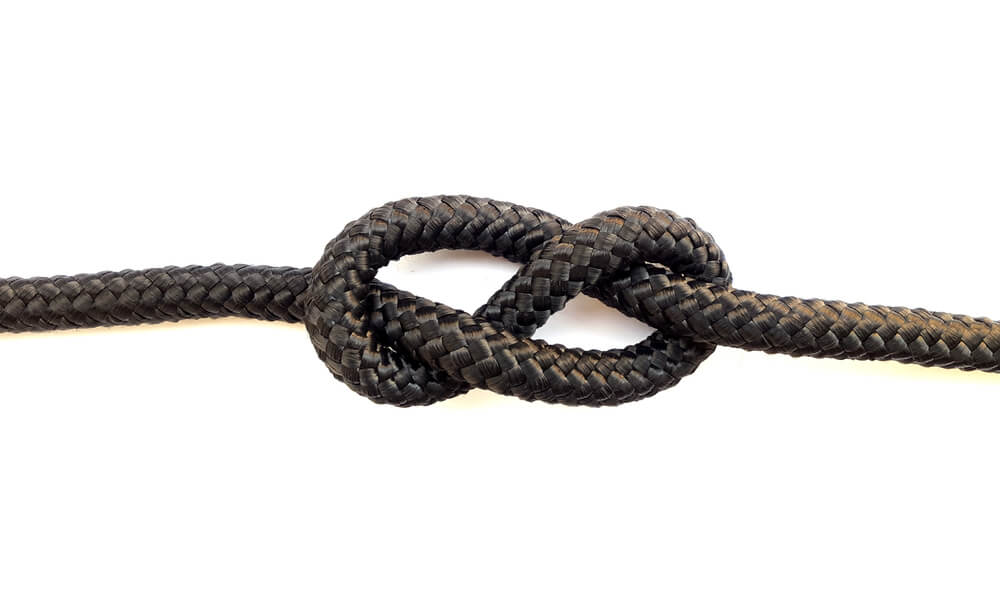
A small metal loop shaped like an eight sits beside a box clasp as a backup. It keeps the piece from slipping off if the main clasp fails.
Its presence suggests a well-made antique.
Barrel Clasp

Two halves screw together like a tiny cylinder. The design was common on older necklaces and bracelets.
A worn thread can make the clasp loose.
Screw-Barrel Clasp
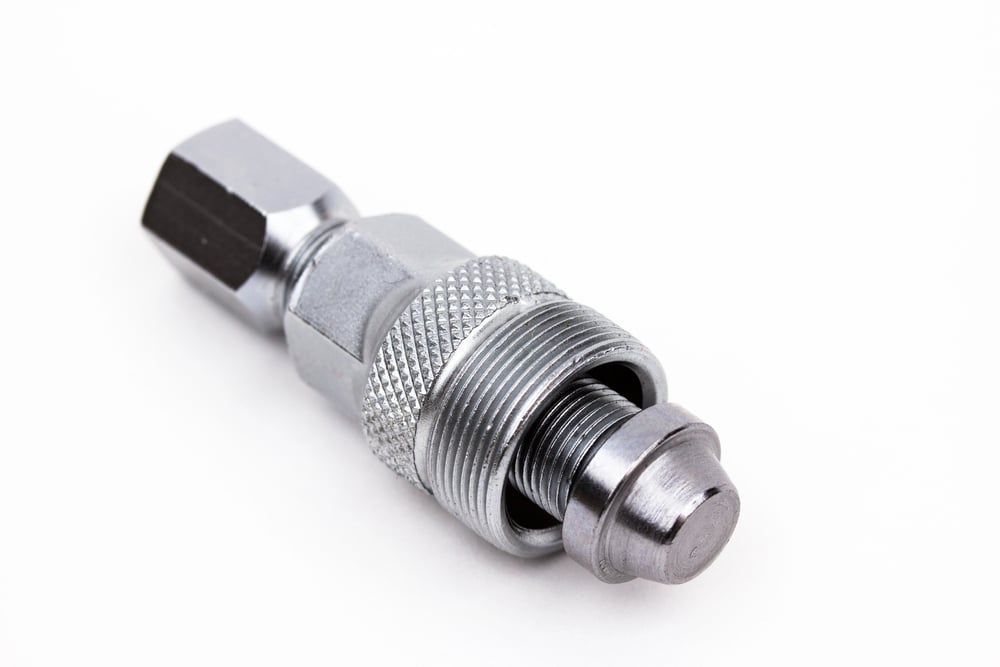
Similar to the barrel clasp, this version often appears on pearl strands. The pieces thread together tightly and require a few turns to open.
The mechanism feels fiddly to modern fingers.
S-Hook Clasp
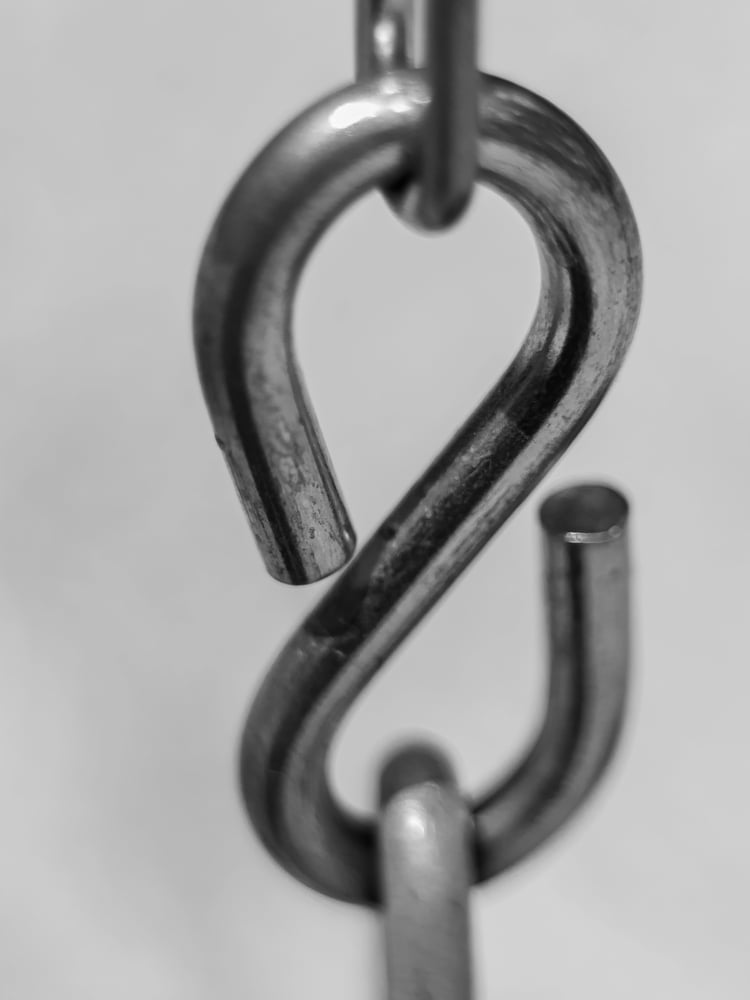
A simple hook shaped like the letter S slides into a ring at the other end. It is straightforward and easy to make by hand.
Many early pieces rely on it.
Hook-and-Eye Clasp
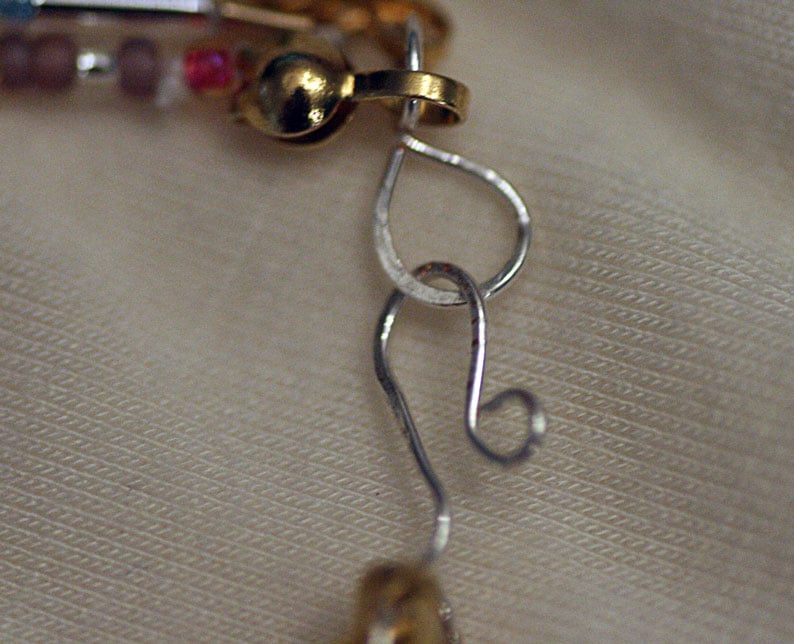
A small hook latches onto a ring or loop. It appears on early chains and lockets.
A hook that has been bent back suggests heavy wear.
Spring Ring Clasp
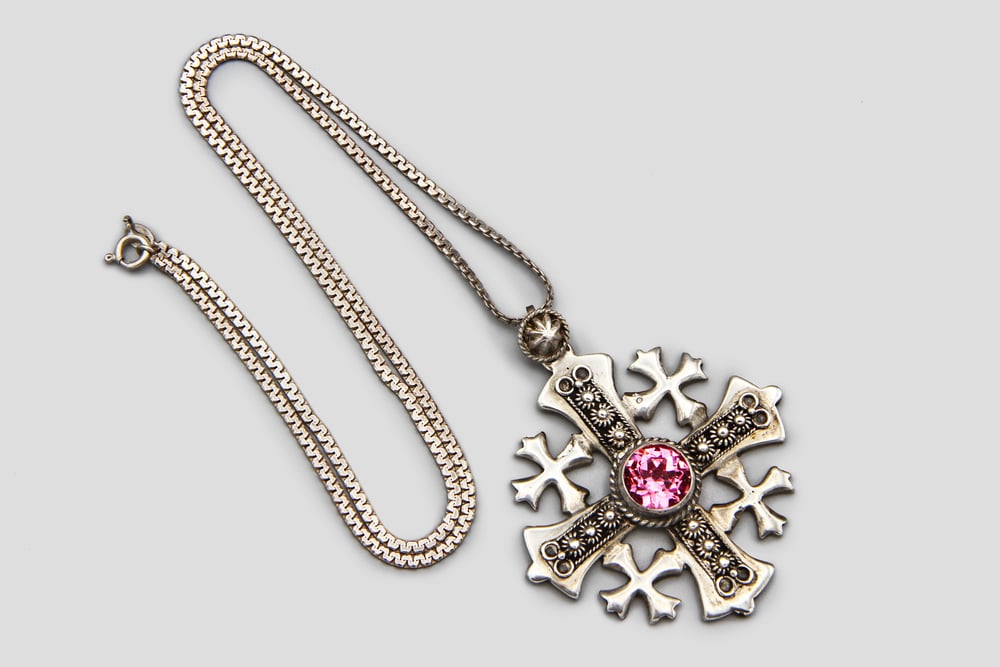
A hollow ring with a spring-loaded gate opens when pressed with a fingertip. It became common over time on lighter chains.
Older versions tend to be thicker.
Bolt Ring Clasp
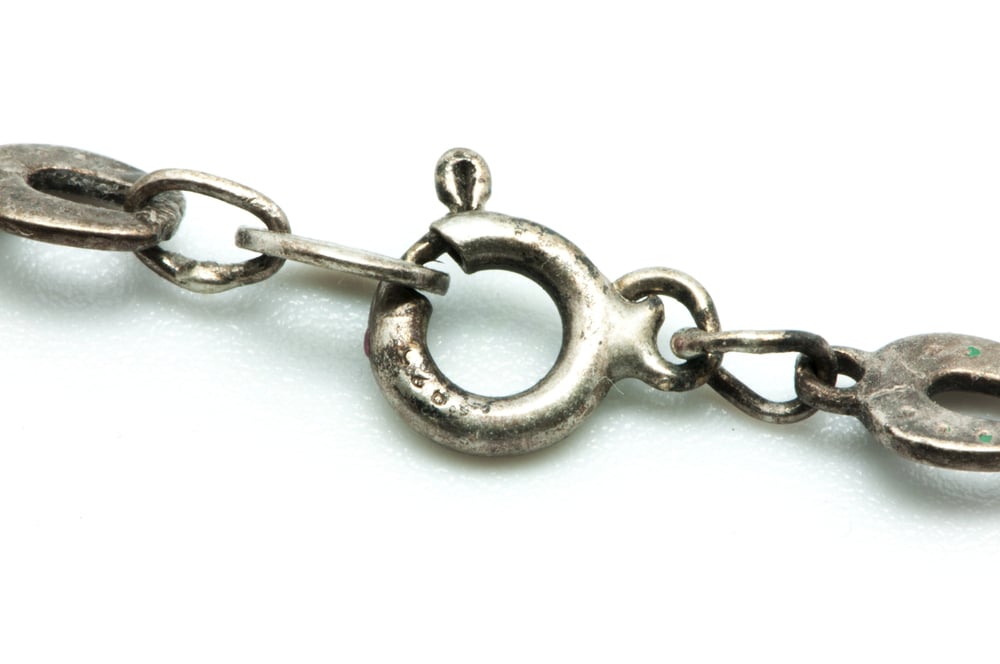
A spring-loaded barrel slides to open a ring-shaped catch. It resembles the spring ring but has a different action.
It appears often on bracelets.
Lobster Claw Clasp
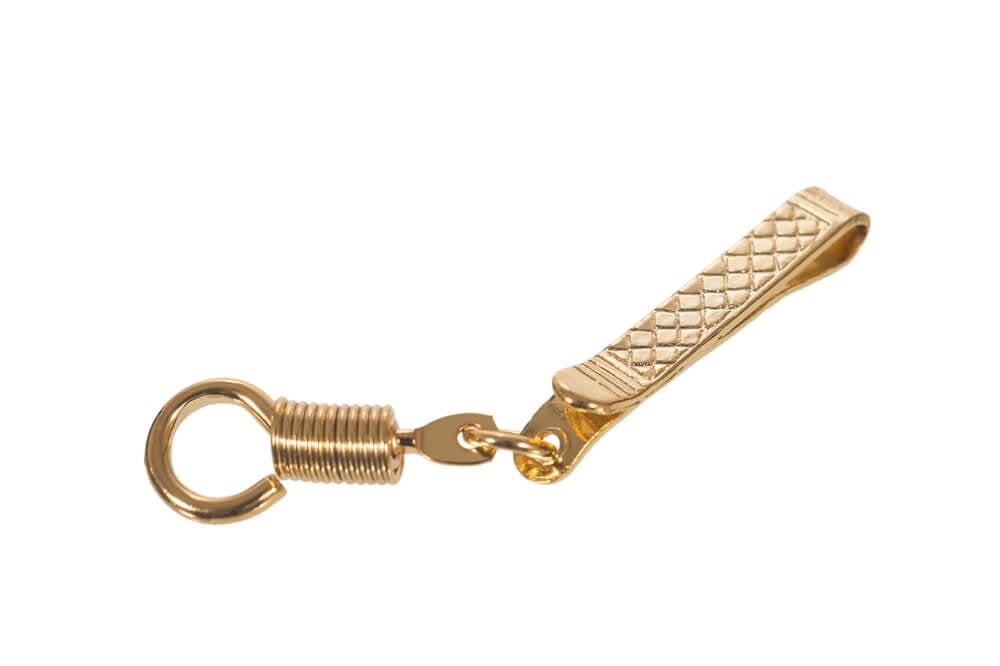
The claw-shaped lever opens to hook onto a ring. It is more modern than many other styles.
Its appearance on a supposedly antique chain can indicate a replacement.
Fishhook Clasp
A hook shaped like an angler’s barb fits into a small tube. It is often used on pearl necklaces.
The tube is usually decorated with engraving.
Roll-Over Safety Catch
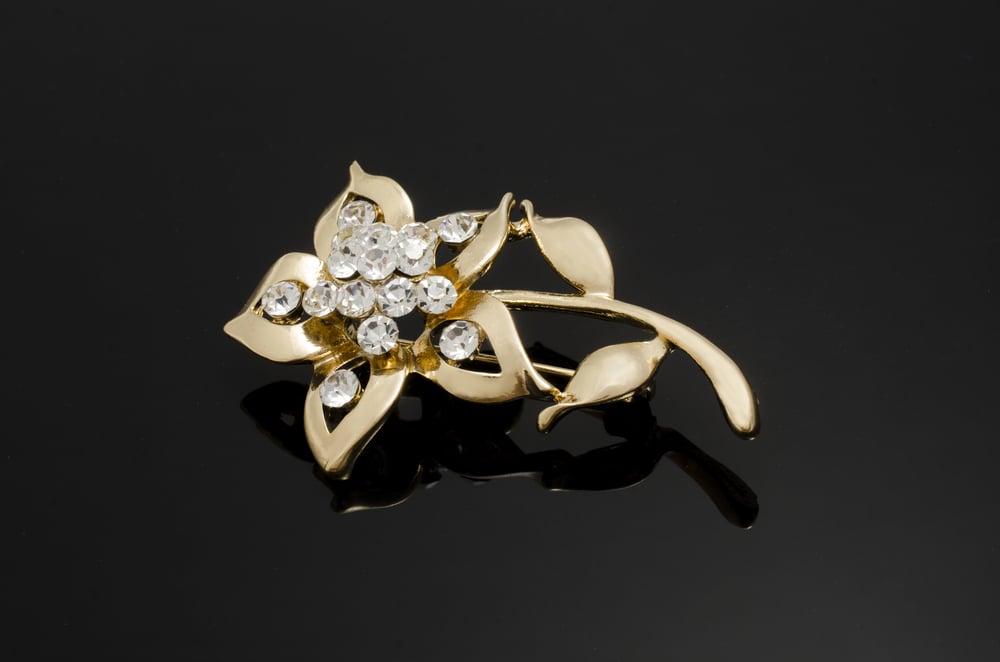
A rotating hook closes over the pin to keep it from slipping. It is a later addition.
A tiny hinge makes it move.
Tube Hinge and Pin Stem
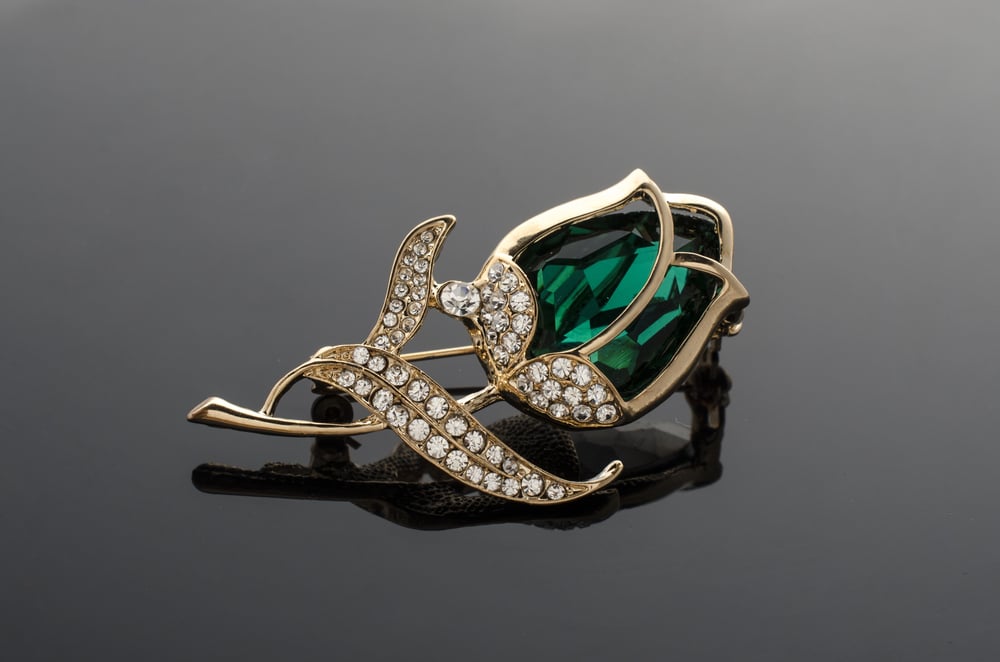
A brooch’s pin swings on a hinge fixed within a small tube. The hinge is often hand-soldered.
Fine joins suggest a skilled maker.
Locking Pin Stem
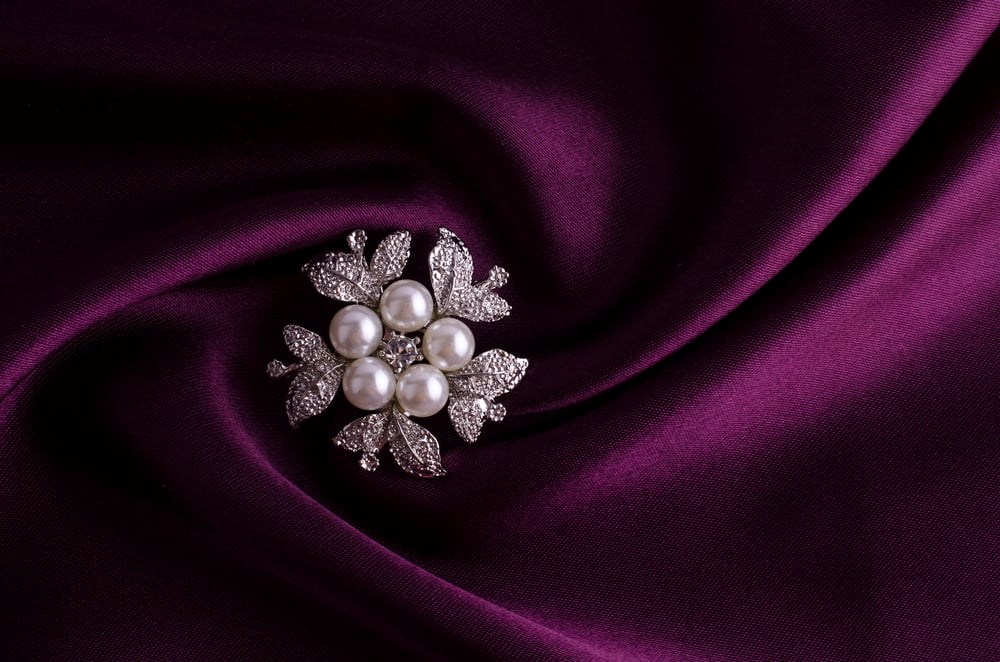
A pin stem with a locking feature holds firmly once closed. It was designed to keep valuable brooches secure.
The mechanism often shows signs of repair.
Bracelet Slide Clasp
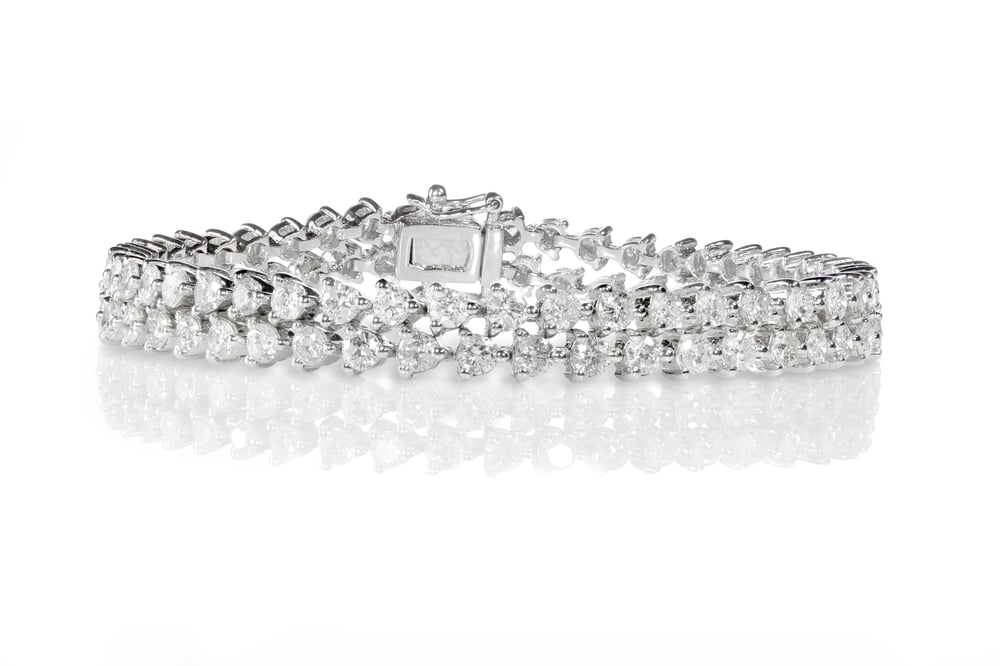
A bracelet with a slide clasp has a flat tab that moves along a track. The design is neat and flush against the wrist.
Victorian pieces often use it.
Padlock Clasp
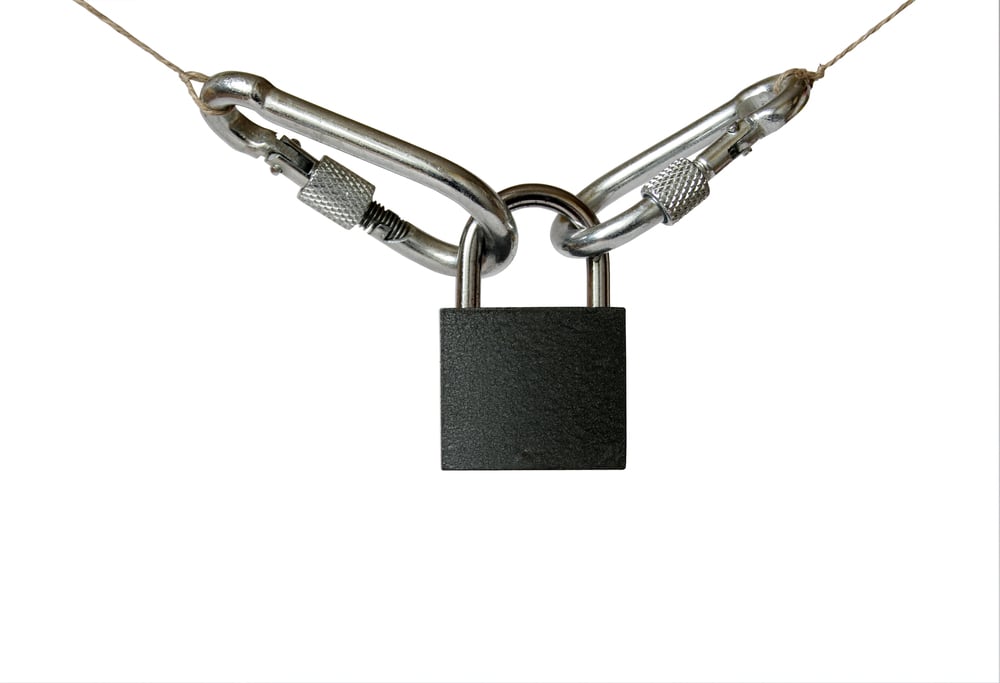
A decorative padlock fastens a bracelet or necklace, sometimes with a tiny key. Victorian jewelers favored the motif.
The lock often doubles as a symbol of love.
Push-In Tongue Clasp
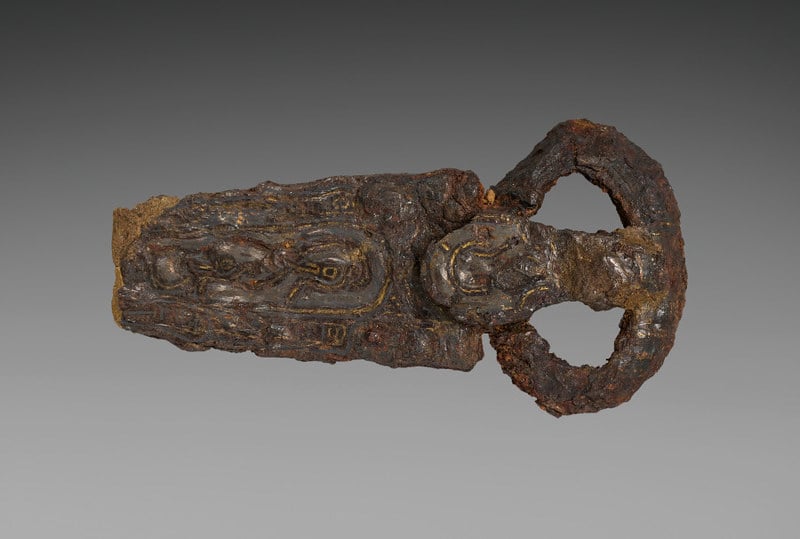
A tongue pushes into a slot and catches with a spring. It looks like a box clasp but is smaller.
The tongue sometimes breaks at the base.
Fold-Over Clasp
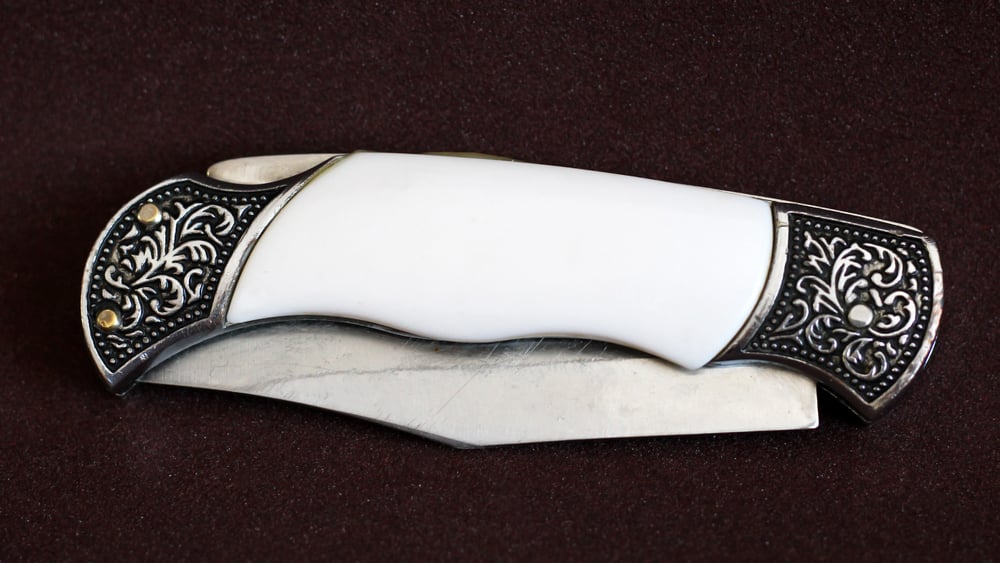
A hinged flap folds over to hold a chain or strap in place. It is common on watch bracelets.
The hinge wears over time.
Ear Screw Back
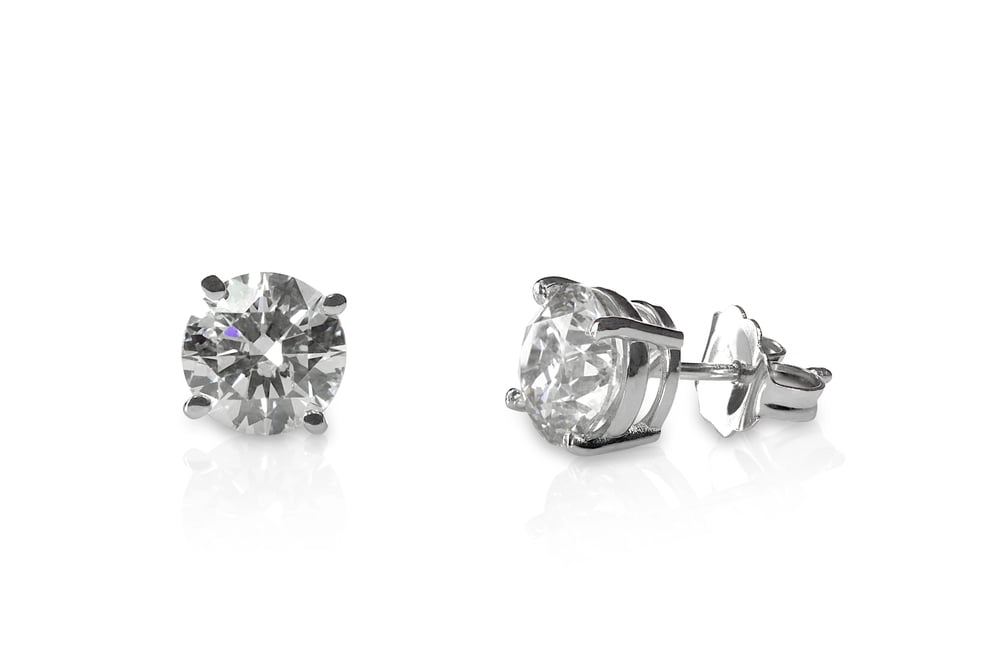
A tiny screw presses against the earlobe to hold an earring. It was popular before the era of pierced ears.
The threads are delicate.
Hallmarks Near the Clasp
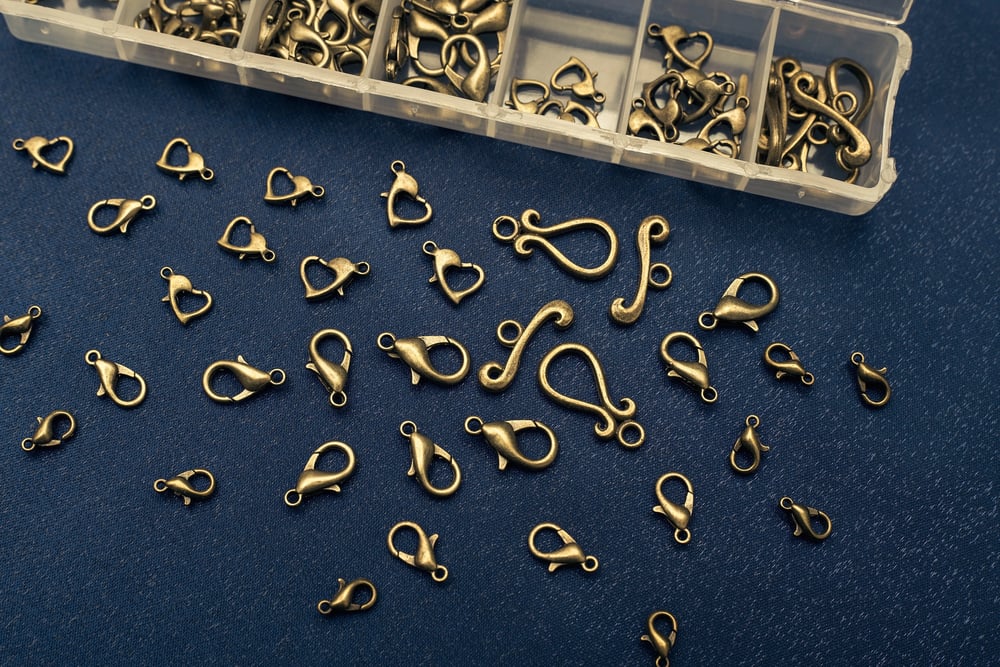
Tiny stamps beside a clasp record the metal and the maker. The marks help date a piece.
A magnifying glass is the essential tool for reading them.
Small Parts, Big Clues
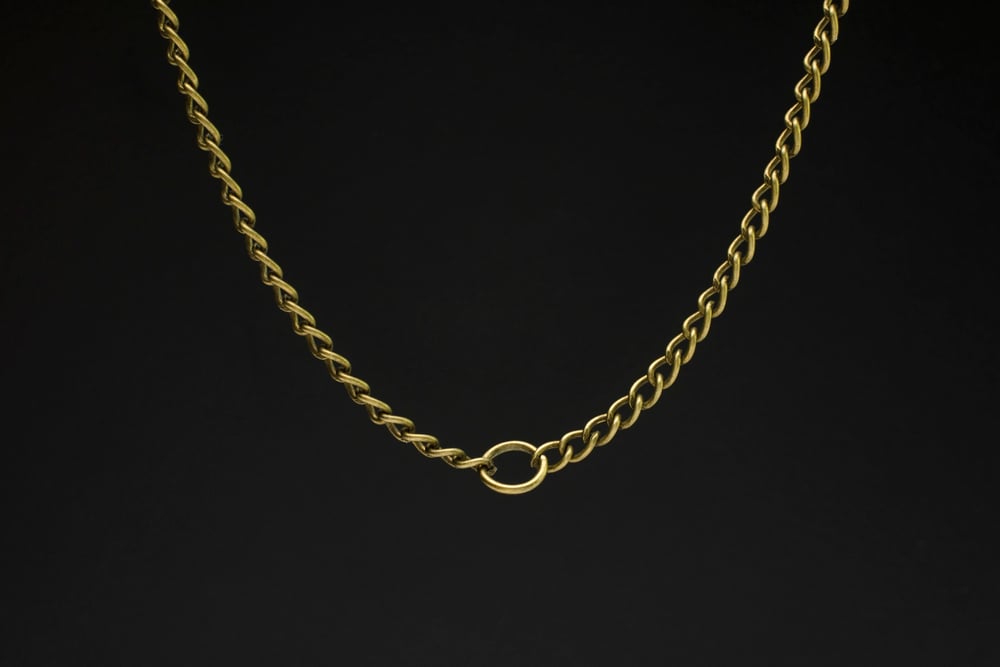
Each clasp reveals how a piece was made and how it was meant to be worn. A style that matches the era of the design suggests authenticity, while a mismatched fastener may point to repair or replacement.
The details are rarely glamorous, but they carry the most information. A careful look at the clasp can save a buyer from an expensive mistake.
It is worth learning the signs before the next estate sale.
More from Go2Tutors!

- 27 Silver Dollars and Half Dollars Worth Keeping
- 28 Restaurant Menu Items Nobody Orders Anymore
- 17 Places Built in Seemingly Impossible Spots
- 27 Vintage Rings Worth More Than They Look
- 25 Restricted Sites Tourists Can’t Enter
Like Go2Tutors’s content? Follow us on MSN.