27 Tin Toys and Toy Robots Collectors Want
Lithographed tin toys were the cheap, bright, battery-powered wonders of the 1950s and 1960s, most of them made in Japan and sold in American department stores for a few dollars. They walked, lit up, spun, and broke, and the robots in particular were played with until the batteries leaked and the tin rusted through.
The handful that survived in boxes have become the most expensive toys in the world, with auction records now well into six figures. The pieces below are the ones that define the hobby, and in every case the original box, working mechanism, and unfaded lithography are what separate a collectible from a curiosity.
Masudaya Machine Man

Machine Man is the rarest of Masudaya’s “Gang of Five” skirted robots and the most valuable toy robot ever sold, because it was made for a single year, 1960, and had to be special-ordered through an importer rather than picked from a catalog. A boxed example found in a Pennsylvania attic sold at Morphy Auctions in 2020 for $159,900, a world record for a toy robot, and an unboxed one brought $86,100 the year before.
Even a worn example is a centerpiece for any collection.
Masudaya Radicon Robot
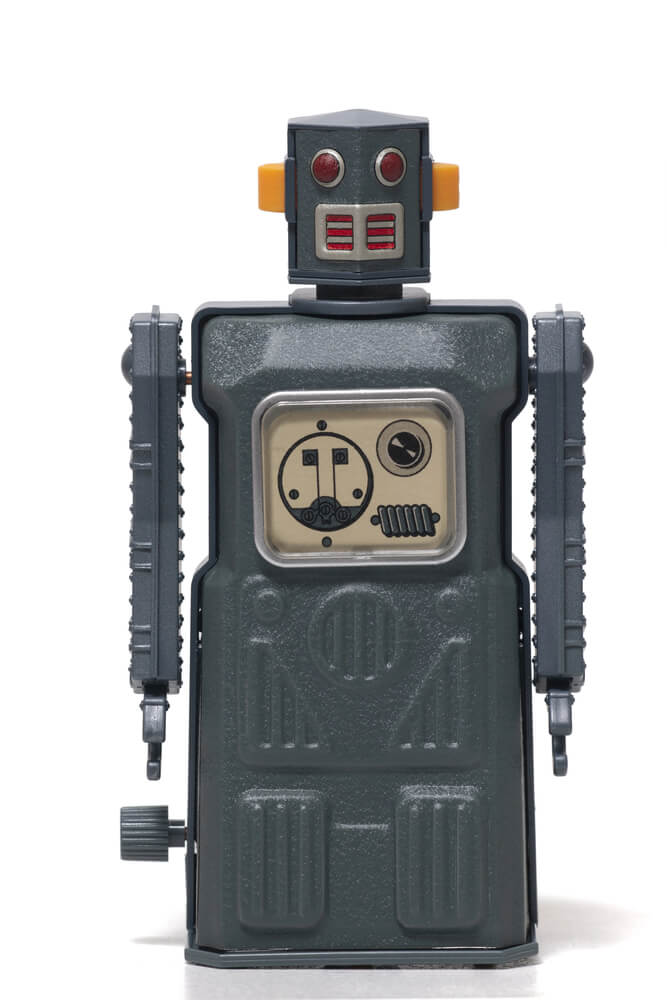
The Radicon was the first radio-controlled toy robot, released in the late 1950s with a separate transmitter box that sent the robot lurching forward and turning. It is part of the Gang of Five and shares the tall skirted body with Machine Man.
Working examples with the transmitter and box have sold for well over $10,000.
Masudaya Target Robot
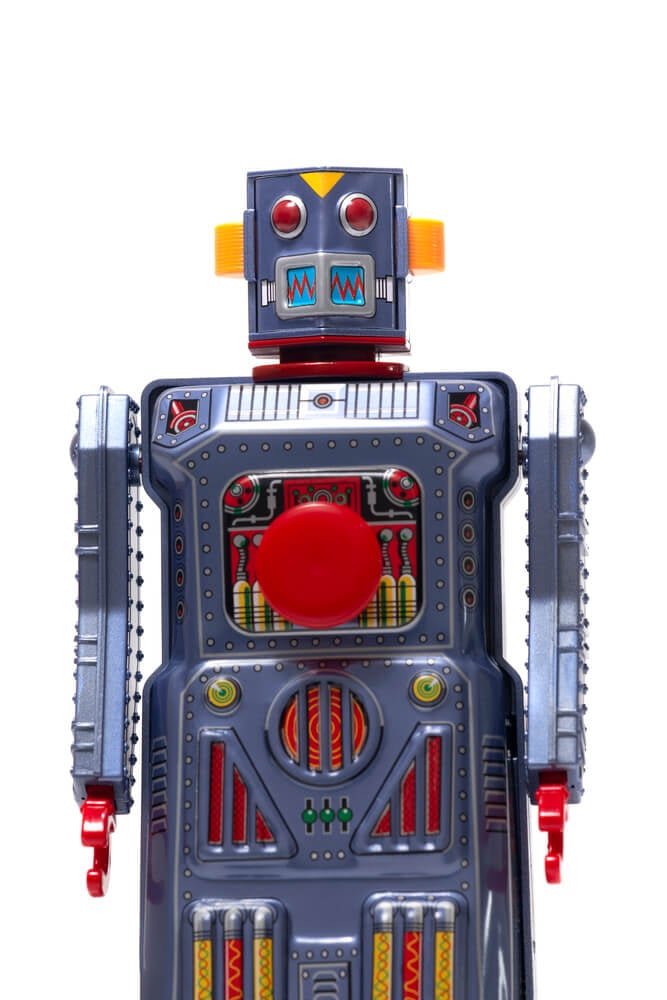
Target Robot was the Gang of Five member that came with a dart gun, and the robot reacted when its chest target was hit. It was the most playable of the five, which means most were played hard and lost their darts and gun.
Complete examples with the accessories and box are scarce and valuable.
Nomura Mechanized Robot
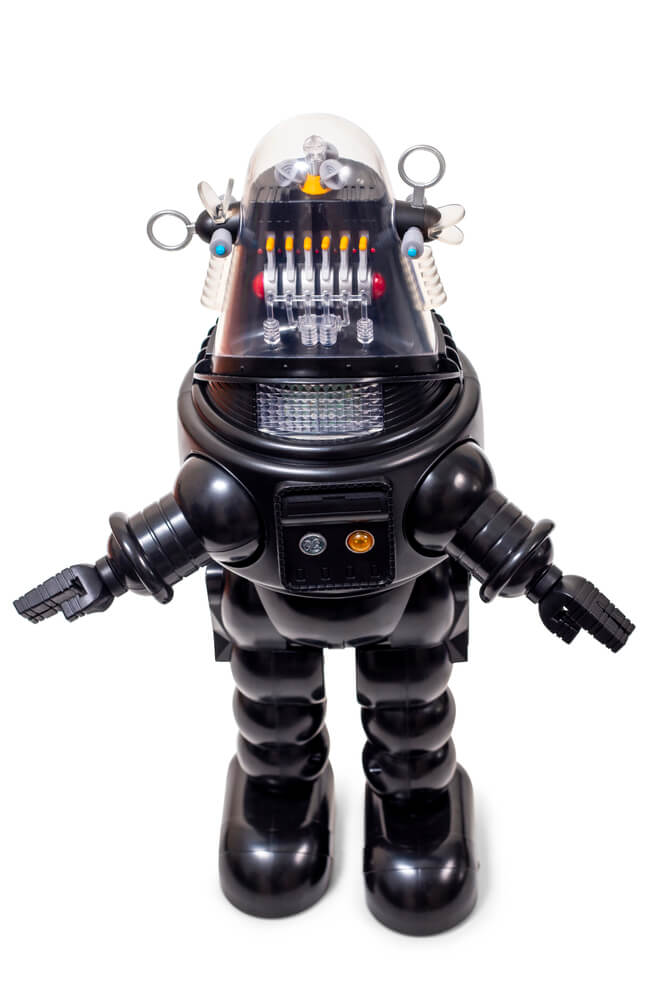
Nomura’s Mechanized Robot, universally known as Robby after the character from the 1956 film Forbidden Planet, was an unlicensed tin version with a clear dome, spinning gears, and lit eyes. It was produced in black, silver, and gray versions, and the box art is as collected as the toy.
Boxed early examples in working condition bring thousands.
Cragstan Mr. Atomic
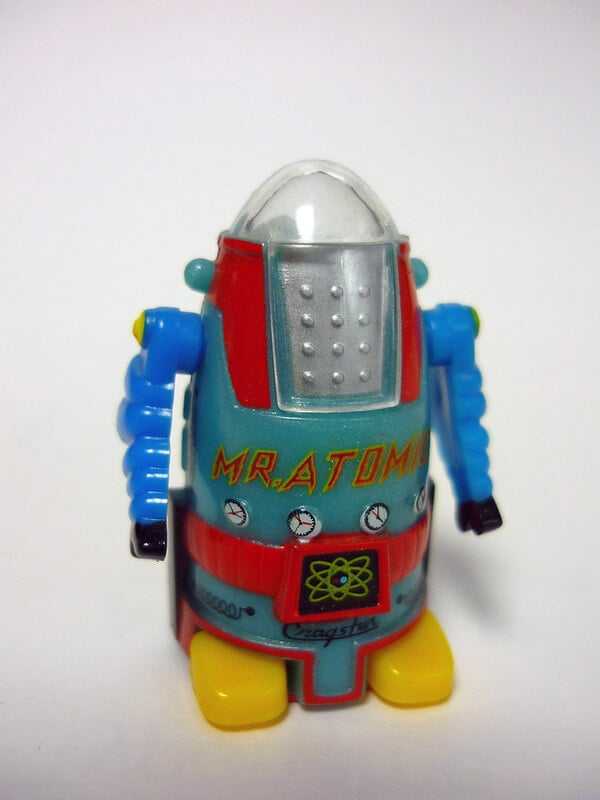
Mr. Atomic was made by Yonezawa for the Cragstan import brand in the early 1960s, with a squat body, a domed head full of flashing lights, and a hopping gait. It was produced in blue and silver versions and was not a big seller at the time, which makes it scarce now.
Boxed examples are among the most valuable battery robots after the Gang of Five.
Lilliput Robot
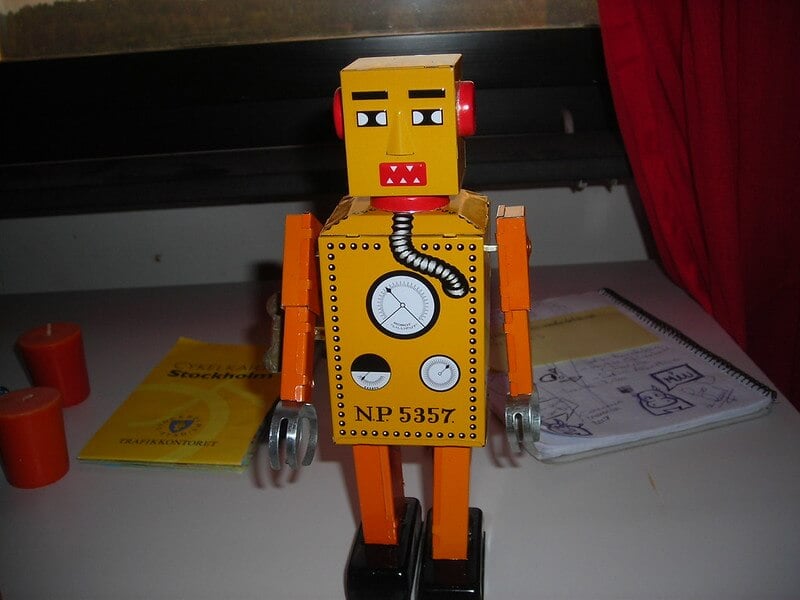
Lilliput is widely cited as one of the earliest tin robots, a boxy wind-up walker made in Japan and generally dated to the late 1930s or 1940s. Its yellow body and simple square head make it instantly recognizable.
Original examples are rare and expensive, and modern reproductions are common enough that collectors examine the lithography and construction closely.
Atomic Robot Man
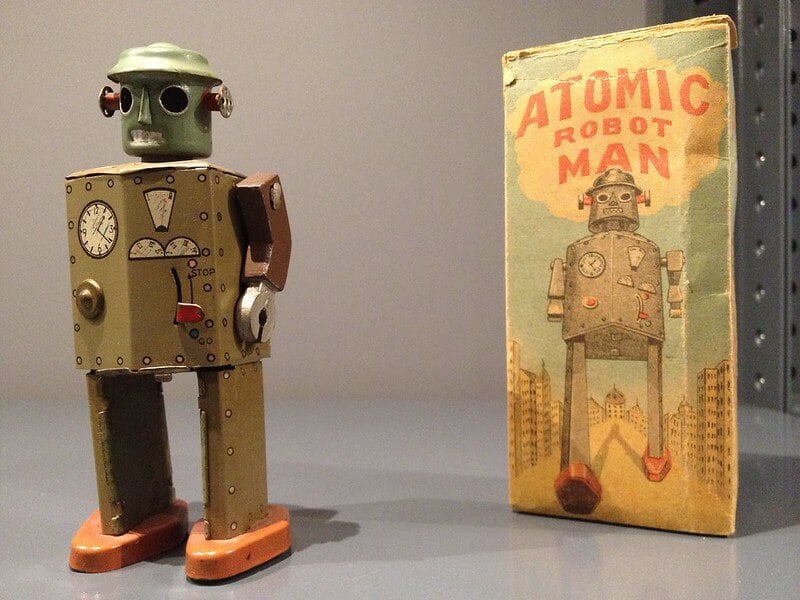
Atomic Robot Man was a small wind-up robot made in occupied Japan around 1949, and it was reportedly given away at a 1950 New York science fiction convention. Its gray body and crude features mark the transition from prewar to postwar toy design.
Examples with the original box and the occupied Japan mark are sought by collectors of early robots.
Horikawa Attacking Martian
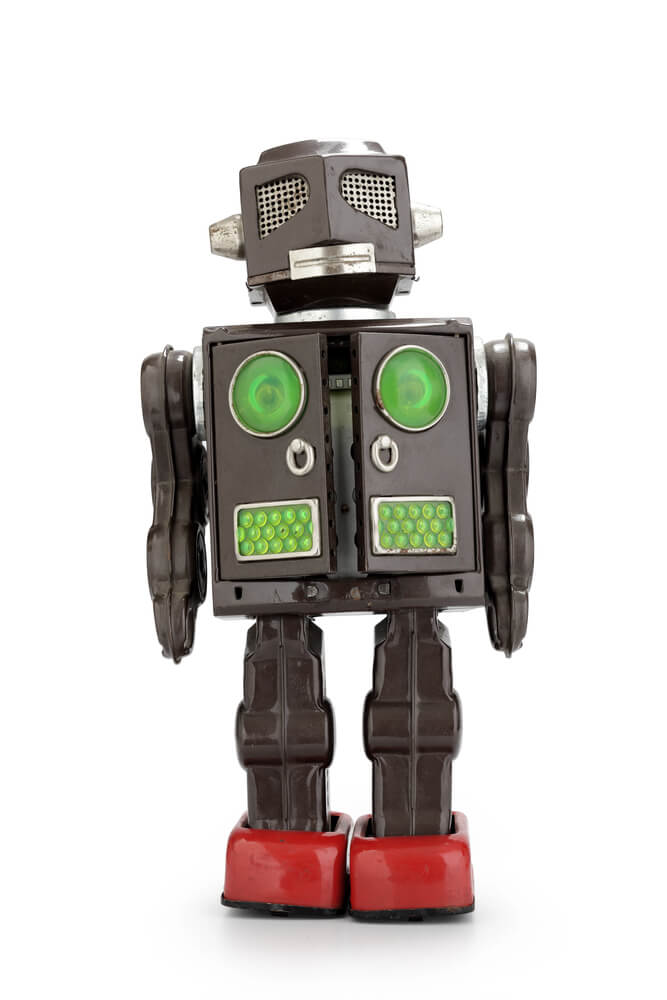
Horikawa produced a long line of walking robots with chest panels that opened to reveal firing guns, and the Attacking Martian is one of the most recognizable. The company made so many variations that collectors specialize in them, with the earliest tin-bodied versions outvaluing later plastic ones.
Boxed early examples in working condition bring solid prices.
Yonezawa Mr. Mercury
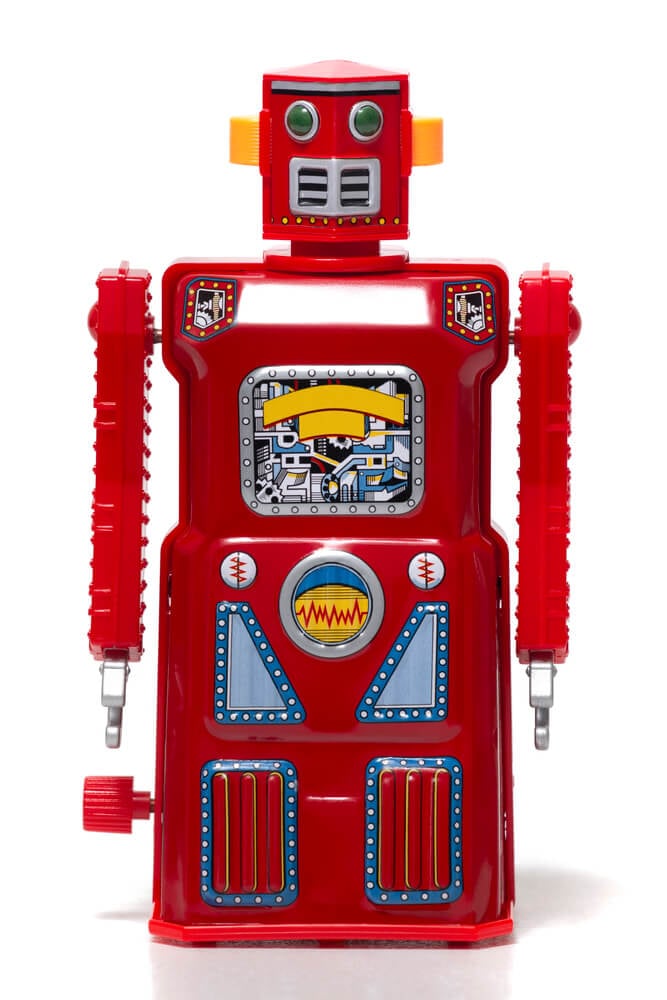
Mr. Mercury was a remote-controlled robot that bent at the waist to pick up objects with its claw hands, operated by a wired controller. The bending action was unusual and mechanically complex, which means many examples are broken.
Working boxed examples in the silver or gold versions are valuable.
Rosko Astronaut
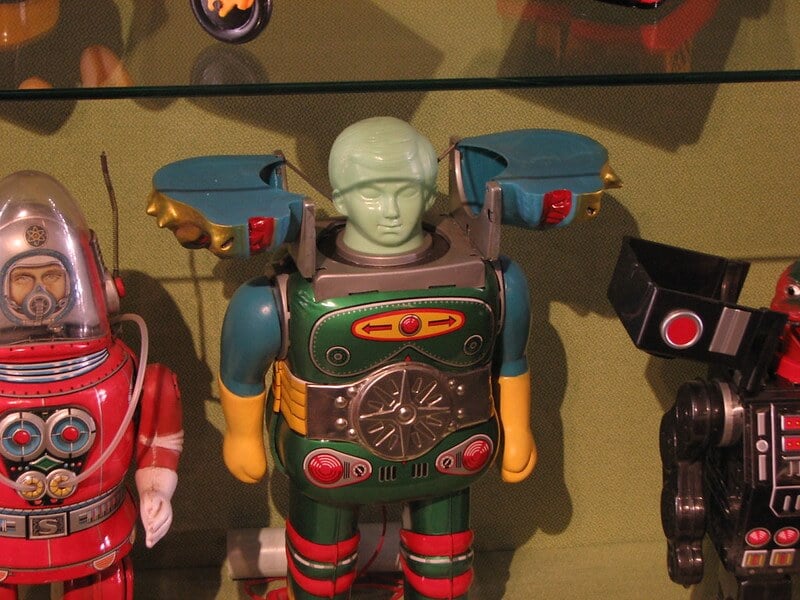
The Rosko Astronaut, made by Nomura, was a walking spaceman in a tin suit with a clear helmet and a figure visible inside. It came in several colors, and the box art showed an astronaut striding across a lunar landscape.
Boxed examples in the rarer colors are the collectible ones.
Yoshiya Chief Robotman
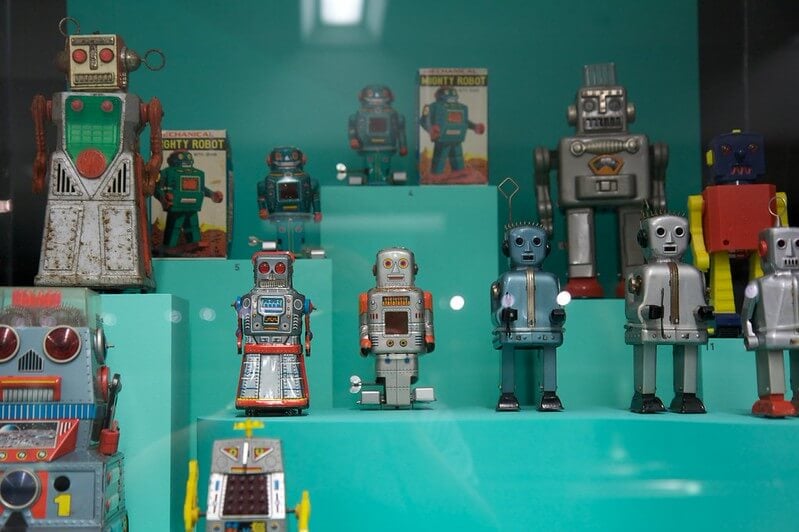
Chief Robotman was a bump-and-go battery robot with a skirted body, flashing lights, and a rotating head, produced by Yoshiya in several color schemes. It was one of the more affordable robots of its day and sold well.
The scarcer color versions and boxed examples bring the most, while common versions remain reasonably accessible.
Alps Television Spaceman
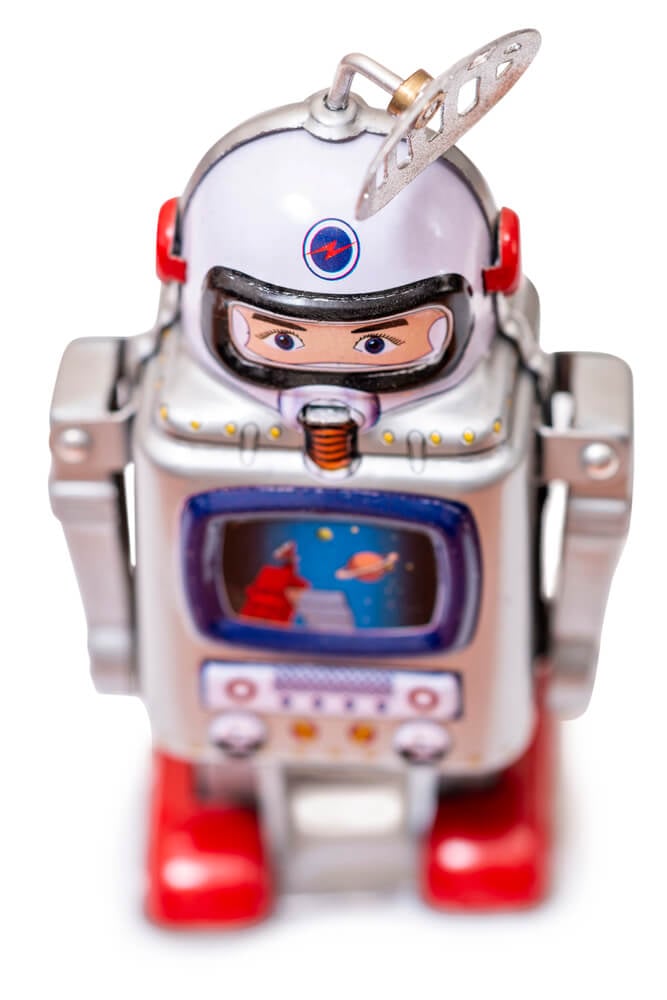
The Television Spaceman had a screen in its chest that displayed a rotating lithographed scene, lit from behind, as the robot walked. It was made by Alps and sold in large numbers through the 1960s.
Working examples with the screen mechanism intact and the original box are what collectors want.
Marx Big Loo
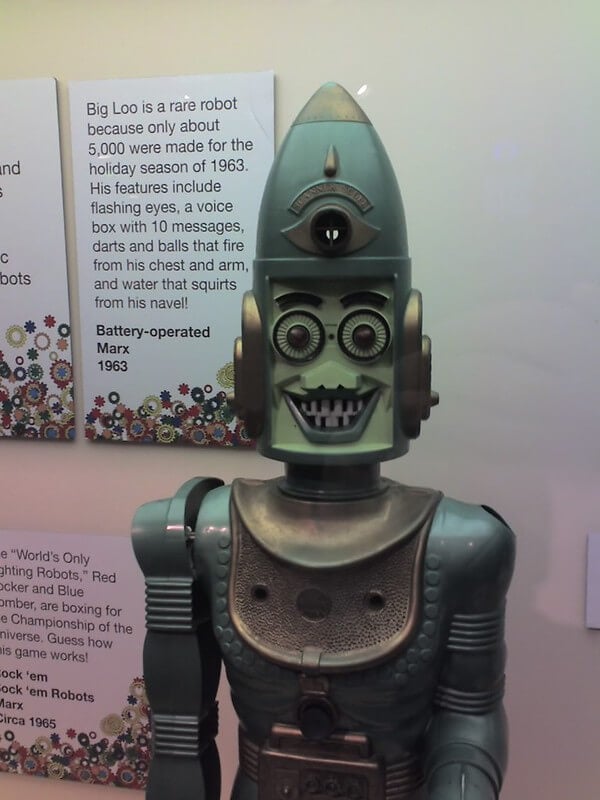
Big Loo was Marx’s giant plastic robot of 1963, nearly three feet tall, with a working water squirter, a dart launcher, a grabber claw, and a voice mechanism. It was expensive when new and sold in limited numbers.
Complete examples with all the accessories are rare, and the box is almost never found.
Ideal Robert the Robot

Robert the Robot was Ideal’s 1954 plastic robot with a hand-crank remote and a voice that spoke a few phrases, and it was heavily advertised on television. It was one of the first American-made toy robots and sold well.
Working examples with the remote and the original box are collectible, and the voice mechanism is often broken.
Nomura Zoomer the Robot
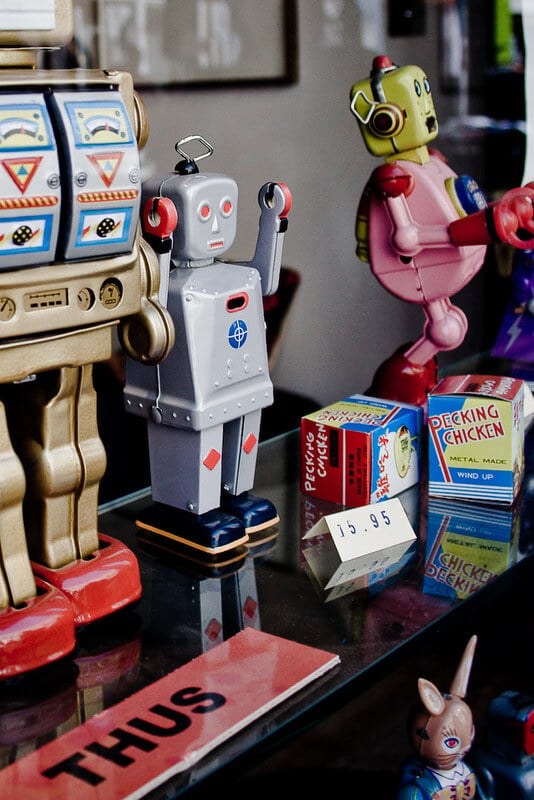
Zoomer was a Nomura battery robot from the late 1950s with a boxy body, a wrench in one hand, and lit eyes. It came in several versions, including one carrying a tool and one with a cone-shaped head.
The earliest versions and boxed examples are what bring money, and the toy is a staple of robot collections.
Marusan 1951 Cadillac
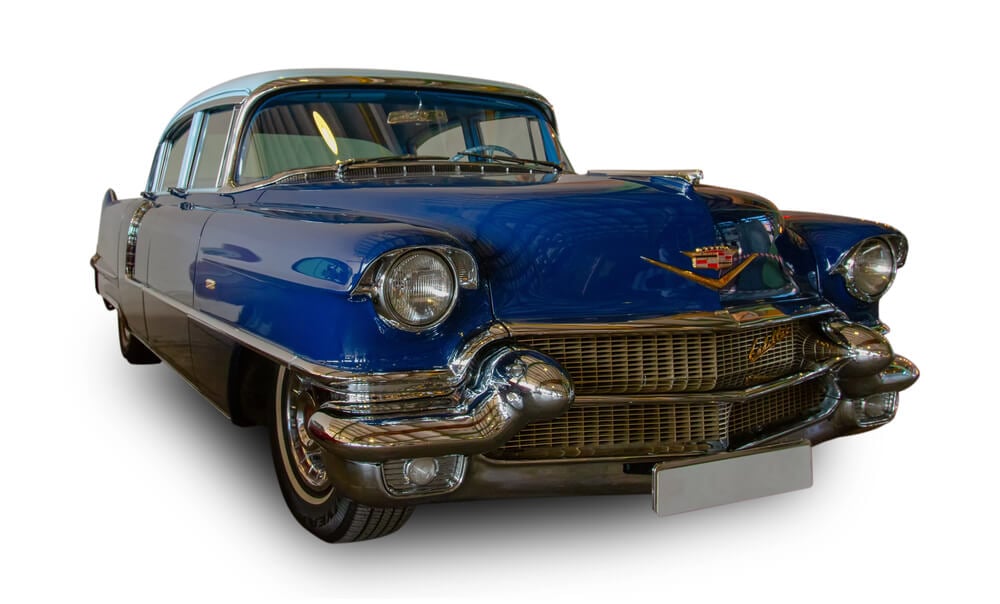
Marusan’s 1951 Cadillac was one of the first large, detailed tin cars from postwar Japan, a friction-powered sedan over a foot long with lithographed chrome and interior. It set the standard for the Japanese tin car boom that followed.
Boxed examples in the rarer colors have sold for thousands.
Bandai 1959 Cadillac
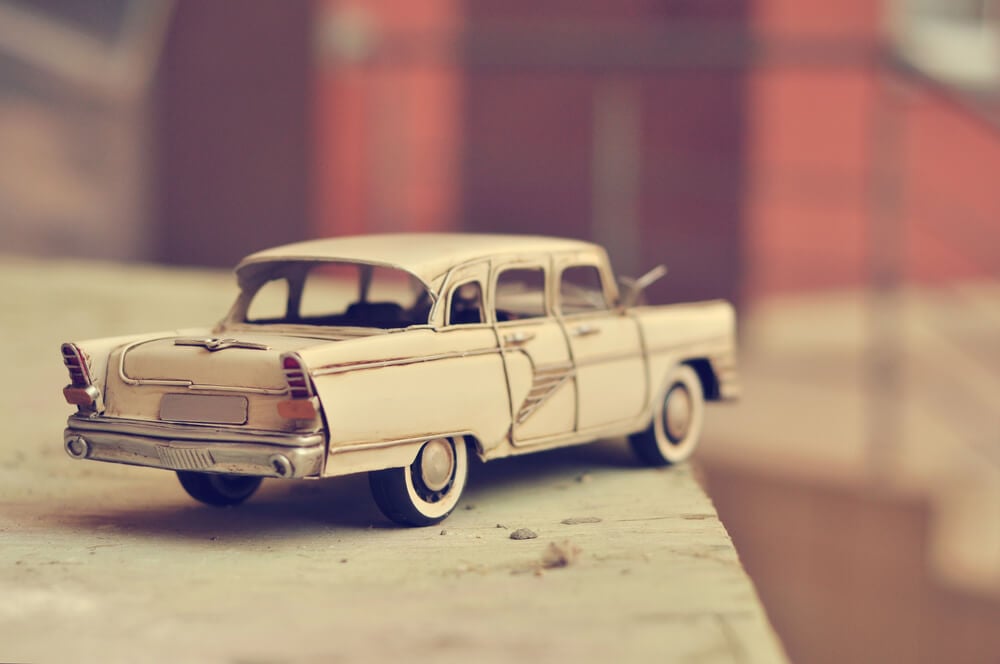
Bandai’s 1959 Cadillac was a large friction-powered tin car with tail fins, working headlights, and a detailed interior, produced in several colors. It is among the most sought-after Japanese tin cars, and the convertible version is scarcer than the hardtop.
Condition of the lithography and the presence of the box are everything.
Schuco Studio Race Car
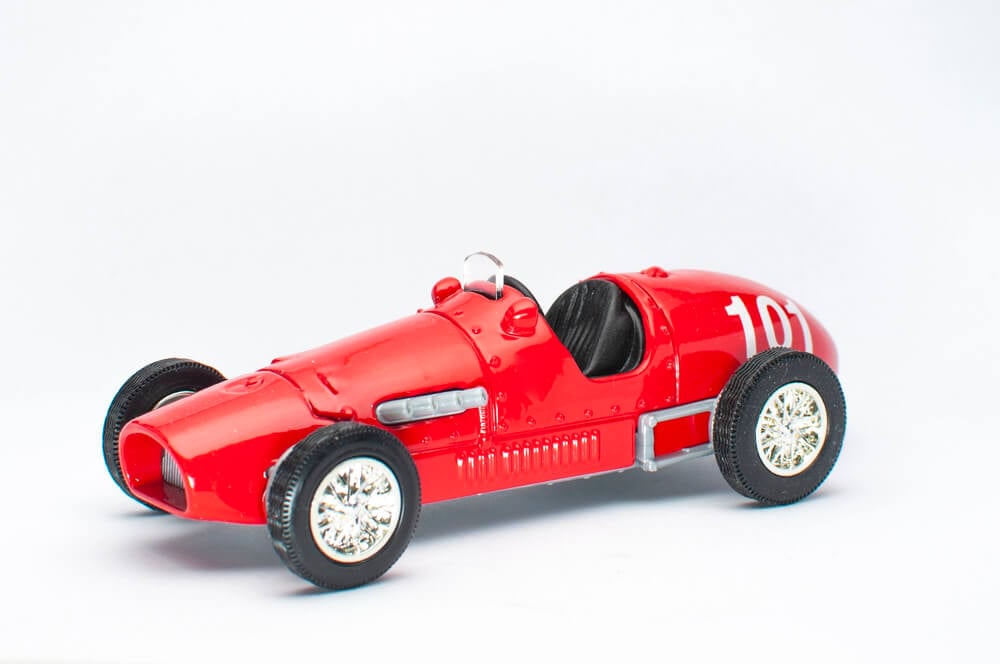
Schuco of Germany made the Studio, a tin wind-up Mercedes racing car of the 1930s with working steering and a gearbox, sold as a kit to be assembled. It was reissued after the war and again decades later, so collectors prize the prewar originals with the correct markings.
Complete examples with the tools and box are the most valuable.
Lehmann Tin Toys
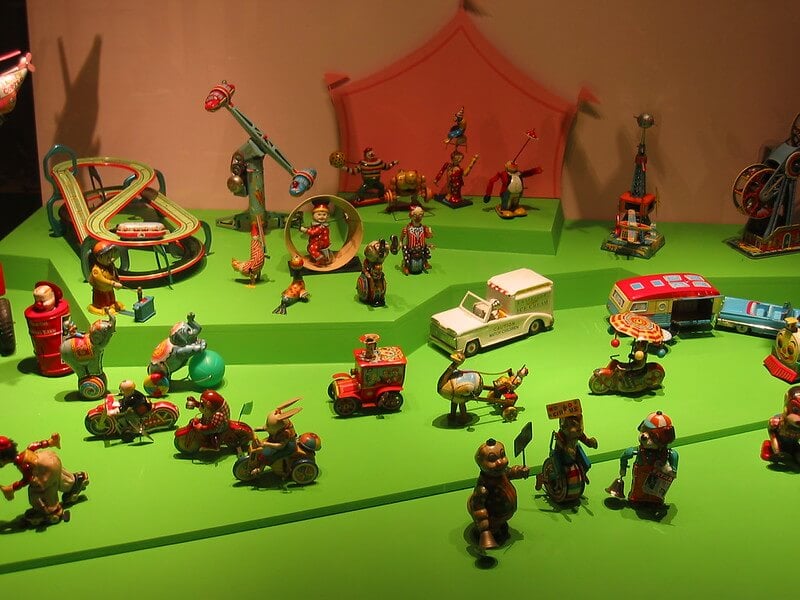
Ernst Paul Lehmann’s German factory produced whimsical tin wind-ups from the 1880s onward, including climbing monkeys, dancing figures, and the famous Tut-Tut car with a horn-blowing driver. The prewar pieces are heavily collected, and the rarer designs sell for thousands.
Reproductions exist, so markings and construction are examined carefully.
Marx Merrymakers Band
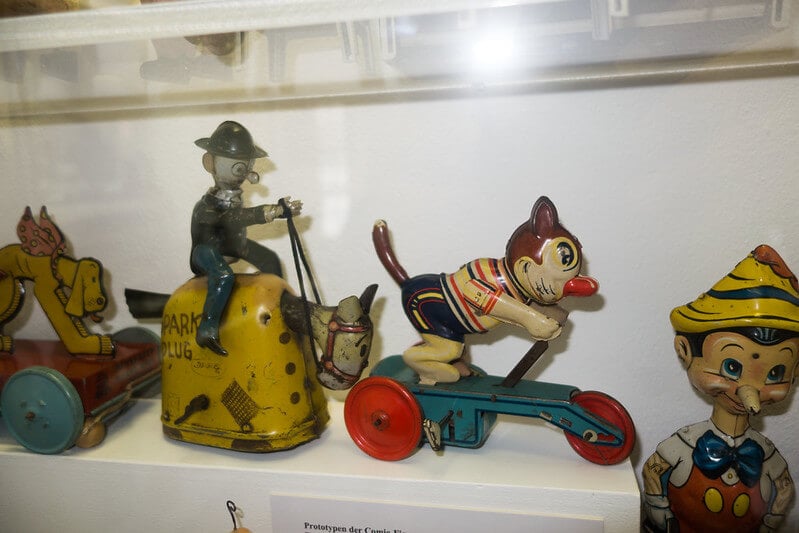
The Marx Merrymakers was a 1930s tin wind-up of a mouse band playing on a piano, with the figures bobbing in time to the mechanism. It was made in several versions, with and without a marquee, and is one of the most charming American tin toys.
Complete working examples with the marquee are the ones collectors chase.
Unique Art Li’l Abner Band
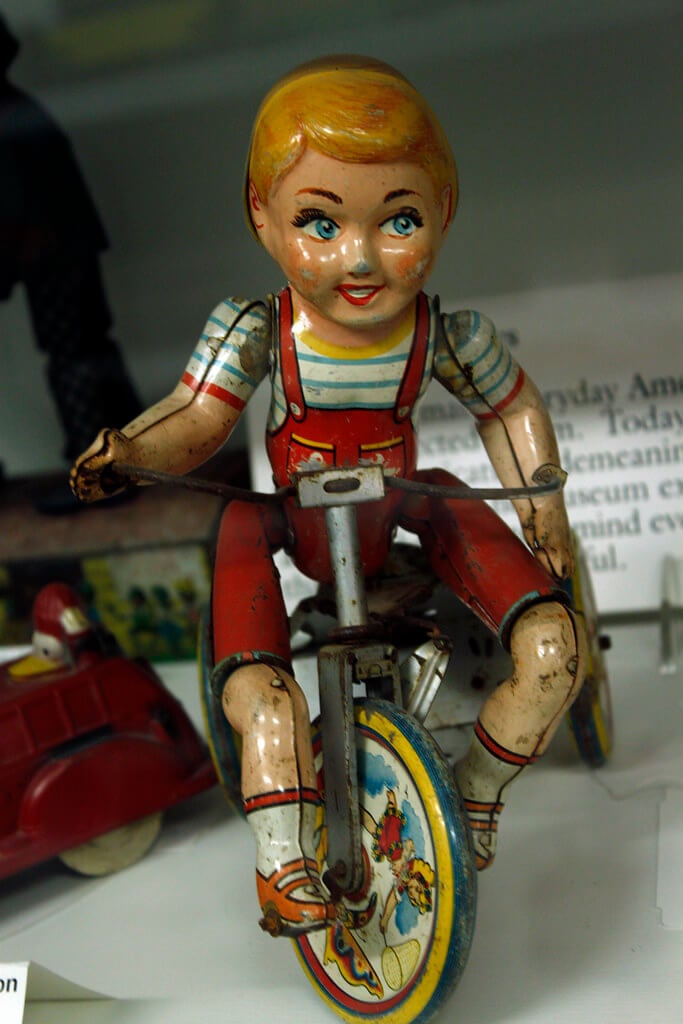
Unique Art produced a 1945 tin wind-up of the Li’l Abner comic strip characters playing in a band, with Abner, Daisy Mae, Mammy, and Pappy Yokum in motion. The lithography is vivid and the action is lively.
Working examples with bright color are collectible, and the box is a bonus.
Lionel Mickey Mouse Handcar
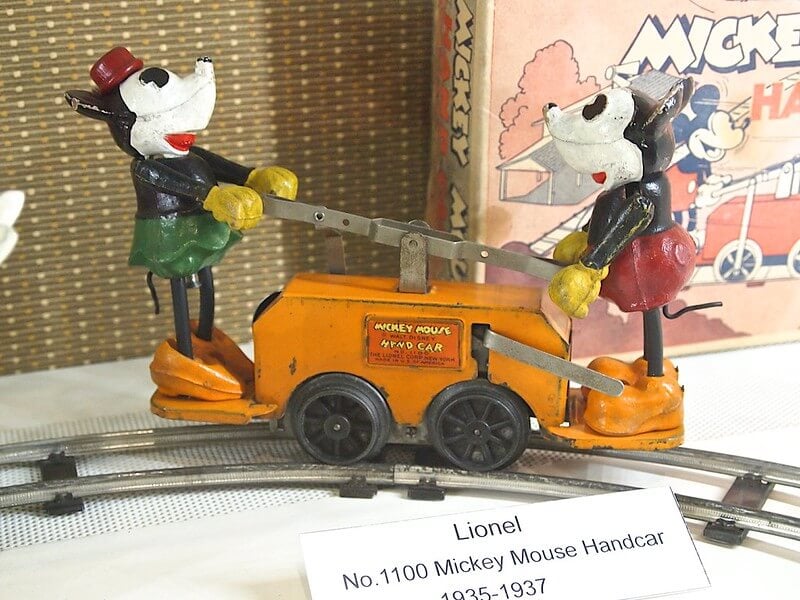
Lionel’s 1934 Mickey and Minnie Mouse handcar, a wind-up that ran on a circle of track, is credited with helping the company through the Depression. The composition figures are often damaged, so examples with intact Mickey and Minnie and the original track and box are the ones that bring money.
It is a crossover piece for Disney and train collectors.
Linemar Popeye Toys
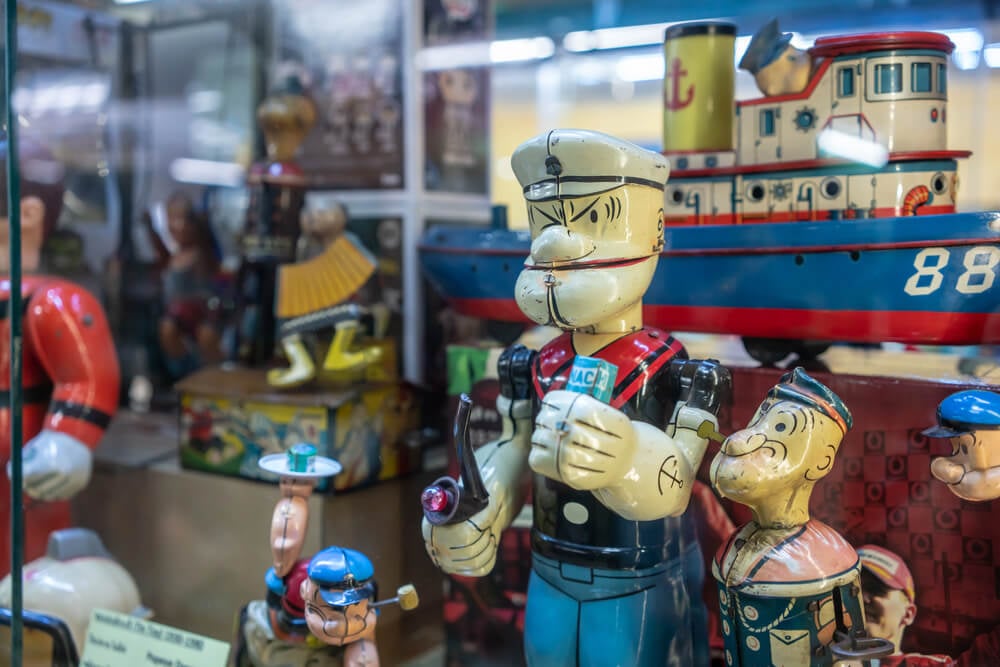
Linemar, the Japanese arm of Marx, produced a series of Popeye tin toys in the 1950s, including Popeye with a punching bag, Popeye and Olive Oyl on a handcar, and a walking Popeye. The character license and the lively mechanisms make them a specialty.
Working examples with good lithography are sought by both character and tin collectors.
Chein Ferris Wheel
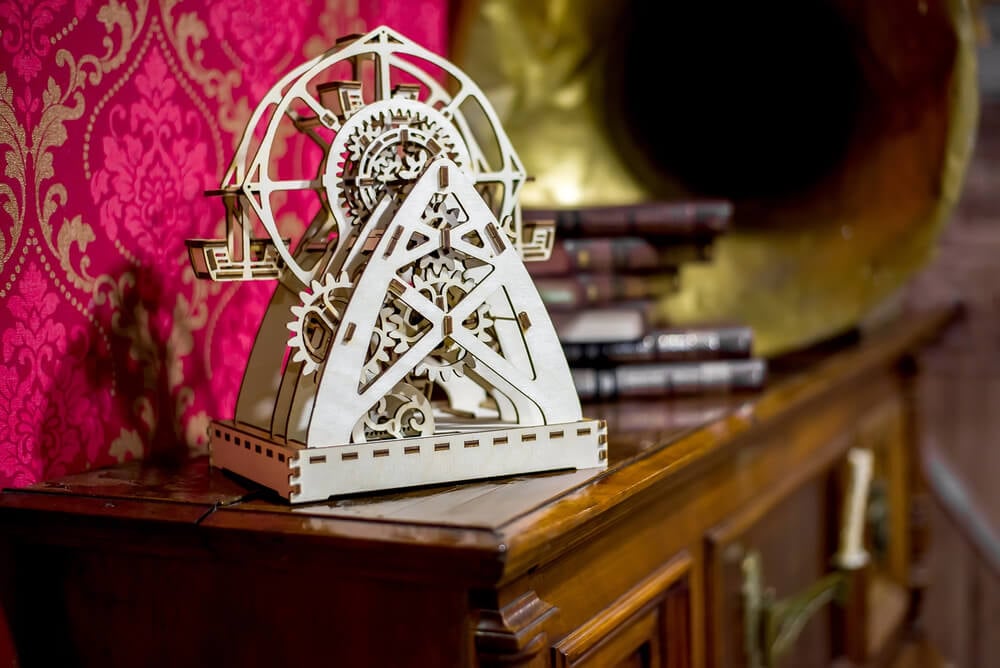
J. Chein and Company made lithographed tin Ferris wheels from the 1930s through the 1950s, with a wind-up mechanism, a ringing bell, and tiny tin gondolas. The lithography of carnival scenes is bright and detailed.
Examples with all the gondolas and a working mechanism are collectible, and the earlier versions with the richer graphics bring more.
Nomura Space Patrol Car
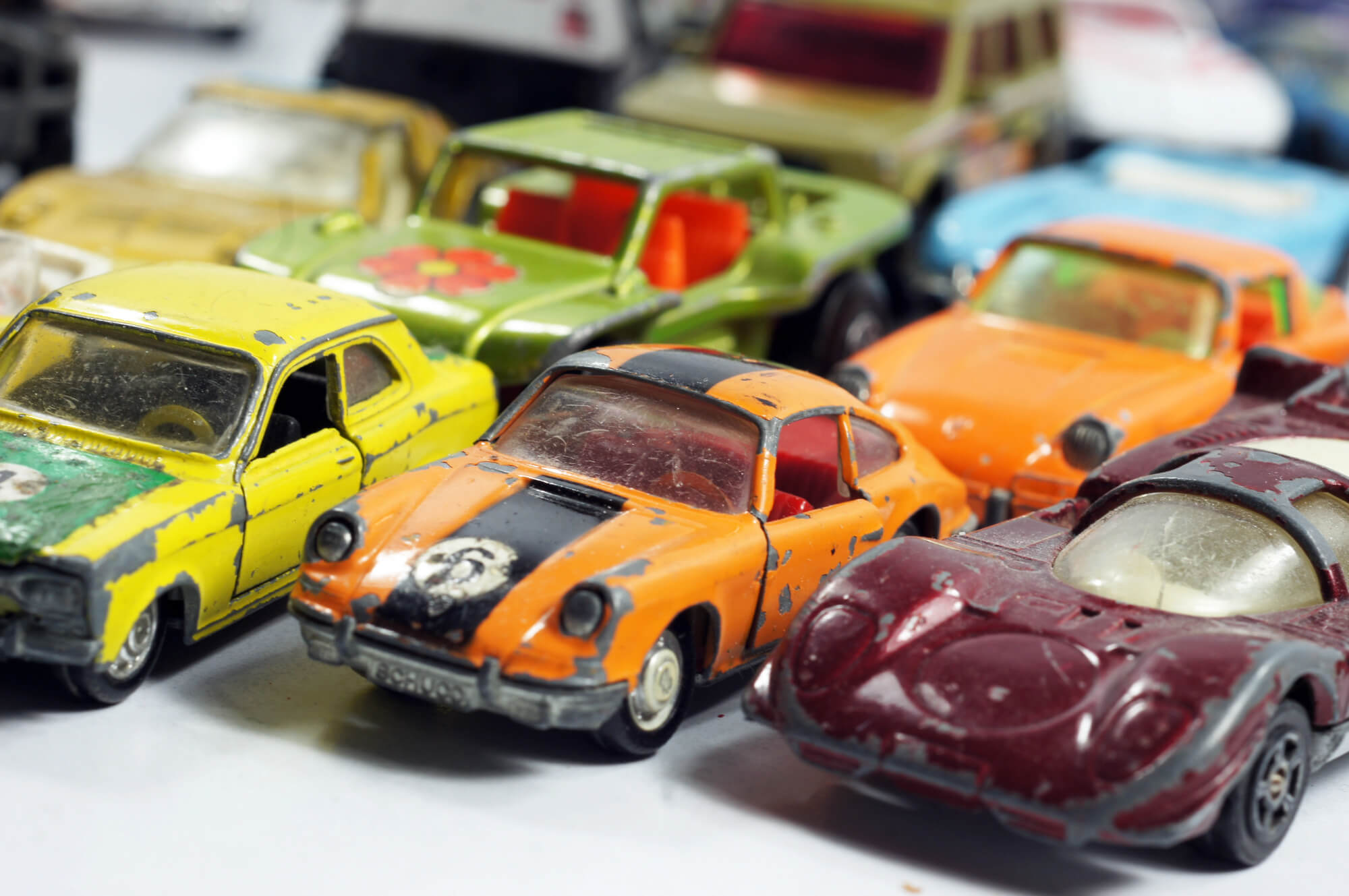
Nomura’s Space Patrol Car was a battery-operated tin vehicle with a spaceman driver, a rotating antenna, and a bump-and-go mechanism. It was one of many space vehicles in the Nomura line and is collected alongside the robots.
Boxed examples in working condition bring strong prices.
Asakusa Thunder Robot
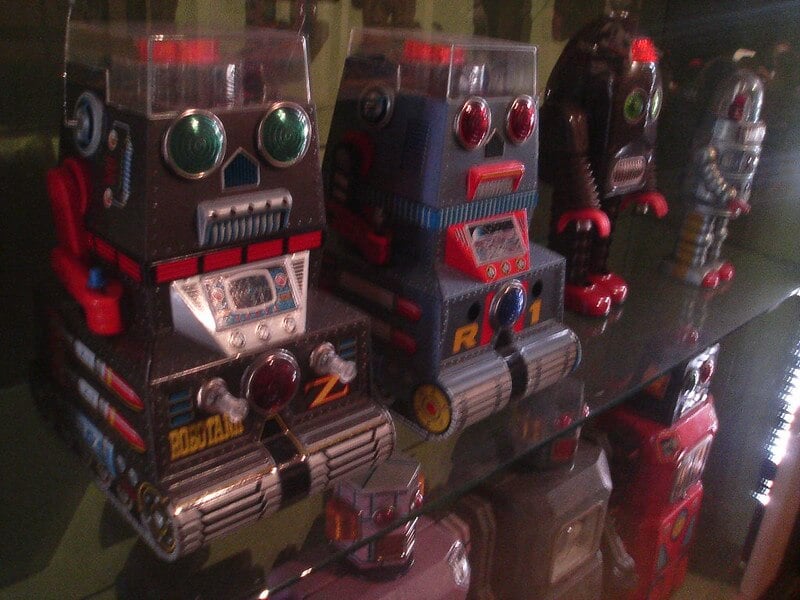
The Thunder Robot was a painted tin and plastic robot with arms that raised to reveal spinning propellers and firing guns, made by Asakusa in the early 1960s. It is scarce and visually dramatic.
A boxed example sold at Morphy Auctions in 2012 for $10,200, and the toy remains a target for serious robot collectors.
Nomura Tetsujin 28
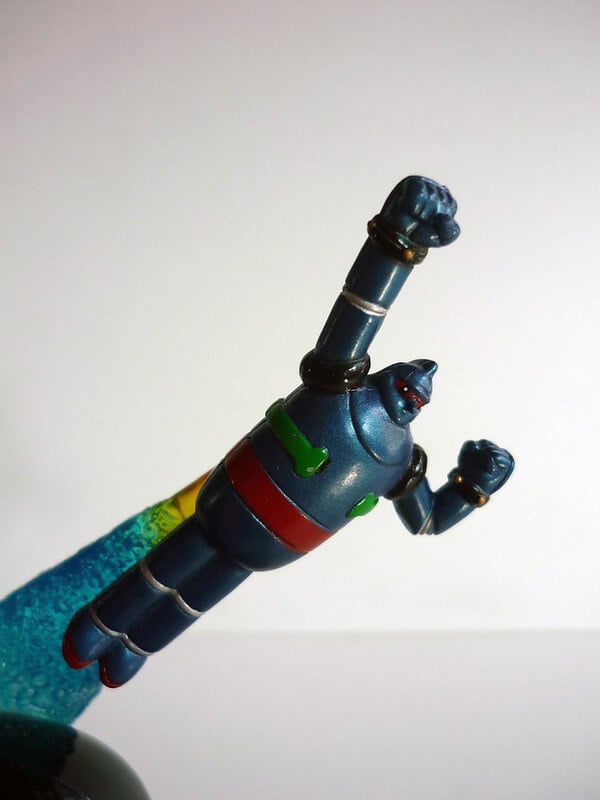
Nomura produced tin robots based on the Japanese manga and anime character Tetsujin 28, known in America as Gigantor, in the early 1960s. The character license makes the toy a crossover piece for anime collectors.
Examples with the original box and intact lithography have sold for thousands at auction.
The Machines That Outlived Their Batteries
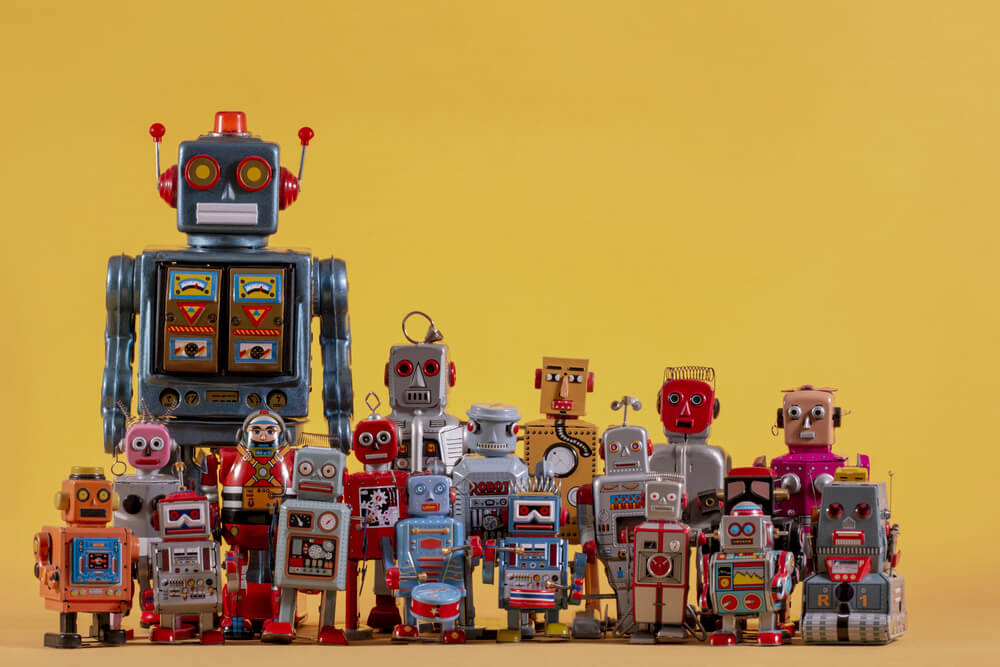
Every toy on this list was built to be cheap, bright, and briefly thrilling, and the makers never imagined that a battery robot would one day sell for more than the house it was played in. The value came from attrition, as the tin rusted, the batteries corroded the contacts, and the boxes were thrown out with the Christmas wrapping.
What remains is a small population of survivors, and collectors are paying for the rarity of a toy that escaped its own purpose. The robot that walked across a living room floor in 1960 was worth a few dollars.
The one that stayed in its box is worth whatever the next bidder decides.
More from Go2Tutors!

- The Romanov Crown Jewels and Their Tragic Fate
- 13 Historical Mysteries That Science Still Can’t Solve
- Famous Hoaxes That Fooled the World for Years
- 15 Child Stars with Tragic Adult Lives
- 16 Famous Jewelry Pieces in History
Like Go2Tutors’s content? Follow us on MSN.