18 groovy facts about Woodstock’s wildest days
Picture this: half a million people descending on a small dairy farm in upstate New York, expecting a nice weekend of music and peace. What they got instead was one of the most chaotic, muddy, and unforgettable experiences in music history. On the opening day of the first Woodstock Festival – August 15 1969 – nearly half a million Americans descended on the dairy farm of Max Yasgur, in Bethel, New York. The Woodstock Music and Art Fair was supposed to be a simple three-day event, but it became something much wilder.
From logistical nightmares to legendary performances, Woodstock was equal parts disaster and miracle. Here is a list of 18 groovy facts that reveal just how wild those muddy days really were.
It Wasn’t Even in Woodstock

— Photo by starstock
The Woodstock Music and Art Fair, commonly referred to as Woodstock, was a music festival held from August 15 to 18, 1969, on Max Yasgur’s dairy farm in Bethel, New York, 60 miles (95 km) southwest of the town of Woodstock. The festival got its name because the organizers originally planned to hold it in Woodstock, but local opposition forced them to find a new location. Max Yasgur’s 600-acre dairy farm in Bethel became the last-minute venue, though everyone still called it Woodstock.
The Crowd Was Ten Times Bigger Than Expected

— Photo by cajuncohen
It was a concert that was supposed to draw 50,000 people — but in a single weekend, Woodstock attracted more than 400,000 and became one of the most important concerts of all time. The organizers were completely overwhelmed by the massive turnout. This massive miscalculation in crowd size led to most of the chaos that followed, from traffic jams stretching for miles to critical shortages of food and water.
It Basically Became a Free Festival
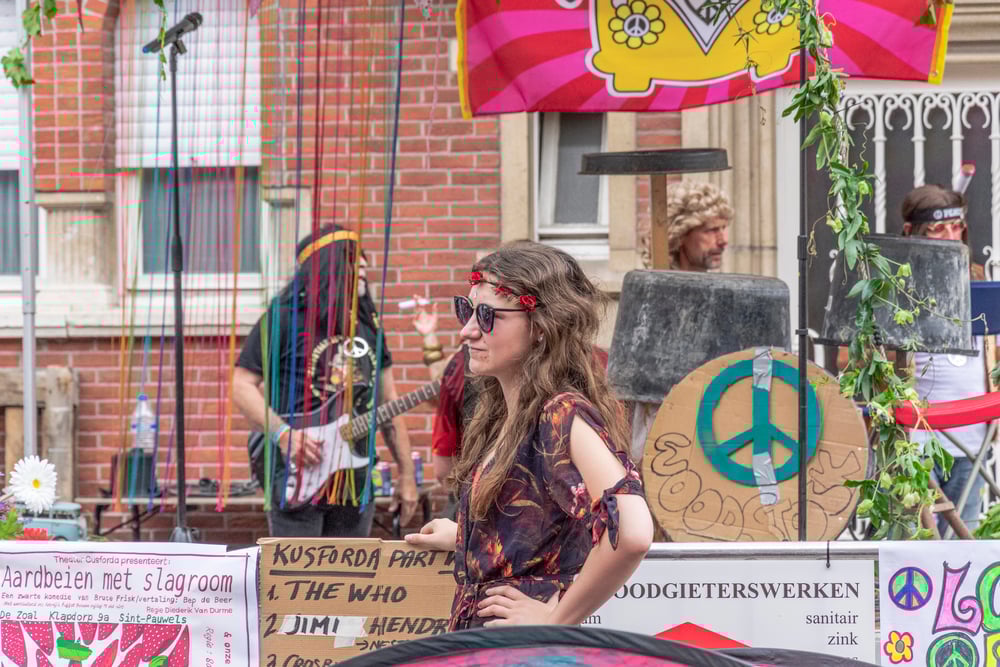
— Photo by FrankVR
While tickets were originally on sale for $6 a day, it quickly became impossible to control entry once the crowds arrived. The organizers had to abandon ticket collection because the fencing was inadequate for the massive crowd. Thousands of people got in without paying anything, turning what was supposed to be a profitable venture into a financial disaster for the promoters.
Jimi Hendrix Got Paid More Than Anyone Else

Jimi Hendrix was the highest paid performer at $32,000.00 for playing the Woodstock festival. It also stated in his contract that no other band would follow his performance. That was a huge sum back in 1969, and his insistence on closing the show proved smart. His iconic performance of ‘The Star-Spangled Banner’ at 9 AM on Monday morning became one of the most famous moments in rock history, even though most of the crowd had already left.
Three People Died During the Festival
Three people died during the festival. Two people died from drug overdoses and one from being run over by the driver of a tractor who did not notice the man sleeping under a sleeping bag. Despite the massive crowd and chaotic conditions, the death toll was surprisingly low. Medical staff worked around the clock in makeshift facilities, treating everything from bad trips to injuries from the crowded conditions.

No Babies Were Actually Born at Woodstock

There are no confirmed births on the festival site. However, one baby was born on Route 17 on the way to Woodstock, and another was born at a nearby hospital after the mother was airlifted from the site. The myth of ‘Woodstock babies’ has persisted for decades, but the reality is that pregnant women who went into labor were quickly evacuated to proper medical facilities. Joan Baez famously performed while six months pregnant with her son Gabe.
The Governor Almost Called in the National Guard

Sullivan County declared the festival was a state of emergency and New York Governor Nelson Rockefeller was so alarmed by the crowds, he planned to send in the National Guard to deal with what officials saw as a crisis. The massive traffic jams, reports of drug use, and general chaos had authorities worried about public safety. Fortunately, calmer heads prevailed, and the Guard was never deployed.
It Was Supposed to Be a Disaster

— Photo by MaciejBledowski
“The fact that it came off as well as it did is a minor miracle,” says Joel Makower, author of Woodstock: The Oral History. Everything that could go wrong seemed to go wrong from the start. The organizers were inexperienced, the infrastructure was inadequate, and the weather was terrible, yet somehow the festival became legendary rather than catastrophic.
Bob Dylan Lived Nearby but Didn’t Perform
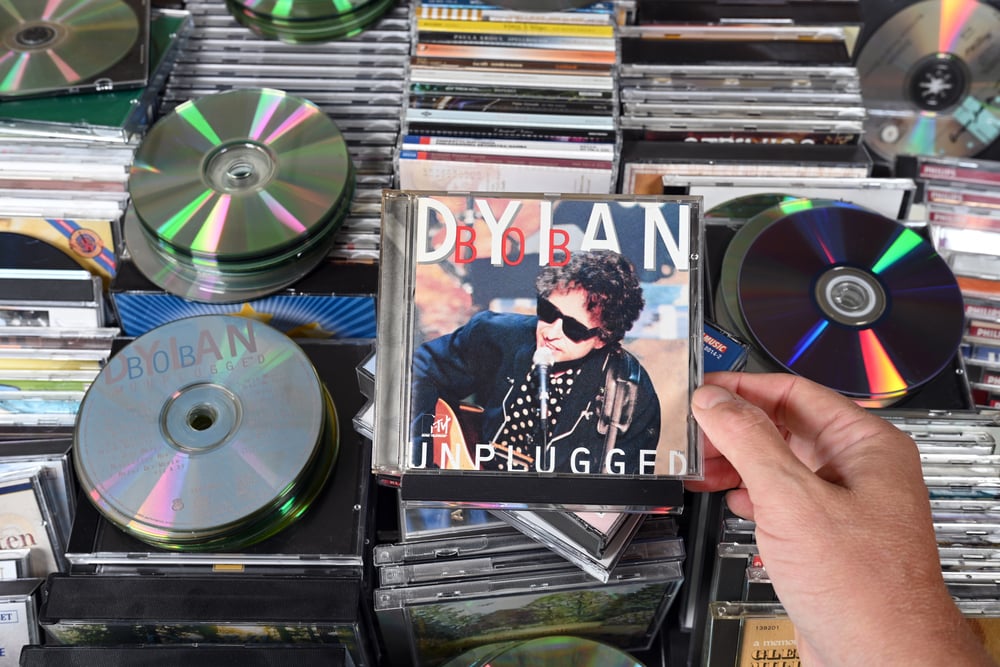
of the American singer, songwriter, for sale at a collector’s fair.
— Photo by defotoberg
Lots of people were confused about why Bob Dylan didn’t play Woodstock even though he literally lived in the area. Dylan was actually living in Woodstock at the time and could have easily attended, but he chose not to participate. Instead, he was performing at a completely different festival in England, leaving fans disappointed and creating one of the biggest ‘what if’ moments in rock history.
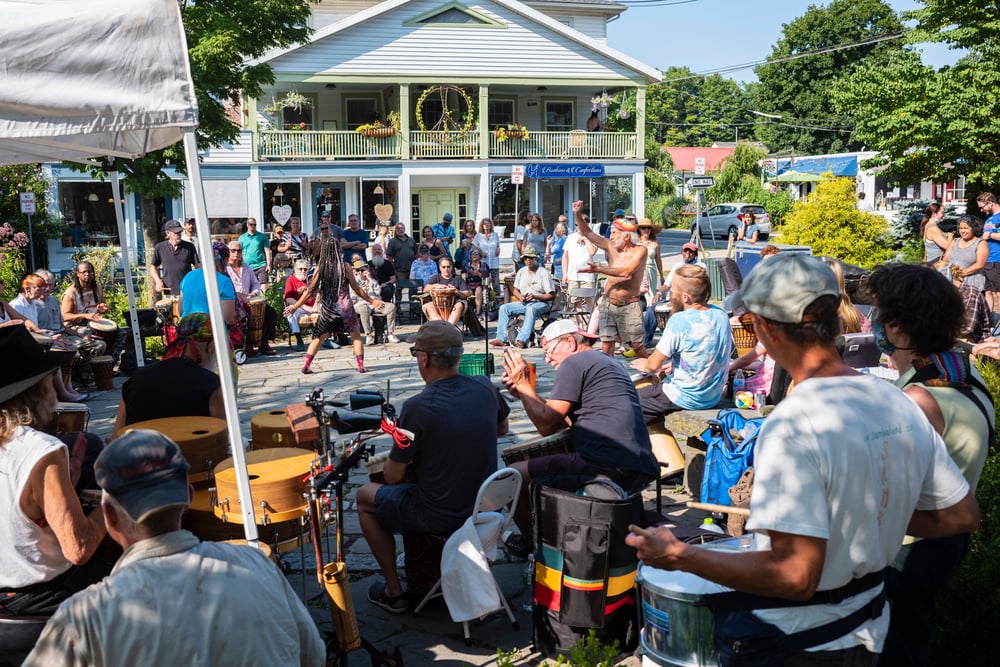
The Lineup Wasn’t Actually Star-Studded
held at the Village Green during the summer afternoon.
— Photo by cajuncohen
Many of the “major commercial groups of that particular time period really were not at Woodstock,” says James Perone, a music historian. The Beatles, Rolling Stones, and Led Zeppelin were all missing from the lineup. Many of the acts that played weren’t huge stars yet, but Woodstock helped launch several careers and cemented others in rock history.
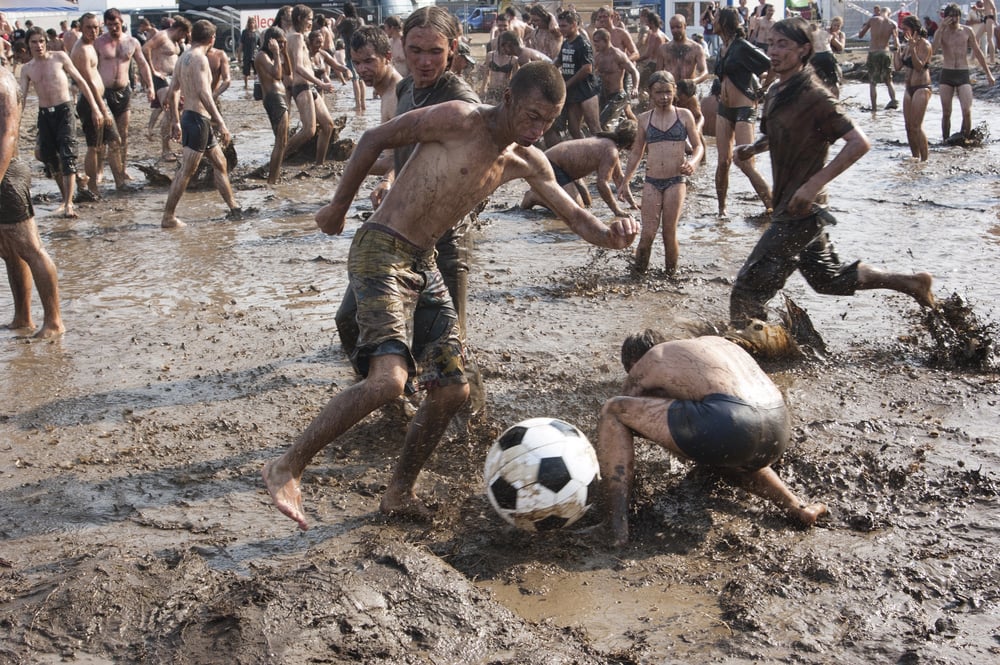
The Weather Turned Everything Into a Mud Bath
\rIt’s the biggest music festival in Europe.
— Photo by johnnychaos
To see the epic performances at Woodstock, attendees endured crowds, rain, minimal food and water—and lots of mud. Rain turned the farm into a giant mud pit, creating conditions that were both miserable and oddly bonding for the crowd. The mud became part of the Woodstock experience, with people sliding down hills and embracing the messy reality of the situation.
Thousands of People Started Leaving Early
— Photo by MaciejBledowski
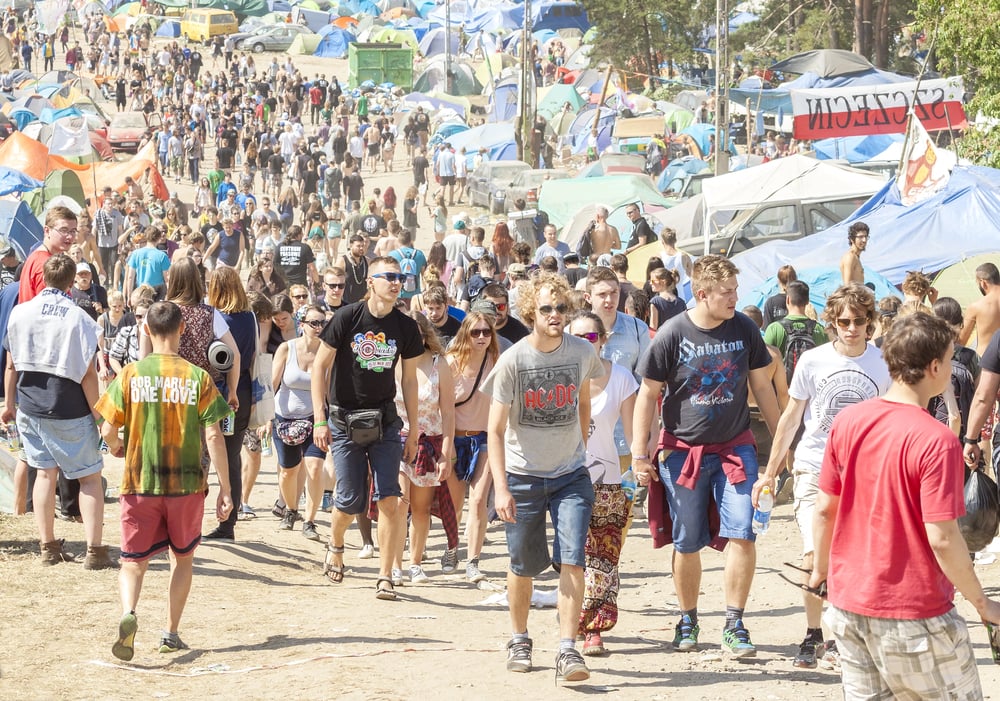
Tens of thousands of young music fans today began abandoning the muddy chaos of the Woodstock Music and Art Fair. By the time Hendrix took the stage Monday morning, most of the crowd had already headed home. The combination of mud, lack of food, and exhaustion drove many attendees to leave before the festival officially ended, missing some of the most iconic performances.
There Was Almost No Violence Despite the Chaos

— Photo by Sonyachny
According to Abruzzi, there was not one single instance of interpersonal violence at the event. This was remarkable considering the overcrowded conditions, drug use, and general stress of the situation. The peaceful nature of the crowd became part of Woodstock’s legacy, proving that even in chaos, the counterculture movement’s ideals of peace and love could prevail.
The Cleanup Took Forever
— Photo by info.grabowski-foto.pl
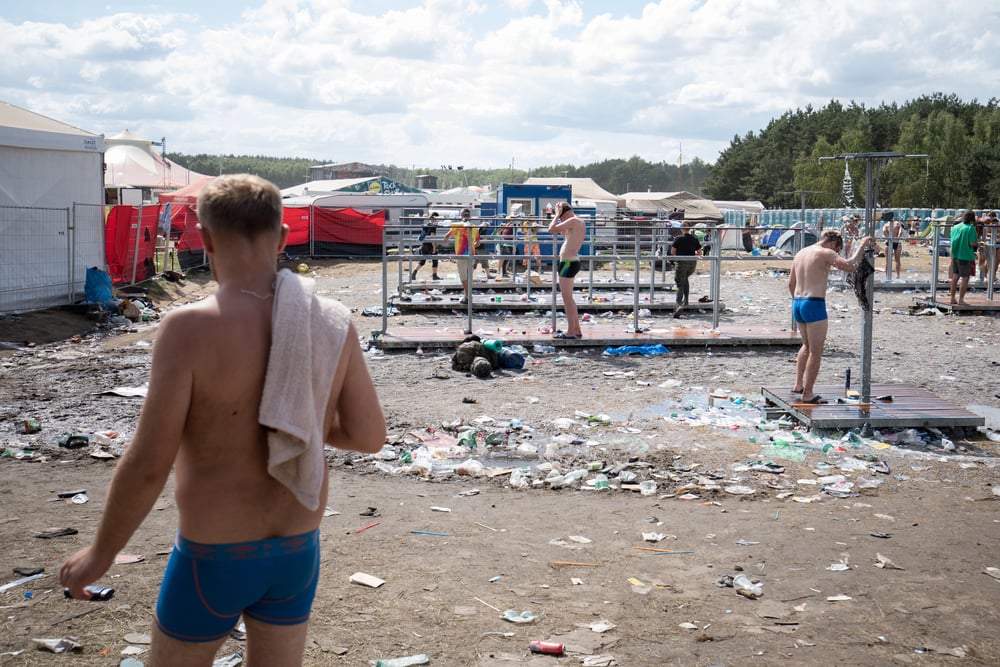
According to a 1969 article in The Village Voice, there were still “piles of garbage up and down the hillside” a month after the festival, one of which was “still smoldering.” The massive crowd left behind tons of trash, abandoned cars, and debris. The cleanup was so extensive that evidence of the festival remained visible for months, turning Yasgur’s pristine dairy farm into a disaster zone.
Food and Water Became Critical Issues
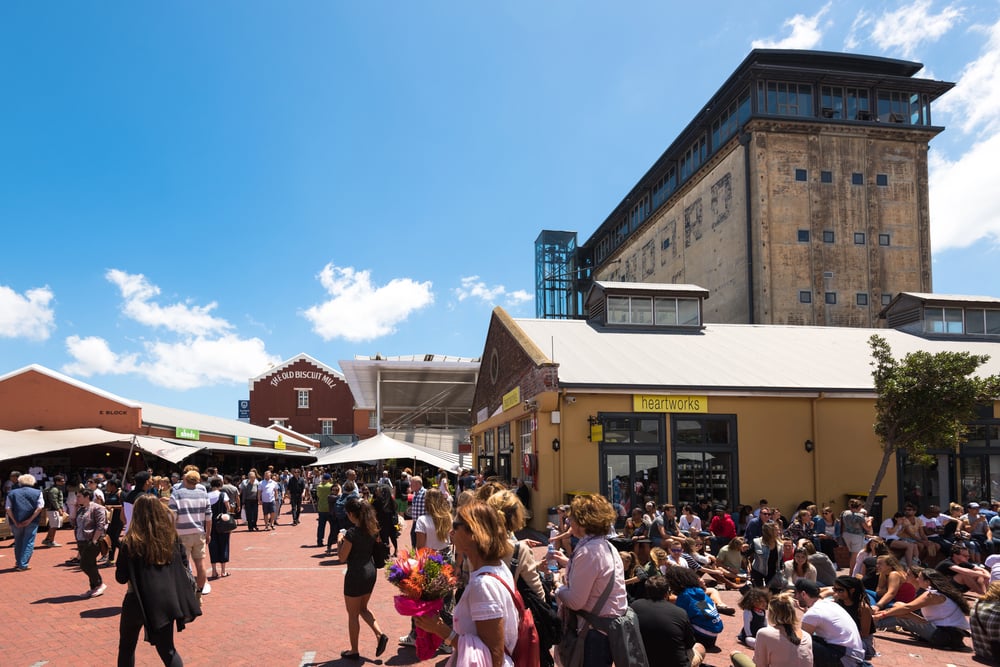
in the heart of the Woodstock district of Cape Town: Every Saturday fresh local food, designer goods and live.
— Photo by franky242
The organizers were completely unprepared for feeding nearly half a million people for four days. Concession stands ran out of food quickly, and water supplies became dangerously low. Local communities and organizations stepped in to help, airlifting in supplies and setting up emergency food distribution points to prevent a humanitarian crisis.
Traffic Jams Stretched for Miles
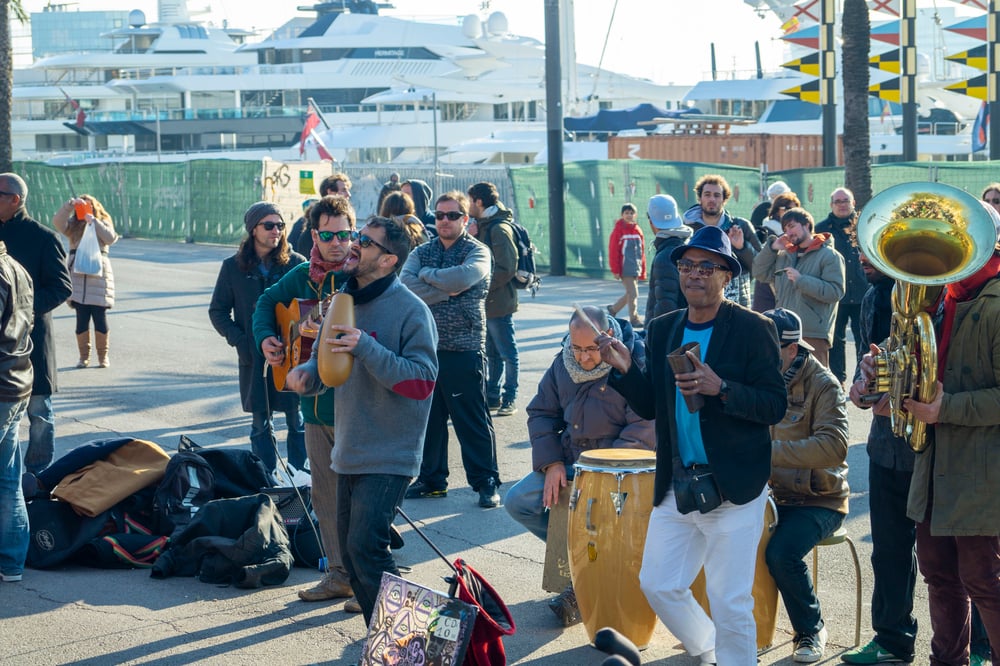
The roads leading to Bethel became completely gridlocked as hundreds of thousands of cars tried to reach the festival site. Many attendees abandoned their vehicles miles away and walked the rest of the way, creating a bizarre scene of empty cars lining country roads. Some people spent more time stuck in traffic than they did actually at the festival.
The Sound System Kept Breaking Down

biggest summer open air ticket free rock music festival in Europe, vintage style.
— Photo by MaciejBledowski
With so many people spread across such a large area, the sound system was constantly overwhelmed and malfunctioning. Many attendees couldn’t hear the performances clearly, especially those far from the stage. Technical difficulties plagued the entire event, with performers sometimes playing to audiences who could barely make out the music over the crowd noise and equipment problems.
Max Yasgur Became a Folk Hero

The dairy farmer who allowed his land to be used for Woodstock initially faced criticism from his neighbors and local community. However, Yasgur defended the festival and the young people who attended, giving a speech about the importance of peace and understanding. His support for the counterculture movement made him an unlikely hero of the Woodstock generation.
More Than Music and Mud

Festival of Colored Paint. festival of colors love. Color fest
— Photo by ALesik
While Woodstock is remembered as a defining moment of the 1960s counterculture, the reality was far messier and more chaotic than the legend suggests. “Contemporary reports relied on official sources—police, medical personnel, local government—and painted a disaster of traffic jams, food shortages, and drug freakouts.” Yet somehow, this beautiful disaster created a lasting symbol of peace, music, and generational change that continues to influence music festivals and youth culture today. The fact that half a million people could come together in such difficult conditions and maintain a spirit of cooperation rather than conflict remains one of the most remarkable aspects of those wild four days in August 1969.
More from Go2Tutors!

- The Romanov Crown Jewels and Their Tragic Fate
- 13 Historical Mysteries That Science Still Can’t Solve
- Famous Hoaxes That Fooled the World for Years
- 15 Child Stars with Tragic Adult Lives
- 16 Famous Jewelry Pieces in History
Like Go2Tutors’s content? Follow us on MSN.