Weird Luck Rituals Worldwide
Lucky pennies and rabbit’s feet seem almost quaint when you consider what people around the world do in the name of good fortune. From stepping in dog waste (seriously) to carrying dead animals, human beings have developed some truly bizarre ways to court luck.
These rituals span continents and centuries, proving that the desire for cosmic favor makes people do wonderfully strange things.
Stepping In Dog Poop

Stepping in dog waste brings good luck in France. Not on purpose, obviously — but when it happens, French people consider it a fortunate accident.
The catch: it only counts if you step with your left foot. Right foot means bad luck.
This distinction suggests the ritual has genuine believers who’ve thought through the mechanics.
Carrying Rabbit Testicles

In many parts of Europe and North America, people carry dried rabbit reproductive organs in their pockets for luck. The practice predates the more sanitized “rabbit’s foot” version by centuries, though modern practitioners often don’t realize what they’re actually carrying around (since the organs are typically dried and unrecognizable, thank goodness).
What’s particularly fascinating is how this evolved: the original belief held that the entire reproductive system needed to remain intact for the charm to work, which meant carrying around significantly more rabbit anatomy than most people bargained for.
And yet people did it anyway, because apparently good fortune was worth the inconvenience of explaining to customs agents why you had desiccated animal parts in your luggage.
Bird Droppings As Blessings

Getting hit by bird droppings means instant good luck in many cultures. Russia, Turkey, and parts of the Mediterranean all treat this messy accident as cosmic approval.
The logic operates like a lottery: birds could drop waste anywhere, so being chosen as the target makes you special.
Some people refuse to clean it off immediately, letting the luck marinate.
Breaking Dishes For Fortune

Greeks deliberately smash plates at celebrations, believing the crash scares away evil spirits and invites prosperity. The louder the crash, the better the luck.
This isn’t casual destruction — specific plates are chosen for breaking, expensive ones stay safely in the cabinet.
Wedding receptions can go through hundreds of ceremonial dishes in a single evening.
Wearing Underwear Colors For New Year

Latin Americans coordinate their undergarments with their hopes for the coming year: red for love, yellow for money, white for peace. The underwear must be new, gifted by someone else, and put on exactly at midnight.
Stores across Mexico, Brazil, and Colombia stock special displays of colored underwear every December.
The ritual has become so institutionalized that department stores hire color consultants to help customers match their undergarments to their goals.
So you end up with entire families debating whether salmon-colored boxers count as red (they don’t, apparently — the red must be pure, no pink undertones allowed).
And the midnight timing requirement means people are literally changing clothes as the clock strikes twelve, which leads to some awkward bathroom lines at New Year’s parties.
Spitting Three Times

Orthodox cultures spit three times to ward off bad luck, particularly after mentioning something good. The spit doesn’t need to be literal — a “ptoo ptoo ptoo” sound works just as well.
This happens constantly in conversation.
Mention a healthy child, successful business, or upcoming trip, and the ritual spitting follows immediately.
The sound has become so automatic that people do it unconsciously.
Carrying Acorns

Acorns in your pocket prevent aging and bring longevity according to British folklore. The acorn must come from an oak tree struck by lightning, which makes sourcing them somewhat complicated.
People hunt for lightning-struck oaks after storms, competing for the supposedly supercharged acorns.
The belief runs so deep that some antique shops sell “authenticated lightning acorns” for ridiculous prices.
Eating Grapes At Midnight

Spaniards eat exactly twelve grapes as the clock strikes midnight on New Year’s Eve — one grape per chime. Each grape represents one month of good luck in the coming year.
The timing creates genuine panic: too fast and you’ll choke, too slow and you miss the window.
Television broadcasts show the official clock, and millions of people frantically chew grapes in unison.
Missing even one grape means that month will bring bad luck, so the pressure to keep pace with the chimes is real.
Success requires specific technique, and families pass down grape-eating strategies like trade secrets (smaller grapes, pre-peeled when possible, positioned for quick consumption).
The whole country spends the first moments of each new year with their mouths full of fruit, desperately trying to swallow before the next chime sounds.
But everyone does it anyway, because the alternative — starting the year with incomplete grape consumption — feels too risky to contemplate.
Throwing Coins In Water

Tossing coins into fountains, wells, or rivers supposedly grants wishes. The practice appears in almost every culture with access to both coins and water sources.
The Trevi Fountain in Rome collects over a million euros annually from wish-making tourists.
Local governments have learned to budget around this free money, funding city projects with discarded hope.
Knocking On Wood

People knock on wood to prevent jinxing themselves after stating something positive. The wood must be real — plastic or laminate doesn’t count.
This creates problems in modern offices filled with synthetic materials.
Desperate knockers will hunt for genuine wood furniture or even ask to touch someone’s wooden jewelry.
The ritual has adapted to include seeking out the nearest tree if indoor wood isn’t available.
Hanging Horseshoes Above Doors

Horseshoes mounted above doorways bring good fortune, but only if positioned correctly. The open end must point upward to catch luck — hanging it upside down lets the good fortune spill out.
Finding authentic horseshoes has become challenging as fewer horses need shoeing.
Hardware stores now sell decorative versions specifically for luck purposes, though purists insist these carry no power whatsoever.
Carrying Buckeyes
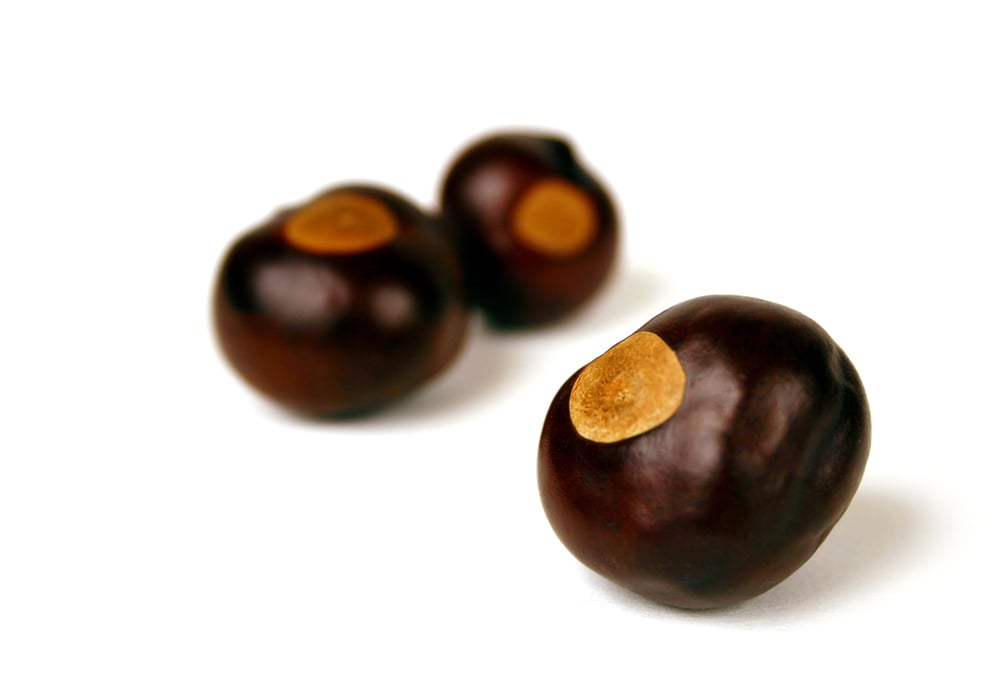
Ohio buckeyes (nuts from the buckeye tree) in your pocket bring good luck and protect against rheumatism. The nut must be given as a gift — purchasing your own buckeye negates its power.
People carry the same buckeye for decades, developing genuine emotional attachments to their particular nut.
Lost buckeyes create real distress, since replacement requires finding someone willing to gift a new one.
Walking Under Ladders In Reverse

While most cultures avoid walking under ladders, some Eastern European traditions require walking backwards under them to reverse bad luck already received. The backwards movement supposedly confuses evil spirits.
This creates the surreal sight of people deliberately seeking out ladders, then carefully walking backwards beneath them while construction workers watch in bewilderment.
The ritual must be completed within 24 hours of the original bad luck incident, which means some people spend considerable time hunting for suitable ladders when misfortune strikes.
Numbers Rule Everything

Lucky and unlucky numbers shape behavior worldwide in ways that seem absurd until you consider how deeply these beliefs are embedded. Buildings skip floor thirteen, airlines avoid row thirteen, and millions of people plan major life events around numerological compatibility.
But it goes further than simple avoidance: in China, phone numbers containing multiple eights sell for thousands of dollars, while those with fours (which sound like the word for death) are practically given away.
People change their names, move houses, and reschedule weddings based entirely on numeric superstitions.
The belief is so pervasive that it affects real estate prices, stock market behavior, and corporate decision-making on a scale that would be economically significant if anyone bothered to calculate the total cost of numeric anxiety.
The Persistence Of Magical Thinking

These rituals endure because they offer the illusion of control in an unpredictable world. A pocket full of acorns or the perfect underwear color provides comfort against chaos, even when logic knows better.
The strangest part isn’t that these practices exist — it’s that they work, at least psychologically.
People who perform their luck rituals report feeling more confident and optimistic, which often translates into better outcomes.
So maybe the magic isn’t in the rabbit testicles or lightning-struck acorns after all.
Maybe it’s in the simple act of believing you’ve tilted the universe slightly in your favor, even if the universe wasn’t listening in the first place.
More from Go2Tutors!

- The Romanov Crown Jewels and Their Tragic Fate
- 13 Historical Mysteries That Science Still Can’t Solve
- Famous Hoaxes That Fooled the World for Years
- 15 Child Stars with Tragic Adult Lives
- 16 Famous Jewelry Pieces in History
Like Go2Tutors’s content? Follow us on MSN.