29 Frozen Desserts From Childhood Supermarket Freezers
The freezer aisle used to feel like a vault of small, specific joys. Every treat had its own wrapper, its own way of melting, and its own rules about how fast it had to be eaten.
Some of these desserts are still around, and some vanished without a farewell. All of them were once the difference between an ordinary errand and a good afternoon.
Choco Taco
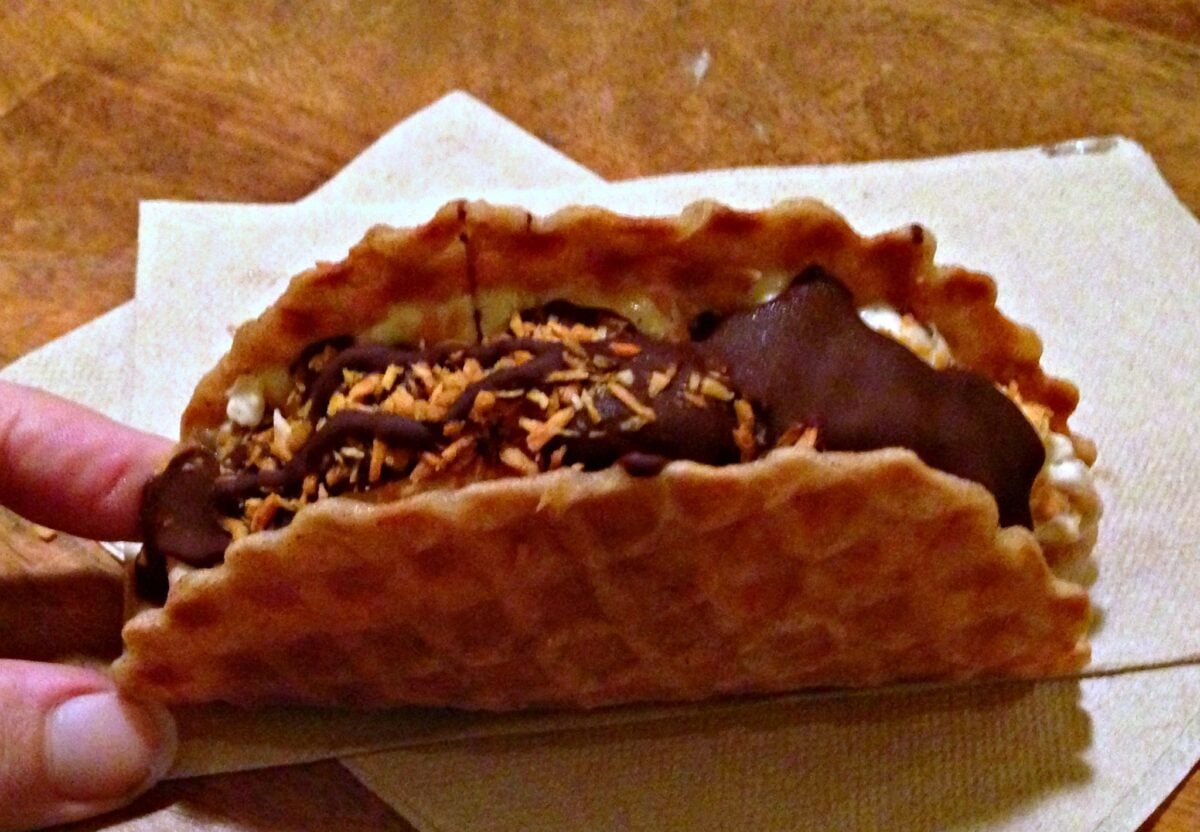
A manager at Jack & Jill Ice Cream named Alan Drazen created it in 1983, reportedly inspired by the boom in Mexican food. The waffle shell, ice cream filling, and chocolate-and-nut topping made it one of the most recognizable novelties of its era.
Klondike discontinued it in July 2022, and the news set off a wave of public mourning.
Chipwich
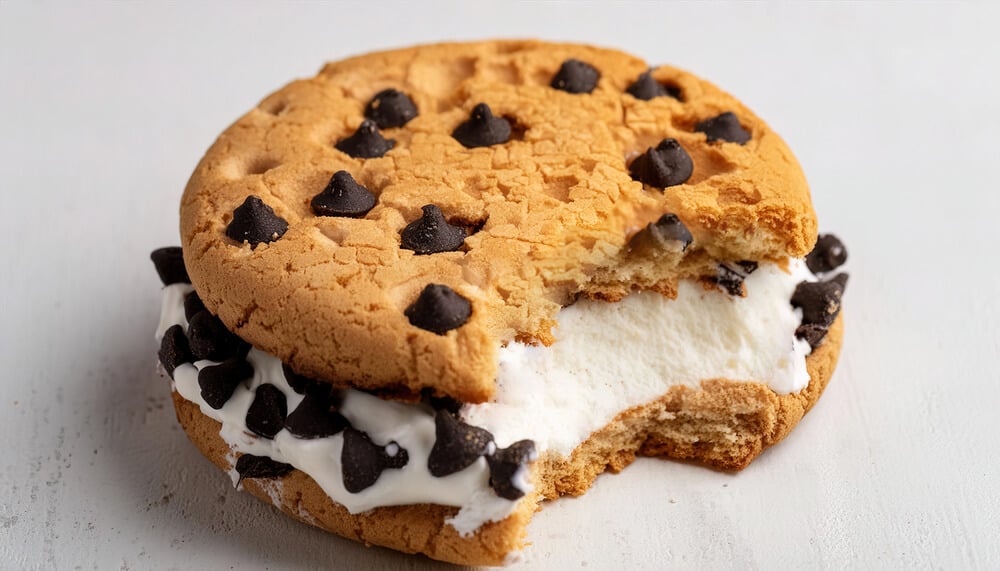
Richard LaMotta, a New York lawyer, placed ice cream between two chocolate chip cookies and rolled the edges in chocolate chips. In 1981 he sold it from street carts staffed by vendors in pith helmets and khaki uniforms, for a dollar apiece.
Supermarkets soon carried it in packs of three.
Good Humor Bar
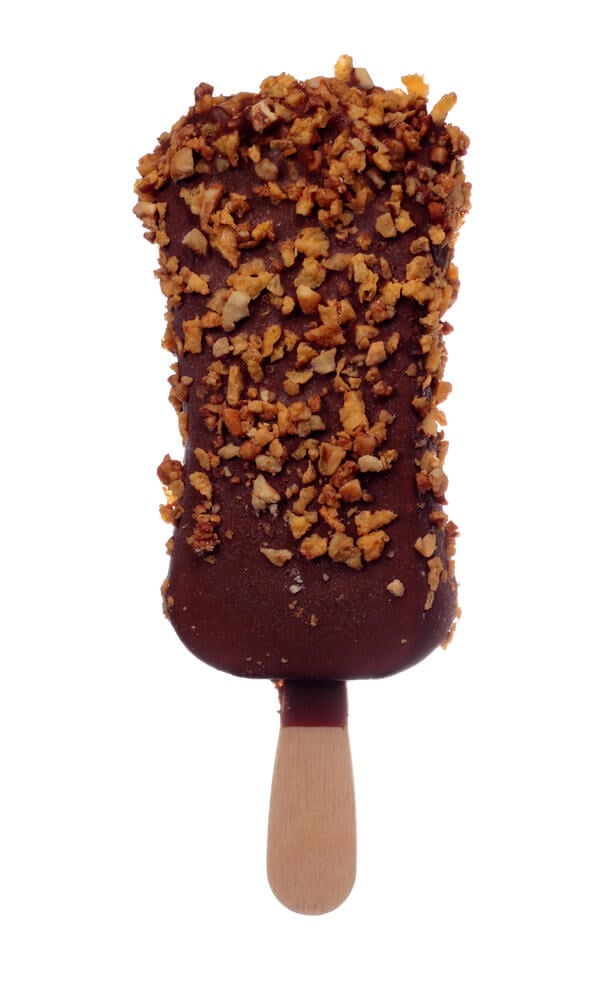
Confectioner Harry Burt created a chocolate coating compatible with ice cream in Youngstown, Ohio, in 1920. His daughter reportedly found the first bar too messy, so a wooden stick became the handle.
The first set of bells for his trucks came from his son’s old bobsled.
Twin-Stick Popsicle
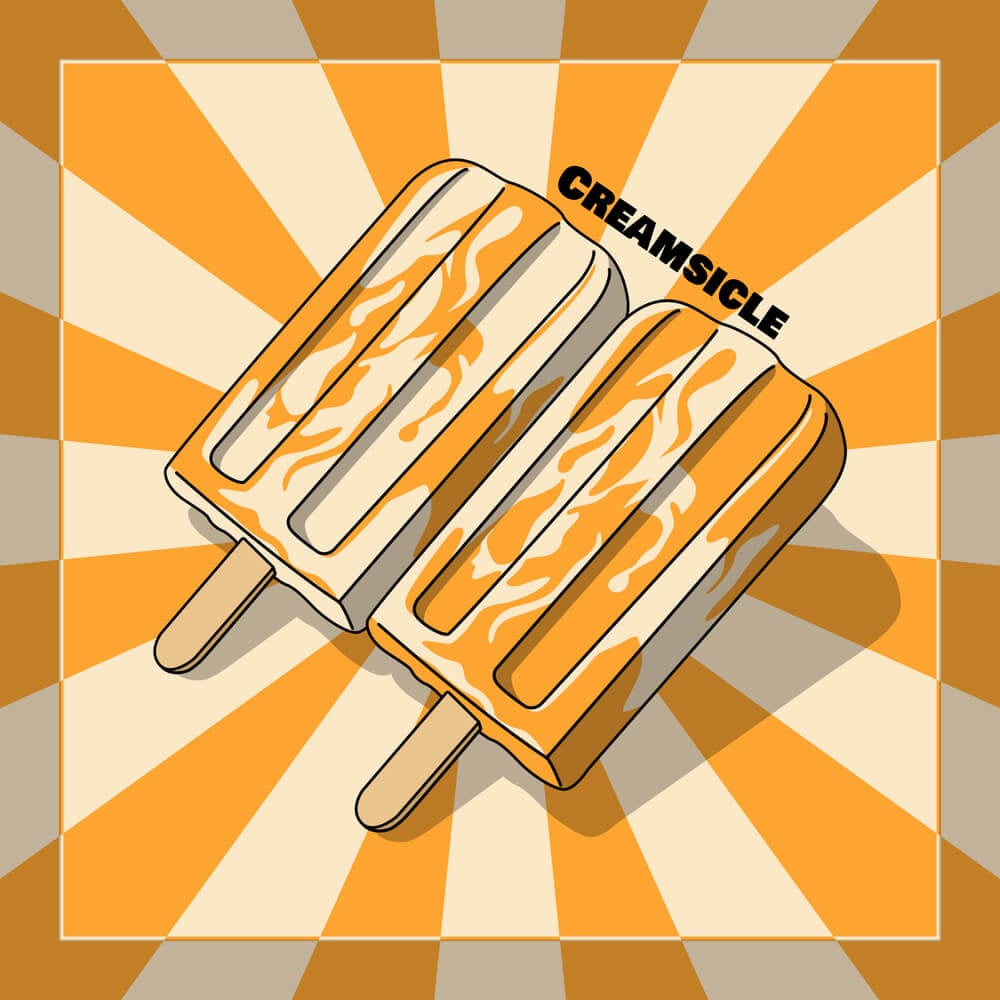
Frank Epperson filed his patent for the frozen treat in 1923, after years of insisting he had invented it as an 11-year-old. The double-stick version arrived during the Depression, letting two children share one pop for the price of a single.
The split down the middle was always a gamble, since one side usually ended up larger.
Klondike Bar
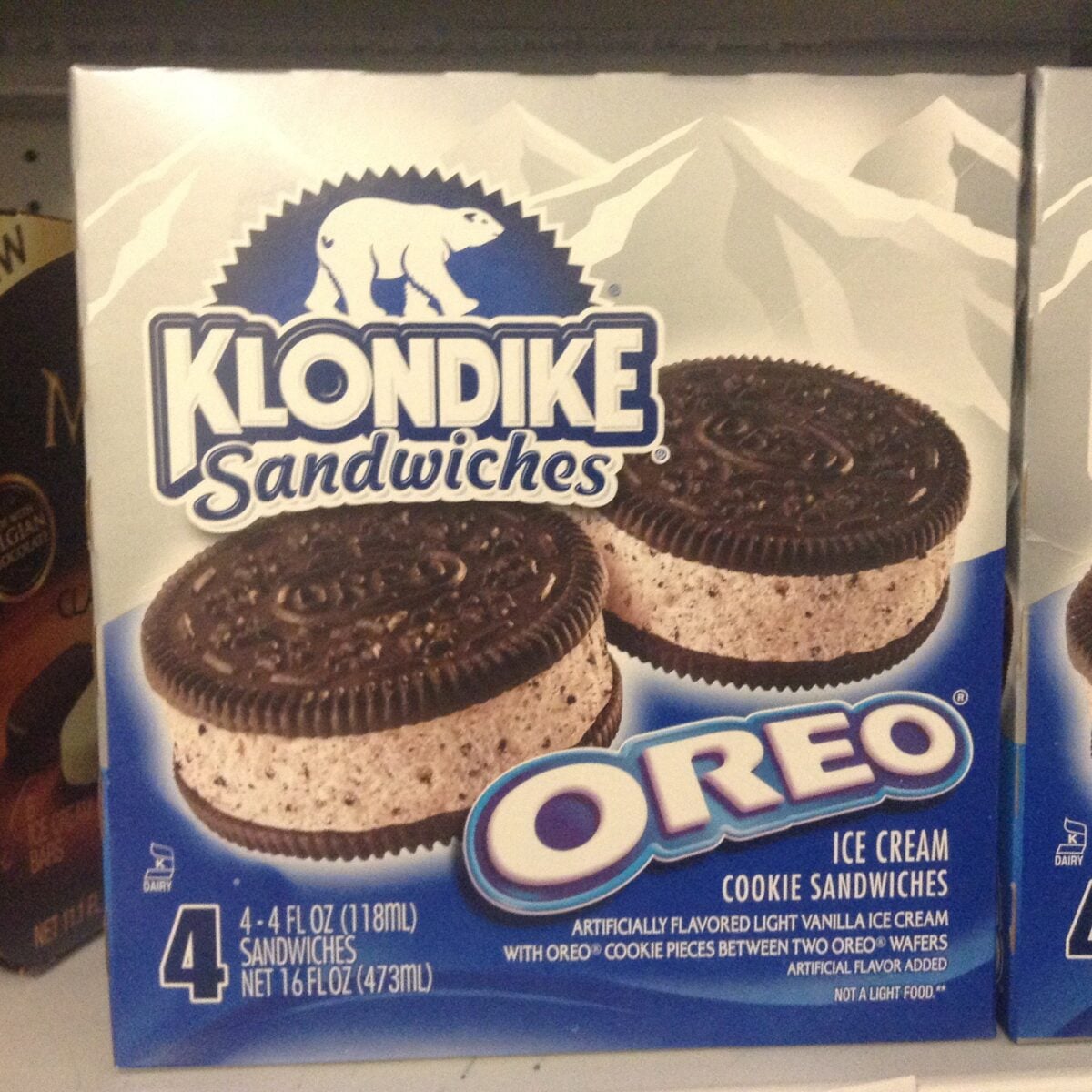
The silver foil square was sold for just ten cents apiece when it launched in 1922. Cracking through the thick chocolate shell was half the experience.
The foil also doubled as a handy drip catcher for the final bites.
Fudgsicle
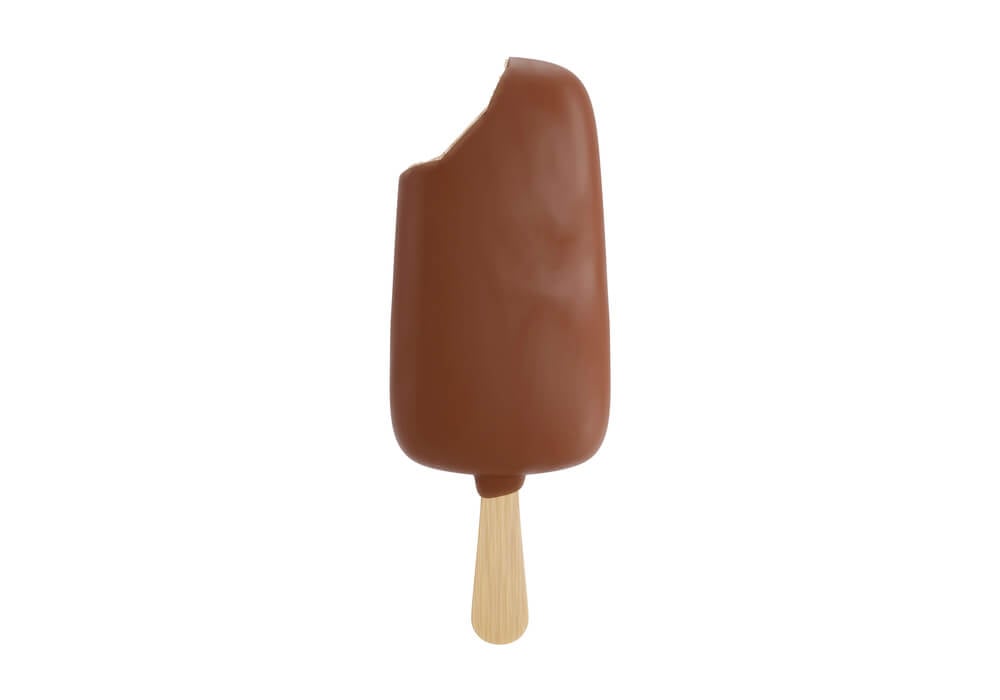
Dense, creamy, and dark, this chocolate pop sat in a flat rectangle on a wooden stick. It melted into a soft sludge at the base long before the top lost its chill.
Children learned to eat from the bottom up to beat the drips.
Creamsicle
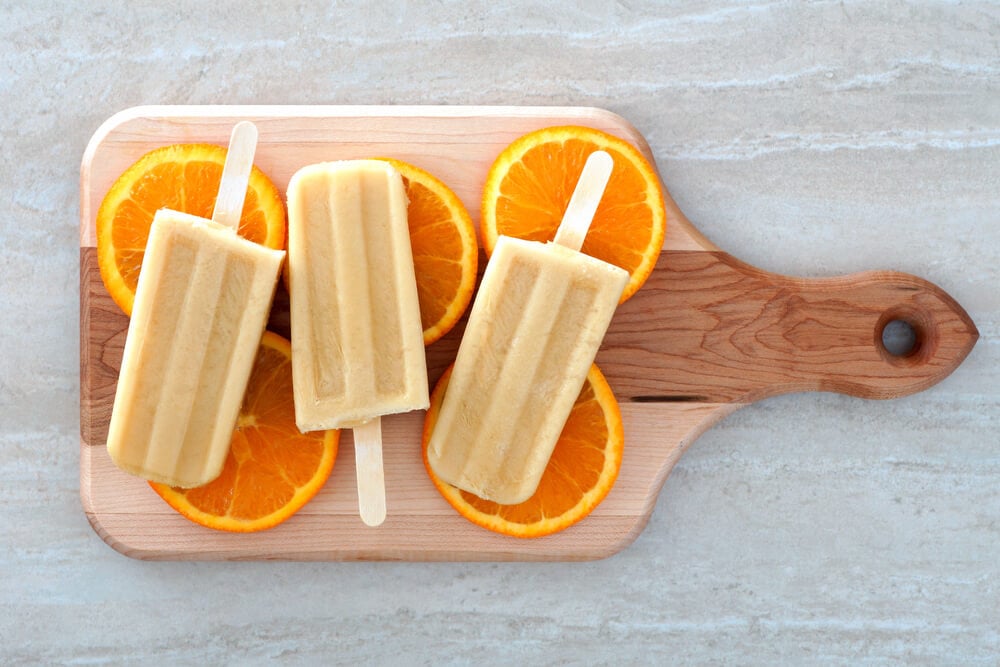
An orange ice shell wrapped around a vanilla ice cream center gave this bar its signature two-stage flavor. The first bites tasted like a citrus pop, and the last tasted like a milkshake.
Plenty of children nibbled the outside away first to reach the cream.
Bomb Pop
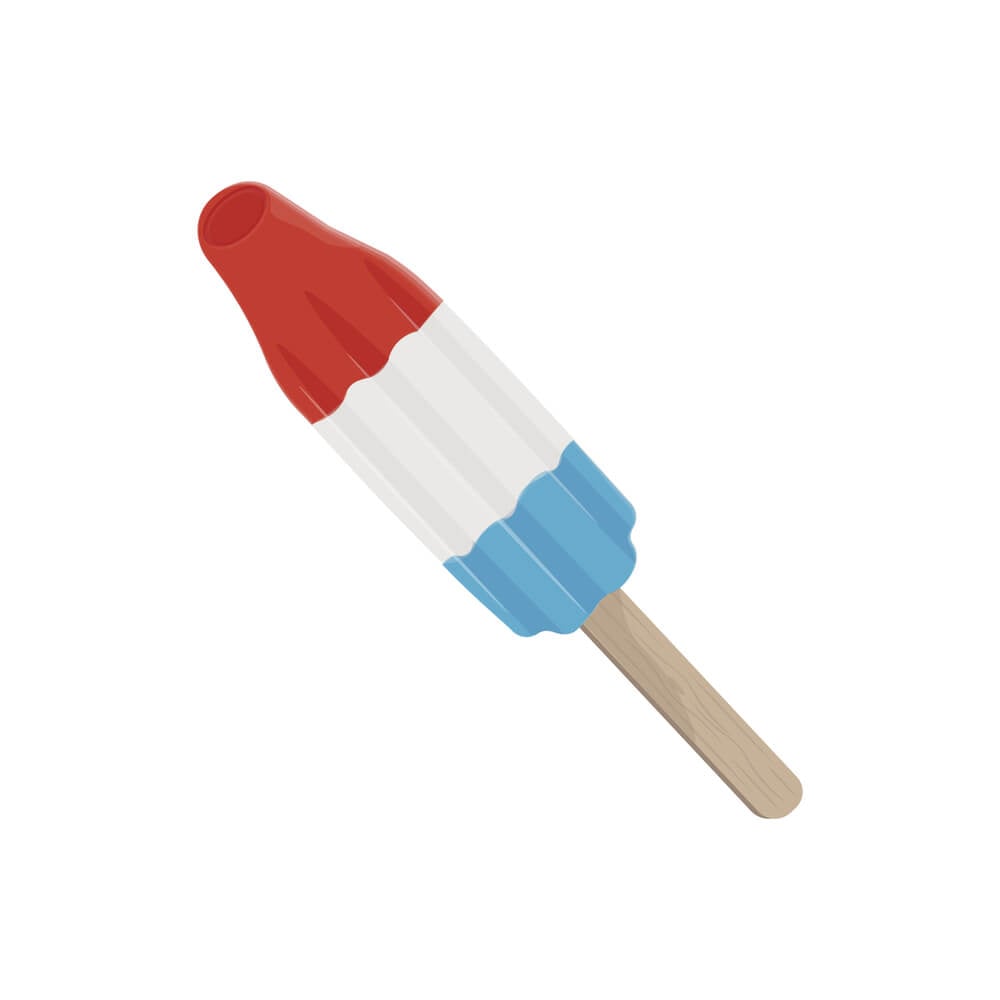
The red, white, and blue rocket shape was practically a summer uniform for the Fourth of July. Cherry, lemon, and blue raspberry layers stained tongues in three colors at once.
The pointed tip was the first part to be bitten off.
Drumstick
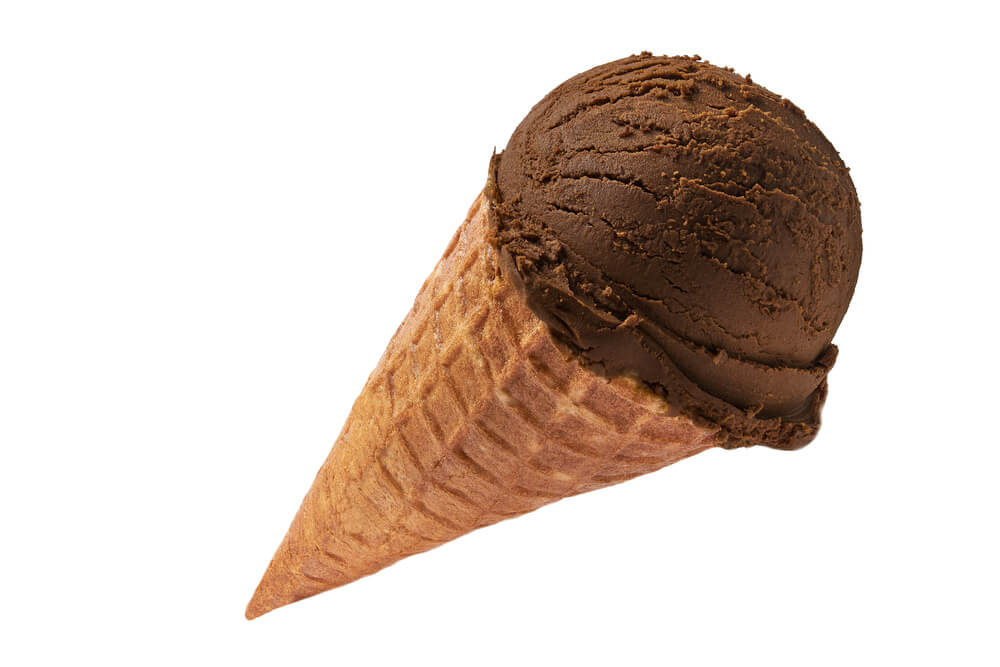
A sugar cone filled with vanilla ice cream and capped with chocolate and peanut pieces came wrapped in a paper sleeve. The chocolate plug at the very tip of the cone was a small surprise waiting at the end.
Most kids saved that last bite on purpose.
Wafer Cone With Chocolate and Peanuts
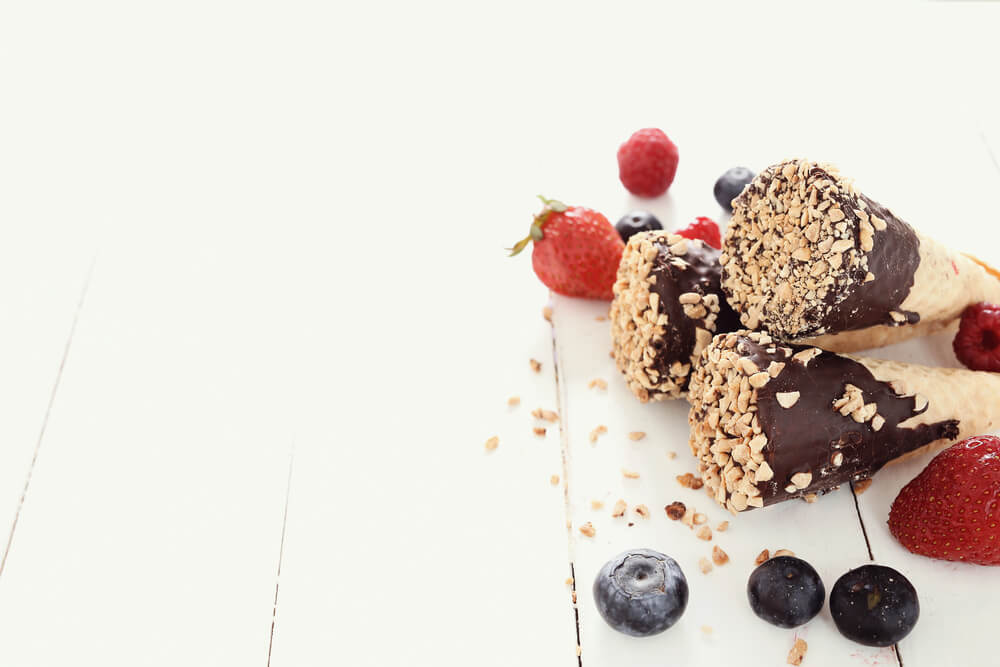
The cone was crisp, the filling was creamy, and the topping was a thick crust of chocolate studded with nuts. Peeling back the paper wrapper was an event in itself.
The grocery freezer version often tasted better than any sundae at a restaurant.
Classic Ice Cream Sandwich
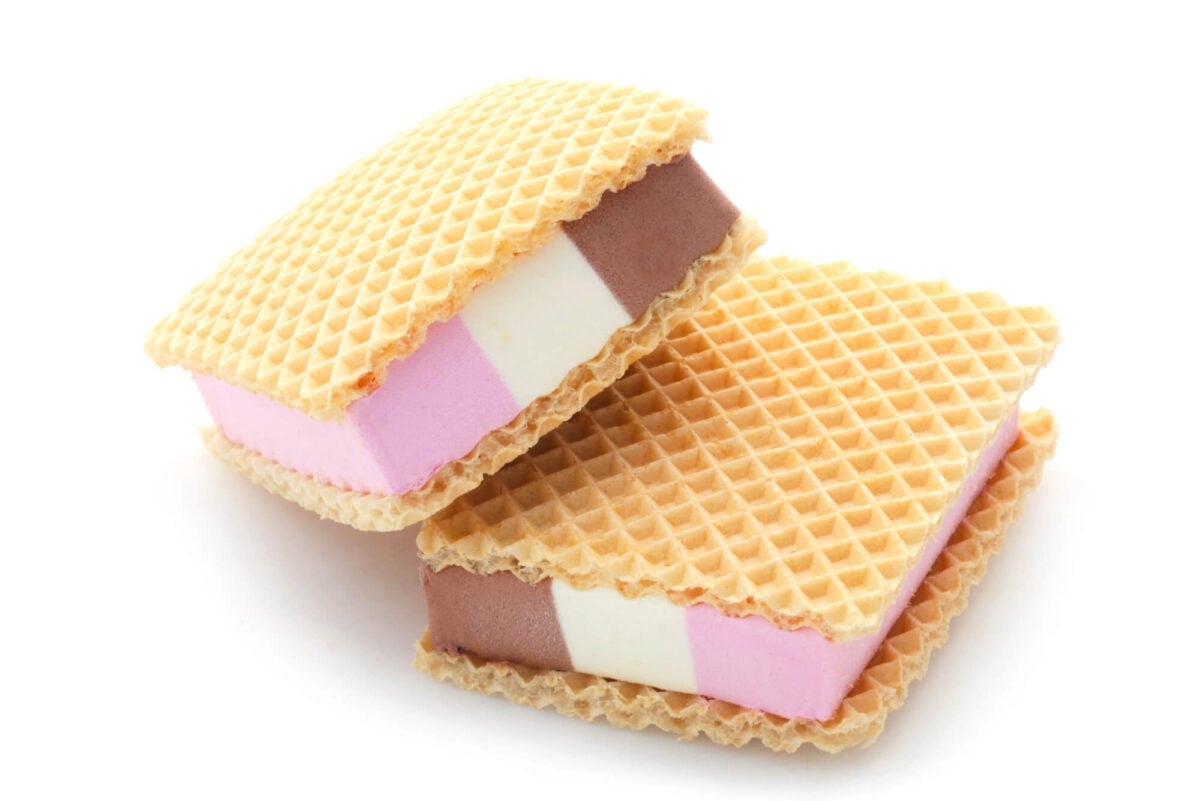
Ice cream sandwiches have been sold in New York City since the 1890s. The supermarket version used soft chocolate wafers that absorbed just enough moisture to turn cakey.
Pressing a fingerprint into the wafer and watching it hold the shape was part of the ritual.
Sherbet Push-Up
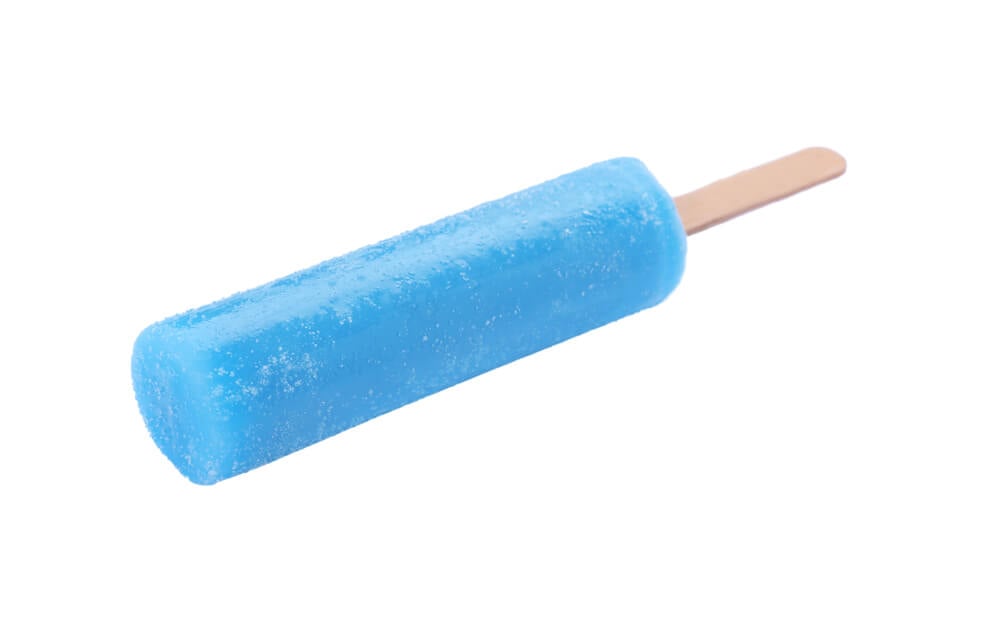
The sherbet sat inside a cardboard tube, and a pushed-up base lifted it past the rim bite by bite. It was neater than a cone and cheaper than a bar.
A stubborn last inch always required a child to squeeze the tube from the sides.
Strawberry Shortcake Bar
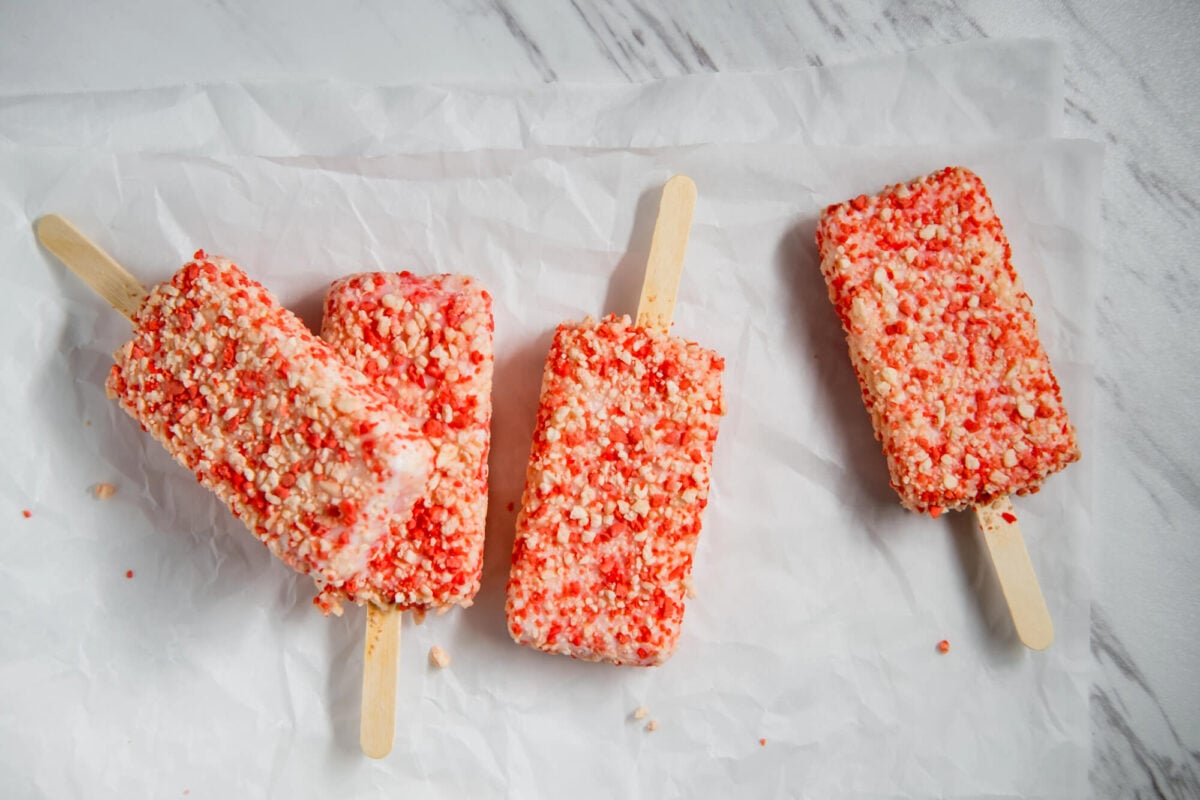
Good Humor relaunched this bar in 1992 as part of a collection called The Classics. The strawberry ice cream core was coated in a crumb made from cake pieces.
The crumbly outside shed pink and white flecks onto every shirt.
Toasted Almond Bar
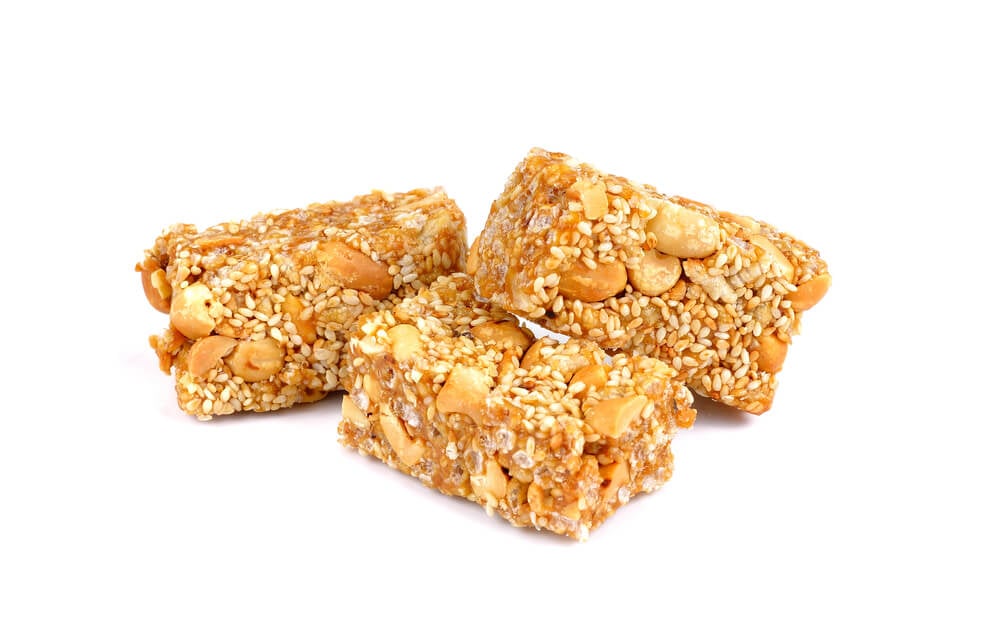
Vanilla ice cream covered in chocolate and rolled in toasted almond pieces made this one feel like the grown-up option in the freezer case. It was another member of the 1992 Classics relaunch.
Children who ordered it from the truck were often treated as having refined taste.
Chocolate Eclair Bar
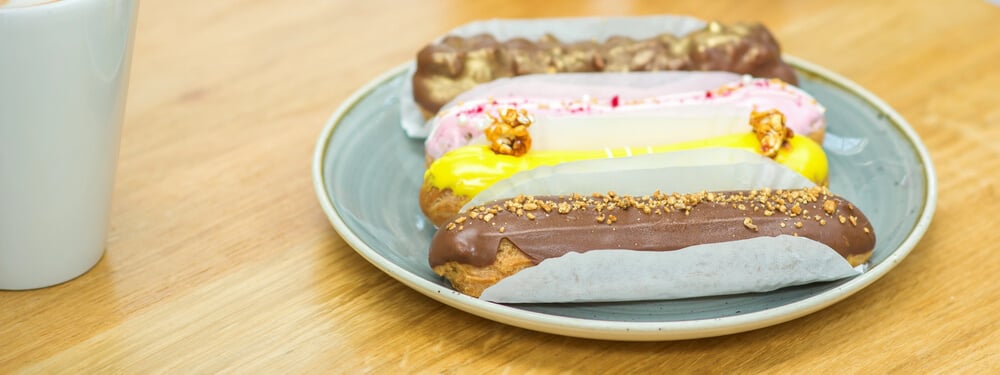
The Good Humor version replaced pastry with a chocolate-cake crumb coating around the ice cream. It tasted nothing like a real eclair but somehow felt like a bakery treat anyway.
The dark crumbs clung to wrappers and fingers equally.
Candy Crunch Bar
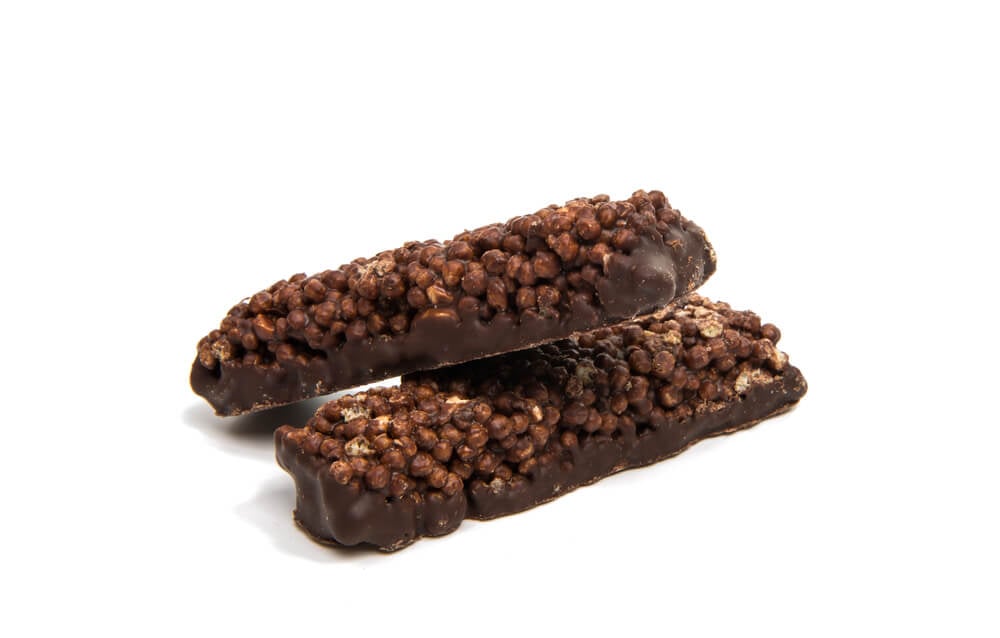
Vanilla ice cream coated in chocolate and crushed candy crunch made a sound like a small bag of gravel being chewed. The pieces broke off in every direction.
The final bite was always an assortment of crumbs that had fallen onto the wrapper.
Neapolitan Cartons
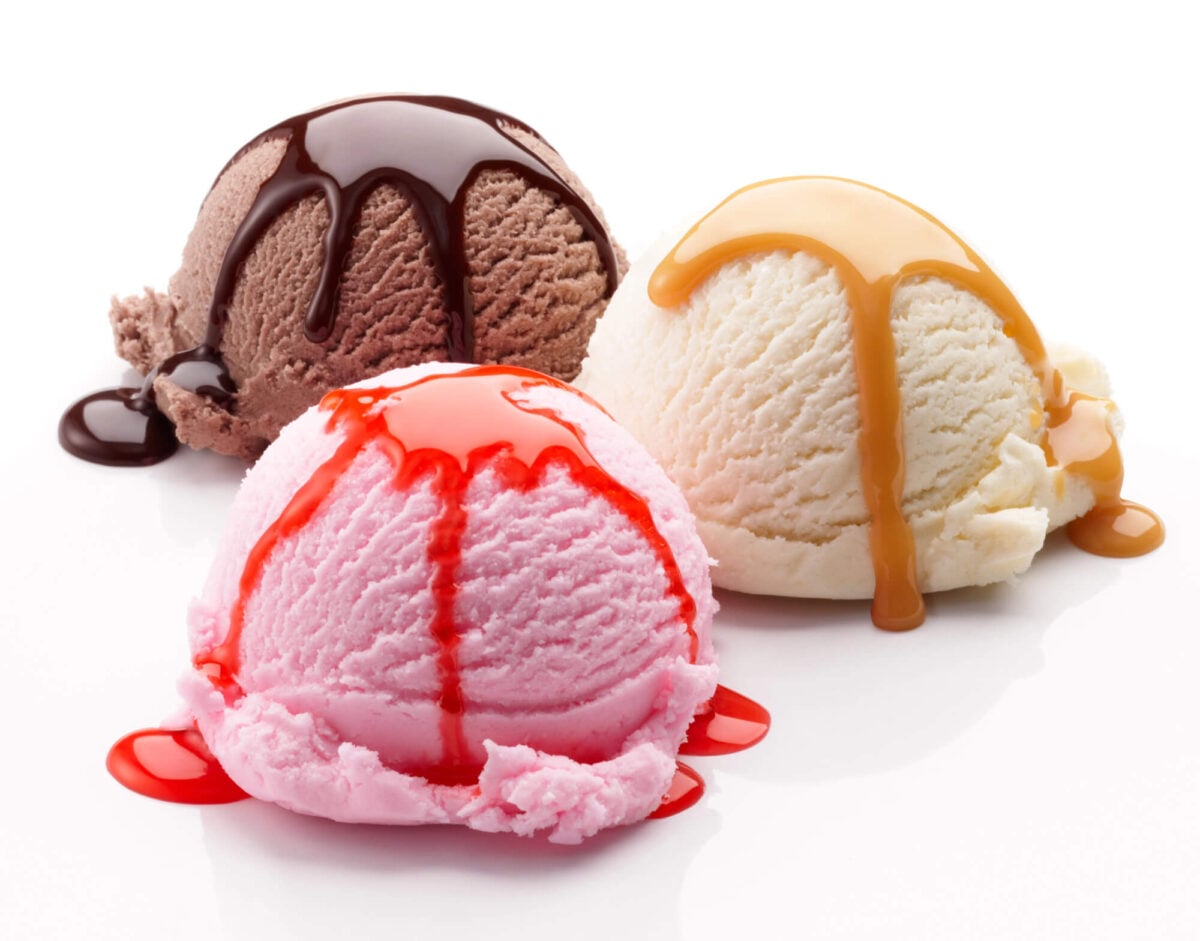
Chocolate, vanilla, and strawberry sat side by side in one rectangular box, and the great debate was whether to scoop across or straight down. Families developed unspoken rules about who got strawberry.
The scooped-out trenches left the carton looking like a plowed field by the end of the week.
Rainbow Sherbet
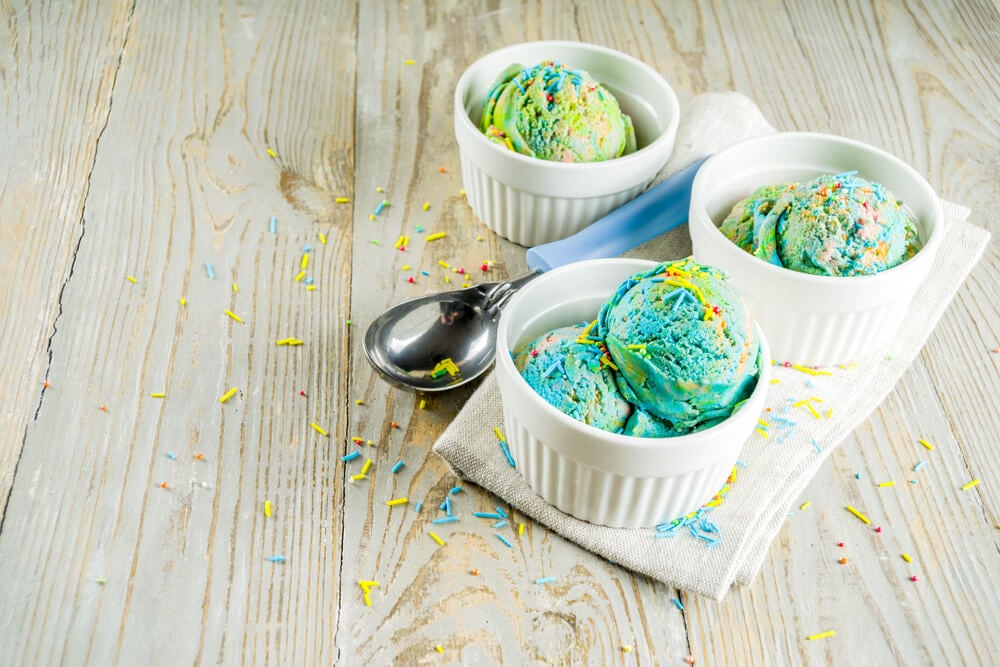
Orange, raspberry, and lime swirled together in a half-gallon tub that usually lasted only a few days. The flavors blended in the spoon, producing a taste no individual scoop could match.
The scraped-clean sides of the tub were rarely left clean.
Fruit Juice Bars
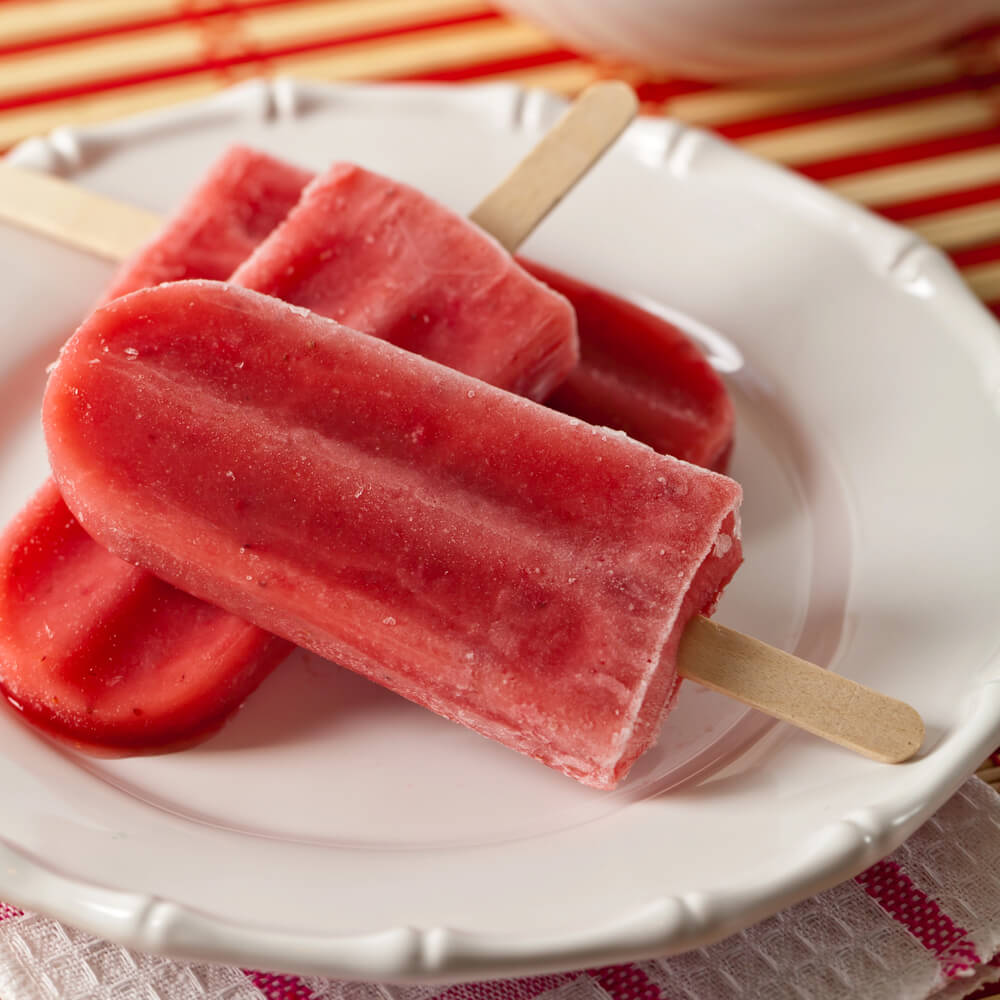
Boxes of frozen fruit bars were the lighter option when parents wanted a treat that felt like a reasonable choice. The texture was icy, and the flavors tended toward grape, orange, and cherry.
They stuck to the tongue in the coldest corners of the freezer.
Italian Ice Cups
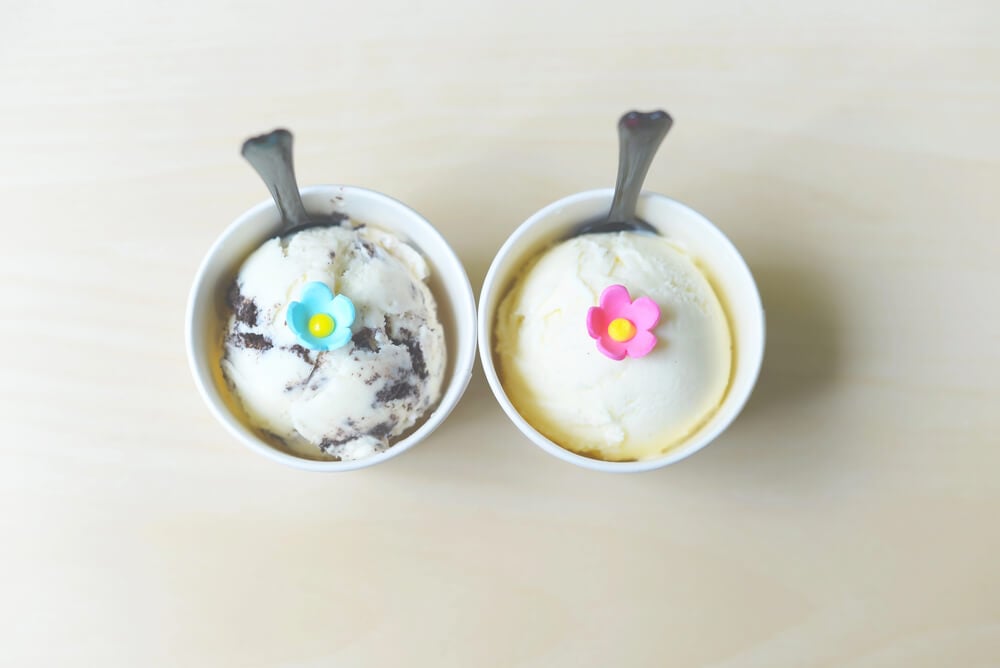
A paper cup of lemon ice came with a flat wooden spoon that never quite scooped the way it should. The ice softened at the edges and stayed hard in the center.
Squeezing the cup from below pushed the last bit within reach.
Freezer Pops in Plastic Sleeves
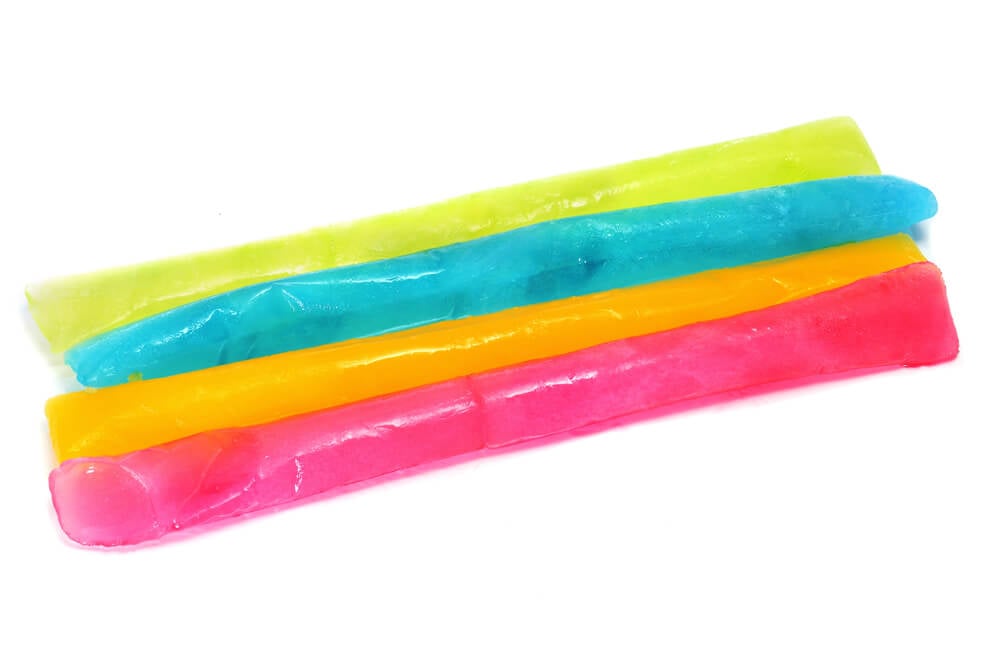
Dozens of neon-colored pops arrived in long plastic tubes sealed at both ends. Parents cut them open with scissors, and the leftover tips were collected in drawers.
Eating one on a hot day, with a drip down the wrist, was a rite of summer.
Frozen Pudding Pops
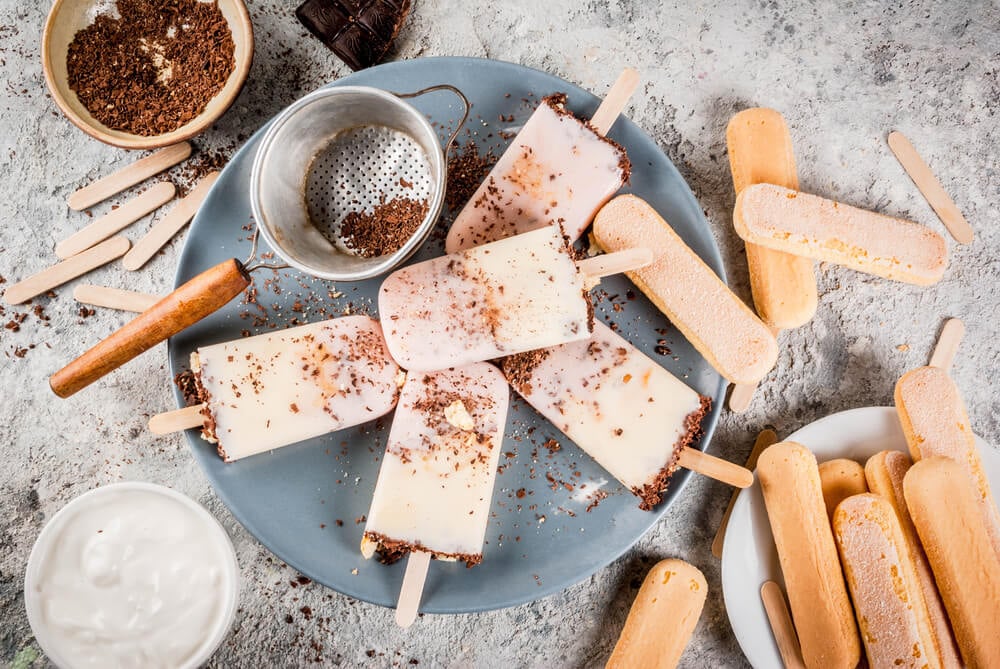
Chocolate and vanilla pudding were frozen on a stick, making a texture somewhere between ice cream and fudge. The treat was dense enough that a single one felt substantial.
The vanilla and chocolate swirl version was usually the first one gone.
Dixie Cup With Wooden Spoon
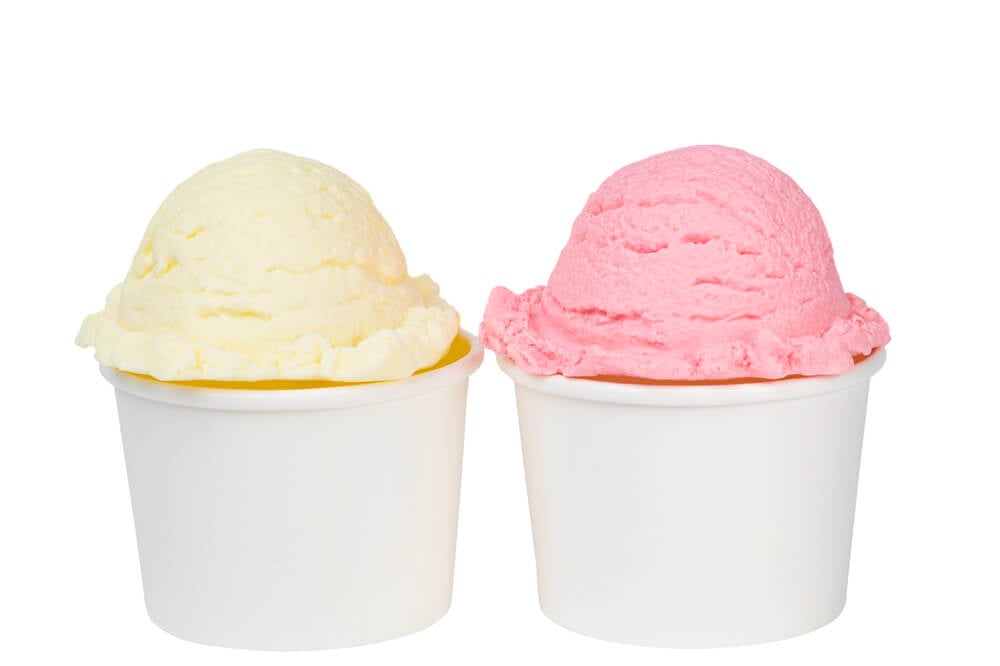
Small cups of ice cream sold with flat wooden spoons were the lunchbox-sized version of dessert. The lids were printed with pictures that children collected and traded.
Licking the lid before peeling away the cream was an unspoken privilege.
Frozen Yogurt Bars
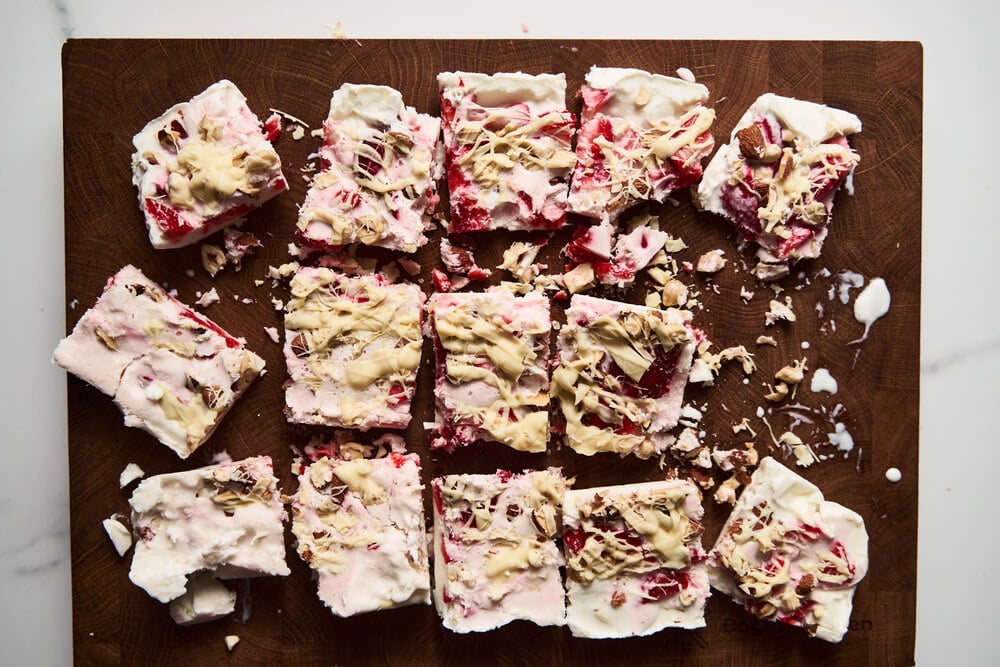
Frozen yogurt gained ground in freezers as a supposedly lighter option. The bars were tangier than ice cream, and the flavors leaned toward berry and vanilla.
Children often could not tell what made them different from ordinary novelties.
Butter Pecan Half-Gallons
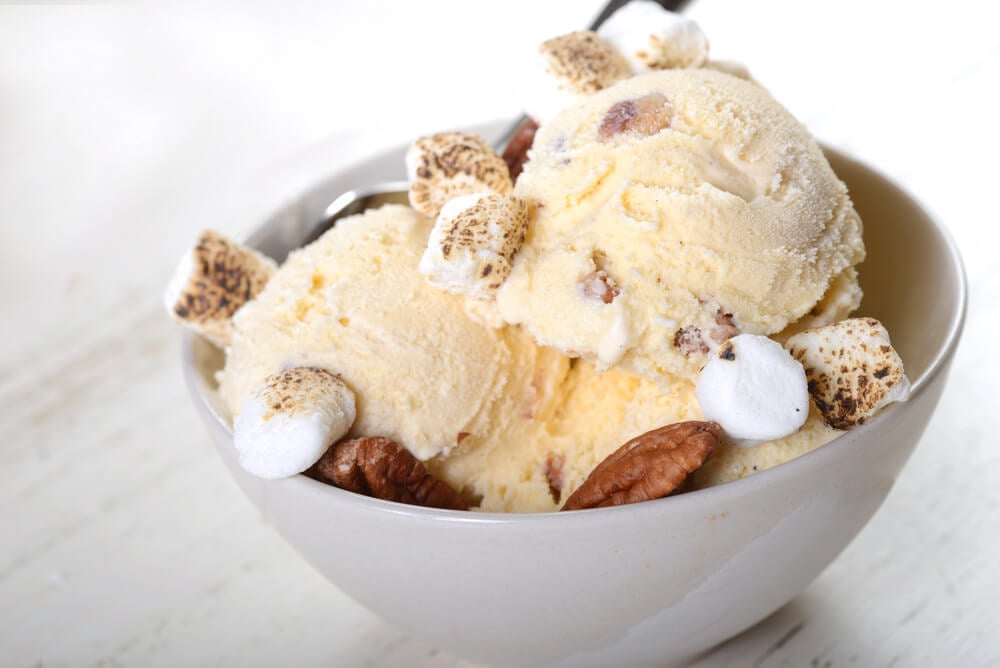
Butter pecan was often the flavor chosen by grandparents. The roasted pecans stayed crunchy in a sweet, buttery base.
Children who found it dull at age seven frequently changed their minds as adults.
Peppermint Stick Ice Cream
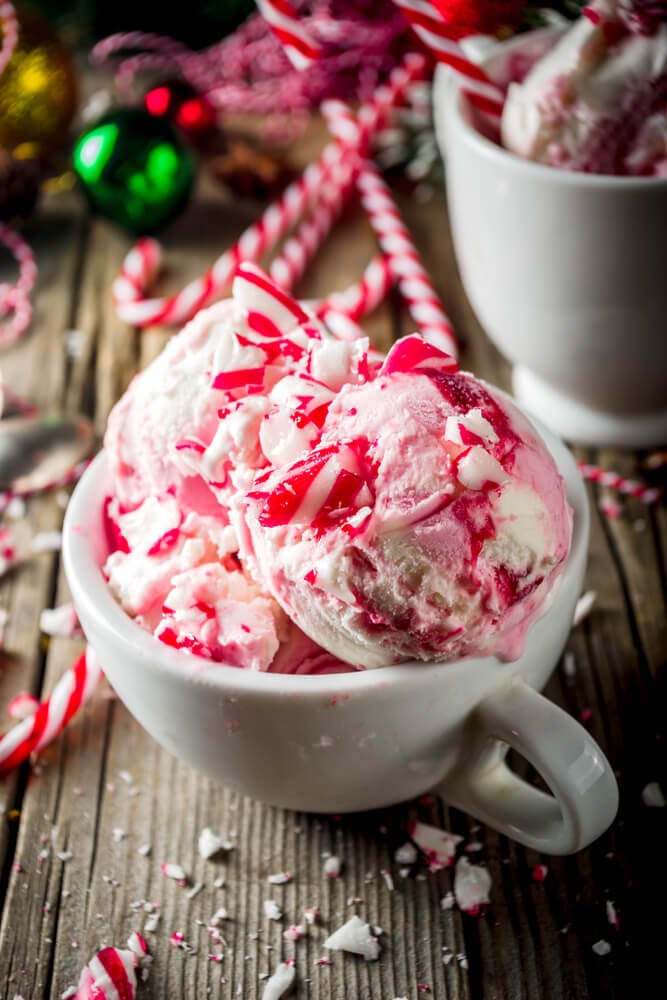
This pink ice cream with crushed candy pieces showed up around the holidays and then vanished from the freezer. The peppermint bits dissolved slowly and left sharp, cooling pockets in every spoonful.
It tasted like a candy cane that had been invited to a dessert party.
Frozen Ice Cream Cake Rolls
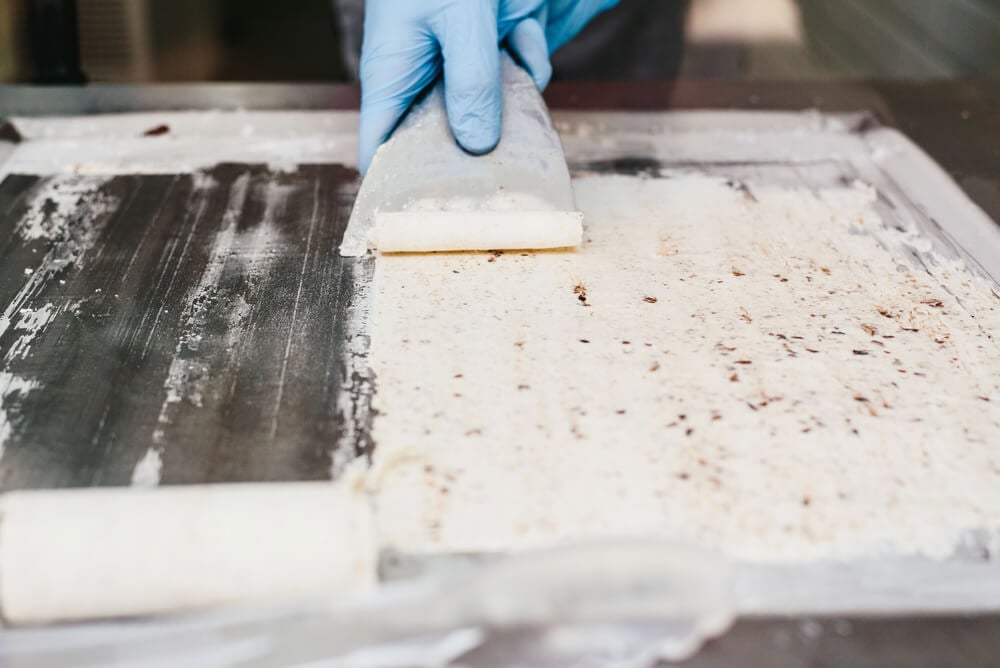
A sponge cake rolled around a spiral of ice cream was sliced into thick rounds at birthday parties. The cake stayed soft in the freezer, and the ice cream stayed cold in the center.
A knife dipped in warm water cut it into clean pieces.
Rocky Road Cartons
Chocolate ice cream, marshmallow pieces, and nuts made a texture that demanded some chewing. The marshmallows turned slightly stiff in the freezer, which only made them better.
Every spoonful was a gamble between a nut and a soft piece.
Chocolate-Dipped Frozen Bananas
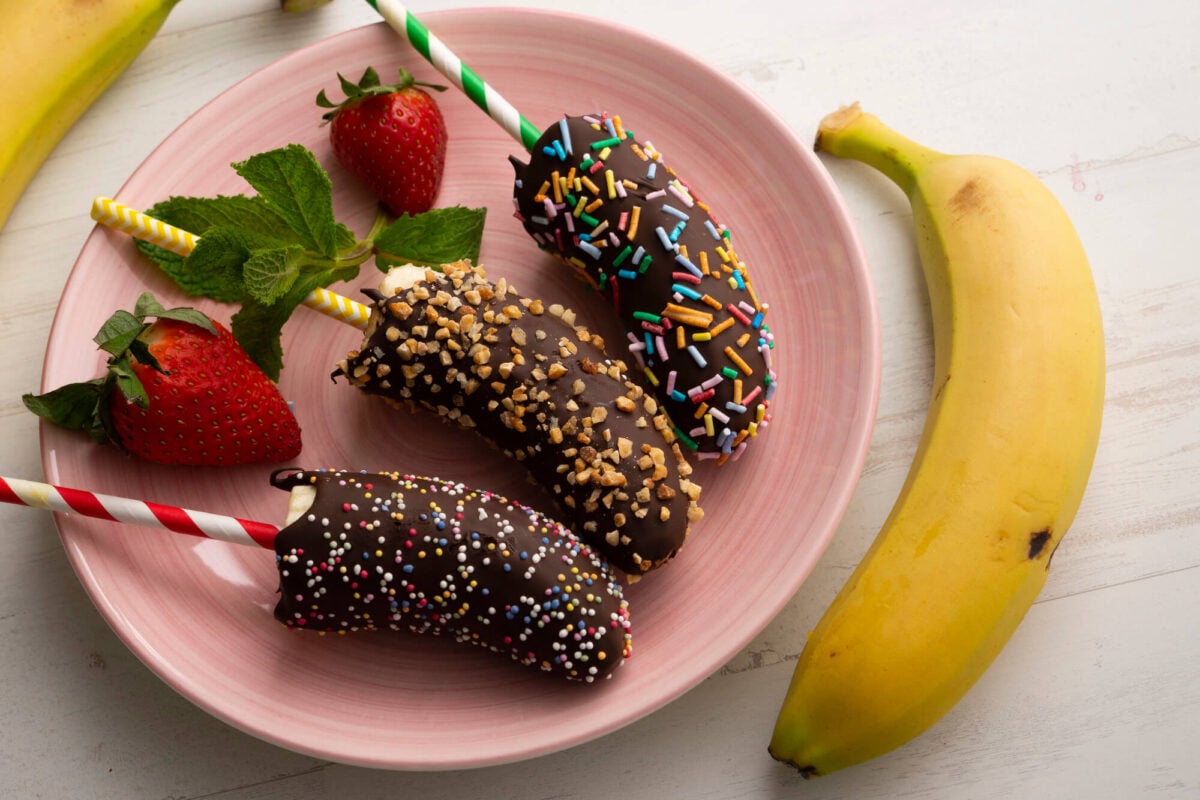
A banana on a stick coated in a hardened chocolate shell was a favorite at boardwalks and fairs, and a few supermarkets carried boxed versions. The shell cracked into shards around the soft, cold fruit inside.
They were messy in a way that no one minded.
What the Freezer Aisle Remembered
These desserts shared a quality that is hard to reproduce: they came in specific shapes, specific wrappers, and specific ways of failing. A pop that dripped, a sandwich that stuck, or a cone with a hidden chocolate plug taught children how to pay attention to their food.
The mess was part of the pleasure. Many are still sold, a few are gone for good, and some return in limited runs.
The ones that disappeared tend to be remembered with extra fondness, as if the freezer door had closed on a small piece of childhood.
More from Go2Tutors!

- 27 Silver Dollars and Half Dollars Worth Keeping
- 28 Restaurant Menu Items Nobody Orders Anymore
- 17 Places Built in Seemingly Impossible Spots
- 27 Vintage Rings Worth More Than They Look
- 25 Restricted Sites Tourists Can’t Enter
Like Go2Tutors’s content? Follow us on MSN.