29 Vintage Puzzle Toys Beyond Rubik’s Cubes
The Rubik’s Cube took the credit in the 1980s, but the toy shelf already held generations of rivals. Some came out of mathematics lectures, others out of party favor bags.
All of them asked the same stubborn question: can you put it back the way it was?
The Soma Cube

Danish polymath Piet Hein came up with the Soma cube in 1933 during a lecture on quantum mechanics by Werner Heisenberg. Seven irregular pieces combine into a 3 by 3 by 3 cube in 240 distinct ways, excluding rotations and reflections.
Parker Brothers sold it in the United States beginning around 1967, and complete sets with their original box are worth more than loose pieces.
Tangrams
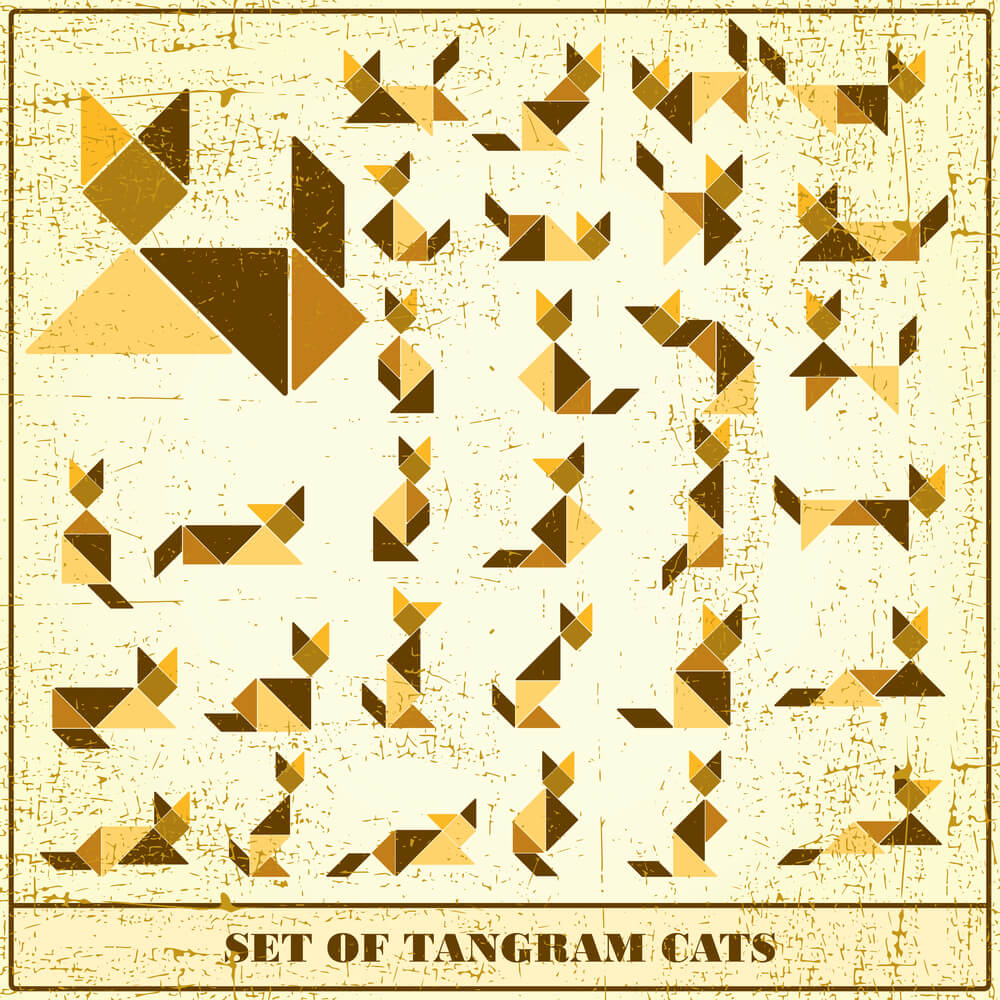
A tangram is a set of seven flat pieces that can be rearranged into silhouettes of people, animals, and objects, and every piece must be used each time. The puzzle has Chinese roots and found enthusiasts in Europe and America during the nineteenth century.
Complete sets with matching pieces matter, since a single lost triangle ruins the challenge.
Tower of Hanoi

French mathematician Édouard Lucas published the Tower of Hanoi in 1883 under the pseudonym N. Claus de Siam, which is an anagram of his own name. The puzzle asks players to move a stack of discs between pegs without ever placing a larger disc on a smaller one.
A legend about priests moving golden discs gave it a grand backstory, and intact wooden or metal sets with every disc sell best.
The Fifteen Puzzle
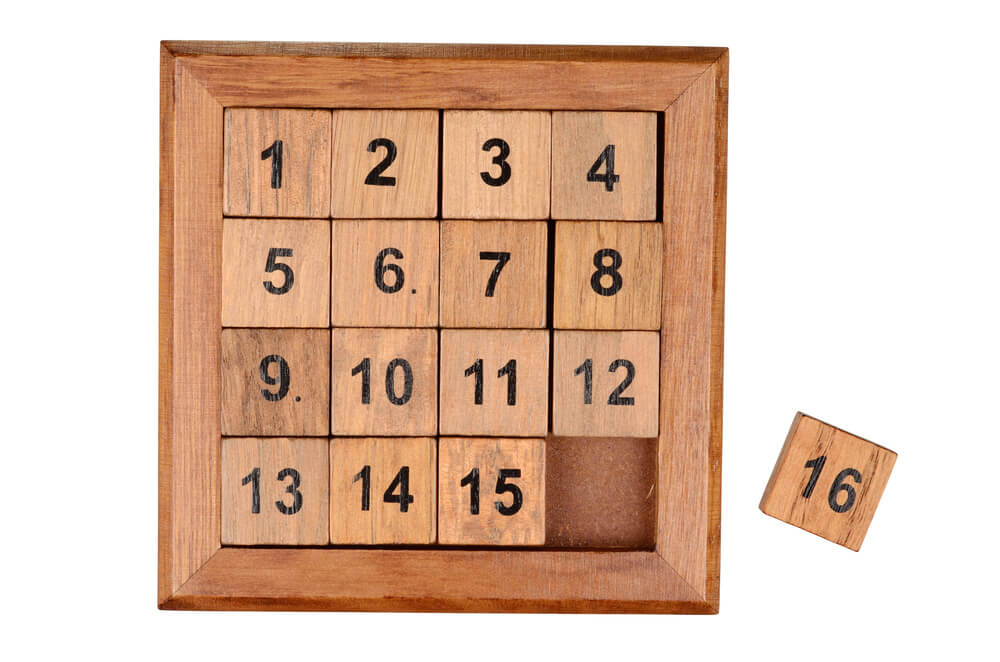
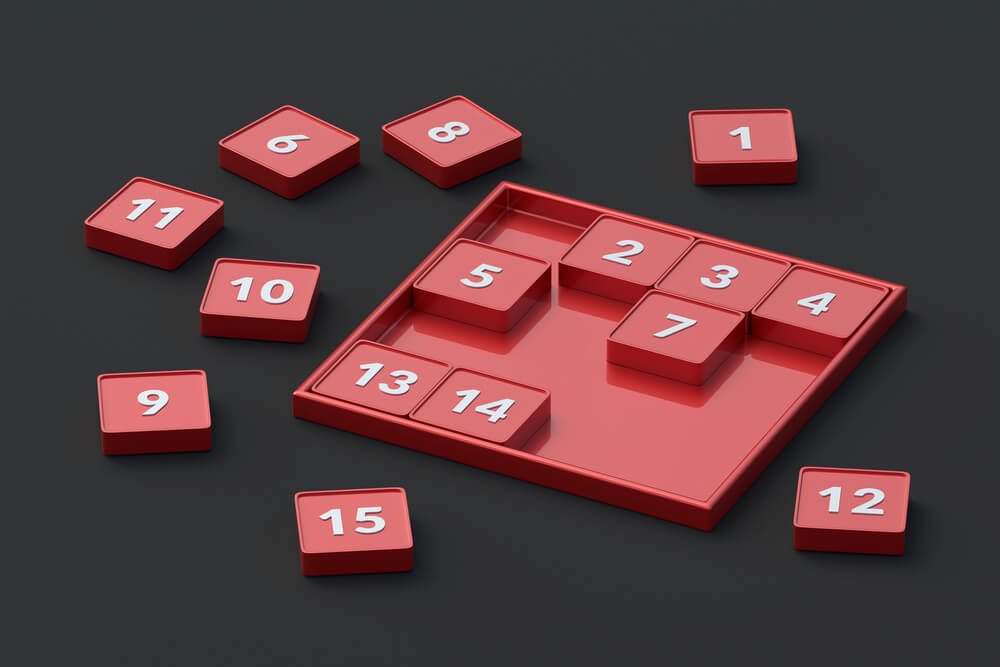
The fifteen puzzle packed fifteen numbered tiles into a square frame with one empty space, and sliding them into order became a craze in the nineteenth century. The tiles slide only into the gap, which makes the challenge feel simple until it is attempted.
Original wooden and tin versions with clear numbers are the most desirable, and worn numerals lower the price.
Pyraminx
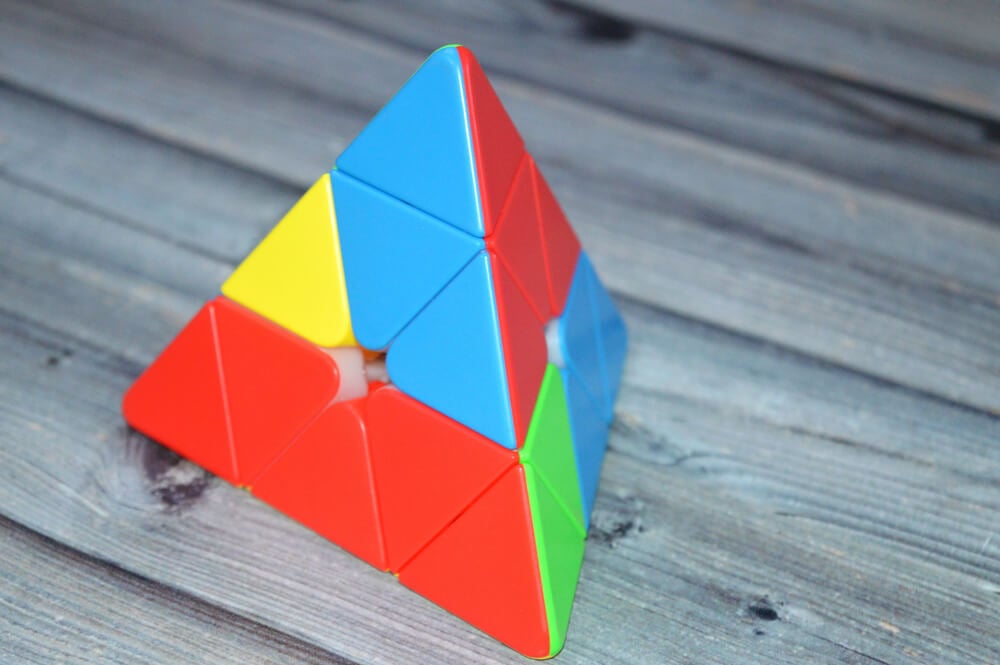
Pyraminx is a twisting pyramid puzzle that Uwe Meffert conceived in 1970, and it reached shelves widely in the early 1980s. Its triangular shape offers a different geometry from a cube.
Intact stickers and smooth turning matter to collectors, and faded colors reduce value.
Rubik’s Snake
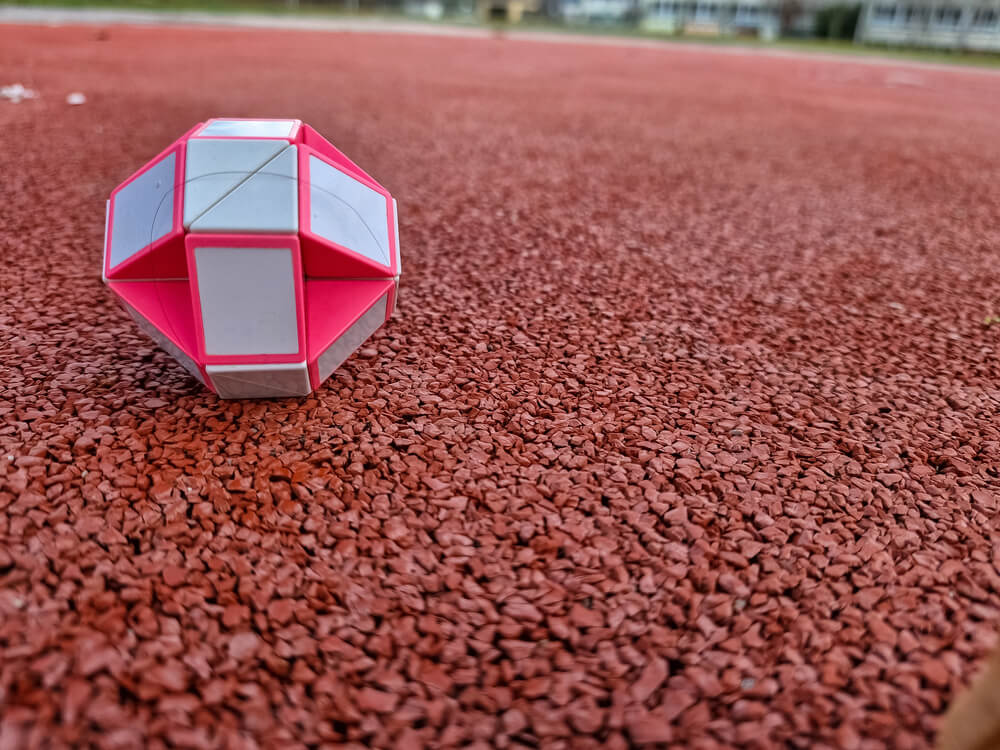
Rubik’s Snake is a chain of twisting wedges that can be bent into shapes ranging from animals to abstract sculptures. Ernő Rubik designed it, and it became popular in the early 1980s alongside the cube.
Original packaging and stiff-free joints are the key to value.
Rubik’s Magic
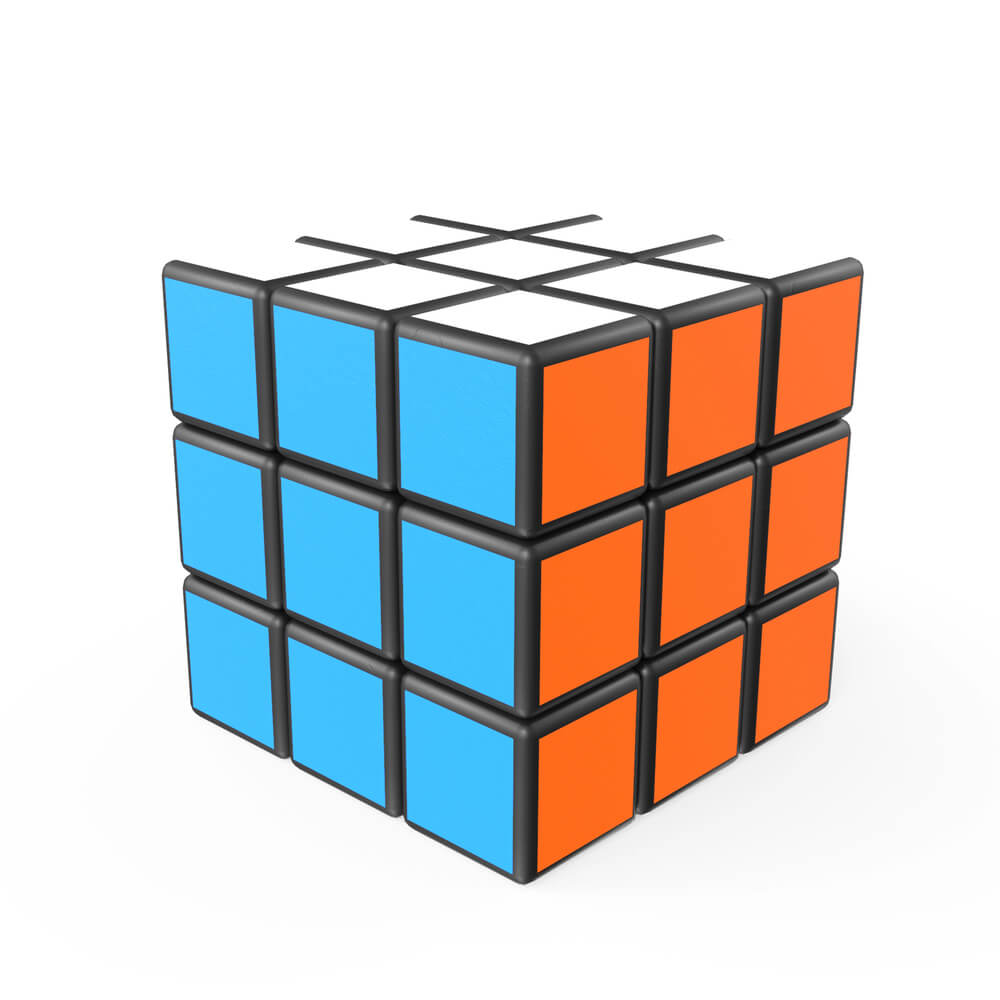
Rubik’s Magic is a set of linked tiles that fold and unfold in a flat grid, with three rings printed on one side that must be linked together. It required a different set of skills from the cube.
Intact cords and unfaded graphics increase the price.
Rubik’s Clock
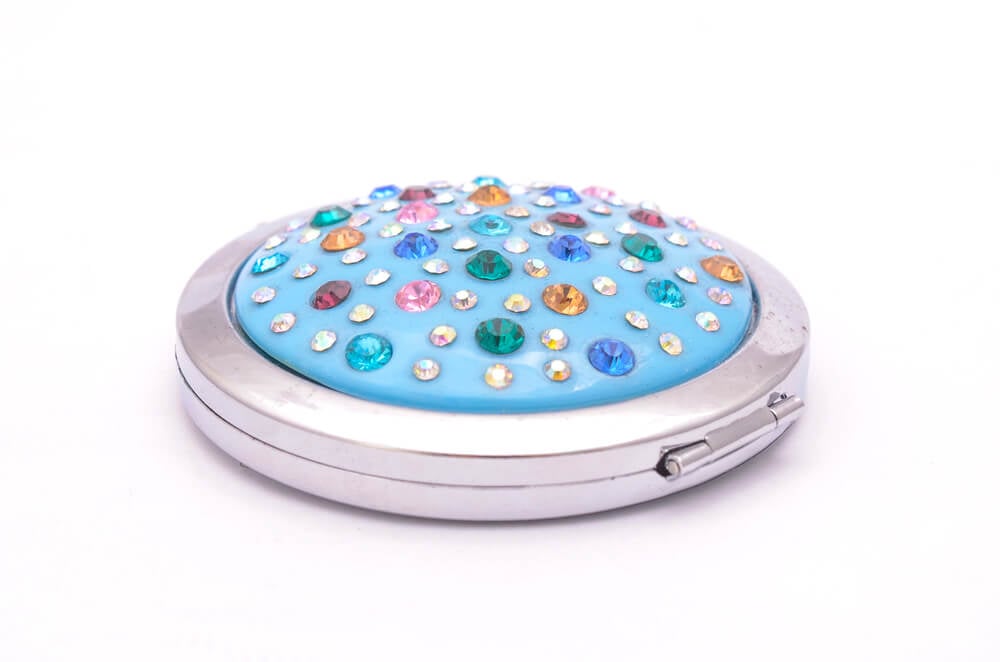
Rubik’s Clock sets clock faces on both sides of a flat square, controlled by gears, pins, and wheels, and the goal is to bring every face to twelve o’clock. Solving it means thinking about how a pin on one side alters the other.
Smooth pins and clear faces matter, since sticky mechanisms are common.
Megaminx
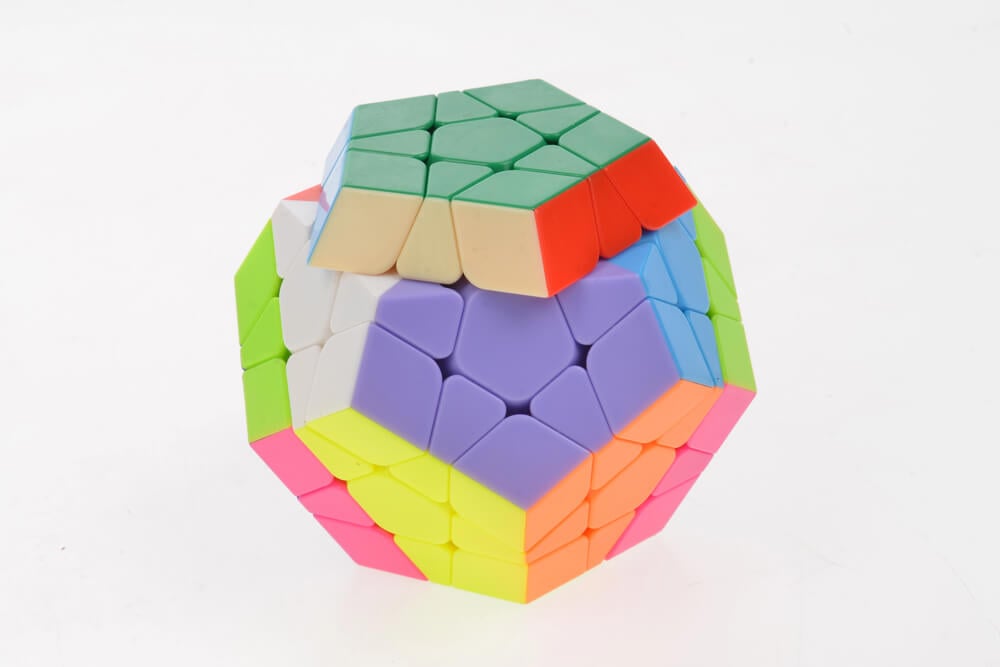
The Megaminx is a twelve-faced puzzle in the shape of a dodecahedron, offering a more complex challenge than a cube. Its pentagonal faces make it instantly recognizable.
Complete stickers and a smooth mechanism are what to check, and loose pieces are a problem.
Skewb
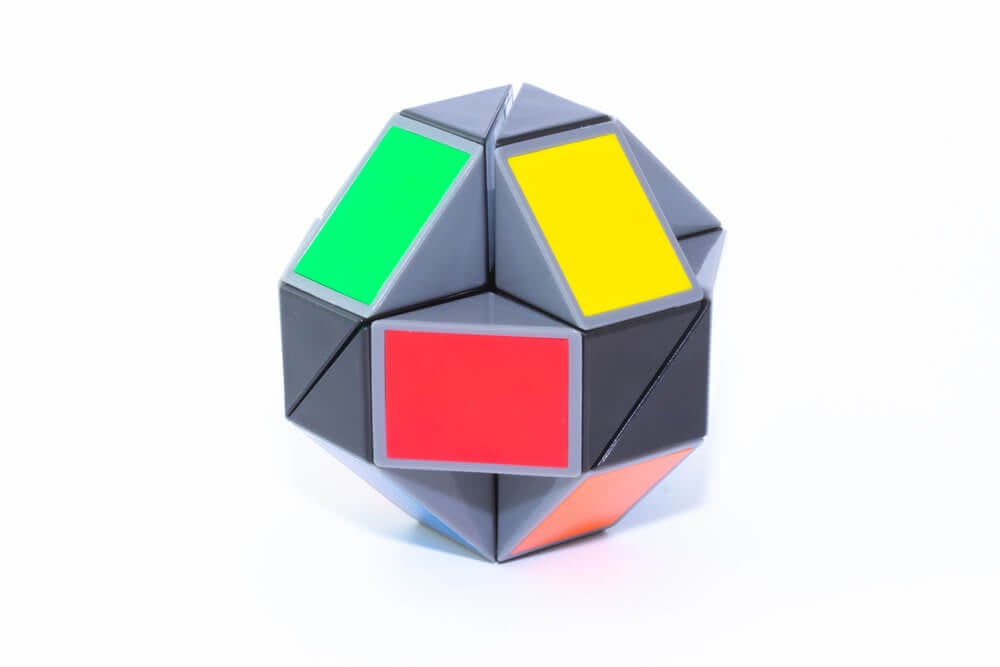
The Skewb is a cube cut diagonally so that its corners turn, and Uwe Meffert helped bring it to market. The twisting looks simple but behaves unlike a standard cube.
Smooth movement and bright, unfaded stickers push prices up.
Mastermind
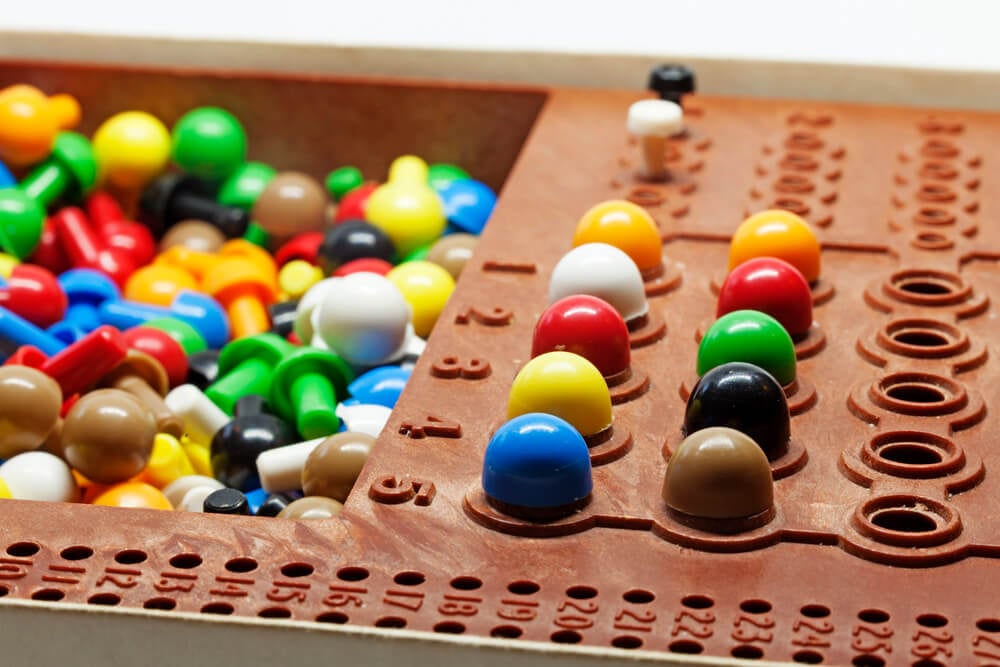
Mastermind, created by Mordecai Meirowitz, a telecommunications expert from Israel, has one player set a secret code of colored pegs while another tries to deduce it from feedback pegs. The game became a global hit in the 1970s.
Complete boxes with all the pegs are the key to value, and the unused code-hiding shield is a bonus.
Instant Insanity
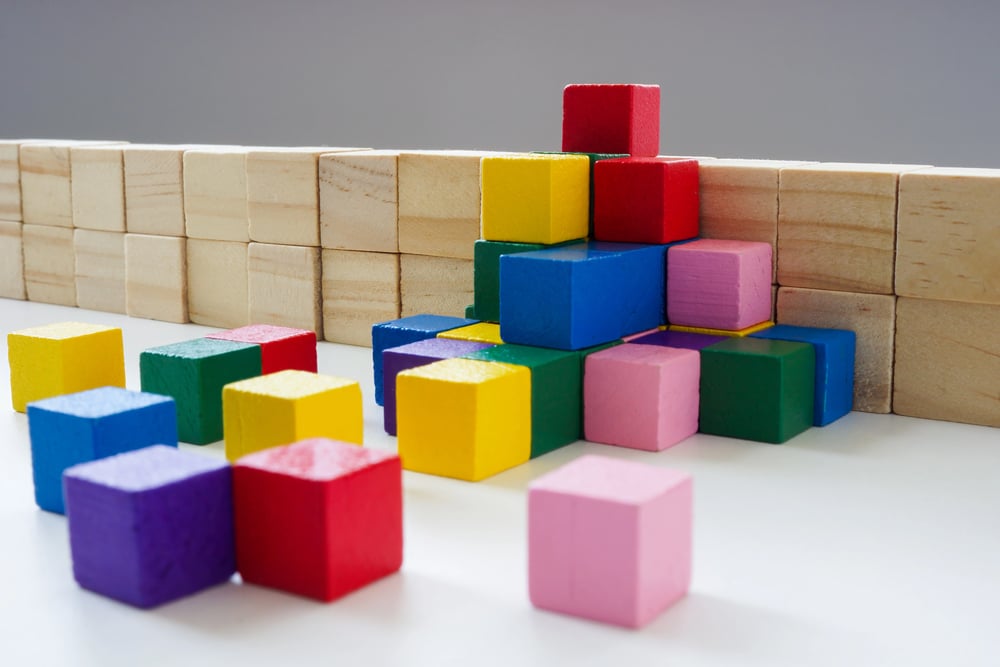
Instant Insanity gave players four cubes with colored faces and asked them to stack the cubes so that each color appeared once on every side. The solution is hard to find by trial and error.
Original packaging with the full set of cubes and unfaded colors brings higher prices.
Pentomino Sets
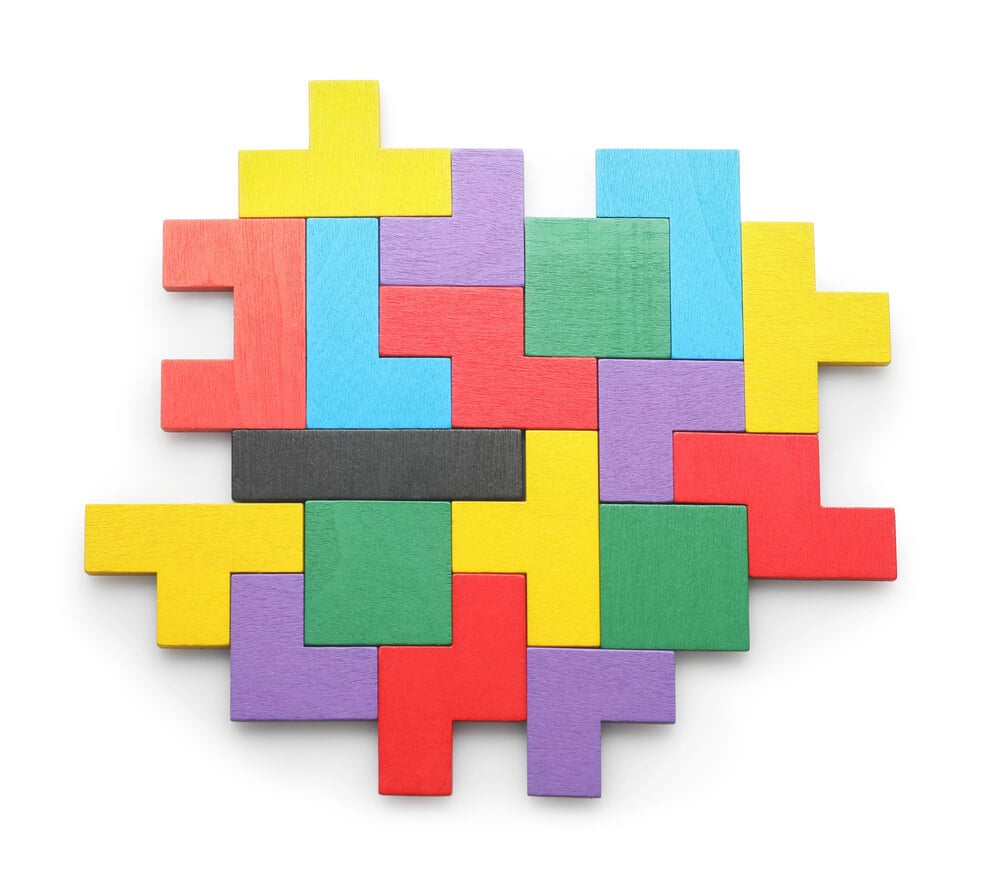
Pentominoes are twelve shapes made of five squares each, and puzzlers use them to fill rectangles and other outlines. Mathematician Solomon W. Golomb became closely associated with the study of such shapes.
Complete sets in wood or plastic are important, since a single missing piece ruins every challenge.
Hand-Cut Wooden Jigsaw Puzzles

Early wooden jigsaw puzzles were sawn by hand into irregular pieces, and the finest sometimes included whimsy pieces shaped like animals or objects. The craftsmanship makes them distinct from mass-produced cardboard versions.
Complete puzzles with all the pieces and an original box are valued above incomplete ones.
Chinese Rings
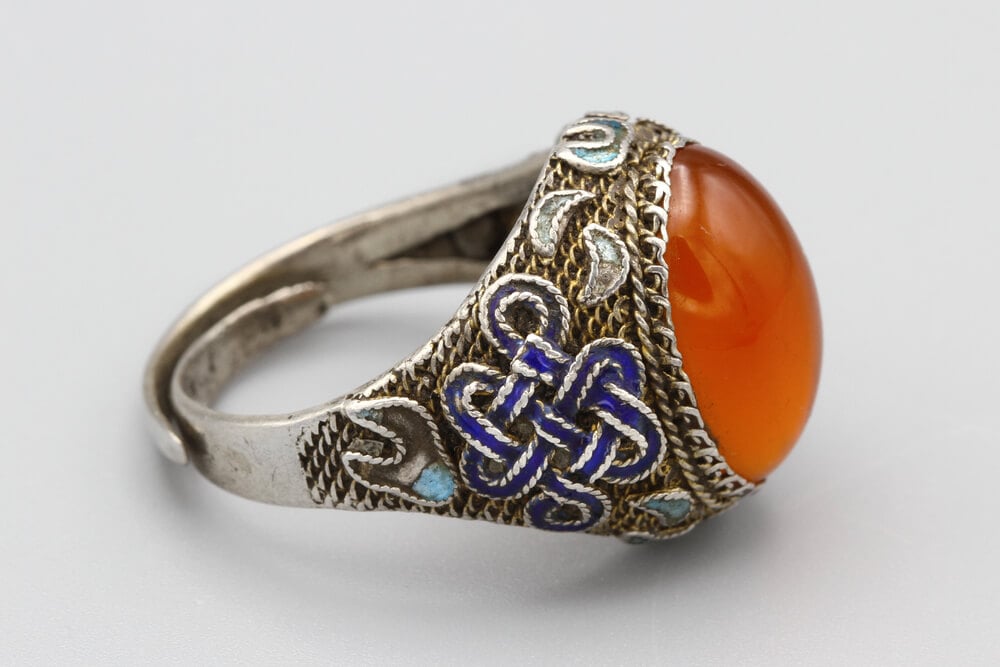
The Chinese rings puzzle, also known as baguenaudier, places a row of rings on a looped bar, and removing them requires a precise sequence of moves. Even a handful of rings can take many steps to remove.
Intact rings and smooth movement are what collectors look for.
Burr Puzzles
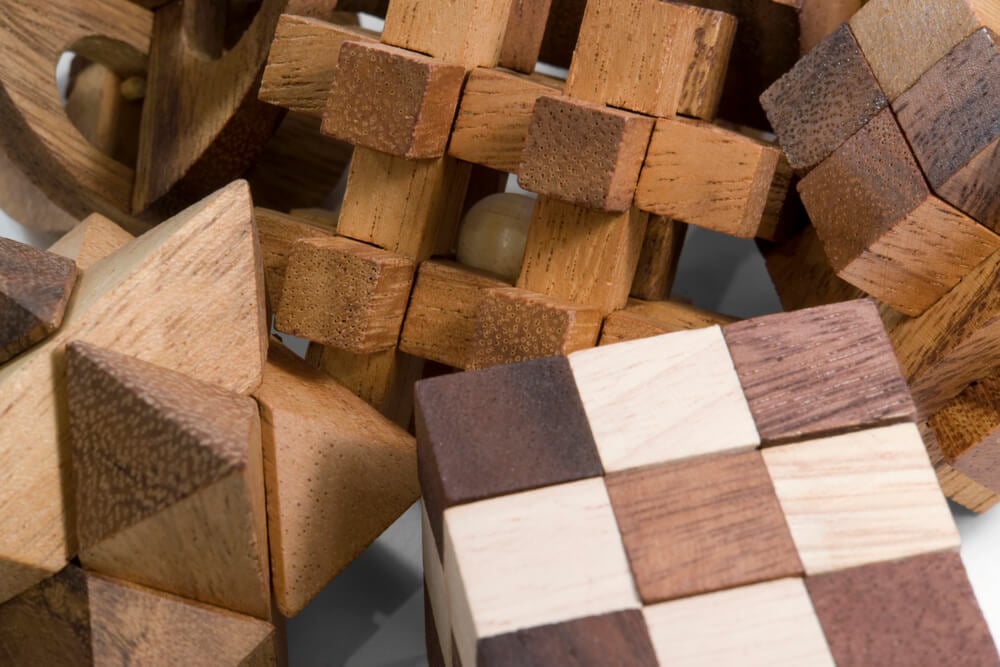
Burr puzzles are made of notched wooden sticks that interlock into a spiky star shape, and taking them apart is much easier than reassembling them. The pieces hold together by friction and geometry.
Complete sets in sound wood are valued, and warped sticks lower the price.
Nail Puzzles
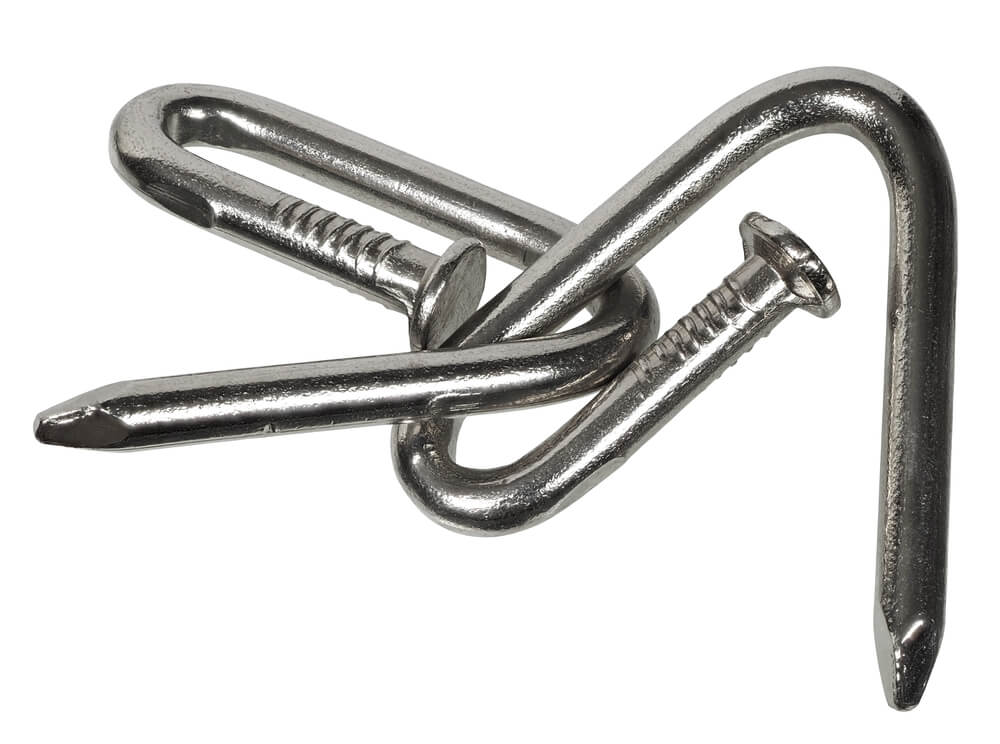
Nail puzzles consist of bent nails or wire forms that appear hopelessly entangled, and the goal is to separate them with a series of twists. They were often sold cheaply at party shops and fairs.
Rust and bent shapes can affect value, though many collectors do not mind some patina.
Peg Solitaire
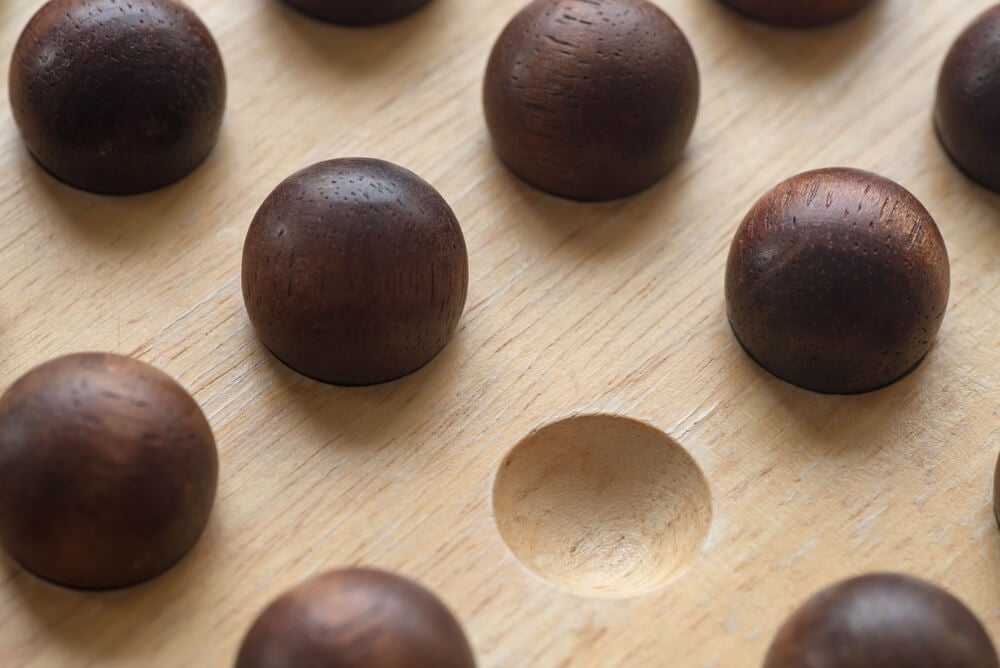
Peg solitaire uses a board of sockets filled with pegs, and each move involves jumping one peg over another to remove it. The goal is to finish with a single peg remaining.
Wooden boards with all their original pegs are worth more than boards with substitutes.
Sliding Block Puzzles
Sliding block puzzles, such as the one known as Klotski, place a large square piece among smaller blocks and ask players to slide it to an exit. The challenge comes from finding the order in which pieces must move.
Intact blocks and a smooth frame are the main points to check.
The Brio Labyrinth
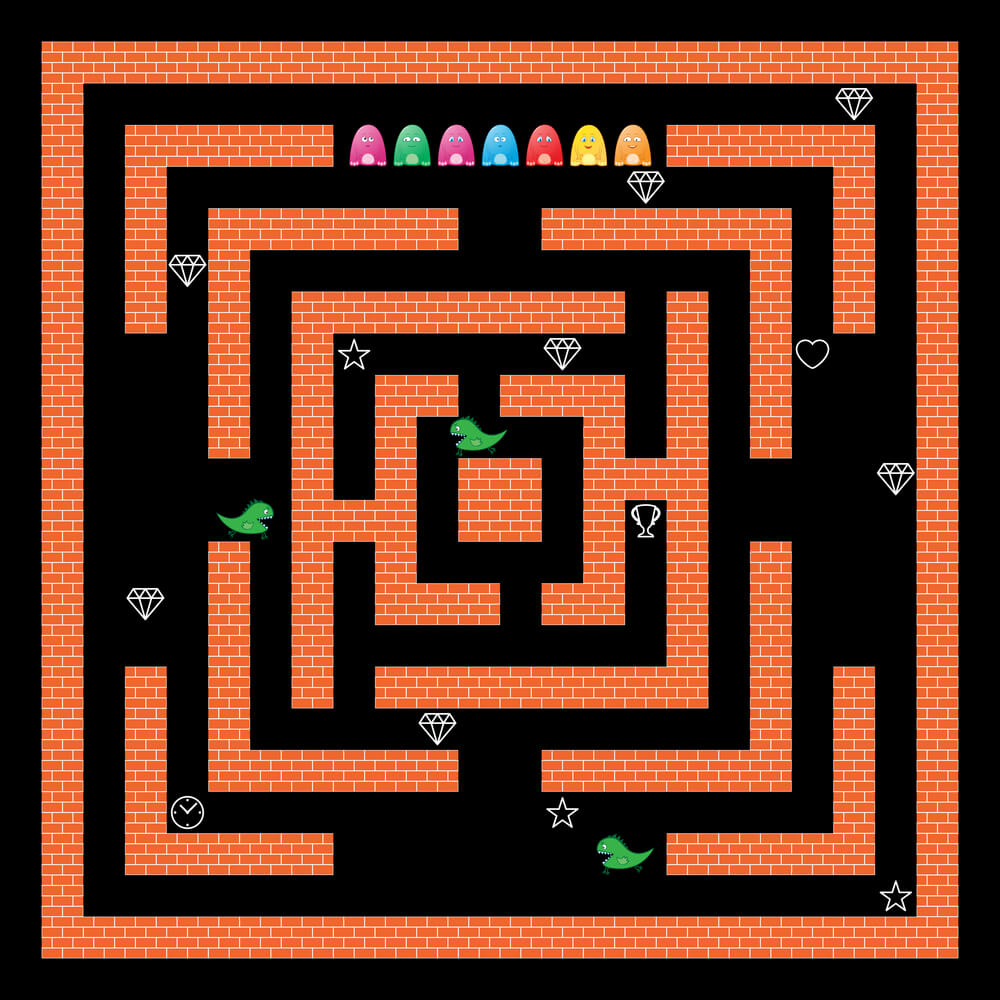
The Brio Labyrinth is a Swedish wooden maze that players tilt using two knobs, steering a steel marble around obstacles and past pits. A single slip means sending the marble back to the beginning.
Smooth knobs and complete walls matter, and scratched wood is expected on vintage examples.
Japanese Secret Boxes
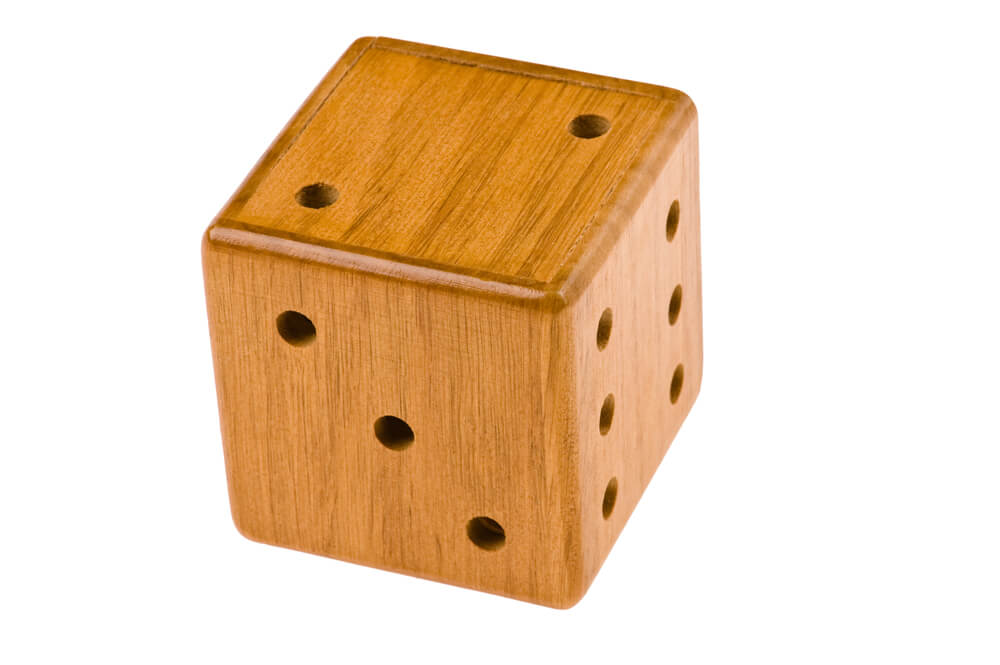
Traditional secret puzzle boxes from the Hakone region of Japan open only after a precise sequence of sliding panels. They are often decorated with intricate wood inlay patterns.
Fine craftsmanship and smoothly working panels bring the best prices.
Perfection

Lakeside’s Perfection, released in 1973, challenged players to fit a set of plastic shapes into a tray before a timer ran out, or the entire tray would pop up. The sudden pop kept players on edge.
A working timer and a complete set of shapes are what collectors look for.
Lights Out

Tiger Electronics’ Lights Out presented a grid of lit buttons, where pressing one toggled its neighbors, and the goal was to turn every light off. It married logic and electronics in a tiny handheld.
Working lights and clean battery contacts are essential.
Pigs in Clover
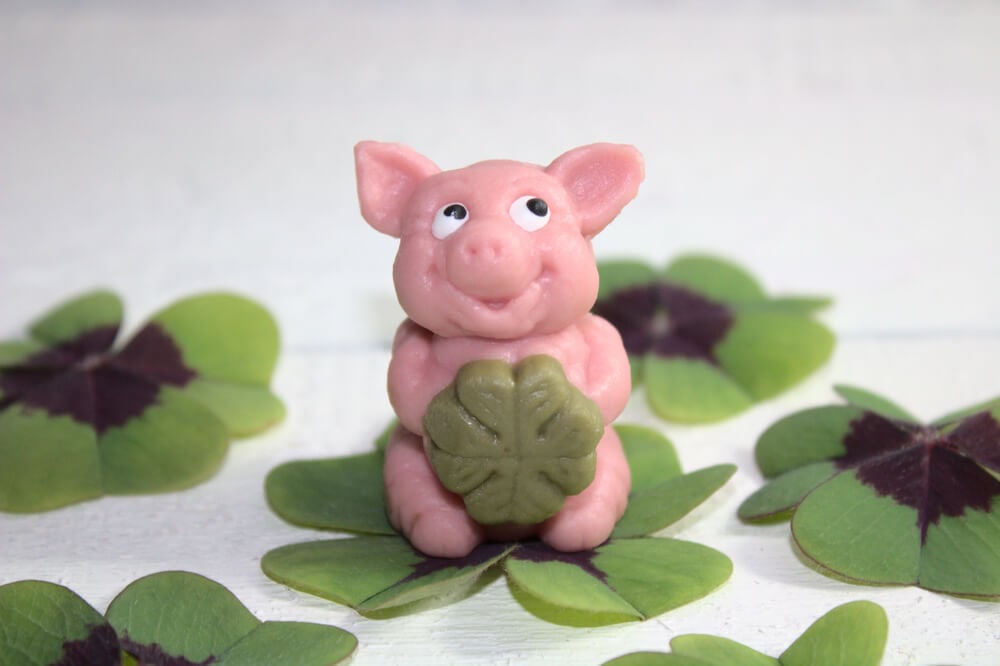
Pigs in Clover was a nineteenth-century craze, a round tray in which small marbles had to be guided through narrow gates into a central pen. The simple goal hid a fiendishly fiddly task.
Original versions with all their marbles and undamaged glass are the most desirable.
Horseshoe Disentanglement Puzzles

These metal puzzles trap a ring or loop on a horseshoe-shaped piece, and the challenge is to free it through a sequence of twists. They are small enough to carry in a pocket.
Bent metal and heavy rust lower value.
The Egg of Columbus

The Egg of Columbus is an egg-shaped dissection puzzle whose pieces must be assembled to form an egg, a nod to the story of Columbus standing an egg on its end. The curved pieces make it harder than rectangular puzzles.
Complete sets with matched pieces are important.
Rush Hour

Rush Hour, made by ThinkFun, packs plastic vehicles into a grid, and the player must slide them out of the way so a single red car can reach the exit. Challenge cards range from easy to extremely difficult.
Complete sets with the cards and all vehicles are more valuable.
Pocket Dexterity Puzzles
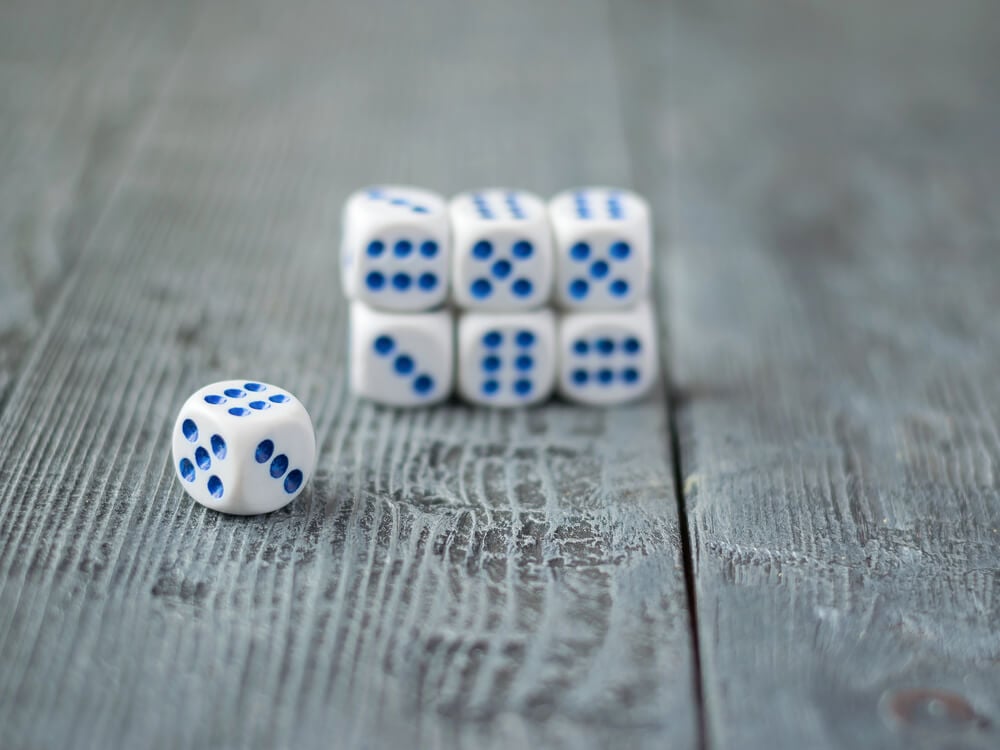
Small plastic cases with tiny steel spheres required a player to tilt the case until each sphere settled into its own depression. They were a standard party favor and prize.
Intact lenses and a full set of spheres are what to look for.
Square-1
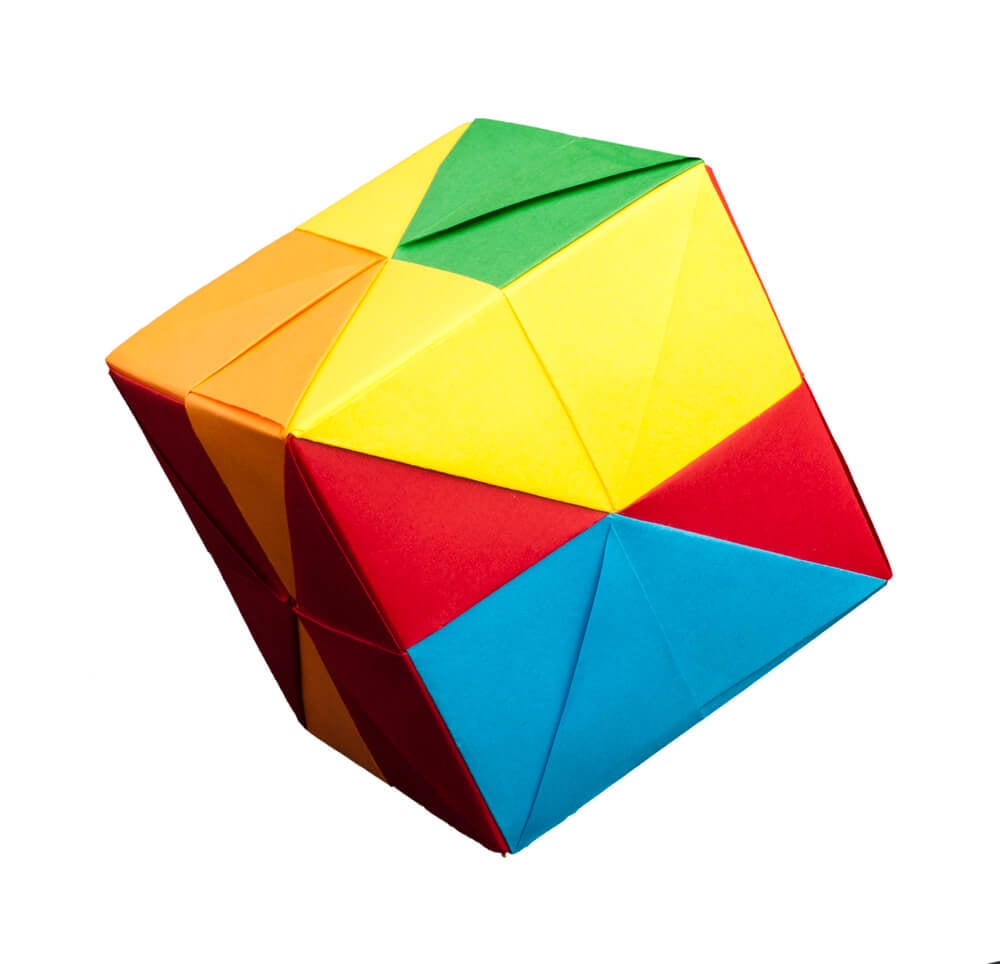
Square-1 is a twisty puzzle whose layers are cut into kite and triangle wedges, so the shape can be scrambled into something that no longer looks like a cube. That quirk made it one of the most unusual challenges of its generation.
Smooth turning and intact stickers affect value.
The Click of a Solved Thing

What these puzzles share is a promise of order, a visible and satisfying click when the last piece falls into place. Some are mathematical, some mechanical, and a few are simply sneaky.
The oldest ones are decades or centuries old, and they still work.
Collectors prize the complete sets, since a missing piece turns a puzzle into a pile of parts. Yet the puzzles that survive in good shape are rarely the ones that were solved quickly.
They are the ones that someone kept coming back to.
More from Go2Tutors!

- 27 Silver Dollars and Half Dollars Worth Keeping
- 28 Restaurant Menu Items Nobody Orders Anymore
- 17 Places Built in Seemingly Impossible Spots
- 27 Vintage Rings Worth More Than They Look
- 25 Restricted Sites Tourists Can’t Enter
Like Go2Tutors’s content? Follow us on MSN.