28 Bicycle Features Kids Grew Up With
A childhood bicycle was rarely just a way to get around. It was customized, decorated, and slowly modified over years until it barely resembled the bike that came out of the box.
The features below defined that experience, and most of them have quietly disappeared from bikes sold today. Some were purely functional, others purely decorative, and a few existed for no better reason than that they looked fast standing still.
Together they built the version of childhood freedom that a bike used to represent.
Banana Seats
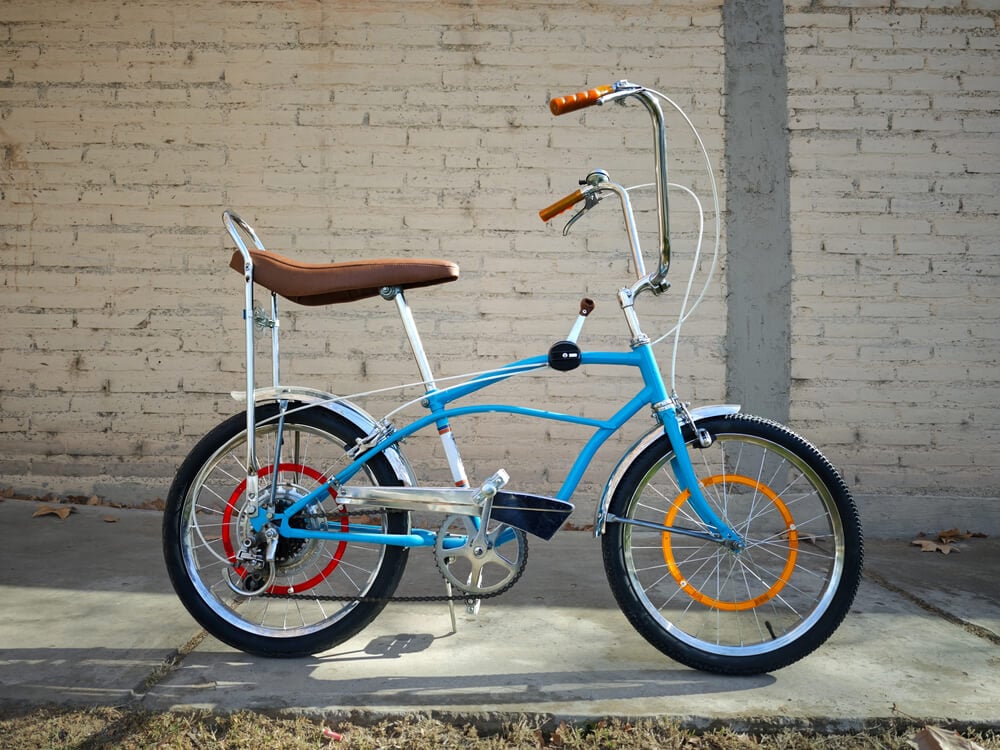
Long, cushioned, and often striped or sparkled, the banana seat let two kids ride one bike at once, with a passenger perched behind the rider. It became the defining visual feature of an entire era of bike design, paired almost universally with high-rise handlebars.
Replacement seats were sold separately specifically because the originals wore out from being sat on two at a time.
Sissy Bars
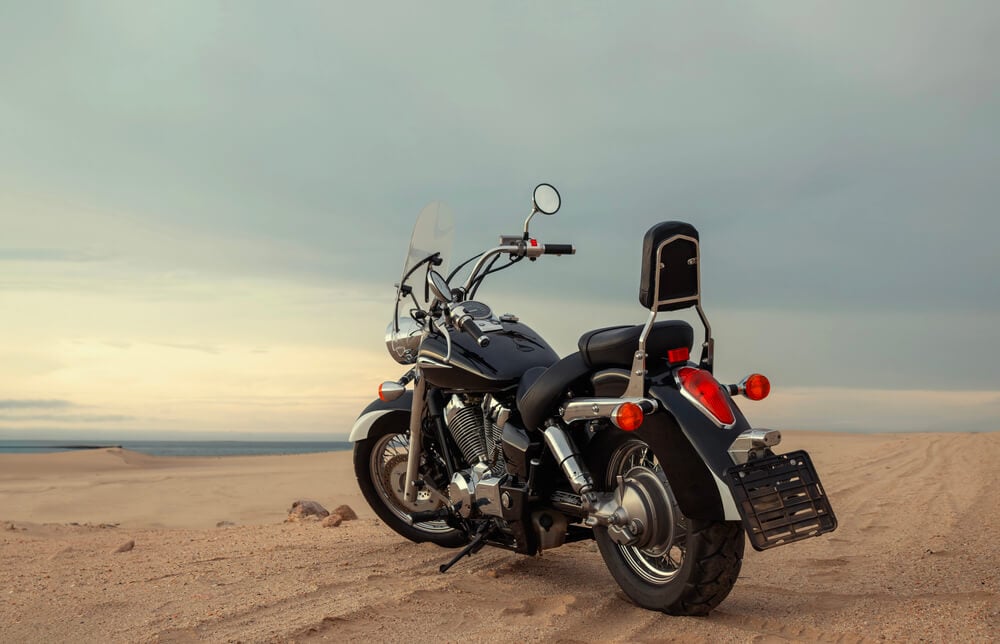
The tall, often chrome bar rising behind the banana seat gave a backrest for a passenger and a place to tie on a flag or streamers. Despite the name, the bars had a practical function, keeping a second rider from sliding off the back during a hard stop.
Taller sissy bars were considered more stylish, even though they made the bike noticeably harder to balance.
Handlebar Streamers
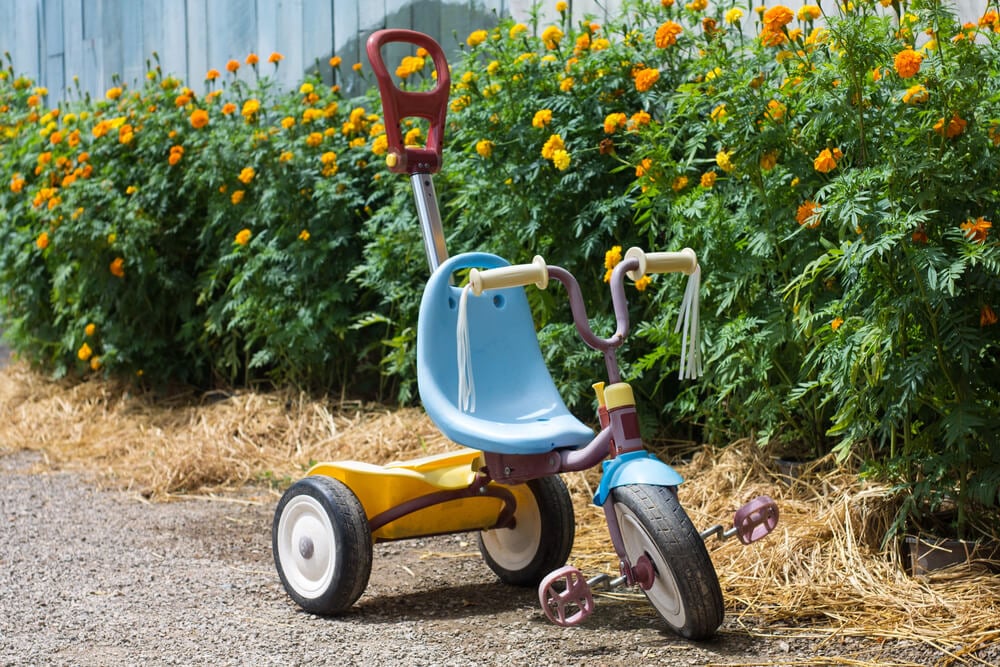
Plastic strips fed through the ends of the handlebar grips fluttered dramatically at speed and were among the first accessories a kid picked out themselves. They wore down and tore off in strands over a summer of riding, which meant most kids replaced them at least once a year.
Metallic and rainbow versions were considered a status upgrade over plain colors.
Playing Cards in the Spokes
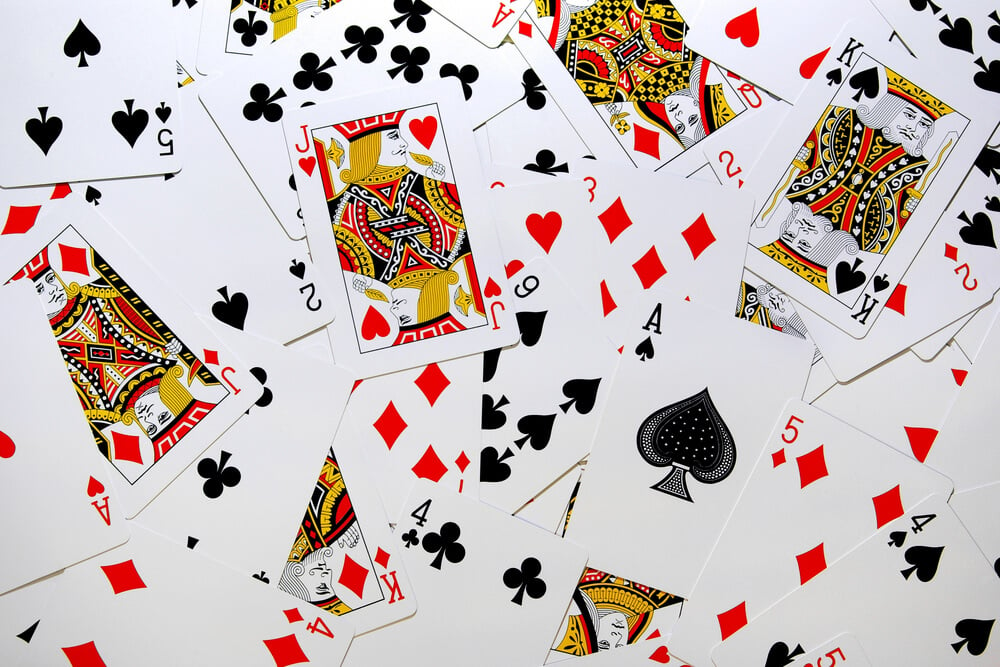
Clipped to the frame with a clothespin so the card flapped against the spinning spokes, a playing card turned an ordinary bike into something that sounded like a motorcycle from a distance. The trick required sacrificing a card from a full deck, which made it a minor act of defiance in households that took cards seriously.
The sound degraded as the card wore down, prompting frequent replacement.
Coaster Brakes
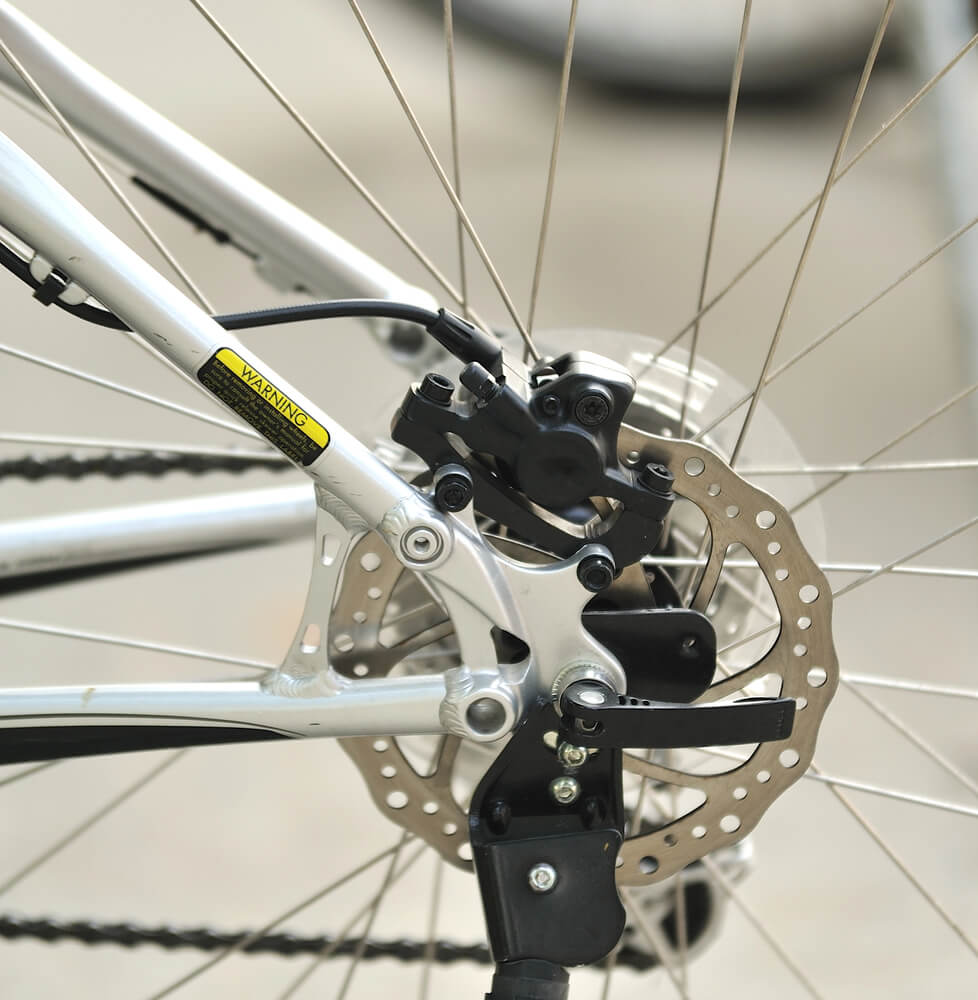
Stopping by pedaling backward rather than squeezing a hand lever, the coaster brake was often the only brake a kid’s first bike had. It made skidding a deliberate, controllable trick rather than an accident, and kids competed over who could lay down the longest skid mark.
The mechanism was simple enough that it rarely needed repair, which suited a bike that spent most of its life outdoors.
Kickstands
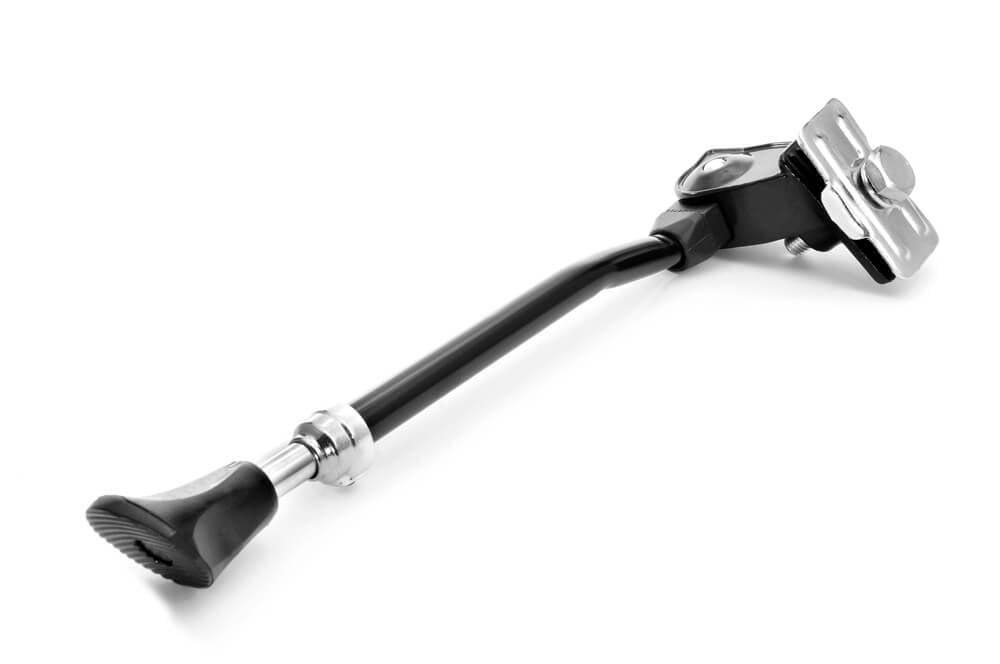
A simple metal arm that swung down to prop the bike upright meant a kid never had to lay a bike flat in the dirt or lean it precariously against a tree. Kickstands bent or snapped off with enough abuse, at which point most kids simply learned to lay the bike down instead.
A bike with a broken kickstand was a minor but real mark of how hard it had been ridden.
Training Wheels
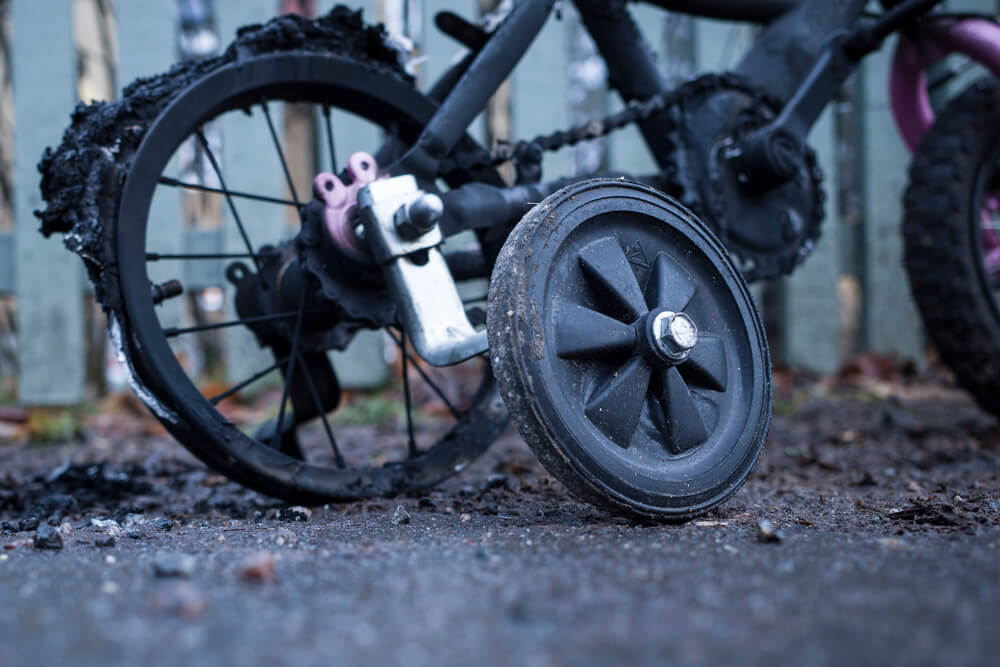
Small extra wheels bolted to either side of the rear axle let a new rider find balance before removing them entirely, usually in a small ceremony involving a wrench and a parent. The moment they came off was treated as a genuine milestone, often followed immediately by a scraped knee.
Adjustable versions let the wheels be raised gradually off the ground as confidence grew.
High-Rise Handlebars
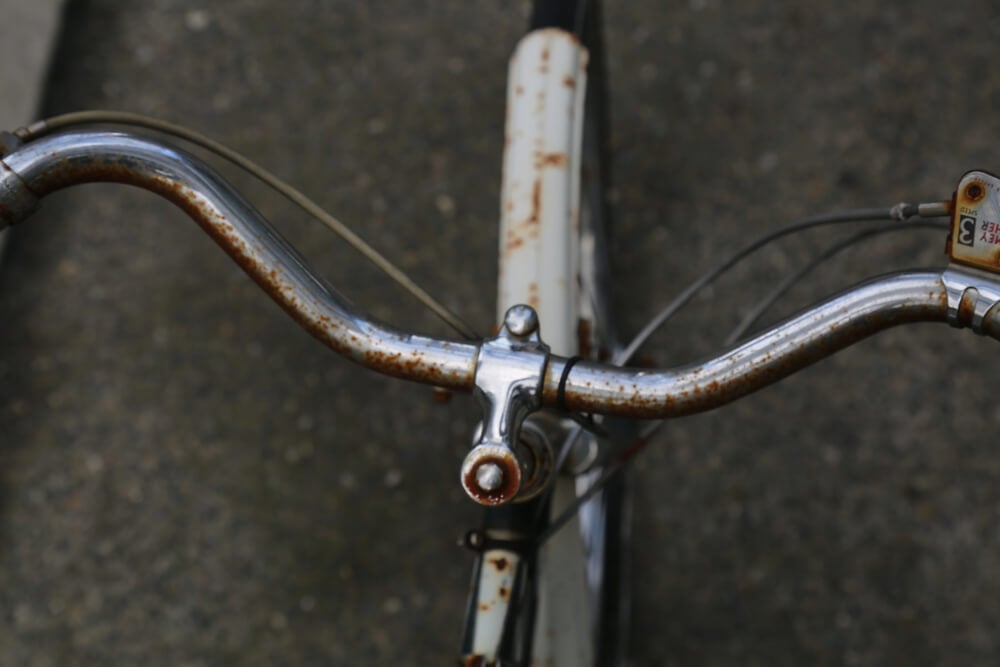
Swept up and back toward the rider rather than forward and down, high-rise handlebars gave an upright, motorcycle-like riding position that matched the banana seat aesthetic. They sacrificed some aerodynamic efficiency entirely in favor of style, which was a fair trade for most kids who were not racing anyone.
Taller bars became a common target for parental concern about control.
Chrome Fenders
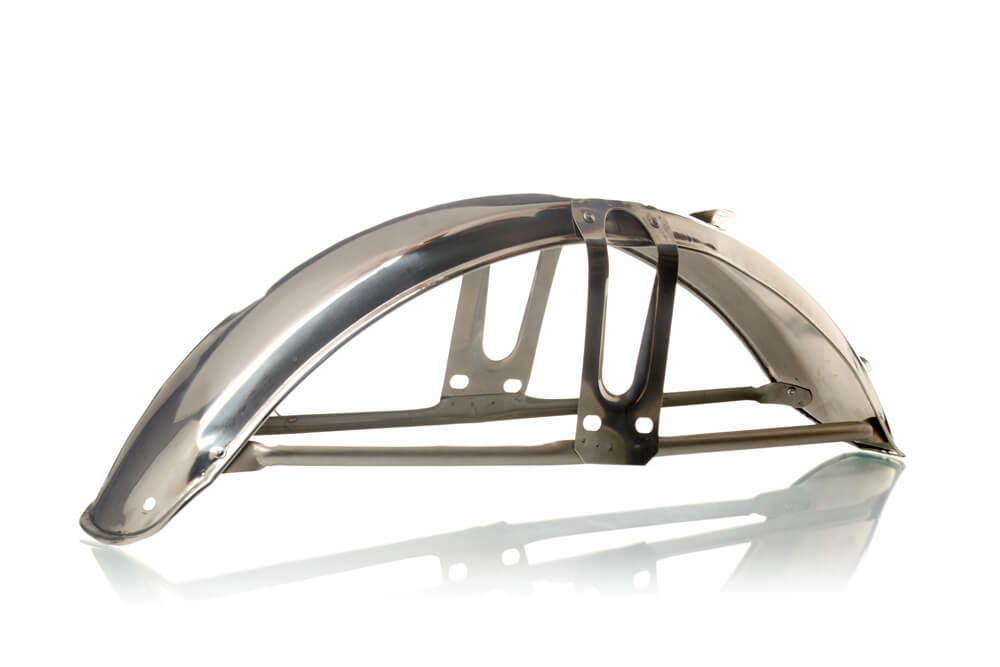
Curved metal fenders over the front and rear wheels kept mud and water off a rider’s back, though on many kids’ bikes they existed mostly for their reflective shine. They dented easily in a crash and rattled loudly once loosened, which became a distinctive sound of an older, well-used bike.
Some kids removed them entirely for a stripped-down racing look.
Handlebar Bells
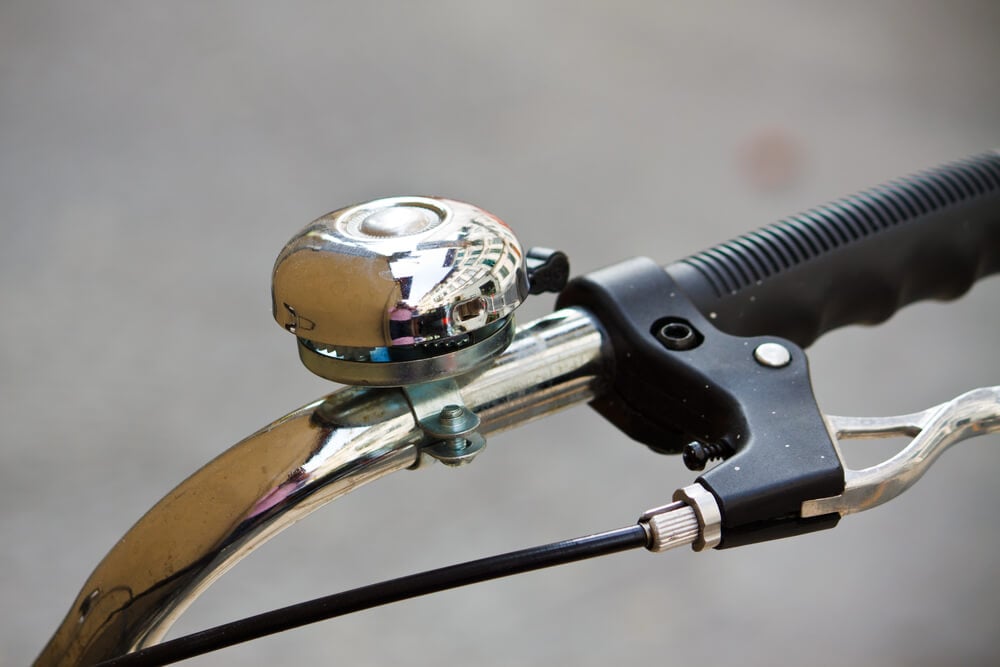
A small thumb-operated bell mounted near the grip let a rider announce themselves on a sidewalk or path without shouting. The ring was distinctive enough that neighbors could often identify which kid was approaching before they came into view.
Bells were among the first accessories to be added to a plain bike, usually within days of getting it.
Wire Baskets
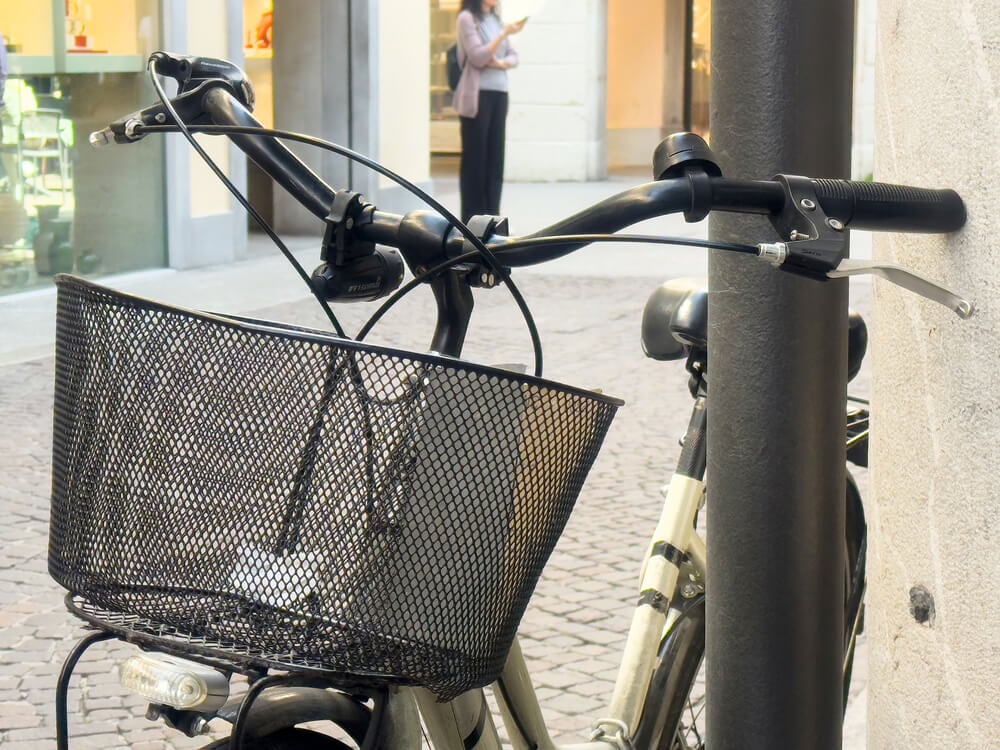
Mounted on the front handlebars, a wire basket turned a bike into genuine transportation, hauling library books, groceries, or a smaller sibling’s toys. Baskets with a woven plastic flower or streamer built into the front were marketed specifically at younger riders.
They rusted quickly if left out in the rain, which most were.
Reflectors
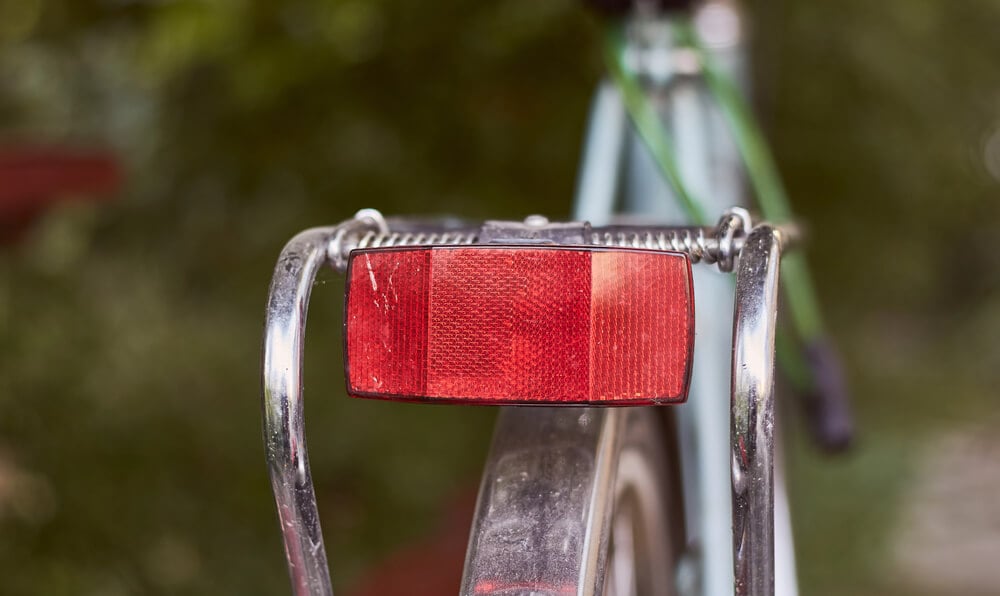
Required by law in many places, the red, amber, and white reflectors mounted on the wheels, pedals, and frame were rarely thought about until one cracked or fell off entirely. Wheel-mounted reflectors created a spinning blur of color at speed that many kids found more entertaining than practical.
Losing a pedal reflector in a crash was common enough to be unremarkable.
Whitewall Tires
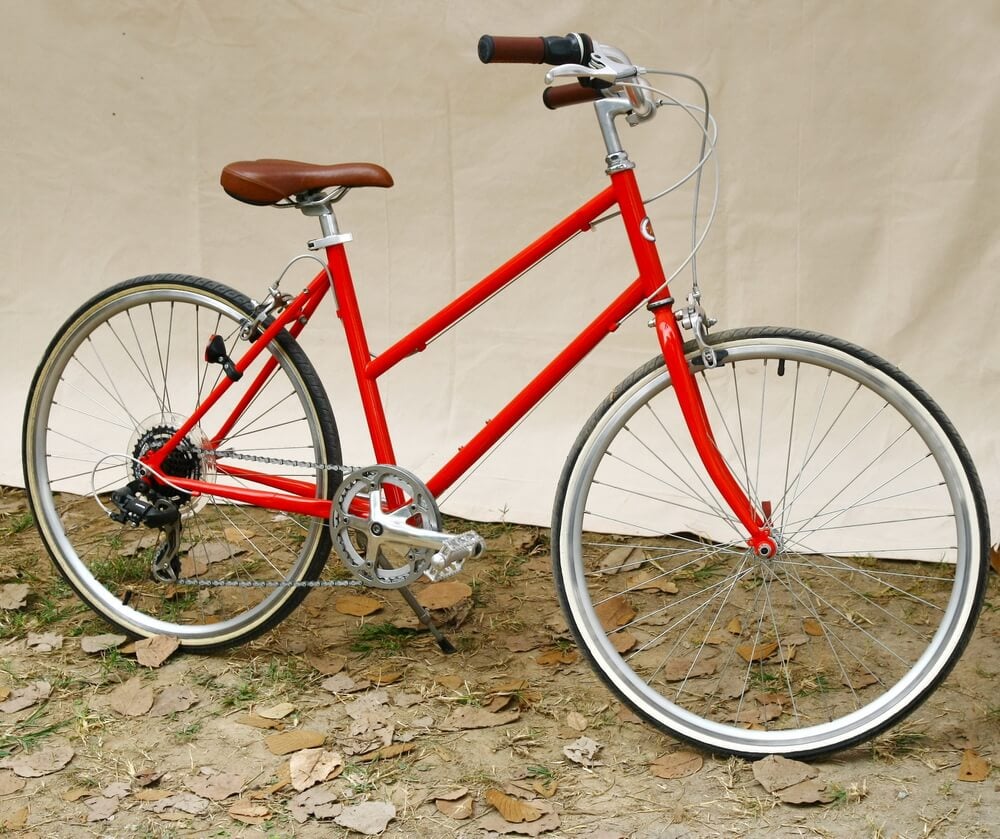
A band of white rubber on an otherwise black tire gave a bike a look borrowed directly from classic cars of the same era. The white band showed dirt and scuffs far more visibly than a plain black tire, meaning kids with whitewalls spent more time cleaning their bike than most.
They were considered a clear upgrade over a standard tire despite offering no performance benefit.
Stick Shifters
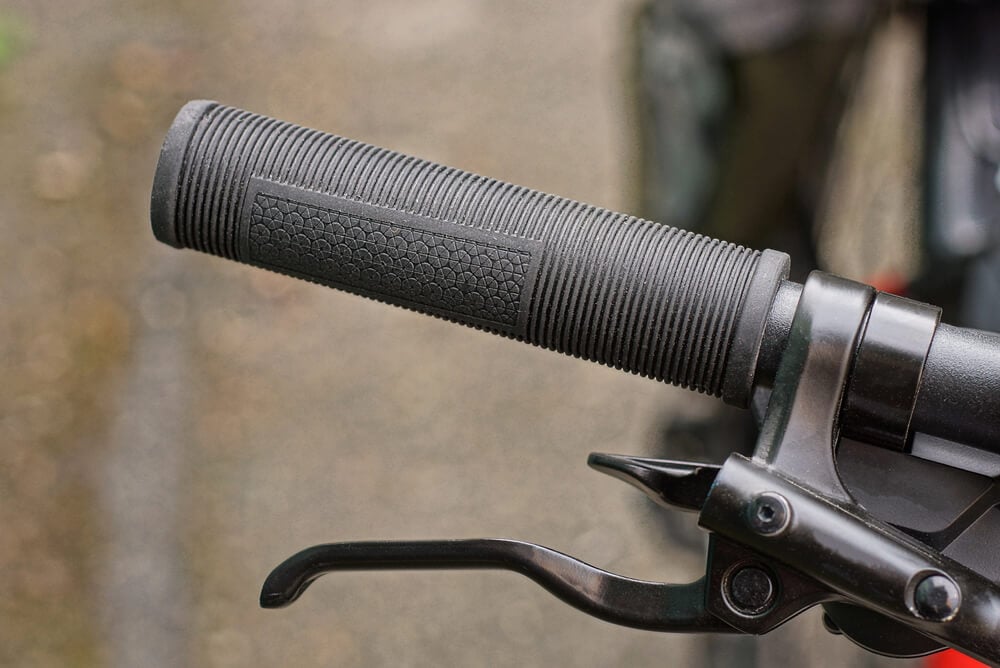
A shifter mounted on the top tube, styled after a car’s gear shift, let older kids’ multi-speed bikes feel like miniature motorcycles rather than simple pedal bikes. The shifting mechanism itself was often unreliable, slipping between gears unexpectedly mid-ride.
Despite the mechanical quirks, the stick shifter was considered essential to a bike’s cool factor.
Sparkle Paint
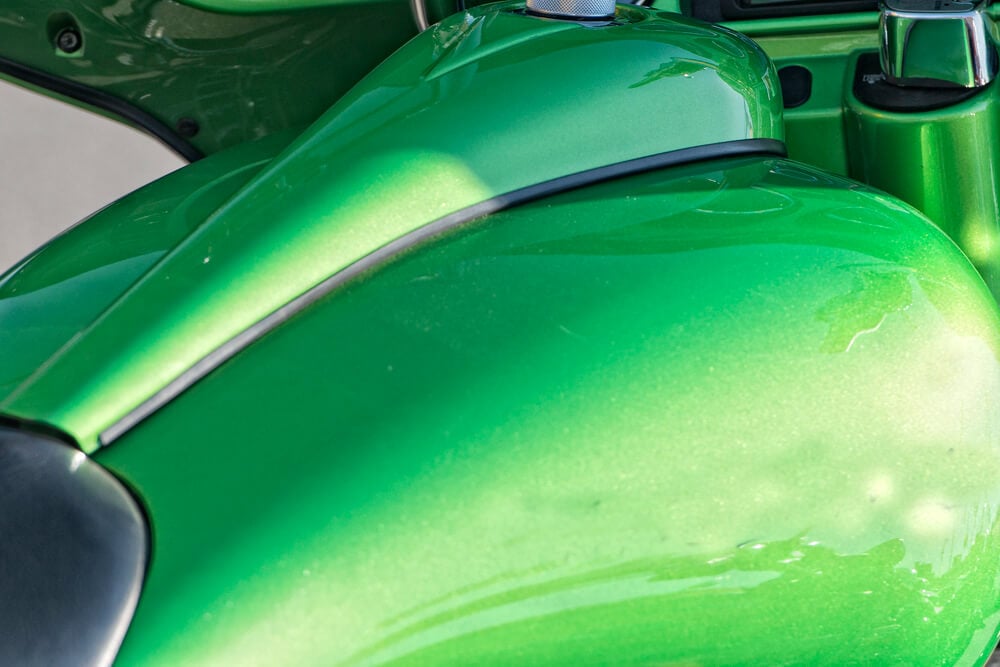
Metallic flake paint jobs, most often in deep purple, blue, or green, caught the light in a way flat paint never could and were a major factor in which bike a kid picked out at the store. The paint chipped easily around the pedals and chain guard from years of scrapes.
A bike’s specific shade of sparkle paint often became part of how kids identified their own bike in a pile at the schoolyard.
Battery-Powered Headlights
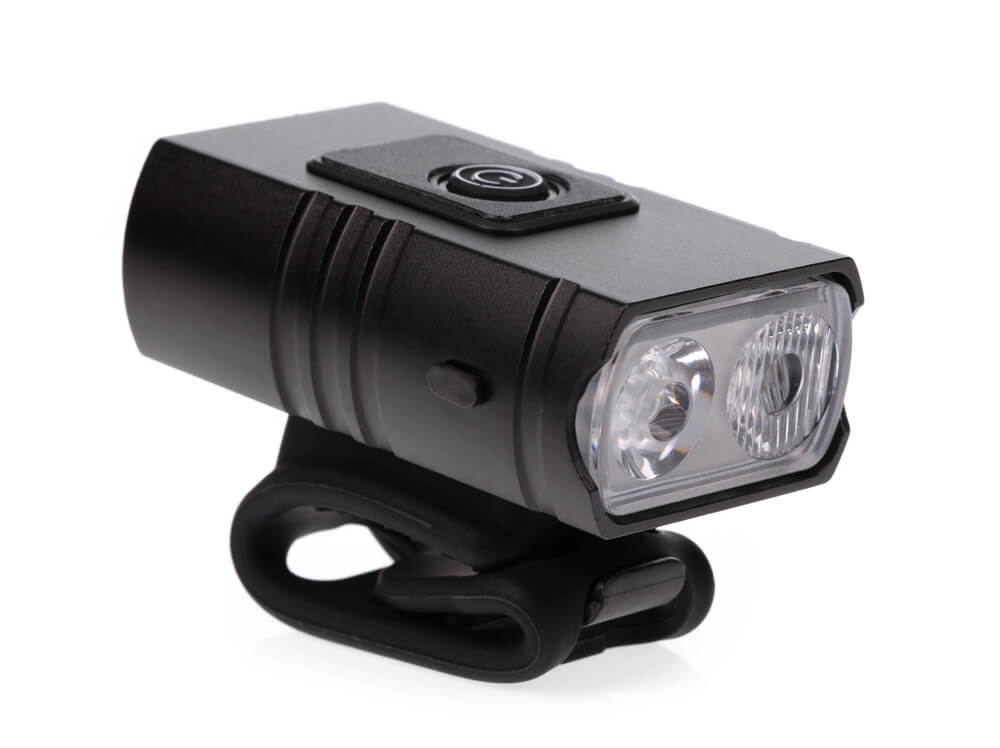
Clipped to the handlebars and running on a pair of D batteries, a bike headlight was more often used to signal that a kid was allowed to ride at dusk than for any real illumination. The bulb dimmed noticeably as the batteries wore down over a summer of use.
Some models doubled as a flashlight once unclipped from the bike.
Mechanical Speedometers
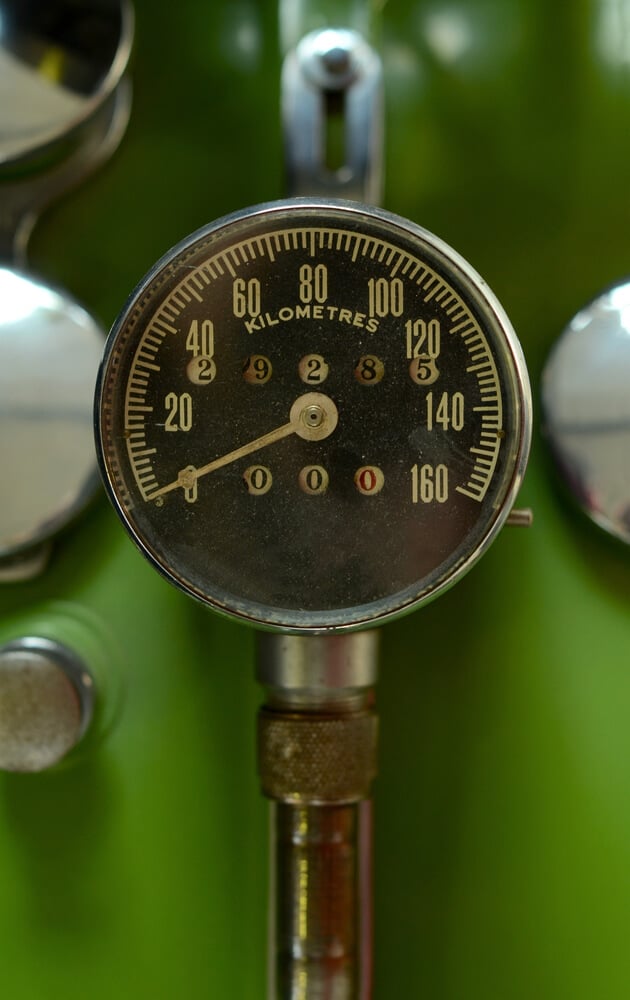
A cable running from the front wheel to a small analog gauge on the handlebars gave kids a genuine, if inflated, sense of how fast they were going down a hill. The needle bounced unreliably at low speeds, which meant most of the bragging happened at the higher, less accurate end of the dial.
Odometers built into the same unit tracked total mileage, which some kids logged obsessively.
Saddle Bags
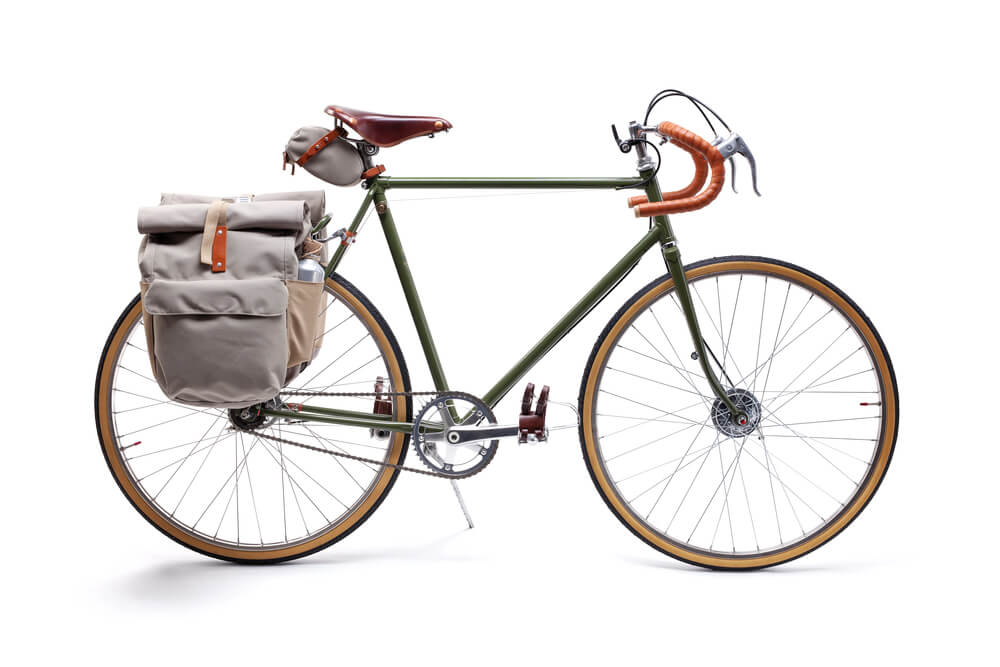
Small bags slung over the rear wheel behind the seat carried tools, snacks, or a patch kit for fixing a flat tire on longer rides. They were far more common on older kids’ bikes, since younger riders rarely ventured far enough to need emergency supplies.
A saddle bag stocked with a patch kit and a tire lever was considered a sign of a genuinely serious rider.
Mud Flaps
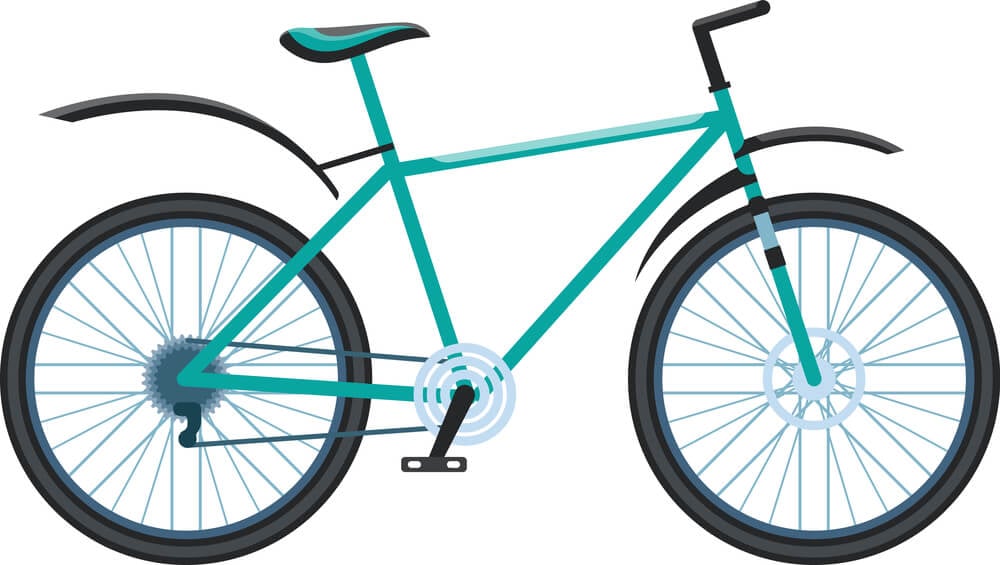
A small rubber or vinyl flap attached below the rear fender kept mud from spraying directly up a rider’s back on a wet street. Many were decorated with reflective tape or a printed design, turning a functional part into another spot for personalization.
They tore off easily when caught on a curb, and few kids bothered replacing them once lost.
Chain Guards
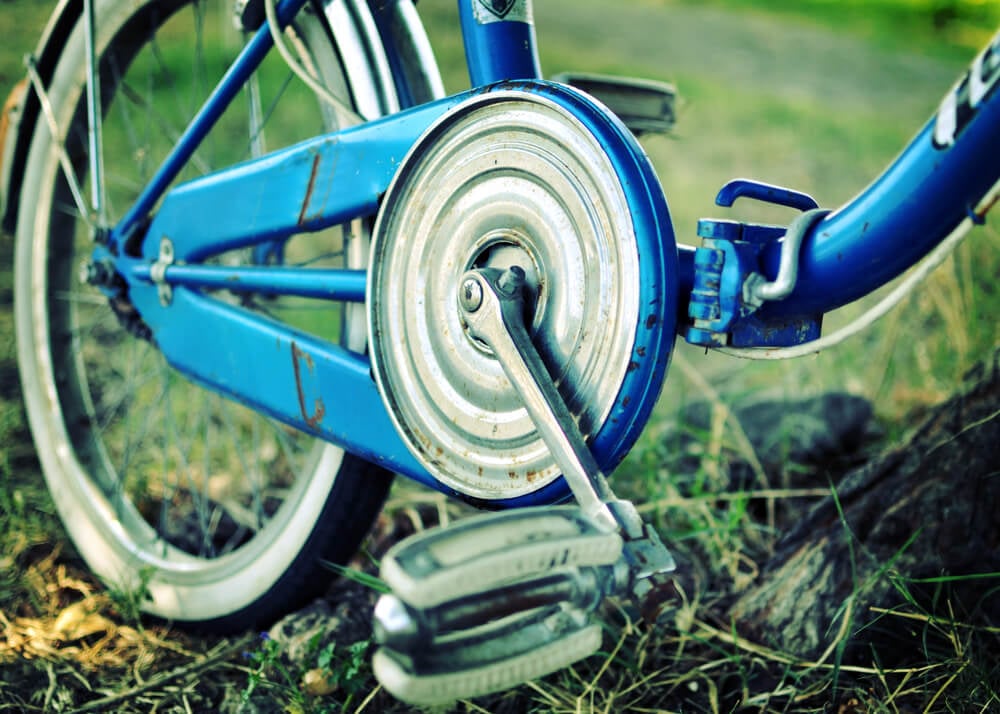
A curved metal or plastic panel covering the chain kept pant legs from getting caught and greasy, a genuinely practical feature on bikes ridden in regular clothes rather than dedicated riding gear. Painted to match the frame, the chain guard was one of the largest single surfaces for a bike’s paint scheme.
A bent chain guard rubbing against the chain produced a distinctive ticking sound that meant a repair was overdue.
Pegs
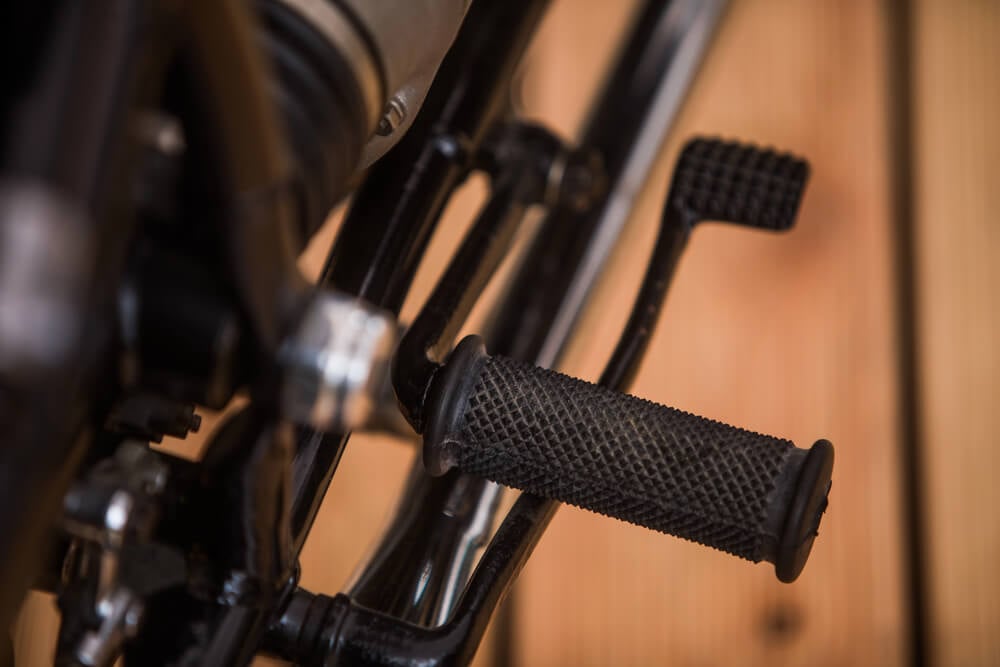
Small cylindrical pegs bolted to the front or rear axle gave a second rider a place to stand, or let the bike’s own rider perform tricks by balancing on them while stationary or rolling slowly. They became especially popular as kids began imitating BMX riders seen at local tracks or on television.
Pegs added noticeable weight and made the wheel noticeably harder to true if bent.
Bike License Plates
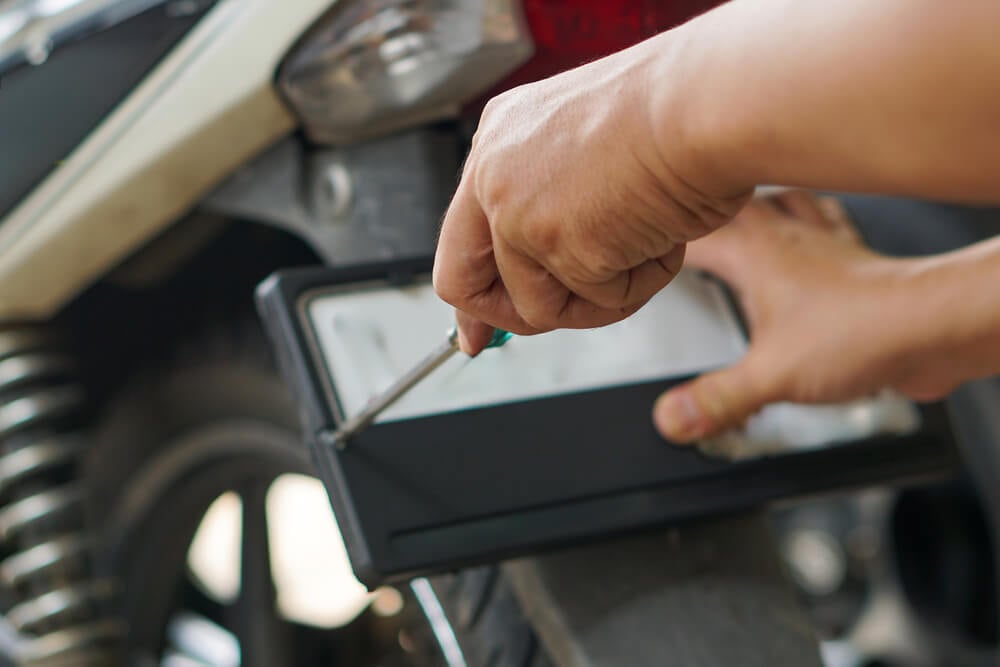
A small metal or plastic plate, sometimes issued by a local police department as part of a registration program and sometimes purely decorative, was bolted beneath the seat or on the rear fender. Decorative versions featured a kid’s name, a cartoon character, or a made-up novelty message.
Registered plates were intended to help identify a stolen bike, though recovery rates were inconsistent.
Bulb Horns
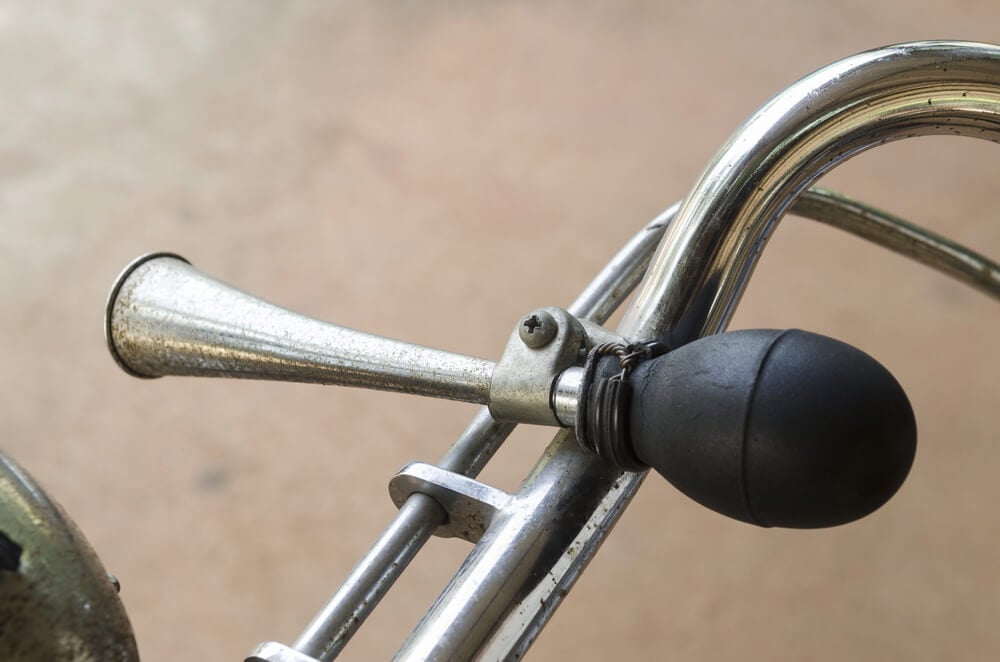
A rubber bulb connected to a small horn produced a honking sound when squeezed, giving younger kids without a bell a way to announce themselves. The rubber cracked and lost its seal over time, turning a sharp honk into a weak wheeze.
Kids often tested a new horn obsessively for the first few days before the novelty wore off.
Handlebar Mirrors
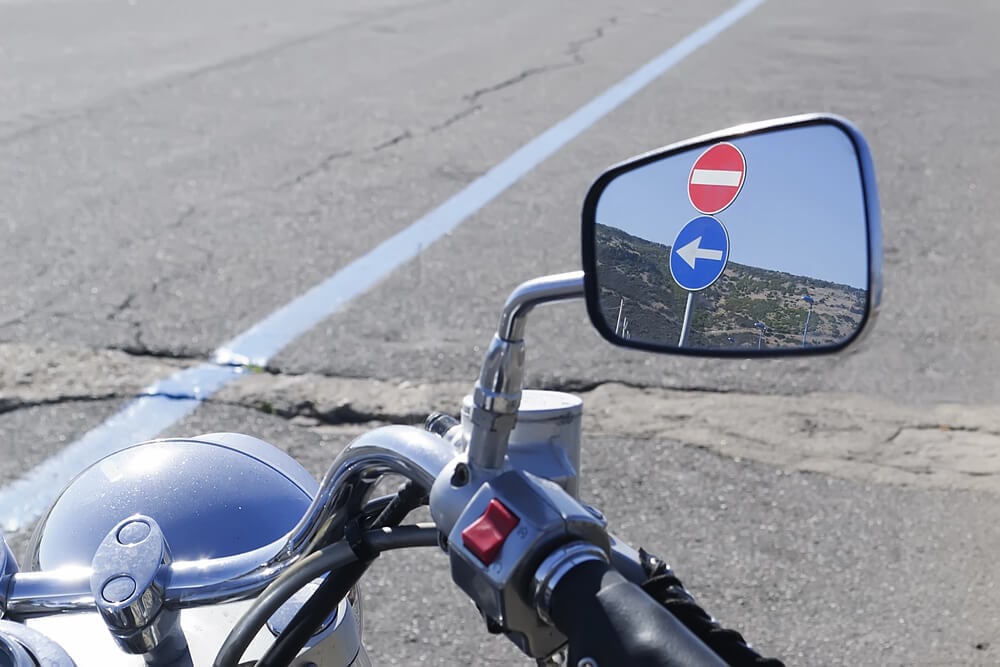
A small round mirror clipped to the end of one handlebar let a rider check behind them without turning around fully, a genuinely useful feature on bikes ridden in the street. The mirror’s small size and constant vibration made it more symbolic than functional for most young riders.
It was more common on older kids’ bikes built for road riding than on younger children’s models.
Backpedal Kickback
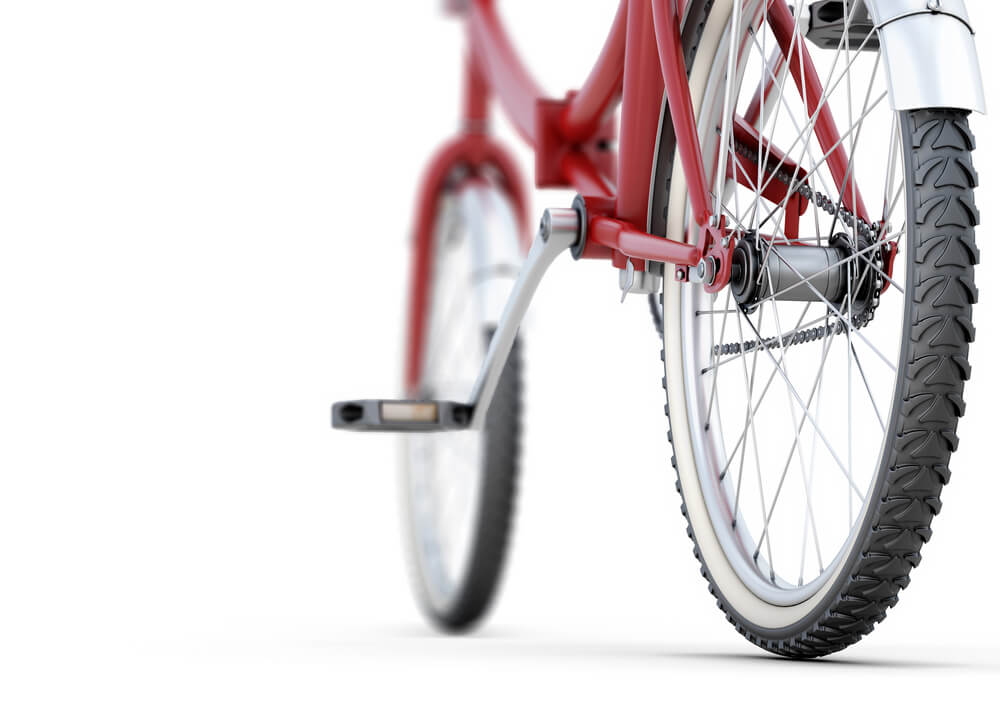
Distinct from the coaster brake itself, the backpedal kickback was the small jolt felt in the pedals when the coaster brake engaged, a mechanical sensation kids learned to anticipate and use to control their speed precisely. Riders became skilled enough to modulate a skid’s length using just the pressure of that kickback.
It was one of the first mechanical feelings a kid learned to read on a bike.
Twist-Grip Shifters
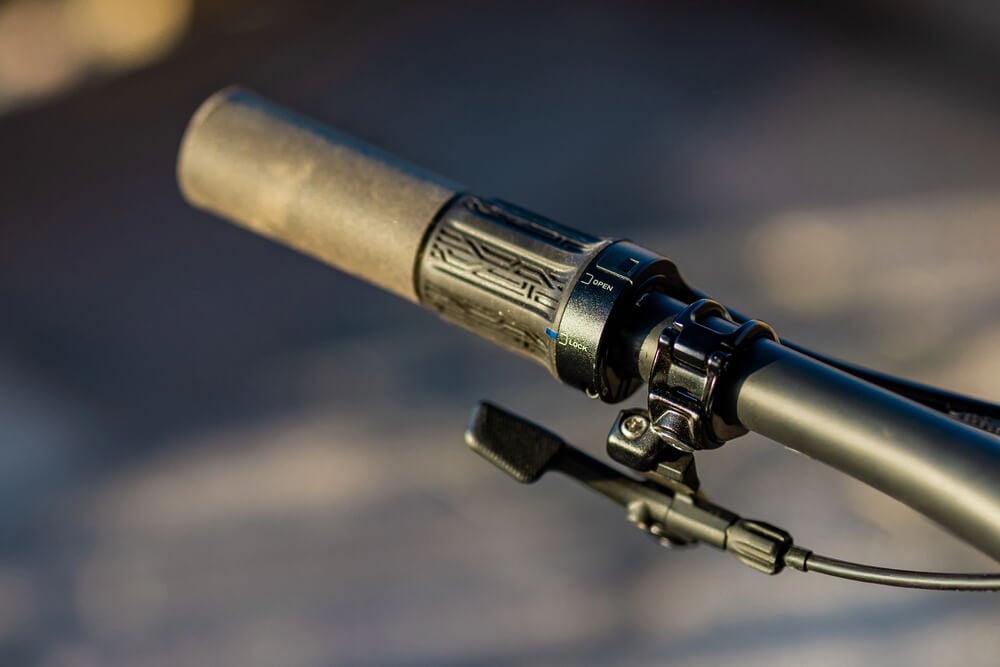
Mounted directly on the handlebar grip, a twist shifter let a rider change gears with a simple wrist rotation rather than reaching for a separate lever. It was more common on bikes marketed toward slightly older kids graduating from a single-speed model.
The mechanism was prone to slipping if not adjusted correctly, a frequent source of frustration on longer rides.
Streamers on the Sissy Bar
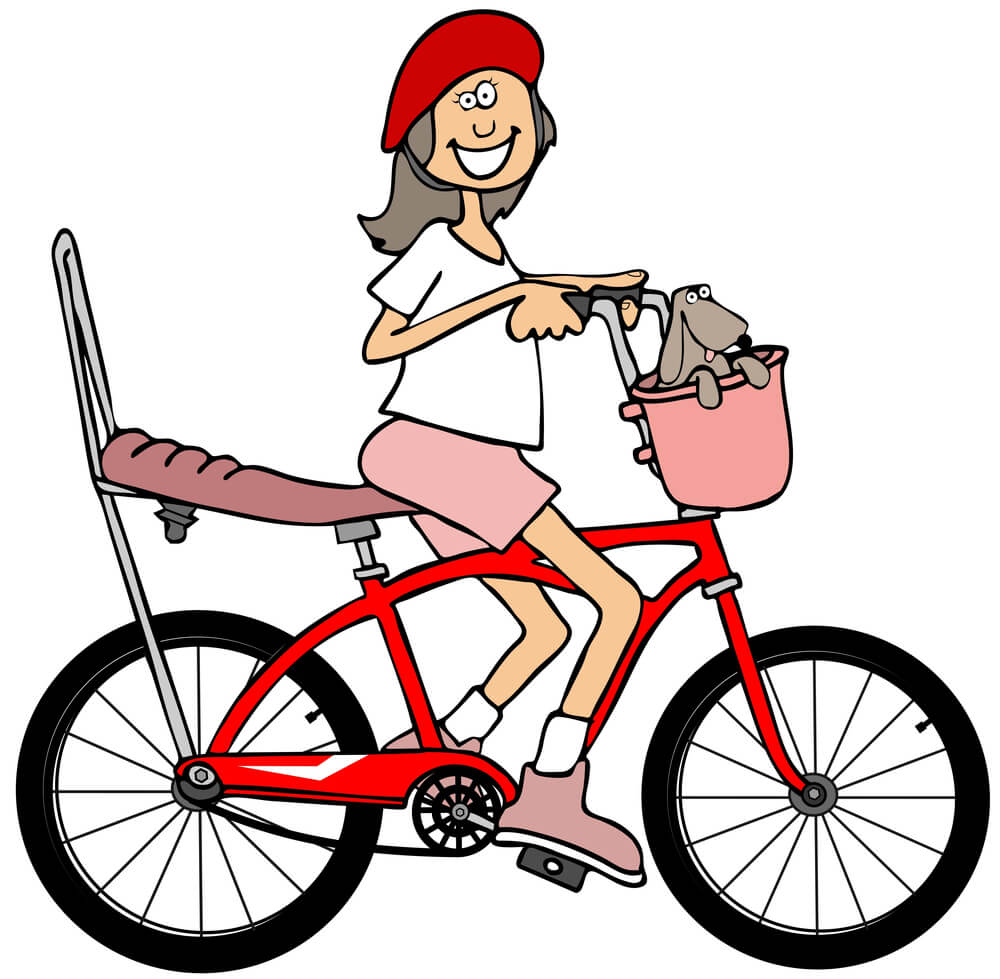
Distinct from handlebar streamers, a second set tied specifically to the top of the sissy bar added an extra layer of motion and color visible even from behind the bike. Kids often mixed and matched colors between the two locations to create a signature look.
They tangled easily in wind, requiring frequent untangling before a ride.
Bell-Shaped Horns
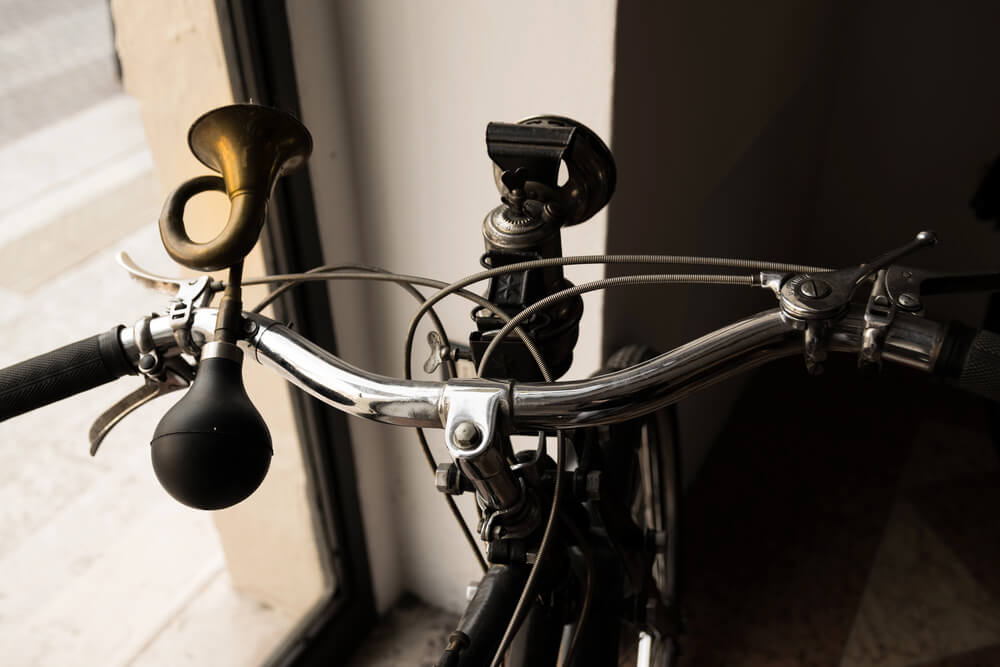
A cone-shaped horn styled after a car horn, mounted separately from a standard bell, gave a louder and more distinctive sound favored by kids who found the standard bell too quiet. Squeezing the rubber bulb repeatedly in quick succession became a favorite way to announce arrival at a friend’s house.
The louder horns were sometimes banned by parents specifically for that reason.
What the Bike Actually Taught
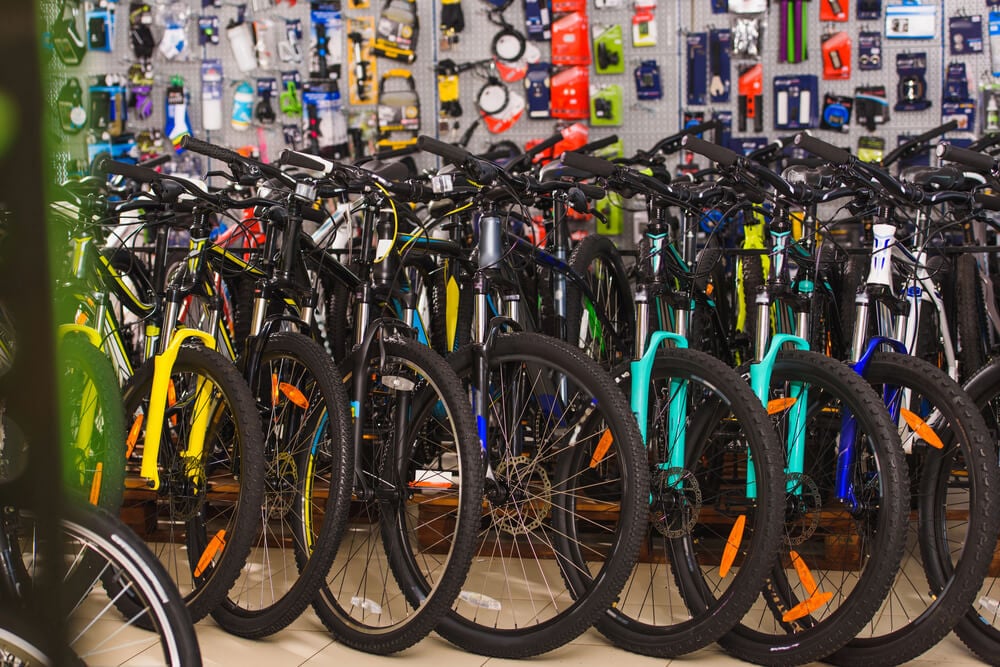
None of these features made a bike faster or objectively better. A stripped-down bike with no bell, no basket, and no sparkle paint would get a kid to school just as reliably.
What these features did was turn a bike into something personal, a machine a kid had a hand in shaping through the accessories they chose and the wear patterns they left behind. That process, more than the bike itself, was the actual point.
Choosing a banana seat over a standard one, or fighting to keep a bent chain guard rather than replace it, was often a kid’s first experience of ownership in a meaningful sense. The bike changed with the child, and by the time it was outgrown, it rarely looked anything like the one that had come out of the box.
More from Go2Tutors!

- The Romanov Crown Jewels and Their Tragic Fate
- 13 Historical Mysteries That Science Still Can’t Solve
- Famous Hoaxes That Fooled the World for Years
- 15 Child Stars with Tragic Adult Lives
- 16 Famous Jewelry Pieces in History
Like Go2Tutors’s content? Follow us on MSN.