Biggest Sports Trade Moves Ever Made
The odd thing about sports trades is that they can split a whole fan base in an instant.
The colors of your team are worn by a beloved star one day, and then they are dressed for a rival team.
Then there are the genuinely historic deals, the ones that essentially change franchises, establish dynasties, and haunt organizations for decades rather than merely moving players around.
These aren’t merely paper transactions.
These are profound changes that reverberate across entire leagues, changing the trajectory of sports history in ways that no one could have fully anticipated.
A closer look at the trades that made all the difference is provided here.
Babe Ruth to the Yankees
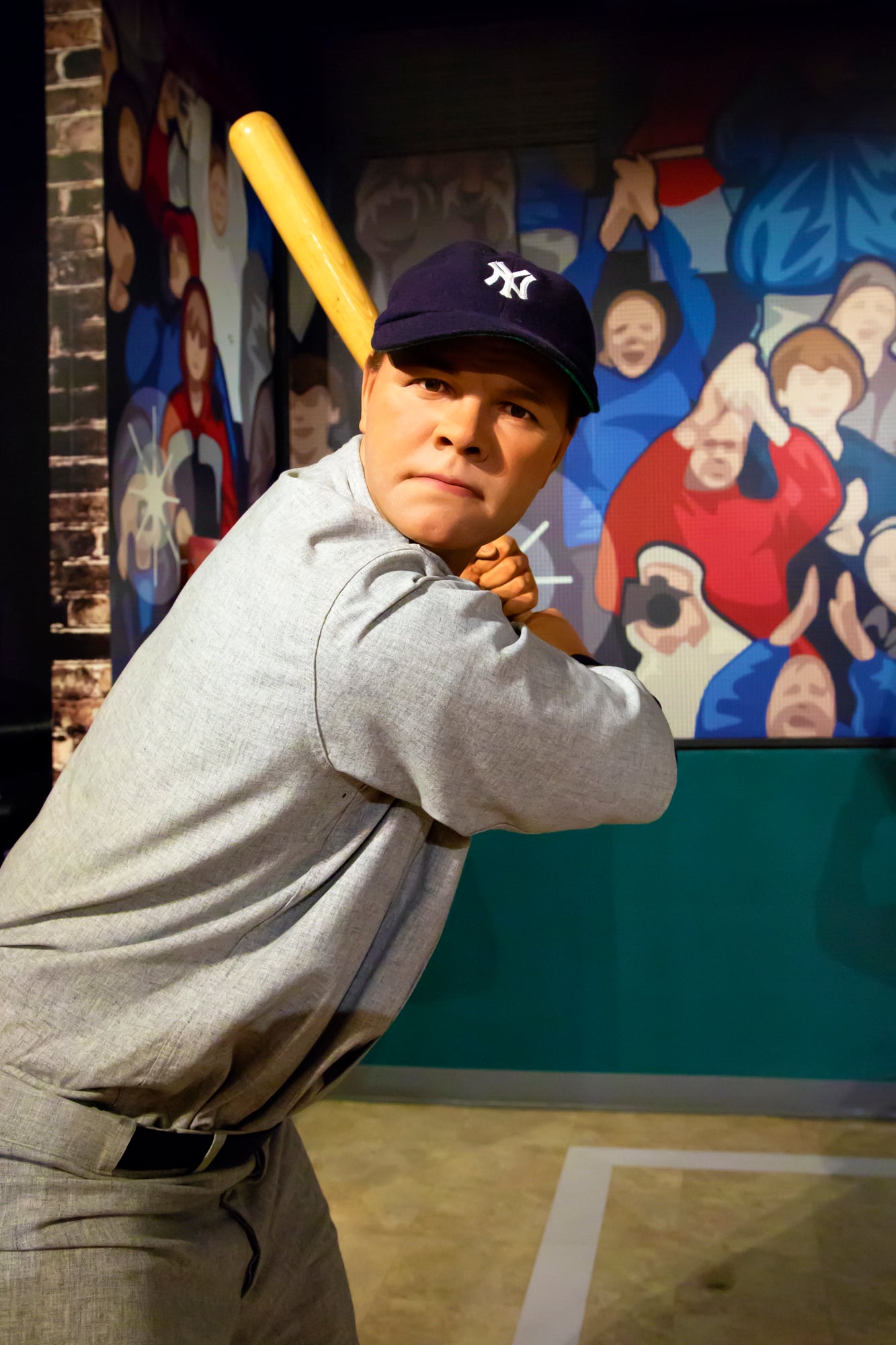
When Harry Frazee sold Babe Ruth from the Boston Red Sox to the New York Yankees on December 26, 1919, he wasn’t just moving a player—he was cursing an entire franchise for 86 years.
Ruth had just smashed a major league record with 29 home runs and was turning 25 years old.
The deal was announced publicly in January 1920, though it was finalized weeks earlier.
Technically a sale rather than a traditional trade, the Yankees paid $100,000 in cash installments while also providing Frazee a $300,000 loan secured by a mortgage on Fenway Park itself.
Frazee, a theatrical producer hemorrhaging money on Broadway productions, defended the move as necessary for building a balanced team.
He called Ruth ‘selfish’ to the press and claimed the Yankees were ‘taking a gamble.’
Instead, Ruth became the most dominant player in baseball history, leading the Yankees to seven pennants and four World Series titles.
The Red Sox wouldn’t win another World Series until 2004, when they dramatically overcame a 3-0 deficit against those same Yankees in the playoffs.
Ruth’s sale wasn’t just a bad deal—it was the original sin that launched the greatest dynasty in American sports.
Herschel Walker to the Vikings
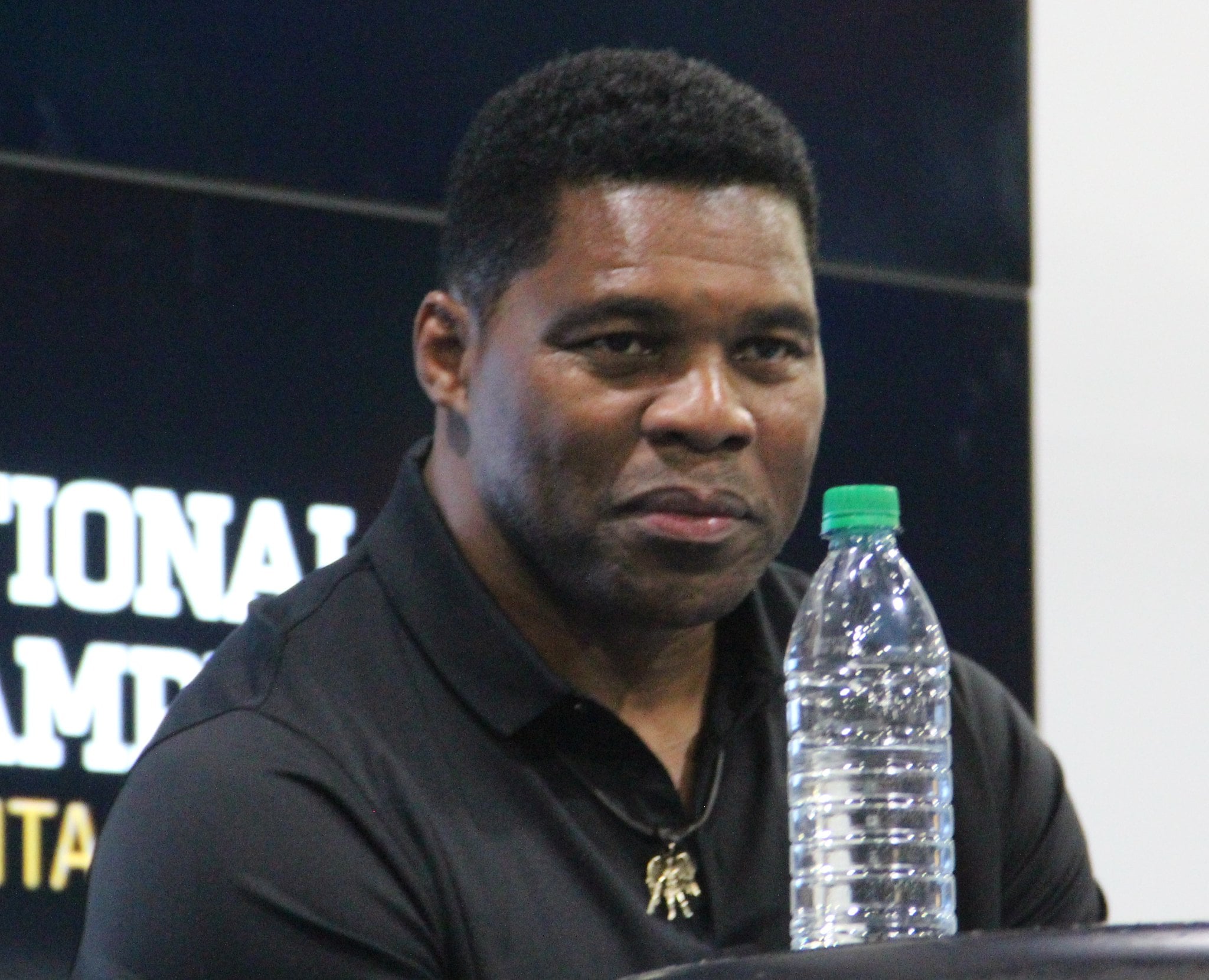
Jimmy Johnson conceived the idea during a lunchtime jog with his coaching staff in October 1989.
The Dallas Cowboys were 0-4 and utterly dreadful, having lost 16 of their last 17 games.
Johnson told his stunned assistants that the only way forward was to trade their best player, running back Herschel Walker.
His response was brutally pragmatic: ‘I’m not really concerned with scoring points this year. I’m concerned with getting good here in a couple of years.’
What followed became ‘The Great Train Robbery’—the largest trade in NFL history, eventually involving 18 total assets including 12 players and draft picks across three teams.
The Cowboys sent Walker and three draft picks to Minnesota for five players, three draft picks, and crucially, conditional picks tied to each player.
Johnson had zero interest in the players and systematically cut them all, triggering a windfall of draft capital that included three first-round picks.
One of those picks became the 17th overall selection in 1990, which Dallas used to draft Emmitt Smith.
Combined with Russell Maryland and Darren Woodson, these players formed the cornerstone of a dynasty that won three Super Bowls in four years.
Meanwhile, Walker never rushed for 1,000 yards in a season with Minnesota and was gone by 1991.
It remains the most lopsided trade in professional sports history.
Wayne Gretzky to the Kings
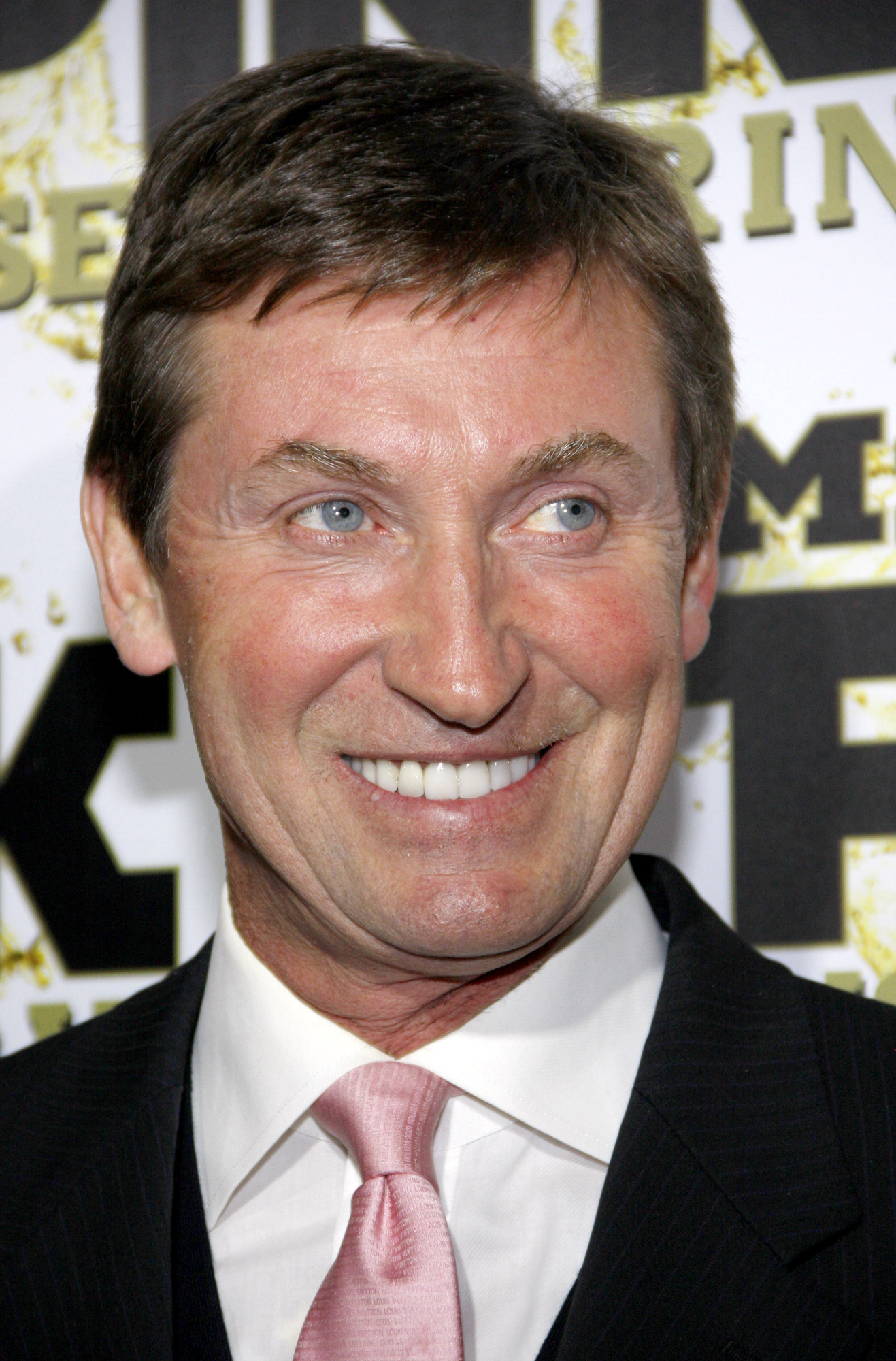
Some trades are so shocking they’re simply known as ‘The Trade.’
On August 9, 1988, the Edmonton Oilers sent Wayne Gretzky—the greatest hockey player in the world—along with Marty McSorley and Mike Krushelnyski to the Los Angeles Kings.
The Oilers had just won their fourth Stanley Cup in five years, and Gretzky was only 27 years old.
His departure felt like a betrayal to Canadian hockey fans, who struggled to comprehend why a small-market team would trade its transcendent superstar.
In return, the Oilers received Jimmy Carson, Martin Gelinas, three first-round draft picks for 1989, 1991, and 1993, plus $15 million in cash.
Owner Peter Pocklington needed the money, plain and simple.
The announcement sparked outrage across Canada, with some politicians calling it a national tragedy.
But ‘The Trade’ accomplished something beyond hockey.
Gretzky’s presence in sunny Los Angeles legitimized the NHL in non-traditional markets and sparked massive growth across the Sun Belt.
He led the Kings to their first Stanley Cup Final in 1993 and helped hockey gain a foothold in California and beyond.
The Oilers won their fifth and final Cup in 1990 without him, marking the end of their dynasty.
Gretzky’s trade fundamentally expanded where and how the sport could thrive in North America.
Kareem Abdul-Jabbar to the Lakers
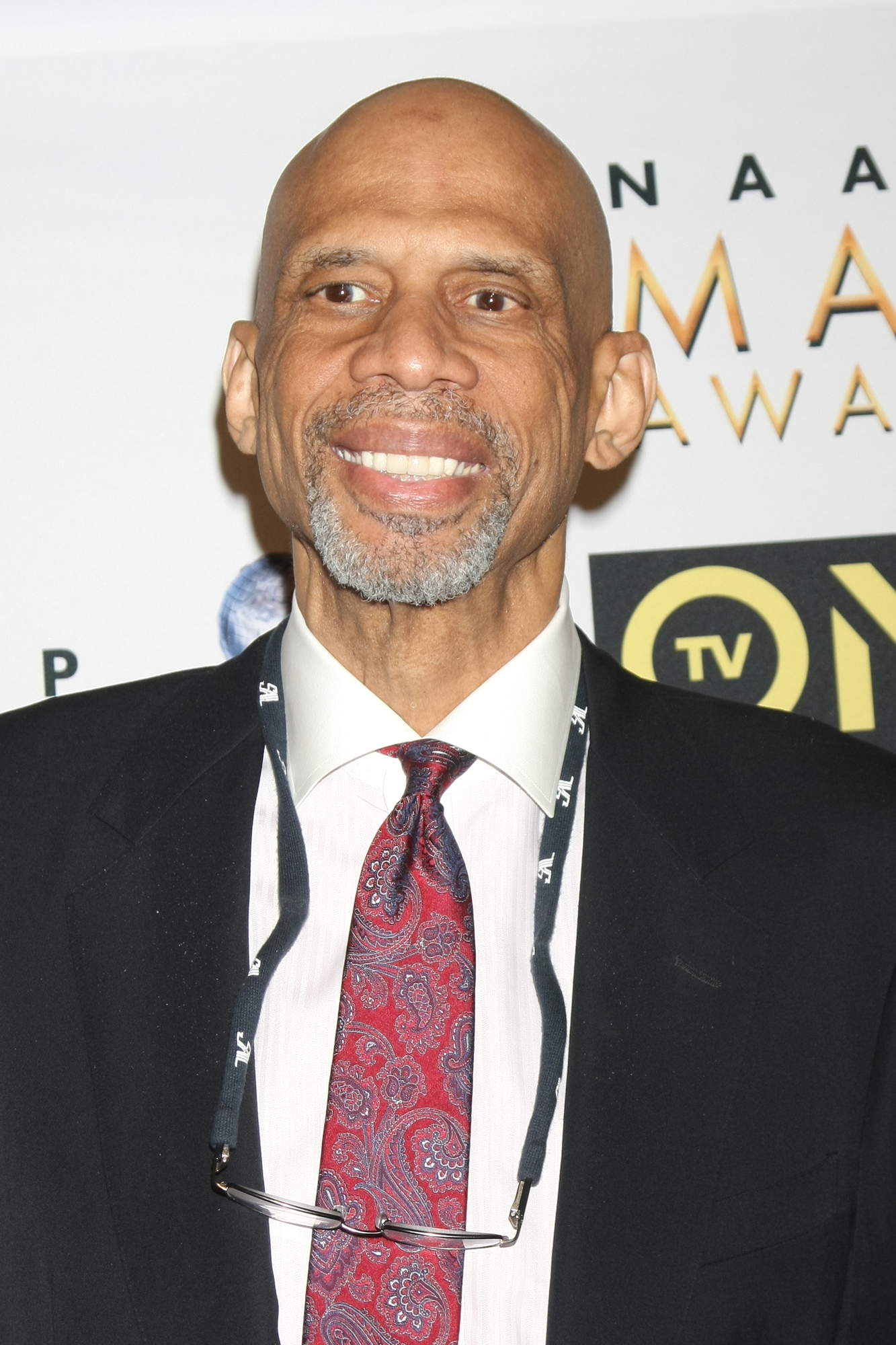
By the end of the 1974-75 season, Kareem Abdul-Jabbar had grown restless in Milwaukee.
At seven-foot-two, he was already one of the greatest centers in basketball history, having led the Bucks to the 1971 NBA championship.
Still, the small-market Midwest lifestyle didn’t suit him.
He made his wishes clear: trade him to New York or Los Angeles.
The Lakers obliged on June 16, 1975, sending Elmore Smith, Brian Winters, Junior Bridgeman, and Dave Meyers to the Bucks in exchange for the 28-year-old superstar.
Kareem anchored the Lakers for the next 14 seasons, collecting five more NBA championships to go with his Milwaukee title and cementing the ‘Showtime’ era.
He became the league’s all-time leading scorer, a record that stood for nearly four decades until LeBron James broke it in 2023.
The trade demonstrated that even the biggest stars could force their way to desired destinations—a precedent that would echo through NBA history.
Milwaukee got solid players in return but never came close to replacing what they lost.
Kevin Garnett to the Celtics
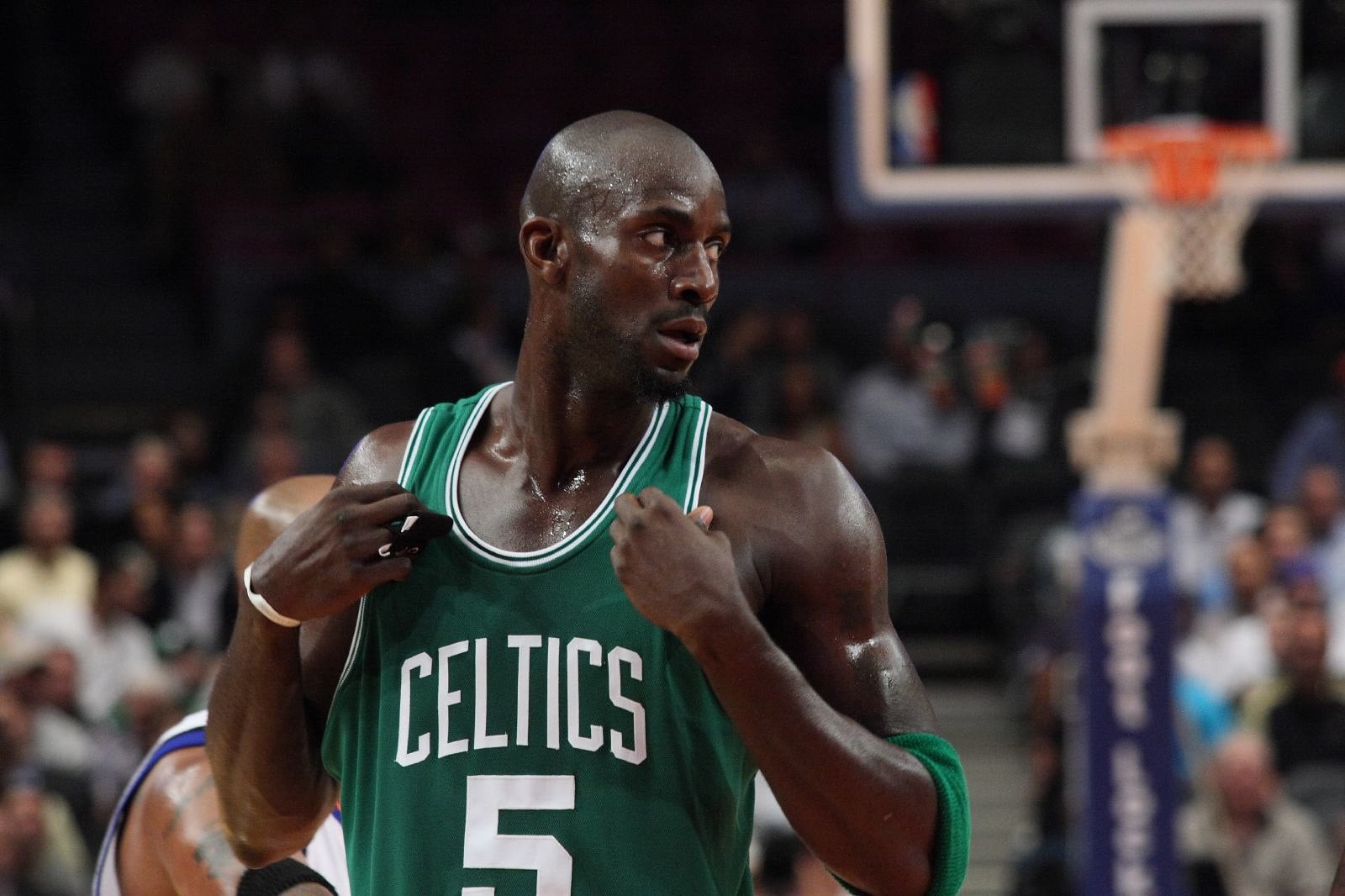
The modern superteam era didn’t start in Miami with LeBron James.
It started in Boston on July 31, 2007, when the Celtics acquired Kevin Garnett from the Minnesota Timberwolves in what was then the largest trade for a single player in NBA history.
The 31-year-old forward had spent 12 frustrating seasons in Minnesota without sniffing a championship.
Boston had already traded for Ray Allen weeks earlier and possessed Paul Pierce.
Adding Garnett completed the triumvirate.
Minnesota received seven players, including Al Jefferson and Gerald Green, plus two first-round draft picks.
The Celtics created something unprecedented: three legitimate superstars in their prime joining forces specifically to win championships.
The results were immediate and dramatic.
Boston won 66 games in 2007-08 and demolished the Lakers in the Finals, with Garnett providing the defensive intensity and leadership that had been missing for years.
Minnesota didn’t make the playoffs for another eight seasons.
More importantly, the trade established the blueprint for player movement that would define the next decade of NBA basketball, directly influencing LeBron James’s decision to form his own superteam in Miami in 2010.
Shaquille O’Neal to the Heat
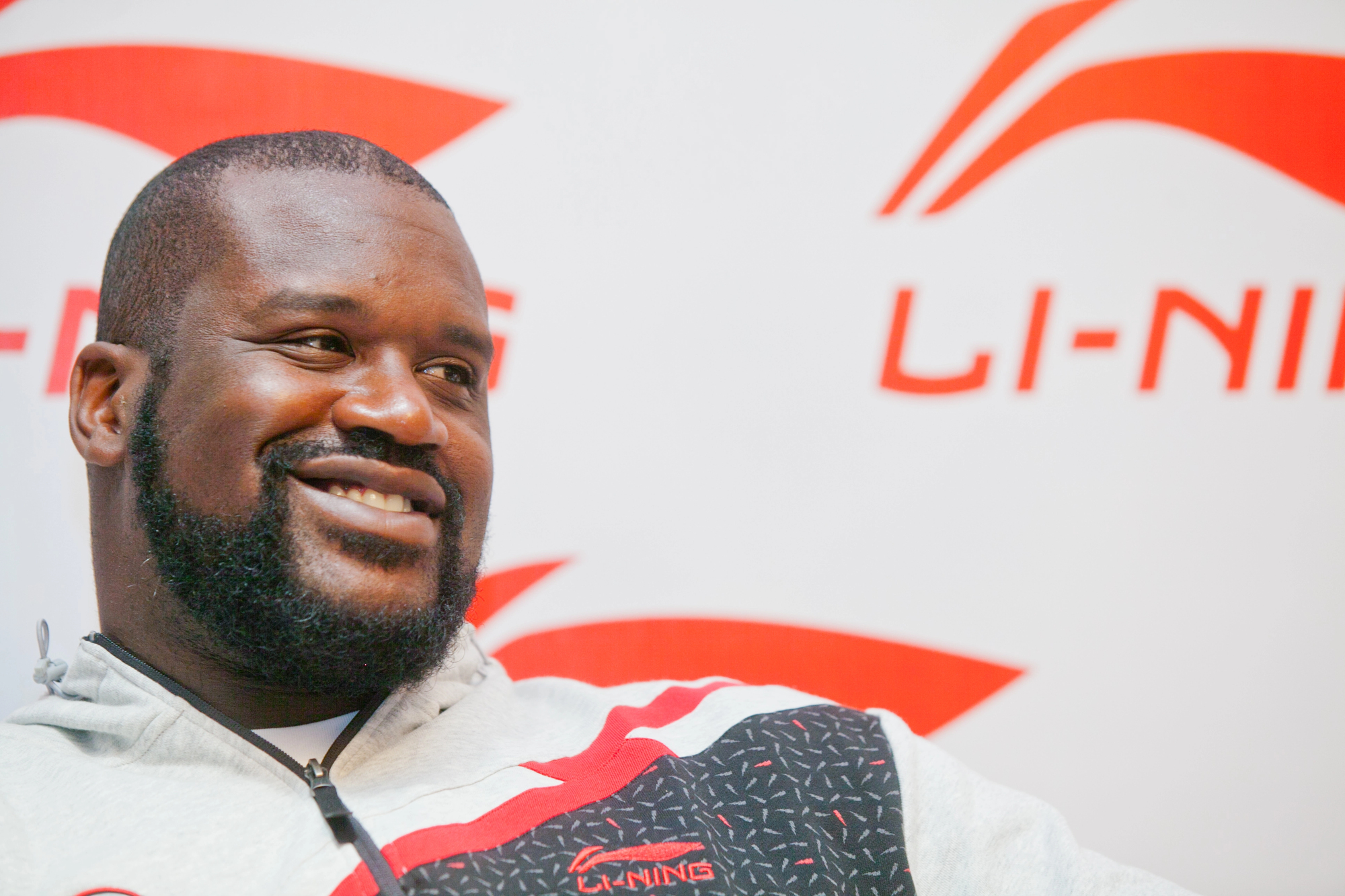
By the summer of 2004, the Lakers faced an impossible choice.
Shaq and Kobe Bryant had just won three consecutive championships together, but their relationship had deteriorated into a toxic public feud.
Management had to pick one.
They chose youth over dominance, keeping the 25-year-old Bryant and shipping the 32-year-old O’Neal to Miami on July 14, 2004, for Lamar Odom, Caron Butler, Brian Grant, and a first-round pick that became Jordan Farmar.
Miami paired O’Neal with a young Dwyane Wade, and the combination proved lethal.
The Heat won the 2006 championship, with Shaq providing the veteran leadership that made it all work.
The Lakers eventually rebuilt around Bryant and Pau Gasol, winning two more titles in 2009 and 2010.
Still, trading Shaq marked the end of an era and demonstrated that even recent championship cores can implode when egos clash.
Bill Russell to the Celtics
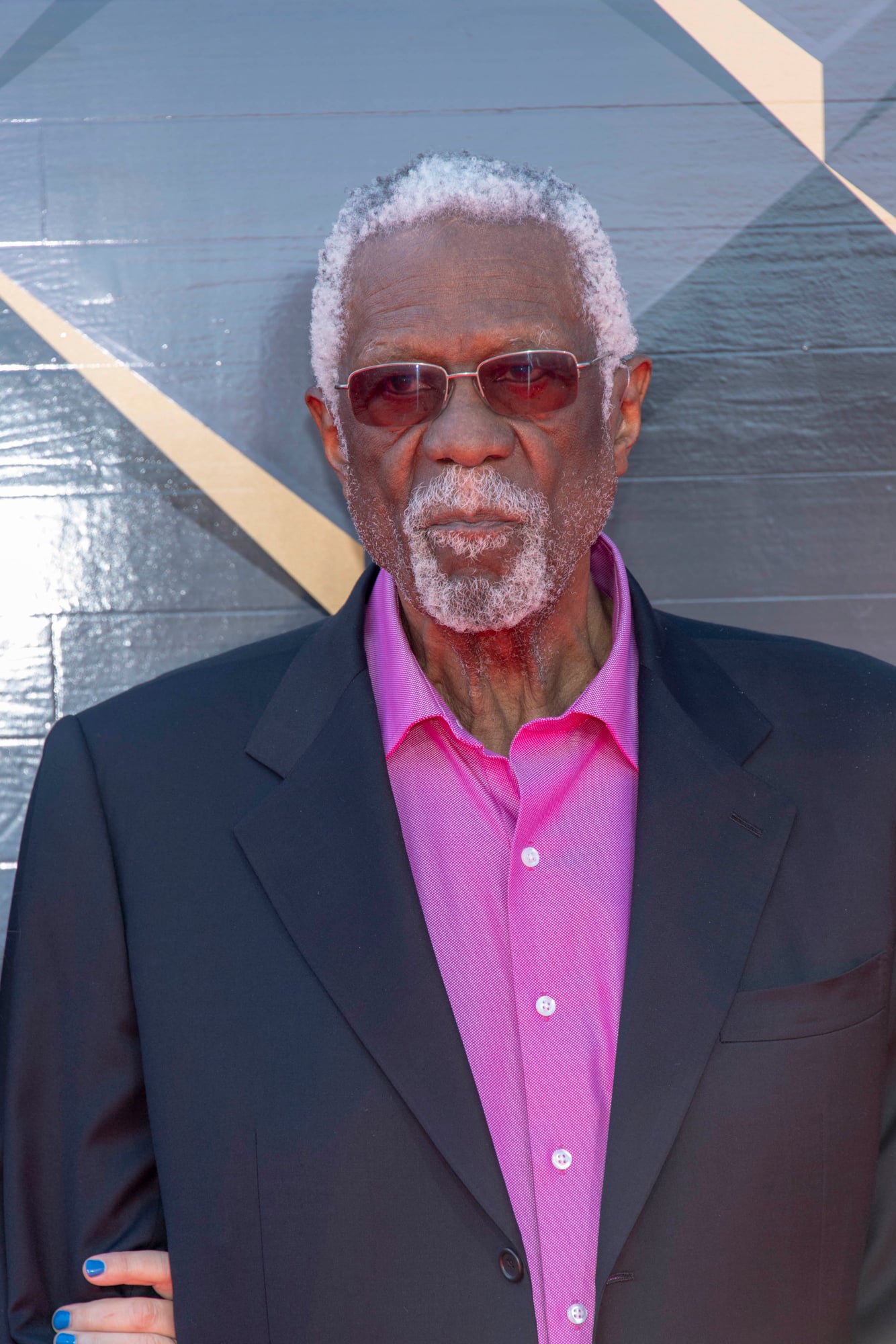
Before Bill Russell ever played an NBA game, he became part of one of the most consequential draft-day transactions in sports history.
On April 30, 1956, the St. Louis Hawks selected Russell with the second overall pick, then immediately traded him to the Boston Celtics in exchange for Ed Macauley and Cliff Hagan.
The Hawks needed Macauley, a proven scorer, and considered Russell an unproven center from San Francisco, even if he had led his team to back-to-back NCAA championships with revolutionary defensive play.
What St. Louis gave up was the foundation of the greatest dynasty in basketball history.
Russell would win 11 championships in 13 seasons with Boston, earning five MVP awards and redefining how defense and rebounding could control games.
He became a 12-time All-Star and in 1966 made history as the NBA’s first Black head coach while still playing.
Macauley and Hagan were solid players for St. Louis, winning one championship in 1958.
Meanwhile, Russell’s Celtics became synonymous with winning itself.
The Legacy Lives On

Beyond their size, these transactions have one thing in common: they all involved organizations making decisions that, while reasonable at the time, overlooked the intangible elements that distinguish good players from franchise-altering superstars.
Ruth was hard for Harry Frazee, who needed money.
Walker, in Mike Lynn’s opinion, was the final component.
Money was more important to Peter Pocklington than dynasty.
On some level, each choice made sense, but they all essentially misinterpreted what they were giving up.
These historic blunders have influenced the current state of sports.
The lesson has been repeated time and time again: once-in-a-generation talent cannot be replaced by committee.
Players have more leverage than ever before, and teams are reluctant to trade stars when they are at the top of their game.
Not only did these trades alter teams, but they also completely altered the professional sports landscape, establishing dynasties in unexpected places and condemning others to decades of regret.
More from Go2Tutors!

- The Romanov Crown Jewels and Their Tragic Fate
- 17 Halloween Costumes Once Considered Taboo
- Famous Hoaxes That Fooled the World for Years
- 15 Child Stars with Tragic Adult Lives
- 16 Famous Jewelry Pieces in History
Like Go2Tutors’s content? Follow us on MSN.



