28 Candy Counter Treats Stores Stopped Selling
The rack beside the register was once the most democratic shelf in the store. A kid with a handful of coins had the same buying power as anyone else, and the choice between two bars could take longer than the grocery trip itself.
Most of what sat on that rack thirty or fifty years ago is gone. Some bars sold well and vanished anyway, casualties of mergers, recipes that melted in July, or an owner who simply disliked peanut butter.
Marathon Bar
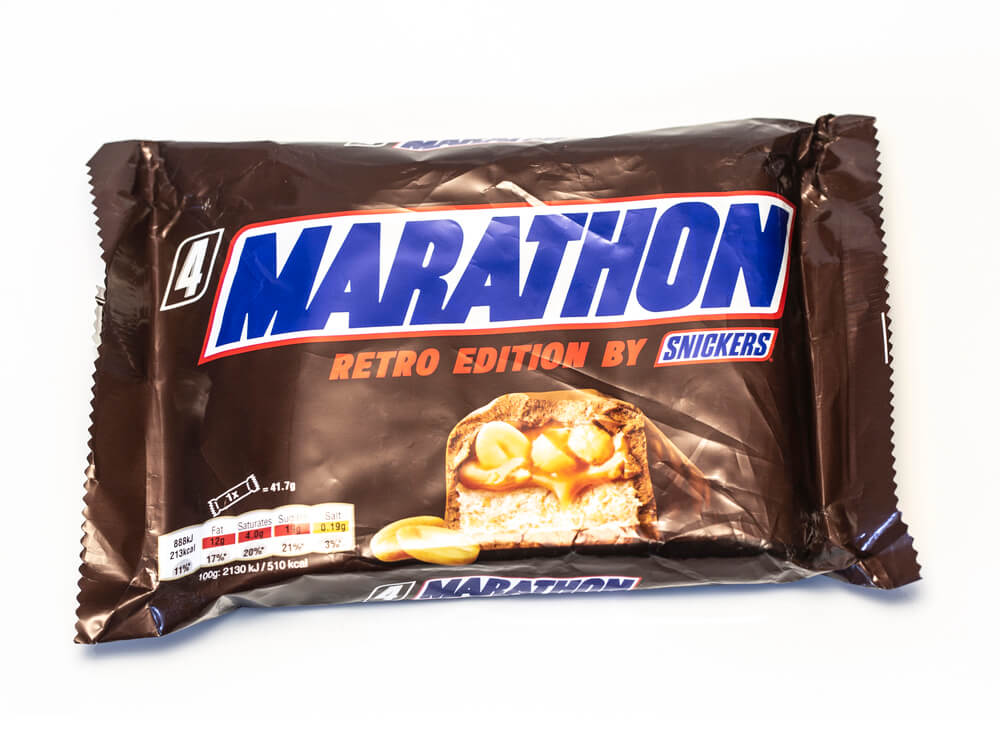
Mars introduced this braided rope of caramel dipped in milk chocolate in 1973, and its length was the entire pitch. The bright red wrapper had a ruler printed on the back to prove the bar measured a full eight inches; Television ads featured a cowboy hero called Marathon John, played by John Wayne’s son Patrick, who outlasted villains simply by taking his time chewing.
The bar stuck to teeth for most of an afternoon. Mars pulled it in 1981 after sales sagged, and the nearest surviving relative is Cadbury’s Curly Wurly, which British import shops still carry.
PB Max
Mars launched PB Max around 1989, a thick square of peanut butter on a crunchy grain cookie, covered in milk chocolate. The commercials ran through a list of things PB did not stand for, piggy banks and polka bands among them, before landing on peanut butter.
It reportedly brought in fifty million dollars in sales. Mars discontinued it anyway by 1994.
A former company executive later claimed the Mars family simply did not care for peanut butter, an explanation the firm has never confirmed. Fans still petition for its return every few years.
Bar None
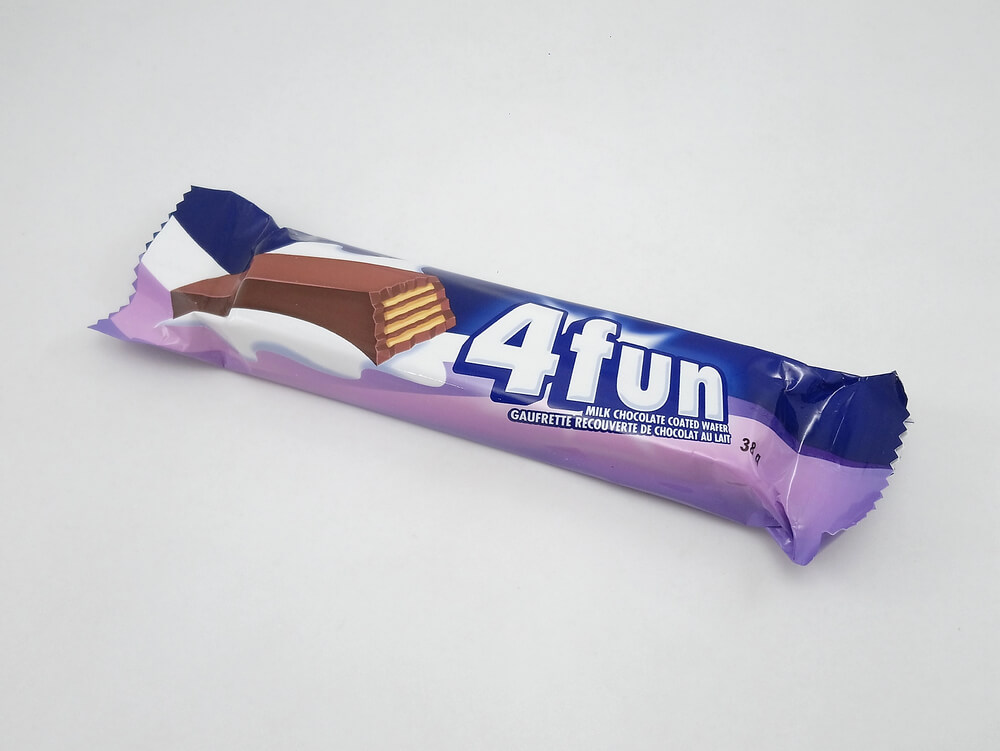
Hershey released Bar None in 1987 with the slogan that it would tame the chocolate beasty. The original was a serious piece of work, with a cocoa wafer, chocolate cream, crushed peanuts and a milk chocolate shell; It won a loyal following.
In 1992 Hershey reformulated it, adding caramel and splitting it into two sticks like a rival bar, and the loyalists drifted away. The company dropped it in 1997.
The episode became a minor business school lesson about fixing products that were never broken, and the brand name was later revived by a small independent candy maker.
Hershey’s Swoops
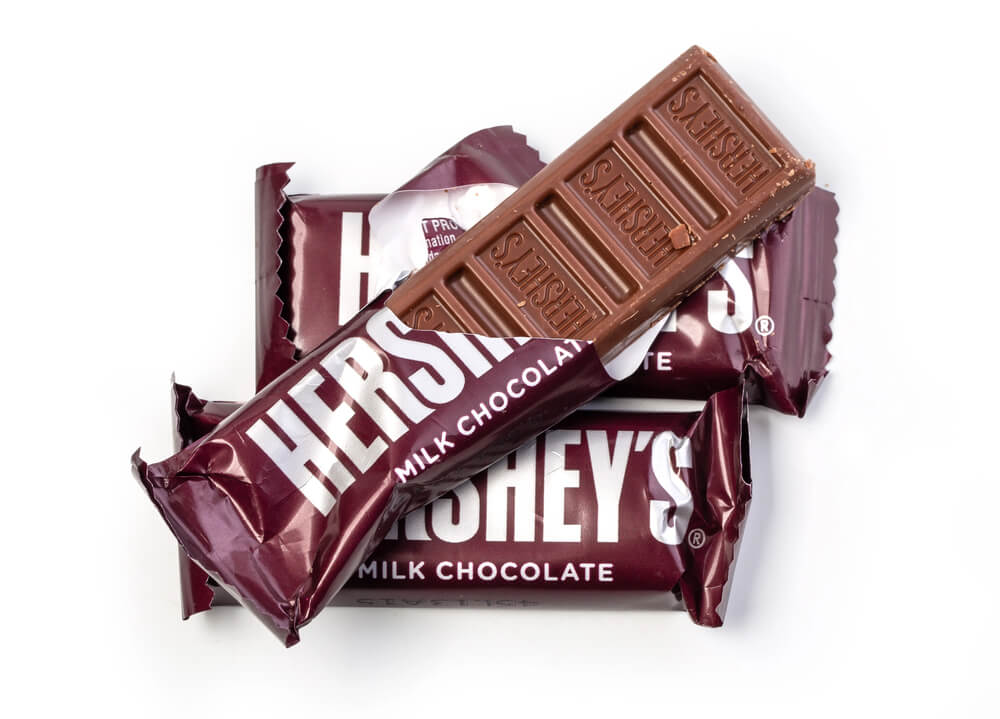
Swoops arrived in 2003 as thin curved slices of chocolate stacked in a plastic cup, shaped exactly like a well-known potato crisp. They came in Hershey’s, Reese’s, Almond Joy and York Peppermint Pattie versions.
A pack held only six pieces, the price ran high for the weight, and the slices snapped in transit. A company survey a year after launch found that only about fourteen percent of shoppers knew what the product was.
Hershey ended production in 2006. The idea of chocolate as a chip was clever, and cleverness turned out not to be a reason to buy it twice.
Hershey’s Kissables
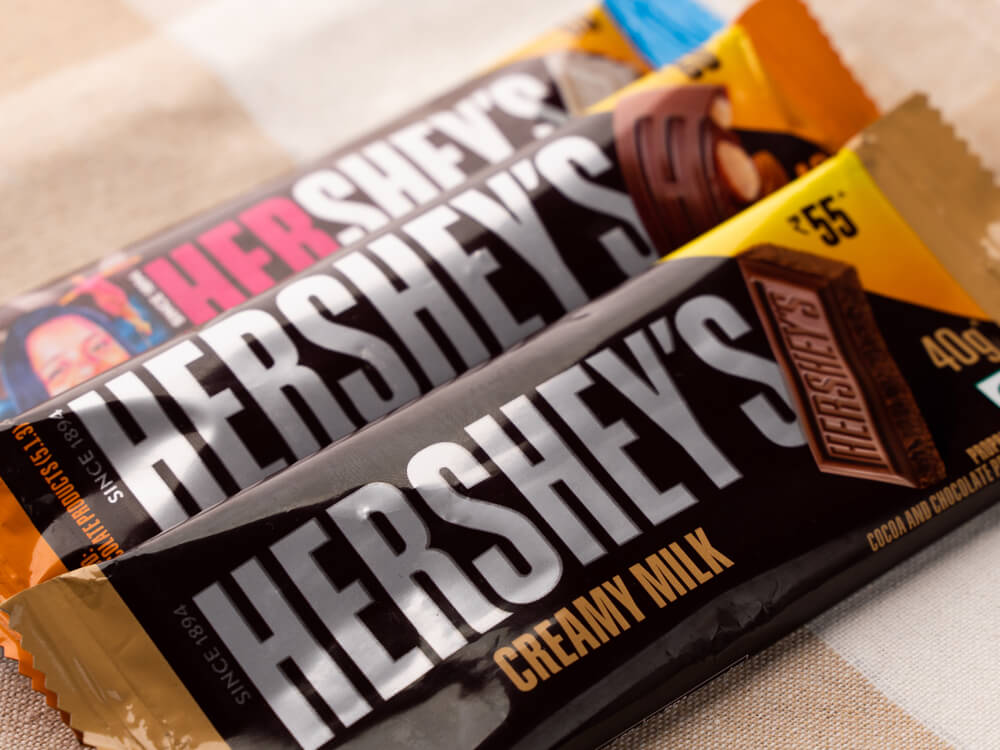
Launched in 2005, Kissables were miniature Kisses in a bright candy shell, sold in the same aisle as the famous coated chocolates from Mars and aimed squarely at them. They sold well at first.
In 2007 Hershey changed the recipe to cut costs, replacing some cocoa butter with vegetable oil, which meant the label could no longer legally say milk chocolate and had to read chocolate candy instead. Customers noticed the waxy difference.
Sales fell and the line ended in 2009. It remains a cautionary tale about saving pennies on the ingredient that defined the product.
Butterfinger BB’s
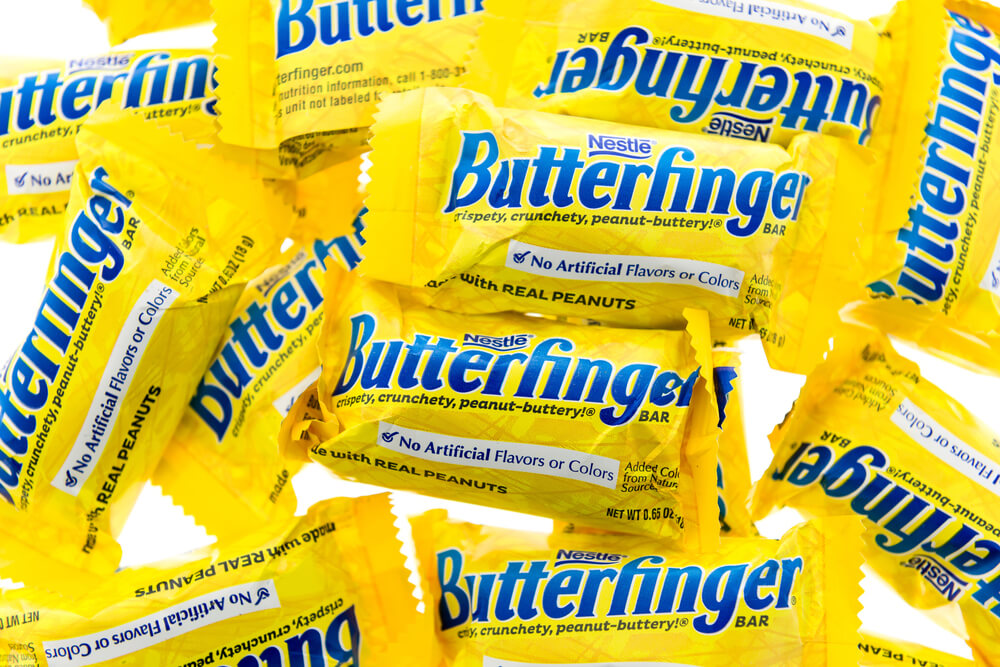
Nestle shrank its crispy peanut butter bar into marble-sized spheres in 1992 and hired Bart Simpson to sell them. The cartoon tie-in ran for years and made the candy a fixture of movie theater counters and lunchboxes through the decade.
The thin chocolate coating melted quickly in warm hands, leaving orange-brown fingerprints on everything. Nestle retired BB’s in 2006.
A replacement called Butterfinger Bites appeared a few years later in a chunkier, squared-off shape, and people who grew up on the originals insist the ratio of chocolate to filling has never been right since.
Reggie! Bar
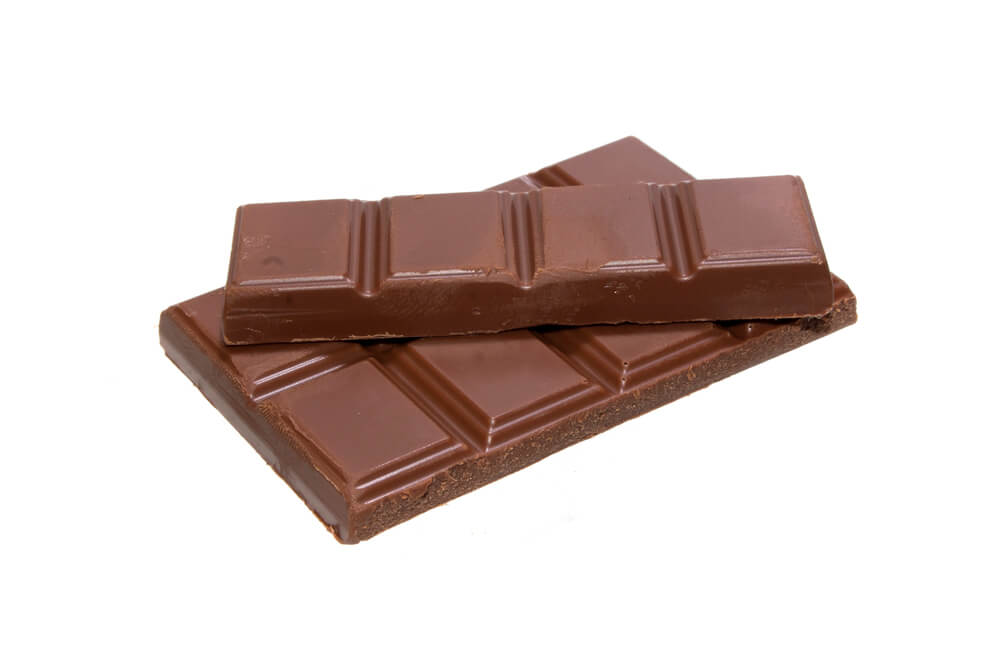
Yankees slugger Reggie Jackson once boasted that if he played in New York they would name a candy bar after him, and in 1978 Standard Brands obliged. The Reggie! was a round patty of peanuts and caramel covered in chocolate, packaged in an orange wrapper with his picture.
At the home opener that April, every fan received a free one. Jackson hit a three-run homer in his first at-bat, and thousands of bars came raining onto the field in tribute, stopping play while the grounds crew cleared them. The bar lasted until about 1981.
Bonkers!
Nabisco’s Bonkers were rectangular fruit chews with a second, more intensely flavored strip running through the center, sold from the mid 1980s in grape, strawberry, orange and watermelon. The television commercials are better remembered than the candy.
In each one, a prim family tasted a piece and was promptly flattened by a giant piece of fruit dropping from the ceiling, while everyone laughed hysterically. Bonkers faded from shelves during the 1990s as the chewy fruit category grew crowded. A later company bought the name and announced a revival, though the originals have never truly returned.
Wonka Oompas
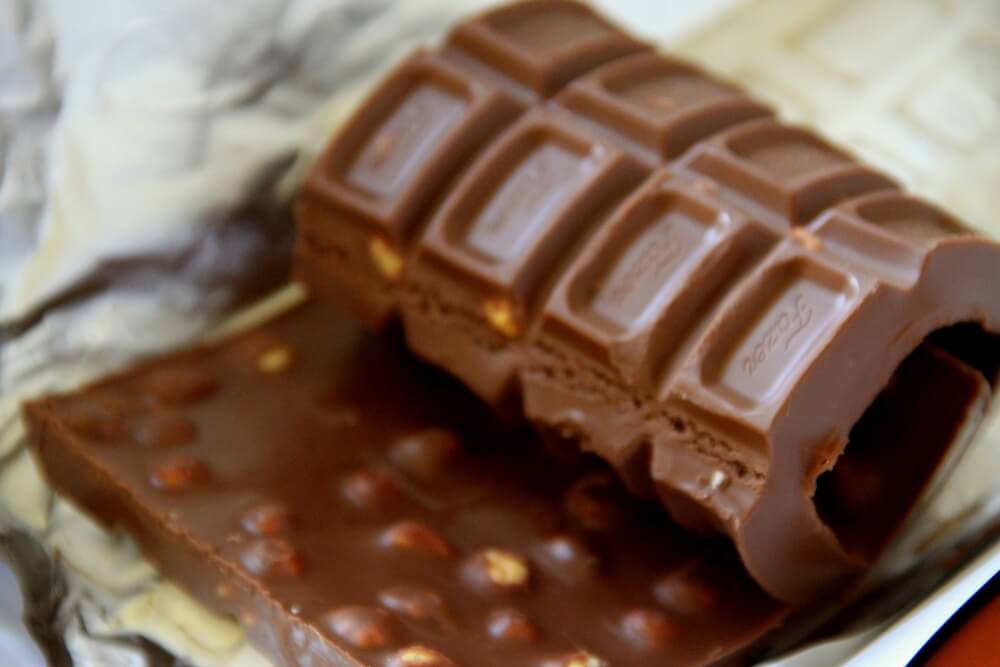
Quaker Oats financed the 1971 film about a certain chocolate factory largely to launch a candy line, and Oompas were one of the early products. The first version looked like oversized coated chocolates, each one half peanut butter and half chocolate inside a colored shell.
They were genuinely good and quietly popular through the 1970s. The brand later reissued the name on a fruit-flavored chewy candy that had nothing in common with the original. Both versions disappeared by the early 1980s, and the peanut butter Oompas remain one of the most requested revivals among candy collectors.
Altoids Sours
The curiously strong mint brand released fruit sours in 2004 in round tins, with tangerine, raspberry, citrus, apple and mango flavors. They were sharp enough to make the jaw ache and developed a following that bordered on devotion.
The company discontinued them in 2010, citing low national demand. Unopened tins now sell online for many times their original price, though the candy inside has usually fused into a single sticky mass, so condition is everything and most buyers are purchasing the tin. Few discontinued sweets of this century have been mourned as loudly.
Seven Up Bar
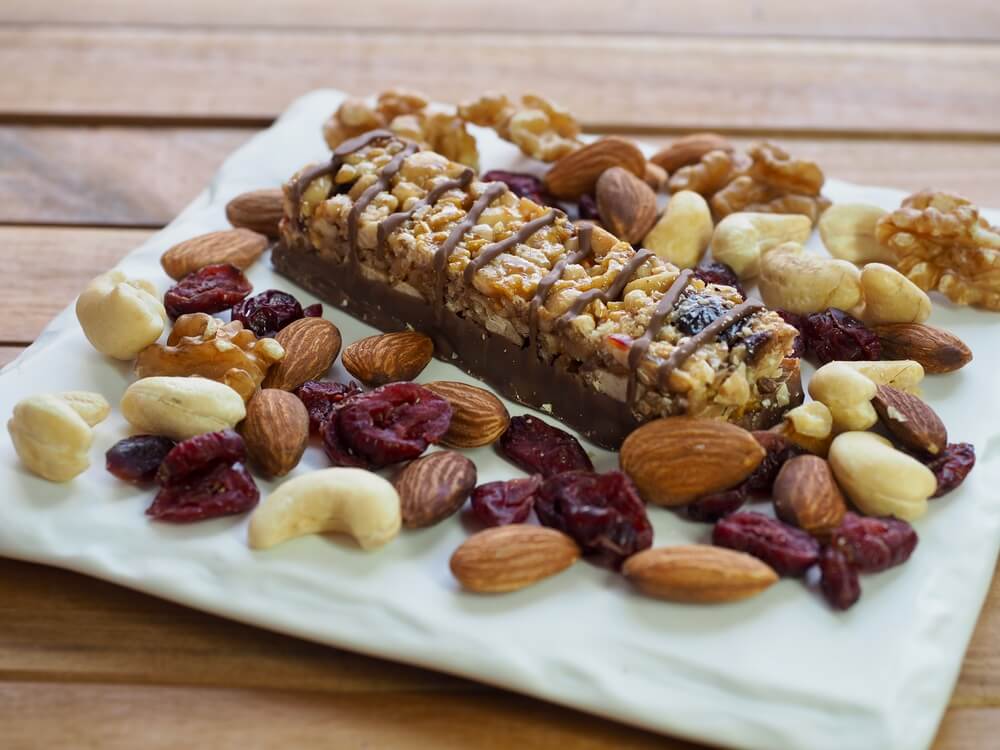
Long before the soft drink became famous, a Minnesota candy company sold a chocolate bar divided into seven connected pillows, each with a different filling. A single bar might hold cherry cream, coconut, caramel, fudge, butterscotch, orange jelly and a Brazil nut, and the lineup shifted over the years.
A St. Paul confectioner launched it in the 1930s, and Pearson’s took over the brand in 1951. Seven separate fillings made it a nightmare to manufacture at volume, and the name caused endless trademark friction with the soda company. Pearson’s retired it in 1979. It was a box of assorted chocolates for people who could only afford one bar.
Chicken Dinner
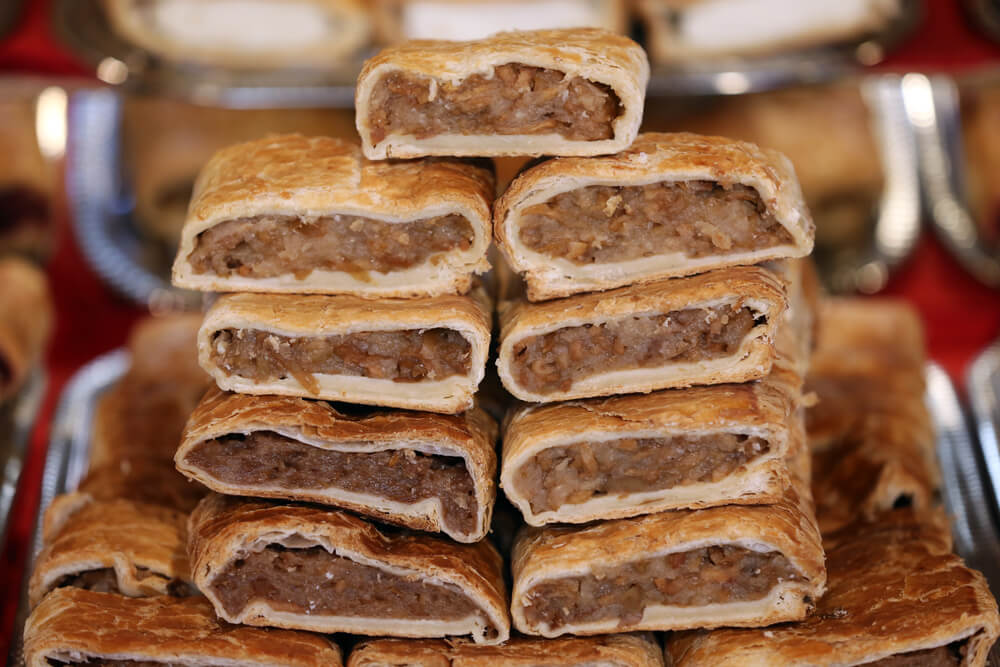
Sperry Candy of Milwaukee introduced the Chicken Dinner bar in 1923, and it contained no poultry whatsoever. It was a chocolate-covered nut roll. The name was meant to suggest that the bar was as nourishing and satisfying as a full Sunday meal, a pitch that made sense in an era when candy was marketed as quick energy.
Early wrappers showed a roast chicken on a plate, and the company sent out delivery trucks shaped like giant hens. The bar survived for nearly forty years until Pearson’s bought Sperry in 1962 and dropped it.
PowerHouse
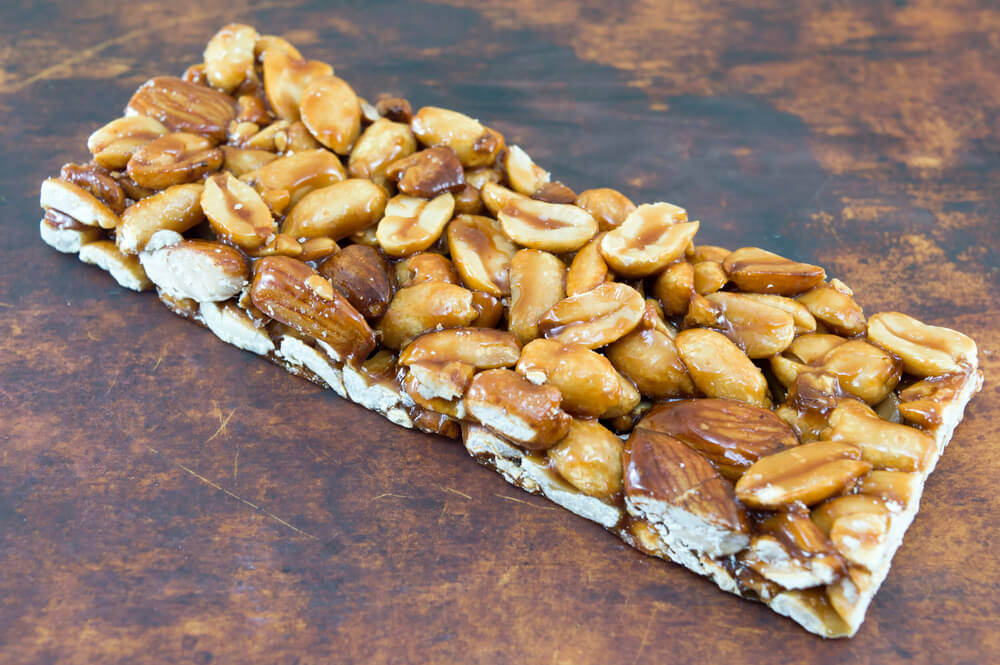
This hefty bar of peanuts, caramel and fudge was a product of the Walter H. Johnson Candy Company of Chicago and later of Peter Paul. It weighed a quarter pound in its early days, when most rivals were half that, and the advertising leaned on sheer size and energy.
Mid-century comic book ads starred a fictional adventurer named Roger Wilco who offered decoder rings and badges in exchange for wrappers. Hershey acquired Peter Paul’s American business in 1988 and discontinued PowerHouse soon afterward. The bar had been a gas station staple for half a century.
Caravelle
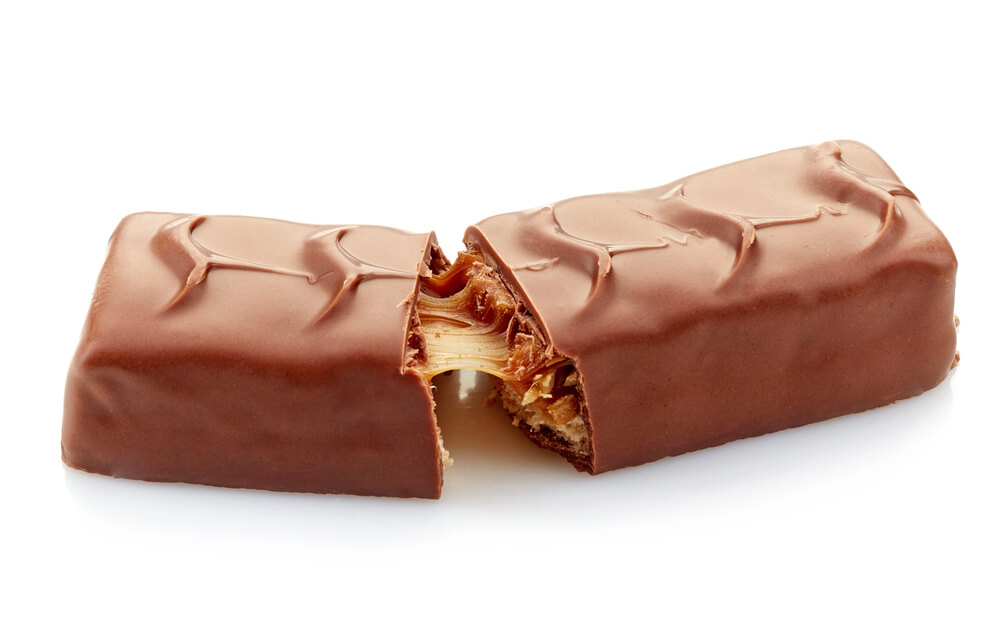
Peter Paul brought out the Caravelle in 1965, a bar of soft caramel and crisped rice under milk chocolate. It competed directly with a very similar Nestle product, and people who remember both tend to insist the Caravelle had the chewier caramel and the better chocolate.
It was never the star of the rack, and its following proved more durable than its sales. The bar disappeared not long after Peter Paul merged with Cadbury in 1978. Its rival is still on shelves today, which strikes Caravelle loyalists as proof that the wrong bar won.
Milkshake Bar
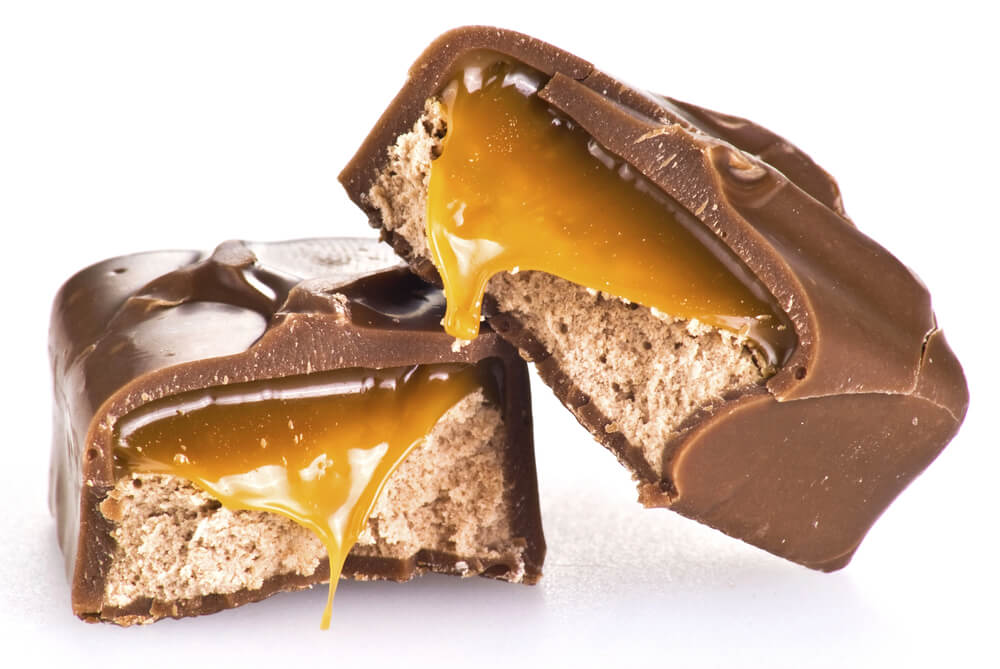
Hollywood Brands, a candy maker based in Centralia, Illinois, created the Milkshake bar in the 1920s as a malted nougat and caramel bar in the style of the better-known Milky Way. Its trick was the freezer.
Store owners in the Midwest kept boxes of them frozen in summer, and the malt nougat turned into something close to ice cream on a hot afternoon. The brand passed through several corporate owners after a 1980 factory fire. Hershey acquired the business in 1996 and the Milkshake bar did not survive the transition.
Nestle Alpine White
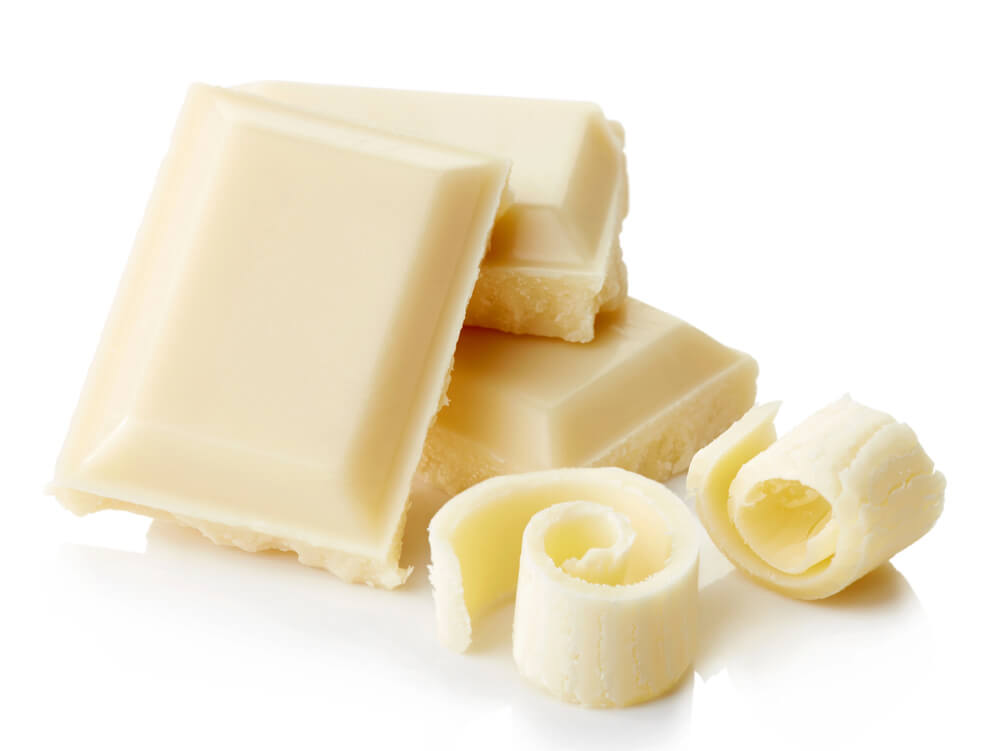
Nestle launched this white chocolate bar with almonds in the mid 1980s and gave it one of the most memorable advertising campaigns of the decade. The commercials featured soft-focus couples, snowy peaks and a breathy theme song about sweet dreams, shot to resemble a music video more than a candy ad. White chocolate had been a specialty item in America until then.
Alpine White made it a mainstream checkout purchase for a few years. Nestle dropped the bar in the early 1990s without explanation, and its fans have been circulating petitions ever since.
Summit
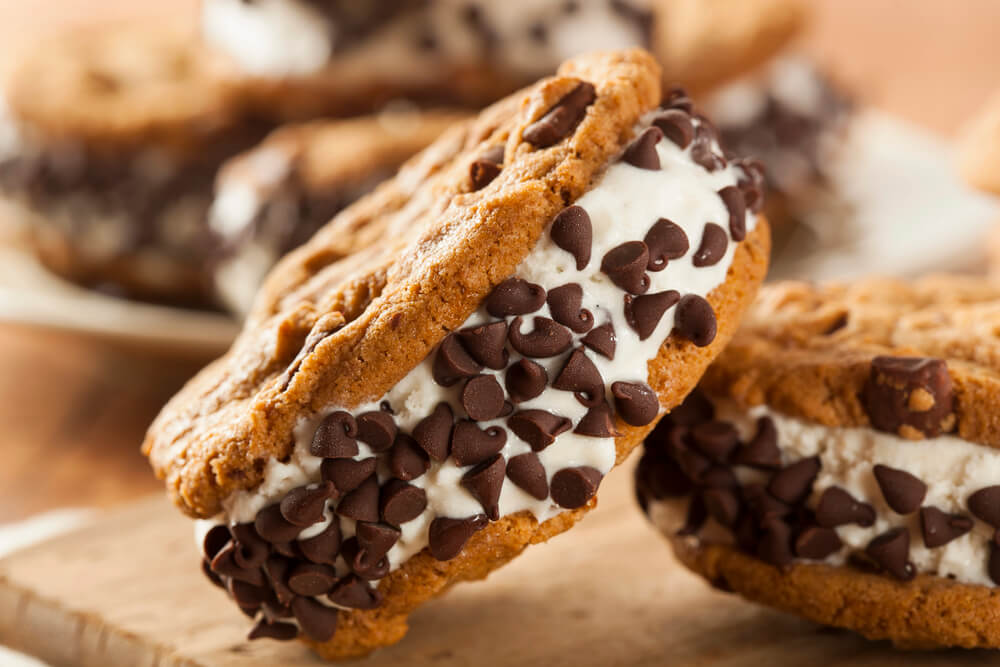
Mars released the Summit in 1977, two wafer fingers layered with peanut butter, topped with chopped peanuts and coated in chocolate. It sat somewhere between a cookie and a candy bar. The chocolate coating was soft and melted at the slightest provocation, and fans learned to keep them in the refrigerator. Mars relaunched the bar in 1983 with a promise of more chocolate, which did not solve the problem. A promotion let kids mail in wrappers for rock singles by chart bands of the day. The Summit was gone by the middle of the decade.
Forever Yours
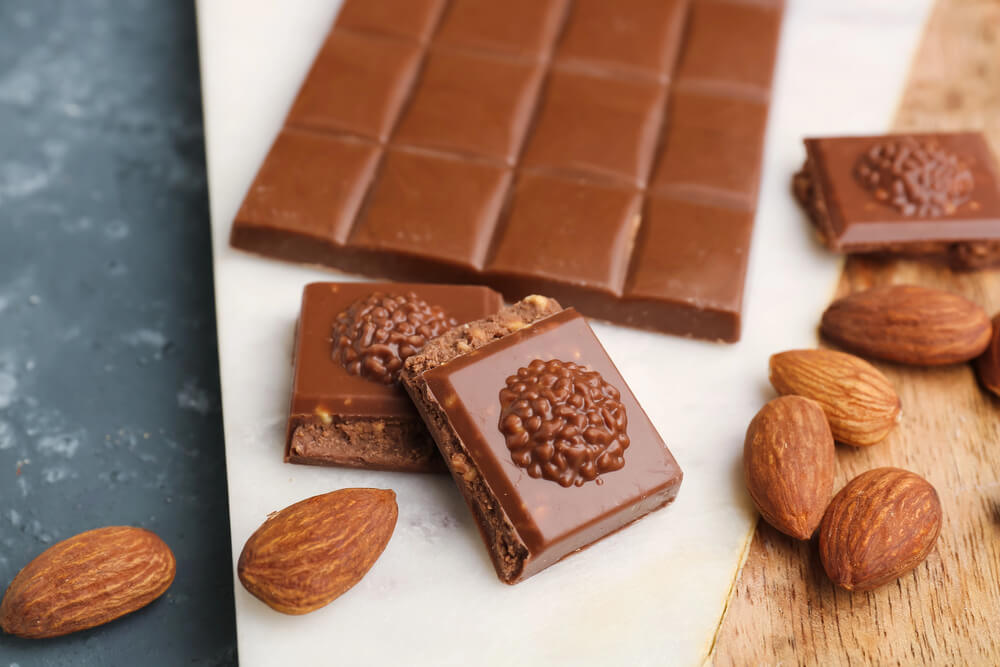
Mars introduced Forever Yours in 1936 as the dark-chocolate sibling of the Milky Way, with vanilla nougat and caramel under a bittersweet coating. It served adults who found milk chocolate too sweet, and the romantic name made it a modest Valentine’s Day seller.
Mars discontinued it in 1979. The company heard enough complaints that it brought the recipe back a decade later as Milky Way Dark, which was renamed Milky Way Midnight in 2000. The candy survived under new names, and the original title, one of the loveliest ever printed on a wrapper, did not.
Mars Bar
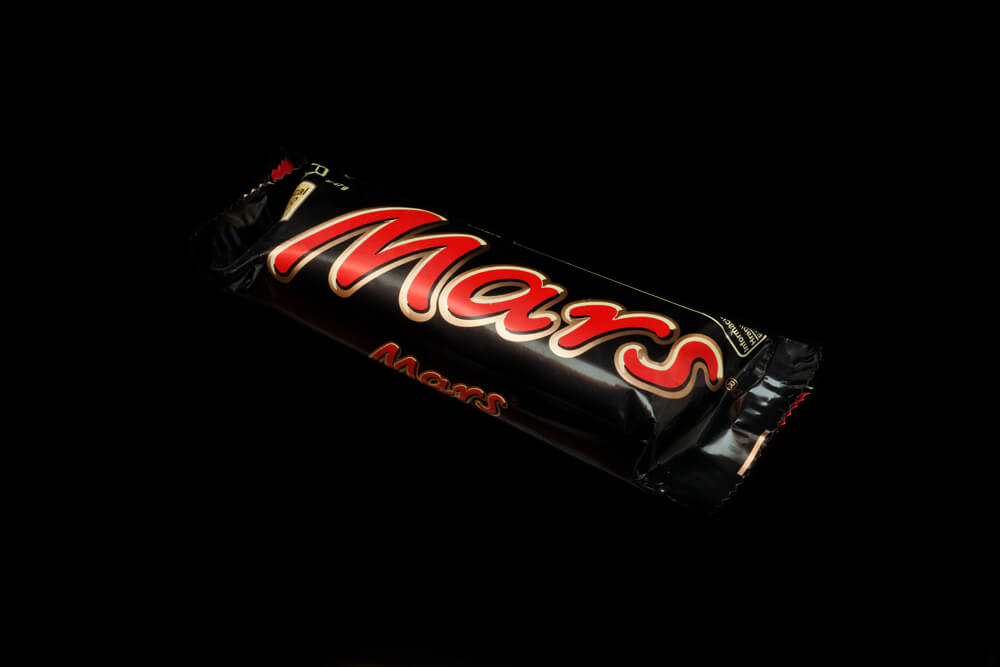
The American Mars bar was a different creature from the British one. Introduced in the 1930s, it was nougat topped with toasted almonds under milk chocolate, with no caramel to speak of in its classic form.
Mars quietly discontinued it in 2002 and replaced it with Snickers Almond, which used a similar recipe with added caramel. The company’s own name had come off the American candy rack. It returned briefly as a retailer exclusive in 2010 and again through a Mars-owned Las Vegas chocolatier a few years later, and then slipped away once more.
Oh Henry!
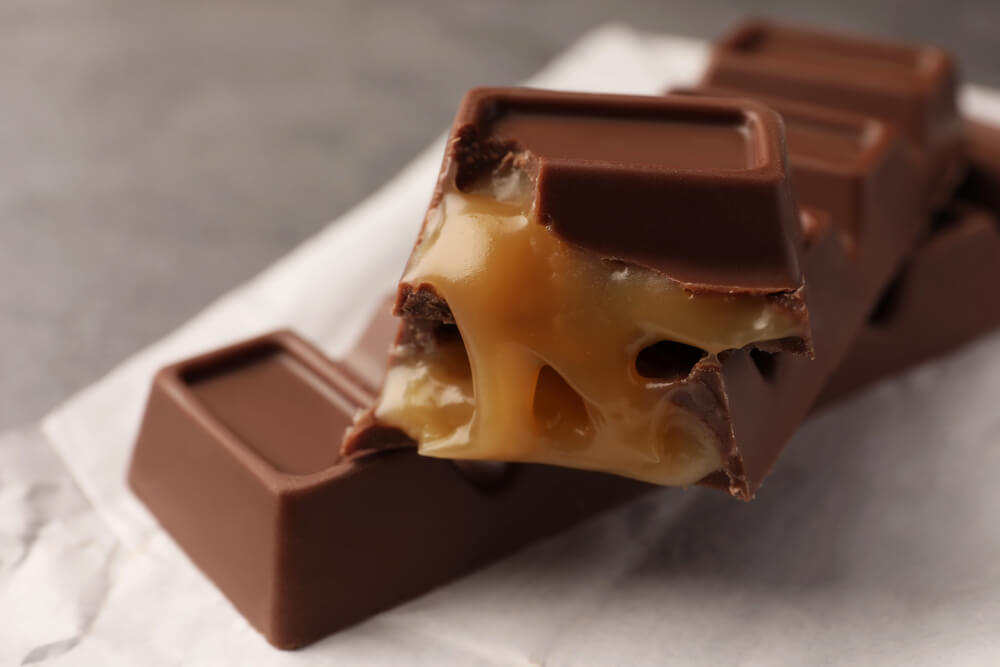
The Williamson Candy Company of Chicago introduced this peanut, caramel and fudge bar around 1920. The company’s official story credited the name to a young man who flirted with the shop’s candy makers, who kept calling out for him to run errands.
It passed to Nestle and then to Ferrara, which quietly stopped making the American version in 2019, just short of its hundredth birthday. A Canadian bar with the same name continues under Hershey, though with a noticeably different recipe and shape. Few bars have fallen from such prominence with so little announcement.
Gatorgum
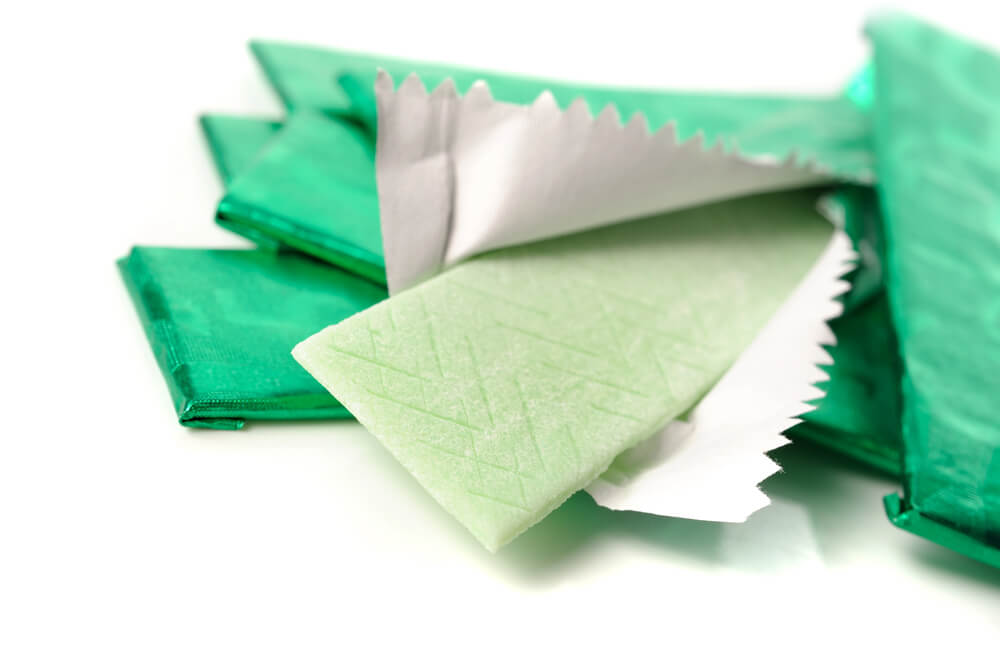
Fleer licensed the name of the famous sports drink in the late 1970s and produced a chewing gum that claimed to quench thirst. It came in lemon-lime and orange, and the acid hit was powerful enough to flood the mouth within a few chews, which was essentially the promised effect.
Little League dugouts and high school sidelines were full of the stuff. The license later moved to other manufacturers before the product faded away around the end of the 1980s. The flavor, like most gum of its day, lasted about as long as a single inning.
Choco’Lite
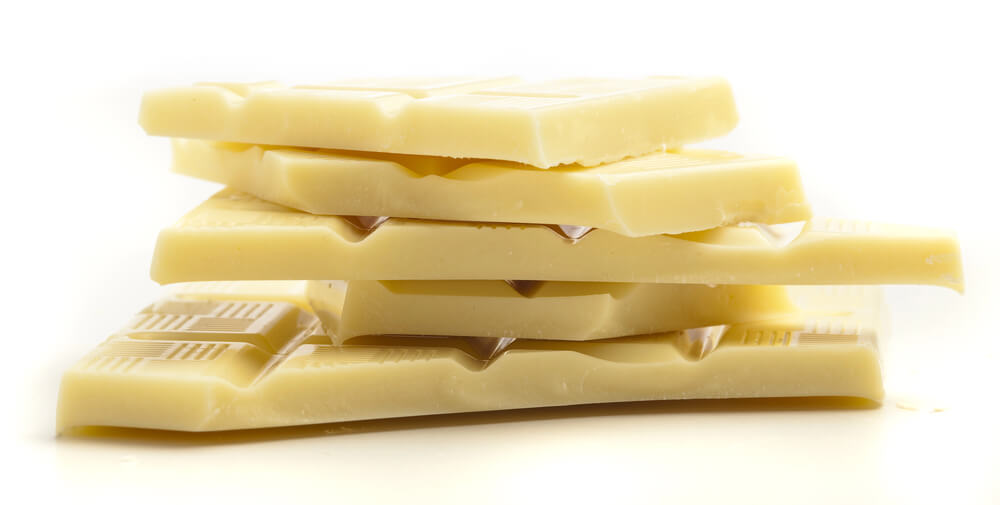
Nestle’s Choco’Lite, sold from the early 1970s, was a thick block of milk chocolate whipped full of tiny air pockets and scattered with crispy chips. The bubbles gave it a light, melting texture that American candy had not really offered before, and the bar looked far more substantial than its weight.
Aerated chocolate has long been a staple in Britain and much of the Commonwealth, where similar bars remain bestsellers. American shoppers lost interest during the 1980s, and Nestle let it go. The concept returns to American shelves every decade or so and never quite takes hold.
Thingamajig
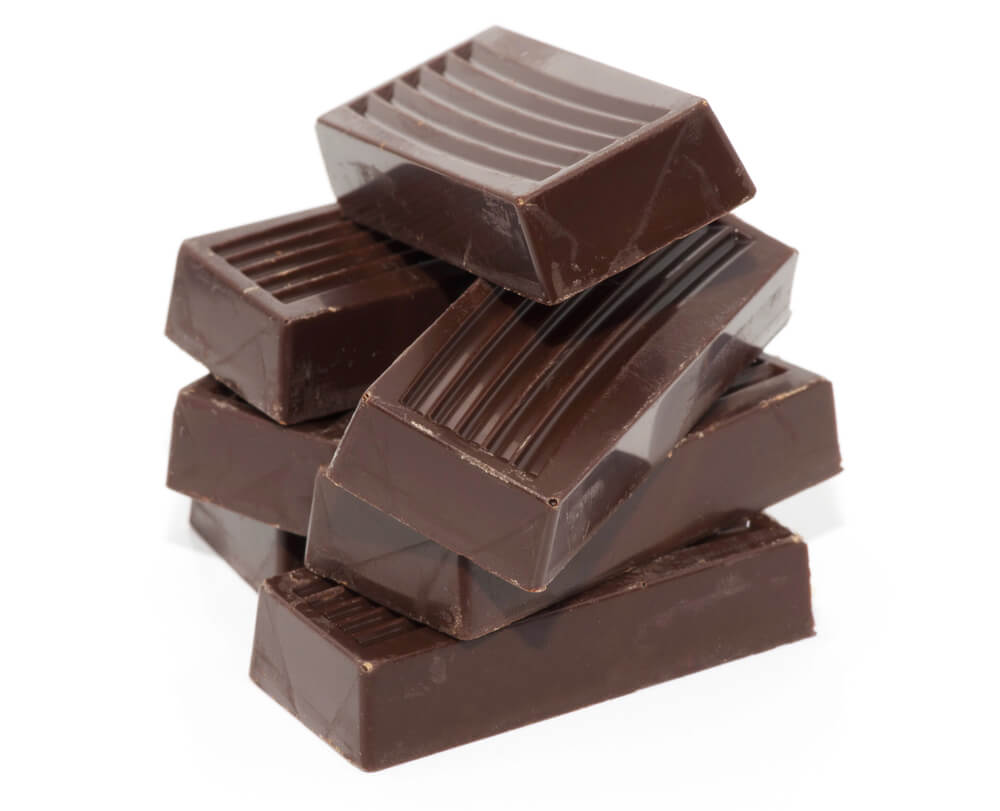
Hershey released the Thingamajig in 2009 as a companion to its long-running Whatchamacallit. It was built from cocoa-flavored crisps and a strip of peanut butter creme under a chocolate coating, and it began as a limited edition. Many buyers preferred it to the original, finding it darker and less sweet.
Hershey brought it back for a second run and then dropped it for good around 2012. The company has never suggested a sequel, though the naming possibilities remain wide open. Its short life made it one of the quickest modern bars to gain a nostalgic following.
Cadbury Aztec
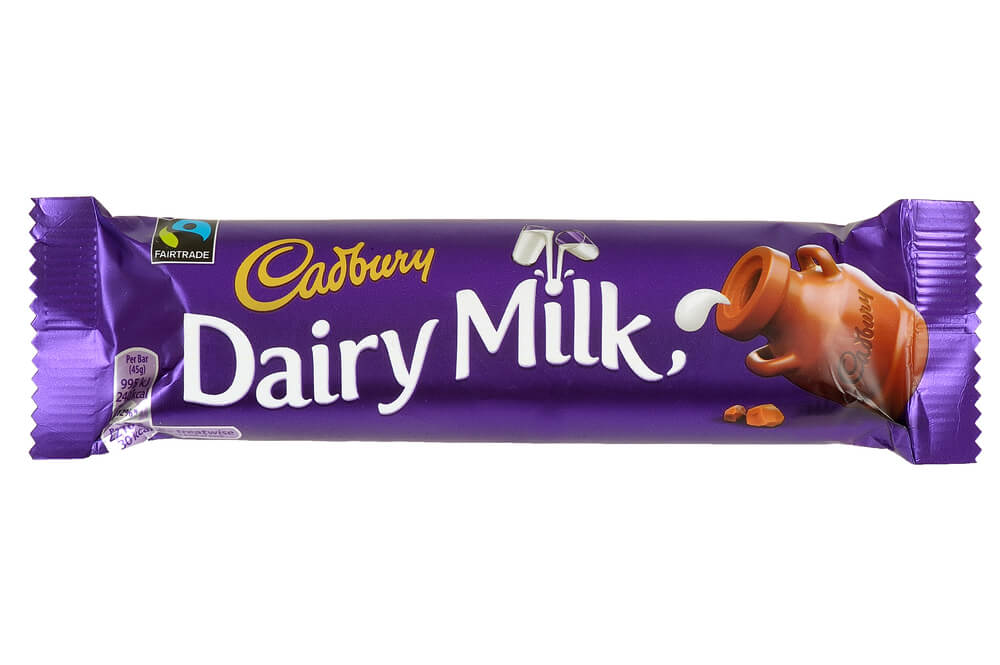
Cadbury launched the Aztec in Britain in 1967 as a direct challenge to the dominant nougat-and-caramel bar made by Mars. It came in a deep purple wrapper and was promoted with an expensive television campaign filmed on location at ancient pyramids in Mexico, along with life-size cardboard warriors in sweet shop windows.
The bar was well liked and still could not dent its rival’s sales. Cadbury withdrew it in 1978. A short-lived revival around the millennium failed to stick, and the Aztec endures mainly as a fond memory among Britons of a certain age.
Spangles
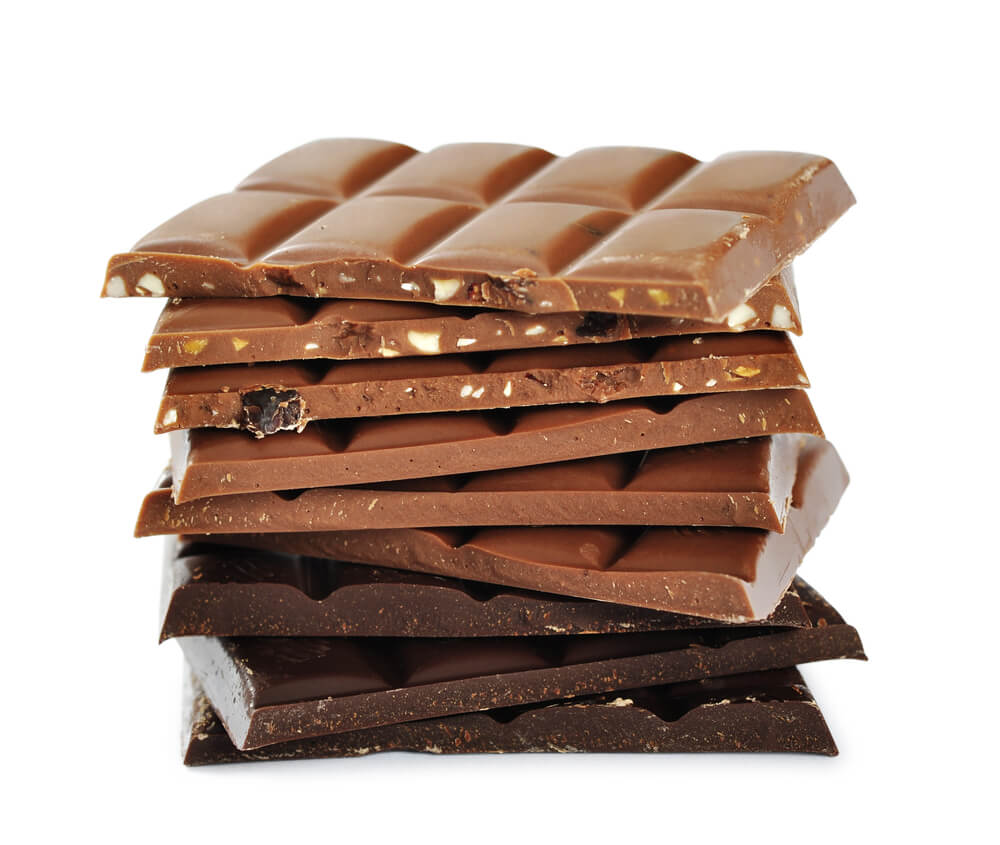
Mars launched these square boiled sweets in Britain around 1950, when sugar confectionery was still rationed. Each had a dimple pressed into both faces and came wrapped in a paper tube, in fruit flavors and later in varieties such as acid drop and Old English, which included licorice, mint humbug and treacle.
They were a fixture of British childhoods for three decades. Mars discontinued them in 1984. For British writers, Spangles have since become shorthand for an entire genre of misty nostalgia about the 1970s, invoked alongside space hoppers and chopper bicycles.
Texan Bar
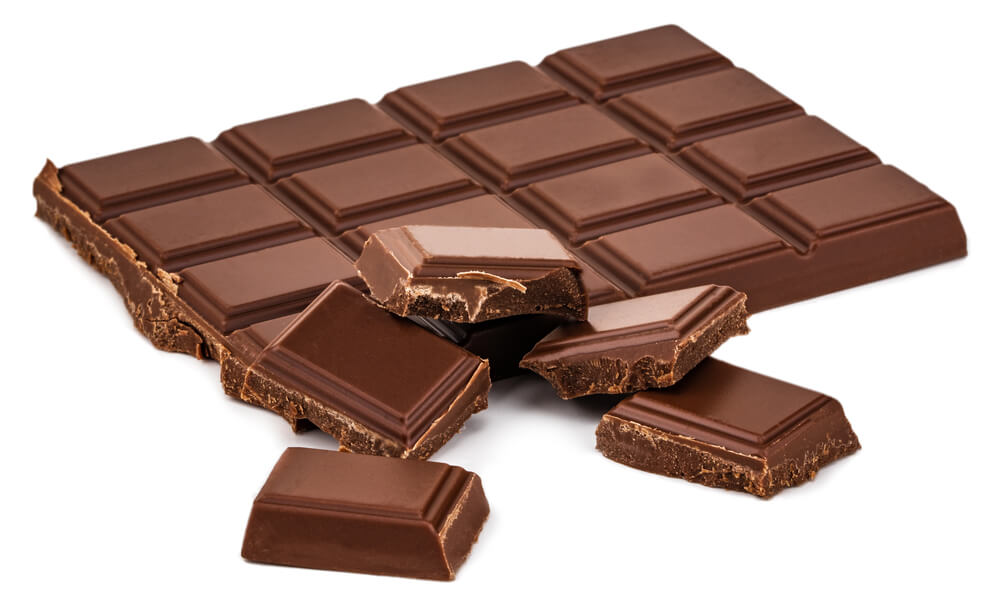
Rowntree Mackintosh sold the Texan in Britain from the early 1970s, a slab of nougat and toffee covered in chocolate and wrapped in a stars-and-stripes design. The cartoon commercials starred a laconic cowboy who, captured and tied to a stake, asked for a last request and then took so long chewing his Texan that his captors fell asleep.
The slogan promised a mighty chew, and it delivered. The bar was withdrawn in 1984. Nestle, which by then owned the brand, brought it back briefly in 2005 as a limited nostalgia edition after it topped a poll of most-missed sweets.
Nestle Chocolate Log
.
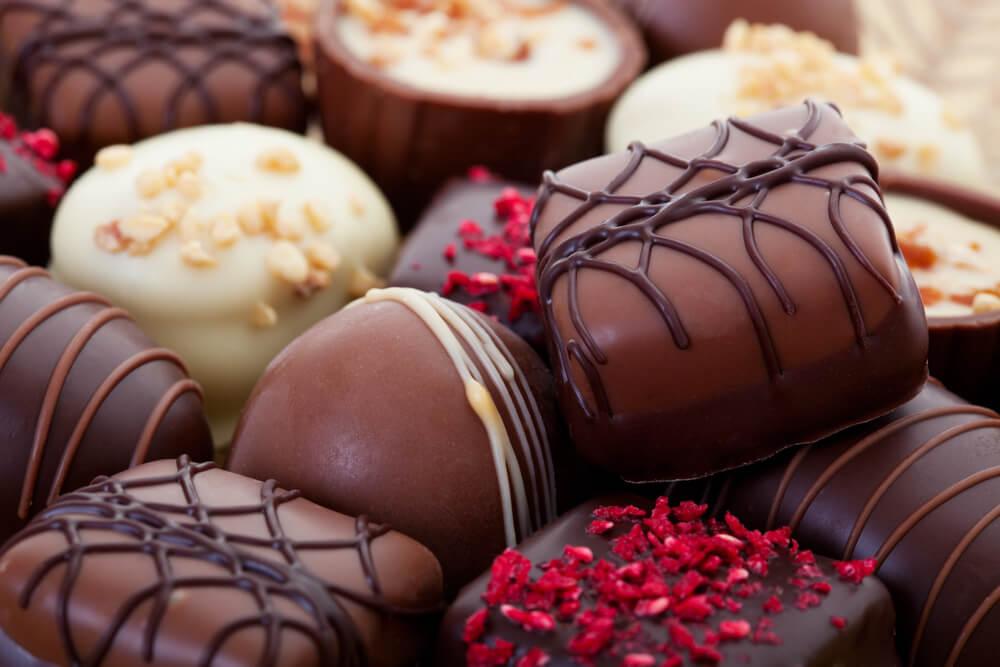
For fifty years South African tuck shops and corner cafes sold the Chocolate Log, a finger of marshmallow on a crisp wafer, covered in milk chocolate. In July 2020 a specialty food supplier broke the news on social media that production would end that August, and Nestle confirmed it.
The reaction was national mourning conducted largely online, with more than 800 comments on one company post alone. Nestle said it was making room for new products. Home bakers promptly began circulating copycat recipes, and the bar joined Cadbury’s Tempo on the list of local favorites lost within a few years.
Cadbury Tempo
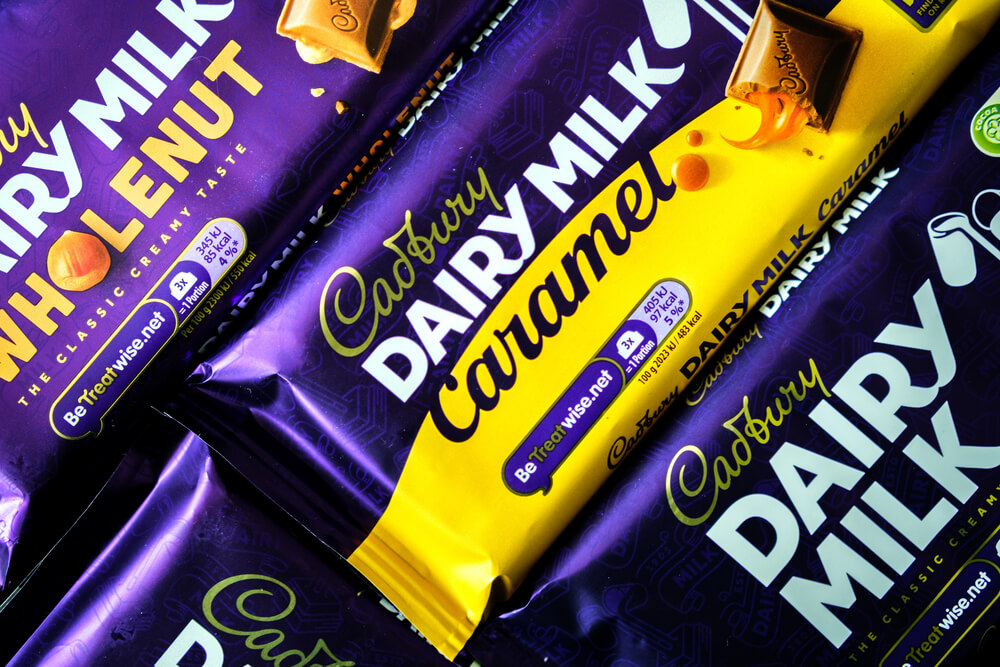
The Tempo was a South African original, launched in 1986, with shortcake biscuit and caramel under Dairy Milk chocolate. It spent three decades in spaza shops, school tuck shops and petrol station counters across the country.
Cadbury’s parent company withdrew it in 2017 and gave its shelf space to the 5 Star, a caramel and nougat bar sold in India since 1969. The swap was part of a wider move to standardize brands across markets. South Africans who grew up with the Tempo did not regard the newcomer as an upgrade. A local favorite had been traded for a global one, and nobody asked.
Sweetness Decided in Boardrooms
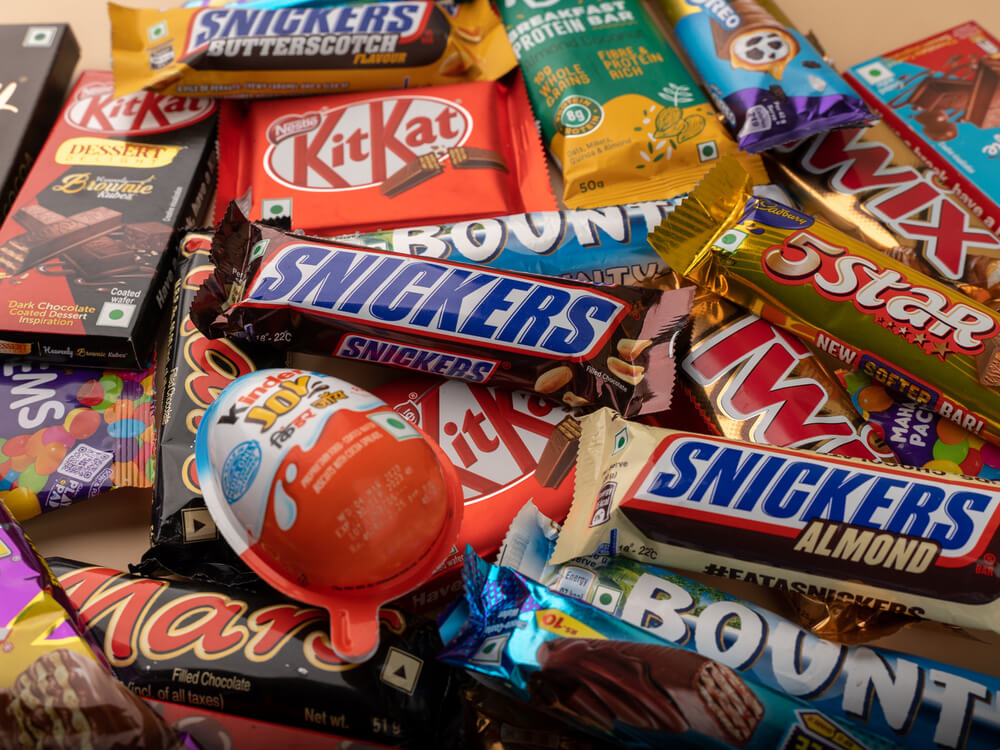
Very few of these treats died because people stopped liking them. They fell to mergers, to cost-cutting that ruined a recipe, to coatings that could not survive August, and in one case apparently to a family’s personal taste. The candy rack has always been governed more by corporate arithmetic than by affection.
Affection, though, is what remains. A discontinued bar becomes a marker of a particular decade and a particular pocket-money budget, remembered more vividly than most things that are still for sale. The petitions rarely work, and that may be for the best, since no revived recipe has ever tasted as good as the memory.
More from Go2Tutors!

- The Romanov Crown Jewels and Their Tragic Fate
- 13 Historical Mysteries That Science Still Can’t Solve
- Famous Hoaxes That Fooled the World for Years
- 15 Child Stars with Tragic Adult Lives
- 16 Famous Jewelry Pieces in History
Like Go2Tutors’s content? Follow us on MSN.