28 Cars From the Seventies People Still Recognize Instantly
The 1970s handed American car buyers a strange mix of muscle, malaise, and genuine innovation, often within the same model year. Emissions rules tightened, gas prices spiked, and horsepower numbers dropped almost across the board, yet somehow the decade still produced some of the most recognizable silhouettes in automotive history.
These are the cars that people can name from a block away, whether they were built for speed, practicality, or pure disco-era flash.
Pontiac Firebird Trans Am
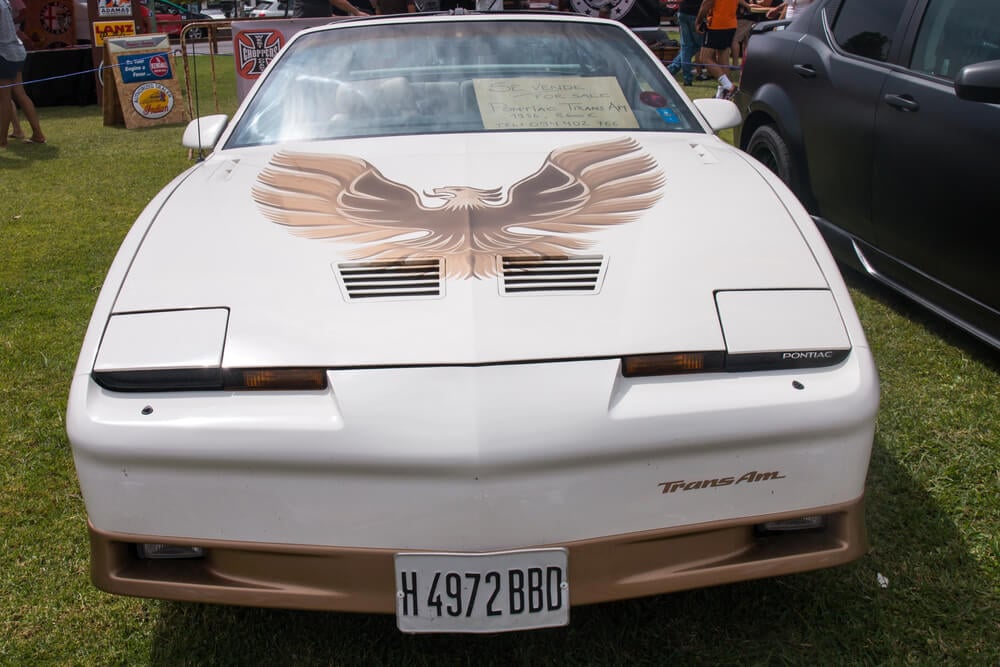
Introduced as a high-performance Firebird variant in 1970 and refined throughout the seventies, the Trans Am became a cultural fixture thanks largely to its screaming bird hood decal and its starring role opposite Burt Reynolds in “Smokey and the Bandit.” Its T-top roof panels and shaker hood scoop remain instantly identifiable even to people with no interest in cars.
Dodge Charger
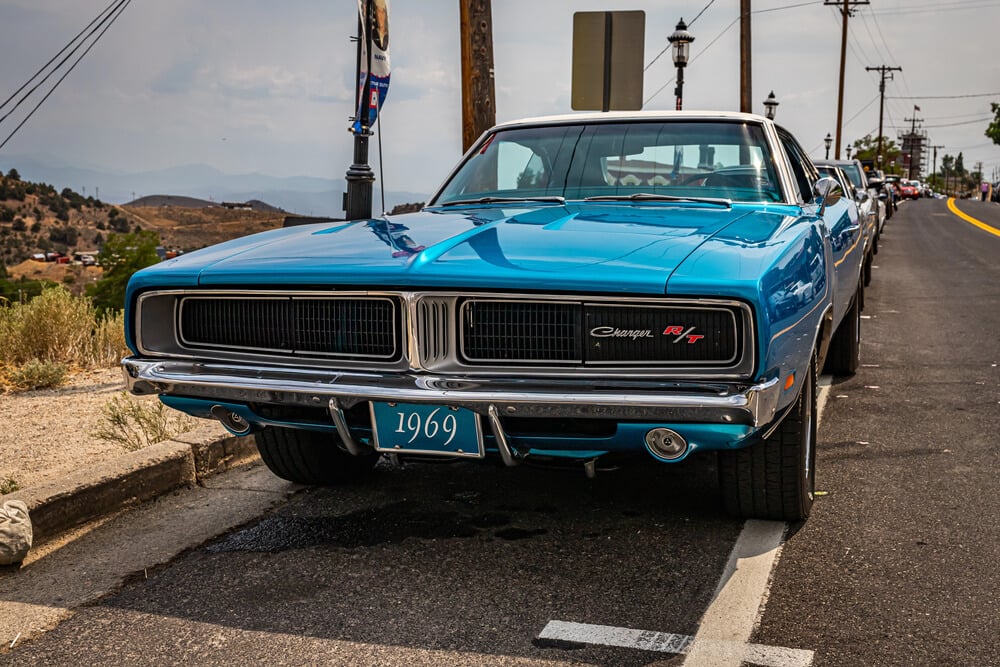
Carried over from its late-1960s muscle car heyday, the seventies Charger softened its lines slightly but kept the long hood and aggressive stance that made the earlier models famous. Its association with television’s “The Dukes of Hazzard,” which premiered in 1979 featuring a 1969 model, cemented the Charger’s silhouette in pop culture well beyond car enthusiast circles.
Chevrolet Camaro
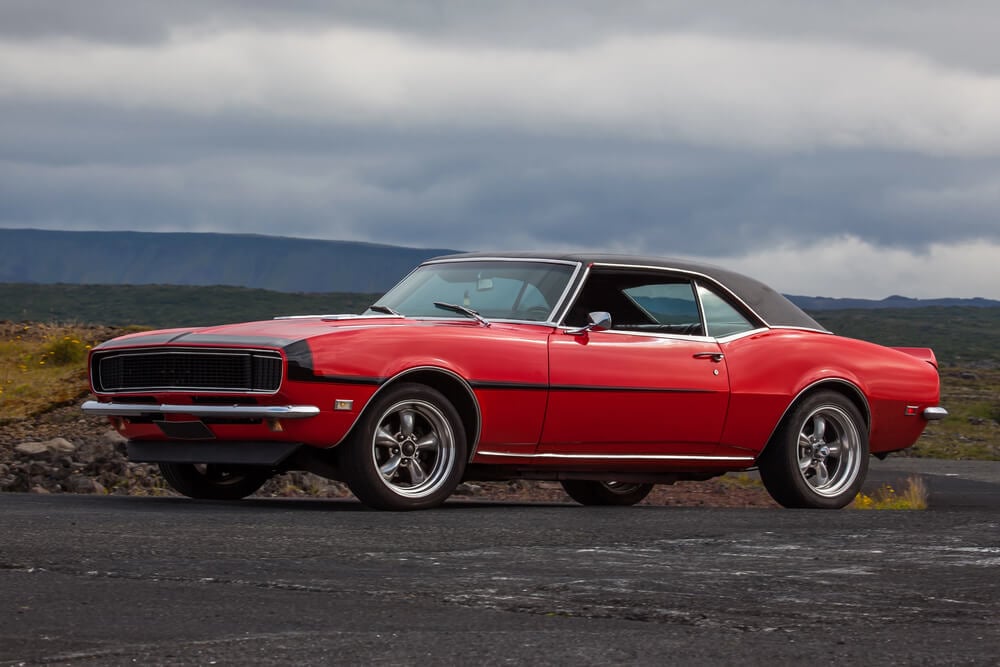
Redesigned for the 1970 model year with a longer hood and fastback profile, the second-generation Camaro ran with relatively few changes all the way through 1981, giving an entire decade of buyers the same recognizable shape. Its rivalry with the Ford Mustang defined the pony car segment throughout the era.
Ford Mustang Mach 1
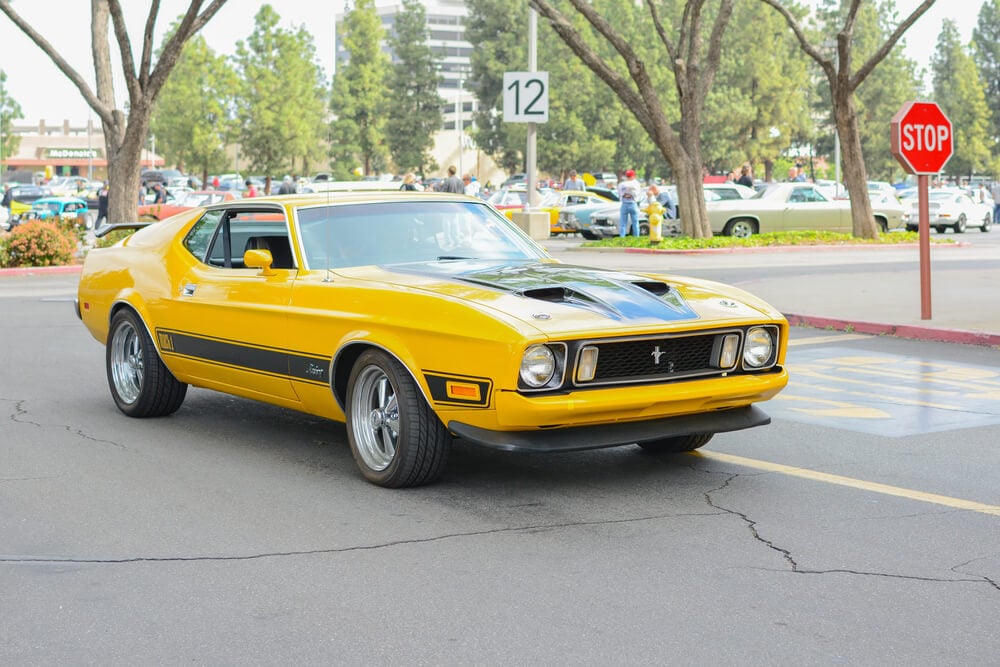
By the early seventies, the Mustang had grown larger and heavier than its 1960s predecessors, but the Mach 1 trim kept a performance edge with its distinctive hood scoop and racing stripes. Its appearance in the 1971 James Bond film “Diamonds Are Forever,” complete with a memorable on-two-wheels chase scene, gave it a level of recognition beyond typical car enthusiasts.
AMC Gremlin
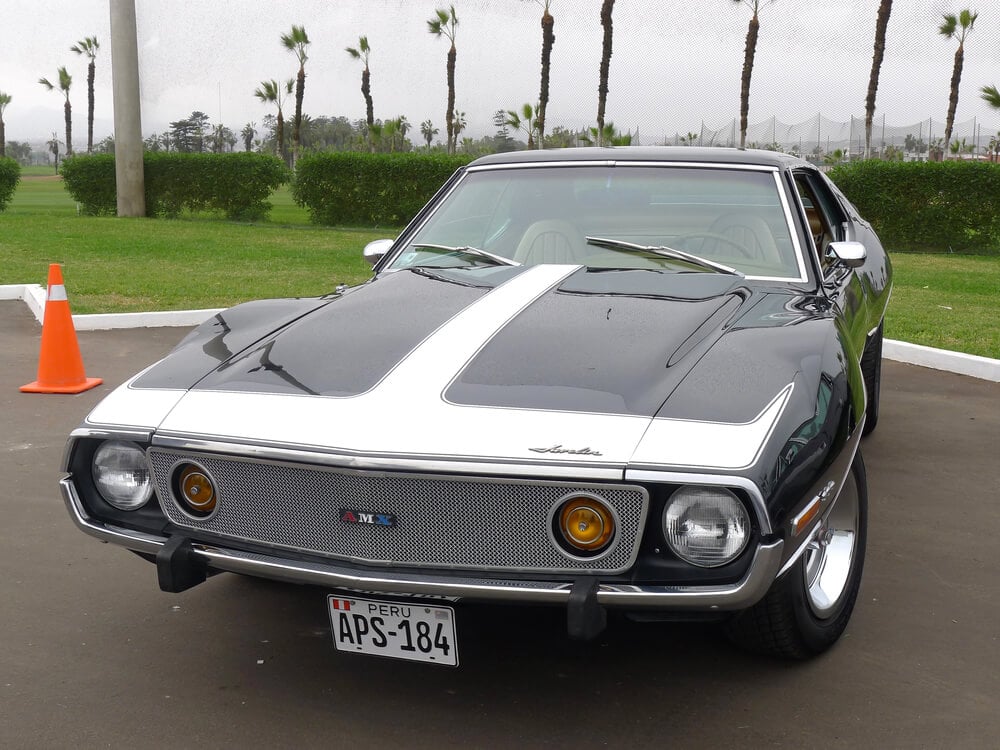
Introduced on April 1, 1970, the Gremlin beat the Ford Pinto to market by several months and became the first American-made subcompact car, distinguished by its abruptly truncated rear end. Available in loud paint options with names like Butterscotch Gold, the Gremlin developed a cult following that persists at classic car shows today.
AMC Pacer
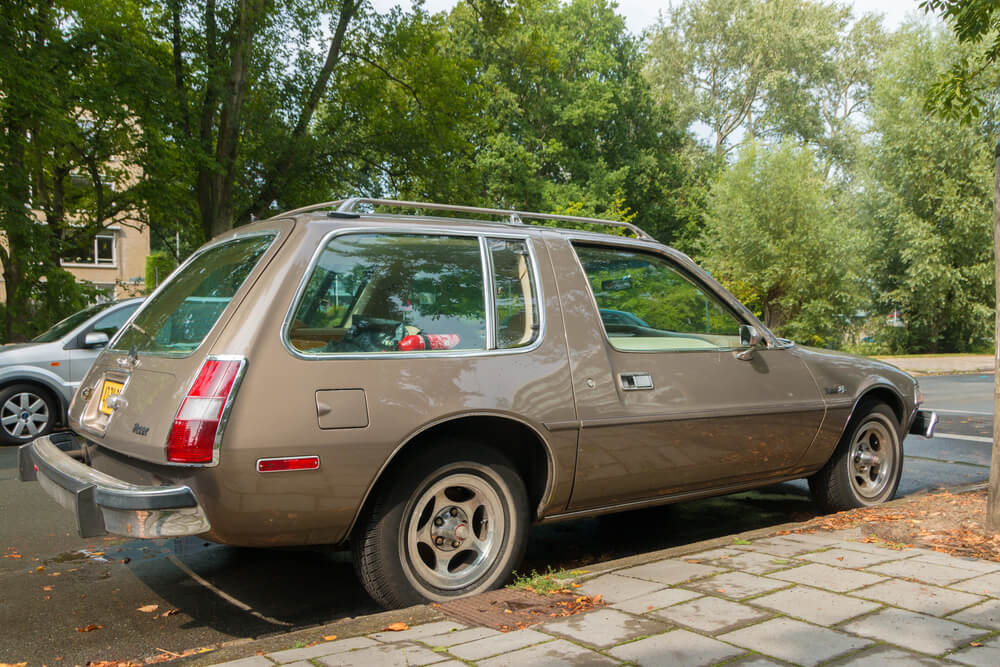
Launched in 1975 with a wide, rounded, glass-heavy design that earned it comparisons to a fishbowl, the Pacer became AMC’s bestselling model of the decade despite, or perhaps because of, its unusual proportions. Its passenger door was several inches longer than the driver’s side door, a design choice meant to ease entry into the back seat.
Chevrolet Chevelle SS
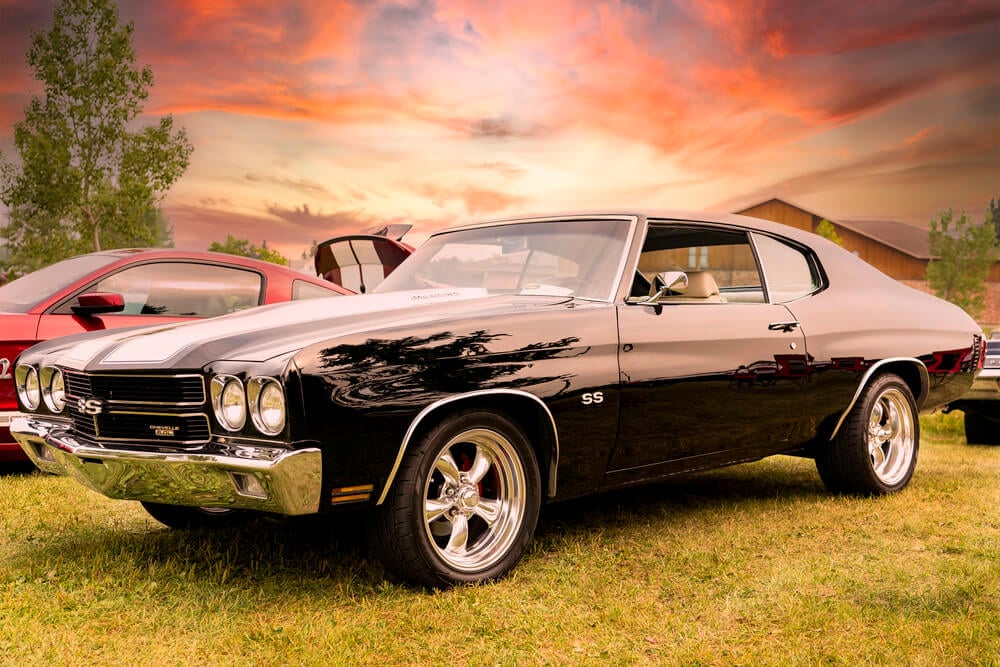
The Chevelle SS, particularly the 454 variant, carried racing stripes and a cowl-induction hood that signaled serious performance intentions well before the engine started. Chevrolet scaled back the model’s output through the decade as emissions standards tightened, but its earlier body style remained in production and in public memory throughout the era.
Ford Pinto
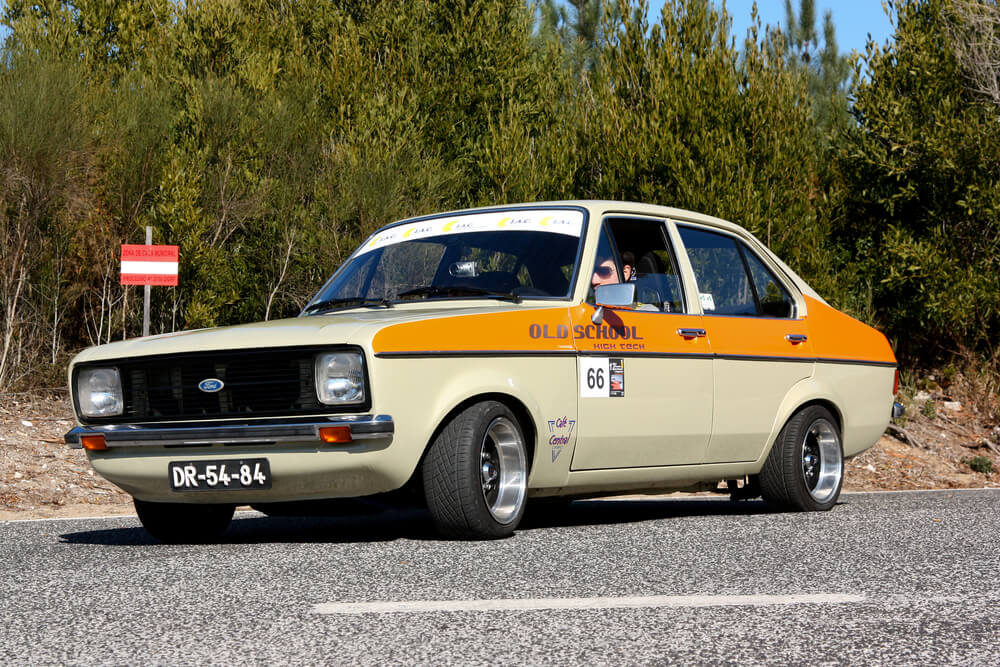
Introduced in 1971 as Ford’s answer to compact European and Japanese imports, the Pinto became one of the most recognizable and most controversial cars of the decade after a series of lawsuits tied its rear fuel tank placement to fire risk in rear-end collisions. Despite the controversy, it sold in large numbers and remains one of the most talked-about compact cars in American automotive history.
Plymouth Road Runner
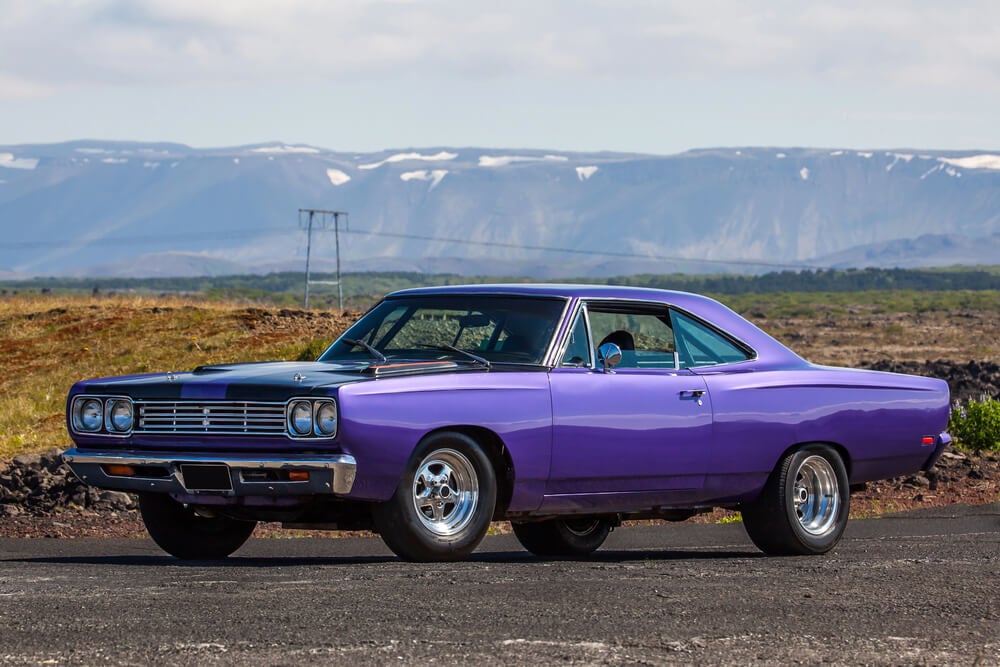
Named and licensed directly from the Warner Bros. cartoon character, the Road Runner even came with a horn that mimicked the character’s signature “beep beep” sound. Its stripped-down, budget-muscle-car approach made serious horsepower available at a lower price point than most of its Detroit competitors.
Plymouth Barracuda
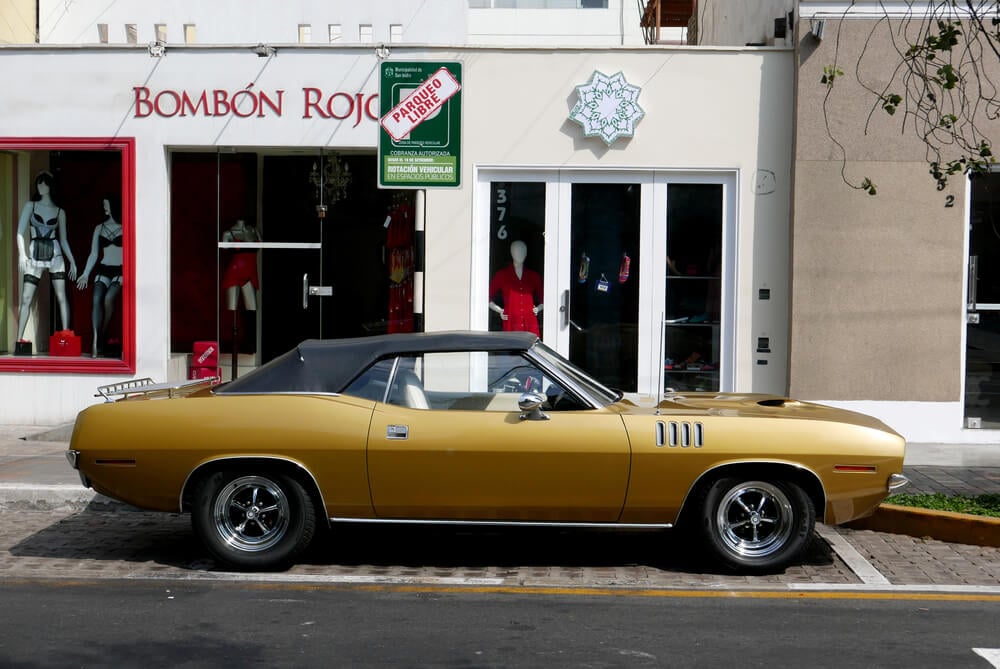
The third-generation Barracuda, produced from 1970 through 1974, shared its platform with the Dodge Challenger and offered the legendary 426 HEMI engine as an option, making surviving HEMI Barracudas among the most valuable American muscle cars at auction today. Its wide stance and short rear deck gave it a visual presence that outlasted its relatively short production run.
Dodge Challenger
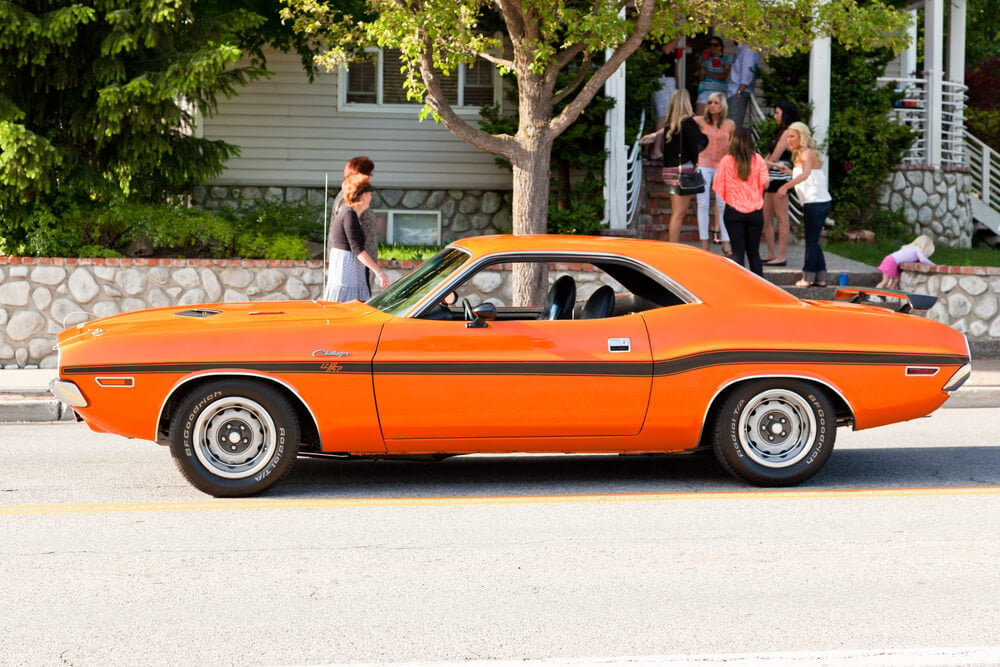
Sharing its E-body platform with the Barracuda, the Challenger became one of the definitive pony cars of the early seventies with its long hood, short deck, and wide array of available V8 engines up to the 426 HEMI. Its profile has proven durable enough that Dodge revived the name for a modern retro-styled model decades later.
Chevrolet Corvette Stingray
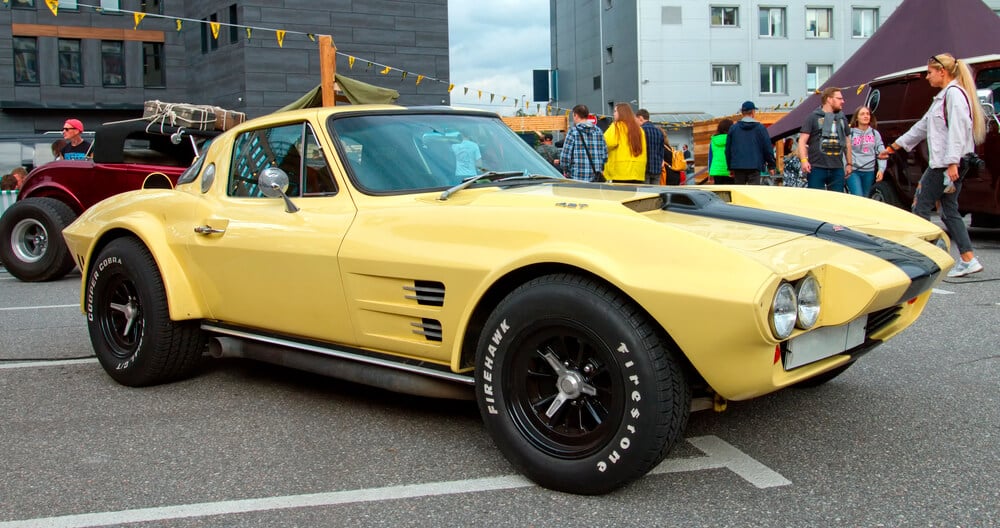
The C3 Corvette, with its dramatically curved “Coke bottle” body and removable T-top roof, carried the Stingray name through most of the 1970s. The 1977 model became the top-selling Corvette to that point and gained additional fame through its appearance in “Smokey and the Bandit” alongside the Trans Am.
Ford Bronco
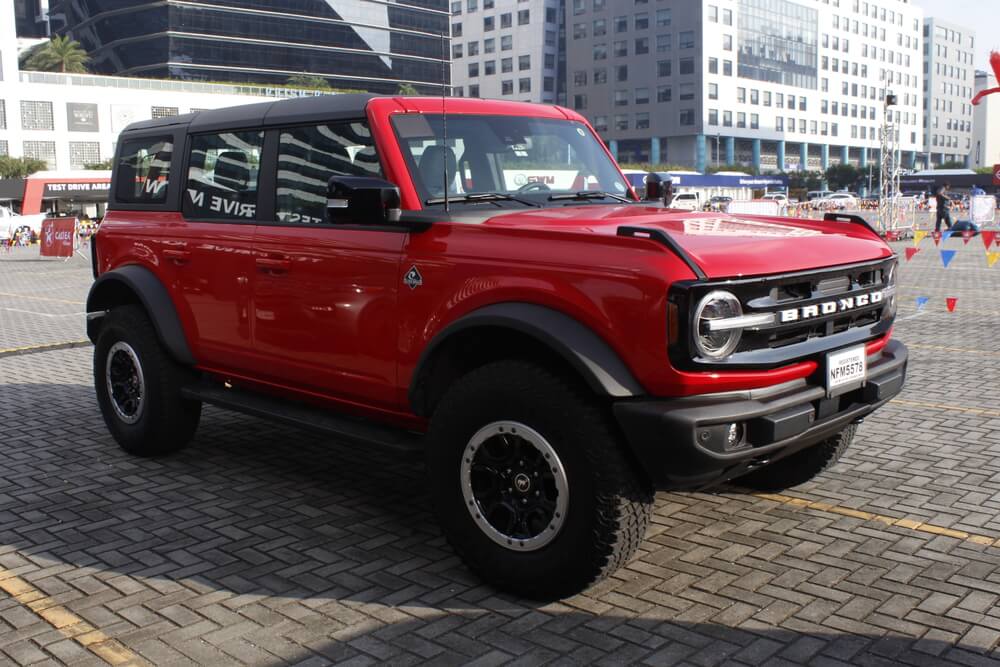
The first-generation Bronco, produced through 1977, combined a boxy, compact body with genuine off-road capability, distinguishing it from later, larger SUVs that would carry the name. Its short wheelbase and round headlights remain a favorite reference point for the modern Bronco’s throwback design.
Volkswagen Beetle
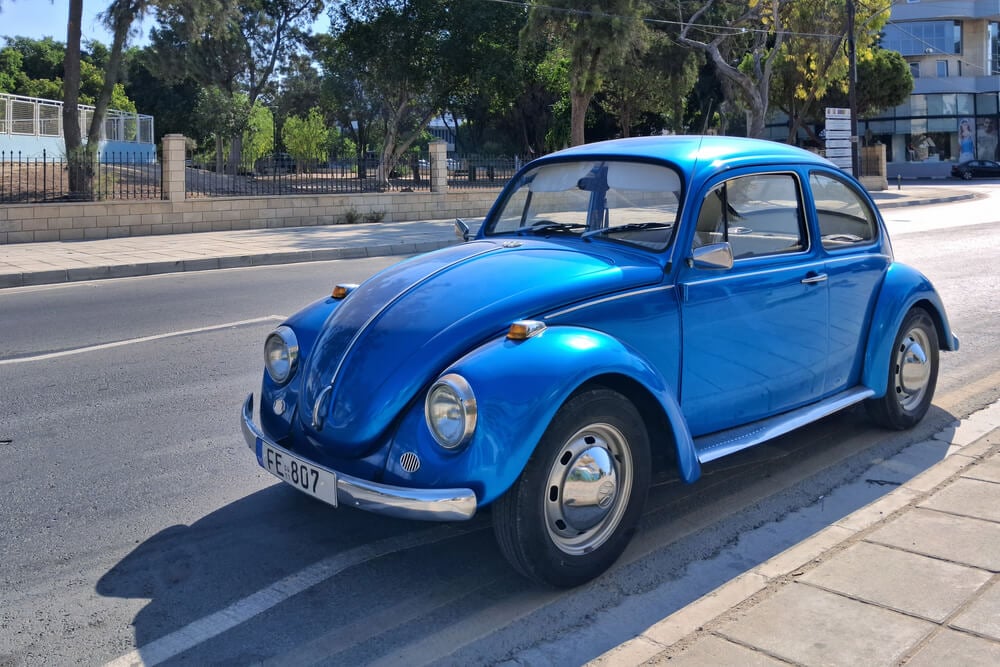
Already decades into production by the 1970s, the Beetle’s rounded, air-cooled silhouette remained one of the most recognizable car shapes in the world throughout the decade, sold to American buyers looking for an affordable, fuel-efficient alternative during the era’s gas crises. Its cultural footprint extended well beyond car culture, thanks in part to Disney’s “Herbie” film franchise.
Volkswagen Type 2 Microbus
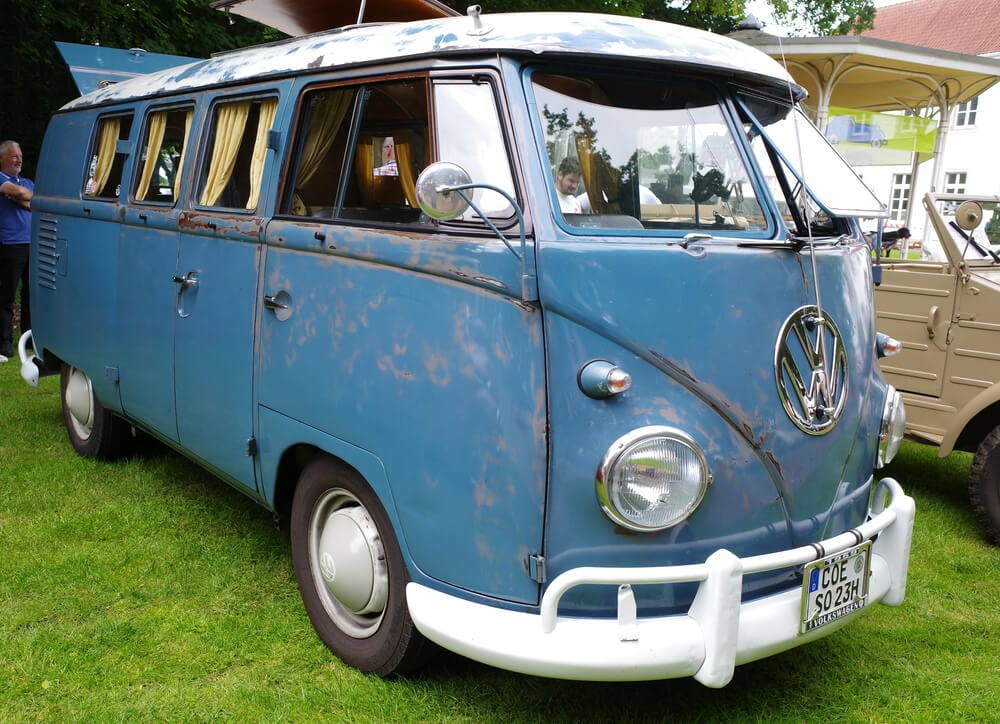
The boxy, flat-fronted Microbus became closely associated with counterculture road trips and surf culture throughout the seventies, a reputation that has only grown since the model went out of production. Its distinctive split windshield on earlier models and two-tone paint jobs remain instantly recognizable even to people who have never driven one.
Datsun 240Z
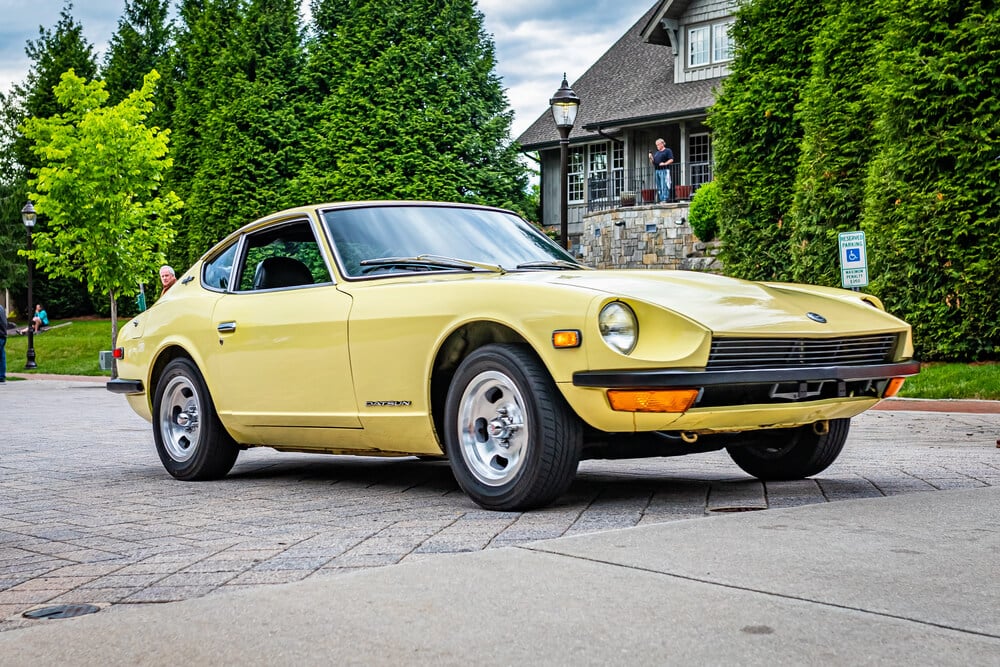
Launched in the United States in 1970, the 240Z offered sports car styling and performance at a fraction of the cost of European competitors, helping establish Japanese automakers as serious players in the performance segment. Its long hood and fastback rear window gave it a shape distinct from anything else in its price range at the time.
Toyota Celica
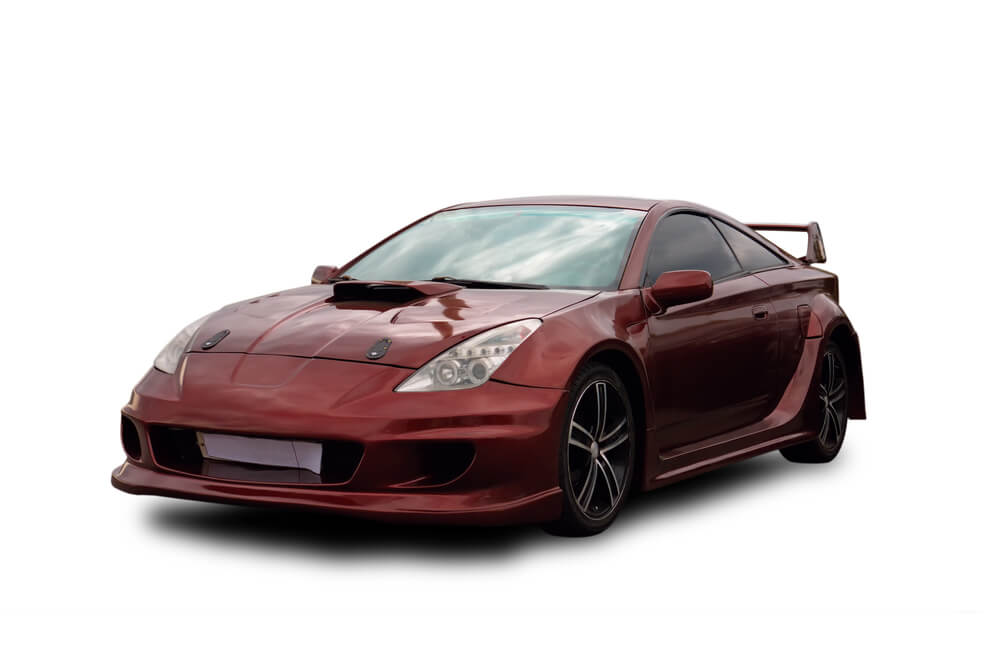
Introduced to American buyers in 1971, the Celica borrowed styling cues that drew comparisons to the Ford Mustang while offering the reliability and fuel efficiency Japanese imports were becoming known for. Its long hood and fastback silhouette made it one of the more recognizable imports of the decade.
Porsche 914
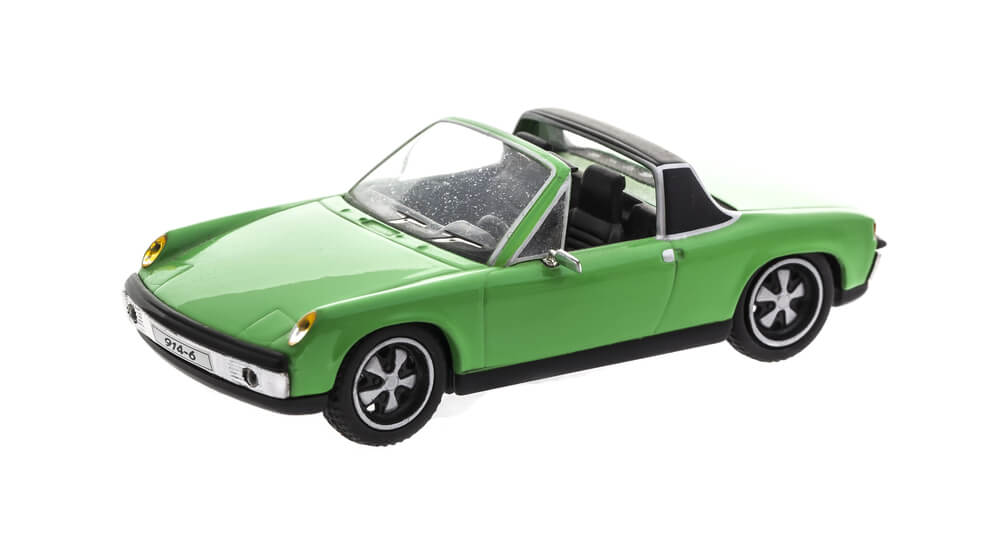
A mid-engine collaboration between Porsche and Volkswagen, the 914 offered a more affordable entry point into the Porsche lineup starting in 1970, distinguished by its low, wedge-shaped body and removable targa roof. Its unusual proportions, shorter and wider than typical sports cars of the era, still set it apart from other Porsches at car shows today.
Oldsmobile Cutlass Supreme
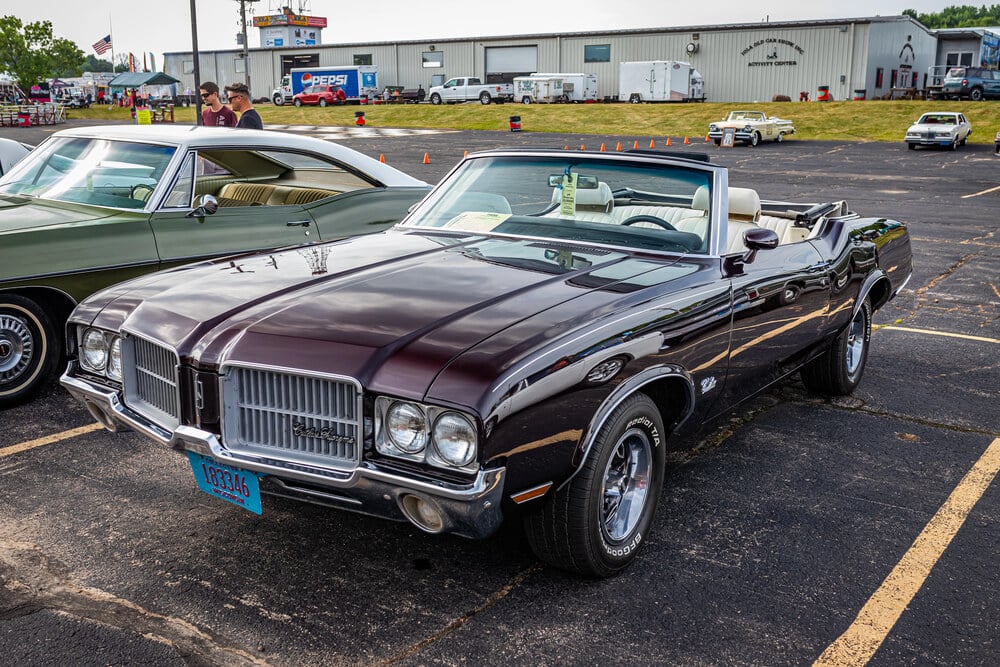
The Cutlass became the best-selling car in the United States by 1976 and held that position into the following decade, thanks to a combination of size, comfort, and a personal-luxury-coupe image that fit the era’s tastes. Its boxy yet substantial styling made it a common sight on American roads throughout the decade.
Chevrolet Monte Carlo
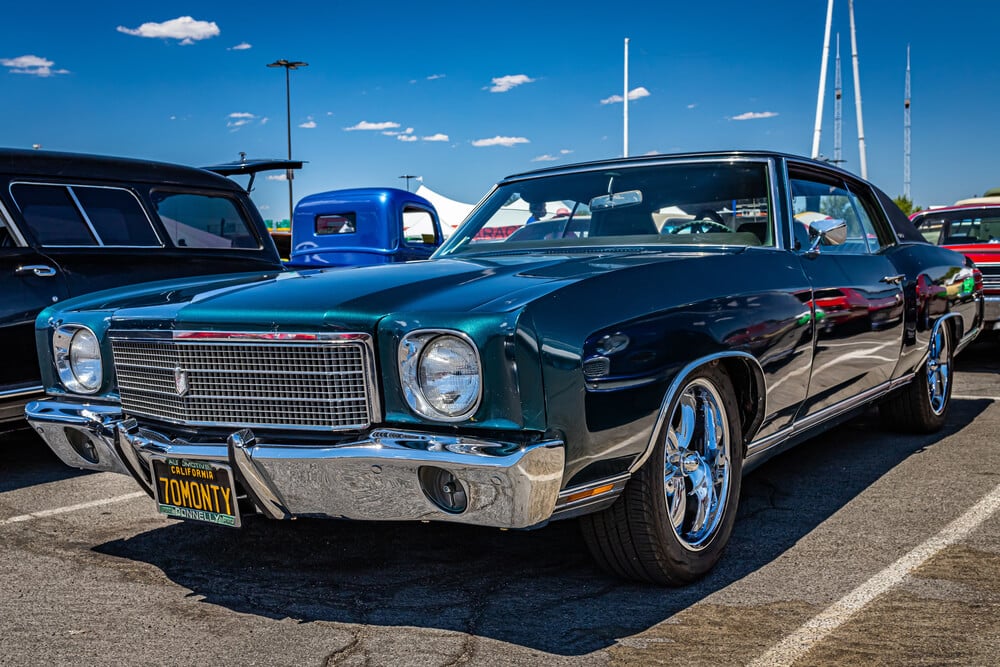
Positioned as a personal luxury coupe with a long hood and formal roofline, the Monte Carlo consistently ranked among Chevrolet’s best-selling models through the decade. Its success on the NASCAR circuit during the seventies reinforced a sportier image than its plush interior might have suggested.
Lincoln Continental Mark IV
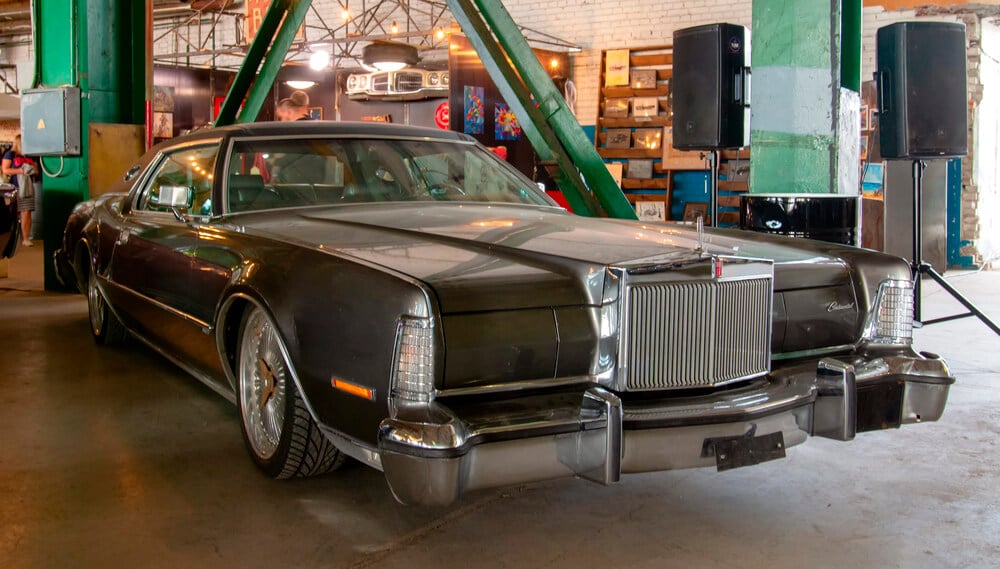
An enormous personal luxury coupe with a distinctive continental-style spare tire hump molded into the trunk lid, the Mark IV became a symbol of seventies excess, favored by buyers who wanted their car to announce its price tag from a distance. Its opera windows, a small fixed pane behind the rear door, became a design signature copied across the luxury segment.
Cadillac Eldorado
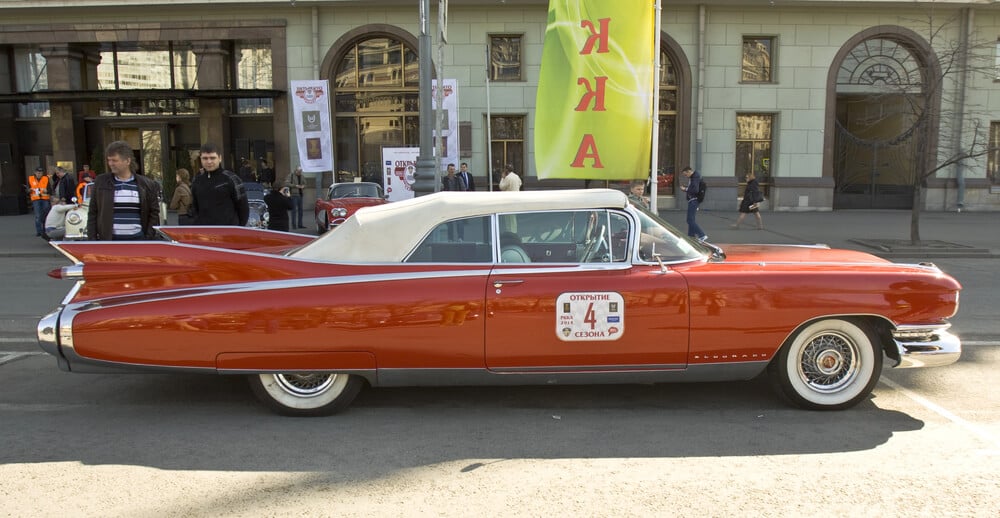
By the mid-1970s, the Eldorado had grown into one of the largest two-door cars ever mass-produced in America, and its convertible variant became the last true full-size American convertible before the body style briefly disappeared from the market. Its sheer scale alone made it identifiable from a considerable distance.
Chevrolet Nova
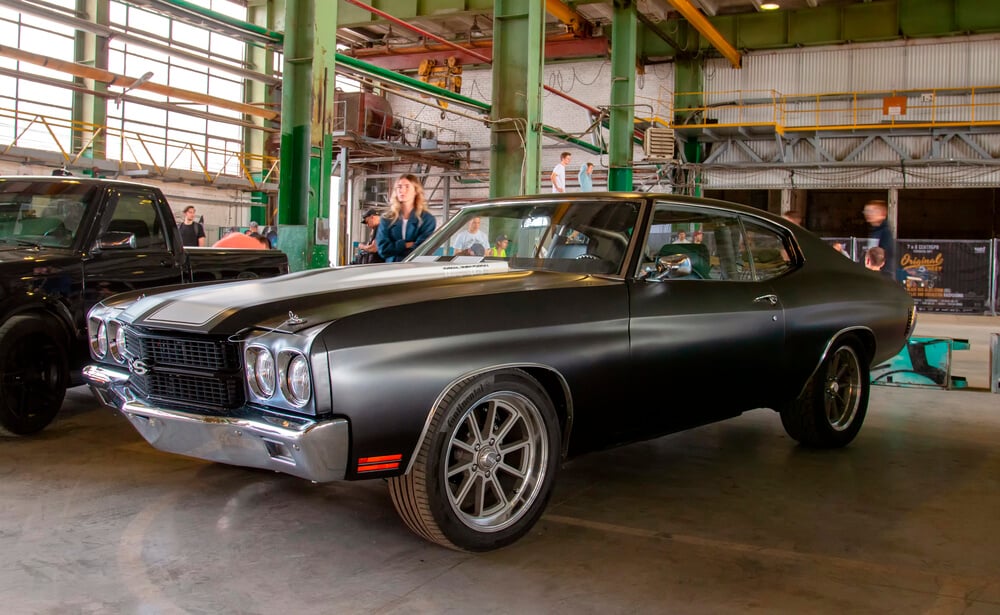
A compact, practical alternative to Chevrolet’s flashier muscle cars, the Nova remained one of the best-selling models in the country throughout the decade thanks to its reliability and relatively low price. Its straightforward, boxy styling made it a common sight in driveways rather than car shows, which is part of why so many people can still place it on sight.
Ford Gran Torino
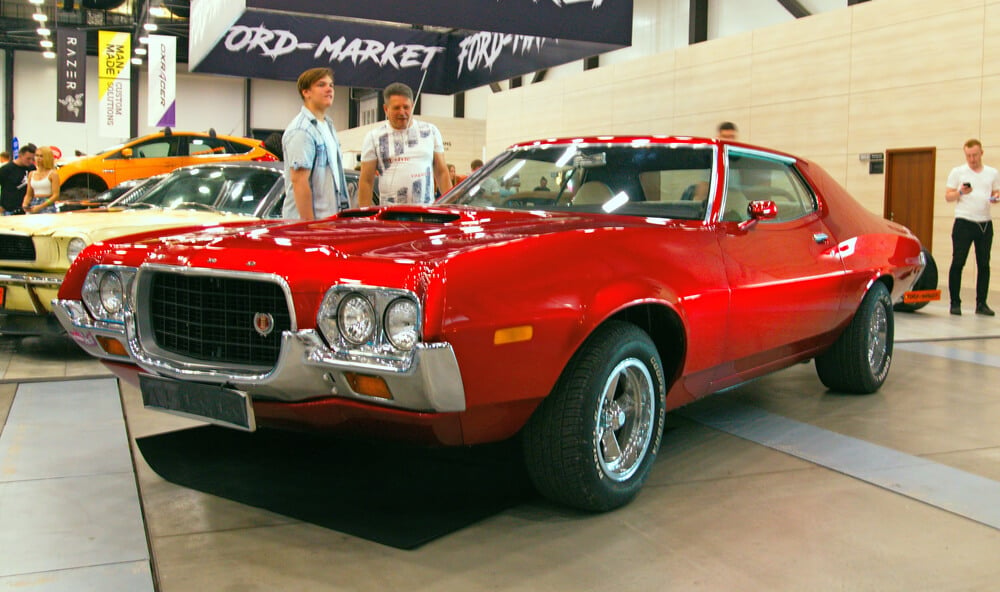
Gaining a second life through its starring role as the “Striped Tomato” in the television series “Starsky & Hutch,” which premiered in 1975, the Gran Torino’s bold red paint and white vector stripe made it one of the most visually memorable cars of the decade regardless of its actual sales performance. Its wide, curved body panels were typical of Ford’s design language at the time.
Buick Riviera
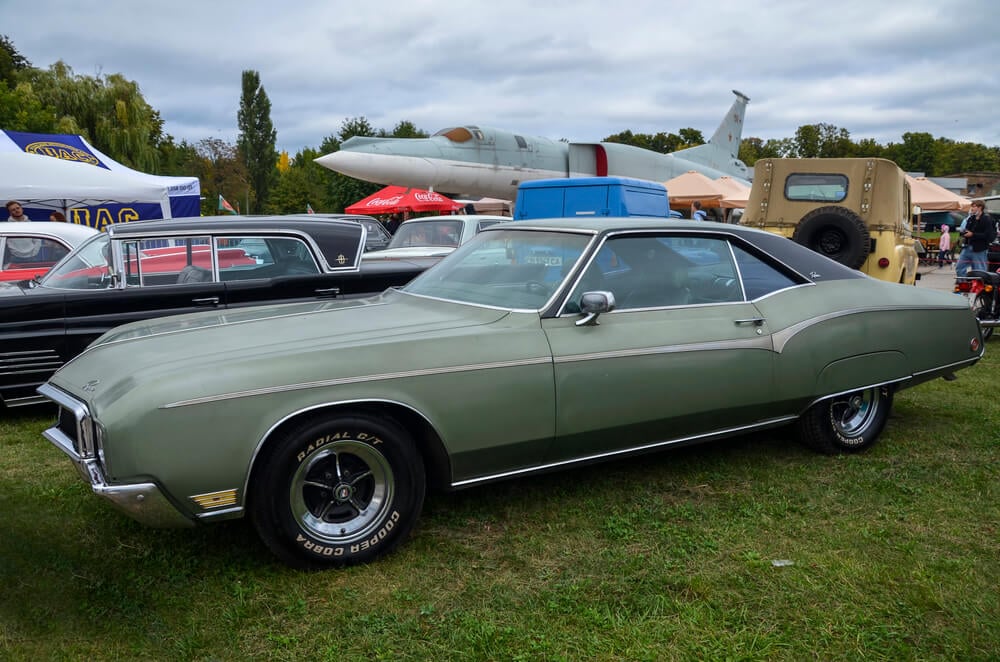
Redesigned for 1971 with a dramatic “boat-tail” rear window that tapered to a point, the Riviera stood out even among the era’s already flamboyant personal luxury coupes. The design proved polarizing enough that Buick moved to a more conventional shape within a few years, making the boat-tail version especially recognizable to collectors today.
Jeep CJ-5
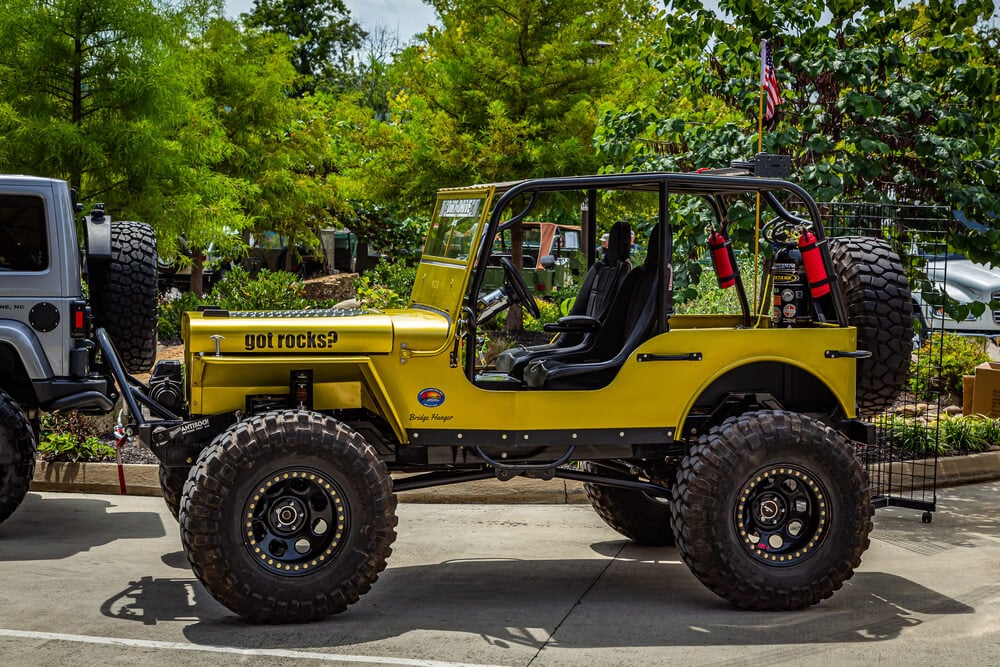
The CJ-5 carried Jeep’s World War II military heritage into civilian off-roading throughout the seventies, with its rounded fenders, exposed door hinges, and fold-down windshield remaining largely unchanged for years at a time. Its simple, utilitarian shape has proven durable enough to still influence Jeep’s modern Wrangler design.
Chevrolet El Camino
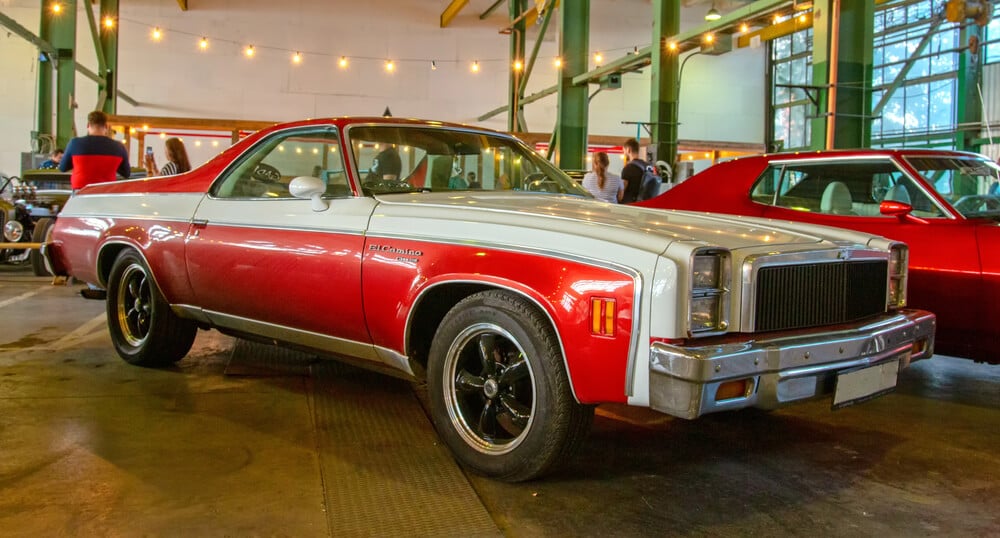
Part car, part pickup truck, the El Camino occupied a category almost entirely its own, pairing a passenger car’s front half with an open cargo bed in back. Its unusual configuration made it instantly identifiable and has kept it a favorite at classic car shows long after Chevrolet discontinued the model.
De Tomaso Pantera
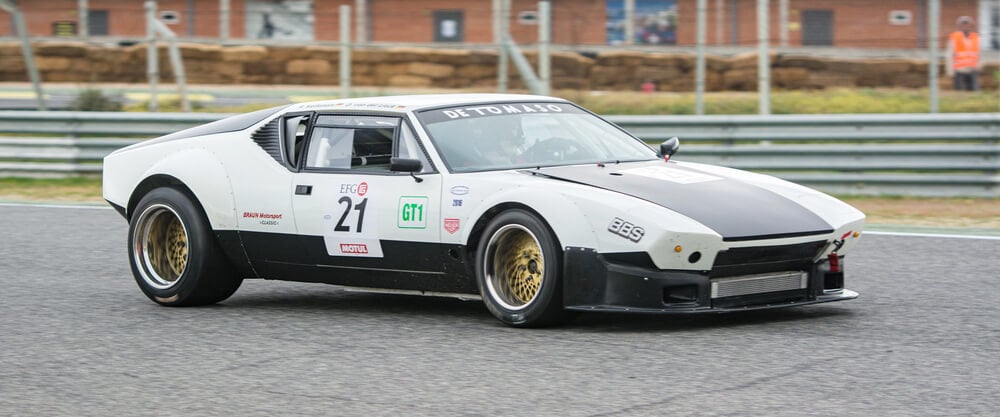
An Italian-American hybrid built with a Ford V8 engine and sold through Lincoln-Mercury dealerships starting in 1971, the Pantera combined exotic styling with a drivetrain American mechanics could actually service. Its low, wedge-shaped body and mid-engine layout gave it a presence that punched well above its relatively accessible price point for a car with genuine supercar looks.
The Ghost of the Malaise Era
None of these cars were built in ideal conditions. Emissions regulations tightened year over year, insurance premiums climbed for anything resembling a muscle car, and two separate oil shocks forced manufacturers to rethink what an American car was supposed to be.
Somehow, within those constraints, an entire generation of shapes emerged that still stop people in parking lots five decades later. What survives is not always the fastest or best-engineered car from the decade, but the one that showed up in a movie, a television show, or a cartoon tie-in at exactly the right moment.
Seventies car design was often a compromise. Seventies car memory rarely is.
More from Go2Tutors!

- The Romanov Crown Jewels and Their Tragic Fate
- 13 Historical Mysteries That Science Still Can’t Solve
- Famous Hoaxes That Fooled the World for Years
- 15 Child Stars with Tragic Adult Lives
- 16 Famous Jewelry Pieces in History
Like Go2Tutors’s content? Follow us on MSN.