28 Christmas Customs From Victorian England
Queen Victoria’s reign did more to shape the modern English Christmas than any other period. Cards, crackers, trees, and pudding all took their familiar form between the 1840s and the 1890s, though they looked a little different then.
Plenty of Victorian customs have vanished, and some of them would raise eyebrows today. Flaming raisins, real candles on trees, and walking turkeys all belong on the list.
A Royal Christmas Tree
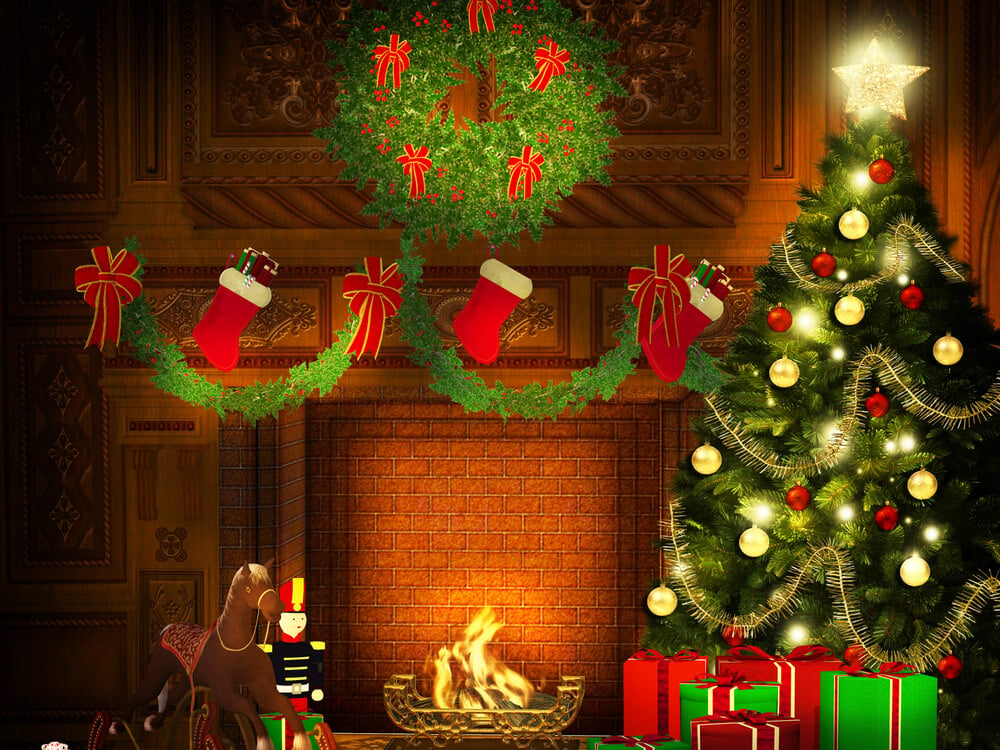
Prince Albert, who was born in Germany, brought the German custom of the Christmas tree to the British court, and trees were set up at Windsor Castle through the 1840s. An engraving of the royal family gathered around a tree at Windsor appeared in the Illustrated London News in 1848 and made the custom fashionable.
Within a few years, middle-class families across England were hunting for a tree of their own.
Candles on the Branches
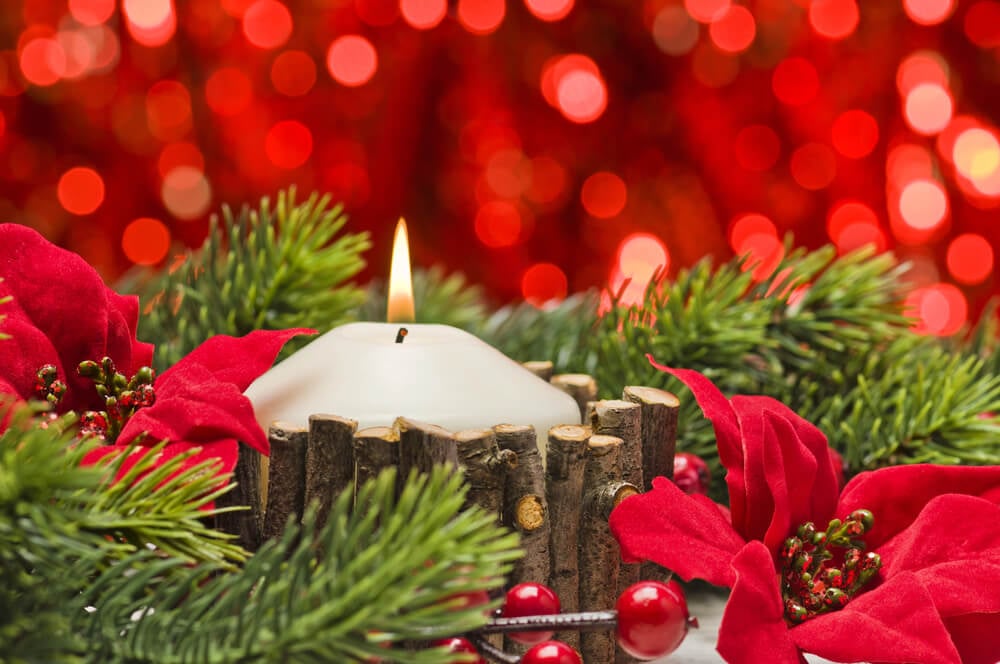
Early Victorian trees were lit with real wax candles clipped to the branches, and a bucket of water often stood nearby in case of accidents. The branches also held apples, sweets, gingerbread, and small gifts, which children received when the tree was stripped.
Candles were lit only for short stretches, since a dry tree in a parlor was a real fire risk.
The First Christmas Card
In 1843, Henry Cole commissioned the artist John Callcott Horsley to design a card showing a family raising glasses of wine, with scenes of charity on each side. About a thousand were printed and sold for a shilling each.
Some critics objected that the card showed children drinking wine.
The Penny Post and the Robin

Cheap postage from 1840 let ordinary families send greetings by mail, and Christmas cards became a booming business within a few decades. Postmen of the period wore red tunics and were nicknamed robins, so the bird became a favorite on cards as a stand-in for the mail carrier.
Robins have appeared on British Christmas cards ever since.
Tom Smith’s Crackers
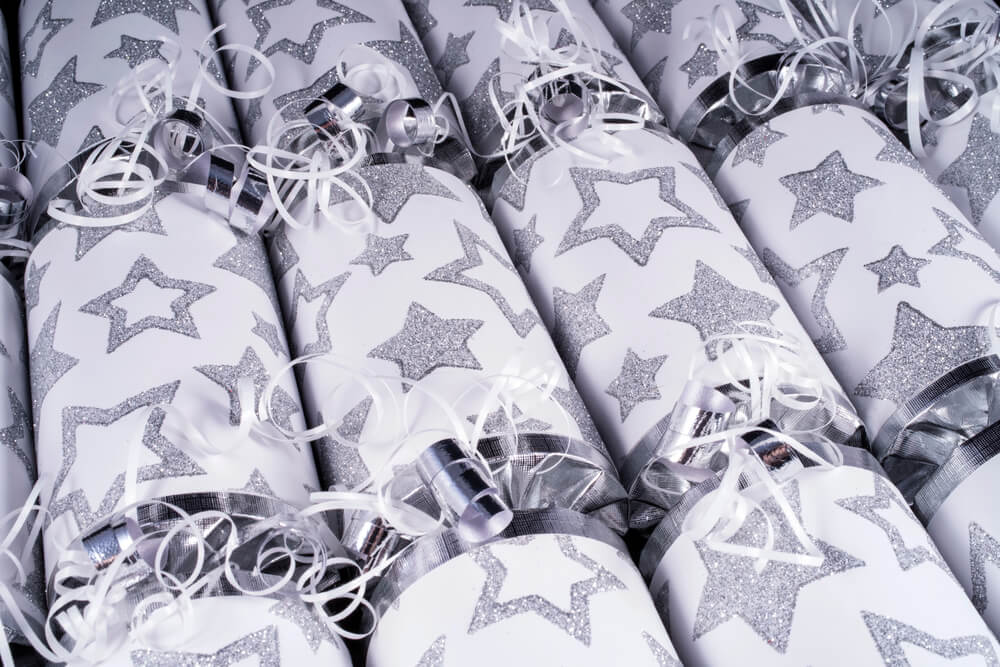
Tom Smith, a London confectioner, began wrapping sweets in twists of paper in the 1840s, and he is said to have added the snap after hearing a log crackle on the fire. Later versions held paper hats, mottoes, and small trinkets instead of candy.
The cracker became a fixture of the Victorian Christmas table, and it remains one in Britain today.
Plum Pudding in Flames
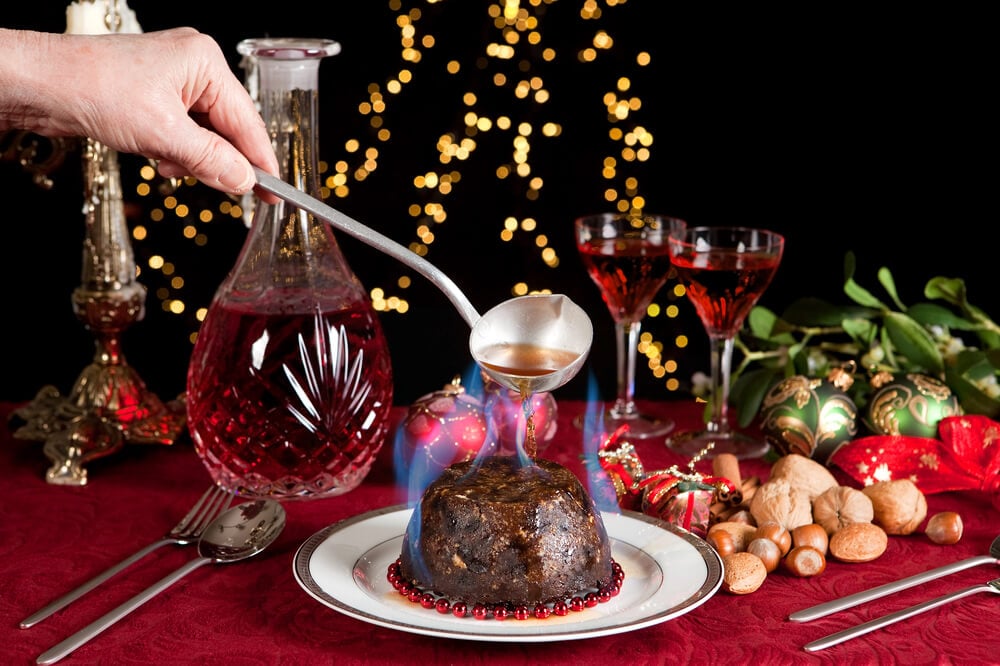
The Victorian Christmas pudding was carried to the table with a sprig of holly on top and brandy poured over it and set alight, while the family watched the blue flame. Coins, often silver sixpences, were hidden inside for lucky diners to find.
The word plum referred to raisins, and a good pudding was made weeks ahead and left to age.
Stir-Up Sunday

Families made their puddings on the last Sunday before Advent, a day called Stir-Up Sunday after the opening words of the Collect read in church that morning. Each family member took a turn stirring the mixture from east to west, in memory of the journey of the Magi, and made a silent wish.
The pudding then sat for weeks until Christmas Day.
Goose Clubs
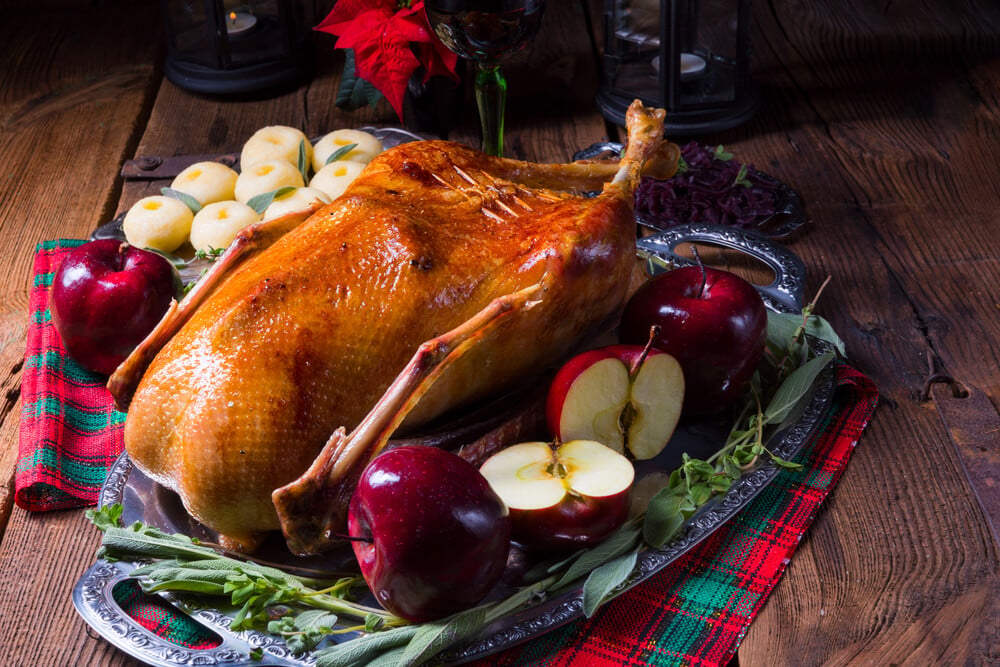
Working families paid a few pennies a week into goose clubs run by pubs or local tradesmen so they could afford a Christmas goose or other treat. In December, members collected their birds.
Goose clubs faded as steady wages, shops, and turkeys made the Christmas dinner easier to afford.
Turkeys Walking to London
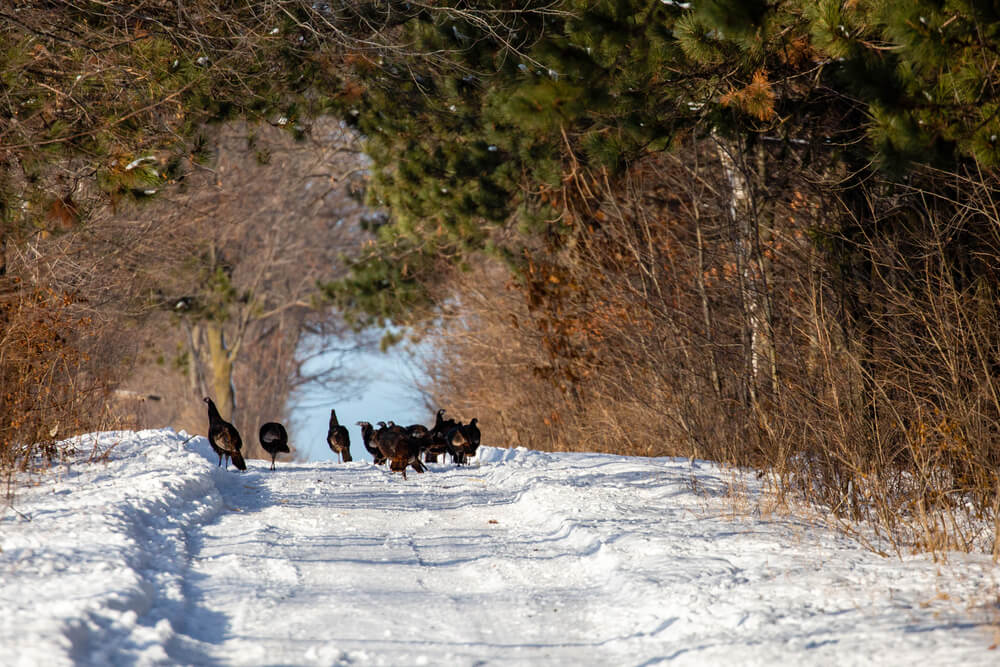
Before the railways, turkeys from Norfolk were driven on foot to markets in London, a journey of several days. Some birds were reportedly fitted with little boots of leather or sacking to protect their feet on the road.
Railways made the walk unnecessary, and the turkey gradually replaced the goose on the dinner table.
Mince Pies Made Sweet
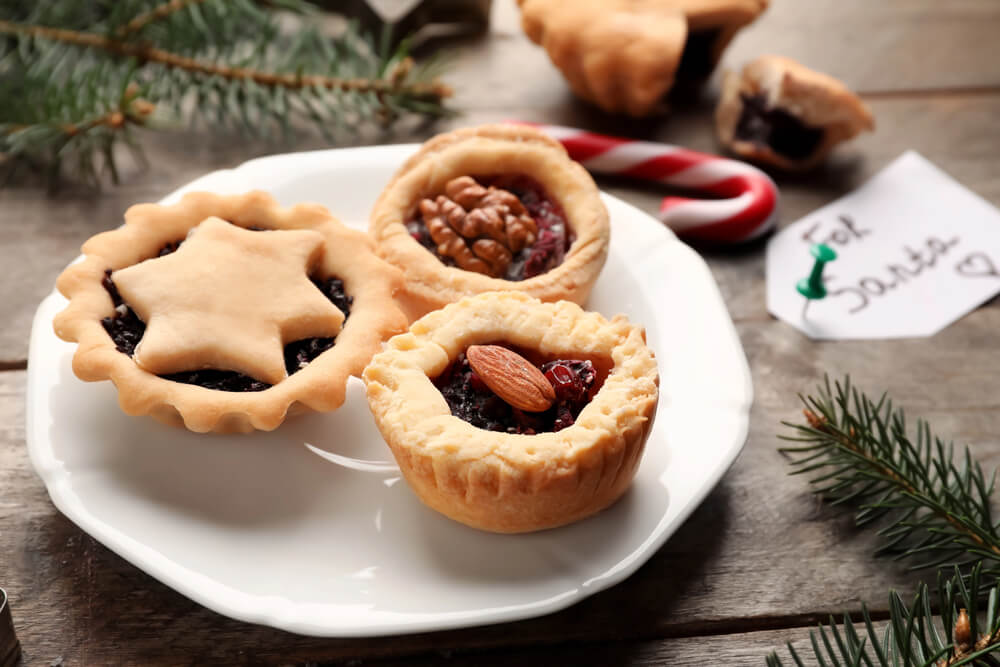
Medieval mince pies contained minced meat along with fruit and spices, but by Victorian times the recipes leaned sweet, with suet and dried fruit and less meat. Superstition held that anyone who ate a mince pie on each of the twelve days of Christmas would enjoy a happy year ahead.
Cooks made dozens ahead of time to have enough for visitors.
The Wassail Bowl
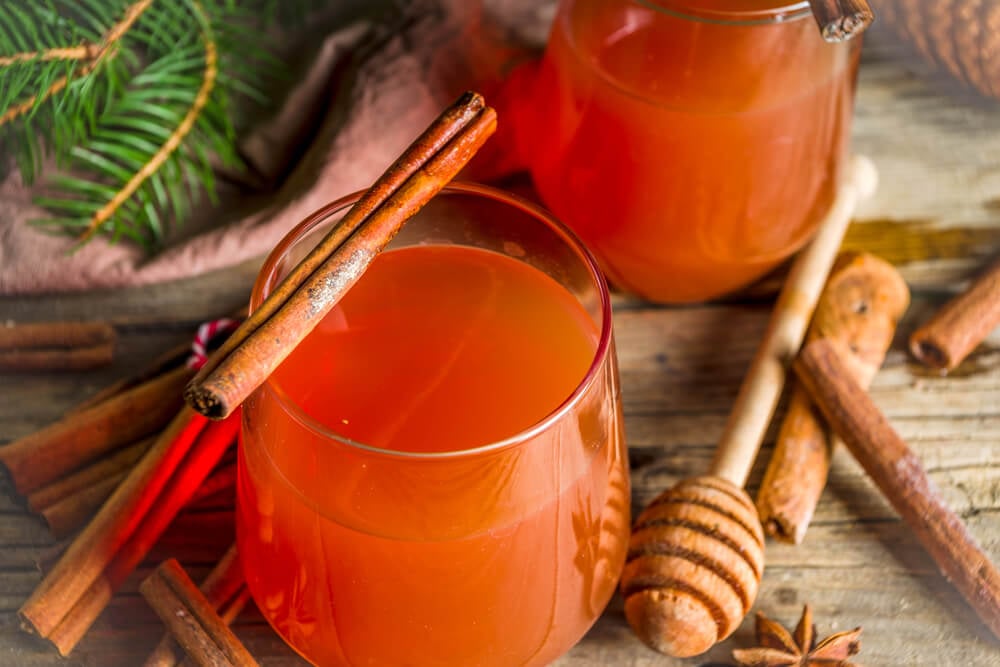
A wassail bowl of hot spiced ale or wine, floated with roasted apples, was a symbol of holiday welcome. Carolers and neighbors drank from it as they went from house to house, and the mixture was sometimes called lamb’s wool because of the foamy apple pulp.
The bowl was often a treasured heirloom brought out once a year.
Kissing Boughs
Before the mistletoe sprig took over, many English homes hung a kissing bough, a frame of greenery shaped like a globe or hoop and decorated with ribbons, apples, and candles. Anyone caught beneath it could be kissed.
Later households replaced it with a simple sprig of mistletoe, and a berry was plucked for each kiss.
Holly, Ivy, and the Rules of Greenery
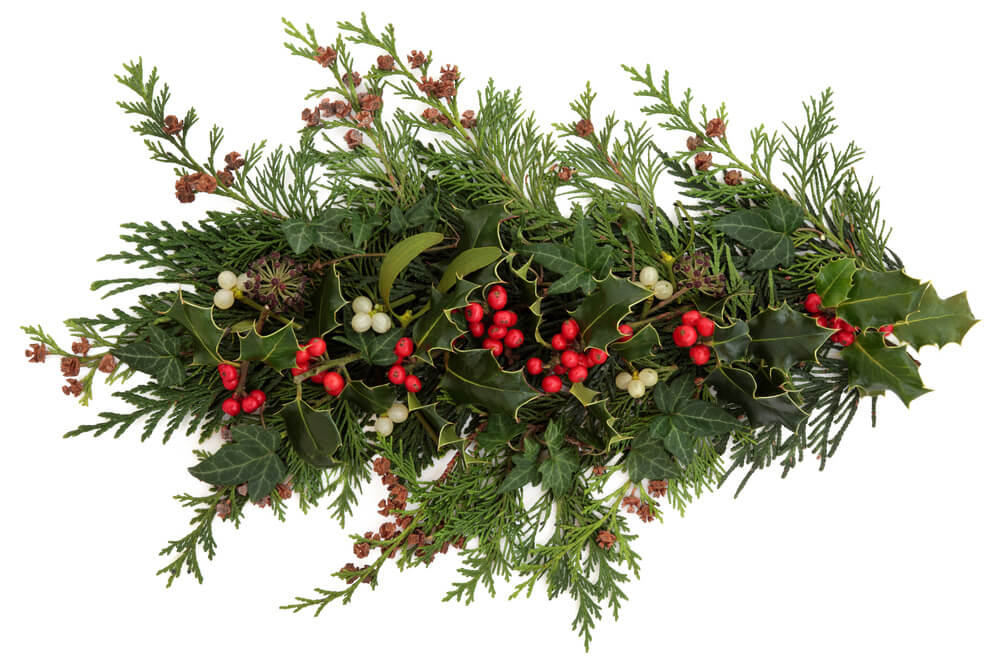
Victorian homes were decorated with holly, ivy, and mistletoe, but only at the right time: tradition said greenery brought indoors before Christmas Eve invited bad luck. Taking it down before Twelfth Night was equally unlucky, and some households burned the old greenery rather than throw it away.
The rules gave the decorating its own sense of ceremony.
Waits and Carolers
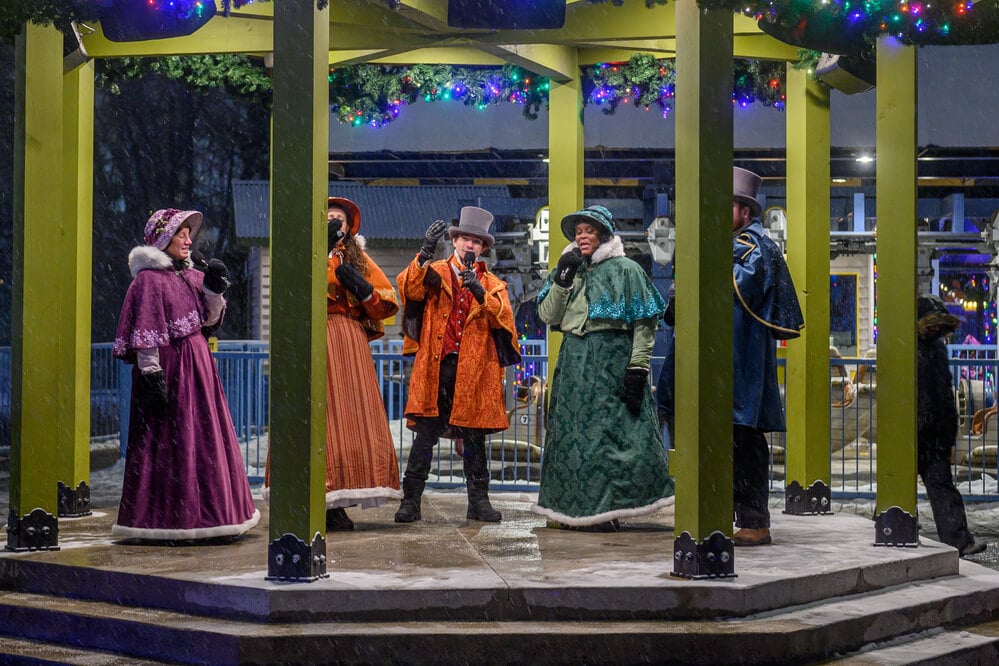
Groups of singers, known as waits, once walked English streets in the weeks before Christmas, playing instruments or singing in hopes of a tip. Victorian enthusiasts rediscovered older songs, and in 1853 John Mason Neale and Thomas Helmore published Carols for Christmas-tide, which helped popularize Good King Wenceslas.
The result was a carol revival that still shapes Christmas music.
Nine Lessons and Carols
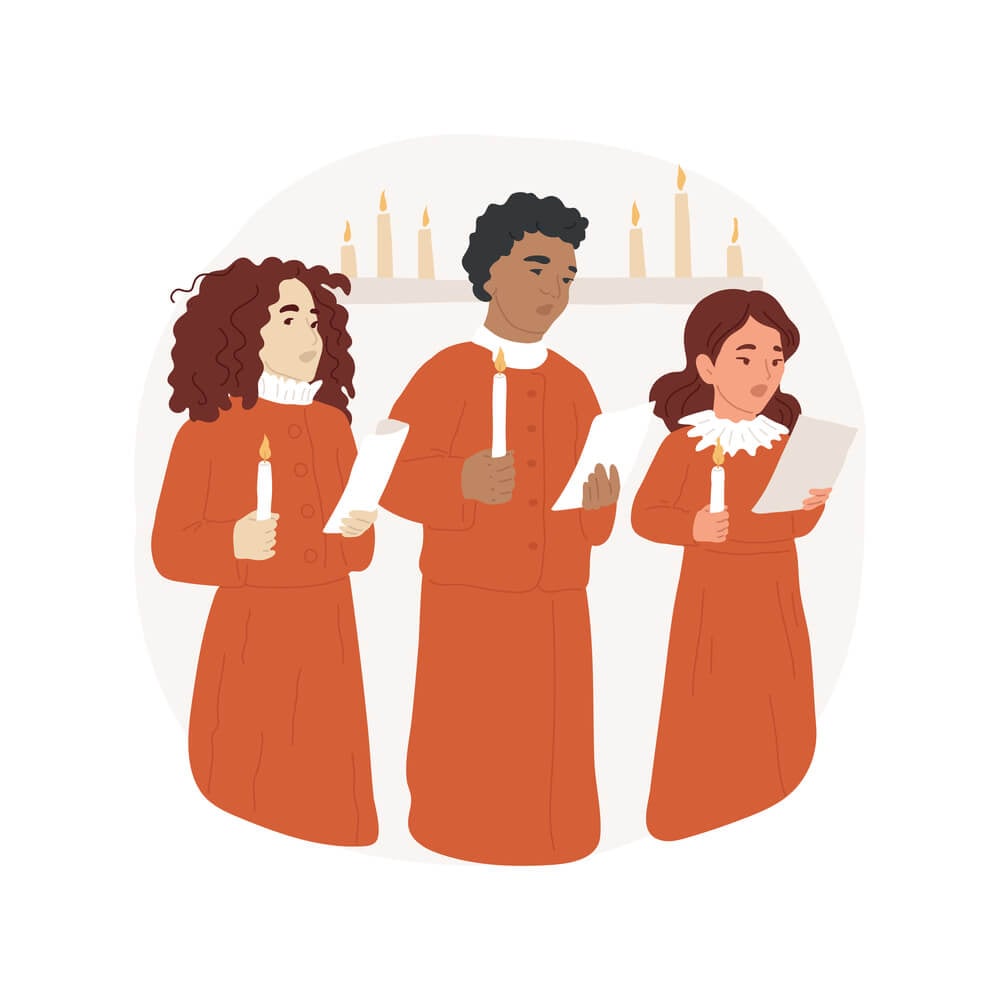
On Christmas Eve in 1880, Edward White Benson, then bishop of Truro, held a service of Bible readings and carols in a temporary wooden building while the cathedral was under construction. The service spread widely, and King’s College, Cambridge, adopted its own version in 1918.
The format is now broadcast around the world every Christmas Eve.
Snapdragon

Snapdragon was a game in which guests turned out the lights, set a dish of raisins ablaze with brandy, and tried to snatch the burning fruit with their fingers. The blue flames made faces look ghoulish, and players ate the raisins while still alight.
Lewis Carroll included a snap-dragon-fly with a head made of a burning raisin in Through the Looking-Glass.
Parlor Games

Christmas parties filled with Blind Man’s Buff, Hunt the Slipper, charades, and forfeits, in which players paid a silly penalty for a mistake. The games were played in crowded parlors with the furniture pushed aside, and adults joined in as eagerly as children.
The point was noise and laughter as much as winning.
Magic Lantern Shows
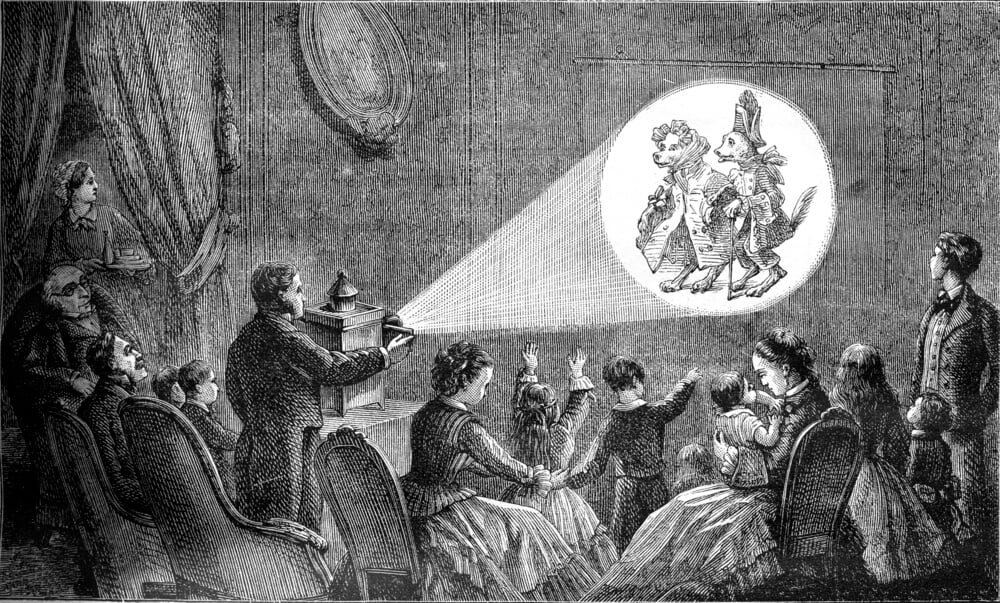
Magic lanterns projected hand-painted glass slides onto a sheet, and traveling showmen brought them to Victorian Christmas parties and church halls. The slides told stories and showed faraway places, and some included moving parts for simple animation.
The lanterns were lit by oil lamps or limelight, which made the shows a special occasion.
Ghost Stories by the Fire
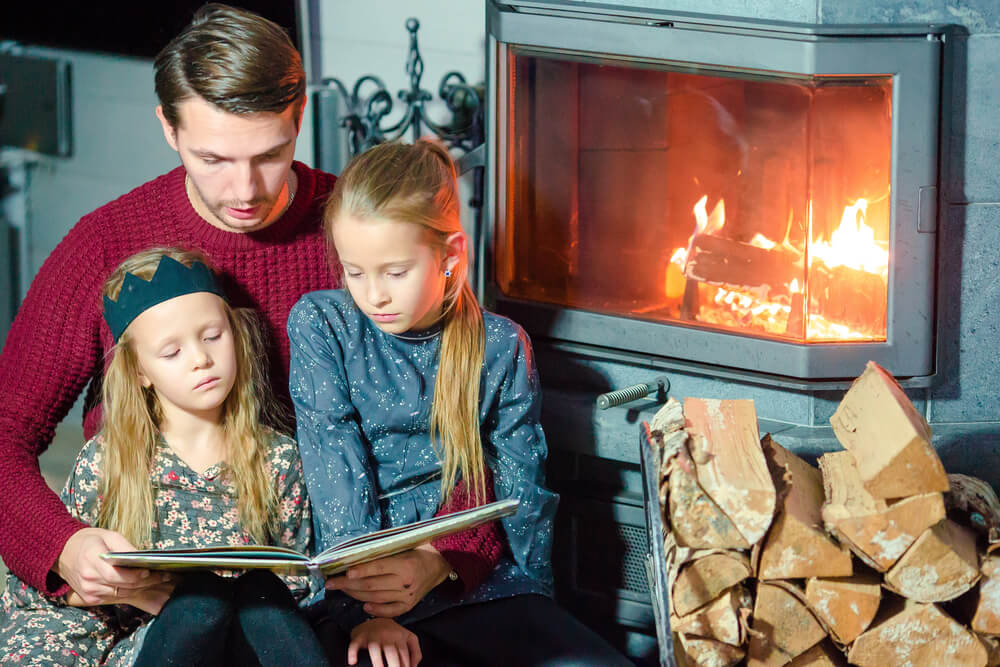
Christmas Eve was the traditional time for ghost stories, and Victorians made the habit a national pastime. A Christmas Carol, published in 1843, featured the ghost of Jacob Marley and helped cement the connection between ghosts and the season.
Jerome K. Jerome poked fun at the custom in Told After Supper in 1891.
The Christmas Pantomime
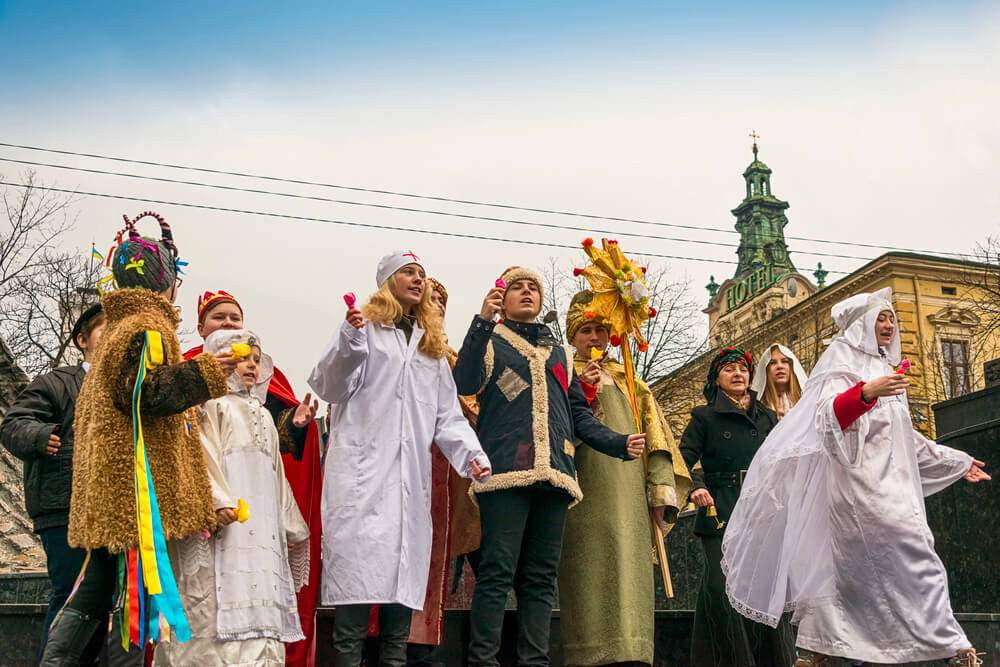
Pantomimes became a Boxing Day fixture in London theaters, mixing fairy tales, slapstick, songs, and spectacular transformation scenes. A man playing the dame, in an outrageous dress, became a favorite comic role, and the audience shouted back at the stage.
The tradition continues in Britain.
The Boxing Day Bank Holiday
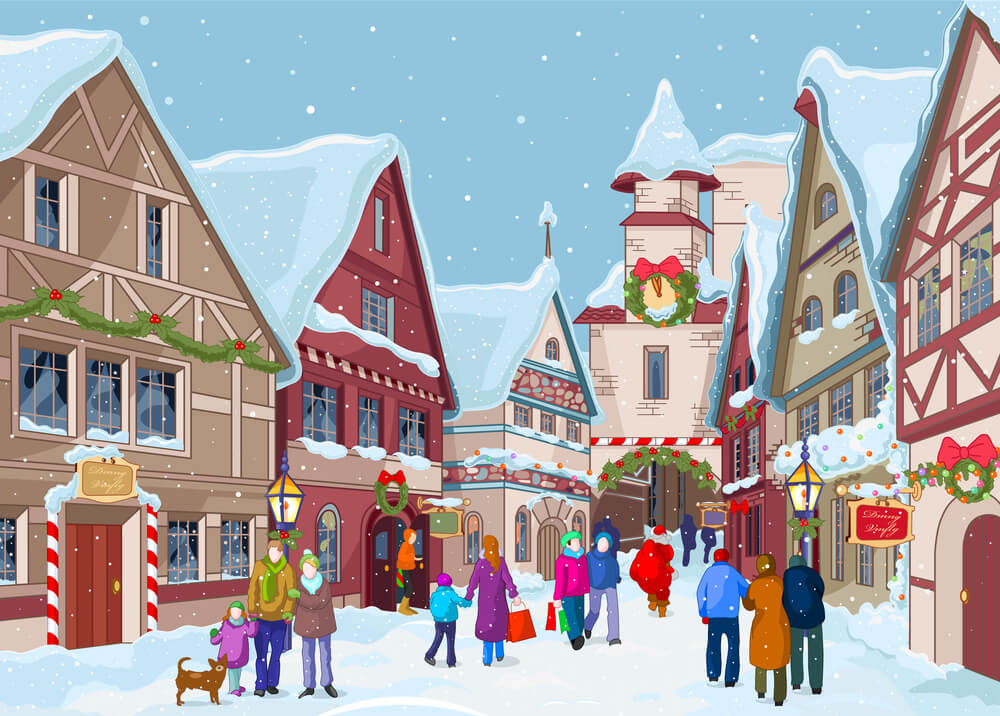
The Bank Holidays Act of 1871 made Boxing Day an official bank holiday in England, giving workers a guaranteed day off the day after Christmas. The name comes from the custom of giving Christmas boxes to servants and tradespeople.
The law helped turn the two days into a single holiday stretch.
Christmas Boxes for Tradesmen

Postmen, lamplighters, dustmen, and other tradespeople who served a household through the year called on Boxing Day, or before it, expecting a tip known as a Christmas box. Some even delivered printed verses begging for the gift.
Servants received their own boxes, and households budgeted for the extra expense each year.
Father Christmas in Green
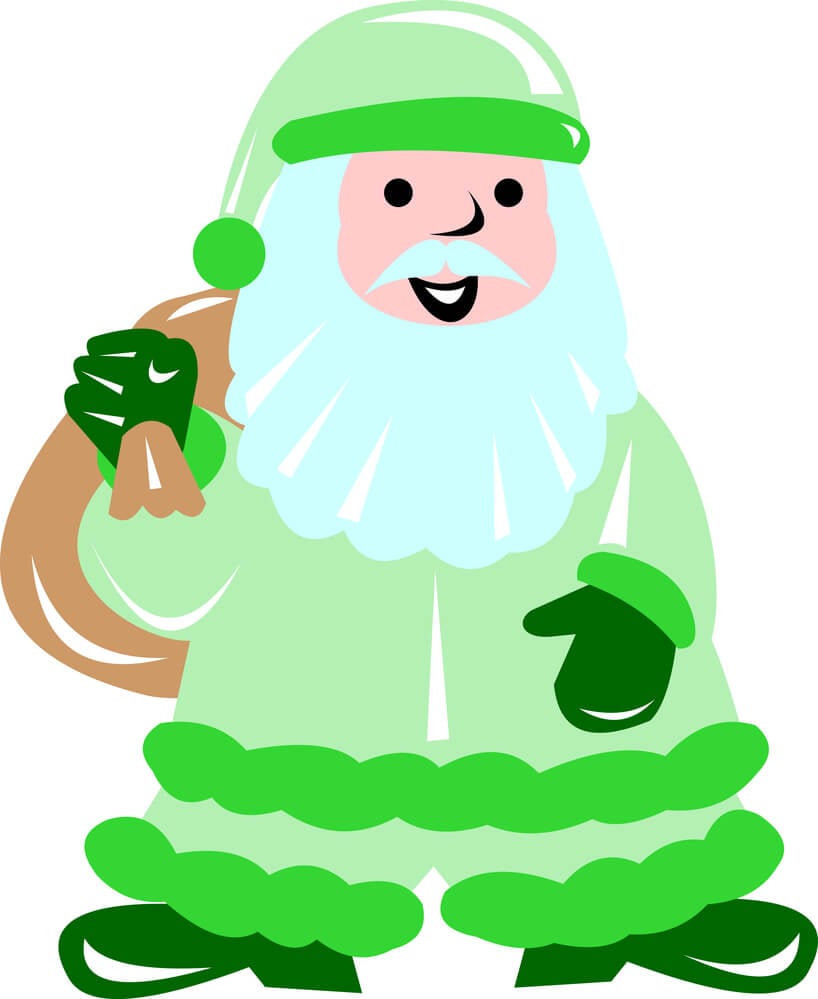
Father Christmas in Victorian England was often drawn in a long green robe trimmed with fur and crowned with holly, a figure of cheer more than of gifts. The red-suited Santa Claus from America gradually merged with him later in the century.
Today the green robe survives mostly in antique illustrations.
Oranges in the Stocking
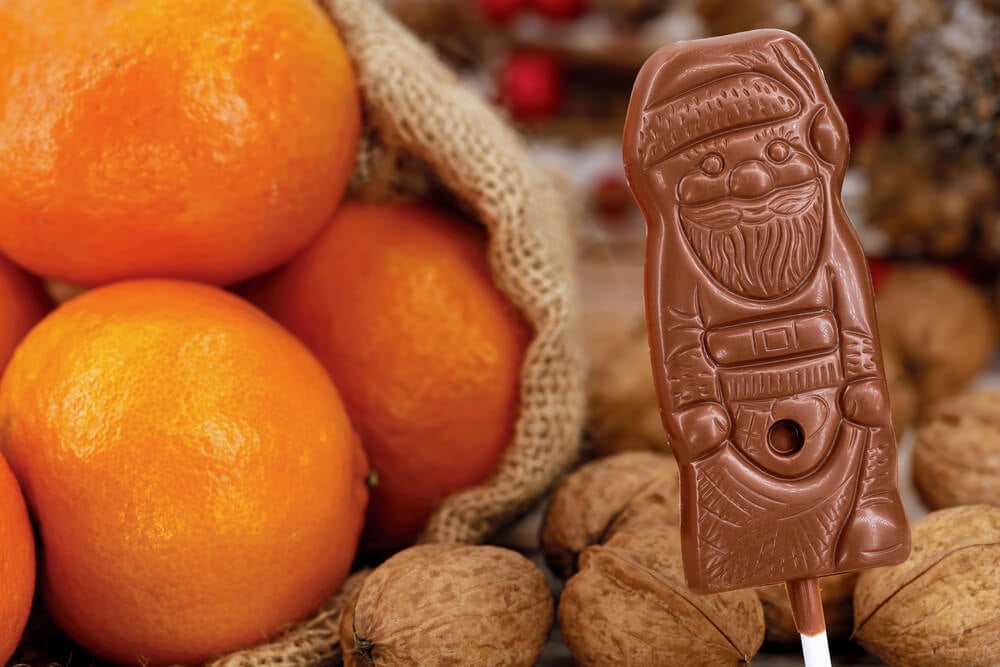
Children hung stockings by the fireplace on Christmas Eve and woke to find an orange, a handful of nuts, sweets, and perhaps a coin or a small toy. An orange was a rare winter treat, and finding one was a real thrill.
Elaborate store-bought presents became common only later.
Christmas Dinner in the Workhouse
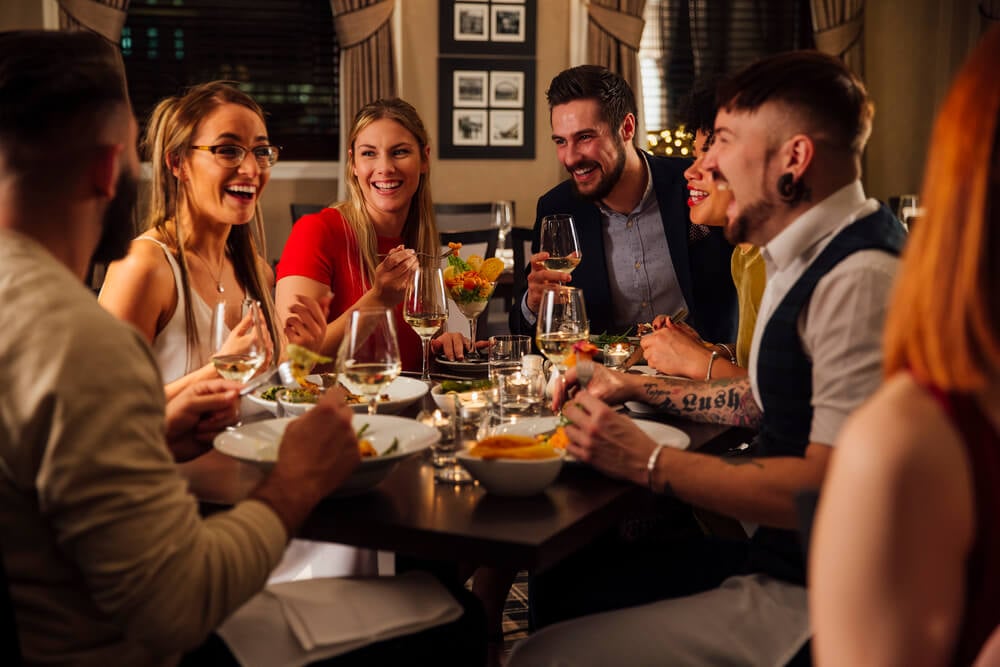
Workhouses served inmates a special Christmas dinner, usually roast beef and plum pudding, often paid for by local donors. For many residents, it was one of the few days of the year with plentiful food.
Charity at the Great House
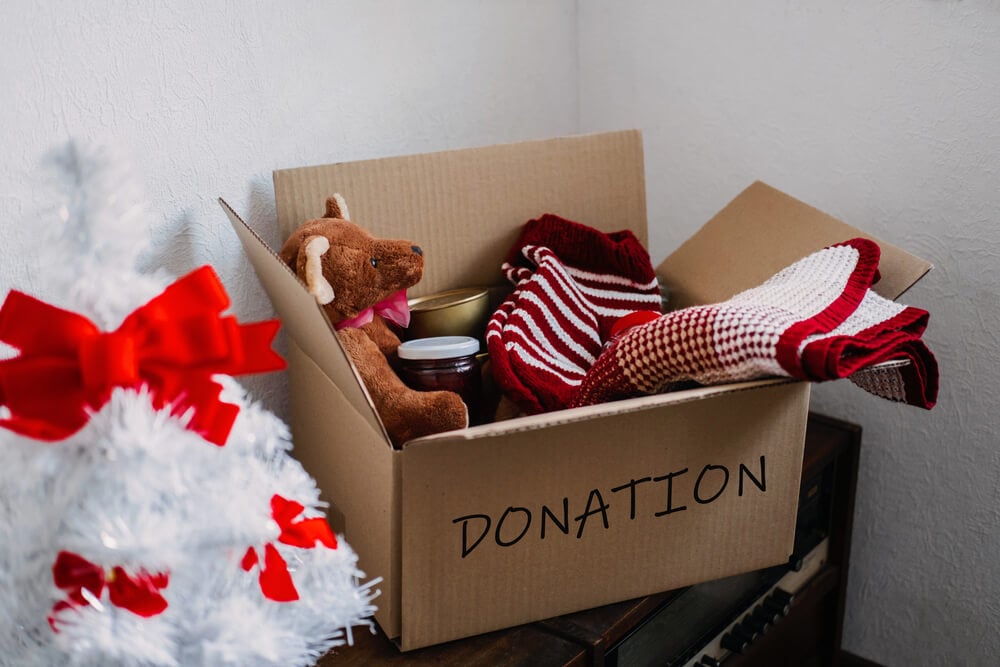
Landowners and wealthy families often gave tenants and village poor gifts of beef, coal, and blankets at Christmas. The gifts were seen as an obligation of status, and a stingy landlord risked a bad reputation in the neighborhood.
These Christmas doles faded as the state took over part of the welfare burden.
Christmas Numbers
Magazines issued special Christmas numbers filled with stories, poems, and illustrations meant to be read aloud by the fire. Many featured ghost stories, and readers waited for them each December.
The tradition of the festive double issue survives in some British magazines.
Evergreen Churches
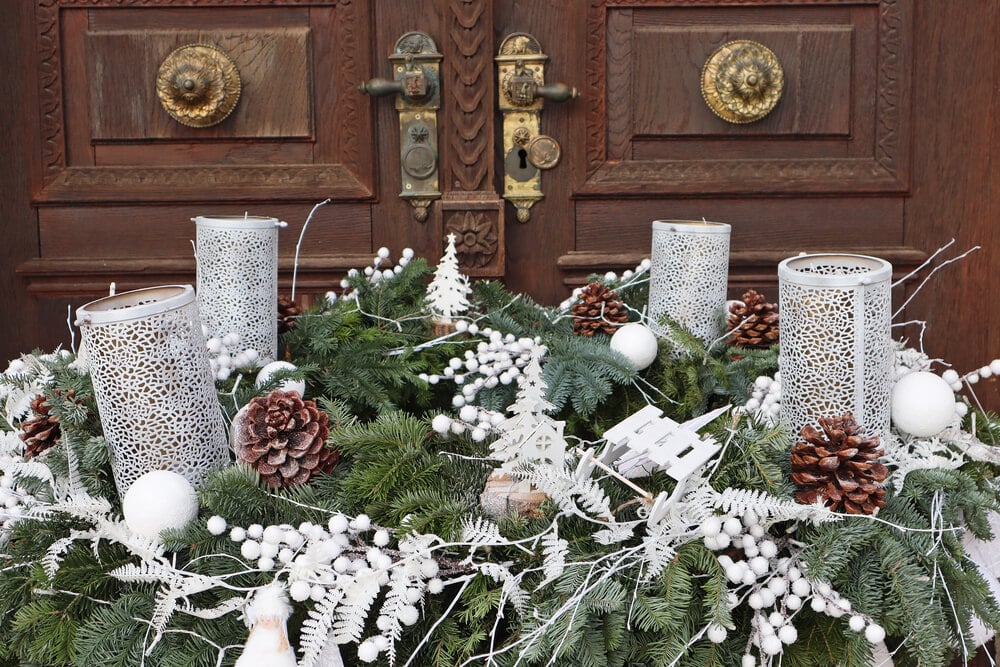
Churches were decked with holly, ivy, and wreaths for Christmas, usually by women of the parish who spent Christmas Eve climbing ladders and tying garlands. Some spelled out texts in evergreen letters across the walls.
The work gave the church the festive look that many churches still follow today.
The Season the Victorians Built
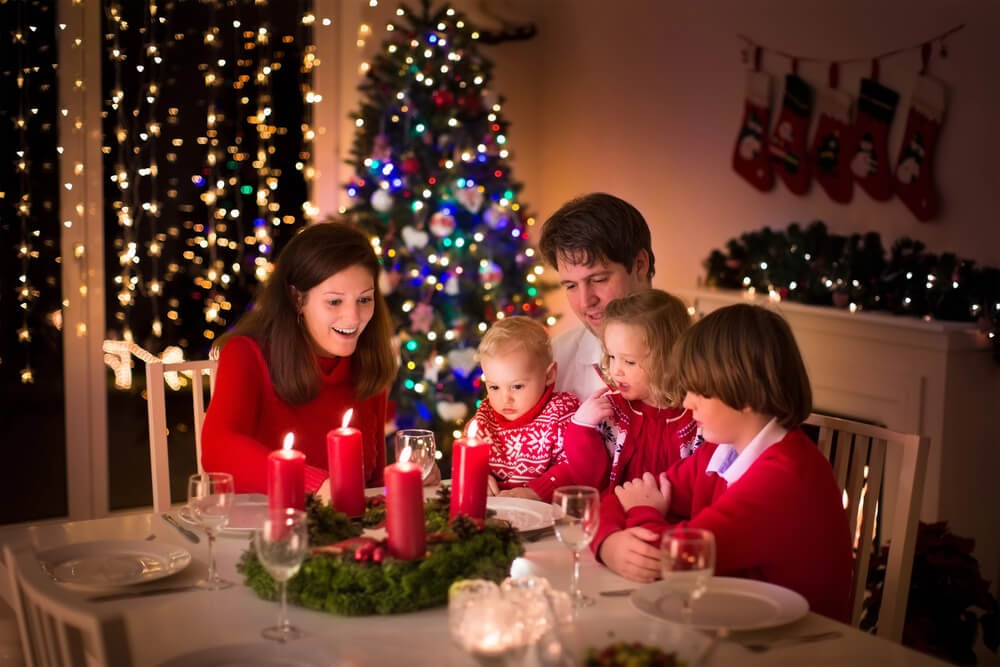
Many of these customs feel familiar because the Victorians invented or reinvented them. They took scattered rural habits and packaged them for a growing middle class with access to railways, cheap printing, and a postal system.
The result was a Christmas that could be bought, sent, and displayed. Others look strange now because they belonged to a more dangerous or more unequal world.
Real candles on trees, doles from the great house, and workhouse dinners reflected how the Victorians lived. What carried over was the idea that one season each year should be warmer, noisier, and kinder than the rest.
More from Go2Tutors!

- 27 Silver Dollars and Half Dollars Worth Keeping
- 28 Restaurant Menu Items Nobody Orders Anymore
- 17 Places Built in Seemingly Impossible Spots
- 27 Vintage Rings Worth More Than They Look
- 25 Restricted Sites Tourists Can’t Enter
Like Go2Tutors’s content? Follow us on MSN.