Fascinating Rules Governing Royal Protocols
Royal life might look like all crowns, castles, and waving from balconies, but it runs on a complex set of rules. These guidelines have been passed down through generations, shaping everything from how royals dress to how they interact with the public.
Some rules are based on tradition, others on politics or religion, but all of them play a big role in maintaining the image of royalty. Some of these rules might seem unusual or even outdated.
No touching the royals
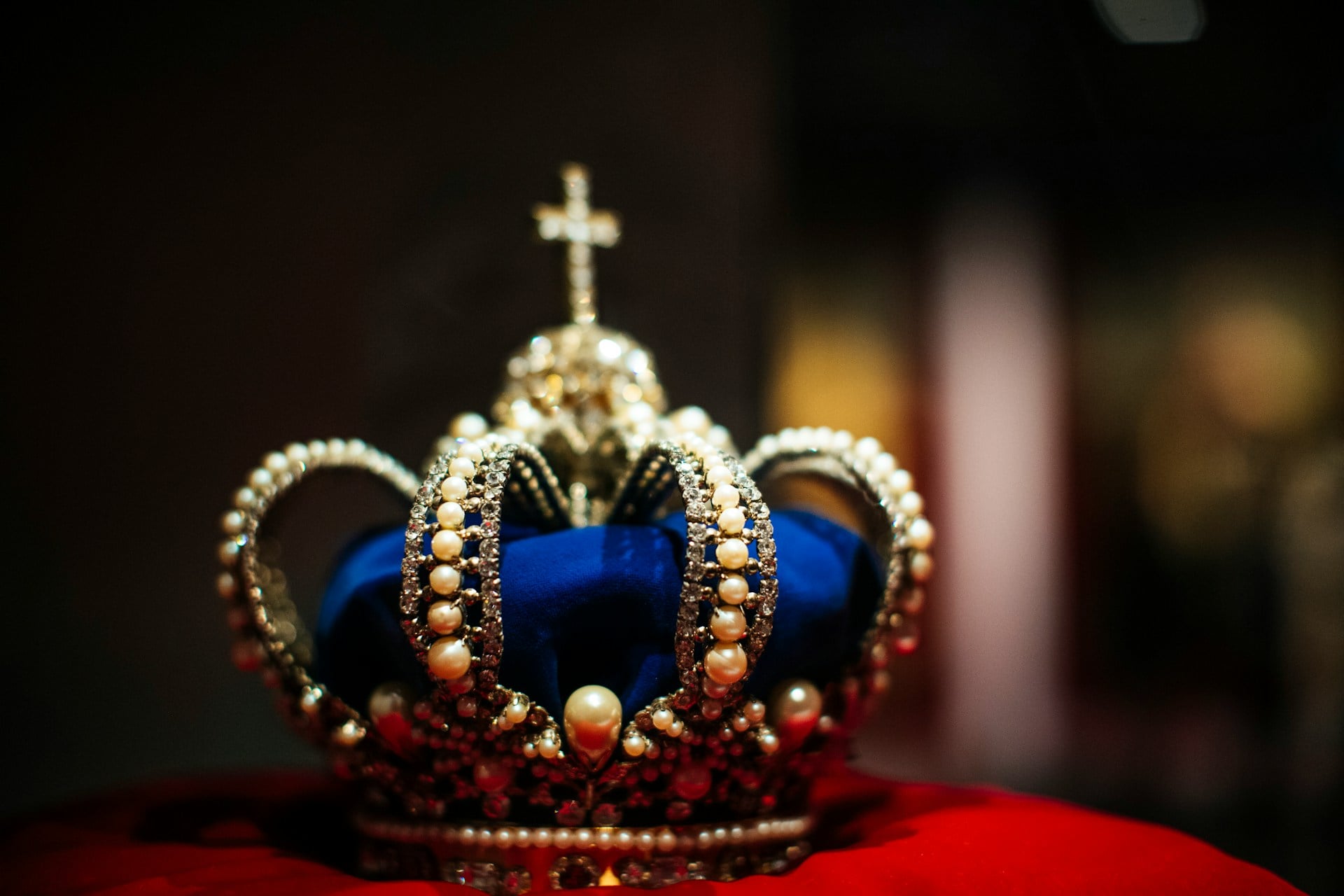
A handshake is fine if they offer it first, but hugging or casually touching a royal without their consent is a no-go. This isn’t about snobbery—it’s about keeping formal boundaries clear.
Royals are seen as symbols of the state, so their physical space is treated with high respect. Even celebrities and presidents are expected to follow this rule.
Heirs must travel separately
If you’ve ever wondered why royal family members often fly on different planes, here’s why. Two direct heirs aren’t supposed to travel together.
This rule exists to protect the royal line in case of a tragic accident. While it has been relaxed a bit recently, especially with younger royals, it’s still generally followed for important trips.
There’s a dress code—even for kids
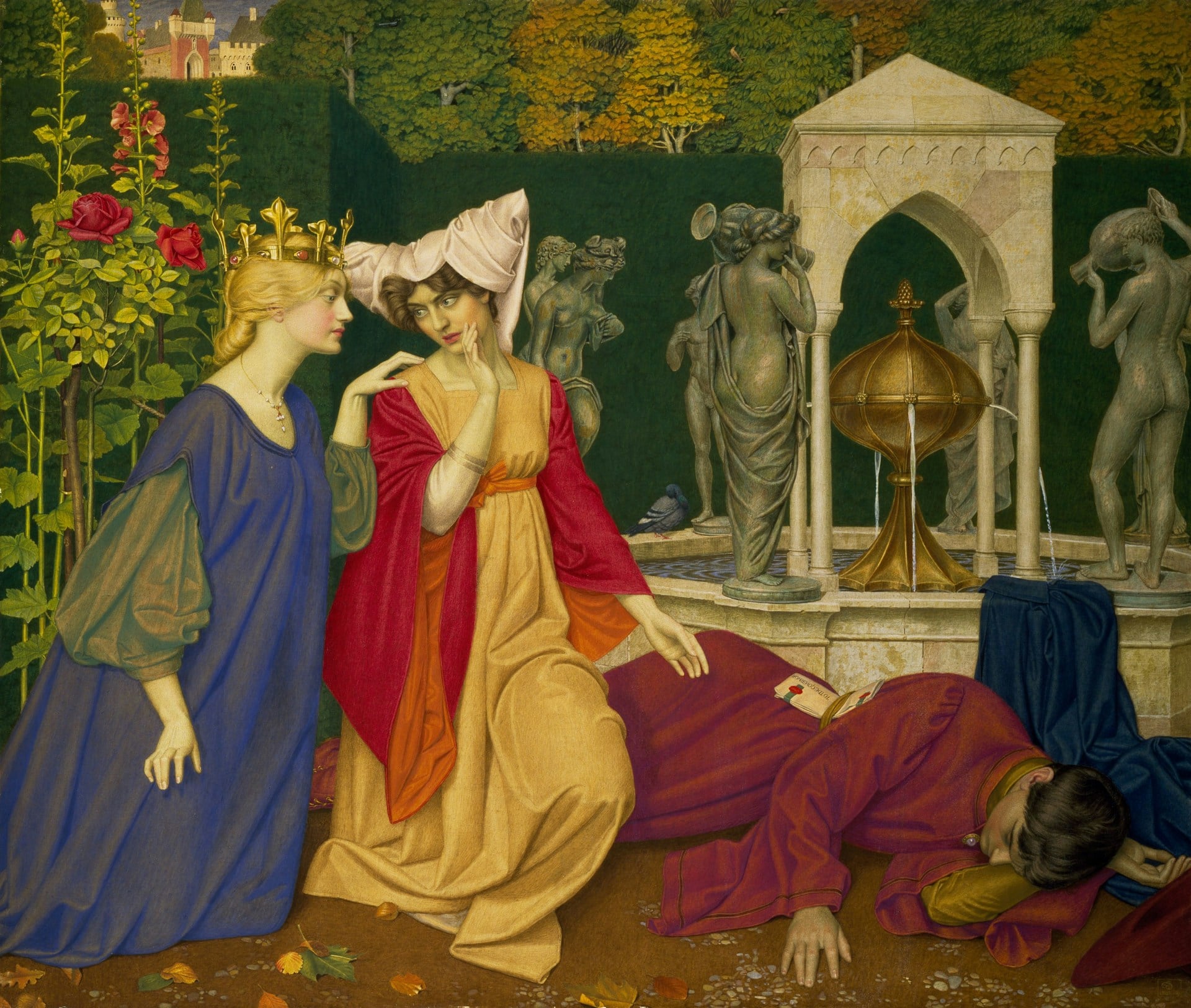
Royal children can’t just throw on whatever they like. Little boys often wear shorts, not trousers, even in cold weather.
It’s a British tradition that dates back hundreds of years. For formal events, the rules are even stricter—everything from color to fabric matters.
No voting allowed
Even though they live in countries with democracies, royals don’t vote. It’s not illegal, but it’s strongly discouraged to keep them neutral in politics.
Their role is to represent everyone, so they avoid showing personal opinions on political matters. This helps maintain public trust and keeps the monarchy separate from the messy side of government.
Curtseys and bows are still a thing

When meeting a royal, especially the monarch, many people still curtsey or bow. It’s not required by law, but it’s part of tradition and protocol.
Even members of the royal family bow or courtsey to the monarch, depending on rank. The gesture shows respect and has deep historical roots.
Dinner ends when the monarch stops eating
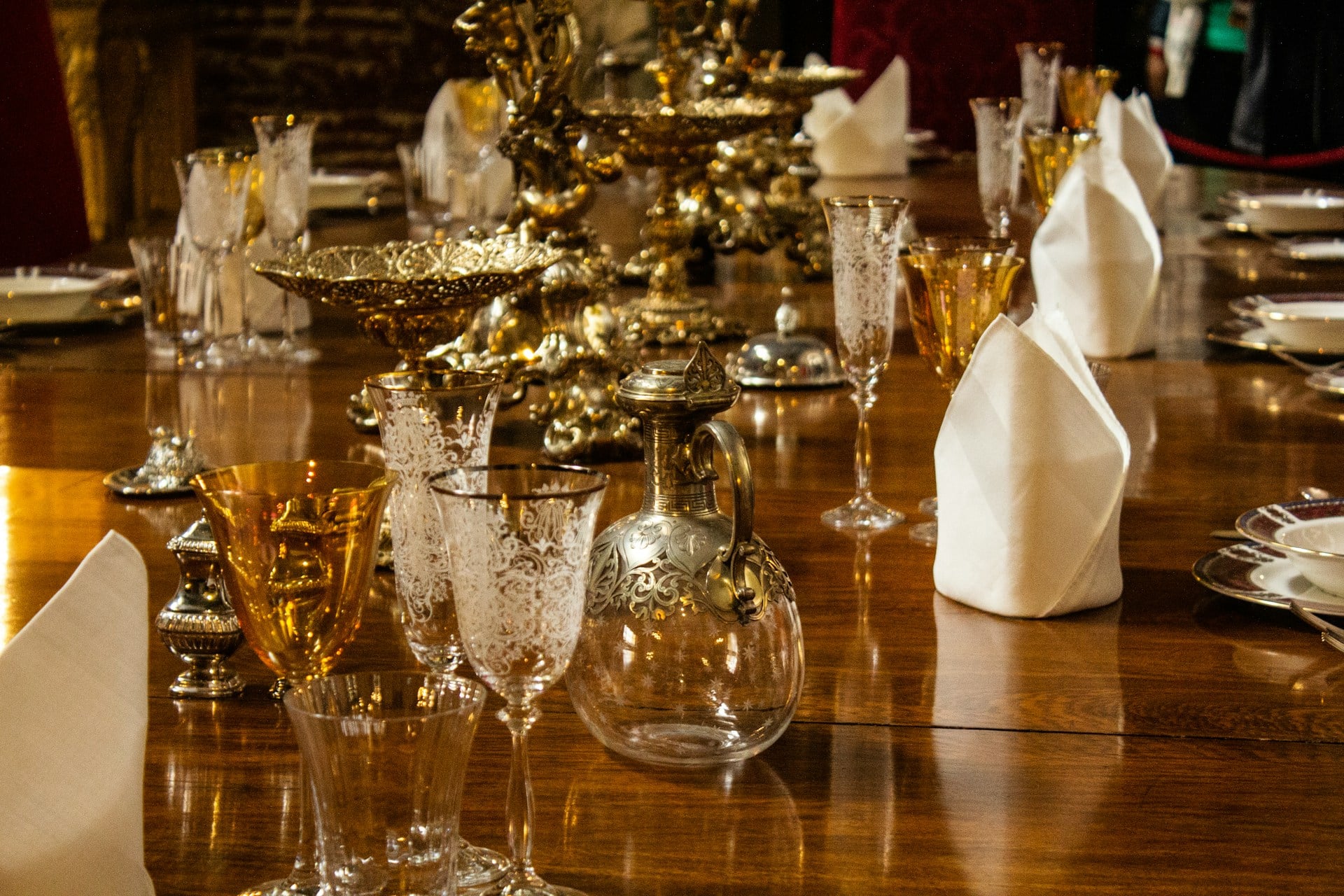
At a formal royal dinner, don’t get too attached to your dessert. Once the monarch finishes their meal, everyone else must stop eating too.
It may sound strict, but it keeps the event moving smoothly and respectfully. Guests are expected to follow the monarch’s pace, not the other way around.
Autographs are off-limits
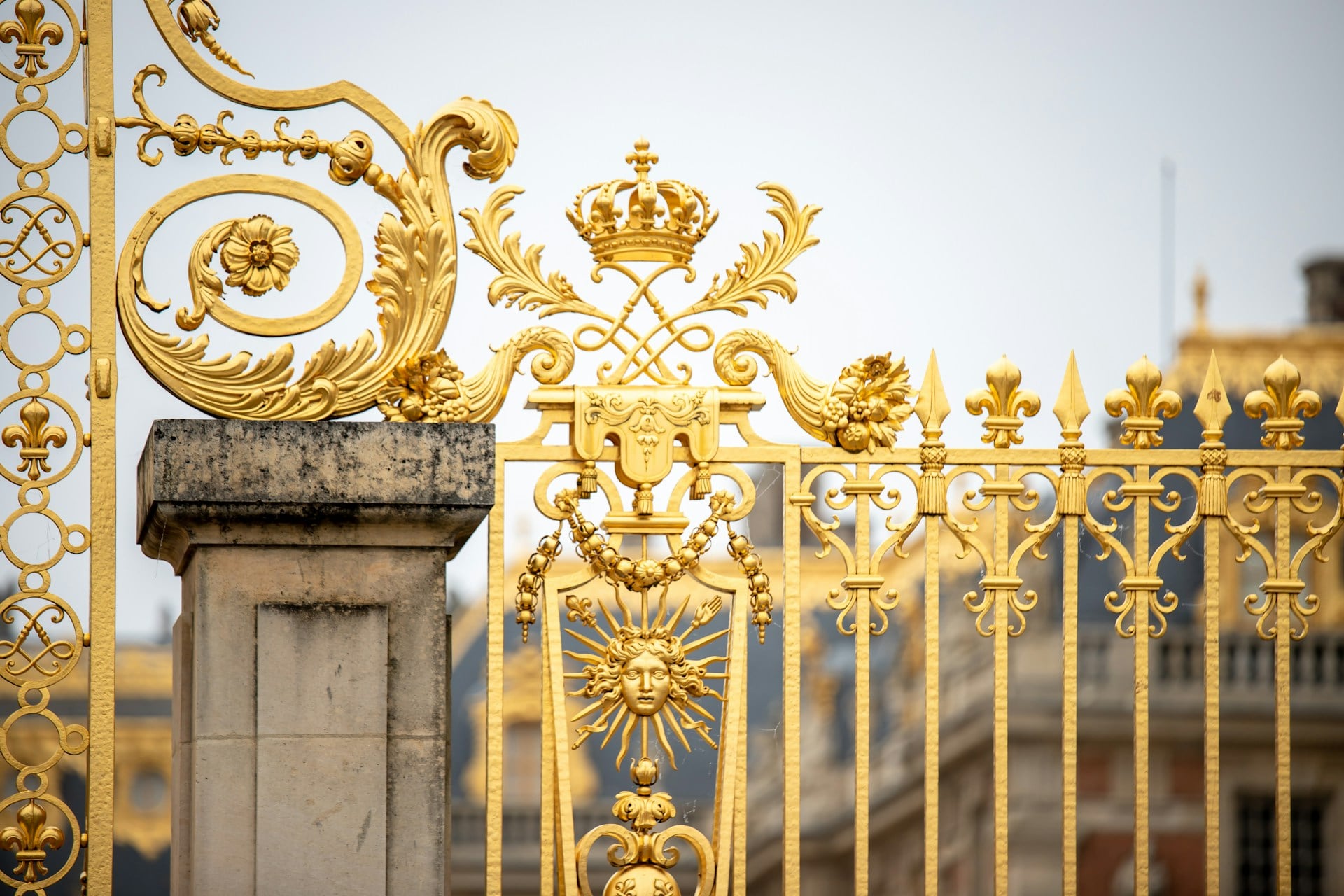
Don’t bother asking a royal for an autograph—they won’t give you one. This rule exists mainly to prevent forgery or misuse.
Their signature carries legal weight, so handing it out casually isn’t safe. Most royals politely decline when asked.
Royal names follow strict patterns
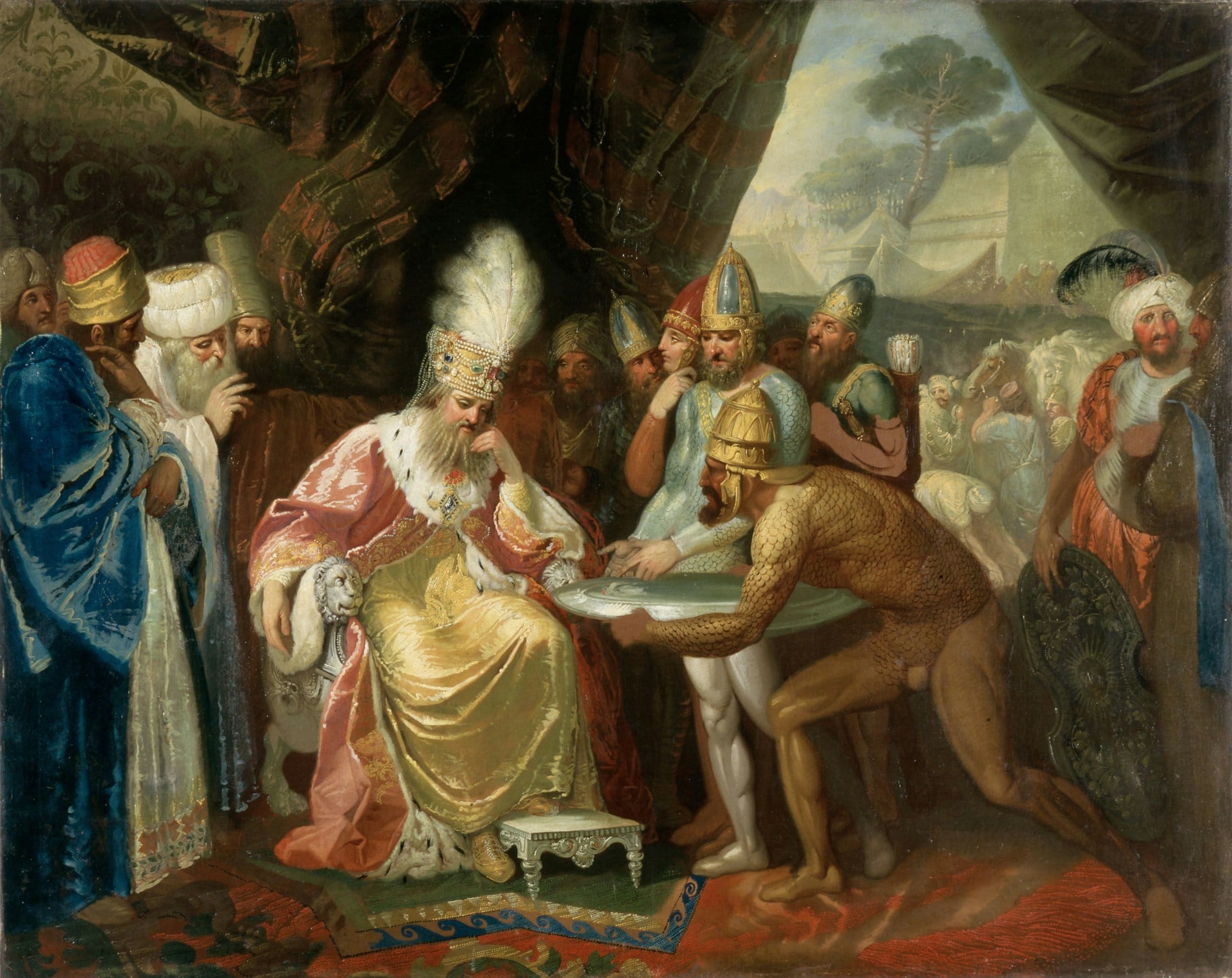
Naming a royal baby isn’t just about picking something cute. Names are chosen carefully, often pulling from historical figures, past monarchs, or family tradition.
There’s usually a list of pre-approved names that won’t cause controversy. Middle names often honor past relatives or royalty from other countries.
Travel bags must include black clothing
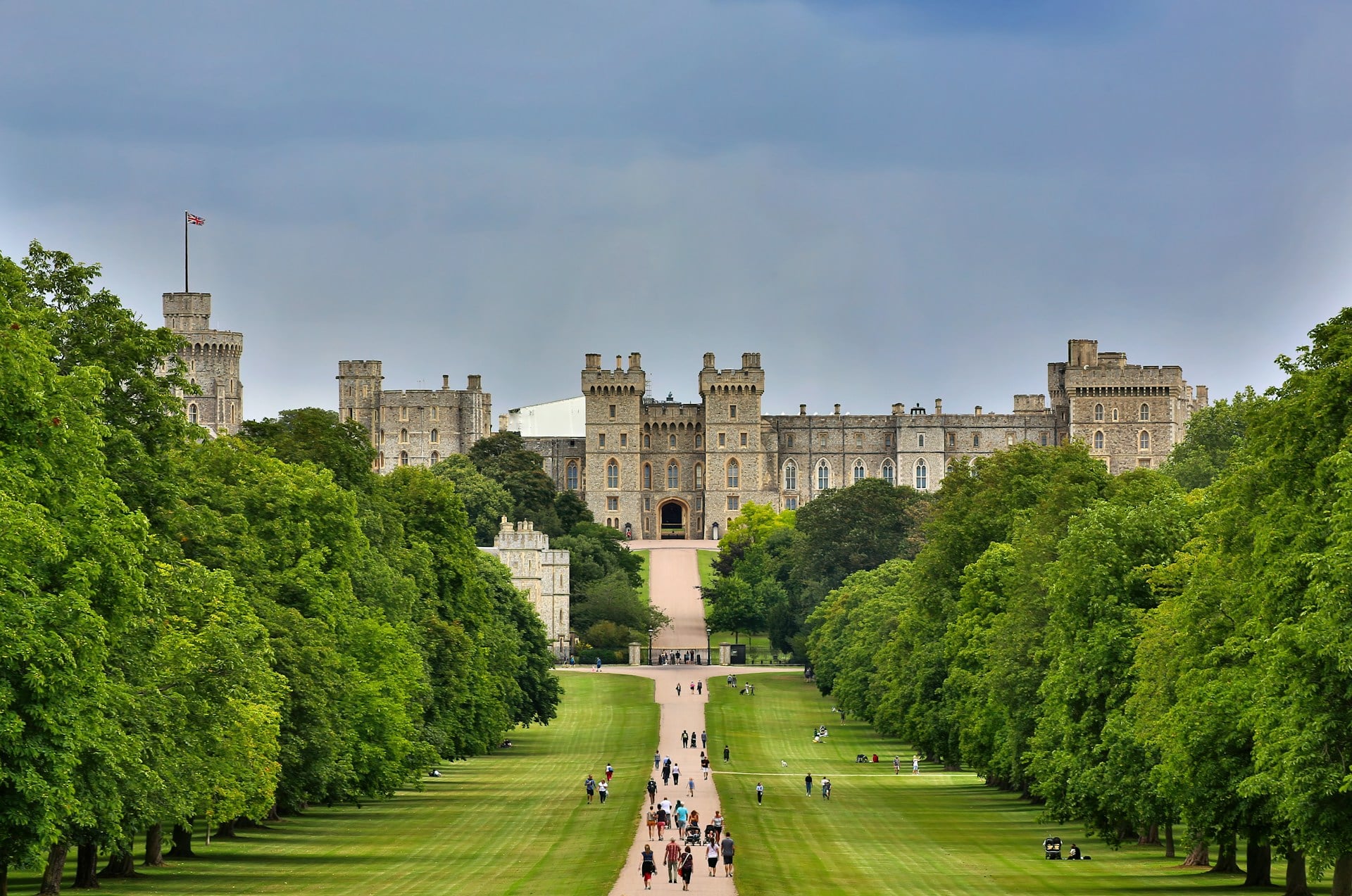
Whenever royals travel, they pack a black outfit—always. This isn’t about fashion.
If a family member dies while they’re away, they must return home dressed appropriately for mourning. This tradition started after Queen Elizabeth II had to borrow black clothes when her father died while she was abroad.
No shellfish at official dinners
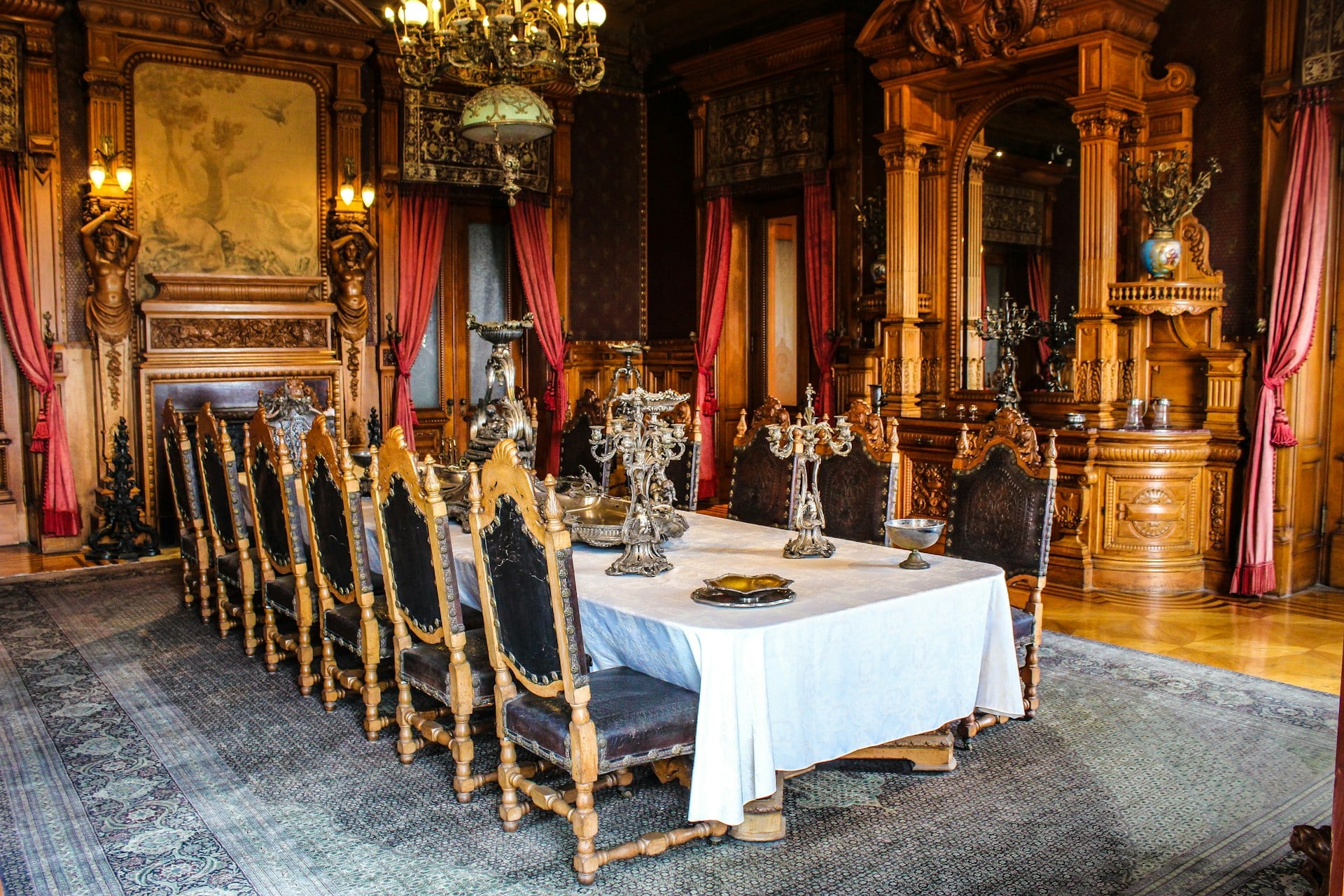
You won’t find shrimp or oysters on the royal menu during state dinners. Shellfish can cause food poisoning, and the royal family avoids anything risky.
It’s a simple rule made for health reasons. Even though some younger royals break this rule now and then, it’s still part of official dining guidelines.
Permission to marry must be granted
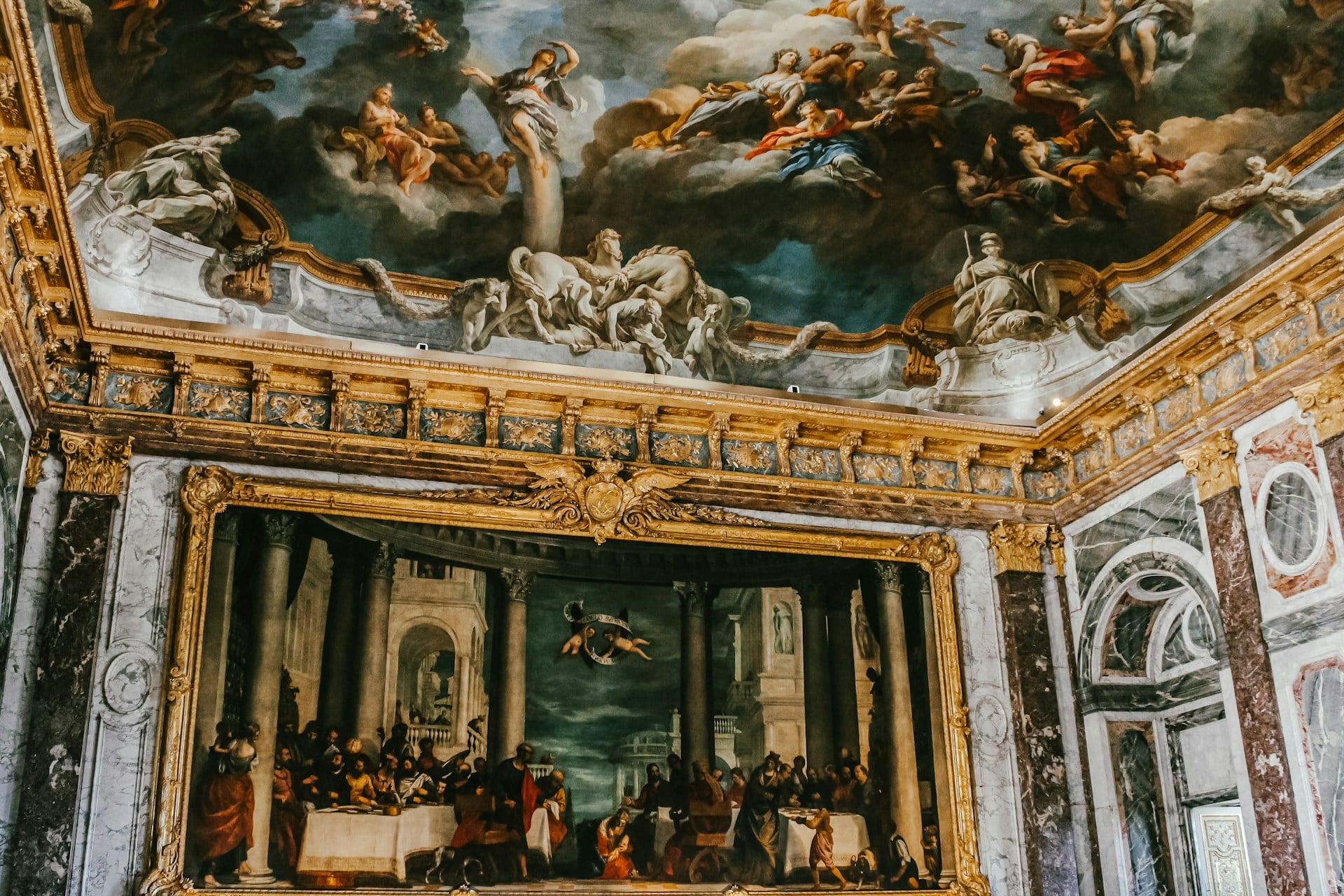
Senior royals need formal permission to marry. In the UK, the Royal Marriages Act once required it for all royal descendants, though this has been updated.
Today, only the first six people in line for the throne must get the monarch’s approval. The rule exists to prevent unsuitable matches that could affect the monarchy’s image.
There’s a specific order for walking and entering rooms
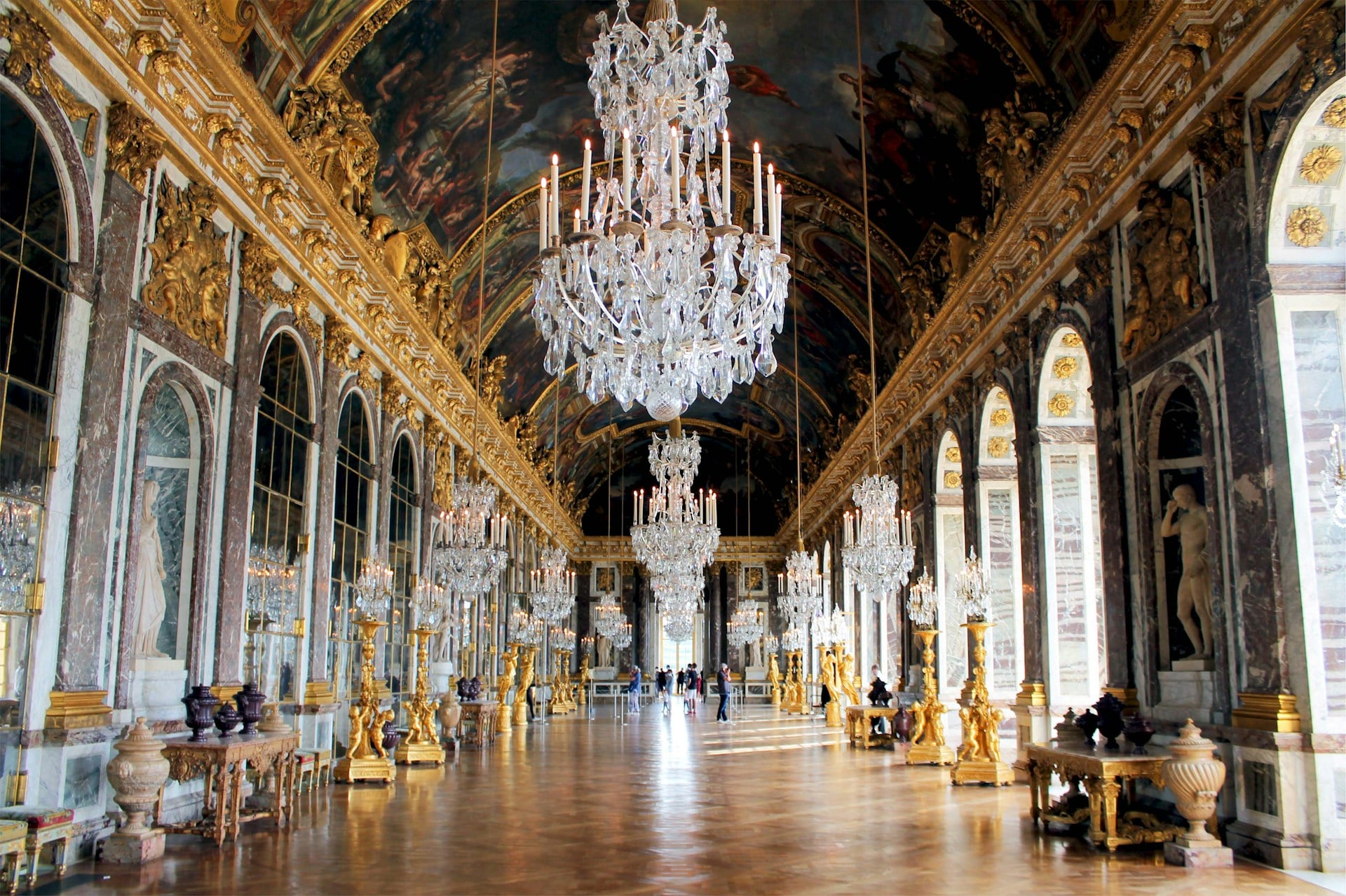
Walking into a room isn’t random for royals. There’s a strict order based on rank.
The monarch goes first, followed by the heir and then others according to their place in the family. This hierarchy keeps events organized and respectful.
Royals must always carry ID—but not the monarch
Interestingly, the monarch doesn’t carry an ID or a passport. That’s because official documents are issued in their name, so technically they don’t need them.
Everyone else in the royal family still has to carry proper ID when traveling. It’s a rare perk that highlights the monarch’s unique position.
Tiaras follow a timeline
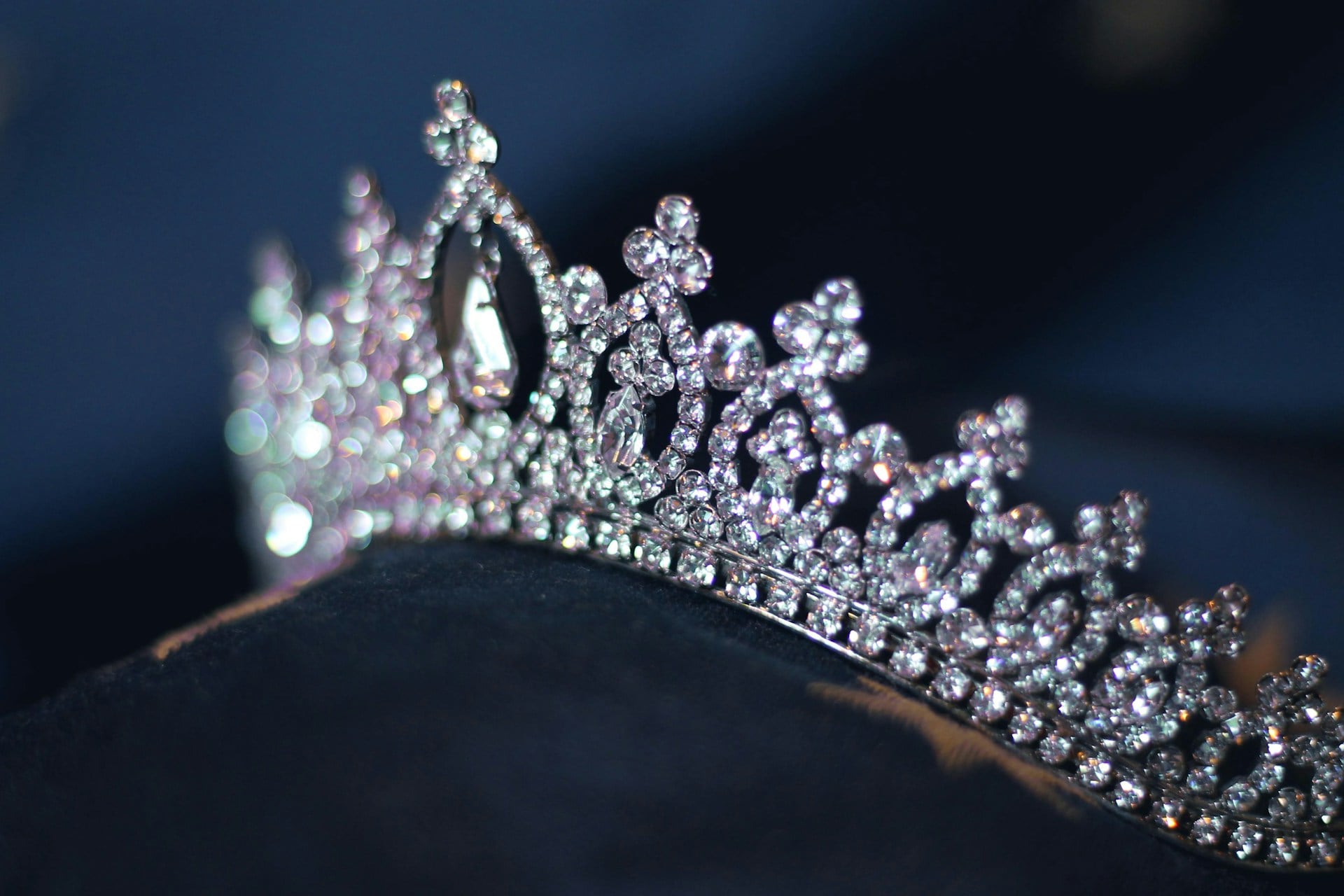
Not every royal can wear a tiara whenever they want. Traditionally, tiaras are only worn by married women.
A tiara is often gifted or loaned to a royal bride for her wedding day. After that, she may wear it to formal events.
Hats in the day, tiaras at night
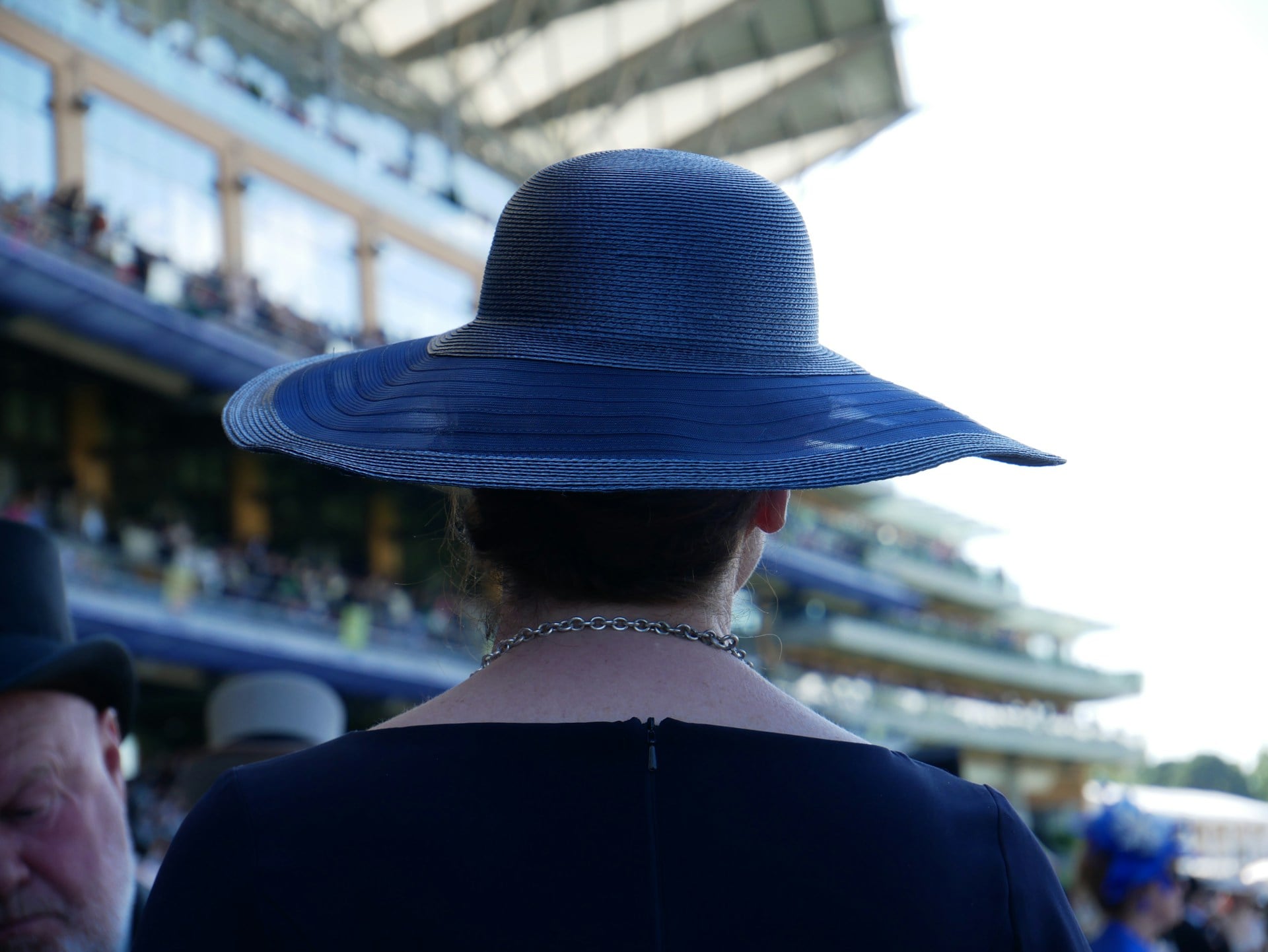
There’s a rule for headwear depending on the time of day. During daytime events, royal women wear hats.
At evening events, hats come off and tiaras go on—if the event is formal enough. The rule separates casual from ceremonial occasions.
No shellfish isn’t the only food rule
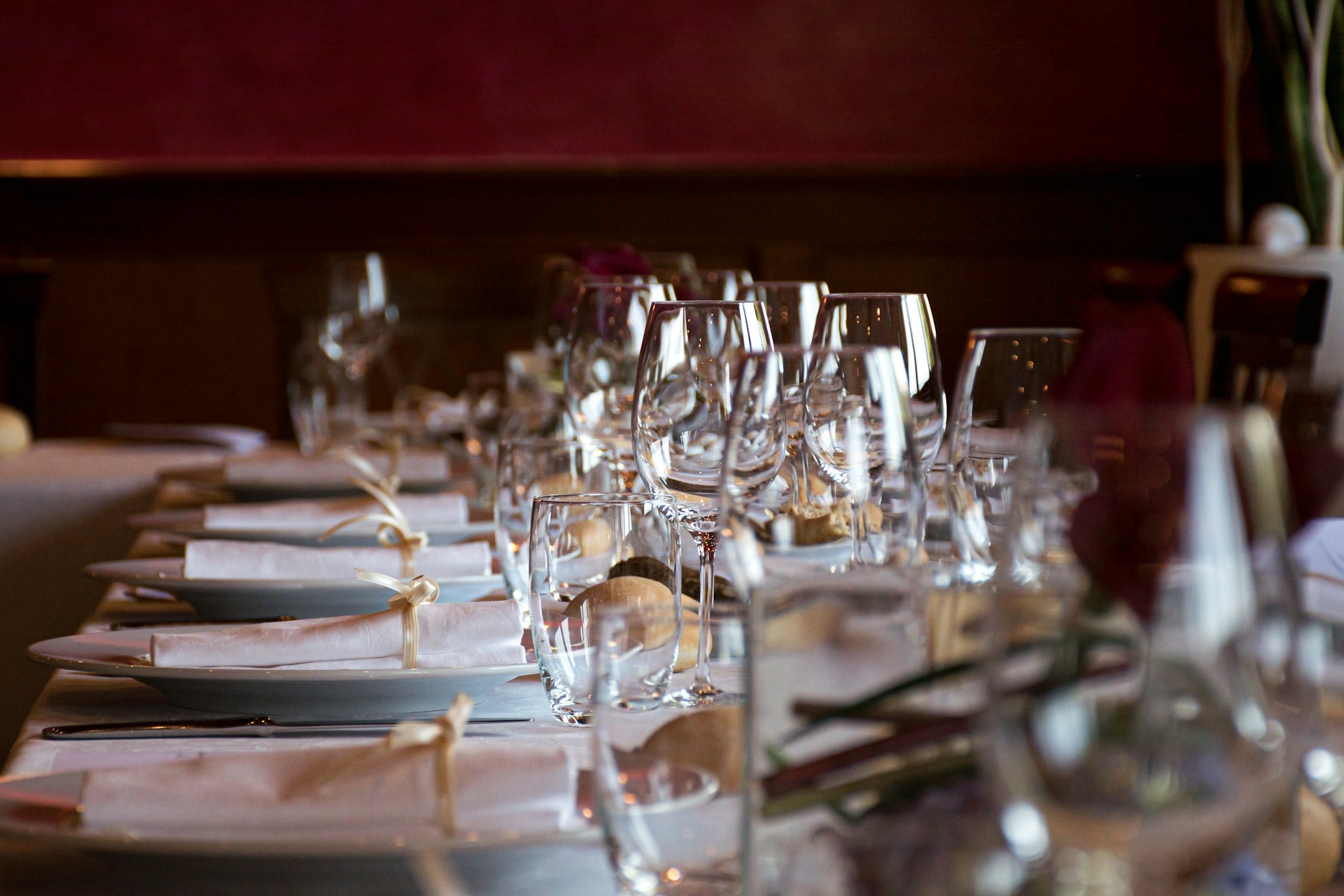
Besides avoiding shellfish, garlic is often left off the royal menu too. The reason? Garlic causes bad breath, and royals often meet people up close.
Avoiding it keeps conversations pleasant and professional. Some royal chefs confirmed this unspoken rule, especially for big public dinners.
Dogs have royal status too
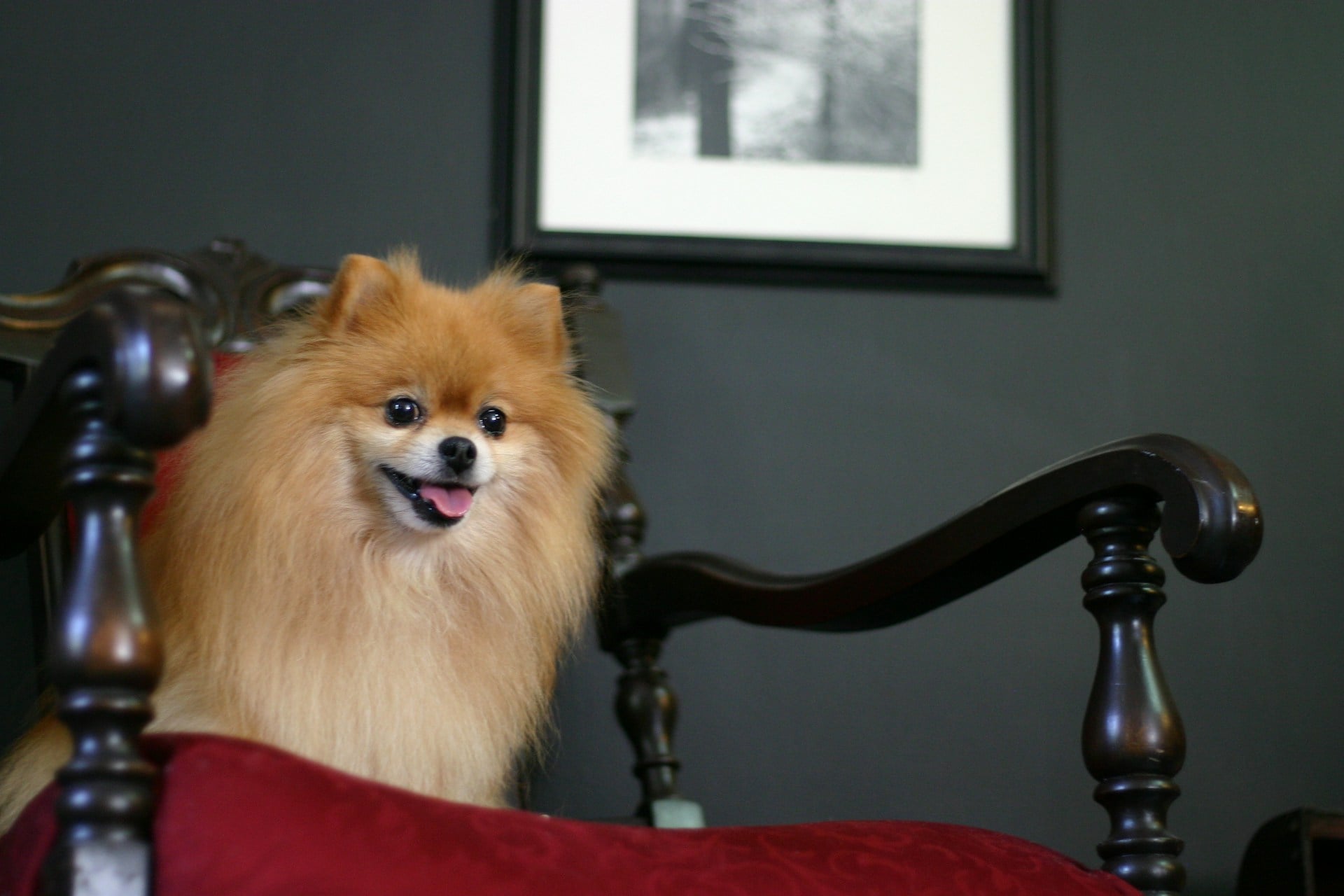
Royal pets, especially dogs, are more than just companions. They often travel with the family, get their own menus, and even appear in portraits.
Queen Elizabeth II’s corgis became as famous as she was. Pet care is handled with the same attention as everything else in royal life.
Clutches and handbags are used with purpose
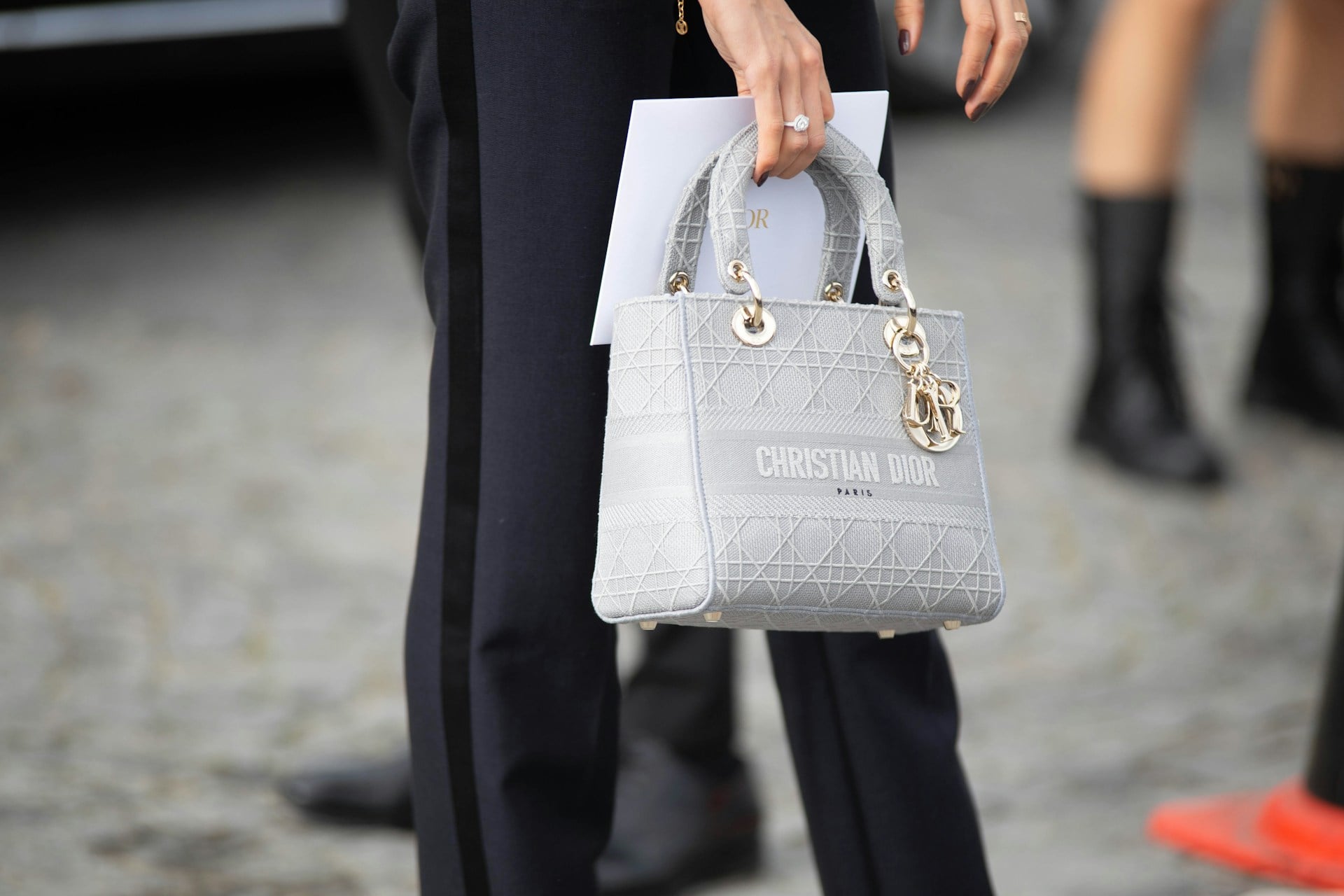
A royal handbag isn’t just for carrying items. It’s often used as a tool to avoid awkward moments.
For example, switching the bag from one hand to the other can signal that it’s time to end a conversation. Holding a clutch also keeps hands occupied, avoiding unwanted handshakes.
Why these rules still matter today
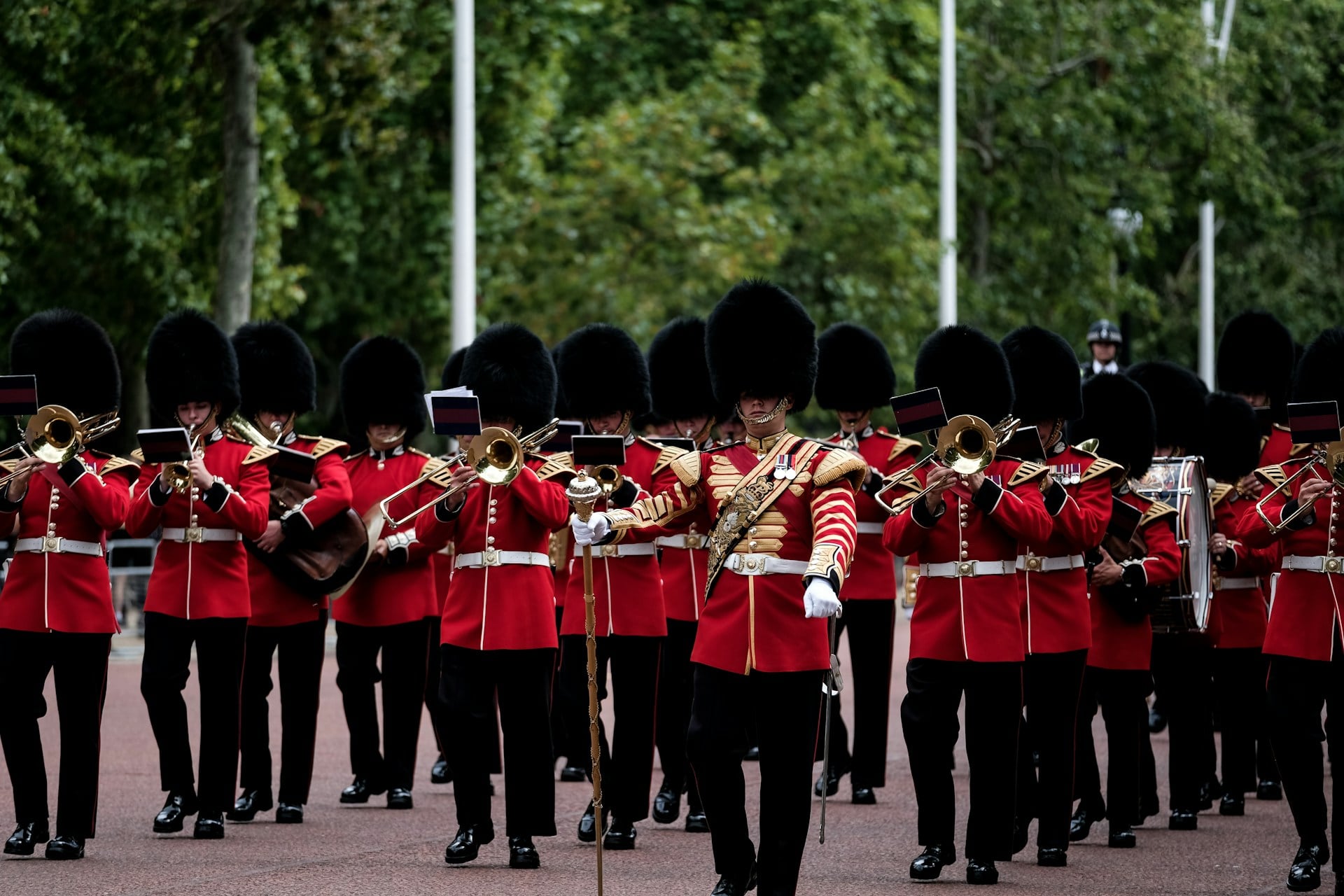
Royal rules might seem strict, even a bit old-fashioned. But they serve a real purpose: keeping the monarchy consistent, respectful, and trustworthy.
These traditions help royal families stand apart in a world that’s always changing. Even as the rules slowly adapt, their core remains rooted in centuries of practice.
More from Go2Tutors!

- The Romanov Crown Jewels and Their Tragic Fate
- 17 Halloween Costumes Once Considered Taboo
- Famous Hoaxes That Fooled the World for Years
- 15 Child Stars with Tragic Adult Lives
- 16 Famous Jewelry Pieces in History
Like Go2Tutors’s content? Follow us on MSN.