Iconic Novels Adapted Into Films
Stories live differently on paper than they do through film, yet both forms talk to us in familiar ways. A favorite book turning into a movie shifts how we see its people, places, its breath.
Sometimes the screen version holds onto what mattered most, keeping the soul alive without mimicry. These versions stand beside the source, not behind it.
Films from Hollywood often begin as pages in a book, stretching back years upon years. Certain ones rise so high they match the fame of their original stories.
A few worth mentioning crossed that line without losing what made them special.
To Kill A Mockingbird

Back in 1960, Harper Lee wrote a novel that slipped into cinemas two years later without much noise – yet it shone anyway. Gregory Peck stepped into Atticus Finch like he had always been there, his performance lingering long after credits rolled, rewarded rightly with an Oscar.
Instead of shouting its message, the movie let pain simmer quietly, seen through Scout’s eyes as she watched unfairness unfold across her town. Robert Mulligan didn’t rush the moments; he held them close, letting honesty grow instead of forcing it, shaping something classrooms return to again and again.
The Godfather
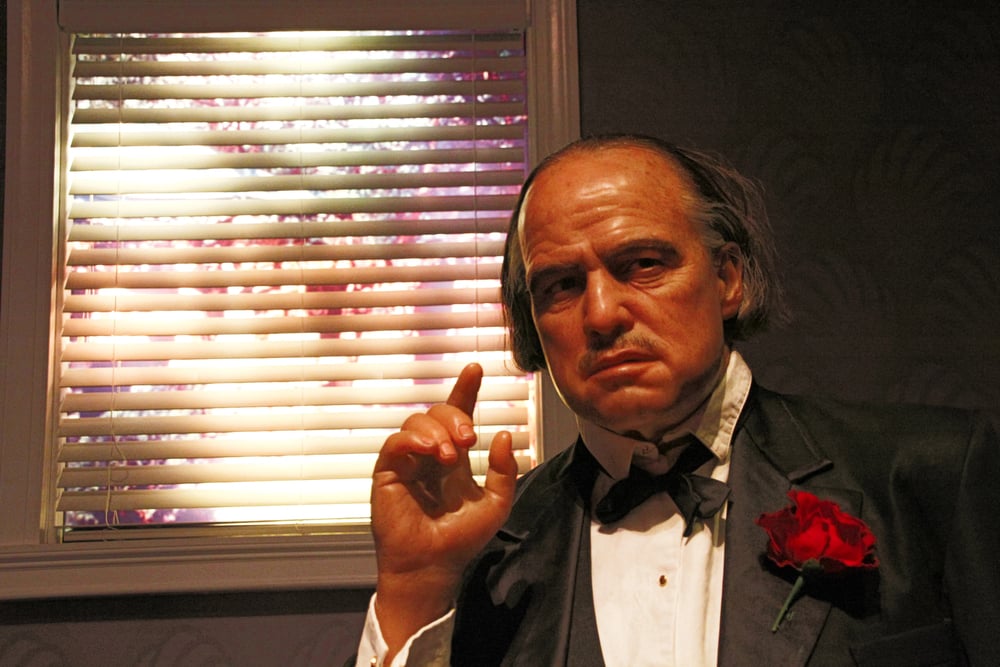
A whispery performance by Marlon Brando lifted the role beyond words, shaping a presence few have matched since. Though born from Mario Puzo’s pages, the 1972 version found sharper edges under Coppola’s direction.
Instead of following every twist of the original plot, it narrowed its gaze on family tensions that simmer below quiet glances. Some parts faded away – less memorable threads dropped without regret.
Because the screen version burned so bright, many forget there was ever ink before light. A character once written now lives through gestures, pauses, and low tones heard across decades.
Gone With The Wind

Midway through the twentieth century, a massive motion picture based on Margaret Mitchell’s novel took cinemas by storm. Running close to four hours, it pulled crowds night after night, drawn by Scarlett O’Hara’s turbulent path amid conflict and change.
Vivien Leigh stepped into the role of the headstrong Southern woman, winning Academy recognition while etching the figure deep into public memory. Though criticized now for romanticizing plantation life and downplaying oppression, the production still stands as a turning point in American filmmaking.
The Shining

Even though Stephen King really disliked Stanley Kubrick’s 1980 version of his novel, people still came to see it as a landmark film. Instead of sticking close to the source, Kubrick reshaped the tale of a family trapped in a remote hotel into a colder, more haunting experience.
Jack Nicholson’s unraveling as Jack Torrance stands out as one of cinema’s most unnerving portrayals. It shows how a filmmaker’s bold take might diverge from the page yet leave a lasting mark.
The Lord Of The Rings Three Films
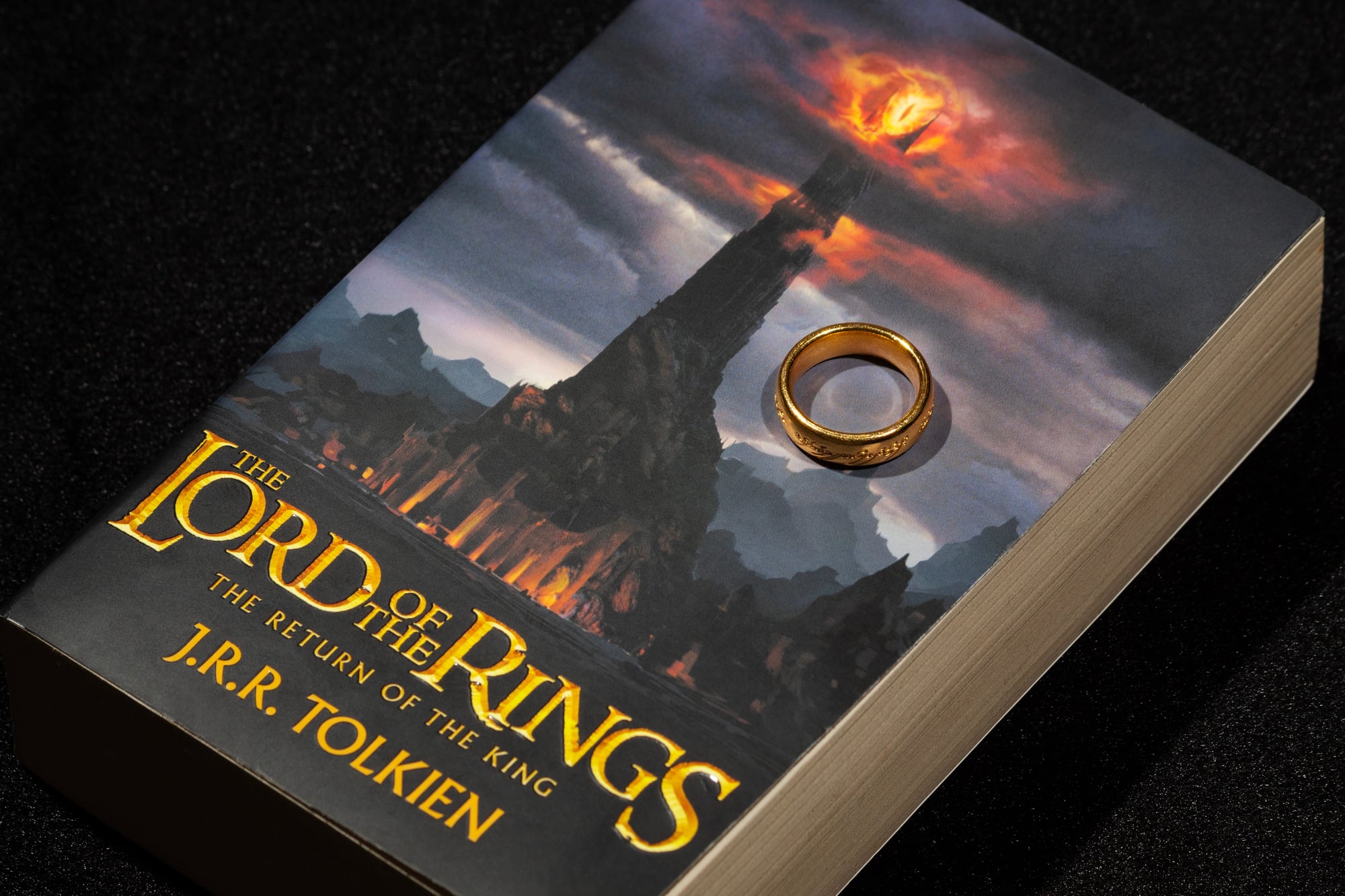
Born in whispers among book lovers, Tolkien’s grand tale seemed too vast for cinema – until one director dared differently. Through seasons stretching from 2001 into 2003, landscapes once drawn only in imagination stood real on screen, shaped by weathered hands and wild terrain.
Because mountains spoke louder than studios, filming unfolded across open valleys and misty peaks of a faraway island nation. Craft mattered more than shortcuts; miniatures moved like castles, swords clashed without pixels pretending otherwise.
Fans who had guarded their books tightly found something rare – a version that listened. Applause came not just in cheers but golden statues lined up like marching knights.
Young eyes blinked wide at small-footed folk, bearded magic wielders, and a cursed trinket whispering trouble. What many said could never fly now soars.
Jaws

A story by Peter Benchley, centered on a deadly shark haunting a seaside community, turned into Steven Spielberg’s major success back in 1975. Instead of relying on flashy effects, the movie often outshines the novel through tight pacing and a chilling musical motif built on just two notes.
Because the mechanical shark kept failing, the director avoided showing it too soon – this mistake somehow deepened the fear. With time, audiences began lining up every summer for big films, partly because of its influence.
Many swimmers stayed away from oceans after seeing what unfolded on screen.
Pride And Prejudice

Jane Austen’s beloved 1813 novel has been adapted countless times, but the 2005 version starring Keira Knightley brought fresh energy to the story. Director Joe Wright captured the muddy reality of early 19th-century English life while keeping all the romance and wit intact.
The film made Elizabeth Bennet and Mr. Darcy’s relationship accessible to modern audiences without dumbing down Austen’s sharp social commentary. It proved that costume dramas don’t have to feel stuffy or boring when done right.
The Silence Of The Lambs

Thomas Harris wrote a chilling novel about an FBI trainee seeking help from an imprisoned cannibal, and Jonathan Demme turned it into one of the most intense thrillers ever made. Anthony Hopkins’ Hannibal Lecter became instantly iconic despite appearing on screen for only about 16 minutes.
Jodie Foster’s Clarice Starling matched him scene for scene, creating a cat-and-mouse dynamic that kept audiences on edge. The 1991 film swept the major Academy Awards and set a new standard for psychological thrillers.
One Flew Over The Cuckoo’s Nest

Ken Kesey’s 1962 novel about rebellion in a mental institution became a powerhouse film in 1975. Jack Nicholson’s Randle McMurphy challenged authority with humor and defiance, going up against Nurse Ratched’s cold control.
The movie changed the book’s perspective from Chief Bromden’s viewpoint to a more traditional narrative, making the story more accessible without losing its punch. Director Milos Forman created a film that sparked conversations about mental health treatment and institutional power that continue today.
Forrest Gump

Winston Groom’s 1986 novel got a major Hollywood makeover that turned it into something quite different from the source material. Tom Hanks brought warmth and innocence to the title character, making Forrest’s improbable journey through American history feel genuine and touching.
The film added the famous box of chocolates line and changed several plot points, creating a more sentimental version than Groom’s darker comedy. Robert Zemeckis’ direction and groundbreaking visual effects helped the 1994 film win six Oscars and become a cultural phenomenon.
No Country For Old Men
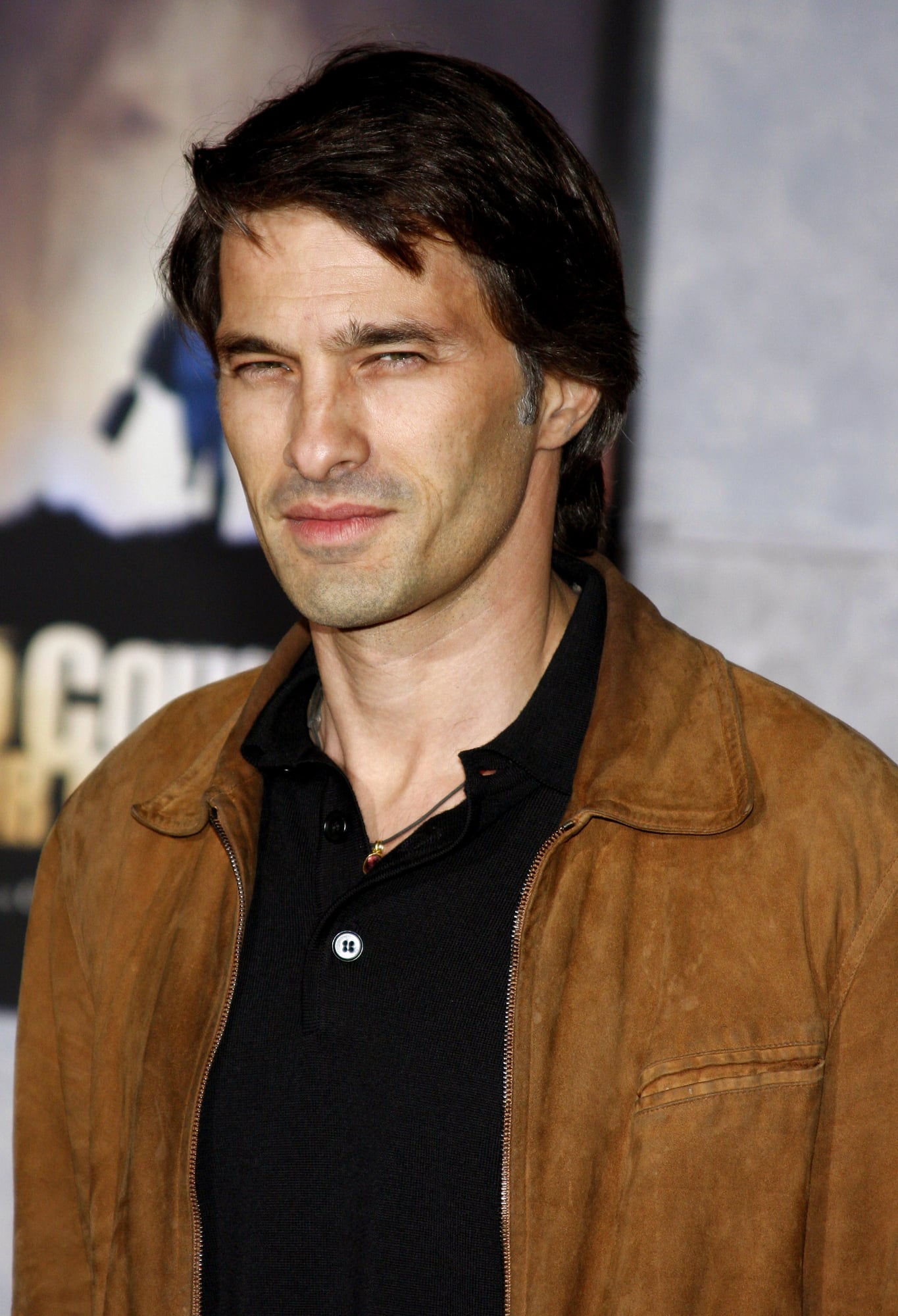
Cormac McCarthy’s bleak 2005 novel about a drug deal gone wrong found perfect interpreters in the Coen Brothers. The 2007 film stayed remarkably faithful to McCarthy’s spare prose and philosophical musings about violence and fate.
Javier Bardem’s Anton Chigurh became one of cinema’s most frightening villains, complete with a bizarre haircut and a captive bolt pistol. The Coens stripped away any comfort or easy answers, creating a film as unsettling as the book itself.
The Shawshank Redemption
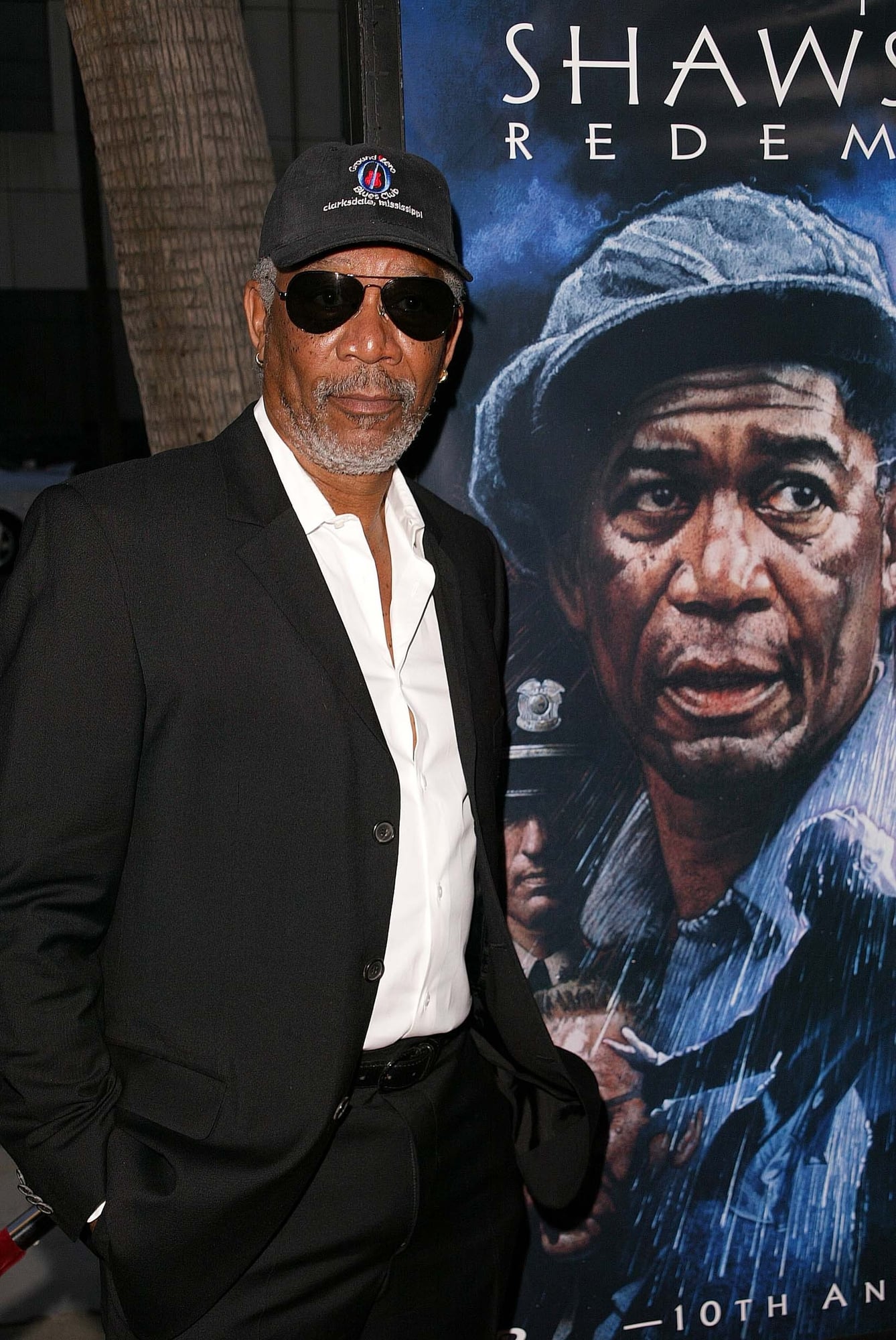
Stephen King’s novella ‘Rita Hayworth and Shawshank Redemption’ became a film that flopped at the box office but found massive success on home video. Director Frank Darabont crafted a story about hope and friendship that resonated deeply with audiences despite its prison setting.
Tim Robbins and Morgan Freeman developed such natural chemistry that their characters’ friendship felt completely real. The 1994 film has climbed to the top of many ‘greatest movies ever made’ lists, proving that sometimes the audience knows best.
The Wizard Of Oz

L. Frank Baum’s children’s book from 1900 became one of the most beloved films in cinema history when it premiered in 1939. The decision to shoot the Kansas scenes in sepia tone and Oz in Technicolor created an unforgettable visual contrast.
Judy Garland’s performance of ‘Over the Rainbow’ gave the film an emotional core that the book couldn’t quite capture in words. The movie has been watched by generation after generation, becoming more famous than its source material.
Fight Club

Chuck Palahniuk’s 1996 novel about underground fighting and anticonsumerism became David Fincher’s explosive 1999 film. Brad Pitt and Edward Norton brought the story’s unnamed narrator and Tyler Durden to life with intensity and dark humor.
The film enhanced the book’s twist ending with visual storytelling that made the revelation even more impactful. Though it initially divided critics and audiences, the movie has grown into a cult classic that people still quote and debate.
Schindler’s List

Thomas Keneally’s historical novel about Oskar Schindler saving Jewish workers during the Holocaust became Steven Spielberg’s most personal and powerful film. The 1993 movie was shot in black and white, giving it a documentary feel that made the horrors depicted feel immediate and real.
Liam Neeson portrayed Schindler’s transformation from war profiteer to savior with nuance and depth. Spielberg’s direction honored the real people behind the story while creating a film that educates and moves audiences decades later.
Where These Stories Live Now

Books and their film adaptations create different experiences, each with their own strengths and limitations. A novel gives readers time to live inside characters’ heads and imagine every detail exactly as they want.
A great film adaptation takes that same story and adds music, faces, and movement that can punch straight to the heart in ways words sometimes can’t. The best adaptations respect their source material while understanding that a movie isn’t just a book with pictures.
When filmmakers get it right, both versions can exist side by side, each enriching the other and giving audiences multiple ways to fall in love with the same story.
More from Go2Tutors!

- The Romanov Crown Jewels and Their Tragic Fate
- 13 Historical Mysteries That Science Still Can’t Solve
- Famous Hoaxes That Fooled the World for Years
- 15 Child Stars with Tragic Adult Lives
- 16 Famous Jewelry Pieces in History
Like Go2Tutors’s content? Follow us on MSN.



