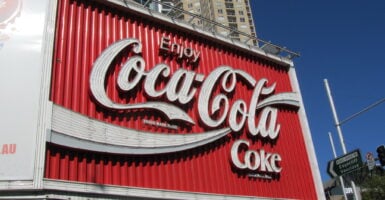
28 Coca-Cola Trays and Signs Worth Money
Coca-Cola spent more than a century putting its name on anything a soda fountain, grocery or gas station would hang on a wall or set on a counter. Most of that material was thrown out when the next campaign arrived, which is why the survivors now trade for real money.
The catch is that Coca-Cola is also the most reproduced brand in American advertising. Knowing which trays and signs were actually made, and when, matters as much as spotting rust.
Victorian Girl Tray From 1897
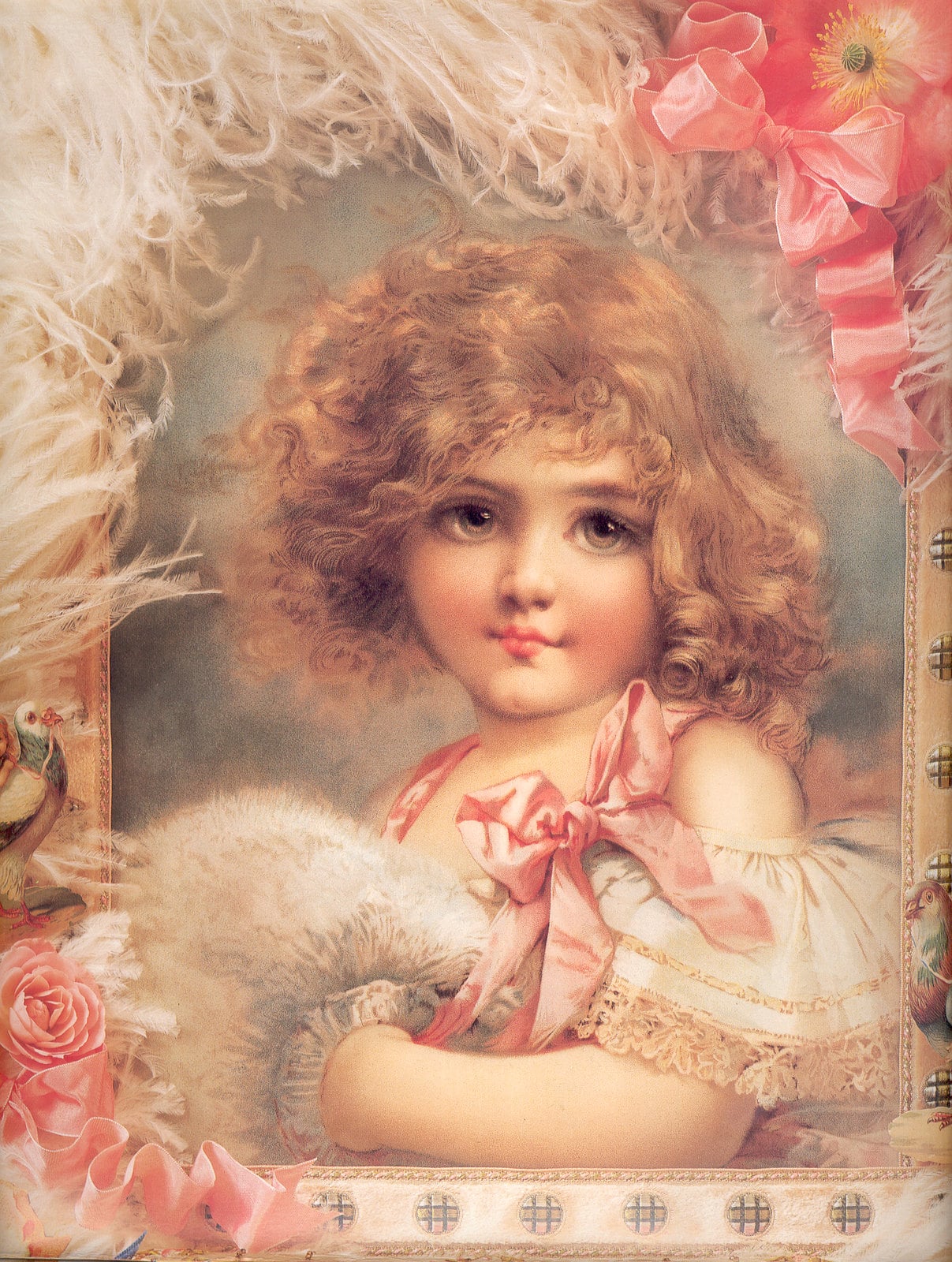
The Victorian girl tray appeared in 1897, a round piece about 9.25 inches across showing a young woman in Victorian dress. It followed the company’s first serving tray, a 1896 Hilda Clark design.
Very few examples are believed to survive, and the ones that do rarely leave established collections. When one does surface, bidding has climbed well into five figures.
Condition drives everything here, because the lithography on these early trays sits thinly on the metal and chips at the rim with ordinary handling. Serious buyers also look for provenance, since a tray this early attracts restored and retouched examples that pass casual inspection.
Hilda Clark Tray of 1899
Opera singer Hilda Clark became the face of Coca-Cola at the turn of the century, and the 1899 round tray carrying her portrait is among the most sought after. Older price guides put a top example around 10,000 dollars, and recent sales have supported figures in that range.
Rim chips, surface scratches and fading of the delicate background colors pull prices down sharply. Buyers compare the printing against documented originals because the Clark image was reused on later anniversary pieces that are plainly marked but sometimes misdescribed.
Meek and Beech Round Tray From 1901
Coshocton, Ohio, became the center of American lithographed tin advertising, and the 1901 Hilda Clark round tray was produced there by Meek and Beech. The metal is noticeably light gauge compared with later trays, which is one reason so many examples bent or dented in ordinary use behind a counter.
Trays in clean condition have sold for several thousand dollars, with damaged ones far lower. Collectors check the back for the maker’s mark and for the thin raised lip that originals carry along the edge, since both are hard for a reproduction to copy convincingly.
Hilda Clark Tray of 1903
By 1903 the Clark portrait had been reworked into a tray that older appraisals valued around 6,000 dollars in top condition. Later sales of pristine examples have landed in a similar neighborhood, while worn ones trade for a fraction of that.
The surface is prone to crazing and small flakes where glasses were set down for years, and the gold detailing rubs away before anything else does. Authentication matters more than usual because the 1903 image was reissued as a licensed reproduction decades later, and those copies have aged enough to look convincing at a glance in a dim antique mall.
Hamilton King Girl Tray From 1909
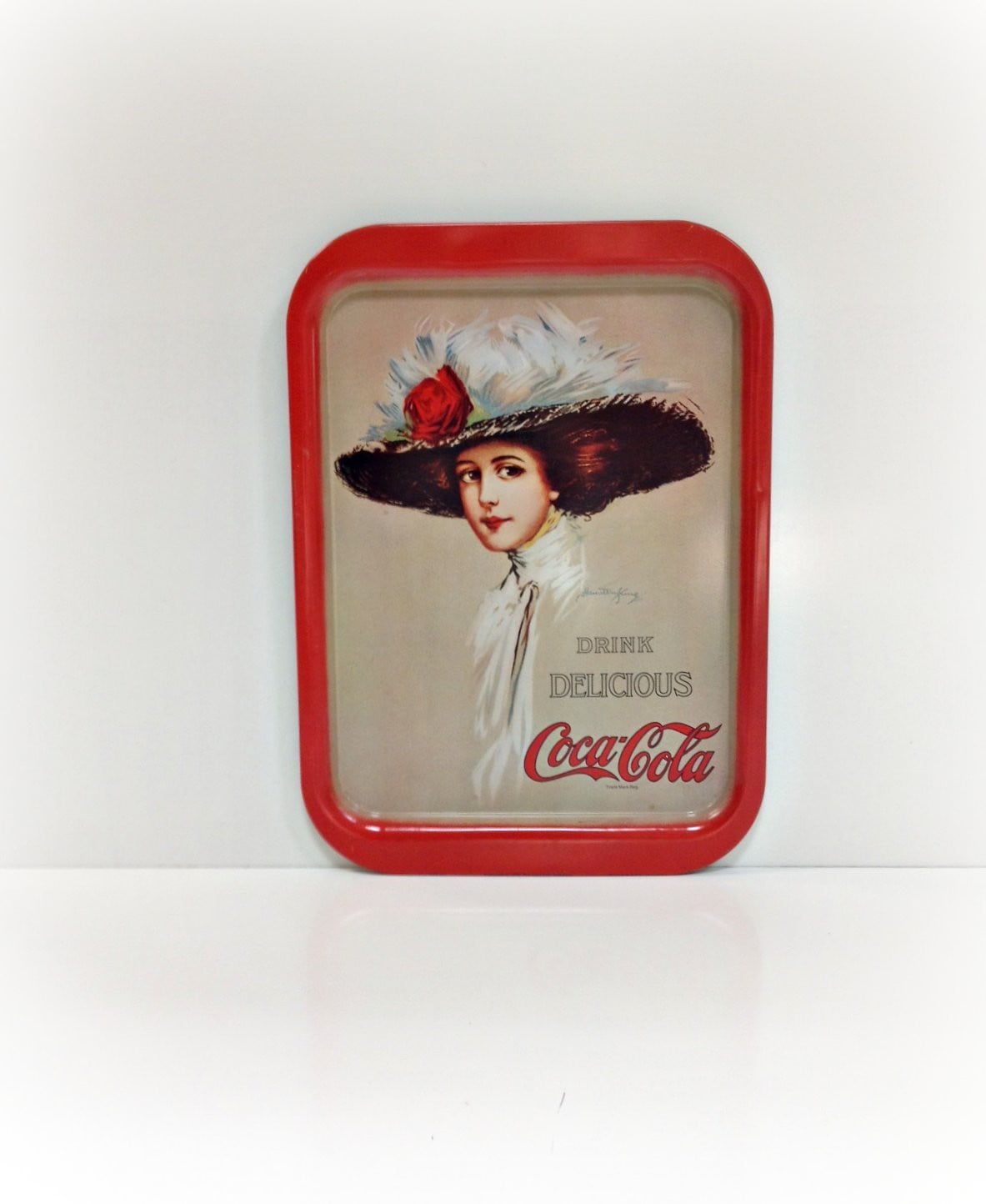
Illustrator Hamilton King painted the stylish woman in a wide hat on the 1909 tray, one of the last designs before the company shifted to rectangular formats the following year. King’s signature appears in the artwork, which helps separate originals from later tributes and anniversary issues.
Examples with bright color and intact gold trim have sold for well over 1,000 dollars, while heavily rubbed ones bring much less. Scratches across the face of the figure are the most damaging flaw, since the portrait is what buyers are paying for, and a tray with a clean face and a tired rim still finds a buyer.
Betty Tray of 1914
Known to collectors as Betty, the 1914 tray shows a woman in a bonnet and is one of the earliest rectangular Coca-Cola trays, the format having been introduced in 1910. It was produced in large numbers for its time, so examples turn up regularly.
Prices for clean originals typically run from a few hundred dollars into the low four figures, depending on gloss and rim wear. A smaller tip tray version with the same image exists, and sellers sometimes list one as the other by mistake.
Golfer Girl Oval Tray From 1920

An oval shape sets the 1920 tray apart from the rectangles on either side of it in the timeline, and the image of a woman in golf attire holding a glass fits the sporting mood of the decade. The oval format was used only briefly, which makes this a recognizable piece in any grouping on a wall.
Well preserved examples have sold for several hundred dollars to more than a thousand, depending largely on the gloss of the surface. Edge wear is common because the oval rim took more knocks than a flat-sided tray, and the pale background shows every scratch and water ring left by a glass.
Flapper Girl Tray of 1923

The 1923 Flapper Girl is the tray most often faked, so its details are worth memorizing. An original is rectangular, measuring 10.5 by 13.25 inches, and one in good condition sold for about 510 dollars.
Round and oval versions of the same image never existed in 1923 and are 1970s fantasy pieces worth about 20 dollars. Originals carry a lip about half an inch wide along the back edge, while most reproductions have a narrower or flat rim.
Paint loss at the corners is the usual condition issue on genuine examples.
Curb Service Tray From 1927
Drive-up culture reached the soda business in the 1920s, and the 1927 tray shows a carhop delivering drinks to an automobile while advertising curb service. It is scarcer than the trays immediately before and after it, which keeps demand steady among collectors filling out the decade.
Clean examples have brought several hundred dollars and sometimes more, while rusted or scratched ones sell for far less. The dark background hides minor wear better than the light trays of the 1930s, so buyers check under strong light for touch-ups and for repainting along the rim, where restorers tend to work first.
Frances Dee Tray of 1933
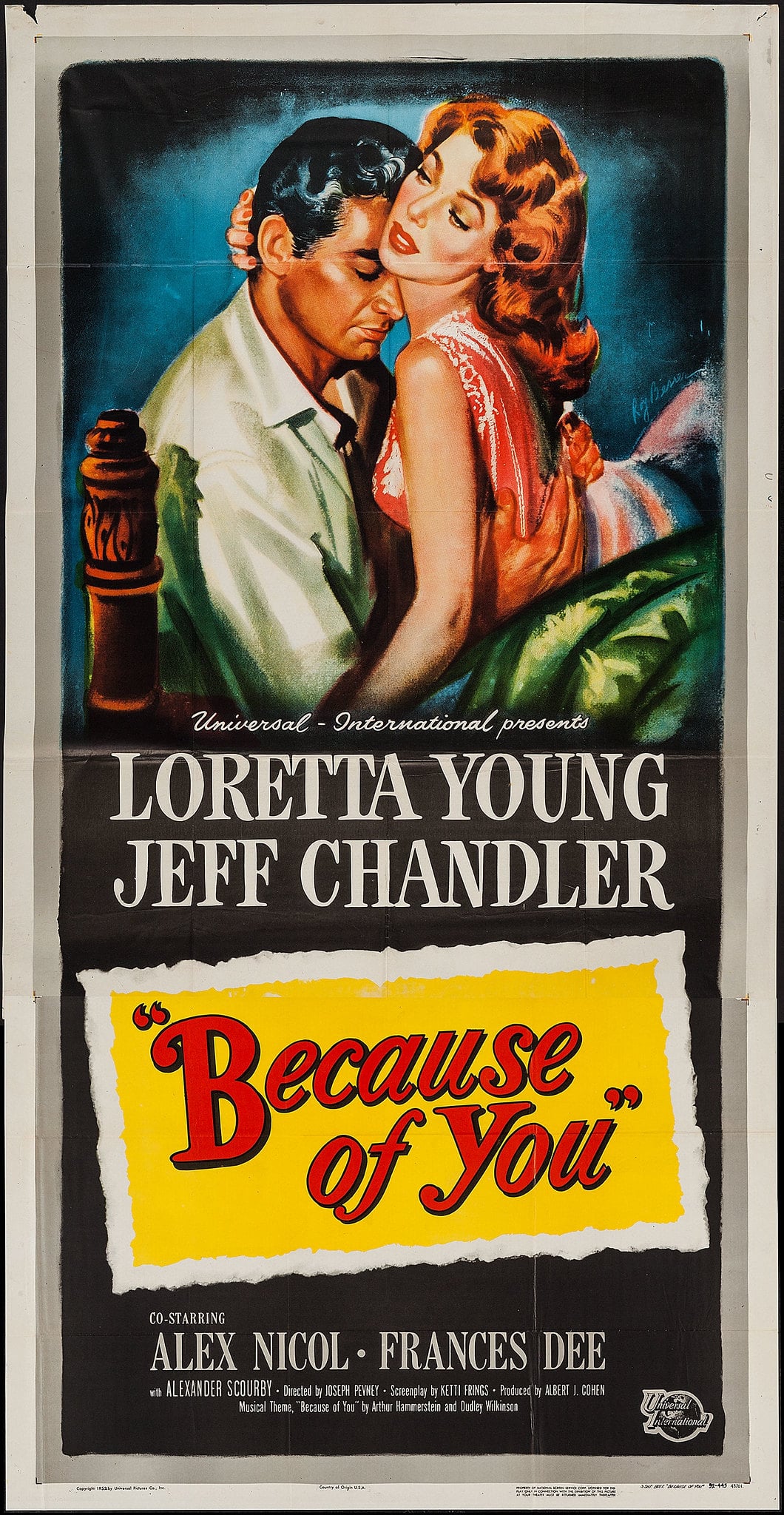
Paramount player Frances Dee appeared on the 1933 tray, part of a run of Hollywood tie-ins during the Depression. The tray is in the red rim style that defined the 1930s series.
Examples with strong gloss have sold in the range of a few hundred dollars, and chipped ones for considerably less. Because the red border is the first place to show wear on high points, a tray with an even, unbroken rim is worth a premium over one with the same face but a rubbed edge.
Weissmuller and O’Sullivan Tray From 1934
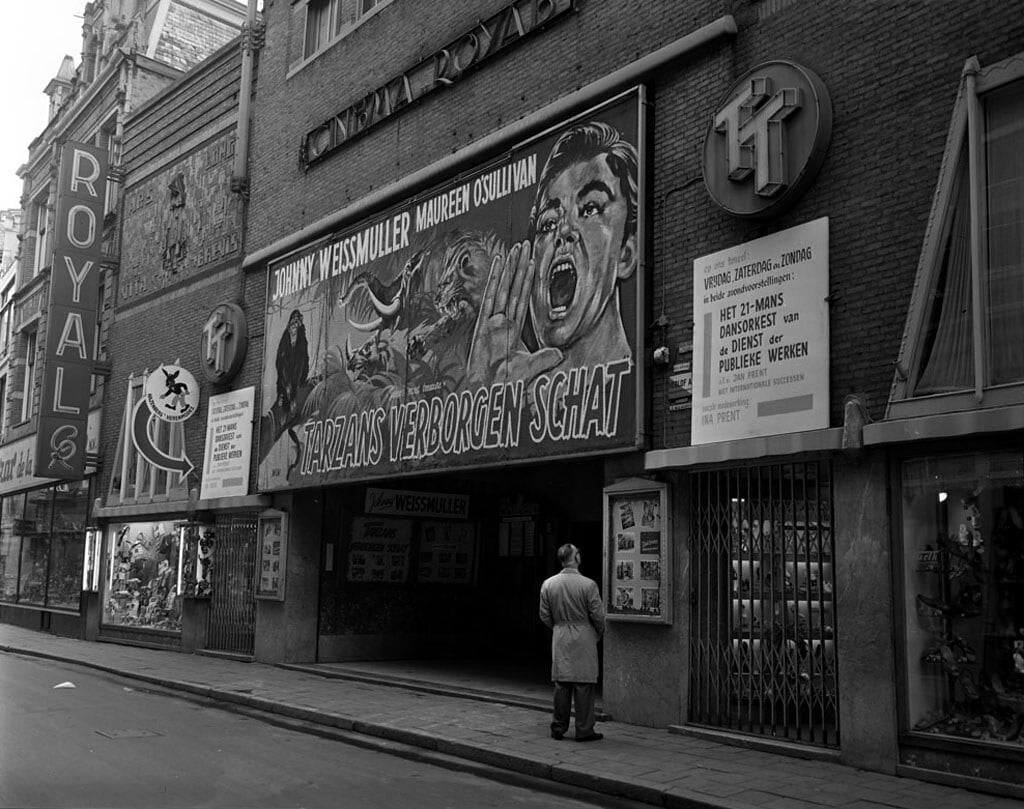
Johnny Weissmuller and Maureen O’Sullivan, the Tarzan and Jane of the period, pose at a pool on the 1934 tray. It is one of the most recognizable 1930s trays and one of the most reproduced, with a later licensed reissue that circulates widely and often gets listed as the real thing by sellers who do not know the difference.
Originals in fine condition have sold for several hundred dollars, and reproductions for a tiny fraction of that. Collectors check the fine print along the edge for the reissue date and look for honest age on the back rather than uniform new paint, since the back of a 90-year-old tray rarely looks fresh.
Running Girl Tray of 1937

A woman in a swimsuit running along a beach with bottles in each hand gives the 1937 tray its collector nickname. It was made in enormous quantities, so it is one of the more affordable red rim trays, often trading for under 200 dollars in average condition and sometimes for much less at estate sales.
Exceptional examples with no scratches and full gloss have reached higher figures, because so few survived decades of use without a mark. Reproductions exist, and the giveaway is usually crisp modern printing without the slight softness of 1930s lithography, along with a back that looks too clean for its claimed age.
Sundblom Girl Tray From 1939
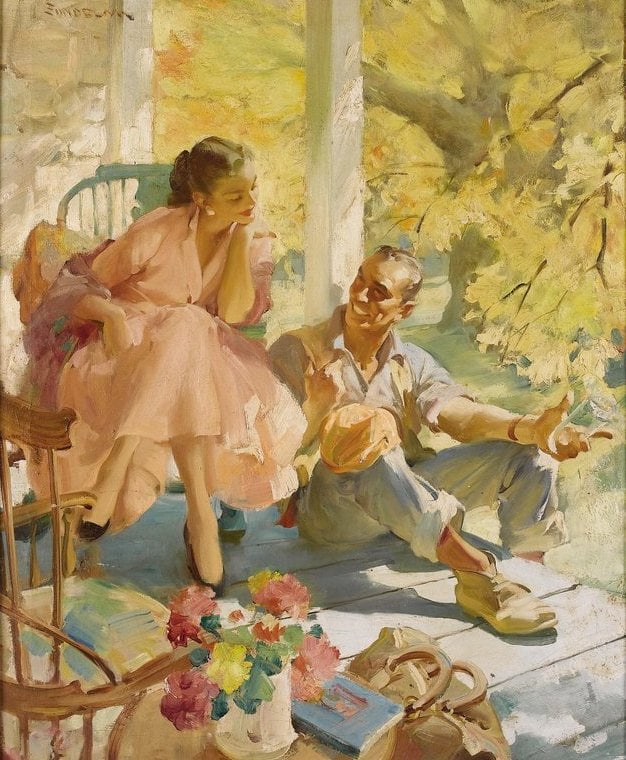
Haddon Sundblom, the artist behind the company’s Santa Claus paintings, painted the woman on the 1939 tray, shown seated at the edge of a pool in a swimsuit and cap. The design is among the most elegant of the red rim era, with a soft palette that photographs well and sells accordingly.
Clean examples typically sell for a few hundred dollars, with worn ones closer to 50 to 100 dollars. Because this image was reused on later licensed trays, buyers confirm the printing date along the bottom edge before paying original prices, and they look for the fading of the blue water that marks a tray left in a sunny window.
Ice Skater Girl Tray of 1941

Wartime metal restrictions were about to interrupt tray production when the 1941 design appeared, picturing a woman in skating gear sitting on a log with a bottle. Prices for nice originals typically fall in the range of 100 to 300 dollars, with rough ones under that and exceptional ones above.
Rust along the rim and scratches across the snow scene are the common faults, and the light background makes both obvious from across a room. The 1941 design was also reproduced in the 1970s, so the back of the tray and the width of its lip get checked before anything else, and a seller who photographs only the front draws suspicion.
Menu Girl Tray From 1953
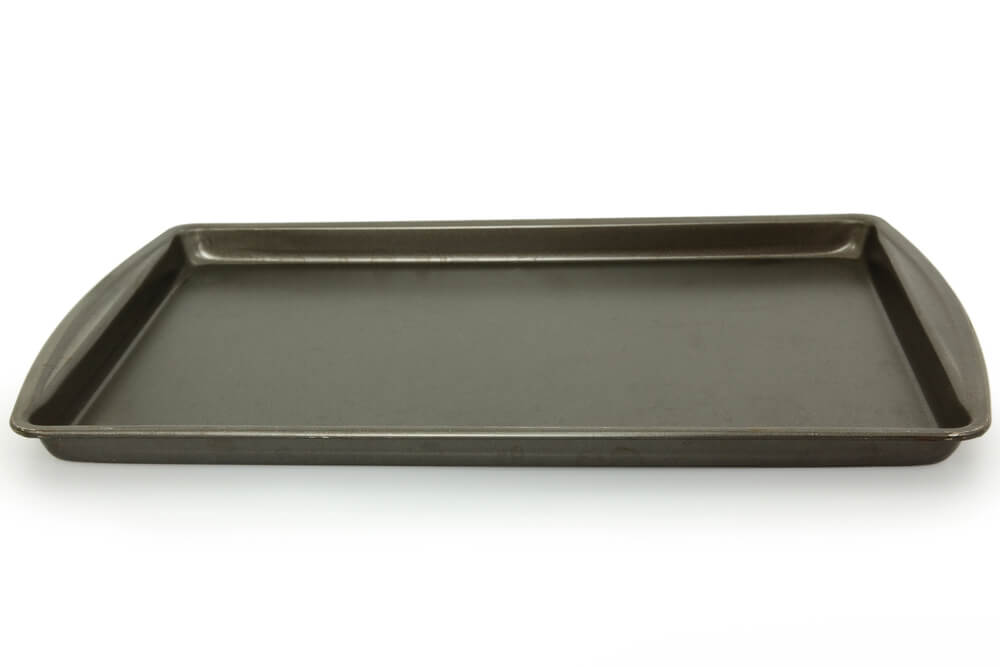
Produced through the 1950s in huge quantities, the 1953 Menu Girl tray shows a woman holding a menu beside a glass of Coke. It is often the first Coca-Cola tray a new collector owns because examples can be had for 30 to 80 dollars in decent condition, and nearly every antique mall has one.
Variants exist, including versions with French-language text for the Canadian market and versions with different slogans along the rim, and those bring a premium over the standard issue. Scratches and small dents are typical after years of restaurant use, so an untouched example with full gloss and a clean back is worth seeking out.
Early Tip Trays From the 1900s and 1910s
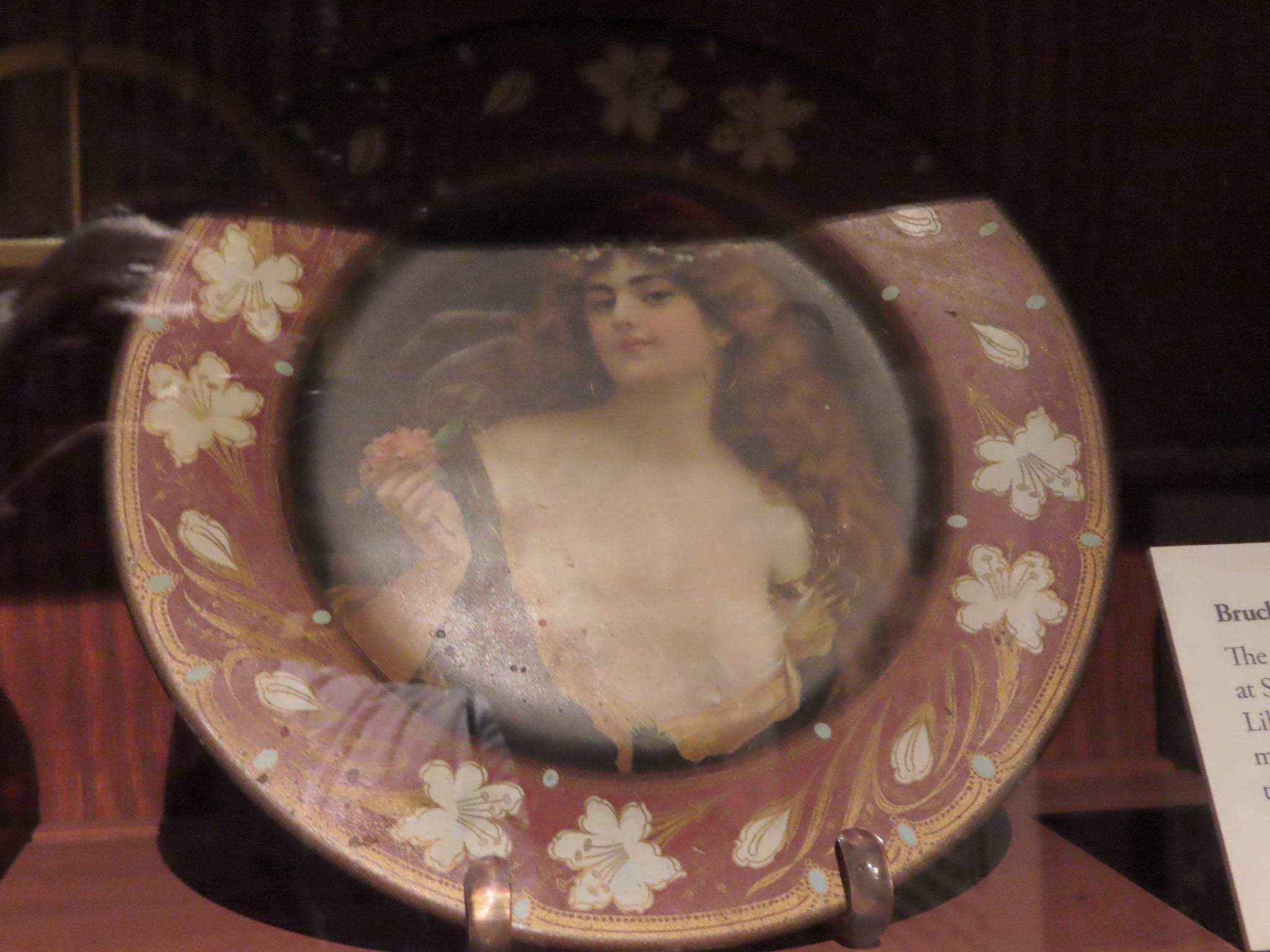
Tip trays, also called change trays, were small versions of the serving trays set beside the register so a clerk could return coins without touching the counter. They measure roughly four to six inches and carry the same Hilda Clark, Hamilton King and Betty images as the larger trays, which lets collectors pair them with the full-size versions.
Prices run from about 200 dollars for common 1910s examples to several thousand for the earliest Clark versions. Because they were handled constantly and slid across wood all day, rim wear is nearly universal, and an example with sharp edges and unbroken color stands well above the rest of the field.
Porcelain Button Signs of the 1950s
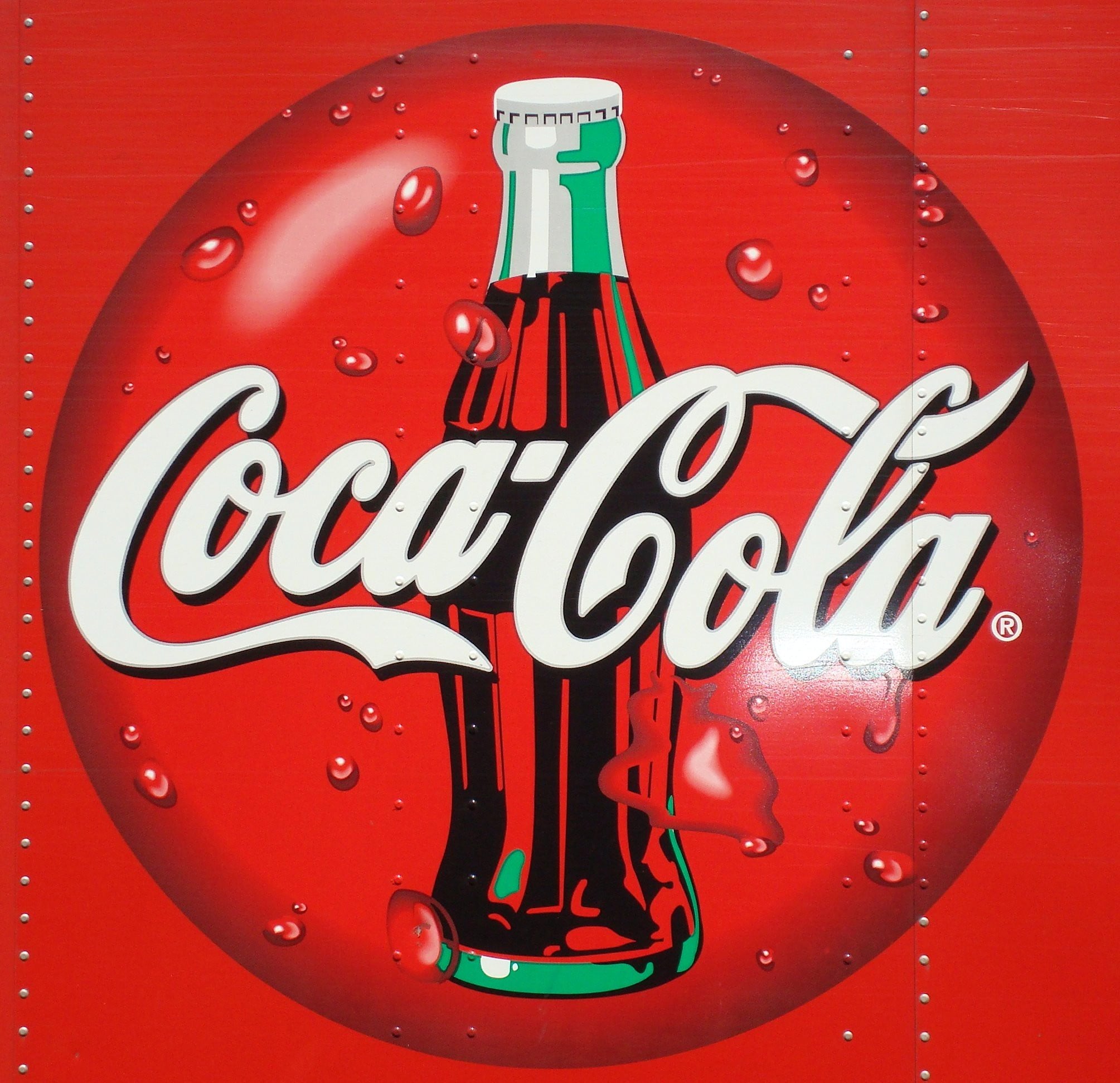
The round porcelain button sign, usually red with white script, hung outside countless stores in the 1950s. They were made in several sizes, commonly 24, 36 and 48 inches, with and without a bottle in the design.
A 24-inch example in good shape typically sells for several hundred dollars, while the 48-inch size has sold for well over 1,000 dollars. Porcelain chips at the mounting points and edge are the main detractors, and sellers note that a glossy, chip-free face is uncommon on a sign that spent decades outdoors.
Fishtail Tin Signs From the 1960s
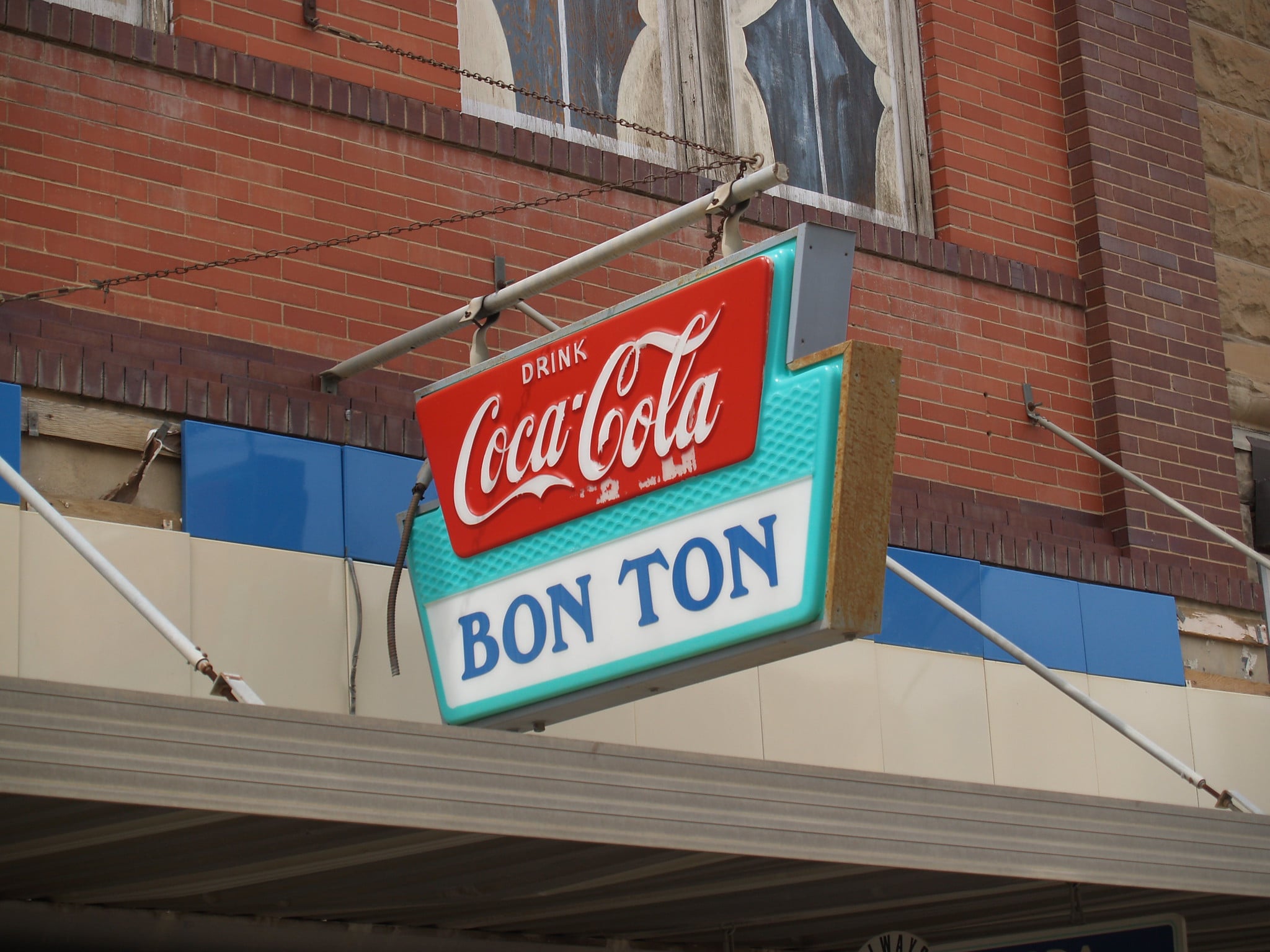
Shaped like a red fish seen from the side, with pointed ends surrounding the script, the fishtail logo was used in the late 1950s and early 1960s, and tin signs carrying it are abundant. Horizontal examples reading Sign of Good Taste or Enjoy That Refreshing New Feeling are the most common.
Prices typically run from 150 to 500 dollars depending on size and surface. Many have been reproduced, so buyers look for maker marks and date codes along the bottom edge, and for scratches that show age rather than artificial distressing.
Sprite Boy Signs of the 1940s
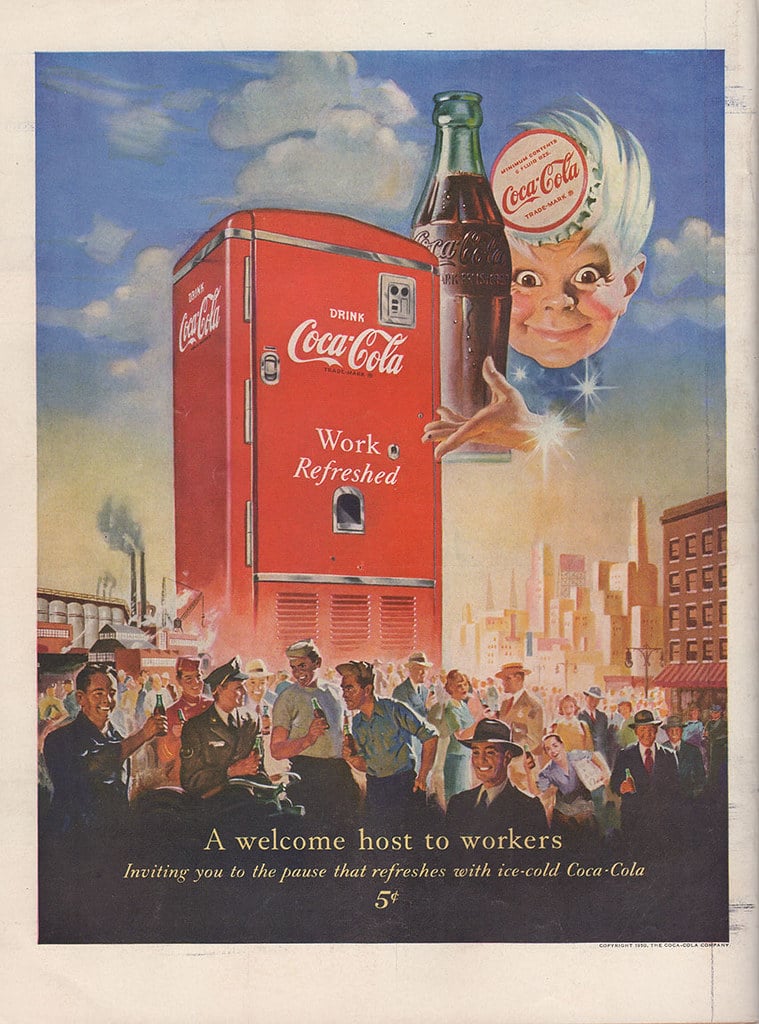
Sprite Boy, the grinning elf with a bottle cap for a hat, was created in the 1940s by Haddon Sundblom and used on signs and advertising into the 1950s. He has nothing to do with the lemon-lime soda, which arrived later.
Tin and cardboard signs showing the character have sold for several hundred dollars and up, depending on size. Fading of the yellow and white in his face is the usual condition problem, and reproduction tin signs with the character are common enough that provenance matters.
Kay Displays Wood Signs
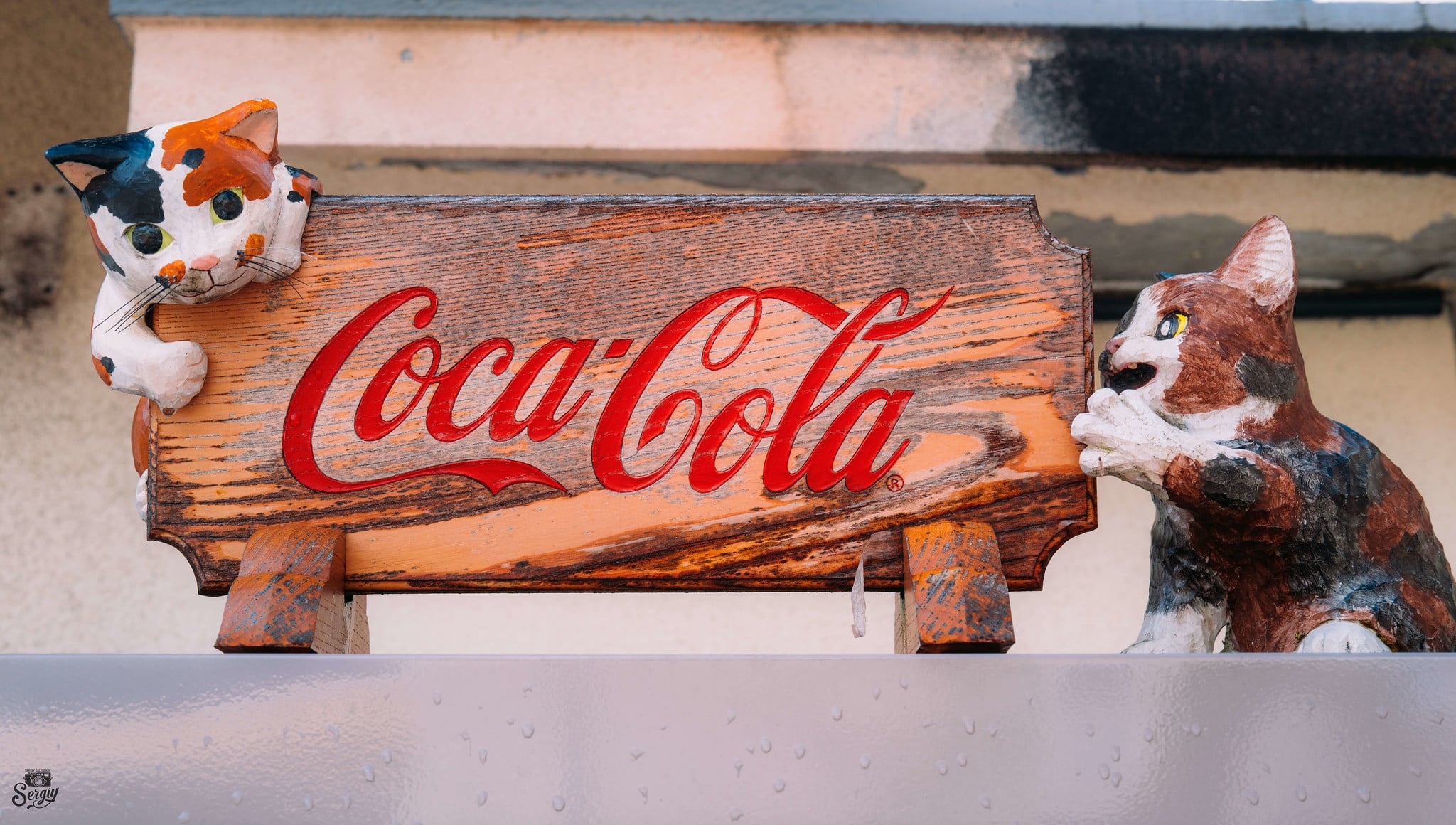
Kay Displays produced wooden and composition signs for Coca-Cola in the 1930s and 1940s, often with applied metal trim and nautical or patriotic themes that set them apart from the usual tin. A multi-piece set of warship display panels made by the firm during the war years is among the more memorable groupings, and complete sets are rarely offered.
Individual signs have sold for several hundred to several thousand dollars depending on subject and completeness. The wood is vulnerable to warping and the applied metal to rust, so examples that kept their original finish, hardware and rope or chain hangers carry a strong premium over refinished ones.
Porcelain Flange Signs
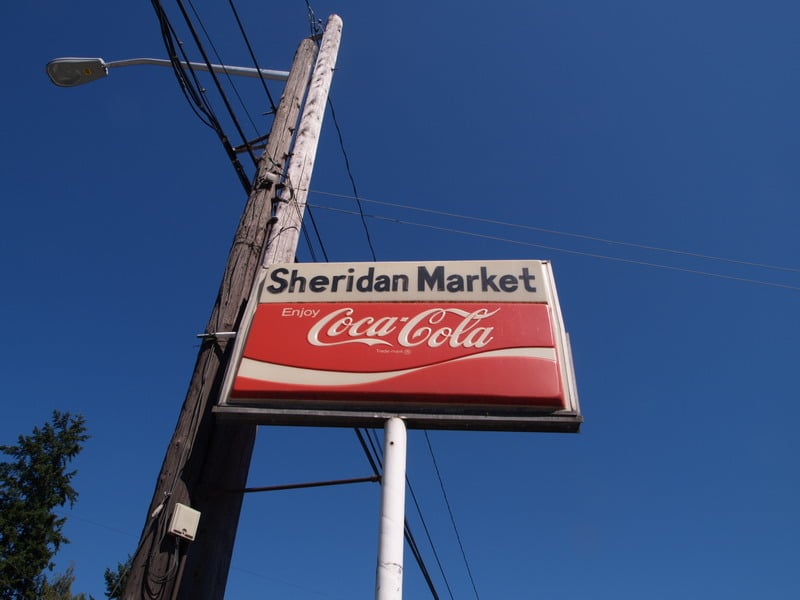
Flange signs mount perpendicular to a wall on a bent metal tab so the message reads from both directions. Coca-Cola porcelain versions from the 1930s to the 1950s typically read Drink Coca-Cola, sometimes with a bottle or the words Ice Cold.
Examples with both faces intact have sold for 500 to 2,000 dollars and sometimes more. Chips at the flange where the sign was bolted are almost standard, and a sign that still has its original mounting bracket is worth noticeably more than a loose panel.
Robertson Bottle Thermometers
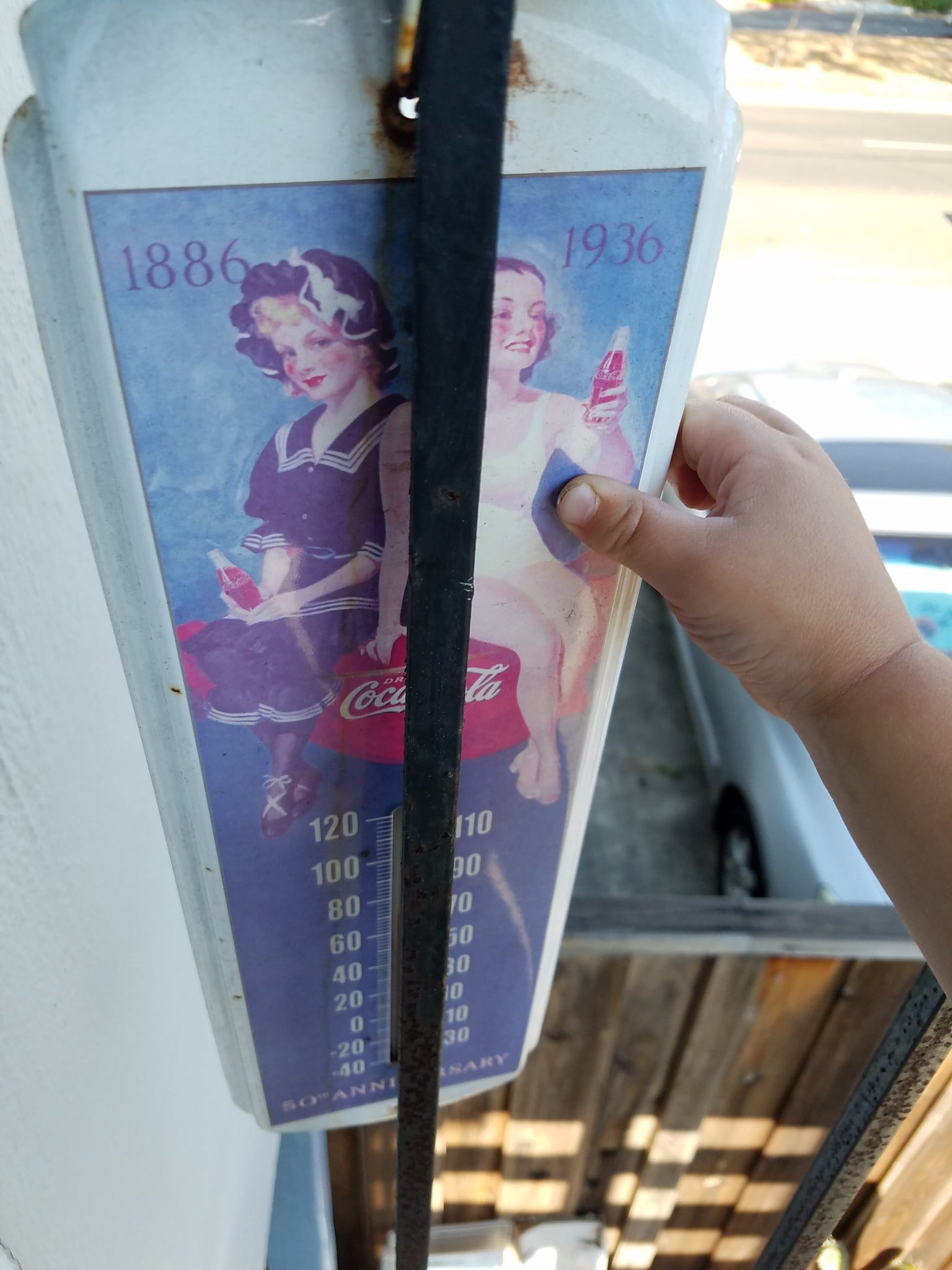
Shaped like a Coca-Cola bottle and die cut from tin, the Robertson thermometer of the 1950s measures around 16 inches and was a fixture in gas stations and corner stores. It was useful enough that owners kept it hanging long after the campaign ended, which is why examples survive in reasonable numbers today.
Working examples with the glass tube intact typically sell for 100 to 300 dollars, with earlier and larger versions bringing more. Broken thermometer tubes and rust along the cut edges are common, and a thermometer that still reads accurately with its original tube is the exception rather than the rule in this category.
Early Paper Calendars

Coca-Cola calendars began in the 1890s and the earliest are among the most valuable paper items in the hobby. A 1900 calendar sold for 210,000 dollars at Morphy Auctions, and an 1891 example was estimated at up to 150,000 dollars when offered.
Later calendars from the 1910s and 1920s trade for hundreds to a few thousand dollars. Completeness is critical, since a calendar with its full date pad is worth far more than one trimmed to the picture, and foxing or sun fading of the paper cuts value quickly.
Slow School Zone Policeman Signs

Outside schools and corner stores in the 1950s stood a curb sign shaped like a policeman holding a Slow School Zone panel, with a Coca-Cola message on the base paid for by the local bottler. Standing about 63 inches tall on a heavy cast base, these figures have sold at auction for several thousand dollars when complete.
They were left outdoors in all weather, so paint loss, rust and missing or replaced bases are routine rather than exceptional. Reproductions have been made, and buyers examine the casting, the thickness of the metal and the wear patterns on the base before accepting a sign as original.
Door Push Bars
Coca-Cola door push bars from the 1930s to the 1950s were mounted across store doors, usually porcelain or painted tin, reading Drink Coca-Cola, Ice Cold in Bottles or Thanks Call Again. Long bars around 30 inches have sold for a few hundred dollars, and the smaller plates for less.
Because thousands of hands pushed them every day, wear in the center is normal and a bar with crisp lettering is scarce. Door pushes are also heavily reproduced, so collectors look for the correct maker marks and screw spacing.
Cardboard Festoons

Festoons were multi-piece cardboard displays strung across the back bar of a soda fountain, with themed panels for seasons and holidays. Complete sets from the 1930s to the 1950s are hard to find because the cardboard was thrown out when the display changed.
Full festoons have sold for several hundred to several thousand dollars, while single panels bring far less. Water staining, tears and missing connecting pieces are the usual issues, and a set with all its original string and hangers is worth a premium.
Die-Cut Bottle Signs
Tin signs die cut in the shape of a Coca-Cola bottle were made in several sizes from the 1930s through the 1950s, some embossed to suggest the contours of the glass. They were produced for both indoor and outdoor use and many were hung in direct weather.
Large examples in good paint have sold for several hundred dollars and more, with smaller ones trading for less. Rust creeps in along the cut edges first, and bent or straightened sections where the sign was removed from a wall lower the price.
Take Home a Carton Signs From the 1940s
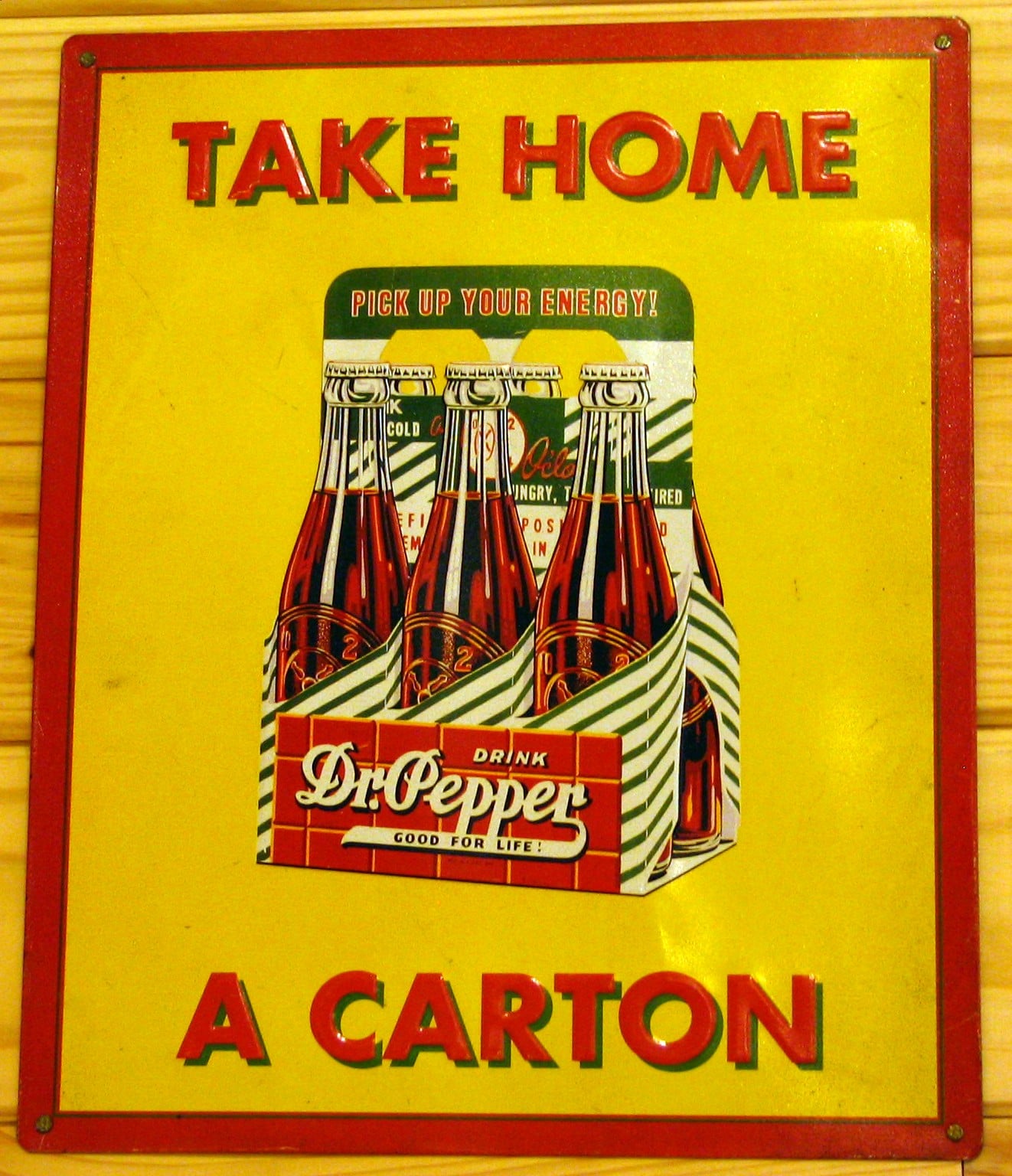
Tin signs urging shoppers to take home a carton promoted the six-bottle carrier that Coca-Cola pushed heavily in the 1940s as grocery shopping moved toward self-service. They were made in rectangular and die-cut forms, some showing the carton itself with bottles peeking over the top.
Clean examples have sold for a few hundred dollars, and worn ones for considerably less. Fading of the yellow carton graphic is common, as are mounting damage and rust at the corners where screws went through the tin.
A sign with its original bright color and no touch-up paint is what collectors wait for, and it does not come along often.
Rust Tells the Truth
Every item on this list was made to be used up and replaced, which is why the value today sits with pieces that somehow escaped that fate. A tray that spent decades in a drawer and a sign that hung in a dry storeroom are worth multiples of their weathered twins.
Condition is not a detail in this field, it is the field. The reproduction problem is the other side of the same coin.
Because Coca-Cola licensed reissues of its own trays and signs for decades, honest old copies now sit beside genuine originals in the same estate sales. A buyer who learns the back lips, the maker marks and the date codes will do better than one who simply recognizes the script.
More from Go2Tutors!

- The Romanov Crown Jewels and Their Tragic Fate
- 13 Historical Mysteries That Science Still Can’t Solve
- Famous Hoaxes That Fooled the World for Years
- 15 Child Stars with Tragic Adult Lives
- 16 Famous Jewelry Pieces in History
Like Go2Tutors’s content? Follow us on MSN.