29 Things Adults Miss About Childhood That Money Can’t Recreate
There’s a particular kind of ache that hits when a smell, a song, or a random Tuesday afternoon light reminds you of being eight years old. Not grief, exactly — more like longing with nowhere to go.
Childhood wasn’t perfect for anyone, but it held something that adulthood quietly dismantled: a way of experiencing time, people, and the world that no amount of money, vacation days, or nostalgic purchases can restore. These aren’t things you lost because you weren’t paying attention. They’re things that simply belonged to that season of life, and that season is gone.
Here’s what people genuinely, stubbornly miss.
Summer That Actually Felt Like Summer

Summer used to be a separate country. Ten weeks with no agenda, no deliverables, no inbox — just heat and boredom and the strange productivity that boredom generates.
Adults get vacation days; that’s not the same thing, and everyone knows it.
Sleeping Without an Alarm

As a child, waking up naturally — when your body was done sleeping — was the default, not the luxury. Now it costs you: a day off, a carefully managed schedule, the mild guilt of “wasting” the morning.
The body hasn’t changed. The permission has.
The Version of Boredom That Created Things
Boredom used to be a raw material — you were bored, so you built a fort, invented a game, drew something strange on a piece of notebook paper — and what emerged from that unstructured restlessness was, in hindsight, a kind of creative freedom that most adults spend real money trying to approximate through workshops and retreats. So there’s something quietly tragic about the fact that kids treated boredom like an inconvenience while adults now pay to escape stimulation long enough to feel it again.
The fort-building instinct doesn’t go away. It just runs out of time.
Birthday Cake as a Major Event

Birthdays hit differently at seven. The cake wasn’t just dessert — it was the centerpiece of something that felt cosmically significant, not a calendar reminder with a sad desk cupcake.
Believing Adults Had the Answers

Childhood carried a particular comfort in the assumption that someone, somewhere, knew exactly what to do — that the grown-ups were in control of the complicated parts, and your only job was to show up. Turns out that was the most elaborate fiction adults ever collectively maintained, and you only discovered the truth by becoming one.
Friendships That Required No Maintenance

Childhood friendships operated on proximity and shared time — you were friends because you were there, every day, in the same classroom or on the same street, and that was sufficient. Adult friendships are genuinely wonderful, but they require scheduling, effort, follow-through, and a group chat that everyone forgets to respond to for three weeks.
The effortlessness of those early bonds isn’t something you can engineer back into existence.
Being Completely Absorbed in Play

There was a time when two hours could vanish into a game of pretend or a LEGO project with no awareness that time was passing at all — no background hum of things left undone, no glance at the clock, just complete absorption in the thing in front of you. That state — what psychologists call flow — is something adults chase deliberately, expensively, and with mixed results.
Children fell into it by accident before breakfast.
Genuine Surprise on Holidays

Christmas morning before the age of twelve is a specific emotional temperature that cannot be replicated. Anticipation built over weeks, sleep that barely happened, the darkness of 5 a.m., the pile of wrapped shapes downstairs — none of that chemistry survives into adulthood, no matter how thoughtfully the gifts are chosen.
The Neighborhood as Its Own World

The block, the cul-de-sac, the two streets you were allowed to roam — that small geography was the entire world for years, and it was enough. Every yard had a personality, every neighbor a mythology, and a mile felt like genuine distance.
Adult life scales everything up and, in doing so, makes nothing feel quite as vivid.
Cartoons on Saturday Morning

Saturday morning cartoons were a ritual that required commitment: waking up early, claiming the couch, pouring cereal with too much sugar, and watching something designed entirely for the pleasure of watching it. Streaming replaced the schedule but lost the ceremony — and the ceremony, it turns out, was half the point.
Riding a Bike Without a Destination

A bike, an afternoon, and no particular place to be — that combination produced a freedom that was genuinely spatial, the wind being its own reward and the distance not mattering at all. Adults ride bikes too, of course, but usually with a route planned, a mileage goal logged, and a podcast in one ear.
The directionlessness is what’s gone.
Reading for Pure Pleasure
Books used to arrive like events — a new installment of a beloved series felt like something had happened to you, not something you’d chosen to consume. Now reading competes with seventeen other things demanding the same attention, and finishing a book requires the kind of discipline that seven-year-olds applied to absolutely nothing.
Falling Asleep Anywhere, Instantly
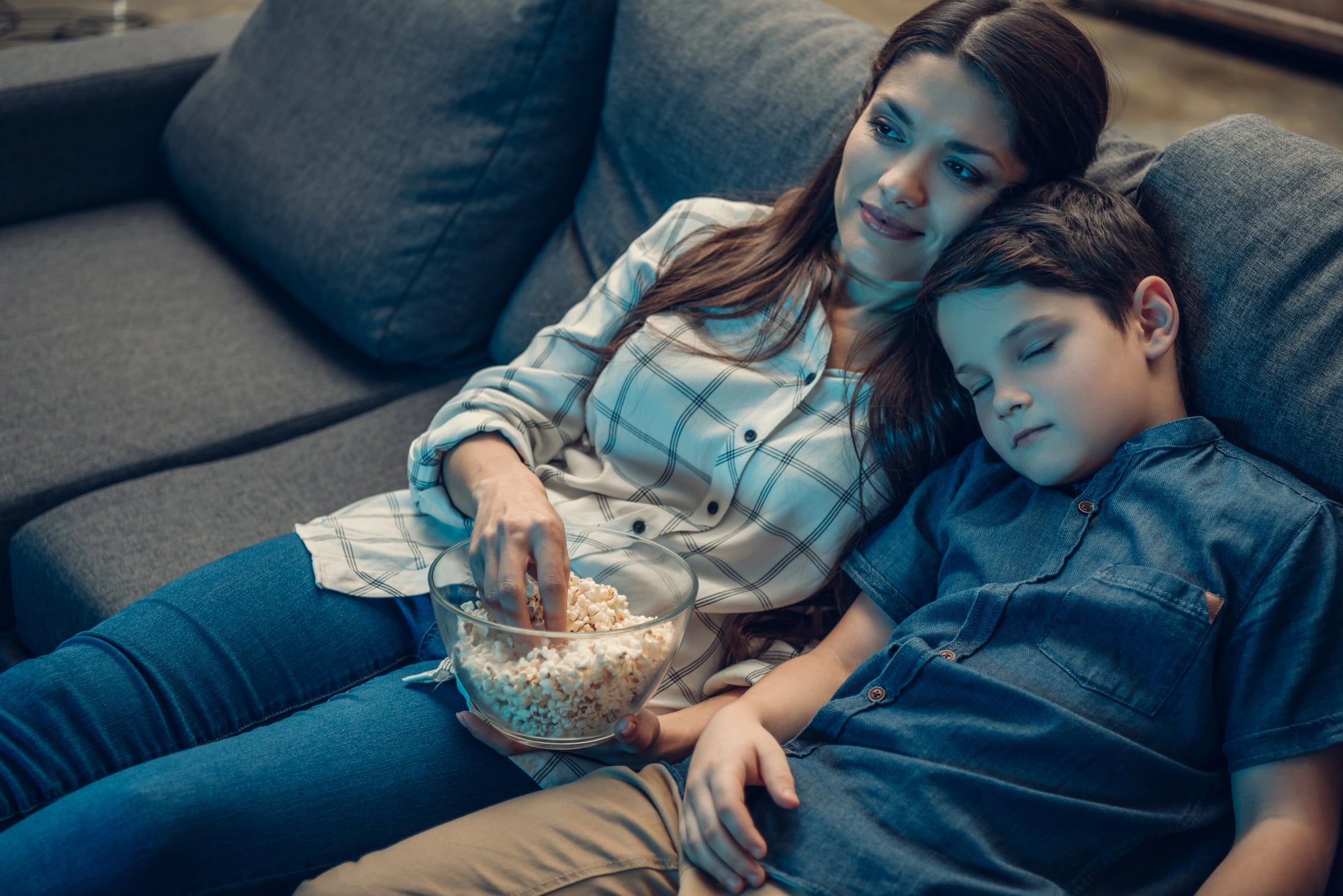
Children fall asleep in cars, on floors, mid-sentence, at the dinner table — their bodies shut down without ceremony the moment they’re tired enough, which is a biological gift that quietly disappears sometime in the teenage years and never fully returns. Adults pay for sleep studies, melatonin, weighted blankets, blackout curtains, and white noise machines chasing something a kid did accidentally in the backseat of a Buick.
The First Snow Day

A snow day was a gift that arrived without warning — school canceled, the whole world quieted and white, the day suddenly returned to you with no plan and no structure. There’s no adult equivalent.
Working from home during a blizzard is not the same thing. Not even close.
Being Carried When You Were Tired
When a child’s legs gave out — on a long walk, at a theme park, somewhere between the parking lot and the car — someone picked them up. There was no shame in it, no negotiation.
Someone just carried you. That particular form of unconditional physical care vanishes so gradually that most people can’t pinpoint when it stopped.
Receiving Letters in the Mail

There’s a reason people kept letters in shoeboxes under the bed for decades — handwritten words addressed to you specifically, carried across actual distance by an actual person, felt like proof that someone had spent time thinking about you. Children who had pen pals or received birthday cards in the mail understood this without being able to articulate it.
The Sound of a Parent Moving Around the House at Night
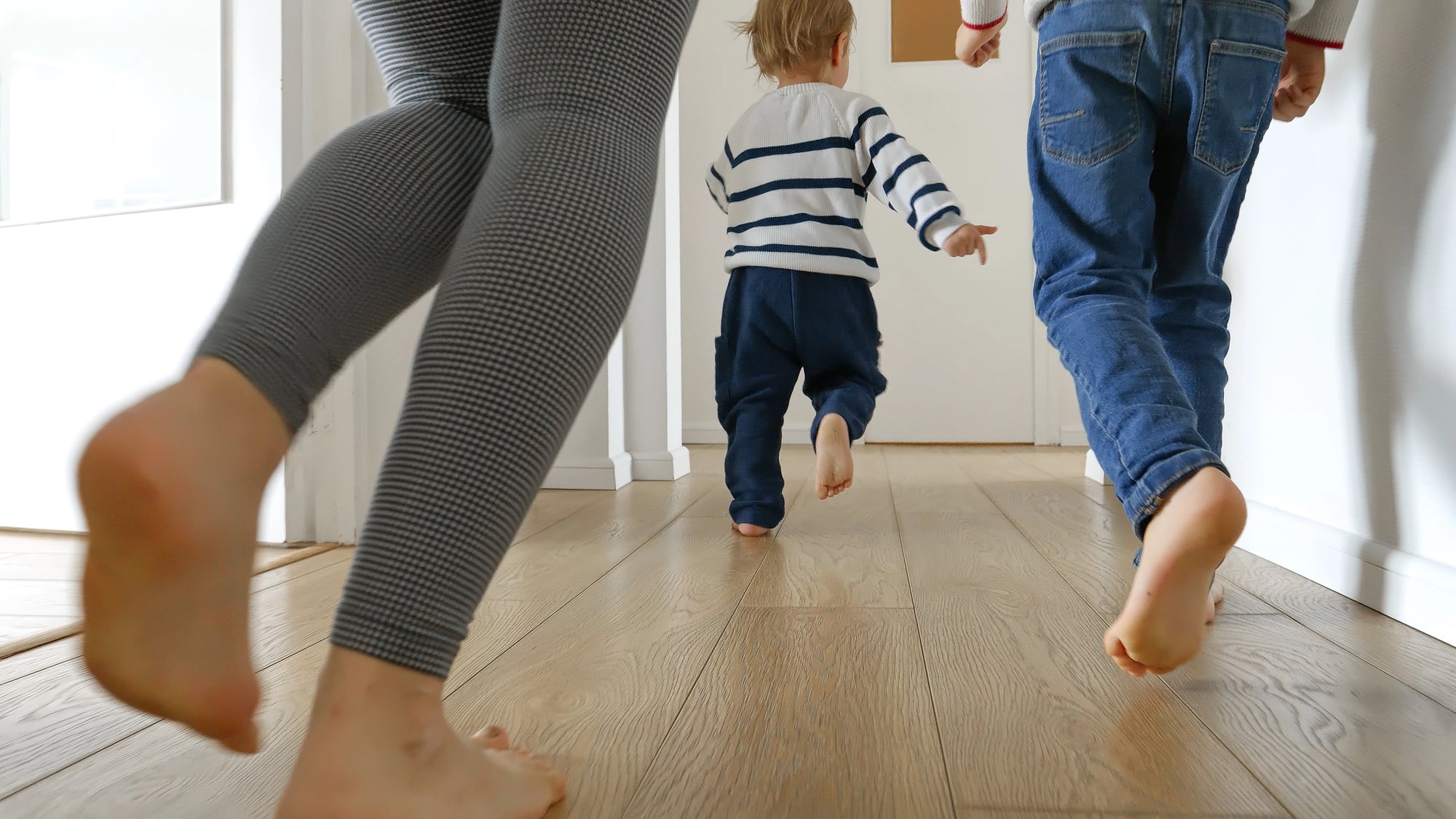
For children, the faint sounds of someone else in the house — footsteps in the hallway, the distant television, the soft noise of another person nearby — was the most complete form of safety imaginable. It asked nothing of you.
It just meant you weren’t alone, and that was enough.
Playing in Rain Without Thinking About Consequences
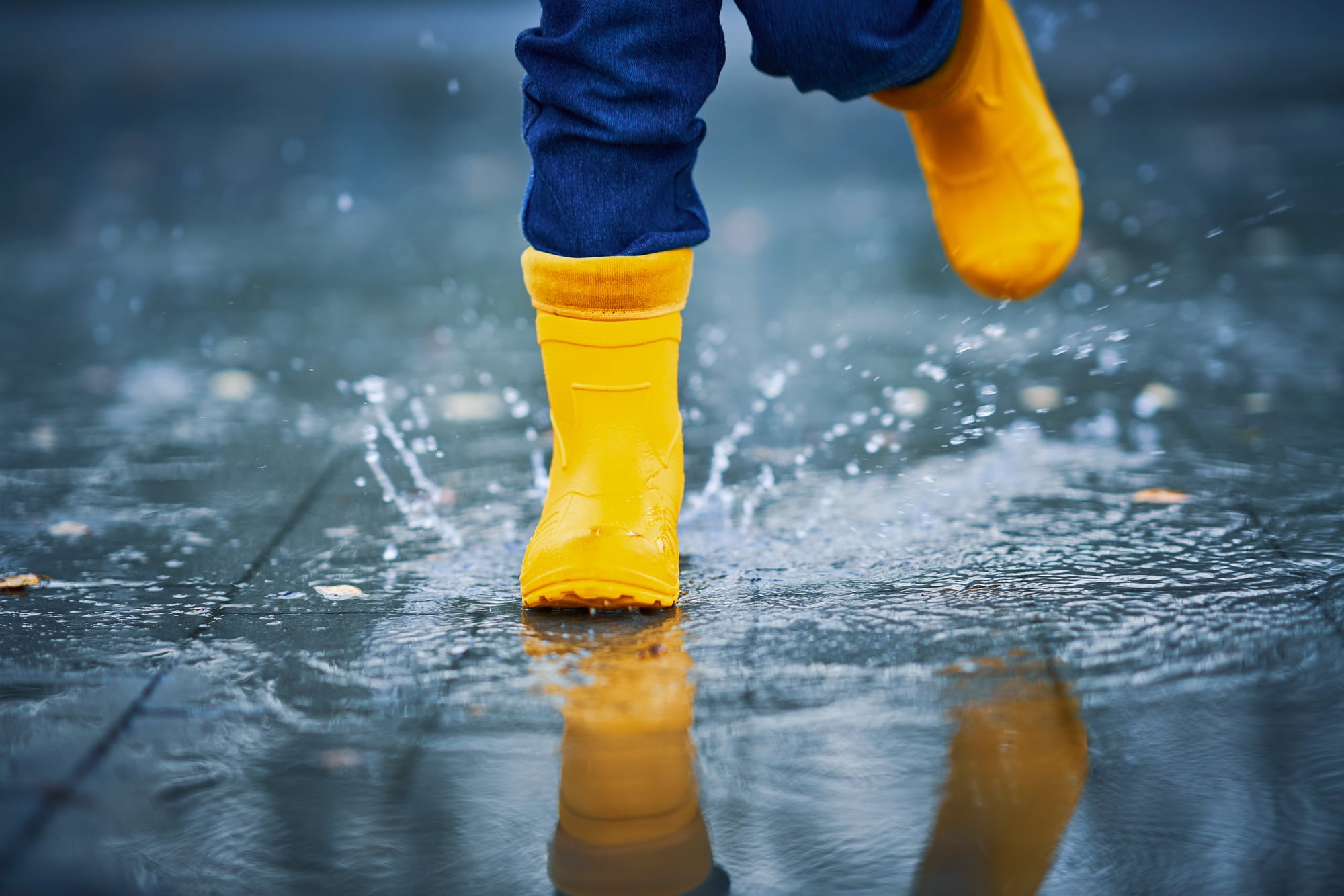
A child runs into the rain. An adult looks for an umbrella, worries about shoes, thinks about the dry-cleaning.
Somewhere in the transition between those two responses, a specific freedom dissolved — the freedom to be soaked and find it thrilling rather than inconvenient.
Not Knowing the Price of Things

Groceries, electricity, rent, gas, insurance — none of it registered when someone else was handling it. The world operated at full cost the entire time; you were just temporarily exempt from knowing.
That exemption ended without fanfare, and it turned out the price of everything was considerably higher than it looked from the outside.
Staying Up Late as an Achievement

Eleven p.m. used to feel like the edge of something forbidden, a territory only teenagers and adults occupied, and being allowed to stay up that late was a minor victory worth savoring. Now eleven p.m. is when responsible adults go to bed, and the felt sense of transgression is gone entirely.
Which is, to be fair, one of adulthood’s more deflating revelations.
Being New at Something Without Embarrassment

Children try things badly and keep going — they draw crooked, sing off-key, miss the orb, fall off the bike, and none of it registers as humiliating because incompetence is just the landscape of childhood. Adults carry a totally different relationship to being a beginner: the self-consciousness arrives before the first attempt, and it never entirely leaves.
Grandparents in Their Prime

The grandparents who were vigorous, funny, and physically present — the ones who baked things from scratch, drove you places, sat on the floor with you — occupied a specific season that couldn’t hold. What most adults miss isn’t just the person but the version: the one who was still fully there, still capable of the things that made them feel permanent.
Undivided Parental Attention

When a parent stopped what they were doing and sat down to watch you do something ordinary — color, build, explain a dream — that attention was a form of love so total it didn’t need a name. Adults understand in retrospect how much their parents had competing for that attention.
Understanding it doesn’t fill the space where it used to live.
The Smell of Certain Kitchens

Every house smelled like something specific — a grandmother’s kitchen, a best friend’s basement, the back hallway of an elementary school — and those smells are hardwired to memory in a way that nothing else is. The smell itself can sometimes still be found.
The feeling it belonged to cannot.
Waiting for Something Without Anxiety

Anticipation without dread is a childhood specialty — waiting for a birthday, a vacation, a weekend — where the waiting itself was pleasurable because nothing threatened to cancel it. Adult anticipation comes pre-mixed with contingency planning, the awareness that things fall through, and the faint background worry that something will go wrong before you get there.
Imaginary Worlds That Felt Real

A cardboard box was a spaceship. The backyard was a jungle.
The couch cushions were an island. Children inhabit imaginary geography with a conviction so complete it borders on belief — not pretend-belief but the real kind, where the thing is actually what you say it is for as long as you’re inside it.
That capacity doesn’t survive education intact.
Physical Recklessness Without Fear

Jumping from the top of a swing set, leaping from a dock, skateboarding down the steepest available hill — children approach physical risk with a casualness that looks, in retrospect, like either courage or a complete failure of risk assessment. Adults understand consequences too well.
Children didn’t yet, and there was something extraordinary about operating without that weight.
Being Known Since Birth

The people who knew you before you had an identity to perform — who held you as a baby, watched you learn to walk, knew your face before it settled into what it would become — can’t be replaced or approximated. You can make new people who love you deeply.
None of them will have known you from the very beginning.
The Sense That Time Was Endless
A summer afternoon at age nine felt longer than an entire month does at forty. Time hadn’t compressed yet, hadn’t started running the way it runs once adulthood begins to stack repetition on repetition.
There’s no recovering that particular slowness — it wasn’t a feature of the season or the weather. It was a feature of being new to everything, and that condition expires.
What Stays When the Rest Is Gone

None of this is an argument against growing up — adulthood brings its own irreplaceable things, and trading competence and freedom for the helplessness of childhood would be a losing deal. But naming what’s genuinely gone matters.
It’s not weakness to miss the long summers, the reckless afternoons, the kitchens that smelled like someone was always home. That ache is a form of gratitude: proof that something worth missing actually happened, and that it shaped you in ways you’re still discovering.
Carry it with you — not as grief, but as evidence.
More from Go2Tutors!

- The Romanov Crown Jewels and Their Tragic Fate
- 13 Historical Mysteries That Science Still Can’t Solve
- Famous Hoaxes That Fooled the World for Years
- 15 Child Stars with Tragic Adult Lives
- 16 Famous Jewelry Pieces in History
Like Go2Tutors’s content? Follow us on MSN.