28 Everyday Inventions Named After Real People
Some inventors are remembered with statues and museums. Others ended up with something more lasting, a name that became an ordinary word used by millions of people who have never heard of them.
The people behind these words include aristocrats, acrobats, janitors, pastry bakers and a Mexican maitre d’ improvising with what was left in the kitchen. A few of them never invented anything at all, yet their names stuck anyway.
Sandwich
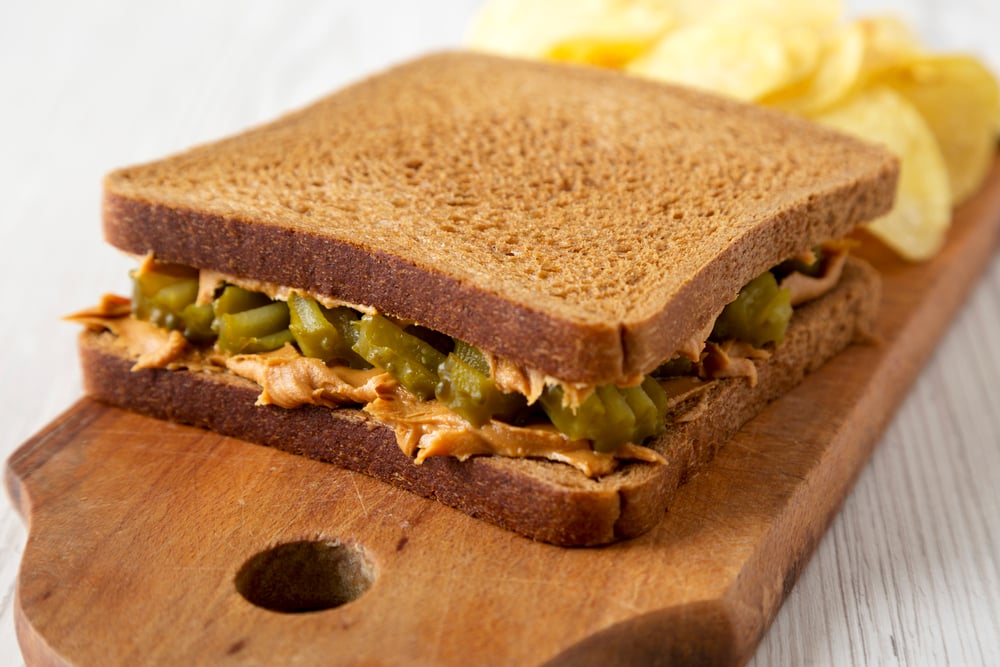
John Montagu, the fourth Earl of Sandwich, is credited with popularizing meat served between two slices of bread in the 18th century. The best-known story, reported by the French writer Pierre-Jean Grosley in the 1760s, claims the earl refused to leave a gambling table for a proper meal and asked for food he could eat with one hand.
His biographers suggest he was more likely working long hours at his desk as a government minister. People had eaten meat with bread for centuries, but his title gave the idea a name, and the word has spread into nearly every language.
Cardigan
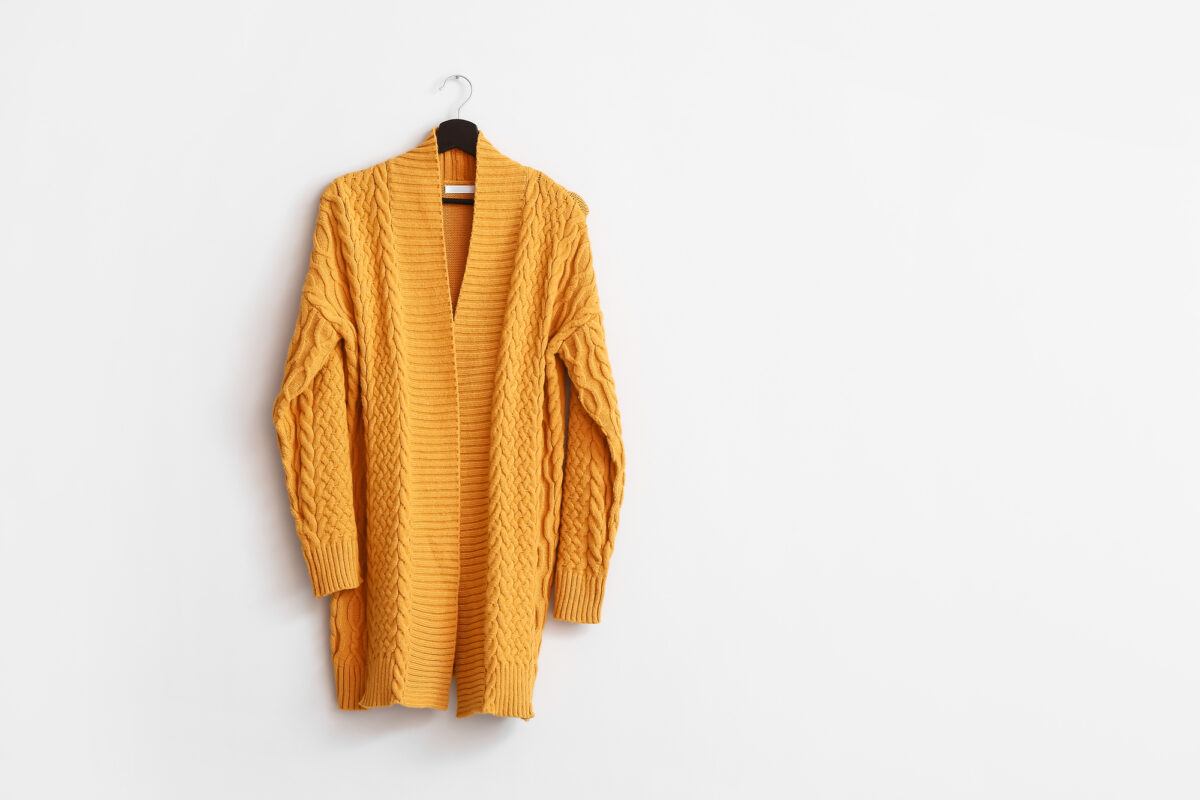
The knitted, button-front sweater is named after James Brudenell, the seventh Earl of Cardigan, a British Army officer who led the Charge of the Light Brigade during the Crimean War in 1854. Soldiers in the harsh Crimean winter wore knitted wool waistcoats, and the earl’s name became attached to the style after he returned home a celebrity.
The charge itself was a military disaster in which a large share of the brigade was killed or wounded. Today the cardigan is associated with comfort and even gentleness, which makes its origins in a doomed cavalry attack on all the strangers.
Leotard

Jules Leotard was a French acrobat who performed the first flying trapeze act in 1859 at the Cirque Napoleon in Paris, leaping between swinging bars above the audience. To move freely, he wore a close-fitting one-piece knitted garment that showed off his physique.
He became a sensation, and the popular song The Daring Young Man on the Flying Trapeze was inspired by him. The garment was not called a leotard until after his death at the age of 28 in 1870.
Dancers and gymnasts have worn versions of his outfit ever since.
Saxophone

Adolphe Sax was a Belgian instrument maker who patented the saxophone in Paris in 1846. He wanted to create an instrument that combined the power of brass with the agility of woodwinds, so he fitted a single reed mouthpiece to a conical metal body.
Although it is made of brass, the saxophone is classified as a woodwind because it produces sound with a reed. Sax faced lawsuits from rival instrument makers and went bankrupt more than once.
His invention later became central to military bands and then to jazz, a genre that did not exist in his lifetime.
Diesel Engine

German engineer Rudolf Diesel patented his compression ignition engine in the 1890s, aiming to build a machine far more efficient than the steam engines of the day. His design ignited fuel using the heat of highly compressed air rather than a spark.
Early demonstrations included running an engine on peanut oil at the 1900 Paris Exposition. In September 1913, Diesel disappeared from a steamship crossing the English Channel, and his body was later found in the sea.
The cause of his death remains a mystery, but his name is now attached to engines and fuel around the world.
Ferris Wheel

George Washington Gale Ferris Jr., an engineer from Pittsburgh, designed a giant rotating wheel for the 1893 World’s Columbian Exposition in Chicago. Organizers wanted something to rival the Eiffel Tower, which had been the centerpiece of the Paris exposition four years earlier.
Ferris’s wheel stood about 264 feet tall and had 36 cars, each able to carry dozens of passengers. Many engineers doubted it would work, but it carried more than a million riders during the fair.
Ferris died in 1896 at the age of 37, and the original wheel was demolished in 1906.
Jacuzzi

The Jacuzzi brothers were Italian immigrants who founded an aviation and pump company in California in the early 20th century. In 1956, Candido Jacuzzi adapted one of the company’s pumps to create a portable hydrotherapy device for his son Kenny, who had rheumatoid arthritis and needed regular whirlpool treatments.
The device could be placed in an ordinary bathtub. The family began marketing it to other patients and later expanded into whirlpool baths and hot tubs.
The brand became so well known that the name is now widely used for any hot tub, much to the annoyance of the company.
Graham Cracker

Sylvester Graham was a Presbyterian minister and reformer who preached in the 1830s that a bland vegetarian diet would reduce unhealthy urges and improve health. He promoted bread made from coarsely ground unsifted wheat flour, which became known as Graham flour, and his followers were known as Grahamites.
He did not invent the modern graham cracker, which was sweetened and commercialized long after his death in 1851. Graham would probably have objected to the sugar, and he certainly never imagined his name being used as a base for s’mores with melted chocolate.
Bloomers

Amelia Bloomer was an American women’s rights advocate who edited The Lily, one of the first newspapers run by and for women. In 1851, she began promoting a new style of dress, a knee-length skirt worn over loose trousers gathered at the ankle, which offered more freedom of movement than heavy corsets and long skirts.
The outfit was actually designed by Elizabeth Smith Miller, but Bloomer publicized it so widely that it took her name. The style attracted intense ridicule, and Bloomer eventually stopped wearing it.
The word later came to mean women’s loose underwear.
Braille
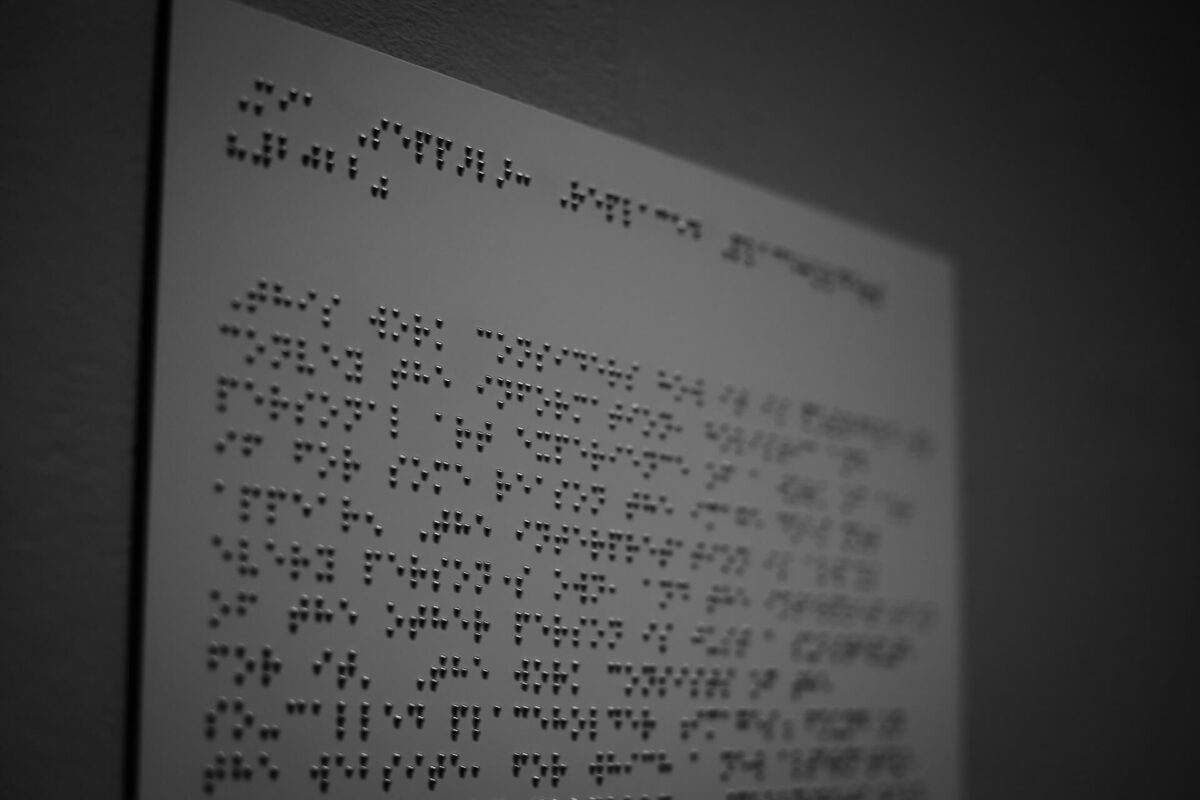
Louis Braille was blinded at the age of three in an accident in his father’s leather workshop in France. At the Royal Institute for Blind Youth in Paris, he learned about a system of raised dots developed by army officer Charles Barbier for soldiers to read messages in the dark.
Braille simplified it into a code based on cells of six dots, which could be read with a single fingertip. He published his system in 1829, when he was still in his early 20s, having developed its core at just 15.
It was officially adopted in France two years after his death in 1852.
Morse Code

Samuel Morse was a successful portrait painter before he turned to electrical communication. According to a well-known story, he began working on the telegraph after learning of his wife’s death too late to reach her before the funeral.
With his partner Alfred Vail and others, he developed a telegraph system and a code using short and long signals to represent letters. On May 24, 1844, Morse sent the message What hath God wrought from Washington to Baltimore.
Morse code is still used by amateur radio operators and remains recognized as an emergency signal.
Bunsen Burner
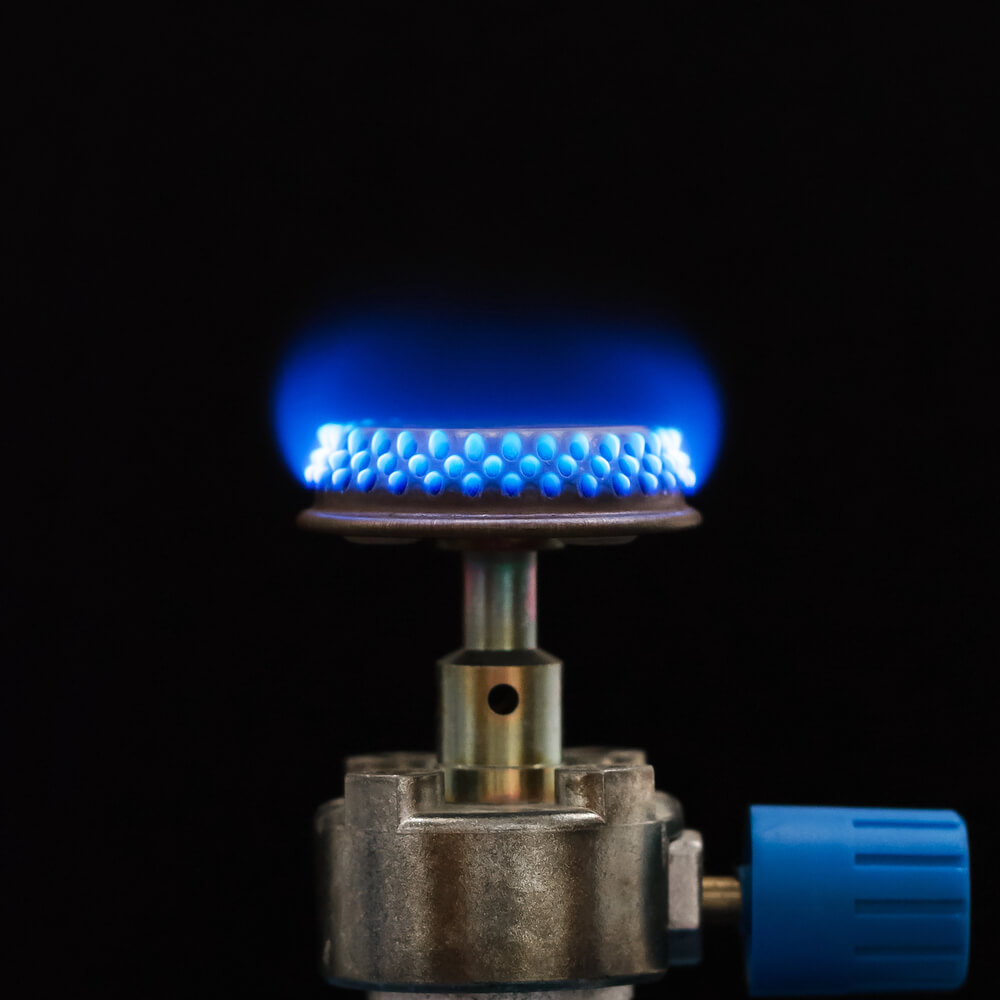
German chemist Robert Bunsen worked with instrument maker Peter Desaga at the University of Heidelberg in 1855 to develop a gas burner that produced a hot, clean, nearly invisible flame. Adjusting a collar at the base controlled how much air mixed with the gas.
Earlier burners, including one associated with Michael Faraday, had produced sooty, flickering flames. The clean flame was especially useful for Bunsen’s work with Gustav Kirchhoff analyzing the colors of burning chemicals, which led to the discovery of the elements cesium and rubidium.
School science classes still use his design.
Petri Dish

Julius Richard Petri was a German bacteriologist working as an assistant to the famous microbiologist Robert Koch in Berlin. In 1887, he described a shallow glass dish with a slightly larger lid, which allowed scientists to grow bacteria on a gel surface while protecting it from contamination.
Earlier methods had used flat glass plates covered with bell jars, which were awkward to handle. The simple design proved so useful that it quickly became standard in laboratories worldwide.
Today billions of plastic Petri dishes are used in medical and scientific research every year.
Tupperware
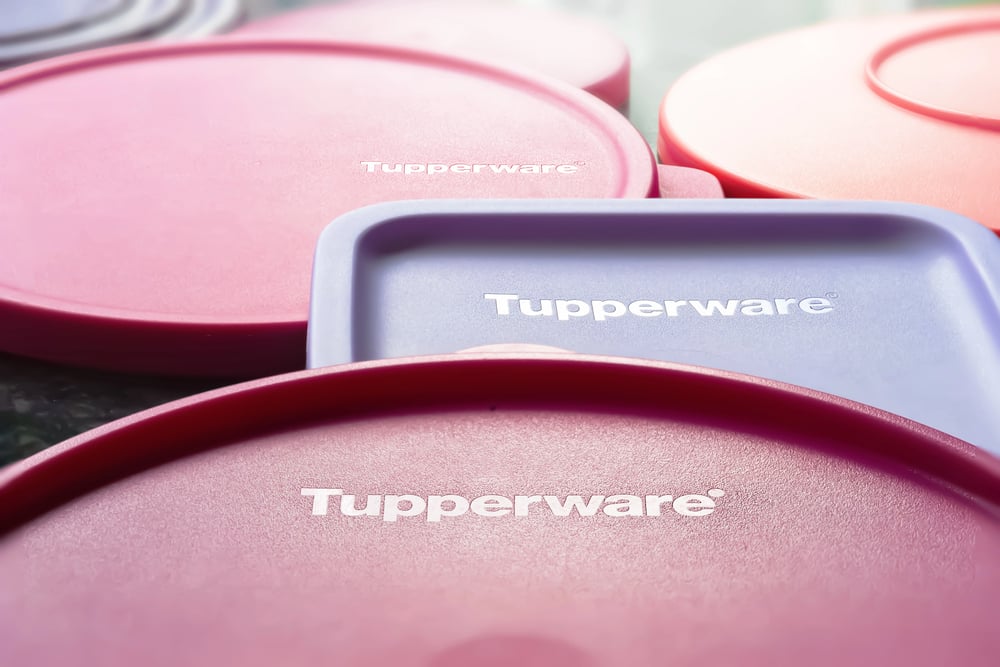
Earl Tupper was a New Hampshire inventor who worked for a DuPont division before founding his own company. In the 1940s, he developed containers made from a refined polyethylene with an airtight seal inspired by the lids of paint cans.
The containers did not sell well in stores because shoppers did not understand how to use the seal. The breakthrough came when a saleswoman named Brownie Wise began selling them through home parties, where hosts could demonstrate the product.
Tupper sold the company in 1958, and the parties became a lasting symbol of postwar suburban life.
Frisbee
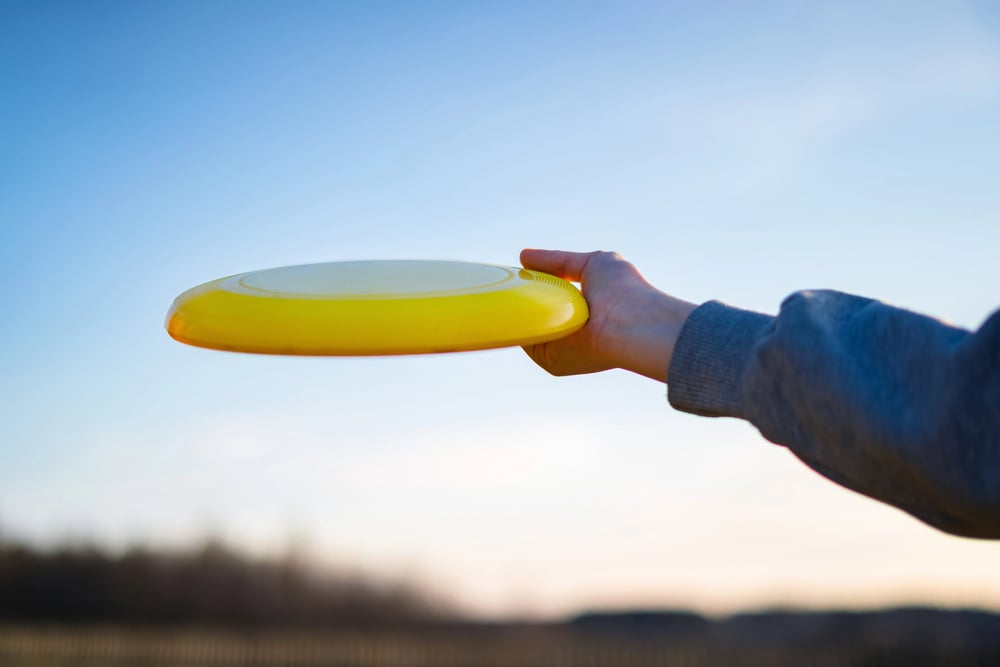
The Frisbie Pie Company of Bridgeport, Connecticut, was founded by William Russell Frisbie in the 1870s, and its pies came in thin metal tins embossed with the family name. College students in New England reportedly discovered that empty tins could be tossed and caught, shouting the company name as a warning. In the 1950s, Walter Frederick Morrison designed a plastic flying disc sold by Wham-O as the Pluto Platter.
Wham-O renamed it the Frisbee in 1958, slightly altering the spelling. The bakery closed in 1958 as well, but the flying disc it inspired became a global pastime.
Levi’s Jeans
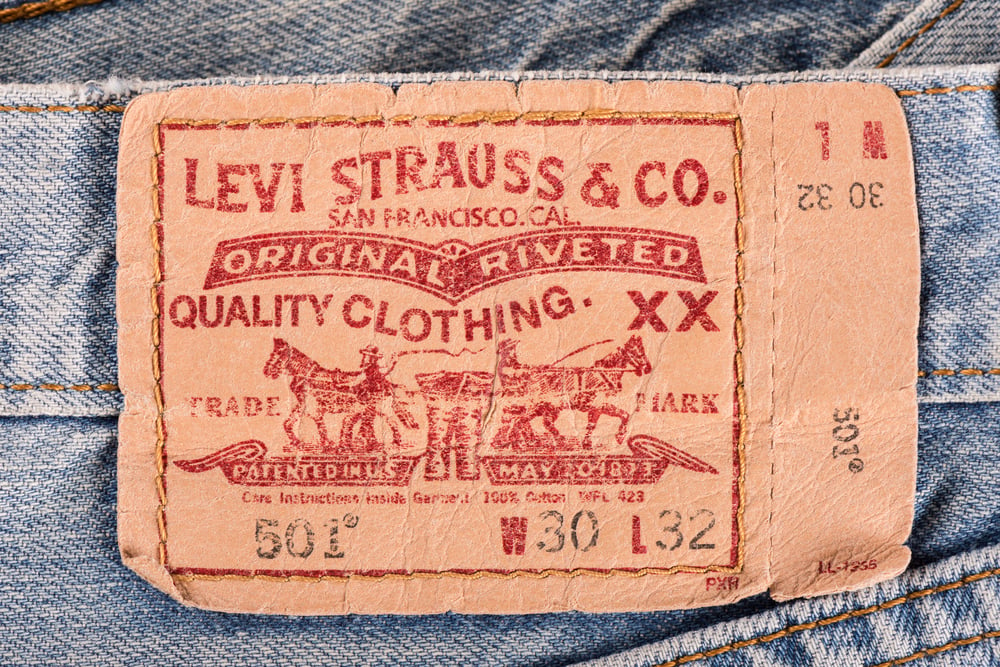
Levi Strauss was a Bavarian-born merchant who ran a dry goods business in San Francisco during the gold rush era. One of his customers, a Nevada tailor named Jacob Davis, began reinforcing work pants with copper rivets at points of strain, such as pocket corners.
Davis could not afford a patent, so he partnered with Strauss, and they received one on May 20, 1873. The riveted denim trousers were originally called waist overalls and were sold to miners and laborers.
The word jeans became common much later, and the Levi’s name became synonymous with the style.
Tarmac

Scottish engineer John Loudon McAdam developed a road-building method in the early 1800s using layers of small, carefully sized stones compacted into a hard surface, which became known as macadam. In 1902, Edgar Purnell Hooley, a county surveyor in Derbyshire, noticed a patch of road near an ironworks that was unusually smooth and dust-free.
A barrel of tar had fallen and spilled, and someone had covered it with slag from the furnace. Hooley patented a mix of tar and slag, and the product was named tarmac.
The word is now widely used for any paved surface, including airport runways.
Mackintosh Raincoat

Charles Macintosh was a Scottish chemist who patented a waterproof fabric in 1823 by sandwiching a layer of rubber dissolved in naphtha between two pieces of cloth. The fabric was used to make coats, but early versions became stiff in cold weather and sticky in heat, and they had an unpleasant smell.
Improvements in rubber processing later solved many of these problems. The coats became known as mackintoshes, with an extra k added over time, and the nickname mac is still common in Britain.
The Mackintosh company still produces rubberized coats in Scotland.
Wellington Boots
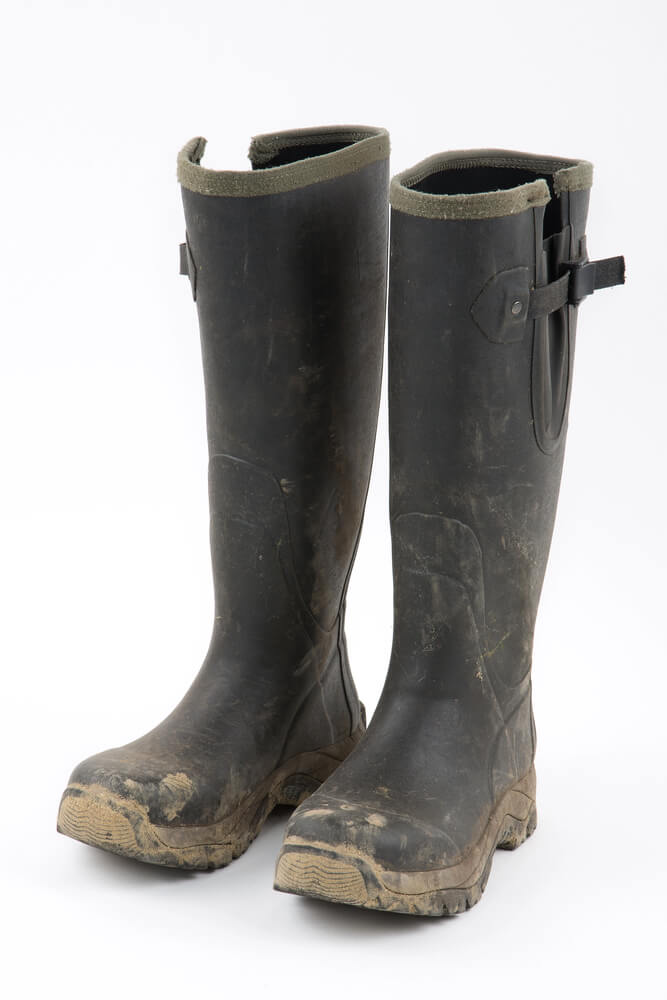
Arthur Wellesley, the first Duke of Wellington, asked his London shoemaker in the early 1800s to modify the popular Hessian boot into a simpler, closer-fitting style that could be worn both in battle and for evening dress. The boots were made of calfskin, and the fashion spread among British gentlemen after the duke’s victory at Waterloo in 1815.
Rubber versions became common after vulcanized rubber was developed in the mid-1800s. Wellington boots were produced in enormous quantities for soldiers in the First World War. In Britain they are still simply called wellies.
Biro
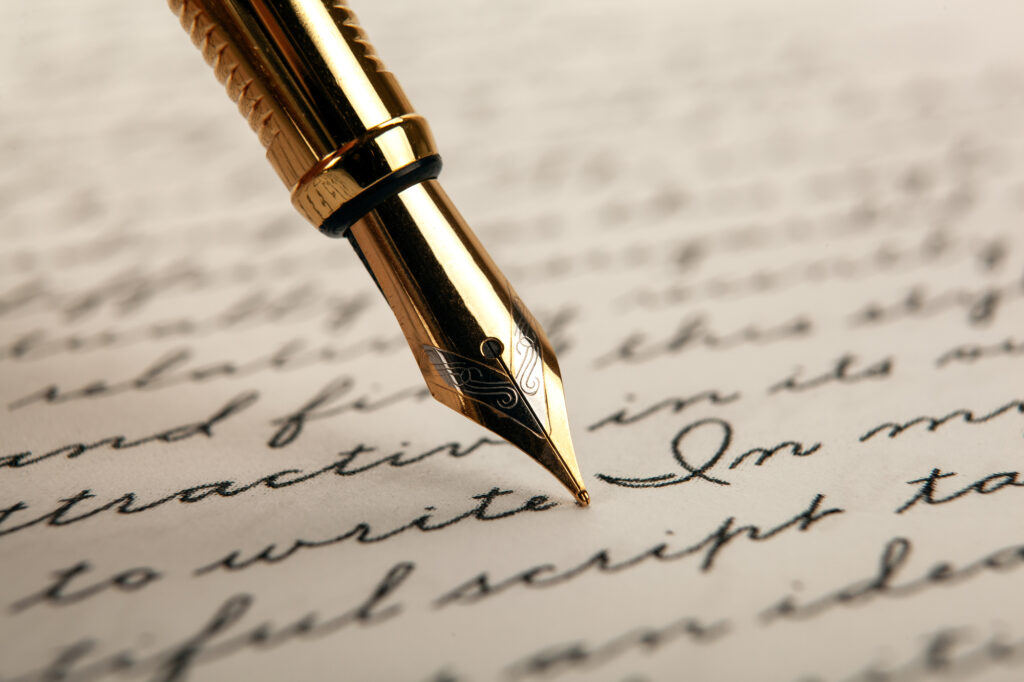
Laszlo Biro was a Hungarian journalist who noticed that newspaper ink dried quickly and did not smudge, unlike fountain pen ink. The thick ink would not flow through an ordinary nib, so Biro and his brother Gyorgy, a chemist, designed a pen with a tiny rotating metal sphere at its tip that picked up ink from a reservoir and rolled it onto paper.
They patented the design in 1938 and later fled to Argentina, where they refined it. The British government bought the rights for use by the Royal Air Force.
In Britain and elsewhere, a cheap disposable pen is still called a biro.
Hoover
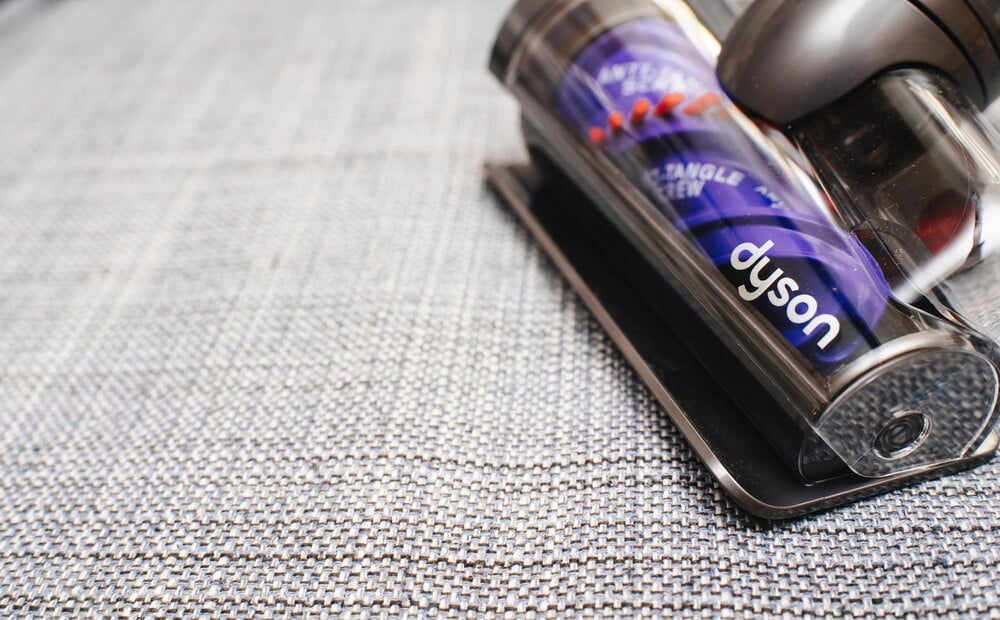
James Murray Spangler was a janitor at a department store in Canton, Ohio, who suffered from asthma that he believed was aggravated by the dust stirred up by his carpet sweeper. In 1907, he built a portable electric suction sweeper from a fan motor, a broom handle and a pillowcase to collect the dust.
He patented it in 1908 and sold the rights to William Henry Hoover, a leather goods maker whose wife was Spangler’s cousin. Hoover’s company marketed the machine so successfully that in Britain, to hoover still means to vacuum, regardless of the brand.
Nachos
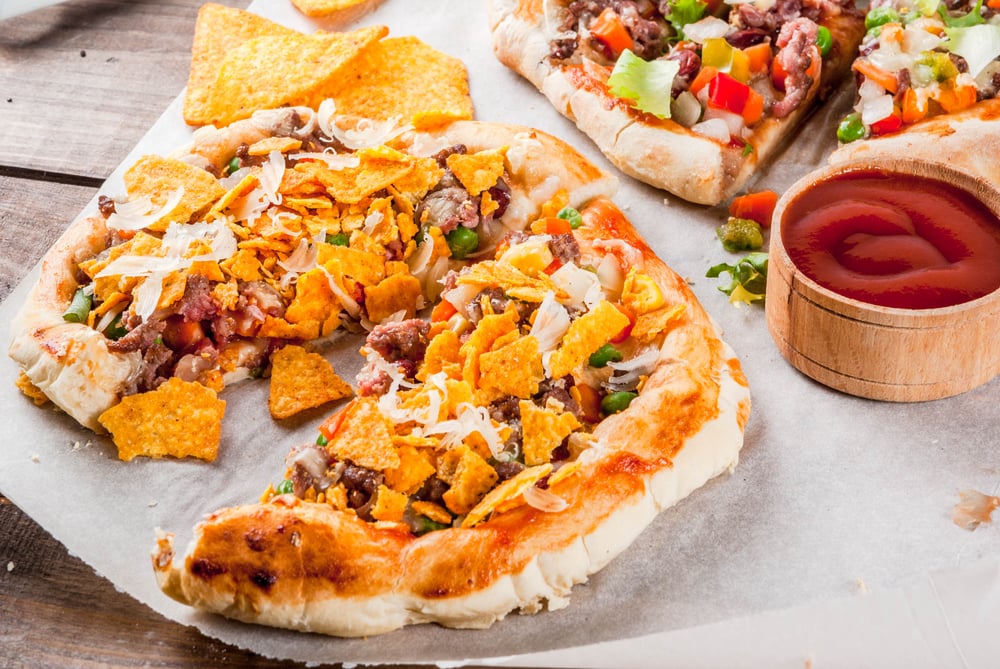
In 1943, a group of military wives from Fort Duncan in Eagle Pass, Texas, crossed the border to Piedras Negras, Mexico, and arrived at the Victory Club restaurant after the kitchen had closed. The maitre d’, Ignacio Anaya, known as Nacho, improvised a snack from fried tortilla pieces topped with cheese and sliced jalapenos, then heated it.
The dish became known as Nacho’s specials and later simply nachos. It spread across Texas and then the United States. Piedras Negras now holds an annual nacho festival, and International Day of the Nacho is marked on October 21, reportedly chosen for Anaya’s birthday.
Caesar Salad

Caesar Cardini was an Italian immigrant who ran a restaurant in Tijuana, Mexico, popular with Americans avoiding Prohibition. According to his daughter Rosa, he invented the salad on July 4, 1924, when the kitchen was running low on supplies during a holiday rush.
He combined romaine lettuce, croutons, Parmesan cheese, lemon juice, olive oil, egg and Worcestershire sauce, tossing it at the table for dramatic effect. His brother Alex is sometimes credited with adding anchovies.
The salad became fashionable in Hollywood and is now served around the world, often with ingredients Cardini never used.
Rubik’s Cube

Erno Rubik was a Hungarian architecture professor who created the first working prototype of his cube in 1974 as a teaching tool to help students understand three-dimensional movement. After scrambling it for the first time, he reportedly took about a month to solve it himself.
The puzzle was sold in Hungary as the Magic Cube before being licensed internationally and renamed Rubik’s Cube in 1980. It became one of the best-selling toys in history, with hundreds of millions sold.
Today, competitive speedcubers can solve it in only a few seconds.
Zamboni
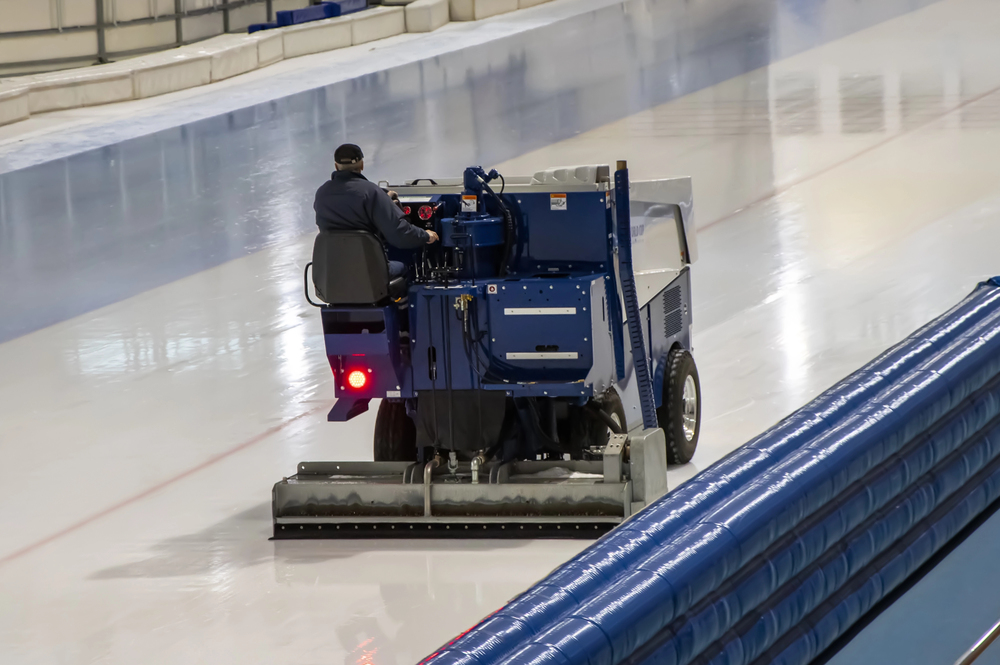
Frank Zamboni ran an ice rink in Paramount, California, and was frustrated by how long it took workers to resurface the ice by hand, scraping, washing and flooding it between sessions. After years of experiments, he built a machine in 1949 that could do the job in a single pass, driving slowly across the rink while scraping and laying down a thin layer of fresh water.
The first successful model was built on a surplus military jeep chassis. Figure skater Sonja Henie ordered machines for her touring shows, spreading the invention, and the name is now almost universal on rinks.
Mason Jar

John Landis Mason, a tinsmith from Philadelphia, patented a glass jar with a threaded neck and a screw-on metal lid on November 30, 1858. The design created an airtight seal that made home canning much safer and easier than earlier methods, which relied on wax seals.
Mason did not profit much from his invention because his patent expired in 1879 and many companies began producing similar jars. He died in poverty in 1902.
His name remains stamped on countless jars, and the date of his patent is embossed on many antique examples sold at estate sales.
Fahrenheit Scale
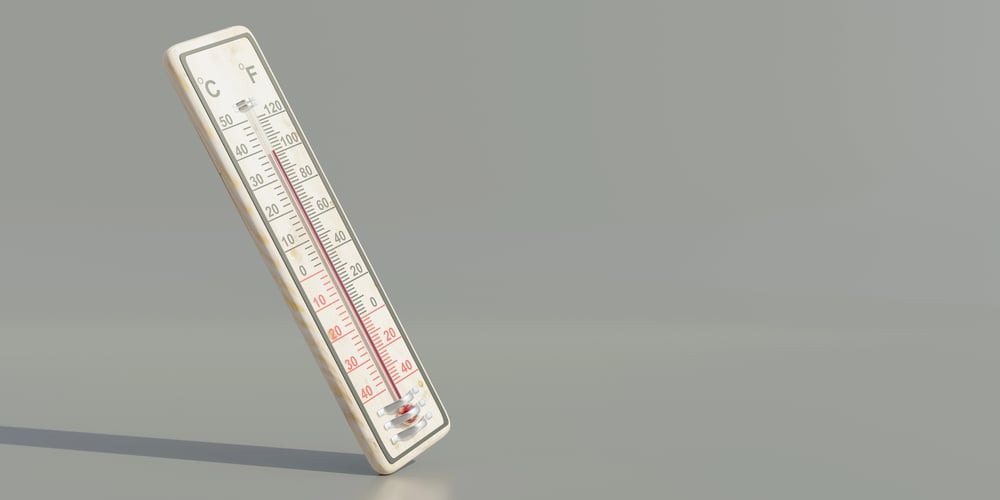
Daniel Gabriel Fahrenheit was a physicist and instrument maker born in Danzig who spent most of his working life in the Netherlands. He built reliable mercury thermometers in the early 1700s and proposed his temperature scale in 1724. He set zero at the coldest temperature he could achieve with a mixture of ice, water and salt, and used human body temperature as a reference point near the top.
On his scale, water freezes at 32 degrees and boils at 212. Most countries later switched to Celsius, but the United States still uses Fahrenheit for everyday temperatures.
Pasteurization

Louis Pasteur was a French chemist whose work helped prove that microorganisms cause fermentation and disease. In the 1860s, he found that heating wine to a moderate temperature for a short time killed the microbes that caused it to spoil, without ruining the taste.
The process was later applied to milk, where it dramatically reduced the spread of diseases such as tuberculosis. Pasteur also developed vaccines for anthrax and rabies.
The word pasteurization now appears on cartons of milk and juice around the world, a daily reminder of a scientist most people rarely think about.
Surnames Hiding in Plain Words

Most people who order nachos, pull on a cardigan or grab a biro never think about the person behind the word. That is the strange form of fame these inventors achieved.
Their names survived precisely because they stopped sounding like names. Many of them saw little money from their creations, and some died poor or forgotten.
Yet their surnames now turn up in kitchens, laboratories, closets and ice rinks every day. It is an odd kind of legacy, and perhaps a more durable one than any monument.
More from Go2Tutors!

- The Romanov Crown Jewels and Their Tragic Fate
- 13 Historical Mysteries That Science Still Can’t Solve
- Famous Hoaxes That Fooled the World for Years
- 15 Child Stars with Tragic Adult Lives
- 16 Famous Jewelry Pieces in History
Like Go2Tutors’s content? Follow us on MSN.