15 Cereals That Changed Their Recipes
Breakfast cereal has been a morning staple for generations, with familiar boxes lining grocery store shelves and comforting flavors filling countless kitchen tables. But beneath those nostalgic brand names lies a surprising truth—many beloved cereals have quietly altered their recipes over the years, sometimes dramatically changing the taste that made them famous.
From health-conscious reformulations to cost-cutting measures, cereal companies have tweaked ingredients, reduced sugar content, and modified flavors in ways that have left longtime fans either celebrating or mourning their childhood favorites. Here’s a list of 15 cereals that changed their recipes and how those modifications affected the breakfast landscape.
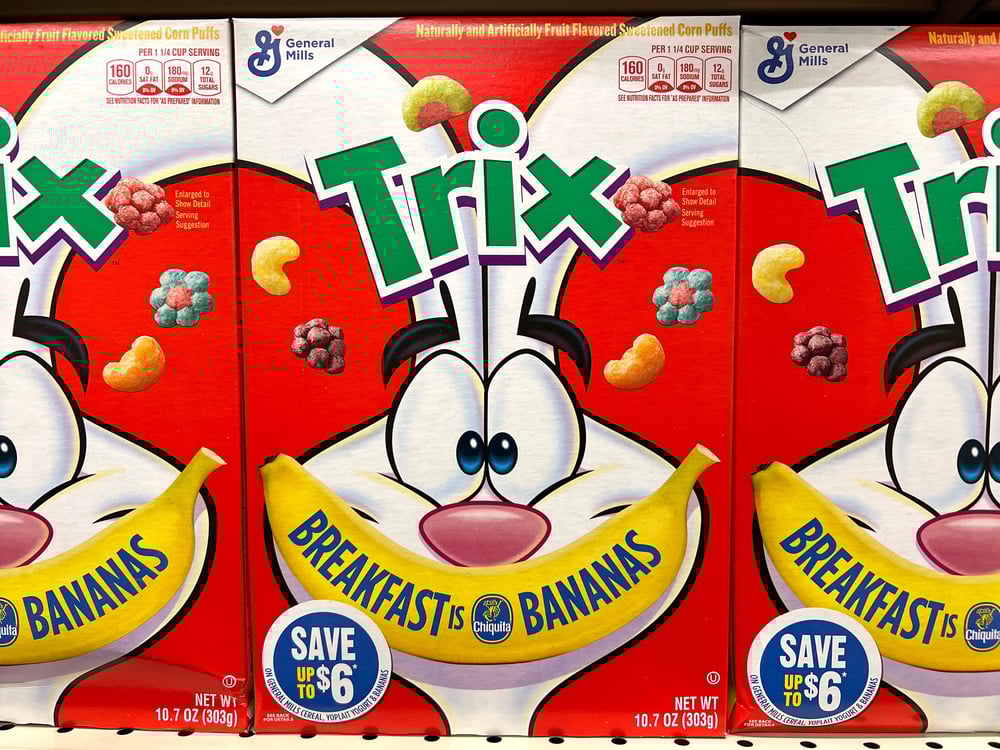
Trix (Color and Shape Changes)
— Photo by Sheilaf2002
General Mills transformed Trix from its original fruit-flavored spheres into colorful shapes like oranges, lemons, and grapes in 1991, though they reverted to the classic round format in 2018. The company also removed artificial colors in 2015, replacing them with natural alternatives that created more muted hues. Long-time fans noticed the flavor became less vibrant and intense, leading to widespread complaints that prompted the eventual return to synthetic coloring in 2019.
Honey Nut Cheerios (Reduced Sugar)
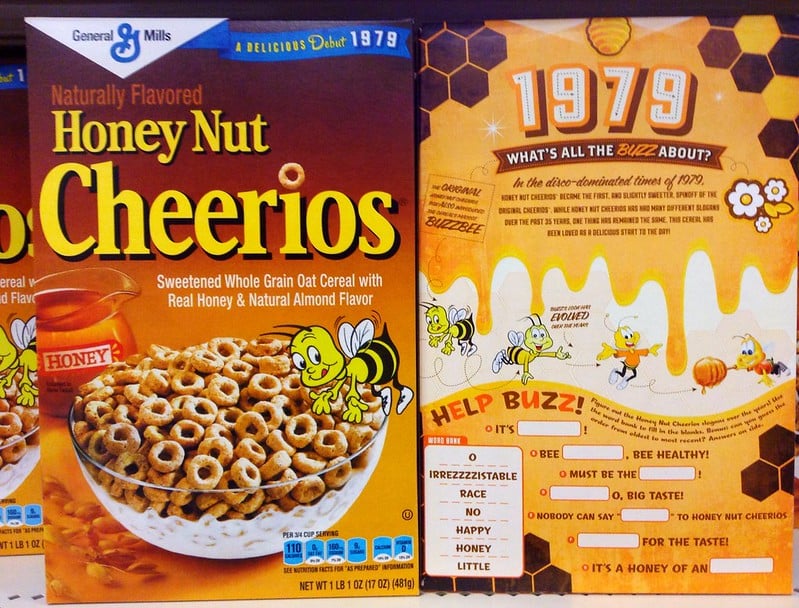
General Mills gradually reduced the sugar content in Honey Nut Cheerios by about 25% between 2007 and 2014, responding to growing health concerns about childhood obesity. The company also modified the honey flavoring and almond essence to maintain sweetness despite the lower sugar levels. Many consumers detected the subtle change, with some appreciating the less cloying taste while others missed the original’s distinctive sweetness.
Lucky Charms (Marshmallow Evolution)
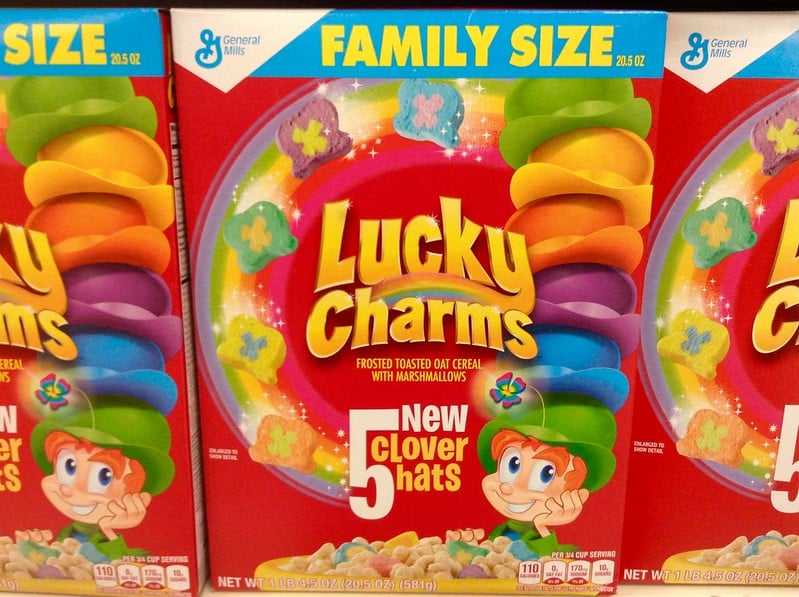
The marshmallow pieces in Lucky Charms have undergone constant evolution since the cereal’s 1964 debut, with new shapes regularly replacing older ones. General Mills has introduced everything from shooting stars to unicorns while retiring classic shapes like the yellow moon and orange star. These changes often generate passionate responses from fans who feel emotionally connected to specific marshmallow varieties from their childhood.
Cinnamon Toast Crunch (Recipe Modification)
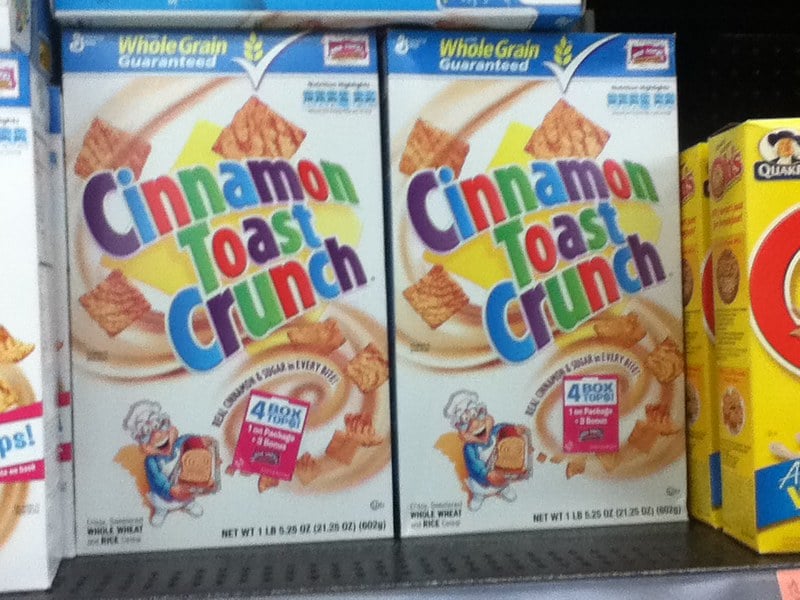
General Mills altered the Cinnamon Toast Crunch recipe in 2013 to reduce sodium content and modify the cinnamon blend, though the company didn’t widely publicize these changes. The modification also affected the texture slightly, making the squares less prone to becoming soggy in milk. Some longtime fans noticed that the cinnamon flavor became more subtle and the overall taste less intense than the original formulation.
Frosted Flakes (Sugar Reduction)

Kellogg’s reduced the sugar content in Frosted Flakes by approximately 15% in 2015 as part of their commitment to improving nutritional profiles across their cereal lineup. The company compensated by adjusting the frosting formula and vanilla flavoring to maintain the characteristic sweetness that made Tony the Tiger famous. The change was gradual enough that many consumers didn’t immediately notice, though cereal enthusiasts detected the less aggressive sweetness.
Apple Jacks (Flavor Reformulation)
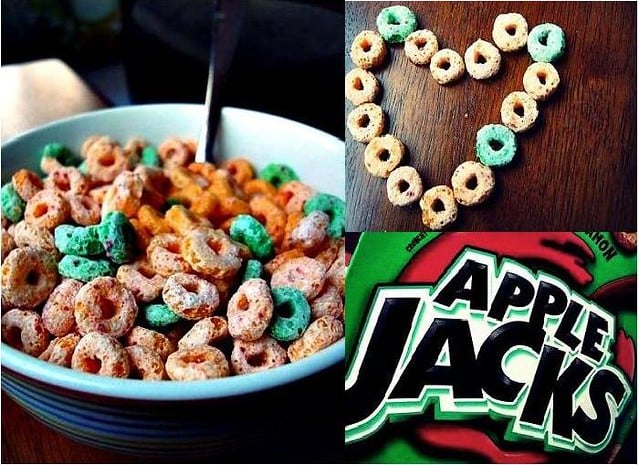
Kellogg’s significantly modified Apple Jacks in 2012, changing both the apple and cinnamon flavoring while also adjusting the cereal’s texture and color intensity. The reformulation aimed to create a more authentic apple taste, though many fans felt the new version lacked the artificial but beloved flavor profile of the original. The change generated enough consumer complaints that some grocery stores reported decreased sales in certain regions.
Froot Loops (Natural Colors)
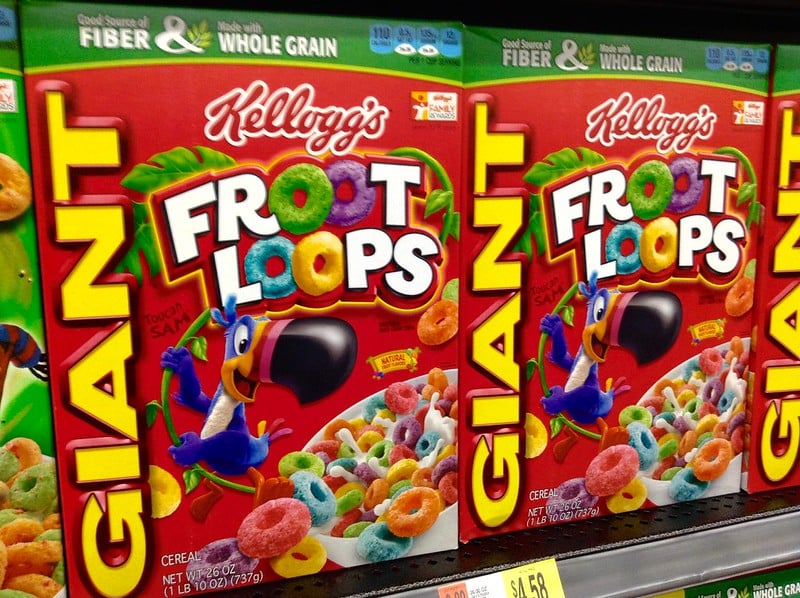
Kellogg’s removed artificial colors from Froot Loops in 2015, replacing them with natural alternatives derived from fruits and vegetables like turmeric and purple carrot extract. The change resulted in noticeably duller colors and a slightly different taste profile, as natural colorings often carry their own subtle flavors. Consumer reaction was mixed, with health-conscious parents appreciating the change while kids often preferred the brighter, more vibrant original version.
Count Chocula (Seasonal Availability and Recipe)
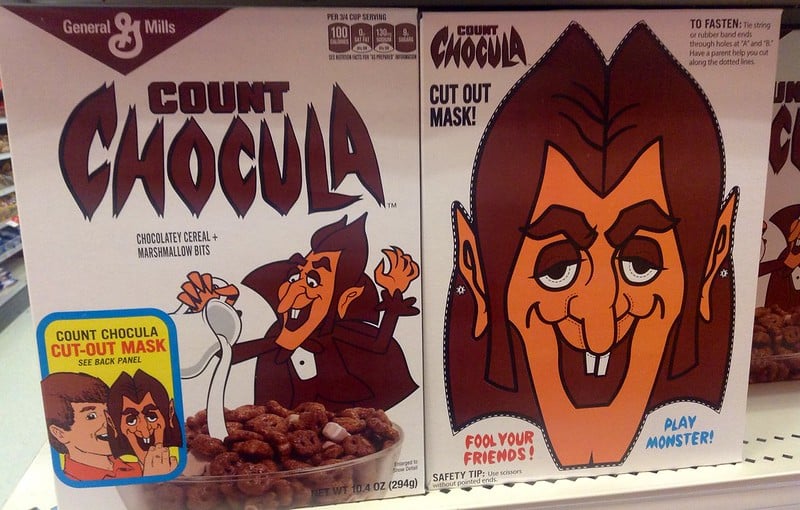
General Mills transformed Count Chocula from a year-round cereal to a seasonal Halloween offering in 2010, while also modifying the chocolate flavor and marshmallow formula. The company reduced artificial ingredients and altered the cocoa blend, creating a less intense chocolate taste than the original version. Fans of the classic recipe often stockpile boxes during the limited availability period, driving up demand and secondary market prices.
Cocoa Puffs (Chocolate Modification)
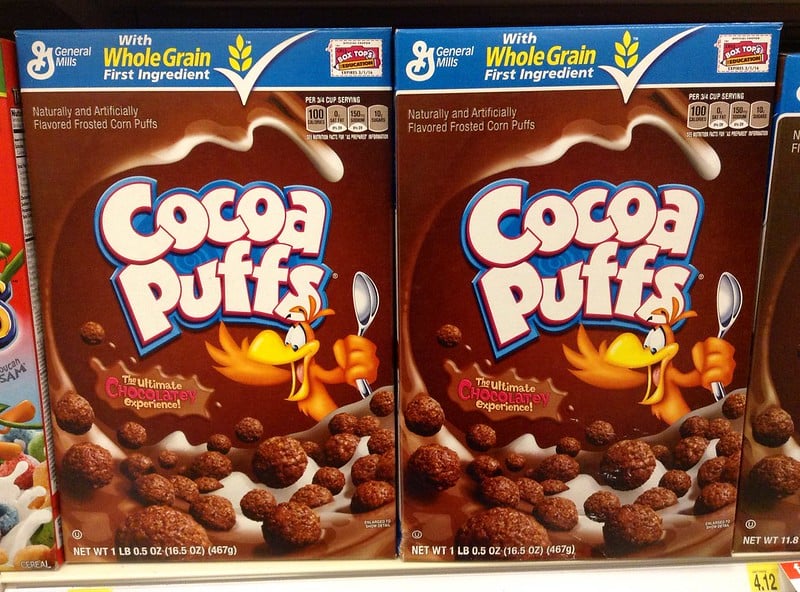
General Mills adjusted the chocolate flavoring in Cocoa Puffs in 2014, reducing artificial ingredients while trying to maintain the signature taste that makes kids “cuckoo.” The reformulation also affected how quickly the cereal flavors the milk, with the new version creating a less dramatic chocolate milk effect. Many parents noticed their children’s reactions to the cereal changed, though the company maintained that taste tests showed positive responses.
Cap’n Crunch (Texture Changes)
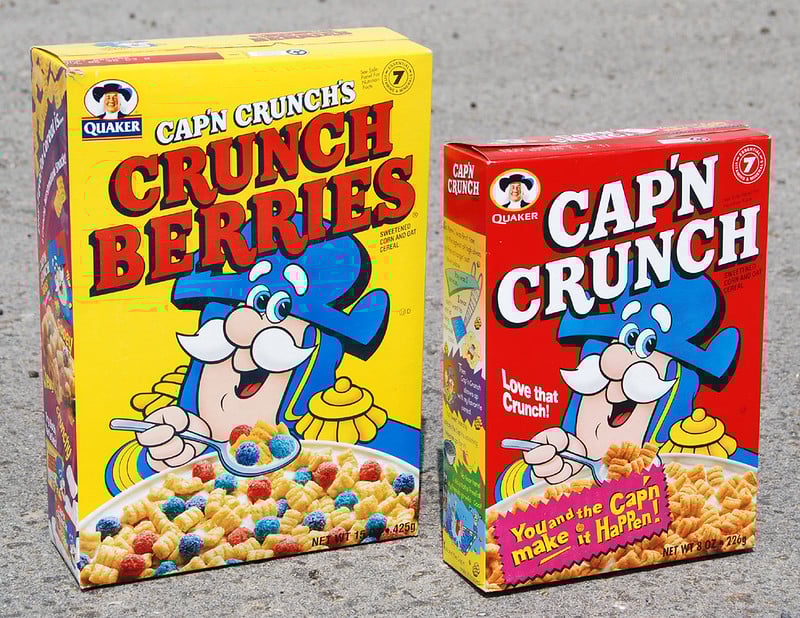
Quaker Oats modified the Cap’n Crunch recipe in 2013 to reduce the cereal’s notorious roof-of-mouth scraping tendency while maintaining its characteristic crunch. The change involved adjusting the corn and oat blend along with the baking process to create slightly softer edges. Longtime fans had mixed reactions, with some appreciating the less abrasive texture while others felt it diminished the cereal’s distinctive eating experience.
Rice Krispies (Vitamin Enhancement)
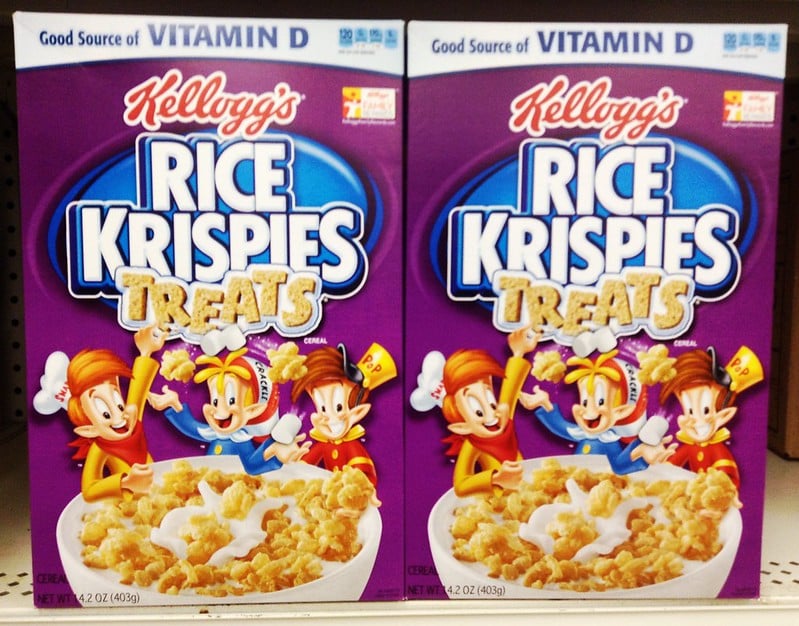
Kellogg’s enhanced Rice Krispies with additional vitamins and minerals in 2011 while also modifying the rice processing method to improve nutritional absorption. The changes subtly affected the texture and the intensity of the famous “snap, crackle, pop” sounds the cereal makes in milk. Some consumers noticed that the cereal became slightly less crispy and the sound effects became more muted than previous versions.
Honey Smacks (Sugar Reduction)
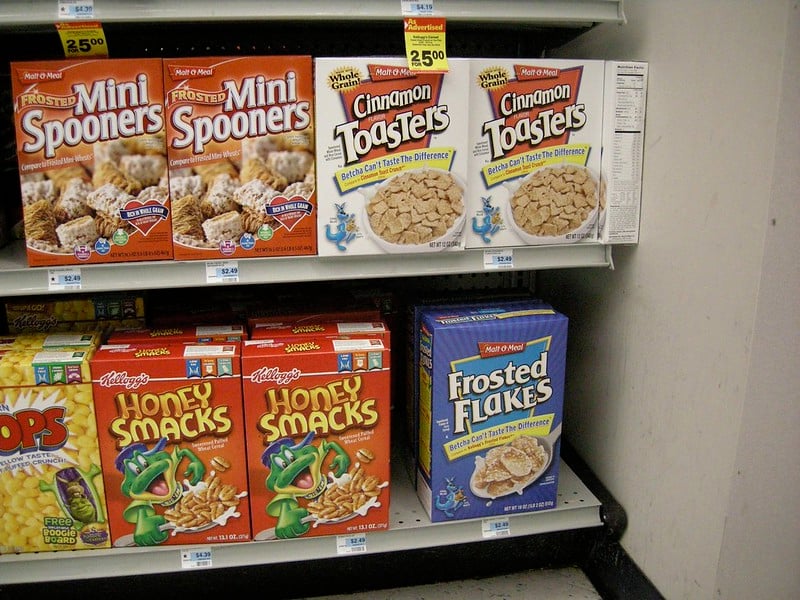
Kellogg’s dramatically reduced the sugar content in Honey Smacks by nearly 20% in 2016, making it one of the most significant reformulations in cereal history. The company adjusted the honey coating process and added natural flavoring to compensate for the reduced sweetness. The change was so noticeable that many stores experienced returns from customers who thought they had received a defective product.
Corn Flakes (Fortification Changes)
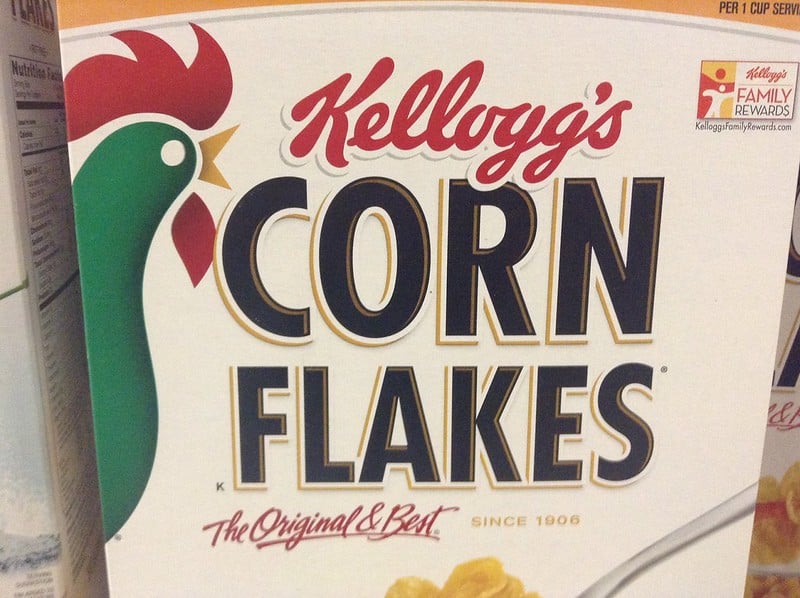
Kellogg’s has continuously modified Corn Flakes’ vitamin and mineral fortification since the 1990s, adding everything from folic acid to increased iron content. These nutritional enhancements sometimes affected the taste, with some versions developing a slightly metallic aftertaste that wasn’t present in earlier formulations. The company has worked to balance nutritional requirements with taste preservation, though some longtime consumers prefer imported versions with simpler ingredient lists.
Cheerios (Whole Grain Enhancement)
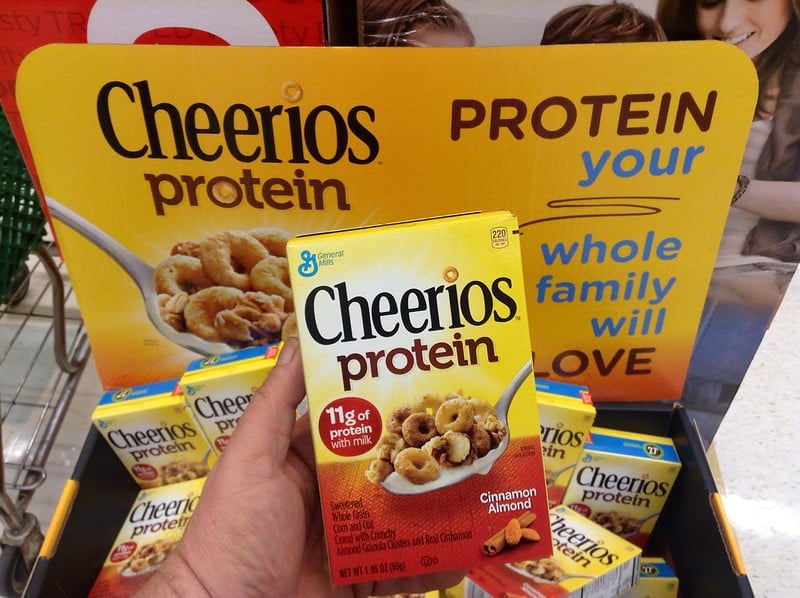
General Mills transitioned original Cheerios to 100% whole grain oats in 2014, modifying the milling and processing methods to maintain the cereal’s familiar texture and flavor. The change affected the cereal’s color slightly, making it appear more golden than the previous version. Most consumers adapted well to the modification, though some noticed a nuttier flavor profile that differed from their childhood memories.
Life Cereal (Cinnamon Addition)
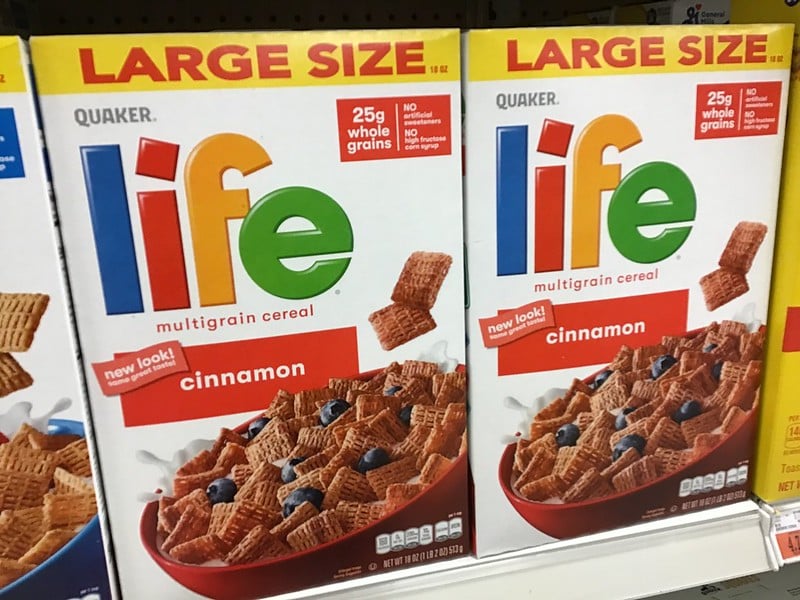
Quaker Oats added cinnamon flavoring to the original Life cereal recipe in certain markets during the 2000s before creating a separate Cinnamon Life variety. The original formulation was eventually restored, but the temporary change confused many consumers who couldn’t figure out why their regular Life cereal tasted different. This modification highlighted how even small recipe changes can significantly impact consumer perception and brand loyalty.
The Breakfast Evolution Continues
These recipe modifications reflect the ongoing tension between nostalgia and progress in the food industry, as companies attempt to balance consumer expectations with health regulations and changing dietary preferences. Modern cereal manufacturers face pressure from parents demanding healthier options while trying to maintain the taste profiles that create lifelong brand loyalty among children. The success or failure of these reformulations often depends on how well companies communicate changes to consumers and whether the modified products can create new positive associations while respecting the emotional connections people have with their breakfast memories.
More from Go2Tutors!

- 16 Historical Figures Who Were Nothing Like You Think
- 12 Things Sold in the 80s That Are Now Illegal
- 15 VHS Tapes That Could Be Worth Thousands
- 17 Historical “What Ifs” That Would Have Changed Everything
- 18 TV Shows That Vanished Without a Finale
Like Go2Tutors’s content? Follow us on M