14 Useless Car Features From the Past
Remember when cars had features that seemed innovative at the time but turned out to be completely pointless? Automotive history is filled with technologies and design elements that manufacturers pushed as revolutionary, only for them to fade into obscurity.
Here is a list of 14 car features from yesteryear that once seemed cutting-edge but ultimately proved to be utterly useless.
Hood Ornaments

Those shiny metal sculptures that adorned the front of luxury vehicles were once status symbols, proudly displaying brand identity while supposedly helping drivers align their vehicles. In reality, they were just theft magnets that created aerodynamic drag and posed safety hazards to pedestrians.
Modern pedestrian safety regulations have largely eliminated these decorative relics.
Automatic Seat Belts

The 1980s and early 1990s solution to people not buckling up was the motorized seat belt that would slide along a track when you closed the door. These contraptions frequently malfunctioned, pinched fingers, and left many drivers with the shoulder belt on but no lap belt protection.
The technology was abandoned once airbags became standard and laws requiring manual belt use proved more effective.
Like Go2Tutors’s content? Follow us on MSN.
Pop-up Headlights

While undeniably cool-looking, pop-up headlights were mechanical nightmares waiting to happen. They added unnecessary weight, created drag when deployed, and were prone to failure—often leaving drivers with one eye open and one closed.
Winter weather could freeze the mechanisms completely, and repair costs were exorbitant compared to fixed headlights.
Ashtrays in Every Door

Cars from the 1960s and 1970s often featured ashtrays in every door panel and sometimes the rear seat armrests too. These tiny receptacles collected more candy wrappers and pocket change than they ever did ashes, and they became magnets for grime and forgotten trash.
The space they occupied could have been better used for actual storage.
Voice Alert Systems
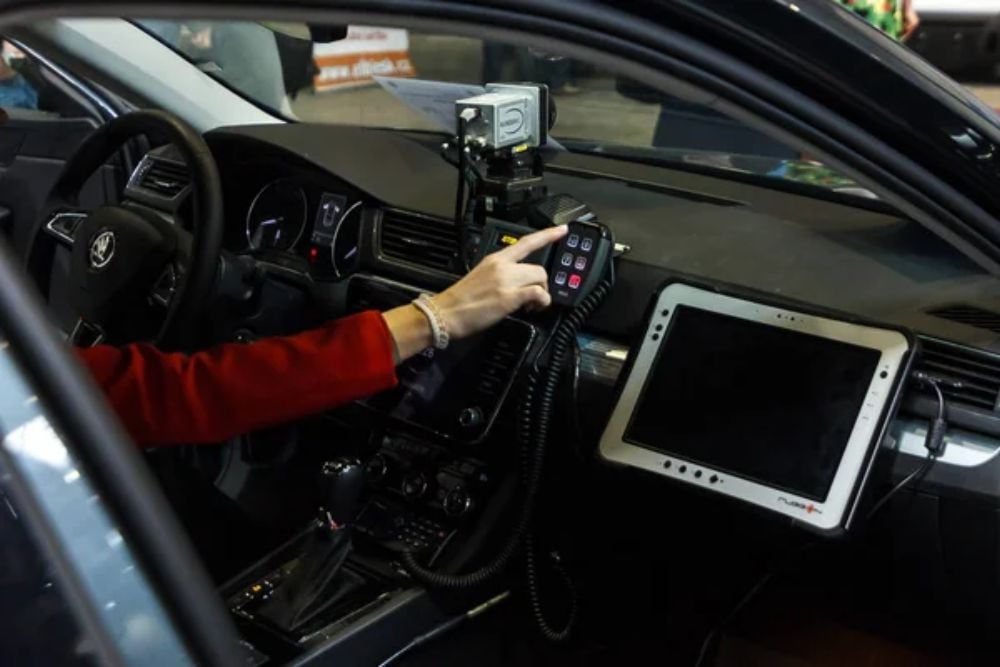
‘The door is ajar.’ ‘Your key is in the ignition.’ Early talking cars from the 1980s featured robotic voices that stated the obvious with all the charm of a digital flight attendant. These systems couldn’t be customized, frequently malfunctioned, and drove owners to disconnect them within weeks of purchase.
Modern subtle chimes and dashboard symbols communicate the same information without the annoying personality.
Like Go2Tutors’s content? Follow us on MSN.
Automatic Seatback Adjusters

Some luxury cars featured buttons that would supposedly find your perfect seating position based on your height and weight. The reality was a slow-moving seat that never quite got it right and left most drivers reaching for the manual controls anyway.
These overengineered solutions were just waiting to break and cost hundreds to repair.
Opera Windows
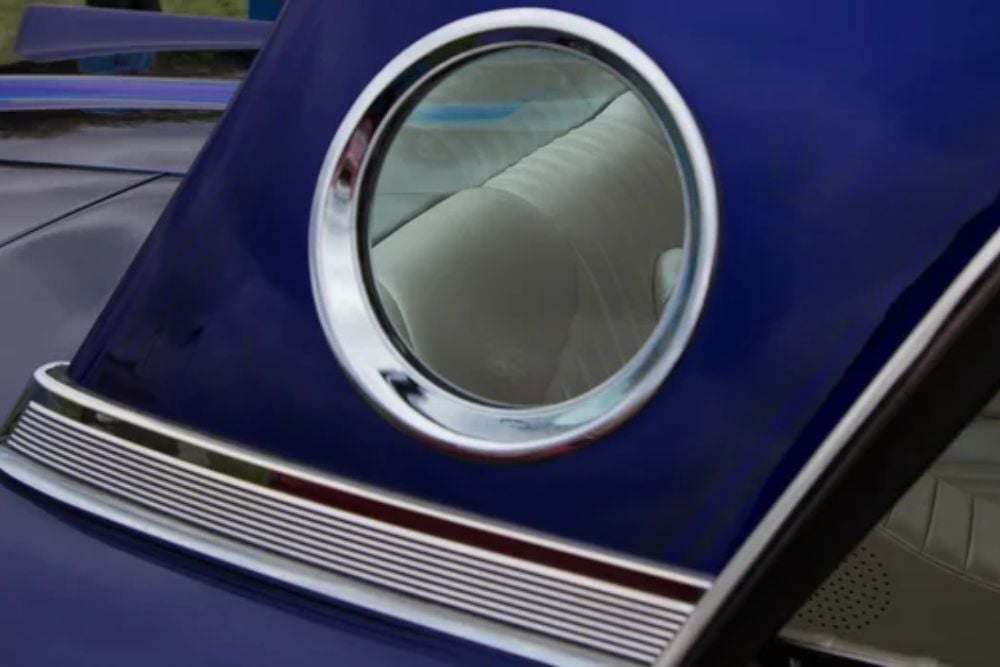
Those tiny fixed windows behind the rear passenger windows served absolutely no functional purpose. They didn’t open, provided minimal visibility, and were purely decorative relics from coach-built luxury cars of the 1920s.
During their 1970s revival, they added weight without function and created blind spots for drivers.
Adjustable Ride Height Buttons
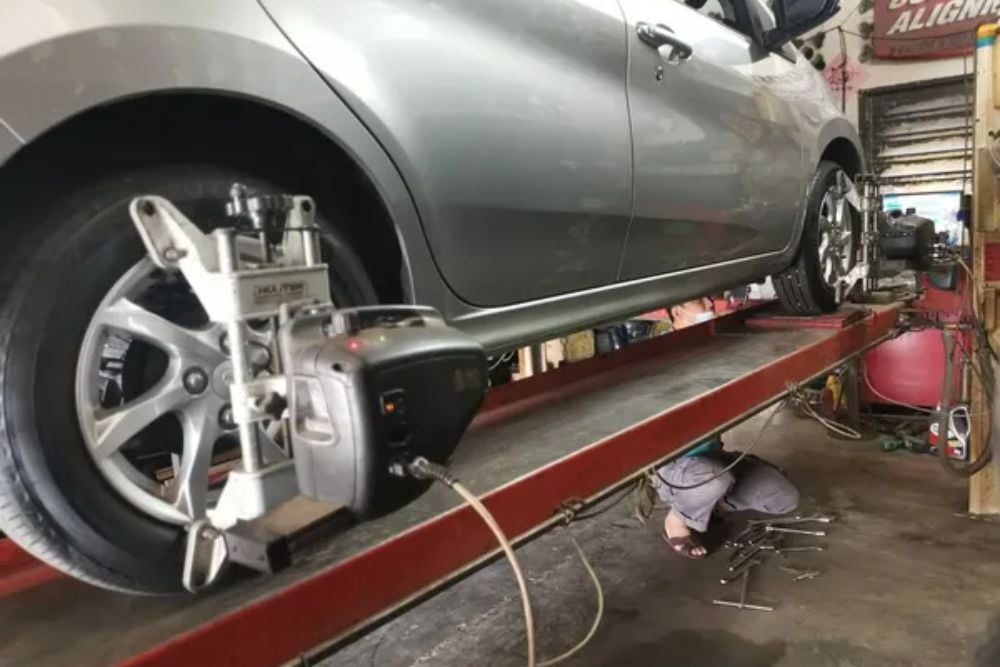
Before modern adaptive suspensions, some cars featured manual buttons to raise or lower the vehicle’s ride height. The systems were painfully slow, frequently broke down, and most owners never touched them after the novelty wore off.
Modern systems handle this automatically without driver intervention.
Like Go2Tutors’s content? Follow us on MSN.
Digital Dashboards
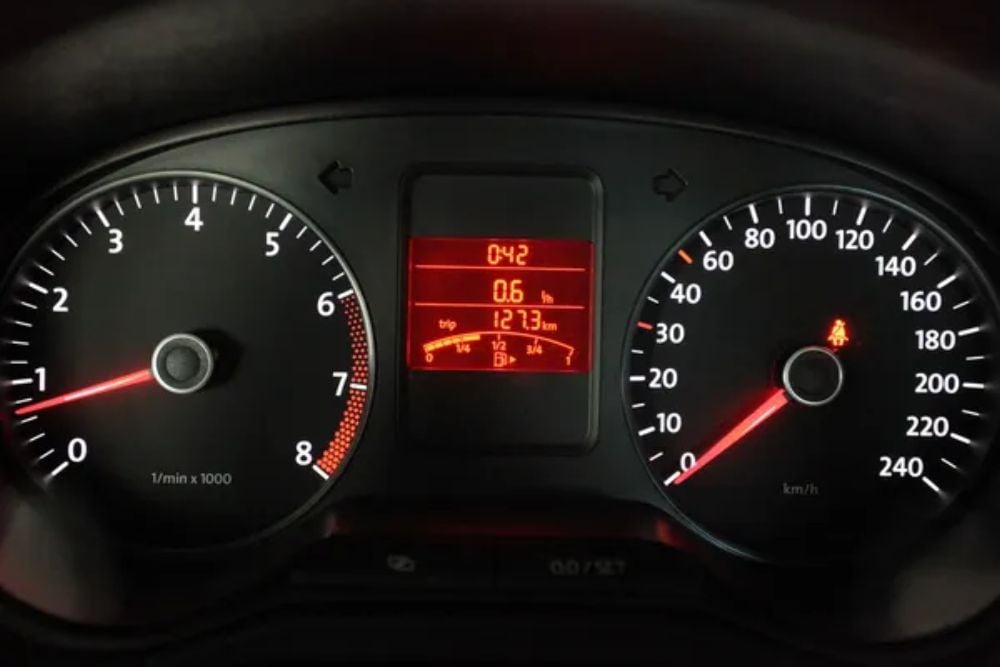
The 1980s digital revolution brought us displays that looked like calculator screens with blocky green or red numbers. They were nearly impossible to read in bright sunlight, couldn’t be seen with polarized sunglasses, and when one segment failed, entire numbers became unreadable.
Traditional analog gauges proved more reliable and easier to read at a glance.
Motorized Radio Antennas

These retractable power antennas were supposed to reduce drag and prevent theft, but they were perpetually jamming, getting stuck halfway, or burning out motors. Car washes became anxiety-inducing experiences as owners worried whether their antenna would survive the brushes.
Fixed antennas or modern hidden versions work just fine without the mechanical headaches.
Rear Window Louvers

Those horizontal slats placed over rear windows were marketed as sun blockers that would keep interiors cooler. In practice, they drastically reduced visibility, collected dirt in unreachable crevices, and added wind noise at highway speeds.
Modern window tinting accomplishes the same goal without the downsides.
Like Go2Tutors’s content? Follow us on MSN.
T-tops

These removable roof panels promised the joy of convertible driving without the structural compromises. The reality was panels that inevitably leaked, rattled constantly, and were too heavy and awkward to remove or store conveniently.
The seals deteriorated quickly, making rain the enemy of anyone with T-tops.
Automatic Shoulder Belts with Manual Lap Belts

This bizarre safety compromise featured motorized shoulder straps but required manually buckling the lap portion—which many drivers skipped entirely. The system created a dangerous false sense of security while providing inadequate protection in crashes.
The awkward design was a regulatory workaround that pleased nobody.
Vent Windows
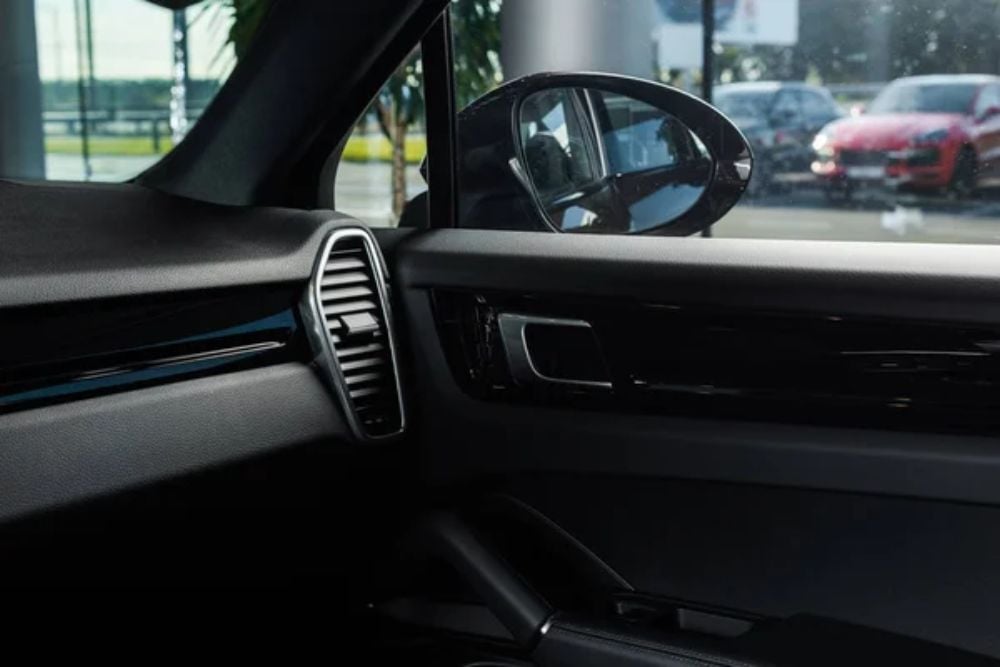
Those small triangular windows at the front of the door glass were intended for ventilation before air conditioning became standard. They created whistling noises at highway speeds, leaked during heavy rain, and became prime targets for thieves who could manipulate them to unlock doors.
Modern climate control systems made these drafty triangles obsolete.
Like Go2Tutors’s content? Follow us on MSN.
Automotive Evolution

The history of automotive design is filled with these well-intentioned missteps—features that seemed innovative on paper but proved impractical in real-world use. Today’s cars have eliminated most of these useless additions, focusing instead on genuinely helpful technology that enhances comfort, safety, and efficiency.
As vehicles continue to evolve, we’ll undoubtedly look back at some of today’s ‘revolutionary’ features with the same bemused nostalgia.
More from Go2Tutors!

- 18 Unexpectedly Valuable Collectibles You Might Have Lying Around
- 15 Things Every Teenager in the ’70s Did That Teens Today Wouldn’t Understand
- 15 Strange Things People Have Tried to Ban (And Failed)
- 15 Inventions That Were Immediately Banned After Being Created
- 20 Actors Who Were Almost Cast in Iconic Roles
Like Go2Tutors’s content? Follow us on MSN.



