28 Government Experiments on Citizens That Were Kept Secret for Decades
The history books you read in school left out a few chapters. Between the redacted documents and the classified files sits a collection of government programs that sound more like dystopian fiction than historical fact.
These weren’t rogue operations run by maverick scientists in basement laboratories. Many were systematic, funded, and officially approved programs that treated citizens as test subjects without their knowledge or consent.
For decades, much of this remained buried under bureaucracy and national-security classification. Only through congressional investigations, whistleblower testimony, and Freedom of Information Act requests did the full scope come to light.
What emerged was a pattern of medical experimentation, chemical and radiological testing, and surveillance that spanned multiple decades and agencies. The entries below are drawn from the documented historical record; where the popular version of a story outruns the evidence, that’s noted.
MKUltra

The CIA’s notorious mind-control program ran from 1953 into the early 1970s and used citizens as unwitting test subjects. Researchers dosed people with LSD and other drugs, subjected some to sensory deprivation, and pursued methods of breaking down and reshaping human behavior.
The goal was to develop interrogation and behavior-control techniques in the anxious climate of the Cold War. Hospitals, universities, and prisons became testing grounds, often through front organizations and grants, so that many participating researchers had no idea the CIA was behind the funding.
CIA Director Richard Helms ordered most of the program’s files destroyed in 1973, which is why much of what’s known comes from a surviving cache of financial records and the 1977 Senate hearings that followed.
Tuskegee Syphilis Study
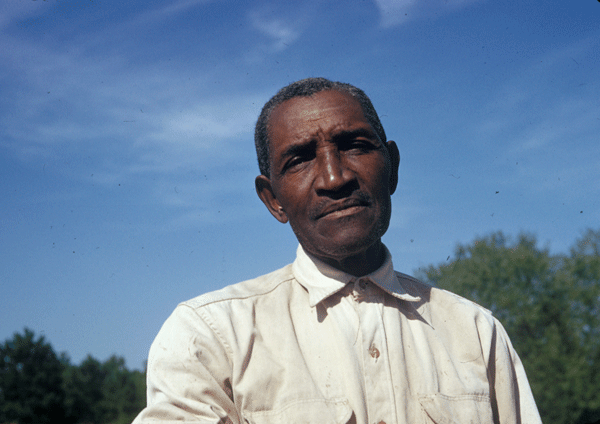
Starting in 1932, the U.S. Public Health Service enrolled hundreds of Black men in rural Alabama under the promise of free treatment for “bad blood.” In reality, the men had syphilis, and researchers wanted to observe the untreated progression of the disease.
Even after penicillin became the standard cure in the 1940s, the men were neither told their diagnosis nor offered the treatment. The study ran for 40 years, ending only after a whistleblower and press reporting exposed it in 1972.
Wives contracted the disease and children were born with congenital syphilis while government doctors collected data. The scandal led directly to landmark reforms in research ethics and informed consent, and to a formal presidential apology in 1997.
Operation Midnight Climax
This was an offshoot of MKUltra: CIA-run safehouses, set up as brothels, where unwitting men were dosed with LSD and observed through one-way mirrors. The operation ran through the late 1950s and into the 1960s, primarily in San Francisco and the New York area, as a way to study psychoactive drugs on people who had no idea they’d been drugged.
The setup was methodical—agents arranged the encounters, the apartments were rigged with recording equipment, and researchers documented the results. The subjects never consented and never knew.
The operation surfaced publicly through the 1970s investigations into CIA abuses, and its details remain among the most lurid in the declassified record.
Radiation Experiments on Prisoners
Between 1963 and 1971, researchers exposed the testicles of prisoners in Oregon and Washington to radiation to study its effects on fertility and sperm production. The inmates were paid and gave a form of consent, but they were not adequately informed of the risks, which included an elevated cancer danger; the studies were later sharply criticized for exploiting a captive population.
Prisoners made convenient subjects precisely because they were confined, often poor, and had little leverage. The consent they gave bore little resemblance to the true scope of the procedures.
These experiments were among the cases later examined by the 1990s Advisory Committee on Human Radiation Experiments.
Project SHAMROCK
From 1945 to 1975, the National Security Agency and its predecessors secretly obtained copies of millions of telegrams entering and leaving the United States, with the cooperation of the major telegraph companies. No warrants were sought and no meaningful legal oversight existed for three decades.
The program swept up the private communications of ordinary citizens along with its intended targets. It was exposed by the Church Committee investigations of the mid-1970s, which found it to be probably the largest governmental interception program affecting Americans ever undertaken, and it helped spur the surveillance-reform laws that followed.
The MKUltra Subprojects in Canada

Among MKUltra’s most infamous chapters were the “depatterning” experiments funded at McGill University in Montreal under psychiatrist Ewen Cameron through the late 1950s and into the 1960s. Patients who had come in for ordinary complaints like anxiety or depression were subjected to massive electroshock, drug-induced comas lasting weeks, and tape-recorded messages played on endless loop in an attempt to erase and rebuild their personalities.
Many patients emerged permanently damaged, with lasting memory loss and trauma. Because the CIA funded the work through a front foundation, neither the patients nor, fully, the institution understood whose interests the research served.
Survivors and their families spent decades pursuing acknowledgment and compensation, and the episode remains one of the darkest in the history of psychiatry.
Human Growth Hormone Experiments

For decades beginning in the 1960s, children with growth disorders were treated with human growth hormone extracted from the pituitary glands of cadavers, distributed in the U.S. through a federally supported program. At the time the risk was not understood, but the cadaver-derived hormone could carry the agent that causes Creutzfeldt-Jakob disease, a fatal degenerative brain condition.
A number of recipients later died of CJD, and the cadaver-derived hormone was withdrawn in 1985 once the connection became clear, replaced by a safe synthetic version. The tragedy is less a tale of deliberate cruelty than of a medical program that continued distributing a product whose catastrophic risk emerged only over time—but families were not meaningfully warned as suspicions grew.
Project ARTICHOKE

Before MKUltra, the CIA ran Project ARTICHOKE, launched in 1951. Its central, chilling question was whether interrogation combined with drugs and hypnosis could compel a person to act against their will—even, in the program’s own speculative framing, to commit acts they would normally refuse, and then not remember them.
The techniques combined drugs, hypnosis, and coercive interrogation, sometimes on vulnerable people who could not refuse. No reliable “Manchurian candidate” capability ever resulted, because none is known to be possible, but the willingness to pursue it on unwitting subjects became one of the defining abuses exposed by the 1975 Church Committee.
ARTICHOKE fed directly into the broader MKUltra effort that followed.
Willowbrook Hepatitis Study
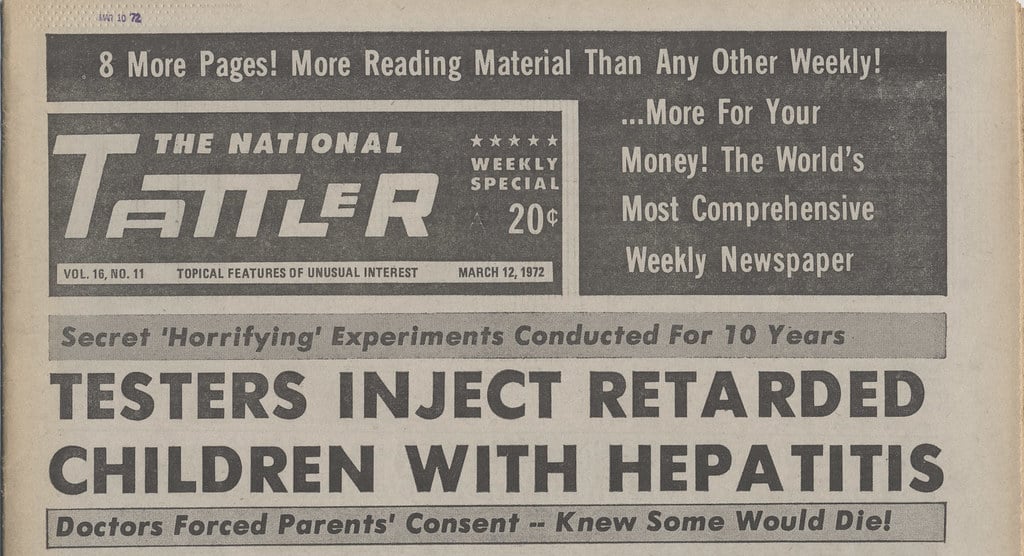
From the mid-1950s into the early 1970s, researchers at the Willowbrook State School on Staten Island deliberately infected intellectually disabled children with hepatitis to study the disease and test gamma globulin as a protective treatment. New admissions to the overcrowded institution were, in practice, steered toward the study, and infected material was administered to the children.
The justification offered was that hepatitis spread so rampantly in the squalid facility that most children would catch it anyway. Critics then and since have condemned this as a grotesque rationalization that substituted experimentation for the basic step of improving conditions.
Willowbrook became a landmark case in bioethics and a catalyst for reforming the use of institutionalized children in research.
Operation Sea-Spray and Urban Bacterial Tests
In 1950, the U.S. Navy sprayed a cloud of Serratia marcescens bacteria over the San Francisco Bay Area from a ship offshore, part of a broader effort to study how a biological attack might disperse over a city. The military believed the bacterium was harmless.
It was not entirely: a cluster of rare infections followed at a local hospital, and one patient, Edward Nevin, died. This was one of many open-air tests conducted over American cities and regions in the 1950s and 1960s, in which unsuspecting residents were used to model the spread of a biological weapon.
The programs became public through later congressional inquiry, and the Nevin family’s lawsuit, though ultimately unsuccessful, helped force the testing into the open.
Holmesburg Prison Experiments
From the 1950s into the 1970s, dermatologist Albert Kligman ran an extensive battery of tests on inmates at Philadelphia’s Holmesburg Prison, backed by funding from government agencies and pharmaceutical and cosmetic companies. Prisoners were exposed to a wide range of substances—experimental drugs, cosmetics, and, in some studies, dioxin and other chemical agents.
Inmates were paid small sums and were not meaningfully informed of the long-term risks; many suffered lasting skin and health damage. Kligman’s own later remarks about regarding the inmates as ideal, convenient research material have become infamous, and the program is now a textbook example of the exploitation of incarcerated people in medical research.
Green Run
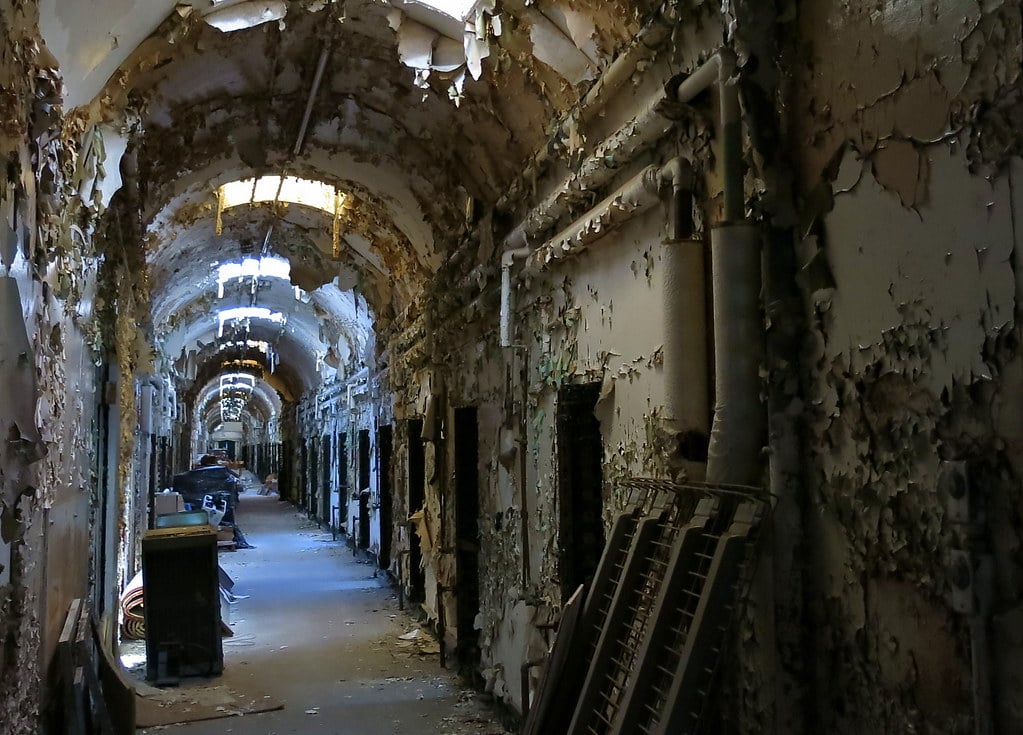
In December 1949, the government’s Hanford site in Washington State intentionally released a large plume of radioactive material, including iodine-131, into the atmosphere—an experiment apparently aimed at refining methods of detecting Soviet plutonium production. Nearby residents were not warned and were exposed to the fallout.
Iodine-131 concentrates in the thyroid, and children drinking milk from cows that grazed on contaminated pasture were especially at risk. The Green Run was one of numerous radiation releases and studies across the Cold War era that were only fully reckoned with decades later, including by the 1990s federal advisory committee on human radiation experiments.
CIA Drug Testing at the Lexington Narcotic Farm

The federal Addiction Research Center in Lexington, Kentucky, became a site for CIA-linked drug research in the 1950s. Incarcerated men being treated for addiction—many of them Black—were given experimental drugs including LSD, sometimes for extended periods, in exchange for drugs that fed their dependence.
The arrangement was deeply coercive: men in the grip of addiction were offered the very substances they craved as payment for serving as subjects. It is among the clearest examples of how Cold War research exploited the most vulnerable, and it surfaced as part of the broader exposure of CIA drug experimentation in the 1970s.
Project 112 and Project SHAD
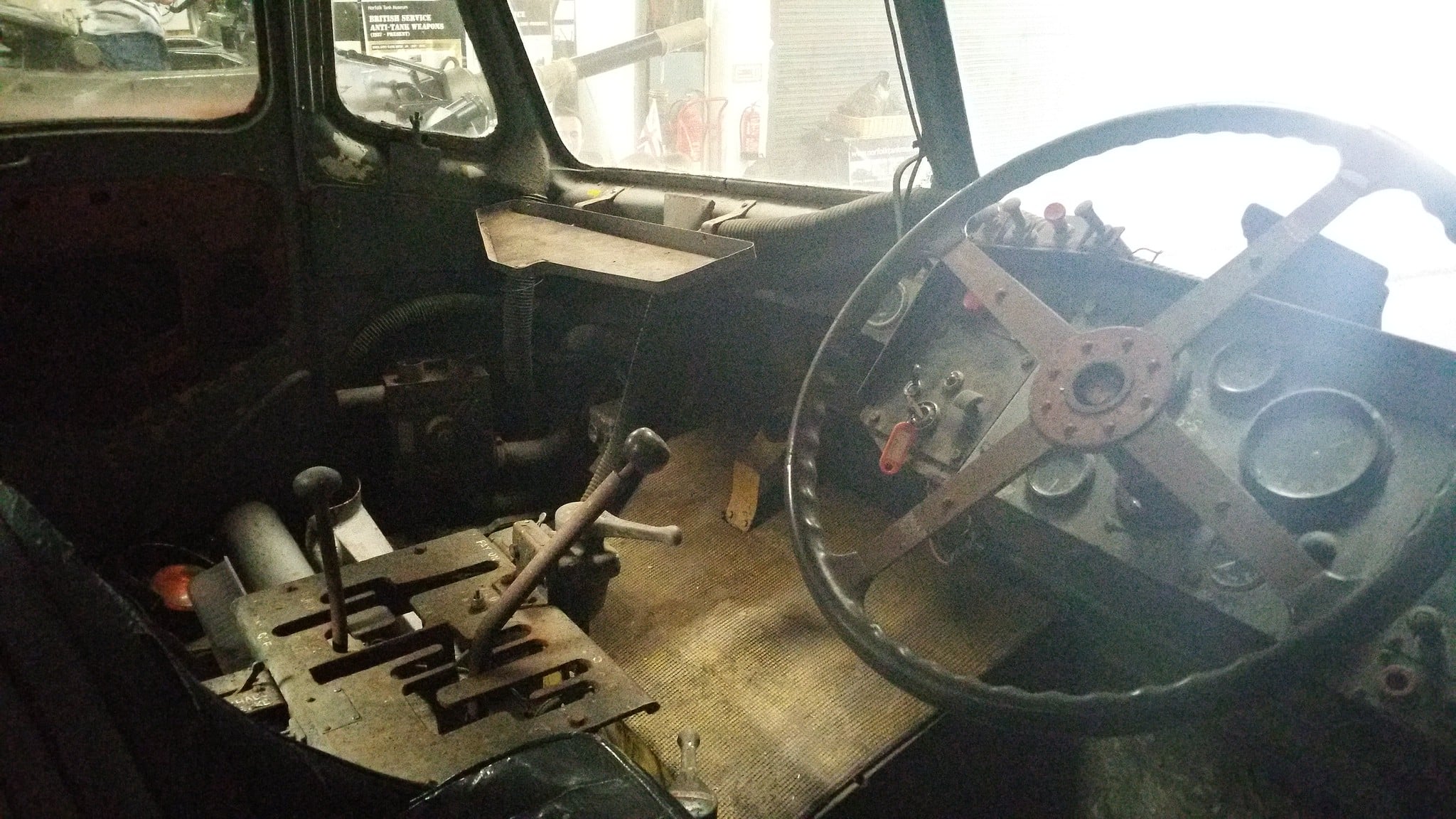
From the early 1960s into the 1970s, the Department of Defense conducted Project 112, a series of biological and chemical warfare tests, including its shipboard component, Project SHAD (Shipboard Hazard and Defense). Tests were carried out on land and at sea, and military personnel were exposed to simulants and, in some cases, actual agents to evaluate the vulnerability of ships and the effectiveness of protective gear.
Many service members were not told what they had been exposed to. Years later, veterans reporting unexplained illnesses struggled to get care or acknowledgment precisely because the tests had been classified.
The Pentagon eventually released information on the program in the early 2000s, helping affected veterans seek treatment.
Fernald School Radiation Studies
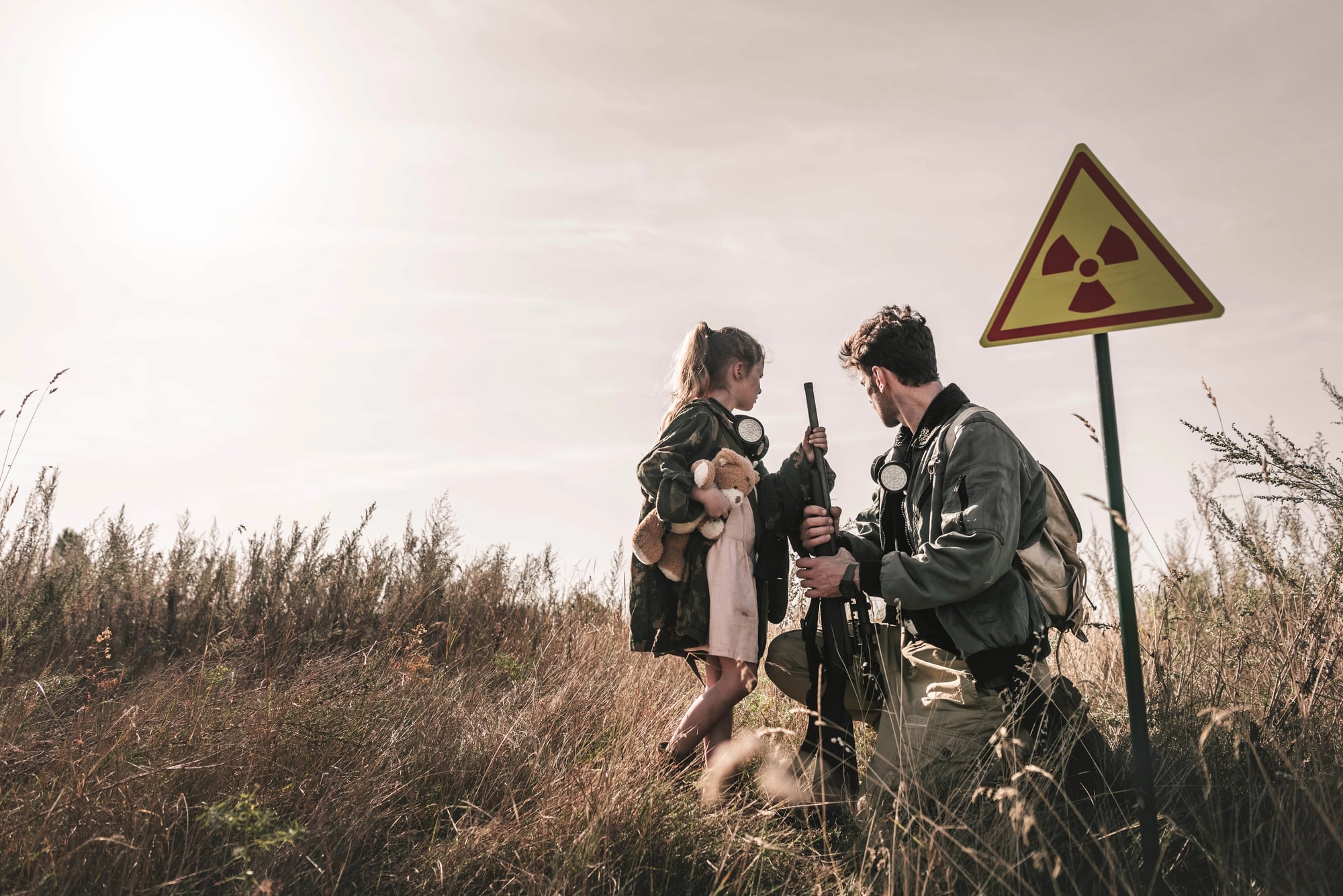
From the late 1940s into the 1950s, researchers connected to MIT and Harvard fed small amounts of radioactive iron and calcium to boys at the Fernald State School in Massachusetts as part of nutrition studies. The intellectually disabled children were enticed into a “science club” with special privileges, while their parents were told only that they would join a nutrition study—never that radioactive tracers were involved.
The doses were relatively low and the lasting physical harm is debated, but the ethical breach is not: vulnerable, institutionalized children were used as research subjects without informed consent. The studies came to wide public attention in the 1990s and were examined by the federal radiation-experiments committee, leading to apologies and a settlement.
Operation LAC

Large Area Coverage was an Army program in the late 1950s that released enormous quantities of zinc cadmium sulfide particles from aircraft across wide stretches of the United States and Canada to study how an aerosol might disperse over the continent. It remains one of the largest open-air dispersal tests ever conducted on the public.
The Army considered the fluorescent particles a harmless tracer, but the presence of cadmium, a toxic metal, raised lasting concerns in affected areas. Residents were never told.
Decades later, public pressure led the National Research Council to review the tests; it concluded that exposures were likely too low to have harmed health, though community distrust persisted.
Dugway Sheep Incident

In March 1968, thousands of sheep died on ranches near the Army’s Dugway Proving Ground in Utah, where open-air testing of nerve agents including VX was underway. The animals showed signs consistent with nerve-agent poisoning, and the timing pointed squarely at the tests.
The Army initially denied responsibility, offering alternative explanations for the deaths, but the evidence pointing to a drifting plume of nerve agent was strong, and the government eventually provided compensation to the ranchers without a full admission. The incident contributed to the suspension of open-air nerve-agent testing and became a symbol of how little weight civilian safety carried in weapons trials.
Edgewood Arsenal Human Experiments

Between roughly 1948 and 1975, the Army Chemical Corps tested chemical agents on thousands of volunteer soldiers at Edgewood Arsenal in Maryland. The men were exposed to nerve agents, mustard, incapacitating psychochemicals like BZ, and other compounds, often lured by the promise of light duty, extra pay, or three-day passes.
Soldiers were told little about what they were being given or the possible long-term effects. Many later reported neurological and psychological problems, and veterans spent decades seeking recognition and care.
The program was eventually documented in government reports and a lawsuit that compelled the Army to notify and assist former subjects.
Operation Whitecoat

From 1954 to 1973, the Army recruited Seventh-day Adventist conscientious objectors at Fort Detrick to serve as test subjects in biodefense research. These volunteers, who declined to bear arms but wished to serve, were exposed under controlled conditions to pathogens including the agents of Q fever and tularemia.
Unlike many programs on this list, Whitecoat involved genuine volunteers who consented and were generally well cared for, and many later spoke positively of their service. But questions remain about how fully they understood the risks, and the program sits in an uneasy middle ground—a case of informed-ish consent used to study weapons-related agents on men whose faith made them especially compliant subjects.
Vanderbilt University Radiation Study

In the mid-to-late 1940s, researchers at Vanderbilt University gave radioactive iron to hundreds of pregnant women attending a prenatal clinic, telling them it was a nutritional supplement. The study, supported by federal funding, was meant to track iron absorption during pregnancy.
The women were not told they had ingested a radioactive tracer. Follow-up studies later found a small number of cancers among the children born to these mothers.
The case became part of the 1990s federal investigation into Cold War radiation experiments and resulted in litigation decades after the exposures.
St. Louis Aerosol Spraying

During the 1950s and 1960s, the Army conducted open-air aerosol tests in St. Louis, spraying zinc cadmium sulfide from rooftops and vehicles in some neighborhoods, including low-income and predominantly Black areas, to study dispersal patterns. Residents were told, when told anything, that it was harmless testing.
Decades later these tests fueled deep community anger and a persistent fear that residents had been used as unwitting subjects, with some alleging radioactive additives—a claim the Army denied and that a later academic review could not substantiate, though it confirmed the cadmium-compound spraying itself. At minimum, populated neighborhoods were used to model aerosol dispersal without consent, and the racial pattern of the testing has never been adequately explained.
UCLA Violence Center Proposal

In the early 1970s, a proposed Center for the Study and Reduction of Violence at UCLA drew fierce opposition before it could fully launch. The plan, which attracted interest from state officials, contemplated identifying individuals deemed prone to violence and studying interventions that critics feared could include psychosurgery and behavior-modifying drugs, focused on prisoners and institutionalized people.
Civil-rights and patient-advocacy groups warned that the criteria for “violence-proneness” risked targeting people by race and class, and the resulting backlash kept the center from being established as proposed. It belongs on this list less as an executed experiment than as a documented, seriously-considered plan that revealed how readily officials entertained coercive behavioral control.
Project West Ford

In 1961 and 1963, the U.S. military placed hundreds of millions of tiny copper needles into orbit, attempting to create a reflective ring around the Earth to bounce radio signals for resilient military communications. Astronomers around the world objected that the experiment could interfere with radio and optical observation, and it proceeded over those protests with little public consultation.
West Ford wasn’t an experiment on citizens’ bodies, but it earns a place as a Cold War project that treated the shared environment of space as a testing ground without public input. Most of the needles eventually deorbited, though some clumps are believed to remain, and the episode is cited as an early lesson in the consequences of unilaterally altering the orbital commons.
Operation Northwoods

In 1962, senior Pentagon planners drafted Operation Northwoods, a proposal for staged, fabricated provocations—including faked attacks that could harm Americans—designed to manufacture public support for an invasion of Cuba. The documents were detailed and were forwarded up the chain.
Crucially, the plan was rejected by civilian leadership and never carried out, which sets it apart from the executed programs on this list. But that senior officers drew it up at all is what makes it so sobering.
The Northwoods documents were declassified in 1997 through the Assassination Records Review Board and reached a wide audience in 2001, decades after they were written.
Nevada Atmospheric Nuclear Testing

From 1951 to 1962, the government detonated around a hundred atmospheric nuclear devices at the Nevada Test Site, repeatedly assuring nearby communities that the fallout posed no danger. Residents downwind, particularly in parts of Utah, Nevada, and Arizona, received substantial doses of radioactive fallout.
The exposed populations became known as the “downwinders.” Elevated rates of certain cancers and thyroid disease later appeared among those communities, and the government’s reassurances were revealed to have been, at best, recklessly optimistic.
Congress eventually acknowledged the harm through the Radiation Exposure Compensation Act of 1990, which provided payments to downwinders, test-site workers, and uranium miners affected by the program.
Plutonium Injection Experiments
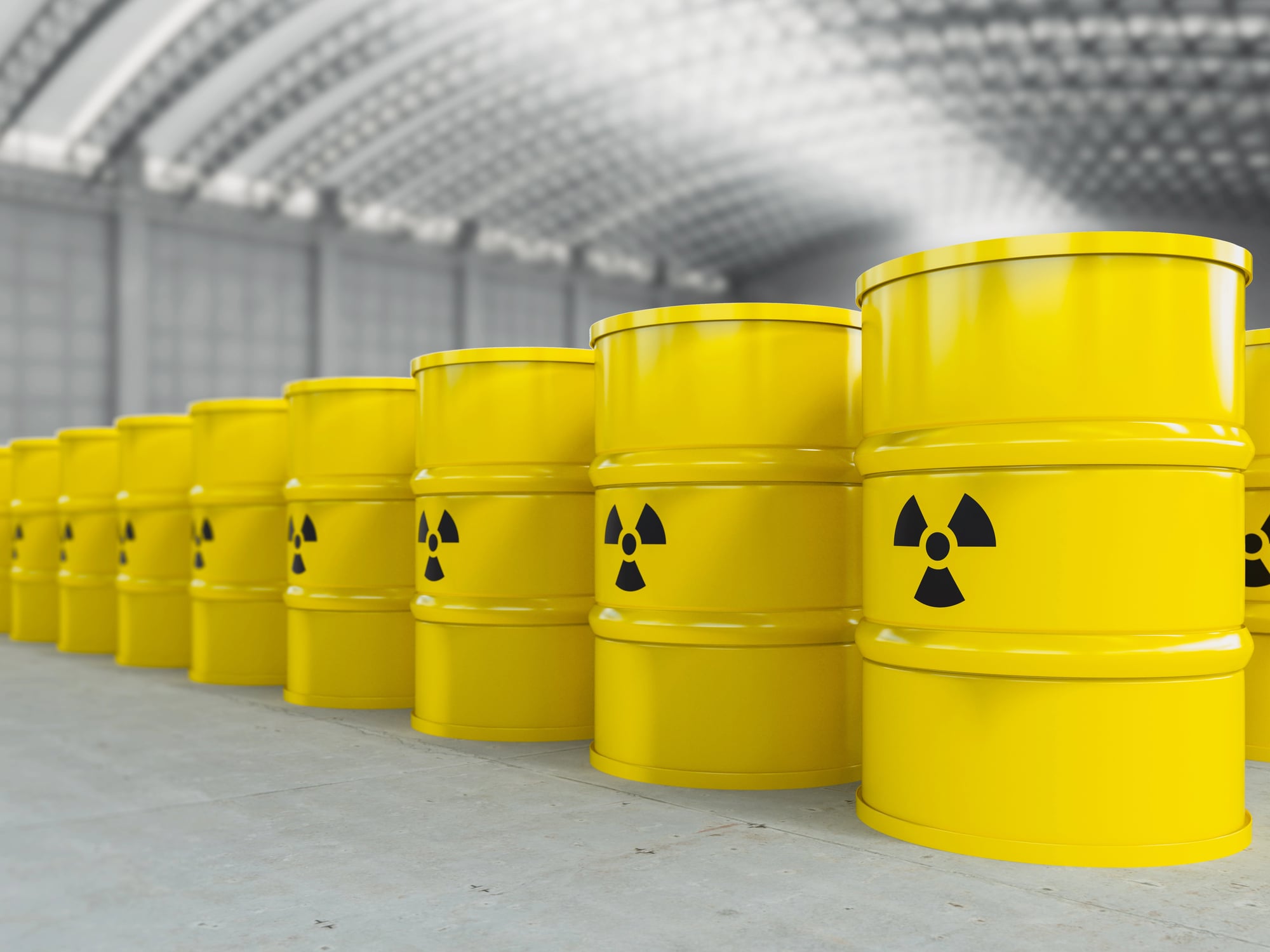
In the 1940s, as part of the Manhattan Project and its aftermath, government-funded researchers secretly injected at least 18 hospital patients with plutonium, and others with uranium, to study how the body absorbed and excreted these radioactive materials. The patients—often gravely ill and treated at university and government hospitals—were not told what they were being given.
The point was to gather data to protect bomb-program workers, using uninformed civilians as human dosimeters. The full story emerged through investigative journalism in the 1990s, which won a Pulitzer Prize and helped prompt the federal Advisory Committee on Human Radiation Experiments.
It stands as one of the starkest examples of citizens being used, without consent, in service of weapons research.
When the Files Were Finally Opened

Read these cases together and a few hard truths come into focus. The first is that the great majority of them were exposed not by the agencies that ran them, but by forces outside: a whistleblower at Tuskegee, the Church Committee on the intelligence programs, investigative reporters on the plutonium injections, and the 1990s federal commission that finally catalogued the radiation experiments.
Secrecy was the rule, and accountability arrived late, if at all. The second is the pattern in who was chosen.
Again and again, the subjects were people with the least power to refuse or to be believed: prisoners, institutionalized children, addicts, conscripts, poor communities, and the sick. The consent that was supposedly obtained was, in case after case, an illusion built on partial truths.
None of this is comfortable reading, and a few entries here—Northwoods as a rejected plan, the UCLA center as a blocked proposal—are reminders that some of the worst ideas were stopped before they became history. But the documented ones happened, and the laws now governing informed consent, institutional review boards, and oversight of human research exist precisely because they did.
The files were opened too late for most of the victims. The least the rest of us can do is not look away from what they reveal.
More from Go2Tutors!

- The Romanov Crown Jewels and Their Tragic Fate
- 13 Historical Mysteries That Science Still Can’t Solve
- Famous Hoaxes That Fooled the World for Years
- 15 Child Stars with Tragic Adult Lives
- 16 Famous Jewelry Pieces in History
Like Go2Tutors’s content? Follow us on MSN.