15 Biggest Music Scandals That Shocked the Industry
The music industry has always been a breeding ground for controversy, drama, and shocking revelations. Behind the glittering facade of awards shows and platinum albums lies a world where personal demons, business betrayals, and criminal behavior regularly make headlines.
These scandals don’t just capture public attention — they reshape careers, destroy reputations, and sometimes change the entire landscape of popular music. From lip-syncing disasters that exposed industry practices to criminal charges that landed superstars behind bars, the biggest music scandals reveal the messy human reality beneath the carefully crafted public personas.
Some artists recover and rebuild their careers, while others never escape the shadow of their controversies.
Milli Vanilli’s Lip-Syncing Deception
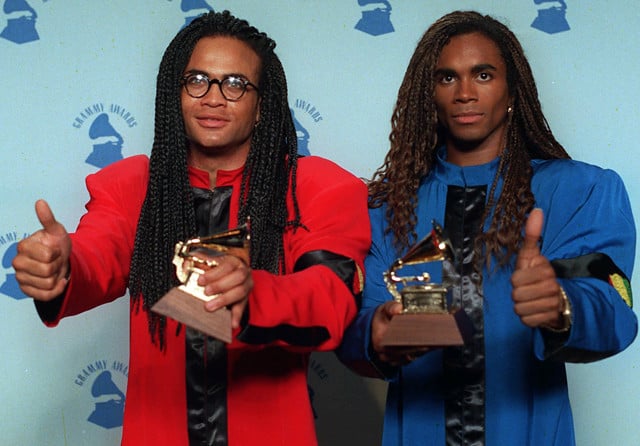
The Milli Vanilli scandal remains the gold standard for music industry fraud. Rob Pilatus and Fab Morvan built their careers on a lie so fundamental it destroyed the very concept of what they were supposed to represent.
They didn’t sing a single note on their Grammy-winning album. Not one.
When their backing track malfunctioned during a live performance, repeating the same line over and over while they stood frozen on stage, the illusion cracked wide open. Producer Frank Farian eventually admitted he’d used different vocalists entirely, reducing the duo to nothing more than attractive faces lip-syncing to someone else’s work.
Michael Jackson’s Child Abuse Allegations

The allegations against Michael Jackson created a fault line that runs through popular culture to this day (and the documentary “Leaving Neverland” reopened wounds that many thought had healed, presenting detailed accounts from Wade Robson and James Safechuck about their alleged childhood experiences). But even before that 2019 film, the whispers and accusations had followed Jackson for decades — a 1993 settlement with the Chandler family, a 2005 criminal trial that ended in acquittal, and persistent questions about his relationships with young boys. The King of Pop’s legacy remains fractured along these lines.
Some fans dismiss all allegations as motivated by money or fame. Others believe the accusations reveal a pattern of predatory behavior hidden behind charitable work and artistic genius.
And yet the music endures, streaming on platforms and playing in movies, creating an uncomfortable cognitive dissonance for listeners trying to separate art from artist — a separation that feels impossible when the allegations are this serious and this persistent.
Britney Spears’ Public Breakdown

Picture a trapped animal pacing behind glass while crowds gather to watch. That’s what Britney Spears’ 2007 breakdown looked like — raw desperation playing out under the cruelest possible spotlight.
The shaved head, the umbrella attack on paparazzi cars, the slurred speech in interviews. These weren’t the calculated moves of a pop star seeking attention.
They were the jagged pieces of someone coming apart. What made it worse was how the world responded.
Late-night comedians turned her pain into punchlines. Tabloids competed to capture her most vulnerable moments.
The conservatorship that followed — stripping away her legal autonomy for over a decade — revealed just how completely her life had been consumed by forces beyond her control. The real tragedy wasn’t just what happened to Britney.
It was how eagerly the culture participated in her destruction, then acted surprised when she couldn’t simply bounce back on command.
Janet Jackson’s Super Bowl Wardrobe Malfunction
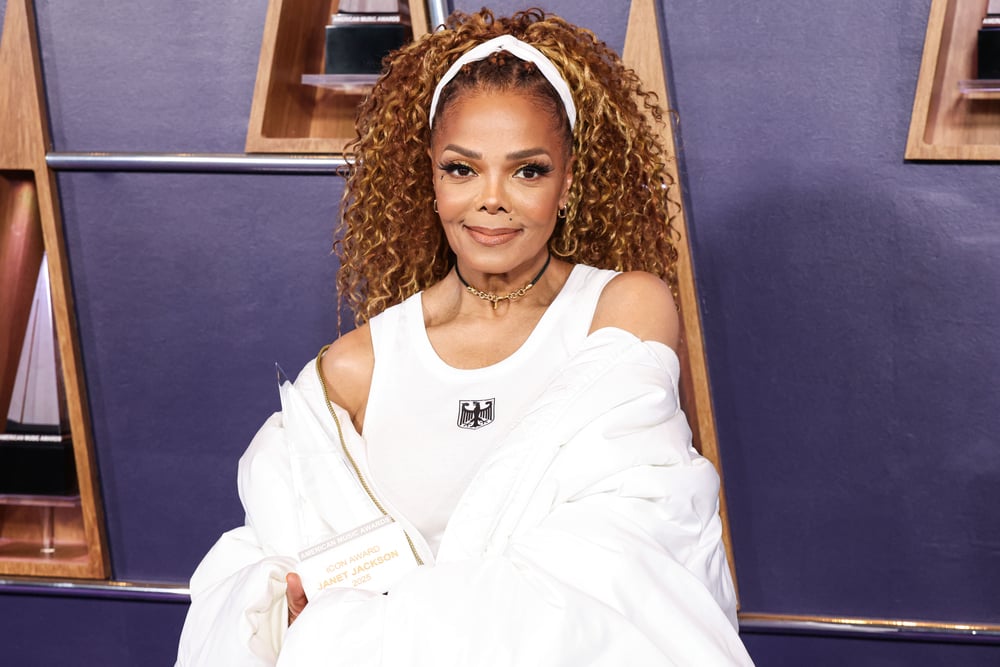
The 2004 Super Bowl halftime show lasted nine seconds too long. That’s all it took to derail Janet Jackson’s career while leaving Justin Timberlake’s completely intact.
The “wardrobe malfunction” excuse fooled nobody, but the aftermath revealed something uglier about how the industry treats its female stars. Jackson faced a career-destroying backlash — radio stations banned her music, the Grammys disinvited her, and her album sales plummeted.
Timberlake apologized once and moved on to bigger success. The double standard couldn’t have been more obvious if someone had written it in neon letters.
To be fair, Jackson eventually rebuilt her reputation, but it took years of work to undo the damage from those nine seconds. Meanwhile, Timberlake continued selling albums and winning awards as if nothing had happened.
R. Kelly’s Criminal Behavior
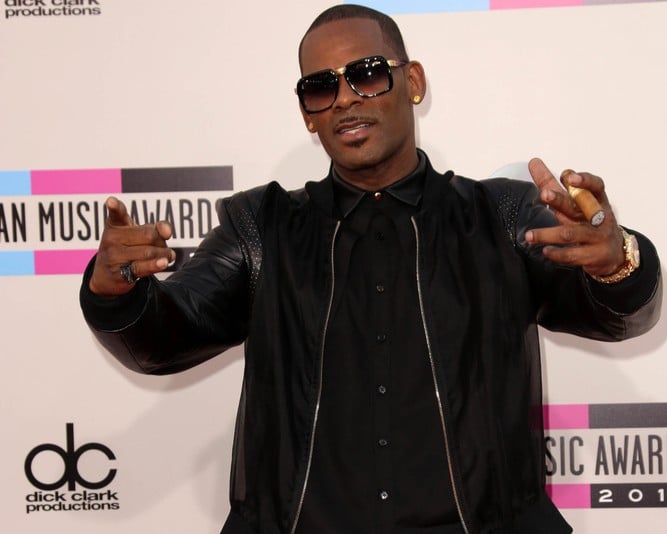
R. Kelly’s pattern of abuse wasn’t a sudden revelation (it was an open secret that the industry chose to ignore for decades, with whispers about illegal marriages, videotapes, and predatory behavior toward young women following him since the 1990s). The marriage to 15-year-old Aaliyah in 1994 should have been a career-ending scandal, but the music industry kept spinning his records and booking his shows.
Even after the 2008 child pornography trial, even after countless accusers came forward, the machine kept running. “Surviving R. Kelly” finally forced a reckoning that should have happened twenty years earlier.
But by then, how many victims could have been spared if the industry had acted when the evidence first emerged? The documentary didn’t reveal new information so much as it forced people to confront what they’d already chosen to ignore.
So the scandal isn’t just Kelly’s crimes — though those are horrific enough to land him in prison for decades — it’s the collective decision to look the other way while the abuse continues.
Amy Winehouse’s Struggles with Addiction
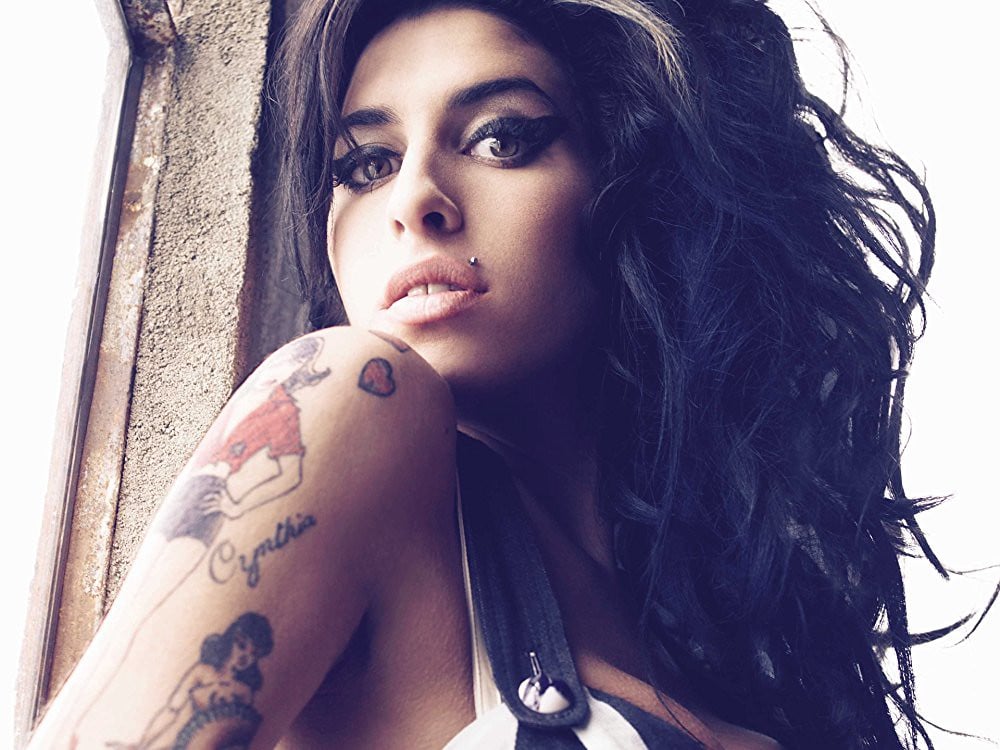
Watching Amy Winehouse perform was like watching someone beautiful and broken singing her way toward an early grave. Her voice carried the weight of pain that felt too heavy for someone barely in their twenties, and her public battles with addiction played out like a slow-motion tragedy that everyone could see coming.
The paparazzi followed her stumbles through London streets. The tabloids documented every relapse, every arrest, every desperate attempt at recovery.
Her father later revealed the extent to which media attention complicated her treatment — how could someone get clean when their every move was scrutinized and sensationalized? “Rehab” became both her biggest hit and her most painful irony.
She sang “they tried to make me go to rehab, I said no, no, no” while desperately needing exactly that kind of help. When she died at 27, it felt inevitable and preventable at the same time.
Chris Brown’s Assault on Rihanna
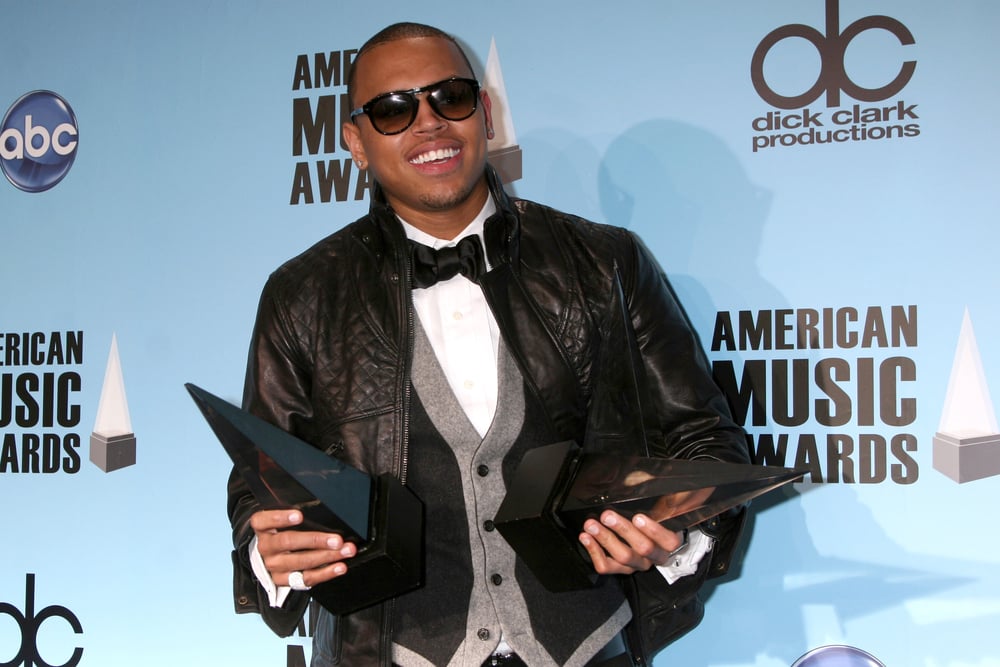
Chris Brown’s assault on Rihanna the night before the 2009 Grammys should have been career death. The police photos showed the brutal reality behind the euphemistic term “domestic violence.”
This wasn’t a minor altercation — it was a savage beating that left visible injuries and trauma that lasted far longer than the bruises. Instead, Brown’s career survived with only minor interruption.
He served probation, attended anger management classes, and returned to making hit records. Meanwhile, Rihanna faced criticism for briefly reconciling with him and had to rebuild her own sense of safety and autonomy.
The entertainment industry’s willingness to forgive Brown while continuing to scrutinize Rihanna’s choices revealed an uncomfortable truth about which behavior gets excused and which gets punished. Talent apparently covers a multitude of sins, even violent ones.
Kanye West’s Mental Health and Controversies
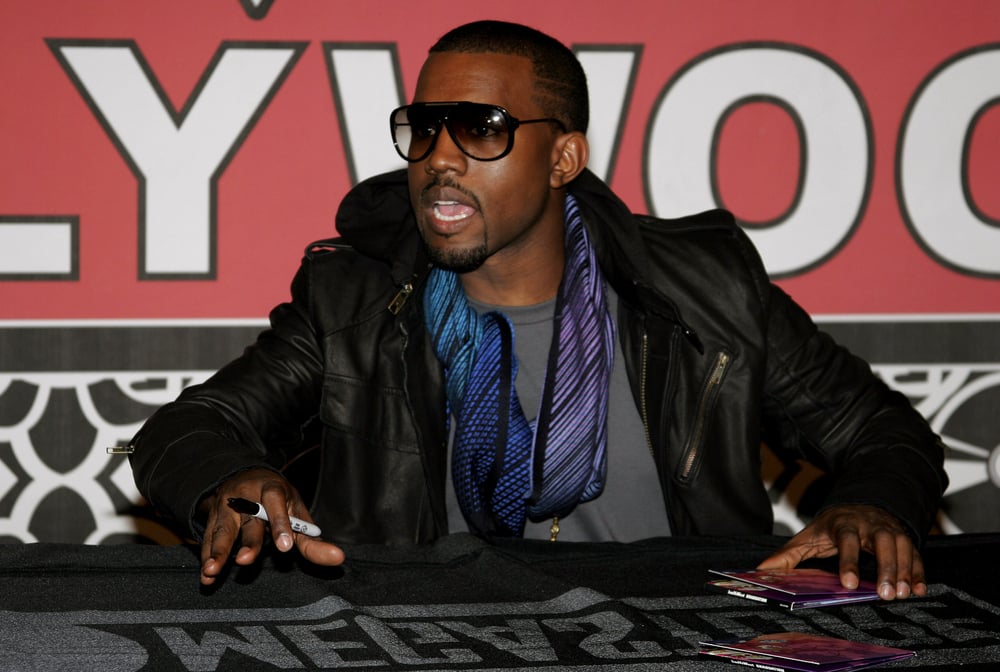
Kanye West’s transformation from celebrated producer to public lightning rod reads like a case study in what happens when untreated mental illness collides with unlimited platform access (his bipolar diagnosis, revealed in 2018, recontextualized years of erratic behavior, but by then the damage to relationships, business partnerships, and his public image had become nearly irreversible). The 2009 Taylor Swift incident at the VMAs was just the beginning — interrupting an acceptance speech seems almost quaint compared to his later proclamations about slavery being a choice, his support for controversial political figures, and his increasingly unhinged social media rants.
But watching West’s public meltdowns also revealed the entertainment industry’s complicated relationship with mental health: when does artistic genius excuse destructive behavior, and when do we stop treating someone’s pain as entertainment? And his antisemitic comments in 2022 finally crossed lines that the industry couldn’t ignore — Adidas dropped him, his music was pulled from streaming services, and collaborators distanced themselves en masse, proving that while the culture tolerated years of offensive statements, some boundaries still existed.
Madonna’s Book and Documentary Controversies
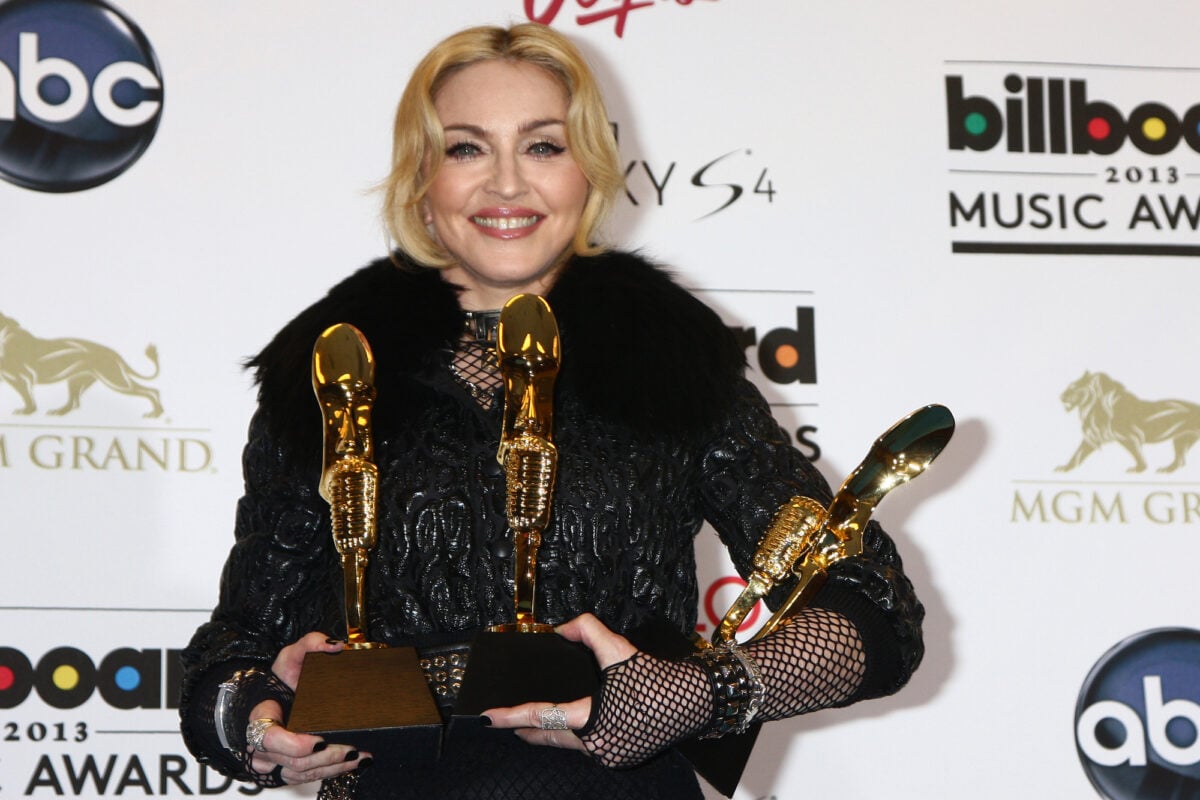
Like a master provocateur testing society’s boundaries with surgical precision, Madonna built her career on calculated scandal. The coffee table book wasn’t accidental — it was a deliberate assault on American prudishness disguised as artistic expression.
Explicit photographs, bondage imagery, and frank discussions about desire packaged in a $50 book that sold over a million copies. The genius wasn’t just the shock value. It was how she managed to position controversy as empowerment, turning moral outrage into record sales and cultural influence.
Religious groups protested, politicians condemned her, and parents worried about her influence on their children — exactly the reaction she wanted. But the book also marked a turning point where Madonna’s provocations began to feel more calculated than genuine.
The line between artistic boundary-pushing and attention-seeking became harder to distinguish, leaving even her fans wondering whether the controversy served the art or consumed it.
Sinéad O’Connor’s Pope Photo Incident
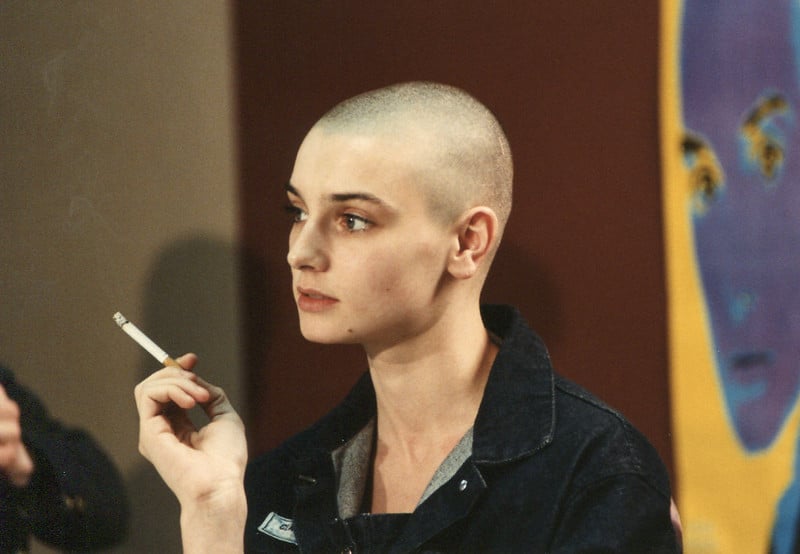
Sinéad O’Connor’s 1992 appearance on Saturday Night Live lasted barely fifteen seconds, but those seconds changed everything. After performing an a cappella version of Bob Marley’s “War,” she held up a photo of Pope John Paul II, tore it in half, and said “fight the real enemy.”
The backlash was immediate and devastating. NBC’s phones crashed from angry calls.
Radio stations banned her music. At a Bob Dylan tribute concert two weeks later, she was booed off stage before she could perform.
Her American career never recovered. What makes the incident tragic in hindsight is that O’Connor was protesting child abuse in the Catholic Church — a problem that would become undeniable in the following decades.
She was right, but she was right twenty years too early, and the culture wasn’t ready to hear what she was saying.
Metallica vs. Napster
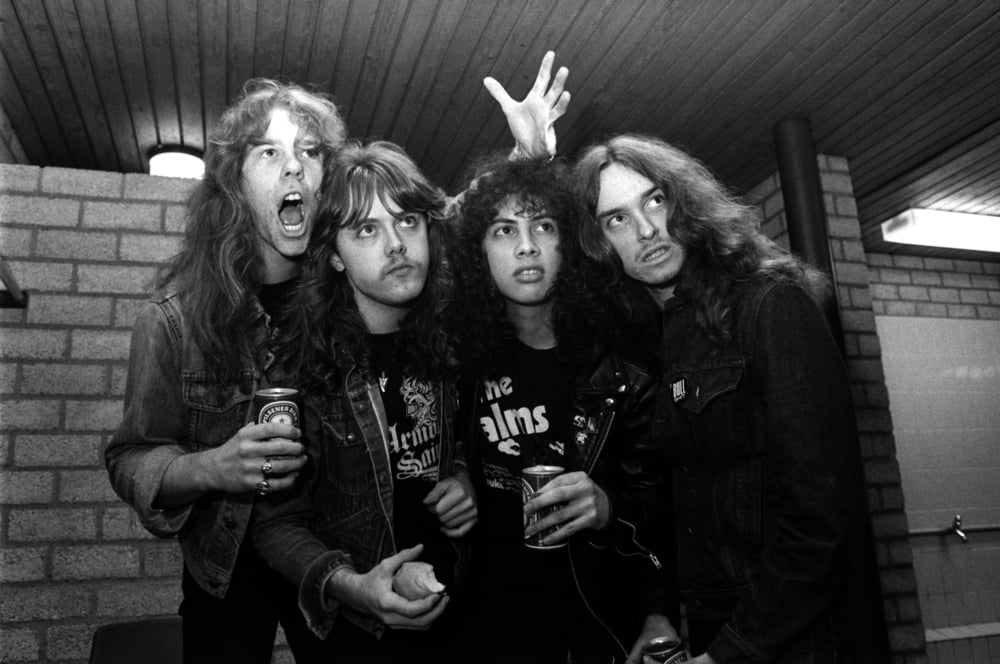
The Metallica versus Napster lawsuit turned a beloved metal band into symbols of corporate greed overnight (at least that’s how it felt to fans who suddenly found themselves being sued by their musical heroes, with drummer Lars Ulrich becoming the face of the legal battle and absorbing most of the backlash for what many saw as an attack on music sharing culture). But the band’s position made perfect sense from their perspective: Napster was distributing their unreleased material without permission, and file sharing was undermining the economic foundation that allowed musicians to make a living.
The lawsuit succeeded in shutting down Napster, but it also made Metallica look like they cared more about money than fans — a perception that took years to shake off and fundamentally changed how the music industry approached digital distribution. And ironically, the victory proved pyrrhic: legal file sharing through iTunes and streaming services eventually emerged anyway, but Metallica had already absorbed the reputational damage from being the band that sued its own fans.
Ashlee Simpson’s SNL Lip-Syncing Incident

Ashlee Simpson’s Saturday Night Live disaster was Milli Vanilli compressed into real-time humiliation. When the wrong backing track started playing, exposing her lip-syncing mid-performance, she managed to make the situation worse by doing an awkward little dance before walking off stage.
The incident destroyed her credibility as a “real” artist — someone positioned as the authentic alternative to her polished pop star sister. Simpson had built her image on being the rock-and-roll rebel, the one who actually played instruments and wrote her own songs.
One technical malfunction revealed that image as carefully constructed as any other pop persona. Her explanation about acid reflux damaging her voice satisfied nobody.
The damage was already done, and her career never fully recovered from that moment of exposed pretense.
The Dixie Chicks’ Political Comments
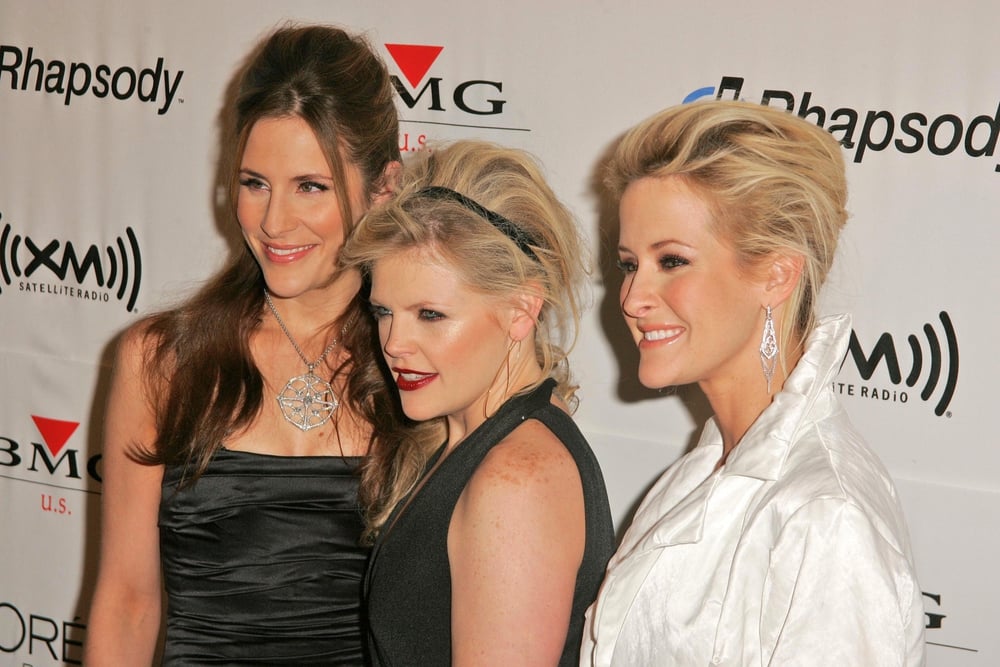
The Dixie Chicks discovered that country music fans don’t forgive political dissent easily. Natalie Maines’ 2003 comment about being ashamed that President Bush was from Texas — made during a London concert — triggered a backlash that nearly destroyed the most successful female group in country music history.
Radio stations pulled their songs. Fans organized CD-burning rallies. Death threats forced the cancellation of tour dates.
The group went from selling millions of albums to being effectively blacklisted from country radio. Their crime wasn’t particularly severe — questioning a president during wartime — but it violated an unspoken rule about staying in their lane.
The irony is that their subsequent album, “Taking the Long Way,” won five Grammy Awards including Album of the Year. Critical acclaim couldn’t repair their relationship with country music, but it proved their artistic credibility survived even when their commercial success didn’t.
Whitney Houston’s Drug Problems

Whitney Houston’s voice was a gift that addiction slowly strangled. The woman who effortlessly hit notes that other singers could only dream of reaching gradually became better known for erratic behavior, missed performances, and increasingly fragile live appearances.
The 2002 interview with Diane Sawyer became a cultural touchstone — Houston’s defensive insistence that “crack is wack” while clearly struggling with substance abuse created a tragic disconnect between her public denials and obvious reality. Her marriage to Bobby Brown became a tabloid soap opera, with both partners enabling each other’s destructive patterns.
When she died in 2012, drowning in a Beverly Hills hotel bathtub with cocaine in her system, it felt like the inevitable end to a slow-motion tragedy that had been playing out for over a decade.
Jay-Z’s Stabbing Incident
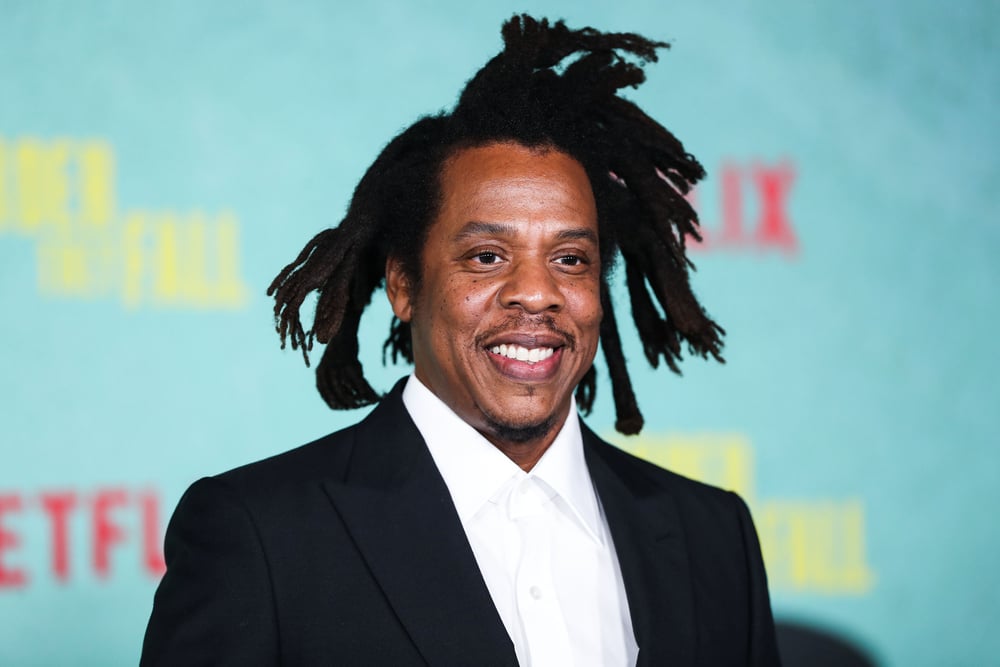
Jay-Z’s 1999 stabbing of record executive Lance Rivera at a club could have derailed his career before it truly took off. The incident, allegedly over bootlegged copies of his upcoming album, resulted in felony charges that threatened to send him to prison for years.
Instead, Jay-Z negotiated a plea deal, served three years of probation, and transformed the experience into lyrical material that enhanced rather than damaged his street credibility. The incident became part of his mythology — evidence of his authenticity in a genre that values real-world experience.
The case also demonstrated how differently the justice system treats wealthy defendants. Jay-Z could afford top legal representation and had the resources to negotiate favorable terms.
The same charges might have destroyed someone without his advantages and connections.
When the Music Stops

These scandals remind us that the music industry, for all its glamour and artistry, remains fundamentally human — messy, flawed, and prone to the same failures that plague any other business. The difference is that musicians fail in public, with their mistakes amplified by fame and preserved forever in digital archives.
Some careers survive scandal through talent, timing, or simple persistence. Others never recover from a single moment of poor judgment or exposed deception.
The unpredictability of public forgiveness remains one of the industry’s most fascinating and ruthless elements.
More from Go2Tutors!

- The Romanov Crown Jewels and Their Tragic Fate
- 13 Historical Mysteries That Science Still Can’t Solve
- Famous Hoaxes That Fooled the World for Years
- 15 Child Stars with Tragic Adult Lives
- 16 Famous Jewelry Pieces in History
Like Go2Tutors’s content? Follow us on MSN.