28 Letter-Writing Habits Nobody Practices Now
A handwritten letter once took real equipment, real time and a surprising amount of etiquette. People learned rules about paper, ink, folding and phrasing the way later generations learned keyboard shortcuts.
Most of those habits slipped away without anyone deciding to abandon them. Each new tool, from the cheap pen to the email inbox, made an old ritual unnecessary, and the rituals went quietly into drawers and attics along with the letters themselves.
Sealing Letters With Wax
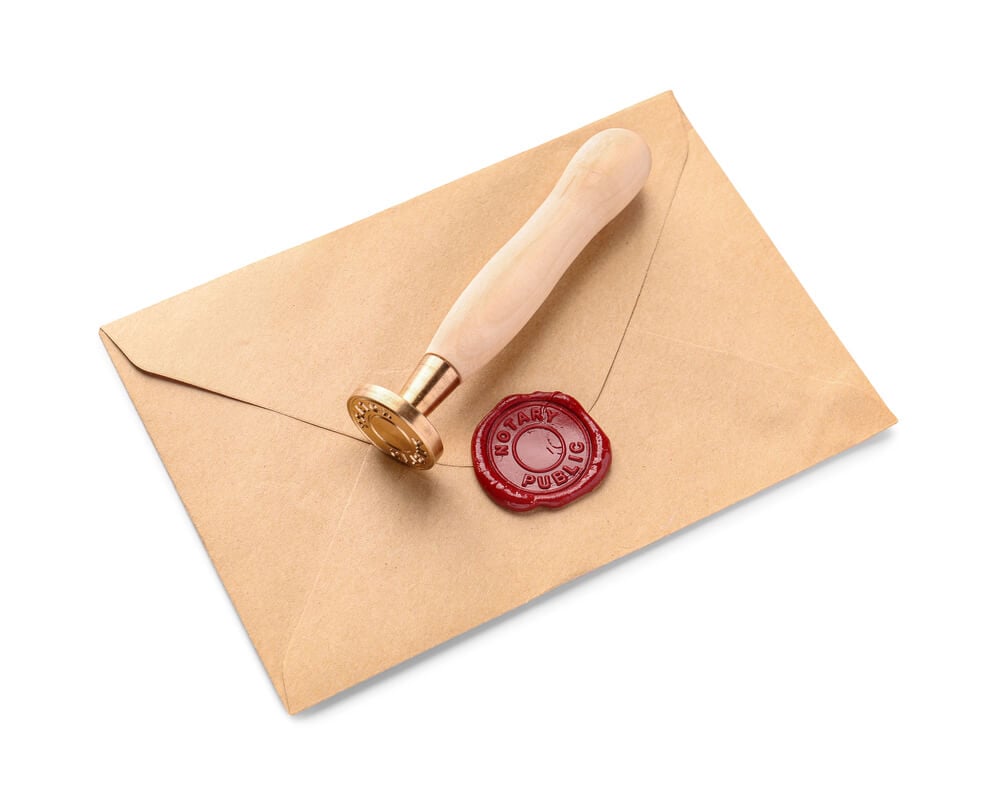
Before gummed envelopes became common in the nineteenth century, letters were closed with a dab of melted sealing wax pressed with a metal seal or signet ring. The impression identified the sender and showed whether anyone had tampered with the letter on its way.
Families often had seals engraved with crests or initials, passed down through generations. Colored waxes carried meaning too, with black traditionally used for mourning.
Gummed envelopes made wax unnecessary, and it survives now mostly on wedding invitations and as a decorative craft.
Blotting the Ink Dry
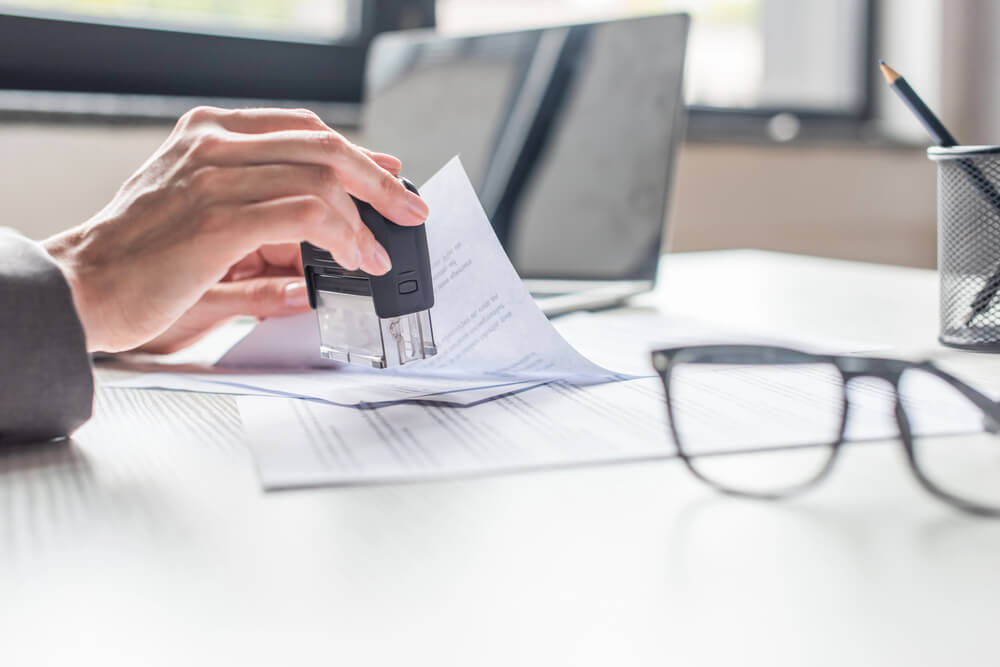
Writers using dip pens and early fountain pens had to blot each page to keep wet ink from smearing, pressing a sheet of absorbent paper over the words or rocking a curved blotter across them. Before blotting paper became common, many writers sprinkled fine sand or powder called pounce over the page instead.
Desk blotters, large pads of absorbent paper in leather frames, were standard office furniture for generations. Quick-drying pens introduced in the mid-twentieth century made the habit obsolete.
Old blotters sometimes preserve mirror-image fragments of letters written decades ago.
Dipping a Steel Pen in an Inkwell
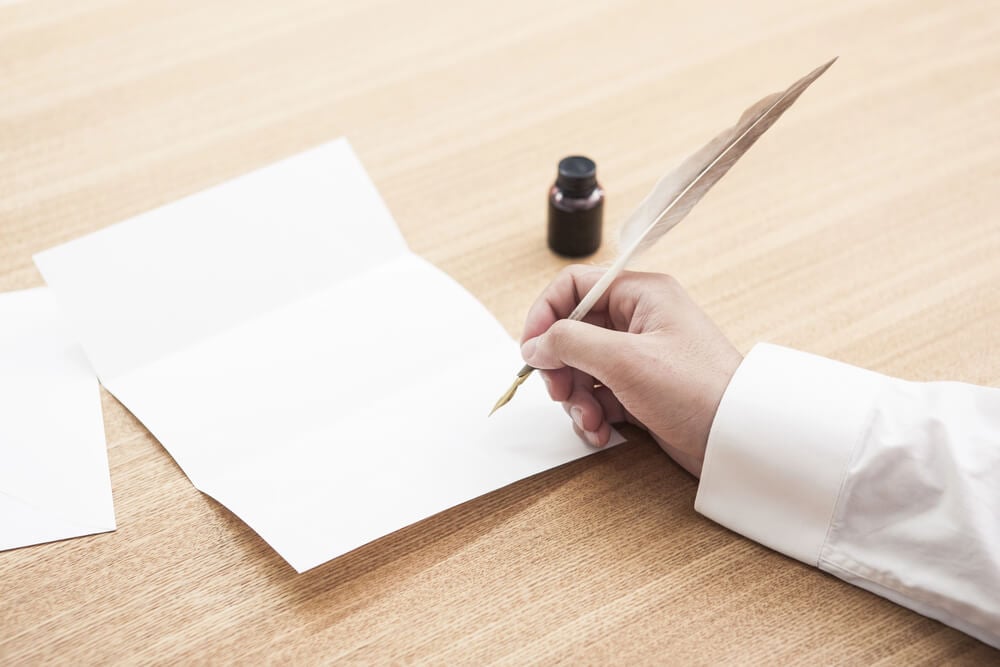
For much of the nineteenth century, writing a letter meant dipping a steel-nibbed pen into an inkwell every few words. Birmingham, England, became the center of steel pen manufacturing, producing enormous numbers of cheap nibs that replaced the quill.
Schoolrooms had inkwells built into desks, and spilled ink was a constant hazard. Writers learned to judge how much ink a nib could hold before it dripped or ran dry.
Fountain pens and later quick-drying pens made the inkwell a relic, though calligraphers still use dip pens today.
Cross-Writing to Save Postage
When postage was charged by the sheet, thrifty correspondents filled a page with writing, then turned it sideways and wrote across the first lines at a right angle. The result looked like a woven pattern of text and took real patience to read.
Letters by writers including Jane Austen show the technique. Cheaper postage, introduced in Britain with the Penny Post in 1840, made the practice less necessary.
Cross-written letters now fascinate historians and collectors, who sometimes need magnification and patience to untangle them. A single sheet could carry twice the news for the same postage, which mattered to families watching every penny.
Folding Letters Into Their Own Envelopes
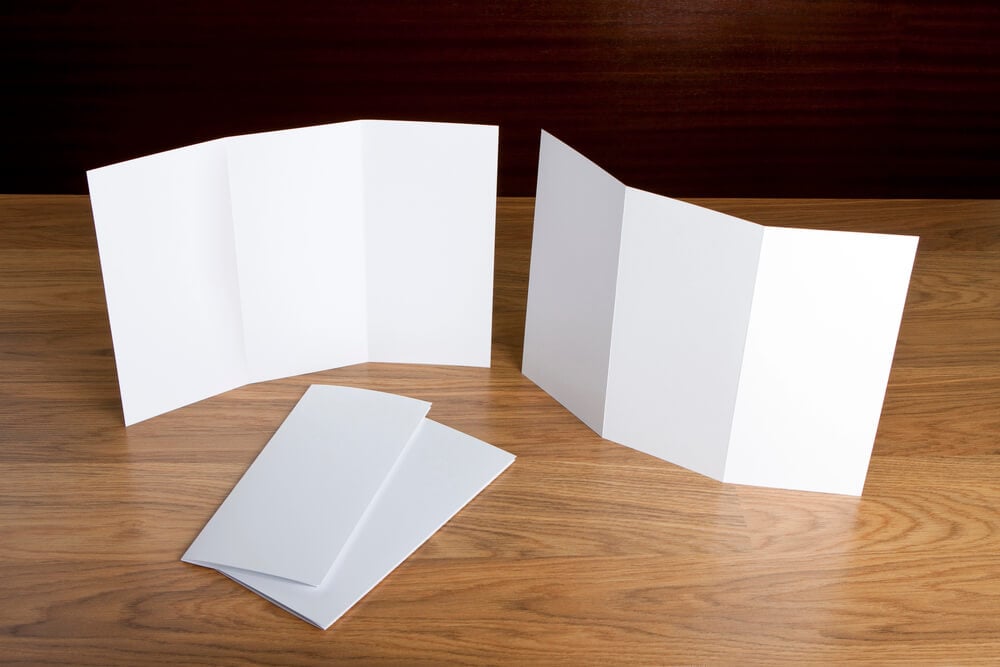
Before envelopes became standard, writers folded, tucked and sometimes sliced their letters into elaborate locked shapes that served as their own envelopes. Researchers call the practice letterlocking.
In 2021, a team used X-ray scanning to virtually unfold a sealed letter from 1697, one of hundreds of undelivered letters preserved in a trunk of mail in The Hague, without breaking it open. The techniques were designed to reveal tampering and protect privacy.
Mass-produced envelopes in the nineteenth century made letterlocking unnecessary, though scholars are now reviving the knowledge.
Making Carbon Copies
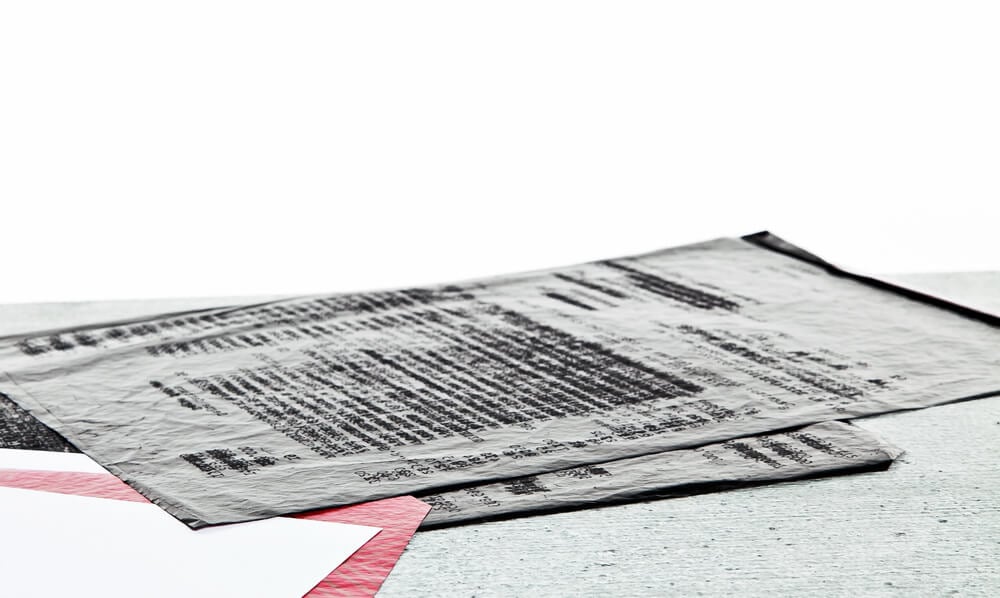
Placing a sheet of carbon paper between two pages let a writer create a duplicate with every keystroke or pen stroke. Ralph Wedgwood patented an early version of carbon paper in 1806, and it became standard in offices once typewriters spread.
Secretaries kept carbon copies of every business letter in filing cabinets. The term survives in the cc field of every email, a ghost of the old purple-black sheets.
Photocopiers and computers ended the practice, and carbon paper now seems as distant as the inkwell.
Pressing Letters Into Copy Books
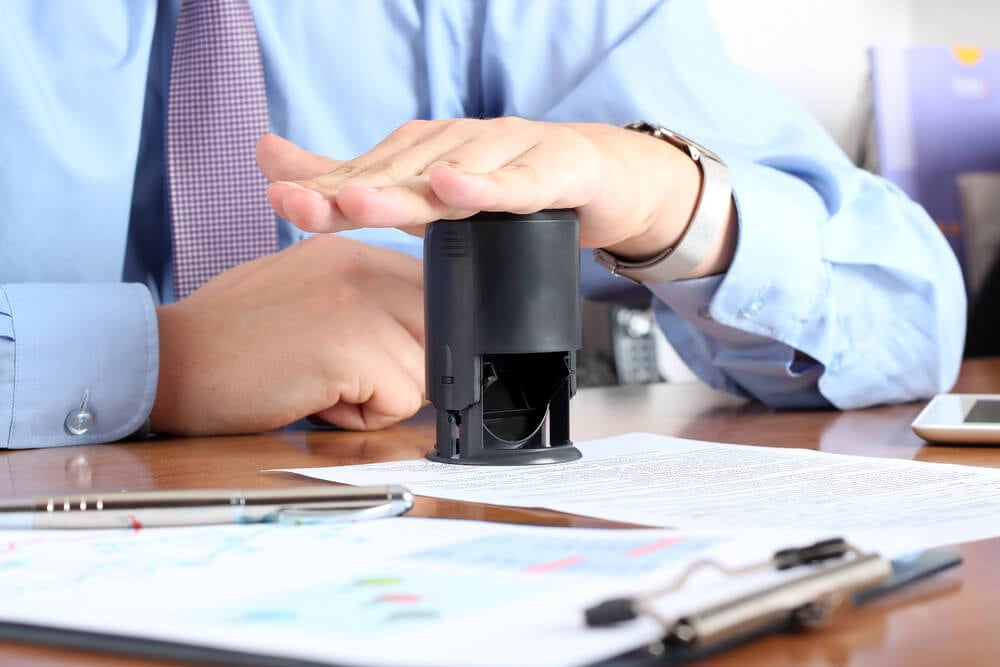
James Watt, better known for improving the steam engine, patented a letter copying press in 1780. Writers using special ink pressed a damp tissue sheet against a fresh letter in a screw press, transferring a copy of the text.
Businesses bound these tissue copies into letterbooks, creating permanent records of their correspondence. The method remained common in offices for more than a century.
Surviving letterbooks give historians a remarkable view of business life, though the thin tissue pages are fragile and often hard to read.
Writing a Rough Draft First
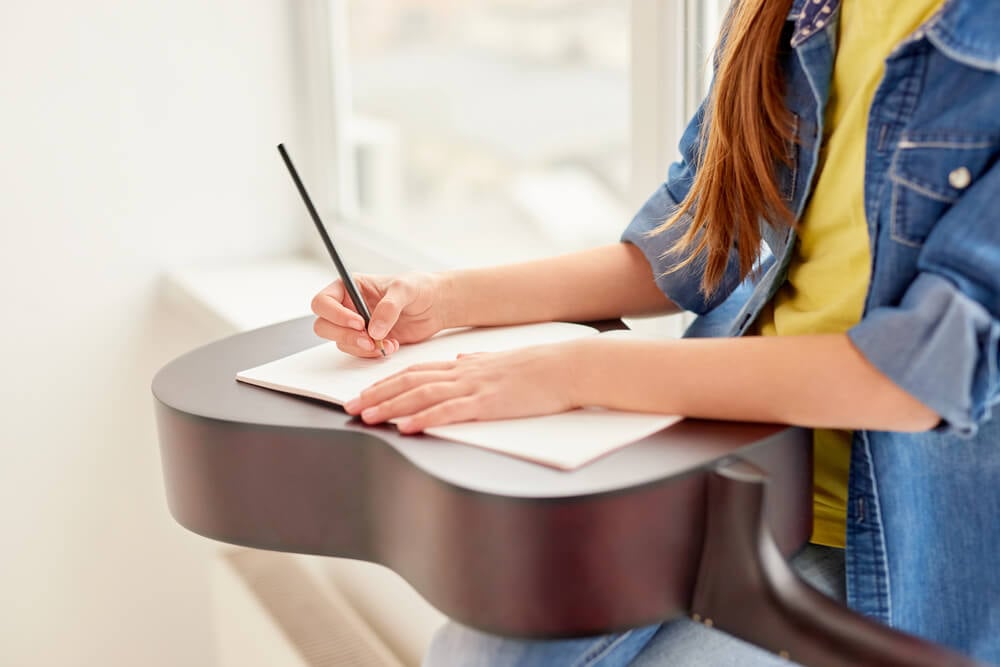
Important letters were often drafted on scrap paper first, revised and then copied out neatly onto good stationery. Letter-writing manuals encouraged the habit, especially for business, condolence and courtship letters.
The drafts sometimes survived when the final letters did not, giving historians a view of the writer’s second thoughts. Typewriters and later word processors made revising easier, and email made drafts largely invisible.
The idea of writing something twice by hand to get it right now feels almost unimaginable. Some writers even kept their drafts in a separate book, building a private record of everything they sent.
Those draft books now help biographers reconstruct conversations whose other half is lost.
Signing Off as an Obedient Servant
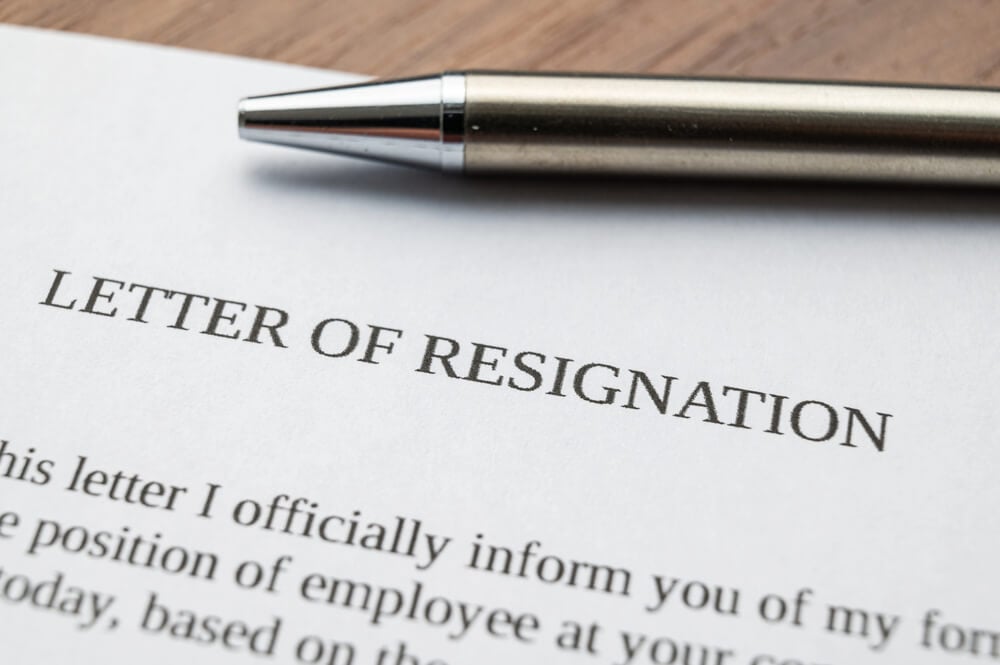
Formal letters once closed with elaborate declarations of humility, with writers describing themselves as the recipient’s most humble and obedient servant. The phrase meant nothing literal and was used even between bitter enemies.
Alexander Hamilton and Aaron Burr exchanged letters ending with that formula in 1804, in the correspondence that led to their fatal duel. The formula faded in the late nineteenth and early twentieth centuries.
Modern sign-offs like best regards are far shorter, though some government offices kept the old phrase for official correspondence much longer.
Dating Letters With Inst., Ult. and Prox.
Business letters once used Latin abbreviations to refer to dates, with inst. meaning this month, ult. meaning last month and prox. meaning next month. A clerk might acknowledge a letter of the 12th inst. without naming the month at all.
The shorthand saved time and sounded professional. Style guides eventually discouraged it as stiff and confusing, and by the mid-twentieth century it had largely disappeared.
Old business correspondence still uses it heavily, which can confuse modern readers trying to date events. Genealogists working through old family business papers often need a quick lesson in the abbreviations before the letters make sense.
Practicing Palmer Method Penmanship
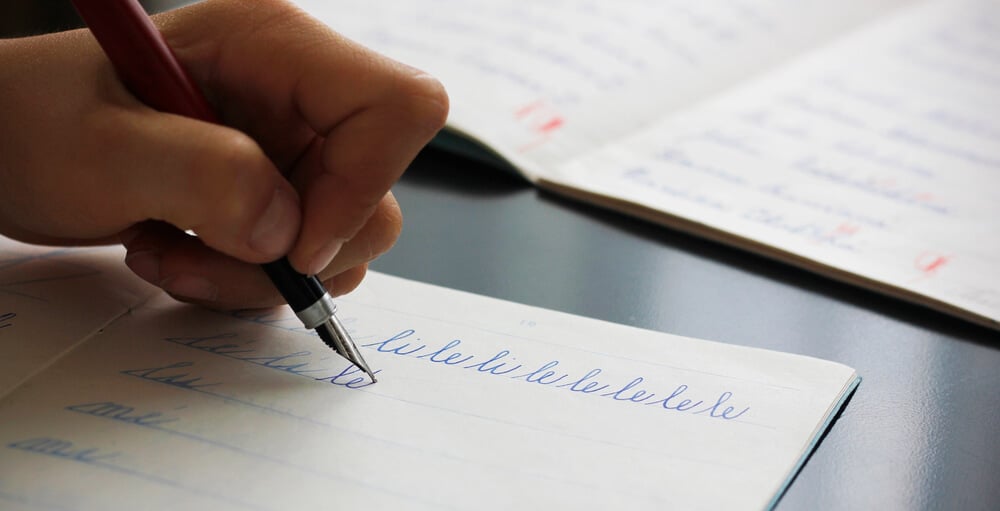
Austin Palmer published his guide to business writing in 1894, and the Palmer Method soon dominated American handwriting instruction. Students practiced rows of loops, ovals and push-pulls, using arm movement rather than finger movement for smooth, efficient cursive.
Generations of schoolchildren filled practice books under strict supervision. The method declined in the mid-twentieth century as other approaches took over.
Cursive itself faded from many school curricula in the 2010s, though several states have since reinstated it. Older Americans can often spot a Palmer-trained hand instantly by its even slant and looping capitals.
The style was meant to be fast enough for a busy office clerk.
Consulting a Letter-Writing Manual
Guides with titles like The Complete Letter-Writer appeared in the eighteenth century and remained popular for generations. They offered model letters for every occasion, from proposals of marriage to requests for payment and apologies for late replies.
Readers copied the language almost word for word. The manuals reveal how carefully people once thought about tone, rank and politeness in writing.
Modern etiquette books still offer some guidance, but nobody consults a manual before writing an email. Some manuals even included sample replies, so a reader could find the right response to a proposal, a dunning notice or an awkward invitation.
Historians now mine them for clues about class and courtship.
Writing to a Pen Pal Abroad
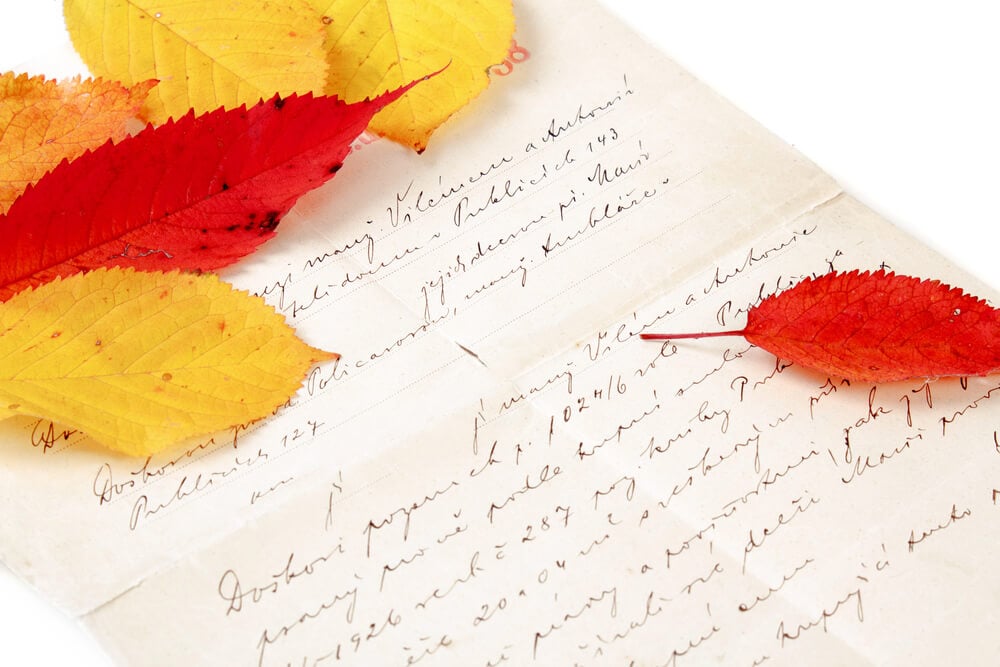
Pen pal programs matched young people with correspondents in other countries, encouraging cultural exchange through regular letters. Organizations matching students across borders dated back to the 1930s, and schools often encouraged participation.
Writers swapped photos, stamps and descriptions of daily life, sometimes keeping up friendships for decades. The internet changed everything, offering instant contact with people worldwide.
Some pen pal programs survive, but the patience required to wait weeks for a reply has largely vanished. Many former pen pals still treasure the foreign stamps and photographs that arrived in those envelopes.
Some eventually met in person after decades of writing, a reunion story newspapers loved to print.
Coding Messages on the Envelope Flap
During World War II, couples separated by war wrote acronyms on the backs of envelopes as small coded messages of affection. meant sealed with a loving kiss, and HOLLAND spelled out a wish that love would last and never die.
Soldiers and sweethearts traded dozens of variations, some tender and others cheeky. Postal censors sometimes viewed the codes with suspicion.
The practice faded after the war, though older generations still recognize the acronyms immediately. Collectors of wartime mail value envelopes covered in these codes, since they capture a private language shared by millions of separated couples.
A few acronyms were far too cheeky to repeat in polite company.
Sending Signals With a Tilted Stamp
Victorian and Edwardian correspondents sometimes used the position of a stamp on an envelope to send silent messages. Guides printed on postcards claimed that an upside-down stamp, a sideways stamp or a stamp tilted at a particular angle each carried a different romantic meaning.
The meanings varied from guide to guide, so the system was more playful than precise. Postal workers had to handle envelopes with stamps in every possible position.
The custom faded with the rise of the telephone and is now remembered mainly by collectors.
Tucking Keepsakes Into Envelopes
Letters once carried small treasures, including pressed flowers, four-leaf clovers and locks of hair. Victorians in particular treasured hair as a keepsake, sometimes weaving it into jewelry or mourning tokens.
A dried flower from a garden or a curl from a baby’s head made a letter feel like a physical connection. Archives and family collections still turn up these fragile enclosures.
Modern mail handling and digital communication made the habit rare, though some people still slip a pressed leaf into a card. Conservators handle such finds carefully, since the enclosures are often more fragile than the paper around them.
Ordering Engraved Personal Stationery
Well-off households once kept supplies of engraved stationery with names, monograms or addresses printed at the top. Firms such as Crane and Company, which has also supplied paper for U.S. currency since 1879, built reputations on fine stationery.
Choosing paper weight, color and engraving style was a matter of taste and social signaling. Many people received stationery sets as graduation or wedding gifts.
Personalized stationery still exists, but most households no longer keep boxes of it on hand. A matching set of note cards and envelopes was once considered a basic tool of adult life.
Its absence now passes without comment.
Mourning Stationery With Black Borders
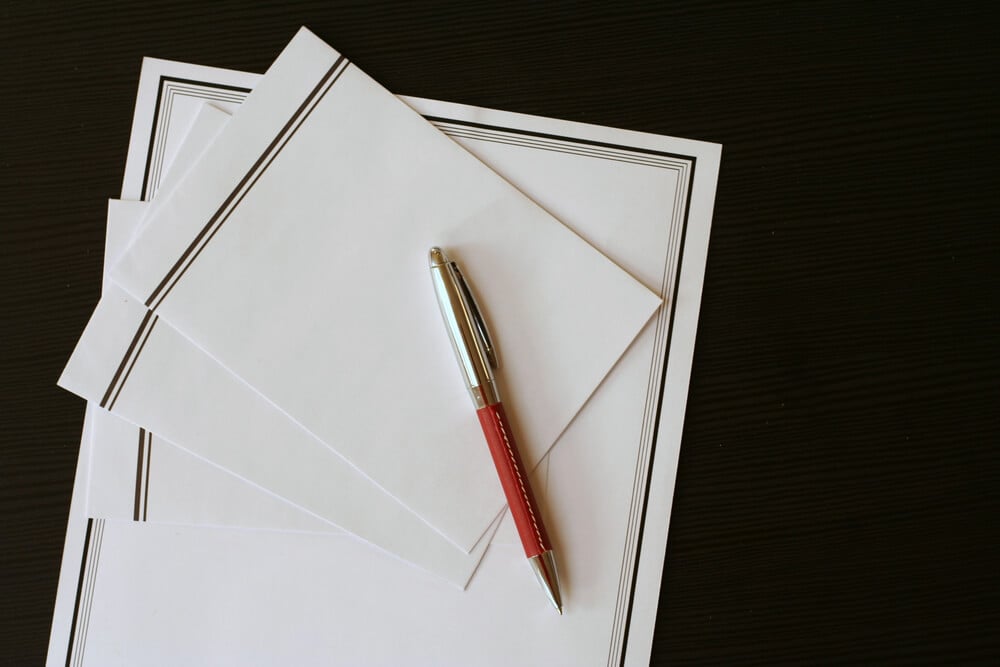
Families in mourning once wrote on stationery with black borders, a visible signal of grief to every recipient. The width of the border carried meaning, with broader borders used in the early months after a death and narrower ones as mourning progressed.
Victorian etiquette guides spelled out the rules in detail. The custom declined in the early twentieth century, especially after World War I made mass mourning so widespread.
Black-bordered stationery now turns up mostly in antique shops and archives. Matching black-edged envelopes warned recipients of sad news before the seal was even broken.
Carrying a Letter of Introduction
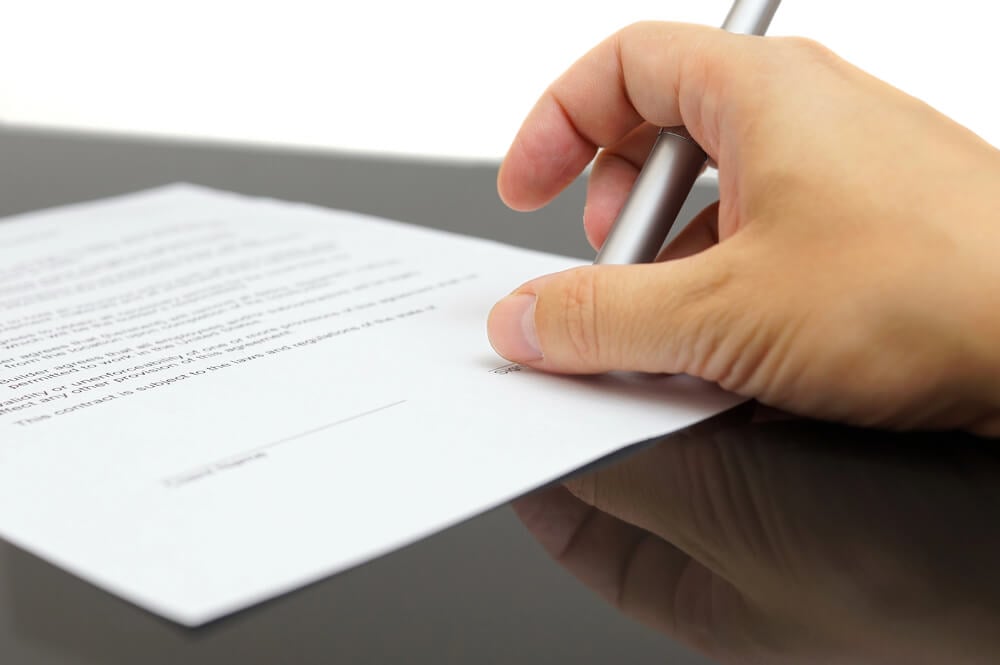
Travelers and job seekers once carried letters of introduction from mutual acquaintances, opening doors to strangers in distant cities. A respected sender’s endorsement could secure meetings, lodging or employment.
Figures like Benjamin Franklin wrote many such letters for travelers heading abroad. The letters carried real social weight, and forging one could ruin a reputation.
Professional networks, references and online profiles now serve the same purpose, though the old formality has disappeared. A well-written letter of introduction once described the bearer’s character, family and purpose in careful detail.
Recipients were expected to offer at least a dinner or a meeting in return, and refusing could insult the sender.
Sending a Bread-and-Butter Letter
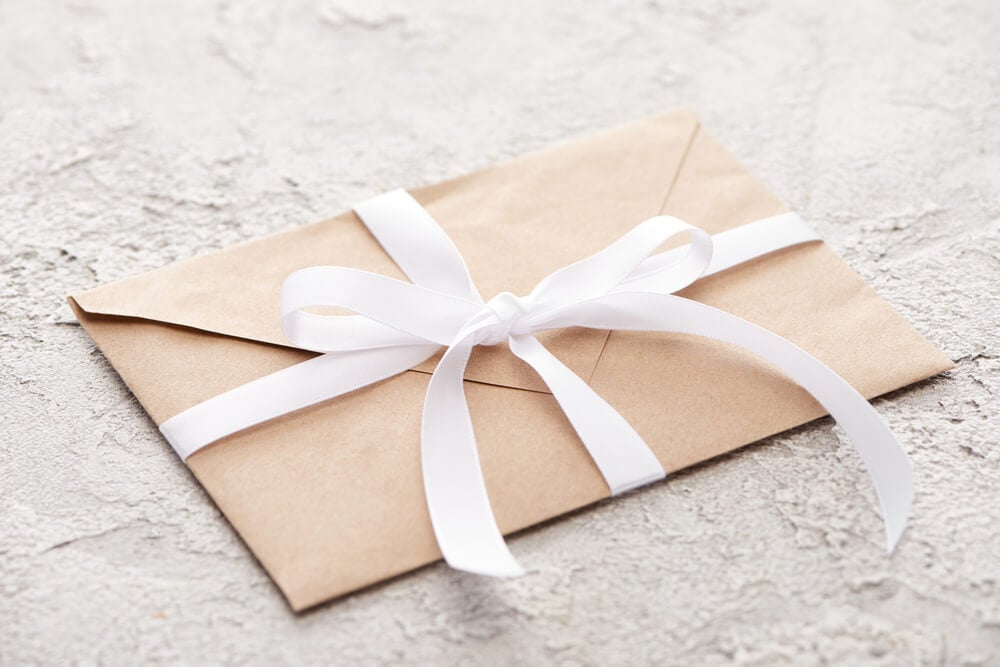
Guests who stayed overnight at someone’s home were once expected to send a note of thanks soon after leaving, known as a bread-and-butter letter. The note thanked the hosts for their hospitality and often mentioned specific moments from the visit.
Etiquette guides treated the custom as essential, and failing to send one was a social misstep. Text messages and quick emails now handle the job for most people.
The name itself has become an antique, unfamiliar to many younger readers. Etiquette writers once suggested sending the note within a day or two of returning home.
Reading Letters Aloud to the Family
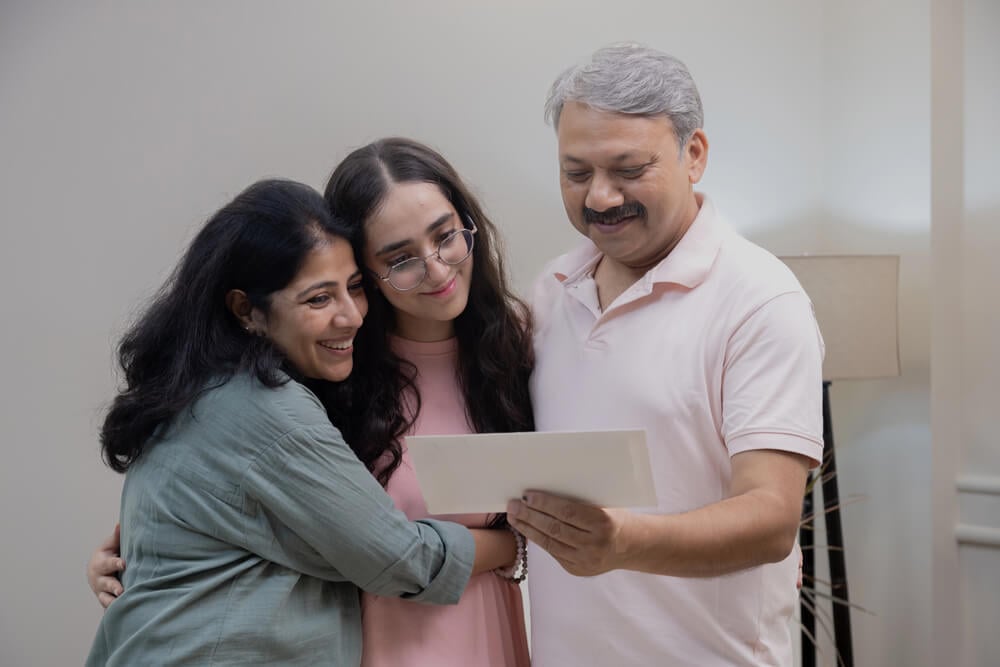
In many nineteenth-century households, letters from distant relatives were read aloud to the entire family, sometimes more than once. Writers knew this and often addressed news to multiple people at once.
A letter from a son at war or a daughter who had moved west could become a family event. Neighbors sometimes gathered to hear news from abroad.
Private communication on phones and computers has replaced the custom, and few families share messages aloud anymore. Letters were sometimes passed from house to house so that relatives across a town could hear the same news.
The writer’s voice traveled farther than the envelope ever did.
Tying Old Letters in Ribbon Bundles
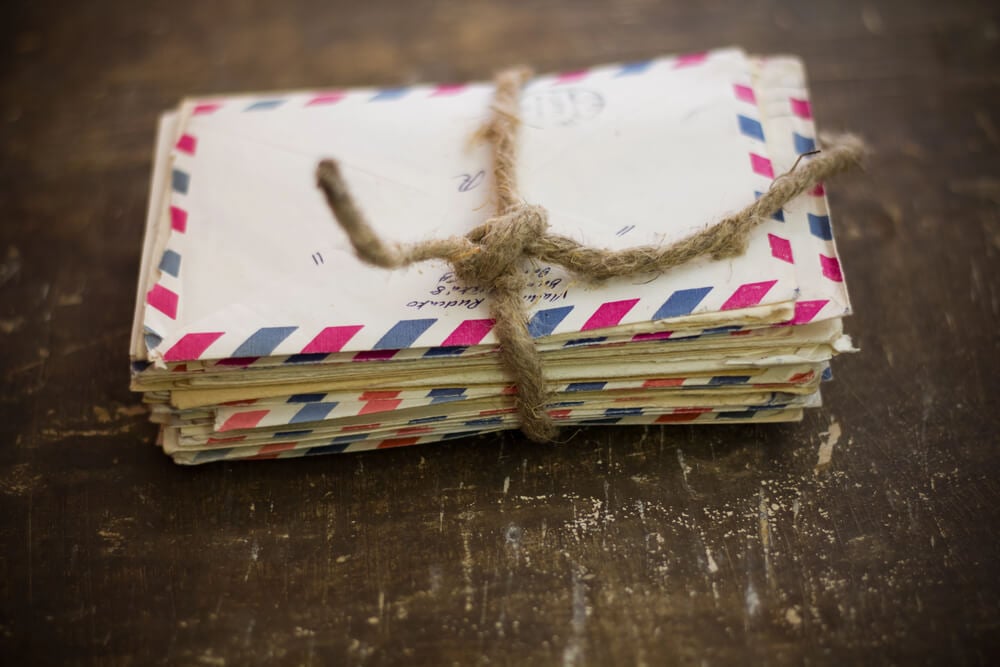
Treasured letters were once tied in bundles with ribbon or string and stored in boxes, drawers or trunks. Love letters, wartime correspondence and family news were kept for decades, often discovered by grandchildren after a death.
The bundles became family archives, preserving voices and handwriting. Email inboxes and text messages are rarely saved with the same care.
Historians worry that future generations will have far fewer personal records than the people who once tied letters in ribbon. A faded ribbon around a stack of envelopes is often the first clue that something precious lies inside.
Archivists still find such bundles in donated estates.
Numbering Letters During Wartime
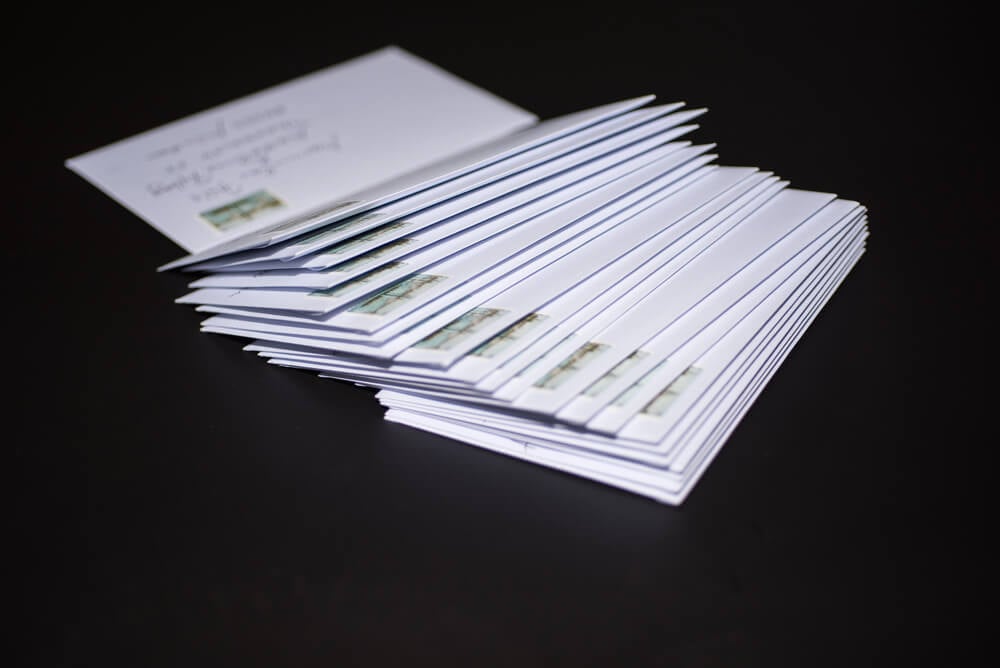
Couples separated by war often numbered their letters so that each recipient could tell whether any had gone missing. Mail delivery to the front was slow and unpredictable, and letters often arrived out of order.
Numbers helped readers piece together the sequence of news. The habit appears frequently in surviving wartime collections from the twentieth century.
Instant digital communication has made such tracking unnecessary for military families today. Some couples numbered every letter across years of separation, reaching totals in the hundreds.
Those numbered bundles now let historians reconstruct entire wartime courtships in order, gaps and all.
Passing Along Round-Robin Family Letters
Some families kept in touch with round-robin letters, also called circle letters, which traveled from one household to the next. Each recipient read the accumulated letters, removed their own previous contribution, added a new one and mailed the bundle onward.
A single packet could circulate among siblings and cousins for years. The method kept scattered families connected at a time when long-distance calls were expensive.
Group texts and social media have replaced it. Some circle letters kept running for decades, carried on by children after the original writers had died.
The packets grew thick with photographs, clippings and recipes along the way.
Dictating to a Stenographer
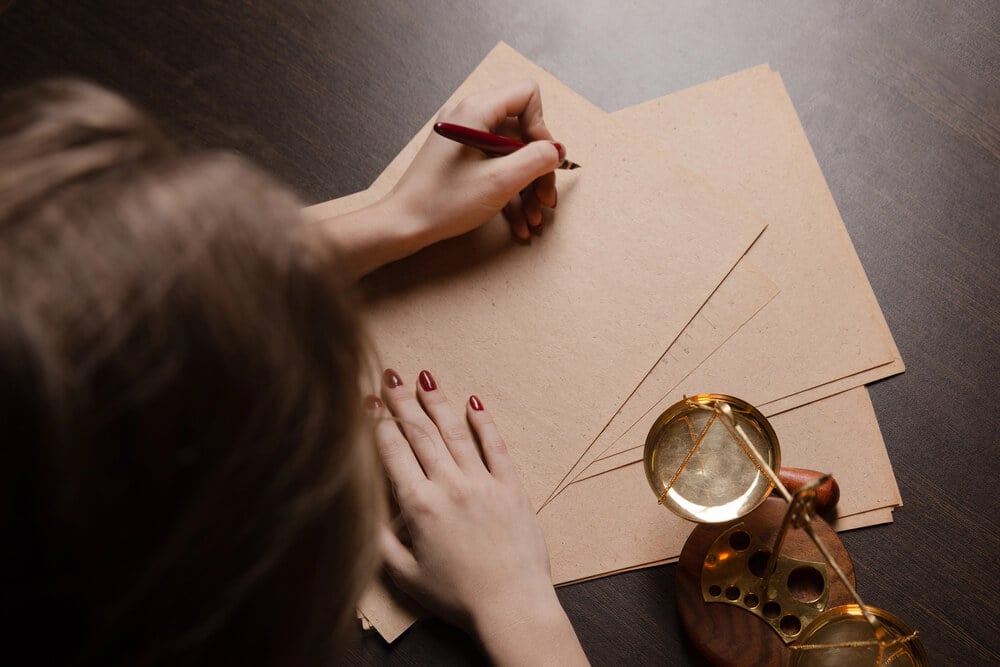
Busy executives once dictated letters to stenographers who took them down in shorthand and typed them up later. Isaac Pitman published his shorthand system in 1837, and John Robert Gregg introduced his in 1888, both used by generations of office workers.
A skilled stenographer could capture speech at remarkable speed. Dictation machines and later personal computers reduced the need for the job.
Shorthand is now a rare skill, though some court reporters and journalists still learn it. A good stenographer also polished grammar and phrasing, quietly improving the boss’s letters before they went out.
Painting Over Typos With Correction Fluid
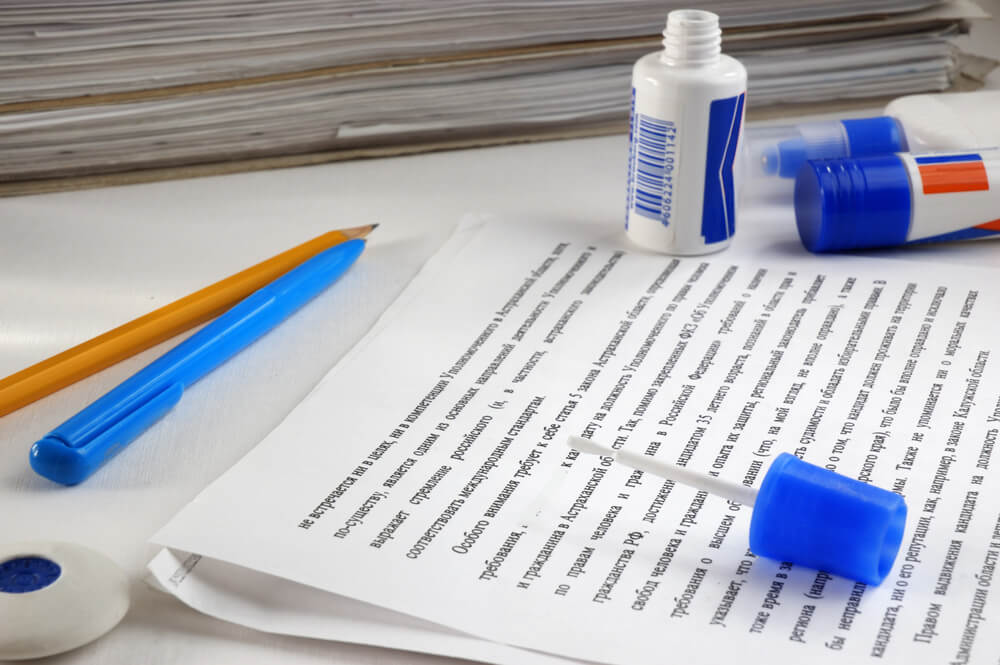
In the 1950s, Bette Nesmith Graham, a Dallas secretary, developed a white paint to cover typing errors and began selling it as Mistake Out. The product became Liquid Paper, and she eventually sold the company to Gillette in 1979 for about 47.5 million dollars.
Her son, Michael Nesmith, became famous as a member of the Monkees. Correction fluid was a fixture of every typewriter desk for decades.
Word processors made it unnecessary, and the small bottles with built-in brushes now seem quaint. Typists once blew on the page to dry each correction before typing over it.
Addressing Firms as Messrs.
Letters to businesses or groups of men were once addressed to Messrs., an abbreviation of the French Messieurs. A letter might go to Messrs. Smith and Jones at a particular address.
The convention signaled formality and respect. It faded in the twentieth century as business correspondence grew simpler and more gender-neutral.
Today the abbreviation looks almost theatrical, though it still appears in some legal and formal British correspondence. Older letterheads and business directories are full of the abbreviation.
Ledger books from the nineteenth century often list accounts the same way, so the term turns up constantly in family business records.
Replying by Return of Post

In Britain, a request to reply by return of post meant answering with the next outgoing mail, often the same day a letter arrived. Multiple daily deliveries and collections made this possible in big cities.
The phrase signaled urgency and expectation. As delivery schedules shrank and communication sped up, the phrase lost its practical meaning.
It now survives mostly in old novels and formal letters, a reminder of when the mail ran on an almost hourly rhythm. Victorian Londoners could exchange several letters in a single day, using the post almost the way later generations used the telephone.
Ink That Expected to Be Kept
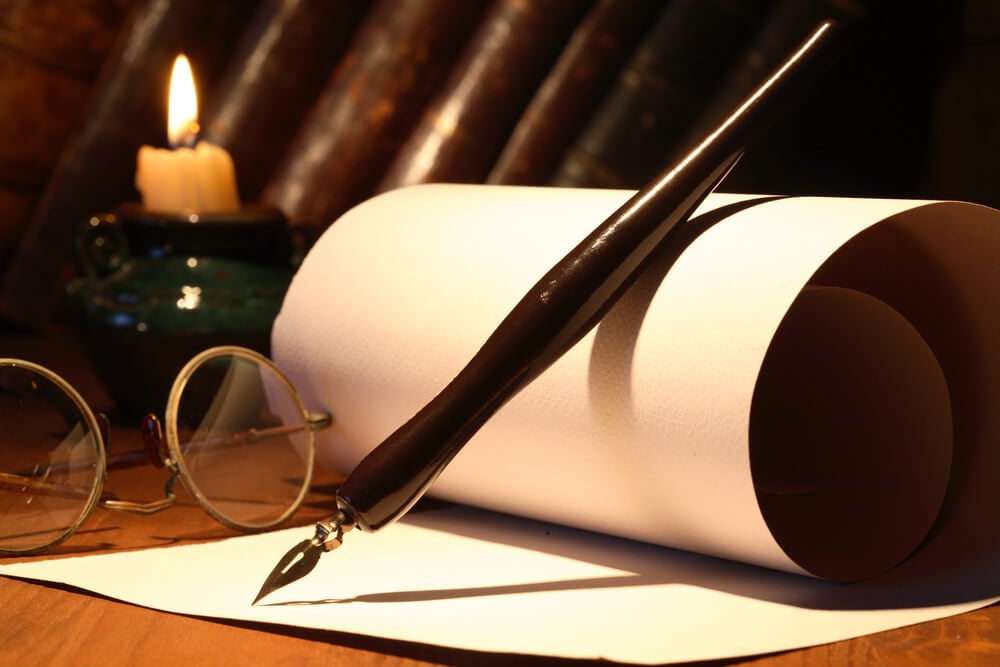
Each of these habits assumed that a letter mattered enough to deserve care, whether in the folding, the phrasing or the paper. Writers expected their words to be read slowly, perhaps more than once, and possibly saved for years.
That expectation shaped everything about how they wrote.
Modern messages are faster and more frequent, but rarely built to last. The bundles of letters in attic trunks are proof that slowness had its rewards.
Those letters still speak, long after the writers have gone.
More from Go2Tutors!

- The Romanov Crown Jewels and Their Tragic Fate
- 13 Historical Mysteries That Science Still Can’t Solve
- Famous Hoaxes That Fooled the World for Years
- 15 Child Stars with Tragic Adult Lives
- 16 Famous Jewelry Pieces in History
Like Go2Tutors’s content? Follow us on MSN.