28 Peace Talks That Collapsed Over a Single Impossible Demand
History remembers the peace treaties that worked. The handshakes, the signatures, the moments when enemies became allies.
But for every successful negotiation, there are dozens that crumbled at the last moment over demands so unreasonable they seem almost deliberately designed to fail. Sometimes it’s territory that can’t be surrendered, sometimes it’s pride that won’t bend, and sometimes it’s conditions so outrageous they reveal the true intentions behind closed doors.
Camp David II Summit
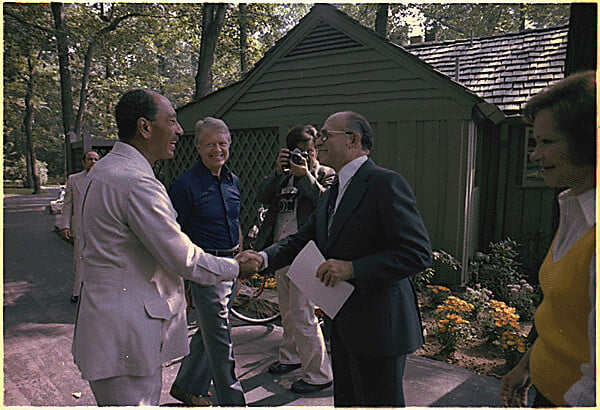
Ehud Barak insisted on Israeli sovereignty over the Temple Mount. The demand wasn’t just about control—it was about rewriting centuries of religious understanding in a single stroke.
Arafat walked away, and the Second Intifada followed shortly after.
The Geneva Conference on Indochina
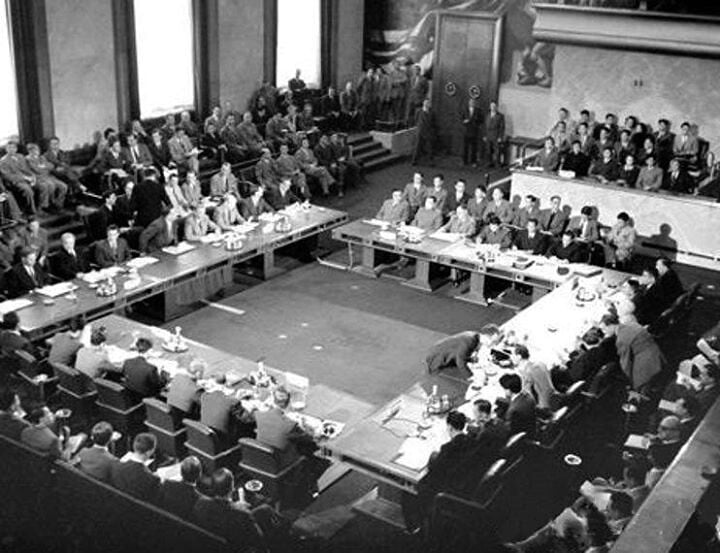
The French delegation demanded (quite seriously, as it turned out) that the Viet Minh forces withdraw entirely from territories they had already controlled for years, essentially asking Ho Chi Minh to surrender his own revolution. This wasn’t negotiation; this was fantasy dressed up in diplomatic language, and everyone in the room knew it, though the French seemed genuinely surprised when the talks collapsed.
Treaty of Sèvres Renegotiation
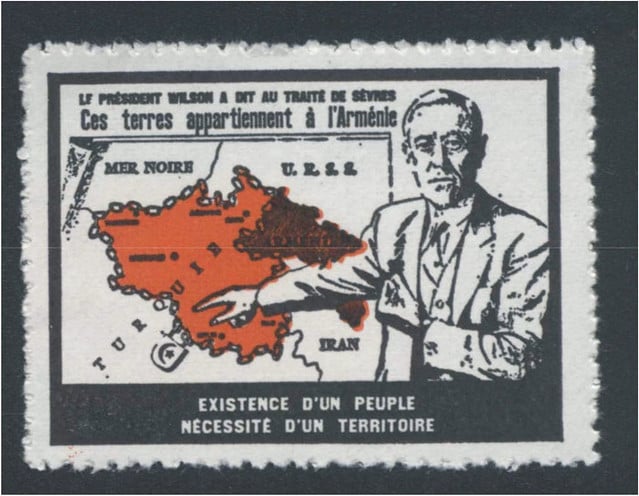
Picture this: you’ve just won a war of independence, established your new borders, and proven your military strength. Then your defeated enemies invite you to talks where they insist you give up half your victories and accept foreign control over your major cities.
Kemal Atatürk’s response was predictable, though the Allies seemed genuinely confused by his refusal.
Oslo Back-Channel Negotiations
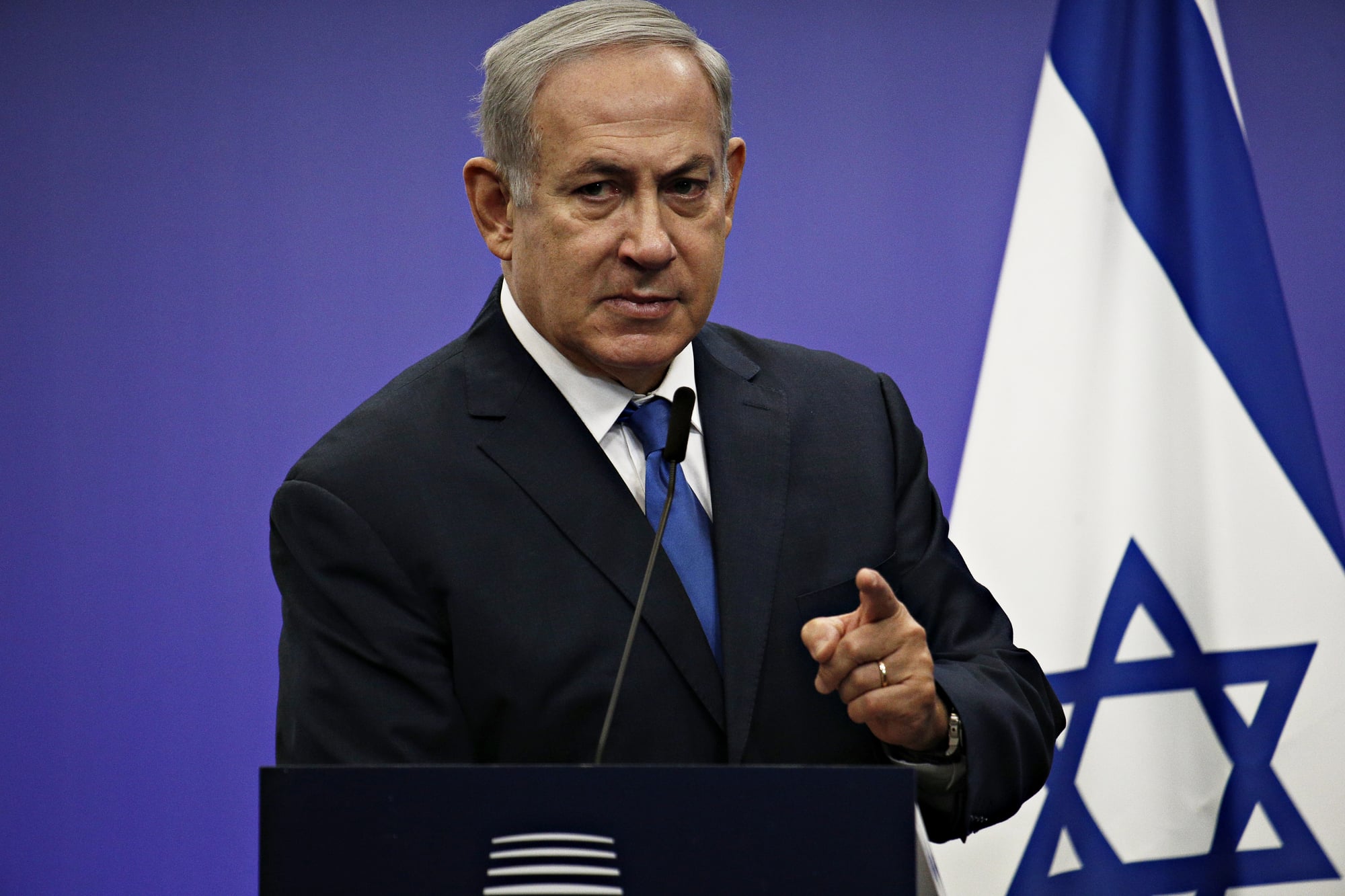
Netanyahu’s government demanded the right to continue settlement expansion during the peace process. To be fair, asking someone to negotiate peace while actively taking their land is quite the diplomatic strategy.
The Palestinians found it less charming than intended.
Korean War Armistice Preliminary Talks
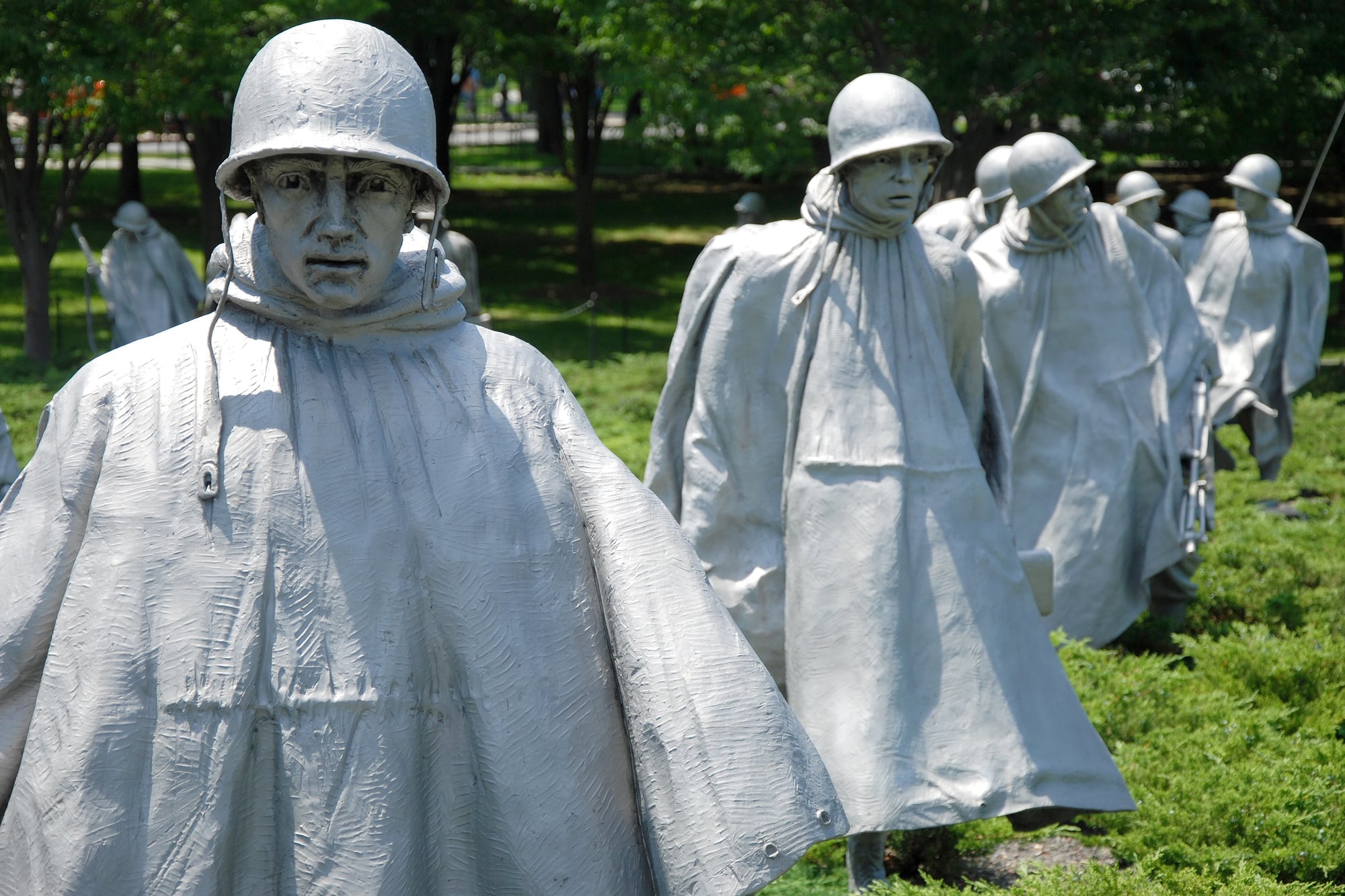
MacArthur’s team insisted on the complete withdrawal of Chinese forces from North Korea as a precondition. China had just committed hundreds of thousands of troops to prevent exactly that outcome.
The demand was so disconnected from military reality that it bordered on performance art.
Congress of Berlin Secret Sessions

Austria-Hungary demanded exclusive control over the Balkan railway networks, effectively asking for economic dominance over the entire region (which, coincidentally, would have given them strategic control over every major power’s access to the Ottoman territories). Russia, unsurprisingly, found this arrangement less than appealing, though the Austrians seemed to think it was perfectly reasonable—after all, they were only asking for everything.
Wye River Memorandum Follow-Up

Barak’s demand that Palestinian refugees renounce their right of return wasn’t just about numbers. The insistence that generations of displaced families formally abandon their ancestral claims struck at the heart of Palestinian identity.
The talks died there.
Potsdam Preliminary Discussions

Like asking someone to pay for the privilege of their own defeat, Churchill’s initial demand that Germany compensate Britain for wartime damages while simultaneously accepting indefinite occupation was a masterclass in diplomatic overreach. Stalin’s amusement was reportedly visible, even to the British delegation.
Good Friday Agreement Modifications

The DUP’s demand for an Irish language act veto essentially meant giving one community permanent control over the cultural expression of another. Sinn Féin recognized the trap immediately.
The amendment talks collapsed before they really began.
Six-Party Talks on North Korea
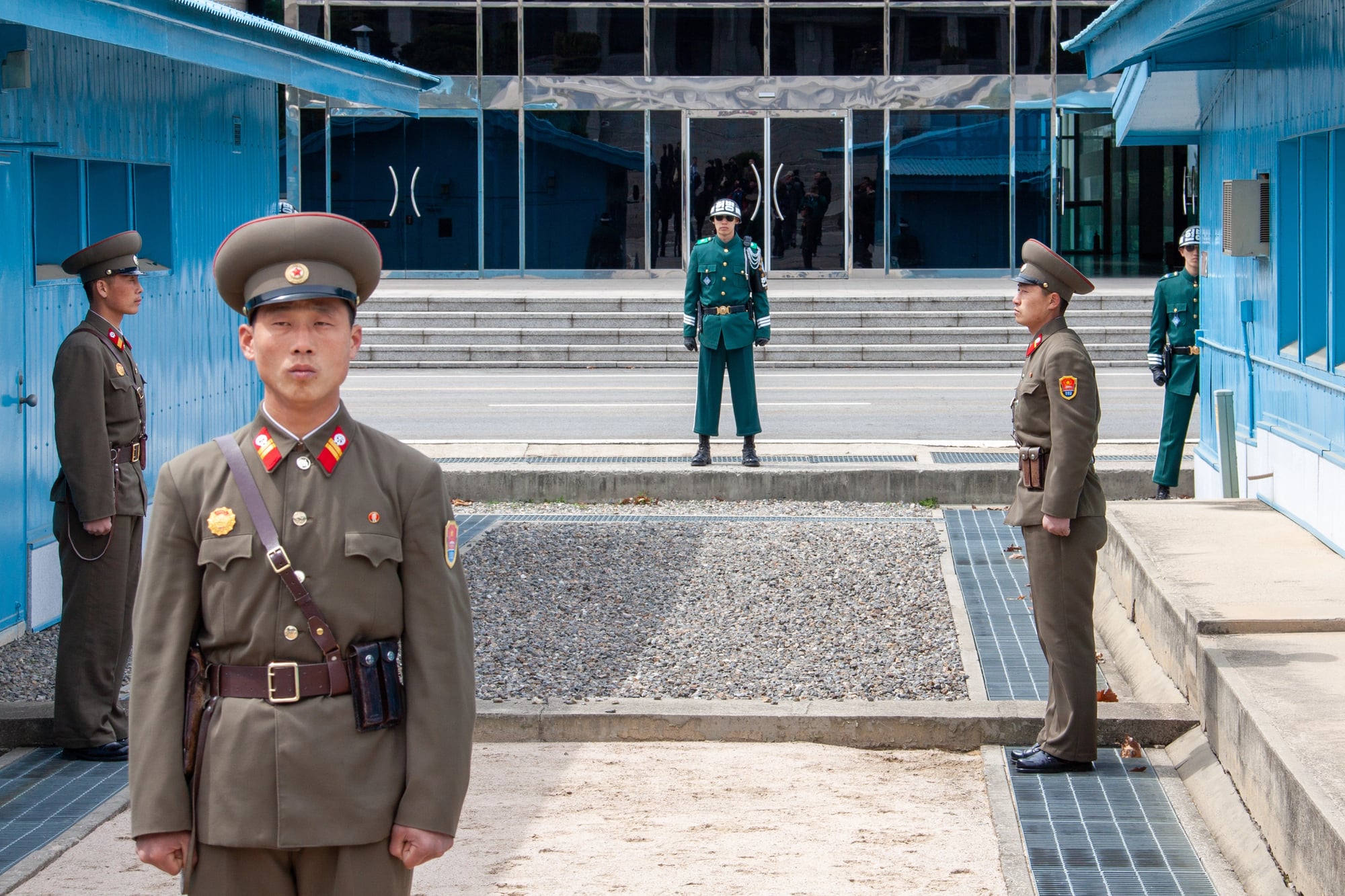
North Korea demanded the right to maintain its nuclear program for “peaceful purposes” while receiving security guarantees. This is roughly equivalent to asking your neighbors to trust you with fireworks after you’ve been setting them off in their backyard for months.
The other five parties were not impressed.
Egyptian-Israeli Disengagement After Yom Kippur

Egypt’s initial demand for complete Israeli withdrawal from Sinai before any normalization talks could begin was like insisting on the conclusion before agreeing to the process. Kissinger spent months explaining why this approach might be counterproductive, though Sadat seemed genuinely surprised that Israel wanted something in return for something.
Dayton Accords Preliminary Meetings

Milošević’s demand for Serb-majority municipalities to have veto power over Bosnian federal decisions was essentially asking for the right to paralyze any government they didn’t control. The Bosniak delegation pointed out that this wasn’t federalism—it was hostage-taking with extra steps.
Zimbabwe Independence Negotiations Breakdown

Smith’s government insisted on guaranteed white minority representation that would effectively give 4% of the population veto power over majority rule. The mathematics alone made this demand fascinating from an academic perspective.
The practical politics made it impossible.
Northern Ireland Boundary Commission Talks

The Ulster Unionist demand that any border modifications require unanimous consent from affected Protestant communities essentially meant no changes could ever happen. Carson seemed to believe this was a reasonable negotiating position rather than a complete rejection of the commission’s purpose.
Polish Corridor Negotiations

Hitler’s demand for extraterritorial highways and railways through the Corridor wasn’t just about transportation—it was about creating a legal precedent for German sovereignty over Polish territory. Beck recognized the trap immediately, though German negotiators acted genuinely puzzled by Polish reluctance to compromise their independence for convenience.
Treaty of Guadalupe Hidalgo Renegotiation Attempts
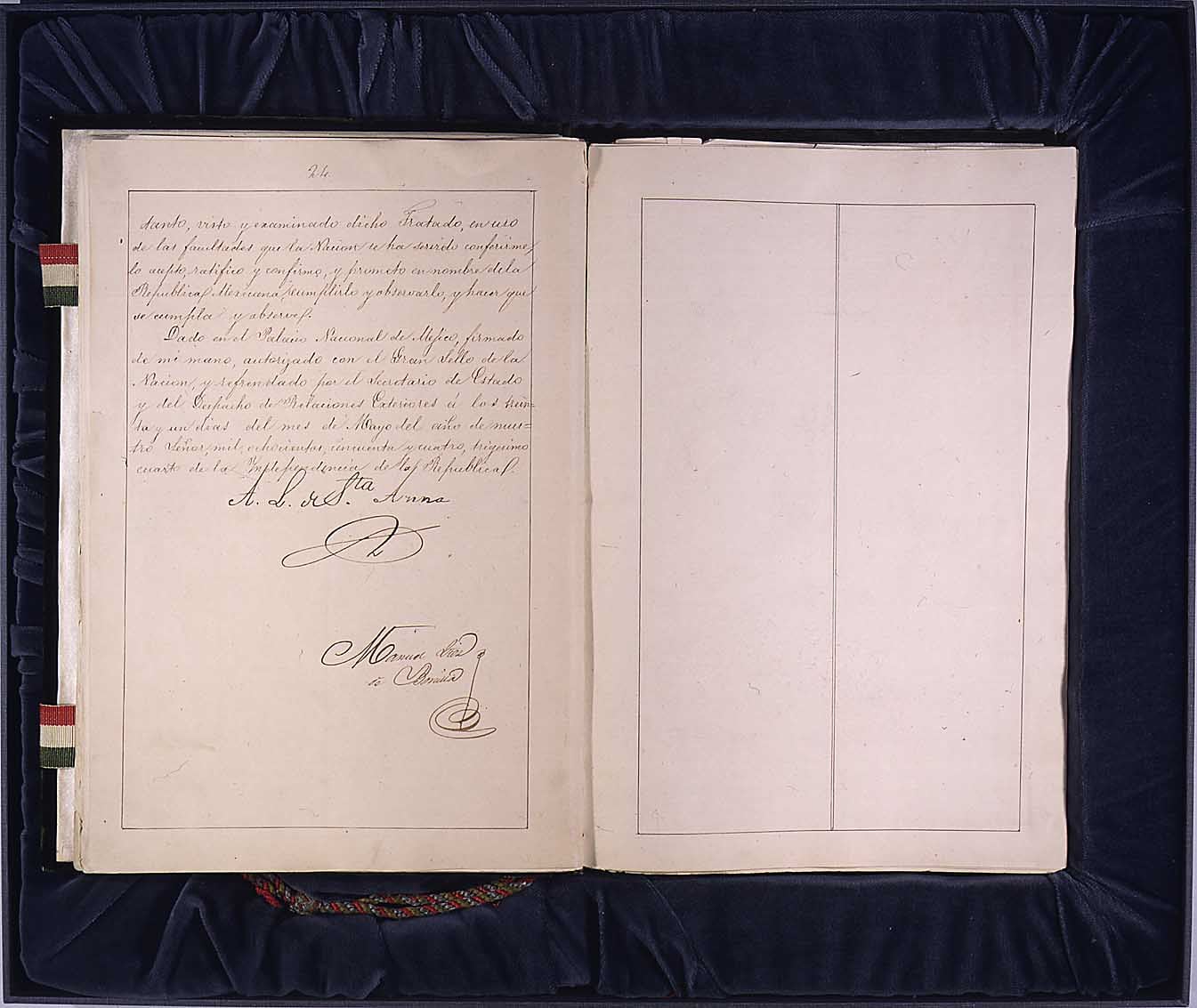
Like asking someone to pay rent on property they already own, Polk’s demand that Mexico compensate American settlers for “improvements” made to Mexican land during the occupation revealed a creative interpretation of property rights. The Mexican delegation’s response was notably brief and entirely unprintable.
Cuban Missile Crisis Back-Channel Talks
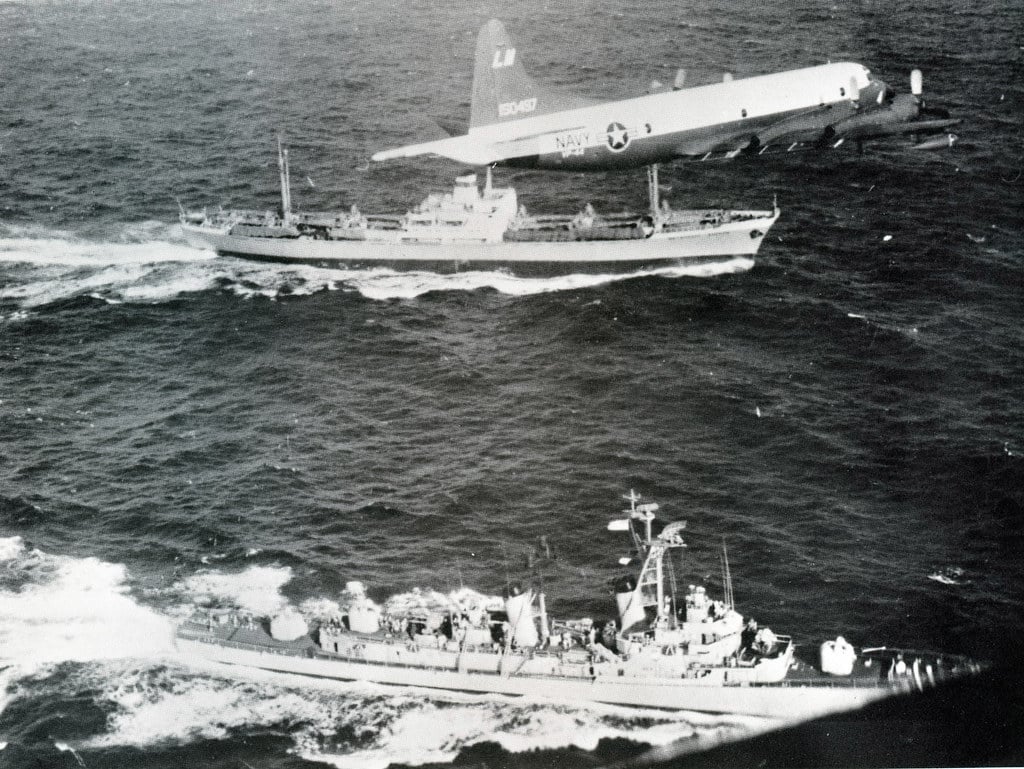
Kennedy’s initial demand that Soviet weapons be removed under American inspection while U.S. missiles remained in Turkey was the kind of asymmetrical arrangement that sounds reasonable only to the side making it, though the Jupiter missiles in Turkey were subsequently removed as part of the settlement. Khrushchev’s initial response suggested he found the logic somewhat lacking, though diplomatic language obscured most of the colorful metaphors.
Fashoda Incident Resolution
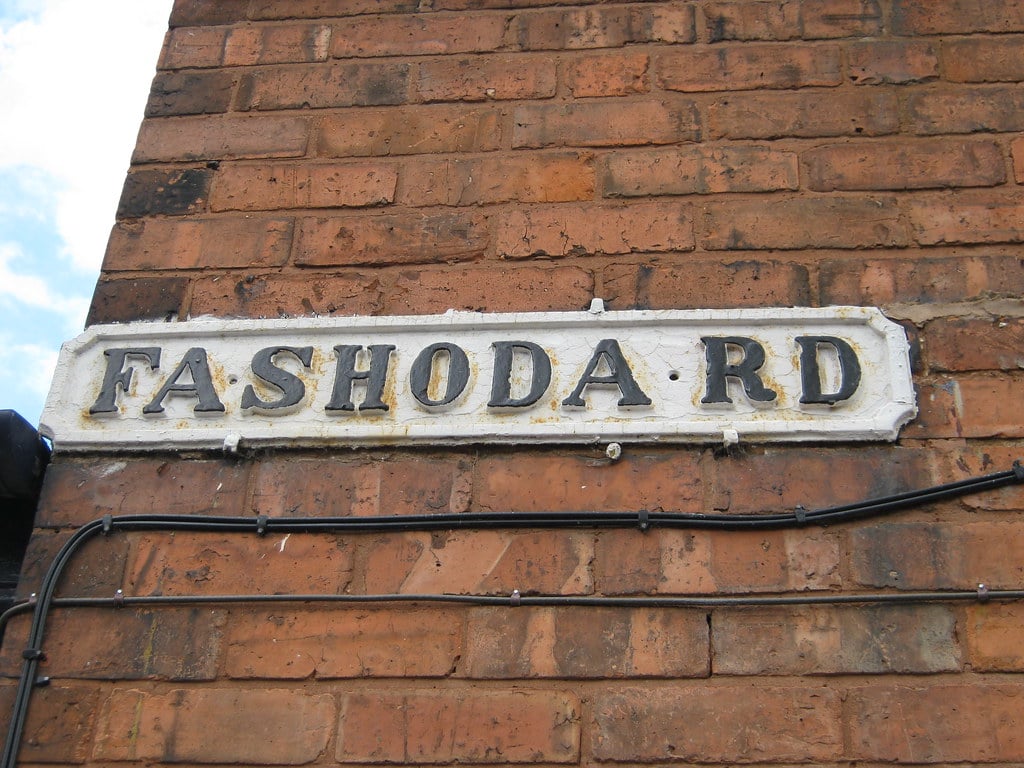
The French demand for British recognition of French claims to the entire Upper Nile basin was essentially asking Britain to abandon the whole point of their presence in Egypt. Marchand seemed genuinely surprised when Kitchener found this proposal less than compelling, as if asking someone to give up their strategic objectives was a normal opening gambit.
Venezuelan Boundary Dispute Mediation
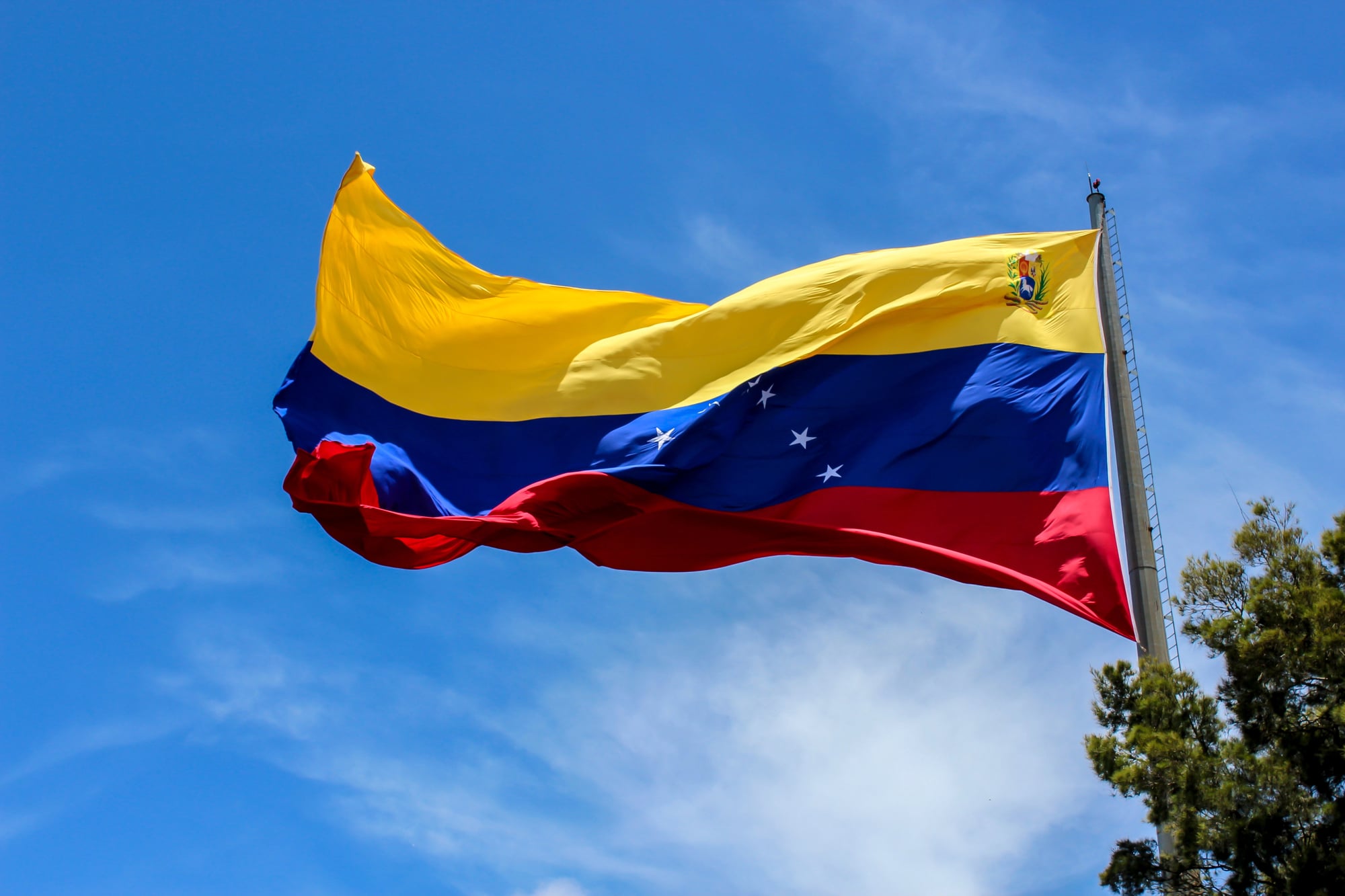
Britain’s insistence that areas settled by British subjects automatically became British territory was a novel interpretation of international law that would have made colonization remarkably simple. Cleveland’s response suggested American lawyers had a different reading of how national boundaries typically worked, though the British seemed to find their position perfectly logical.
Russo-Japanese War Mediation
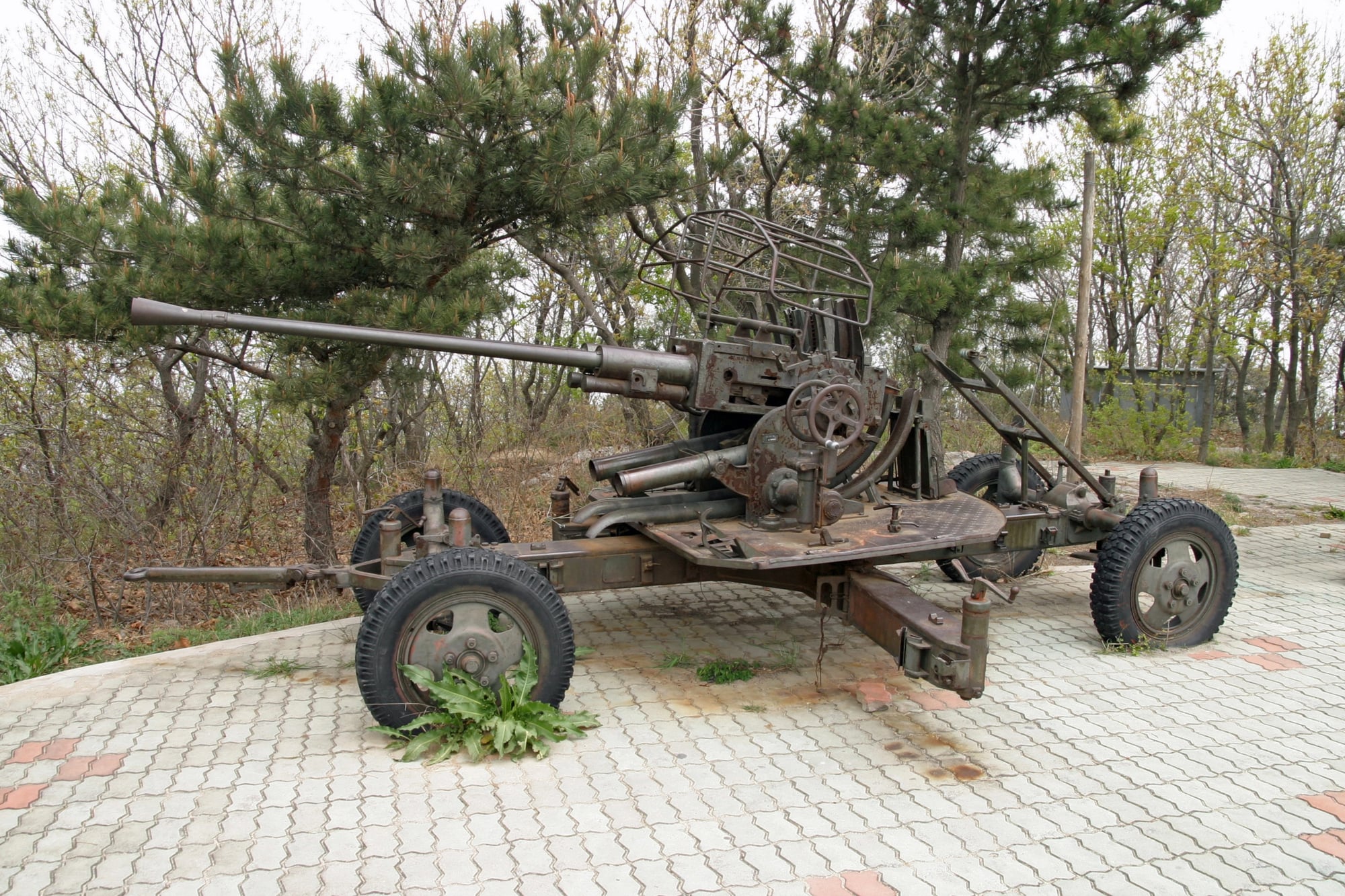
Russia’s forced concession of Port Arthur to Japan after military defeat meant Russia lost any claim to the city, transforming it from a negotiating demand into a war casualty. Roosevelt spent considerable time explaining why this arrangement might not appeal to the Japanese, though Russian negotiators appeared genuinely confused by Japan’s lack of enthusiasm for partial victory.
Second Boer War Peace Preliminary Talks

The Boer demand for British recognition of complete independence after losing the war was optimistic in a way that impressed even their opponents. Kitchener’s response was notably diplomatic, considering the circumstances, though privately he seemed to question whether the Boer leadership understood how surrender typically worked.
Spanish-American War Armistice Extensions

Spain’s agreement to cede the Philippines to the United States in the Treaty of Paris ended any Spanish claim to the islands, making further negotiations over governance unnecessary. McKinley’s team spent weeks trying to understand what exactly Spain thought they were offering, besides administrative responsibility without authority.
War of 1812 Ghent Negotiations Early Phase

Britain’s demand for an independent Indian buffer state carved out of American territory wasn’t just about Native American rights—it was about permanent containment of American expansion. The American delegation recognized this immediately, though British negotiators seemed to frame it as a reasonable compromise for everyone involved.
Mexican-American War Preliminary Talks

Mexico’s demand that the U.S. withdraw to the Nueces River while maintaining claims to territory they couldn’t defend was like insisting on theoretical ownership after practical control had been lost. Polk’s response suggested American understanding of the situation was somewhat more grounded in current reality.
First Opium War Canton Negotiations
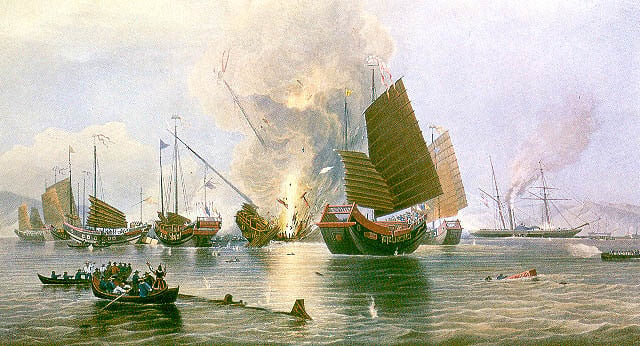
Chinese demands that British merchants accept Chinese legal jurisdiction while maintaining extraterritorial trading rights created a logical puzzle that even creative diplomats couldn’t solve. The British found this arrangement less appealing than the Chinese seemed to expect, particularly given the recent military outcomes that had made negotiations necessary in the first place.
Crimean War Preliminary Peace Feelers

Russia’s insistence on maintaining naval supremacy in the Black Sea while accepting limits on fortifications was the kind of have-it-both-ways arrangement that looked good on paper until someone examined what it actually meant. The Allied response suggested they had indeed examined it quite thoroughly and found the logic somewhat wanting.
Greek War of Independence Mediation

The Ottoman demand that Greek rebels lay down arms while negotiations proceeded essentially asked the Greeks to surrender their only leverage before discussing what they might receive in return. Byron’s correspondence suggests he found this approach less than brilliant, though Ottoman negotiators seemed to consider it a perfectly reasonable request for good-faith bargaining.
Texas Independence Recognition Talks

Mexico’s insistence that Texas remain under Mexican control while Texas independence advocates demanded full sovereignty created an irreconcilable impasse. Austin’s delegation pointed out that this was essentially asking them to un-declare independence for the privilege of declaring it again later, which struck them as unnecessarily complicated.
When Words Stop Working

These collapsed negotiations reveal something essential about the limits of diplomacy. Peace talks fail not because negotiators lack skill, but because some demands expose the fundamental impossibility of compromise.
When one side asks for everything while offering nothing, or demands the other side abandon the very reasons they came to the table, words become meaningless. The real tragedy isn’t that these talks failed—it’s how many wars continued because someone couldn’t resist making that one impossible demand.
More from Go2Tutors!

- The Romanov Crown Jewels and Their Tragic Fate
- 13 Historical Mysteries That Science Still Can’t Solve
- Famous Hoaxes That Fooled the World for Years
- 15 Child Stars with Tragic Adult Lives
- 16 Famous Jewelry Pieces in History
Like Go2Tutors’s content? Follow us on MSN.