13 Real Places That Have Only One Road In and Out
The modern world prides itself on connectivity, with sprawling highway systems and countless backroads linking most communities together. Yet hidden around the globe lie fascinating places where geography, circumstance, or deliberate isolation has created settlements accessible by just a single road.
These remarkable locations exist at the mercy of their sole connection to the outside world, creating unique challenges and distinct ways of life. Here is a list of 13 extraordinary places around the globe where residents and visitors alike must travel the same path coming and going – communities where “the road less traveled” isn’t even an option.
Coober Pedy
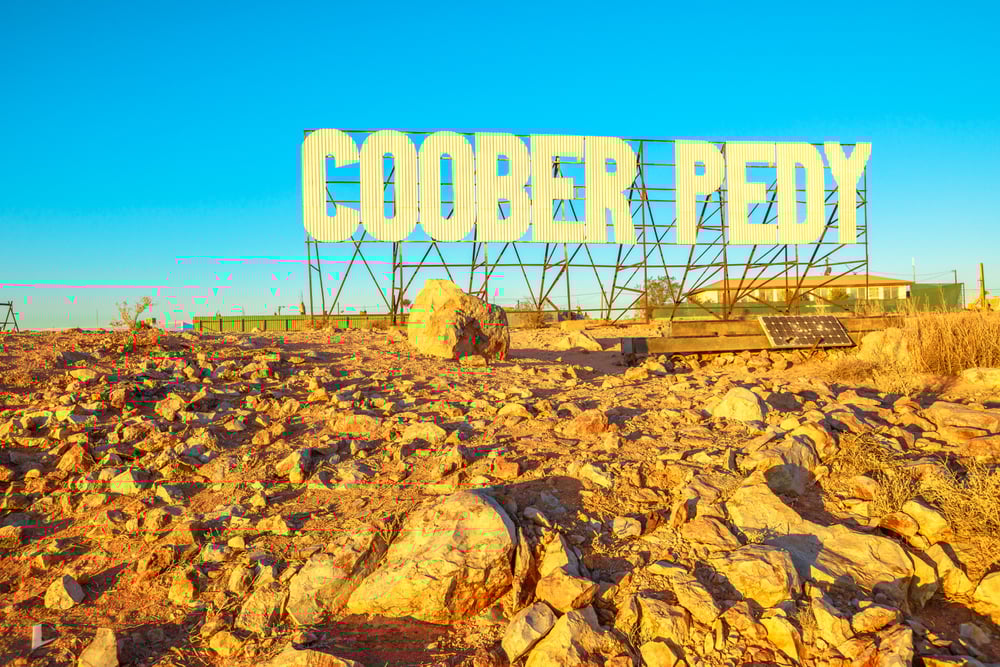
Deep in Australia’s unforgiving outback stands Coober Pedy, an opal mining town reachable solely via the Stuart Highway. The brutal desert heat pushed residents underground decades ago – most locals live in “dugouts,” cave-like dwellings carved beneath the earth’s surface.
With Adelaide sitting over 500 miles away, the lifeline provided by that lone highway becomes obvious whenever supplies run low or medical emergencies arise.
Whittier, Alaska
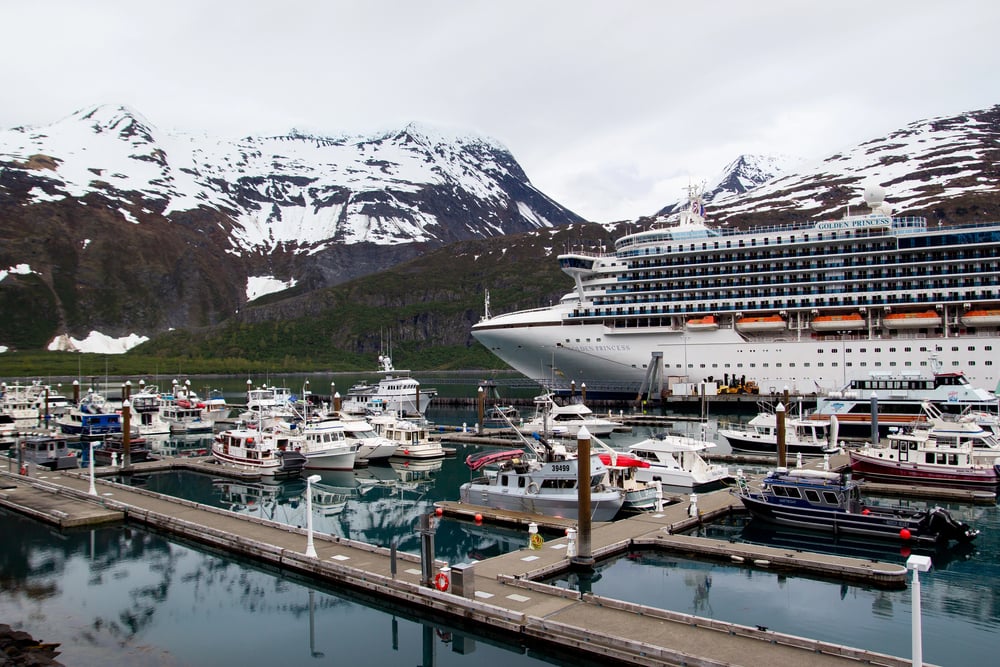
Nestled against towering mountains, Whittier remains cut off from Alaska’s road system except for a remarkable 2.5-mile tunnel through solid rock. The Anton Anderson Memorial Tunnel – shared with the railroad – switches direction hourly, leaving motorists waiting their turn to pass.
Nearly all 300 residents call the 14-story Begich Towers home, creating what’s essentially a vertical town under one roof. School, police station, church – everything sits within this single structure.
Like Go2Tutors’s content? Follow us on MSN.
Supai Village
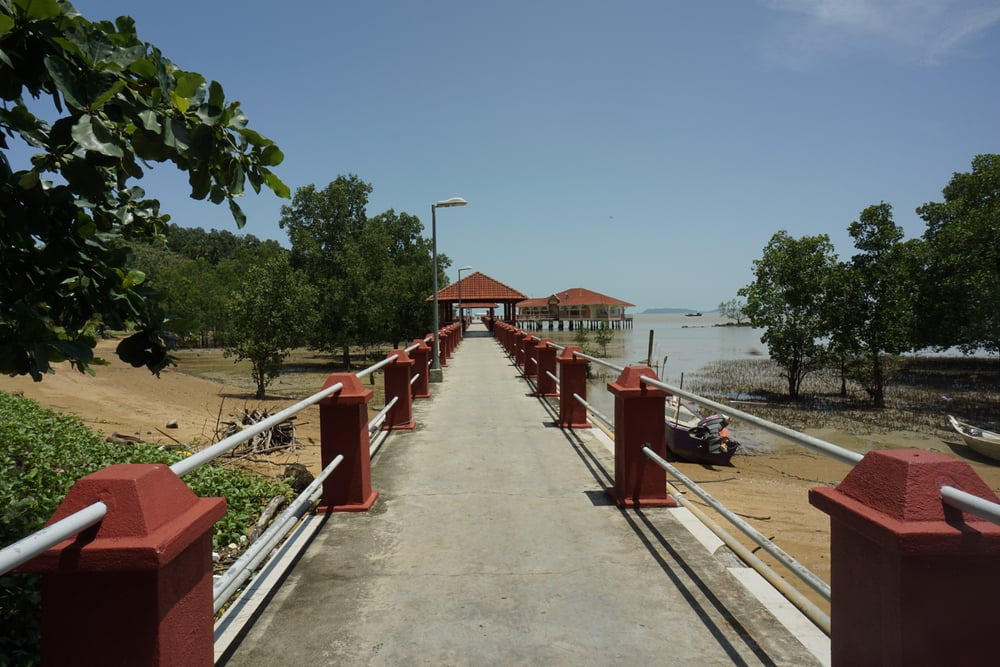
The Havasupai Tribe calls home what might be America’s most isolated community – tucked away at the Grand Canyon’s bottom and unreachable by conventional means. A lone road leads to the trailhead, then visitors face an 8-mile hike down steep canyon walls.
Daily life here moves at mule-speed; literally – mail arrives via animal train several times weekly. The breathtaking blue-green waterfalls nearby make this difficult journey worthwhile for the tourists who tackle it.
Gibraltar
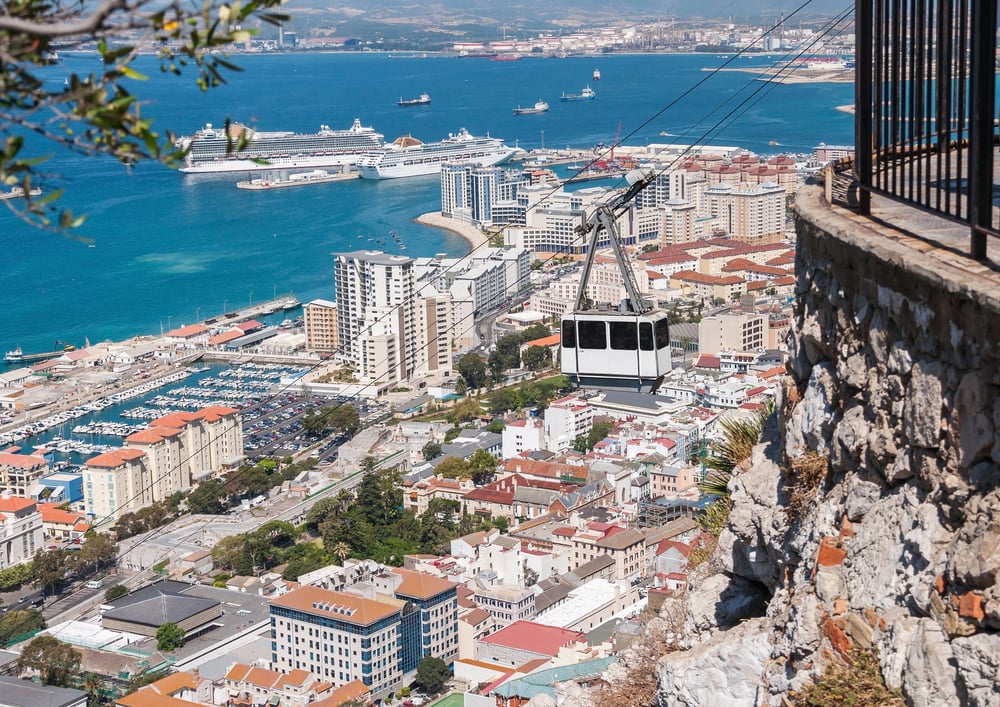
This British territory dangles from Spain’s southern edge, connected only by a narrow isthmus with just one road crossing. Strangely enough – the road intersects the territory’s airport runway, forcing traffic to halt whenever planes take off or land.
Gibraltar’s unusual geography creates profound space limitations; most development climbs the massive limestone rock towering above. The road’s vulnerability leaves locals perpetually aware of their tenuous connection to mainland Europe.
Point Roberts, Washington
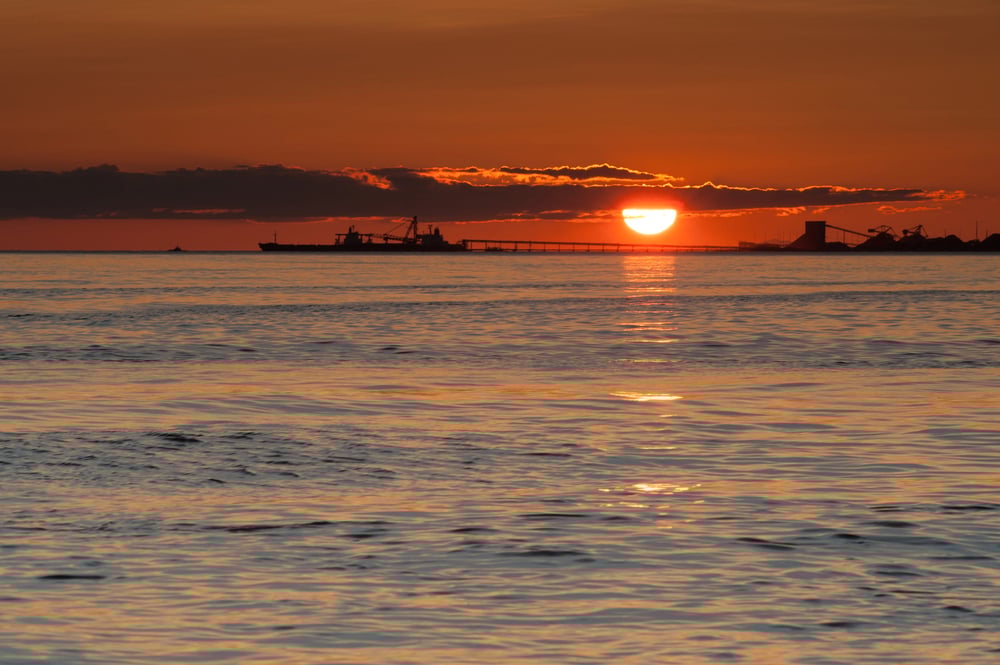
Americans living in Point Roberts experience an utterly unique border situation – their community sits on a tiny peninsula that dips below the 49th parallel into Canadian waters. The sole access road requires crossing international boundaries twice to reach the rest of Washington State.
Children face daily border crossings just to attend school! During COVID border closures, residents found themselves essentially stranded – separated from their country while technically still within U.S. territory.
Like Go2Tutors’s content? Follow us on MSN.
Grise Fiord
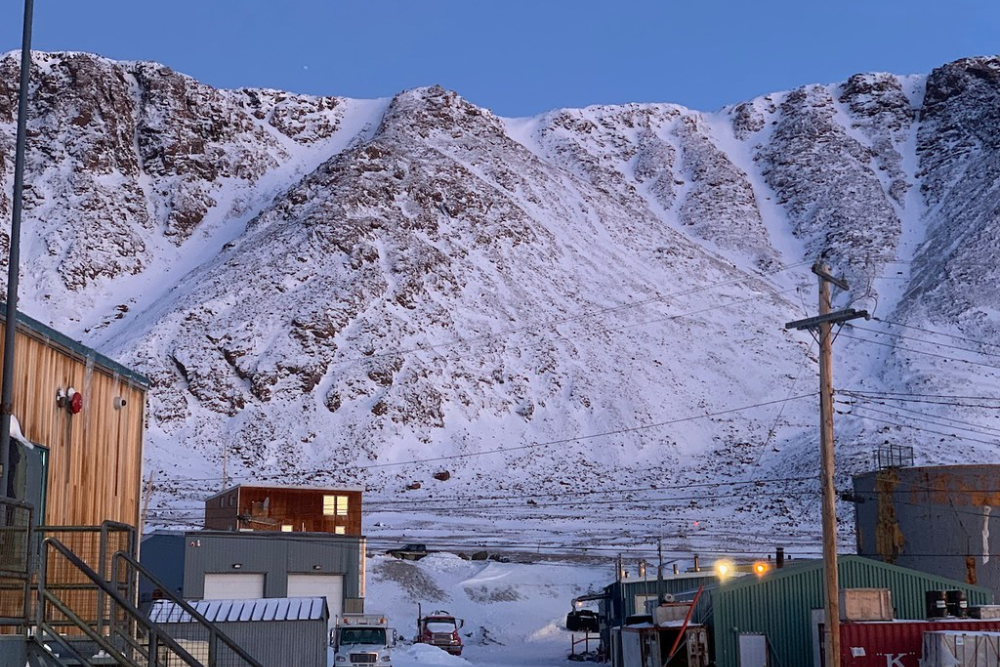
Canada’s northernmost civilian settlement – home to approximately 130 hardy souls – connects to civilization through just one unpaved road leading to its small airstrip. Located on remote Ellesmere Island, Grise Fiord endures months of total darkness each winter followed by perpetual summer daylight.
Weather frequently renders the lone road impassable, sometimes isolating the community for weeks. Residents stockpile essentials year-round – understanding that deliveries remain utterly unpredictable.
Slab City
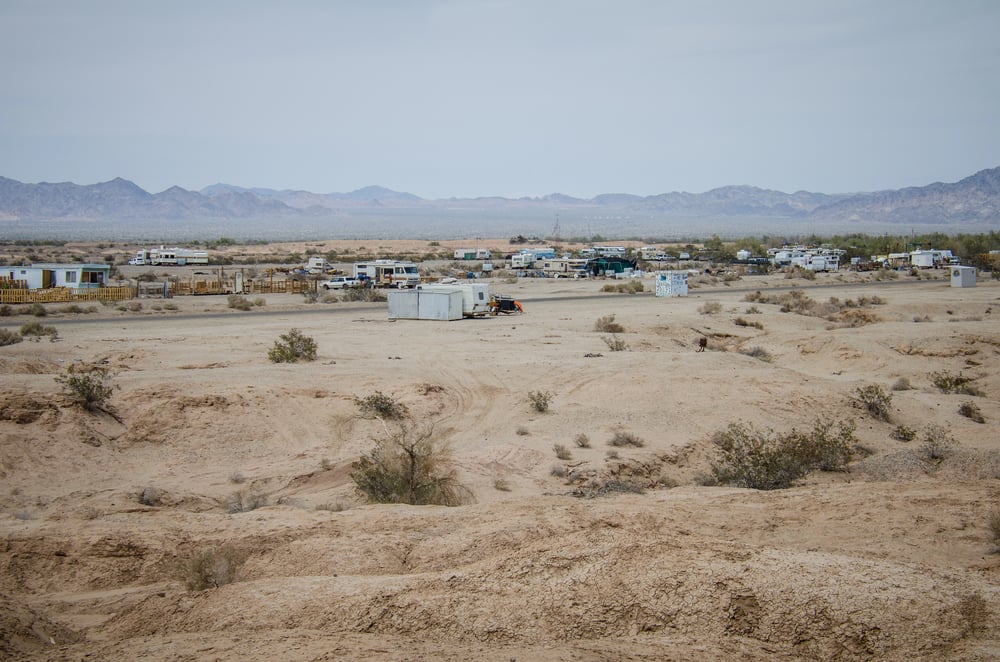
Off-grid enthusiasts flock to this unconventional community built atop abandoned military base foundations in California’s scorching Colorado Desert. A single dusty road from nearby Niland provides the only connection to conventional society.
Lacking municipal services – no running water, sewage systems, or electricity grid – Slab City attracts those seeking freedom from government oversight. The population fluctuates dramatically; roughly 150 “Slabbers” brave the brutal summer heat approaching 120°F year-round.
Barro Colorado Island
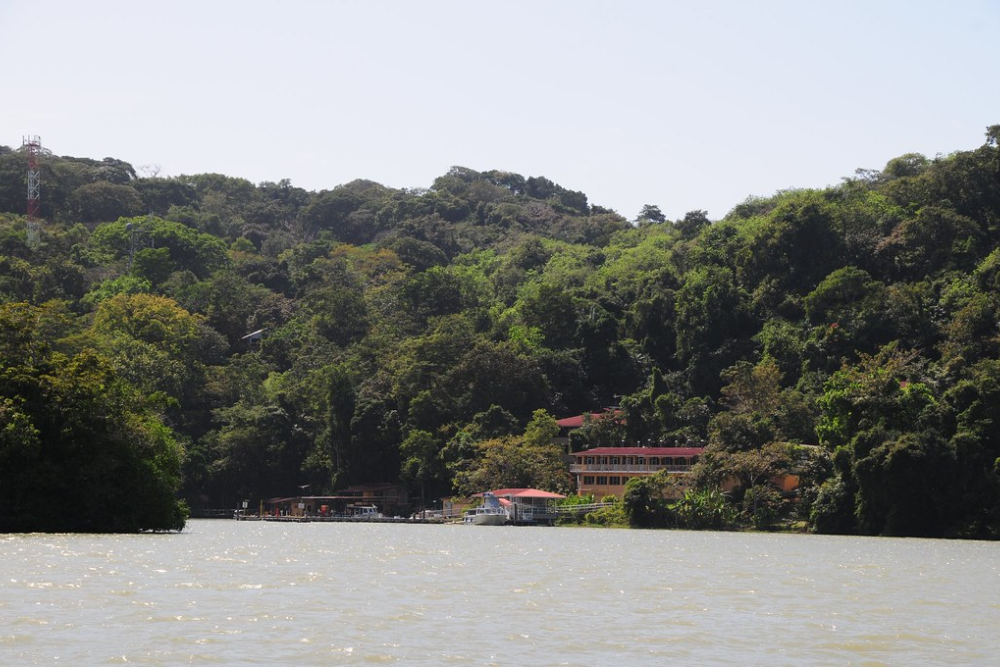
When engineers flooded valleys creating Lake Gatun for the Panama Canal, this patch of isolated highland emerged as Barro Colorado Island. Now a premier ecological research station operated by the Smithsonian, scientists reach the island via a single boat dock connected to the island’s limited road network.
Researchers planning experiments must carefully consider logistics, since getting equipment or emergency assistance relies entirely on that solitary access point. Tropical storms occasionally cut off the island completely.
Like Go2Tutors’s content? Follow us on MSN.
Pitcairn Island
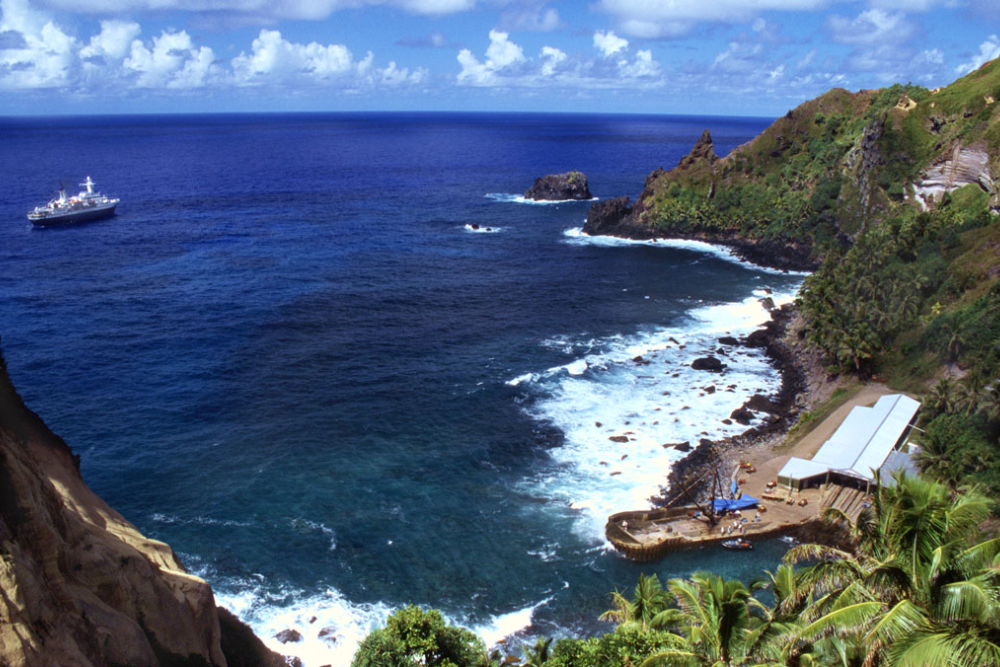
Though stretching our “road” definition somewhat, Pitcairn Island represents extreme isolation like nowhere else. Home to roughly 50 people – mostly descendants of HMS Bounty mutineers – this remote British territory connects to the outside world through a single concrete landing where supply ships occasionally dock.
Residents navigate treacherous waters in longboats to retrieve quarterly shipments. Internet access arrived only recently, finally connecting these islanders living 3,300 miles from New Zealand to the wider world.
Kalaupapa
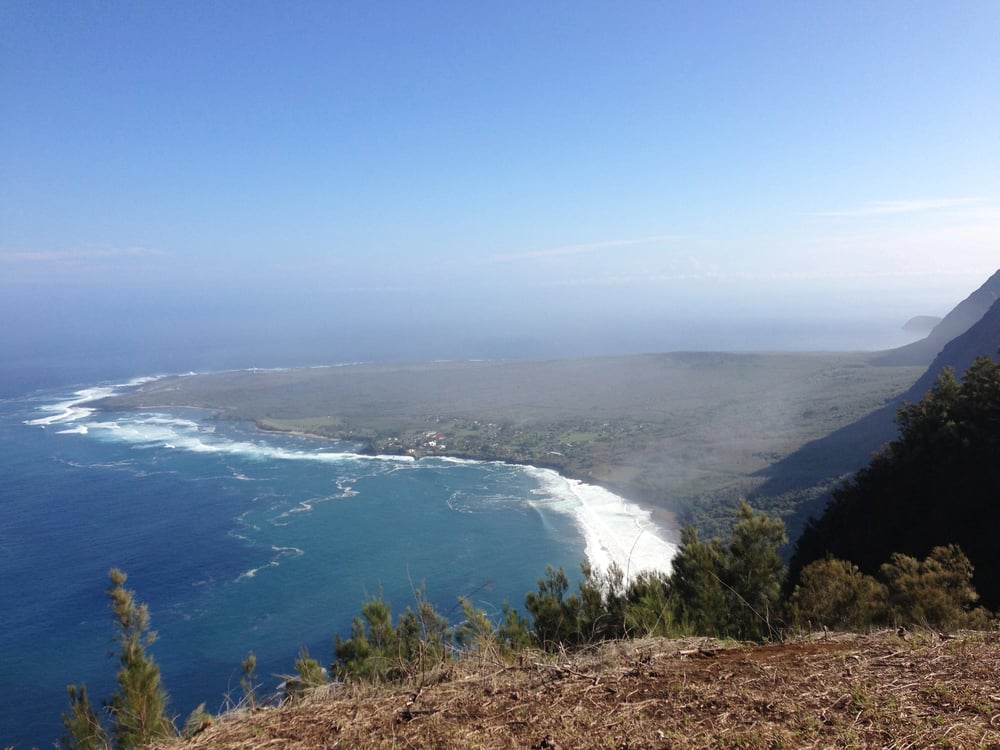
Hawaii hides this former leprosy colony behind formidable sea cliffs on Molokai’s northern coast. Access comes only via a steep trail featuring 26 switchbacks – navigable solely by foot or mule – or through a tiny airstrip handling minimal traffic.
Once home to thousands of exiled patients forced into isolation, today just a handful of former residents remain. The National Park Service now manages this haunting place where isolation once served as cruel punishment but today preserves extraordinary natural beauty.
Mont Saint-Michel
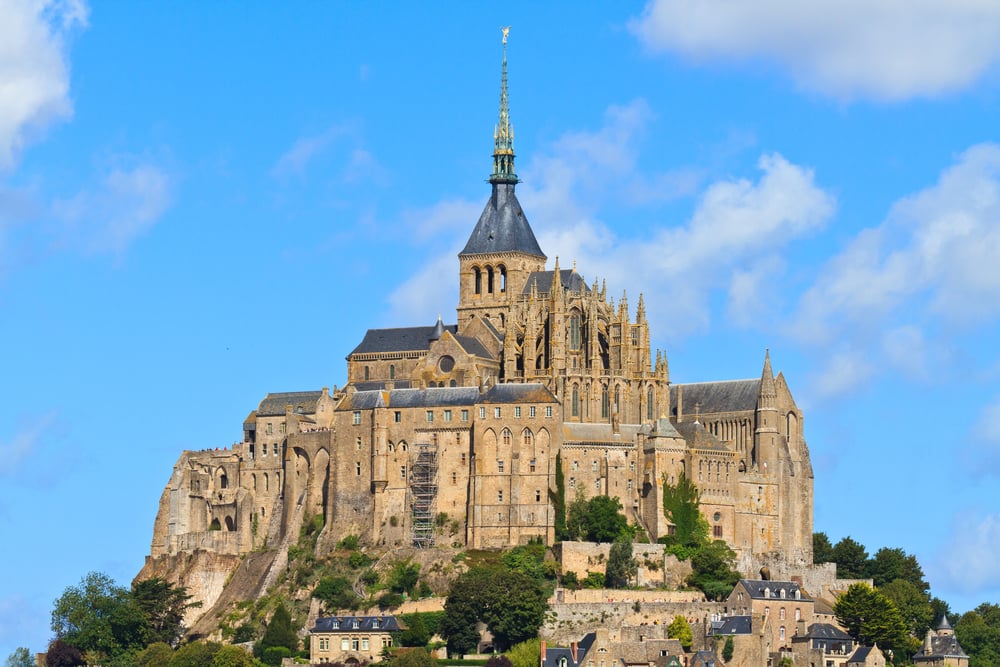
Rising majestically from French coastal waters, this medieval abbey and village perches atop a rocky tidal island. A single elevated causeway now provides reliable access regardless of tides – replacing the ancient pathway that disappeared during high water.
Despite welcoming millions of annual visitors, remarkably few permanent residents inhabit this UNESCO World Heritage site. The limited access creates significant logistical hurdles for everything from waste removal to emergency services.
Like Go2Tutors’s content? Follow us on MSN.
Stewart, British Columbia
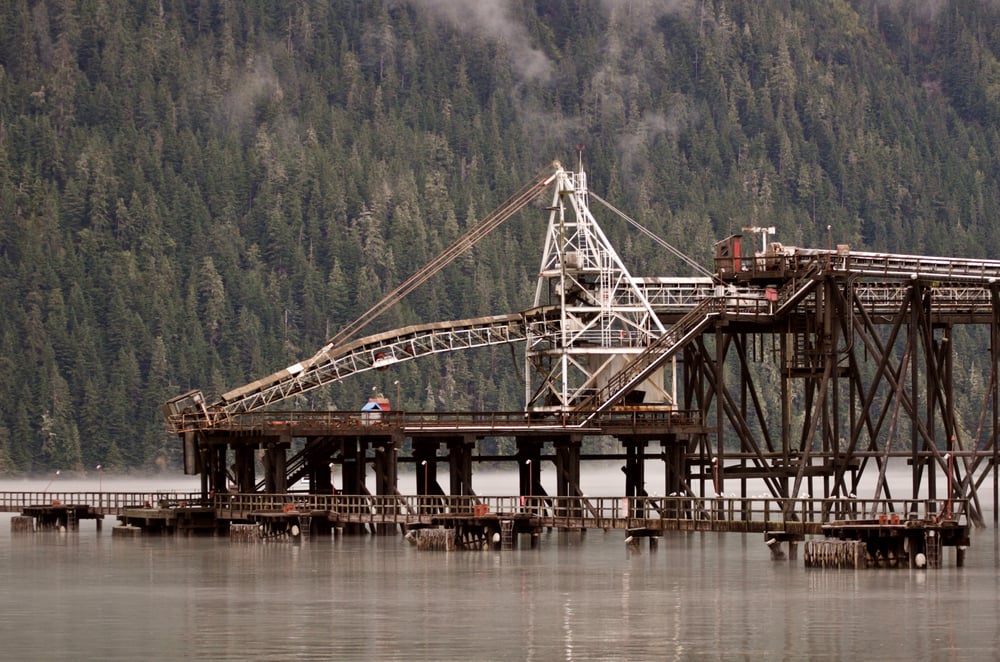
This remote Canadian mining town nestles against the Alaska border at the Portland Canal’s head, reaching the outside world solely through Highway 37A winding through avalanche-prone mountain passes. Winter brings monumental snowfall—sometimes exceeding 16 feet—occasionally severing the town’s only connection to civilization.
Stewart’s 400 residents have developed remarkable self-sufficiency and community bonds, knowing help might be unavailable when the road closes unexpectedly.
Barrow (Utqiagvik), Alaska
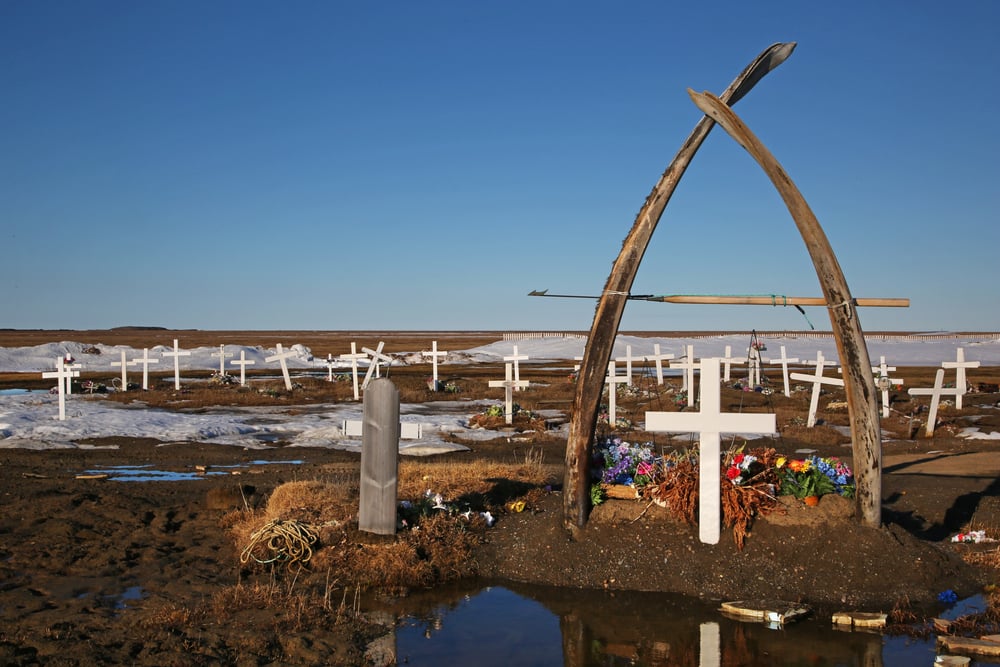
America’s northernmost incorporated city operates on a closed road network that doesn’t connect to any other community. Everything arrives by air or, during brief summer shipping seasons, by barge before Arctic waters freeze solid.
Groceries cost three times national averages due to transportation challenges. The predominantly Iñupiat population maintains traditional subsistence hunting alongside modern conveniences, creating a unique cultural blend shaped by extreme isolation.
Islands of Resilience
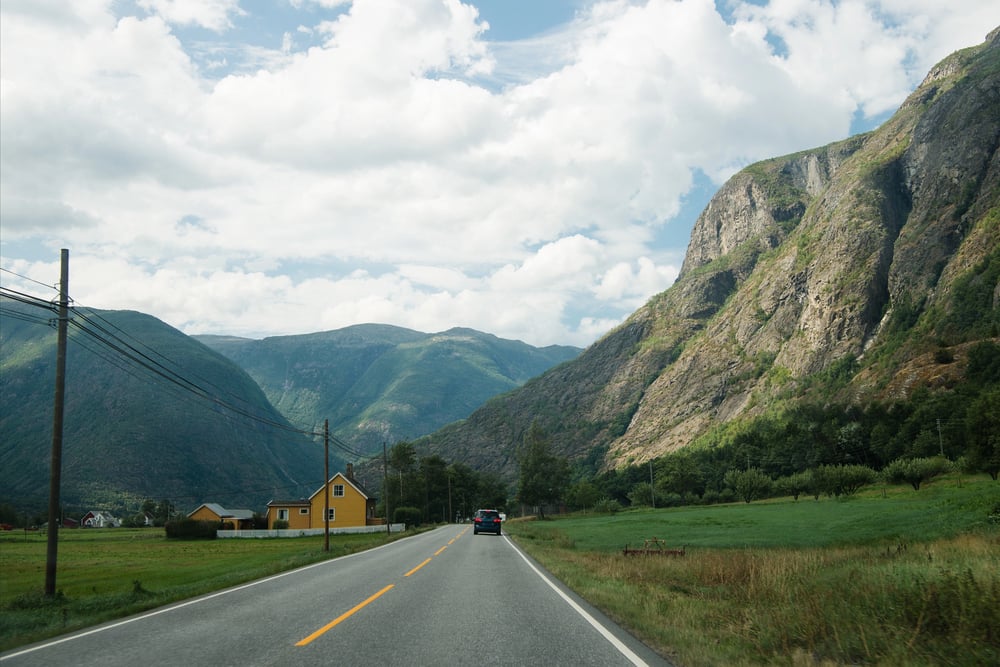
These remarkable single-access communities demonstrate the extraordinary adaptability of human settlements under constrained conditions. Their isolation breeds distinctive cultural practices, practical innovations, and tight social bonds rarely found in more connected places.
While digital technology brings information access unimaginable to previous generations, the physical realities of single-road dependence continue shaping daily life. These places remind us that despite our interconnected world, geographic realities still matter—creating communities where planning ahead isn’t convenient but essential, where neighbors know their survival sometimes depends on each other, and where isolation breeds both challenge and remarkable resilience.
Like Go2Tutors’s content? Follow us on MSN.
More from Go2Tutors!

- 18 Unexpectedly Valuable Collectibles You Might Have Lying Around
- 15 Things Every Teenager in the ’70s Did That Teens Today Wouldn’t Understand
- 15 Strange Things People Have Tried to Ban (And Failed)
- 15 Inventions That Were Immediately Banned After Being Created
- 20 Actors Who Were Almost Cast in Iconic Roles
Like Go2Tutors’s content? Follow us on MSN.