Historically Important Food Trivia to Know
Food is one of the few things that connects every human civilization that has ever existed. Every empire, every war, every migration — food was somewhere in the middle of all of it. Some of the most surprising turning points in history came down to what people were eating, or couldn’t eat, or stumbled upon entirely by accident.
These aren’t just fun party facts. They’re little windows into how the world actually got to where it is today.
The Spice Trade Literally Shaped the Modern World

Before refrigeration, spices weren’t a luxury — they were a necessity. Salt preserved meat.
Pepper masked the taste of food that had started to turn. Cinnamon, cloves, and nutmeg were worth more per ounce than gold in medieval Europe. The obsession with controlling spice routes drove Portugal, Spain, England, and the Netherlands to fund dangerous ocean voyages.
Columbus wasn’t looking for America. He was looking for a faster route to the spices of South Asia.
The entire colonial era — with all its consequences — started because Europeans couldn’t get enough black pepper without paying through the nose for it.
Potatoes Fed Europe and Then Broke It
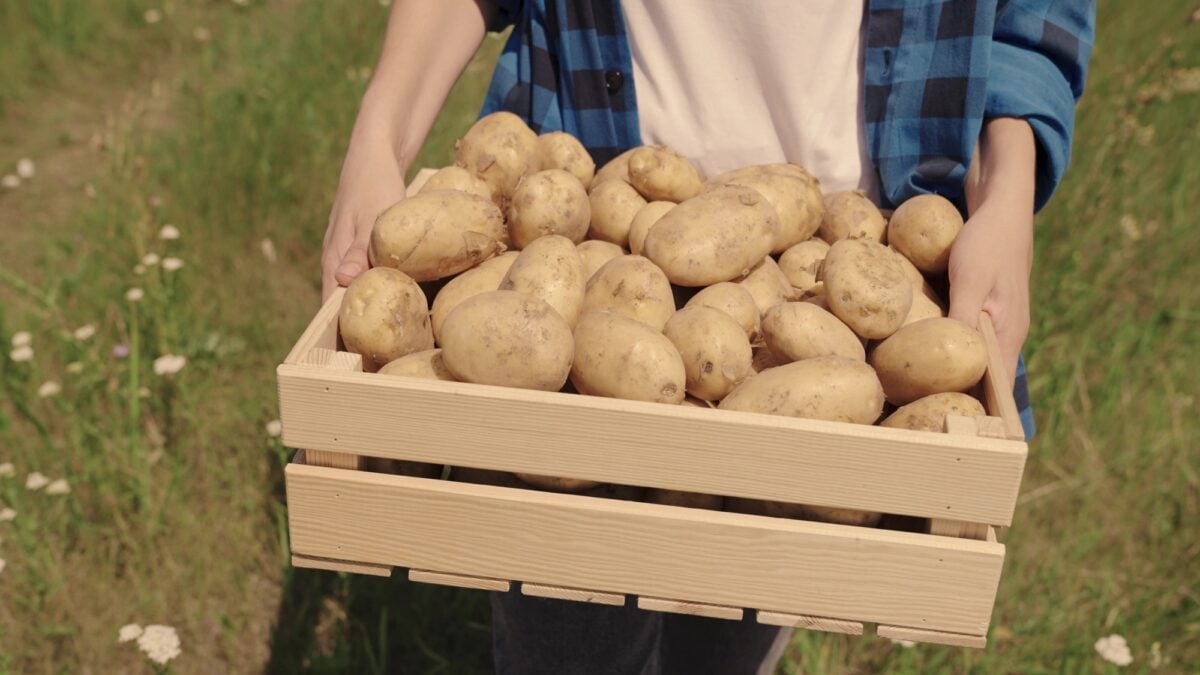
The potato arrived in Europe from South America in the 1500s, and within two centuries it had quietly become the caloric backbone of the continent’s poorest populations. It grew in cold climates where other crops failed and produced more calories per acre than almost anything else available.
Then in the 1840s, a fungal disease wiped out the potato crop across Ireland repeatedly. Over a million people died. Another million emigrated. The Irish population dropped by roughly 25 percent in a decade.
The potato famine reshaped the demographics of both Ireland and the United States permanently.
Salt Was Once Paid as Wages
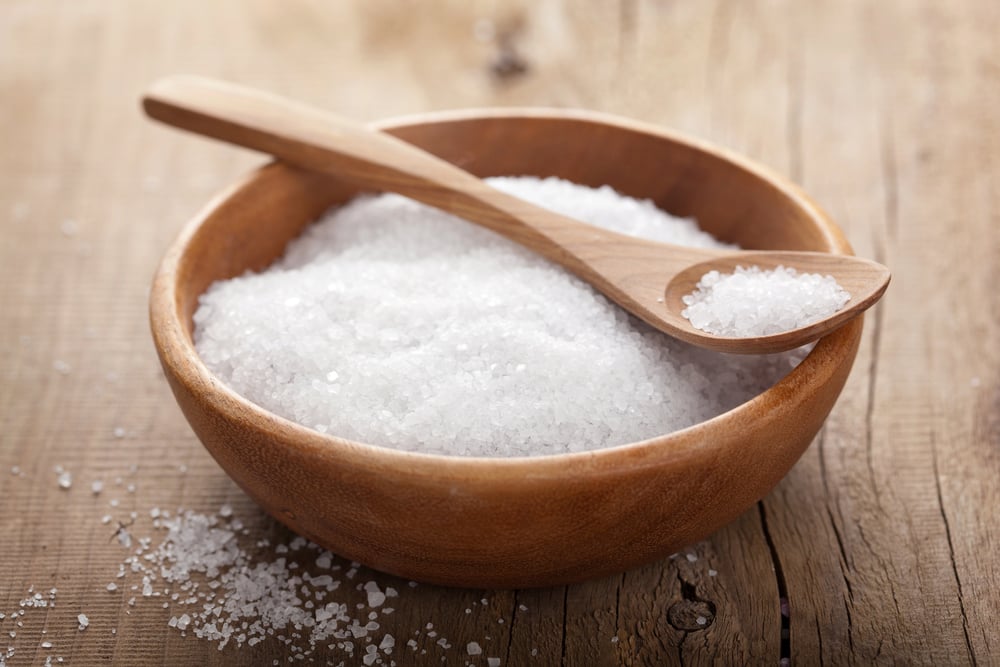
The word “salary” comes from the Latin word for salt — salarium — because Roman soldiers were sometimes paid in salt, or given an allowance specifically to buy it. Salt preserved food, flavored it, and was essential in religious rituals across dozens of ancient cultures.
Entire trade routes were built around salt. Cities like Salzburg, Austria literally have the word for salt baked into their names. Wars were fought over salt deposits.
Gandhi’s famous Salt March in 1930 was a protest against British taxation of salt — a commodity so fundamental that taxing it hit the poorest people hardest.
Chocolate Was a Bitter Drink Reserved for Elites
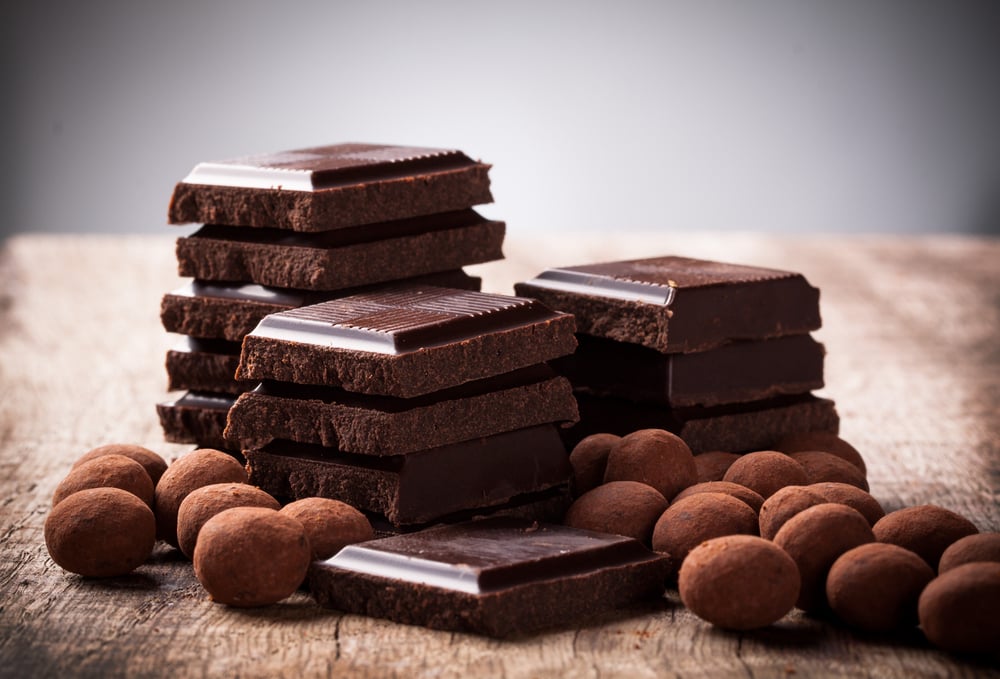
When cacao first arrived in Europe from Mesoamerica in the 1500s, it looked nothing like the chocolate bars you know. The Aztecs drank cacao as a cold, bitter, frothy beverage mixed with chili peppers.
It was consumed by warriors and rulers, not ordinary people. Spanish colonizers sweetened it with sugar and served it hot.
For nearly a century, chocolate remained a drink — and an expensive one at that. Solid chocolate as a food didn’t really exist until the 1800s when Dutch chemists figured out how to press cocoa butter from the bean and create powder, which could then be recombined into a solid form.
The Sandwich Has a Genuinely Murky Origin
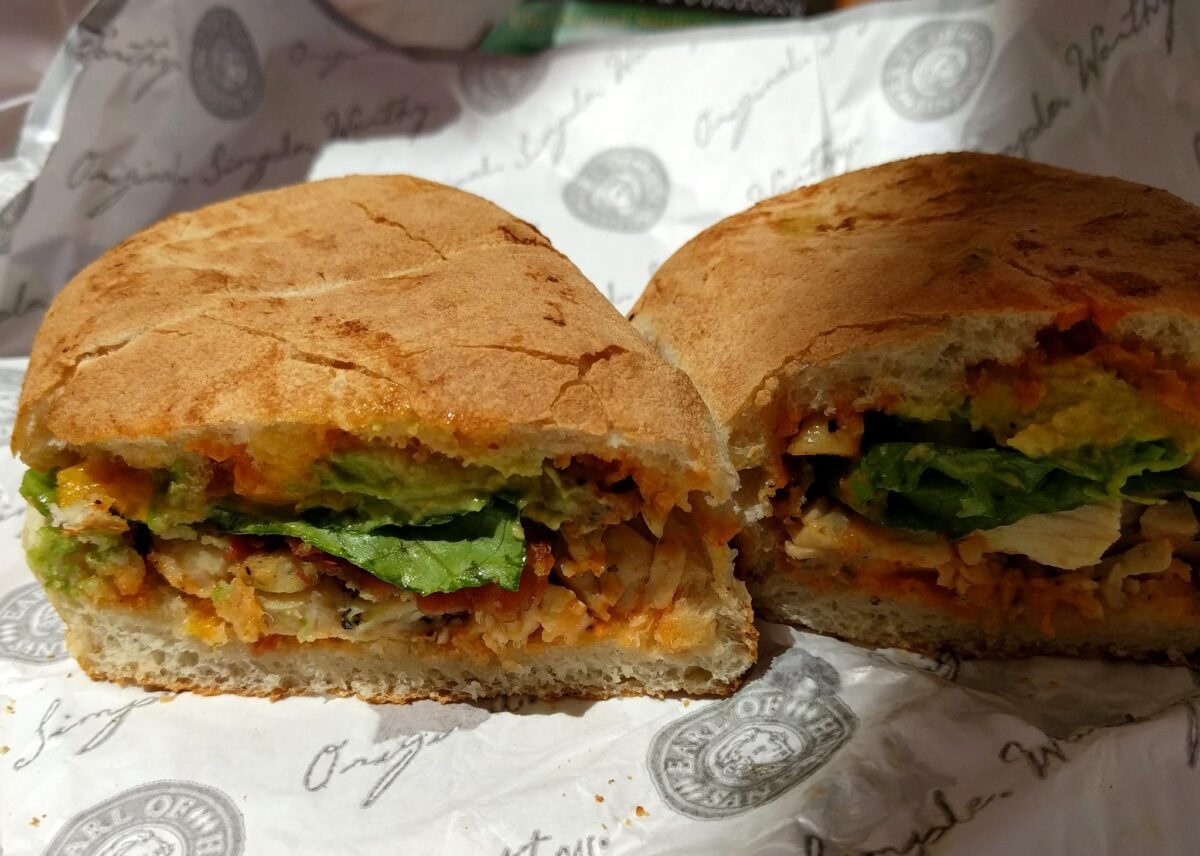
The Earl of Sandwich — John Montagu, the 4th Earl — is credited with popularizing the idea of putting meat between two slices of bread so he could eat while gambling without getting his cards greasy. This supposedly happened around 1762.
But people had been putting things between bread long before that. Ancient Jewish texts describe Hillel the Elder doing essentially the same thing with lamb and bitter herbs during Passover.
The Earl didn’t invent the sandwich. He just had a title that made the story stick.
Canned Food Was Invented for Napoleon’s Army

Napoleon famously said an army marches on its stomach. He put real money behind solving the problem of feeding troops on long campaigns, offering a cash prize to anyone who could figure out how to preserve food for transport.
Nicolas Appert won that prize in 1810 by sealing food in glass jars and boiling them. His method worked even though he had no idea why — the germ theory of disease wasn’t understood yet.
Tin cans followed shortly after. The military need for preserved rations essentially gave the world the modern food preservation industry.
Tea Sparked Revolutions
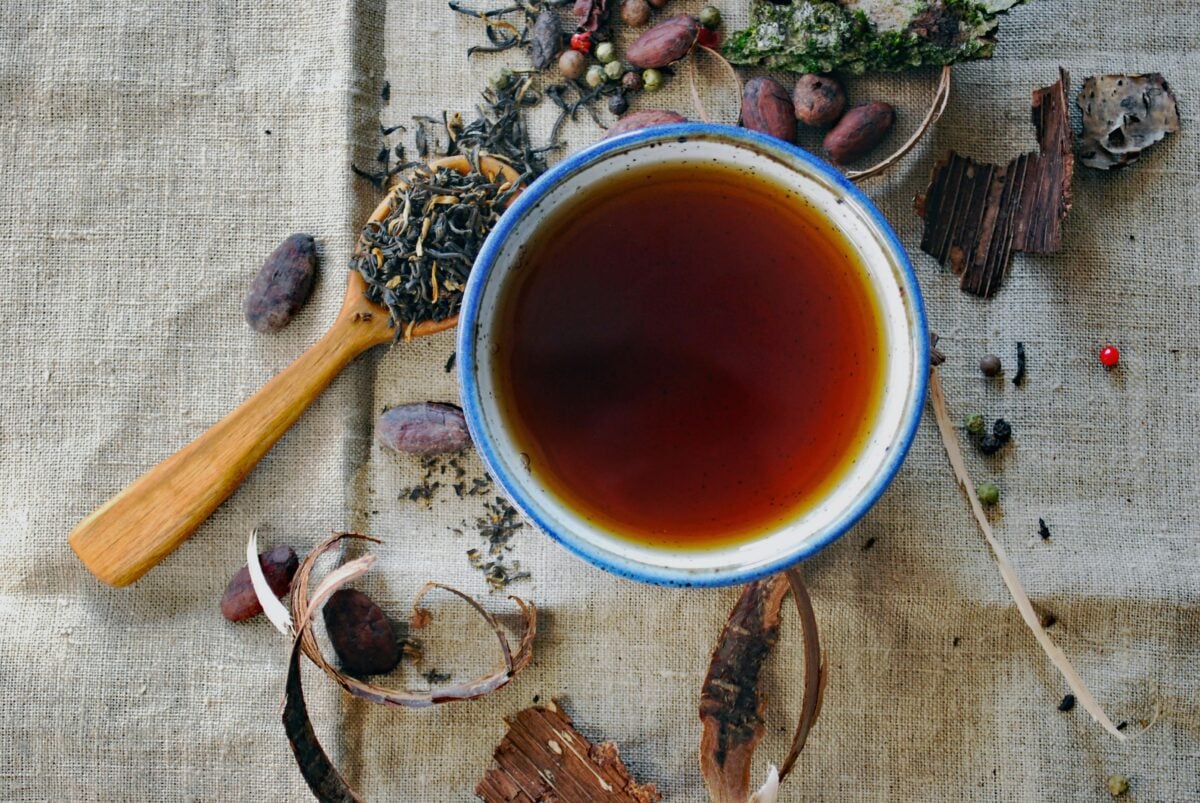
The British taxed tea imported to the American colonies without giving those colonies any say in the matter. In 1773, colonists dumped an entire shipment of tea into Boston Harbor in protest.
That act of defiance — the Boston Tea Party — became one of the defining moments on the road to the American Revolution. Meanwhile in Britain itself, the rise of affordable tea in the 1700s came with a shift in daily habits.
Workers drank it with sugar for a quick energy boost, which some historians argue actually improved productivity during the early Industrial Revolution. Caffeine and calories from sugar replaced beer as the workday drink of choice.
The Tomato Was Feared in Europe for Centuries

Tomatoes came from South America and reached Europe in the 1500s. They belong to the nightshade family, and Europeans were right to be cautious about some of that family’s members.
But tomatoes themselves aren’t toxic. The fear stuck around anyway.
Wealthy Europeans ate off pewter plates, and the acidity of tomatoes leached lead from the pewter, which genuinely did make people sick. The tomato got the blame.
For nearly 200 years, much of Europe considered tomatoes ornamental at best and poisonous at worst. It wasn’t until the 1800s that they became common food across the continent.
Coca-Cola Was Originally a Medicine
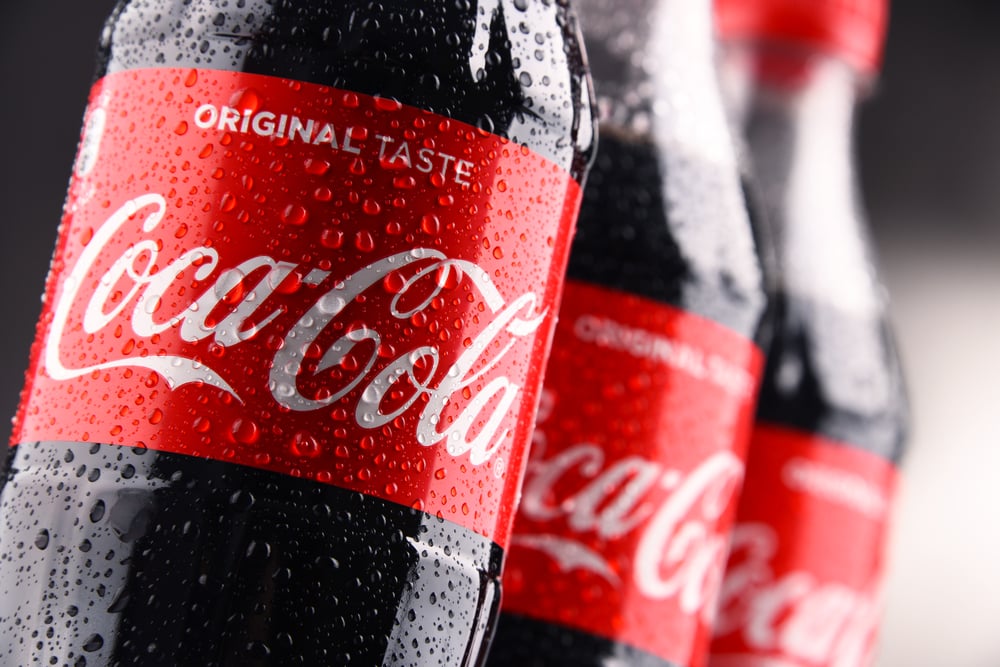
John Pemberton created the original formula in 1886 as a patent medicine — specifically marketed as a cure for headaches, morphine addiction, and nervousness. The “coca” in the name came from coca leaves, which contain cocaine. The “cola” came from kola nuts, which contain caffeine.
Early versions of the drink did contain trace amounts of cocaine. By 1903, Coca-Cola had removed the cocaine from the formula following public pressure, but the name stuck.
The drink was originally sold at pharmacy soda fountains, which were considered health-oriented establishments at the time.
Refrigeration Changed What People Ate More Than Any Invention

Before widespread refrigeration, eating was deeply local and deeply seasonal. You ate what was nearby, and you ate it when it was fresh or not at all.
Cities depended on daily deliveries of milk, meat, and produce. Long-distance food trade existed, but it was limited to things that could be salted, dried, smoked, or pickled.
The widespread adoption of mechanical refrigeration in the late 1800s and home refrigerators in the 1900s broke all of that. Suddenly food from one part of the world could reach another while still fresh.
Diets diversified. The seasonal rhythms that had shaped cuisine for thousands of years started to loosen.
The Great Molasses Flood Was Real
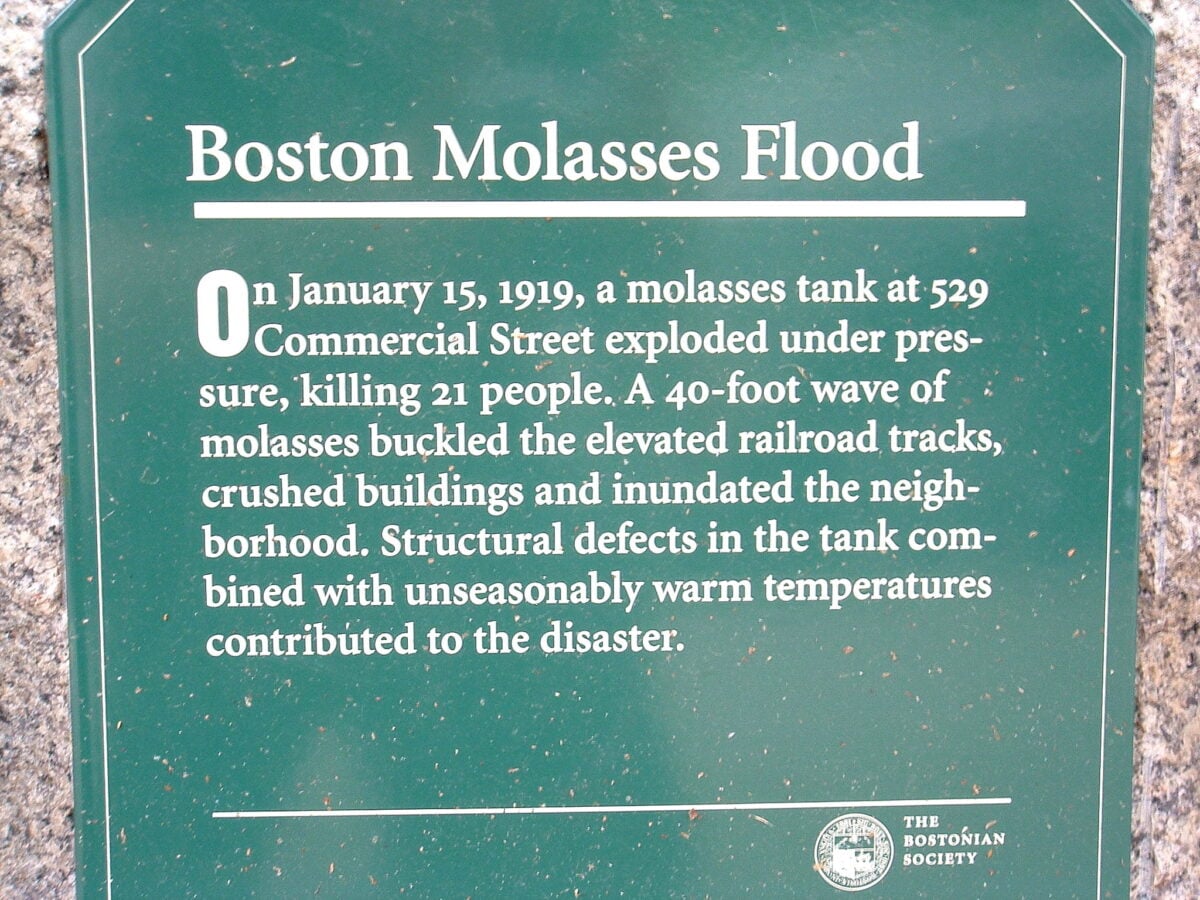
That day in January of 1919, a massive tank in Boston’s North End split open without warning. Out rushed a flood of molasses – thick, fast, racing forward like it had no brakes.
Speeds reached about thirty-five miles per hour near some streets. In certain spots, the goo rose higher than two stories. People didn’t stand a chance; twenty-one died because of it.
More than one hundred others ended up hurt. Even years later, when the sun warmed the bricks each summer, that part of town carried a hint of sweetness in the air.
A sticky flood once spilled through Boston when a giant vat burst. That syrup fed machines making liquor, even rum.
Built wrong, then packed too full – that container could not hold. Few events like it ever stained the nation’s record.
Margarine Created as Affordable Butter Alternative for French Troops
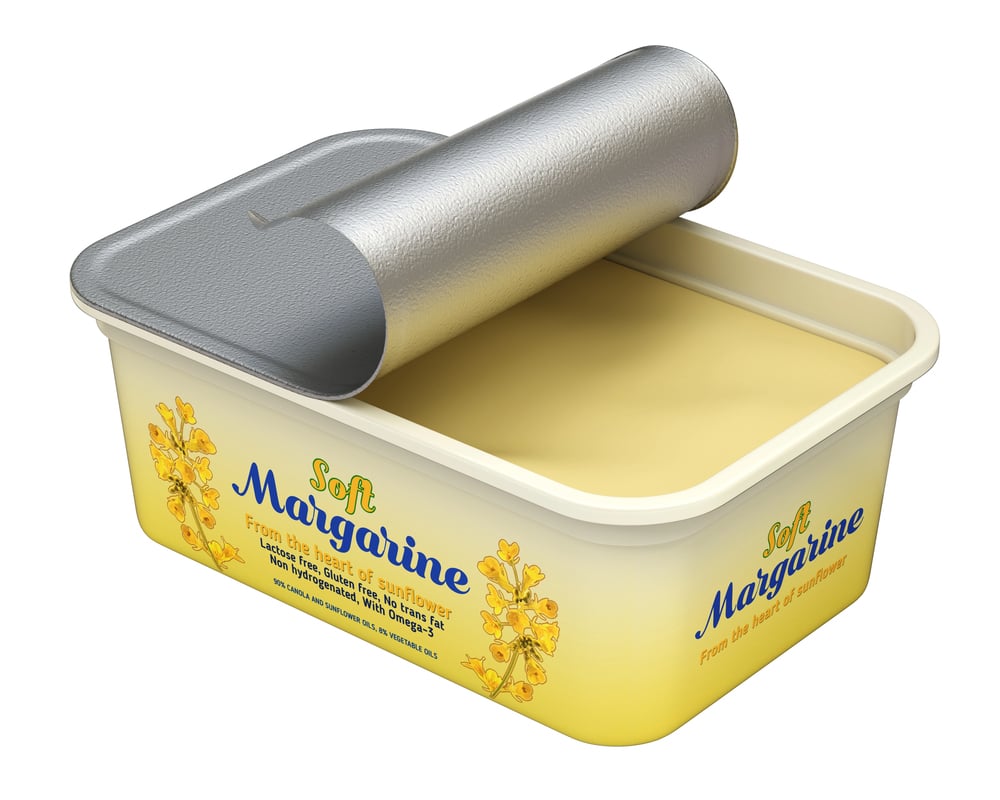
A reward tied to food came up again under Napoleon III – this time aimed at finding something cheap to replace butter, useful both for soldiers and low-income workers. Winning in 1869 was Hippolyte Mège-Mouriès, who created his version using beef fat mixed with skimmed milk.
That invention went by the name oleomargarine. For more than one hundred years, big milk companies resisted margarine taking hold.
Across several American states, putting golden-colored margarine on shelves broke the law – right up until decades ago. Firms gave customers a pale version instead, tucked beside a tiny capsule of color to stir in at home.
Only by 1967 did these fights around tinted spreads finally stop, ending last in Wisconsin.
Breakfast Cereal Created to Lower Urges
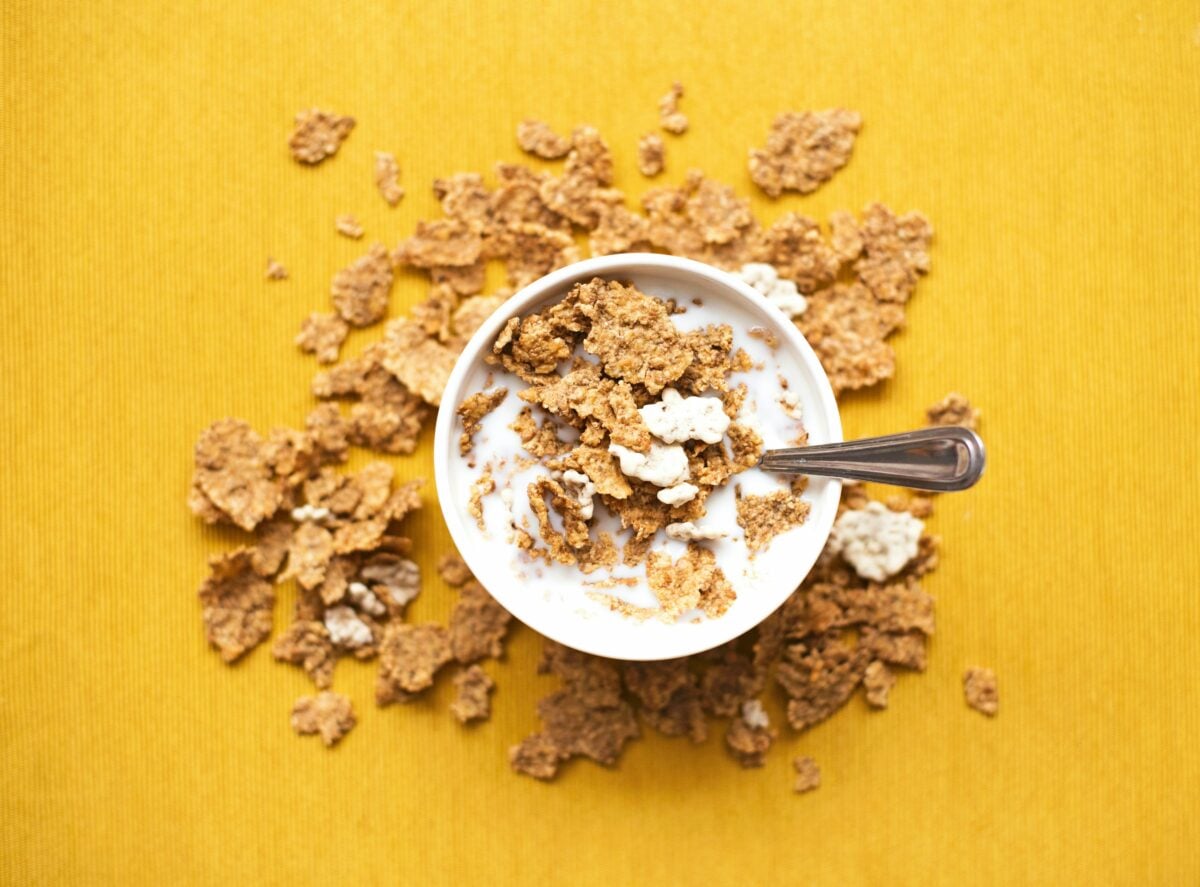
At his clinic in Battle Creek during the 1800s, John Harvey Kellogg worked as a doctor focused on wellness. His approach leaned heavily on plain eating, which he thought could calm urges deemed improper.
From this idea came corn flakes – made intentionally dull so they’d be gentle on digestion. These crisp bits of grain served guests at the facility, shaped by his unusual beliefs.
Will Kellogg spotted a chance to sell it widely, sweetened the recipe, then launched a company. Anger flared in John.
A lasting split grew between them after that. What became an international cereal trade began with one family’s quarrel over if plain food should be made sweeter.
Food still shapes everything
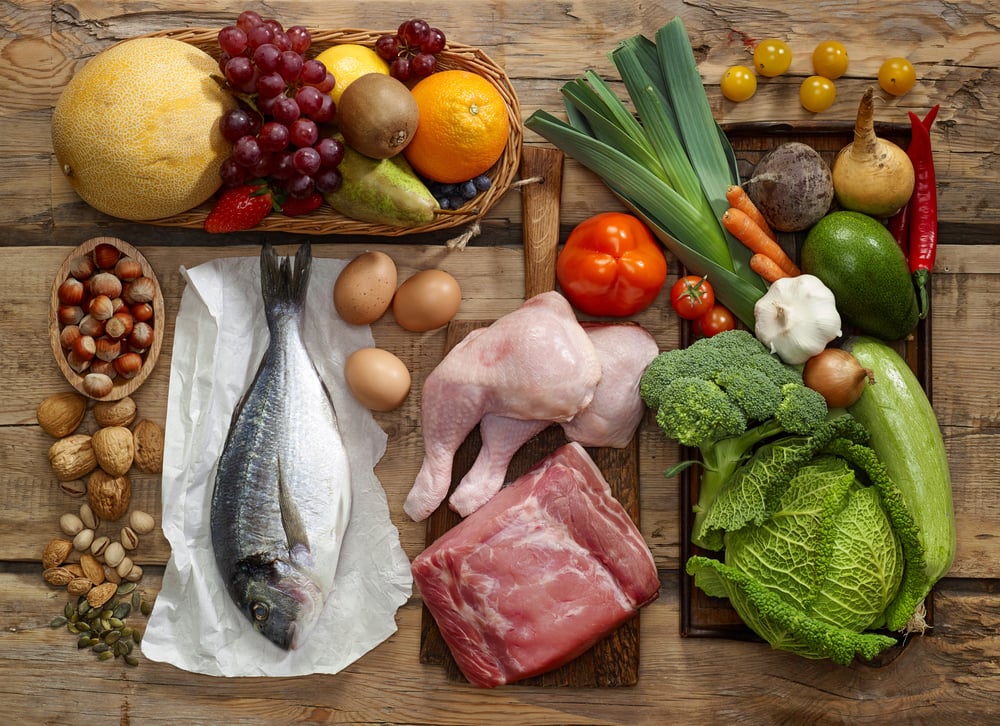
Sit still with this idea awhile. What lands on plates, what sprouts in fields, what gets preserved by accident – it does more than feed bodies. Through war and peace, such things shift troop movements, shape maps, send crowds across continents, and spark uprisings.
Daily bread feels plain, yet runs like thread through nearly every big tale humans carry. Reach for that saltshaker again, pause – its past unfurls longer than many nations have stood.
More from Go2Tutors!

- The Romanov Crown Jewels and Their Tragic Fate
- 13 Historical Mysteries That Science Still Can’t Solve
- Famous Hoaxes That Fooled the World for Years
- 15 Child Stars with Tragic Adult Lives
- 16 Famous Jewelry Pieces in History
Like Go2Tutors’s content? Follow us on MSN.



