28 Penny Candies Boomers Still Remember
A few cents once bought a small paper bag of choices at the corner store. Kids leaned over glass jars and wooden trays, pointing and counting while a patient clerk waited behind the counter.
Some of those candies are still around, some vanished and came back, and a few are gone for good. Each one carries a flavor, a wrapper or a texture that instantly calls up a particular era of childhood.
Mary Jane Peanut Butter and Molasses Chews
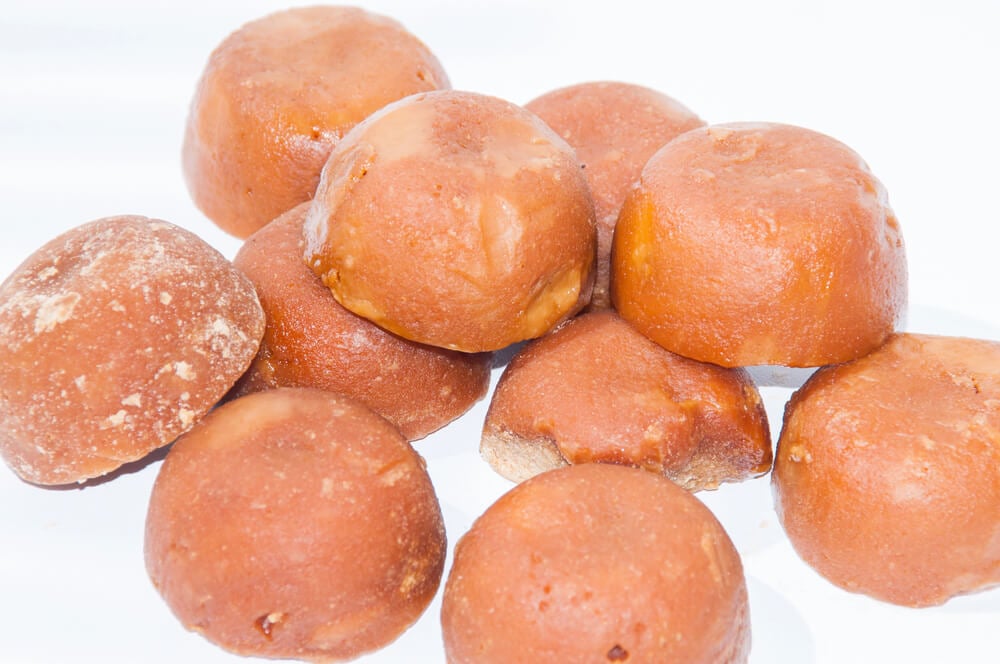
Mary Janes date to 1914, when Charles N. Miller’s Boston candy company introduced the peanut butter and molasses chew in its yellow and red wrapper. Miller reportedly named it after a favorite aunt, and a little girl has smiled from the label ever since.
The candy changed hands several times and landed with Necco in 1990. When Necco collapsed in 2018, Spangler Candy acquired the brand and licensed production to Atkinson Candy Company of Texas, which brought Mary Janes back in 2020.
The chew still clings to dental work exactly the way it did in the 1950s.
Bit-O-Honey and Its Almond Bits
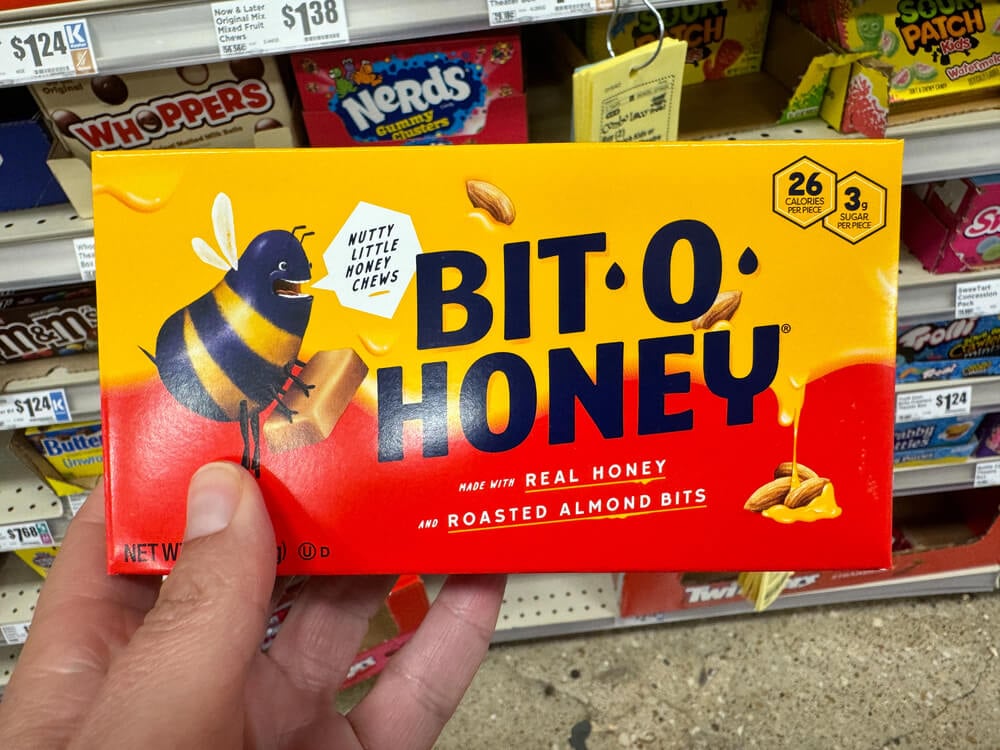
Bit-O-Honey arrived in 1924 from the Schutter-Johnson Company of Chicago, combining a honey-flavored chew with tiny pieces of almond. The bar came divided into small segments, each wrapped in wax paper inside the larger package, which made it easy to share or ration.
Its texture demanded commitment, and kids learned to warm a piece in their hands before biting down. The brand passed through several big owners, including Nestle, before Pearson’s Candy Company of St. Paul, Minnesota, took it over.
That slow, stubborn chew made it a favorite of kids who wanted a candy to last through a double feature.
Squirrel Nut Zippers From Cambridge
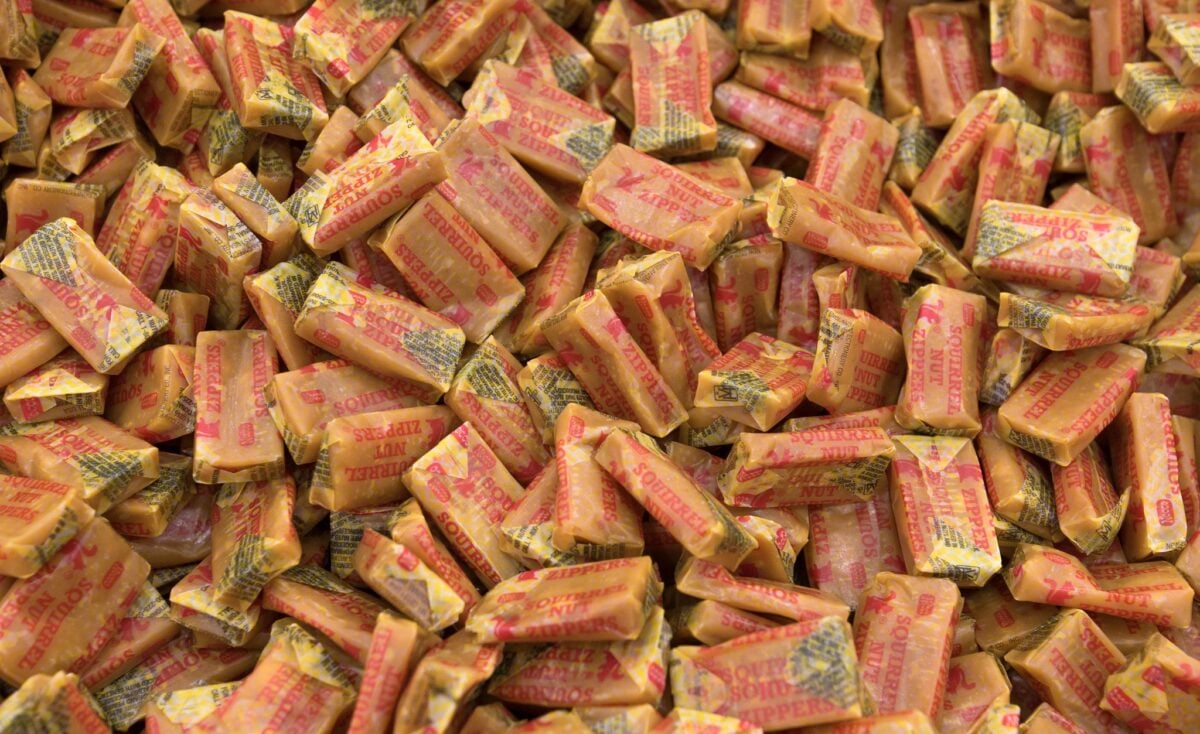
Squirrel Brand of Cambridge, Massachusetts, introduced Squirrel Nut Zippers in 1926, a vanilla caramel packed with peanuts. The name reportedly came from a Prohibition-era story about a man who blamed his tree-climbing on a cocktail called a nut zipper.
The candy stayed a penny for years and became a fixture at New England candy counters. Necco took over production in 2004, and when Necco closed in 2018, the Zippers went with it.
A 1990s swing band borrowed the name and handed the candy out at concerts, giving it a brief second life with a younger crowd.
Tootsie Roll Midgees by the Handful
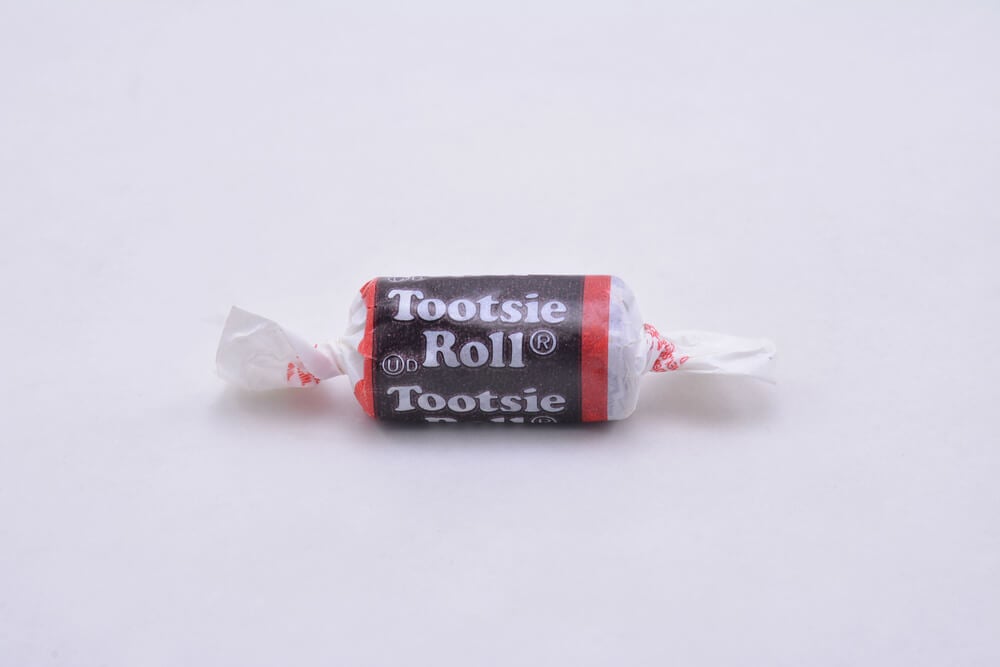
Leo Hirshfield began selling Tootsie Rolls in New York in 1896, and the chewy chocolate log became one of the most durable penny candies in America. Hirshfield reportedly named it after his daughter Clara, whose nickname was Tootsie.
The small individually wrapped Midgees were the true penny-candy format, sold loose from glass jars at corner stores. The flavor comes from cocoa blended into a dense chew, which gives it that mild, unmistakable taste.
Tootsie Roll Industries still makes them in Chicago, and they still land in Halloween bags and parade buckets every year.
Tootsie Pops and the Licking Question
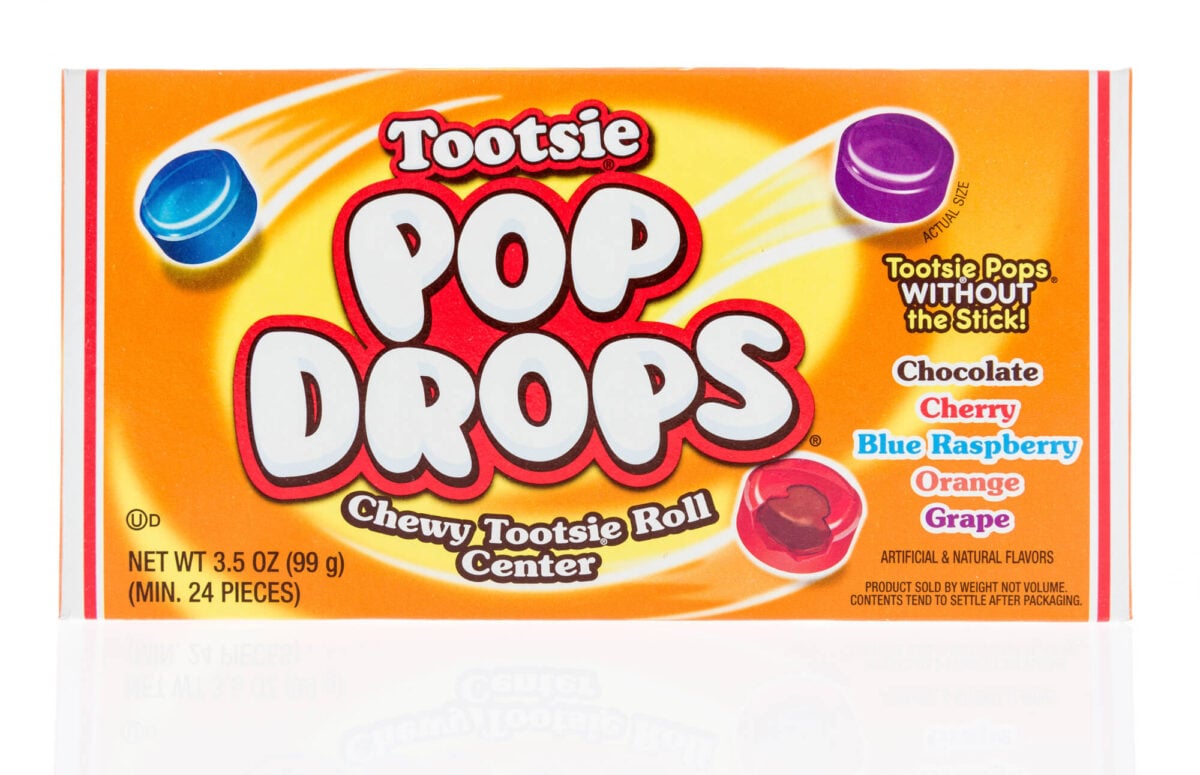
Tootsie Pops arrived in 1931, wrapping a hard candy shell around a chewy Tootsie Roll center. A 1970 commercial made them famous for good, as a boy asks a wise owl how many licks it takes to reach the middle and the owl simply bites through after three.
The ad’s closing line, that the world may never know, became part of American folklore. A long-running playground rumor held that certain wrapper designs could be traded for a free pop.
The company has said that promotion never existed, but kids saved those wrappers anyway.
Bazooka Gum and Its Tiny Comics
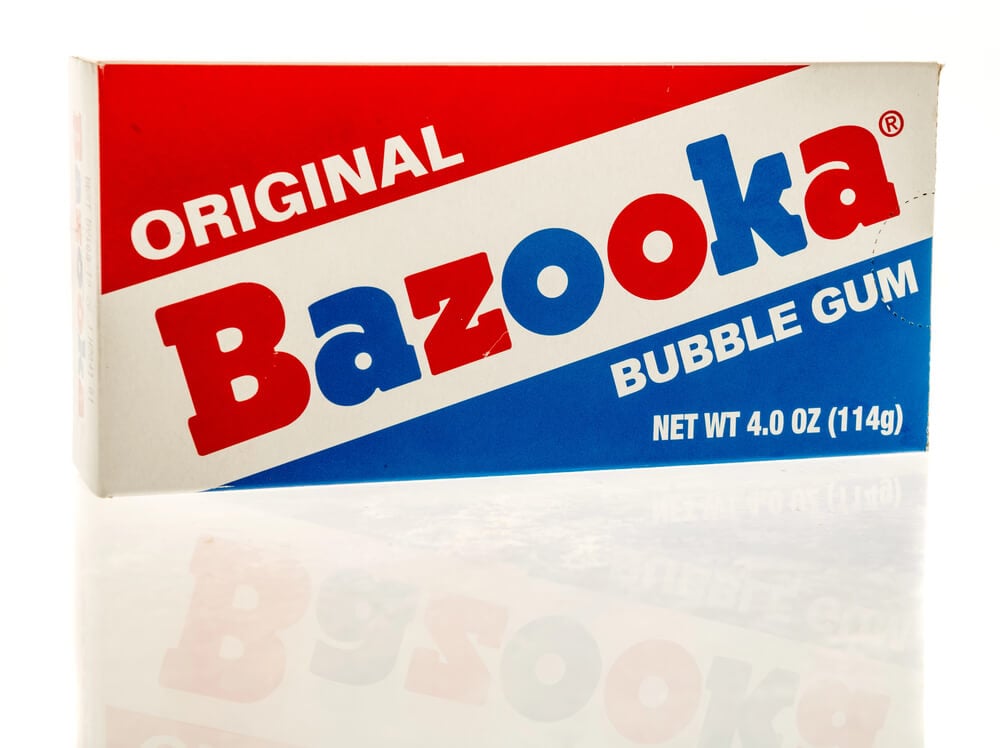
Topps introduced Bazooka bubble gum after World War II, borrowing the name from a novelty horn made famous by comedian Bob Burns. In 1953 the company added Bazooka Joe, the eye-patched cartoon kid whose comic strips came folded around each chunk.
Every comic carried a fortune and an offer for prizes paid for with saved wrappers. Kids read the strip, groaned at the joke and chewed the pink rectangle until the flavor faded, which happened quickly.
Topps dropped the comics from the packaging in 2012, ending a run of nearly six decades.
Dubble Bubble and the Accidental Pink
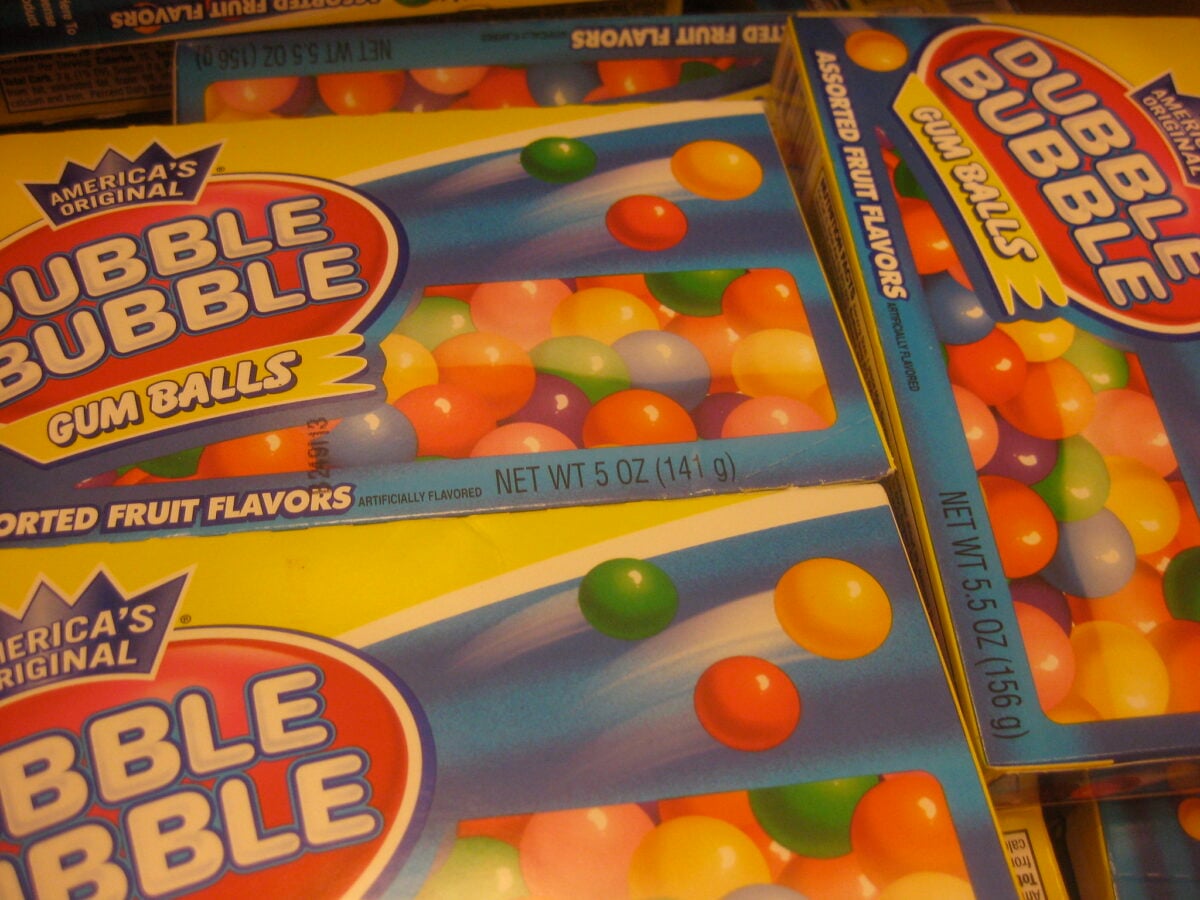
Walter Diemer, a young accountant at the Fleer company in Philadelphia, worked out the formula for Dubble Bubble in 1928. His gum is widely credited as the first that could be blown into big bubbles without sticking to everything.
Diemer colored it pink reportedly because pink was the dye closest at hand, and that choice made pink the standard color for bubble gum ever since. Fleer had salesmen blow bubbles to demonstrate the product to skeptical store owners.
The twist-wrapped pieces, with a Pud comic tucked inside, sold for a penny each for decades.
Necco Wafers in Their Paper Roll
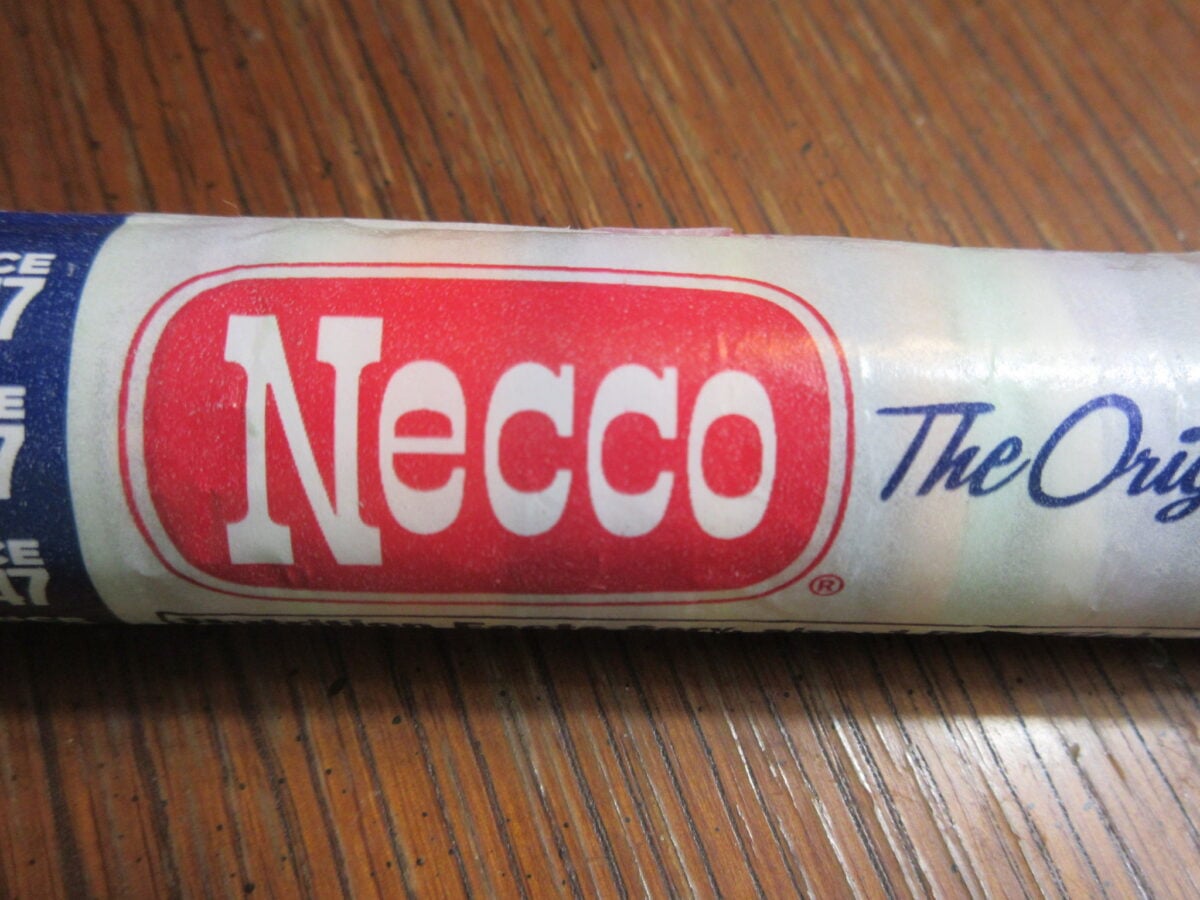
Necco Wafers trace back to 1847, when Boston pharmacist Oliver Chase built a machine for cutting lozenges. The wafers came stacked in a paper roll in eight flavors, including licorice, clove, wintergreen and chocolate, and every roll was a gamble on which color came next.
Union soldiers carried them during the Civil War, and explorer Richard Byrd reportedly packed a huge supply for his Antarctic expeditions. When Necco shut down in 2018, fans rushed to buy the last rolls.
Spangler Candy revived the wafers in 2020, and the chalky snap remains close to the original.
Candy Buttons Stuck to Paper Strips
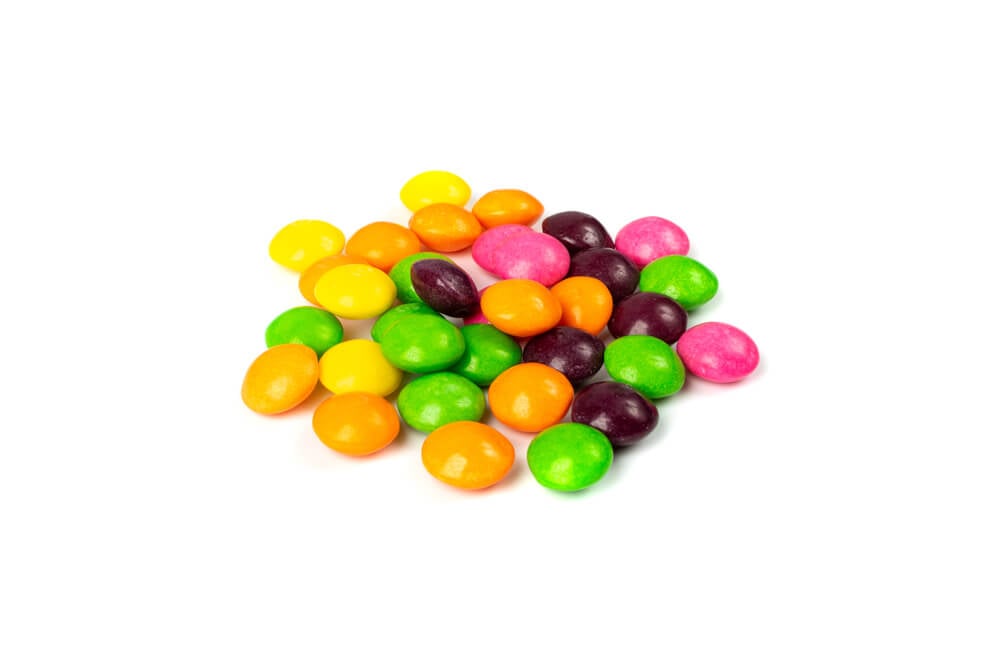
Candy Buttons were tiny dots of colored sugar set in rows on long strips of white paper, and eating them without swallowing some paper was nearly impossible. An engineer at the Cumberland Valley Company in New York developed the machine in the 1930s, and Necco took over production after buying the company in 1980.
At its peak, Necco made roughly 750 million buttons a year in cherry, lemon and lime. After Necco’s 2018 bankruptcy, Doscher’s Candies of Cincinnati bought the line and made it the first former Necco candy back in stores.
The faint paper aftertaste remains part of the deal.
Nik-L-Nip Wax Bottles
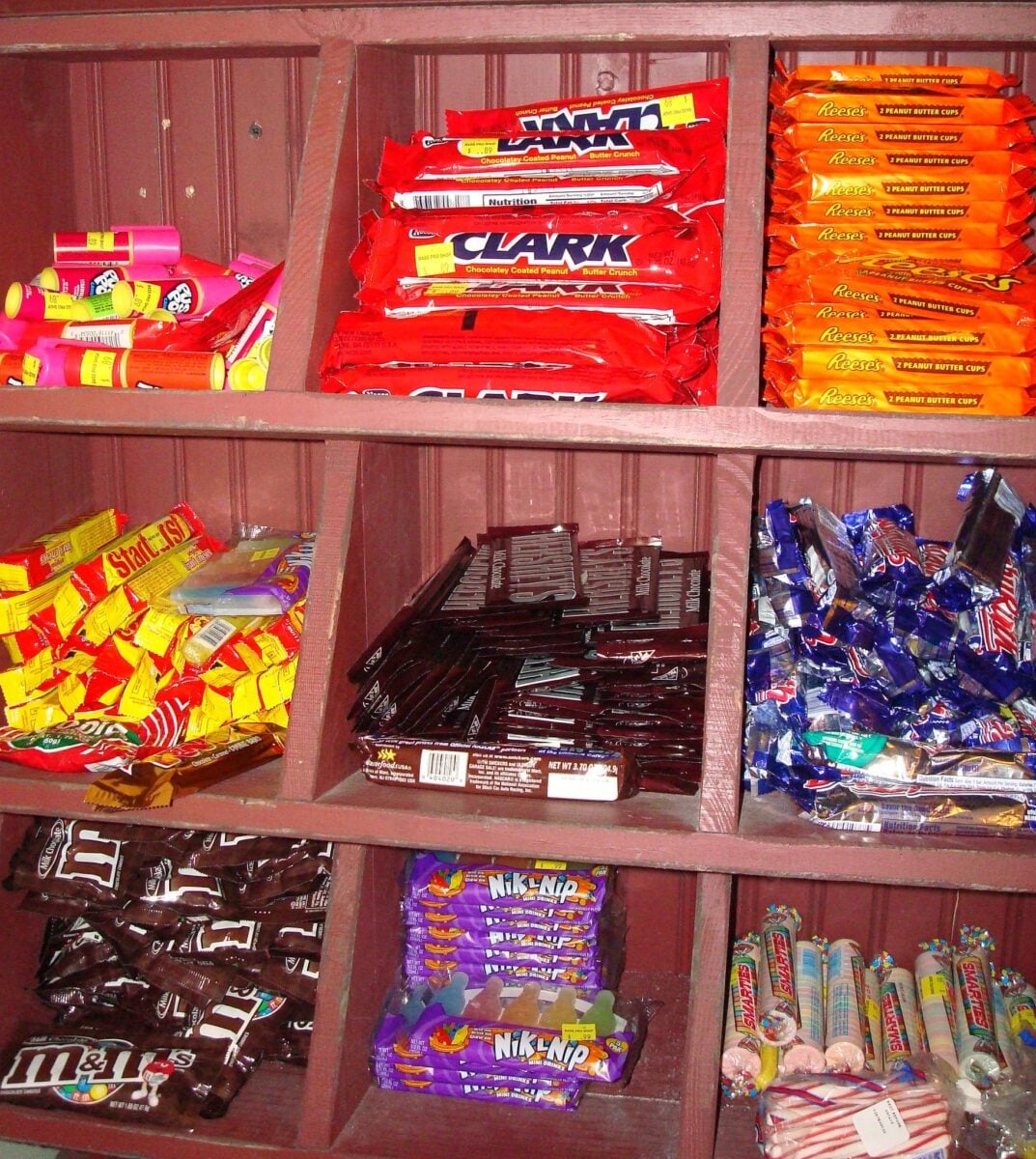
Nik-L-Nip bottles were small wax containers shaped like miniature soda bottles and filled with brightly colored syrup. The name blended the original price, a nickel, with nip, a slang word for a tiny bottle.
Kids bit off the top, drank the few drops of sugary liquid and then chewed the wax like gum until their jaws ached. The wax is food grade but is not meant to be swallowed, a detail many kids ignored.
Tootsie Roll Industries still markets Nik-L-Nip, making it one of the few novelty candies of that era to survive essentially unchanged.
Red Wax Lips for Making Faces
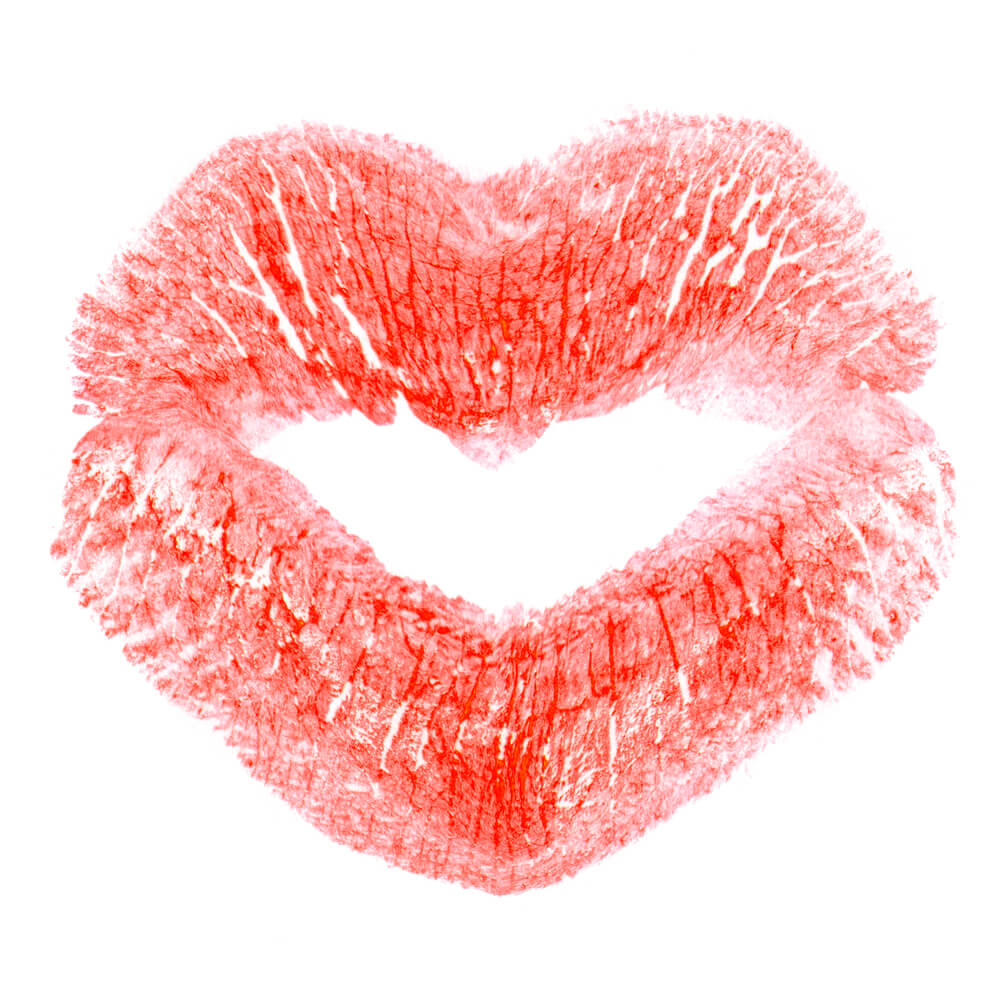
Wax lips were exactly what they sounded like, a pair of oversized red lips molded from paraffin with a small tab to grip between the teeth. Kids wore them for a laugh, made faces at siblings and eventually chewed them up, though there was little actual flavor to enjoy.
Wax fangs and mustaches came in the same style around Halloween. The candy belonged to a 1950s and 1960s tradition of edible novelties that doubled as costume props.
Wax lips still turn up in nostalgic candy shops, usually beside the wax bottles, and they remain funnier than they are tasty.
Root Beer Barrels From the Glass Jar
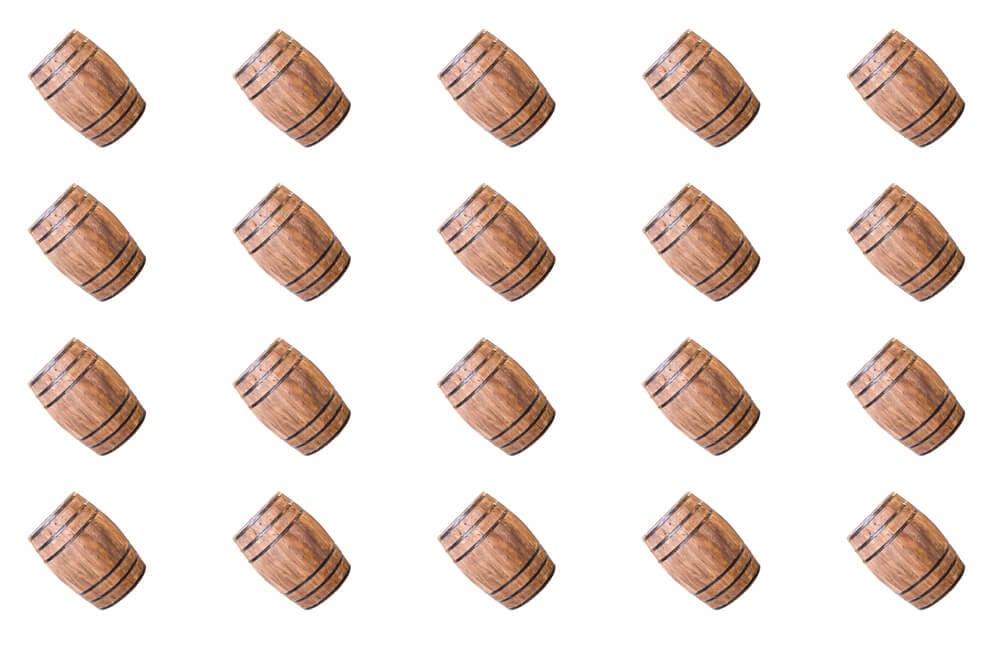
Root beer barrels were hard candies shaped like tiny wooden kegs, with molded hoop lines and an amber color that glowed in a store’s candy jar. Their flavor leaned on the same sassafras and wintergreen notes as the soda, and a single piece lasted a long time.
They sold by the piece or by the scoop in corner stores and five-and-dimes. Grandparents kept them in cut-glass dishes on coffee tables, often fused into one sticky clump after a humid summer.
Several companies still make them, and the brown barrel shape is so familiar that most people recognize it without a wrapper.
Pixy Stix and Pure Flavored Sugar
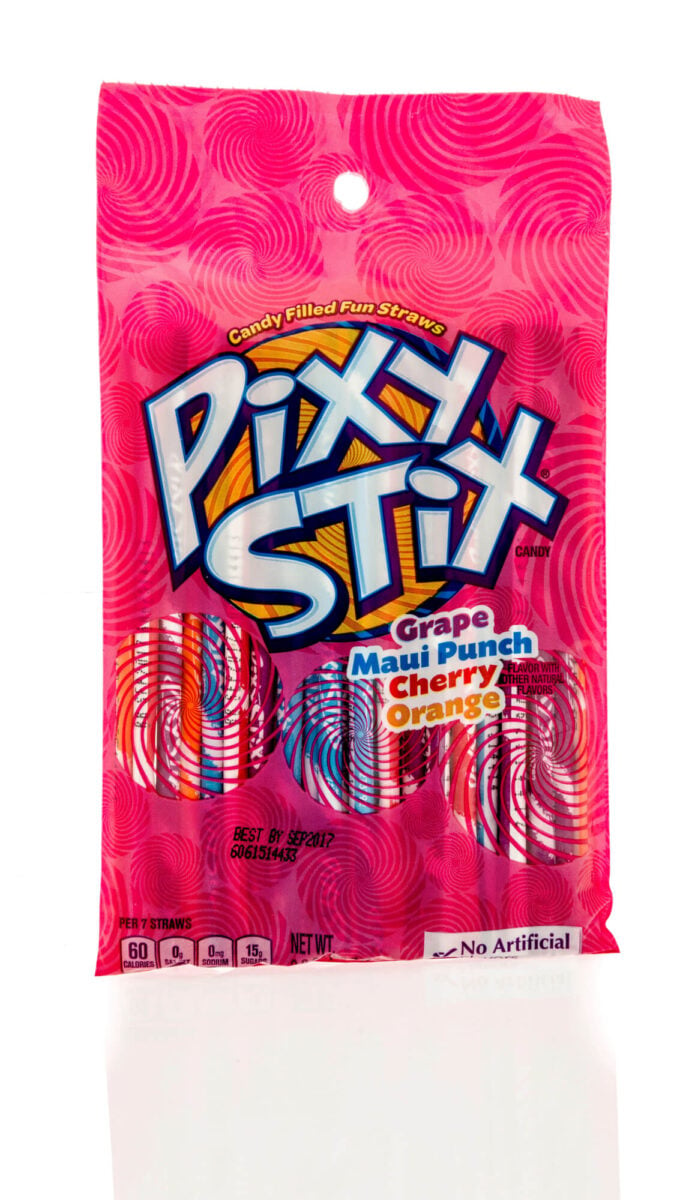
Pixy Stix grew out of a 1950s powdered drink mix that kids preferred to eat straight from the packet. The maker responded by packaging the sweet flavored powder in colorful paper straws, and kids tilted their heads back and poured.
The straws came in grape, cherry, orange and other bright flavors, and the sugar rush arrived almost immediately. Jumbo versions as long as a child’s arm became a familiar carnival and county fair prize.
The same lick-it-from-the-packet idea later carried over to Fun Dip, keeping the formula alive for another generation.
Smarties Rolls From New Jersey
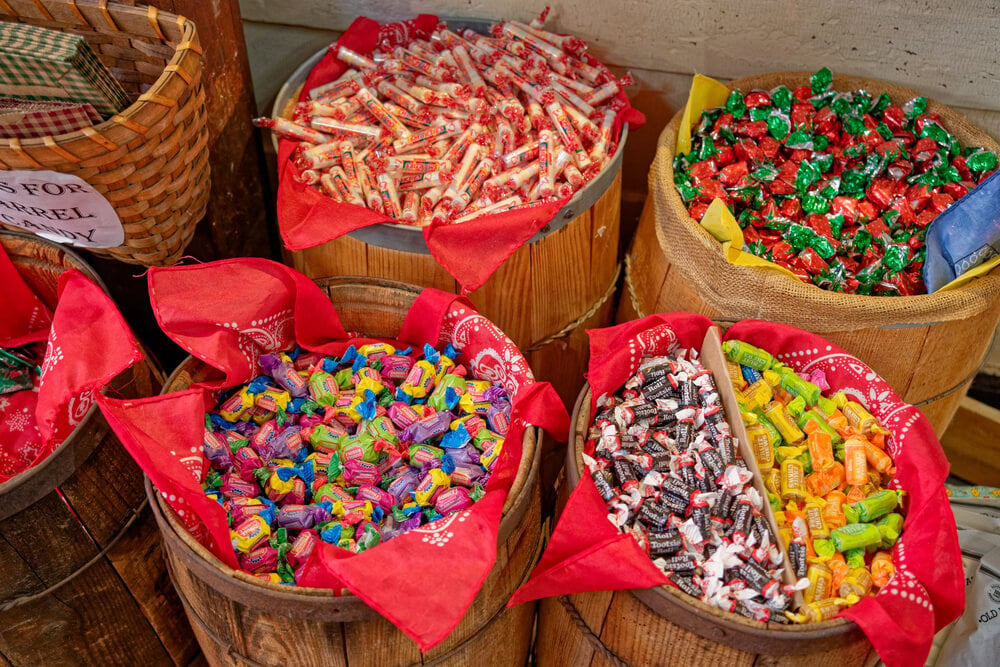
The American candy called Smarties has been made since 1949 by a company founded by Edward Dee, now known as the Smarties Candy Company. Each roll holds a stack of pastel tablets in a clear twist wrapper, and the candy sold for pennies at checkout counters for decades.
Fans still argue about which color tastes like which flavor, since the white ones are especially hard to identify. The tablets have a chalky, fizzy dissolve unlike any other candy.
The company’s commitment to making candy free of major allergens has also made Smarties a favorite with parents of kids who have food allergies.
Swedish Fish by the Scoop
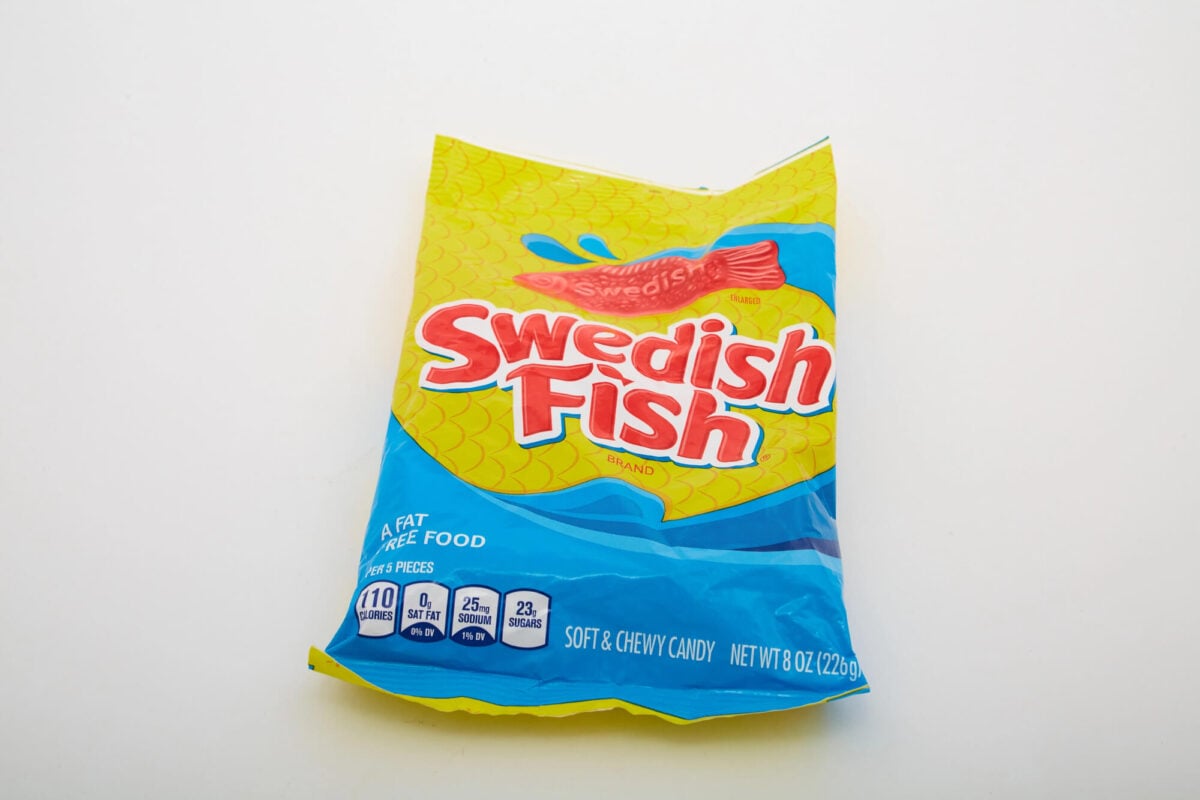
Swedish Fish were developed by the Swedish candy maker Malaco for the North American market in the late 1950s. The red, fish-shaped gummies carry a flavor often described as lingonberry, though the packaging has only ever called it red.
Corner stores sold them loose from bins and jars, counted out a few for a cent or scooped by weight. Their slightly firmer chew set them apart from softer gummy candies.
Today the brand is made under Mondelez, and the little fish appear in sundae toppings and other snacks, far from their penny-jar roots.
Sugar Daddy Caramel Pops
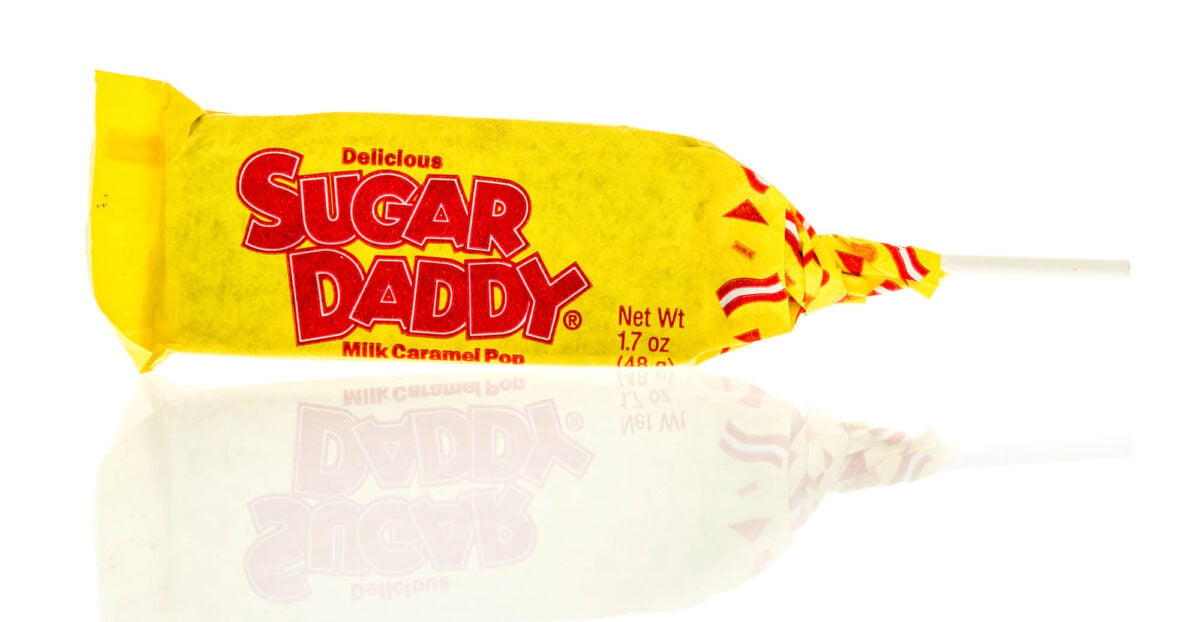
Sugar Daddy began in 1925 as the Papa Sucker, a slab of hard milk caramel on a stick created by candy maker Robert Welch. The name changed to Sugar Daddy in the early 1930s, and the candy became a test of endurance, since a single pop could last most of an afternoon.
Pulling the caramel off the stick took both hands and occasionally a loose baby tooth. Welch later became better known for politics than for candy.
Tootsie Roll Industries owns the brand now, and the yellow wrapper looks much as it did decades ago.
Sugar Babies in a Tiny Bag
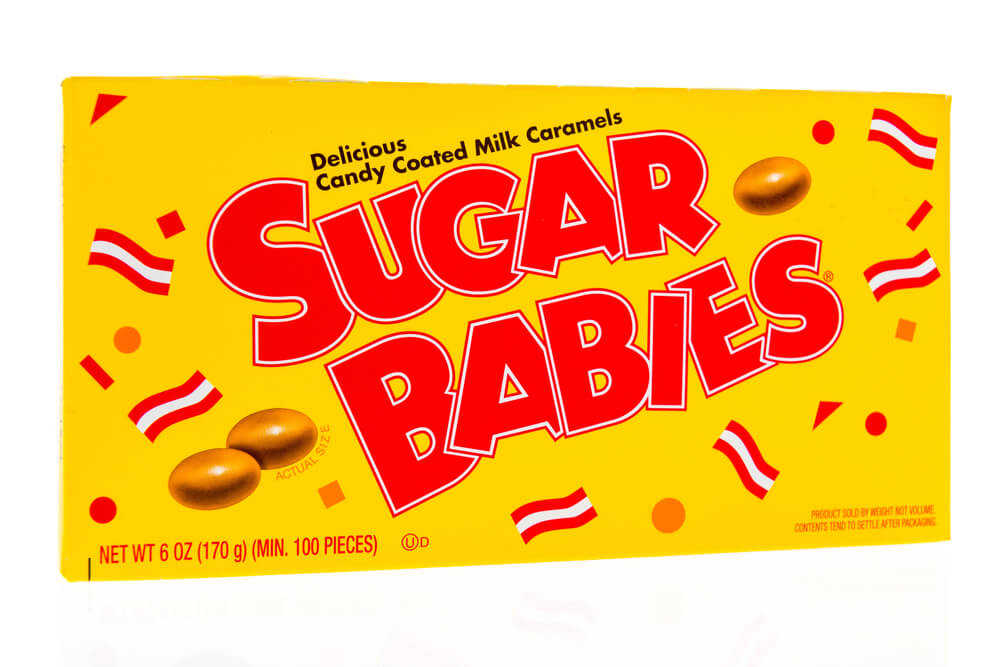
Sugar Babies came from the same caramel family as Sugar Daddy, arriving in 1935 as bite-sized pieces of milk caramel coated in a sugary candy shell. They were sold in small bags that fit neatly into a jacket pocket or a movie theater seat.
Kids ate them one at a time to make the bag last, or poured the entire pack into their mouths at once. The pieces softened slightly when held in a warm hand, which only made them better.
Like Sugar Daddy, they now belong to Tootsie Roll Industries and still show up at concession stands and nostalgic candy shops.
Slo Poke Caramel Suckers
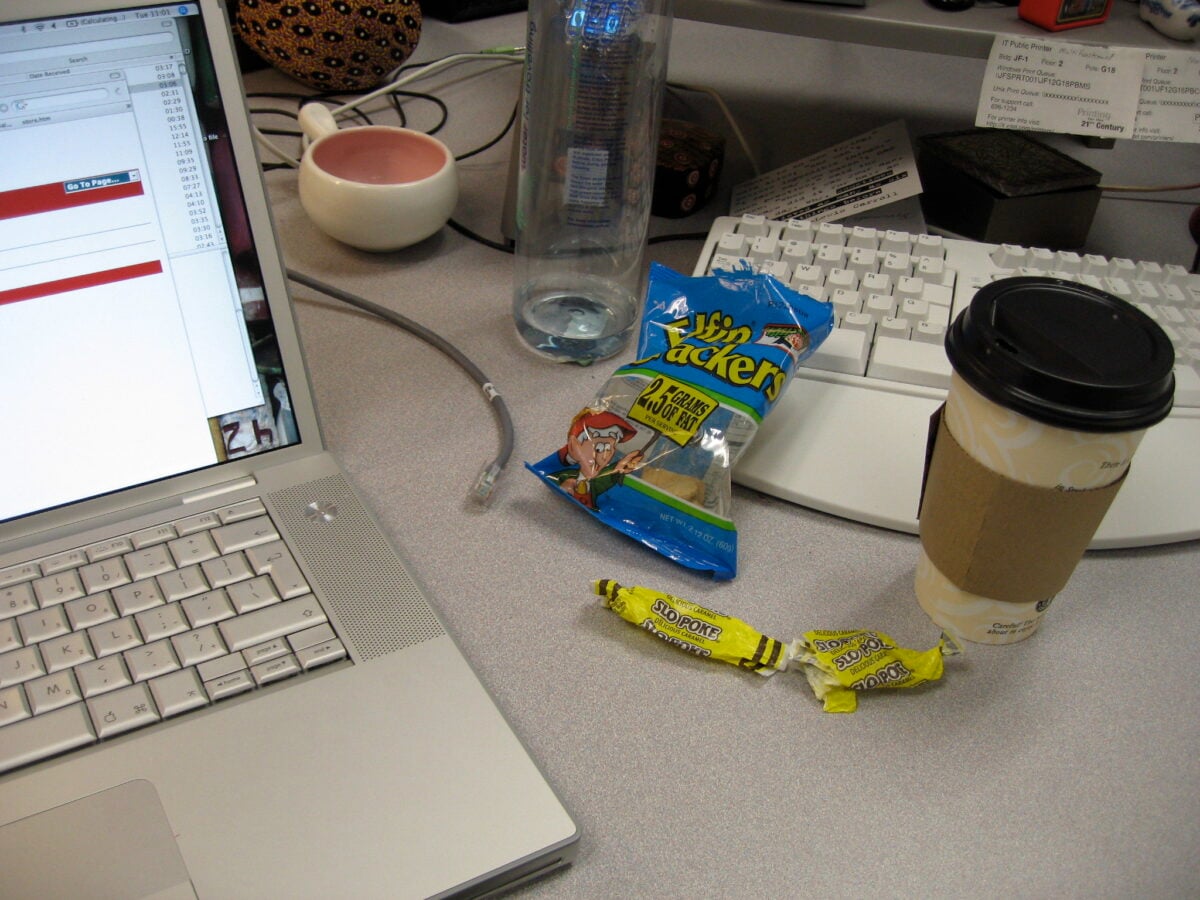
Slo Poke was a flat slab of caramel on a stick, and its name promised exactly what the candy delivered. It competed with Sugar Daddy for kids who wanted something to last through a long Saturday afternoon.
The caramel softened in the mouth only gradually and stuck to everything within reach. After passing through several owners, the brand landed with Atkinson Candy Company of Lufkin, Texas, which specializes in old-fashioned candies.
Slo Poke remains one of the few vintage caramel pops still in production, often packed into retro candy assortments.
Boston Baked Beans in a Little Box
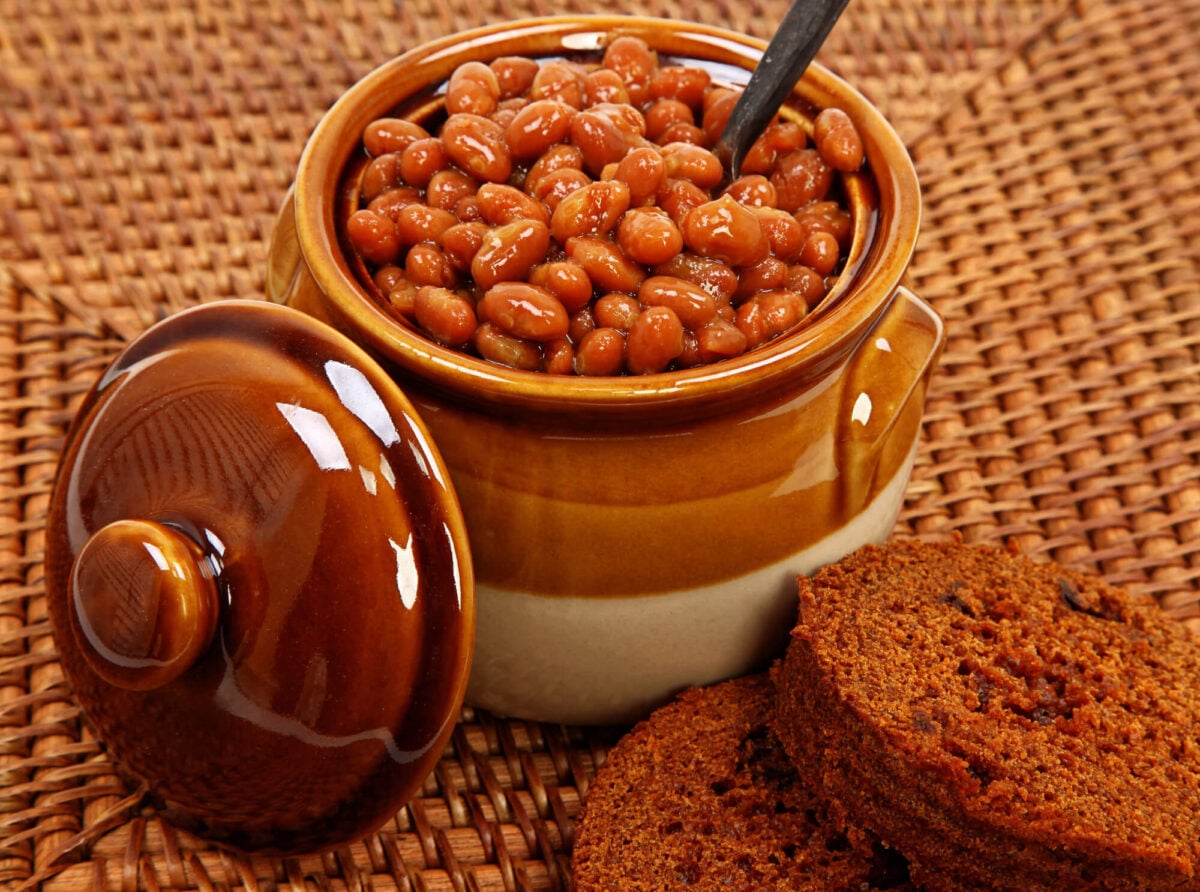
Boston Baked Beans are peanuts coated in a hard, reddish candy shell that looks like baked beans and tastes nothing like them. Ferrara Pan Candy Company of Chicago made them a staple of penny and nickel candy counters, sold in small rectangular boxes that rattled when shaken.
The coating comes from the panning method, in which nuts tumble in rotating drums while layers of sugar syrup slowly build up. Kids often sucked off the shell before crunching the peanut inside.
The candy remains in production, and its name still confuses anyone who has never tried it.
Lemonheads and Their Sour Shell
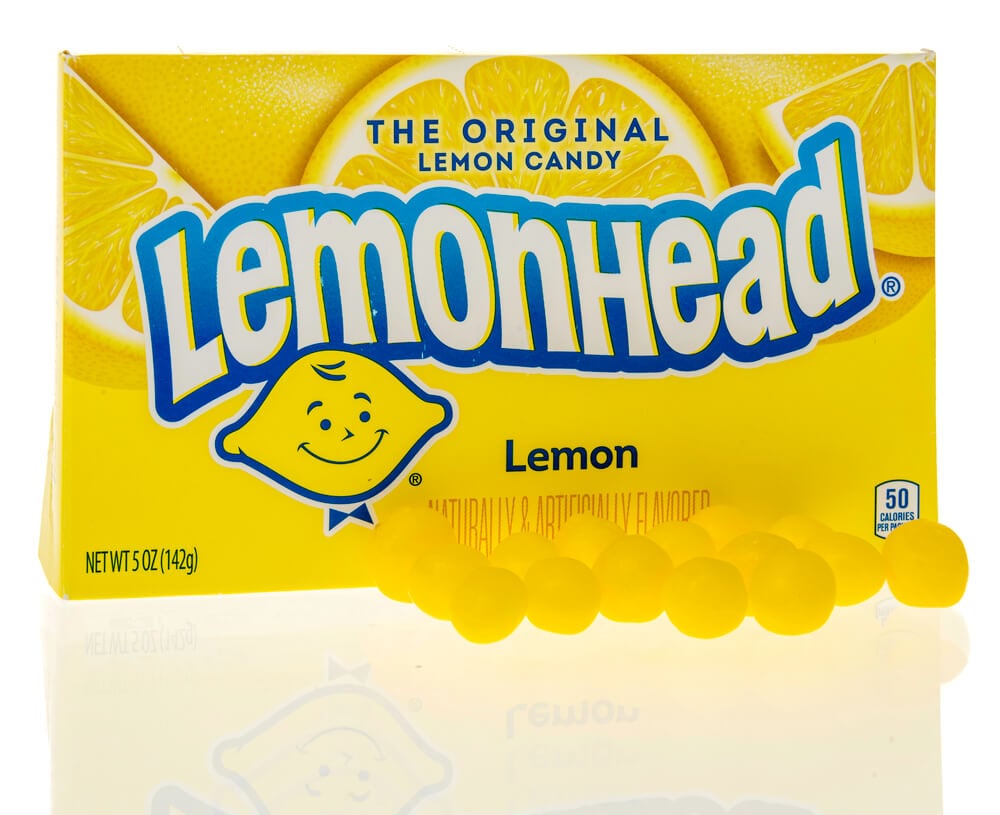
Lemonheads came from Ferrara Pan in 1962, created by Nello Ferrara, a grandson of the company’s founder. According to company lore, the name drew on a caricature of a baby with an oversized round head.
The small yellow candies paired a sour coating with a sweet hard center, which made kids pucker and then reach for another. They sold in tiny boxes that cost very little for years and fit easily in a back pocket.
Ferrara later added other flavors in the same format, but the original lemon version remains the one most people picture.
Good and Plenty’s Pink and White Capsules
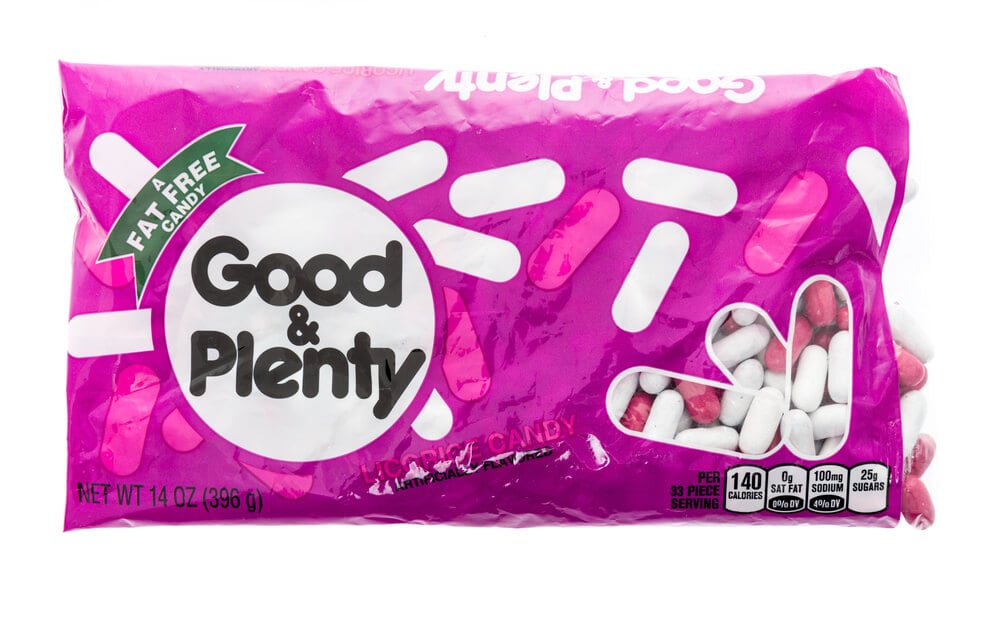
Good and Plenty dates to 1893, when the Quaker City Confectionery Company of Philadelphia began coating licorice pieces in pink and white candy shells. It is widely cited as the oldest branded candy in the United States.
The 1950s brought Choo Choo Charlie, a cartoon engineer whose train ran on Good and Plenty, along with a jingle many boomers can still hum. Licorice made the candy divisive, since kids either loved it or traded it away immediately.
Hershey owns the brand today, and the pink and white capsules have barely changed in more than a century.
Circus Peanuts and Their Strange Flavor
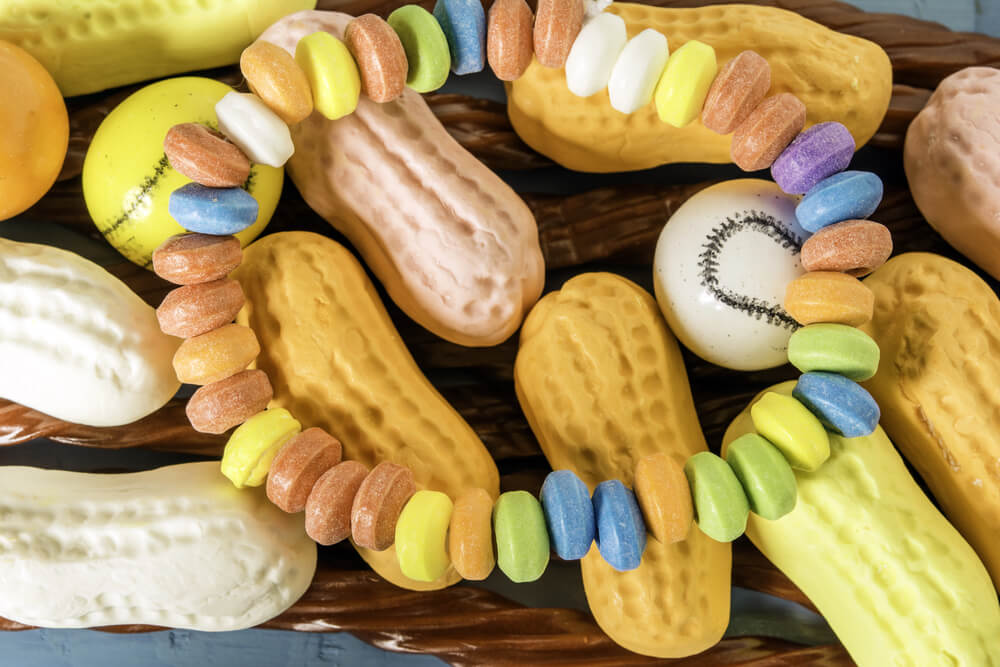
Circus Peanuts are large, peanut-shaped marshmallow candies that are bright orange and taste, oddly, of banana. They date back to the 1800s, when they were sold seasonally from open bins in general stores.
The texture falls somewhere between marshmallow and packing foam, and it firms up as the candy goes stale, which happened often. Spangler Candy Company of Bryan, Ohio, is now one of the main makers.
Few candies divide people more sharply, and yet Circus Peanuts keep turning up in gas stations and grandparents’ candy dishes decade after decade.
Dum Dums at the Bank and the Barber
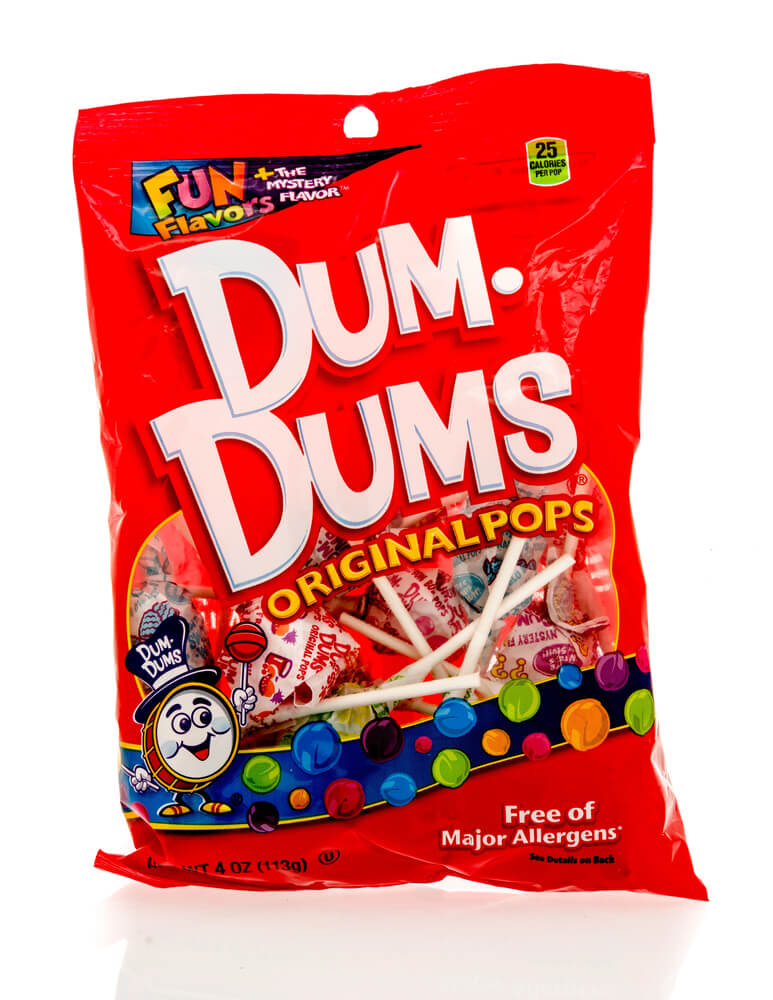
Dum Dums were introduced in 1924 by the Akron Candy Company in Ohio, and Spangler Candy Company bought the brand in 1953. The small lollipops became a favorite giveaway at banks, doctor’s offices and barbershops, which made them part of nearly every errand.
Spangler’s Mystery flavor, sold in a question-mark wrapper, is simply what happens when one flavor batch runs into the next on the production line. Kids learned to bargain politely with adults for a second one on the way out the door.
Spangler still turns out millions of Dum Dums a day in Bryan, Ohio.
Black Jack, Clove and Beemans Gum
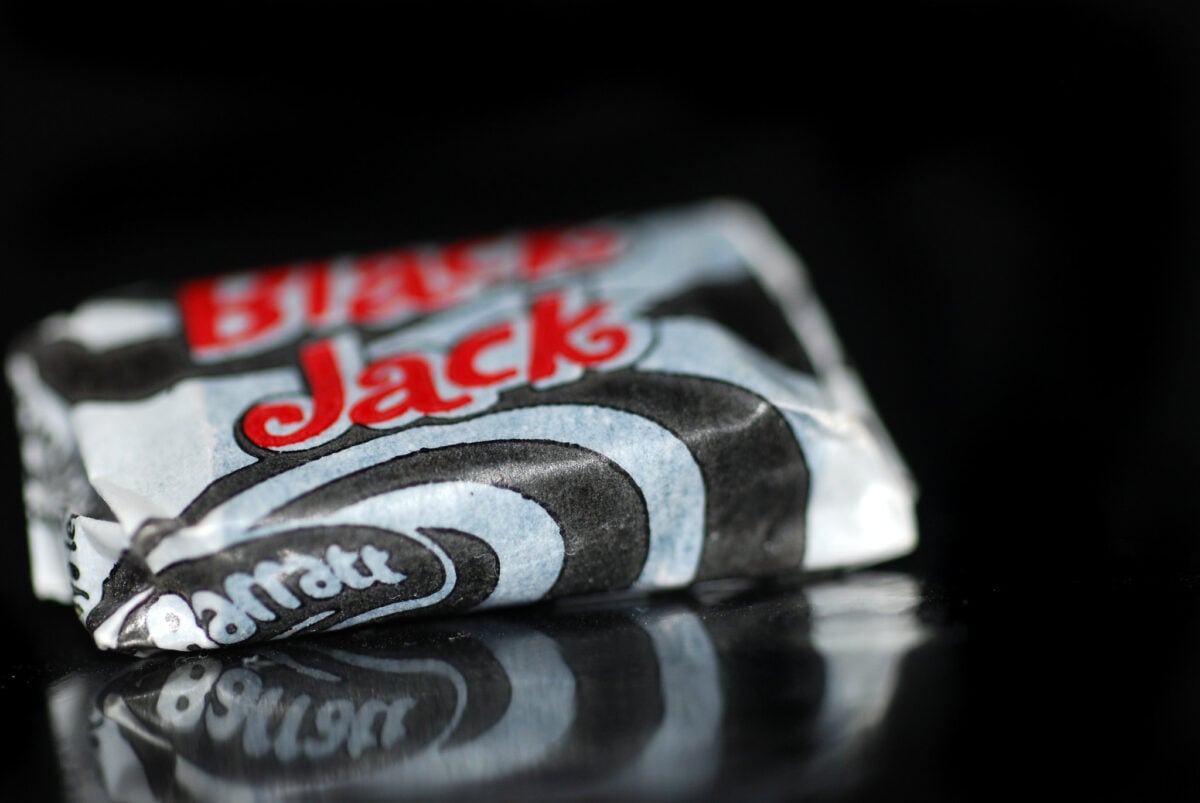
Before bubble gum took over, kids chewed the old-fashioned flavors their grandparents knew. Black Jack, launched in the 1880s by gum pioneer Thomas Adams, was flavored with licorice and is often called the first flavored chewing gum sold in the United States.
Clove gum and Beemans, a pepsin gum once promoted as an aid to digestion, rounded out the vintage trio. These sticks sold for a penny or two at drugstore counters.
They dropped out of regular distribution long ago and have returned only in occasional limited runs, which makes each pack a rare taste of an older America.
Chick-O-Stick and Its Peanut Butter Crunch
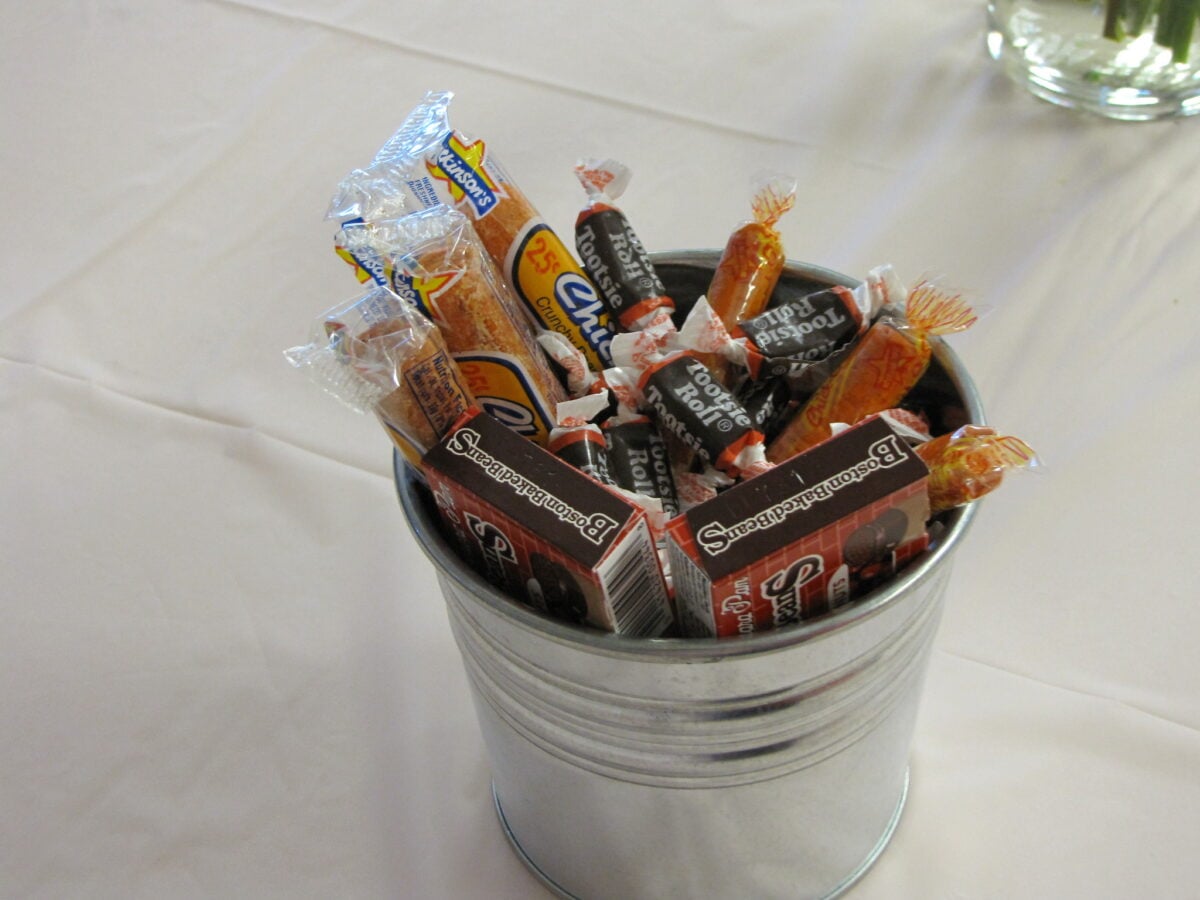
Chick-O-Stick is a crunchy stick of peanut butter candy rolled in toasted coconut, made by Atkinson Candy Company of Lufkin, Texas. The family-owned company was founded in 1932, and this candy remains one of its signature products.
Despite the name, there is no chicken anywhere in it. The orange, flaky texture resembles a candy bar filling without any chocolate around it, which is how most fans explain it to newcomers.
The candy is still sold individually wrapped and cheaply priced, keeping the old penny-candy spirit alive at checkout counters across the South.
Jujubes Built to Last
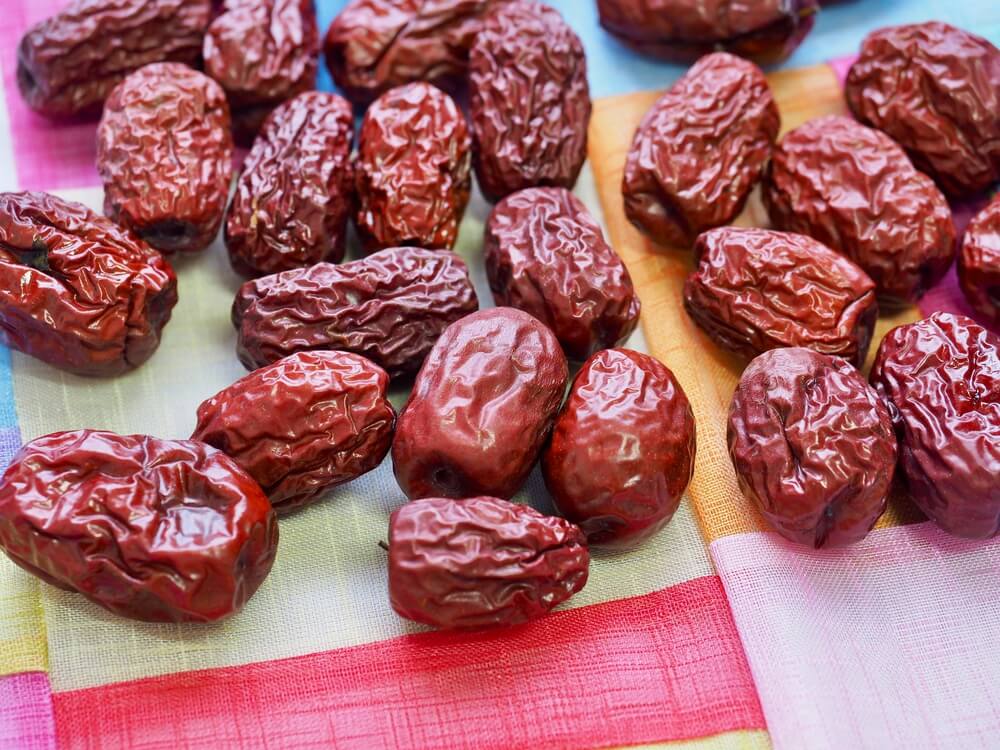
Jujubes were introduced in the 1920s by the Henry Heide company of New Jersey, and they quickly earned a reputation as the toughest candy in the movie theater. The small, translucent fruit drops were so firm that kids could work a single piece for minutes.
The name echoes the jujube fruit, though the candy never contained any. Their texture made them notorious with dentists, and plenty of fillings were lost to them over the years.
The little boxes still turn up at nostalgic candy shops, usually right beside other theater candies of the same vintage.
Dots in the Movie Theater Box
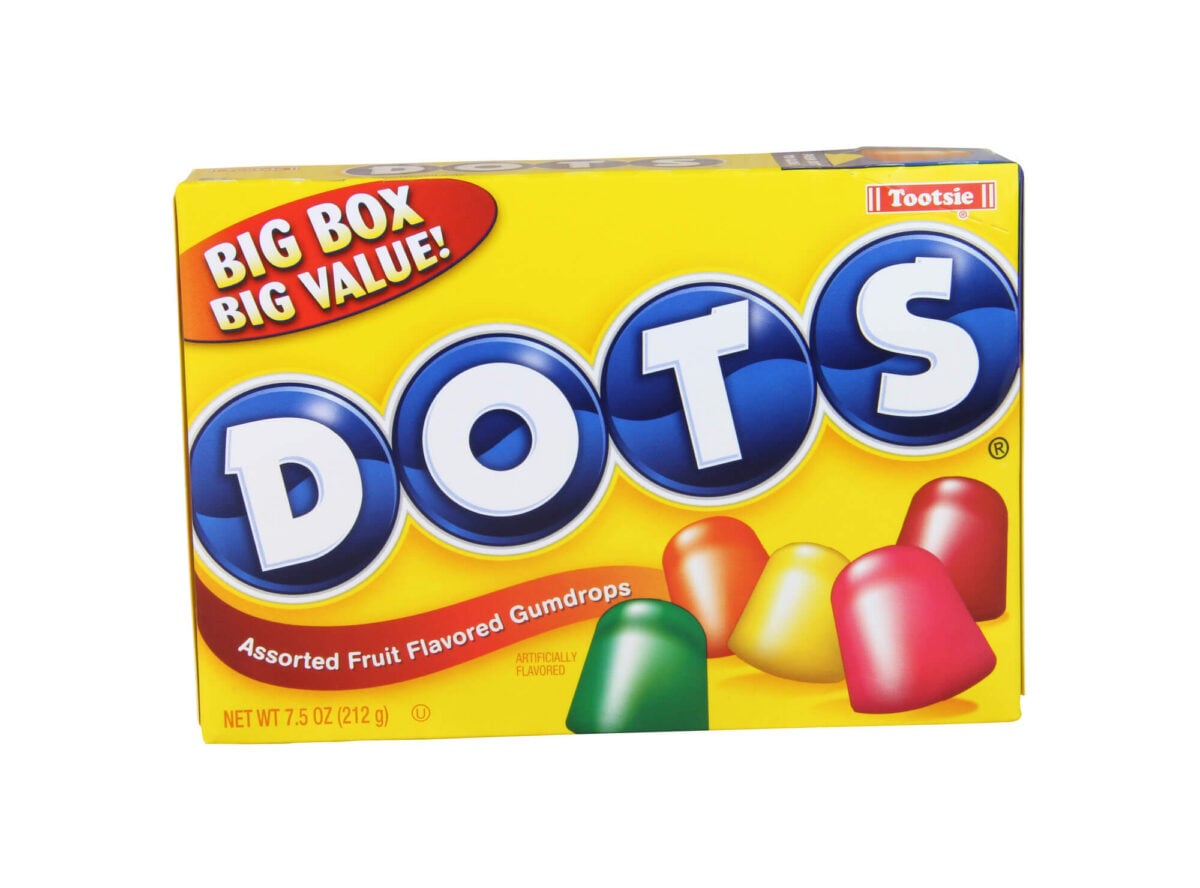
Dots are gumdrops introduced in 1945 by the candy maker Mason, Au and Magenheimer and owned by Tootsie Roll Industries since 1972. The fruit-flavored drops came in cherry, lemon, lime, orange and strawberry and were sold in a small rectangular box that fit perfectly in one hand at the movies.
The firm chew stuck to teeth just enough to keep kids busy through the previews. Each box rattled pleasantly when shaken, an unofficial test of how many were left.
Seasonal versions now appear at Halloween and Christmas, but the classic box remains a concession stand regular.
Pez and Its Character Dispensers
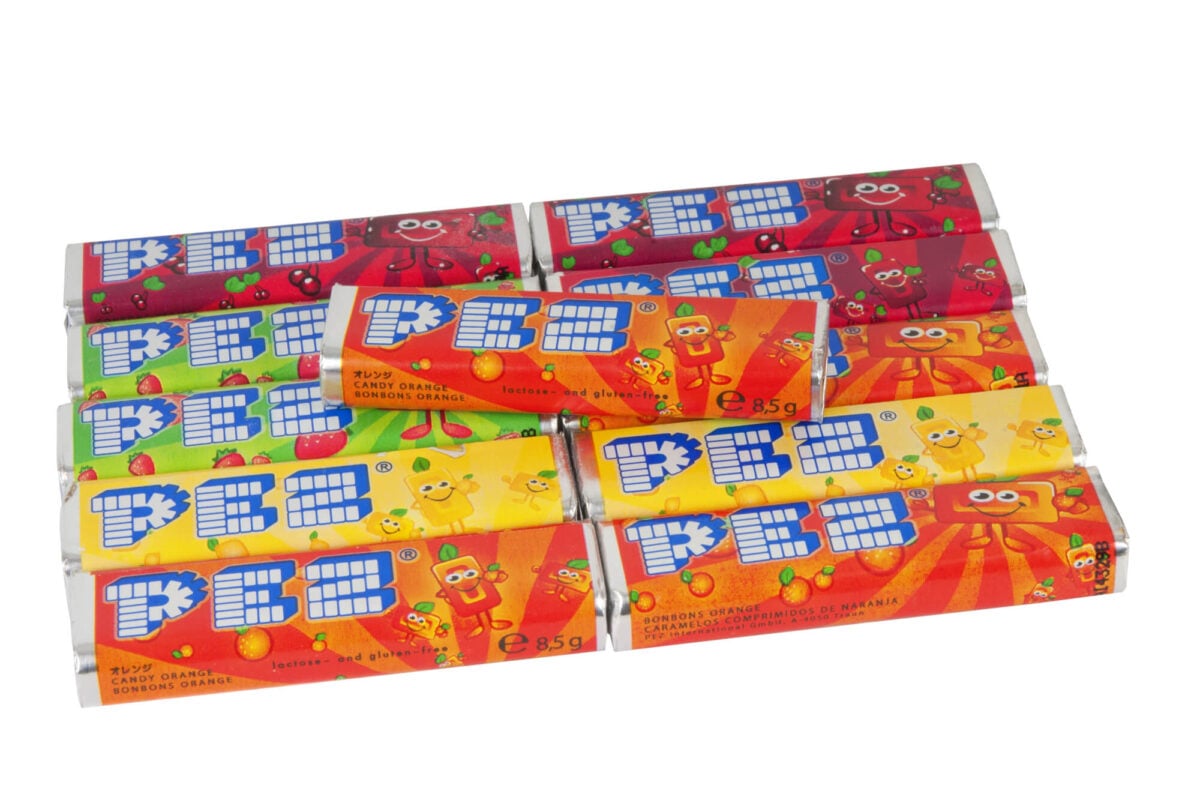
Pez was invented in Austria in 1927 by Eduard Haas III as a peppermint mint, and the name came from the German word for peppermint. The candy arrived in the United States in the early 1950s, and the company soon added fruit flavors and cartoon character heads to the dispensers to win over kids.
Popeye was among the early character designs. Kids tipped the head back to push out a single brick of candy, then reloaded from paper-wrapped refills.
Vintage dispensers are now serious collectibles, and rare ones sell for hundreds of dollars or more, depending heavily on condition, paint wear and original packaging.
Pocket Change and Small Freedoms
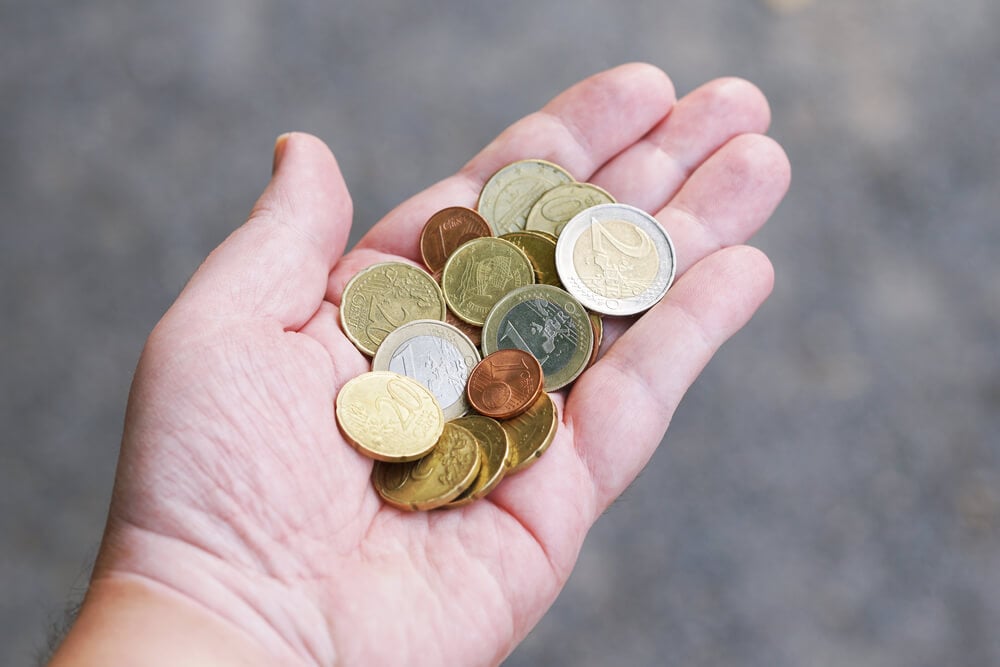
Penny candy was often the first purchase a child ever made alone. Choosing between a Tootsie Roll and a wax bottle with a single coin felt like a real decision, and counting out the change taught early lessons about money.
The corner store counter was where many kids first practiced being customers. Prices rose, corner stores closed and many brands changed hands or disappeared.
The candies that survive now sell mostly as nostalgia, often in bags of assorted retro sweets. Their real value was never the sugar but the small taste of independence that came with spending a few cents however a kid pleased.
More from Go2Tutors!

- The Romanov Crown Jewels and Their Tragic Fate
- 13 Historical Mysteries That Science Still Can’t Solve
- Famous Hoaxes That Fooled the World for Years
- 15 Child Stars with Tragic Adult Lives
- 16 Famous Jewelry Pieces in History
Like Go2Tutors’s content? Follow us on MSN.