28 Photographs From History That Captured a Moment Just Before Everything Changed
Photographs lie, not in what they show but in what they leave out — the seconds before and after, the wider frame that would change the meaning of everything in it. A crowd celebrating. A man waving from a cockpit. A family sitting for a portrait. At the time the shutter opened, these were ordinary images.
What made them extraordinary was what happened next, which the photograph could not know and did not show. There is a specific quality to photographs taken just before a seismic event.
Seen in retrospect, they carry a weight that is entirely retrospective — the viewer supplies it, knowing what the people in the frame did not. The subjects are usually looking somewhere else, or smiling, or doing nothing in particular.
They have no idea. That gap between what they knew and what was coming is, in most cases, what makes the image unforgettable.
Archduke Franz Ferdinand Leaving the Guildhall (June 28, 1914)
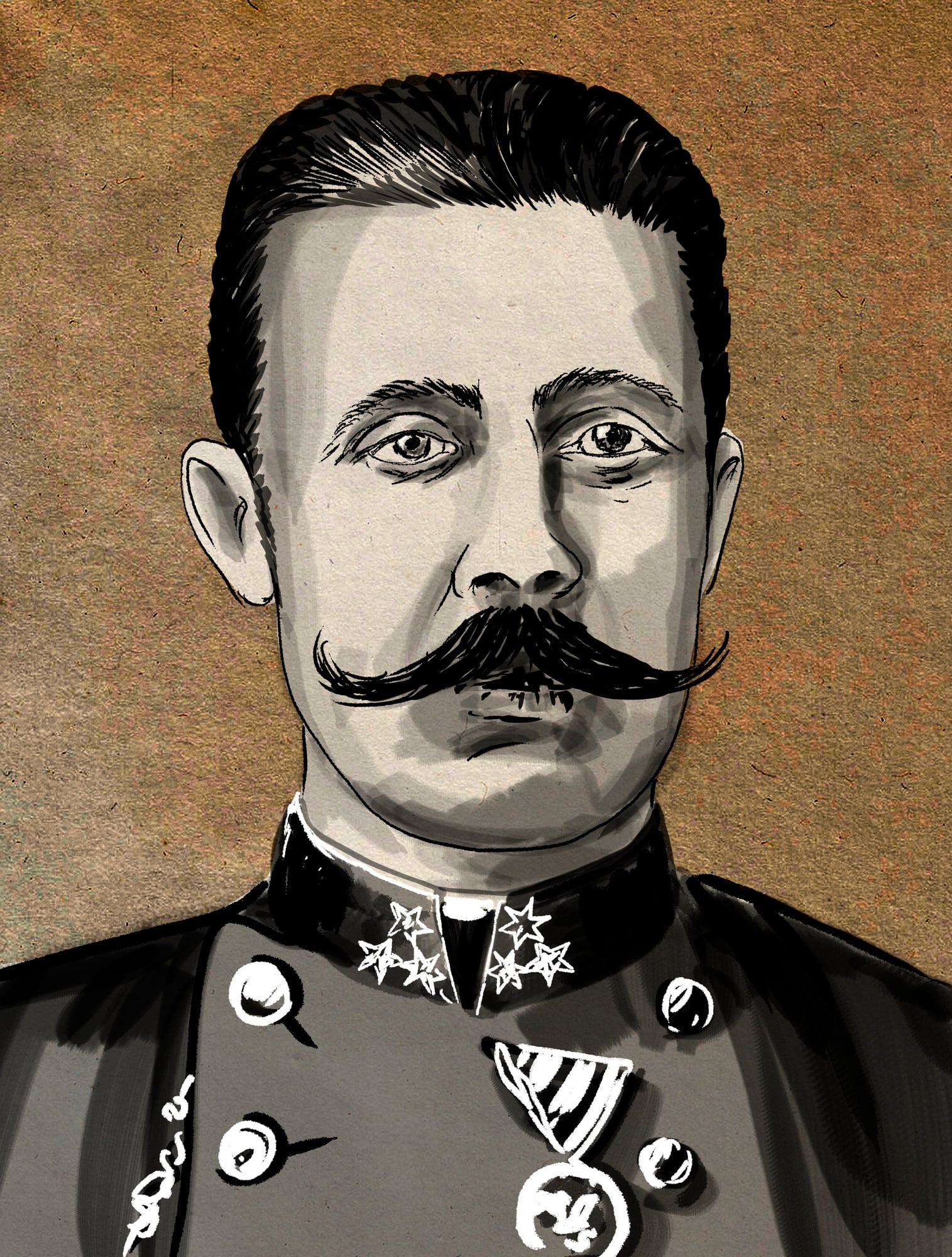
A photograph exists showing Archduke Franz Ferdinand of Austria and his wife Sophie emerging from the guildhall in Sarajevo, surrounded by officials and well-wishers, looking composed and unhurried. The image was taken minutes before the couple climbed into their car.
Gavrilo Princip shot them both as the motorcade made an unplanned stop, triggering the chain of alliances and ultimatums that produced World War I. The photograph shows a man at the end of a normal official visit, with no indication that the next thirty minutes would redirect the course of the twentieth century.
The Titanic Leaving Belfast (April 2, 1912)
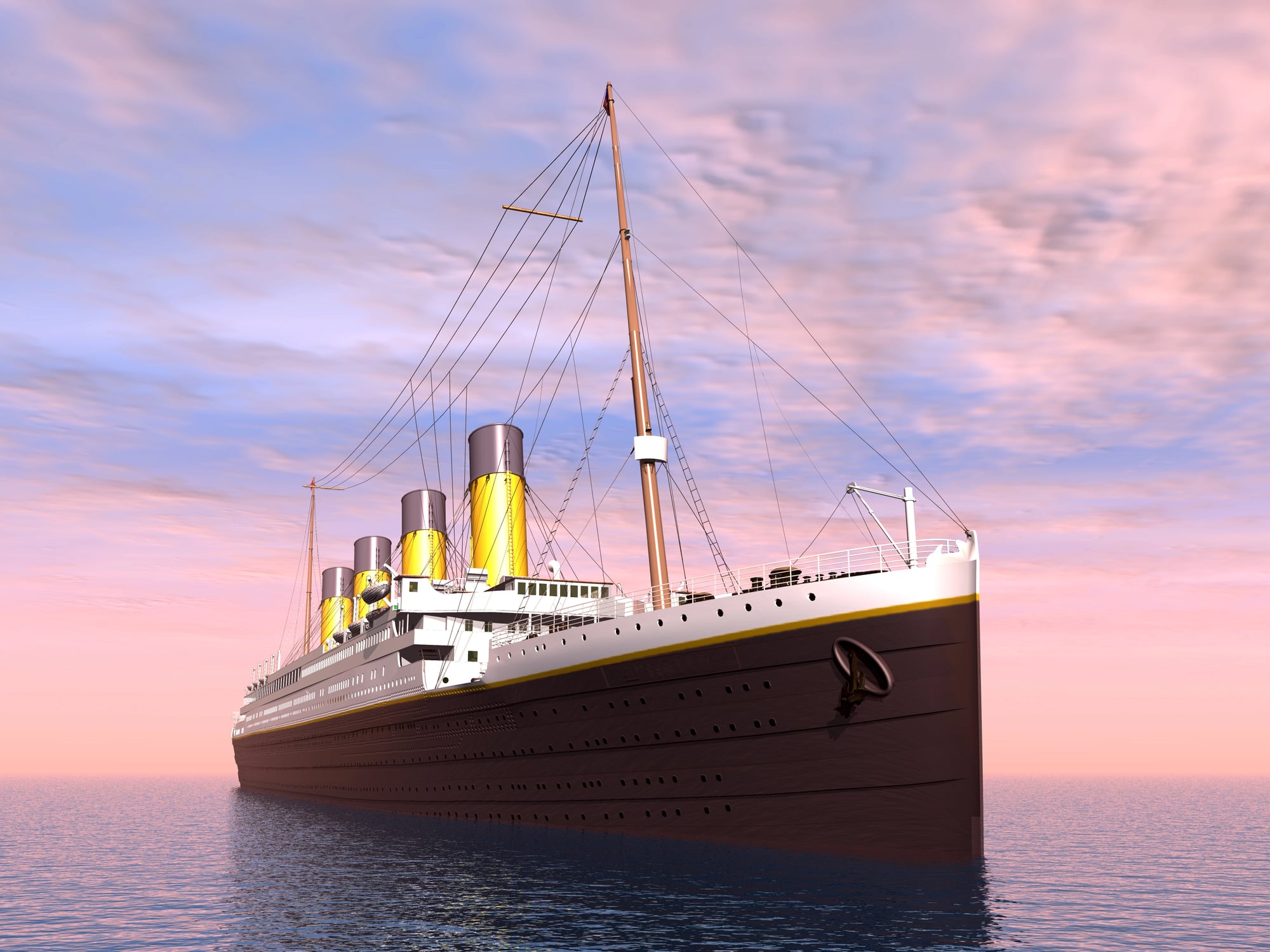
Workers and spectators photographed the RMS Titanic as it departed Belfast on its sea trials — a proud moment for the Harland and Wolff shipyard that had built it. The ship had not yet taken on its passengers or its famous reputation for unsinkability.
It looked, in these early departure photographs, like what it was: an enormous, unprecedented, expensive ship about to begin its commercial life. Ten days later it was at the bottom of the North Atlantic.
The Wright Brothers at Kitty Hawk (December 17, 1903)
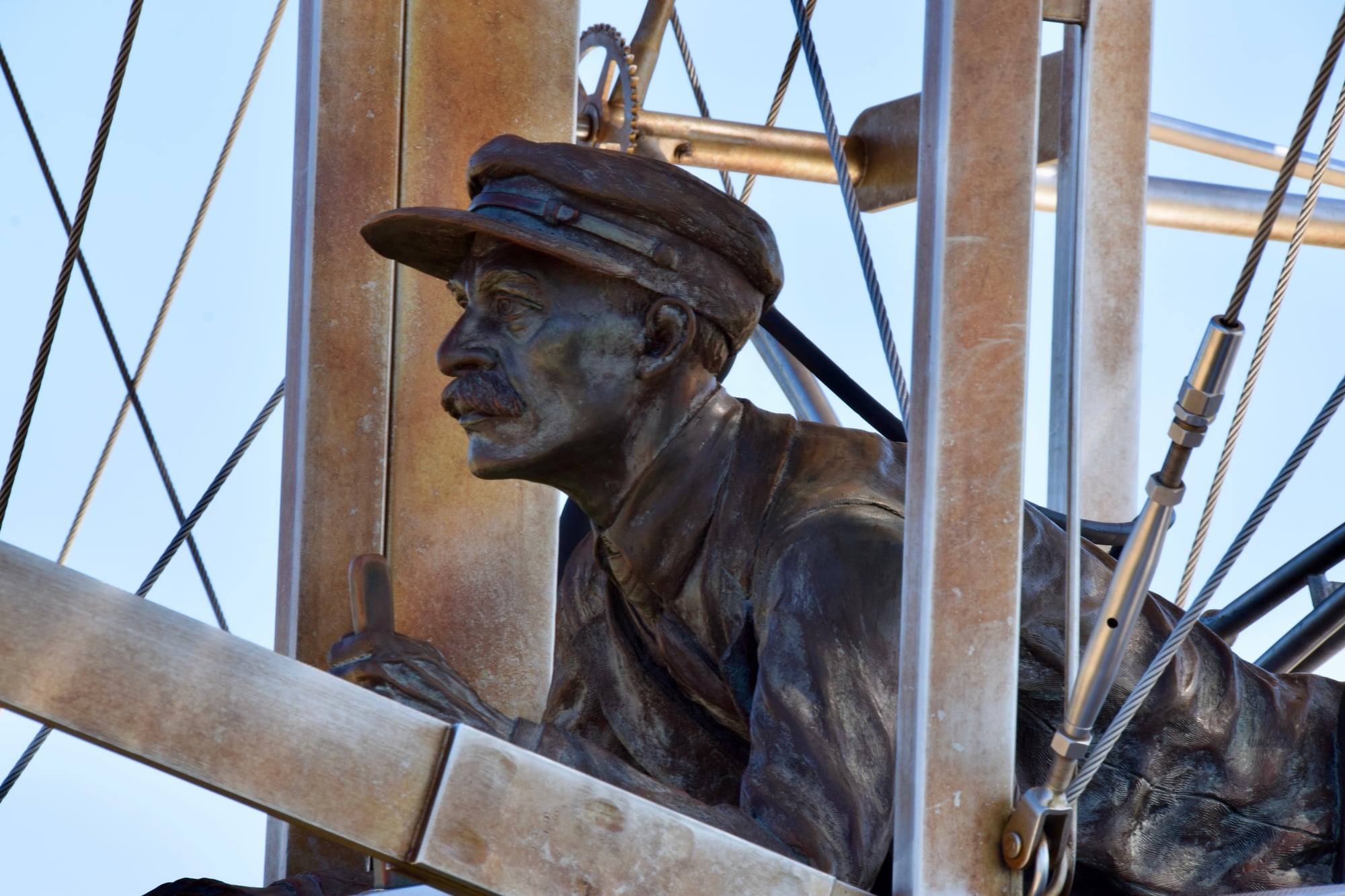
John T. Daniels, a member of the US Life-Saving Service who had never operated a camera before, was asked to squeeze a trigger if anything interesting happened. When Orville Wright’s flyer lifted off from the sand at Kill Devil Hills for twelve seconds, Daniels pressed the trigger and produced one of the most significant photographs ever accidentally taken.
The image shows the aircraft a few feet above the ground, Wilbur running alongside. Nobody present fully understood what they had witnessed.
The age of aviation began on a cold Thursday morning in North Carolina, documented by a man who had no training with the equipment in his hands.
The Hindenburg Over New York (May 6, 1937)
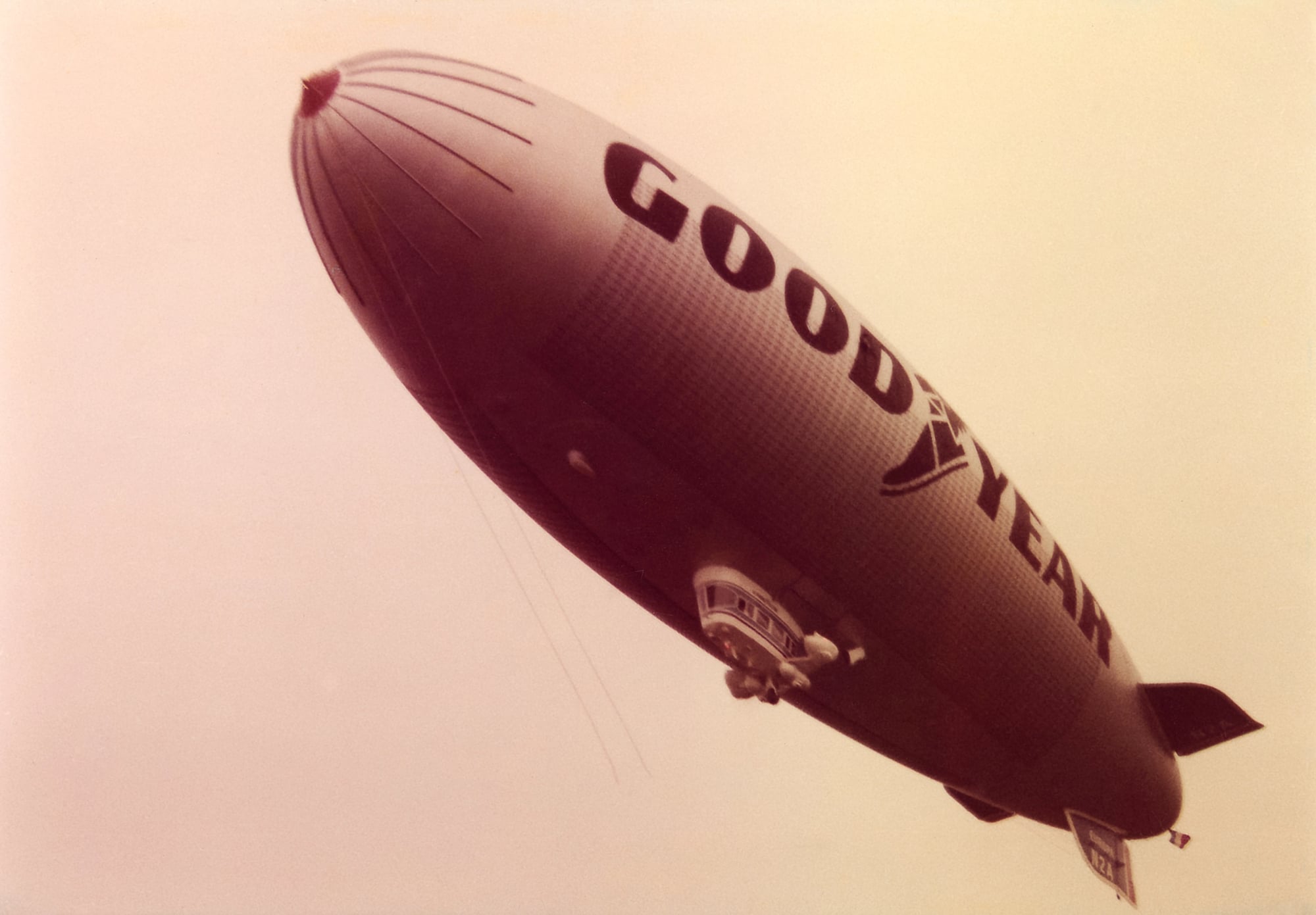
Press photographers had gathered at Lakehurst, New Jersey, to document the Hindenburg’s arrival — a routine assignment covering a routine transatlantic crossing. The airship appears in photographs taken minutes before the disaster as an enormous, graceful object making its approach to the mooring mast.
Thirty-four seconds after the fire began, the hydrogen-filled vessel had collapsed in flames, killing thirty-six people. The existing photographs of the Hindenburg approaching Lakehurst — unhurried, intact, functioning exactly as designed — document the final minutes of the commercial airship era.
John Lennon Signing an Autograph for Mark David Chapman (December 8, 1980)
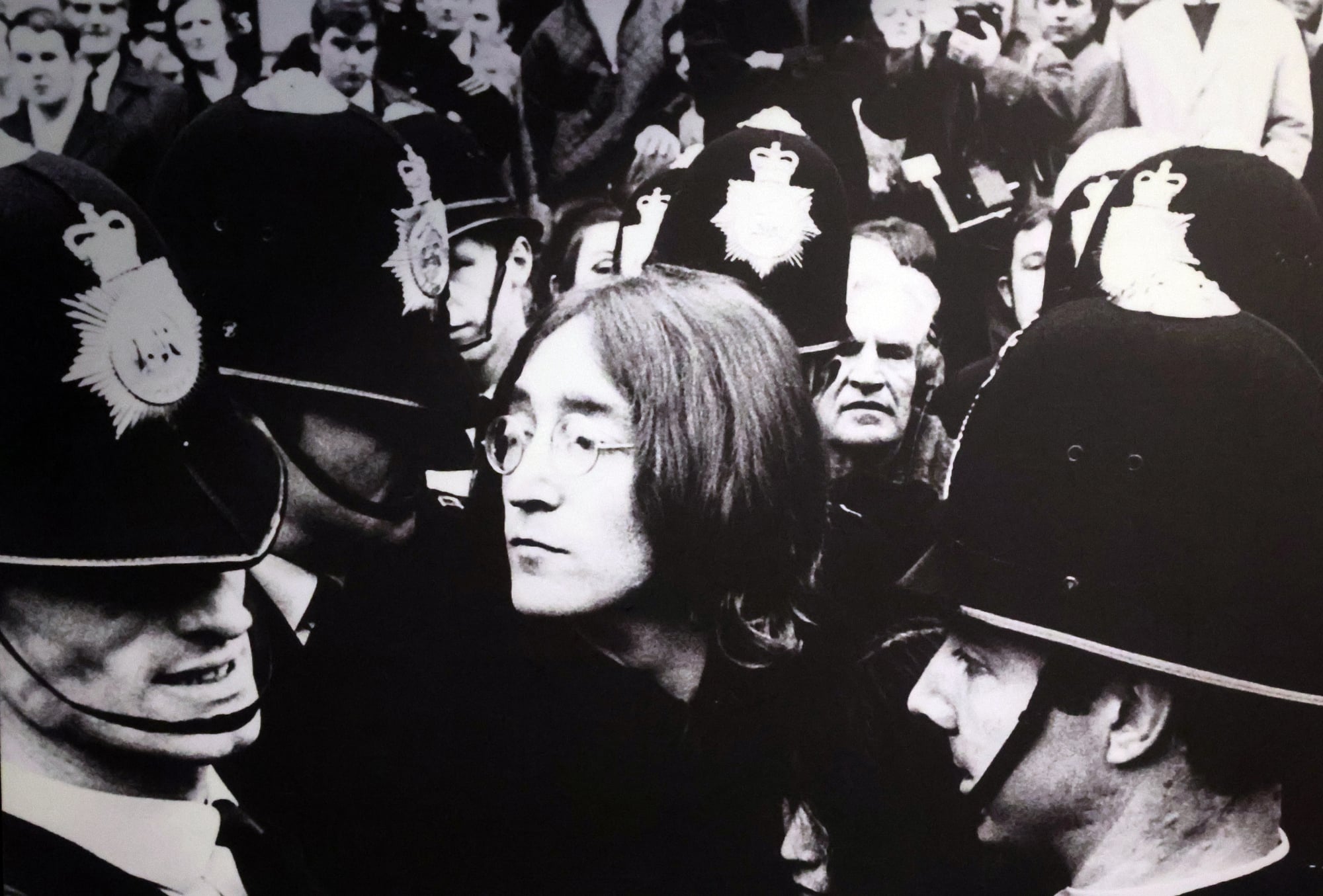
A photograph exists showing John Lennon signing a copy of the Double Fantasy album for a fan outside the Dakota building in New York City. The fan was Mark David Chapman.
The photograph was taken by photographer Paul Goresh. That evening, as Lennon returned from a recording session, Chapman shot him.
Annie Leibovitz had photographed Lennon embracing Yoko Ono earlier the same day, in what became one of the most widely reproduced music photographs ever taken.
President Kennedy’s Motorcade in Dealey Plaza (November 22, 1963)
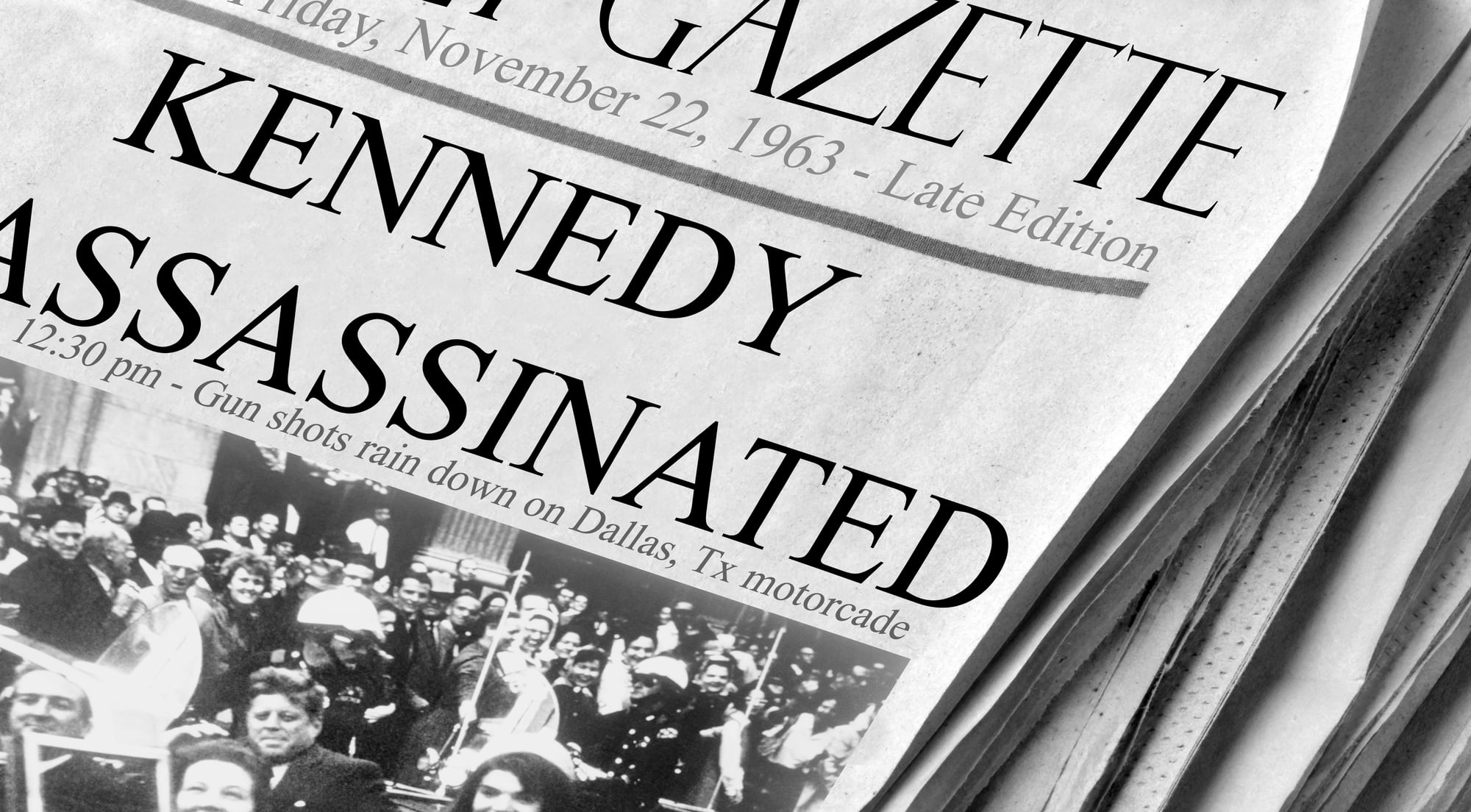
Photographs taken in Dealey Plaza in the seconds before the assassination of President Kennedy show a street scene that looks like any presidential motorcade — crowds lining the road, the open car, the president and first lady visible from the waist up. One photograph shows Kennedy and his wife turning toward a crowd on their right, smiling.
Seconds later, gunfire. The circumstances of the assassination have been the subject of contested interpretations for more than six decades.
The Enola Gay Before Takeoff (August 6, 1945)
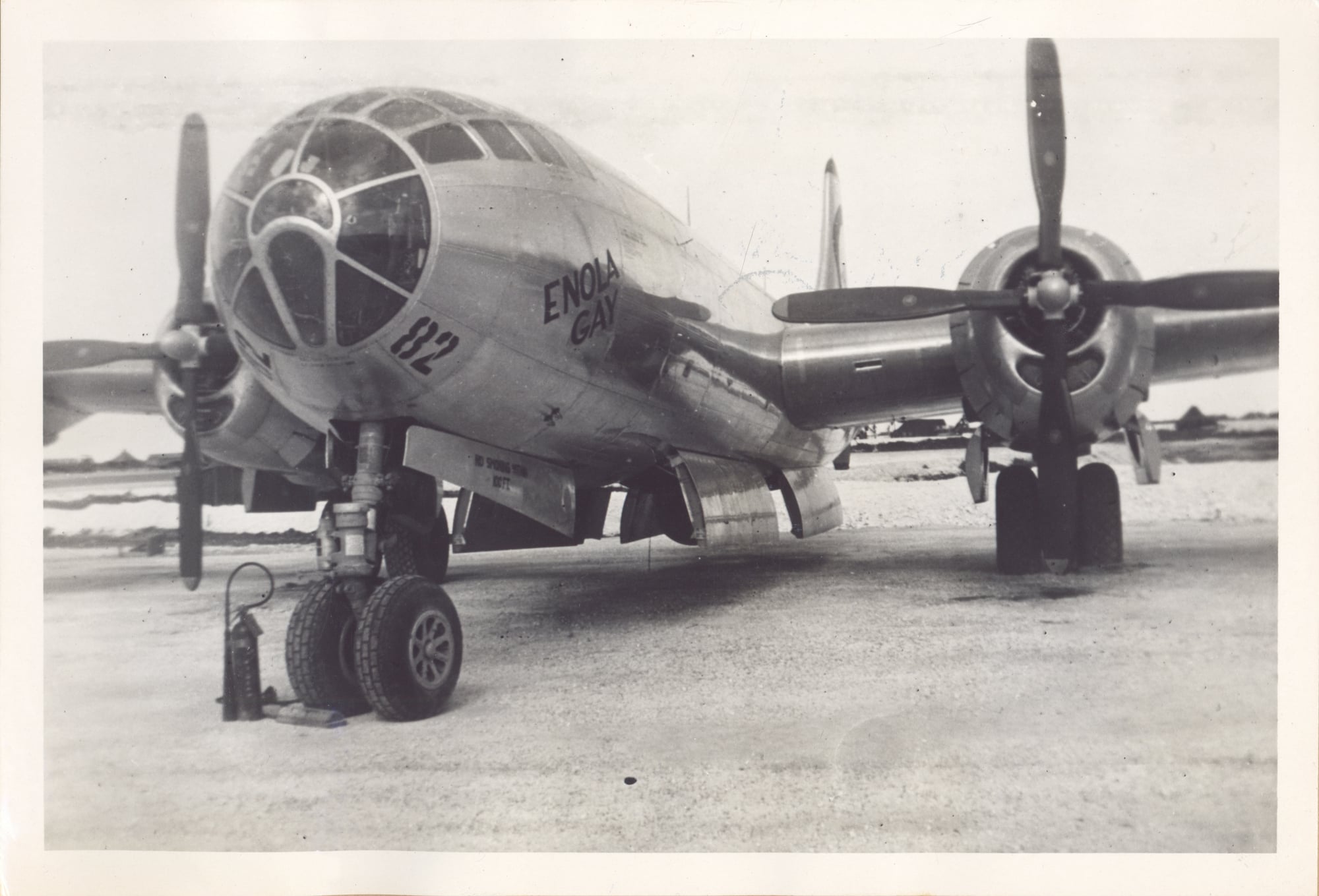
Colonel Paul Tibbets climbed into the cockpit of the B-29 Superfortress Enola Gay at the airfield on Tinian Island in the early hours of August 6, 1945. A ground photographer asked him to wave, and he did, producing an image that shows a man in a cockpit smiling at the camera.
The aircraft was carrying the atomic bomb that would be dropped on Hiroshima hours later, killing between 70,000 and 135,000 people and inaugurating the nuclear age. Tibbets reported that he slept well the night before the mission.
Orville Wright’s Second Flight Preparation (December 17, 1903)
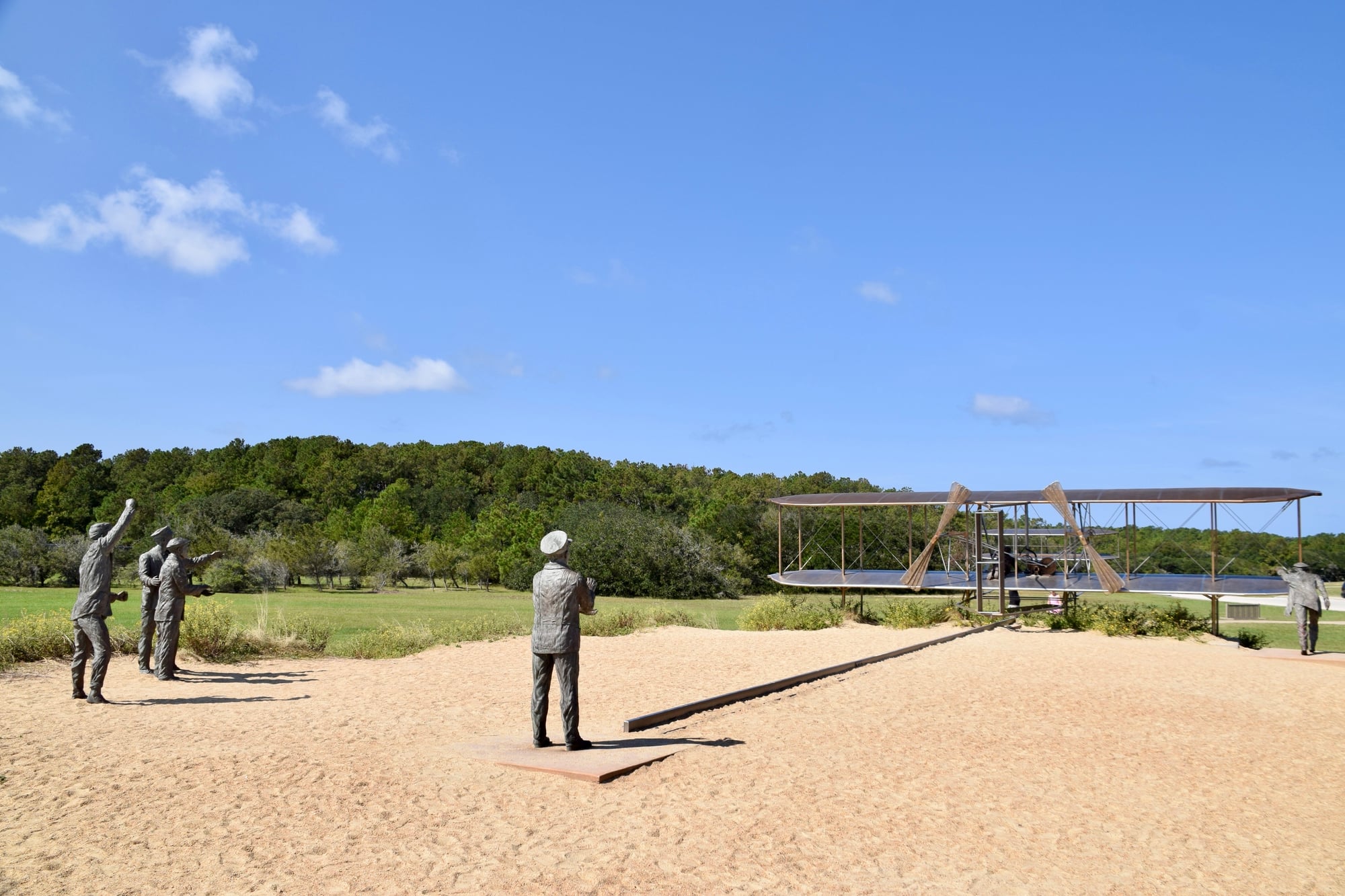
Before the famous twelve-second flight that Daniels captured, there are photographs of the preparation — the brothers adjusting the aircraft, checking the engine, laying the launch rail. In these earlier images, the flyer is still on the ground, the brothers surrounded by a handful of onlookers, all of them standing in the cold on an unremarkable stretch of beach.
The images of what came before the flight are in many ways more evocative: they show the moment of anticipation, before any of them knew whether any of it would work.
Tiananmen Square Students Dancing (June 3, 1989)
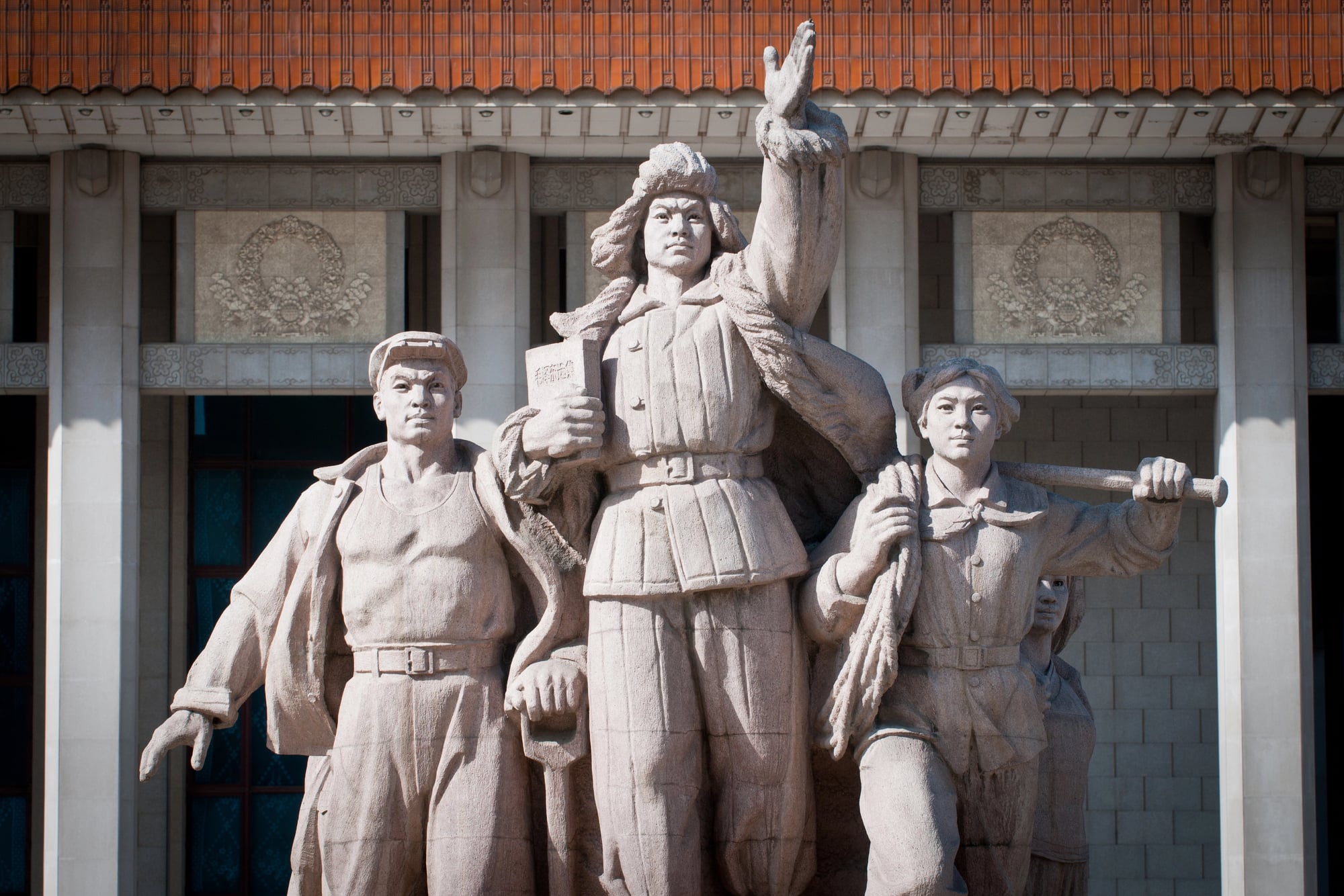
On the night before the Tiananmen Square crackdown of June 4, 1989, photographs show students dancing and singing in the square — an atmosphere of cautious celebration that had persisted through weeks of protest. The students believed, or hoped, that the government would negotiate.
That night, military units moved into the city. The photographs of students celebrating in the hours before the tanks arrived carry the particular weight of images in which the subjects’ confidence in the future was misplaced.
The Challenger Crew Walking to the Launch Pad (January 28, 1986)
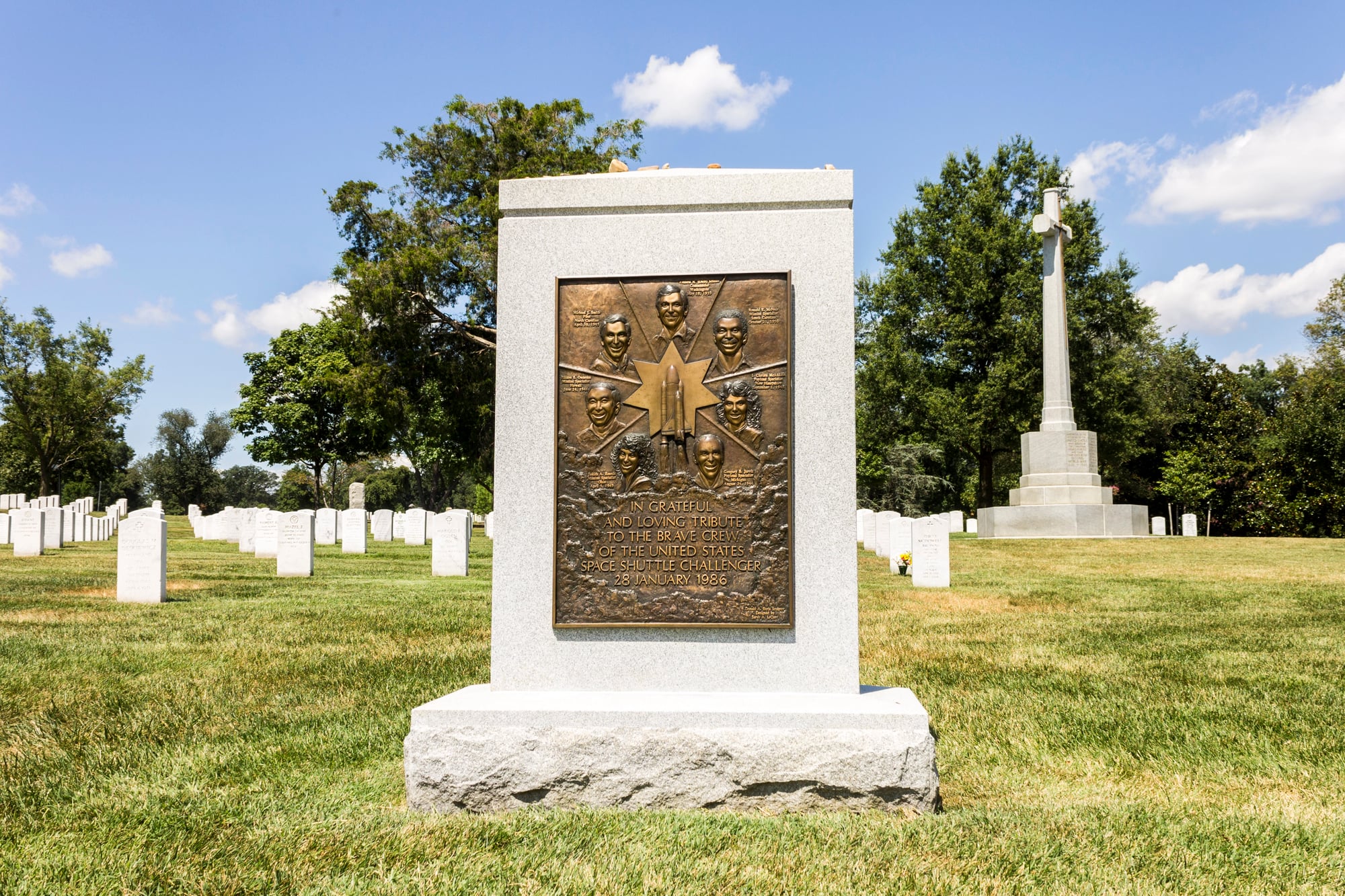
The seven crew members of the Space Shuttle Challenger were photographed walking toward the launch pad on the morning of January 28, 1986 — a standard pre-launch documentation image showing the crew in their flight suits, carrying helmets, looking focused. The launch occurred in air temperatures cold enough to compromise the O-ring seals in the solid rocket boosters.
The shuttle broke apart seventy-three seconds after launch. The photograph of the crew walking toward Challenger has since become one of the most widely reproduced images in the history of the space program.
The Berlin Wall Being Built (August 13, 1961)
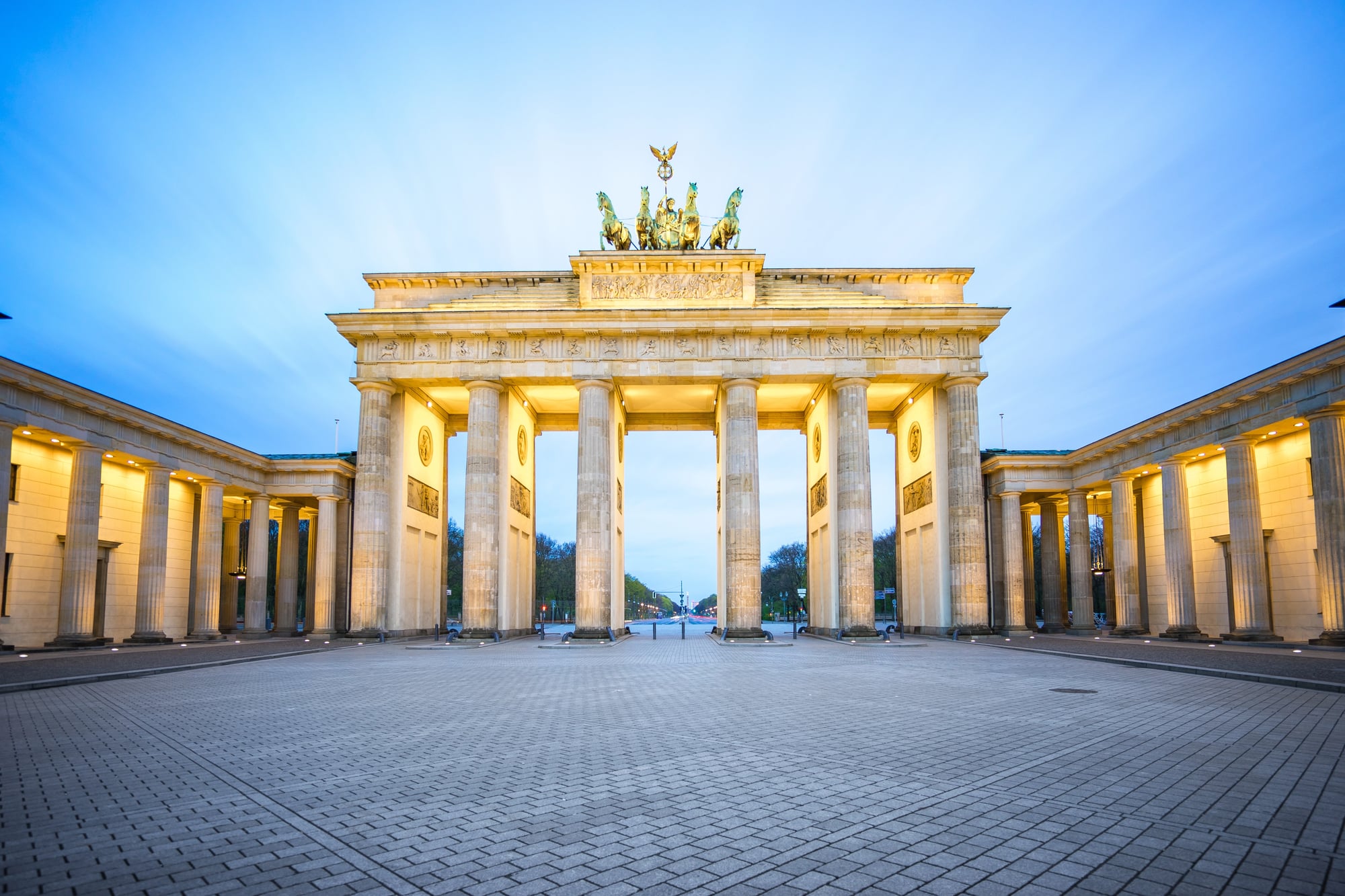
Photographs taken on August 13, 1961, the night East German workers began laying the initial barbed wire barrier that would become the Berlin Wall, show what appears to be ordinary construction work — men working at night, equipment moving, lights illuminating a stretch of street. By morning, the division of the city was physically established.
This particular piece of twentieth-century infrastructure, which would trap millions of people and define the Cold War’s geography for twenty-eight years, began as men laying wire in the dark.
Robert Kennedy at the Ambassador Hotel (June 4, 1968)
Robert Kennedy had just delivered his victory speech after winning the California Democratic primary and was moving through the kitchen of the Ambassador Hotel in Los Angeles when Sirhan Sirhan shot him. Photographs taken moments before show Kennedy in the ballroom, arms raised, speaking to supporters, flushed with the energy of a campaign night win.
He died the following morning. Had he survived, the trajectory of the 1968 presidential election would have been fundamentally different.
Marilyn Monroe at the Last Sitting (July 1962)
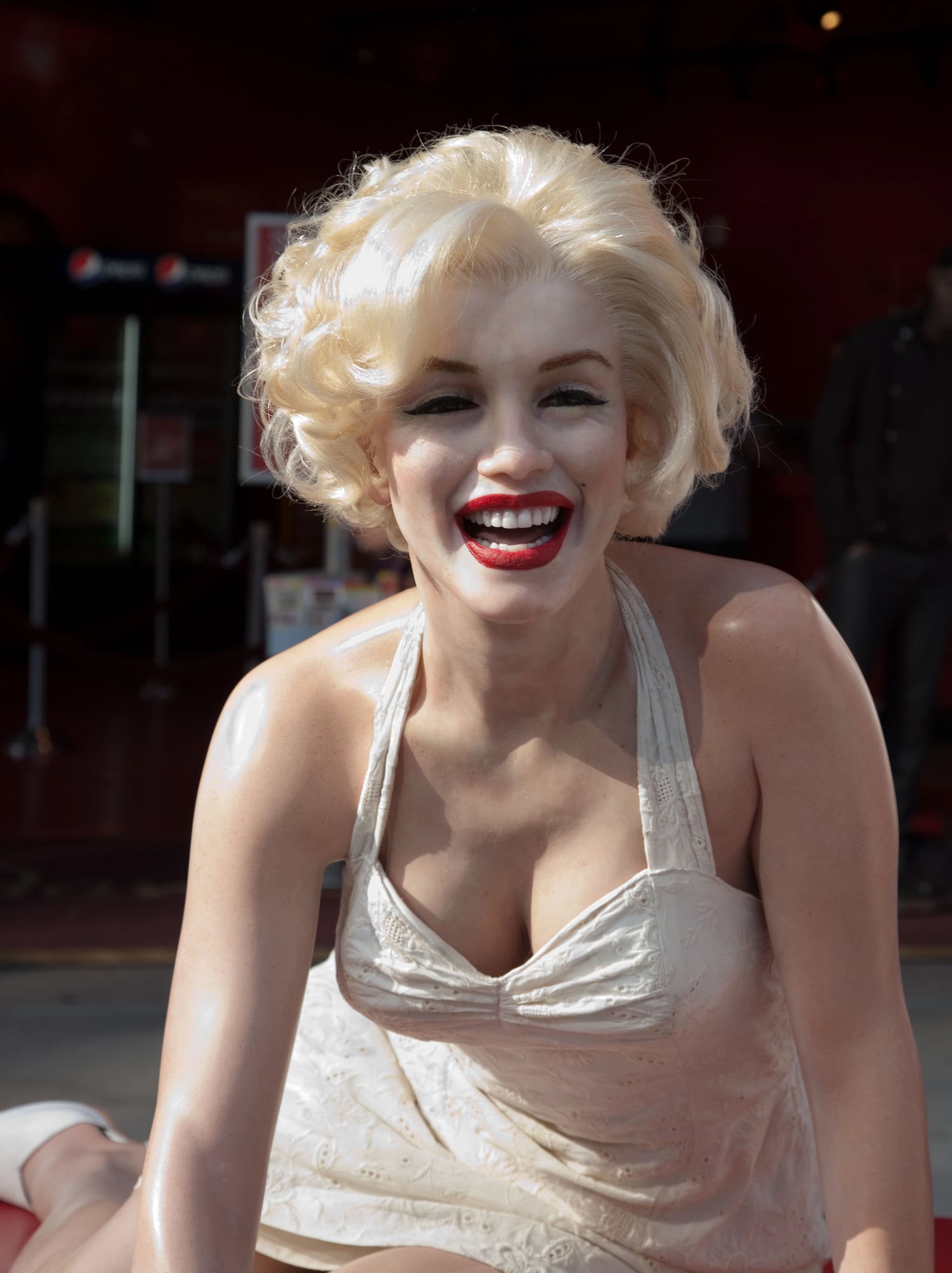
Photographer Lawrence Schiller photographed Marilyn Monroe at what would be her final professional photo session at a swimming pool in Los Angeles in July 1962. A few weeks later, on August 4, she died.
The photographs show a woman who appeared vibrant and playful; the circumstances of her death, and what the photographs do or do not reveal about her state of mind at the time, have been debated ever since.
The Hindenburg at Frankfurt (May 3, 1937)
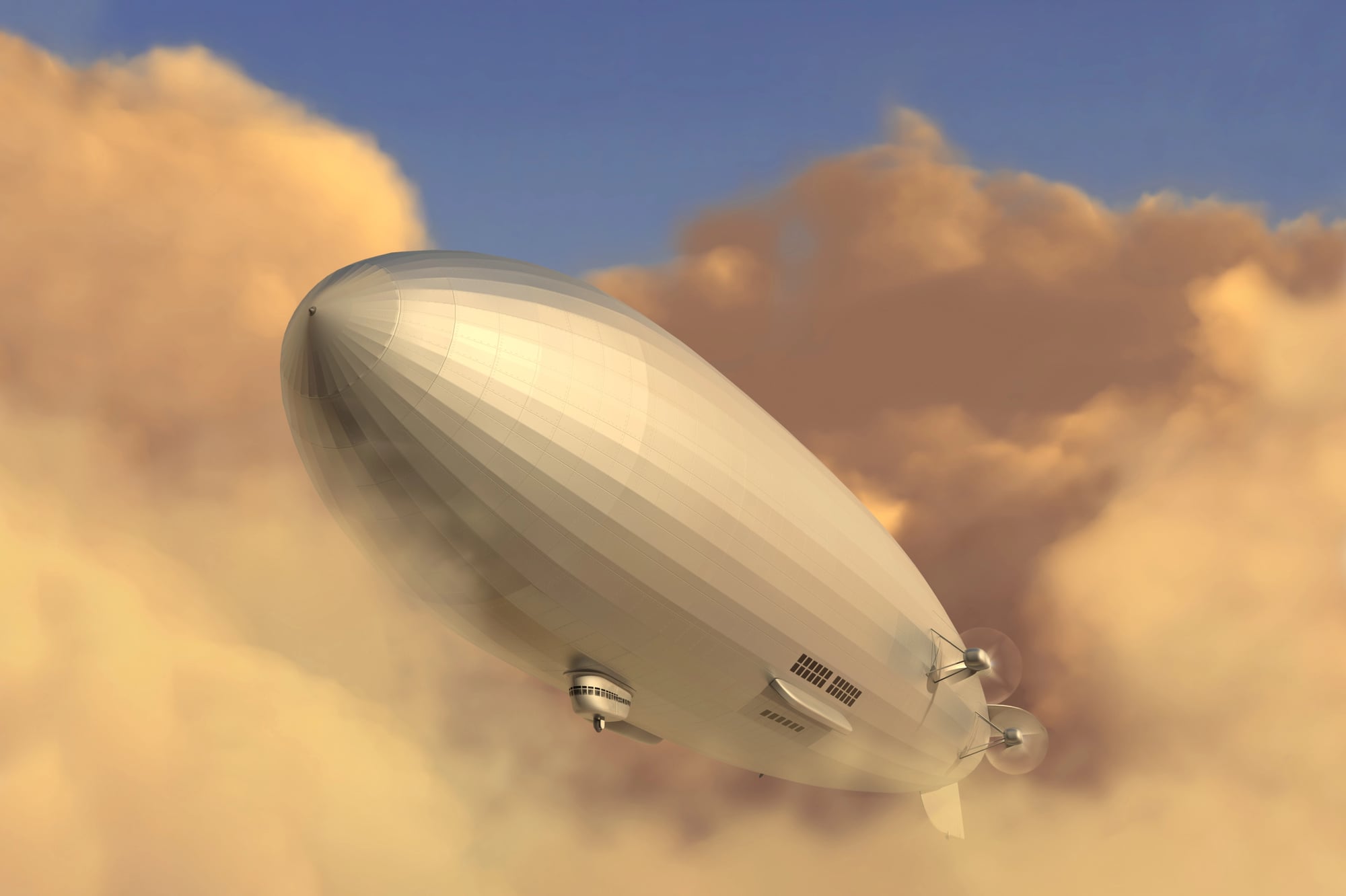
Three days before the disaster at Lakehurst, the Hindenburg departed from Frankfurt, Germany, on its first transatlantic crossing of the 1937 season. Passengers photographed each other on the observation deck, in the dining room, in the cig lounge.
The onboard photographs are now displayed in collections of documents relating to the end of the Hindenburg and the airship era it represented. They show people in good spirits making a crossing they had no reason to believe would be anything other than uneventful.
The Apollo 1 Crew on Launch Pad 34 (January 27, 1967)
Gus Grissom, Ed White, and Roger Chaffee were photographed in their space suits on Launch Pad 34 on January 27, 1967, before entering the Apollo 1 command module for a pre-launch test. During the test, a fire broke out in the capsule’s pure oxygen atmosphere.
All three astronauts died within seconds. The photographs taken of the crew before they entered the capsule document the last professional images of three men whose deaths fundamentally changed NASA’s approach to spacecraft design and crew safety procedures.
The Cottingley Fairies Before the Debunking (1917)

Two photographs taken by cousins Elsie Wright and Frances Griffiths in the garden at Cottingley, England, in 1917, appeared to show the girls surrounded by small fairy figures. Arthur Conan Doyle championed them as genuine.
In the early 1980s, Elsie finally admitted the fairies were paper cutouts taken from a children’s book, propped up with hatpins. The photographs themselves had not changed.
The admission revealed that what viewers had been seeing for sixty-five years had never been there.
A Street in Hiroshima (August 5, 1945)
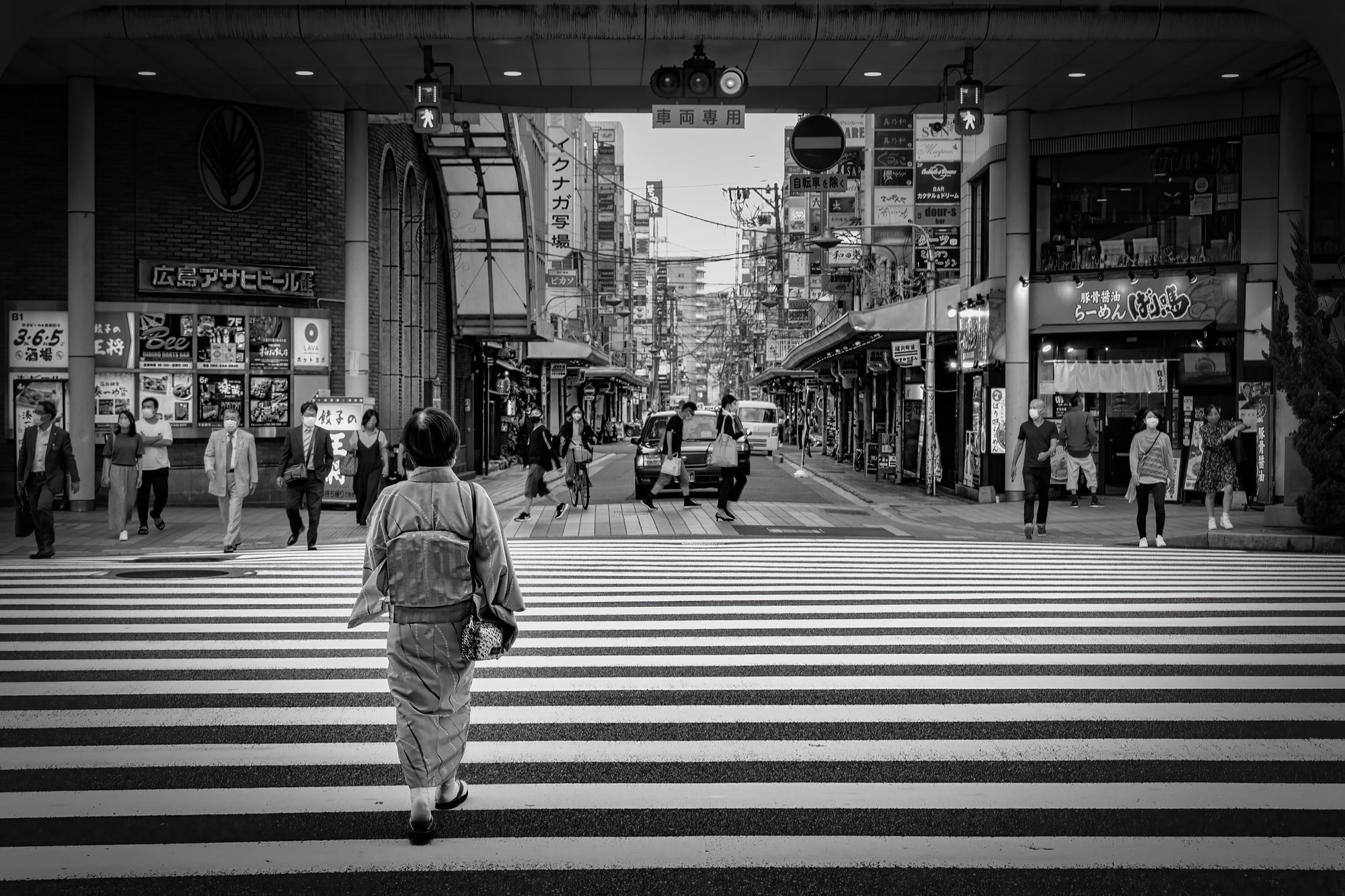
A small number of photographs exist of Hiroshima taken in the days and hours before the bombing on August 6, 1945, showing ordinary city scenes: pedestrians, streetcars, buildings, the river. Hiroshima was a medium-sized Japanese industrial city with no particular distinction in the global imagination before that morning.
Afterward, the photographs of the city as it existed before the bomb became documents of a world that had ceased to exist within seconds.
The Challenger’s Final Seconds: Ground Cameras
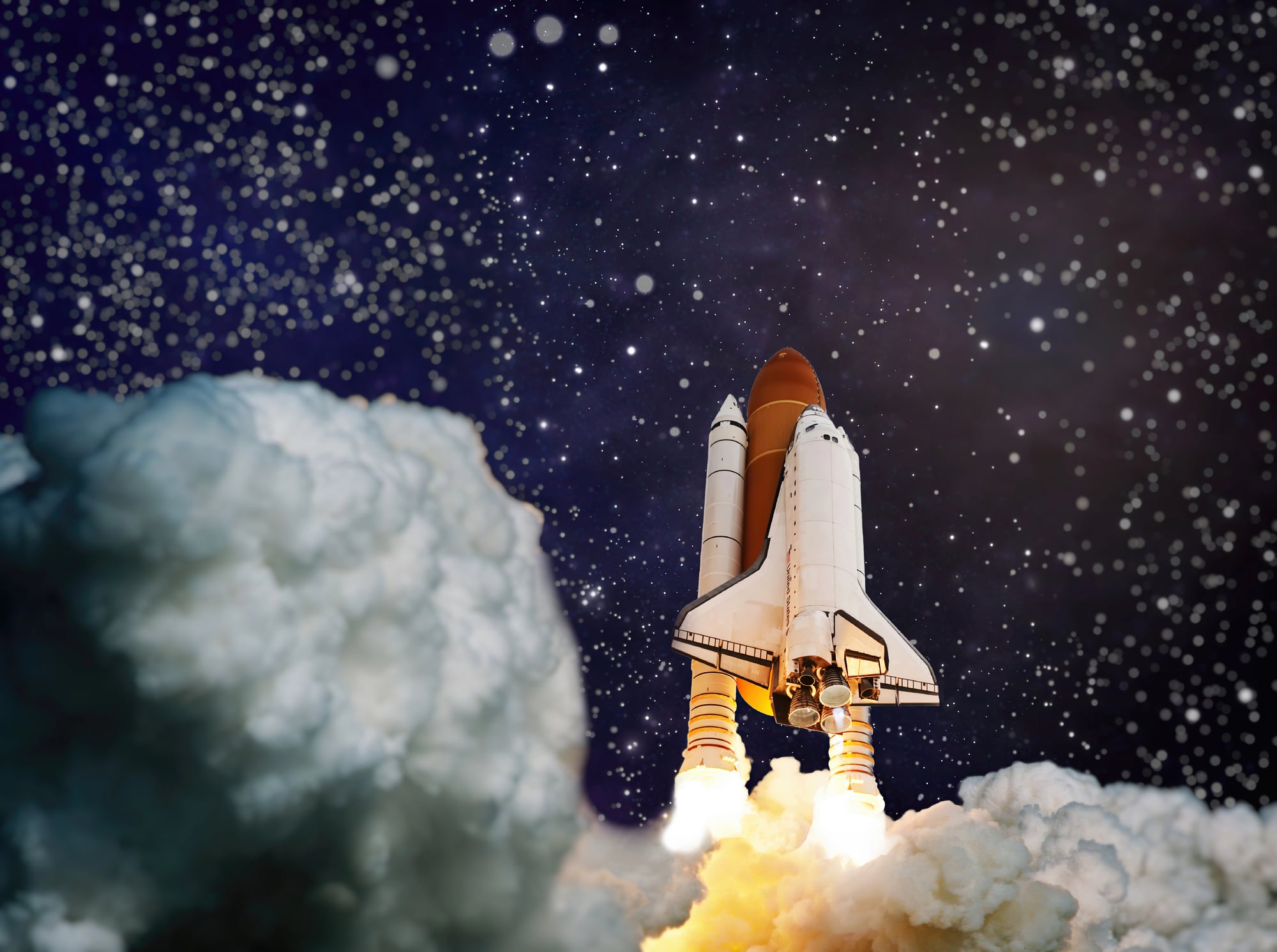
Ground cameras at Kennedy Space Center, set to automatically document the launch, captured the Space Shuttle Challenger in the seconds after liftoff — the moment when the O-ring failure had already begun to develop, though the shuttle was still climbing. At seventy-three seconds into the flight, the external tank failed.
The automatic cameras had no interest in this sequence; they were simply running. The resulting images show an event in progress that nobody watching the launch in real time fully understood until it was over.
Margaret Bourke-White’s Gandhi Portrait (January 30, 1948)
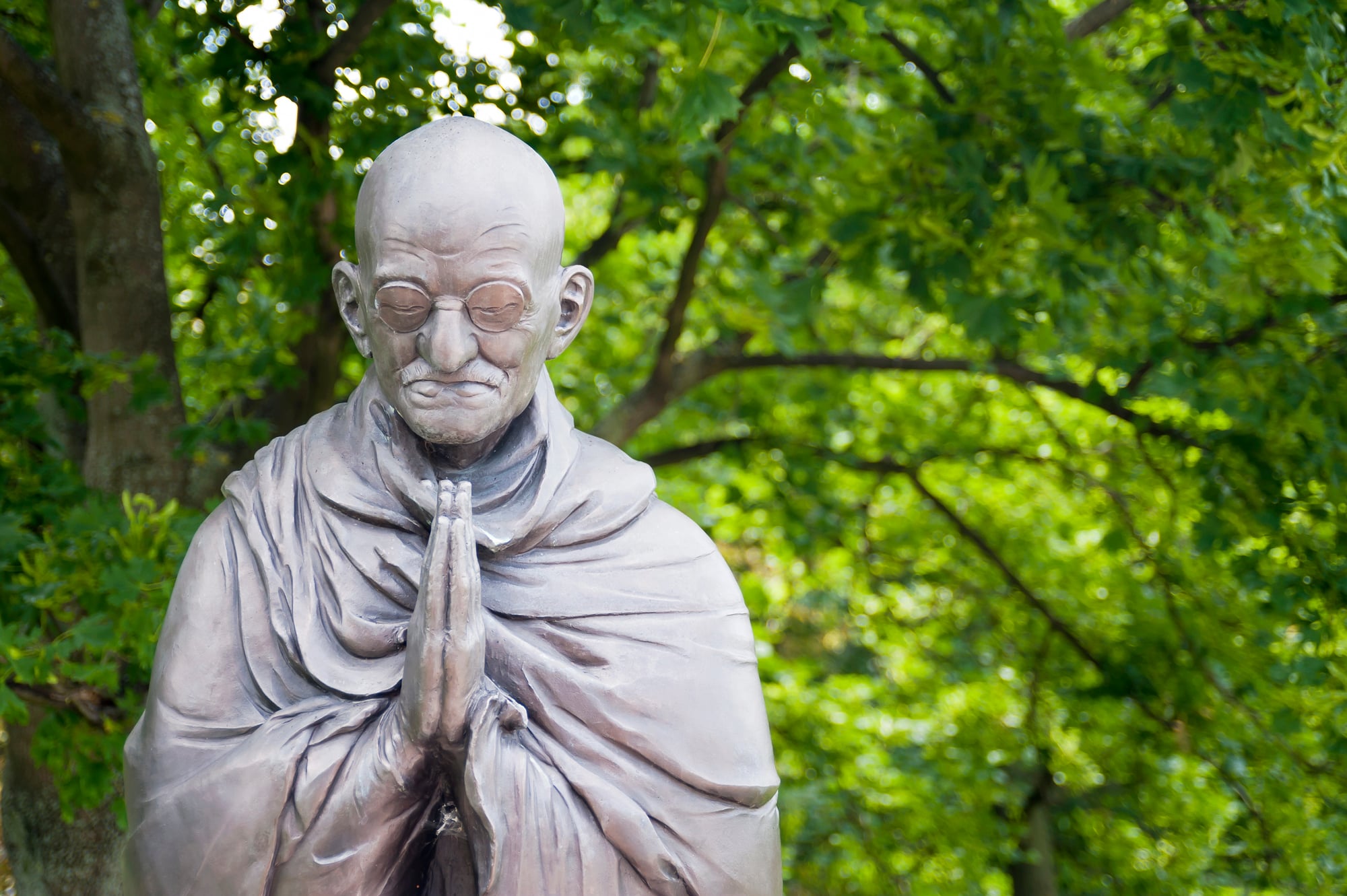
Life magazine photographer Margaret Bourke-White photographed Mahatma Gandhi at his spinning wheel in New Delhi on January 30, 1948, hours before he was shot and killed by Nathuram Godse. The image — Gandhi in a simple dhoti, sitting with his spinning wheel — became one of the defining portraits of the century.
Bourke-White reported that she had been required to learn to spin herself before Gandhi would agree to be photographed.
Sitting Bull’s Photograph at Standing Rock (1884)
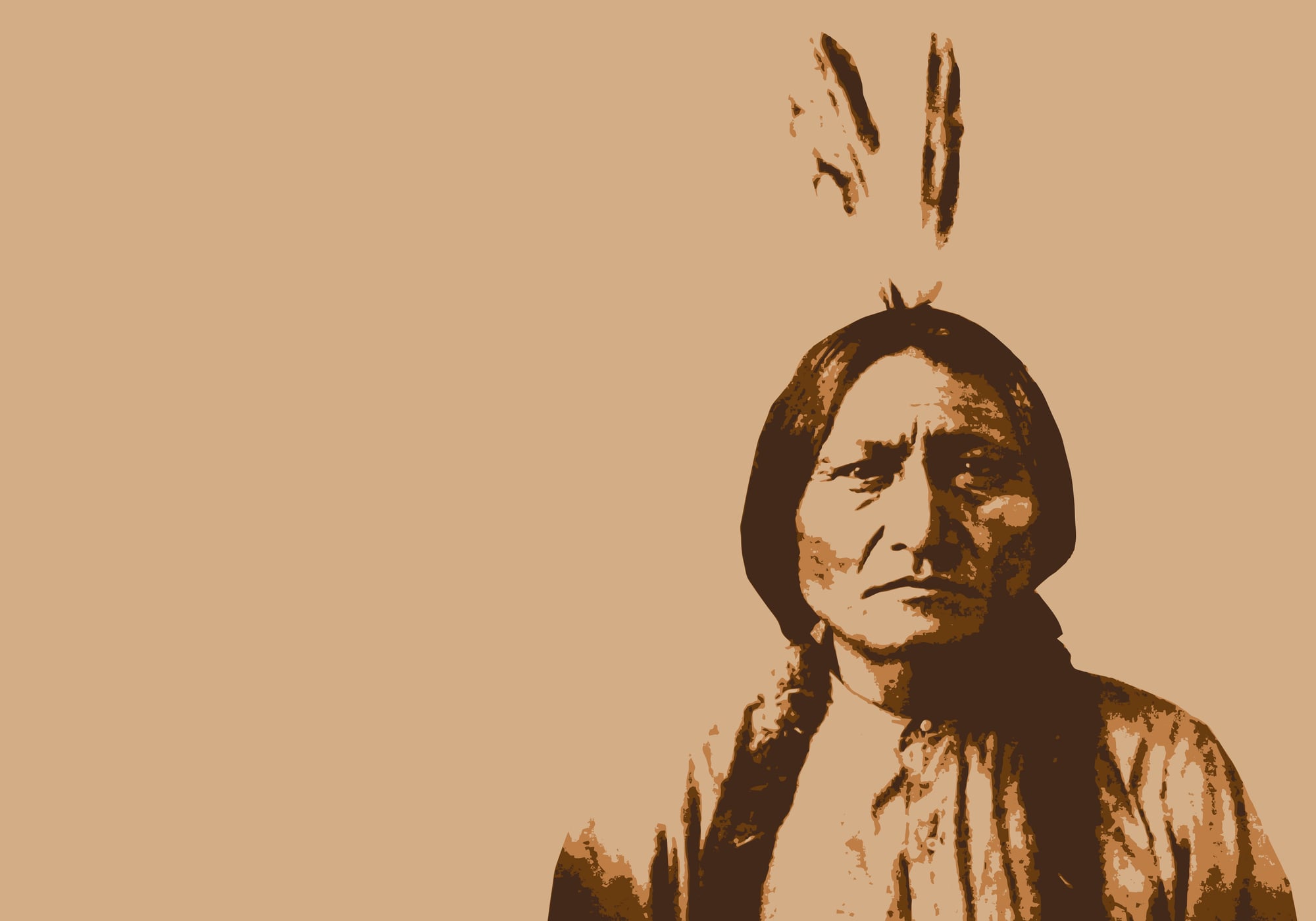
A photograph of Sitting Bull taken by David Barry in 1884 at Fort Randall shows the Hunkpapa Lakota leader in a formal portrait pose, composed and direct. Six years later, Indian agency police sent to arrest him at his home at Standing Rock in December 1890 shot and killed him during a confrontation.
The context of his death — the Ghost Dance movement, the escalating tension at Standing Rock — is entirely absent from the portrait, which reads as the image of a man at the height of his influence.
The Crew of the USS Arizona (December 6, 1941)
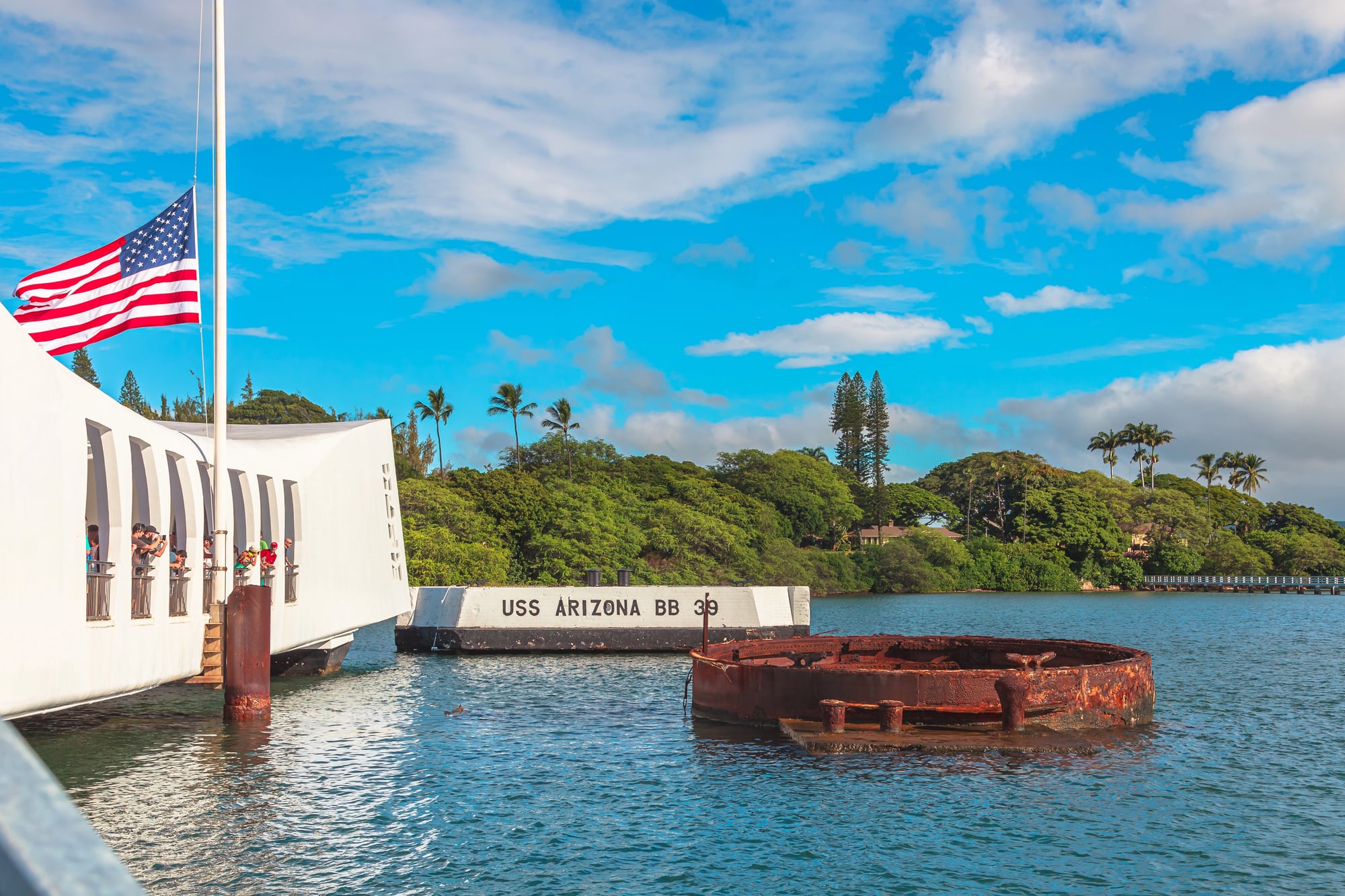
Photographs exist of crew members aboard the USS Arizona at Pearl Harbor in the days and hours before the Japanese attack on December 7, 1941 — some showing informal moments, men on deck, men during routine drills. Of the 1,177 crew members aboard Arizona when the attack began, 1,102 died when the ship’s forward magazine exploded.
The wreck has remained at the bottom of Pearl Harbor since the attack and serves as the tomb of the 900 crew members whose remains were never recovered.
The Last Known Photograph of the Romanov Family (1917/1918)
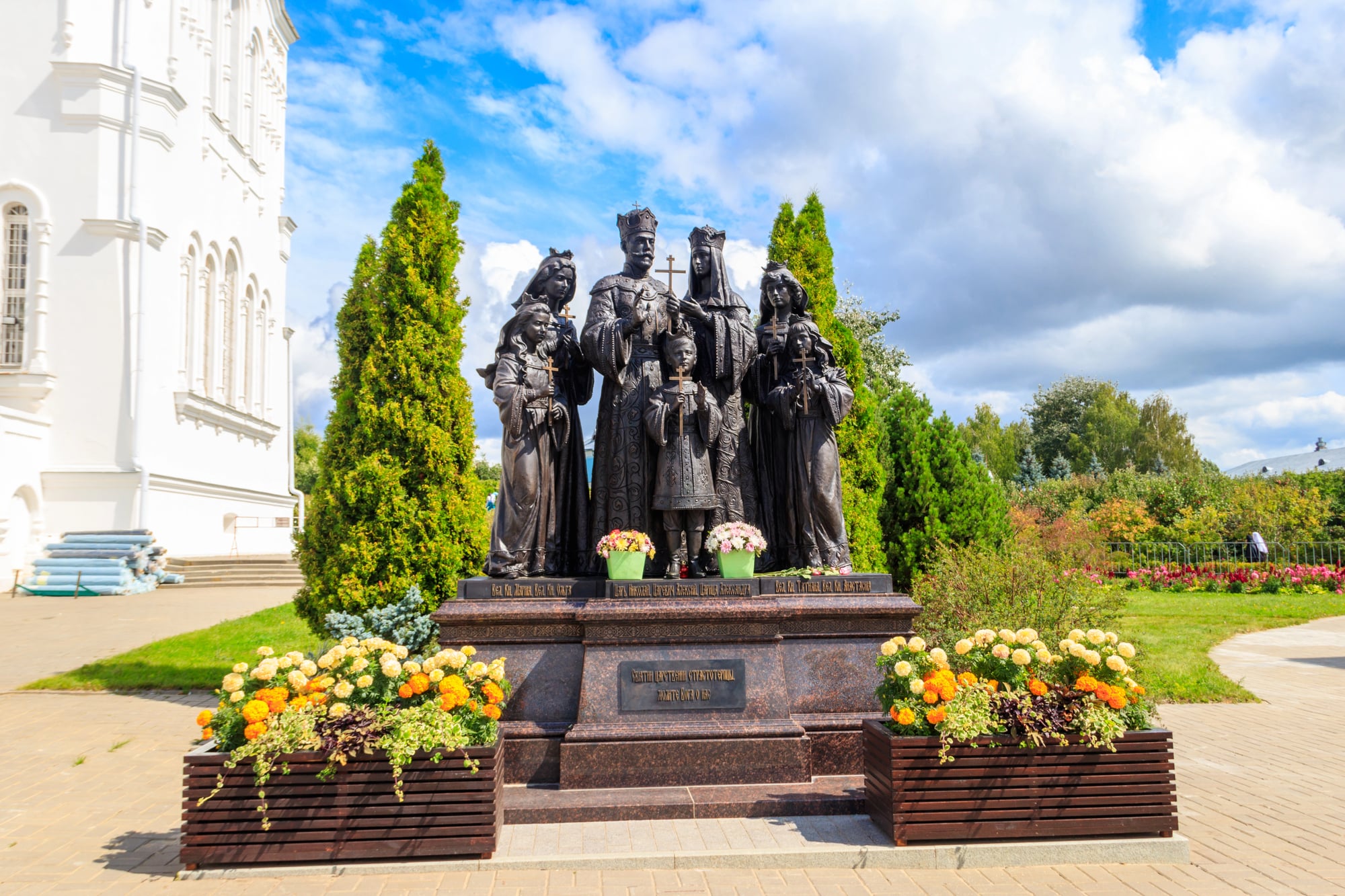
A photograph taken in 1917 or early 1918 shows Tsar Nicholas II with his family — his wife Alexandra and their five children — in captivity at Tobolsk, Siberia. The children appear to be in reasonably good health and are photographed informally.
In July 1918, the family was executed by Bolshevik forces in Yekaterinburg. The photograph is among the last known images of the family while they were alive and intact, and it has the quality of all last photographs: it does not know what it is.
Marilyn Monroe and President Kennedy at Madison Square Garden (May 19, 1962)
Photographs from the night Marilyn Monroe sang “Happy Birthday” to President Kennedy at Madison Square Garden in May 1962 show a political fundraiser like any other — a crowd, a stage, celebrities. Monroe arrived an hour late, having required assistance getting into the dress she was wearing.
The performance lasted less than a minute. Kennedy was assassinated eighteen months later.
Monroe died three months after the Garden appearance. The photographs from that night are now understood as among the last images of both of them in a public setting before the events that followed.
Alan Turing’s Last Known Photograph (1951)
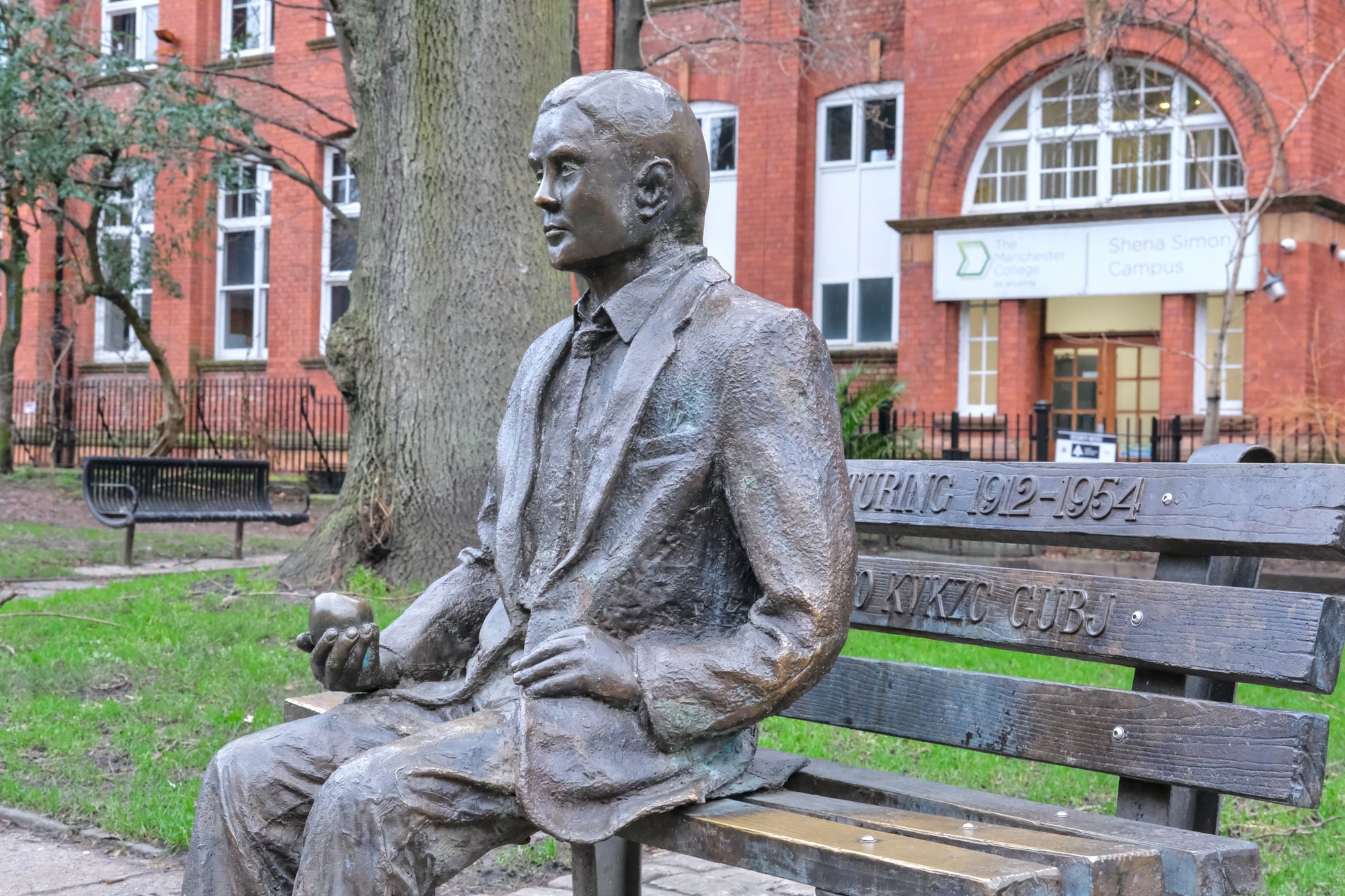
A 1951 photograph of Alan Turing, taken by Elliott & Fry for an official portrait, shows a man in a dark suit looking directly at the camera, composed and unremarkable. The image was taken the year after Turing published his foundational paper on computation and the Turing test.
In 1952, he was convicted of gross indecency under British law for a consensual relationship with a man, subjected to chemical castration as an alternative to prison, and died in 1954. The official portrait is not the image of a man who knew his government was about to destroy him.
Steve Irwin’s Final Television Footage (September 4, 2006)
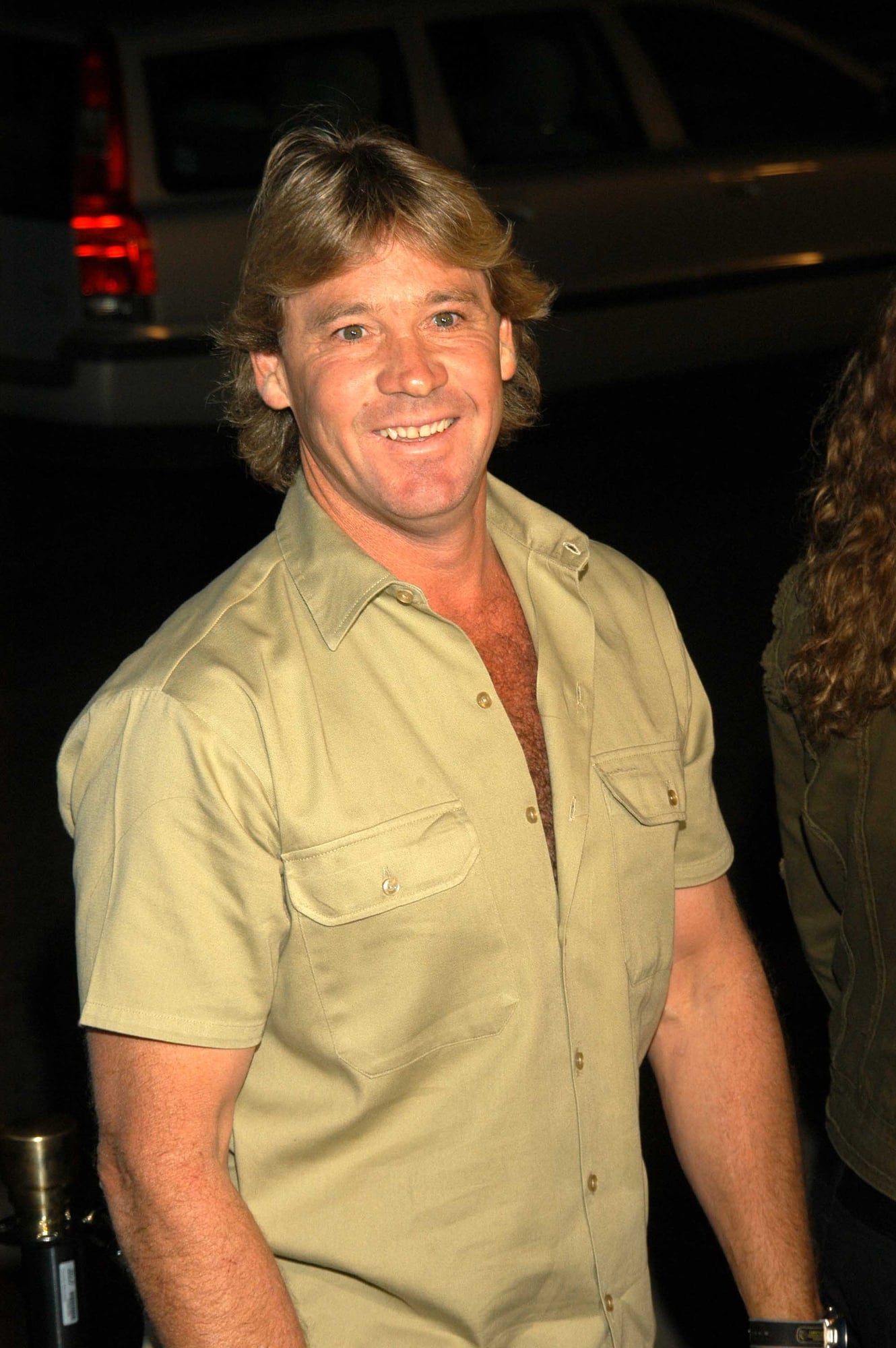
Australian wildlife presenter Steve Irwin was filming underwater footage at Batt Reef in Queensland on September 4, 2006, when a stingray’s barb penetrated his heart. Camera footage from the dive shows him swimming behind the ray in the minutes before the fatal strike — relaxed, in a familiar environment, doing what he had done thousands of times.
He died shortly after reaching the surface. The footage is not widely shown out of respect for his family’s wishes, but its existence places it in the long tradition of inadvertently prophetic imagery.
The Pompeii Plaster Casts
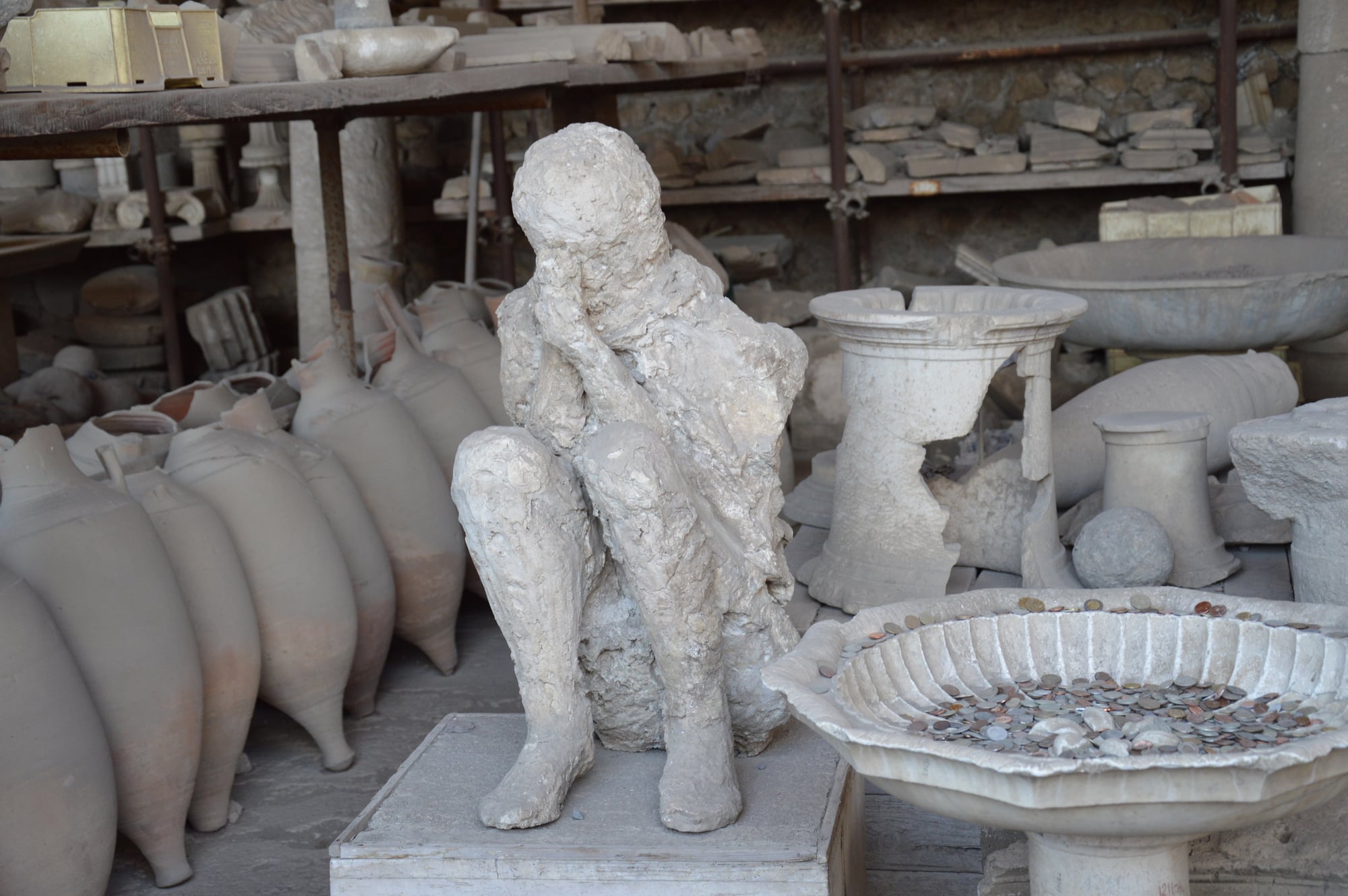
While not photographs in the modern sense, the plaster casts made by archaeologist Giuseppe Fiorelli in the 1860s of Vesuvius’s victims — created by pouring plaster into the voids left in hardened ash by decomposed bodies — are among the most haunting images of interrupted ordinary life in archaeological history. They capture people in postures of the last moments before the ash overwhelmed them: a man shielding his face, two people embracing, a dog on its chain.
The volcanic ash that killed them also preserved the exact attitude of their bodies at the moment of death, creating an archive of a day in progress.
The Enola Gay Ground Crew Photo
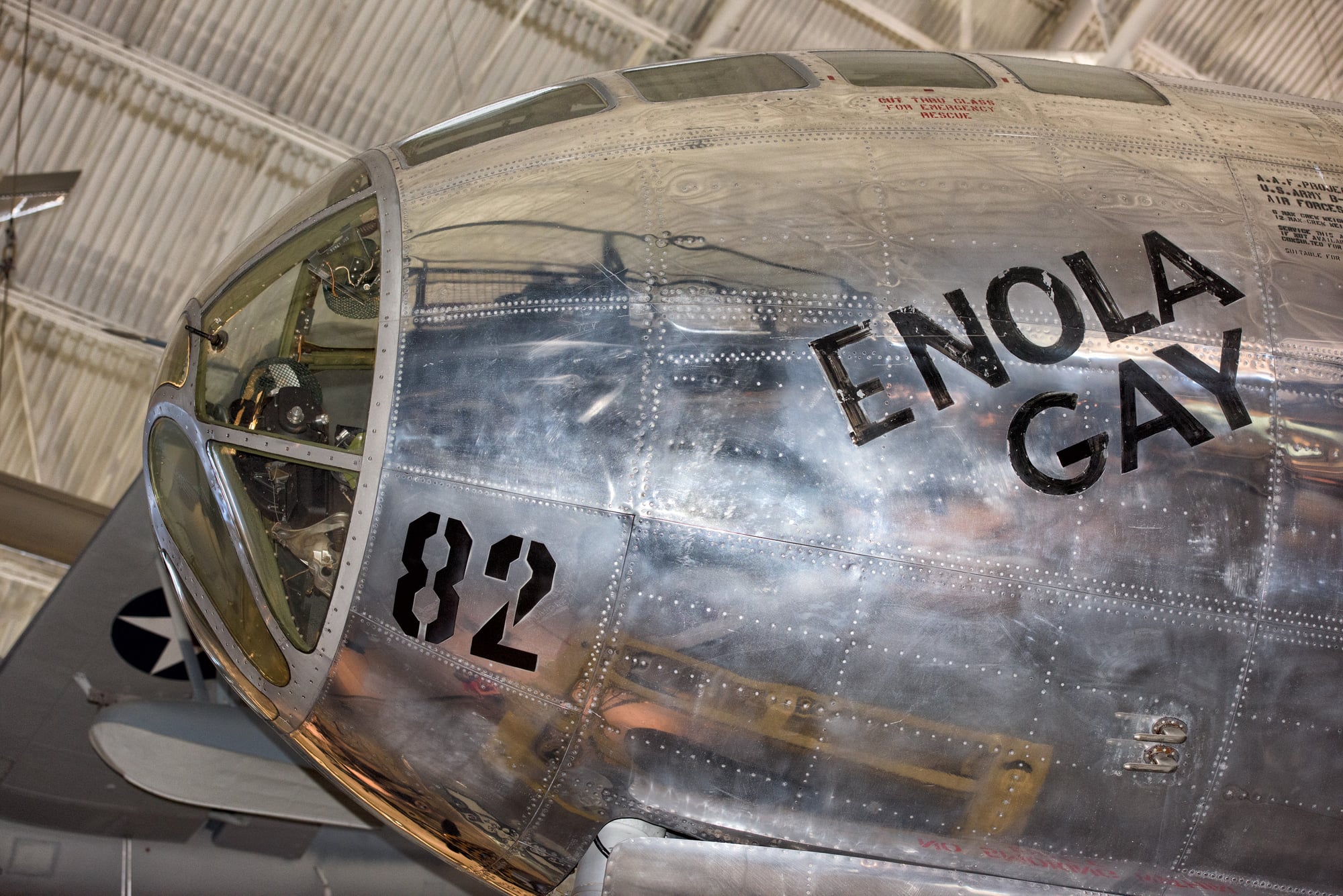
A ground crew photograph taken at Tinian before the Enola Gay departed on August 6, 1945, shows the assembled personnel posing in front of the aircraft in the pre-dawn darkness — smiling, relaxed, some giving thumbs-up gestures. The photograph was taken for morale and documentation purposes.
What followed was the first use of a nuclear weapon against a human population. The photograph of cheerful ground crew posing in front of what would become the most consequential aircraft in the history of warfare carries a retrospective weight that its subjects could not have fully imagined.
Robert Capa’s D-Day Photographs (June 6, 1944)

Robert Capa waded onto Omaha Beach with the first wave of American troops on June 6, 1944, and shot approximately 106 frames of 35mm film during the landing. A darkroom error at Life magazine’s London office caused most of the negatives to be destroyed during processing — only eleven usable images survived.
The eleven frames that remain are blurred, grainy, and shot from water-level, showing soldiers moving through surf toward the beach under fire. Their imperfection has long been cited as evidence of their authenticity.
They are among the most reproduced combat photographs in history.
The Second Before the Unknown Photographer’s Eye
What is common to all of these photographs is the thing they cannot contain: what happened next. A photograph stops time, which is its power and its limitation.
It preserves the seconds before the shot that ended an era, the flight that began one, the fire that killed three astronauts, the wave from a cockpit before a city was destroyed. The camera does not know what it is documenting.
The viewer, looking back, supplies the weight the image cannot carry on its own. That retrospective weight is not an illusion.
The events that followed were real, and the people in these photographs were real people in the last ordinary moments before things changed completely. What the photograph captures is not the event but the world that still existed just before it — a world that was about to become the before, the world that existed when everything was still intact and nobody knew what was coming.
More from Go2Tutors!




