Films Forgotten After Censorship Erased Their Legacy
The history of cinema is written by the survivors. For every classic film celebrated today, countless others vanished into obscurity after censorship boards wielded their scissors and bureaucratic power.
These weren’t just minor edits or rating adjustments — entire movies disappeared from public memory when authorities deemed them too dangerous, controversial, or subversive for audiences to see.
Some films never recovered from the damage. Others exist only in fragments, their original vision lost forever.
The stories behind these censored works reveal how cultural gatekeepers shaped what generations could and couldn’t experience, often erasing bold artistic statements in the process.
The Birth of a Nation’s Shadow Films

D.W. Griffith’s 1915 epic may be remembered for its racist content, but the censorship battles it sparked buried dozens of other early films. Studios became terrified of pushing boundaries.
Independent filmmakers who tackled similar themes found their work banned before release, their names scrubbed from industry records entirely.
Soviet Montage Experiments
Sergei Eisenstein’s “Battleship Potemkin” made it to Western screens, but dozens of his contemporaries weren’t as fortunate. The Soviet film industry produced groundbreaking experimental works in the 1920s that challenged both political systems and cinematic conventions.
Stalin’s rise meant these films vanished from archives (and their directors often disappeared too). The innovative editing techniques and visual storytelling methods they pioneered were lost for decades.
Most of these works existed in single prints — when authorities destroyed the film, the art form died with it. And yet some techniques survived, passed down through whispered conversations between filmmakers who remembered what they’d seen before the purges began.
German Expressionist Casualties
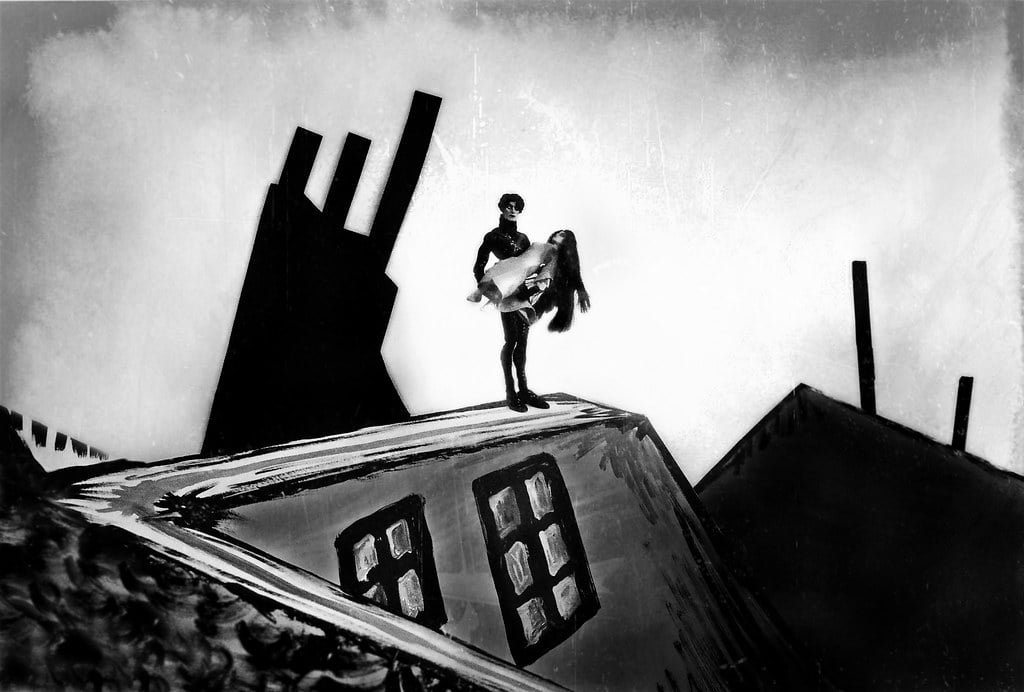
Think of German cinema from the 1920s and “The Cabinet of Dr. Caligari” comes to mind. What doesn’t come to mind are the dozens of expressionist films that pushed even further into psychological territory — because the Nazis systematically destroyed them.
These weren’t just Jewish filmmakers’ works, though those suffered disproportionately. Any film that explored mental illness, identity psychology, or anti-authoritarian themes got fed to the flames.
The visual language these lost films developed — harsh angles, distorted perspectives, psychological symbolism — might have evolved cinema in entirely different directions. Instead, we’re left with fragments and still photographs, shadows of what once challenged audiences to see reality through a cracked lens.
Pre-Code Hollywood’s Buried Treasures
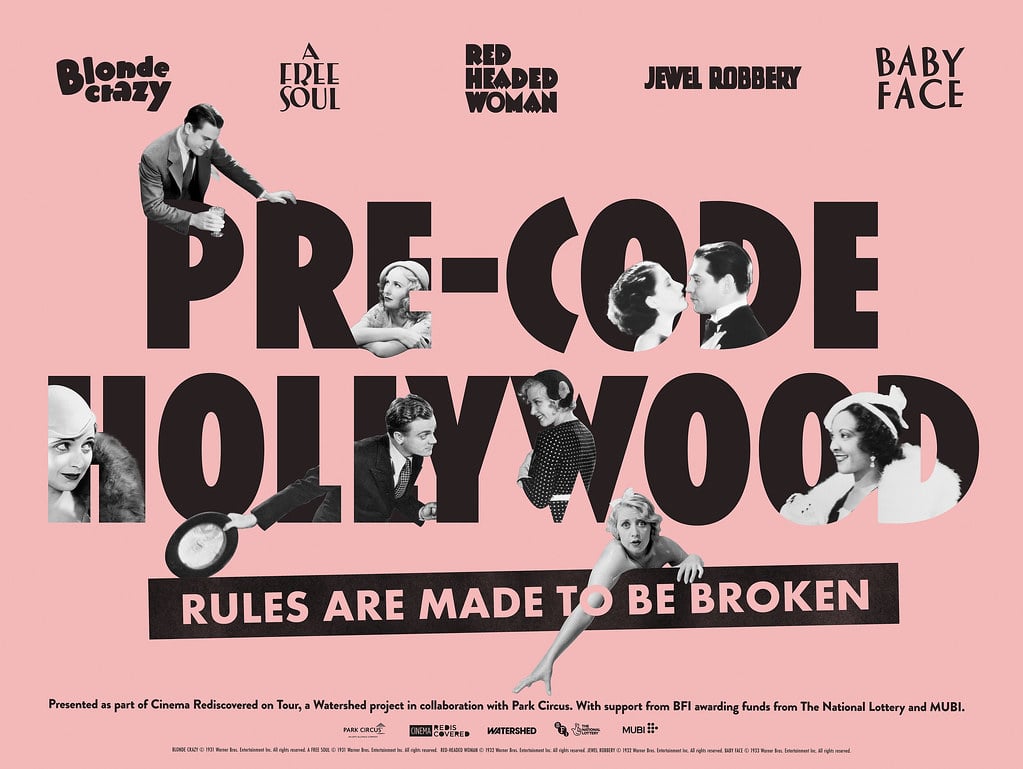
Everyone knows about pre-Code Hollywood’s risqué content, but fewer know about the films that were simply too bold even for that permissive era. Studios buried entire productions rather than fight censorship battles they couldn’t win.
These weren’t just intimate comedies or crime dramas. Some tackled economic inequality during the Depression with a frankness that made studio executives nervous.
Others explored racial themes decades before the civil rights movement. The studios calculated that controversy wasn’t worth the box office risk.
McCarthyism’s Blacklist Films
The Hollywood blacklist didn’t just silence writers and directors — it erased their completed works. Films with socialist themes or anti-capitalist messages were pulled from distribution, their prints destroyed or locked away.
Some existed in European markets but disappeared from American consciousness entirely.
The paranoia extended beyond obvious political content. Movies that portrayed authority figures negatively or suggested systemic problems faced scrutiny.
Filmmakers learned to self-censor, but the damage was already done to dozens of completed works that challenged comfortable assumptions about American society.
International Casualties of Political Change
Revolutions and political upheavals have always meant destroyed film archives. The Chinese Cultural Revolution eliminated countless films from the 1930s and 1940s.
The Iranian Revolution erased decades of Persian cinema that didn’t align with religious values. Military coups across Latin America targeted film industries that supported deposed governments.
These losses weren’t just political — entire aesthetic movements vanished. Regional filmmaking styles, unique approaches to storytelling, innovative technical achievements all disappeared because they were associated with the wrong political moment.
The films become casualties of history, their artistic value irrelevant to the political calculus of new regimes.
Cinema thrives on continuity — filmmakers building on what came before, audiences developing sophisticated viewing habits over time. When that chain breaks, when entire categories of films vanish, the art form loses threads of development that can never be recovered.
Religious Censorship’s Forgotten Victims

The Catholic Church’s Legion of Decency wielded enormous power over American cinema, but its influence extended far beyond rating films. Entire productions were scrapped during development when studios anticipated religious objections.
These weren’t exploitation films — many were serious dramas exploring faith, doubt, and moral complexity in ways that made religious authorities uncomfortable.
The fear of religious backlash meant certain themes became untouchable. Films exploring religious hypocrisy, the psychology of faith, or alternative spiritual practices never made it past the script stage.
The few that did often faced such severe editing that their original vision became unrecognizable.
Racial Content and Regional Censorship
Southern censorship boards routinely banned films that portrayed Black characters as equals to white characters — but they also banned films that portrayed racial violence too realistically. Northern boards banned films they considered too sympathetic to Southern perspectives.
The result was a squeeze that eliminated nuanced explorations of American racial dynamics for decades.
These censorship decisions had lasting effects beyond individual films. Filmmakers internalized the restrictions, avoiding entire subject areas rather than risk having their work banned.
The conversations American cinema might have facilitated about race were silenced before they could begin.
So the films that might have helped audiences grapple with racial complexity simply never existed. The ones that tried often found themselves caught between competing censorship pressures that made distribution impossible.
Cold War Paranoia’s Artistic Casualties
The Cold War created censorship pressures from multiple directions. Films critical of American foreign policy faced government pressure.
Films too critical of communist countries faced liberal backlash. Movies that tried to find middle ground satisfied no one and often disappeared entirely.
Documentary filmmakers faced particular scrutiny. Their work, by definition, engaged with real political situations that made various authorities nervous.
Many documentaries from this era exist only in incomplete forms, their most challenging sections removed by nervous distributors or government agencies.
The self-censorship extended to fiction films that dealt with contemporary politics, nuclear anxiety, or international themes. Studios developed elaborate internal review processes to avoid creating unmarketable films, but those processes also eliminated bold artistic statements before they reached audiences.
Feminist and LGBT Themes

Long before organized campaigns for representation, individual filmmakers created works exploring gender roles and identity. These films faced immediate censorship challenges — not just content restrictions but distribution boycotts and theater bans that effectively erased them from public consciousness.
The few that survived often did so in heavily edited versions that stripped away their most challenging elements. European versions of American films sometimes retained content that was removed for domestic audiences, creating a split legacy where the full artistic vision was only available overseas.
Independent filmmakers working outside studio systems faced even greater challenges. Their work reached smaller audiences initially, making preservation less likely when censorship pressures mounted.
Many exist now only in the memories of viewers who saw them at film societies or underground screenings.
The loss extends beyond individual films to entire ways of seeing gender that might have developed differently if these works had remained in cultural circulation. Alternative perspectives on identity and relationships were silenced just as they were finding artistic expression.
International Releases and Cultural Translation
American films faced censorship challenges when exported, but foreign films faced systematic exclusion from American markets. Cultural bias masqueraded as content concerns, eliminating entire national cinematic traditions from American consciousness.
These weren’t just art house films with limited appeal. Popular entertainments from other countries were blocked or heavily edited when they presented different cultural values or unfamiliar storytelling approaches.
American audiences lost access to different ways of making and experiencing cinema.
The reverse was also true — American films that were deemed too representative of American values faced bans in other countries. The result was a fragmentation of global cinema culture where films that might have built international understanding instead became casualties of cultural protectionism.
Digital Era and New Forms of Erasure

Modern censorship doesn’t usually involve destroying physical film prints, but the effects can be equally permanent. Streaming platforms remove content without notice.
Rights disputes make films unavailable for years at a time. Digital preservation efforts focus on commercially successful works, leaving challenging or controversial films vulnerable to technological obsolescence.
The democratization of filmmaking has created more content, but it’s also created new ways for films to disappear. Algorithm-driven distribution means controversial works may never find audiences in the first place.
Self-censorship happens at the platform level now, with content policies that eliminate entire categories of artistic expression.
This is where the patterns become clear: censorship rarely targets individual films in isolation. It shapes entire categories of artistic possibility, making certain conversations impossible before they can begin.
Lost Techniques and Forgotten Innovations
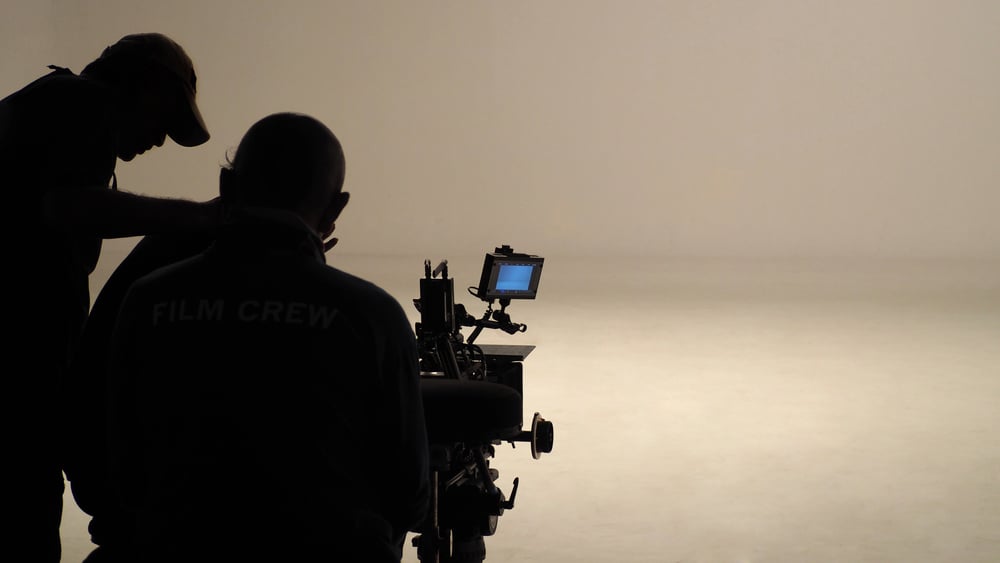
The technical innovations in censored films often disappeared along with the content. Experimental camera work, editing techniques, and sound design approaches were lost when the films that pioneered them vanished from circulation.
Filmmakers couldn’t study and build on techniques they couldn’t see.
Some innovations were rediscovered decades later and credited to different filmmakers. Others remain lost, representing dead ends in cinema’s technical evolution.
The art form developed along different paths than it might have if censored works had remained available for study and inspiration.
The irony cuts deep: censorship meant to protect audiences from dangerous ideas also eliminated artistic achievements that had nothing to do with the controversial content. Technical brilliance became collateral damage in cultural battles.
What Survives in the Shadows
Film preservation efforts focus on works with established reputations, but censored films often lack the critical attention that drives preservation funding. Private collectors sometimes maintain copies of banned or forgotten works, but these scattered efforts can’t replace systematic archival work.
Academic film programs occasionally uncover censored works in their research, but accessing them requires specialized knowledge and institutional resources. The general public remains unaware that these films ever existed, let alone that they might find them valuable or entertaining.
Some films survive in unexpected places — foreign archives, private collections, or partial versions that escaped destruction. But these fragmented survival stories highlight how much has been permanently lost.
For every censored film that gets rediscovered, dozens remain gone forever.
The pattern repeats across decades and countries: authorities eliminate films they consider dangerous, but they also eliminate the artistic innovations and cultural conversations those films might have fostered. The censorship succeeds so completely that audiences never know what they’re missing.
The Weight of Missing Conversations

Perhaps the most profound loss isn’t individual films but the cultural conversations they might have enabled. Cinema works cumulatively — each film builds on what audiences have seen before, creating sophisticated viewing communities capable of engaging with complex artistic statements.
When entire categories of films disappear, those conversations never develop. Audiences lose the visual literacy and emotional preparation needed to engage with challenging content.
The result is a cultural narrowing that extends far beyond the original censorship targets.
Some subjects remain difficult for contemporary filmmakers precisely because audiences lack the viewing experience to engage with them thoughtfully. The missing films created gaps in cultural development that persist decades after the original censorship battles ended.
The films that vanish leave spaces in cinema’s evolution — gaps where bold artistic statements might have flourished and where audiences might have developed different ways of seeing. These absences shape the medium as surely as its celebrated masterpieces, reminding us that art history is always also a record of what wasn’t allowed to survive.
More from Go2Tutors!

- The Romanov Crown Jewels and Their Tragic Fate
- 13 Historical Mysteries That Science Still Can’t Solve
- Famous Hoaxes That Fooled the World for Years
- 15 Child Stars with Tragic Adult Lives
- 16 Famous Jewelry Pieces in History
Like Go2Tutors’s content? Follow us on MSN.