26 Toys from the ’70s That Came With Instruction Manuals Nobody Read
The 1970s represented the last generation of toys that came bundled with instruction manuals printed in actual languages and paragraphs rather than pictographs and QR codes. The manuals were often more complex than the toys themselves, featuring detailed safety warnings, assembly instructions, and prescribed uses that virtually no children would ever follow.
The disconnect between what manufacturers intended and what kids actually did with toys defined much of the decade’s toy experience. A toy marketed with specific game rules would instead become either a projectile, an improvised weapon, or simply a visual representation kids incorporated into invented play scenarios bearing no resemblance to manufacturer intentions.
The instruction manual represented an artifact of adults thinking about how children should interact with their playthings—a completely ignored blueprint for the chaotic creativity that childhood actually was.
Spirograph

This geometric drawing system came with detailed instructions on how to create mathematically precise patterns, which roughly zero children followed, instead using it to make repetitive circular doodles that vaguely resembled the examples.
Lite-Brite

The light-based pegboard system included pattern cards with suggested designs, which kids ignored completely, creating random combinations of colored pegs with no regard to the aesthetic guidance.
Tinker Toys

The wooden rod and hub construction system featured instruction manual designs for specific structures, which kids would briefly attempt before inventing their own increasingly chaotic creations.
Lincoln Logs
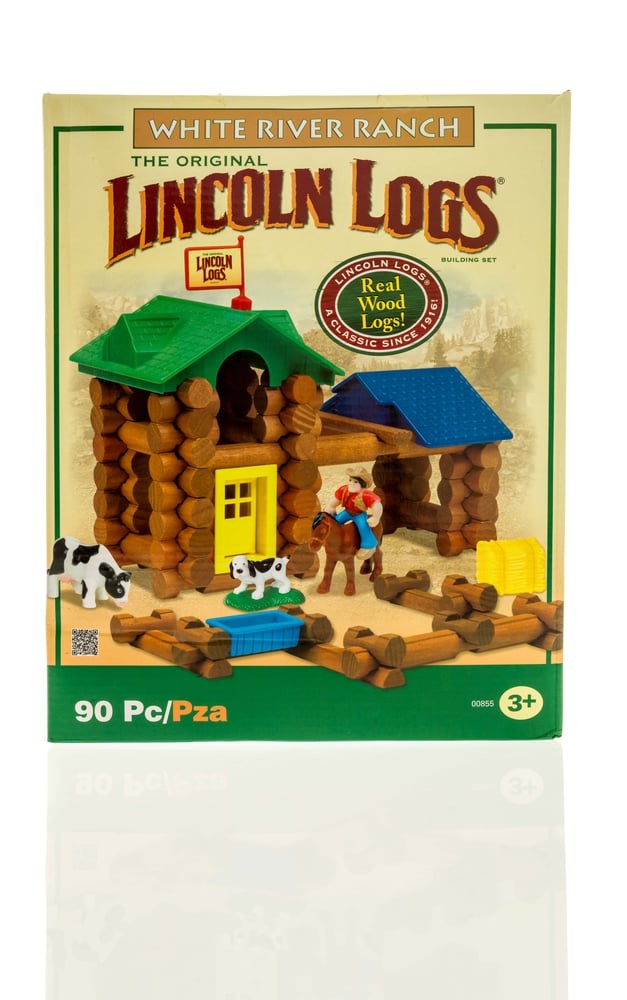
The cabin construction system featured instruction diagrams for specific log cabin designs, which served primarily as paperweights while kids built impossible structures.
Erector Sets

These metal construction systems included complex instructions for bridges and cranes that required patience no child possessed, but the raw components offered endless structural possibilities.
Easy-Bake Oven

The miniature baking appliance included recipe cards with small portions and precise measurements—instructions that were either completely ignored or resulted in inedible chemical combinations.
Creepy Crawlers/Thingmaker

This plastic molding system came with specific mold designs and color combinations, which kids used initially before discovering the most disturbing color combinations possible.
Mr. Potato Head

The instruction manual suggested limited facial combinations, but kids discovered that creating completely anatomically impossible faces was far more entertaining.
Operation
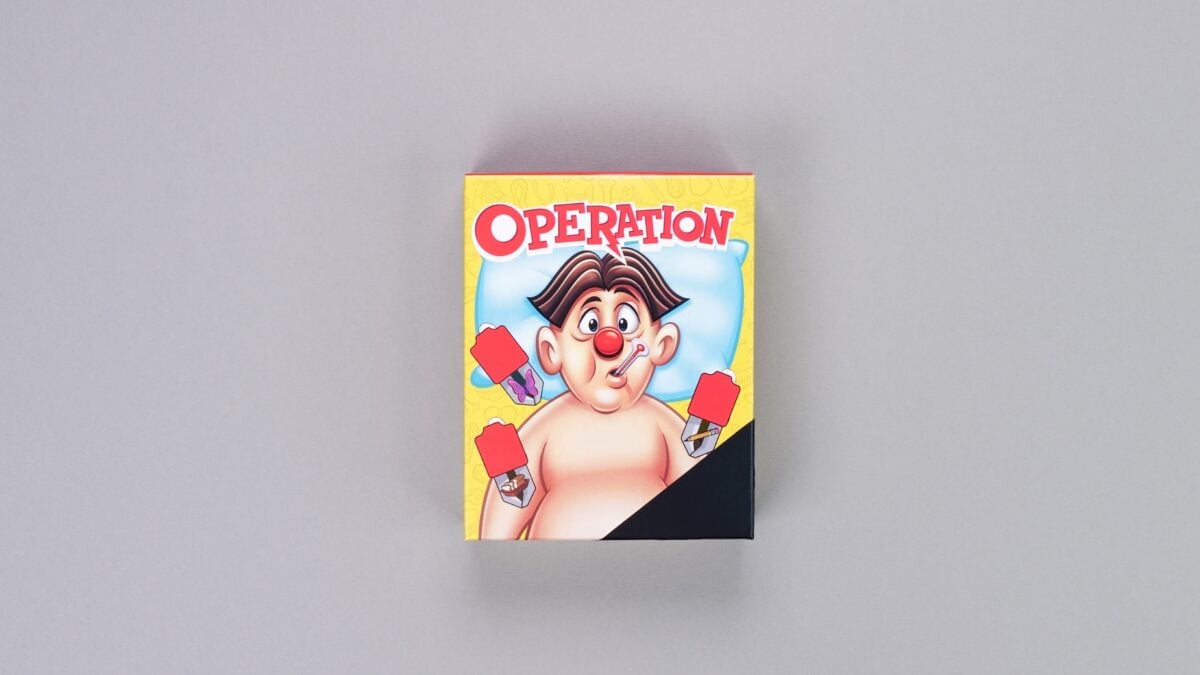
The electronic surgical simulation included specific game rules that were optional at best, with most children simply enjoying the shock of touching the metal tweezers.
Trouble

The pop-o-matic bubble game had official rules that were incomprehensible to kids who simply enjoyed popping the bubble regardless of game progression.
Connect Four
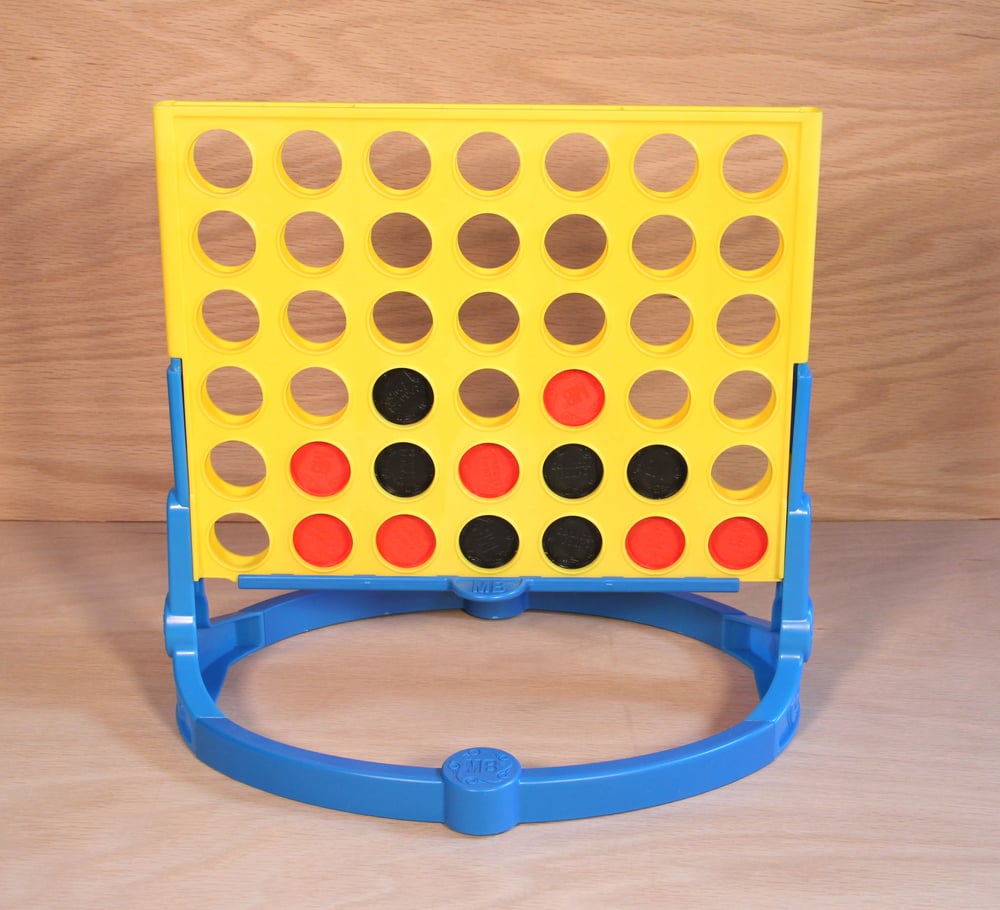
The vertical grid game had simple rules that kids understood, but the instruction manual’s discussion of strategy was something nobody thought about.
Battleship

The grid-based naval combat game included rule variations and official tournament guidelines that nobody used, preferring to cheat whenever possible.
Ants in the Pants

This flicking game with the ridiculous premise came with instructions nobody read, just flicking the ant-catapult randomly.
Toss Across

The magnetic disc toss game featured official rules about scoring and target patterns that were immediately modified by actual players.
Ker-Plunk

The wooden stick and marble dropping game had official win conditions that were ignored in favor of just knocking sticks and watching marbles fall.
Hungry Hungry Hippos

The button-pressing marble game had specific turn order rules that kids violated constantly, creating chaotic simultaneous play instead.
Mouse Trap
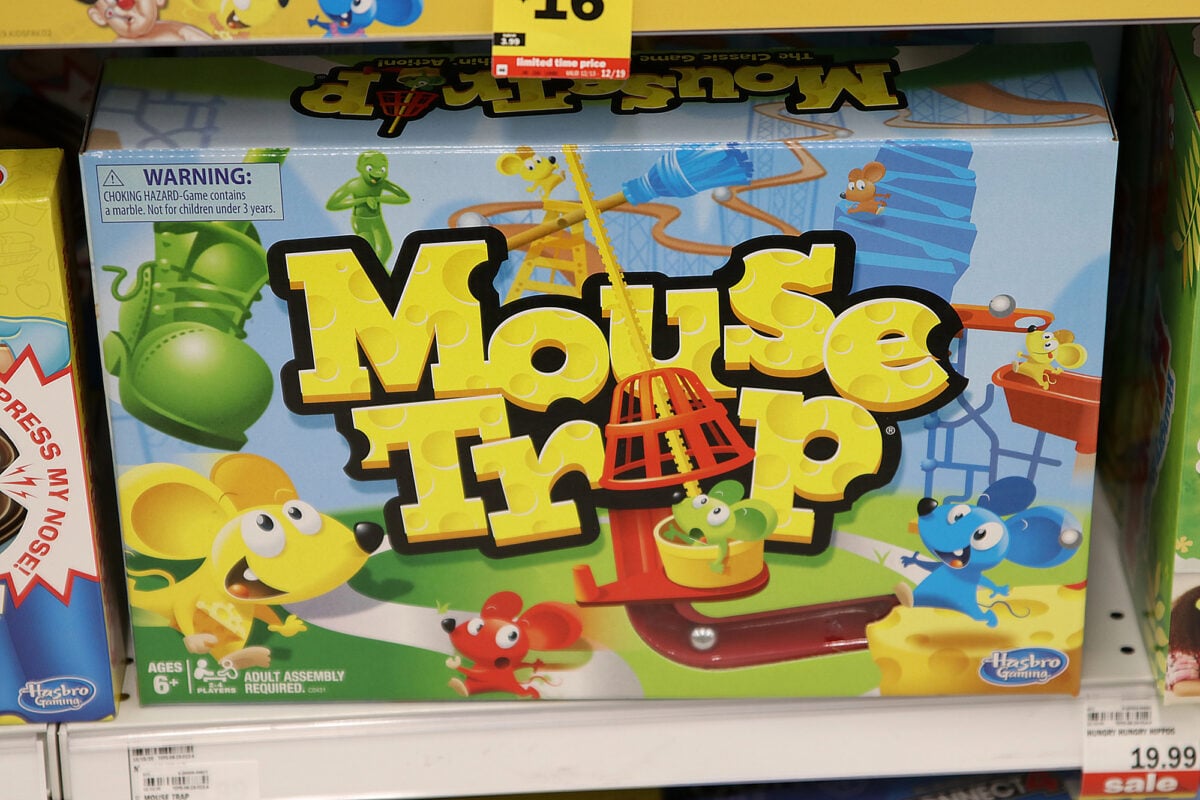
This elaborate mousetrap-building board game featured complex rules that most players never fully understood, more interested in the trap mechanism than actual gameplay.
Twister

The contortion game came with suggested rule variations that were completely unnecessary, the basic premise being sufficiently entertaining.
Etch A Sketch
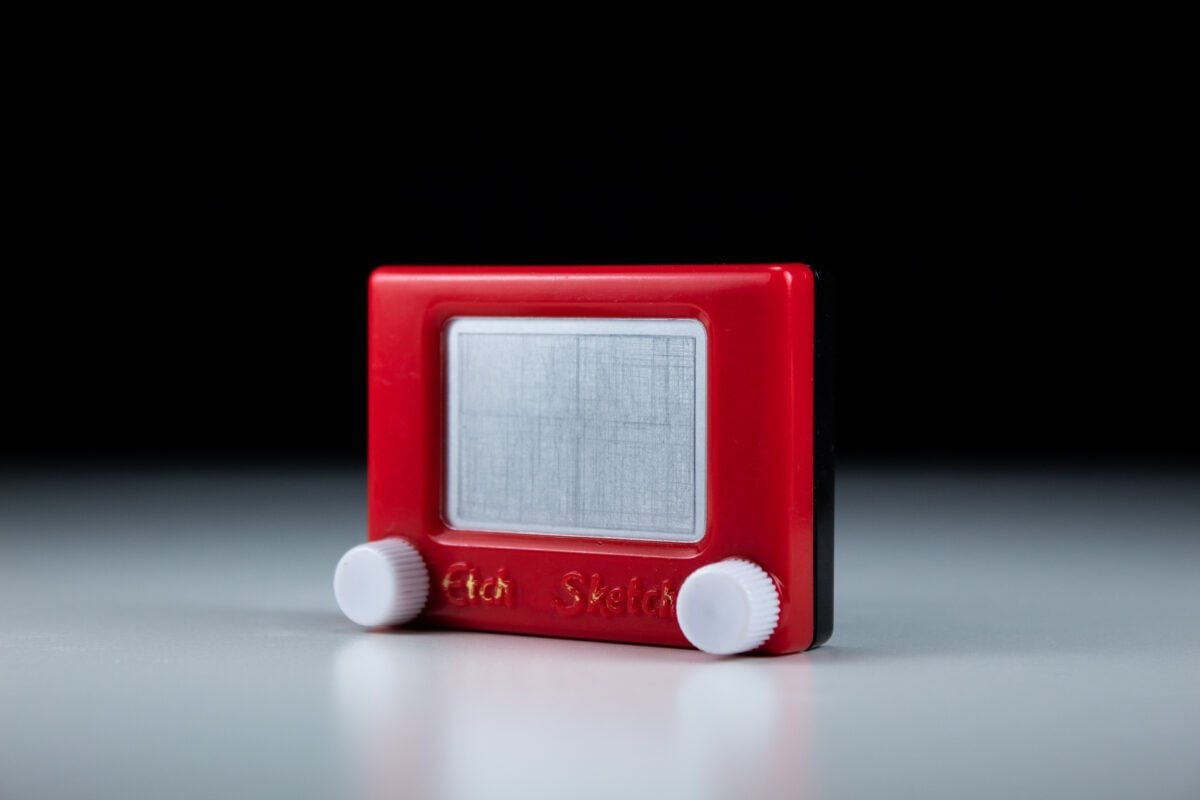
The mechanical drawing device’s instruction manual suggested artistic techniques that were ignored completely in favor of random scribbling and attempted picture reproduction.
View-Master
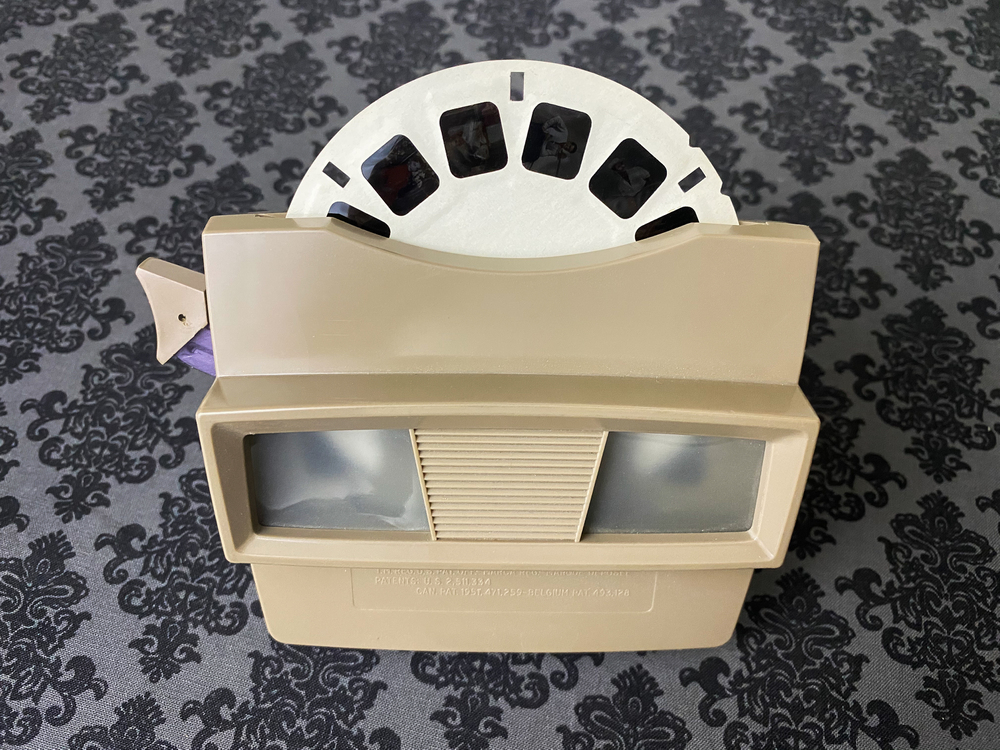
The 3D slide viewer included instructions on proper viewing technique that were ignored in favor of just holding it up randomly.
Legos
The brick construction system featured instruction manuals showing specific building designs that every child ignored immediately upon receipt.
Hot Wheels
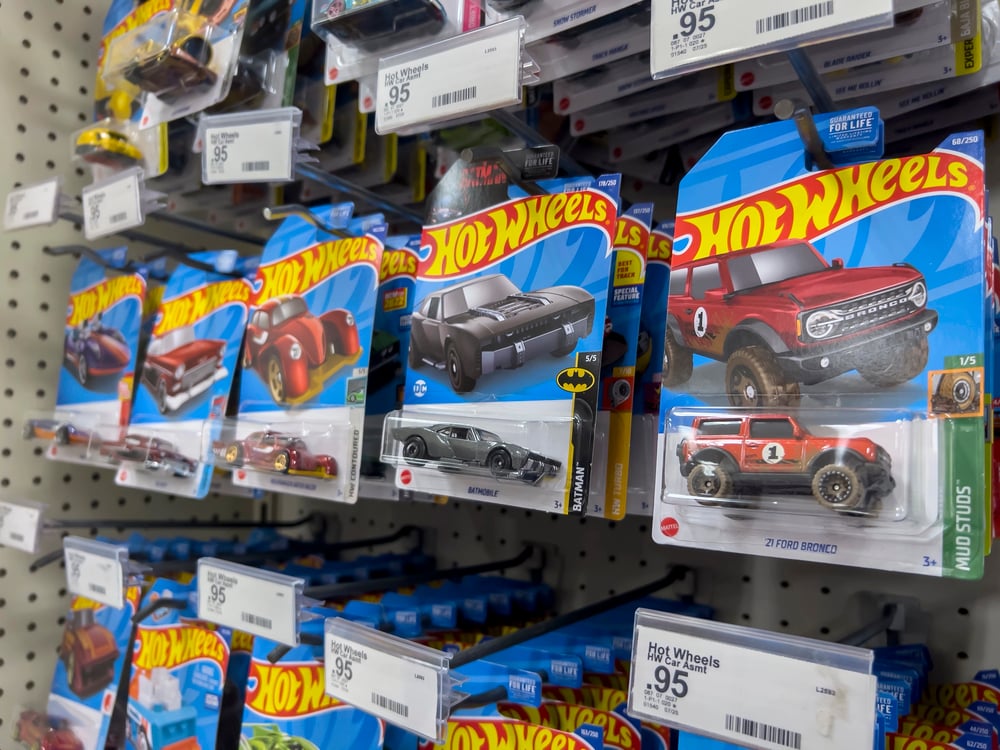
The miniature car racing system came with track layouts and racing rules that were largely ignored in favor of crashing the cars into each other.
Mattel Auto Race

This electric car racing set featured track layouts and rule sets that were modified instantly by actual players.
Duncan Yo-Yo
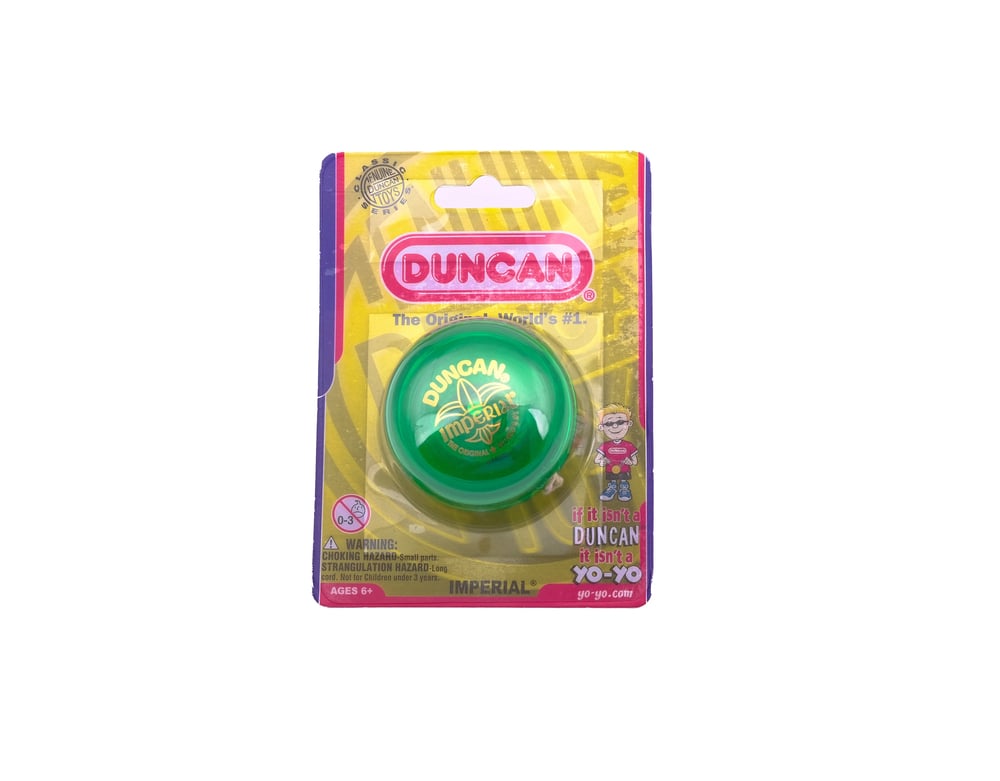
The spinning disc toy featured advanced trick instructions that most kids ignored, just trying to make it spin without crashing to the ground.
Jarts/Javarts

The lawn dart game featured extensive safety warnings in its instruction manual that were read by parents but ignored by children who saw them as projectiles.
Stink Bombs

These novelty items came with specific usage instructions that were immediately violated by kids exploring the maximum chaos.
The Instruction Manual as Ignored Artifact

Instruction manuals represented adult attempts to impose order and prescribed use on toys that children would immediately repurpose according to their own creative logic. The thicker the manual and the more detailed the rules, the less likely any child would read it.
The toy industry’s faith in written instruction as a vehicle for shaping play experience was consistently undermined by childhood itself—a reminder that toys are merely raw material for imagination rather than prescribed experiences.
More from Go2Tutors!