28 Phrases Grandparents Used That Faded Out
Every family has a grandparent who said things nobody else said anymore. A spilled glass of milk drew a heavens to Betsy, a messy room was going to the dogs, and a good report card was the bee’s knees.
Those phrases once filled ordinary conversation across the country. Most have quietly slipped out of daily use, surviving now in old movies, crossword puzzles and the occasional family dinner where someone repeats one with a fond smile.
Don’t Take Any Wooden Nickels
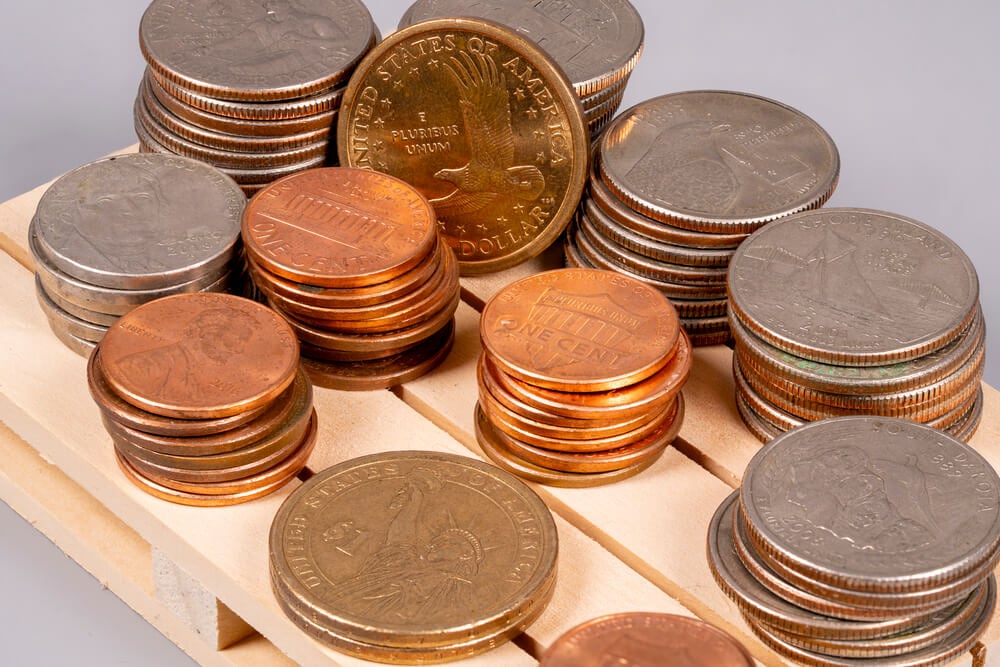
Grandparents often sent kids out the door with a warning not to take any wooden nickels, meaning be careful and do not get cheated. The phrase took hold in the early twentieth century, when a wooden coin would obviously be worthless.
It gained a twist during the Great Depression, when some towns really did issue wooden money. Tenino, Washington, printed emergency currency on thin sheets of wood in 1931 after its bank failed.
Wooden tokens later became popular souvenirs and advertising giveaways. The advice still makes sense, but the phrase sounds quaint, and few people under sixty use it.
Put on the Dog

To put on the dog meant to show off or dress up in a flashy way, as in a family that put on the dog for a fancy party. The expression appeared in American slang in the second half of the nineteenth century, and it may have been especially popular among college students.
One theory links it to wealthy women who carried small lapdogs as status symbols, though the true origin is uncertain. Phrases such as flexing and showing off have taken its place.
Older relatives still use it to describe anyone who gets a little too fancy.
Cut a Rug
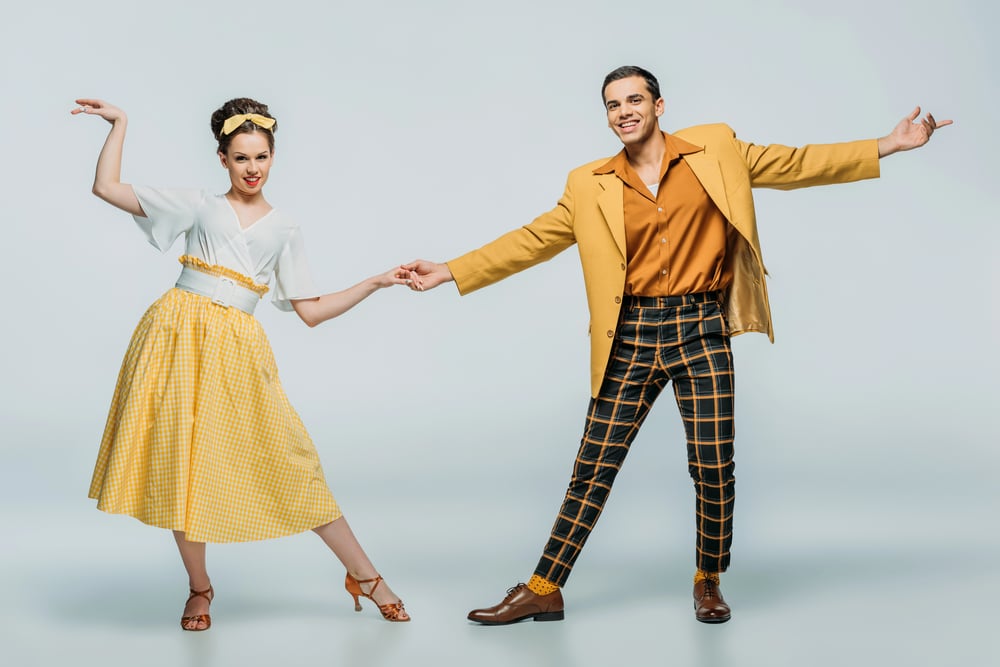
To cut a rug meant to dance energetically, and it came from the swing era of the 1930s and 1940s. The jitterbug and Lindy Hop involved fast footwork that looked like it might wear through a rug.
Couples cut a rug at dance halls, school dances and in living rooms with the furniture pushed back. The phrase faded as dance styles changed and new slang took over.
Today it mostly appears in jokes and nostalgic references. A grandparent who says it often still remembers the big band songs that went with it.
The Bee’s Knees and the Cat’s Pajamas
Flappers and young people in the 1920s praised anything excellent as the bee’s knees or the cat’s pajamas. The slang of that decade loved nonsense phrases that paired animals with body parts or clothing, including the cat’s whiskers and the snake’s hips.
Their appeal lay in sounding playful and modern. A popular gin cocktail from the Prohibition era also took the name Bee’s Knees, and bartenders still mix it today.
The phrases themselves faded after the Jazz Age but stuck around among older relatives for decades. They now sound charming and a little silly.
Living High on the Hog
Living high on the hog meant enjoying wealth and comfort, especially by eating well. The phrase refers to the best cuts of pork, which come from higher up on the animal, such as the loin and ribs.
Poorer families ate the less desirable cuts from lower down. The expression appeared in American speech by the early twentieth century.
Grandparents used it to describe someone splurging or living beyond their means. It still turns up occasionally, but it has largely given way to phrases about living large.
Swell

Swell was a favorite word of approval from the 1920s through the 1950s. A swell time meant a great time, and a swell guy meant a good person.
The word appeared in countless movies, comics and radio shows of the era, often in the mouths of earnest young heroes. It sounded enthusiastic and slightly innocent.
By the 1960s, younger people found it corny, and it gave way to cool, groovy and later awesome. Older relatives still use swell sincerely, and many younger people now use it with gentle irony.
Gee Whiz
Gee whiz was an exclamation of surprise or wonder, and it became popular in American speech in the late nineteenth century. It began as a mild euphemism for Jesus, allowing speakers to express surprise without swearing.
Kids in comic books and movies said it constantly. The phrase sounded earnest and wide-eyed, which made it a favorite of the 1950s.
Later generations replaced it with wow and stronger language. Gee whiz now sounds almost cartoonishly innocent, though some grandparents still say it when something really amazes them.
Madder Than a Wet Hen

Madder than a wet hen described someone who was extremely angry. Hens hate getting wet, and farmers once dunked broody hens in cold water to discourage them from sitting on eggs, which reportedly made them furious.
The phrase grew out of rural American life, when most families knew chickens firsthand. As fewer people raised chickens, the image lost its punch.
Older relatives still use it, especially in the South and Midwest. Younger people may need an explanation, but the picture of a soaked and squawking hen makes the meaning clear.
Too Big for His Britches

Too big for his britches described someone who had become arrogant or self-important, usually a child who had begun talking back or an adult who had let a promotion go to his head. Britches is an old word for trousers, and the image suggests a person who has puffed up past the size of his own clothes.
The phrase appeared in American speech in the nineteenth century and became a favorite scolding at kitchen tables across the country. Because britches itself has faded from everyday talk, the entire expression now sounds like it belongs in a Western.
Most people still understand it, but few reach for it.
Heavens to Betsy

Heavens to Betsy was a mild exclamation of surprise or dismay, the kind of thing a grandmother said when a cake fell or a grandchild came home with a scraped knee. Its origin is unknown, and nobody has identified who Betsy was, though the phrase was in use by the late nineteenth century.
It allowed speakers to express shock without anything close to swearing. A cousin phrase, heavens to Murgatroyd, became famous through the cartoon lion Snagglepuss, who began exclaiming it in 1959.
Both now sound old-fashioned. Some grandparents still say heavens to Betsy, and grandchildren who heard it often tend to repeat it themselves without noticing.
Fiddlesticks

Fiddlesticks was an exclamation of annoyance or dismissal, roughly meaning nonsense or drat. A fiddlestick is a violin bow, and the word has been used for centuries to mean something trivial or worthless.
Grandparents said fiddlesticks when they misplaced their glasses, missed a bus or heard a flimsy excuse. It worked as a polite substitute for stronger language in households where cursing was not tolerated.
The word faded as casual swearing became more acceptable in everyday speech, and as fewer people had any reason to think about violins. Fiddlesticks now sounds charming and old-fashioned, and a few people use it deliberately for exactly that reason.
Since Hector Was a Pup
Since Hector was a pup meant a very long time ago, as in a family that had lived in the same house since Hector was a pup. The phrase appeared in American speech in the early twentieth century.
Hector was a common name for dogs, which may explain the phrase, though some link it to the Trojan hero of ancient Greek legend. Either way, it suggested a long stretch of time.
Grandparents used it often. Younger people now say forever or ages, and the phrase has largely faded.
Knee-High to a Grasshopper
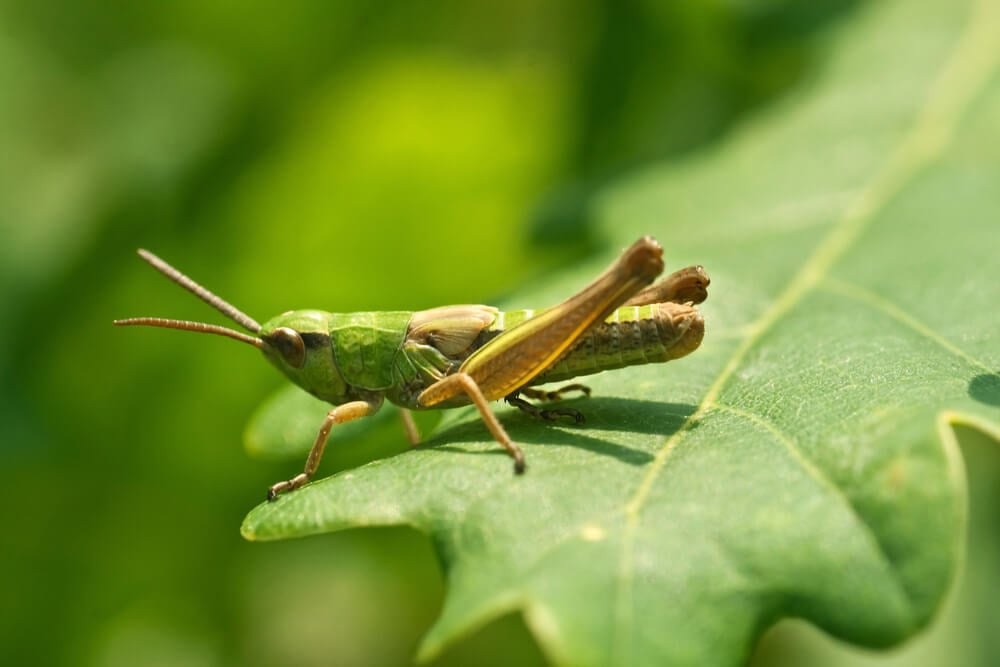
Knee-high to a grasshopper described someone who was very young or very small, as in a grandparent recalling a neighbor known since he was knee-high to a grasshopper. The phrase appeared in American speech in the nineteenth century, following earlier versions that measured children against toads, bumblebees and mosquitoes.
The comic exaggeration made it memorable, since a grasshopper’s knee is barely visible at all. Grandparents often used it when greeting grown grandchildren at reunions or describing their own early years on the farm.
It still appears now and then, but it has become less common as rural imagery faded from everyday speech and fewer kids chase grasshoppers through tall grass.
In Like Flynn

In like Flynn meant succeeding easily, especially with romance. The phrase is usually linked to Errol Flynn, the dashing Hollywood star of the 1930s and 1940s known for swashbuckling roles and a wild personal life.
It became popular during World War II. The phrase suggested confidence and charm.
A 1967 James Coburn spy movie used a version of it as a title. As Flynn’s fame faded, the phrase lost its reference point.
Grandparents still use it, but many younger people have no idea who Flynn was.
Going Steady

Going steady meant being in an exclusive dating relationship, and it reached its peak among teenagers in the 1950s. Couples often marked the arrangement by trading class rings or letter jackets, and a girl might wear a boy’s oversized ring wrapped in tape or hung on a chain around her neck.
Going steady was understood as a step before engagement, though many couples broke up by the next school dance. The phrase faded as dating customs loosened in the 1960s and 1970s.
Today couples are simply dating, exclusive or in a relationship. Going steady now sounds like something from a black-and-white sitcom with a soda fountain in every episode.
Twenty-Three Skidoo

Twenty-three skidoo meant to leave quickly or to get out, and it was popular slang in the early 1900s. Its origin is debated.
One theory links it to the Flatiron Building at 23rd Street in Manhattan, where winds swirled and police shooed away men who gathered to watch women’s skirts blow. Skidoo itself meant to leave.
The phrase was a fad and faded within a few decades. It survives mainly as a curiosity, often cited as an example of how quickly slang can rise and fall.
Hunky-Dory
Hunky-dory meant that everything was fine or satisfactory. The phrase appeared in American speech in the 1860s, and its origin is uncertain.
One theory links it to Honcho-dori, a street in Yokohama, Japan, that American sailors visited, though linguists consider the connection unproven. Another ties it to an older word, hunk, meaning a safe place in children’s games.
The phrase got a boost when David Bowie used it as the title of a 1971 album. Grandparents used it to reassure kids that everything was okay after a scare.
It still appears occasionally, usually with a touch of irony that the original users never intended.
Katy Bar the Door

Katy bar the door was a warning that trouble was coming, as in a grandparent warning that if the boss found out, it would be Katy bar the door. One popular explanation links it to a Scottish legend about Catherine Douglas, who supposedly used her arm as a bar to hold a door shut and protect King James I from assassins in 1437.
The phrase became popular in the American South. It sounds colorful and dramatic.
Younger people rarely use it, but it still appears in sports commentary and in conversations with older relatives.
Don’t Touch That Dial
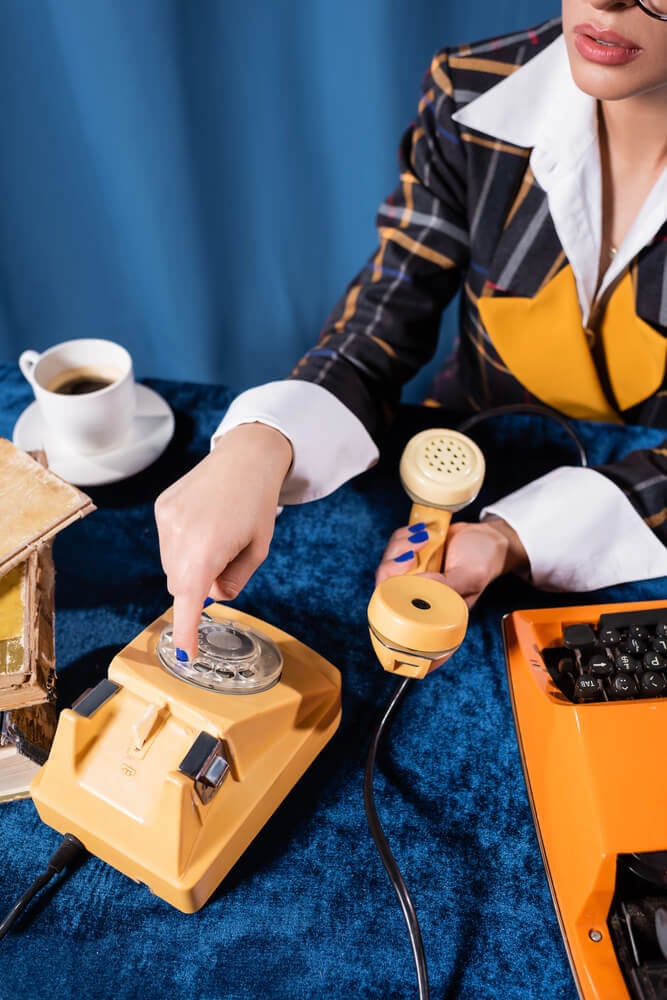
Don’t touch that dial was a line radio and television announcers used before commercial breaks, urging audiences to stay tuned for more. Early radios and televisions had round dials for changing stations, and turning one meant losing the program and possibly the sponsor’s message.
Grandparents sometimes borrowed the phrase jokingly when asking someone to wait a moment. Push buttons, remote controls and streaming made dials obsolete, and the phrase lost its literal meaning.
Many young people have never seen a television with a channel knob that clunked as it turned. The phrase survives mostly in nostalgic jokes and in the habits of older relatives.
Horsefeathers

Horsefeathers meant nonsense, a polite way of calling something ridiculous without using a cruder barnyard term. The word gained popularity in the 1920s and is often credited to cartoonist Billy DeBeck, creator of the comic strip Barney Google.
The Marx Brothers released a 1932 college comedy called Horse Feathers, which spread the word even further. Since horses have no feathers, the phrase signaled something absurd on its face.
Grandparents used it to dismiss tall tales, exaggerated fish stories and bad excuses for missing curfew. It faded as other words for nonsense took over, but it remains a colorful way to express disbelief.
Nervous Nellie

Nervous Nellie described someone who worried too much or was easily rattled. The phrase became popular in American political speech in the early twentieth century, when critics used it to mock officials they considered timid.
Some accounts tie it to Frank Kellogg, secretary of state in the 1920s, whose critics gave him the nickname, though the attribution is debated. Over time, it became a common way to tease anyone anxious, from a fretful driver to a child afraid of thunder.
Grandparents used it affectionately. The phrase is still understood but much less common today, as clinical words such as anxious and stressed have replaced its playful tone.
Lollygagging

Lollygagging meant wasting time or dawdling, as in a parent telling kids to stop lollygagging and get their shoes on. The word appeared in American speech in the mid-nineteenth century, sometimes spelled lallygagging, and its origin remains unclear.
Its bouncy, drawn-out sound captures the idea of aimless loafing almost perfectly. Grandparents and parents used it constantly on school mornings and during chores.
Sports announcers kept it alive for decades, applying it to players who jogged too casually after a play. The word still turns up occasionally in sports commentary, but it has become far less common at kitchen tables than it once was.
Shake a Leg

Shake a leg meant hurry up, and it was a standard phrase among parents rushing kids out the door for school or church. The expression appeared in American speech in the late nineteenth and early twentieth centuries.
Its origin is debated, with some accounts linking it to sailors being roused from their hammocks and others simply to dancing. Either way, it suggested movement and energy.
Grandparents used it often, usually while holding car keys by the front door. Younger people now say hurry up or come on, and shake a leg sounds like a line from an old movie.
It survives mainly among people who grew up hearing it.
Dollars to Doughnuts
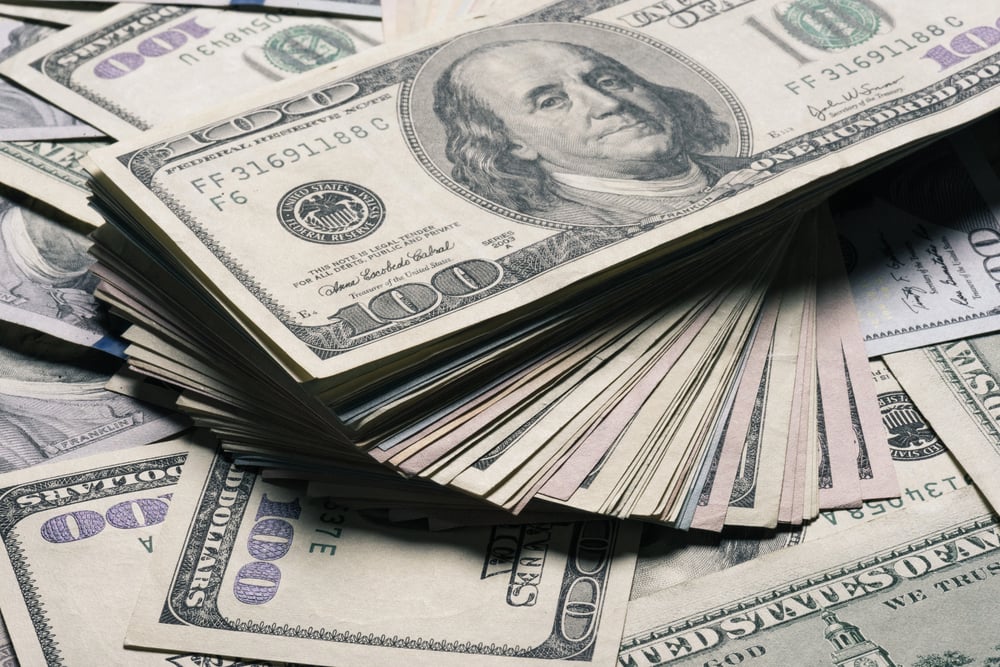
Dollars to doughnuts meant something was a sure bet, as in a grandfather predicting, dollars to doughnuts, that it would rain on the picnic. The phrase compared wagering valuable dollars against cheap doughnuts, implying total confidence in the outcome.
It appeared in American speech in the late nineteenth century, when a doughnut cost very little and a dollar was real money. The joke has weakened over time, since a fancy doughnut now costs several dollars.
Grandparents used it to express certainty about sports, weather and family gossip. The phrase still appears occasionally, but it sounds like something from a barbershop conversation decades ago.
Peachy Keen
Peachy keen meant wonderful or excellent, and it was popular slang in the 1950s. Peachy and keen were each already slang words for good, and stacking them together made the praise extra enthusiastic.
The phrase sounded cheerful, bright and almost impossibly innocent, the verbal equivalent of a poodle skirt. By the 1960s, younger people found it corny, and it gave way to groovy, far out and eventually awesome.
Today it is mostly used with heavy irony to describe something that is anything but. Grandparents who said it as teenagers may still use it sincerely, while younger people usually say it with a grin and raised eyebrows.
Copacetic

Copacetic meant everything was fine, satisfactory and under control. The word appeared in American speech in the early twentieth century, and its origin is uncertain, with theories pointing to several languages and none proven.
Tap dancer Bill Robinson, known as Bojangles, often claimed credit for popularizing it and used it regularly in his act. The word became popular in jazz circles and later spread into everyday speech, especially in the 1940s and 1950s.
It still appears occasionally, but it sounds old-fashioned and slightly mysterious to younger people. Part of its charm is that most people who use it cannot say where it came from.
Pipe Down

Pipe down meant be quiet, usually said firmly to noisy kids in the back seat or at the dinner table. The phrase comes from naval tradition, where a boatswain’s pipe, a small whistle, sounded specific calls to the crew.
One of those calls signaled sailors to go below decks and settle in for the night. Navy veterans brought the phrase home, and parents and grandparents adopted it as a polite but firm command.
It worked better than shouting, at least sometimes. The phrase still appears occasionally, but many younger people now say keep it down or chill out, and few know the shipboard origin.
Make Like a Tree and Leave

Make like a tree and leave was a joke telling someone to go away, built on the double meaning of leaves. It belonged to a family of similar wisecracks, such as make like a banana and split.
The phrase was popular among kids and adults alike, often delivered with a grin rather than real hostility. It gained lasting fame in the 1985 movie Back to the Future, in which the bully Biff mangles it into make like a tree and get out of here.
That scene made the joke funnier by ruining it. The phrase still appears occasionally, but it now sounds more like a movie quote than everyday speech.
Slang Fades but the Voices Stay
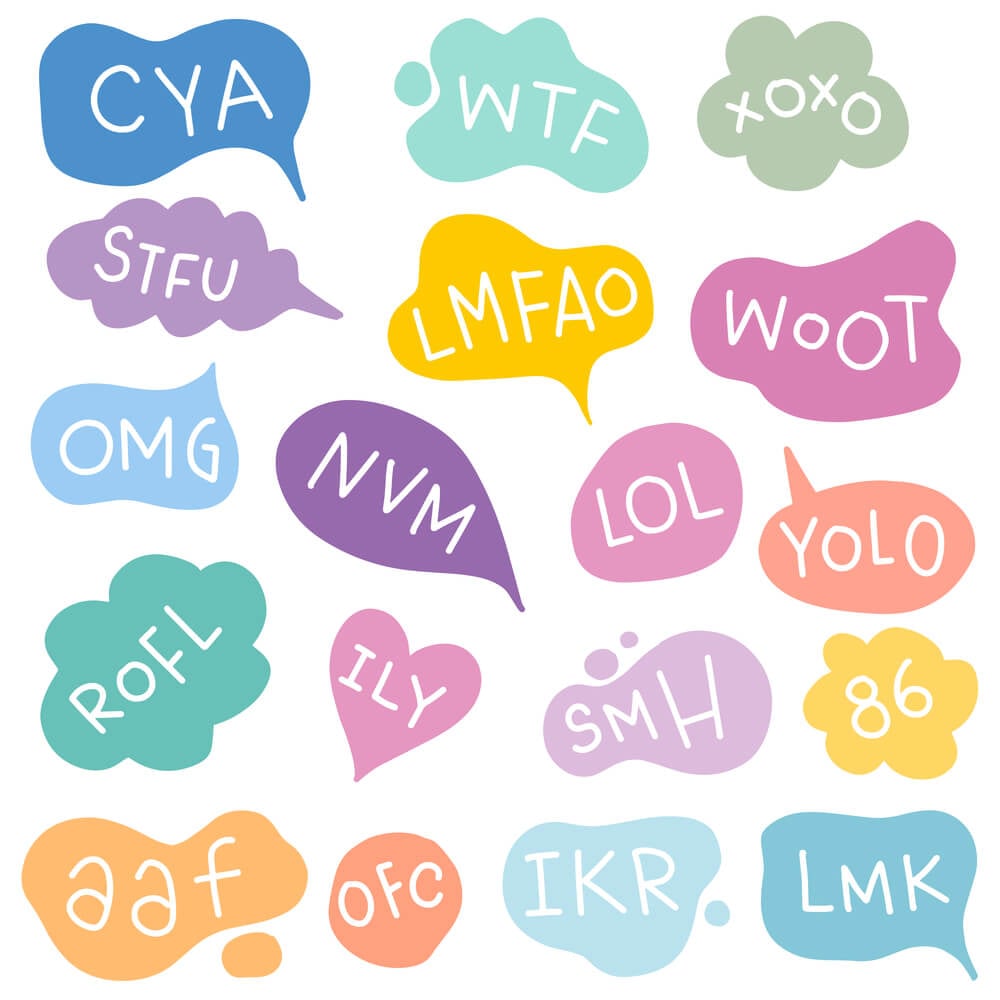
Every generation creates its own slang, and most of it fades within a few decades. These phrases were once fresh and lively.
Now they sound quaint, carrying the flavor of earlier times. Yet they survive in family memory.
When someone repeats a grandparent’s favorite phrase, they bring that person’s voice back for a moment. Language changes, but the people who spoke it remain in the words they left behind.
More from Go2Tutors!

- The Romanov Crown Jewels and Their Tragic Fate
- 13 Historical Mysteries That Science Still Can’t Solve
- Famous Hoaxes That Fooled the World for Years
- 15 Child Stars with Tragic Adult Lives
- 16 Famous Jewelry Pieces in History
Like Go2Tutors’s content? Follow us on MSN.