33 Artifacts Smuggled Out of Countries That Sparked International Disputes
The movement of cultural objects across borders tells a story that runs parallel to the one found in history books. Where the official narrative describes conquest, exploration, and discovery, the objects themselves trace a different route: carried off under cover of night, wrapped in cloth and loaded onto ships, purchased for a fraction of their value by people who understood exactly what they were acquiring.
Some of these removals happened centuries ago, others within living memory, and a few are still working their way through courts and diplomatic channels right now. The arguments they generate are rarely just about the objects themselves — they are about who gets to possess the past, and what that possession means.
The Elgin Marbles — Greece And Britain’s Longest-Running Dispute
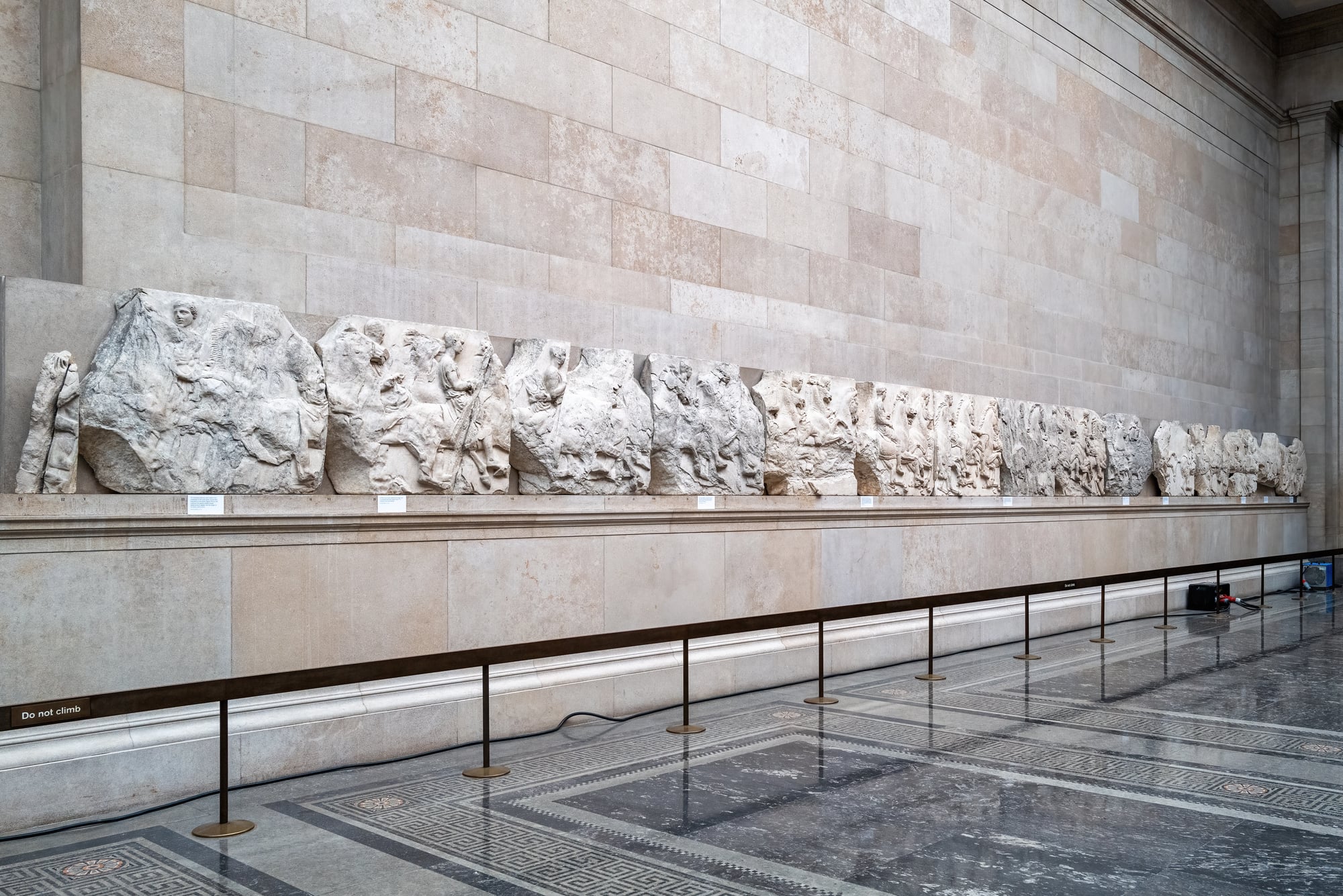
Between 1801 and 1805, Lord Elgin, then British ambassador to the Ottoman Empire, had roughly half of the decorative sculptures removed from the Parthenon in Athens, including carved friezes and statues from the pediments. He subsequently sold them to the British government for £35,000.
Greece has demanded their return since achieving independence in the 19th century, a campaign that intensified in the 1980s under Culture Minister Melina Mercouri. The British Museum has consistently refused to return them, citing its legal inability to deaccession objects from the collection and arguing that London provides them with broader international access.
Whether Elgin’s original Ottoman permit covered the removal at all remains contested among legal historians.
The Rosetta Stone — Egypt’s Most Symbolically Charged Demand
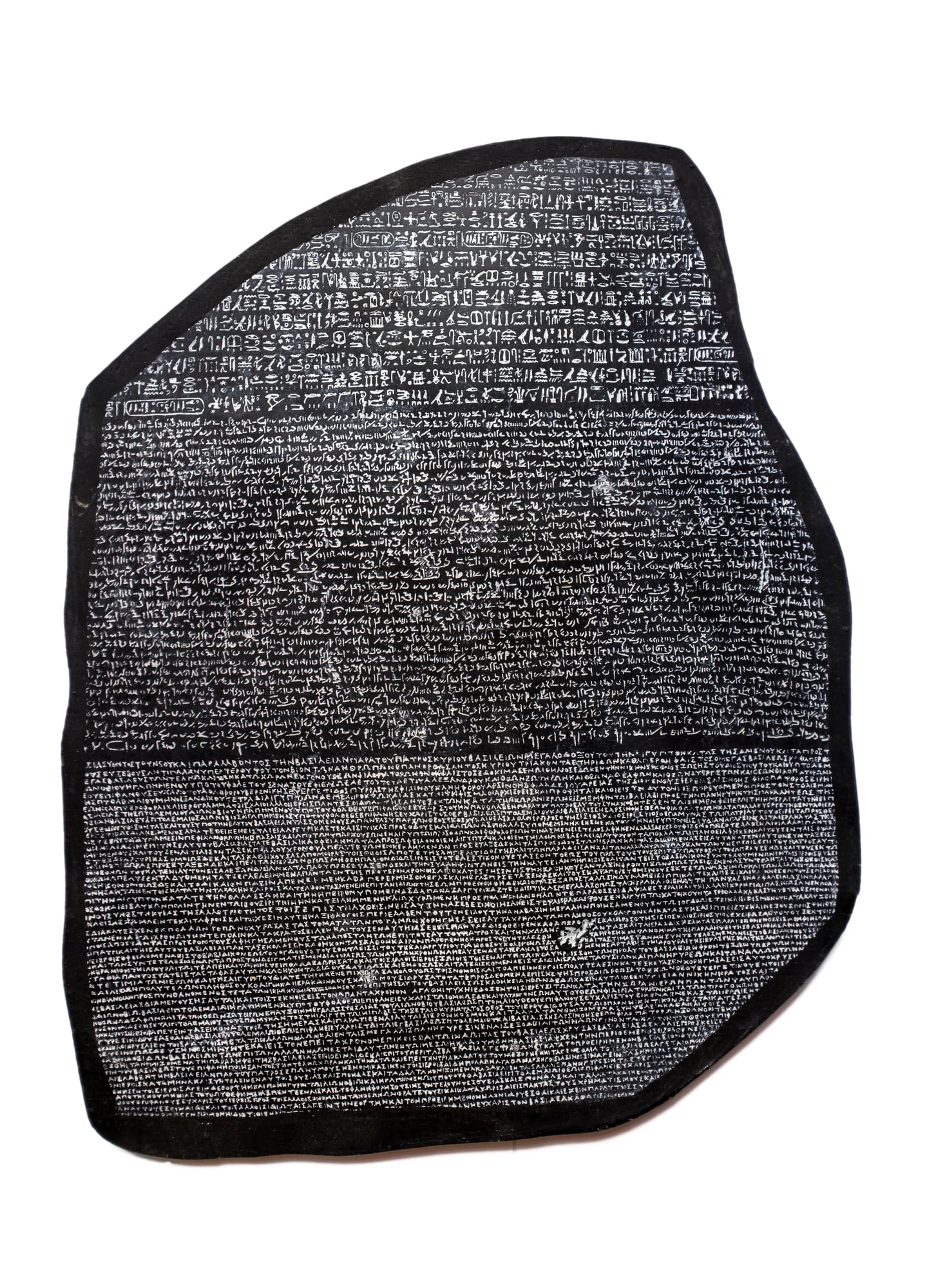
Found by French soldiers during Napoleon’s Egyptian campaign in 1799, the Rosetta Stone was handed to British forces following France’s defeat in Egypt in 1801 and has been at the British Museum since 1802. Carved in 196 BCE, it carries the same decree in three scripts and was the key to deciphering ancient Egyptian hieroglyphics — which is precisely why Egypt’s demands for its return carry such emotional and historical weight.
The Egyptian government has made formal requests for repatriation on multiple occasions, most recently in the 2020s. The British Museum classifies it as a lawful acquisition from the period.
The Benin Bronzes — A Military Raid And Its Prolonged Aftermath
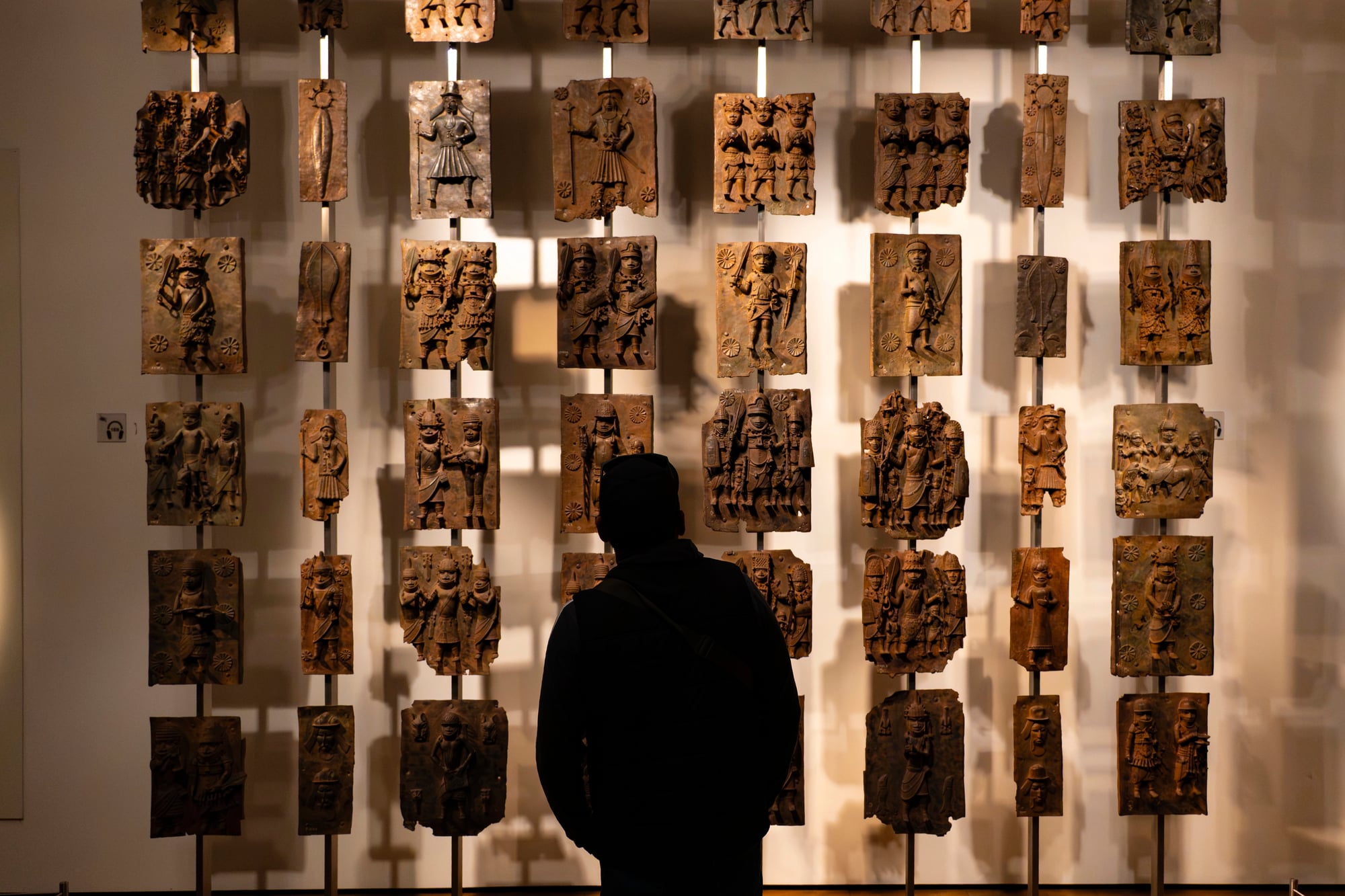
In 1897, a British punitive expedition sacked the royal palace of the Kingdom of Benin in what is now southern Nigeria, seizing more than 3,000 metal castings and ivory sculptures that had accumulated in the palace over several centuries. The objects were sold off to fund the expedition’s costs, and they dispersed into museums and private collections across Europe and North America.
Nigeria’s campaign for their return has been ongoing since independence, with significant results in recent years: Germany returned 22 bronzes in 2022, the Netherlands returned 119 in 2023, and several American universities have also repatriated pieces. The British Museum, which holds the largest institutional collection, has not returned any as of 2025.
The Bust Of Nefertiti — Germany’s Most Contested Egyptian Acquisition
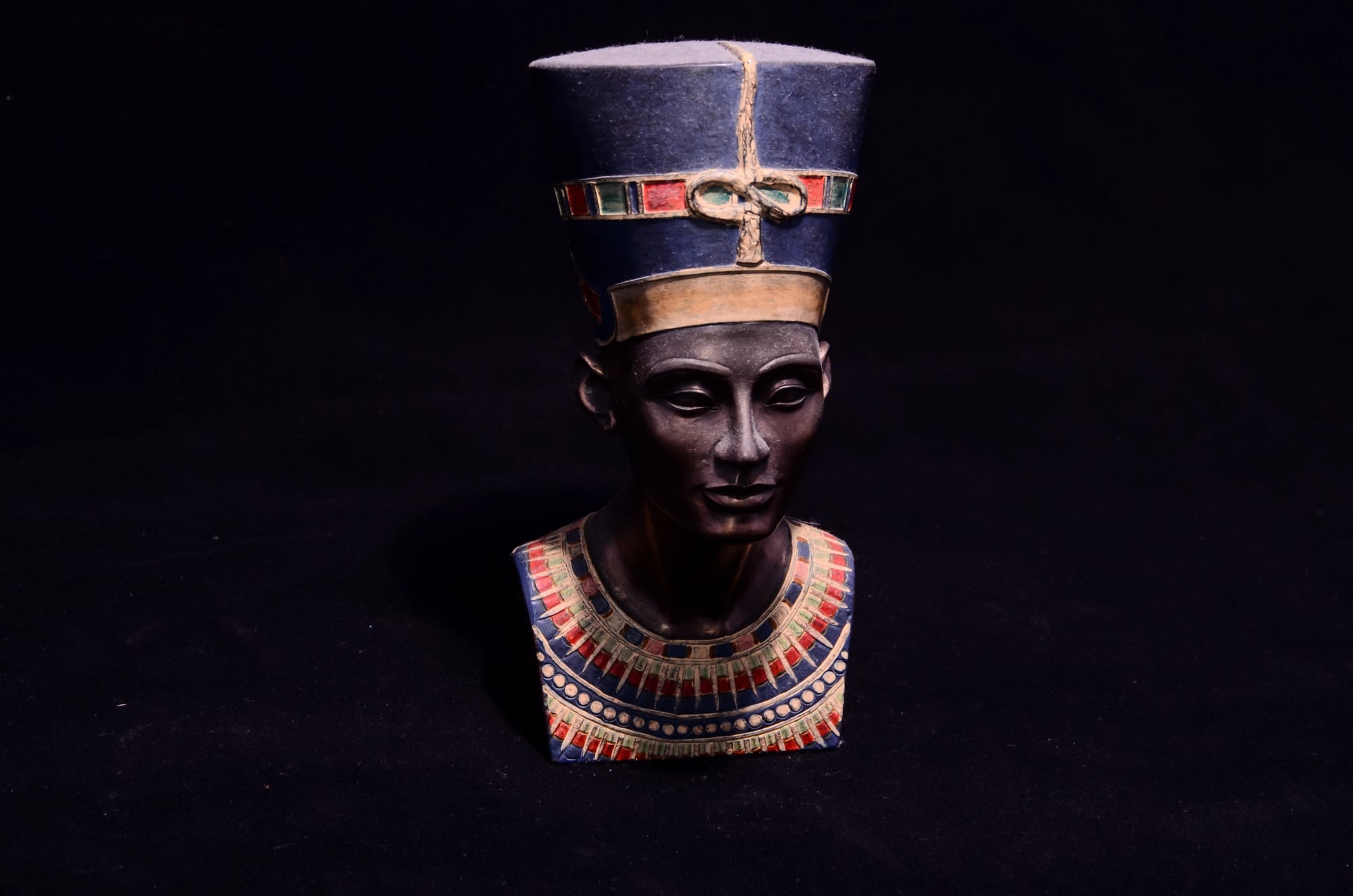
The limestone bust of Queen Nefertiti, consort of Pharaoh Akhenaten and carved around 1340 BCE, was excavated in 1912 by a German-led team at Amarna and taken to Berlin, where it has been displayed at the Neues Museum ever since. Egypt argues that the export was conducted under false pretenses — specifically that the bust’s value was concealed from Egyptian authorities when departure permits were issued.
Germany maintains that the acquisition was legal under the laws of the time and that the object is too fragile to transport. Former Egyptian Antiquities Minister Zahi Hawass has repeatedly called it “unparalleled in history” and demanded its return.
The Lydian Hoard — The Metropolitan Museum’s Admission
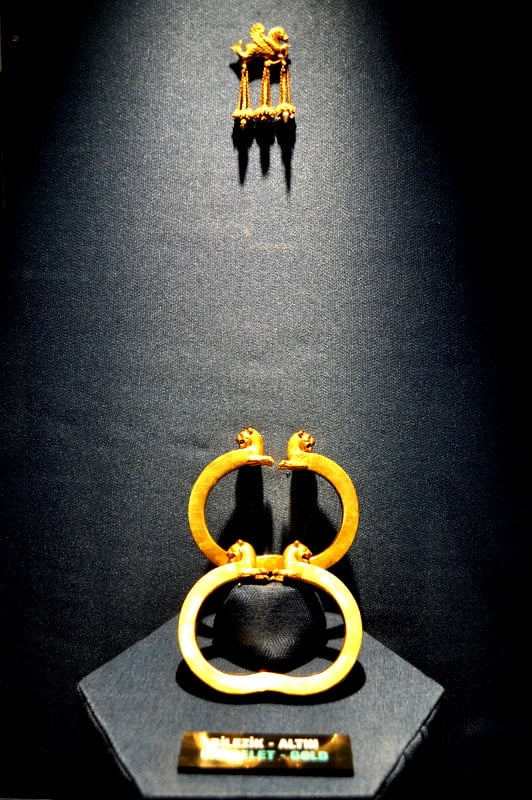
In the 1960s, Turkish villagers near Uşak discovered an unlooted Lydian tomb dating to around the 6th century BCE and sold its contents — 363 gold and silver objects — to dealers who smuggled them out of the country. The pieces eventually reached New York’s Metropolitan Museum of Art, which acquired them and displayed them secretly for years under the label “East Greek Treasure.”
Turkey filed a lawsuit in 1987. After a six-year legal battle, the Metropolitan Museum admitted it had known the objects were stolen when it purchased them, and in 1993 returned the entire collection to Turkey.
The Euphronios Krater — Italy Vs. The Metropolitan Museum
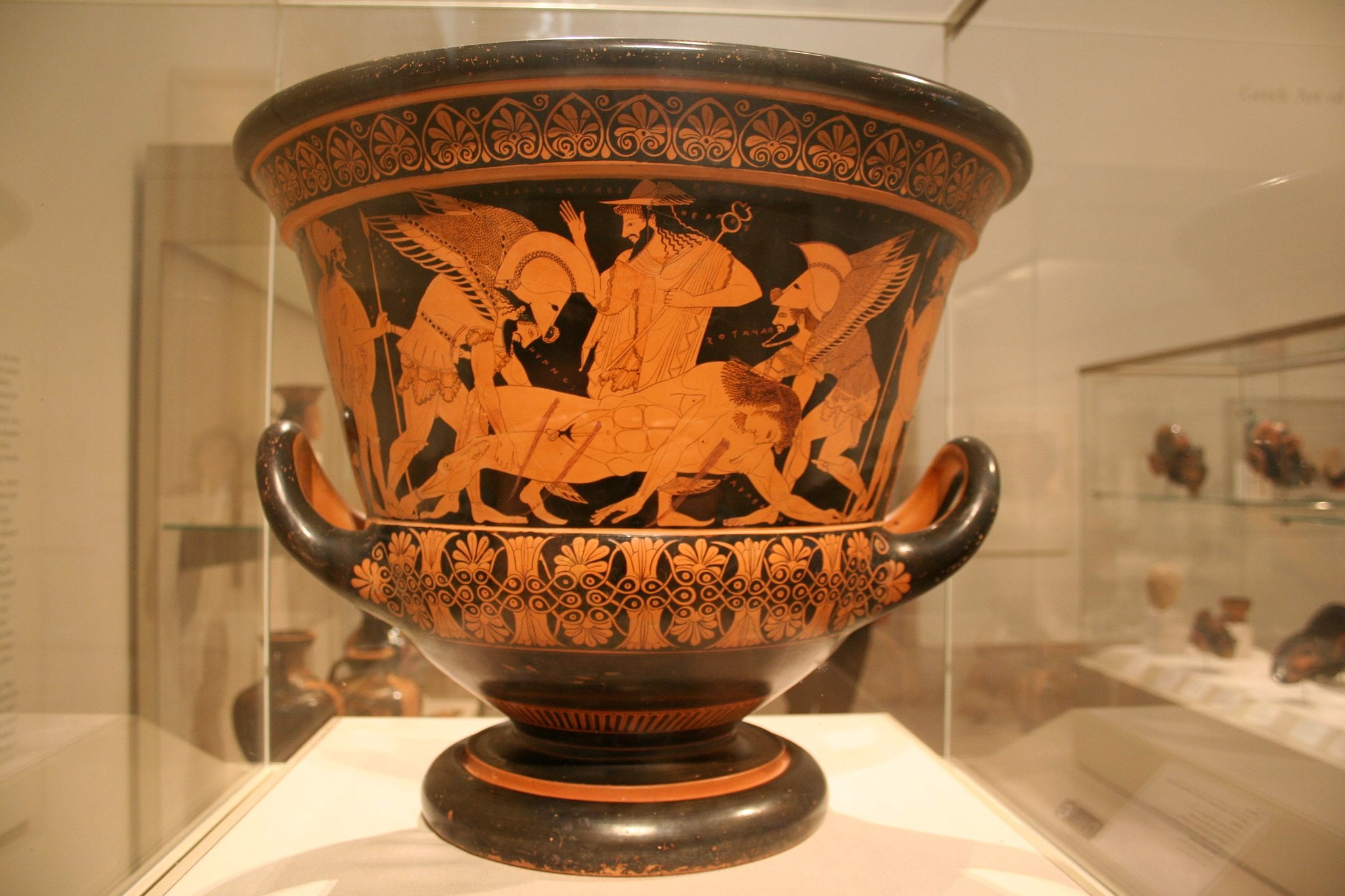
The Metropolitan Museum of Art acquired this 2,500-year-old red-figure Greek vase — one of the finest known examples by the painter Euphronios — for $1 million in 1972. The seller was antiquities dealer Robert Hecht, later tried in Italy on charges of conspiring to traffic in looted objects.
The krater had been illegally excavated from an Etruscan tomb near Cerveteri and smuggled to Switzerland before its sale. After years of negotiation and increasing international pressure, the Met returned the krater to Italy in 2008, receiving in exchange long-term loans of comparable Italian artifacts.
The Obelisk Of Axum — Italy’s 58-Year Delay
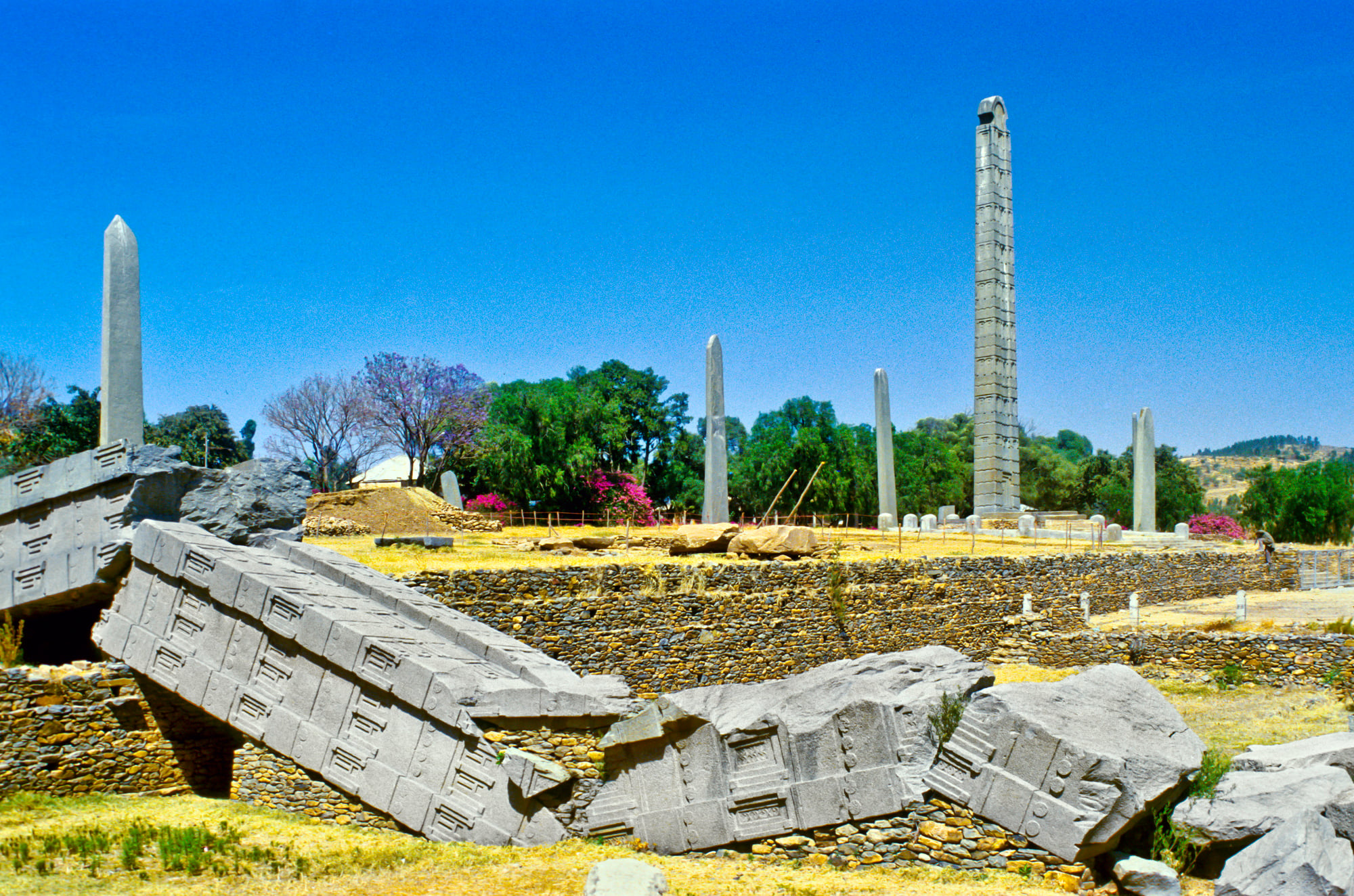
Mussolini’s forces seized the 78-foot granite funeral stele from the ancient Ethiopian city of Axum in 1937 and had it reassembled near the Circus Maximus in Rome as a trophy of fascist conquest. A UN peace treaty signed in 1947 obligated Italy to return it, but successive Italian governments stalled for decades.
When the obelisk was struck by lightning in 2002, the Italian government finally moved forward, and the monument was flown back to Ethiopia in three sections in 2005 aboard an Antonov 124 cargo aircraft — reportedly the largest air freight operation in history at the time — at a cost of approximately $10 million borne by Italy.
Priam’s Treasure — Three Countries, One Cache Of Gold
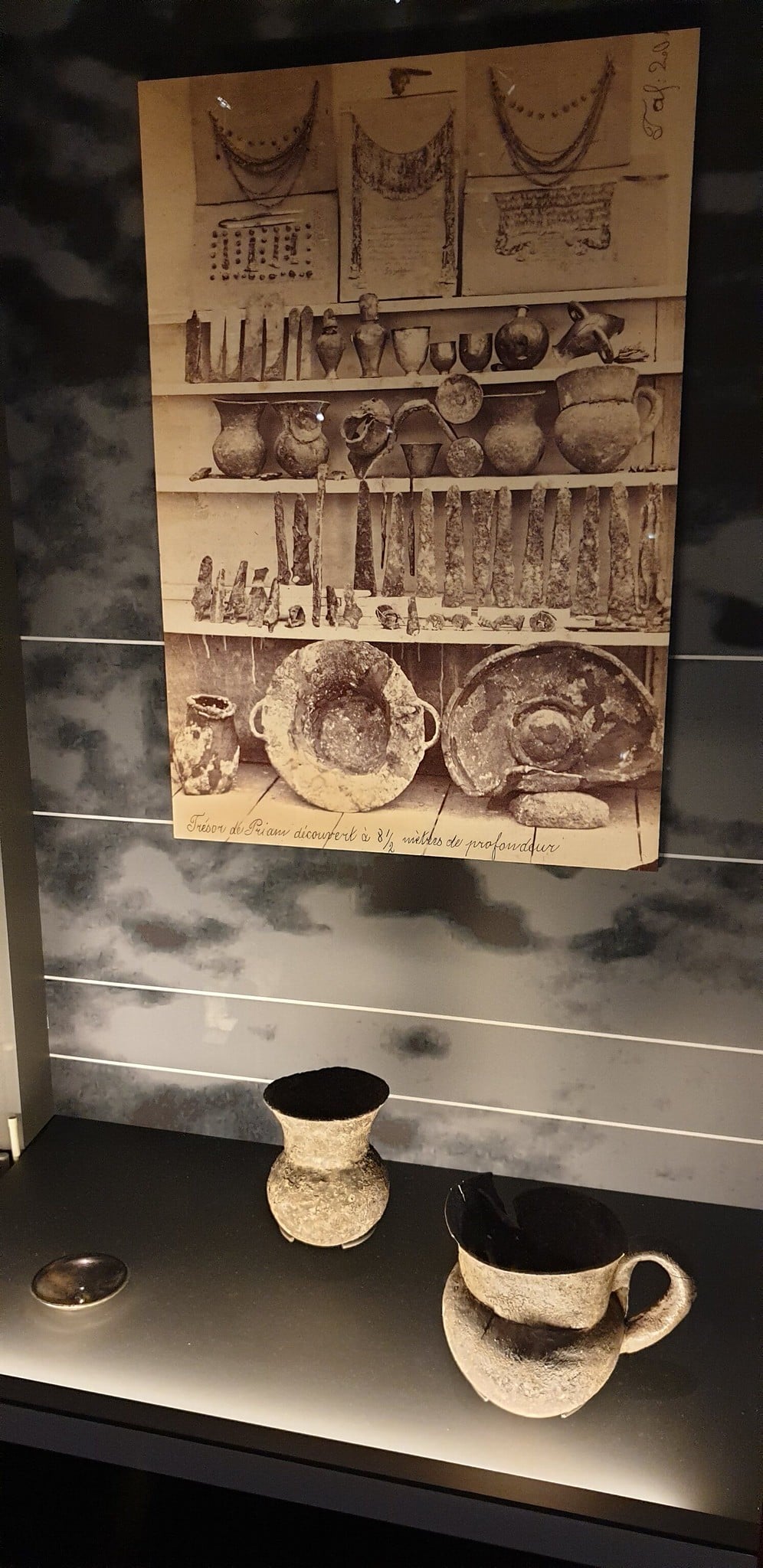
German archaeologist Heinrich Schliemann discovered a cache of Bronze Age gold, copper shields, and weapons at the site he believed to be Troy (modern Hissarlik, Turkey) in the 1870s. He smuggled the objects out of Ottoman territory without authorization, eventually donating much of the collection to a Berlin museum.
During the Second World War, Soviet troops seized the collection as war reparations and took it to Moscow, where it has been held at the Pushkin Museum ever since. Turkey, Germany, and Greece have all made competing claims, and Russia has not returned any of it.
The Koh-I-Noor Diamond — Four Countries Claiming One Stone

The Koh-i-Noor, a 105-carat diamond with a history that may stretch back to the 14th century, was handed over to Queen Victoria in 1850 as part of the terms imposed after Britain’s annexation of the Punjab. Prince Albert had it recut, reducing its weight by roughly half.
It now sits in the Tower of London as part of the Crown Jewels. India, Pakistan, Iran, and Afghanistan have all at various times claimed rightful ownership, citing different chapters of the diamond’s complex pre-colonial history.
Britain has consistently declined all repatriation requests.
Hoa Hakananai’a — Easter Island’s Soul At The British Museum
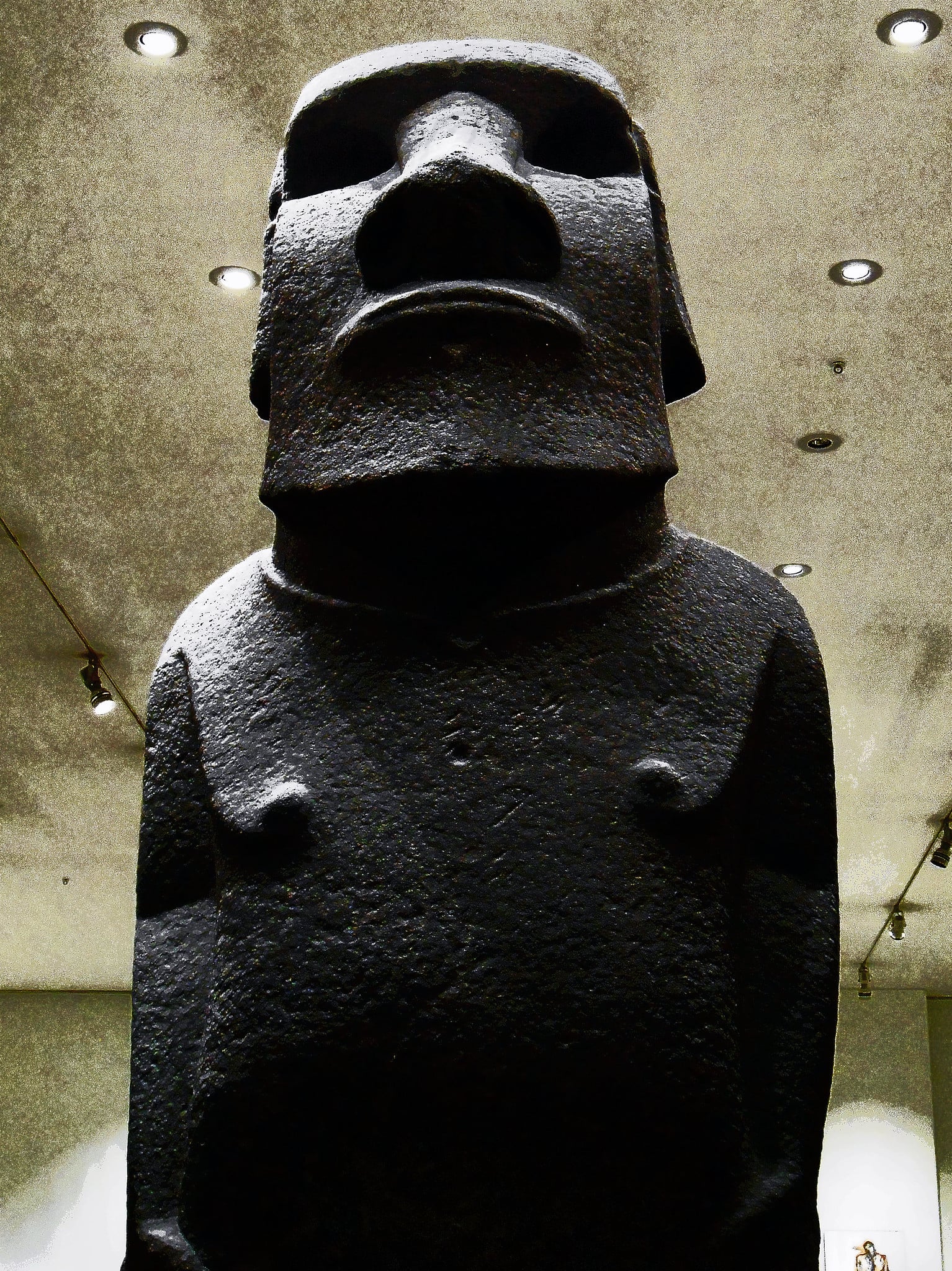
The eight-foot basalt moai statue known as Hoa Hakananai’a — meaning “lost or stolen friend” in the Rapa Nui language — was removed from Easter Island in 1868 by the crew of the British Royal Navy frigate HMS Topaze and presented to Queen Victoria, who donated it to the British Museum. The statue, carved between roughly 1000 and 1600 CE, is considered among the most spiritually significant objects in Rapa Nui culture.
In 2018, Easter Island’s governor traveled to London specifically to appeal for its return, telling museum officials: “You have our soul.” The British Museum held discussions but has not agreed to return it.
The Machu Picchu Collections — Yale University And Peru
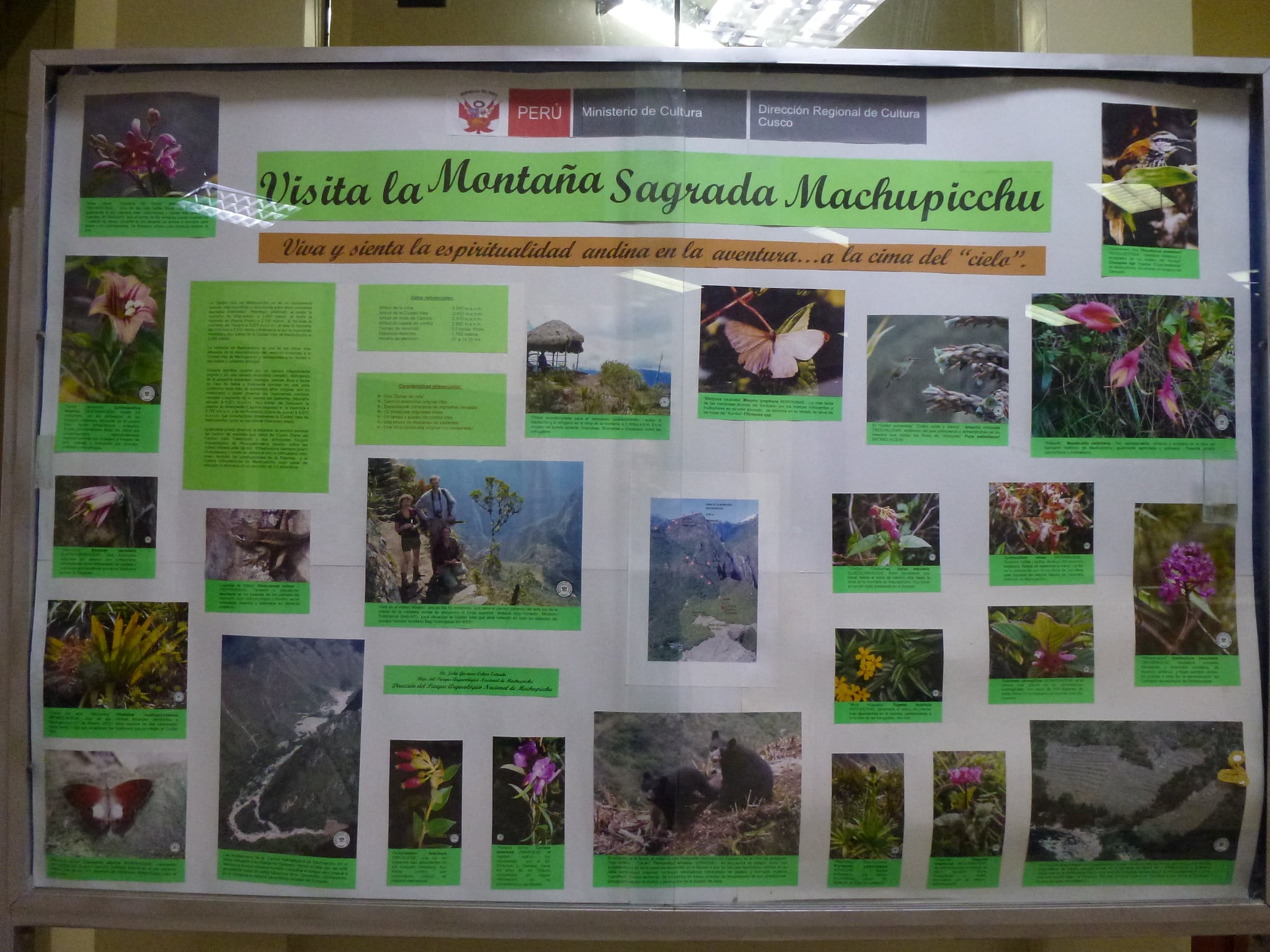
Between 1911 and 1915, American archaeologist Hiram Bingham excavated thousands of artifacts from Machu Picchu and transported them to Yale University in Connecticut for research. They remained there for nearly a century.
Peru began formally demanding their return in the 1990s, and after years of legal and diplomatic wrangling, Yale agreed in 2011 to return approximately 374 of the most significant objects, with the remainder to follow in batches. The return was completed over subsequent years, with the collection now housed at a purpose-built museum in Cusco.
The Maqdala Manuscripts — Ethiopia And Britain’s Unresolved Archive

Following the 1868 Battle of Maqdala, in which British forces defeated and killed Emperor Tewodros II of Ethiopia, British troops looted hundreds of illuminated manuscripts, religious books, and ceremonial objects from the royal treasury. Over 300 manuscripts ended up at the British Library; others went to the Victoria & Albert Museum.
They remained largely inaccessible and outside public view for over 150 years. Ethiopia has requested their return persistently.
In 2021, a portion of the manuscripts were returned — a partial resolution to a dispute that had run for more than a century and a half.
The Tabots Of Maqdala — Sacred Objects No One Is Allowed To See

Among the objects taken from Maqdala in 1868 were sacred Ethiopian Christian tablets called tabots — objects so holy that only ordained priests are permitted to view them directly. The British Museum holds 11 of these tablets, which it cannot legally display and which no one at the museum is authorized to look at.
Ethiopia has repeatedly asked for their return on the grounds that they are active religious objects rather than historical artifacts. The British Museum’s legal mandate prevents it from deaccessioning the objects, leaving them in a peculiar bureaucratic limbo: untouchable, unseeable, and unreturnable.
The Dendera Zodiac — Napoleon’s Acquisition And France’s Refusal
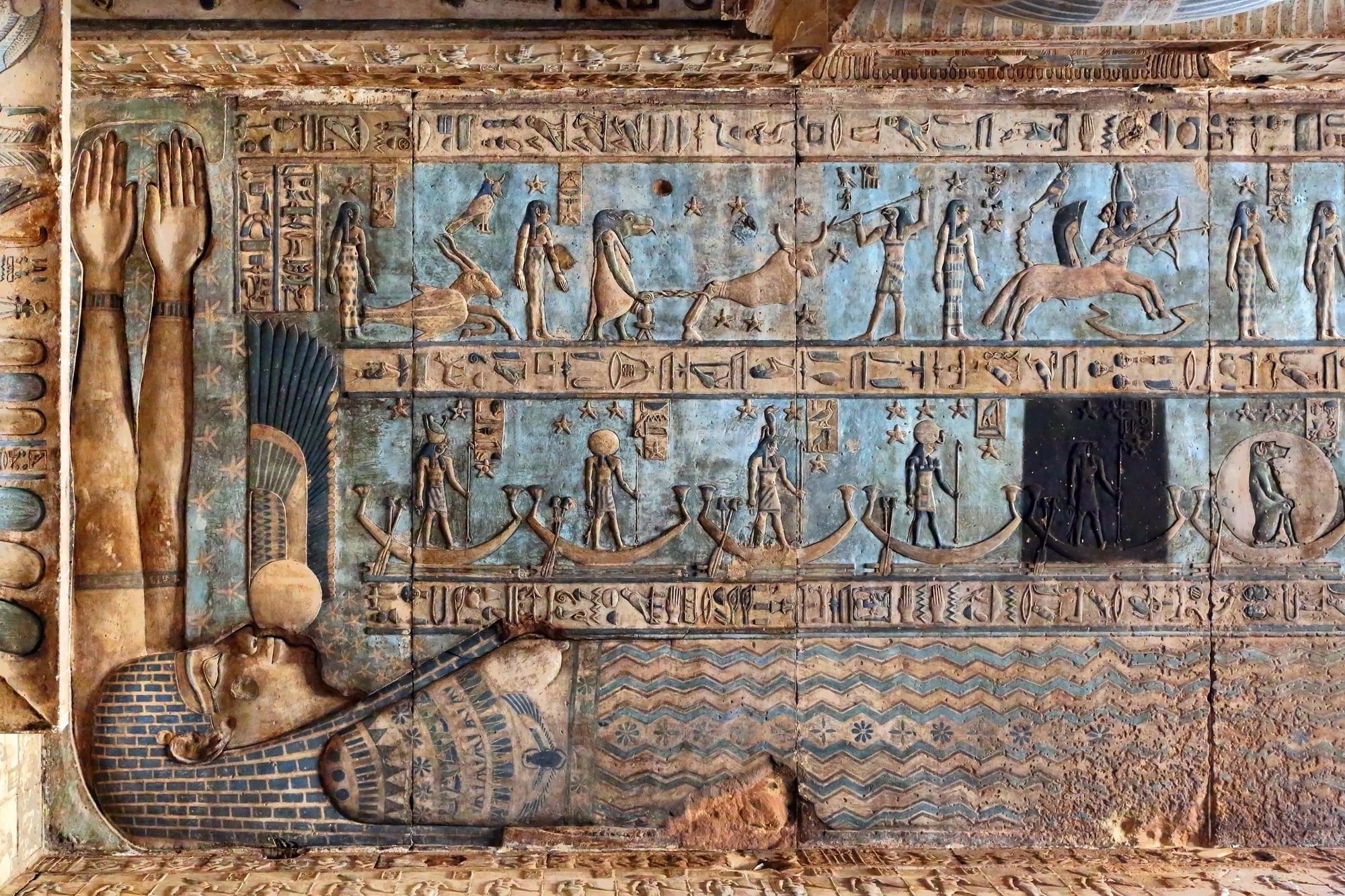
The Dendera Zodiac is a stone carving of the night sky dating from approximately 50 BCE, originally set into the ceiling of the Hathor temple at Dendera in Upper Egypt. French engineers removed it from the temple in 1820 by cutting around it with chisels and saws, leaving a cavity in the temple ceiling that is still visible today.
It was purchased by King Louis XVIII and has been at the Louvre ever since. Egypt has demanded its return and considers the removal an act of cultural plunder that left the original site permanently disfigured.
The Amaravati Marbles — India’s Competing Claim With Greece
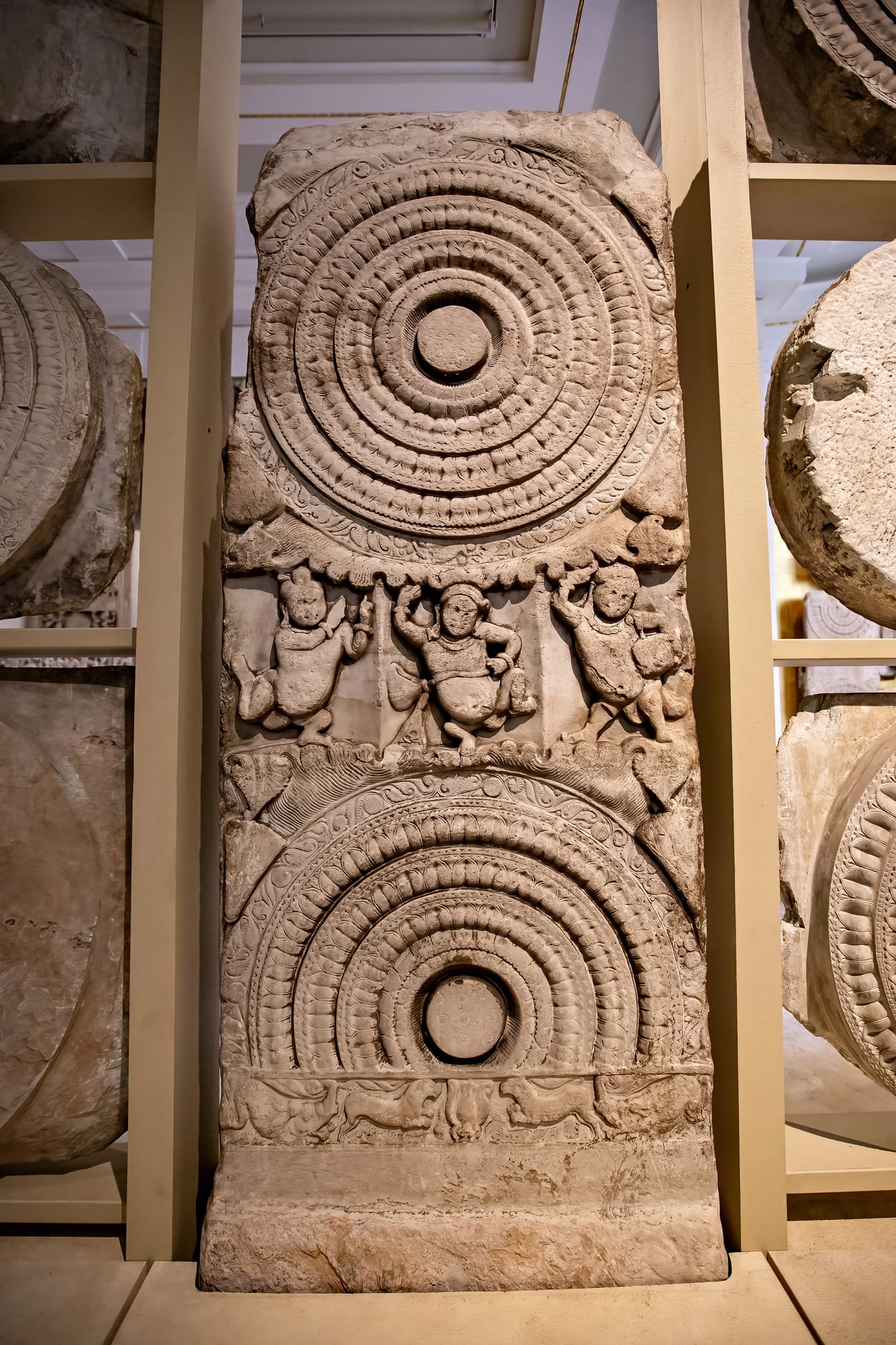
The Amaravati Marbles are a collection of carved limestone sculptures from a 2,000-year-old Buddhist stupa at Amaravati in Andhra Pradesh, India. British officials removed them in the early 19th century and sent them to the British Museum, where they remain.
India’s claims for their return have been less internationally prominent than Greece’s campaign for the Parthenon sculptures, but the objects hold comparable significance for Buddhist heritage in South Asia and are the subject of ongoing diplomatic discussions.
The Sarcophagus Of Ramesses I — A Mummy Returned From Canada
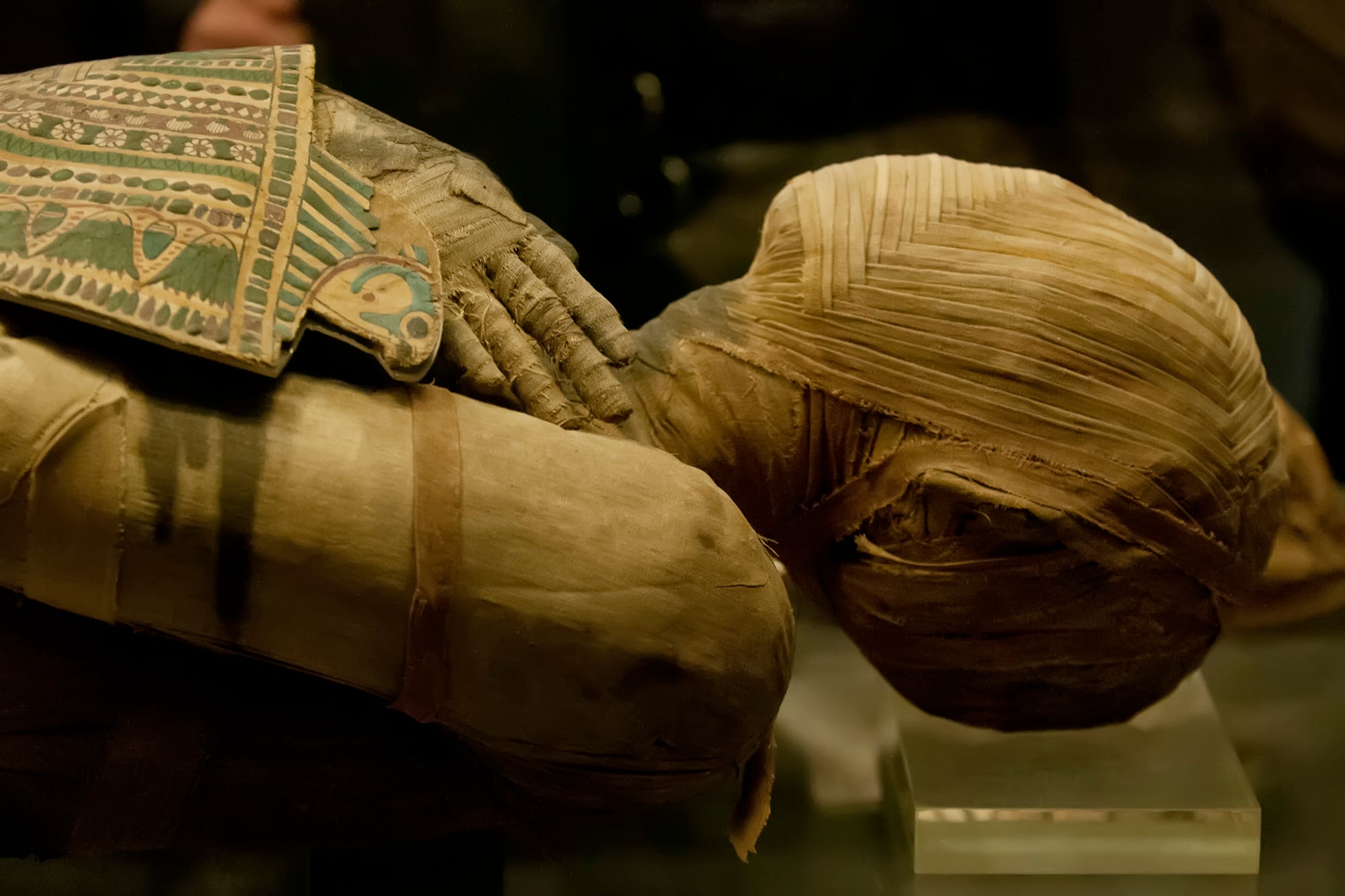
The mummified remains believed to be those of Pharaoh Ramesses I — founder of the 19th Dynasty and grandfather of Ramesses the Great — were purchased by a Canadian entrepreneur in the 1860s and eventually donated to the Niagara Falls Museum in Ontario, where they sat in a display case for 130 years. In 1999, the Michael C. Carlos Museum in Atlanta acquired the collection and, after consulting with Egyptian authorities, confirmed the royal identity.
The mummy was formally returned to Egypt in 2003 in a ceremony at the Cairo Museum.
The Gweagal Shield — Australia’s First Encounter Object
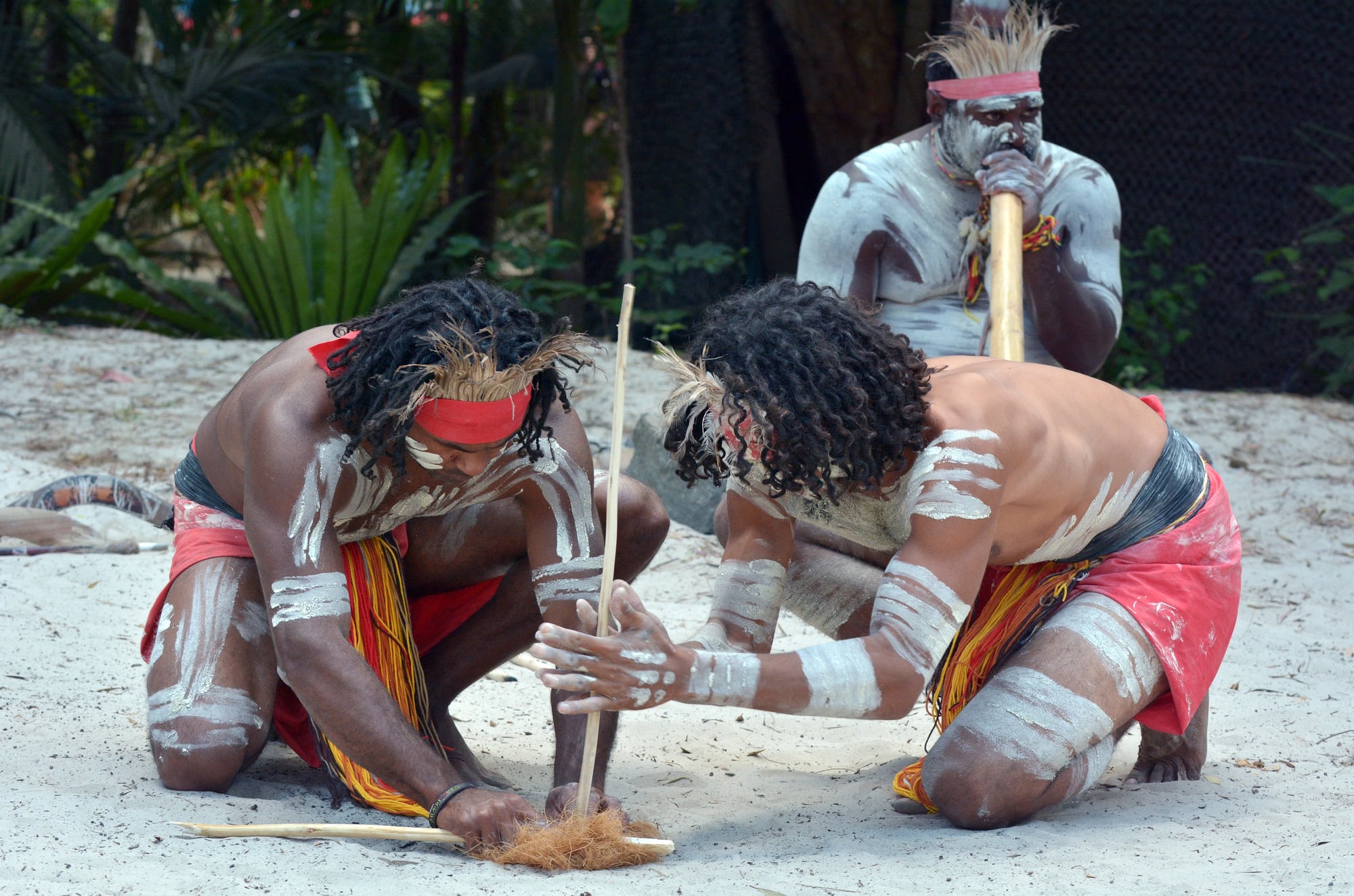
The shield believed to have been carried by the Aboriginal Australian man who first confronted Captain Cook’s landing party at Botany Bay in 1770 was taken by Cook’s crew during that encounter and eventually ended up at the British Museum. Indigenous Australian leaders, including members of the Gweagal community from whom it came, have requested its return as an object of profound spiritual and political significance — representing the moment of first contact and resistance.
The British Museum has acknowledged the claims but has not returned it.
Ashanti Gold Regalia — Ghana’s Royal Treasures In Britain
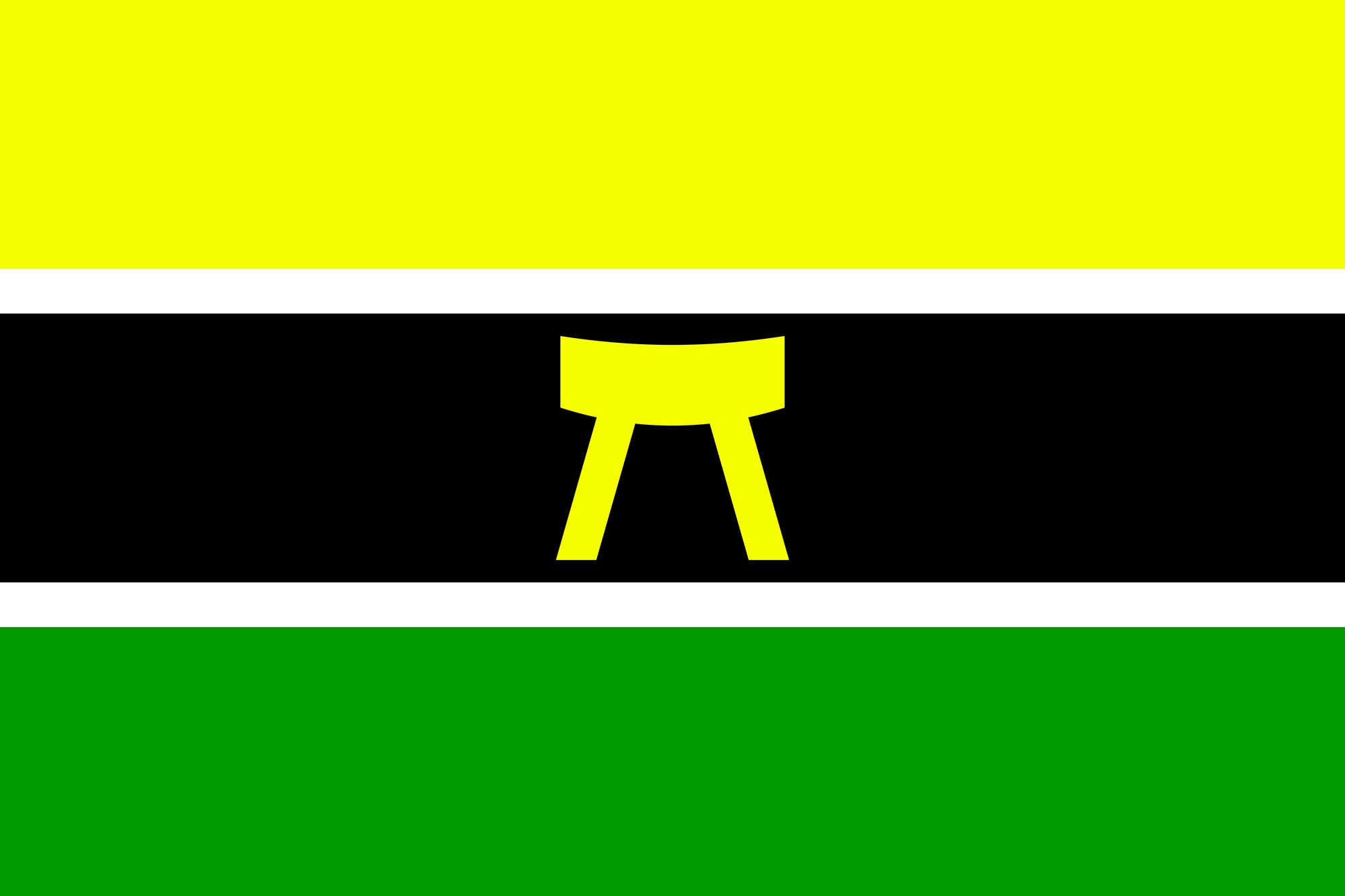
During British military campaigns against the Ashanti Kingdom in the Gold Coast during the late 19th and early 20th centuries, British forces seized significant quantities of royal regalia — gold objects, ceremonial jewelry, and emblems of kingly authority accumulated over generations by the Ashanti royal house. These objects are held by the British Museum, the V&A, and other institutions.
Ghana has requested their return, arguing that the items are inseparable from living Ashanti political culture and royal ceremony rather than merely historical artifacts. In 2023, the British Museum struck a loan deal to send a selection of Ashanti gold to Ghana — a framework some see as a template for resolving similar disputes.
The Cyrus Cylinder — Iran’s Claim On A British Museum Treasure
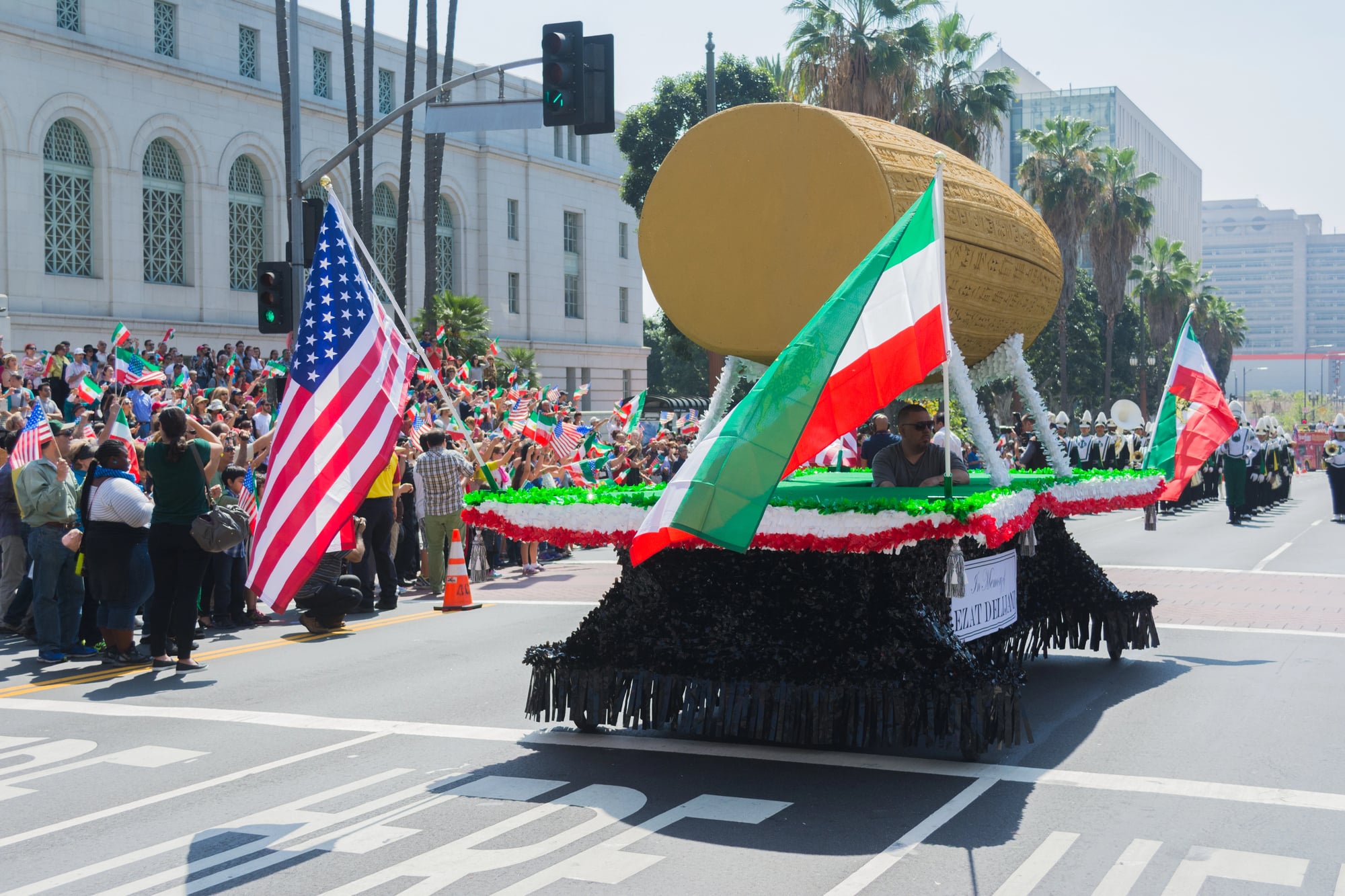
The Cyrus Cylinder is a baked clay document from 539 BCE recording the decrees of Cyrus the Great of Persia, often described as an early statement of human rights principles. Excavated in Babylon in 1879 and held at the British Museum, it has been the subject of Iranian repatriation claims since the mid-20th century.
Iran considers it central to Persian national identity. The British Museum did loan the cylinder to Tehran for a temporary exhibition in 2010, a gesture that was received warmly but did not resolve the underlying ownership question.
The Hobby Lobby Antiquities — Iraq’s Stolen Past In Craft Stores

Between 2009 and 2011, the American retail craft chain Hobby Lobby purchased thousands of ancient Mesopotamian cuneiform tablets, cylinder seals, and clay artifacts, many of which had been looted from Iraqi archaeological sites following the 1991 Gulf War and subsequent conflicts. A 2017 US Department of Justice investigation found that the artifacts had been smuggled into the United States through falsified shipping documents.
Hobby Lobby agreed to pay a $3 million fine and forfeit approximately 5,500 artifacts to Iraq — one of the largest artifact forfeiture cases in American history.
The Elmalı Coins — Turkey Vs. The Boston Museum Of Fine Arts

A hoard of ancient Greek silver coins, including extremely rare Athenian decadrachms and Lycian pieces, was illegally excavated near the town of Elmalı in southwestern Turkey in the early 1980s and sold to dealers who moved them out of the country. Many ended up at the Boston Museum of Fine Arts.
Turkish journalist Özgen Acar, who had previously led the campaign to recover the Lydian Hoard, investigated and documented the coins’ origins. Following legal negotiations, the Boston museum returned a significant portion of the coins to Turkey in the 1990s.
The Venus De Milo’s Arm — Greece’s Forgotten Fragment

The Venus de Milo, the iconic marble statue now at the Louvre, arrived in France in 1820 in a transaction of disputed legality — purchased from a Greek farmer on Milos shortly before the island’s Ottoman administrators could intervene. A fragment believed to be the statue’s left hand and arm, holding an apple, was found at the same time but became separated from the statue during a scuffle at the harbor between French and Ottoman representatives.
The fragment ended up at the Louvre separately; Greece has periodically raised the question of repatriation for the statue and its associated pieces, though this case receives far less attention than the Parthenon marbles.
Geronimo’s Skull — The Yale Skull And Bones Controversy

Geronimo, the Apache leader who resisted American expansion in the Southwest until his surrender in 1886, died in 1909 at Fort Sill, Oklahoma, and was buried there. A 1986 lawsuit filed by his descendants alleged that members of Yale University’s Skull and Bones secret society had dug up his skull during the First World War and installed it as a trophy in their New Haven tomb.
While Yale denied ever possessing the skull and no physical evidence was produced in court, the dispute drew attention to the broader issue of Native American remains held in American university and museum collections. Under the Native American Graves Protection and Repatriation Act of 1990, institutions receiving federal funding are required to return such remains to descendant communities upon request.
The Mosul Museum Artifacts — ISIS And The Deliberate Destruction

In 2015, Islamic State militants released footage of themselves destroying artifacts in the Mosul Museum in Iraq, including Assyrian statues and reliefs from the ancient sites of Nineveh and Nimrud. While many objects were destroyed, others were smuggled out and appeared subsequently in international auction houses and private collections.
The investigation that followed identified artifacts from Mosul appearing in major markets in Europe and the United States within months of the destruction. Numerous pieces have since been seized and repatriated to Iraq, with the smuggling network linking Islamic State territory to Western buyers sparking criminal prosecutions in multiple countries.
Nok Terracottas — Nigeria’s Vanishing Archaeological Heritage
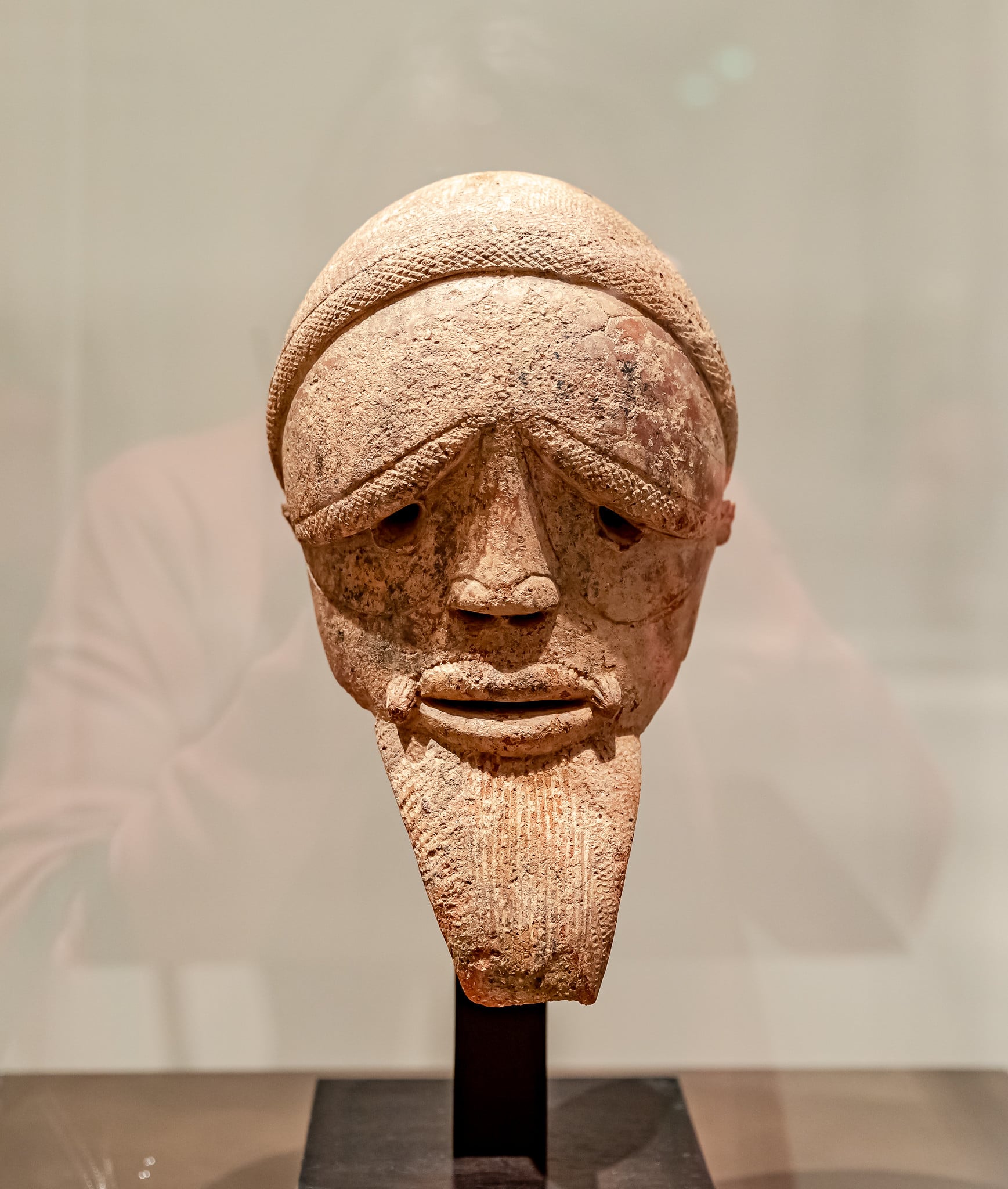
The Nok culture of central Nigeria, dating from roughly 1500 BCE to 500 CE, produced some of the oldest fired terracotta sculptures in sub-Saharan Africa. From the 1950s onward, commercial looters systematically stripped Nok archaeological sites, and thousands of figurines entered the international art market without provenance documentation.
France, Germany, and the United States held significant quantities in private and museum collections. Nigeria has been working to recover them since the 1990s, and France reached an agreement in 2013 to return a collection of Nok pieces seized from a Paris dealer.
Maori Ancestral Heads — France And The Te Papa Museum
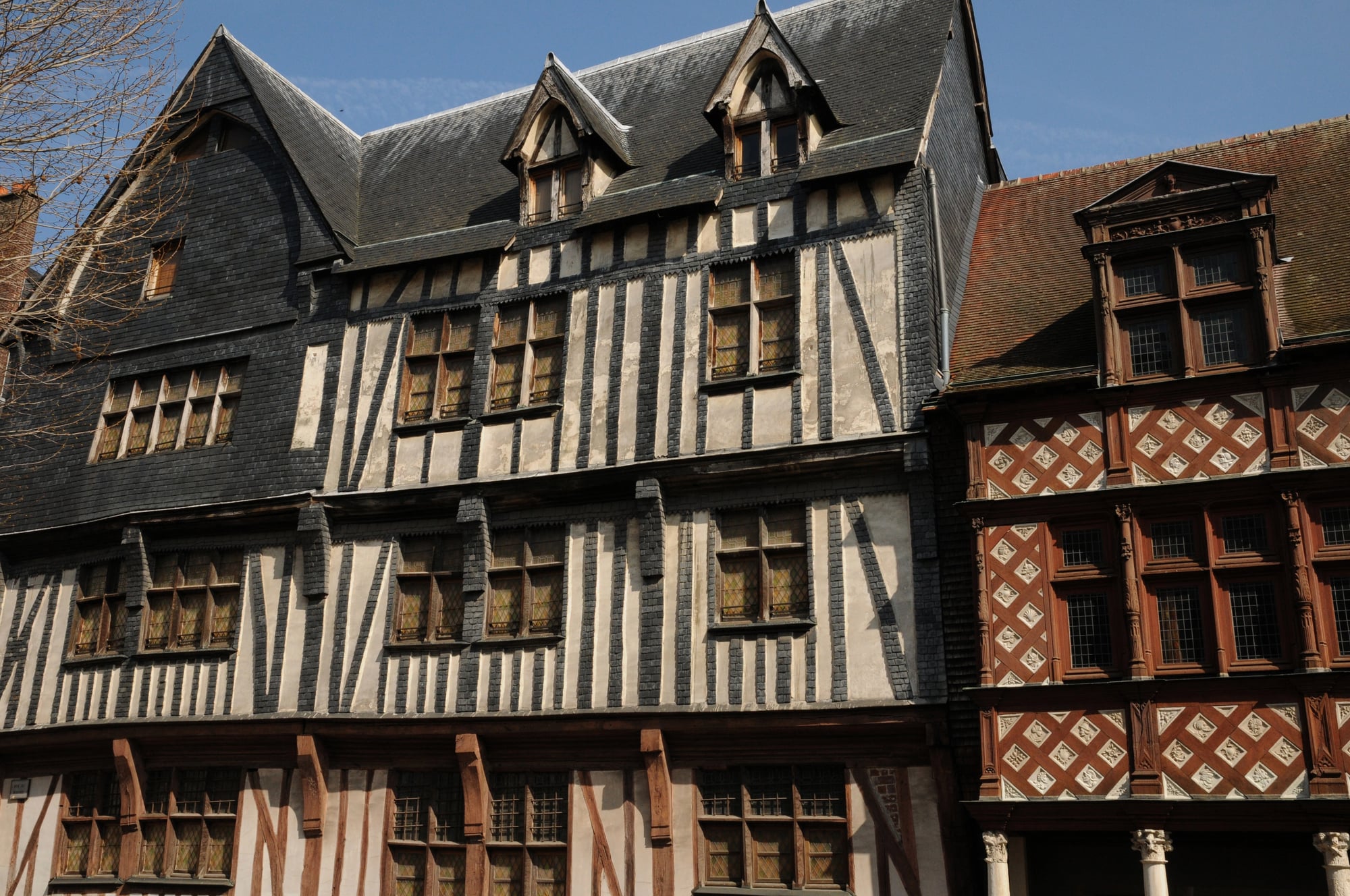
Preserved tattooed Maori heads, known as toi moko, were traded extensively with European visitors and collectors in the 18th and 19th centuries and ended up in museums across France and other European countries. The Museum of Rouen sparked an international incident in 2011 when it initially refused to return a toi moko to New Zealand’s Te Papa museum, citing a French law that prevented state institutions from deaccessioning their collections.
A special legislative act was eventually required to allow its return. France subsequently passed broader legislation in 2022 permitting the return of colonial-era remains held in French public collections.
The Warka Vase — Iraq’s Looted Treasures After 2003
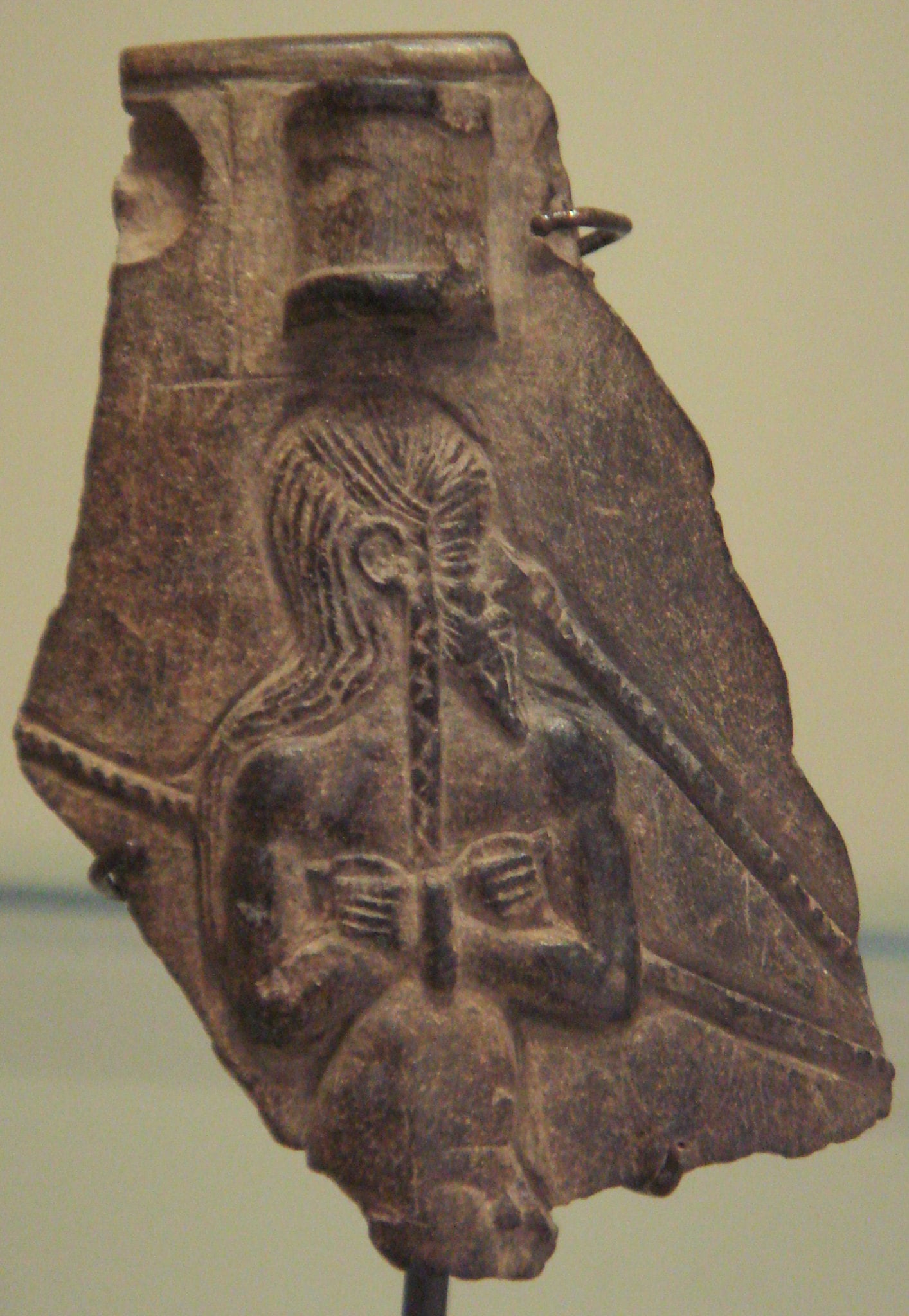
The Warka Vase, a carved alabaster ritual vessel from ancient Uruk dating to approximately 3000 BCE, is one of the earliest known works of narrative art. It was held at the Iraq Museum in Baghdad until 2003, when it was among the thousands of objects looted during and after the US-led invasion.
The vase was recovered in September 2003 when an unknown individual brought it to American forces — broken into 14 pieces and wrapped in a blanket — in exchange for a promise of leniency. It has since been repaired and returned to the Iraq Museum.
The Quedlinburg Church Treasures — A Texas Living Room And Germany’s Medieval Heritage

In 1945, American soldier Joe Tom Meador stole a collection of medieval relics from a Quedlinburg church in Germany, where they had been stored in a potassium mine for safekeeping. The collection included 9th-century illuminated manuscripts, gold and silver reliquaries, and a rock crystal vial.
Meador brought the objects to his family home in Whitewright, Texas, where they sat in a box for decades. After Meador’s death in 1980, his siblings sold pieces through dealers, triggering an international investigation.
Germany eventually paid $3 million to recover most of the collection in the early 1990s; the individuals who facilitated the sales faced criminal charges.
The Chola Bronze Idols — India’s Stolen Temple Sculptures

Several bronze sculptures from the Chola period (9th to 13th centuries CE), including representations of Hindu deities from temples in Tamil Nadu, were stolen from Indian temples and illegally exported to the United States during the 2000s. A 2006 investigation traced multiple idols to American dealers and collectors, including pieces that had passed through the hands of Subhash Kapoor — who ran an antique gallery in New York and was arrested in Germany in 2011 on charges of trafficking in stolen Indian art.
India has since recovered hundreds of pieces, and Kapoor was eventually convicted in Indian courts.
The Parthenon Column Drums — Small Pieces, Large Principle
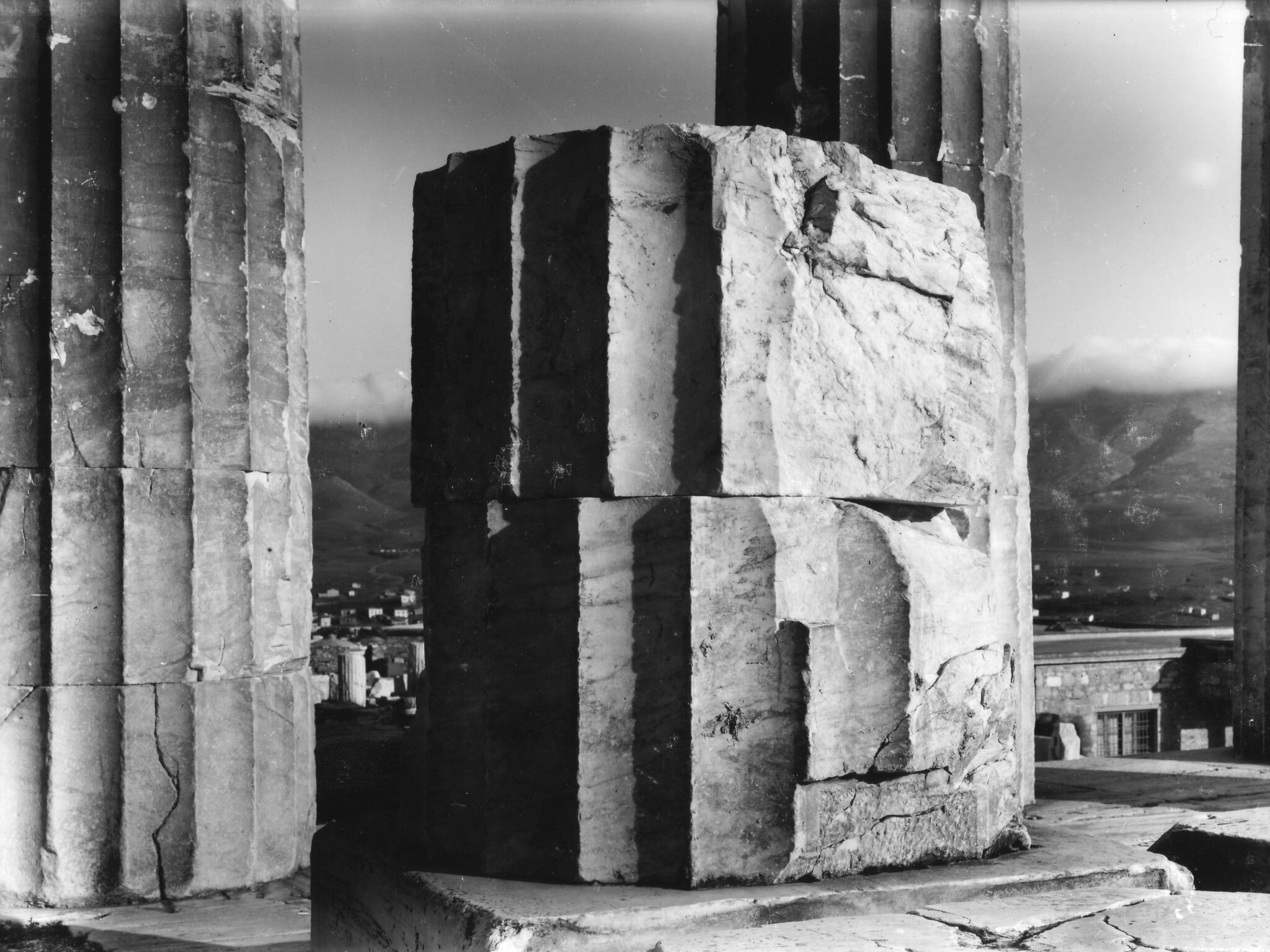
Beyond the Elgin Marbles in the British Museum, sections of the Parthenon’s architectural stonework — including fragments of column drums — are held in collections across Europe, from Copenhagen to Vienna. Greece’s repatriation campaign covers all of these pieces, not just those in London.
The Greek government has argued that reuniting the Parthenon collection is not merely a question of national pride but of restoring the architectural logic of a single, unified monument that was designed as a whole. The current Acropolis Museum in Athens was built specifically to house a reunified Parthenon collection, with a gallery left deliberately incomplete pending repatriation.
The Severed Hand Of The Marquesas — Pacific Objects In French Collections
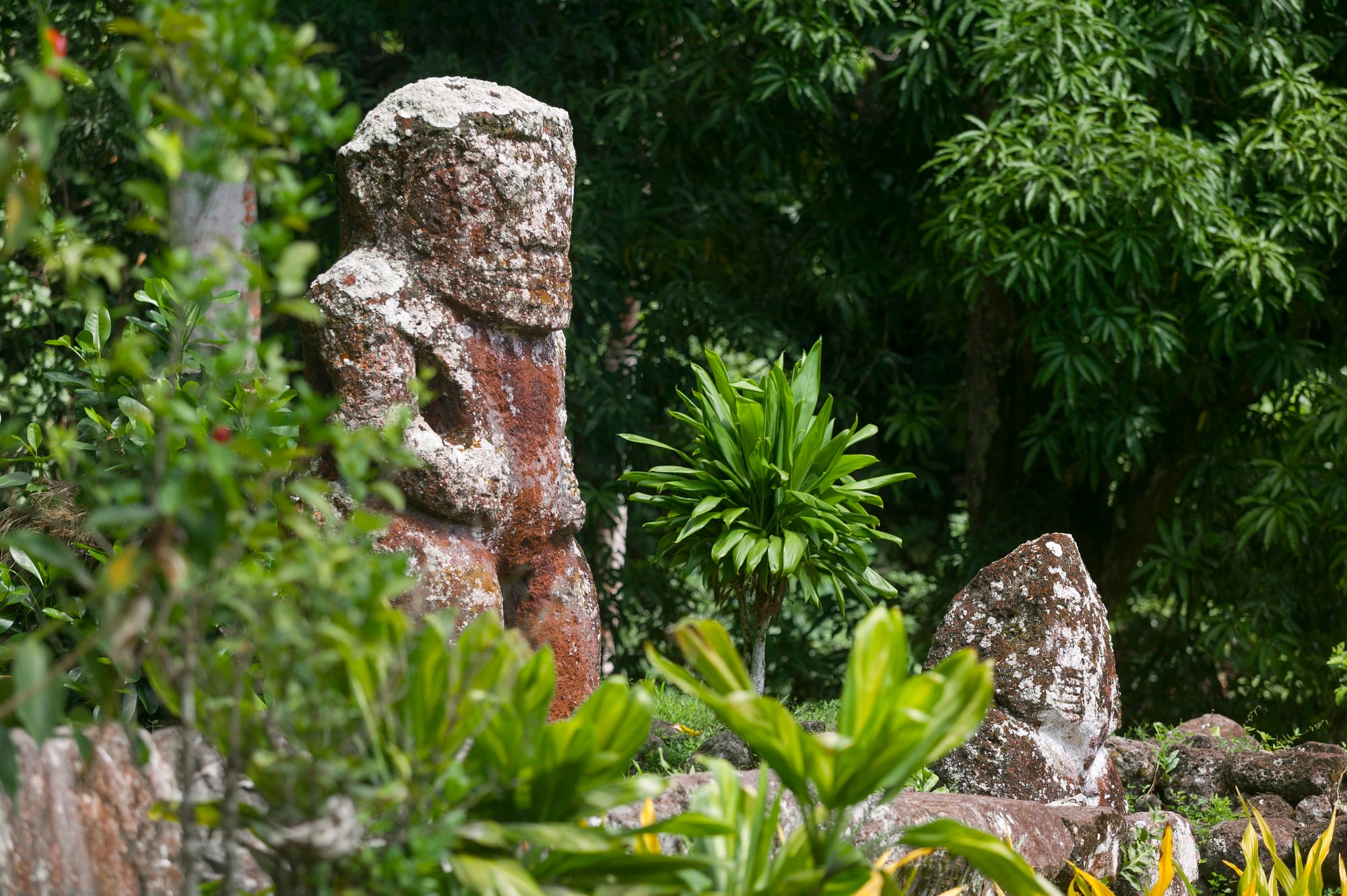
Marquesas Islands artifacts — including carved tikis, war clubs, and human remains — were collected by French explorers and missionaries during the 19th century and eventually deposited in the Musée du quai Branly in Paris and other French institutions. The islands, part of French Polynesia, have requested the return of ancestral remains and spiritually significant objects, but French law has historically prevented state institutions from relinquishing collection items.
The 2022 legislative reform concerning colonial-era remains extended some limited pathways for repatriation, though the process remains slow.
The Ramesseum Papyri — Egypt And The British Museums
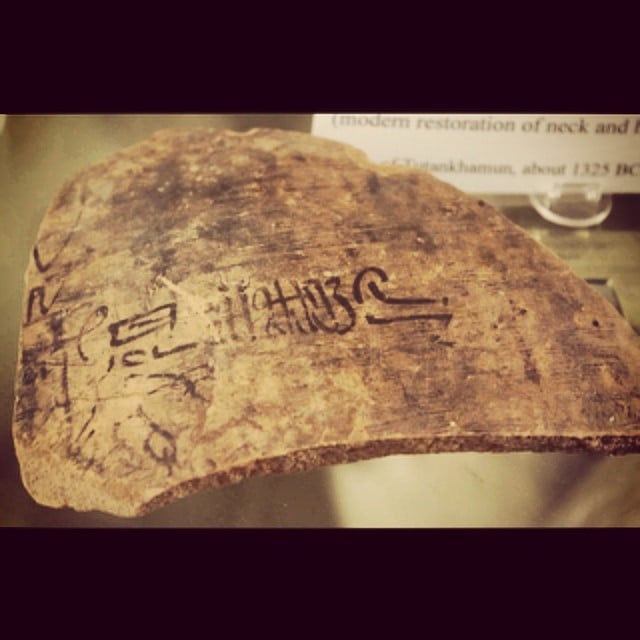
A collection of hieratic papyri discovered at the mortuary temple of Ramesses II at the Ramesseum in Luxor around 1820 was dispersed between the British Museum and other European collections. The texts include medical, literary, and magical material from the Middle Kingdom period, making them significant for Egyptology and for Egypt’s sense of its own intellectual heritage.
Egypt’s ongoing campaign for the return of papyri scattered across European institutions is part of a broader effort to consolidate textual heritage that was removed during the colonial period under conditions that would not withstand modern scrutiny.
The Lapis Niger Inscription — Rome Keeps Its Own Contested Past
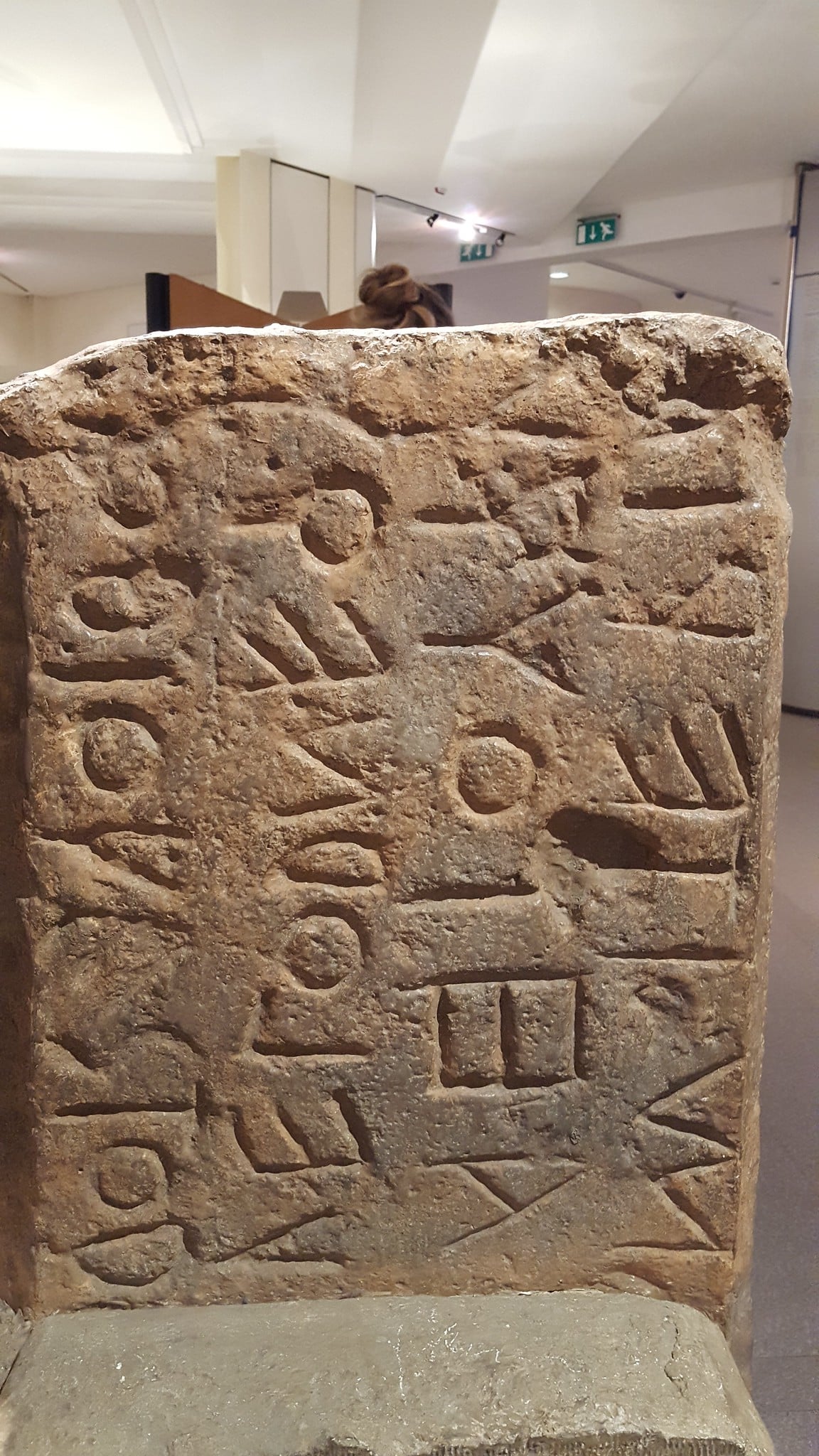
The Lapis Niger, a black marble shrine in the Roman Forum inscribed in archaic Latin from perhaps the 6th century BCE, is not a case of international smuggling but of internal suppression: ancient Roman authorities deliberately buried the sacred area, and it remained underground for two millennia until excavations in 1899 brought it back to the surface. What makes it notable in the context of repatriation debates is that it serves as a reminder that the conflict between preservation and accessibility is not uniquely colonial — even Rome buried its inconvenient pasts.
The Objects No Law Can Currently Return
The diplomatic and legal architecture governing cultural property repatriation is built on two foundation dates: the 1970 UNESCO Convention on the Means of Prohibiting the Illicit Import, Export and Transfer of Ownership of Cultural Property, and the 1995 UNIDROIT Convention on Stolen or Illegally Exported Cultural Objects. Neither applies retroactively.
Every object removed before 1970 — the Rosetta Stone, the Parthenon sculptures, the Benin Bronzes, the Obelisk of Axum before it was returned — falls outside the legal reach of these frameworks. Countries pursuing repatriation of colonial-era objects must rely entirely on diplomacy, moral argument, and the willingness of holding institutions to act outside the law’s requirements.
That some objects have been returned under these conditions is remarkable; that most have not is unsurprising.
The Case That Changes Everything

The disputes catalogued here are not simply arguments over objects. They are arguments over who controls the physical evidence of human history, and whether the circumstances under which that evidence was acquired are relevant to who holds it now.
The British Museum’s standard response — that it acts as a “universal museum” preserving artifacts for all of humanity — is not wrong on its face, but it sidesteps the question of why humanity’s past is disproportionately concentrated in a handful of northern European cities. Each returned object, from the Lydian Hoard in Turkey to the Obelisk of Axum in Ethiopia, has demonstrated that repatriation is logistically possible.
What remains contested is whether it is politically inevitable.
More from Go2Tutors!

- The Romanov Crown Jewels and Their Tragic Fate
- 13 Historical Mysteries That Science Still Can’t Solve
- Famous Hoaxes That Fooled the World for Years
- 15 Child Stars with Tragic Adult Lives
- 16 Famous Jewelry Pieces in History
Like Go2Tutors’s content? Follow us on MSN.