Surprising Truths About Earth’s Water Supply
Water covers most of our planet’s surface, making Earth look like a blue marble from space. Yet most people don’t realize how little of this water humans can actually use.
The vast oceans, frozen ice caps, and hidden underground reserves tell a complex story about our planet’s most precious resource. Some facts about Earth’s water might surprise anyone who’s never looked beyond the surface.
From ancient water trapped deep underground to the constant cycle that brings the same water back again and again, our planet’s water system works in ways that seem almost unbelievable. Ready to dive into some eye-opening facts about the water that surrounds us every day?These truths might change how anyone thinks about turning on the tap.
Most of Earth’s water is completely unusable for humans

Earth holds about 1.4 billion cubic kilometers of water, but humans can only use a tiny fraction of it. Over 97% sits in the oceans as salt water that requires expensive treatment to drink.
The remaining 3% is fresh water, but most of that stays locked in ice caps and glaciers. Only about 0.007% of all Earth’s water is accessible fresh water that people can actually use.
This small amount must supply drinking water, agriculture, and industry for nearly 8 billion people.
Underground water supplies far exceed all surface water combined
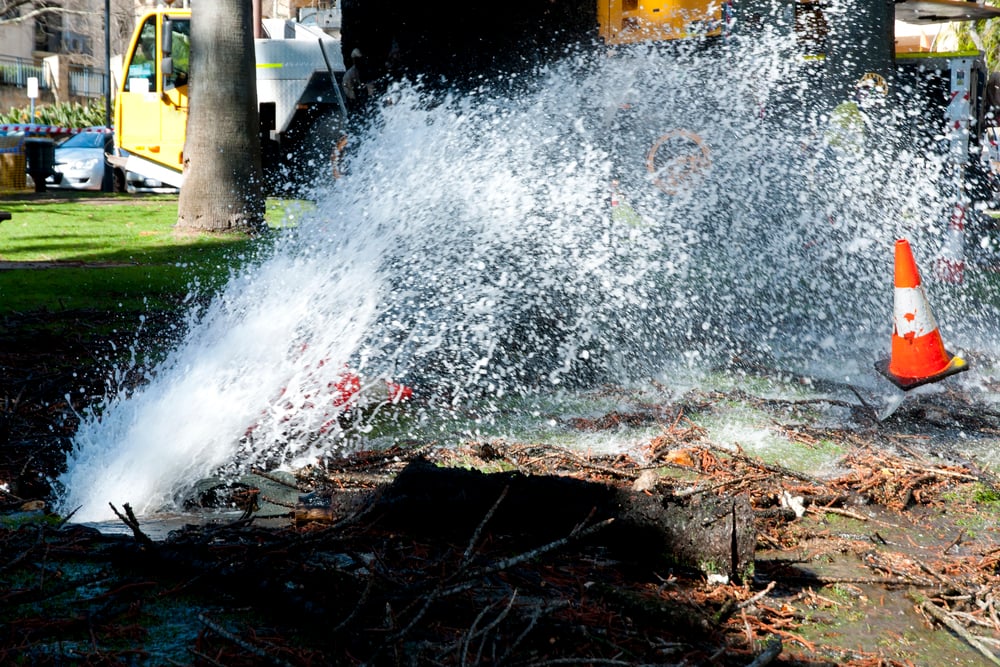
Hidden beneath the ground lies much more fresh water than exists in all the world’s rivers and lakes put together. These underground water sources, called aquifers, hold about 30 times more fresh water than surface sources.
Some of these underground reserves took thousands of years to fill up and don’t refill quickly when people pump them out. The Ogallala Aquifer under the American Great Plains contains water that accumulated over millions of years.
Many countries depend heavily on these underground supplies, but they’re using them faster than nature can replace them.
Antarctica holds most of the world’s fresh water
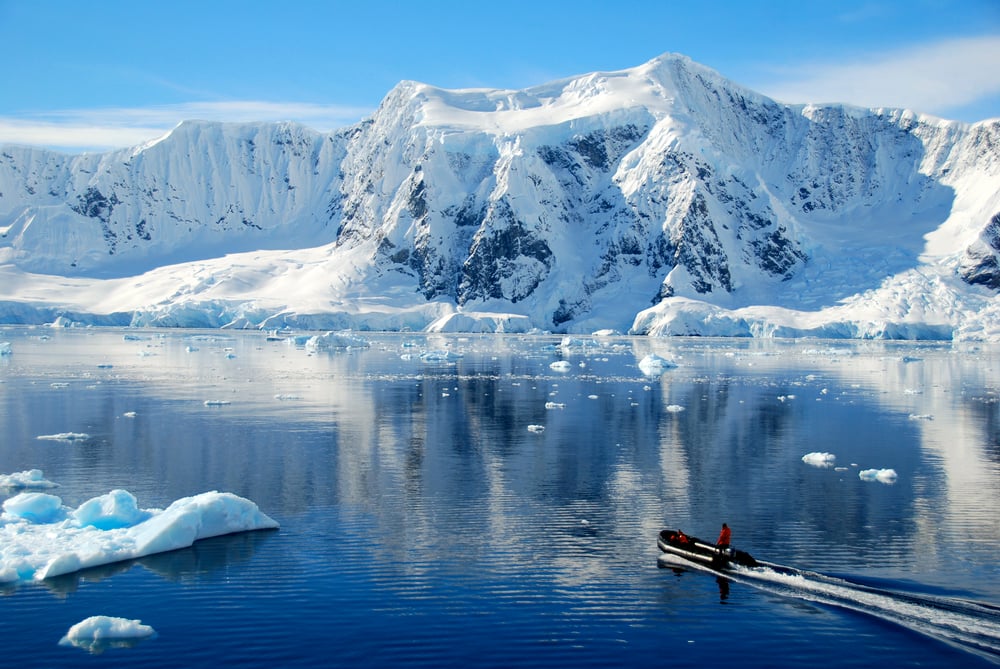
The frozen continent at the bottom of the world contains about 70% of all fresh water on Earth. This ice represents roughly 90% of the world’s ice and about 60% of the world’s fresh water supply.
If all of Antarctica’s ice melted, sea levels would rise by about 200 feet, completely changing the world’s coastlines. The ice sheet averages over a mile thick and reaches nearly 3 miles thick in some places.
Scientists study ice cores from Antarctica to learn about Earth’s climate history going back hundreds of thousands of years.
Some water on Earth is older than the sun
Scientists have discovered that some water molecules on our planet formed in space before the solar system even existed. These ancient water molecules traveled through interstellar space and eventually became part of Earth during its formation.
Comets and asteroids that hit early Earth brought water from the far reaches of space. This means some of the water in today’s oceans predates the sun by millions of years.
The deuterium levels in Earth’s water help scientists trace which water came from different sources in space.
Ocean water contains enough gold to make everyone rich
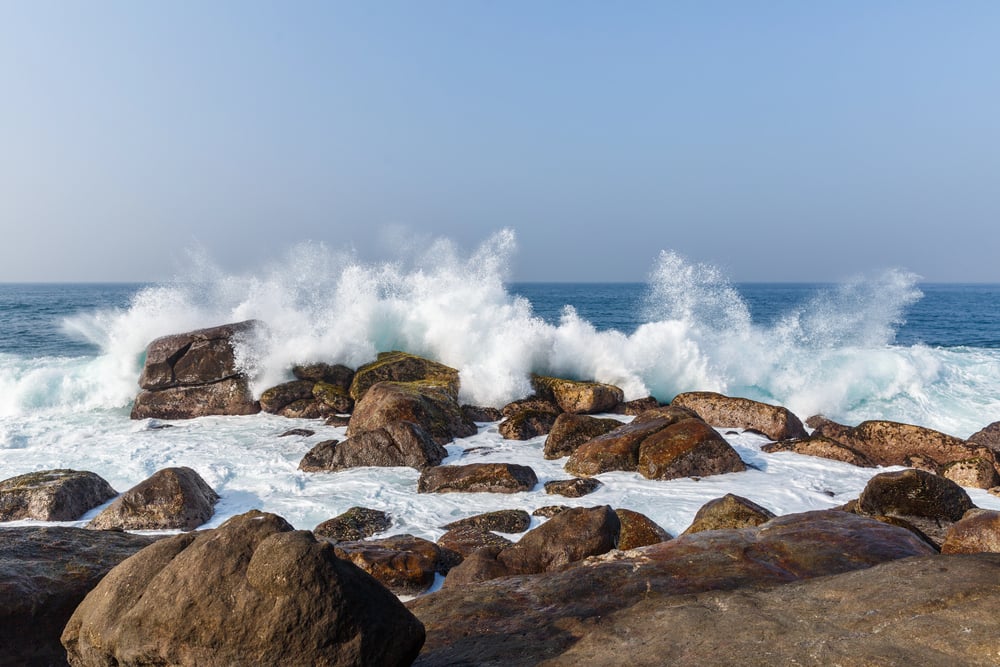
The world’s oceans hold an estimated 20 million tons of dissolved gold, worth trillions of dollars at current prices. This gold spreads so thinly throughout the water that extracting it costs more than the gold is worth.
Every cubic mile of seawater contains about 25 tons of gold along with billions of tons of other dissolved minerals. The ocean also contains vast amounts of silver, copper, and other valuable metals.
Several companies have tried to develop profitable ways to extract these riches, but none have succeeded yet.
Rivers make up less than 0.0001% of all Earth’s water
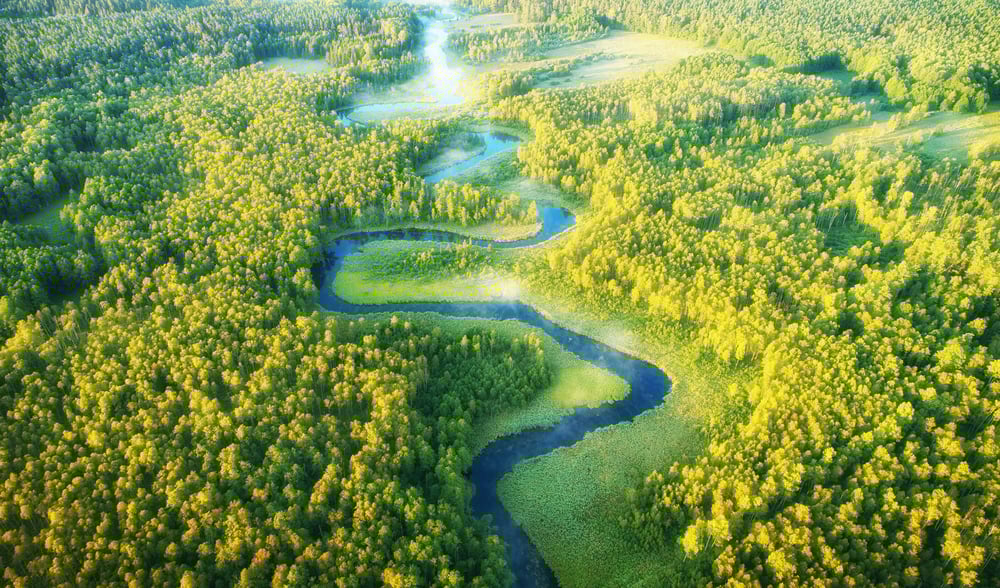
All the world’s rivers combined hold an incredibly small fraction of Earth’s total water supply. These flowing bodies of water that seem so important to human civilization represent just a tiny sliver of the global water picture.
The Amazon River, the largest river system on Earth, carries about 20% of all river water to the sea. Yet even the Amazon contains less water than some individual underground aquifers.
Rivers serve as crucial highways for the water cycle, constantly moving water from land back to the oceans.
Some desert regions sit on top of huge water reserves

The Sahara Desert, one of the driest places on Earth, sits above several massive underground water systems. These aquifers contain water that accumulated thousands of years ago when the region had a much wetter climate.
Libya has been pumping this ancient water for decades through an enormous system of pipes called the Great Man-Made River. Similar hidden water reserves exist under other desert regions around the world.
However, this fossil water doesn’t refill under current climate conditions, making it a limited resource.
Ice covers only 10% of Earth’s surface but holds most fresh water
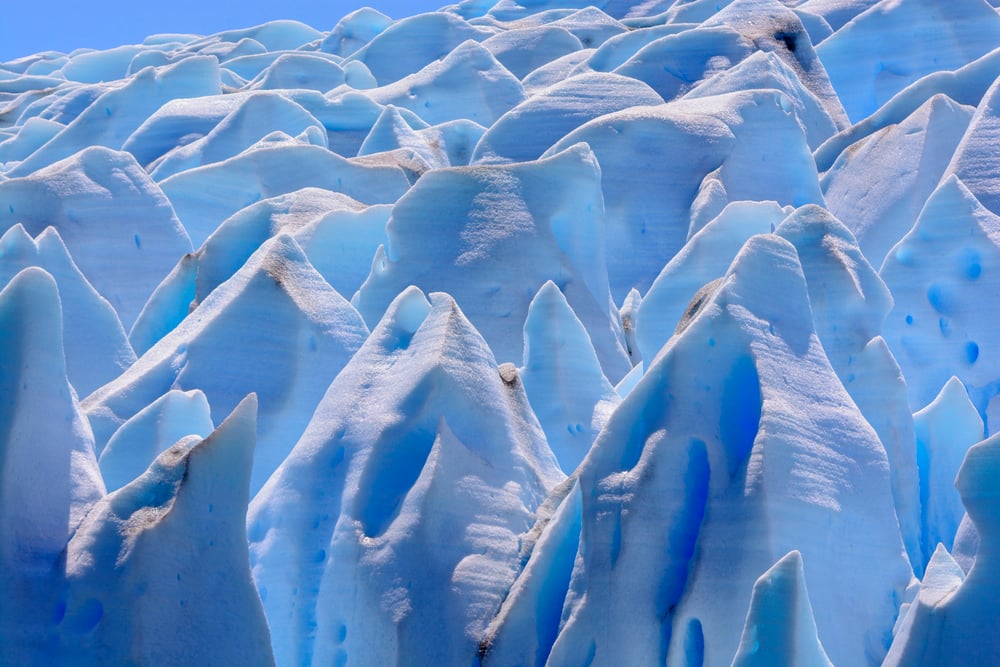
While ice seems rare compared to liquid water, frozen water actually stores most of the fresh water that humans could potentially use. Ice sheets, glaciers, and permanent snow cover about 10% of land surfaces but contain nearly 70% of all fresh water.
The Greenland ice sheet alone holds enough water to raise sea levels by about 20 feet if it completely melted. Mountain glaciers provide fresh water to billions of people through rivers that start in icy highlands.
Climate change is shrinking many of these ice reserves, affecting water supplies for communities downstream.
Clouds hold surprisingly little water despite their size

Those massive clouds that seem to dominate the sky actually contain very little water compared to other parts of the water cycle. A typical cumulus cloud holds about the same amount of water as a large swimming pool, despite looking enormous from the ground.
All the water vapor in the entire atmosphere equals only about 10 days’ worth of precipitation across the whole planet. This means atmospheric water cycles through very quickly, with most water spending only about 9 days in the air before falling back down.
The rapid turnover keeps fresh water moving constantly between sky and ground.
Some lakes are actually leftovers from ancient seas
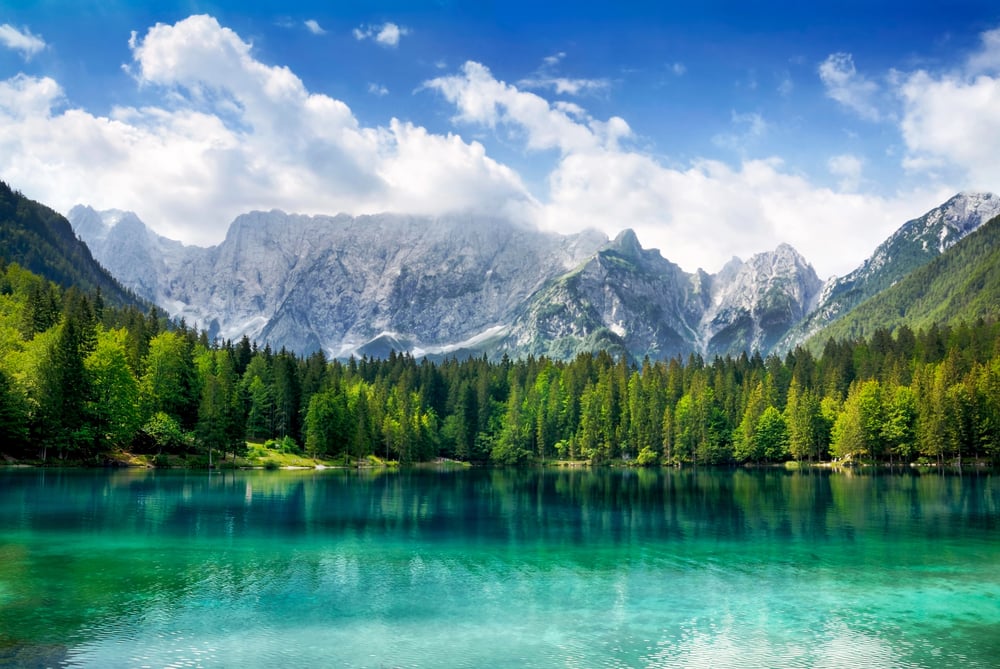
Many of today’s salt lakes are remnants of much larger bodies of water that existed thousands or millions of years ago. The Great Salt Lake in Utah is what remains of Lake Bonneville, which once covered much of the western United States.
As these ancient lakes dried up, they left behind concentrated salt and minerals. The Caspian Sea, the world’s largest lake, is actually a remnant of an ancient ocean that became landlocked.
These leftover water bodies often have unique chemistry and support unusual forms of life adapted to high salt levels.
Plants move more water than most rivers

Trees and other plants transport enormous amounts of water from soil to air through their leaves. A single large oak tree can move over 40,000 gallons of water from ground to atmosphere in one year.
Forests act like giant pumps, pulling water up from deep in the soil and releasing it into the air. The Amazon rainforest moves so much water that it creates its own weather patterns and rainfall.
This plant-powered water movement, called transpiration, plays a huge role in regional and global weather systems.
The human body processes more water daily than most people realize

Every person’s body processes about 40,000 glasses of water each day through various internal systems. The kidneys alone filter about 45 gallons of fluid daily, though they only produce about 1.5 quarts of urine.
Blood plasma gets completely recycled through the kidneys about 60 times per day. The digestive system adds about 2 gallons of various fluids to help break down food.
Most of this internal water gets reabsorbed and reused, but the body still needs constant replacement through drinking and eating.
Glacial ice makes some of the purest water on Earth

Ice that formed thousands of years ago in glaciers often contains fewer pollutants than most modern water sources. This ancient ice formed before industrial pollution and contains only natural atmospheric particles from its time period.
Some companies now harvest glacial ice to make premium drinking water, though this practice raises environmental concerns. Glacial ice also preserves a record of past atmospheric conditions, including volcanic eruptions and climate changes.
Scientists study bubbles trapped in old ice to understand what Earth’s atmosphere was like hundreds of thousands of years ago.
Underwater rivers flow beneath the ocean floor

Scientists have discovered flowing water systems beneath the seafloor that work like underground rivers on land. These submarine groundwater systems can extend for hundreds of miles under the ocean bottom.
Fresh water from land sometimes flows under the sea for great distances before mixing with salt water. Some coastal areas receive fresh water from springs that emerge on the ocean floor miles from shore.
These hidden water highways affect ocean chemistry and provide nutrients that support marine life in unexpected places.
Water connects every living thing across time

The same water that flows through rivers today once supported ancient civilizations, filled prehistoric seas, and continues the endless cycle that makes all life possible. Every living creature depends on this recycled resource that has traveled through countless other organisms over billions of years.
Modern technology lets humans track and manage water better than ever before, but the basic challenges remain the same as they were for our ancestors. Understanding these surprising truths about Earth’s water supply helps people appreciate both its abundance and its limits.
The next time anyone turns on a tap or watches rain fall, they’re witnessing part of the most important story on our planet.
More from Go2Tutors!

- The Romanov Crown Jewels and Their Tragic Fate
- 13 Historical Mysteries That Science Still Can’t Solve
- Famous Hoaxes That Fooled the World for Years
- 15 Child Stars with Tragic Adult Lives
- 16 Famous Jewelry Pieces in History
Like Go2Tutors’s content? Follow us on MSN.



