28 Sitcoms from the ’90s Worth Rewatching
Network television in the 1990s still had the power to empty the streets on a Thursday night. Families planned dinner around a 30-minute block, and the next morning the office, the classroom and the school bus all ran on the same jokes.
Plenty of those shows have aged unevenly, but a good number hold up better than anyone expected. Some were giant hits, some were cult favorites that got canceled too soon, and a few quietly changed what a sitcom was allowed to do.
Seinfeld and Its Famous Nothing
Seinfeld ran on NBC from 1989 to 1998 and earned its reputation as a show about nothing, a label it cheerfully used about itself inside a storyline. Its writers built episodes out of parking spaces, soup lines and a lost car in a mall garage, then tied every thread together in the final minutes.
Kramer was loosely based on Kenny Kramer, a real neighbor of co-creator Larry David, who later ran a bus tour of the show’s New York landmarks. The finale in May 1998 drew roughly 76 million viewers.
Rewatching it now reveals how tightly plotted the chaos really was.
Friends at Central Perk

Friends premiered on NBC in September 1994 and ran for ten seasons, ending in May 2004. Six young New Yorkers spent an improbable amount of time on one orange couch in a coffee shop called Central Perk, and audiences never seemed to mind.
The Rembrandts’ theme song, with its handclaps, climbed radio charts on its own. By the final season, each of the six leads was widely reported to be earning 1 million dollars an episode.
The finale pulled in about 52.5 million viewers, and the show found a second huge audience among teenagers who discovered it on streaming decades later.
Frasier and a Dog Named Moose

Frasier spun off from Cheers in 1993 and moved Kelsey Grammer’s pompous psychiatrist from Boston to a Seattle radio booth. It ran 11 seasons and won 37 Emmy Awards, including five straight wins for Outstanding Comedy Series from 1994 through 1998.
The farce episodes, built on misunderstandings and slammed doors, play like stage comedies. Eddie, the Jack Russell terrier who stared down Frasier for years, was played by a dog named Moose, and the cast often joked that he received more fan mail than any of them.
A revival arrived on Paramount+ in 2023, though the original remains the version people return to.
Fresh Prince of Bel-Air and a Rapper in Debt

The Fresh Prince of Bel-Air ran on NBC from 1990 to 1996 and turned Will Smith from a Grammy-winning rapper into a television star. Smith has said he took the role partly because he owed the IRS millions of dollars in back taxes, and that much of his early pay was garnished to cover the debt.
The show mixed broad comedy with sharper moments, including the episode where Will’s father abandons him again. Janet Hubert played Aunt Viv for three seasons before Daphne Maxwell Reid took over in 1993, a recast the show later joked about.
Hubert and Smith publicly reconciled during a 2020 reunion special.
Everybody Loves Raymond on Long Island

Everybody Loves Raymond ran on CBS from 1996 to 2005 and built nine seasons around a sportswriter whose parents lived directly across the street. Ray Romano drew on his own family for much of the material, and the writers often pulled storylines from arguments in their own homes.
Doris Roberts and Peter Boyle played Marie and Frank Barone, parents who walked in without knocking and never really left. The series won the Emmy for Outstanding Comedy Series in 2003 and again in 2005.
Its domestic squabbles over holiday gifts, lasagna and in-law visits have aged well because almost every family has had a version of them.
Larry Sanders Behind the Desk
Garry Shandling played a neurotic late-night host on The Larry Sanders Show, which aired on HBO from 1992 to 1998. It was shot without a laugh track and cut between the polished talk show and the anxious backstage scramble that produced it.
Real celebrities played warped versions of themselves, which later became a standard device for cable comedies. Rip Torn won an Emmy in 1996 as Artie, the producer who protected Larry from everyone, including himself.
Jeffrey Tambor’s sidekick, Hank Kingsley, turned “Hey now” into a catchphrase. Plenty of later single-camera comedies borrowed its awkward, uncomfortable rhythm.
NewsRadio and a Loss It Never Recovered From

NewsRadio ran on NBC from 1995 to 1999 and followed the staff of WNYX, a fictional all-news AM station in New York. Dave Foley played the decent, harried news director, and Phil Hartman stole nearly every scene as Bill McNeal, a vain anchor with no self-awareness.
Hartman was killed in May 1998, and the show opened its fifth season with an episode about the staff grieving their colleague. Jon Lovitz, Hartman’s longtime friend from Saturday Night Live, joined the cast as a new anchor.
The series never had big ratings, but its quick, absurd dialogue has kept a devoted following.
Home Improvement and the Neighbor Behind the Fence

Home Improvement aired on ABC from 1991 to 1999 and starred Tim Allen as Tim Taylor, host of a cable show called Tool Time. Most episodes ended with something exploding, collapsing or catching fire, usually because Tim wanted more power.
Wilson, the wise next-door neighbor played by Earl Hindman, was never fully shown, and the camera hid his face behind the fence, plants or props for eight seasons. Pamela Anderson played Lisa, the first Tool Time assistant, before leaving for Baywatch.
At its peak in the mid-1990s, the show ranked among the most-watched programs on American television.
Martin and Its Many Faces

Martin ran on Fox from 1992 to 1997 and starred Martin Lawrence as a brash Detroit radio host at the fictional station WZUP. Lawrence also played a long list of side characters under heavy makeup, including his own mother, a neighbor named Sheneneh and a security guard named Otis.
Tisha Campbell played Gina, his girlfriend and later fiancee, and the chemistry between them carried the show’s sillier stretches. Episodes often turned into near sketch comedy, with Lawrence riffing in character.
Lines from the show still circulate widely online, which has introduced it to viewers who were not born when it aired.
Living Single in a Brooklyn Brownstone

Living Single aired on Fox from 1993 to 1998 and followed six friends in their twenties sharing a Brooklyn brownstone and its stoop. Queen Latifah played Khadijah James, the editor of a small magazine called Flavor, and creator Yvette Lee Bowser built the show around Black professionals chasing careers and romance.
It premiered a year before Friends, and the similarities between the two have been noted for decades. The cast was sharp, the banter was quick, and Kim Fields and Erika Alexander had some of the best lines.
Fans have long argued it never got the credit it deserved.
Family Matters and the Neighbor Who Took Over
Family Matters launched on ABC in 1989 as a spinoff of Perfect Strangers about the Winslow family, a Chicago police officer’s household. Steve Urkel, a nasal, suspender-wearing neighbor played by Jaleel White, first appeared in the first season as a one-time guest.
Audiences loved him so much that he became a regular and soon the center of the show. Later seasons got stranger, adding a transformation chamber that turned Urkel into a smooth alter ego named Stefan Urquelle.
The series moved to CBS for its final season in 1997 and ended in 1998 after nine years.
Boy Meets World and Mr. Feeny
Boy Meets World aired on ABC from 1993 to 2000 and followed Cory Matthews, played by Ben Savage, from sixth grade through the early years of marriage. Its most beloved figure was George Feeny, the neighbor and teacher played by William Daniels, who somehow followed Cory from grade school all the way to college.
The show leaned into lessons, but it was also willing to be strange, with dream episodes and a horror-movie parody. Cory and Topanga became a model couple for a generation of viewers.
Disney Channel revived the characters in 2014 with Girl Meets World.
Aliens in Ohio on 3rd Rock From the Sun
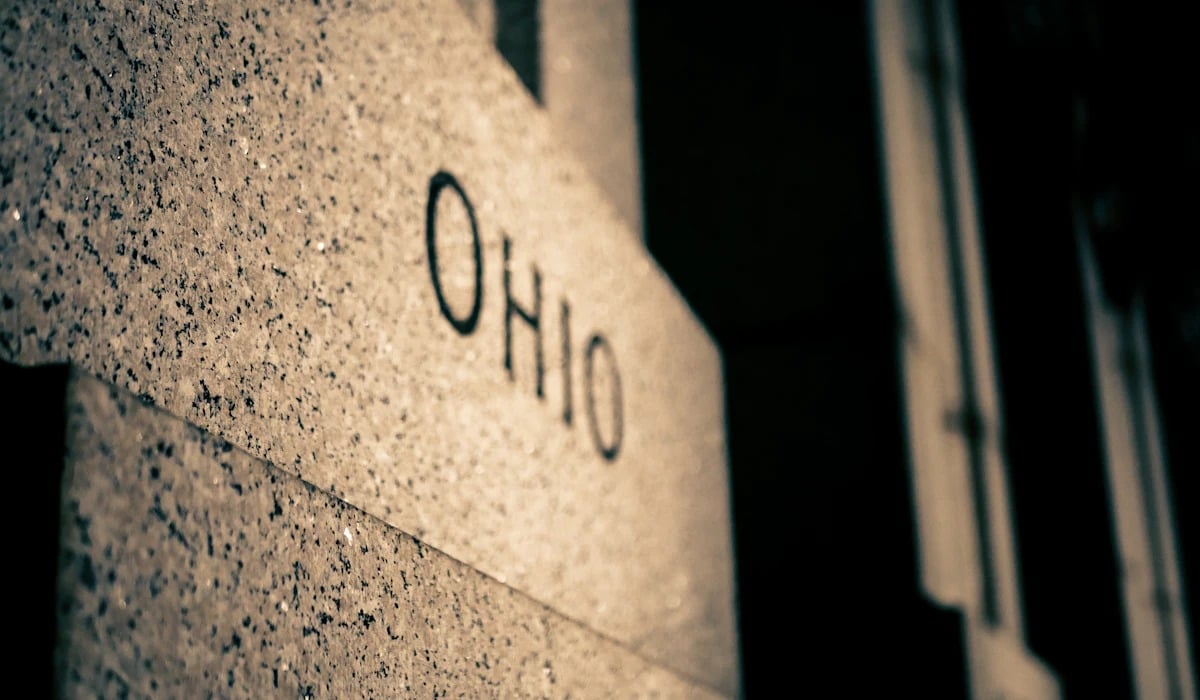
3rd Rock from the Sun ran on NBC from 1996 to 2001 and imagined a crew of aliens posing as a human family in a small Ohio town. John Lithgow played the expedition’s high commander, who took a job as a physics professor and handled human emotions badly.
Lithgow won three Emmys for the role. A teenage Joseph Gordon-Levitt played Tommy, the oldest alien trapped in the youngest body, years before his film career took off.
The physical comedy is broad, but the jokes about how odd ordinary human habits look from outside still land.
Murphy Brown and a Fight With the Vice President

Murphy Brown premiered on CBS in 1988 and ran through 1998, with most of its best years in the 1990s. Candice Bergen played a sharp-tongued anchor on a fictional newsmagazine called FYI, and a running gag gave her a new secretary nearly every week.
In 1992, Vice President Dan Quayle criticized the character for having a child on her own, and the show answered him in its next season premiere. Bergen won five Emmys for the role before asking not to be nominated again.
CBS brought the series back for one season in 2018.
Just Shoot Me at Blush Magazine

Just Shoot Me ran on NBC from 1997 to 2003 and was set at Blush, a glossy New York fashion magazine. Laura San Giacomo played Maya Gallo, a serious journalist who reluctantly takes a job at the publication owned by her father, Jack, played by George Segal.
David Spade nearly stole the series as Dennis Finch, a snide assistant who treated insults as a full-time job. Creator Steven Levitan later co-created Modern Family.
The show’s sharp workplace jokes about image, vanity and office politics still feel current in an era of influencers and online magazines.
Spin City and a Graceful Exit

Spin City ran on ABC from 1996 to 2002 and starred Michael J. Fox as Mike Flaherty, the deputy mayor of New York who spent his days cleaning up after his boss.
The ensemble played like a fast newsroom comedy set inside City Hall. Fox had been diagnosed with Parkinson’s disease years earlier, went public in 1998 and left the show in 2000 to focus on his health and research advocacy.
Charlie Sheen took over the lead for the last two seasons as a new deputy mayor. The Fox years remain the reason most people rewatch it.
Will and Grace and a Political Moment
Will and Grace premiered on NBC in 1998, ran until 2006 and returned for a revival from 2017 to 2020. The show followed a gay lawyer and his straight best friend sharing a Manhattan apartment, with Megan Mullally and Sean Hayes as their scene-stealing friends Karen and Jack.
All four leads won Emmys. In 2012, then Vice President Joe Biden said on Meet the Press that the show had probably done more to educate the American public about gay people than almost anything else.
The rapid-fire one-liners still move faster than most modern sitcoms.
Sister, Sister and Twins Who Met by Chance
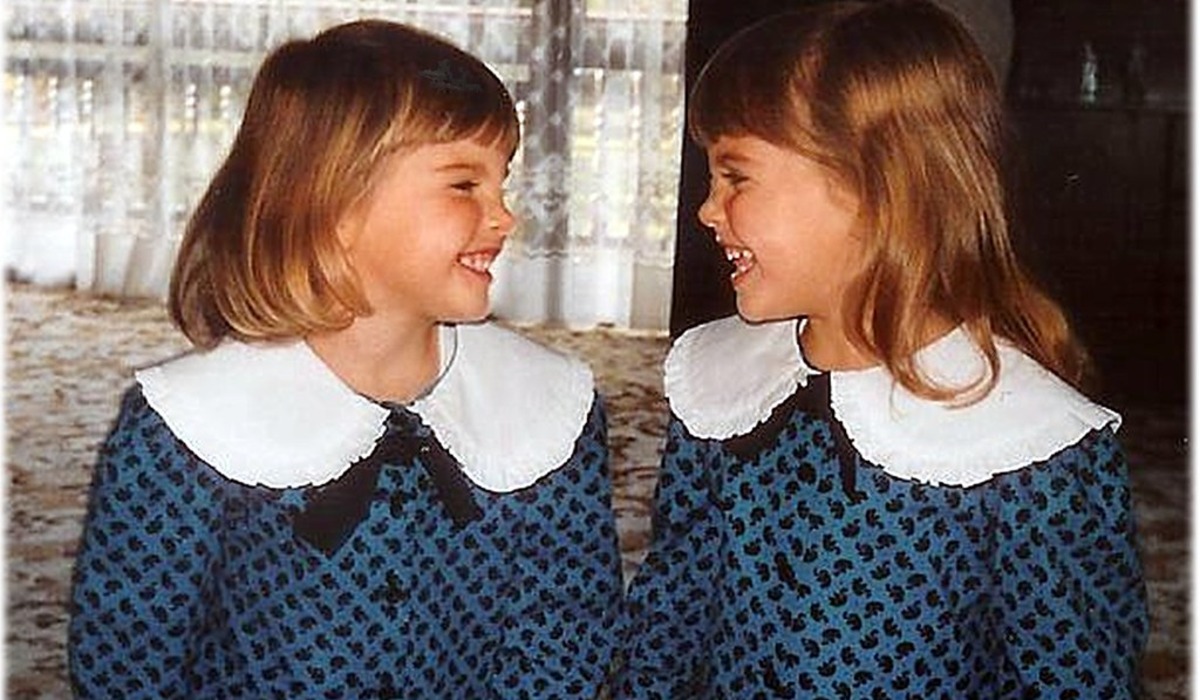
Sister, Sister premiered on ABC in 1994 and followed twins separated at birth who bumped into each other at a Detroit department store. Real-life twins Tia and Tamera Mowry played Tia Landry and Tamera Campbell, whose adoptive parents reluctantly moved into one house to keep them together.
ABC canceled the show after two seasons, and The WB picked it up, carrying it through 1999. Tim Reid and Jackee Harry played the bickering parents and often got the biggest laughs.
The show became a staple of after-school reruns, which is how many viewers first found it.
Moesha in Leimert Park

Moesha aired on UPN from 1996 to 2001 and starred the singer Brandy as Moesha Mitchell, a teenager in the Leimert Park neighborhood of Los Angeles. The show handled family friction, school pressure and first relationships with more weight than most teen sitcoms of the time.
Brandy recorded hit singles while filming the series, and her music career and acting career fed each other. Its supporting characters were strong enough to spin off The Parkers, starring Countess Vaughn and Mo’Nique, which ran from 1999 to 2004.
The series ended on an unresolved cliffhanger that fans still bring up.
The Nanny From Flushing
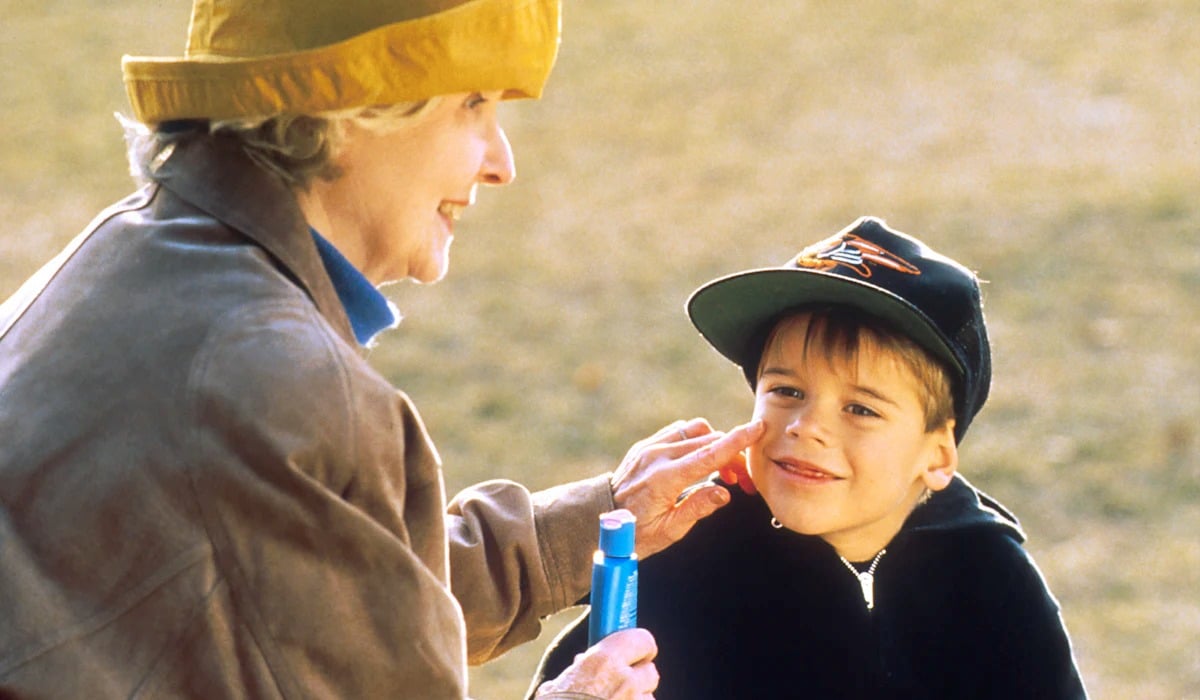
The Nanny ran on CBS from 1993 to 1999 and starred Fran Drescher as Fran Fine, a former bridal shop clerk from Flushing, Queens, who becomes nanny to a wealthy Broadway producer’s three children. Drescher co-created the show with Peter Marc Jacobson, then her husband, and drew on her own family for the characters.
Her wardrobe of bold designer outfits made the show a fashion reference that still circulates on social media. Her laugh was its own trademark.
Decades later, Drescher was elected president of SAG-AFTRA in 2021 and led the union through its 2023 strike.
Wings and a Nantucket Airport

Wings aired on NBC from 1990 to 1997 and was set at the Tom Nevers Field airport on Nantucket, where two brothers ran a one-plane airline called Sandpiper Air. It came from David Angell, Peter Casey and David Lee, the Cheers writers who went on to create Frasier.
Tim Daly and Steven Weber played the brothers, and Thomas Haden Church played Lowell, a mechanic with an off-kilter view of the world. The show was a steady performer for eight seasons.
It is one of the more underrated workplace comedies of the decade.
Ellen and the Puppy Episode

Ellen began on ABC in 1994 under the title These Friends of Mine before being renamed after its star, Ellen DeGeneres. In April 1997, the two-part episode known as “The Puppy Episode” had DeGeneres’s character come out as gay, mirroring the comedian’s own public announcement.
The broadcast drew roughly 42 million viewers, and Oprah Winfrey and Laura Dern appeared in guest roles. Its script won an Emmy for writing.
ABC canceled the show the following year, but the episode remains one of the most discussed half hours in television history.
That ’70s Show in Point Place, Wisconsin

That ’70s Show premiered on Fox in 1998 and ran until 2006, looking back at a group of teenagers in the fictional town of Point Place, Wisconsin. It cast a crew of mostly unknown actors, including Topher Grace, Ashton Kutcher and Mila Kunis, who has said she fudged her age at the audition and was only 14.
Kurtwood Smith and Debra Jo Rupp played Red and Kitty Forman, and Red’s threats became a running joke. The theme song was a cover of Big Star’s “In the Street.”
Netflix revived the setting in 2023 with That ’90s Show.
King of Queens and a Delivery Driver

The King of Queens ran on CBS from 1998 to 2007 and starred Kevin James as Doug Heffernan, a parcel delivery driver living in Rego Park, Queens. Leah Remini played his wife, Carrie, a sharp-tongued legal secretary, and the show’s arguments often turned on food, money and in-laws.
Its biggest wild card was Carrie’s father, Arthur, who lived in the couple’s basement and caused disasters from there. The show ran nine seasons without ever being a critics’ darling.
It has thrived in syndication, where its working-class marriage comedy feels comfortable and familiar.
Sports Night and the Missing Laugh Track

Sports Night aired on ABC from 1998 to 2000 and was the first television series created by Aaron Sorkin, who soon moved on to The West Wing. It followed the staff of a cable sports highlights show, with Felicity Huffman, Peter Krause and Josh Charles leading the cast.
ABC insisted on a laugh track, which sat awkwardly over the show’s fast, walking dialogue, and it was largely dropped by the second season. The series lasted only 45 episodes.
Rewatching it shows Sorkin trying out the style that would define much of his later work.
Drew Carey in Cleveland

Drew Carey starred as an assistant personnel director at a Cleveland department store in The Drew Carey Show, which ran on ABC from 1995 to 2004. Kathy Kinney played Mimi Bobeck, his loud nemesis in dramatic blue eye shadow, and their feud powered years of storylines.
The show adopted “Cleveland Rocks” as its theme song and staged elaborate dance numbers. It also experimented with live episodes and an April Fools’ installment full of hidden mistakes for viewers to spot.
Its cheerful embrace of an unglamorous Ohio city set it apart from sitcoms based in New York.
Sabrina the Teenage Witch and Salem
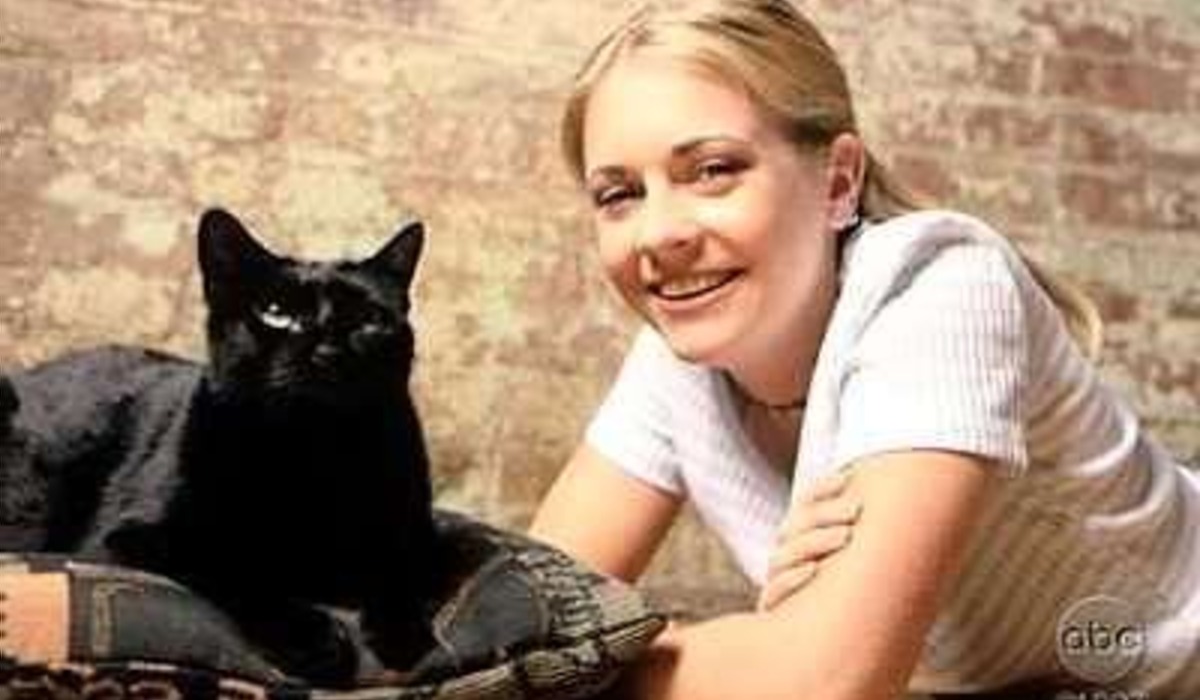
Sabrina the Teenage Witch ran on ABC from 1996 to 2000 and then on The WB through 2003, with Melissa Joan Hart as a teenager who learns on her 16th birthday that she is a witch. Her aunts Hilda and Zelda tried to keep her magic under control.
The breakout star was Salem Saberhagen, a would-be world conqueror sentenced to live as a cat, operated as an animatronic puppet and voiced by Nick Bakay. The puppet’s stiff expressions became part of the joke.
The show was a fixture of ABC’s TGIF lineup.
Saved by the Bell at Bayside High
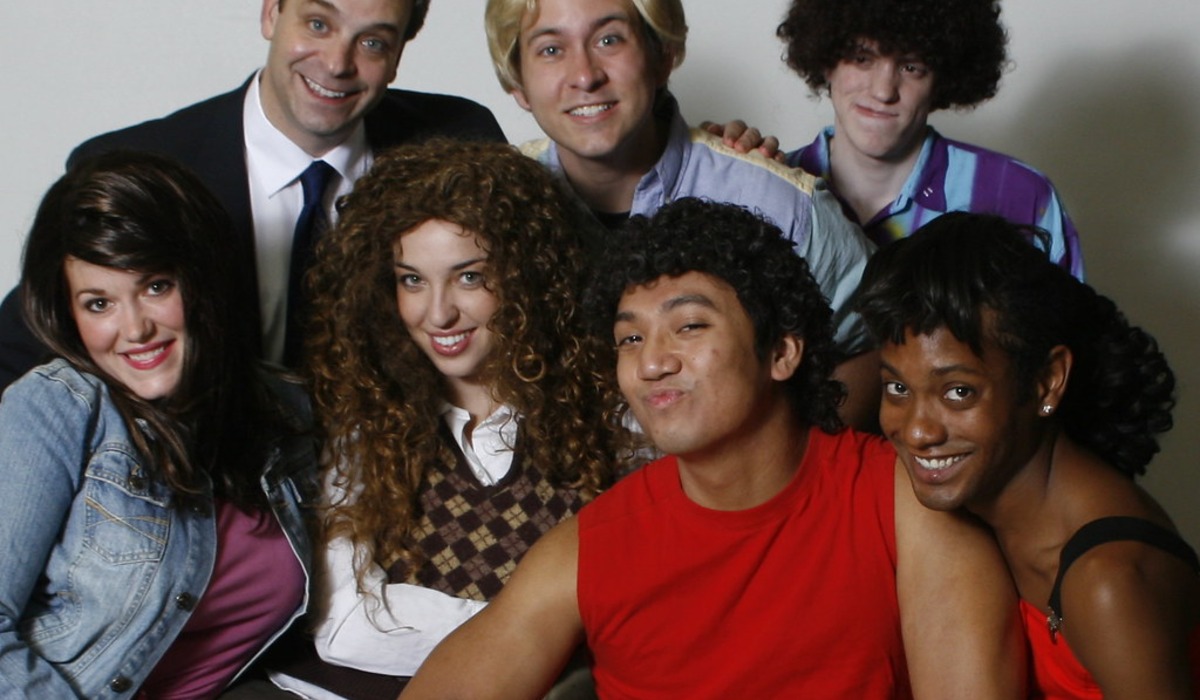
Saved by the Bell ran on NBC from 1989 to 1993 as a Saturday morning sitcom about friends at Bayside High in California. It grew out of a Disney Channel series called Good Morning, Miss Bliss, which kept some of its characters and moved them to a new school.
Mark-Paul Gosselaar played Zack Morris, a schemer who could stop time and talk to the camera, and Dennis Haskins played Mr. Belding, the long-suffering principal.
Zack’s oversized cell phone became a symbol of the era. The show spawned college and spinoff series and a 2020 revival on Peacock.
Laugh Tracks and Living Rooms

These shows came from a time when a sitcom could reach tens of millions of people at once, and that shared audience shaped the jokes. Writers aimed for laughs that worked for a teenager and a grandparent on the same couch.
The best of them also slipped in surprising risks, from a coming-out episode to a talk show satire that predicted reality TV’s awkwardness.
Rewatching them now is partly nostalgia and partly a lesson in craft. Many were shot in front of live audiences, with tight scripts and timing honed by rehearsal.
They are reminders that a half hour of television once held a country’s attention, and that some of those half hours are still very funny.
MORE FROM GO2TUTORS!

- The Romanov Crown Jewels and Their Tragic Fate
- 13 Historical Mysteries That Science Still Can’t Solve
- Famous Hoaxes That Fooled the World for Years
- 15 Child Stars with Tragic Adult Lives
- 16 Famous Jewelry Pieces in History
Like Go2Tutors’s content? Follow us on MSN.