28 Stamps From Old Albums Still Worth Collecting
An old stamp album rarely contains a single life-changing rarity. What it usually holds is a mix of ordinary used stamps, a handful of genuinely scarce issues nobody sorted out, and a few categories that carry more interest than their catalog value suggests.
Recognizing which is which takes a closer look than most albums ever get before they land in a donation box. The stamps below are the ones that repeatedly turn out to matter, spanning classic issues, documented errors, and the postal history categories that specialist collectors chase for reasons that have little to do with a stamp’s face value.
The Inverted Jenny Airmail Error
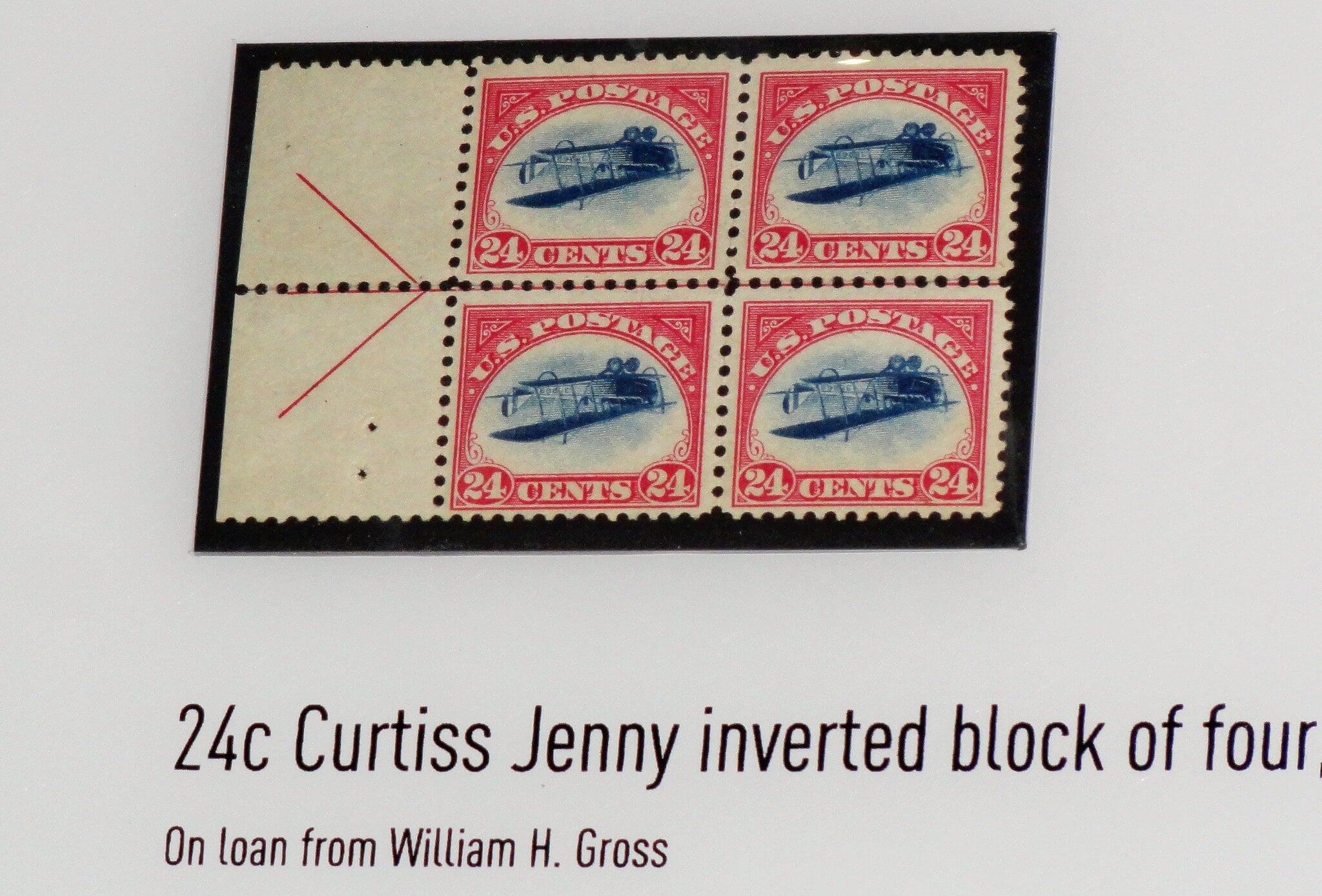
A sheet of one hundred 1918 airmail stamps printed with the Curtiss Jenny biplane upside down remains the most famous error in American philately, and its fame means most people already know to check for it. What fewer people know is that forged and altered copies circulate widely, so any suspected example needs authentication through a recognized expertizing service before it changes hands for anything close to its real value.
US Columbian Exposition Issue of 1893
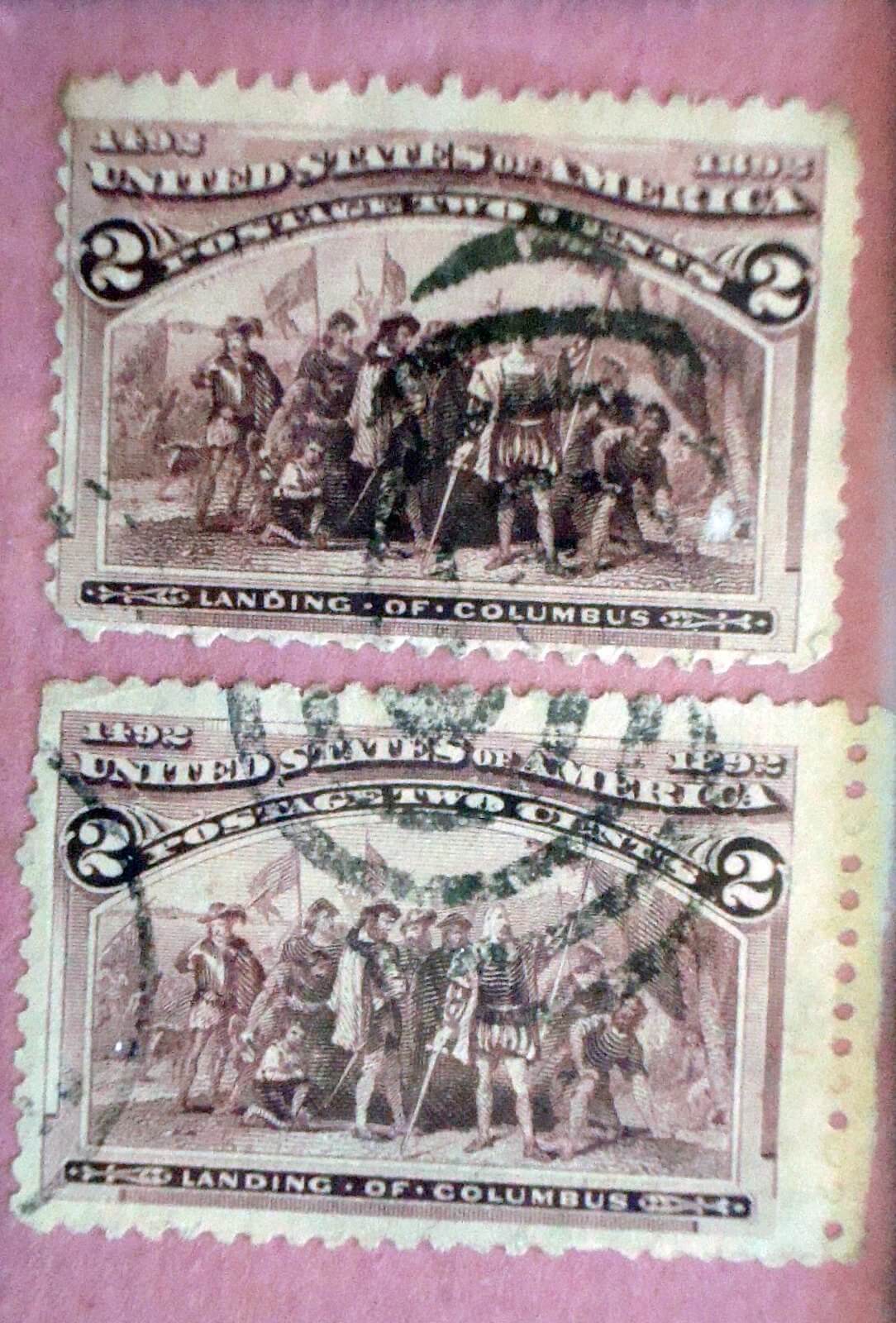
Issued to commemorate the four hundredth anniversary of Columbus reaching the Americas, this series ran from a one-cent stamp to a five-dollar denomination, making it the first commemorative set the United States ever produced. Lower denominations remain common and inexpensive, but the higher values in sound condition carry real premiums, and the complete set is a genuine entry point into commemorative collecting.
US Trans-Mississippi Issue of 1898
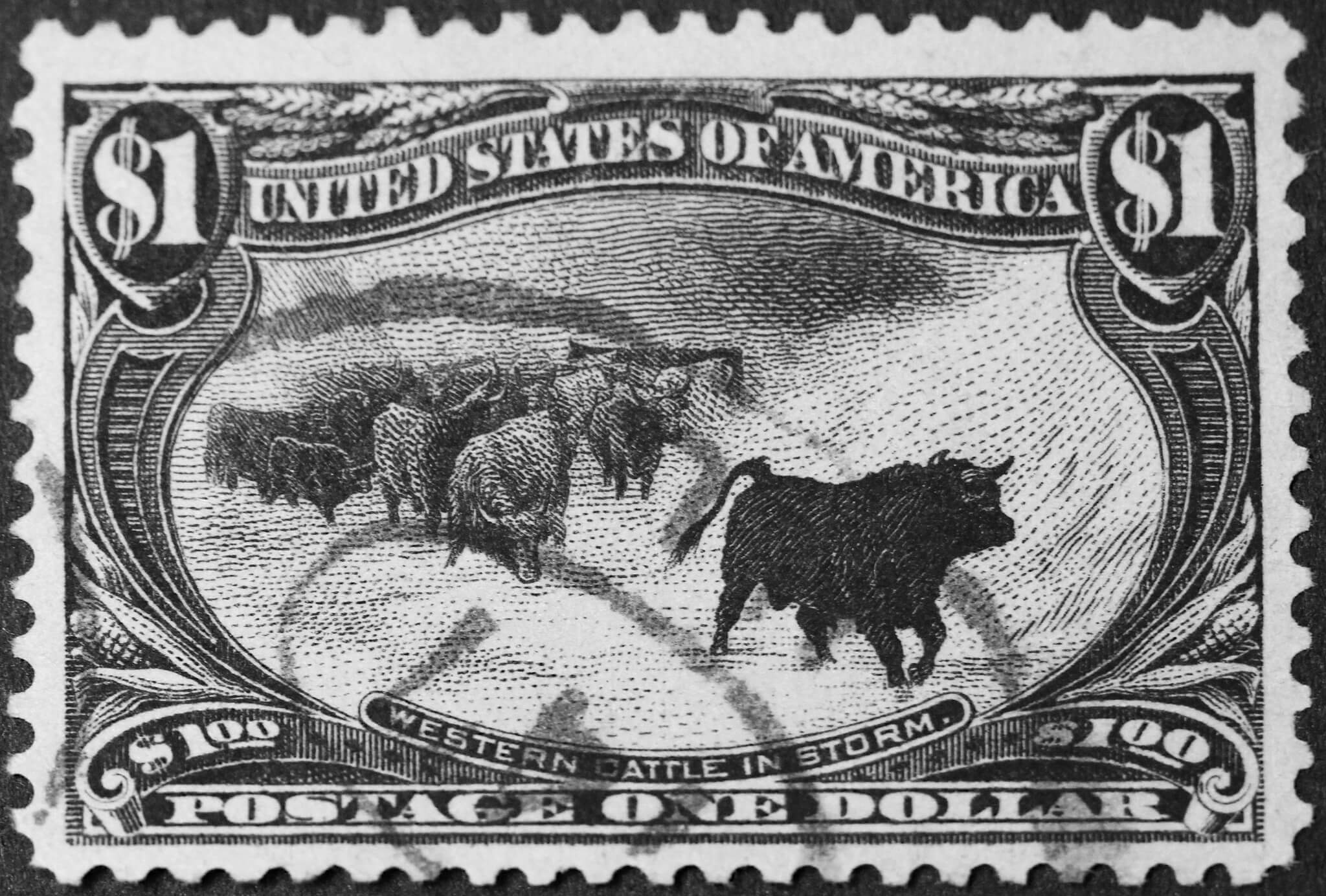
Produced for the Trans-Mississippi Exposition in Omaha, this series is admired among collectors for its engraved detail and Western imagery, depicting scenes ranging from Yellowstone to a cattle drive. The set never achieved the popularity of the Columbian issue at the time, which left print runs smaller and surviving examples scarcer relative to their age.
Graf Zeppelin Airmail Series
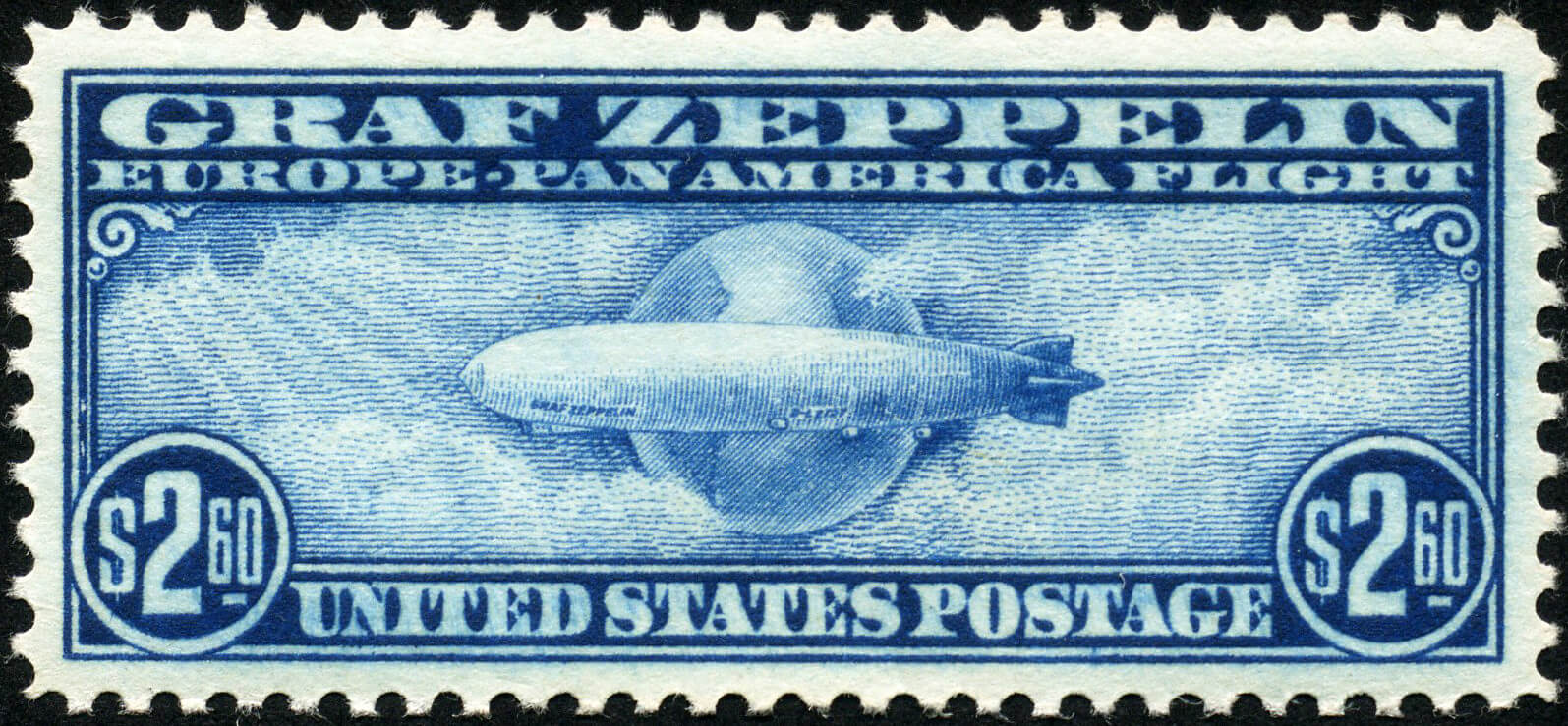
Issued in 1930 to mark the airship’s flight between Germany and the Americas, this three-stamp set carried denominations high enough that few were purchased and used for actual postage, making surviving examples with genuine cancellations considerably scarcer than mint copies. Complete sets in sound condition command strong prices among airmail specialists.
US 1869 Pictorial Issue
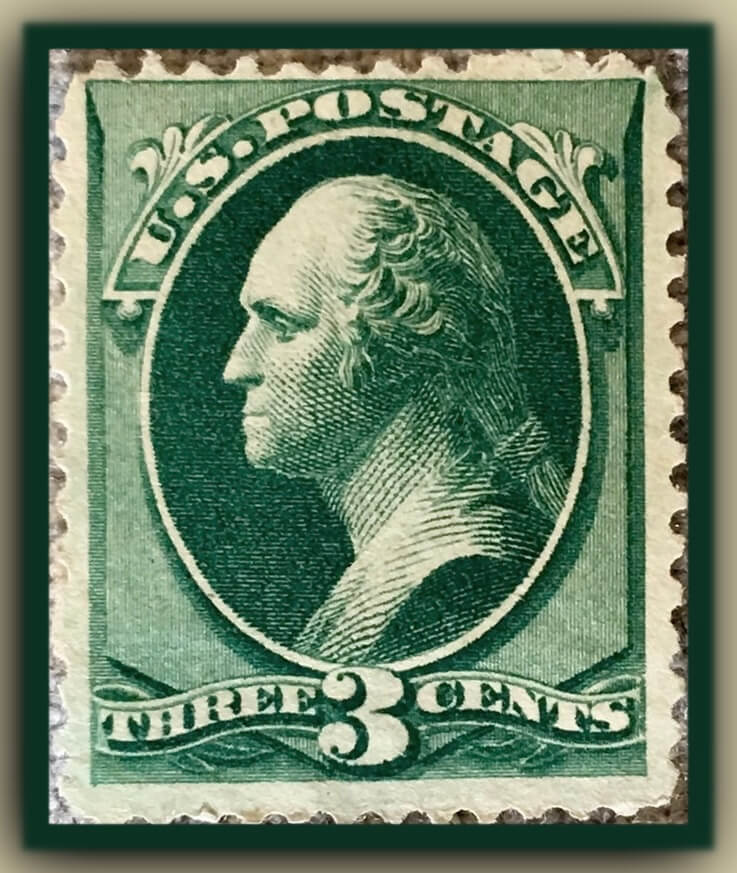
This series broke from the portrait-only tradition of earlier American stamps by depicting scenes including a locomotive, a ship, and the signing of the Declaration of Independence, a design choice controversial enough at the time that the series was withdrawn after roughly a year. That short production window makes the set genuinely scarce relative to its age.
Confederate States Postage Stamps
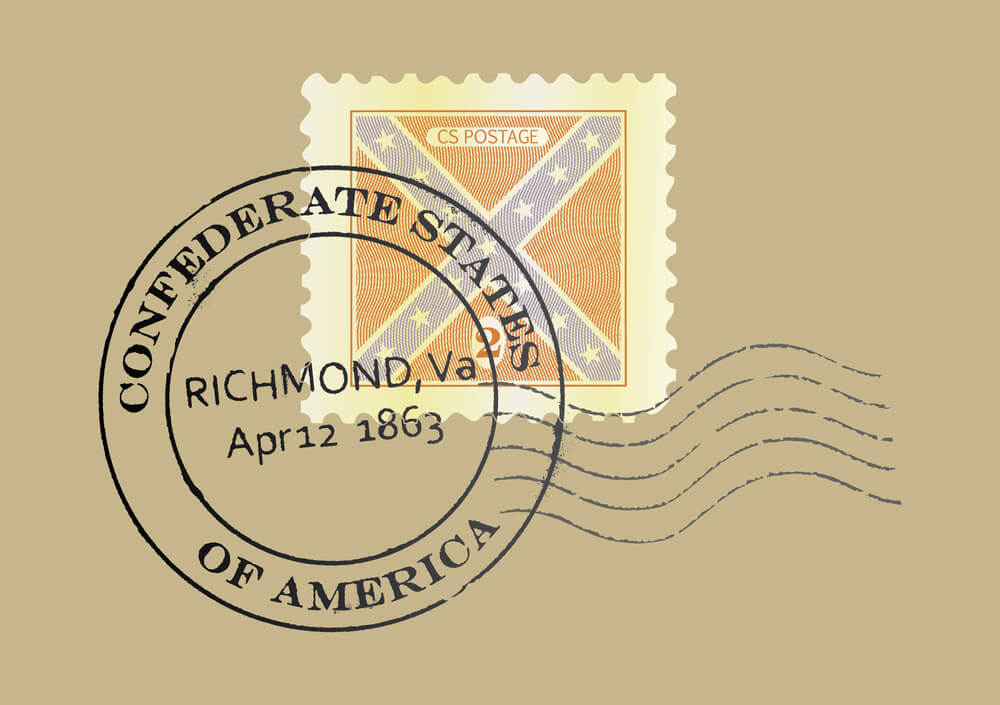
Stamps issued by the Confederacy during the Civil War were produced under wartime shortages of proper printing materials, resulting in crude engraving and irregular paper compared to their Union counterparts. Genuine examples with period cancellations from documented postal routes draw strong interest, though the category is heavily counterfeited and benefits from expert verification.
British Penny Black
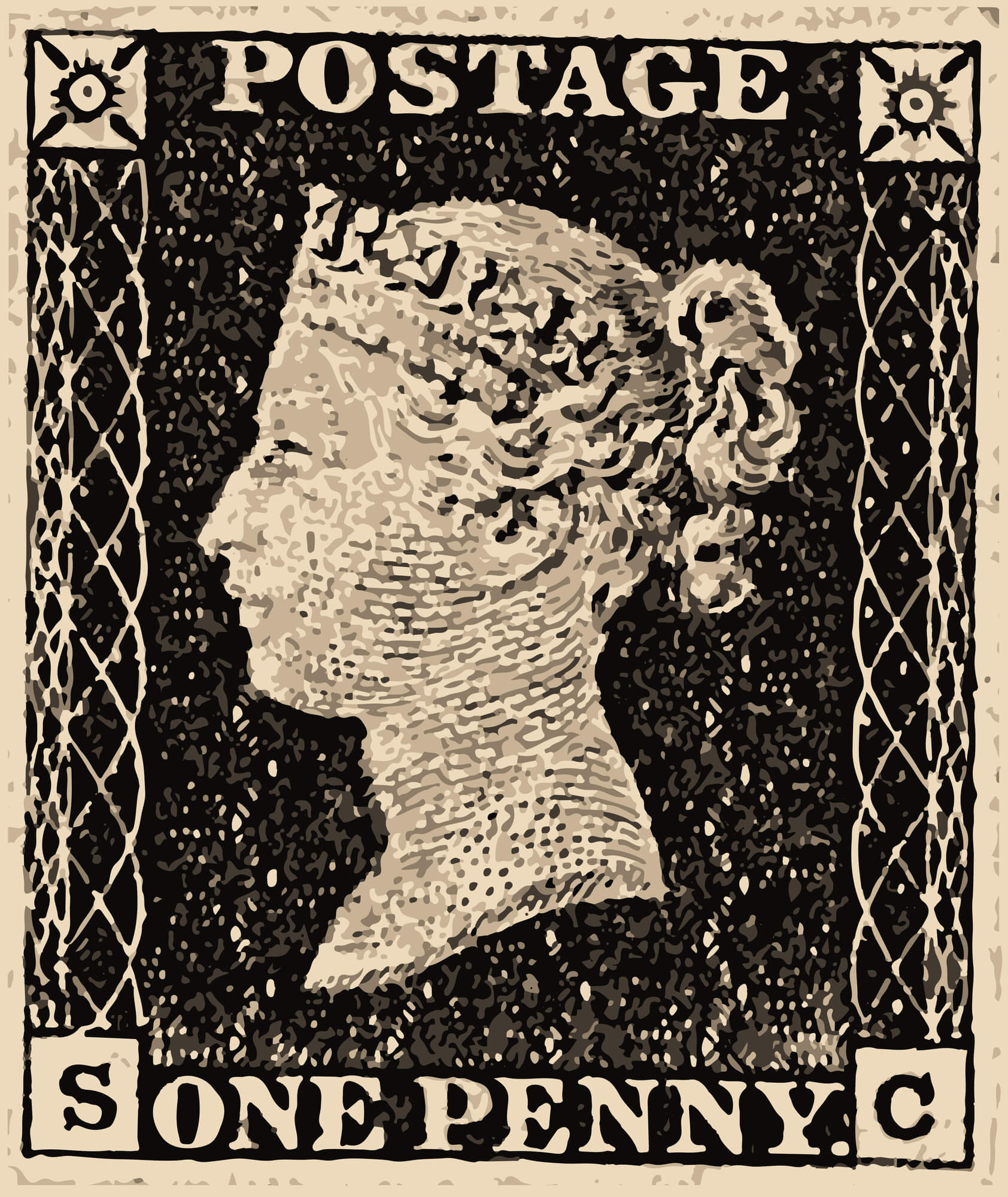
The world’s first adhesive postage stamp, issued in 1840, remains recognizable even to non-collectors, and its historical significance keeps demand steady despite a printing run large enough that individual copies remain accessible. Condition and the specific plate number used in printing drive most of the value difference between an ordinary example and a genuinely desirable one.
British Penny Red
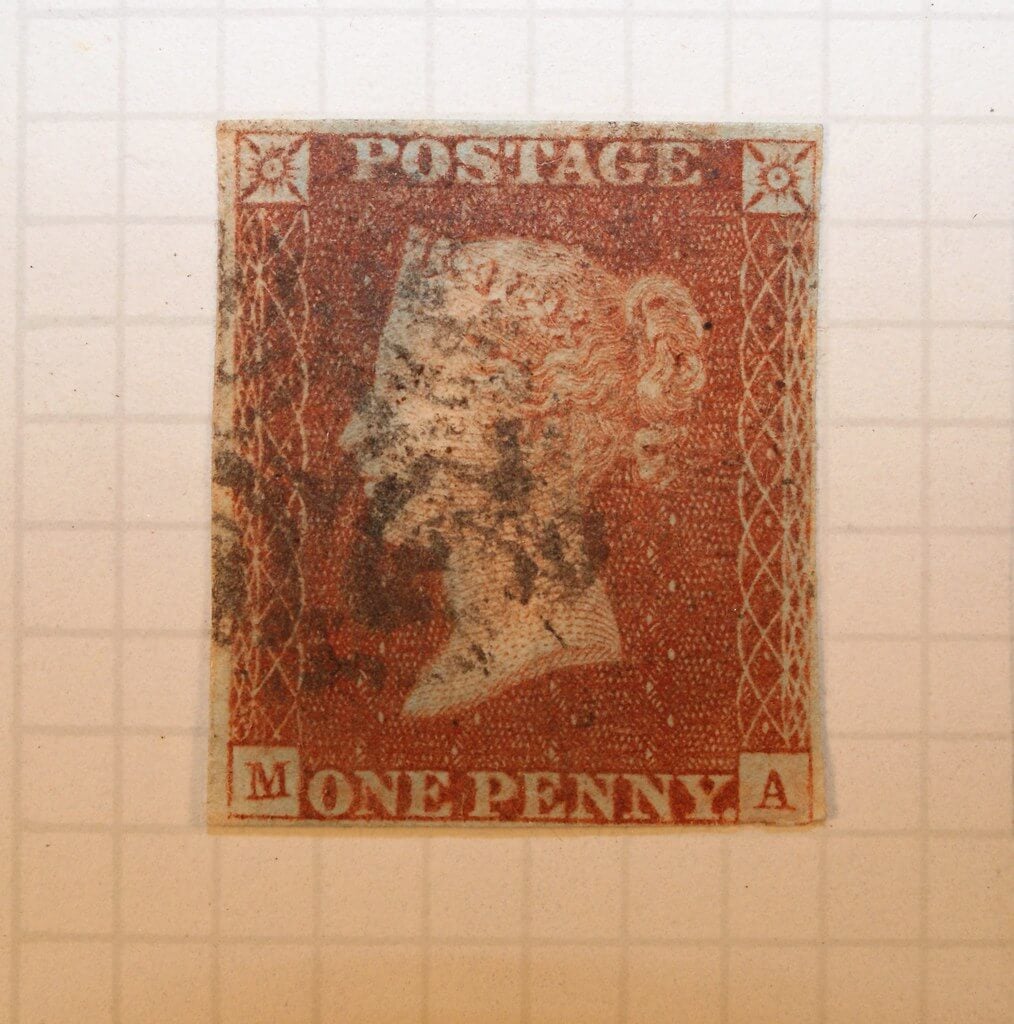
Replacing the Penny Black within a year, the Penny Red addressed a practical problem with its predecessor, since the black ink made cancellation marks difficult to see and easy to remove for reuse. The series ran for decades with countless plate variations, giving specialists a genuinely deep field to study within a single, affordable design.
US Bureau Precancel Stamps
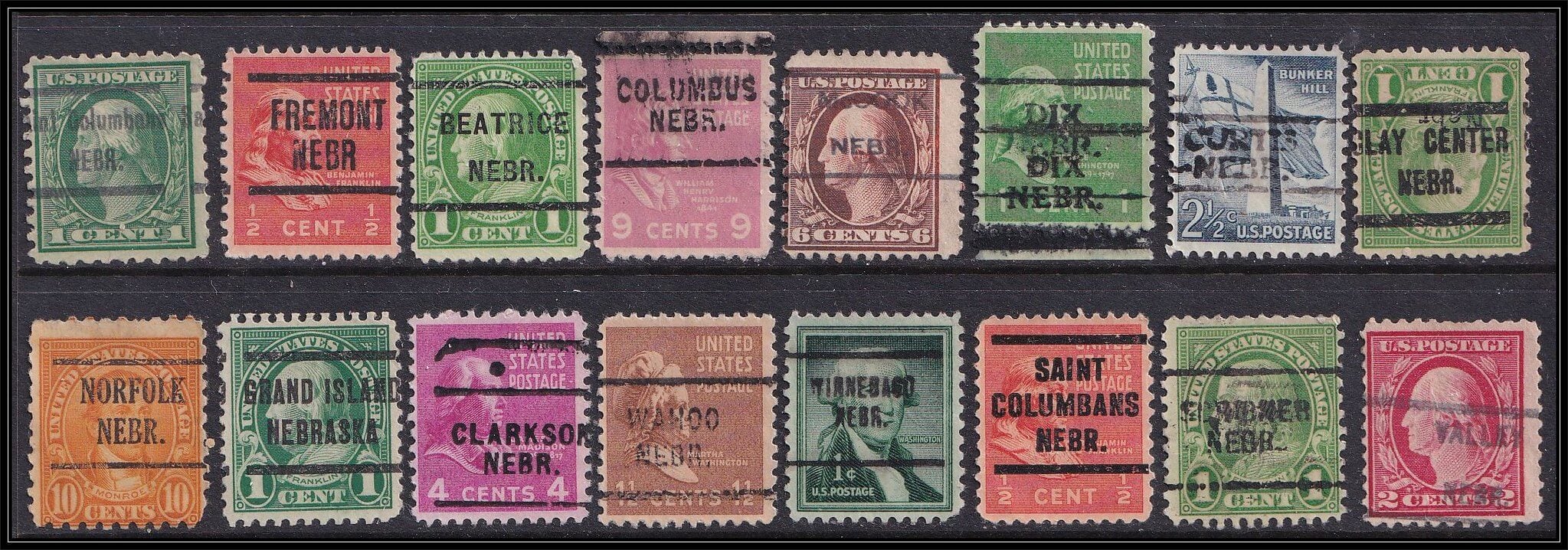
Precanceled stamps, printed or overprinted with lines or a city name before sale to bulk mailers, were used across thousands of American towns through the twentieth century, and collectors specialize by city rather than by design. A precancel from a small town with limited surviving examples can be worth considerably more than an identical stamp without the overprint.
US Documentary Revenue Stamps
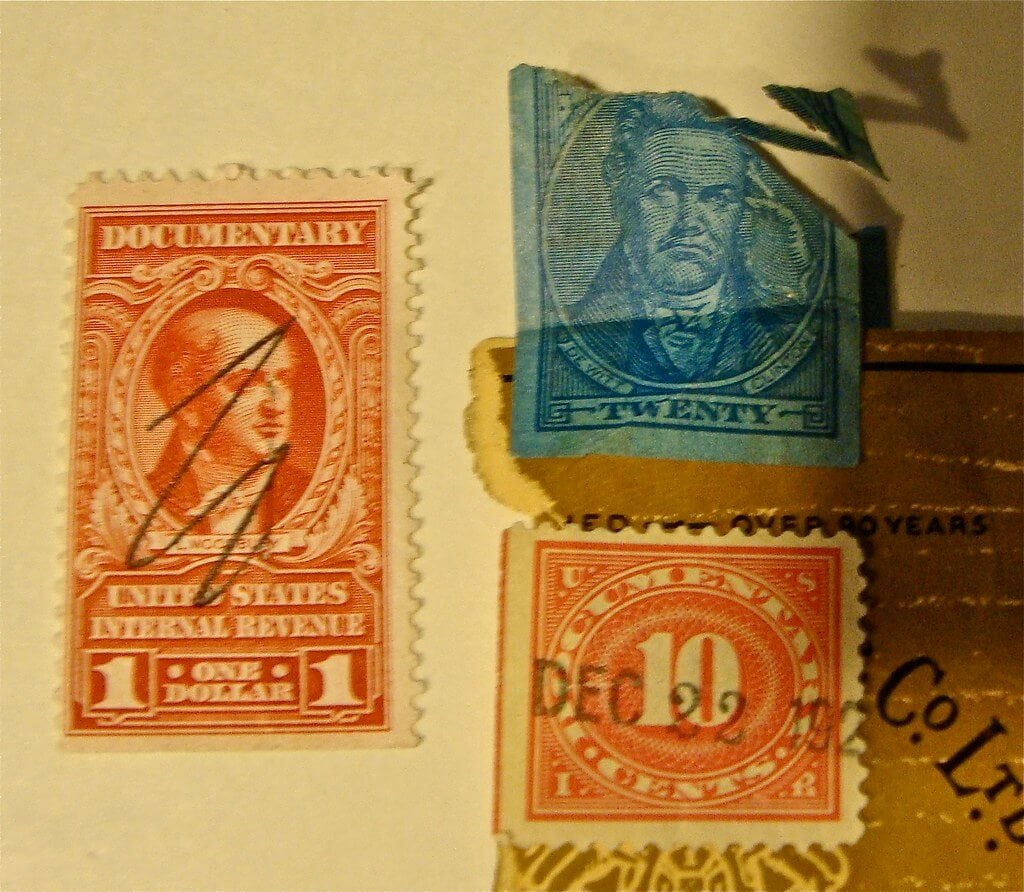
Revenue stamps affixed to legal documents, deeds, and financial instruments rather than mailed letters occupy their own collecting category entirely separate from postage. Civil War-era revenue issues in particular carry strong demand, since the tax stamps were required on an enormous range of everyday transactions and survive today mostly by accident.
Federal Migratory Bird Hunting Stamps
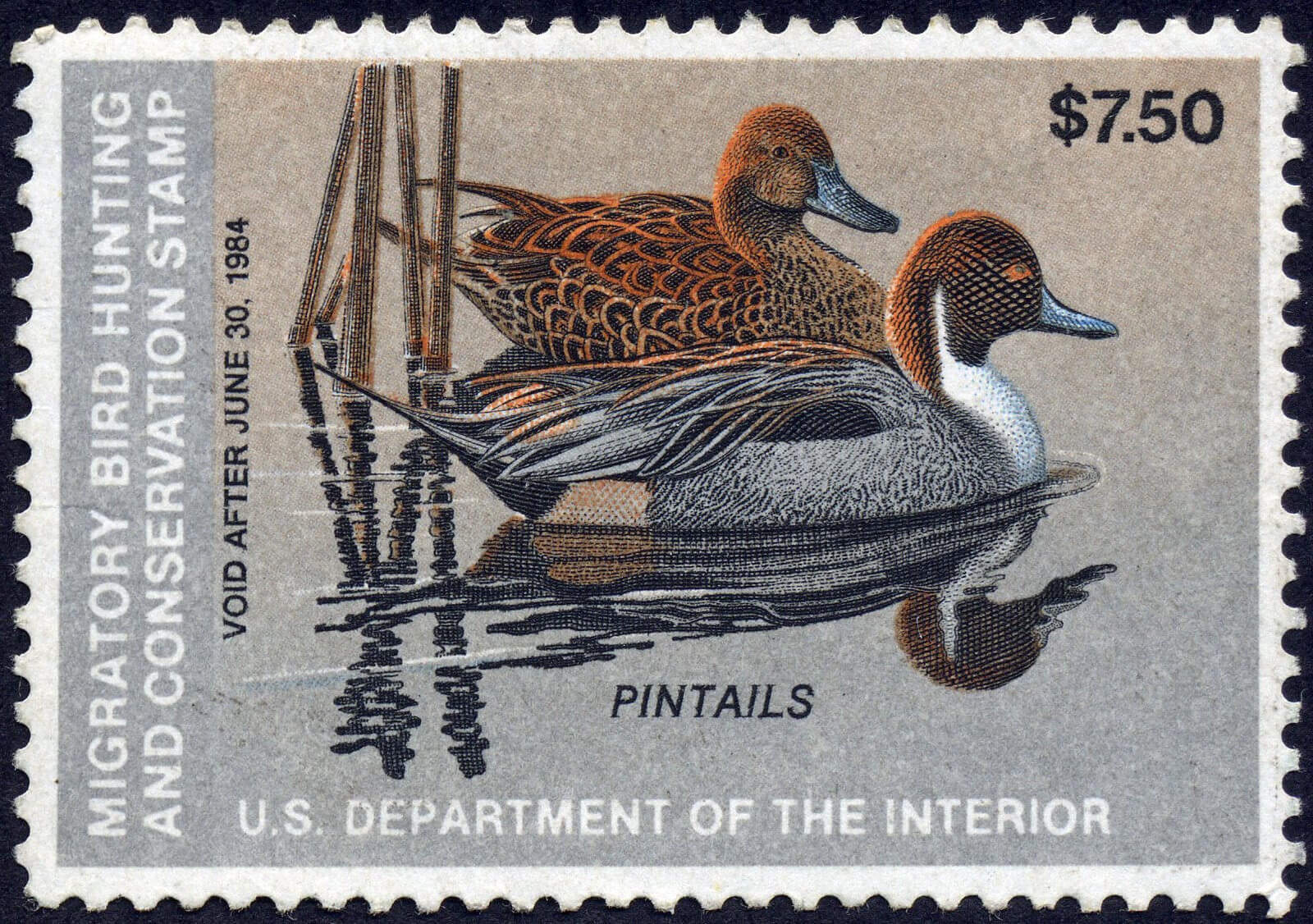
Known informally as duck stamps, these annual federal issues required of waterfowl hunters since 1934 feature commissioned wildlife art and are collected both for the artwork and for the revenue-stamp category they represent. Early issues in unused condition with original gum command strong premiums, and the series remains actively collected as a complete annual run.
Color Omitted Error Stamps
A missing pass through the printing press can leave a stamp lacking one of its intended colors entirely, producing a design that reads as visibly incomplete compared to a normal example. Because color-omitted errors typically slip out in small numbers before detection, verified examples on later twentieth-century issues command strong premiums relative to their common counterparts.
Imperforate Error Stamps
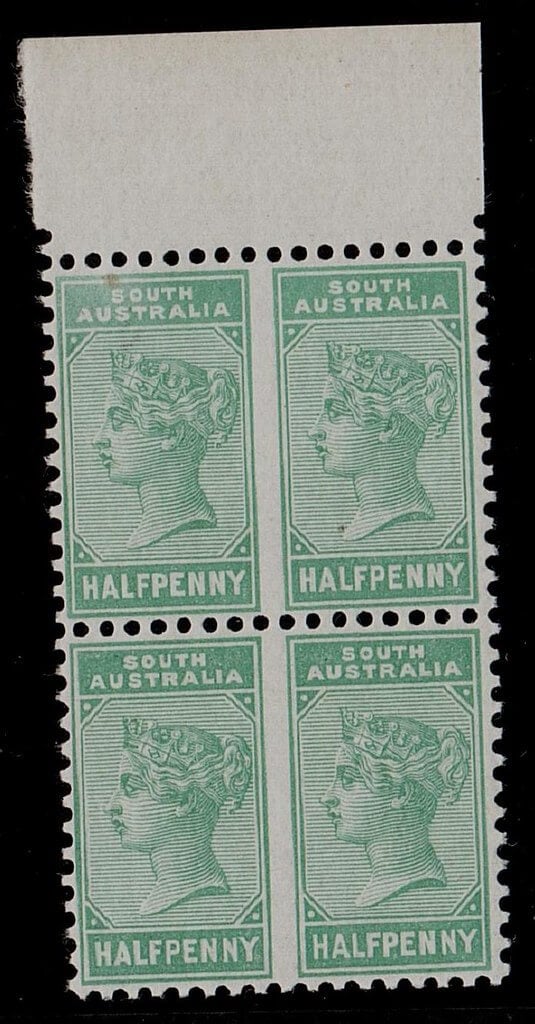
Stamps meant to be separated by perforated edges occasionally leave the printing process without the perforating pass applied, producing sheets with clean, straight edges instead of the expected serrated ones. Genuine imperforate errors are distinguished from intentionally imperforate issues by checking the specific catalog listing for the stamp’s design and year.
Pioneer Airmail Cover Postal History
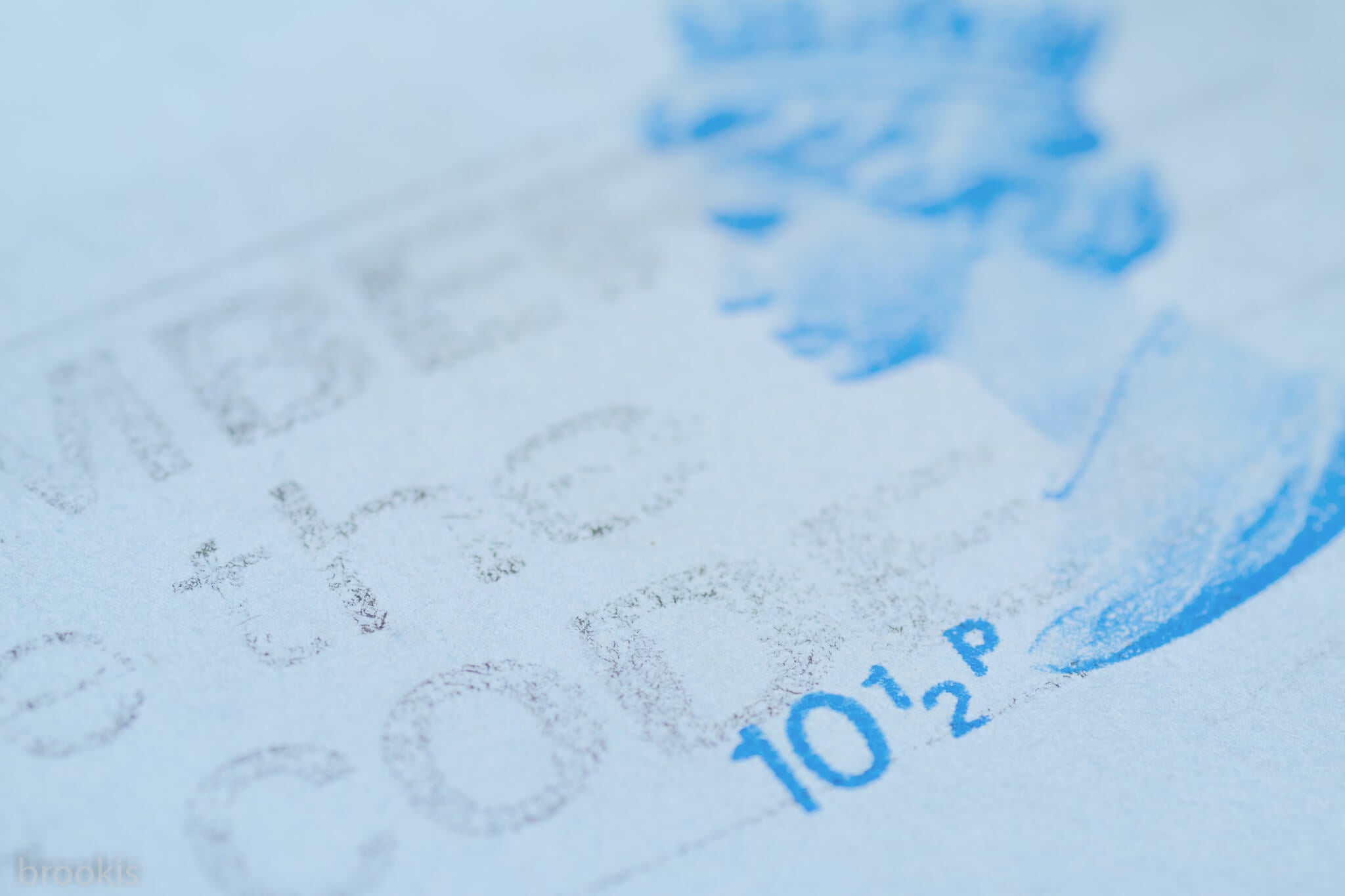
Covers carried on the earliest scheduled airmail routes in the 1910s and 1920s document a period when regular air service was still an experiment rather than an expectation. Collectors in this category value the route, the date, and the documented cachet marking the flight as much as the stamp itself, since the envelope is the actual historical object.
Canal Zone Overprint Stamps
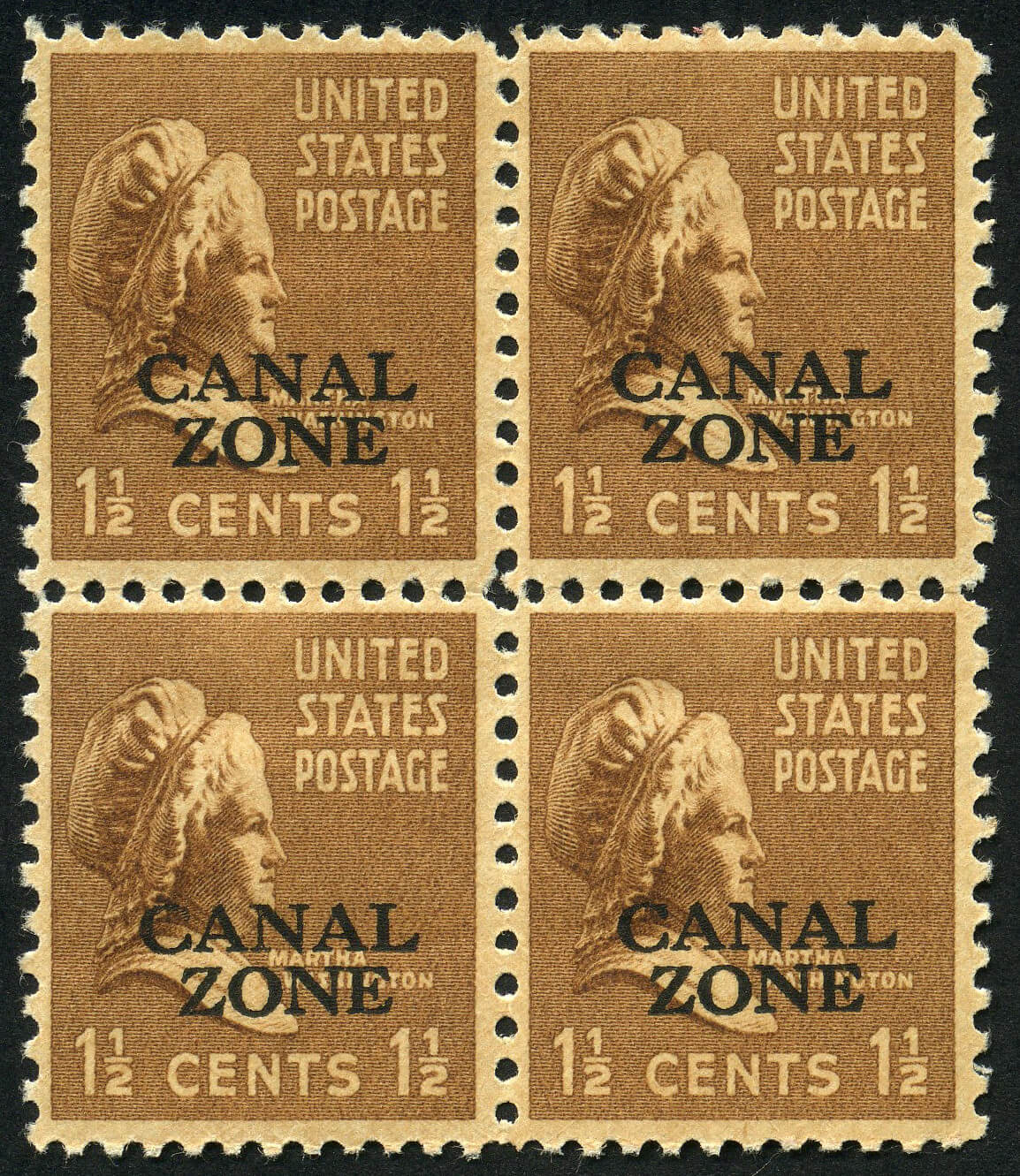
Stamps used in the Panama Canal Zone during American administration were often ordinary United States issues overprinted with the zone’s name, a practical solution that created a genuinely distinct collecting category tied to a specific place and period of American territorial history. Early overprints in sound condition remain sought after by specialists in the field.
Philippine Islands US Administration Stamps
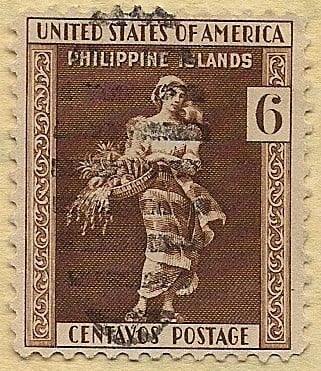
Following the Spanish-American War, the United States administered the Philippines and issued stamps overprinted for use there, bridging Spanish colonial and American postal history in a single series. Collectors specializing in the period value both the overprint varieties and the postal routes the stamps served.
German Inflation-Era Stamps

Stamps issued during Germany’s hyperinflation crisis of the early 1920s carry denominations that climbed into the millions and eventually billions of marks within a matter of months, a visual record of an economic collapse printed directly onto ordinary postage. Complete sets showing the full progression of denominations are collected specifically for that historical arc.
Israeli Tab Stamps
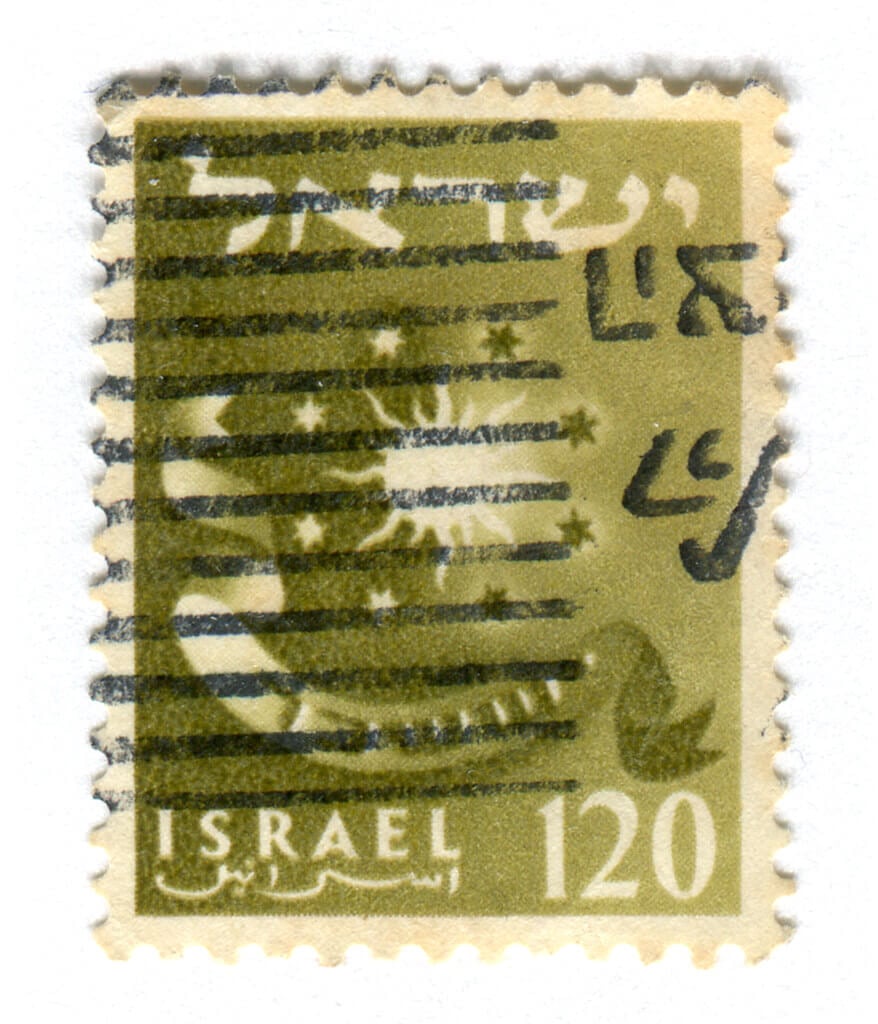
Many Israeli stamps are issued with an attached tab, a small printed panel beside the stamp carrying additional text, artwork, or a translation, and collectors specifically seek examples with the tab intact rather than removed. A stamp separated from its tab loses meaningful value to specialists in the category even when the stamp itself remains in fine condition.
Vatican City Stamps
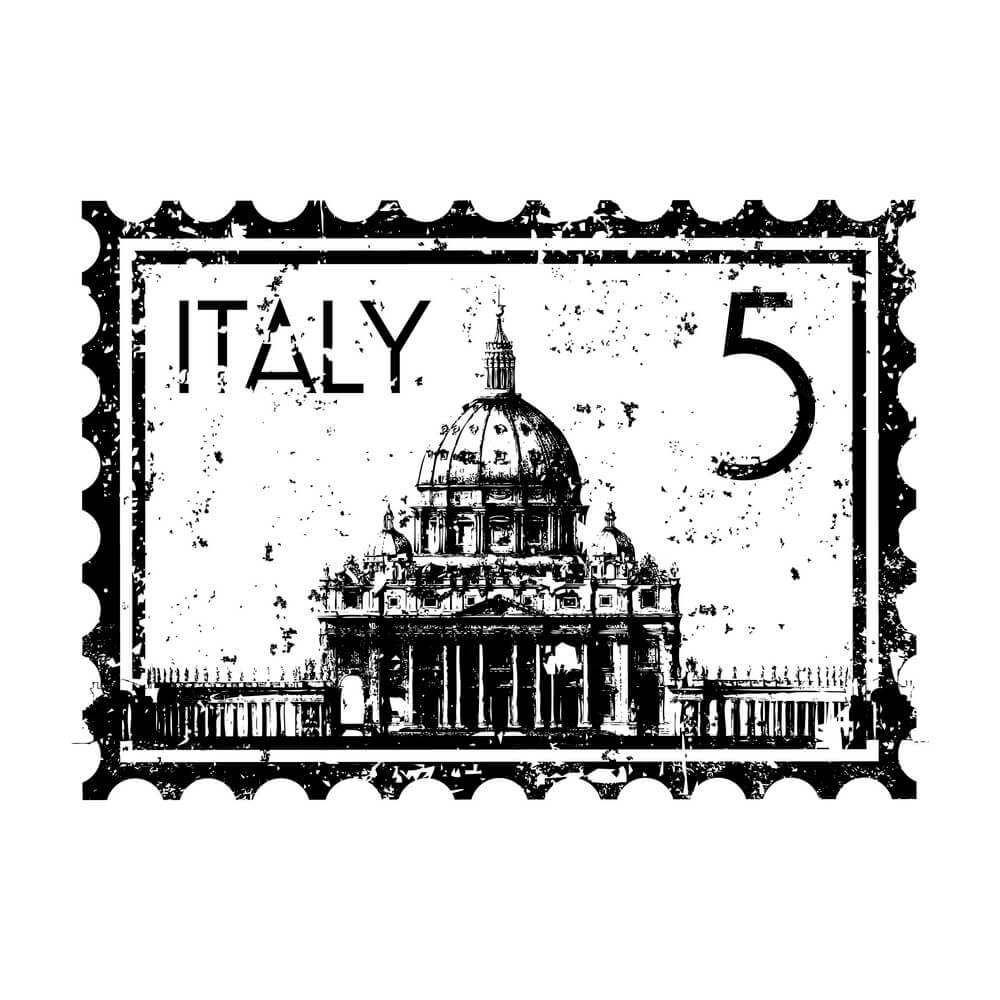
Issued since the city-state’s founding in 1929, Vatican stamps are collected both for their religious and artistic imagery and for the genuinely small print runs relative to most national postal systems. Early issues in unused condition with original gum carry solid premiums, and the series remains popular among collectors who focus on religious and ecclesiastical themes.
British Commonwealth Omnibus Issues
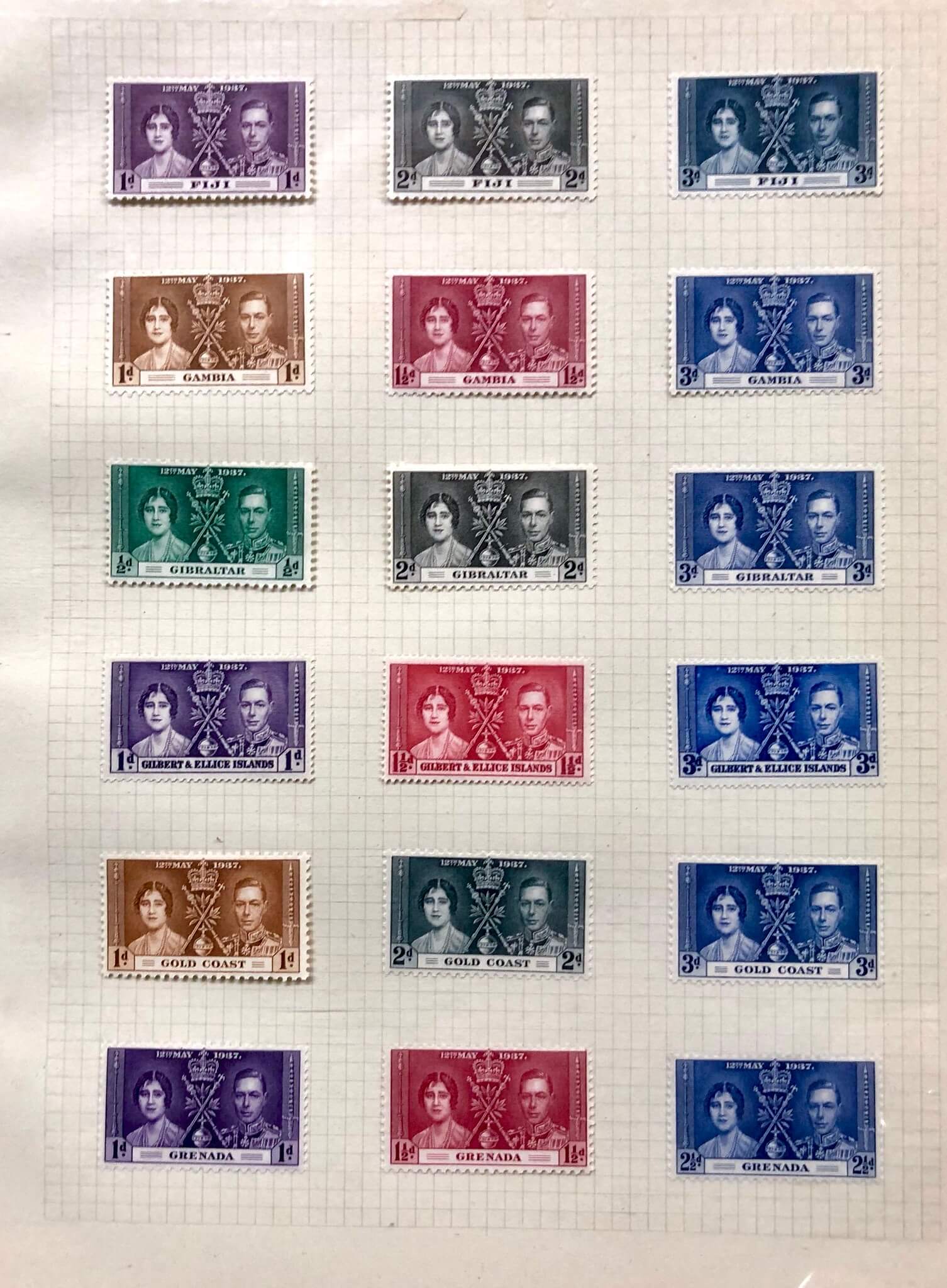
Commonwealth nations periodically released matching commemorative designs across dozens of territories simultaneously to mark shared royal or historical events, creating omnibus sets that specialists collect by assembling every participating territory’s version. The individual stamps are often inexpensive, but complete sets spanning every issuing territory require real patience to assemble.
Plate Block Collections
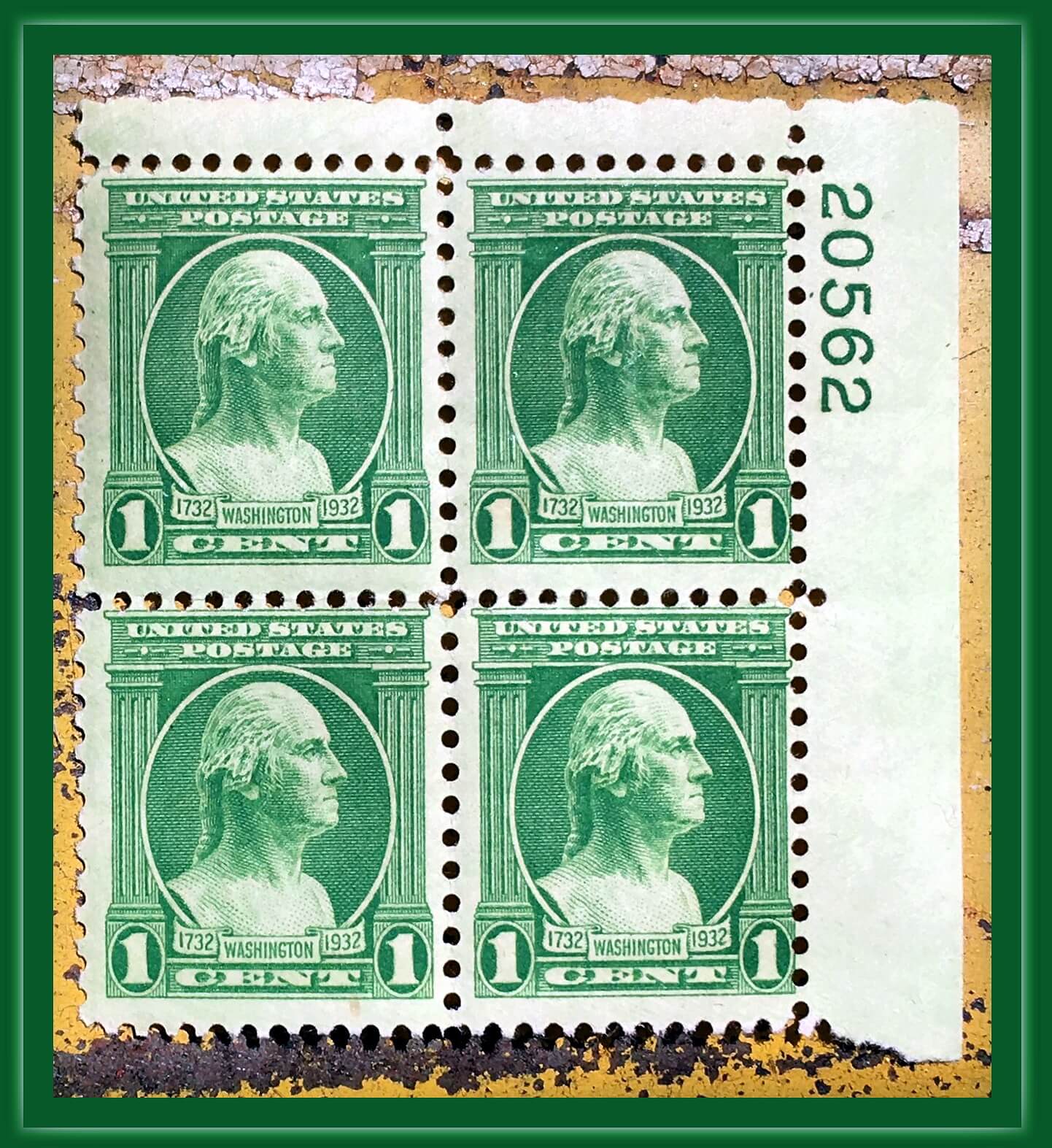
A plate block preserves the printer’s plate number printed in a sheet’s margin alongside a small block of attached stamps, a format collectors specifically preserve rather than separating into single stamps. Plate blocks from earlier twentieth-century issues, particularly lower print-run commemoratives, command a premium over the equivalent value of loose single stamps.
Designer-Signed First Day Covers

First day covers, envelopes bearing a new stamp canceled on its official release date, occasionally carry a signature from the artist or engraver who designed the stamp itself. A signed example ties the object directly to its creator in a way an unsigned cover cannot, and covers signed by well-documented designers draw premiums well above an unsigned equivalent.
Hawaiian Kingdom-Era Stamps
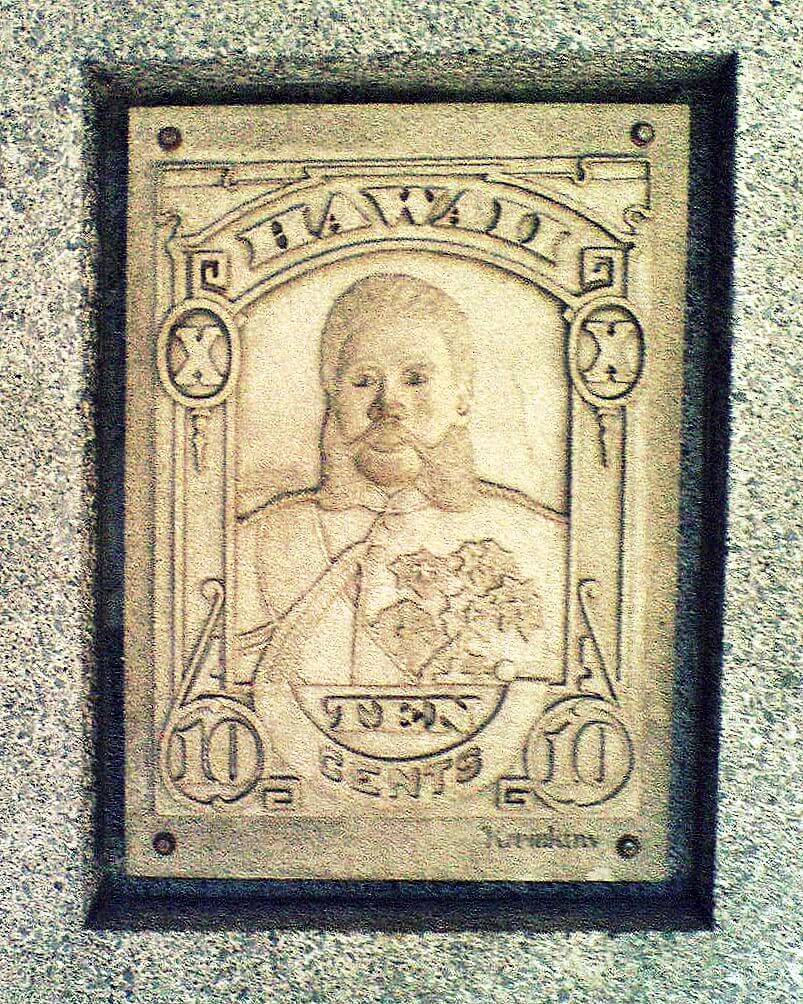
Stamps issued by the Kingdom of Hawaii before American annexation document a sovereign postal system that operated independently for decades. Genuine examples, particularly the earliest issues, are scarce and heavily counterfeited, which makes expert authentication essential before assuming a find is genuine rather than a period or later reproduction.
Used Block of Four Collections

A block of four attached stamps sharing a single cancellation mark preserves information a loose single stamp cannot, including the exact date and originating post office of use. Specialists in postal history value used blocks specifically for that documentary completeness, and a block from a short-lived or renamed post office can be worth well beyond four times a single stamp’s value.
Stampless Cover Postal History
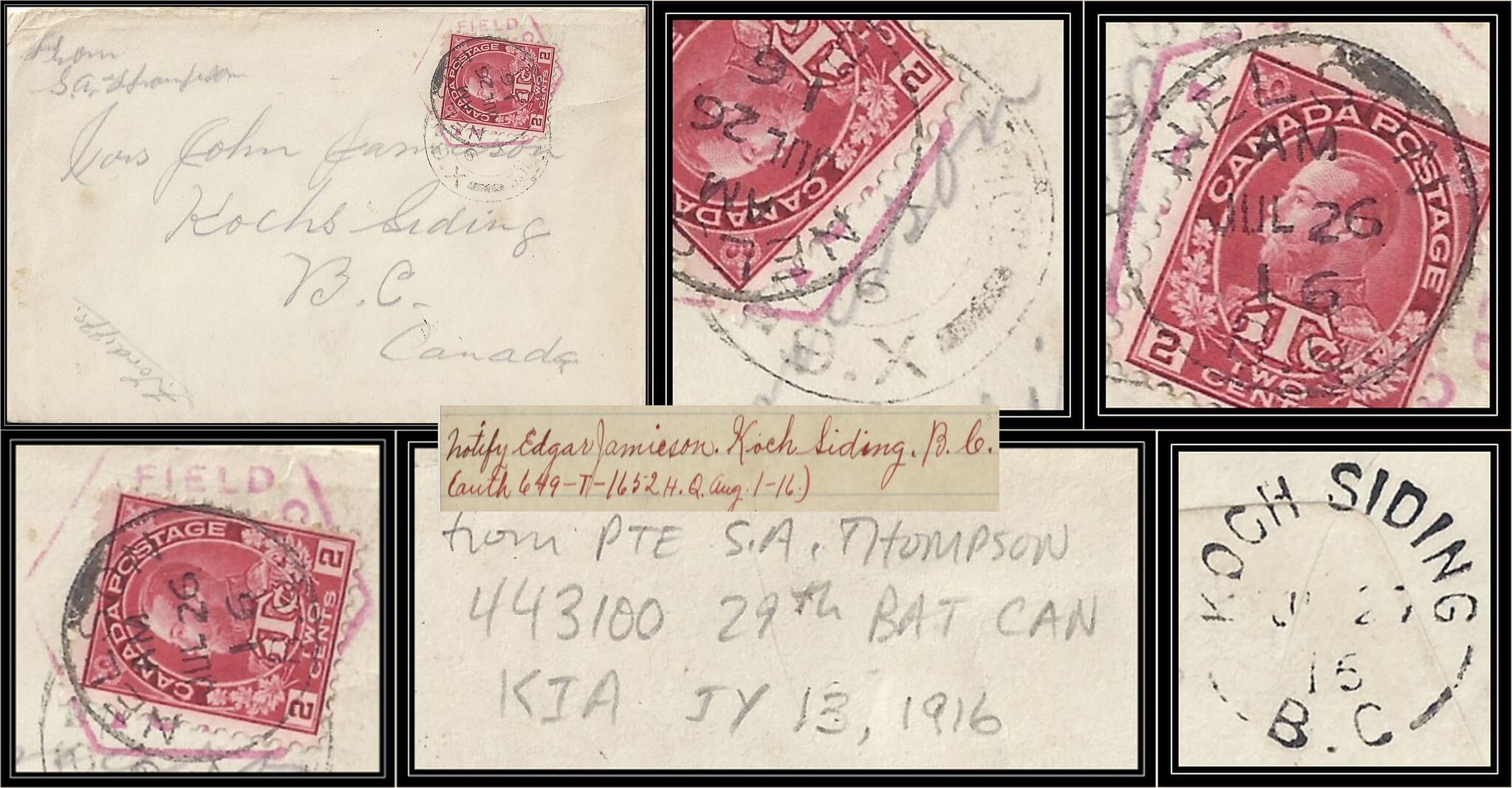
Before adhesive postage became standard in the mid-nineteenth century, letters traveled with postage paid in cash and marked by hand with a rate and origin stamp rather than an affixed stamp. These stampless covers document routes, rates, and towns from the earliest era of organized American mail service, and collectors value them as historical documents independent of any stamp at all.
Undivided Back Postcards With Franking
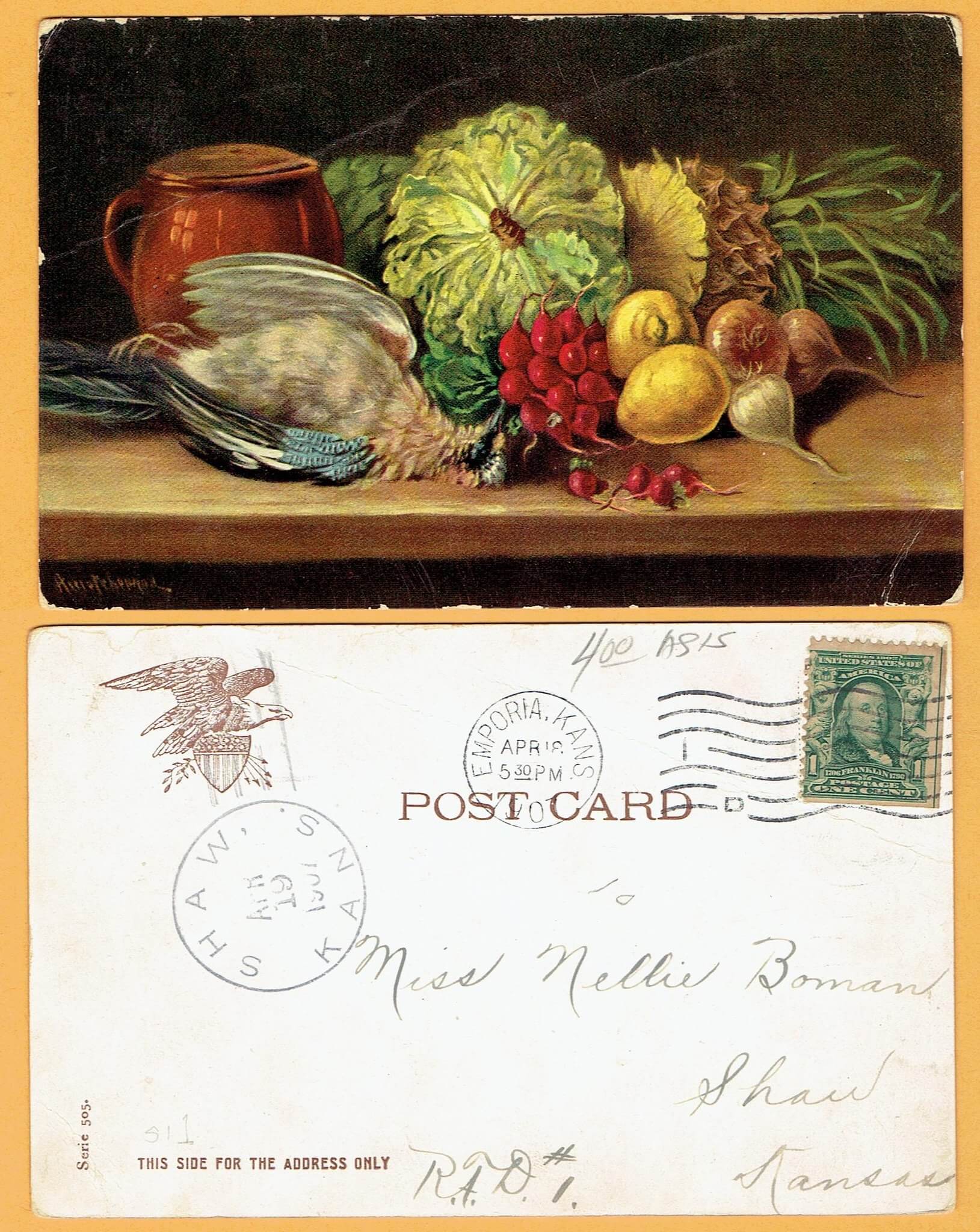
Early twentieth-century postcards printed before divided backs became standard sometimes carry period postage still attached and canceled, combining postal history with the postcard collecting field. Collectors who specialize in postal rate history value these hybrids for documenting exactly what it cost to mail a card in a specific year and location.
Officially Sealed Post Office Seals
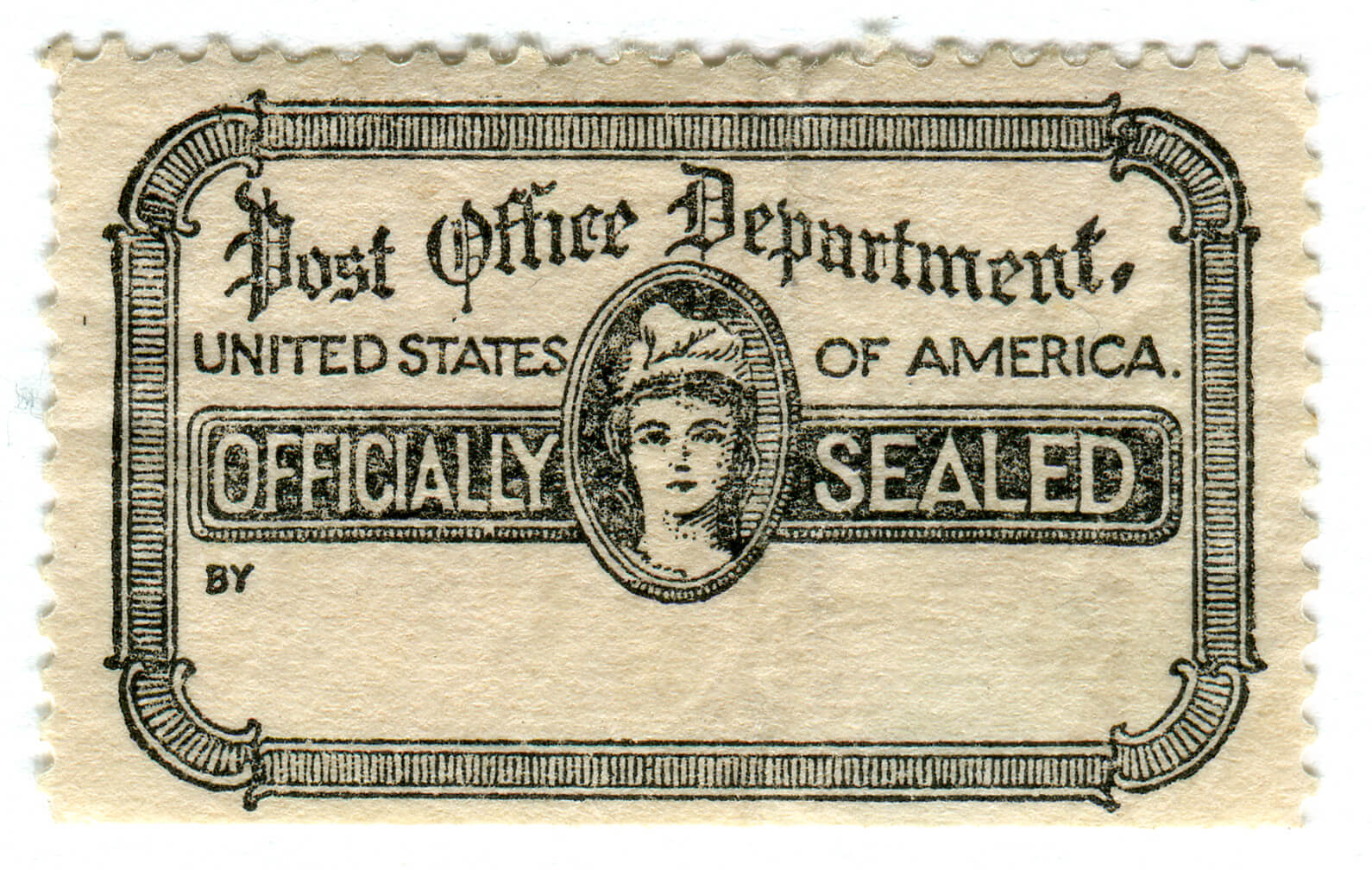
Torn or damaged mail that reached a post office in poor condition was historically resealed with an official label documenting the damage, a practical administrative tool that became its own small collecting field. Surviving examples with the original damaged cover intact are scarce, since most such covers were eventually discarded rather than preserved.
US Prexie Series Definitives of 1938

The definitive series depicting every president from Washington through Coolidge in strict chronological order remained in daily postal use for years, which means most surviving examples are heavily used and inexpensive. The scarcer high denominations, along with coil and booklet pane formats within the series, carry real premiums that the common low values do not share.
What an Album Actually Preserves
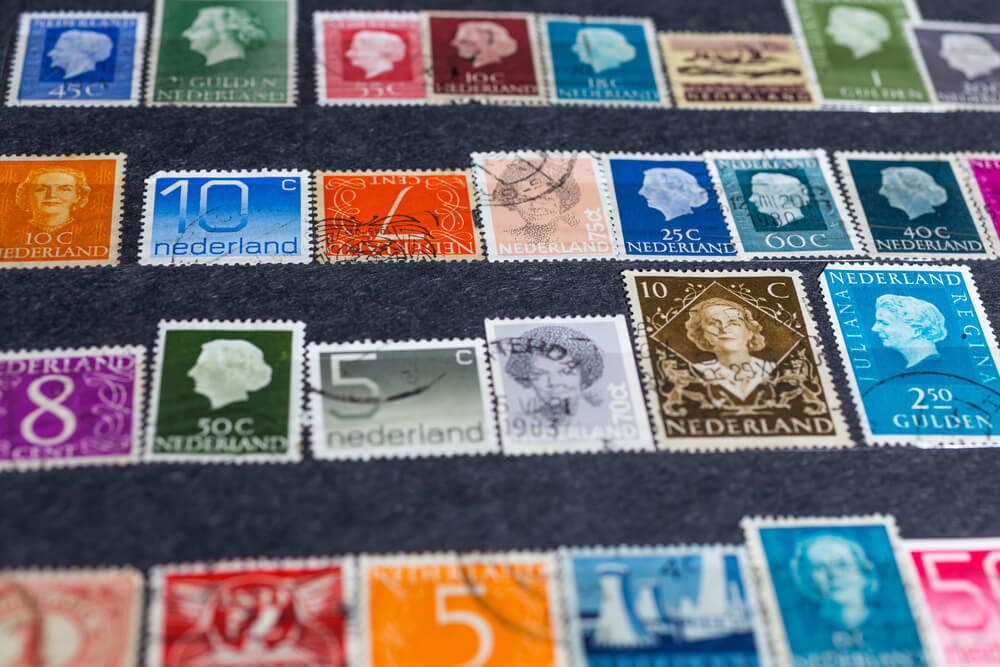
A stamp album kept for decades is a record of what someone considered worth saving at the time, which is not always the same as what turned out to matter later. The scarce items in a typical album are rarely the ones a previous owner circled in pencil.
Sorting one properly means checking watermarks, perforation counts, and printing details against a current catalog rather than trusting memory or a decades-old note in the margin. The stamps that reward that patience are usually not the famous ones everybody already recognizes.
More from Go2Tutors!

- The Romanov Crown Jewels and Their Tragic Fate
- 13 Historical Mysteries That Science Still Can’t Solve
- Famous Hoaxes That Fooled the World for Years
- 15 Child Stars with Tragic Adult Lives
- 16 Famous Jewelry Pieces in History
Like Go2Tutors’s content? Follow us on MSN.