28 Summer Jobs Teenagers Once Lined Up For
Before internships required a résumé and a cover letter, a teenager looking for summer work simply walked into a local business, asked if they were hiring, and often started within days. These jobs paid modestly, but they were plentiful, and getting one was frequently a matter of showing up early rather than competing through an application portal.
Many of these positions have since been automated, outsourced, or restructured into adult-only roles requiring certifications that did not exist decades ago. What remains is a shared memory of a specific kind of first paycheck.
Lifeguard

Public pools and lake beaches hired teenage lifeguards every summer, requiring only a Red Cross certification course that could be completed in a weekend before the job began. The position combined real responsibility with long stretches of sitting in the sun watching swimmers, and the tan lines from a whistle lanyard and sunglasses became a recognizable summer uniform of their own.
Many lifeguards worked the same pool for several consecutive summers, developing a familiarity with regular swimmers that made the job feel like a genuine community role.
Paper Route Carrier

Waking before dawn to fold and deliver newspapers by bicycle was one of the earliest jobs available to teenagers, sometimes starting as young as eleven or twelve depending on local rules. Carriers were responsible for collecting subscription payments directly from customers, often going door to door once a month to gather cash or checks.
The route itself was frequently treated as a small piece of property, passed down to a younger sibling or sold informally to another kid in the neighborhood.
Ice Cream Truck Driver or Vendor
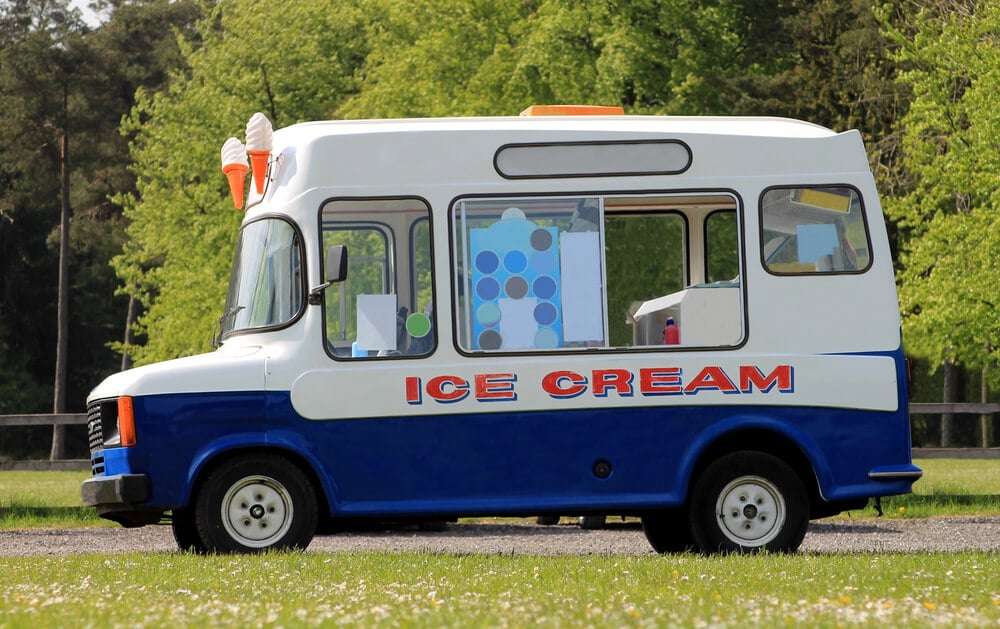
Older teenagers with a driver’s license could sometimes land a summer job driving or riding along on an ice cream truck route through residential neighborhoods, memorizing which streets brought out the most kids each afternoon. The job involved handling large amounts of small cash and making correct change quickly while a line of children waited.
The specific jingle played by the truck became a genuinely reliable signal that could pull kids out of backyards from blocks away.
Amusement Park Ride Operator

Regional amusement parks hired large seasonal staffs of teenagers each summer to operate rides, check safety harnesses, and manage lines, often providing a uniform and a modest hourly wage plus free park admission on days off. The job came with an unusual amount of responsibility for a first job, since operators were directly responsible for passenger safety on mechanical rides.
Working the same ride for an entire summer meant memorizing the exact rhythm of loading and unloading dozens of times a day.
Golf Caddy

Country clubs and public golf courses hired teenagers to carry golf bags and offer course advice to players, earning both a flat caddy fee and tips that could add up to a meaningful daily total during a busy summer. Caddies were expected to know the layout of the course well enough to advise on club selection and read the break of the greens.
A regular caddy who developed a good relationship with a specific member could sometimes count on being requested by name for the rest of the summer.
Movie Theater Usher and Concession Worker

Local movie theaters hired teenage staff to tear tickets, sweep spilled popcorn between showings, and run the concession counter, a job that typically came with the perk of watching new releases for free during slow shifts. The smell of popcorn butter clinging to clothes after a shift became a distinctive and lasting memory for many former theater employees.
Working the late shift on a Friday or Saturday night release often meant dealing with the longest lines and the busiest concession rush of the entire week.
Farm Hand or Detasseling Crew

In agricultural regions, teenagers formed seasonal crews to detassel corn, a physically demanding job that involved walking rows of cornfields removing the tassel from each plant by hand to control pollination for seed corn production. Crews were bused to fields before sunrise to avoid the worst heat of the day, and the work paid noticeably better than most other available teenage jobs specifically because it was so physically demanding.
Returning from a full day of detasseling left arms and hands covered in fine cuts from the corn leaves, a badge of the job recognized instantly by anyone who had done it themselves.
Grocery Store Bagger
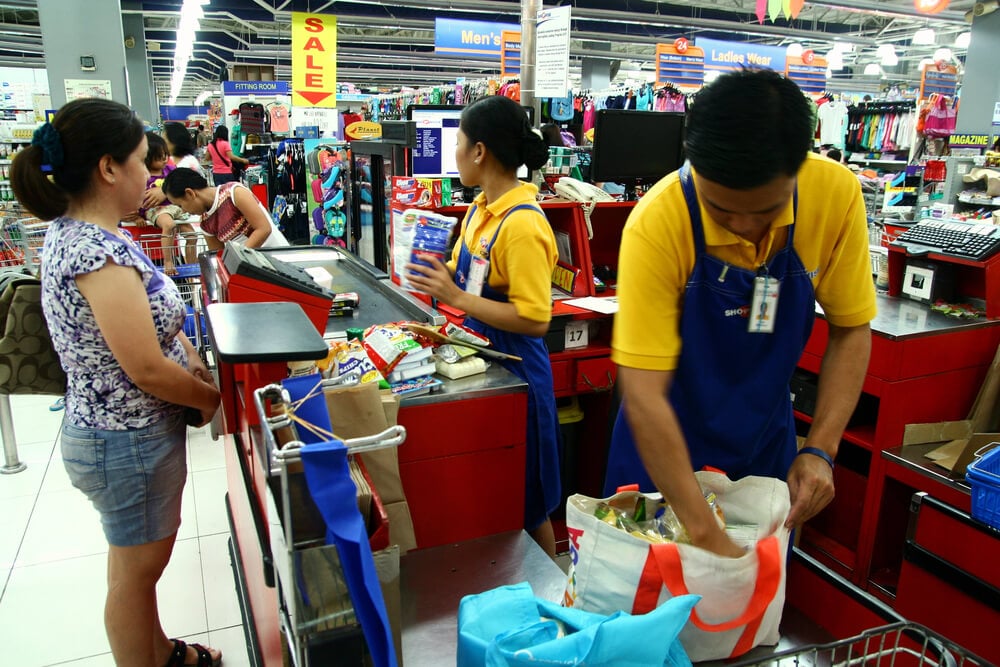
Supermarkets hired teenagers specifically to bag groceries at the register, a role that required learning the correct order of packing items to avoid crushing bread or bruising produce. Baggers often also handled cart retrieval from the parking lot, a task that became genuinely unpleasant during a summer downpour or a heat wave.
The job served as many teenagers’ literal first job, requiring little more than a willingness to show up and a passing familiarity with basic customer service.
Fast Food Counter Worker
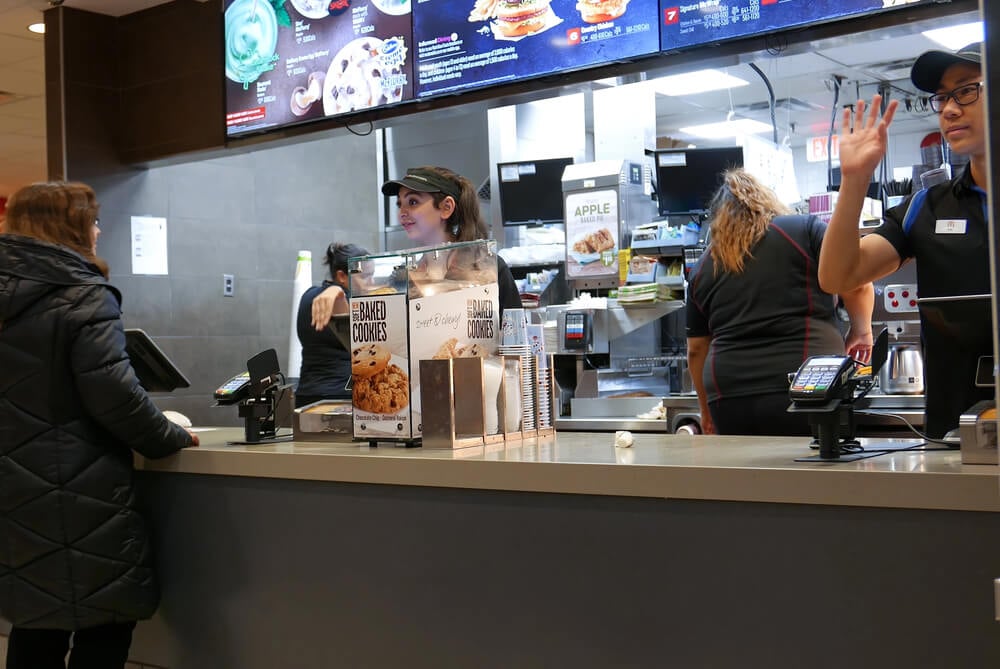
Local and chain fast food restaurants hired large numbers of teenagers each summer to work the counter, fry station, and drive-through window, often as a first formal job requiring a work permit for younger applicants. Shifts during the lunch and dinner rush moved at a demanding pace that taught many teenagers their first real lessons in multitasking under pressure.
A free or discounted employee meal during a shift was frequently one of the job’s most valued perks.
Summer Camp Counselor

Overnight and day camps hired teenagers, often just a few years older than the campers themselves, to lead activities, supervise cabins, and manage a schedule of swimming, crafts, and campfires across an entire summer season. The job demanded far more patience and responsibility than its modest pay reflected, and counselors frequently formed close friendships with fellow staff members that outlasted the summer itself.
Returning to the same camp for multiple consecutive summers, eventually working up to a senior counselor role, was a common career arc within the job.
Lawn Mowing Route

Teenagers with access to a lawn mower built informal customer routes throughout their own neighborhood, going door to door to offer weekly mowing services for a flat cash rate agreed upon directly with each homeowner. A reliable mower who showed up on schedule could build a route substantial enough to constitute a genuine small business by midsummer.
Word of mouth among neighbors was the entire marketing strategy, with no advertising beyond a good reputation and a visible, well-kept lawn.
Newspaper Stand or Kiosk Attendant

Downtown newsstands and transit station kiosks hired teenagers to sell papers, magazines, and small snacks to commuters during a fixed shift, requiring quick and accurate cash handling during rush hour crowds. The job offered a front-row view of a steady stream of regular customers who often became recognizable by their daily purchase and routine.
Making correct change quickly, without a register doing the math automatically, was considered a genuinely valuable skill developed on the job.
Drive-In Movie Theater Attendant

Where drive-in theaters remained in operation, teenagers worked the ticket booth, the concession stand, and occasionally roller-skated food out to parked cars during the peak years of that particular service model. The job required comfort working outdoors after dark, often through several showings in a single shift that could run past midnight.
The slow decline of drive-in theaters through the following decades meant fewer of these positions existed each successive summer.
Retail Stock Clerk

Department stores and local shops hired teenagers over the summer to unload delivery trucks, price merchandise with a manual pricing gun, and restock shelves, work that happened mostly before or after regular store hours away from customers. The pricing gun itself, clicking a small sticker onto each item by hand, was a distinctly tactile part of the job that has since been replaced almost entirely by barcode systems.
Physical stamina mattered more than customer service skills for this particular role.
Swim Instructor

Beyond lifeguarding, certified teenagers taught group and private swim lessons to younger children at community pools, a role that paid somewhat better than standard lifeguard duty because it required demonstrated teaching ability. Instructors spent entire mornings in the water working through the same basic strokes with successive small groups of nervous beginners.
Watching a student who had been terrified of the water at the start of summer manage an independent lap by the final lesson was widely cited as the job’s most rewarding moment.
Amusement Park Games Attendant

Alongside ride operation, teenagers staffed the carnival-style game booths at amusement parks and fairs, running dart throws, ring tosses, and water gun races while awarding stuffed prizes to winners. The job required a specific kind of upbeat, persistent patter to draw passing customers over to try a game, a genuine performance skill that had to be developed on the spot.
Managing the prize inventory, restocking the wall of stuffed animals as they were won, was a constant background task throughout every shift.
Marina and Boat Dock Hand
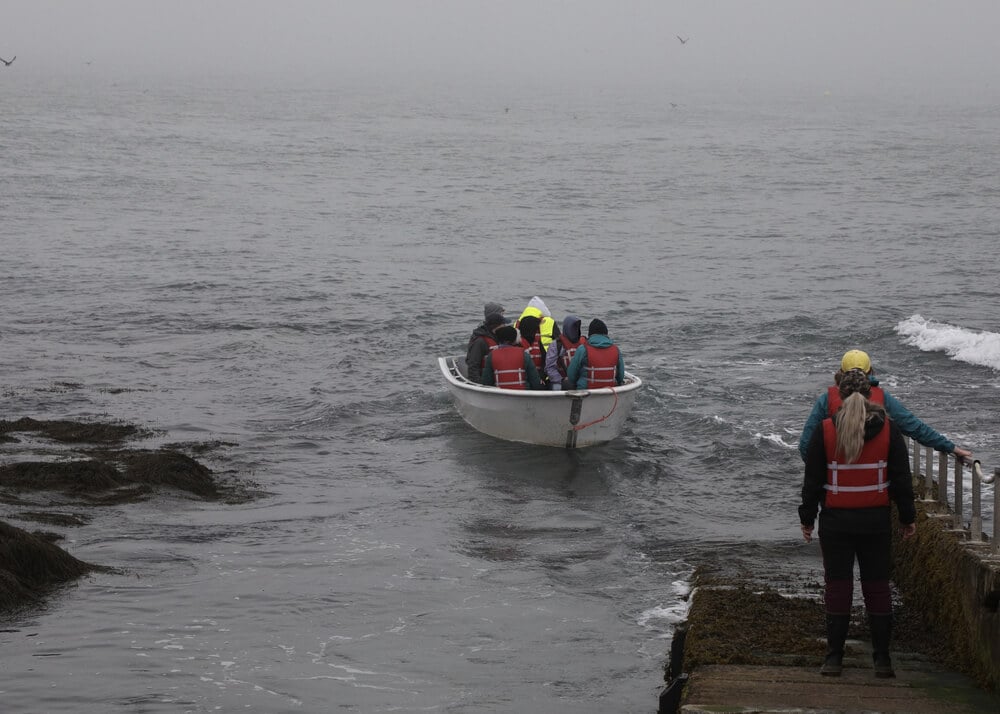
Lakeside and coastal marinas hired teenagers to help dock boats, pump fuel, and rent out small watercraft to tourists, a job that came with the specific perk of working directly on or near the water all day. The work required a practical understanding of knots, tides, and basic boat handling that many dock hands picked up entirely on the job rather than through formal training.
A good relationship with regular boat owners at the marina often led to informal tips beyond the standard hourly wage.
Batting Cage and Mini Golf Attendant

Local batting cages and miniature golf courses hired teenagers to manage equipment rentals, reset pitching machines, and handle the register for a steady stream of summer visitors. The job involved constant minor mechanical troubleshooting, since pitching machines and putt-putt obstacles broke down with predictable regularity during a busy season.
Slow weekday shifts often meant long stretches with few customers, giving attendants ample time to practice their own swing between rentals.
Camp Kitchen or Dining Hall Staff

Beyond counselor roles, summer camps hired teenagers specifically to work in the kitchen and dining hall, prepping meals, washing an enormous volume of dishes, and serving hundreds of campers across three meals a day. The physically demanding pace of a camp kitchen during a full sitting was often described by former staff as more exhausting than any other summer job they later held.
Kitchen staff frequently developed a distinct camaraderie separate from the counselor staff, built around surviving the same hectic meal rushes together.
Roadside Fireworks Stand Clerk

In regions where seasonal fireworks stands operated legally, teenagers were hired for the several-week stretch leading up to major summer holidays to staff the stand, handle cash transactions, and explain product differences to customers. The job existed for only a narrow window each year, making it a genuinely temporary but often well-paid burst of seasonal work.
Long shifts in a hot, un-air-conditioned stand or tent were a defining and widely remembered discomfort of the position.
Community Pool Concession Stand Worker
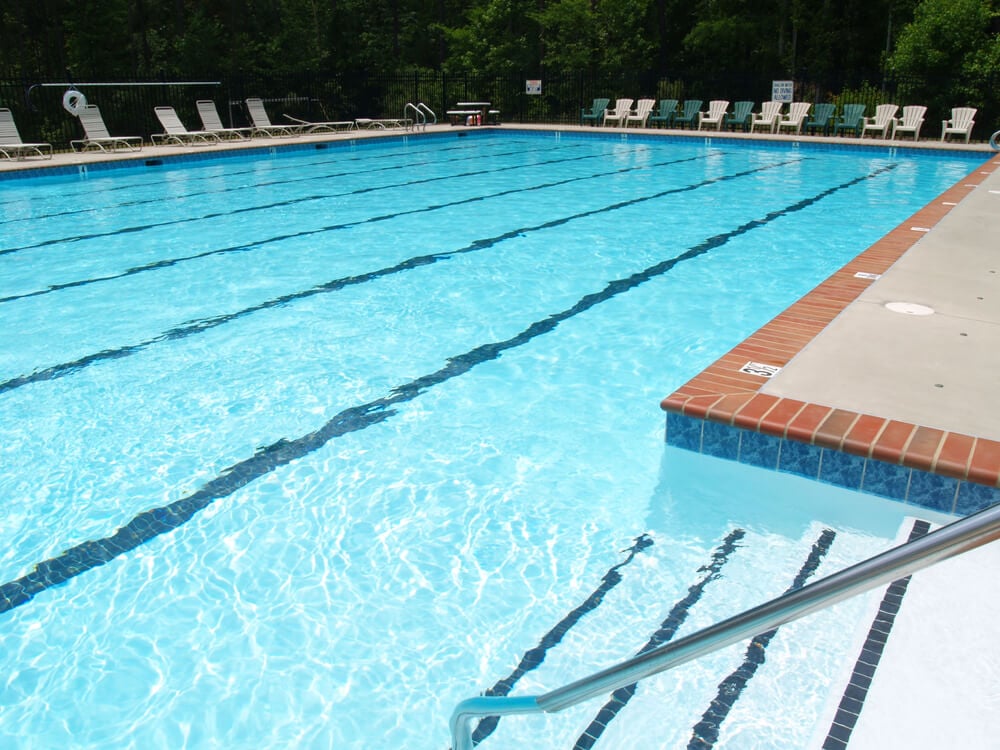
Separate from lifeguarding, teenagers worked the small snack bar found at most community and public pools, selling snow cones, hot dogs, and candy to swimmers taking a break from the water. The job typically ran on a far more relaxed pace than a full restaurant kitchen, with slow stretches between the lunch and late-afternoon rush.
Working the concession stand at a pool a teenager had grown up swimming at was a common and slightly surreal experience, serving snacks to kids much like they themselves had once been.
Landscaping and Lawn Crew

Beyond an individual mowing route, teenagers were hired onto small commercial landscaping crews for the summer, riding along in a truck to multiple properties each day to mow, trim, and clear debris under adult supervision. The physical demands were considerable, with full days spent working outdoors regardless of heat, and the pay generally reflected that intensity better than most indoor summer jobs.
A summer spent on a landscaping crew was frequently cited by former workers as the job that most directly shaped their later work ethic.
County Fair or Carnival Worker
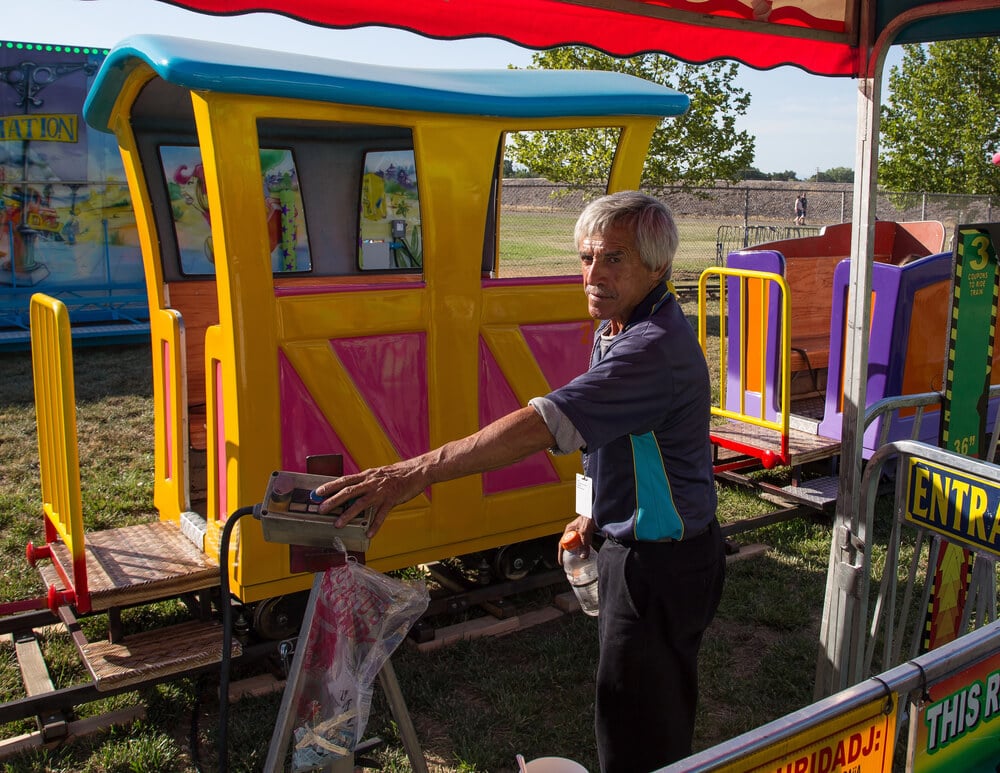
Traveling carnivals and county fairs hired local teenagers for the duration of their stop in a given town, staffing ticket booths, food stands, and occasionally ride operation alongside the carnival’s regular traveling staff. The temporary nature of the job, often lasting only a week or two, made it feel more like a seasonal event than a standard summer job.
Working alongside the carnival’s full-time traveling crew offered teenagers a brief, memorable glimpse into an entirely different, itinerant way of life.
Car Wash Attendant
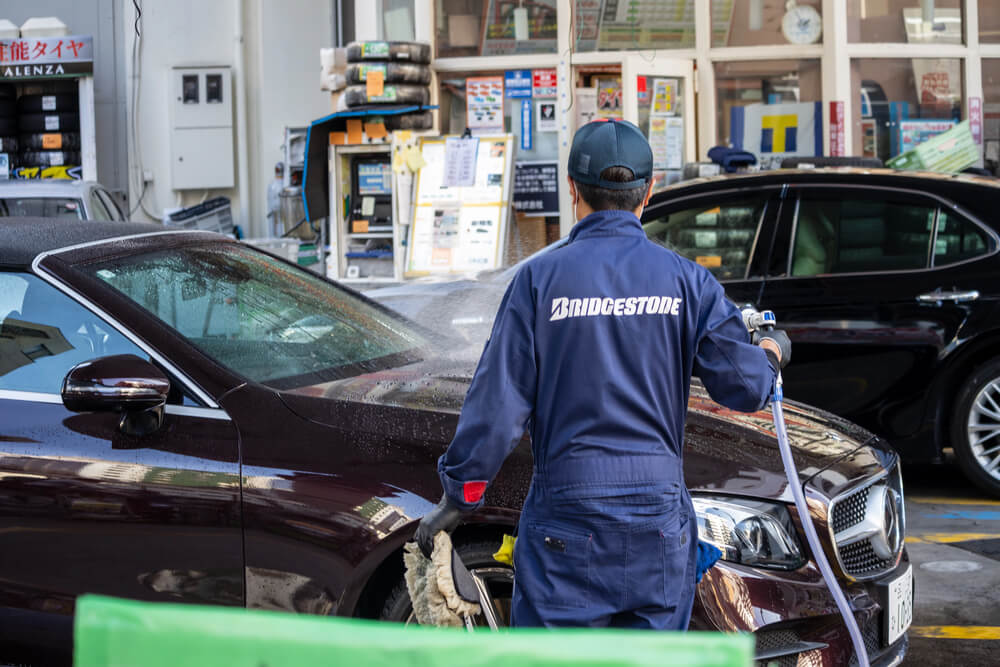
Local car washes hired teenage crews to hand-dry vehicles at the end of an automated wash cycle or to run a full manual wash operation, a job performed almost entirely outdoors in direct summer heat. The work was physically repetitive but simple enough to require minimal training, making it a common first job for younger teenagers not yet old enough for more skill-dependent positions.
Tips from satisfied customers, handed directly to the attendant who dried their car, made up a meaningful portion of daily earnings.
Library Summer Reading Program Assistant

Public libraries occasionally hired older teenagers, often former participants in the library’s own summer reading program, to help run activities and track reading logs for younger children throughout the summer months. The job paid modestly but offered an unusually quiet, air-conditioned alternative to the outdoor summer jobs held by most peers.
Former summer reading assistants frequently went on to work part-time at the same library well into the school year.
Sno-Cone or Snack Cart Vendor

Independent snack carts positioned at parks, beaches, and public events hired teenagers to sell sno-cones, lemonade, and simple snacks, often on a commission basis tied directly to the day’s sales. The job required setting up and breaking down the cart at the start and end of each shift, along with managing ice and syrup inventory throughout a hot day.
A prime cart location, near a busy playground or ballfield, could make the difference between a slow day and a genuinely profitable one.
Warehouse Seasonal Packer

Local distribution warehouses occasionally brought on teenage seasonal help during the busiest summer stretches, assigning tasks like packing boxes, labeling shipments, and loading trucks under the supervision of full-time adult staff. The pay tended to be somewhat higher than retail or food service jobs, reflecting the more physically demanding nature of warehouse work.
Overnight or early-morning warehouse shifts were less common for teenagers but occasionally available in regions with looser scheduling restrictions.
Church or Community Center Camp Aide

Local churches and community centers ran their own smaller day camps over the summer, hiring teenagers as aides to assist a lead adult staff member with games, crafts, and supervision of younger children in groups considerably smaller than a large commercial camp. The informal, community-based nature of the job often meant it was filled through word of mouth rather than a formal application.
Many teenage aides had themselves attended the same camp as children just a few years earlier.
A Summer Economy Built on Showing Up

None of these jobs required a polished résumé or a multi-stage interview process. A teenager who was reliable, on time, and willing to work outdoors in the heat could usually find something within a town’s local economy, often within walking or biking distance of home.
What has largely disappeared is not the willingness of teenagers to work but the sheer number of low-barrier entry points that once existed for them. Automation, liability concerns, and stricter licensing requirements closed off many of these roles, leaving behind mostly memory and, for those who lived it, a surprisingly specific set of physical sensations tied to a single summer job.
More from Go2Tutors!

- The Romanov Crown Jewels and Their Tragic Fate
- 13 Historical Mysteries That Science Still Can’t Solve
- Famous Hoaxes That Fooled the World for Years
- 15 Child Stars with Tragic Adult Lives
- 16 Famous Jewelry Pieces in History
Like Go2Tutors’s content? Follow us on MSN.