Shark Tank Pitches That Won Big Deals
Every now and then, someone walks through those famous doors with nothing but an idea and a prayer — and walks out with a check that changes everything. Shark Tank has been airing long enough that people have stopped watching just for the drama.
They tune in because, occasionally, they witness something real: a product that actually works, a founder who actually knows their numbers, and an investor who sees what others miss. These are the pitches that didn’t just survive the tank — they thrived long after the cameras stopped rolling.
The Doorbell That Became a Billion-Dollar Exit

Ring started as a pitch for a video doorbell. Simple enough. But when Jamie Siminoff walked in asking for $700,000 for a 10% stake, the Sharks largely passed.
Kevin O’Leary made an offer Siminoff turned down. That rejection stung, but Siminoff kept building. Years later, Amazon bought Ring for over a billion dollars — making it one of the most cited “Shark Tank near-misses” in the show’s history.
Sometimes the tank says no and the market says yes.
Scrub Daddy and the Smile That Sold Millions

Aaron Krause came in with a sponge shaped like a smiley face. That’s it. Except it wasn’t just a gimmick — the texture changed based on water temperature, making it firmer in cold water and softer in warm.
Lori Greiner saw it immediately. She offered $200,000 for a 20% stake, and Krause accepted.
Scrub Daddy went on to become one of the highest-grossing products in Shark Tank history, crossing $200 million in retail sales. Greiner has called it her best deal on the show.
Bombas and the Sock That Stood for Something
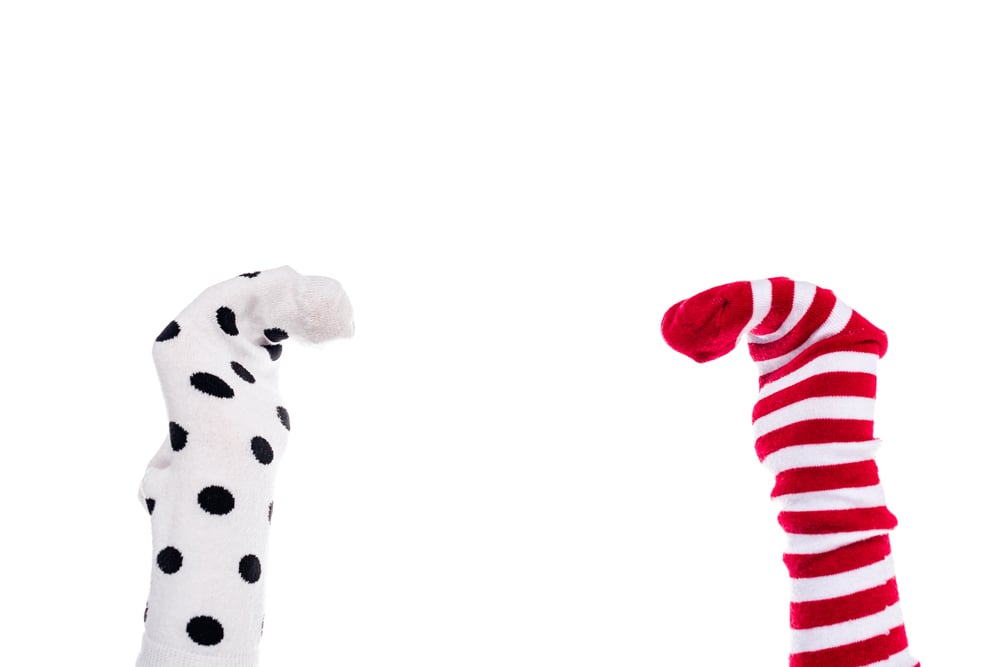
David Heath and Randy Goldberg showed up with socks. Not revolutionary on the surface.
But the pitch had a twist — for every pair sold, the company donates a pair to homeless shelters. Daymond John invested $200,000 for a 17.5% stake.
What followed was a company that didn’t just sell well, it sold with purpose. Bombas has donated tens of millions of pairs of socks and built a business worth hundreds of millions of dollars.
The mission wasn’t a marketing tactic. It was the product.
The Squatty Potty’s Unlikely Throne
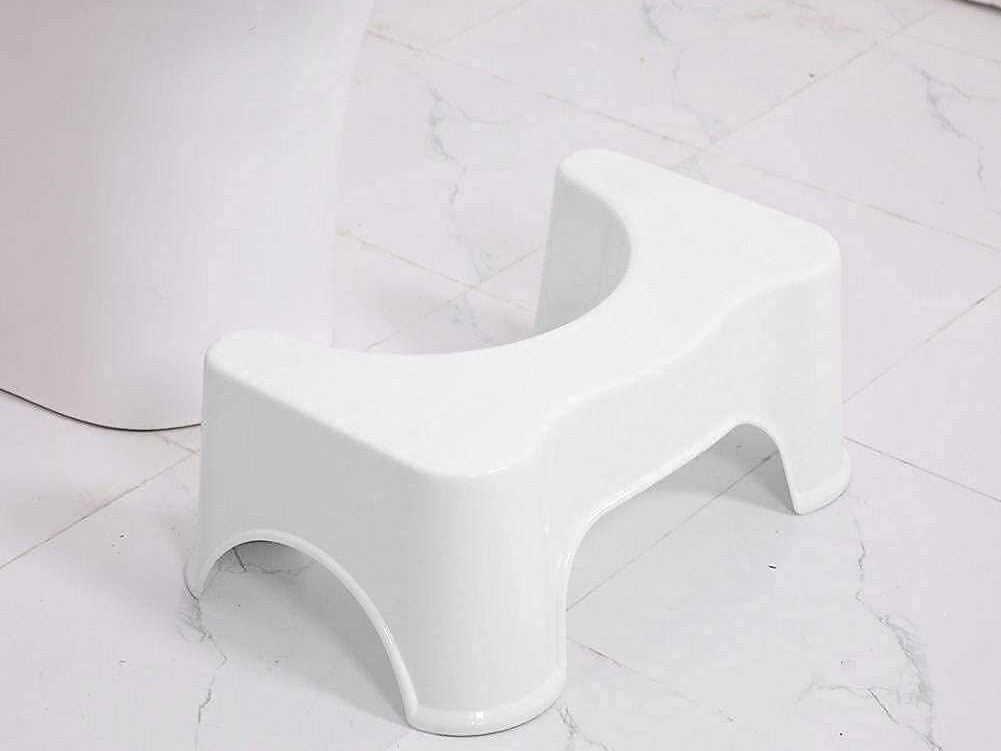
Few pitches have been both awkward and brilliant at the same time. Bobby and Judy Edwards walked in with a product that helps people use the bathroom in a more natural position.
The sharks laughed. Then they listened.
Lori Greiner put in $350,000 for a 10% stake. After a viral video featuring a unicorn went everywhere online, sales jumped dramatically.
The company crossed $30 million in annual revenue. Sometimes the product you’re embarrassed to pitch is the one that works.
Simply Fit Board and the Power of a Good Demo

Gloria Hoffman and Linda Clark didn’t have a complicated story. They had a balance board that doubled as a workout tool, and they demonstrated it right there on the tank floor.
Lori Greiner made an offer, and the two women accepted $125,000 for 20%. The product landed in major retail chains and generated over $160 million in sales within a couple of years.
A clean demo, a clear use case, and the right partner made all the difference.
Cousins Maine Lobster Got More Than Money
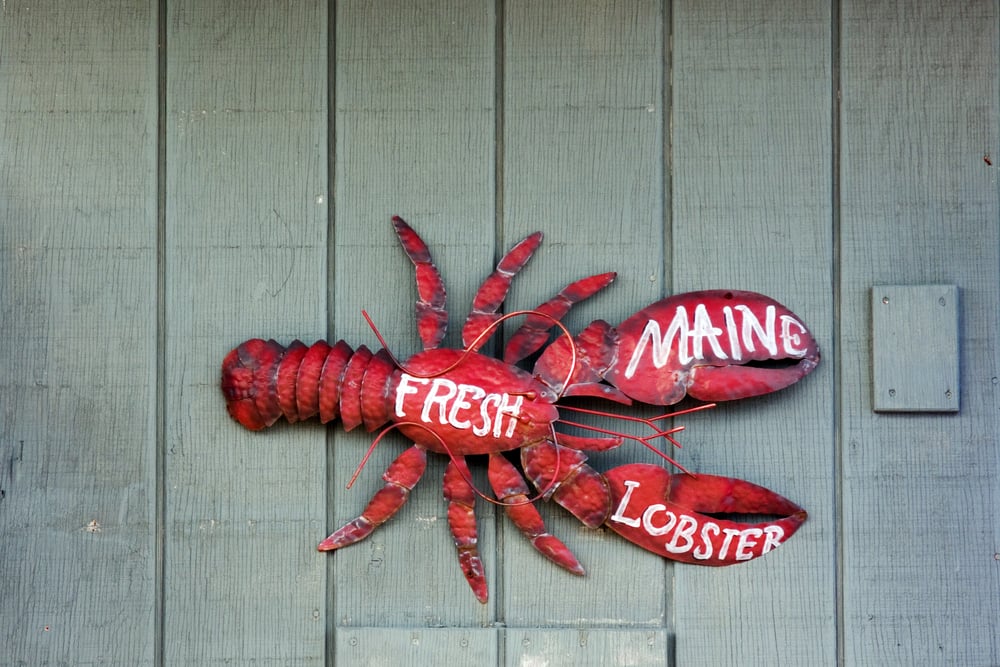
Sabin Lomac and Jim tselikis showed up selling fresh Maine lobster from a food truck. Barbara Corcoran offered $55,000 for a 15% stake, and the cousins accepted.
What they got was more than capital — Corcoran’s network and guidance helped them expand from one truck to dozens of franchise locations across the country. The company now brings in millions annually.
Barbara consistently picks businesses built around genuine passion, and these two had it in spades.
Drop Stop: The Gap Between the Seat and the Car Door
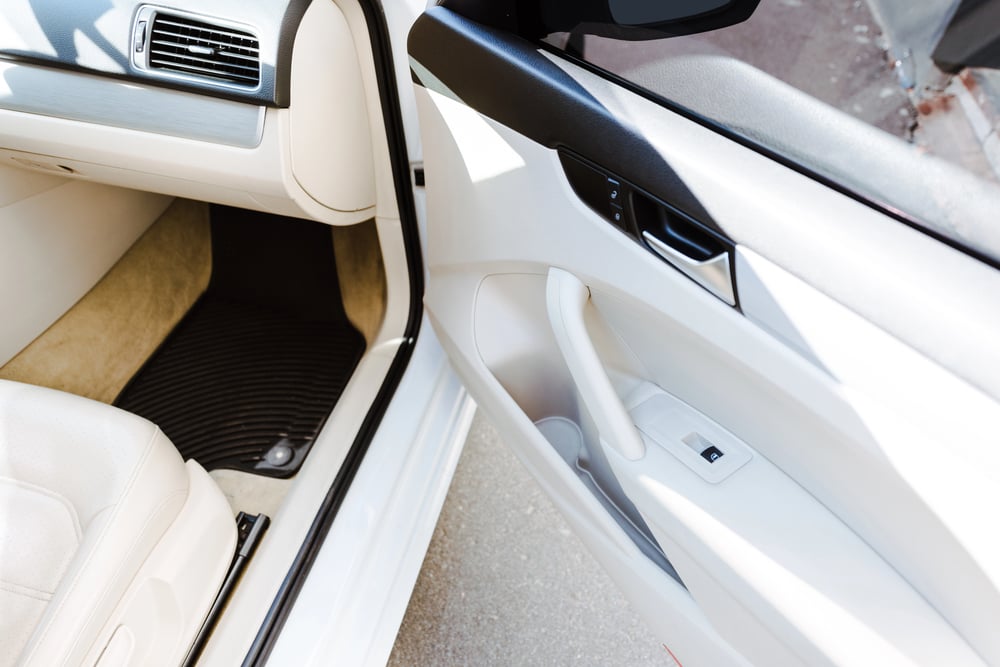
Marc Newburger and Jeff Pellegrino had a product for a very specific problem — things falling into that annoying gap between your car seat and the center console. Lori Greiner offered $300,000 for 20%.
After an appearance on QVC and strong retail placements, Drop Stop exceeded $10 million in sales. It’s a reminder that solving a small, everyday frustration can build a real business.
Tipsy Elves Proved Ugly Sweaters Were a Market
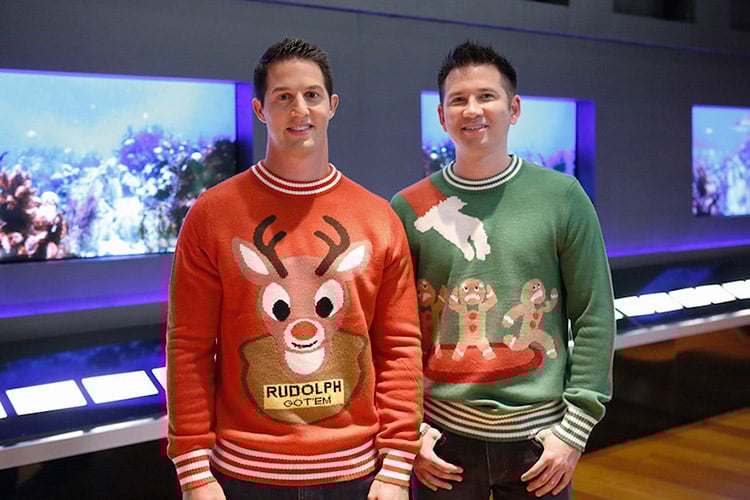
Nick Morton and Evan Mendelsohn started with ugly holiday sweaters. Mark Cuban offered $100,000 for 10%, and they took it.
Cuban later said he barely paid attention to the pitch initially, which makes the outcome funnier — the company grew to over $10 million in revenue within a few years of the deal. A niche product, the right timing, and a willingness to own the joke turned sweaters into a serious business.
Bottle Breacher: Veterans Who Knew Their Audience
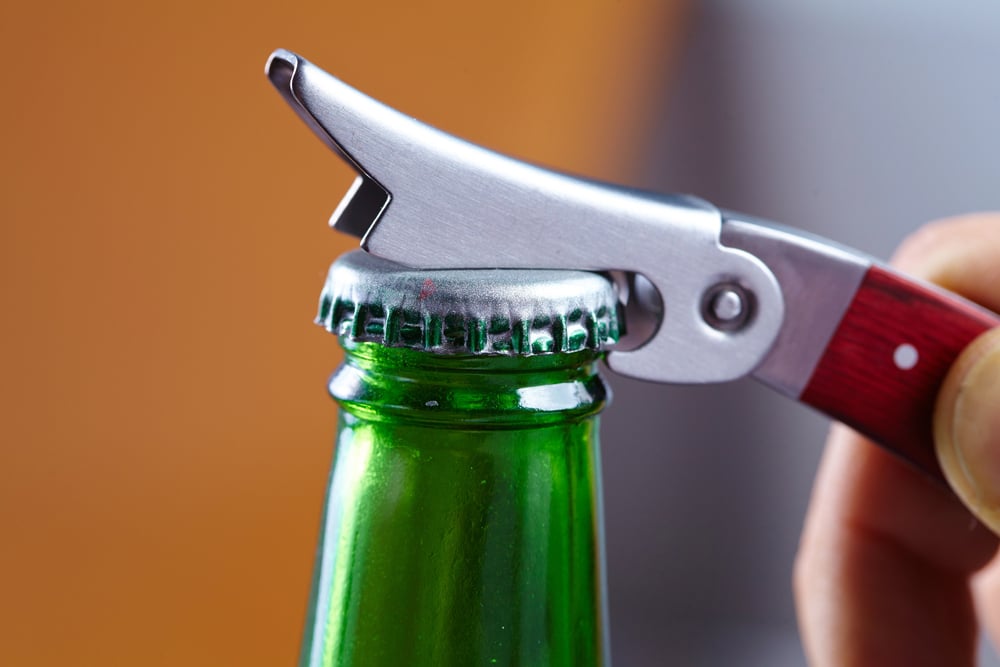
Eli and Jen Crane pitched bottle openers made from .50 caliber bullet casings, hand-crafted by veterans. Kevin O’Leary and Mark Cuban both made offers, eventually teaming up for $150,000 in exchange for a 20% stake.
The military community rallied around the product, and the brand expanded significantly. The story mattered as much as the product — maybe more.
The Painting With a Twist That Came Before the Pitch

Cathy Deano and Renee Maloney had already built a profitable franchise before walking into the tank. Their business, Painting With a Twist, combined wine and painting in a social class format.
Barbara Corcoran offered $250,000 for 40%, which they accepted. The franchise had over 200 locations at the time of the pitch and kept expanding.
This one wasn’t a startup story — it was a scaling story.
Buggy Beds Caught More Than Bugs

Maria Curcio and Veronica Perlongo pitched bed bug detection glue traps. Not glamorous.
Not flashy. But the product had real commercial and residential demand, and they knew their numbers were cold.
All five sharks made offers — a rare event on the show. They accepted a deal from Barbara Corcoran and Kevin O’Leary together for $250,000.
The product went into major retail chains and sold heavily.
Grace and Lace Turned Faith Into Fashion

Melissa Hinnant walked in with boot socks and leg warmers and told a story rooted in personal loss and faith. She already had over $800,000 in sales before the show aired.
Mark Cuban and Barbara Corcoran made her an offer of $175,000 for a 10% stake. The business grew past $20 million in annual revenue and expanded into multiple product lines.
Hinnant’s pitch was personal and precise — a combination the sharks rarely see together.
Wicked Good Cupcakes Made Cakes in a Jar

Tracey Noonan and Danielle Vilagie showed up with cupcakes baked into mason jars, a product designed for shipping. Kevin O’Leary proposed a royalty deal — $75,000 in exchange for $1 per jar sold until he recouped $300,000, then 45 cents per jar forever after.
They accepted. O’Leary later said it was one of his best royalty deals.
The mother-daughter team went on to generate millions in revenue, and the product still sells widely.
What the Tank Actually Teaches You

The pitches that win big aren’t always the flashiest. They’re not always the most dramatic. What separates the ones that become real companies is usually something quieter — a founder who knows their numbers, a product that solves a problem people actually have, and a willingness to stay in the room even when the conversation gets uncomfortable.
The deals you remember years later weren’t made because someone was charming. They were made because the business made sense, and the founder could prove it.
That’s the part no camera angle can manufacture.
More from Go2Tutors!

- The Romanov Crown Jewels and Their Tragic Fate
- 13 Historical Mysteries That Science Still Can’t Solve
- Famous Hoaxes That Fooled the World for Years
- 15 Child Stars with Tragic Adult Lives
- 16 Famous Jewelry Pieces in History
Like Go2Tutors’s content? Follow us on MSN.



