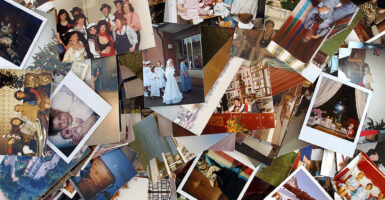
28 Sunday Family Traditions Quietly Lost Over The Decades
There’s a particular stillness to Sunday mornings that used to mean something different. Not the scroll-through-your-phone kind of stillness — the kind with a particular smell to it, bacon maybe, or newspaper ink, or the faint trace of whatever was being ironed for church.
Sundays had a shape once. They had rituals that made them feel distinct from every other day of the week, and families built their whole sense of togetherness around them without ever consciously deciding to.
Most of those traditions didn’t die in any dramatic way. They just quietly stopped happening, one skipped Sunday at a time, until one day the kids had kids of their own and nobody could quite remember when things changed.
The Big Sunday Dinner

Sunday dinner wasn’t just a meal — it was the weekly anchor. Families gathered around a table that could barely hold all the dishes, and everyone showed up: grandparents, aunts, cousins who lived twenty miles away and came anyway.
The roast took hours. That was the point.
Handwritten Letters After Church

After the service ended and people got home, some families made it a habit to sit down and write to relatives they hadn’t seen in months. Not emails, not texts — actual letters, with envelopes that got licked and stamps that got pressed on with a thumb.
There’s a reason people kept those letters in shoeboxes under the bed for decades.
Listening to the Radio Together

Before television consumed the living room and before streaming consumed television, Sunday afternoons belonged to the radio, and the whole family gathered around it the way people now gather around a screen — except the listening was shared and the imagination was doing most of the work. You couldn’t skip ahead, couldn’t rewind, couldn’t watch it later; the program came when it came, and if you wanted to hear it, you sat down and paid attention.
So you did.
Reading the Sunday Paper Cover to Cover

The Sunday edition was a serious object. Three inches thick on a good week, full of sections that got divided up around the table like they were being rationed — sports to one person, comics to the kids, crossword to whoever finished first.
People read it slowly, over coffee, without any particular urgency.
The Sunday Drive

Nobody needed a destination. That was the entire philosophy of the Sunday drive — pile into the car, pick a direction, see what was out there.
Families would roll through towns they’d never stopped in, past farmland and old bridges and roadside stands selling things they didn’t need but bought anyway. The car was the activity.
Saying Grace Before the Meal

Saying grace before Sunday dinner was once as reflexive as picking up a fork — a brief pause before the chaos of passing dishes and refilling glasses, something that acknowledged the meal before the meal began. It didn’t always require deep faith; for a lot of families it was simply a ritual, a beat of collective stillness that signaled the difference between a regular Wednesday dinner and a Sunday one.
And yet it’s almost vanished from tables where it was once automatic.
Visiting the Cemetery
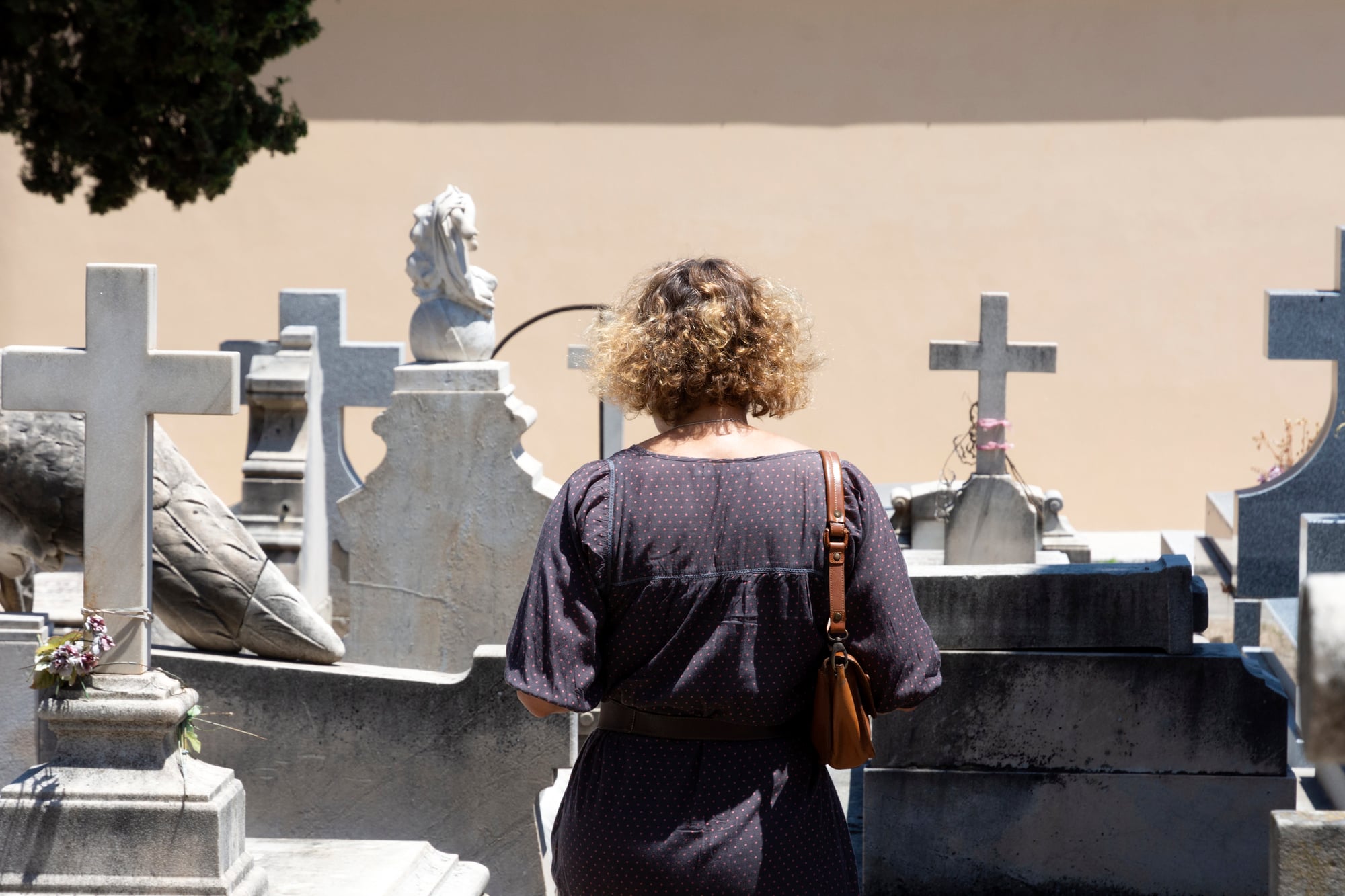
Sunday afternoons used to include a quiet walk through the local cemetery, especially after church, where families would visit the graves of relatives and tidy up around the stones — pulling weeds, leaving flowers, saying something out loud that nobody else could hear. It was a way of keeping people present even after they were gone.
That practice has become rare enough now that it reads as unusual rather than ordinary.
Baking Bread from Scratch
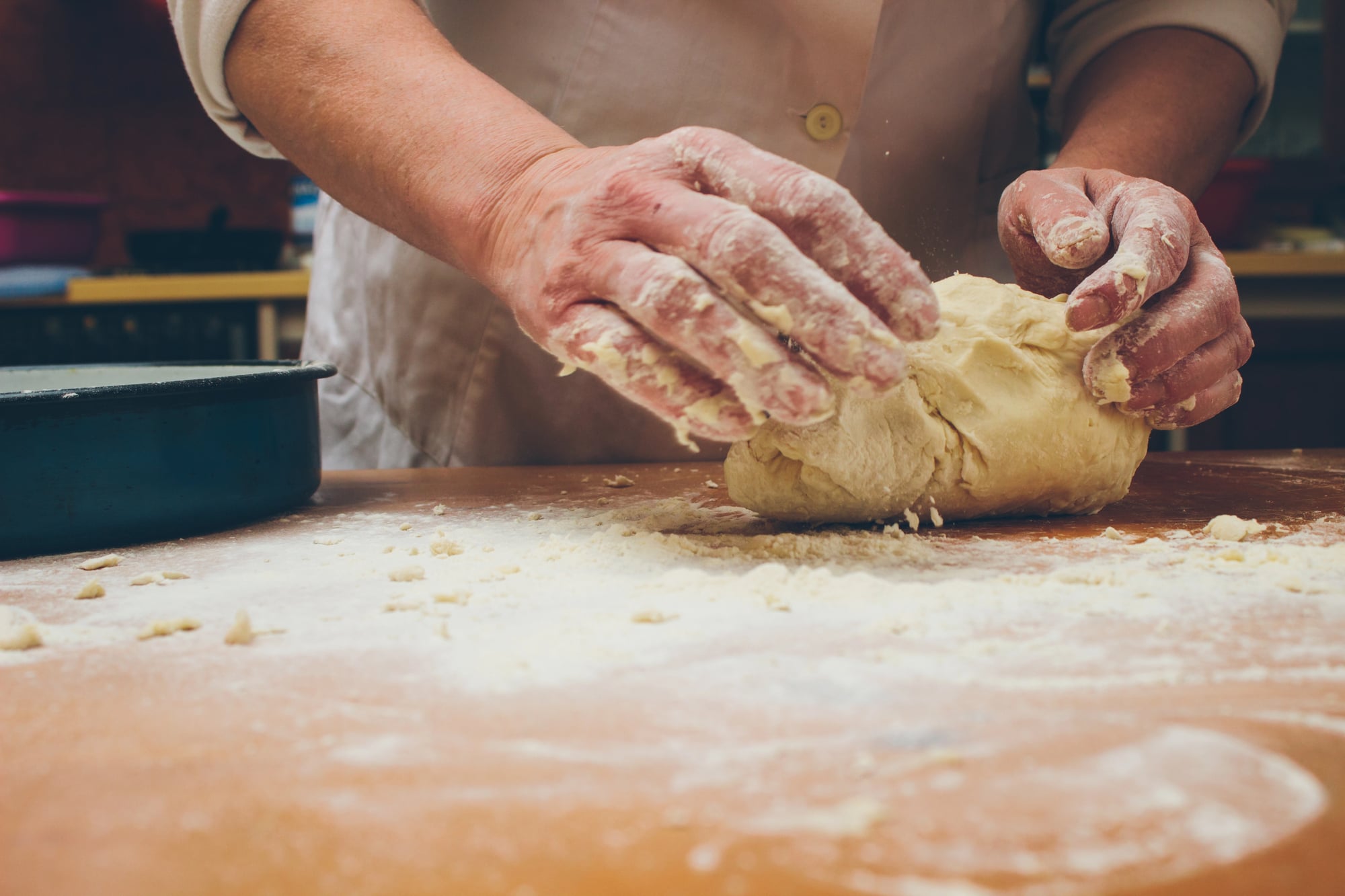
Sunday was the day for it — the long rises, the punching down, the second rise, the whole slow afternoon ritual of it. The bread wasn’t faster than store-bought.
It wasn’t even always better. But the smell of it baking filled every room in the house, and that was its own kind of purpose.
Church Potlucks
The church potluck after Sunday service was a masterclass in community without anyone calling it that. Every family brought something, every dish came with an unspoken story about who made it and what it cost them to bring it, and the folding tables in the fellowship hall groaned under the weight of casseroles and Jell-O molds and pies that had been cooling since Saturday night.
It was, to be fair, one of the better social inventions of the last century.
The Sunday Phone Call to Grandparents

Before the constant connectivity of text messages made regular check-ins feel redundant, Sunday evening had a specific ritual: the weekly phone call to grandparents. Kids were handed the receiver and expected to report on their week.
It felt like a mild obligation at the time. What it actually was — a tether between generations, something that kept people present in each other’s lives in a deliberate and scheduled way — only becomes clear in retrospect.
Afternoon Naps as a Family Ritual

Sunday naps weren’t accidental. They were planned — a quiet understanding that after the big meal, the house would go soft for an hour or two.
Curtains drawn, couch cushions claimed, the whole family in a kind of shared suspension. Nobody needed permission. It was just what Sunday afternoons were for.
Playing Board Games After Dinner

After the plates were cleared and before anyone thought about heading home, the board games came out. Scrabble, Monopoly, card games that took two hours and always ended in someone accusing someone else of cheating.
The point wasn’t the game itself. The point was being stuck together at the table long enough for real conversations to happen sideways, in between turns.
Dressing Up for Church

Getting dressed for Sunday used to mean something specific — the good shoes, the clothes kept for the occasion, the ritual of looking your best for one morning a week whether you felt like it or not. It imposed a kind of intentionality on the day.
Casual Sunday dress code isn’t the tragedy some make it out to be, but something about that weekly act of effort quietly shaped how people thought about the rest of the day.
Neighborhood Visits Without Calling First
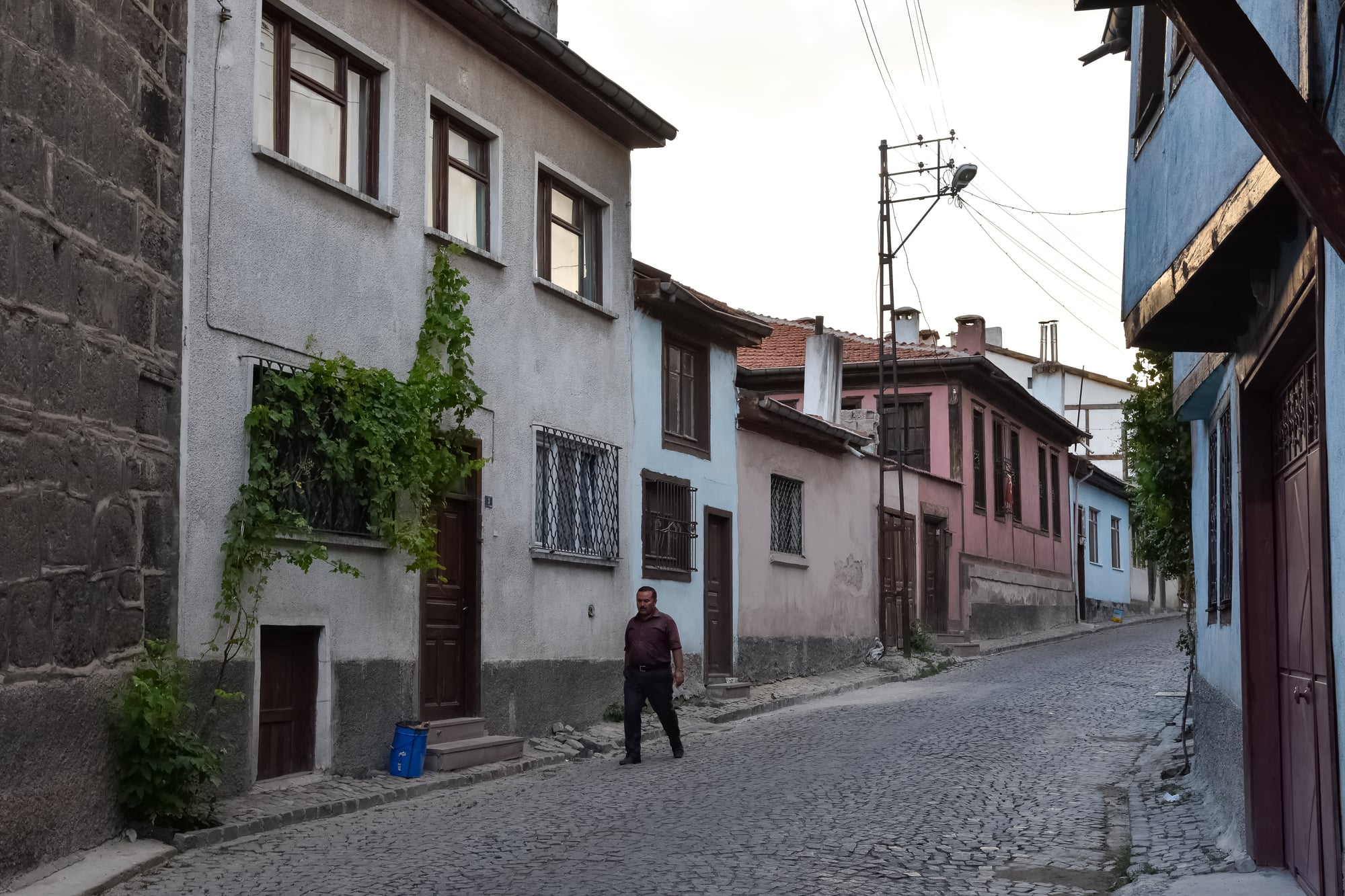
Dropping by a neighbor’s house on a Sunday afternoon without calling ahead wasn’t considered rude — it was expected. People sat on porches, left doors open, and understood that an unannounced visit was a compliment rather than an intrusion.
The whole concept has become so foreign now that attempting it would read as a minor social crisis.
Kids Playing Outside Until Dark

Sunday afternoons once emptied entire neighborhoods of children — every kid out on the street or in the backyard or down at the park at the end of the block, with no particular plan and no adult hovering nearby. The rule was simple: be home before the streetlights came on.
That was the whole rule.
Reading the Bible or Devotionals as a Family
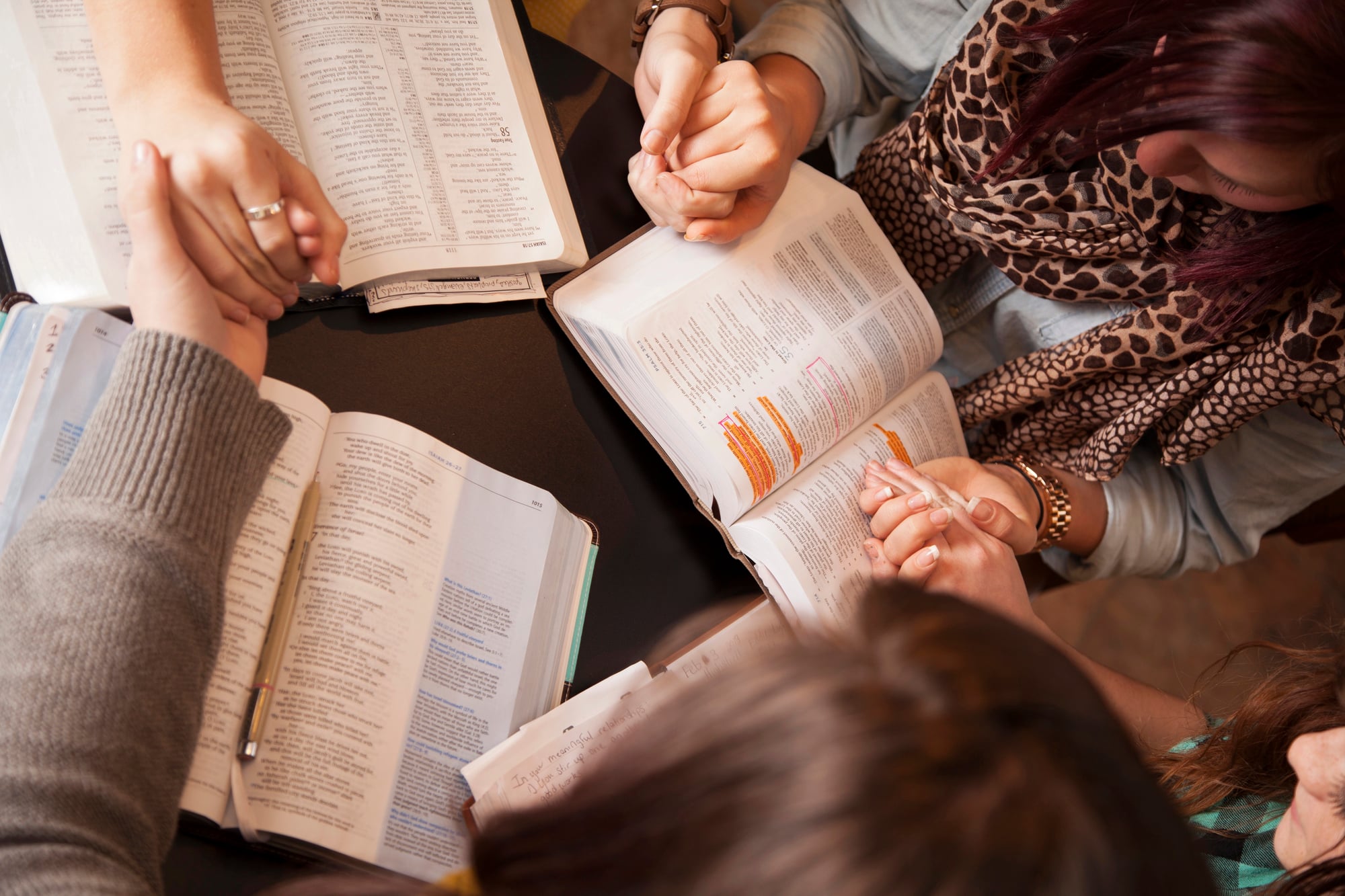
For many households, Sunday mornings included a brief reading — a passage from scripture or a short devotional — before church or after breakfast, a moment where the family paused together over something larger than the week’s schedule. It wasn’t always long.
Five minutes, sometimes less. But it gave Sunday a distinct opening that made it feel like a different kind of day rather than a leftover one.
Sunday School Followed by Donuts
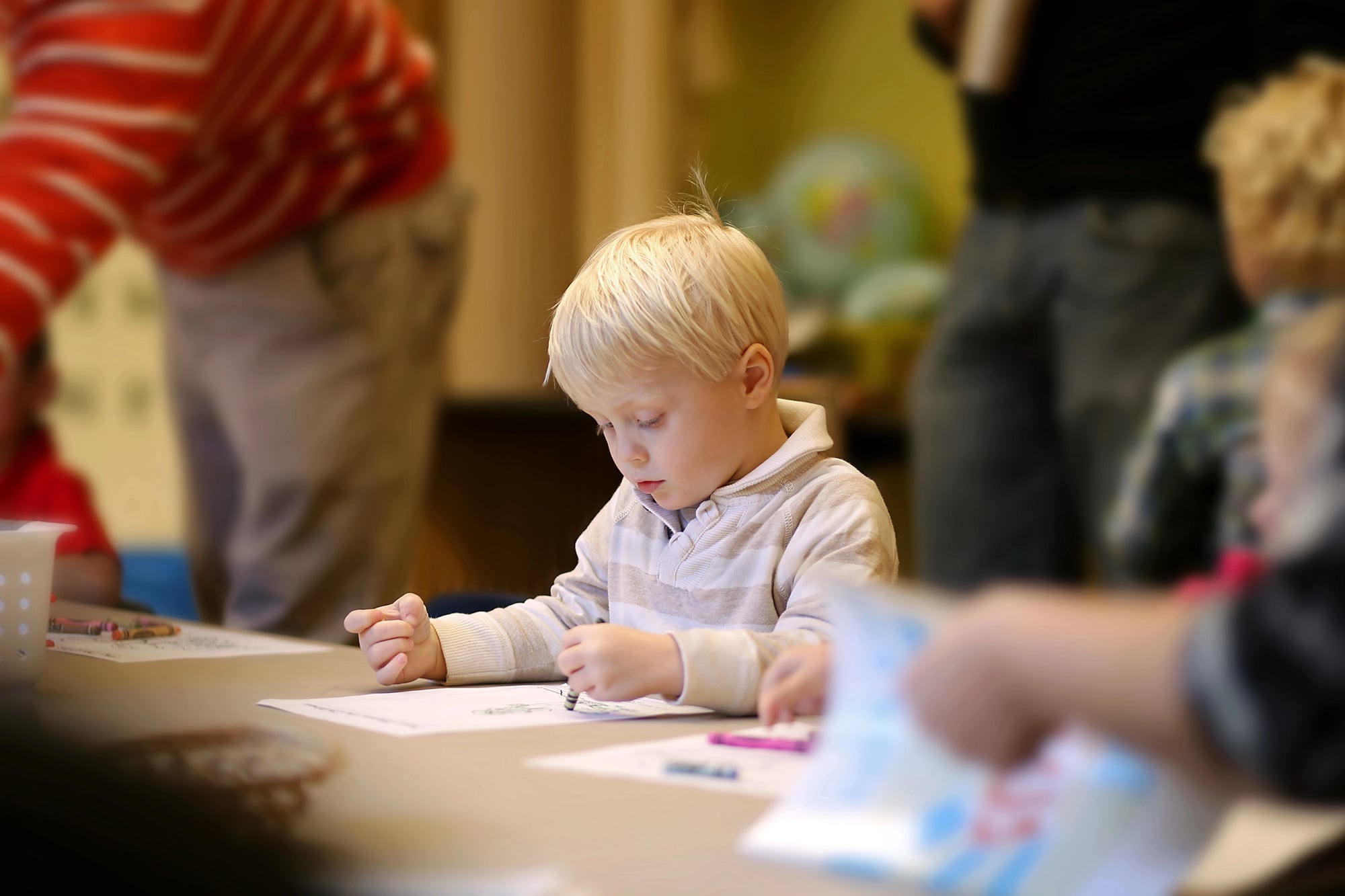
The ritual was reliable: Sunday school ended, adults emerged from the main service, and someone — always someone — appeared with a box of donuts. Glazed, mostly.
It was the most uncomplicated reward system imaginable, and it worked without fail every single time.
Watching Ed Sullivan or Lawrence Welk as a Household

There was a period — spanning most of the mid-twentieth century — when Sunday evening television was a shared family event in a way that’s genuinely impossible to replicate now. The Ed Sullivan Show, Lawrence Welk, later Wonderful World of Disney: everyone watched the same thing, in the same room, at the same time, because those were the only options and the idea of doing something else during that hour was vaguely unthinkable.
It wasn’t that the shows were always riveting — it’s that the watching together was the point, and the shows were just the occasion for it.
Writing in a Journal After Church

Some families kept the habit of quiet reflection after Sunday service — not prayer exactly, but writing. Kids had diaries, adults had notebooks, and Sunday afternoon was when entries got made.
It was the only day of the week slow enough to allow it.
Making Ice Cream From Scratch
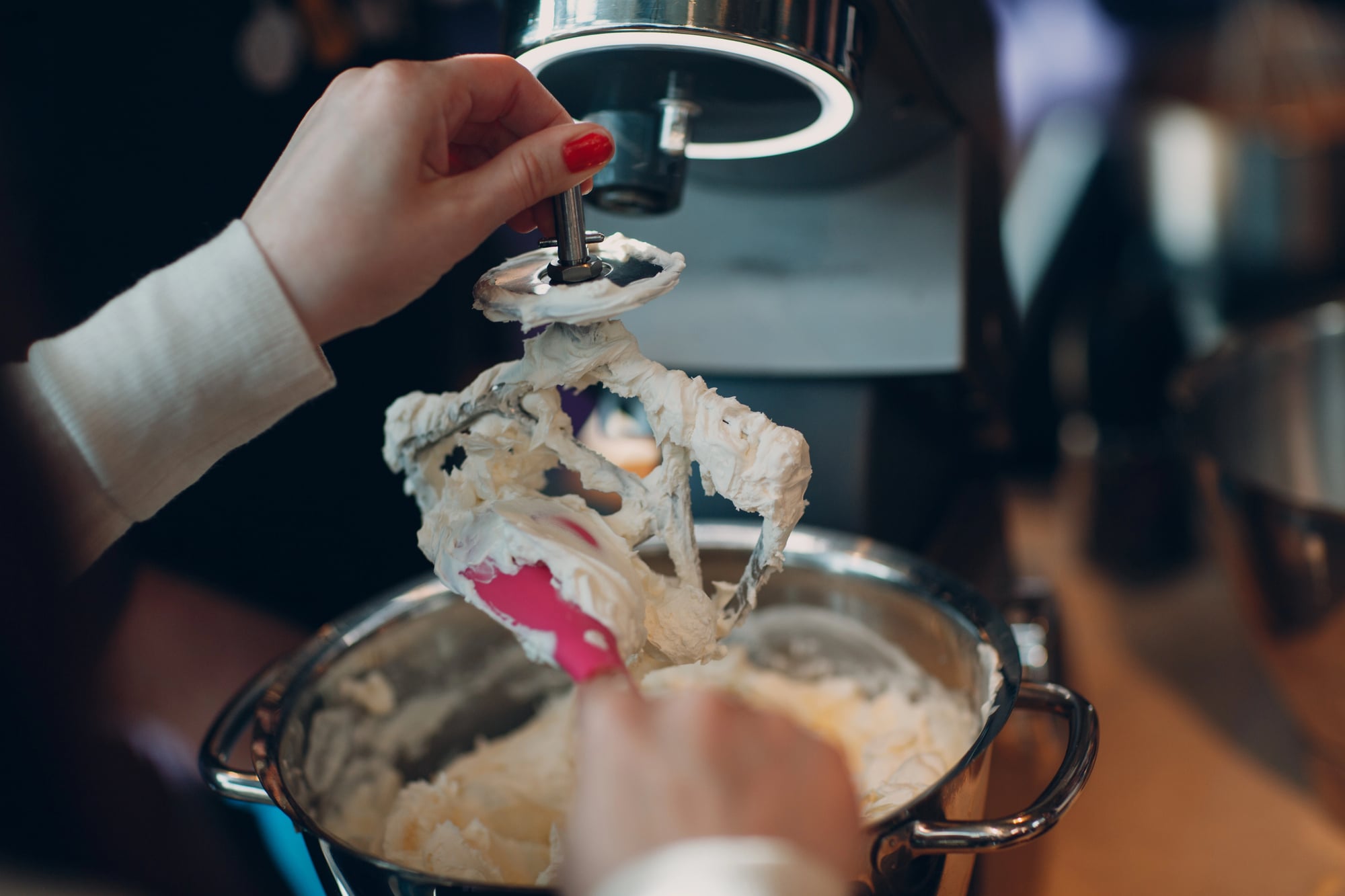
The hand-cranked ice cream maker was a Sunday artifact — rock salt, ice, cream, and twenty minutes of taking turns at the crank while the anticipation built. It tasted like effort, which is its own flavor.
Nobody does this anymore, and to be fair, store-bought ice cream is objectively easier, but something about the making of it turned dessert into an event rather than just a thing you ate.
Sending Thank-You Notes

After Sunday gatherings or holiday visits, the Monday tradition was writing thank-you notes — a habit that was planted on Sunday and carried into the week. Children were sat down with paper and told to write something genuine.
Not performative gratitude: actual acknowledgment that someone had done something worth acknowledging.
Afternoon Baseball in the Backyard

Sunday backyard baseball had nothing in common with organized Little League — no uniforms, no umpires, no pressure, just a bat and an orb and whoever showed up that afternoon. The rules bent to fit the players.
You played until someone got called inside or until it got dark enough that you couldn’t see the orb anymore. First one, usually.
Family Singalongs Around the Piano

The piano in the living room wasn’t decoration — not in the households where Sunday evenings meant everyone gathered around it for an hour of singing together, one person playing, everyone else remembering the words or pretending to. Hymns, folk songs, popular songs from decades past.
The songs mattered less than the sound of everyone making them together.
Pressing Flowers or Leaves in Books
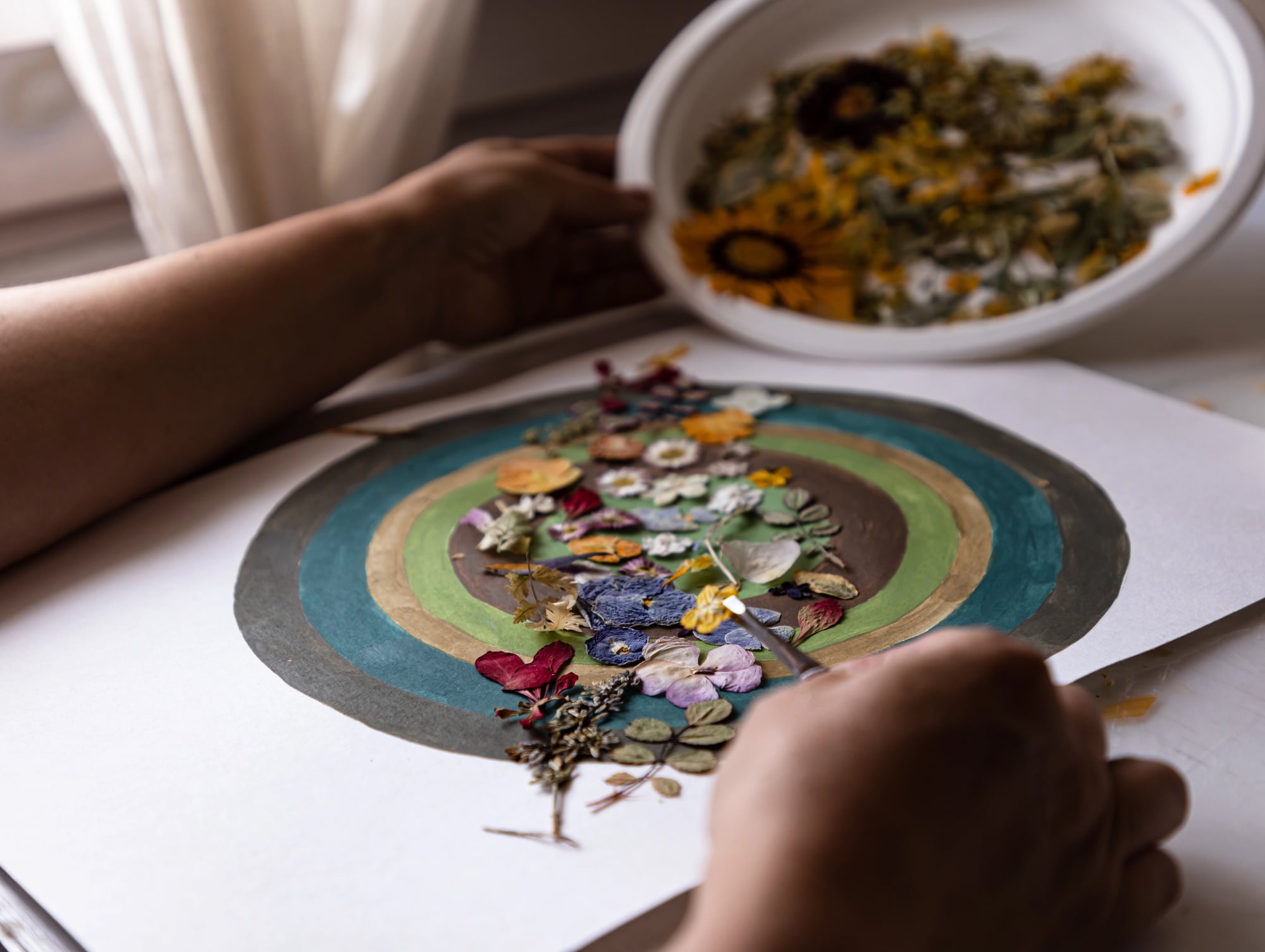
It sounds small, and it was. After a Sunday afternoon walk, kids would bring back what they’d collected — a maple leaf, a wildflower from the edge of the road — and press them between the pages of heavy books.
Weeks later you’d open a dictionary and find something that had once been alive, flattened and preserved and slightly miraculous for it.
Ironing Clothes for the Week

Sunday evenings had a particular sound: the hiss of the iron, the faint smell of steam and starch, the board set up in the kitchen or the bedroom while something played on the radio or the television in the background. It was preparation, yes, but it was also a kind of Sunday ritual — the week being made ready in a quiet, physical way.
Grace Notes Written on Recipe Cards

Recipes passed down in families weren’t just instructions — they were annotated. Grandmothers wrote notes in the margins: add more vanilla than it says, this is better the second day, your grandfather’s favorite.
Sunday cooking meant pulling those cards out, and the handwriting on them was its own form of presence.
Evening Prayer Before Bed
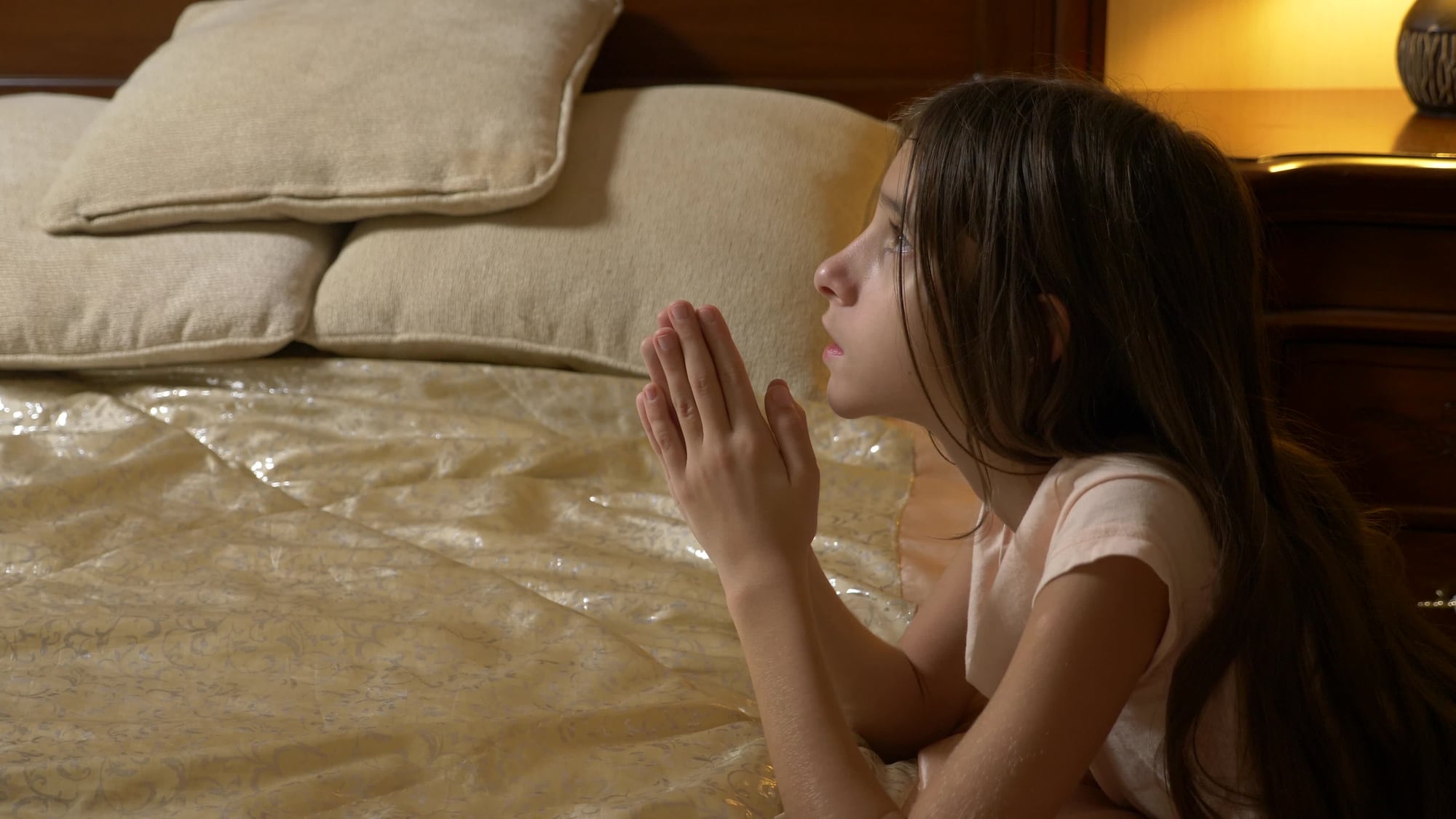
Sunday specifically held the longer version — not the quick bedtime prayer rushed through on a school night, but the slower one, the one where things were actually said. Gratitude that got specific.
Worry that got named out loud. For families who practiced it, Sunday evening prayer was the weekly closing ritual that sealed the day off from the rest of the week.
Walking to Church as a Family
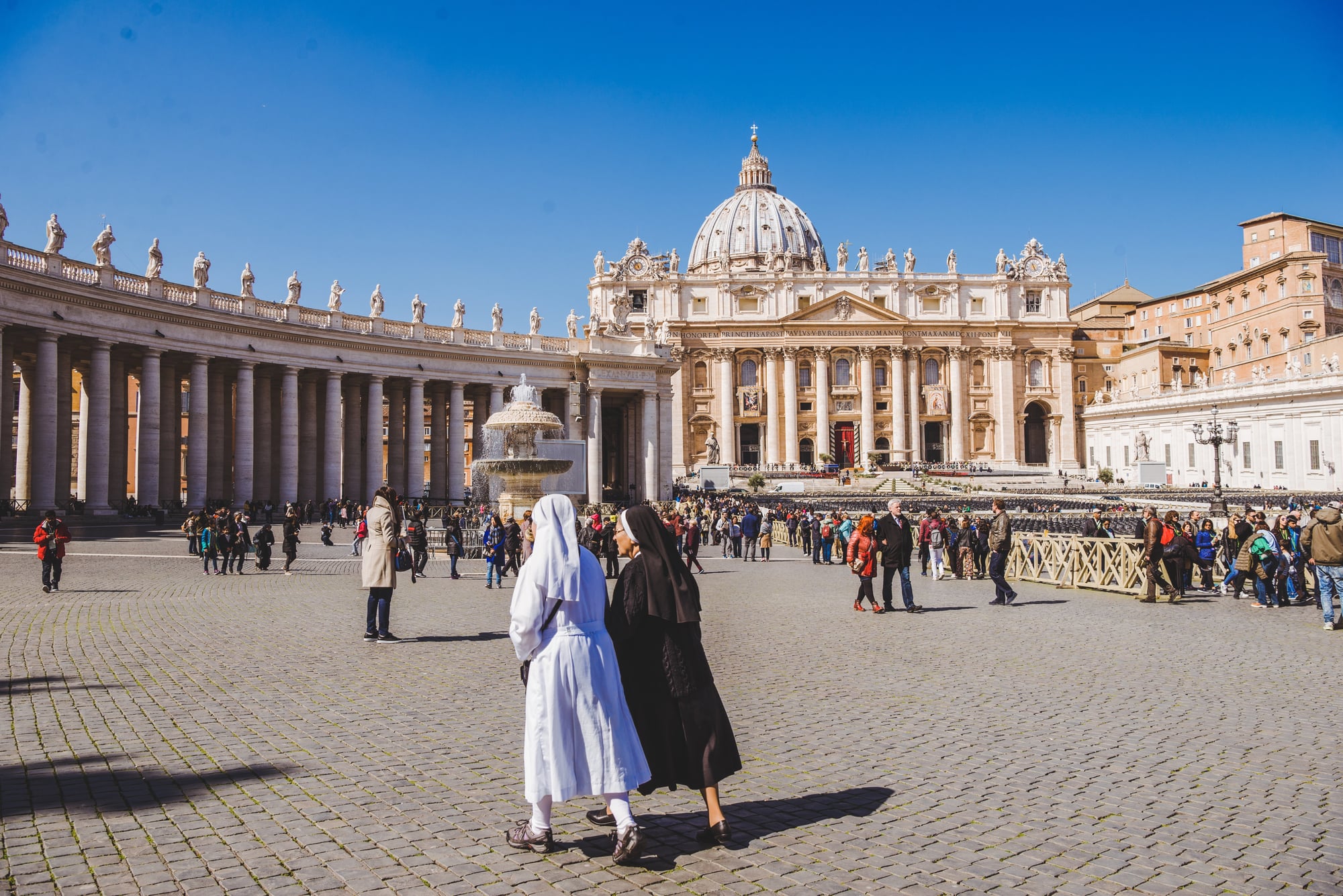
Before everyone had a car and then a second car, families walked to church together on Sunday mornings — sometimes half a mile, sometimes more — which meant the preparation was earlier, the pace was deliberate, and the neighborhood was seen on foot rather than through a windshield.
The walk back was slower than the walk there. That’s when the week was actually discussed.
What Got Lost When Sunday Got Ordinary

The traditions themselves were never really the point. What they added up to — this accumulated, stubborn insistence that Sunday was different, that it deserved more deliberate living — that’s what gradually dissolved.
Some of it was progress: more freedom, less obligation, a loosening of structures that were sometimes genuinely constraining. But the loosening came with a cost that’s harder to name than it is to feel. Sunday now arrives like any other day, and for a lot of families, it leaves the same way.
There’s no particular tragedy in that. And yet something that used to be woven through the week is missing now, and most people feel its absence without quite knowing what they’re feeling the absence of.
More from Go2Tutors!

- The Romanov Crown Jewels and Their Tragic Fate
- 13 Historical Mysteries That Science Still Can’t Solve
- Famous Hoaxes That Fooled the World for Years
- 15 Child Stars with Tragic Adult Lives
- 16 Famous Jewelry Pieces in History
Like Go2Tutors’s content? Follow us on MSN.