Secret History of the World’s First Credit Cards
The plastic rectangle in your wallet carries more history than most ancient artifacts. That little piece of convenience has roots stretching back to a time when charging dinner required actual charm, when creditworthiness was measured by how well the maître d’ knew your face, and when the idea of buying something with money you didn’t have seemed almost scandalous.
What started as an embarrassing moment in a New York restaurant became the financial revolution that redefined how humans think about money, debt, and the future.
The Diners Club Incident
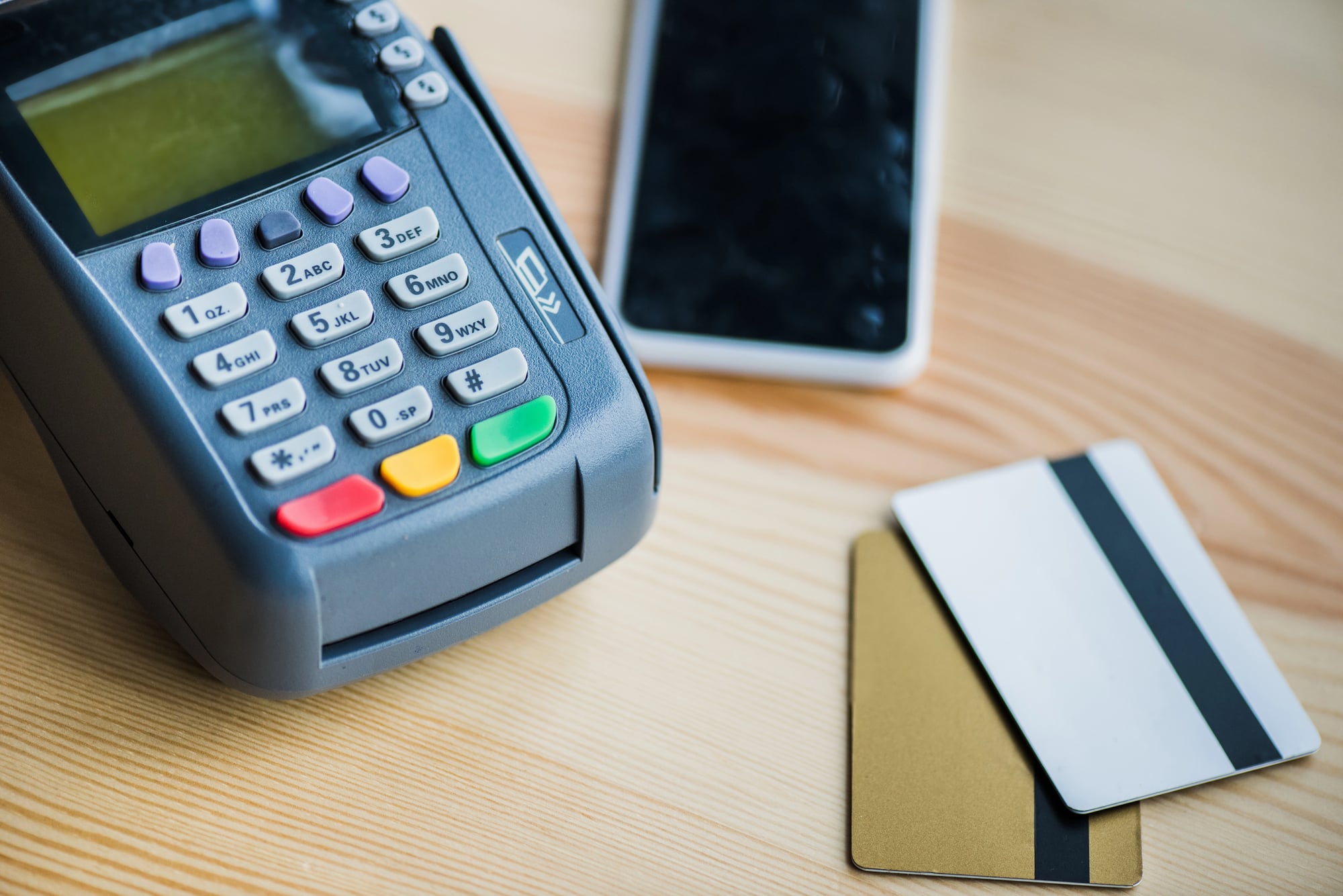
Frank McNamara forgot his wallet at a New York restaurant in 1949. Had to call his wife to bail him out. Embarrassing enough to spark an entire industry.
The story sounds almost too neat, but the humiliation was real enough. McNamara left that restaurant determined never to face that particular shame again.
The Cardboard Revolution

So here’s the thing about the first credit cards (and this is where the story gets interesting because everyone assumes plastic, but they were wrong): they were made of cardboard. Flimsy cardboard that bent in your wallet and looked about as impressive as a library checkout slip — which, when you think about it, wasn’t entirely inaccurate since both were essentially IOUs with your name on them.
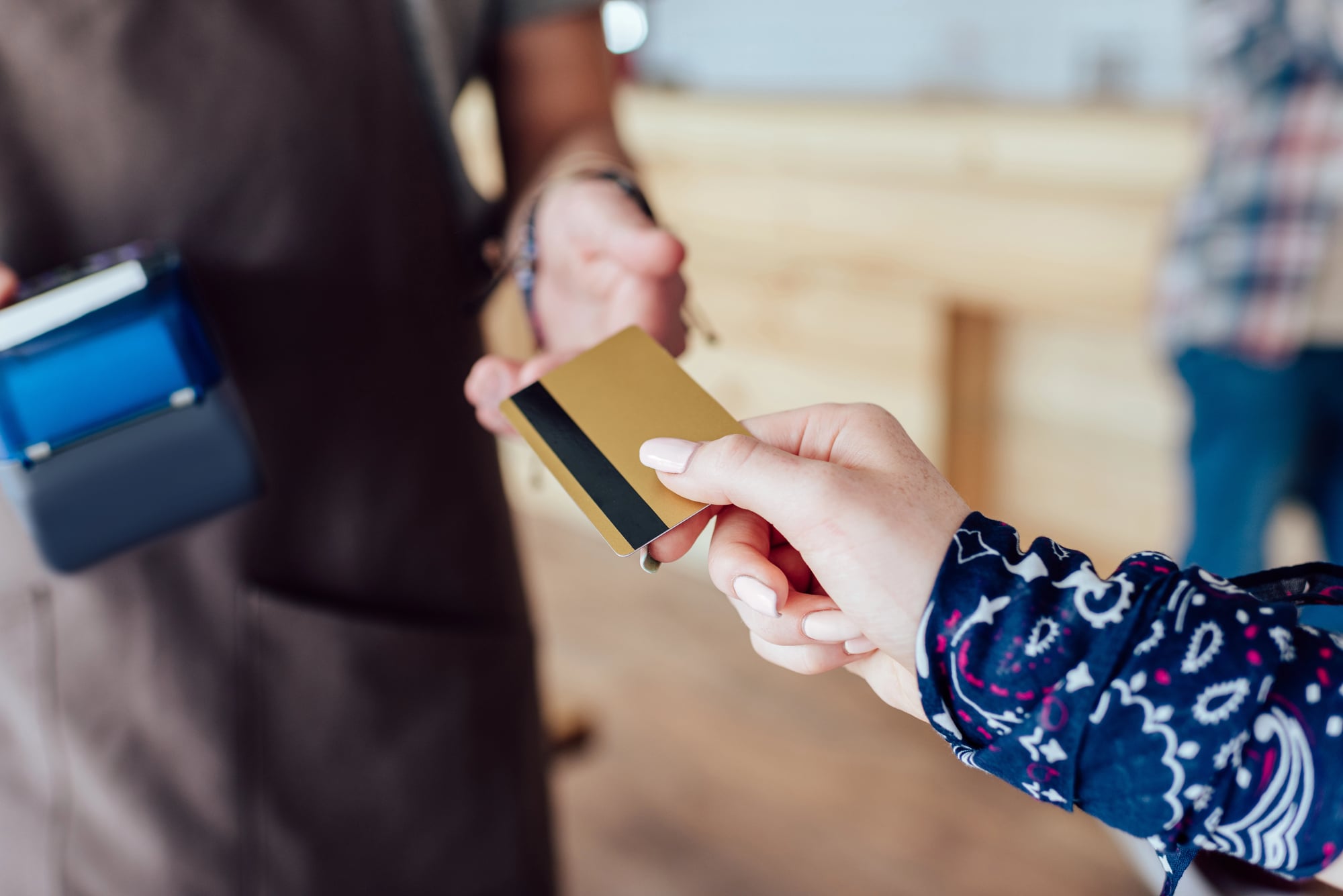
McNamara’s Diners Club launched in 1950 with 14 participating restaurants and 200 cardholders, all carrying around these little cardboard promises that said, essentially, “this person is good for it, probably.” But the cardboard wasn’t the revolutionary part. The revolutionary part was the audacity.
The whole concept required restaurants to trust a piece of cardboard more than they trusted cash. And yet it worked, partly because the restaurants got paid either way, and partly because there’s something deeply human about wanting to postpone financial reality for as long as possible.
The Trust Economy
There’s a particular kind of faith required to accept a piece of cardboard as payment — the same faith that lets you sleep soundly in a house built by strangers, using materials you’ve never tested, trusting that the person who wired the electricity knew what they were doing.
The early credit card system ran entirely on this faith. Restaurant owners had to believe that some company in New York would actually send them money for meals they’d already served to people they’d never met. Customers had to believe that this flimsy card would actually work when they pulled it out to pay. The whole thing was held together by the thinnest possible thread of mutual trust, and somehow, that was enough.
Bank of America’s California Gamble

Bank of America took the biggest financial risk in history by accident. They mailed 60,000 credit cards to random California residents in 1958 without asking permission first.
No applications. No credit checks. No idea who these people were or whether they could pay. Just dropped plastic rectangles into mailboxes and hoped for the best.
The fraud losses were catastrophic, but the concept worked. Turns out people wanted to buy things with imaginary money more than anyone had predicted.
American Express Enters the Game

So American Express looked at this whole credit card situation and decided (in what might be the most American Express decision ever made) that cardboard was beneath their standards, and that if they were going to revolutionize how people spent money, they were going to do it with dignity — which meant purple plastic and a yearly fee that would make their cardholders feel like they belonged to something exclusive rather than something desperate.
They launched in 1958, the same year as Bank of America’s BankAmericard, but with a completely different philosophy: where BankAmericard was democratic (anyone with a pulse and a California address could get one), American Express was aspirational. And the yearly fee wasn’t a bug in their system. It was a feature.
The fee meant that carrying an American Express card was a small act of faith in your own future earning potential. You paid money upfront for the privilege of spending money you didn’t have yet, which is either optimistic or delusional, depending on how things worked out.
The Magnetic Strip Mystery

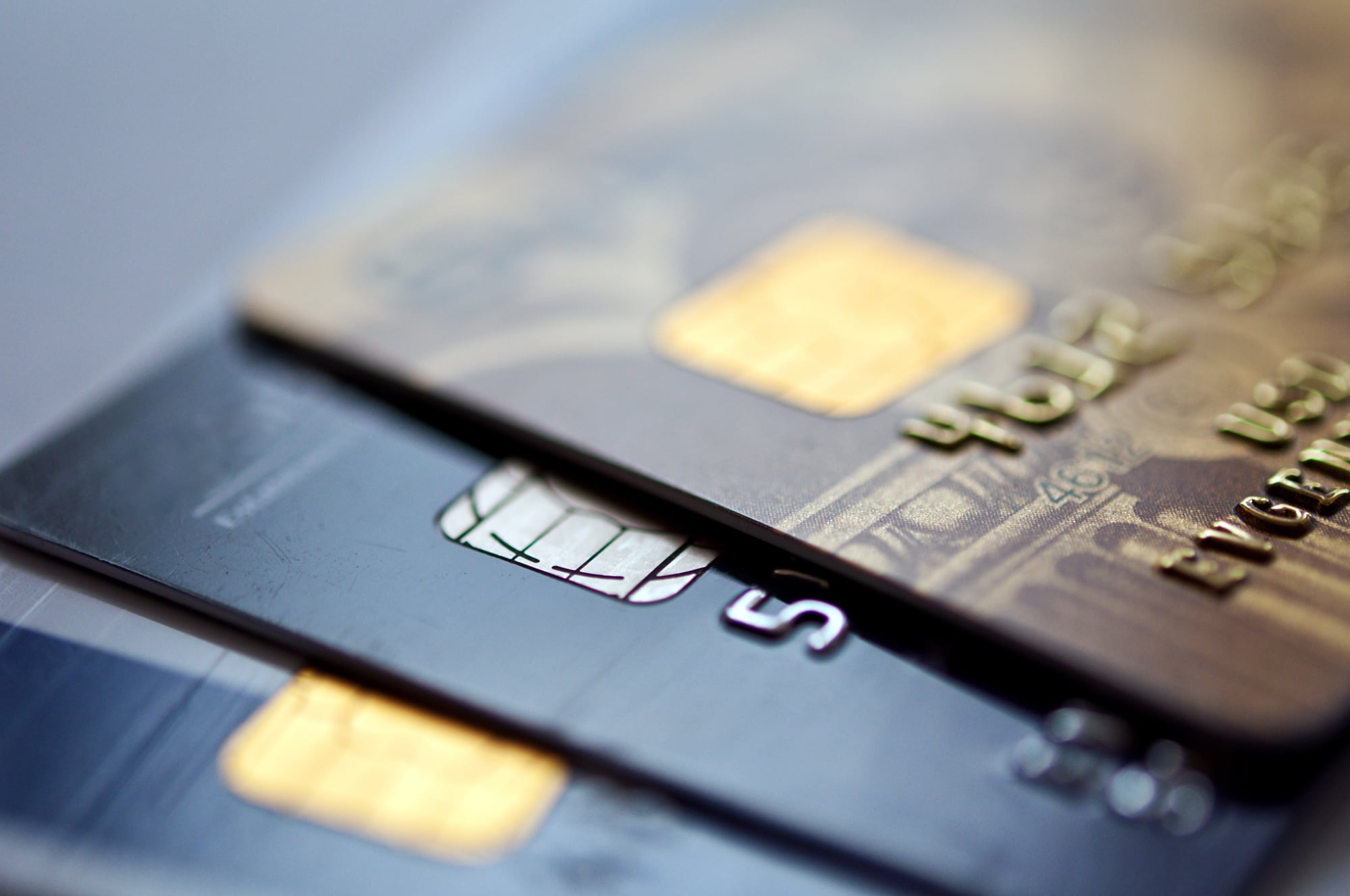
The magnetic strip on your credit card contains the same technology NASA used to store data on spacecraft. This isn’t coincidence — it’s Cold War innovation trickling down to restaurant payments.
IBM developed the technology for government projects, then realized it could solve the credit card industry’s biggest problem: how to store account information on something small enough to fit in a wallet. The strip holds about as much data as a single tweet, but that was revolutionary in 1969.
International Expansion Chaos
Trying to use an American credit card in Europe during the 1960s was like trying to explain jazz to someone who had never heard music (you could do it, but it required patience from everyone involved, and even then, success wasn’t guaranteed).
European banks looked at these American plastic rectangles with the kind of suspicious politeness usually reserved for distant relatives bearing unexpected gifts. The infrastructure didn’t exist — no telephone networks to verify accounts, no standardized systems to process payments, no cultural understanding that debt could be a convenience rather than a catastrophe.
So European banks started their own systems, which created the problem of incompatible credit cards that worked perfectly well until you crossed a border, at which point they became expensive plastic souvenirs. The mess took decades to sort out, and even now, using a credit card internationally feels like a minor miracle of coordination between institutions that barely trust each other.
The Interest Rate Revelation
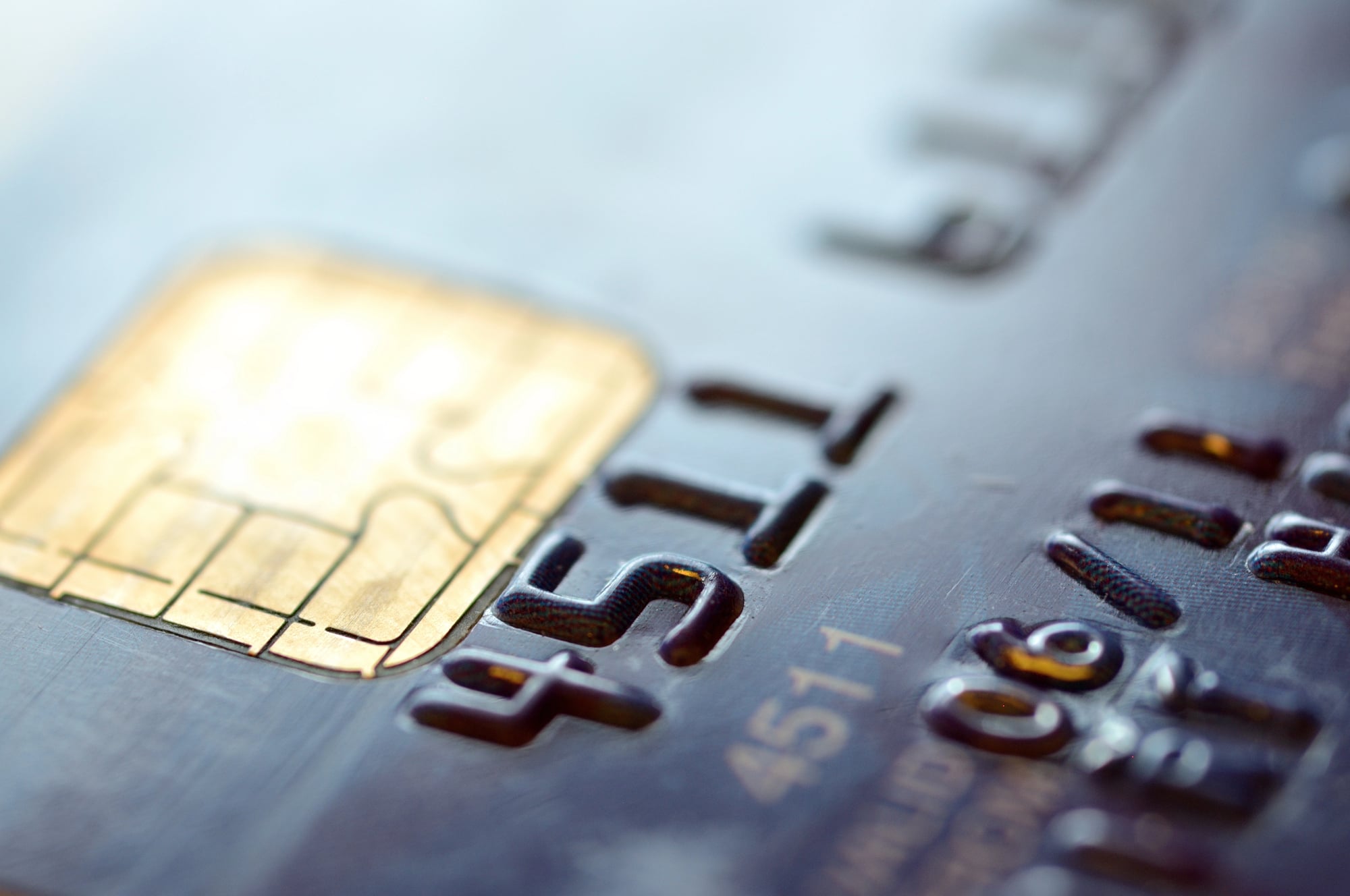
Banks discovered they could make more money from people who paid late than from people who paid on time. This changed everything about how credit cards worked.
The revelation was accidental — early credit card companies expected most customers to pay their full balance each month, like a charge card. When people started carrying balances and paying interest, the business model shifted overnight.
Late fees became more profitable than transaction fees. The customers banks really wanted weren’t the responsible ones anymore.
Security Through Obscurity
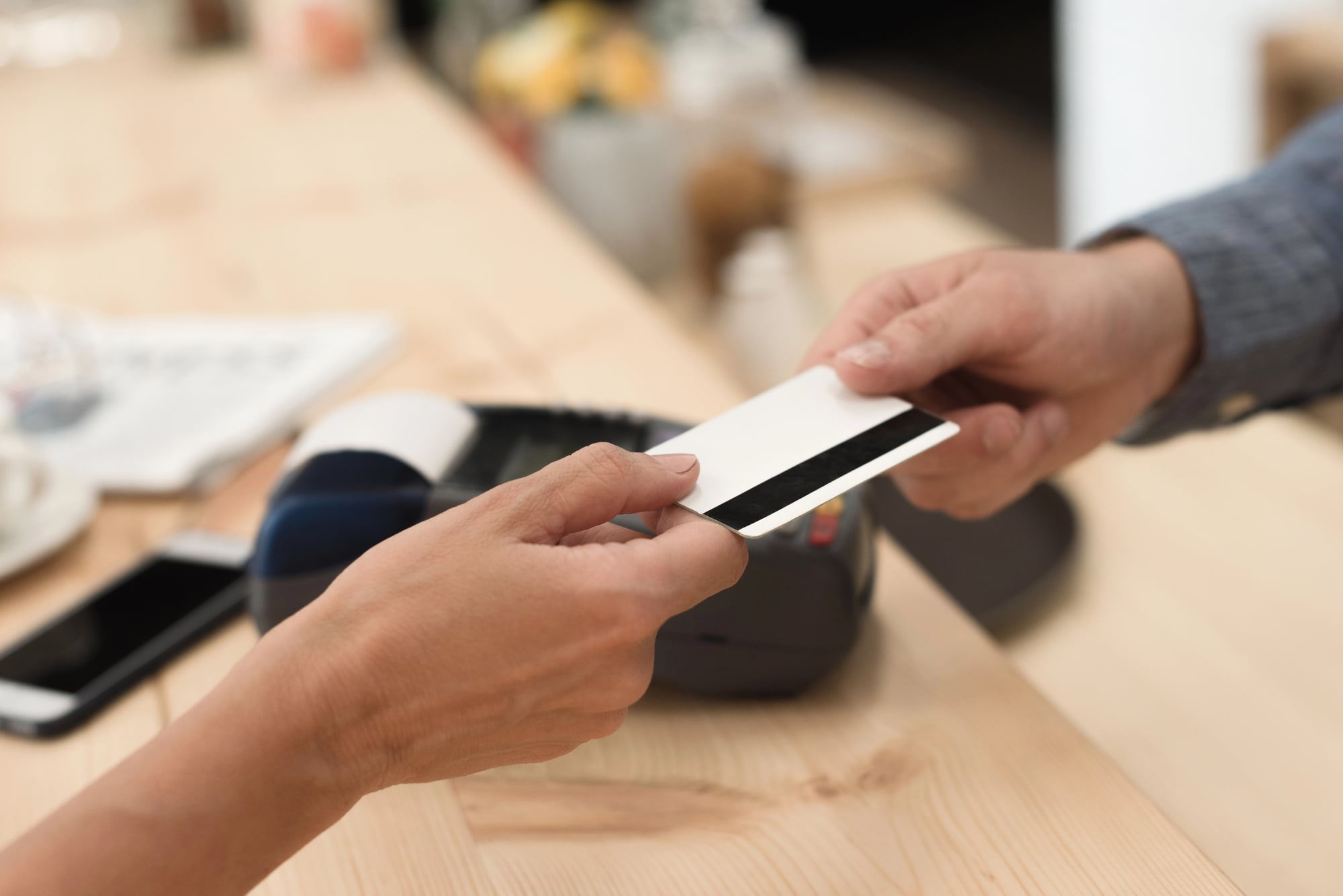
The early credit card security system was basically: hope nobody figures out how easy this is to fake. Card numbers followed predictable patterns, signatures weren’t verified against anything, and the little carbon paper slips from card imprinters contained enough information to steal someone’s financial identity.
Store clerks were supposed to check cards against lists of stolen numbers that arrived by mail once a month, which worked about as well as you’d expect. The system was safe because it was too new and too small for organized crime to bother with, not because anyone had thought carefully about protecting it.
The Plastic Revolution

Credit cards switched from cardboard to plastic for the same reason restaurants switched from handwritten menus to printed ones: durability.
Cardboard cards lasted about as long as grocery lists in back pockets, and replacing them constantly was expensive for everyone involved. Plastic, by contrast, was space-age material in the 1960s — the same stuff used in experimental aircraft and long-lasting appliances.
The switch made credit cards feel permanent in a way cardboard never could.
The Interchange Fee Innovation

Interchange fees are the reason credit card companies don’t actually want you to pay cash. Every time you swipe that card, the merchant pays a small percentage to your bank.
This wasn’t part of the original model. Banks stumbled into it and realized they’d created a toll booth on the entire economy.
The fees are invisible to consumers but very visible to merchants, which is why some small businesses still prefer cash or adjust prices to compensate.
Computer Network Integration

When credit card transactions moved from phone calls to computer networks in the 1970s, the change was as fundamental as the switch from horse-drawn carriages to automobiles — not just faster, but structurally different.
Before computers, every transaction required human verification. After computers, transactions could happen faster than regret. That changed how people spent money in ways nobody fully understood at the time.
It also made credit cards truly universal — the same system working everywhere, invisibly connecting global commerce.
The Rewards Programs Era
Banks ran out of ways to compete on interest rates and fees, so they started giving away airline miles.
The math is deliberately confusing: banks earn more from merchant fees than they give back in rewards, and most people never fully redeem what they earn anyway.
Some users optimized their spending into an art form, but banks still profited because complexity itself became part of the system.
The Digital Security Evolution

The chip in your credit card has more computing power than the Apollo 11 spacecraft.
It generates a unique code for every transaction, making fraud much harder — assuming merchants actually use chip readers instead of magnetic strips for speed.
The transition felt inconvenient, but it was a major leap in security disguised as a small inconvenience.
A New Financial Reality

Credit cards changed more than payment systems — they changed how people think about money itself.
The line between having money and being able to spend money blurred until debt became a normal part of daily life rather than an exception. What began as an embarrassing restaurant moment became a global system redefining financial behavior.
More from Go2Tutors!

- The Romanov Crown Jewels and Their Tragic Fate
- 13 Historical Mysteries That Science Still Can’t Solve
- Famous Hoaxes That Fooled the World for Years
- 15 Child Stars with Tragic Adult Lives
- 16 Famous Jewelry Pieces in History
Like Go2Tutors’s content? Follow us on MSN.