28 Trials Throughout History That Captivated the Entire World
Some trials are just trials. A charge, a defense, a verdict, done.
But every so often, a case lands in a courtroom and refuses to stay there — it spills into living rooms, newspaper front pages, public squares, and the kind of dinner-table arguments that outlast the verdict by decades. These are the trials that made entire nations stop and stare, not just because of who was on trial, but because of what the verdict said about the world doing the watching.
Here are 28 of them.
The Trial of Socrates
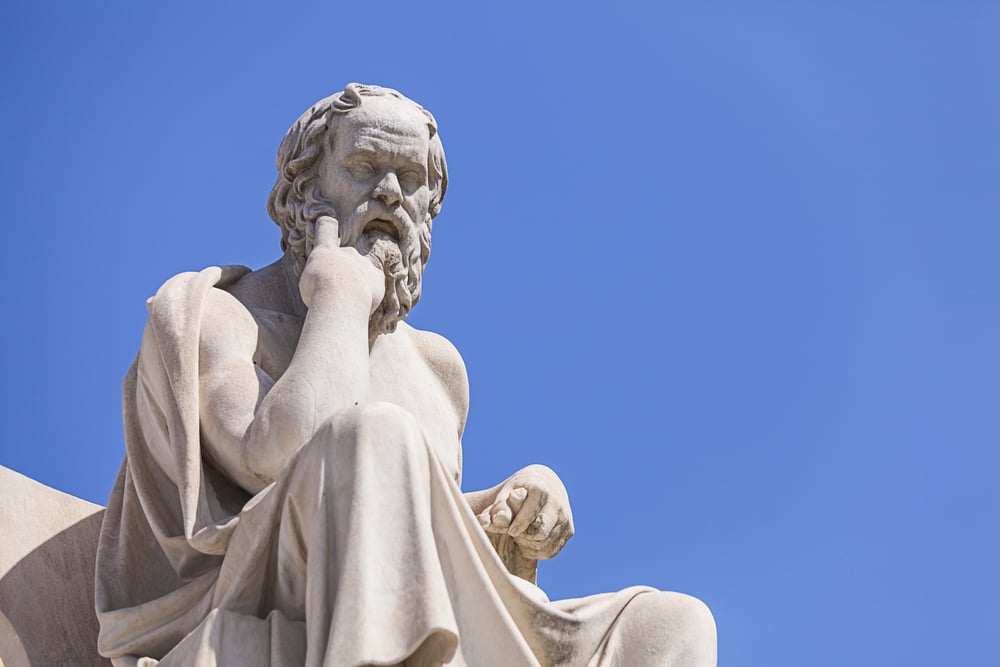
Athens, 399 BC, and a city decided it had finally had enough of one philosopher asking uncomfortable questions. Socrates was charged with impiety and corrupting the youth — which, to be fair, was the ancient world’s way of saying he made powerful people feel stupid in public.
He was found guilty by a jury of 500 Athenian citizens and sentenced to death by hemlock. The trial didn’t silence him; it made him immortal.
The Trial of Joan of Arc
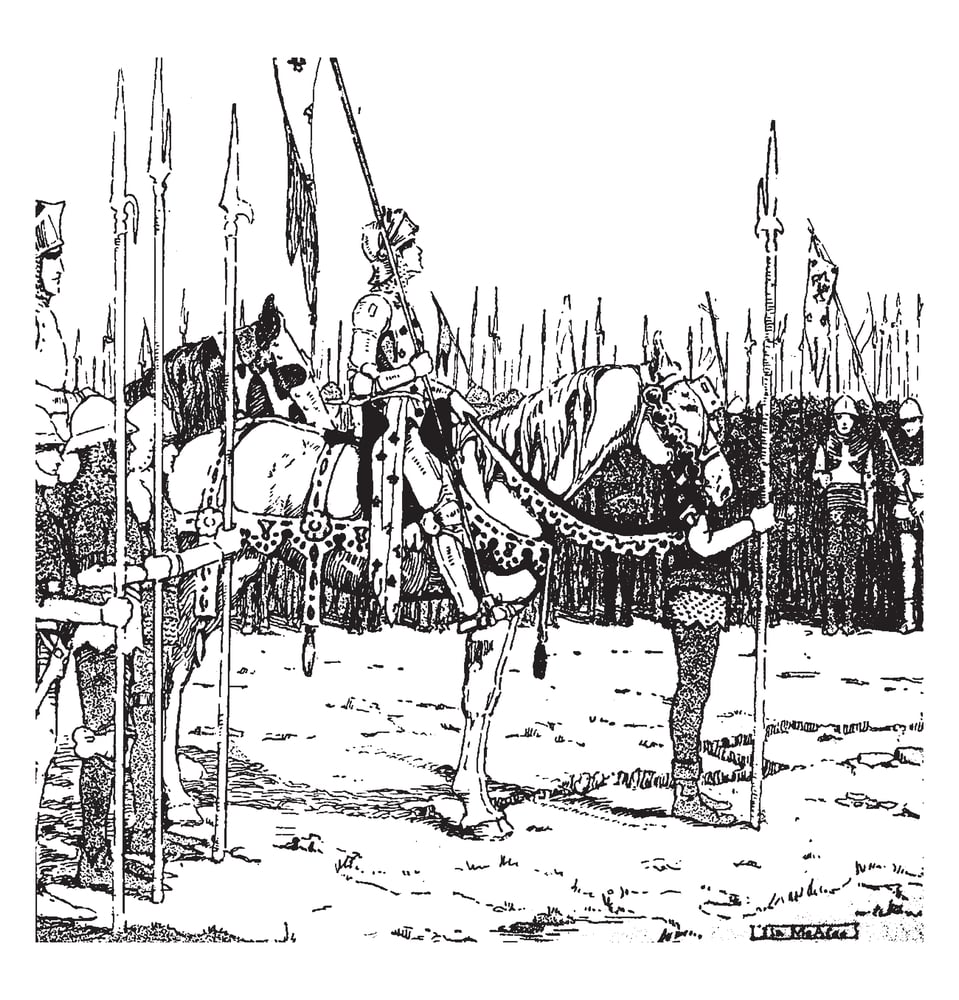
Joan of Arc was nineteen years old when she was handed to an ecclesiastical court that had already decided its answer. The proceedings — held in Rouen in 1431 — were less a trial than a trap, with theological charges carefully arranged around a foregone conclusion, and judges who were, to put it plainly, on the English payroll.
She was burned at the stake in May of that year. Twenty-five years later, a retrial declared the original verdict null and void, which must have felt like cold comfort.
The Salem Witch Trials
The Salem witch trials are what happens when fear gets a gavel. Beginning in 1692 in colonial Massachusetts, a wave of accusations swept through the community — nineteen people were hanged, one was pressed to death under stones, and hundreds more were imprisoned before the hysteria finally burned itself out.
No actual witchcraft was ever produced in evidence. The trials endure as a monument to how catastrophically wrong group panic can go when it’s given legal authority.
The Trial of Galileo
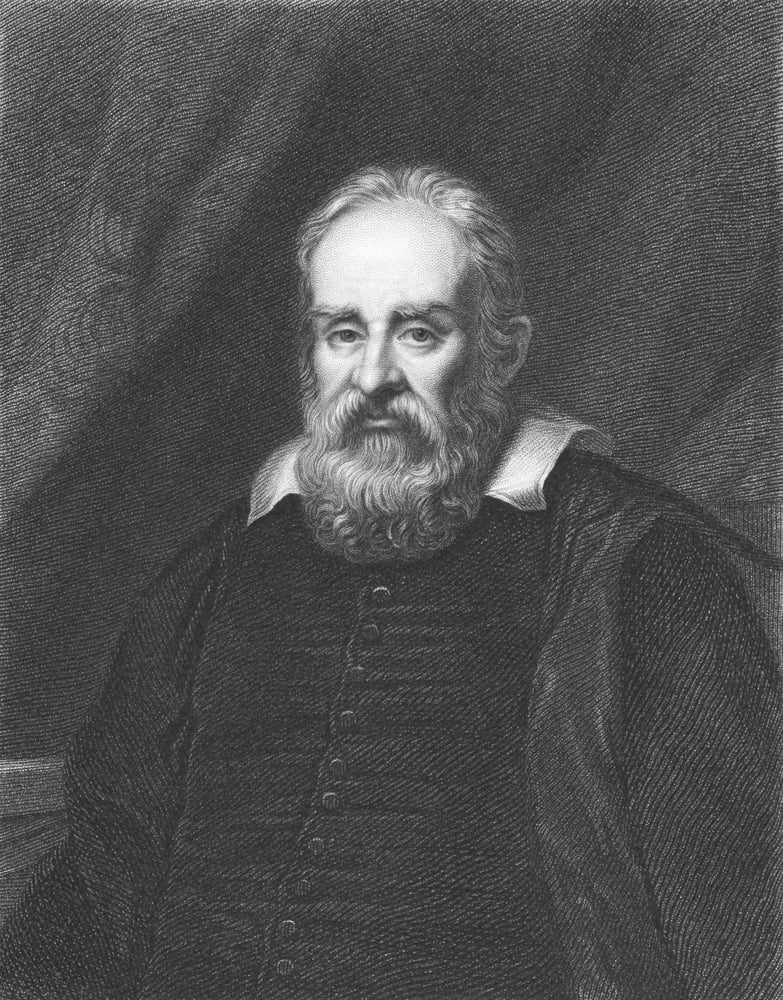
The Inquisition’s case against Galileo Galilei in 1633 was, at its core, a dispute about who gets to define reality. Galileo had published his support for heliocentrism — the idea that the Earth moves around the sun — and the Catholic Church, which had staked considerable institutional prestige on the opposite view, was not inclined to let that stand.
He was found “vehemently suspect of heresy,” forced to recant, and spent the rest of his life under house arrest. The Earth kept moving anyway.
The Nuremberg Trials
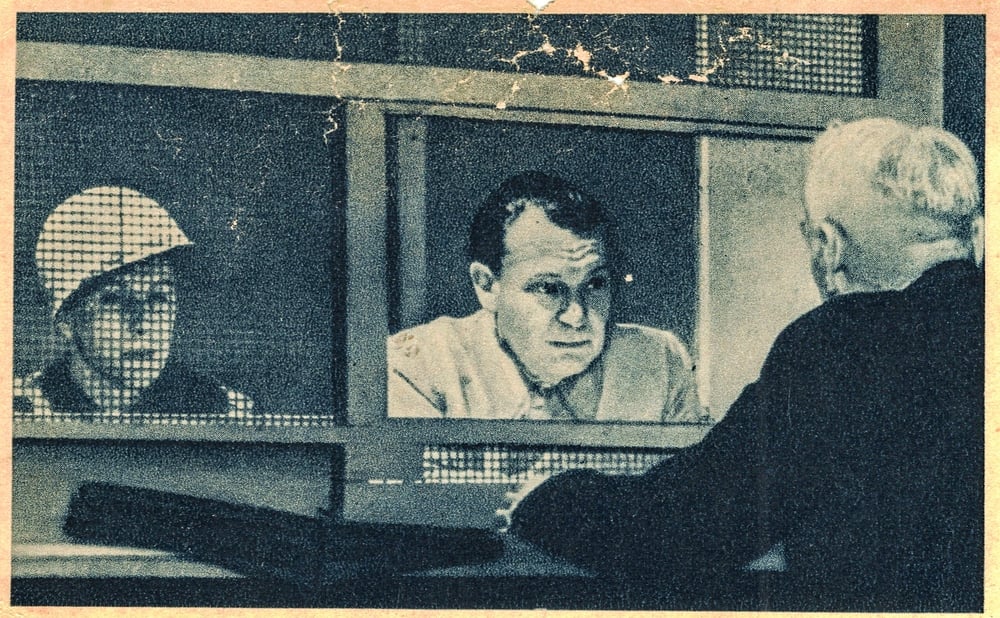
There was no precedent for Nuremberg. After World War II, the Allied powers convened an International Military Tribunal to prosecute the surviving leadership of Nazi Germany — and in doing so, created something that hadn’t existed before: the idea that crimes against humanity could be prosecuted on an international stage, regardless of what any individual nation’s laws said.
Twelve of the defendants were sentenced to death. The trials established principles that still shape international law today, which is either reassuring or sobering depending on your read of the decades that followed.
The Trial of Oscar Wilde
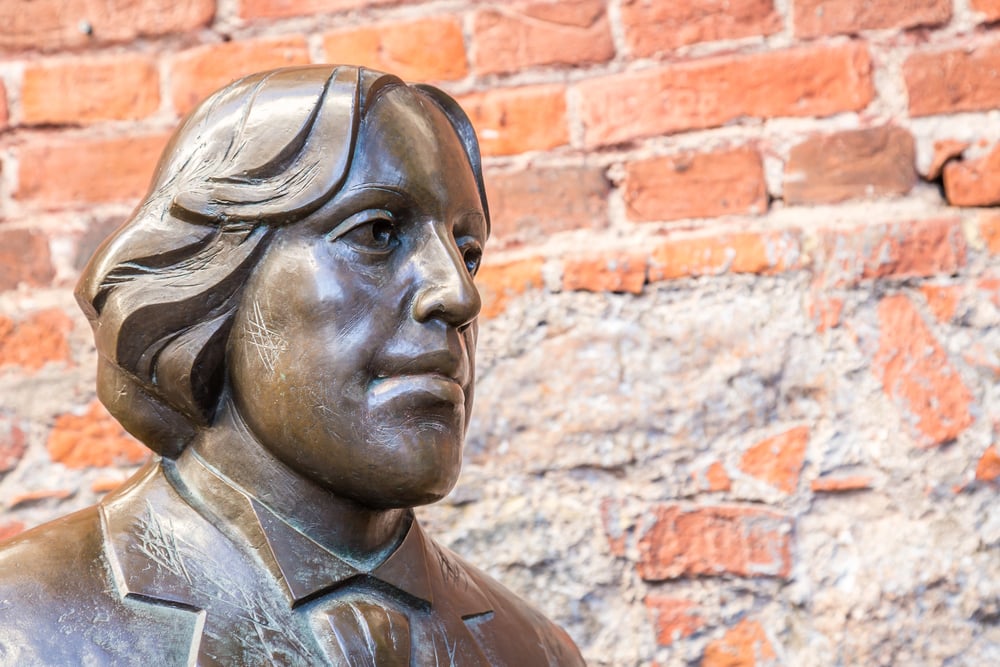
Oscar Wilde walked into a courtroom in 1895 with his usual theatrical confidence and walked out ruined. He had sued the Marquess of Queensberry for libel after the man left a note at his club calling him a certain name — a miscalculation that opened the door to his own prosecution for gross indecency under British law.
He was convicted and sentenced to two years of hard labor. The wit that had made him the most celebrated playwright in London couldn’t save him; it may have made things worse.
The Dreyfus Affair
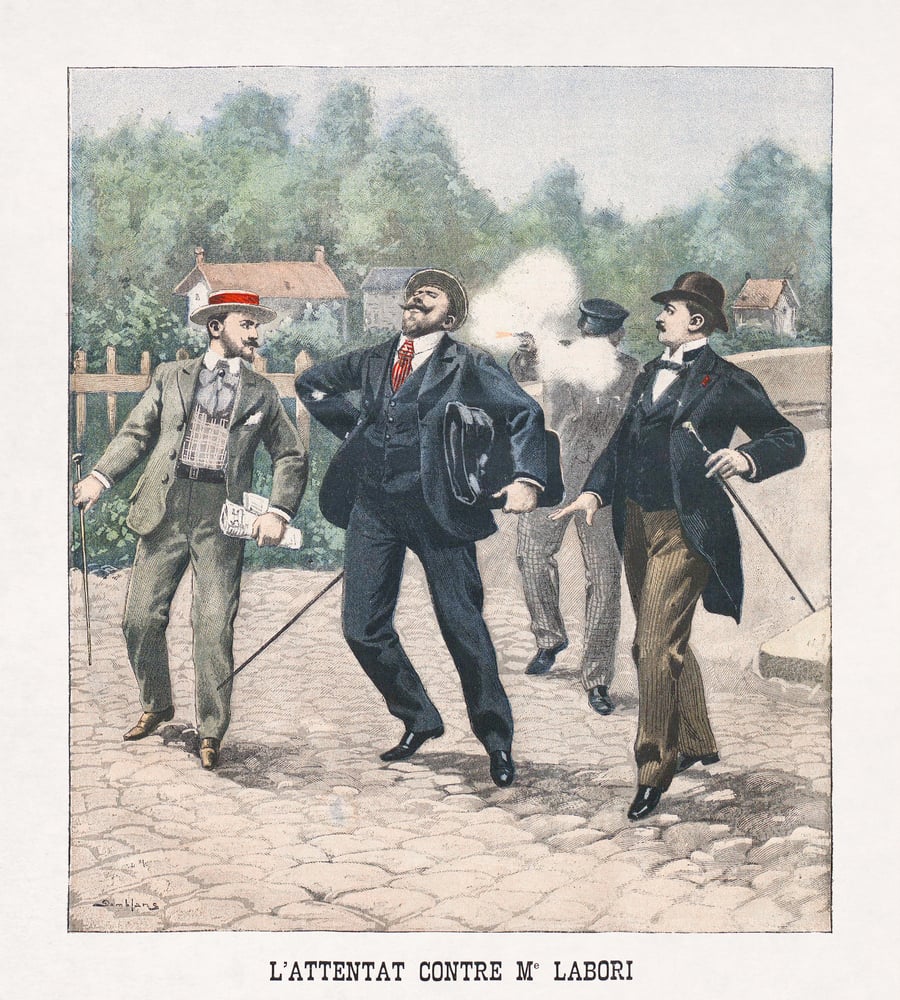
Alfred Dreyfus was a French Army officer, Jewish, and in 1894 convicted of treason on evidence that was fabricated — a fact that French military authorities knew and spent years suppressing. The case split France into violent factions, sparked the publication of Émile Zola’s famous open letter J’accuse, and became the defining scandal of a generation.
Dreyfus was eventually exonerated in 1906. But the wound the affair opened in French society — about antisemitism, institutional power, and what a state will do to protect its own reputation — never entirely closed.
The Trial of Charles I
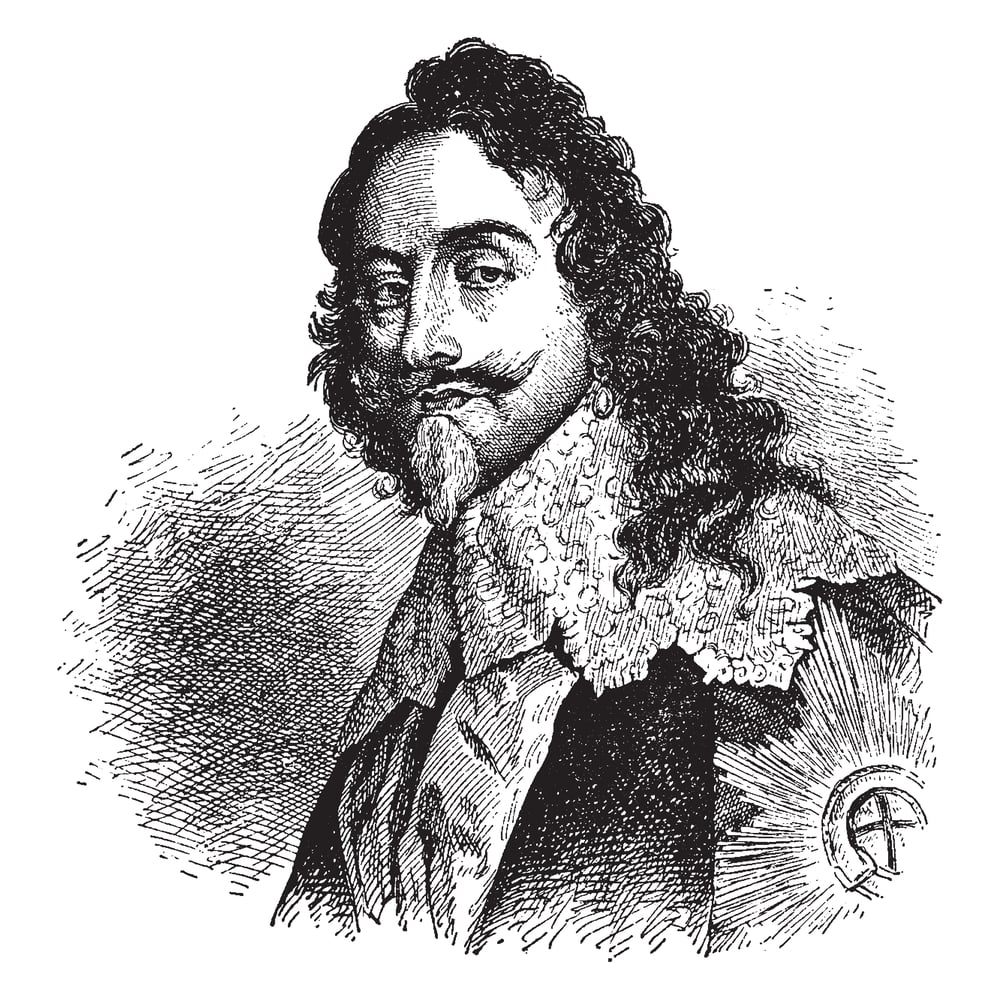
Putting a king on trial was not something that had been done in England before 1649, and Charles I made very clear he didn’t intend to cooperate with the process. He refused to enter a plea, refused to acknowledge the court’s authority, and generally conducted himself as someone who believed — genuinely — that no earthly court had jurisdiction over a monarch appointed by God.
The court disagreed, found him guilty of high treason, and had him beheaded outside the Banqueting House in January of that year. It was the kind of verdict that shook Europe.
The Amistad Trial
In 1839, fifty-three Africans who had been illegally enslaved aboard the Spanish ship La Amistad seized control of the vessel and were eventually brought into American waters, where their legal fate became one of the most charged constitutional questions of the era. The case reached the Supreme Court, where former President John Quincy Adams argued on behalf of the Africans.
They were ultimately declared free. The case didn’t end American slavery, but it drew the contradiction between the nation’s founding principles and its practice into a light that was very hard to look away from.
The Scopes “Monkey” Trial
The 1925 trial of John Scopes — a Tennessee schoolteacher charged with teaching evolution in violation of state law — is the trial that most resembles theater, because both sides knew that’s what it was. Clarence Darrow for the defense and William Jennings Bryan for the prosecution turned the Dayton, Tennessee courtroom into a national spectacle, with journalists flooding in from across the country.
Scopes was convicted and fined $100. But the trial’s real verdict was issued by public opinion, which increasingly found the anti-evolution position difficult to take seriously after Bryan’s cross-examination.
The Trial of Adolf Eichmann
Adolf Eichmann was one of the chief architects of the Holocaust — and in 1961, more than fifteen years after the war, he sat in a glass booth in Jerusalem while the state of Israel prosecuted him before the entire watching world. Hannah Arendt covered the trial and came away with the phrase “the banality of evil” — a description of Eichmann’s flat, bureaucratic manner that has been debated ever since, because there’s something genuinely disquieting about a man responsible for millions of deaths who seemed, in the dock, so ordinary.
He was found guilty and executed in 1962.
The Rosenberg Trial
Julius and Ethel Rosenberg were convicted of passing atomic secrets to the Soviet Union and executed in 1953 — a verdict that the United States government delivered during one of the most paranoid chapters of the Cold War. The evidence against Julius was strong; the case against Ethel was far thinner, a point that has troubled legal scholars and historians for decades.
They were the first American civilians executed for espionage in the country’s history. The trial left a stain that neither the government’s certainty nor subsequent declassified documents have fully cleaned up.
The Trial of Nelson Mandela
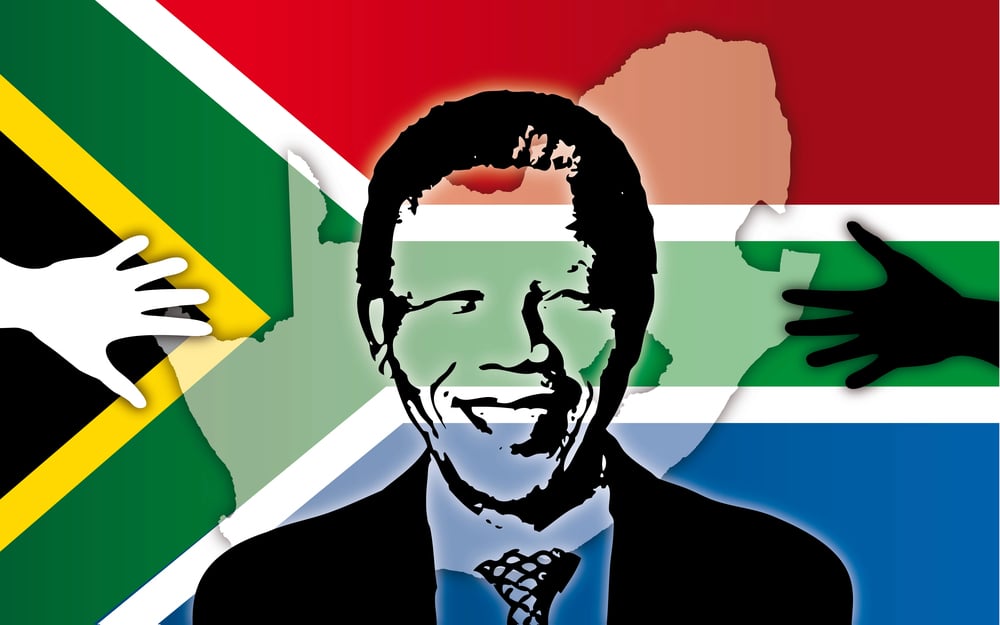
The Rivonia Trial of 1963 to 1964 was the apartheid South African government’s attempt to permanently remove Nelson Mandela and his co-defendants from political life — and it nearly succeeded. Mandela, charged with sabotage and conspiracy to overthrow the state, delivered a statement from the dock that became one of the most powerful speeches of the twentieth century, closing with the words that he was prepared to die for his ideals.
He was sentenced to life imprisonment on Robben Island. Twenty-seven years later, he walked out free and became president of the country that had imprisoned him.
The O.J. Simpson Trial
The O.J. Simpson murder trial of 1994 to 1995 was the first trial that felt genuinely live — broadcast gavel to gavel on television, dissected in real time, a national event that people scheduled their days around. And what it revealed, almost more than anything about the defendant or the crime, was a fault line in American society: polls at the time showed Black Americans and white Americans had almost inverted views of both the evidence and the verdict.
Simpson was acquitted. The split in public reaction told a story that the trial itself never quite resolved.
The Trial of Louis XVI
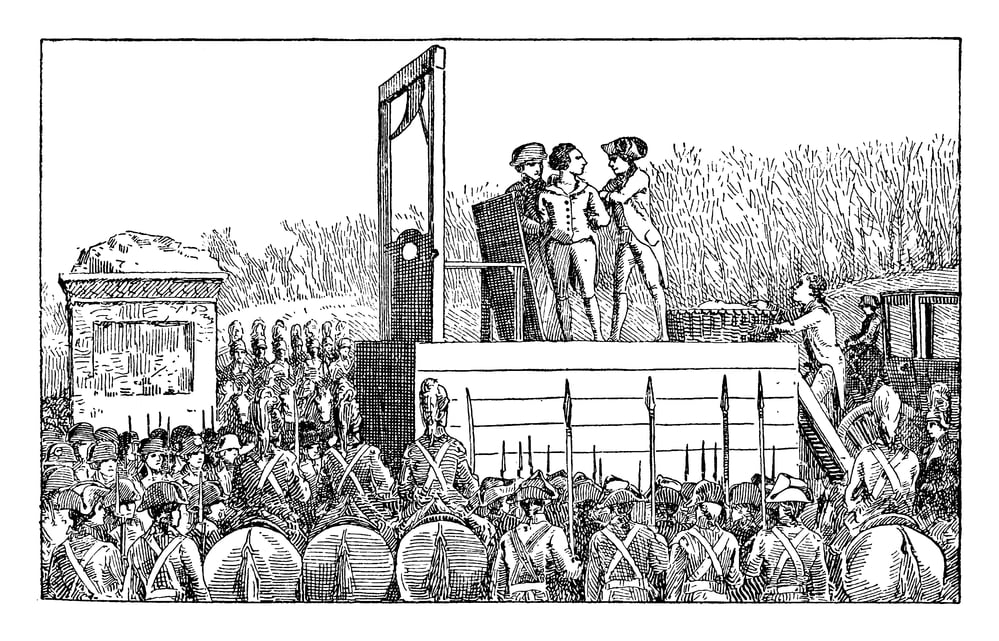
When the French Revolutionary tribunal tried King Louis XVI in December 1792, the most radical voices in the National Convention argued the trial was unnecessary — that a king was by definition an enemy of the people and required no further process. The moderates insisted on the trial anyway, and Louis was found guilty of conspiracy against liberty and sentenced to death by guillotine in January 1793.
His execution sent a message across every royal court in Europe: the old compact between monarchs and their subjects had been renegotiated, violently, and nothing would be quite the same.
The Chicago Seven Trial
The defendants in the 1969 Chicago Seven trial had been charged with conspiracy to incite riots during the 1968 Democratic National Convention, and the trial that followed was — there’s no cleaner word for it — a circus. Judge Julius Hoffman’s openly hostile conduct toward the defense, the decision to have Black Panther co-defendant Bobby Seale bound and gagged in the courtroom, and the defendants’ deliberate theatrics created a spectacle that seemed to put the Nixon administration’s relationship with dissent on trial more than the defendants themselves.
All were eventually acquitted of the conspiracy charge.
The My Lai Courts-Martial
Lieutenant William Calley was the only soldier convicted in connection with the massacre of hundreds of Vietnamese civilians at My Lai in 1968 — a fact that, depending on your perspective, either represents military justice working or military justice being used as a pressure valve. He was initially sentenced to life imprisonment, but President Nixon intervened, placed him under house arrest, and he was eventually paroled in 1974.
The case forced a reckoning, however incomplete, with what the chain of command means when the orders lead somewhere monstrous.
The Manson Family Trial
The trial of Charles Manson and three of his followers for the Tate-LaBianca murders in 1970 introduced the American public to something it hadn’t quite encountered before: a cult leader who seemed to operate by his own rules even in a courtroom, and followers so completely reshaped by his influence that they carved symbols into their foreheads during the proceedings. The prosecution had to convince the jury that Manson was guilty despite not being present at the murders.
All four were convicted. The case permanently altered how Americans thought about psychological manipulation and collective violence.
The Nuremberg Doctors’ Trial
Separate from the main Nuremberg proceedings, the Doctors’ Trial of 1946 to 1947 prosecuted twenty-three German physicians and administrators for conducting experiments on concentration camp prisoners — experiments that used human beings as disposable instruments of research. Sixteen were convicted; seven were executed.
The trial produced the Nuremberg Code, a set of principles governing medical experimentation on human subjects that still underpins research ethics today. It’s one of those cases where the legal outcome was almost secondary to what the evidence forced the world to look at directly.
The Trial of Timothy McVeigh
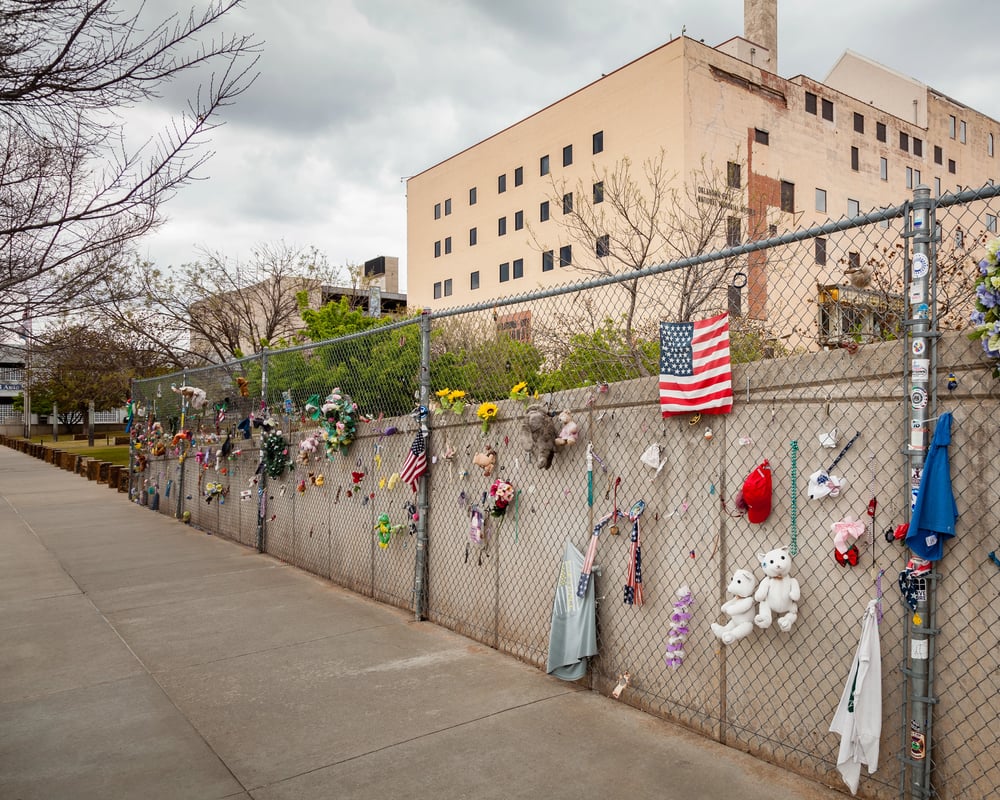
Timothy McVeigh was convicted in 1997 for the bombing of the Alfred P. Murrah Federal Building in Oklahoma City — 168 people killed, including nineteen children in a day care center on the building’s second floor. The trial was notable partly for what it revealed: McVeigh was not a shadowy foreign agent but an American veteran, born and raised, who had decided his own government was the enemy.
He was executed in 2001. The case permanently complicated the national conversation about domestic extremism in ways that have only grown more relevant with time.
The Trial of Saddam Hussein
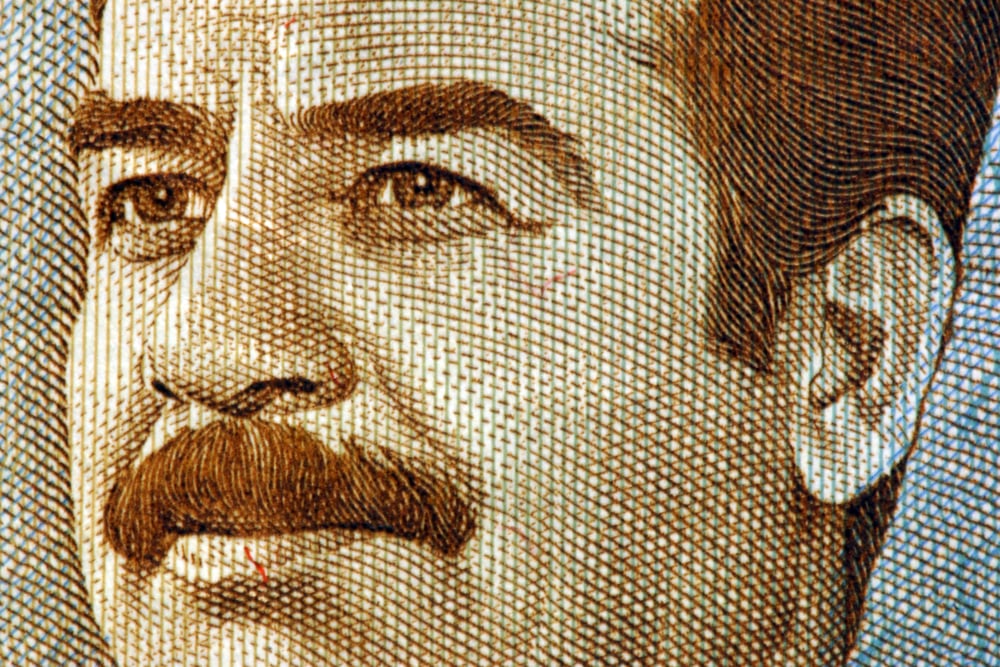
Saddam Hussein’s trial, which began in 2005 after his capture by U.S. forces, was supposed to be a showcase of Iraqi justice — and it was, in the sense that it showed exactly how complicated justice becomes when it’s freighted with geopolitical expectation, security concerns, and the assassination of three defense attorneys during the proceedings. Saddam was defiant, contemptuous of the court, and entirely unwilling to play the role of the humbled tyrant.
He was convicted of crimes against humanity and hanged in December 2006. The footage of his execution, leaked online, became its own controversy.
The Trial of Warren Hastings
The impeachment trial of Warren Hastings, the first Governor-General of Bengal, lasted from 1788 to 1795 — seven years, which tells you something about the ambitions of all parties involved. Edmund Burke led the prosecution with speeches of such volcanic intensity that he reportedly fainted after delivering them, arguing that Hastings had governed India with cruelty and corruption that disgraced the British Empire.
Hastings was ultimately acquitted. But the trial forced a public reckoning with what British colonial rule actually looked like in practice, which was arguably the more important outcome.
The Lindbergh Kidnapping Trial
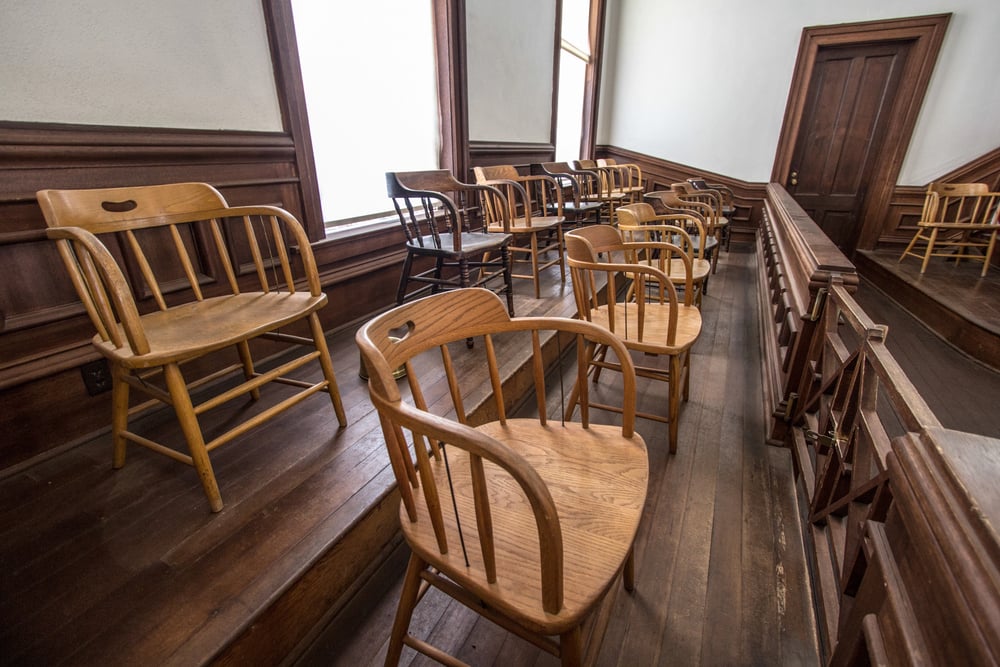
Bruno Hauptmann was convicted in 1935 of kidnapping and murdering Charles Lindbergh’s infant son — a case that had gripped America for three years and turned the New Jersey courtroom into something closer to a carnival than a proceeding. H.L. Mencken called it “the greatest story since the Resurrection,” which was characteristically excessive and not entirely wrong about the scale of public attention.
Hauptmann maintained his innocence to the end and was executed in 1936. The case directly led to federal kidnapping laws that made crossing state lines with a victim a capital offense.
The Trial of Emmett Till’s Murderers
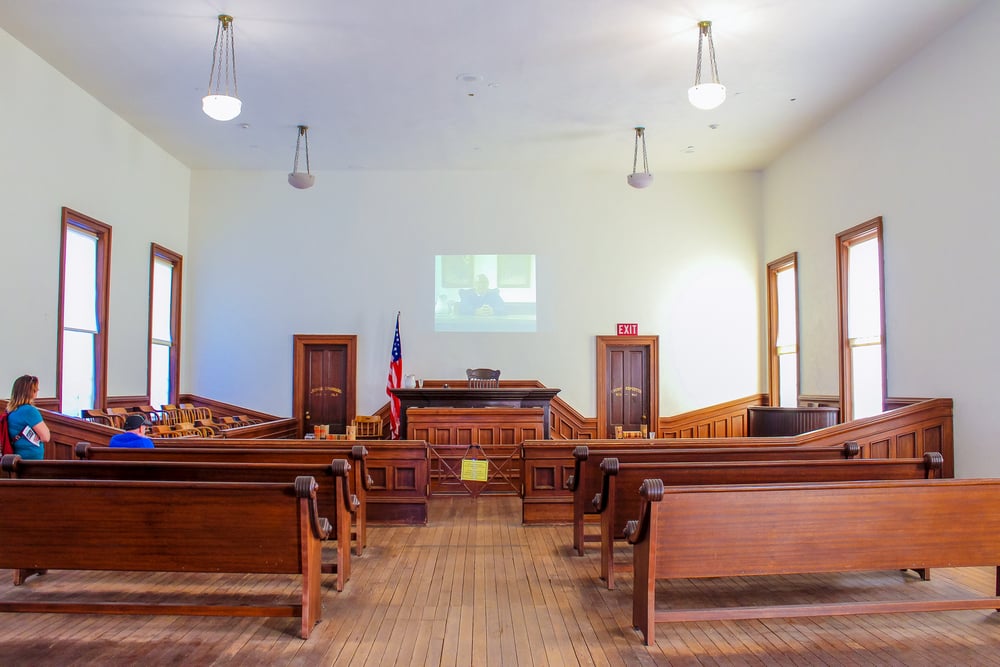
In 1955, Roy Bryant and J.W. Milam were tried for the murder of fourteen-year-old Emmett Till — a Black teenager from Chicago who had been brutally killed in Mississippi — and acquitted by an all-white jury in just over an hour. Double jeopardy protections meant they could never be tried again, and the two men later confessed to the murder in a magazine interview knowing they were legally untouchable.
The trial is less a story about justice than about the precise shape of its absence. Mamie Till’s decision to have an open casket funeral, so the world could see what had been done to her son, galvanized the civil rights movement in ways the verdict never could have anticipated.
The Trial of Aaron Burr
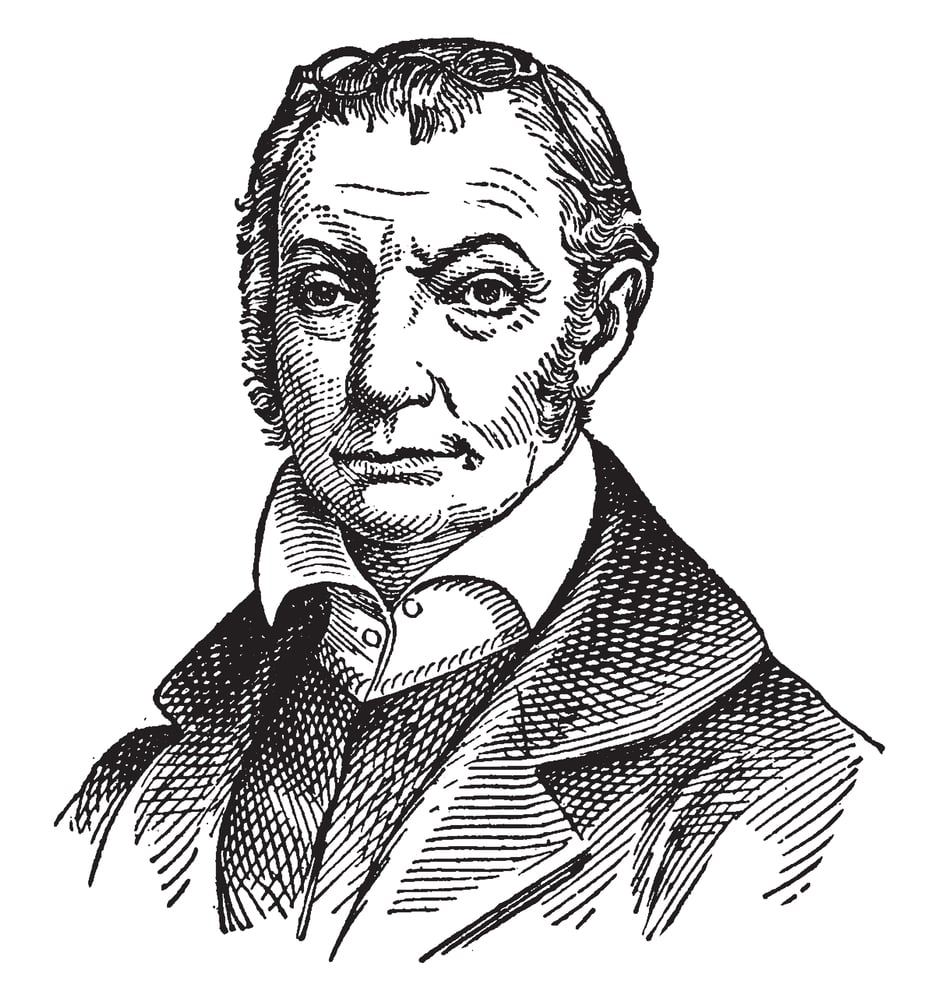
Aaron Burr — former Vice President of the United States, the man who had killed Alexander Hamilton in a duel the year before — was tried for treason in 1807 on charges that he had conspired to create an independent nation in the American Southwest. Chief Justice John Marshall presided, and the trial became a landmark not for its verdict (Burr was acquitted) but for Marshall’s narrow definition of treason, which required actual overt acts witnessed by two people.
The case set a constitutional precedent on the definition of treason that has held for more than two centuries.
The Trial of the Birmingham Church Bombers
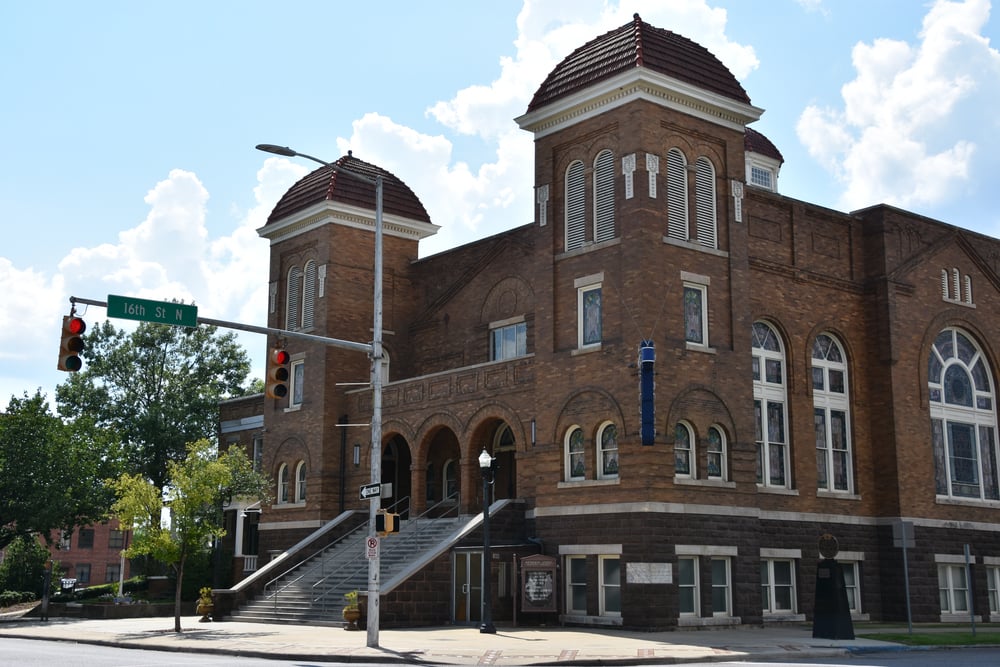
The 1963 bombing of the 16th Street Baptist Church in Birmingham, Alabama — which killed four young girls attending Sunday school — was one of the most savage acts of racial violence in the civil rights era. It took decades for justice to arrive: Robert Chambliss wasn’t convicted until 1977, Thomas Blanton and Bobby Frank Cherry not until 2001 and 2002 respectively.
The long gap between the crime and the convictions is its own kind of verdict — on what the justice system was willing to pursue, and when, and for whom.
The Slobodan Milošević Trial
Slobodan Milošević became the first sitting head of state to be indicted by an international war crimes tribunal when the International Criminal Tribunal for the former Yugoslavia charged him in 1999. His trial began in 2002 and became a marathon — Milošević chose to represent himself, turning every session into a political platform, cross-examining witnesses for hours, and generally treating the proceedings as theater he intended to direct.
He died in his cell in 2006 before a verdict could be reached. The unfinished trial is, in its way, a more honest picture of what international justice can and cannot do than a clean verdict would have been.
The Trial of Derek Chauvin
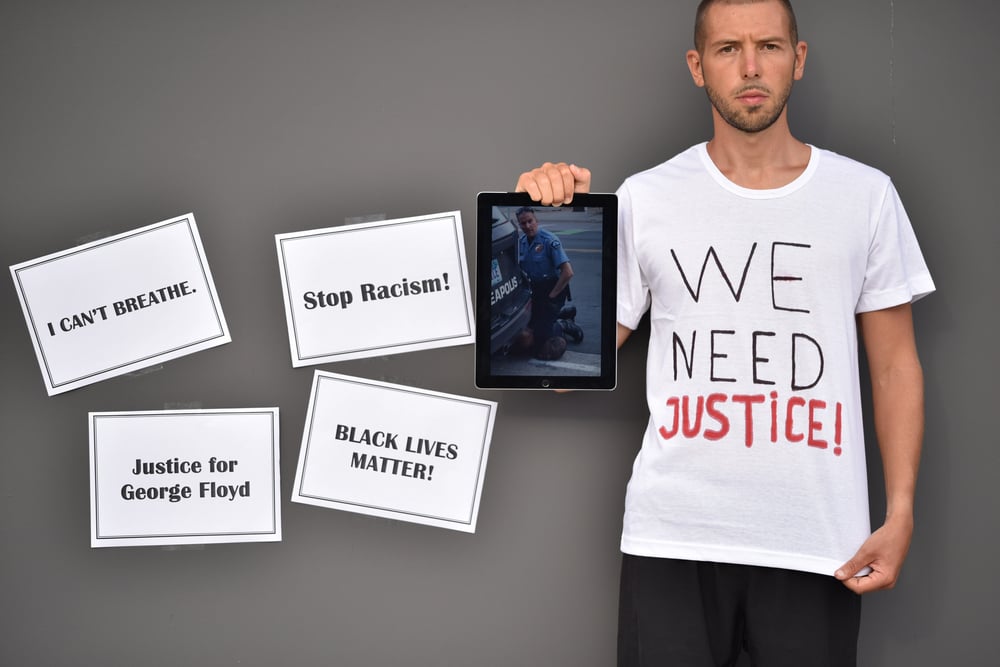
The 2021 trial of Derek Chauvin — the Minneapolis police officer who knelt on George Floyd’s neck for nine minutes and twenty-nine seconds — was watched across the world with the kind of attention that usually belongs to wars or elections. Chauvin was convicted on all three counts: second-degree unintentional murder, third-degree murder, and second-degree manslaughter.
It was a verdict that many described as accountability and others described as a floor rather than a ceiling — a single conviction in a system where such convictions had historically been rare. The world exhaled. Then the argument about what comes next began.
When the Gavel Falls
A courtroom is, in theory, the most rational room in any building — evidence, procedure, argument, verdict. And yet the trials that history remembers are rarely remembered for their procedural tidiness.
They’re remembered for what they forced into the open: the antisemitism a country was pretending didn’t exist, the gap between a nation’s founding documents and its actual practice, the question of whether justice is available equally or only to some.
The verdicts in these cases mattered. But what mattered more, in almost every case on this list, was the fact of the trial itself — the act of holding a proceeding in public, of requiring a state or an institution or a person in power to answer, however imperfectly, to something outside themselves.
The courtroom doesn’t always get it right. But the attempt to get it right, made in public, under scrutiny, with the record preserved, is the thing that keeps pulling the world back into those rooms.
More from Go2Tutors!

- The Romanov Crown Jewels and Their Tragic Fate
- 13 Historical Mysteries That Science Still Can’t Solve
- Famous Hoaxes That Fooled the World for Years
- 15 Child Stars with Tragic Adult Lives
- 16 Famous Jewelry Pieces in History
Like Go2Tutors’s content? Follow us on MSN.



