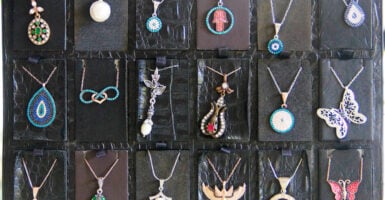
28 Vintage Pendants With More Than Decorative Uses
A pendant on a chain looks like pure ornament, yet for centuries many of them served as carriers, tools, and signals. Behind a polished front, a pendant might hold a portrait, a scent, a timepiece, or a medical warning.
Collectors who learn to spot the hinge, the hidden lid, or the tiny lens often find that the piece was built for a job. The pendants below each combined looks with a function that went beyond decoration.
The Photograph Locket
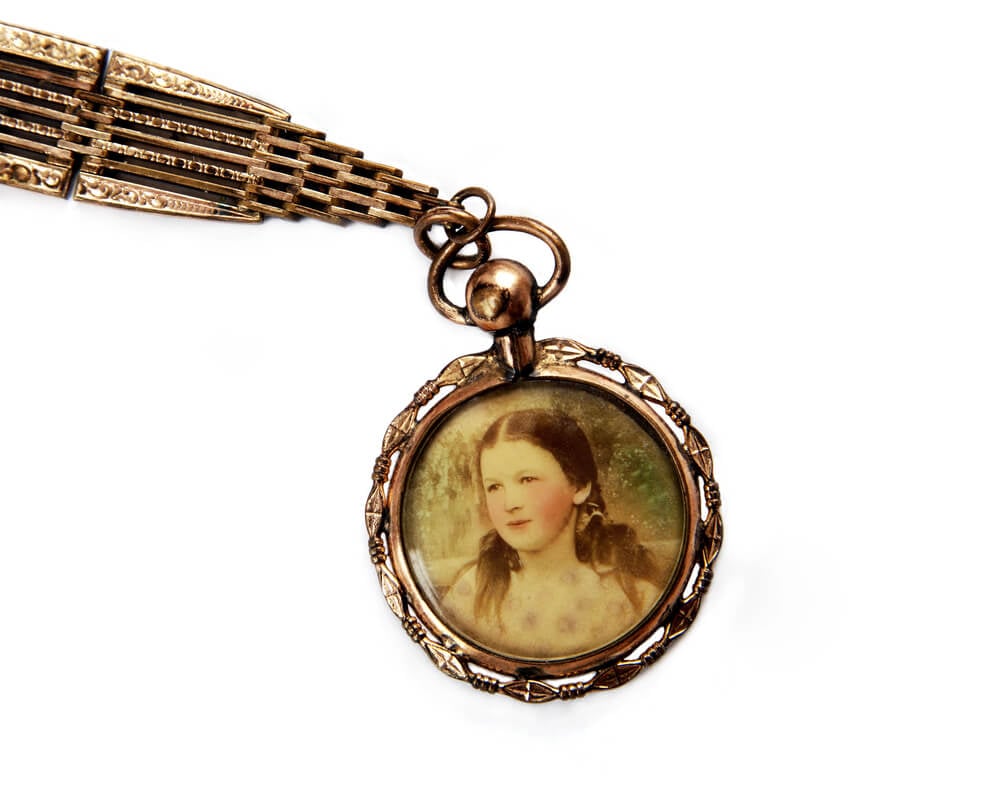
A locket opens to reveal space for a portrait, a keepsake, or a folded note. Victorian lockets were often worn close to the heart and held a likeness of a loved one.
The hinge and clasp were as important to the design as the engraving on the front.
The Hair Locket
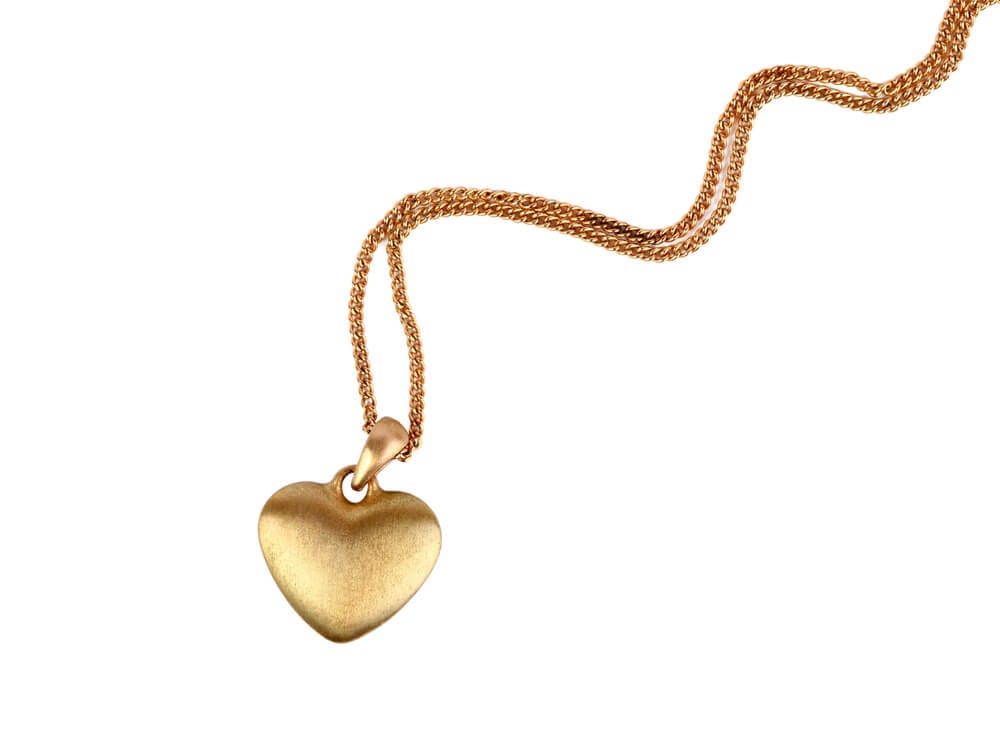
Hair lockets held a strand of hair from a loved one, either as a keepsake or in mourning. Hair was sometimes woven into intricate patterns and sealed behind glass.
The practice was widespread in the nineteenth century and left behind many surviving examples.
The Whitby Jet Mourning Pendant
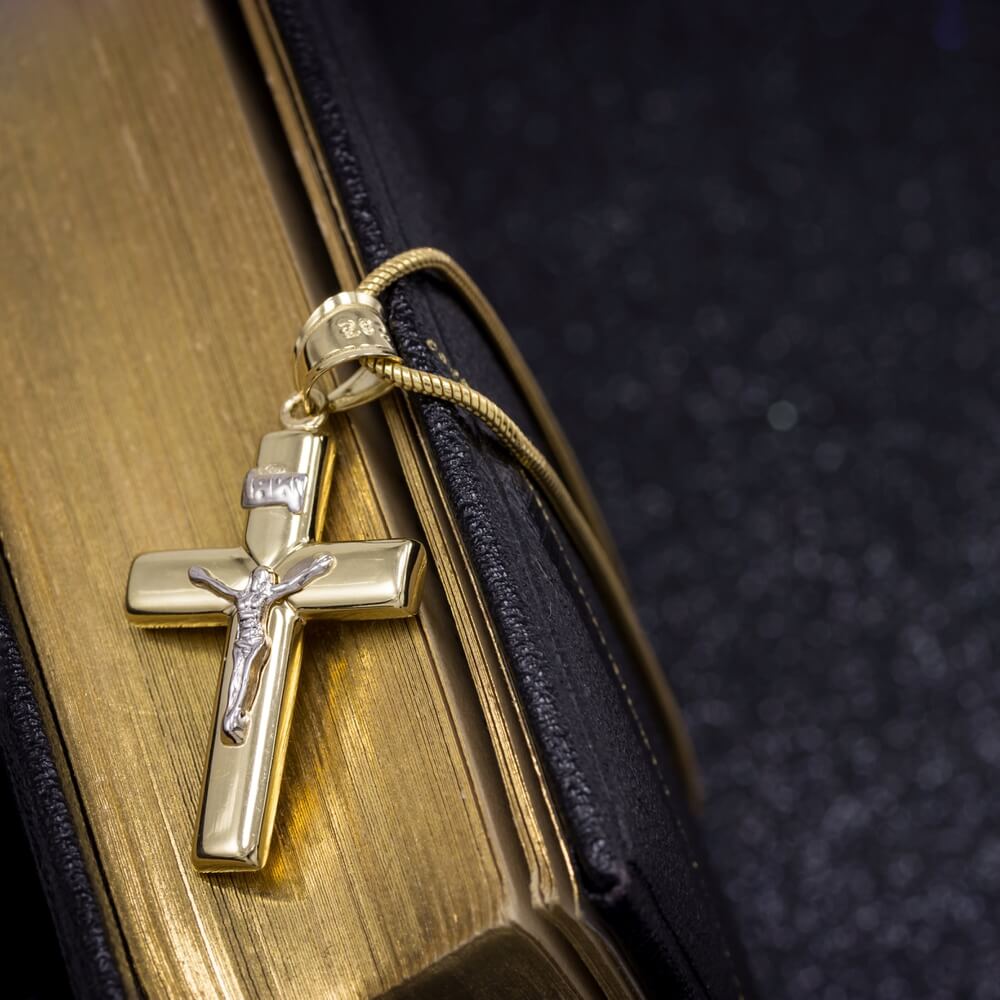
After Prince Albert died in 1861, Queen Victoria wore black for the rest of her life, and jet jewelry became the standard accessory of mourning. Pendants carved from jet showed that the wearer was in mourning and followed the social rules of the time.
The dark, lightweight stone was carved into crosses, lockets, and beads.
The Pendant Watch
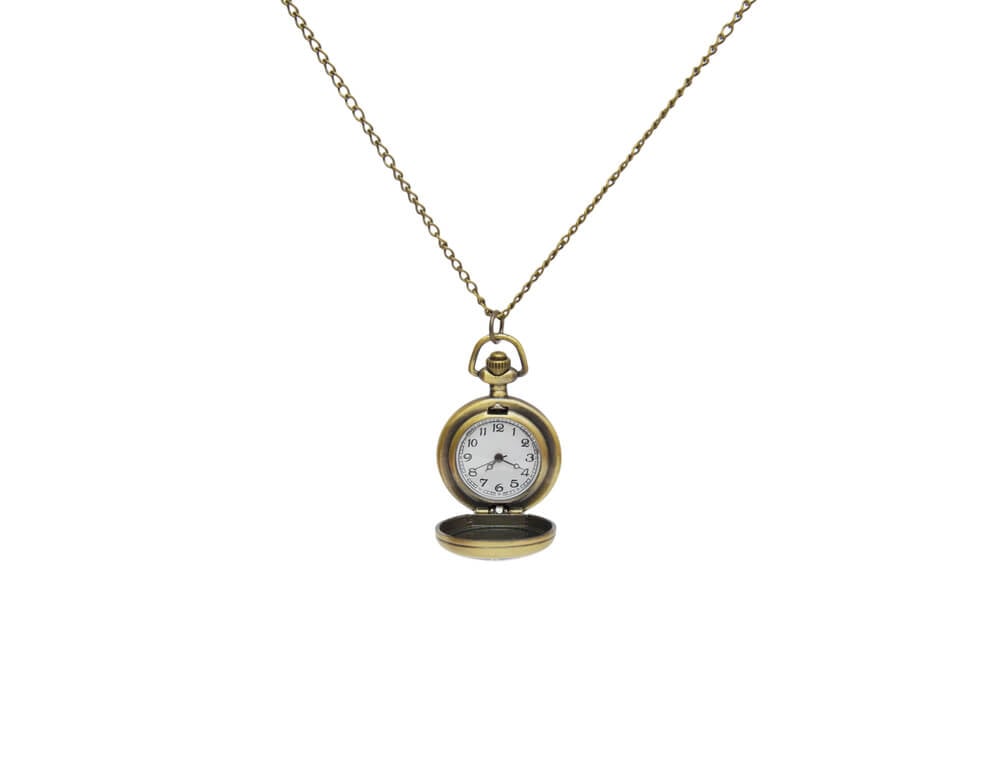
Pendant watches hung from a chain around the neck or from a pin on the bodice, allowing women to check the time without carrying a purse. One example in a museum collection pairs a Hampden movement with a Dueber case dating to about 1914.
The lid protected the dial, and the winding crown sat at the top of the piece.
The Vinaigrette
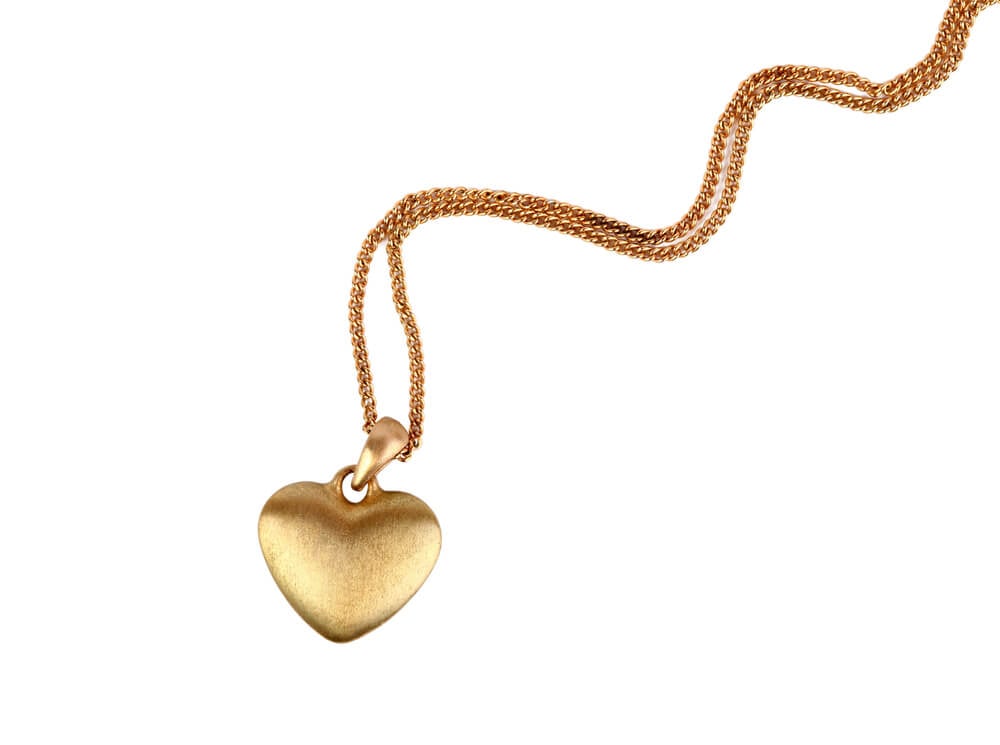
A vinaigrette is a small box with a perforated inner grille that holds a sponge soaked in aromatic vinegar or scent. Wearers sniffed it to mask unpleasant odors or to revive themselves in crowded rooms.
Some were made as pendants so they stayed close at hand.
The Pomander
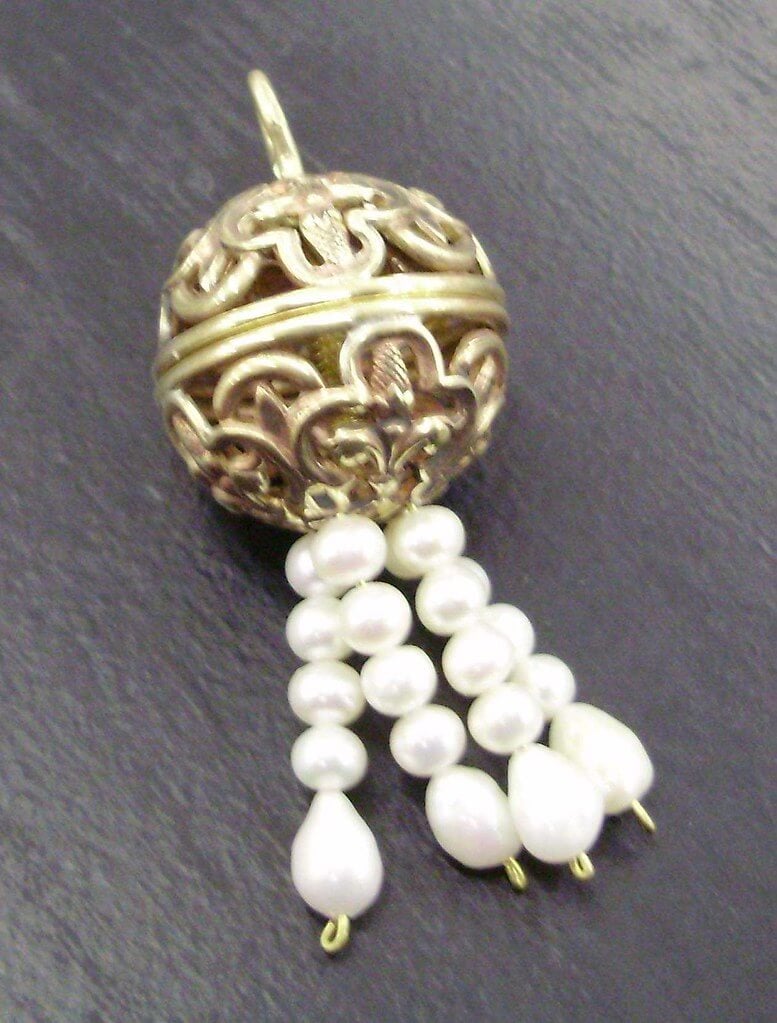
A pomander is a perforated container filled with fragrant spices or resins, historically worn on a chain to ward off bad smells. In earlier centuries, people believed that foul air could spread disease, so the scent was considered protective.
The pierced metal surface let the aroma escape.
The Perfume Bottle Pendant
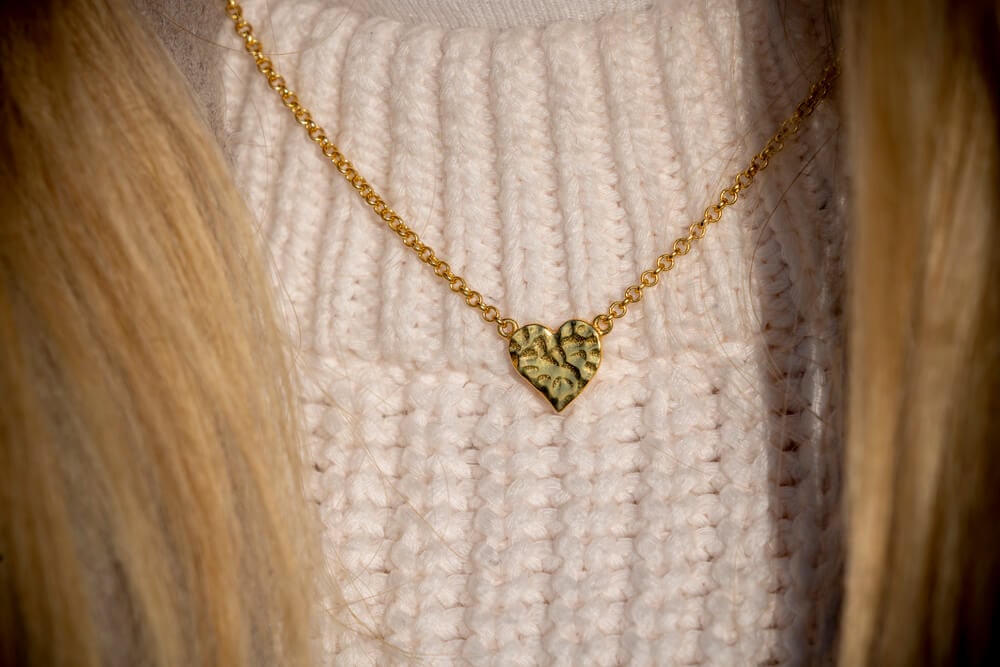
Tiny glass bottles with stoppers were mounted as pendants to hold a few drops of perfume. The wearer could carry a personal scent without a larger bottle.
The bottles were often set in gold or silver and decorated with enamel.
The Smelling Salts Vial
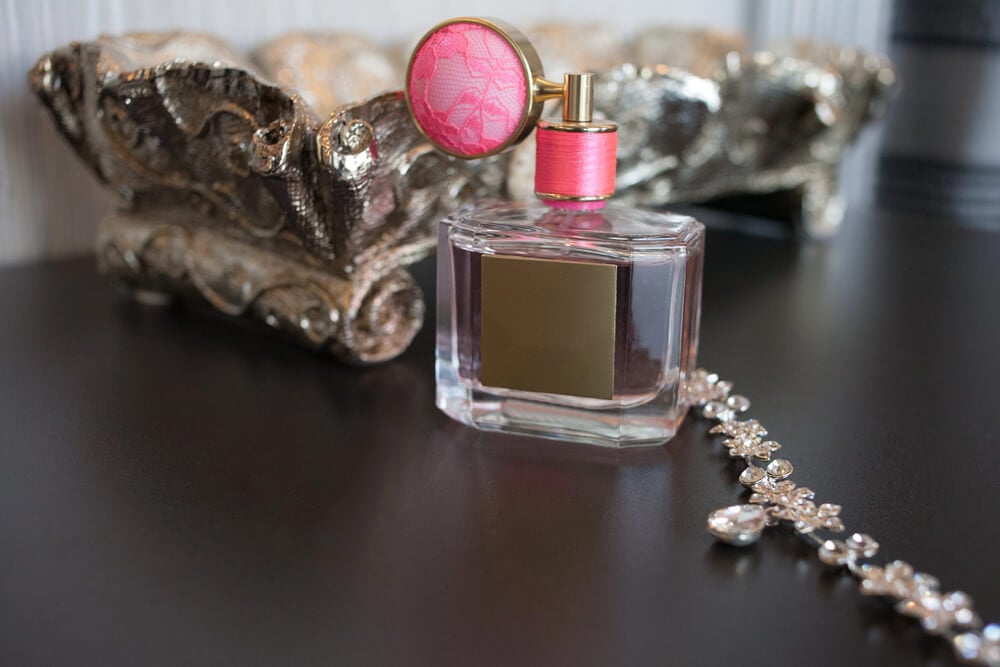
A sealed vial of smelling salts, a sharp-smelling ammonium compound, was sometimes worn on a chain as a pendant. It was intended to revive someone who felt faint.
The mounting kept the vial secure and discreet.
The St. Christopher Medal
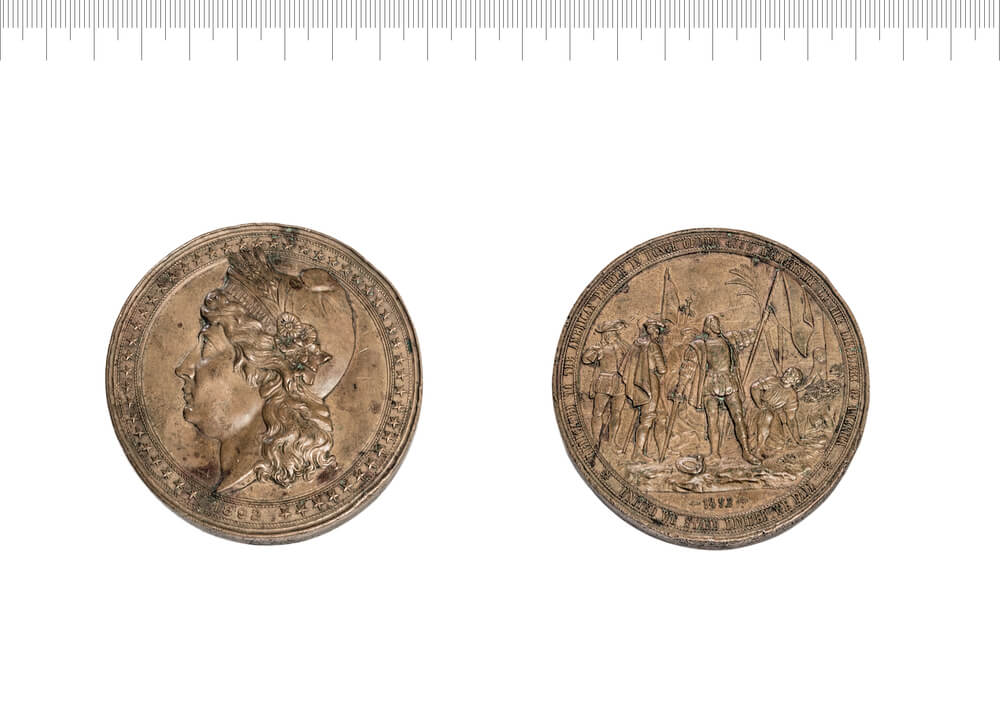
St. Christopher medals depict the saint carrying the Christ child across a river and are worn for protection while traveling. The medal became popular among motorists and sailors and was often given as a gift before a journey.
Many are still engraved with a short prayer on the back.
The Miraculous Medal
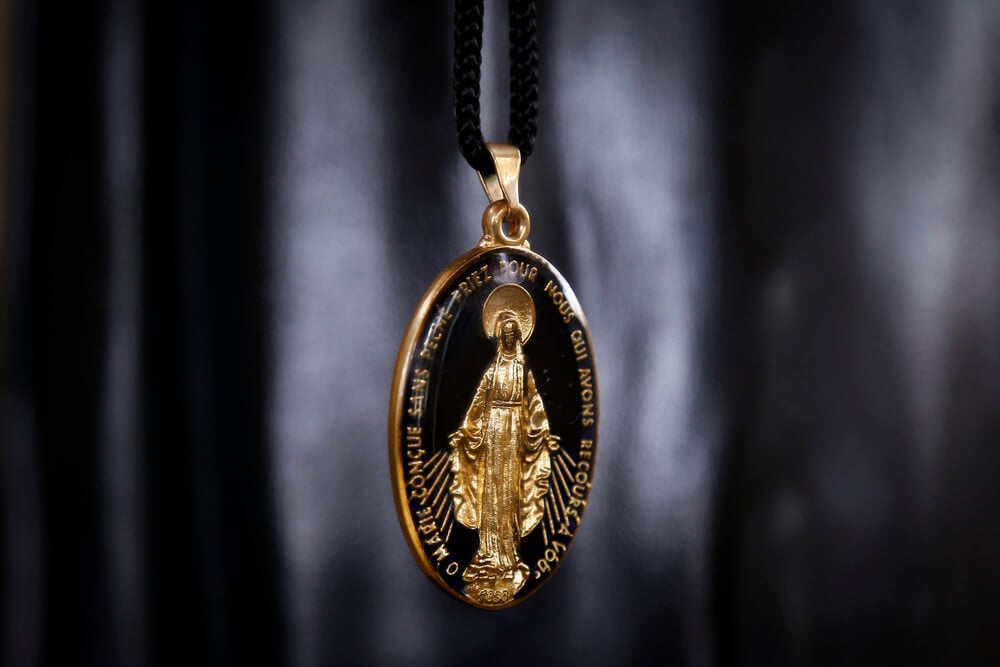
The Miraculous Medal was designed after Catherine Labouré, a young nun in Paris, reported visions in 1830. The oval medal shows the Virgin Mary on the front and a cross and two hearts on the back.
It spread across the Catholic world within a few years of its first striking in 1832.
The Medical Alert Pendant
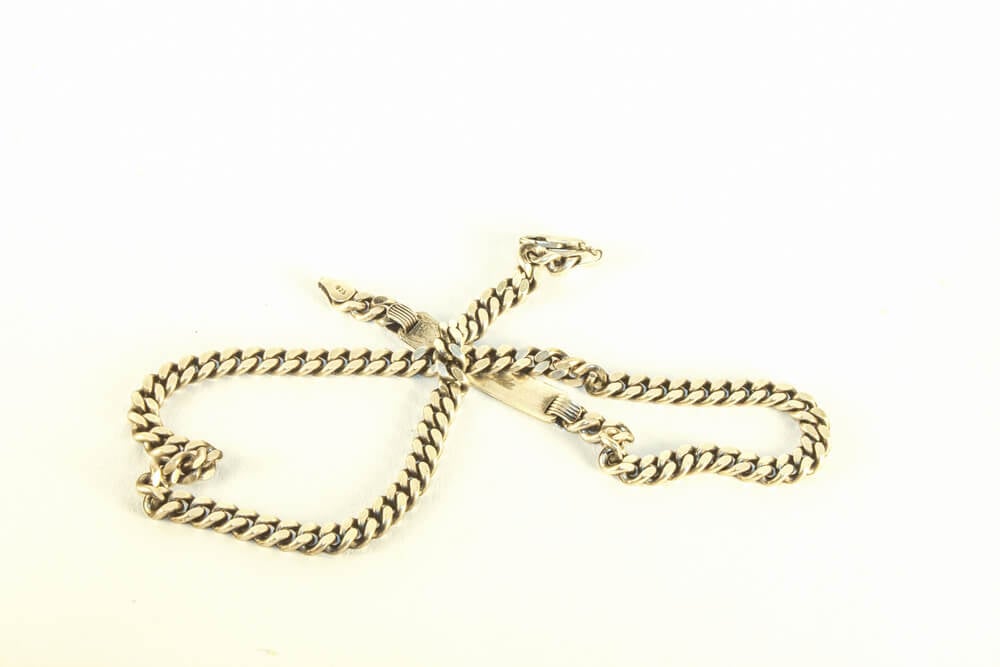
Dr. Marion Collins and his wife, Chrissie, created the first MedicAlert emblem in 1956 in Turlock, California, after their daughter had a near-fatal allergic reaction. The engraved emblem warned emergency responders of a condition when the wearer could not speak.
Pendants and bracelets alike followed the original design.
The Military Identification Tag
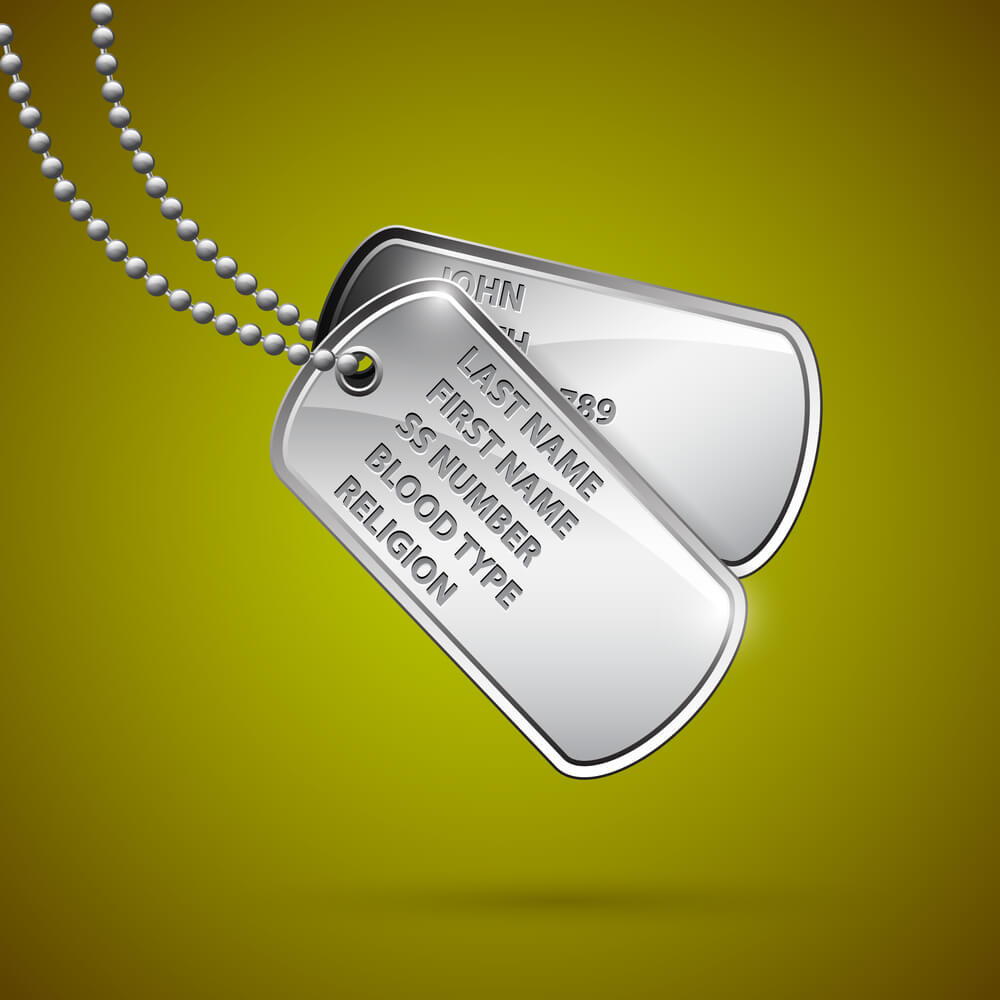
The U.S. Army authorized identification tags for soldiers in 1906, worn on a cord or chain around the neck. The tag carried a name and service number so that fallen soldiers could be identified.
Some families kept a copy as a pendant after a service member returned.
The Stanhope Pendant
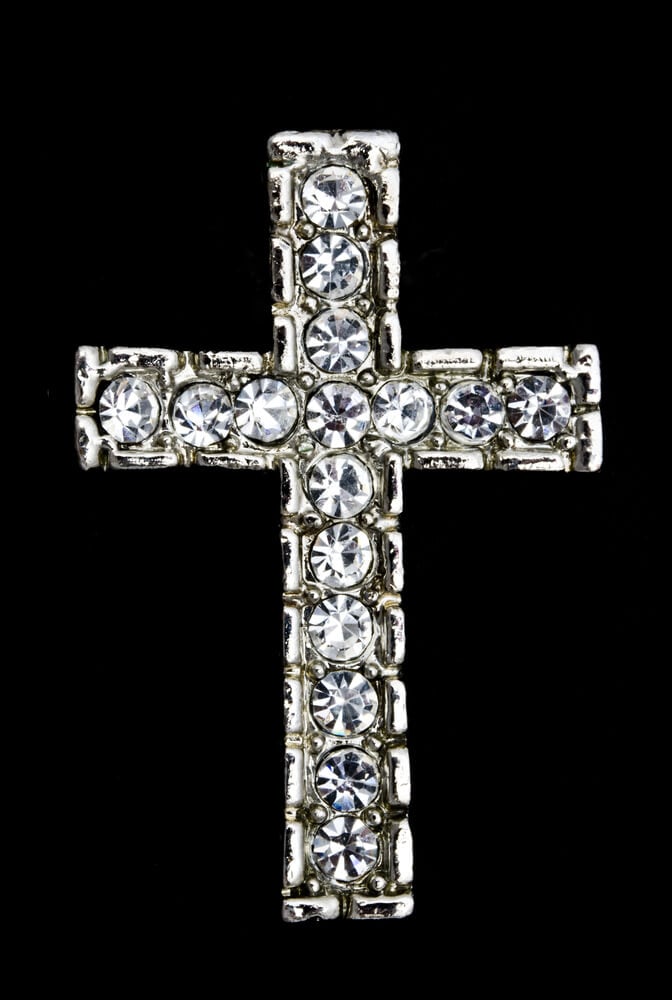
A Stanhope pendant contains a tiny cylindrical lens that magnifies a microscopic photograph held inside. Looking through the tiny lens reveals a hidden image, often of a landmark or a loved one.
The technique was popular in souvenirs and keepsakes in the nineteenth century.
The Pendant Compass
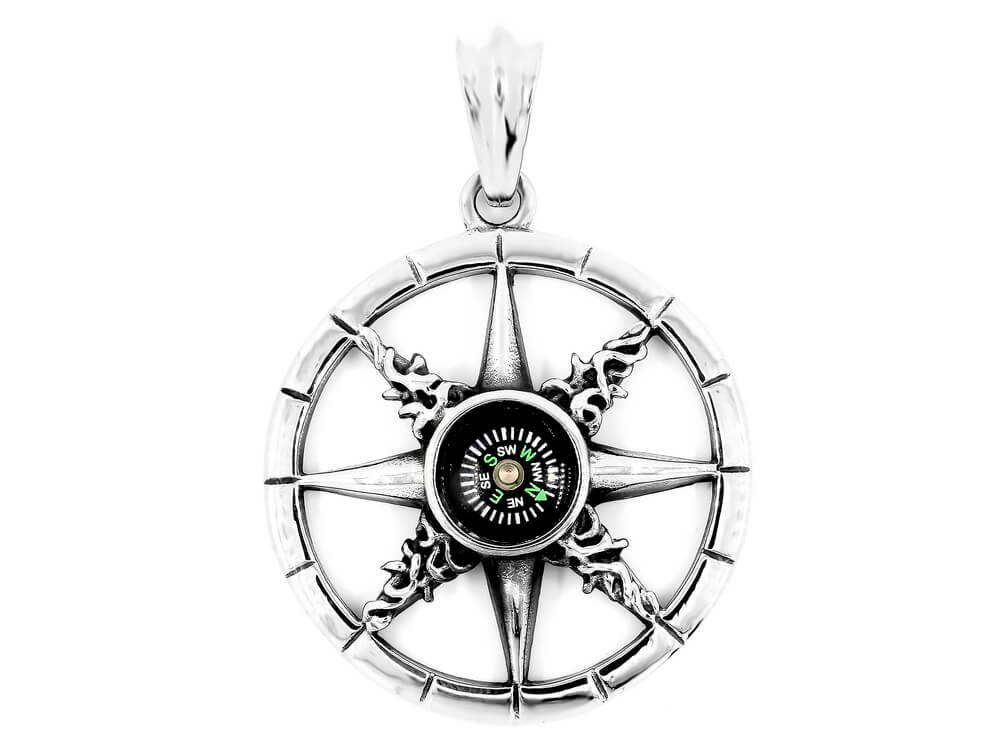
A tiny compass set into a pendant gave travelers and hikers a means of finding direction without carrying a larger instrument. The needle swung freely inside a glass-covered case.
Many surviving examples are tied to military or outdoor use.
The Seal Pendant
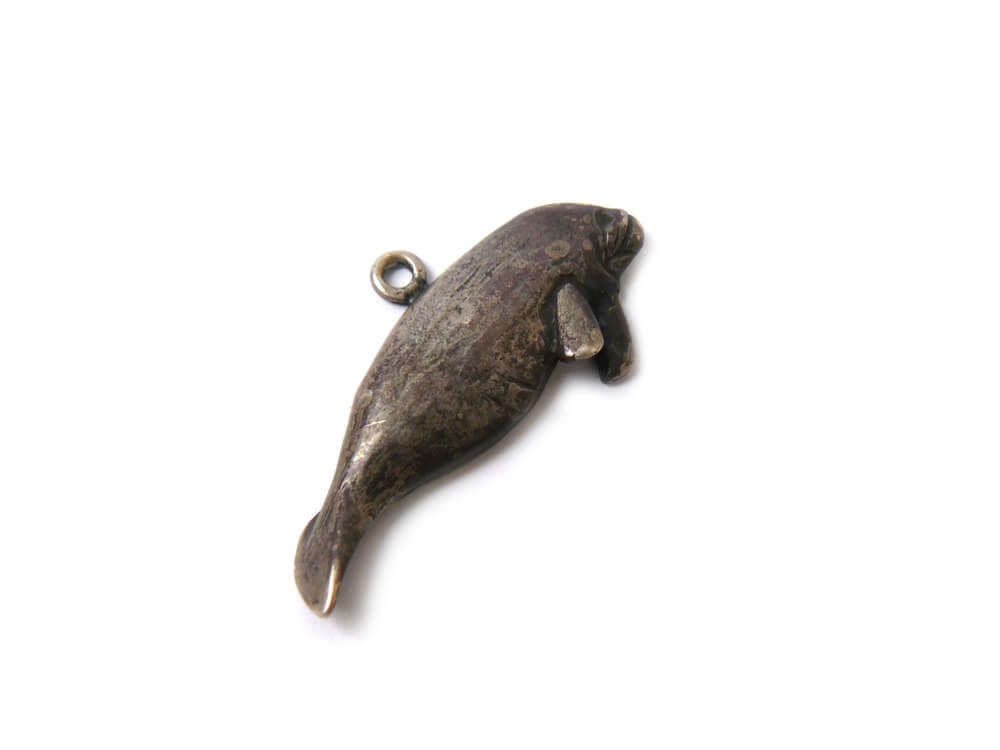
A seal pendant carried a carved stone or metal face used to impress a design into sealing wax on letters. The design served as a signature and guarded against tampering.
The seal hung on a chain so that its owner always had it handy.
The Propelling Pencil Pendant
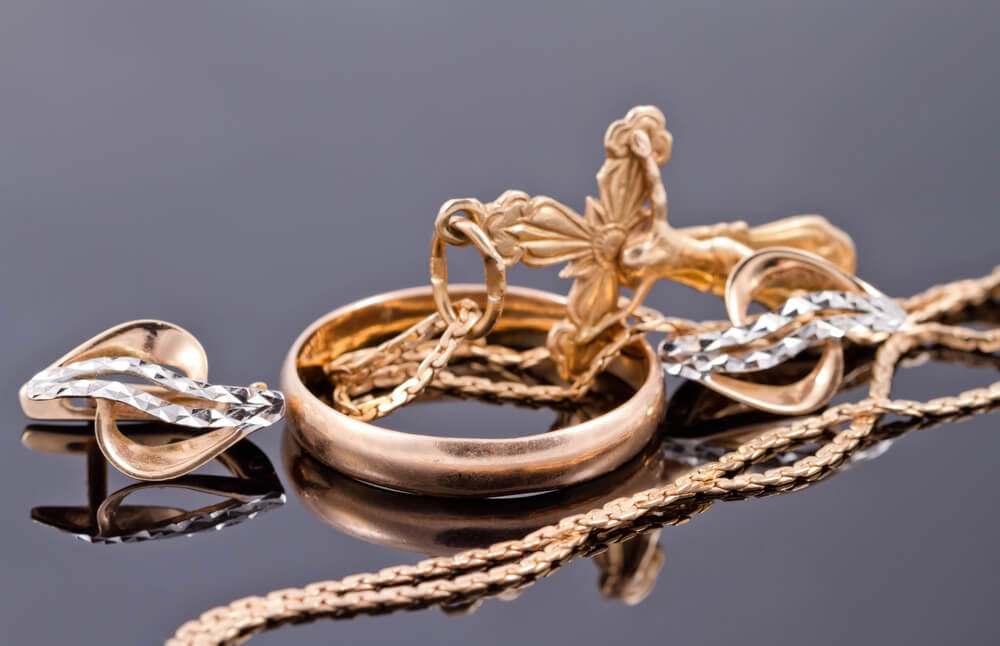
In 1822, Sampson Mordan and John Isaac Hawkins patented a propelling pencil, and Mordan’s firm went on to produce many silver versions. Some were small enough to hang on a chain around the neck as a pendant.
The pencils allowed a wearer to jot a note without hunting for a writing instrument.
The Boatswain’s Call

A boatswain’s call, also known as a bosun’s pipe, is a small metal whistle used aboard ships to issue commands. It is typically worn on a chain around the neck, making it both a badge of rank and a working instrument.
Different notes conveyed different orders over the noise of the sea.
The Toothpick and Ear Scoop Pendant
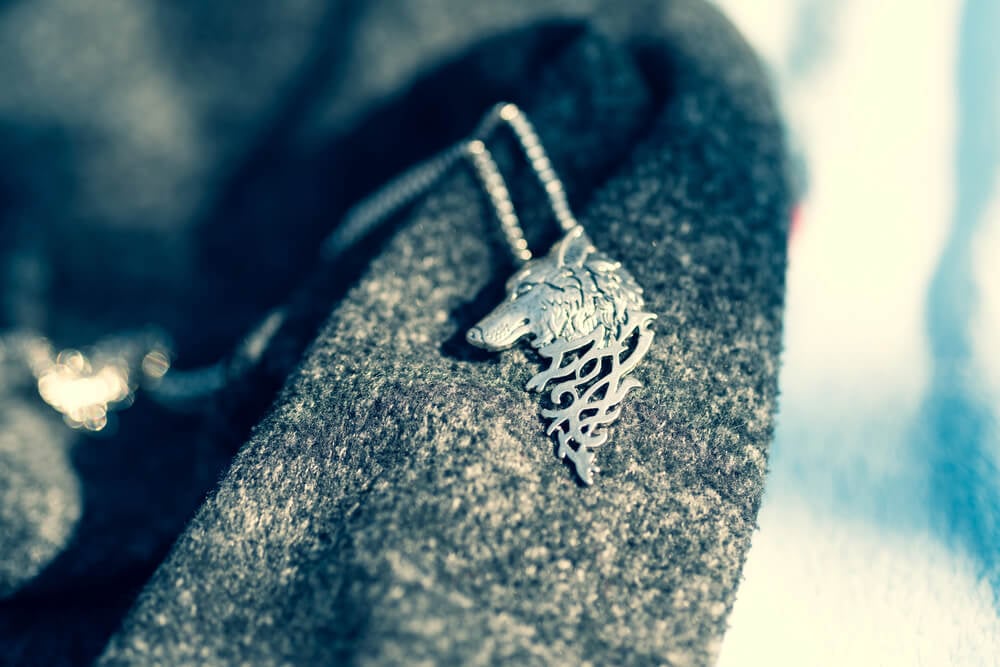
Some Victorian grooming sets included a tiny toothpick and ear scoop that folded into a small case worn as a pendant. The compact kit let the wearer attend to personal hygiene at any moment.
The mounting was usually silver or gold and could be elaborately decorated.
The Evil Eye Pendant
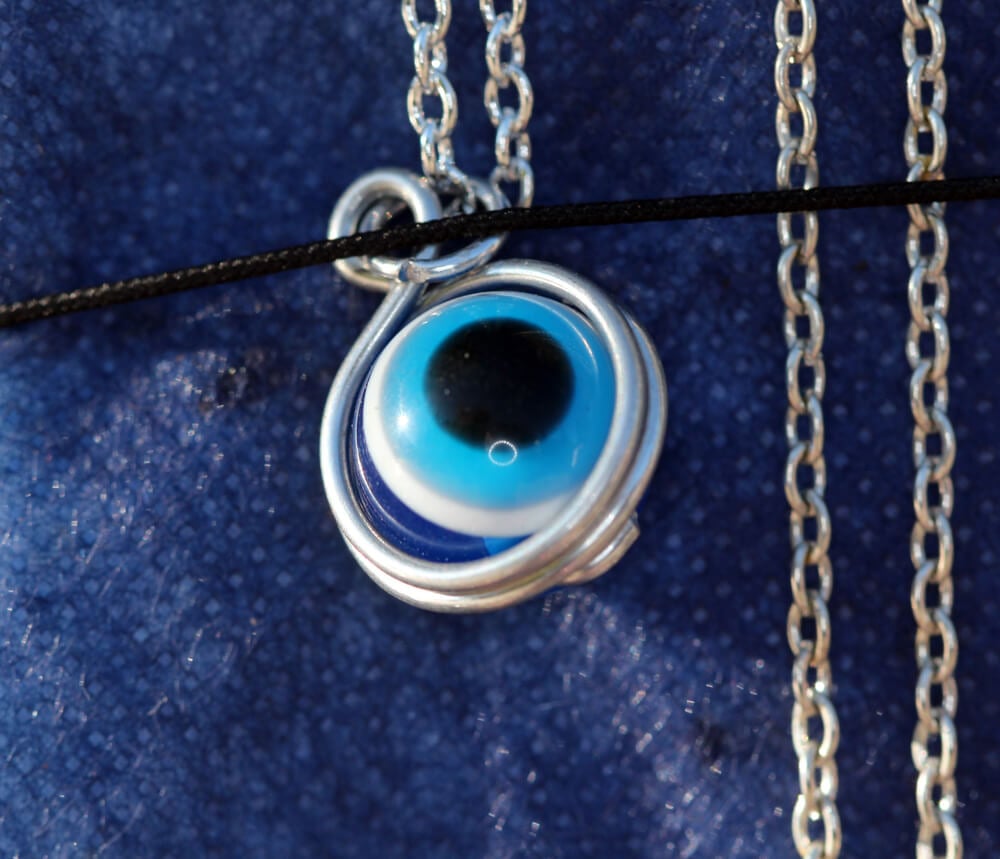
The evil eye, or nazar, is a blue glass talisman widely worn around the Mediterranean and Middle East to guard against envy and bad luck. Pendants with the blue eye are given as gifts and hung in homes.
The design has remained consistent for centuries.
The Hamsa Pendant
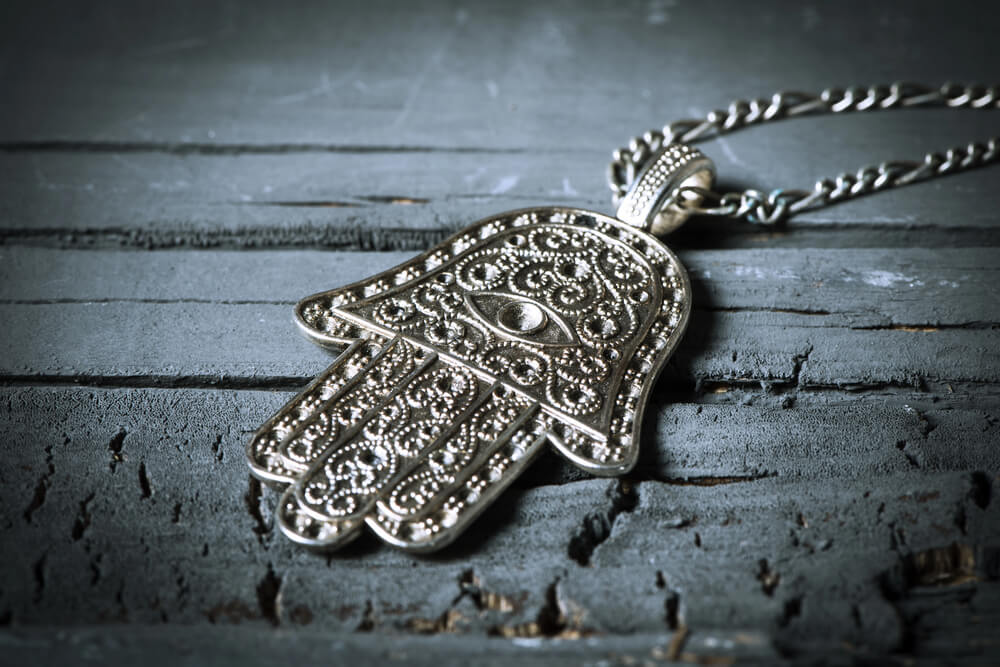
The hamsa is an open hand, often with an eye in the center, worn as a protective amulet in Jewish and Muslim communities and beyond. It is meant to ward off harm and bring good fortune.
The pendant form is among the most popular versions.
The Reliquary Pendant
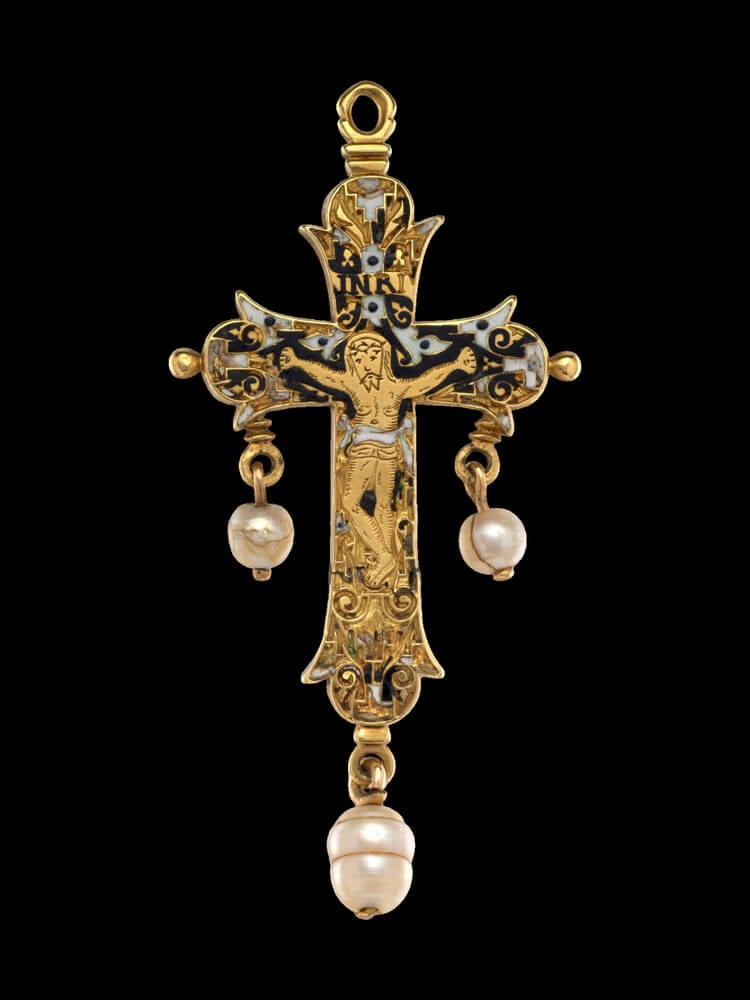
Reliquary pendants contain a tiny fragment associated with a saint, held behind glass or in a small compartment. Medieval and later Christians wore them for protection and devotion.
A reliquary served as both a sacred object and a jewel.
The Coin Pendant
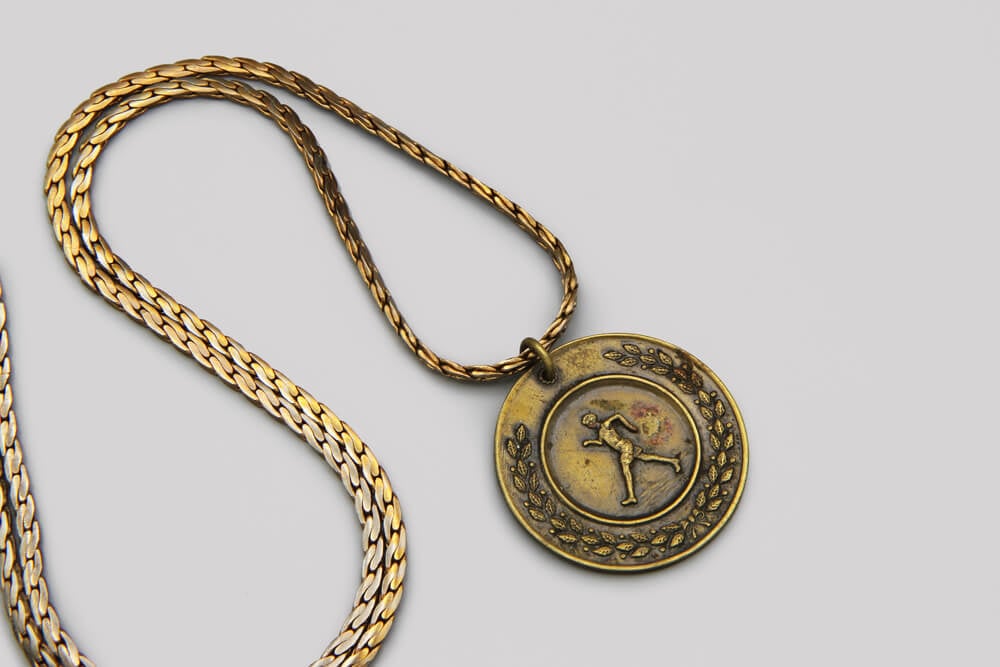
In several cultures, coins have been strung into pendants or necklaces as a form of portable wealth. A bride might receive a collection of gold coins as part of her dowry and wear them as a display of financial security.
The pieces could be sold or traded in an emergency.
The Scarab Pendant
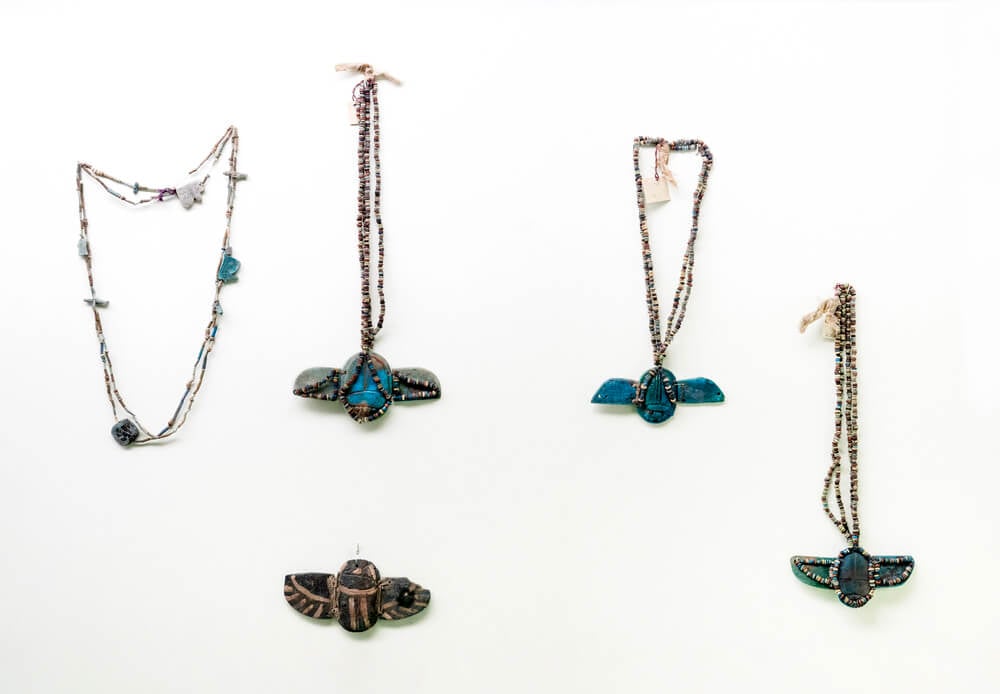
Ancient Egyptians carved beetle-shaped scarabs from stone and wore them as amulets and seals. The scarab symbolized renewal and protection, and the flat underside often bore an inscription.
Pendants mounted with genuine scarabs became popular in Europe after the nineteenth-century craze for Egyptian art.
The Pill Case Pendant
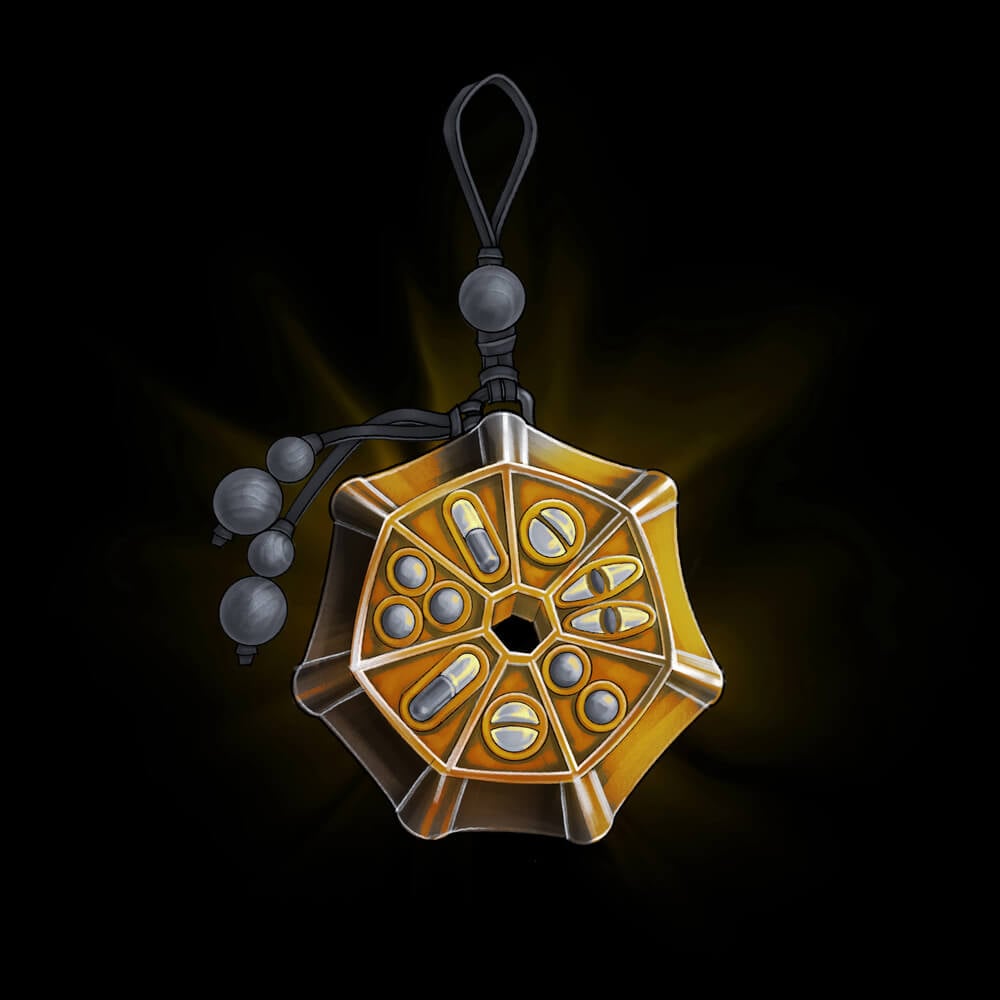
Small cases with hinged lids were worn as pendants to hold a few pills or tablets for emergencies. They allowed a person to carry medicine discreetly.
Some were elaborately engraved and served as jewelry as much as storage.
The Powder Compact Pendant
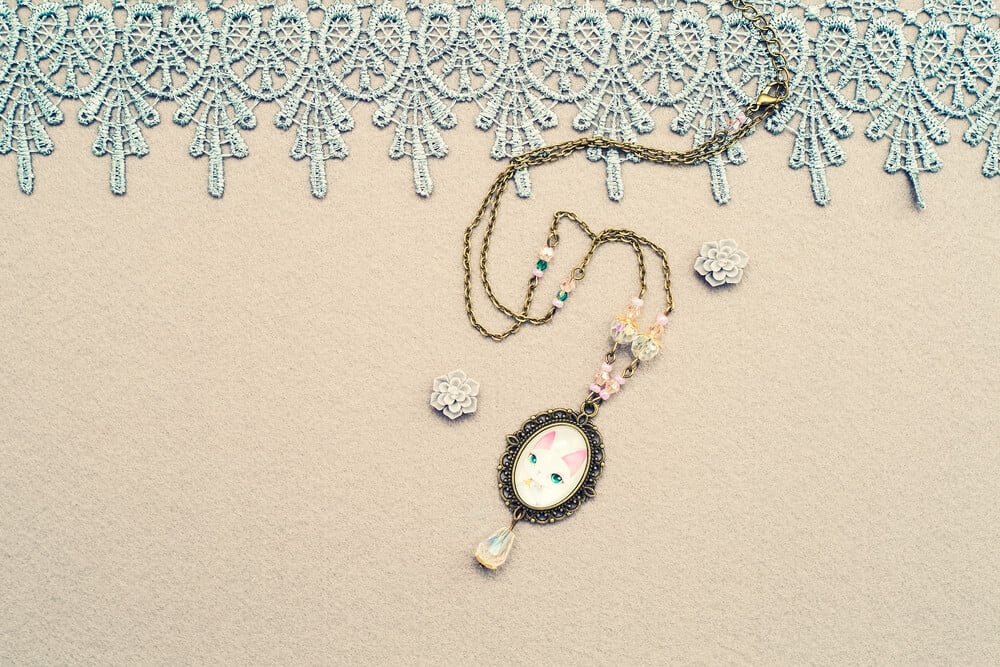
In the 1920s, some compacts were designed to hang from a chain or ribbon so a woman could carry powder and a mirror without a handbag. The pendant opened to reveal a tiny mirror and a puff.
Art Deco designers decorated the lids with geometric patterns and enamel.
The Lourdes Water Vial Pendant
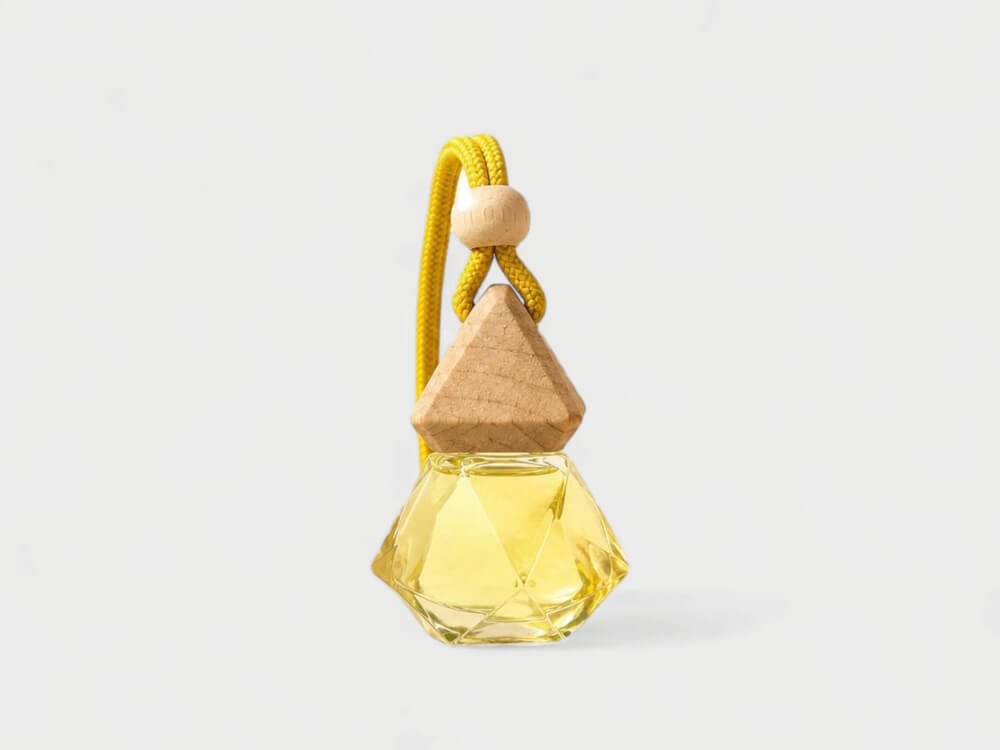
After the apparitions reported at Lourdes in 1858, pilgrims carried home small bottles of water from the spring. Some of those bottles were mounted as pendants so the water could be worn rather than shelved.
The devout believed the water offered protection and healing.
The Sweetheart Pendant
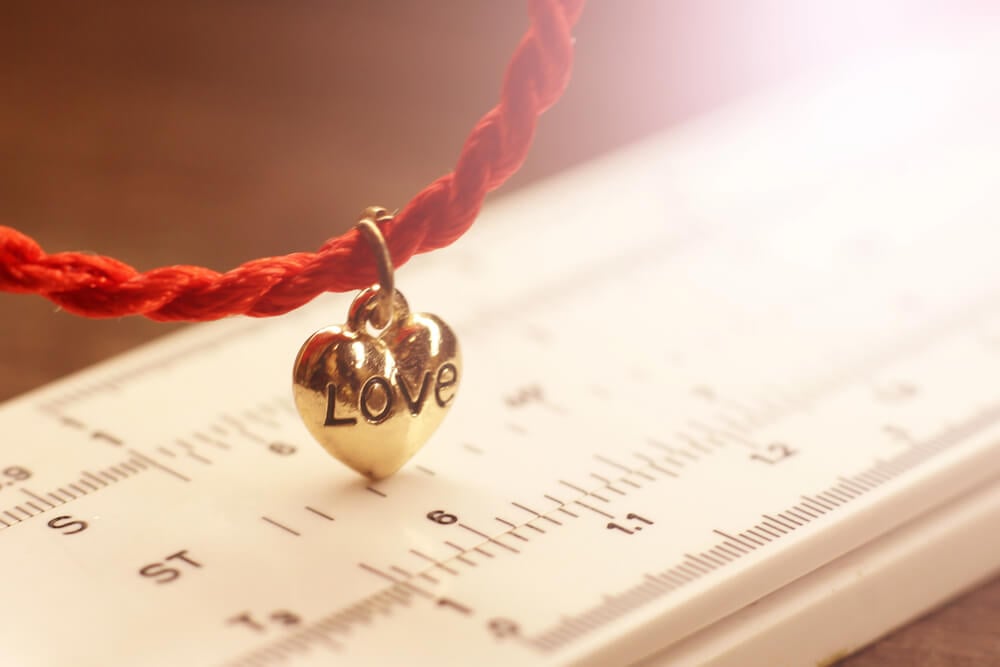
During both world wars, soldiers sent home pendants that carried a regimental badge or insignia for a sweetheart or a mother to wear. The jewelry made a connection between the home front and the military unit.
Many were mounted on chains and passed down through families.
The Roman Bulla
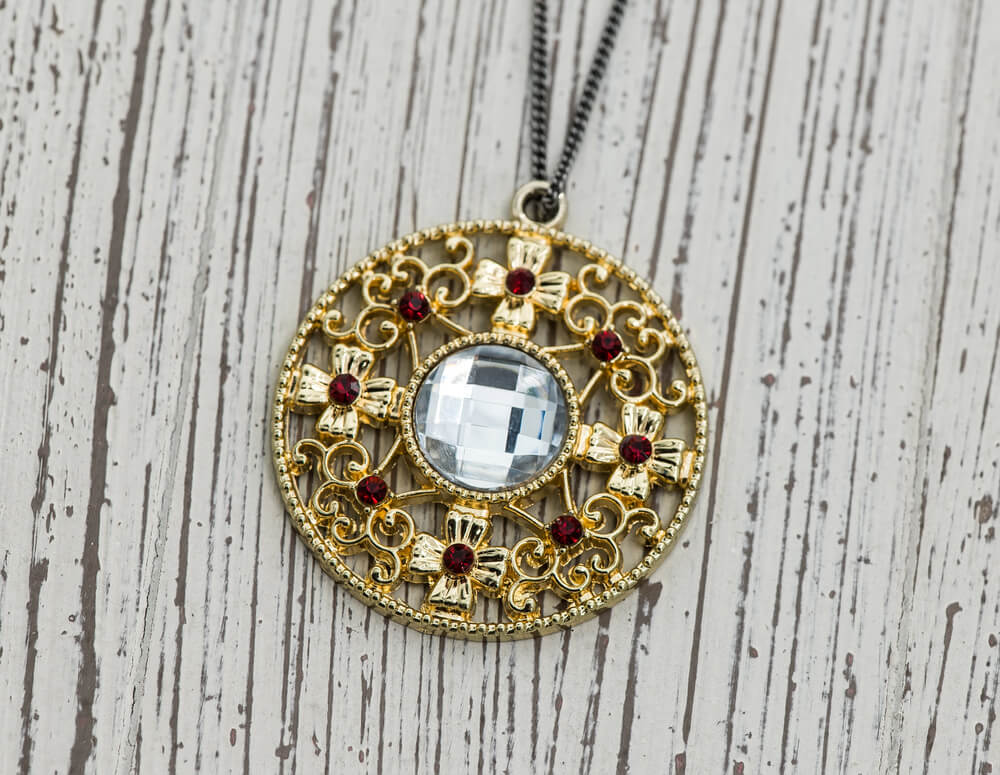
Roman boys wore a bulla, a small hollow pendant containing a protective charm, until they came of age. The ornament was believed to guard against evil.
It was a pendant that served as both a symbol of status and an amulet.
Jewelry That Worked for a Living
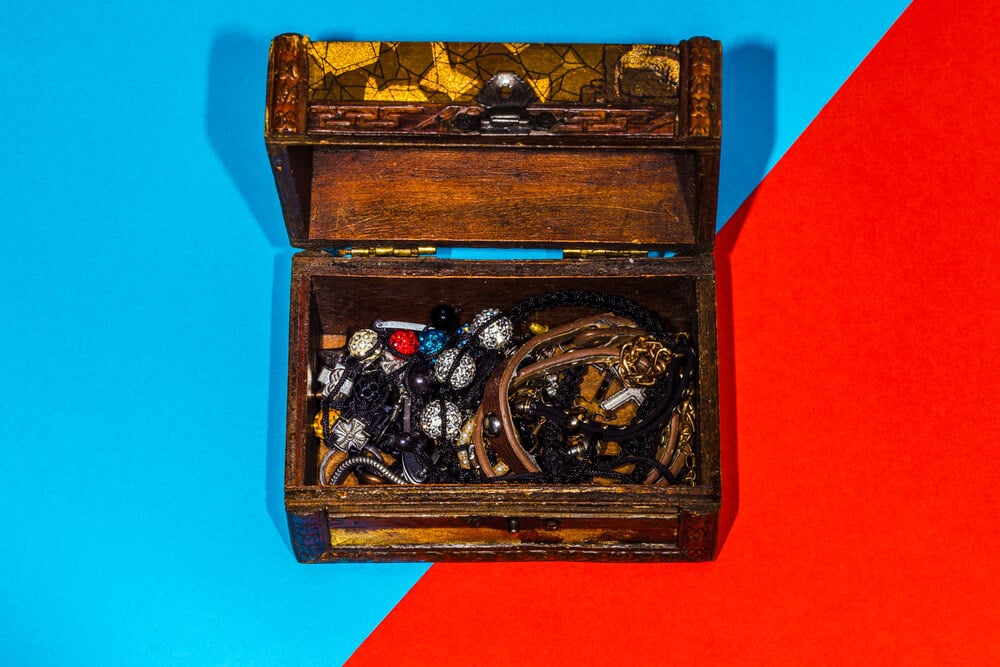
The pendants on this list were not ornaments that happened to carry a function but tools made beautiful. Each solved a practical problem of its era, whether signaling rank, protecting from illness, or storing a precious memory.
Their durability across centuries comes from the fact that they were used daily, not merely worn. Collectors who examine a pendant closely often discover a hinge, a lens, or a compartment that reveals its purpose.
A second look can turn a pretty piece into a small piece of working history. That hidden function is frequently what makes an old pendant worth keeping.
More from Go2Tutors!

- 27 Silver Dollars and Half Dollars Worth Keeping
- 28 Restaurant Menu Items Nobody Orders Anymore
- 17 Places Built in Seemingly Impossible Spots
- 27 Vintage Rings Worth More Than They Look
- 25 Restricted Sites Tourists Can’t Enter
Like Go2Tutors’s content? Follow us on MSN.