Structures Built Without Modern Machines
Humanity created marvels that continue to defy logic long before power tools, cranes, and hydraulic systems. Using simple tools and unwavering willpower, ancient engineers built monuments, carved temples into cliffs, and moved hundreds of tons of stones.
These buildings were declarations of human ingenuity rather than merely architectural marvels. Our ancestors produced works that still evoke wonder in the era of robots and skyscrapers by using basic math, labor, and classic craftsmanship.
Here are fourteen amazing structures that were constructed without the aid of contemporary machinery.
The Great Pyramid of Giza (Egypt)

The Great Pyramid, which is more than 4,000 years old, is still regarded as one of the most amazing construction feats in history. At 481 feet, it was the tallest building in the world for almost 4,000 years when it was first constructed for Pharaoh Khufu.
There are over two million blocks of limestone, each weighing up to 15 tons. It is still up for debate how the ancient Egyptians managed to move and position these stones with such accuracy.
The majority of historians think they made use of ramps, wooden rollers, sledges, and thousands of skilled laborers. Regardless of the process, the end product is a timeless representation of perseverance, ambition, and math.
Stonehenge (England)
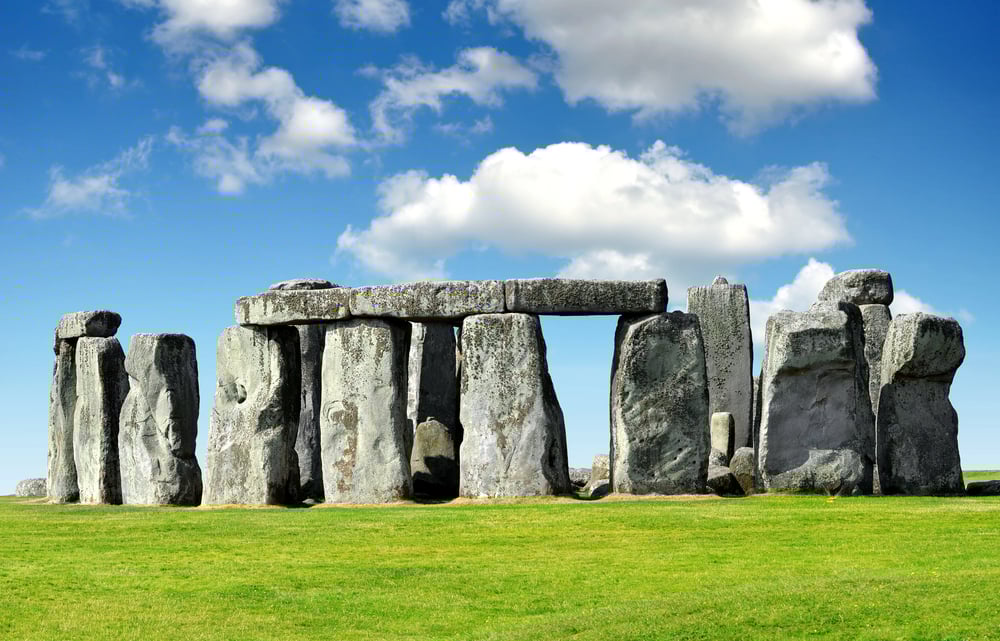
Rising from the Salisbury Plain, Stonehenge continues to mystify both tourists and scientists. Built around 2500 BCE, the site’s massive stones—some weighing 25 tons—were dragged over 150 miles from quarries in Wales.
The builders likely used sledges, ropes, and wooden frames to transport and position them. Aligning the stones with the solstices shows a deep understanding of astronomy.
Without metal tools or machinery, this monument became both a calendar and a sacred space, enduring as one of humanity’s greatest prehistoric achievements.
Machu Picchu (Peru)
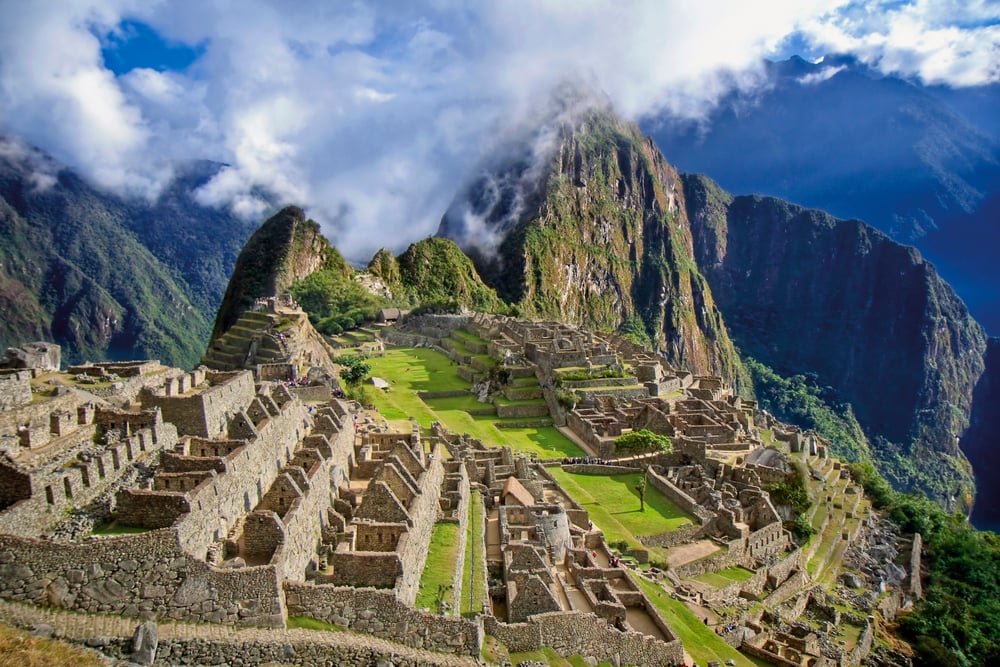
Hidden high in the Andes, Machu Picchu was built by the Inca Empire in the 15th century using no wheels, iron tools, or mortar. The stone blocks fit so precisely that even a knife blade can’t slip between them.
Workers shaped each stone using hammer stones and chisels, carefully fitting them together through trial, error, and artistry. Its terraces, temples, and water channels were engineered to withstand earthquakes and heavy rains—proof that the Incas mastered both aesthetics and sustainability centuries ahead of their time.
The Colosseum (Italy)
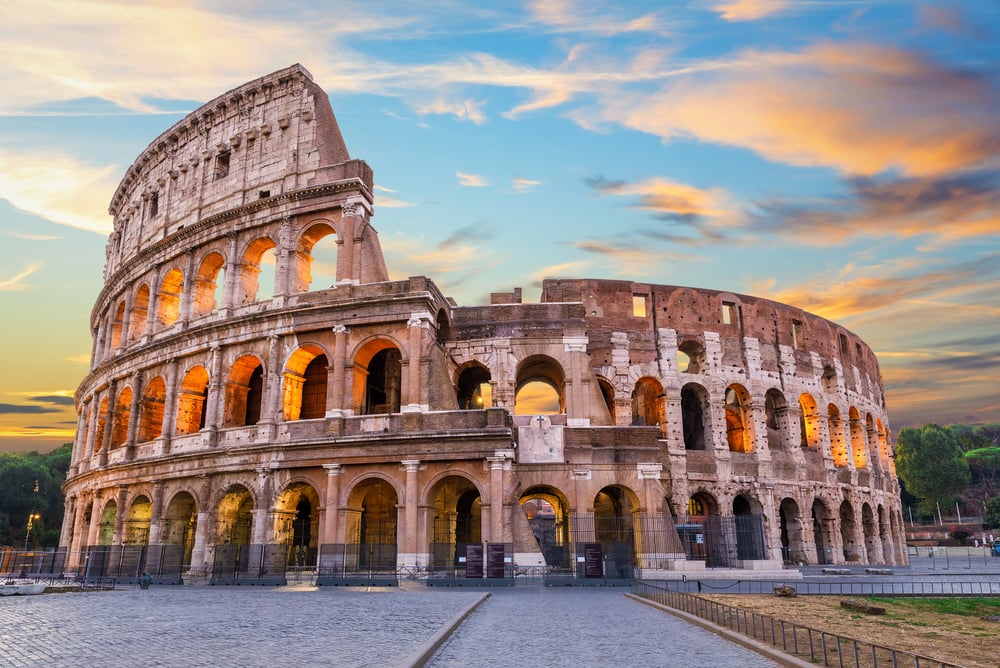
Constructed between 70 and 80 CE, Rome’s Colosseum is a marvel of engineering, built without cranes or powered machinery. Tens of thousands of slaves and craftsmen used pulleys, levers, and scaffolding to lift the massive stone blocks into place.
Its complex system of arches and corridors could seat over 50,000 spectators, complete with elevators and trapdoors operated by manpower. Two millennia later, this amphitheater still stands as a testament to Roman architectural genius and ambition.
The Parthenon (Greece)
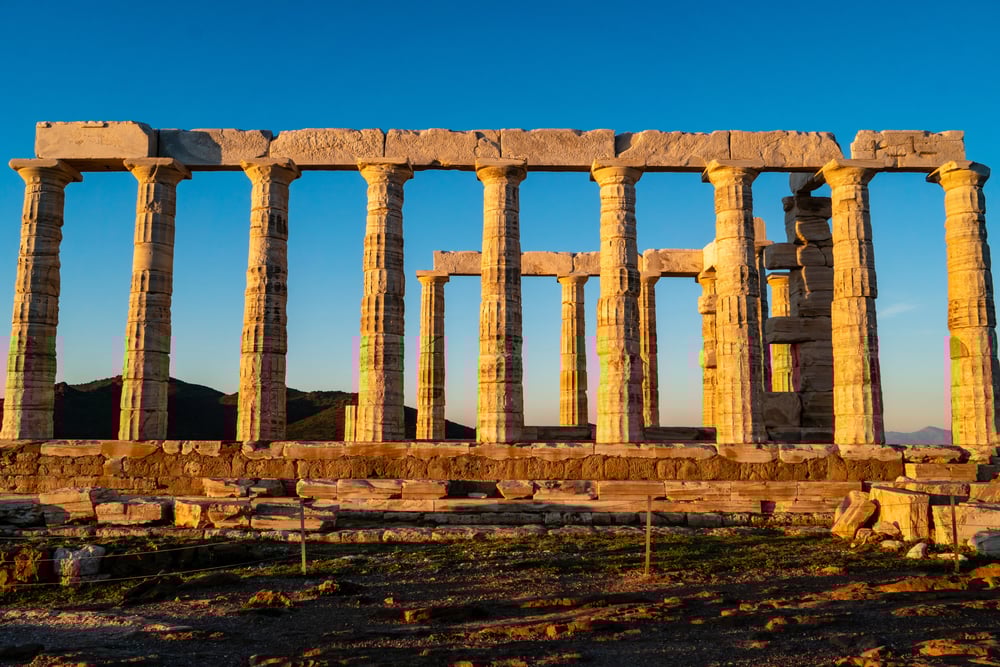
Perched atop the Acropolis in Athens, the Parthenon was built in 447 BCE with mathematical precision and artistic elegance. Using only hand tools, the ancient Greeks carved and positioned enormous marble blocks weighing up to 10 tons.
Every column was designed with subtle curvature to correct optical illusions—proving their deep understanding of geometry. Despite wars, earthquakes, and centuries of wear, the Parthenon remains one of the finest examples of classical architecture ever constructed.
Petra (Jordan)

Carved directly into rose-red cliffs, Petra’s temples and tombs were built by the Nabataeans around 2,000 years ago. Workers used chisels, hammers, and sheer endurance to carve entire facades from solid rock.
The city’s precision water channels and underground cisterns show advanced hydraulic knowledge—without pipes or pumps. Walking through Petra feels like stepping into a sculpture carved by giants.
Every detail, from the symmetry to the drainage systems, was crafted entirely by hand.
The Great Wall of China (China)

Stretching over 13,000 miles, the Great Wall is a monument to persistence more than anything else. Construction began over 2,000 years ago under Emperor Qin Shi Huang and continued for centuries.
Built by soldiers, peasants, and prisoners, the wall was assembled using packed earth, stone, and bricks—all carried by hand or animal. Workers used bamboo scaffolding, rope pulleys, and basic wooden carts to move heavy materials across mountains and deserts.
It’s one of the largest projects ever attempted by humans—and it was built without a single bulldozer.
Angkor Wat (Cambodia)

Built in the 12th century by the Khmer Empire, Angkor Wat is the largest religious monument on Earth. Its 400-acre complex features intricate carvings, towers, and reservoirs—all constructed using chisels, hammers, and ropes.
Over 300,000 workers and 6,000 elephants were employed to haul and shape sandstone blocks transported from quarries 30 miles away. Every block was placed with hand-cut precision, creating perfect symmetry.
Even today, the temple’s alignment with the sun and stars reflects an incredible blend of spirituality and engineering.
Easter Island Moai (Chile)

The iconic moai statues of Easter Island were carved between 1400 and 1650 CE by the Rapa Nui people. Each statue weighs up to 80 tons and was carved from volcanic rock using hand tools.
The mystery lies in how they were moved—research suggests teams of people used ropes to “walk” the statues upright across the island, rocking them from side to side. Despite limited tools and resources, these statues remain some of the most recognizable symbols of human determination on Earth.
The Pyramids of Teotihuacan (Mexico)
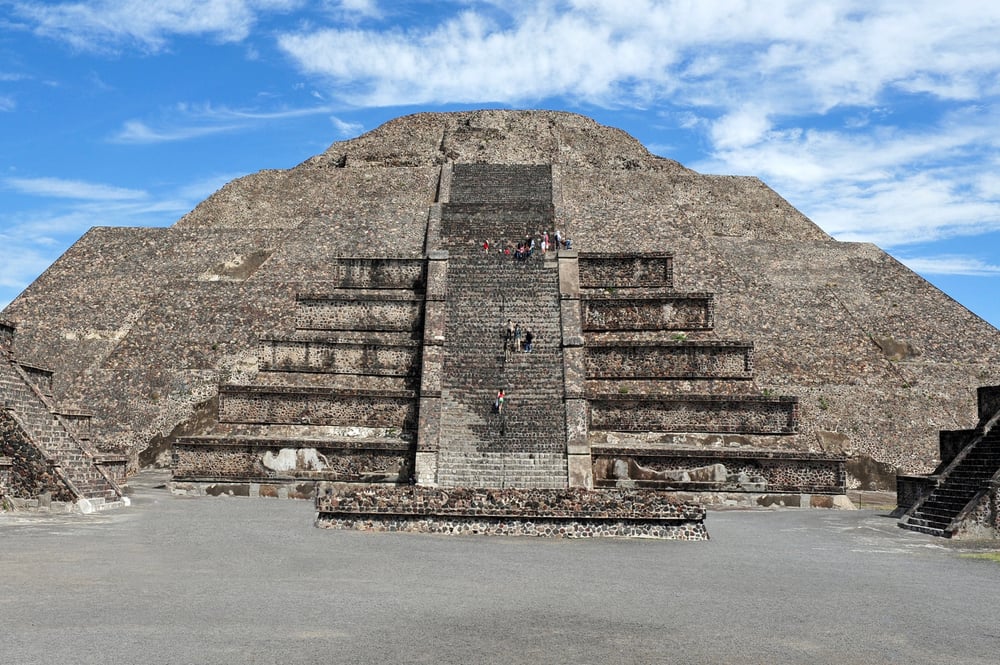
The ancient city of Teotihuacan, built over 2,000 years ago near modern-day Mexico City, features pyramids rivaling those of Egypt. The Pyramid of the Sun alone rises nearly 200 feet high and requires over a million tons of stone and earth.
Builders used obsidian tools, rope, and manpower to stack volcanic rock into precise geometric forms. The layout aligns perfectly with astronomical events, showing that the builders combined engineering skill with cosmic knowledge.
Borobudur Temple (Indonesia)

Rising from the jungles of Java, Borobudur is the world’s largest Buddhist temple. Built in the 9th century without mortar or machinery, it consists of over two million stone blocks stacked to form a massive mandala-shaped structure.
The carvings—over 500 Buddha statues and 2,600 relief panels—were all hand-chiseled. Workers used inclined planes, bamboo scaffolding, and human chains to lift and position the stones.
It remains both a spiritual center and a geometric masterpiece.
The Coral Castle (United States)

Built single-handedly by Latvian immigrant Edward Leedskalnin in Florida during the early 20th century, Coral Castle is one of the strangest modern mysteries. Without cranes or modern machinery, he carved and moved massive coral blocks—some weighing up to 30 tons—entirely by himself.
He never revealed his methods, fueling speculation about secret techniques and hidden pulleys. Whether explained by physics or mystery, Coral Castle stands as proof that human willpower can rival machines.
The Lalibela Churches (Ethiopia)

Carved entirely out of solid rock in the 12th century, the eleven monolithic churches of Lalibela are still used for worship today. Workers carved downward into volcanic stone, removing tons of rock with simple tools to create free-standing buildings complete with doors, windows, and columns.
The craftsmanship and symmetry are astonishing—especially given the limited technology. Legend says angels helped build them, but historians credit skilled artisans and generations of dedication.
The Moai Roads and Platforms (Easter Island)

In addition to the statues, the Rapa Nui constructed elaborate roads and stone platforms known as ahu that were devoid of wheels and other machinery. With amazing forethought, the roads were lined with stones and meticulously leveled with crushed volcanic rock.
The enormous statues, which were frequently oriented in relation to the stars, were balanced by the careful construction of each Ahu platform. They combine to create an age-old engineering system that exhibits both intelligence and respect for the natural world.
When Ingenuity Built the Impossible

These structures demonstrate that creativity and perseverance are more important for brilliance than technology. To accomplish what modern machines can, ancient builders relied on observation, cooperation, and brute force.
They used the tools of their time to shape the world, whether it was with ramps, pulleys, or sheer willpower. The fact that our forefathers created wonders that have endured for thousands of years using only their hands, brains, and bravery is a sobering reminder as we marvel at skyscrapers and 3D-printed houses.
More from Go2Tutors!

- The Romanov Crown Jewels and Their Tragic Fate
- 13 Historical Mysteries That Science Still Can’t Solve
- Famous Hoaxes That Fooled the World for Years
- 15 Child Stars with Tragic Adult Lives
- 16 Famous Jewelry Pieces in History
Like Go2Tutors’s content? Follow us on MSN.