29 Abandoned Places Nature Has Taken Back
Walls come down faster than most people expect once nobody is repairing them. Roots pry apart masonry, seeds lodge in gutters, and within a few seasons a living room can turn into a thicket.
The places below were left behind for reasons ranging from disaster to economics, and each one now belongs at least partly to plants, animals, wind, or sand.
Some were abandoned overnight and others faded out over decades. What they share is the slow, patient work of the natural world filling in the space people gave up.
Pripyat, Ukraine, Where Birch Trees Grew Through the Pavement
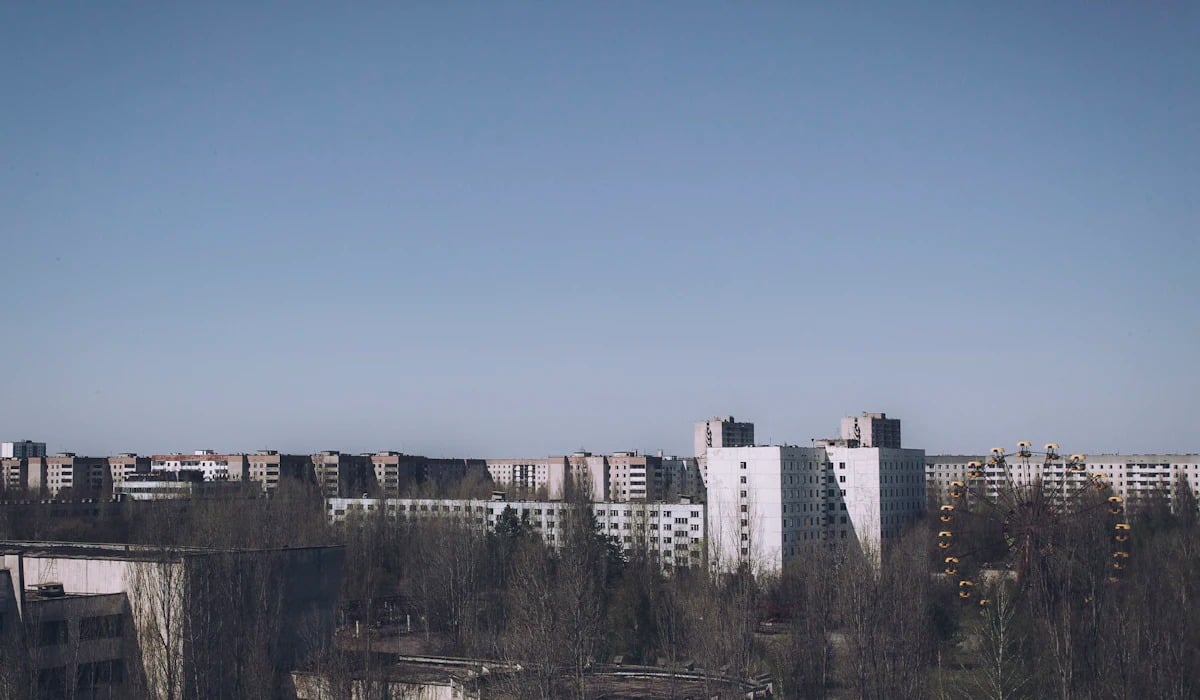
Pripyat was evacuated on April 27, 1986, the day after the Chernobyl reactor explosion, and its roughly 49,000 residents were told they would be gone for only a few days. They never returned.
Birch and poplar trees now push up through the cracked asphalt of the main square, and moss covers the seats of the amusement park’s Ferris wheel, which was scheduled to open for the May Day holiday and never carried a single public rider. Wolves, elk, and wild boar roam the wider Chernobyl Exclusion Zone.
Houtouwan, China, the Fishing Village Wrapped in Green
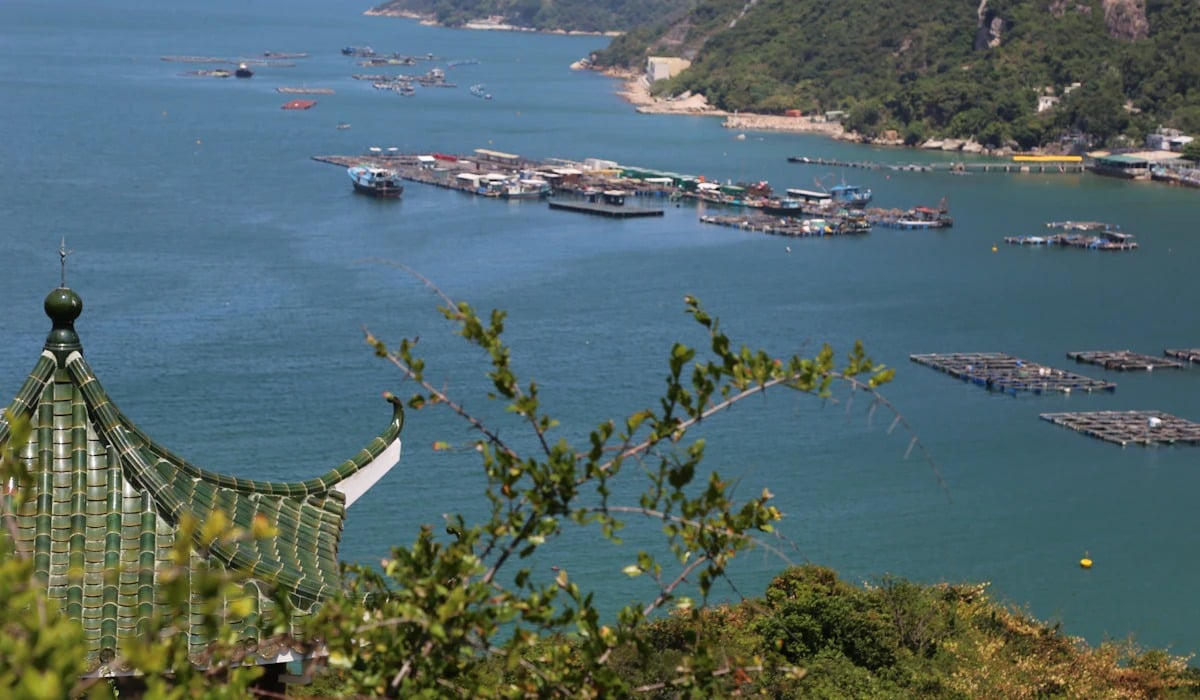
Houtouwan sits on the island of Shengshan in the Shengsi archipelago off the coast of Zhejiang province. Its residents moved away gradually in the 1990s, drawn to larger islands where schools and shops were easier to reach.
Creeping vines now cover the stone houses so thickly that the village looks like a green cascade tumbling down the hillside toward the sea. Narrow paths between the buildings are the only reminder that streets once ran here.
SS Ayrfield, a Sydney Shipwreck That Became a Floating Forest
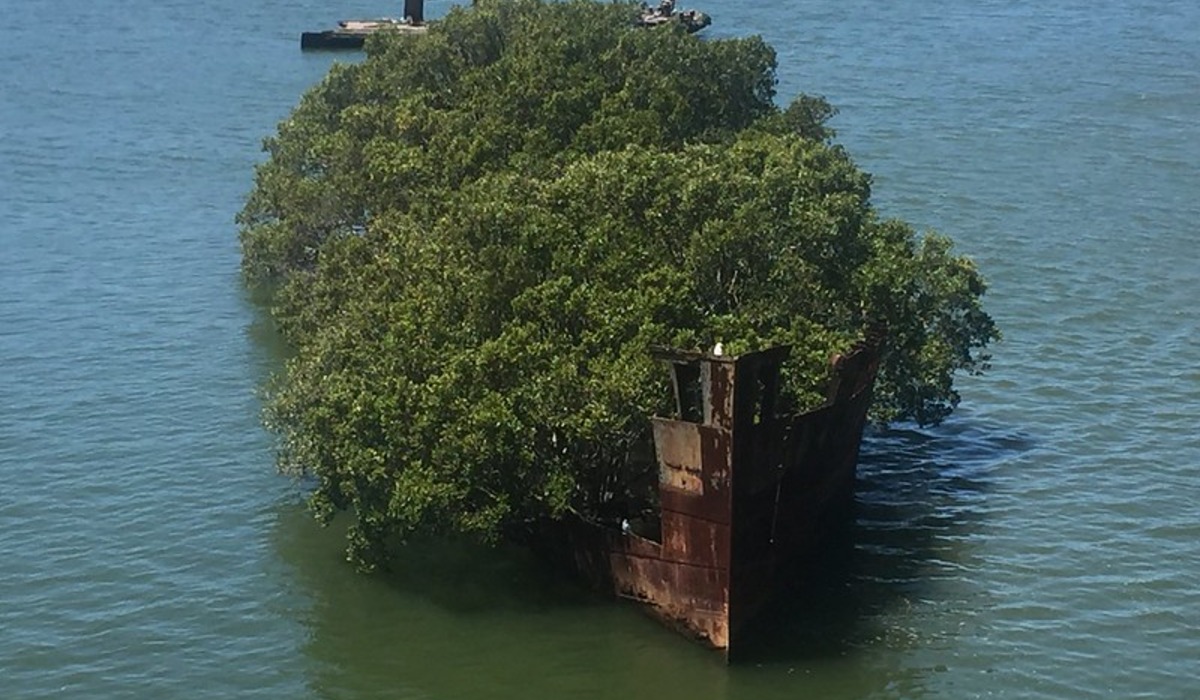
The SS Ayrfield was built in 1911 and spent its working life hauling coal before being left to decay in Homebush Bay, near the site of the 2000 Sydney Olympics. Over the decades, mangroves and other trees took root on its deck and in its rusting hull, until the wreck looked like a small wooded island.
The ship has turned into one of Sydney’s most photographed oddities, although access to the wreck itself is restricted and viewing conditions vary.
Ta Prohm, Cambodia, the Temple Gripped by Giant Roots
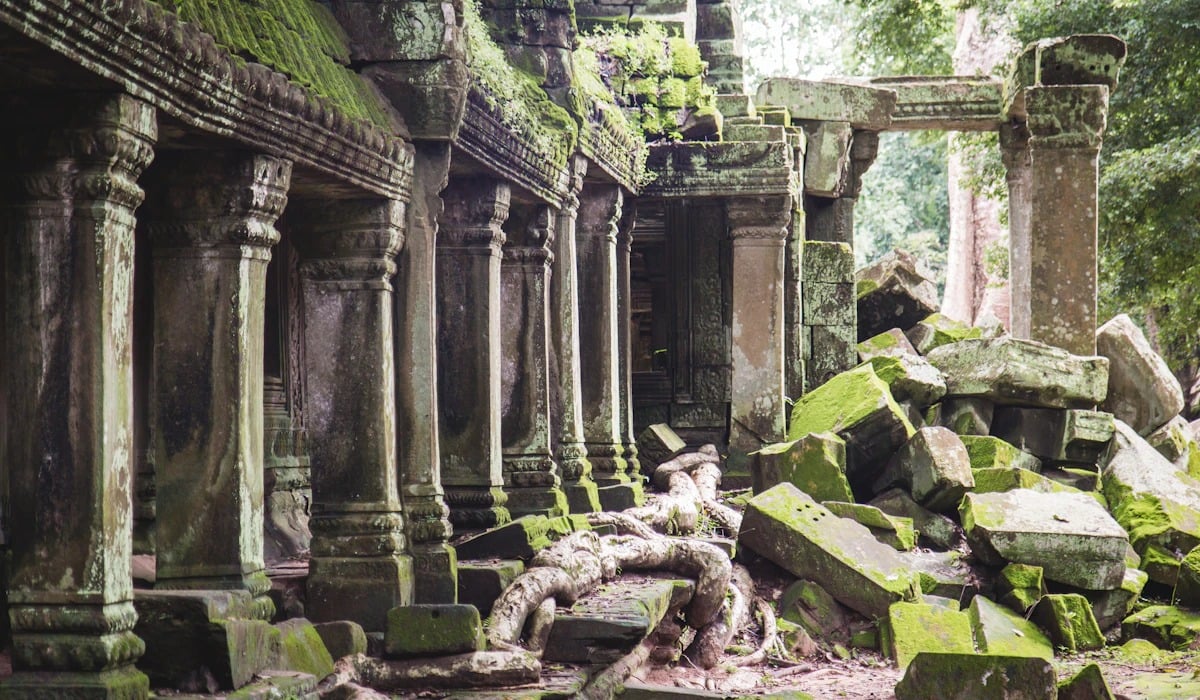
Ta Prohm was founded in the late 12th century by the Khmer king Jayavarman VII as a Buddhist monastery and dedicated to his mother. When the site was conserved in the 20th century, conservators chose to leave many of the enormous silk-cotton and strangler fig trees in place, balancing the preservation of the temple with the vegetation that had grown around it.
Their roots now drape over lintels and split courtyards in a way that has made the temple a global symbol of nature winning out. The 2001 film Tomb Raider used its corridors as a backdrop.
Kolmanskop, Namibia, the Diamond Town Filling With Sand
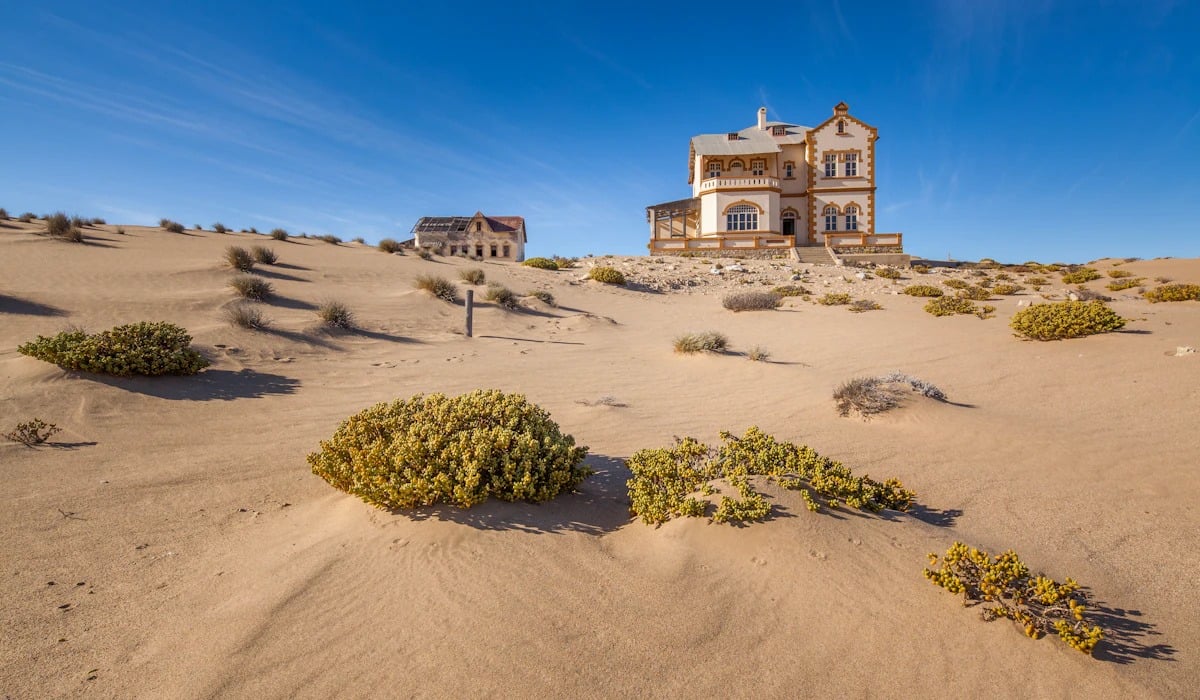
A railway worker named Zacharias Lewala found a diamond near here in 1908, and a boom town of German-style homes sprang up in the desert near Lüderitz. Once richer fields were discovered farther south, the population drained away, and by the 1950s the town was empty.
The Namib wind has since driven dunes through doors and windows, so that rooms with peeling wallpaper now hold deep drifts of golden sand.
Hashima Island, Japan, the Concrete Fortress Going to Seed
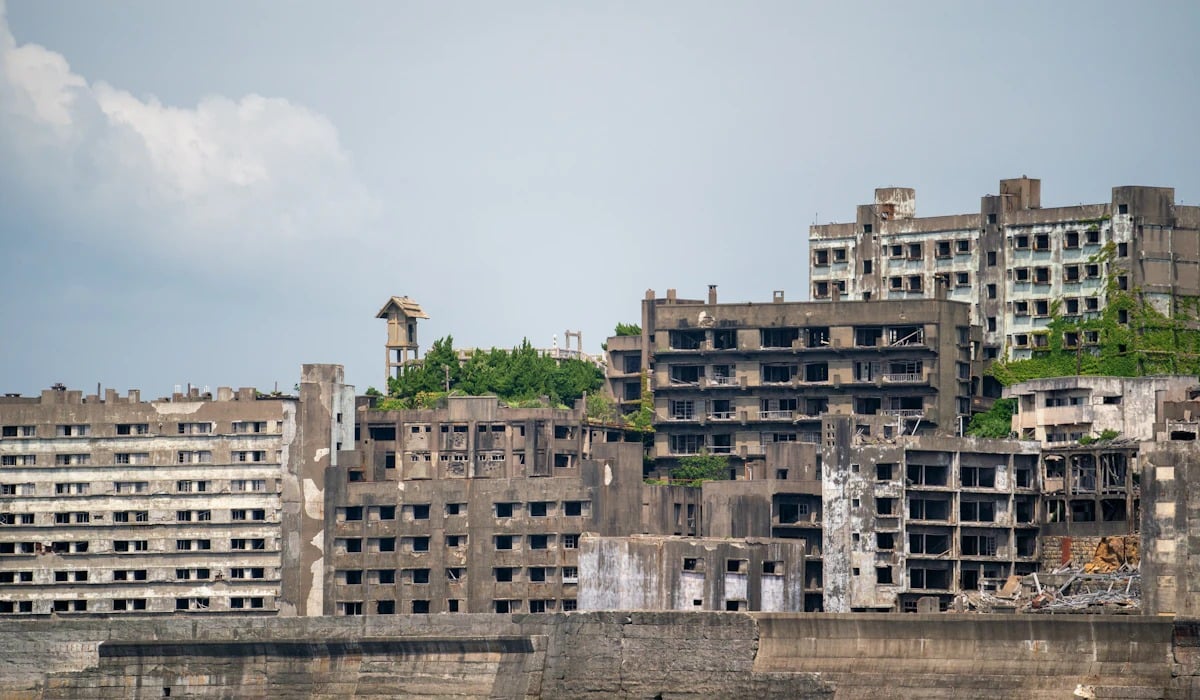
Hashima, also called Gunkanjima or Battleship Island, was a Mitsubishi coal-mining outpost that reached a peak population of 5,259 people in 1959, packed onto a tiny island. The mine closed in 1974, and within months the island was empty.
Weeds, shrubs, and other hardy plants now sprout from rooftops and balconies of the crumbling apartment blocks, part of a dense settlement known for its early use of reinforced concrete construction. The island was added to the UNESCO World Heritage List in 2015.
Craco, Italy, a Hilltop Village Reclaimed by Grass and Scrub
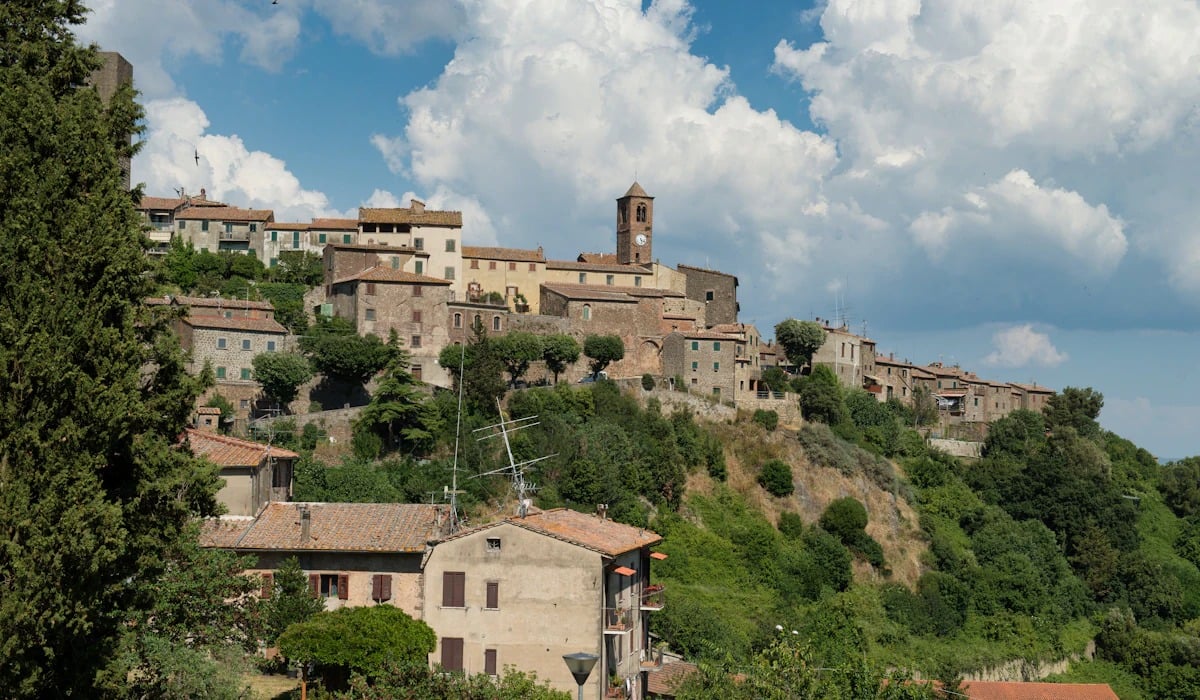
Craco clings to a ridge in the Basilicata region, where centuries of building on unstable clay finally caught up with it. Landslides forced the evacuation of residents in 1963, and the people moved to a safer settlement in the valley below.
Wild grass and shrubs now grow inside the empty stone houses and along the stairways of the old town. Its eerie skyline has appeared in films including The Passion of the Christ and Quantum of Solace.
Bodie, California, the Gold Town Frozen by Sagebrush and Wind
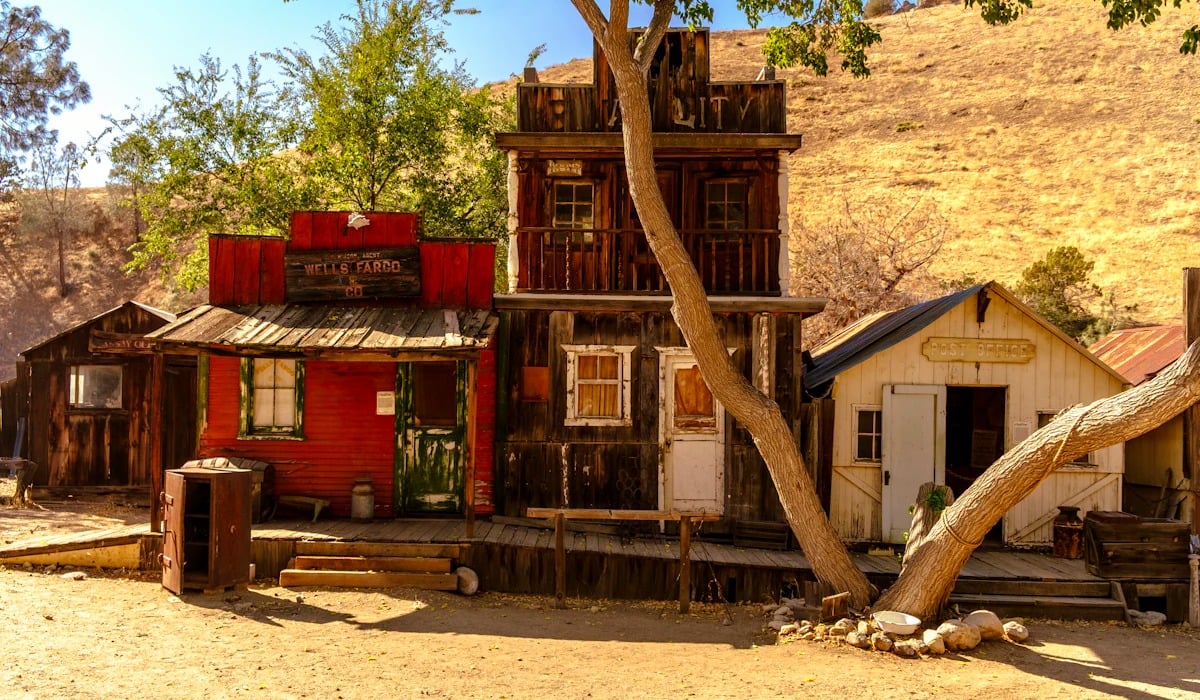
Bodie grew out of a gold strike in 1859, named for the prospector Waterman Bodey, who died in a blizzard that same year. The mining boom faded over the following decades, and the town declined until only a handful of residents remained.
California created Bodie State Historic Park in 1962 and chose a policy of arrested decay, meaning buildings are stabilized but never fully restored to their original condition. Sagebrush and brutal Sierra winters keep pressing on the weathered wooden structures, which still hold furniture and goods.
Oradour-sur-Glane, France, a Village Left as a Memorial
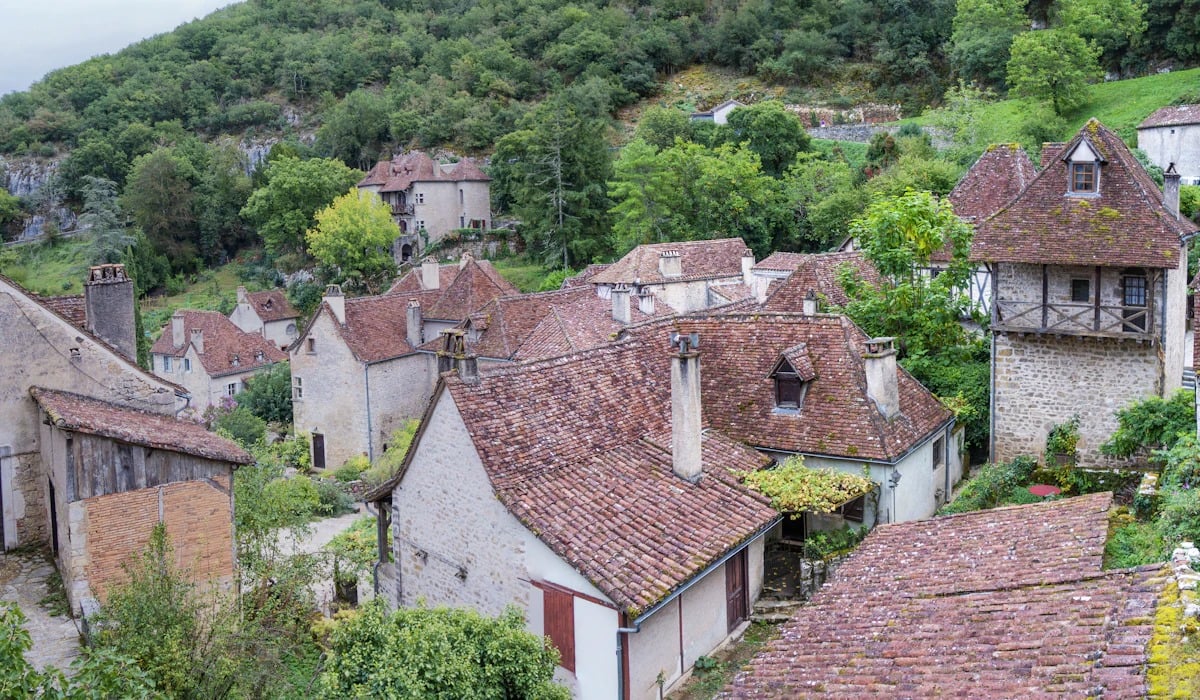
On June 10, 1944, a Waffen-SS unit massacred 642 men, women, and children in the village of Oradour-sur-Glane in the Limousin region. After the war, Charles de Gaulle supported preserving the ruins rather than rebuilding the village on the same site, and a new village was constructed alongside.
Ivy, moss, and weeds have crept across the shells of the houses, and French authorities have worked on stabilizing the walls so that decay does not erase the memorial. Rusted cars and sewing machines still sit where they were left.
Varosha, Cyprus, the Beach Resort Sealed Behind a Fence
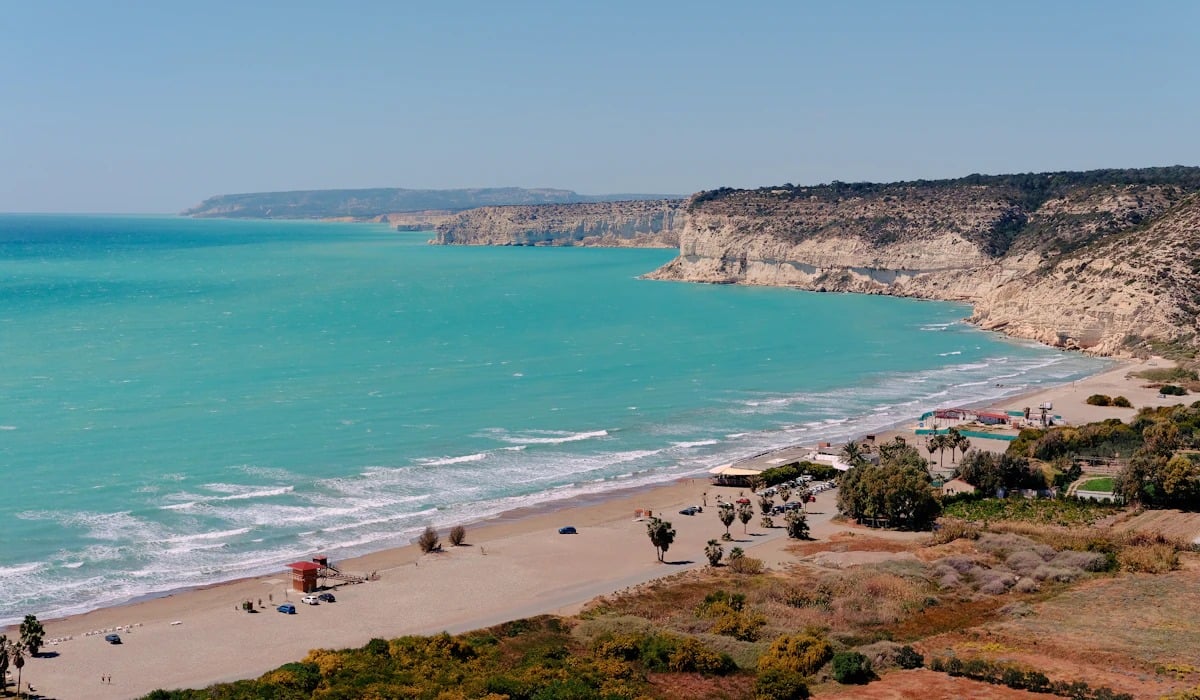
Varosha was a thriving tourist district of Famagusta until the Turkish military invasion of 1974, when its residents fled and the area was fenced off. For decades, hotels and apartment blocks stood empty while trees pushed through floors and roofs and shrubs filled the streets.
A section was partly reopened to visitors in 2020. Although access remains restricted and the district’s political status is disputed, the sight of tall hotels wrapped in vegetation and bleached by sun remains one of the Mediterranean’s stranger views.
Beelitz-Heilstätten, Germany, a Hospital City Swallowed by Forest
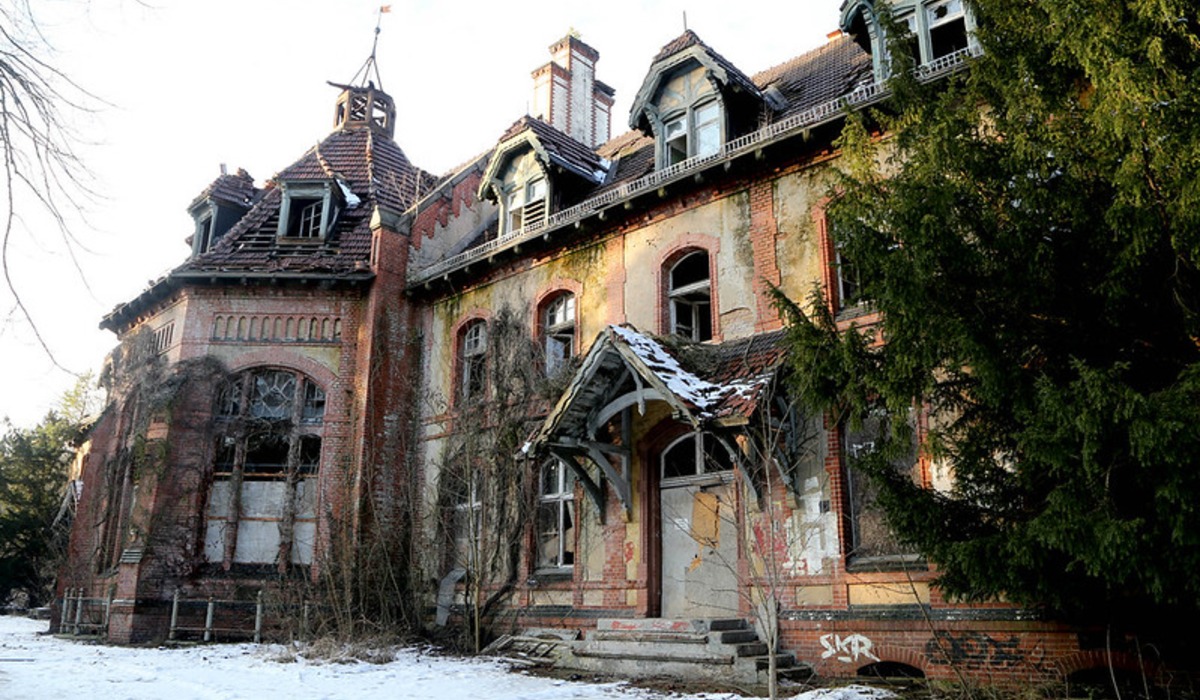
This vast sanatorium complex southwest of Berlin was built from 1898 and later served as a military hospital, where a wounded Adolf Hitler was treated during World War I. Soviet forces occupied it as a hospital until 1994, after which parts of the complex were left to deteriorate.
Birch saplings and ivy now grow through some abandoned buildings and corridors. A treetop walkway opened in 2015, letting visitors look down from above the canopy at the decaying brick pavilions.
Bannerman Castle, New York, a Hudson River Arsenal in Ruins
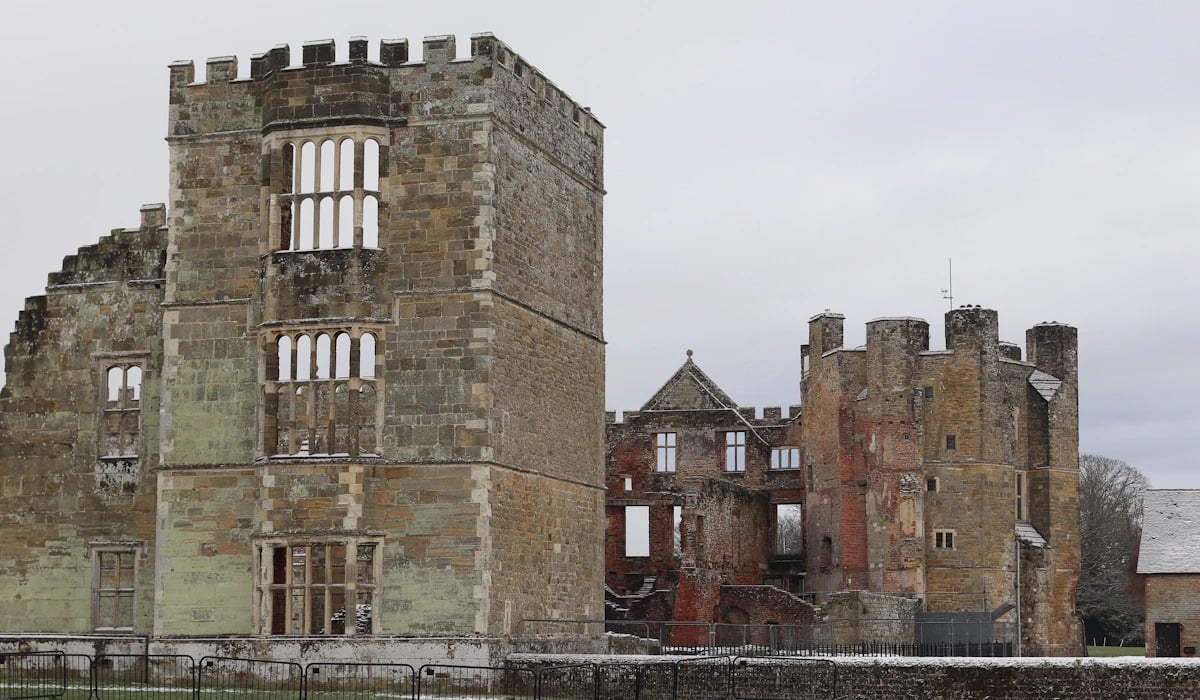
Francis Bannerman VI, a dealer in military surplus, began building a castle-like warehouse on Pollepel Island in the Hudson River in 1901 to store his merchandise. The island passed to New York State in 1967, and a fire in 1969 gutted the structures.
Today vines and young trees grow from the roofless walls, and the empty window openings frame the river and the Hudson Highlands. Seasonal guided tours and kayak excursions offer views of the island, although access to the ruins is limited.
Ross Island, India, the Colonial Capital Strangled by Banyan Roots
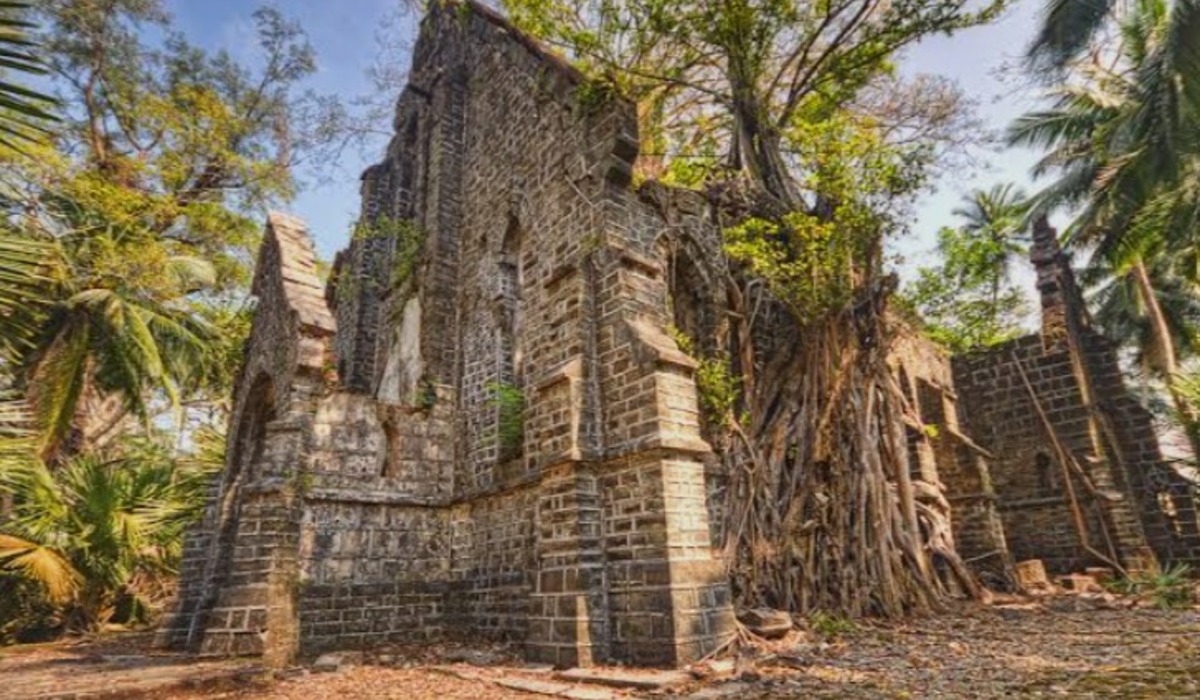
Ross Island, off Port Blair in the Andaman archipelago, served as the British administrative headquarters for the penal colony in the Andamans. An earthquake in 1941 damaged the settlement, and Japanese forces occupied the islands the following year.
Giant banyan and other fig trees now throw roots over the stone walls of a church, bakery, and officers’ residences, locking them in a green grip. The island was renamed Netaji Subhas Chandra Bose Dweep in 2018, though it is still widely called Ross Island.
Humberstone, Chile, the Nitrate Town Left to the Desert
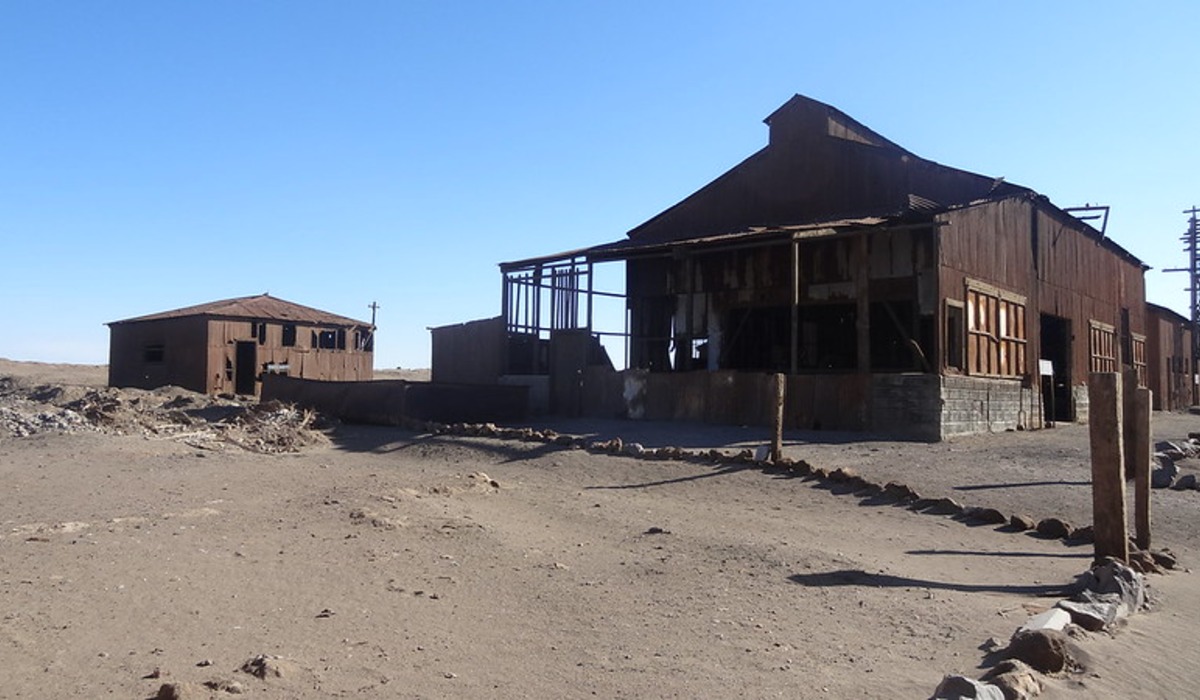
Humberstone began life in 1872 as a saltpeter works and grew into a company town with a theater, a swimming pool, and a market. The nitrate industry collapsed, and the last residents left in 1960.
In the dry Atacama, dust, salt, and wind do the reclaiming rather than greenery, scouring paint from the buildings and warping the wooden floors. Humberstone and the nearby Santa Laura works were added to the UNESCO World Heritage List in 2005.
Spreepark, Germany, the East Berlin Amusement Park Overtaken by Woods
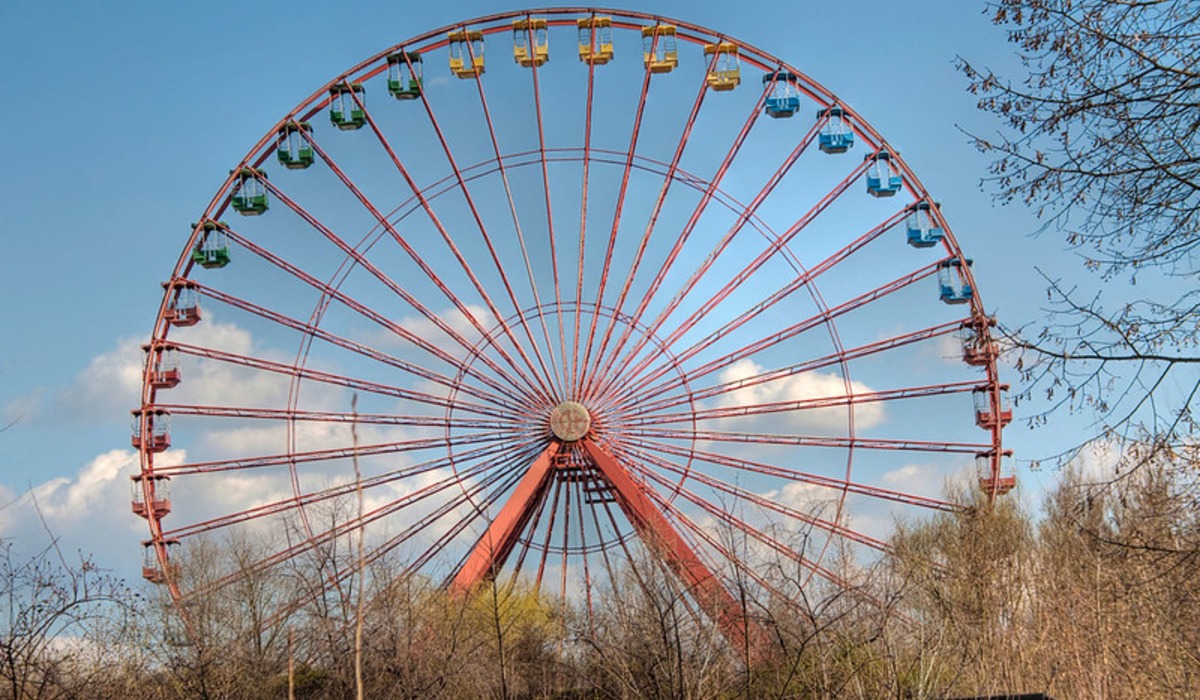
Spreepark opened in 1969 in the Plänterwald forest in East Berlin and operated under a few names until it closed for good in 2001. Its operator, Norbert Witte, was later convicted in connection with cocaine smuggled inside a ride shipment from Peru.
Trees and bushes grew around the rides for years, and a rusting Ferris wheel loomed above the canopy. The site is now undergoing redevelopment as a public cultural and recreational park, with reopening planned for 2027.
Kayaköy, Turkey, the Greek Ghost Town of Stone Houses
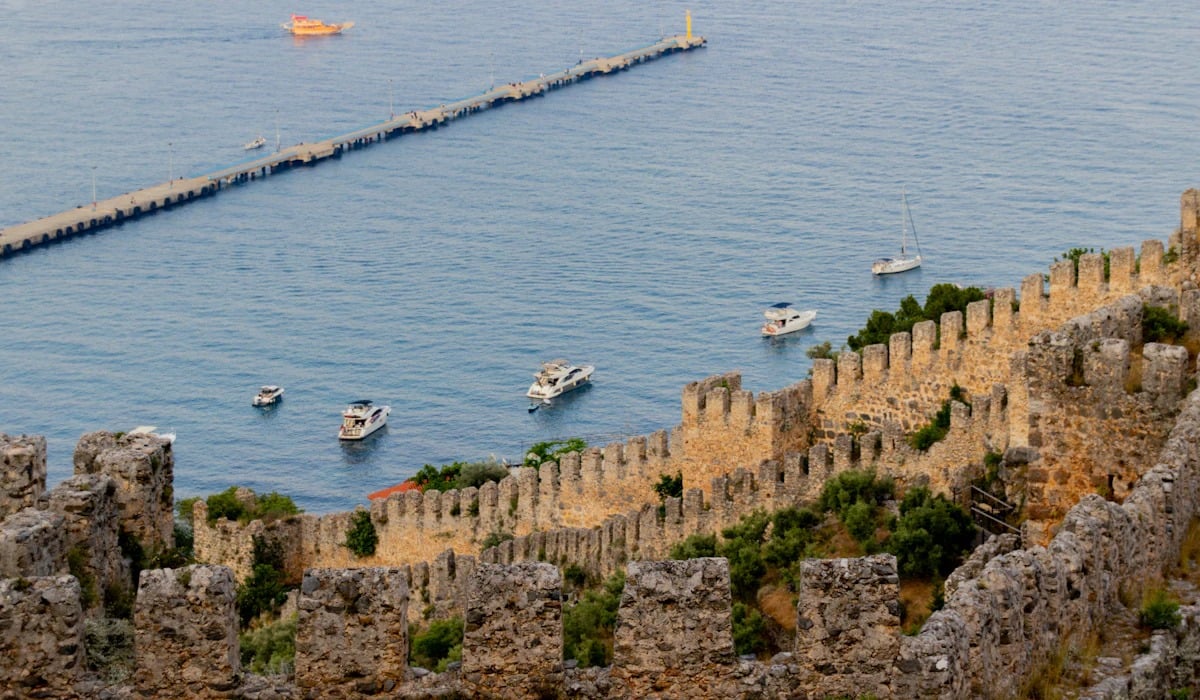
Kayaköy, once known as Levissi, was home to a community of Greek Orthodox residents until the population exchange between Greece and Turkey in 1923. Hundreds of stone houses were left empty on the hillside above Fethiye, and a damaging earthquake in 1957 hastened their decline.
Olive and fig trees and wild shrubs now fill roofless rooms, and goats wander through lanes where families once lived. Two churches stand among the ruins.
Bokor Hill Station, Cambodia, the French Resort Lost in the Clouds
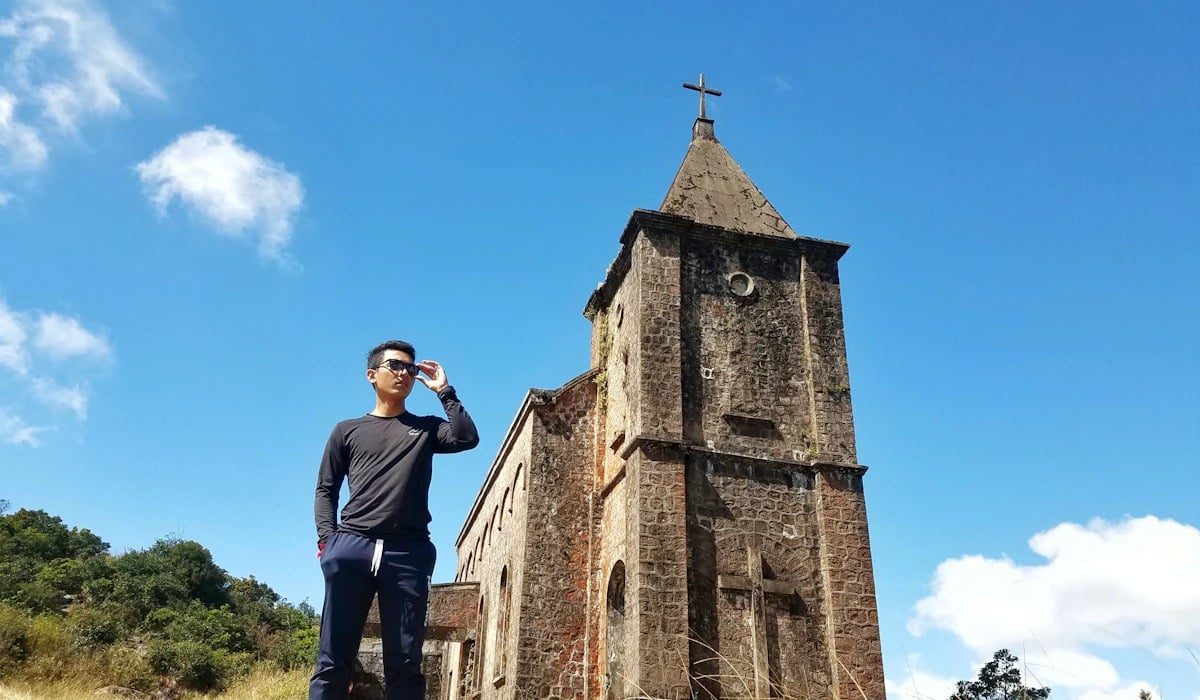
French colonial authorities built a mountain retreat on Bokor Mountain in the 1920s, escaping the heat of the lowlands with a hotel, a casino, and a church. The area saw heavy fighting during the Khmer Rouge era and some of its buildings fell into ruin.
Fog drifts through the old Bokor Palace Hotel, at an elevation above 3,000 feet, coating the concrete in moss and mildew. The empty hotel appeared as a location in the 2002 film City of Ghosts.
Kennecott, Alaska, the Copper Mill Town in the Wilderness
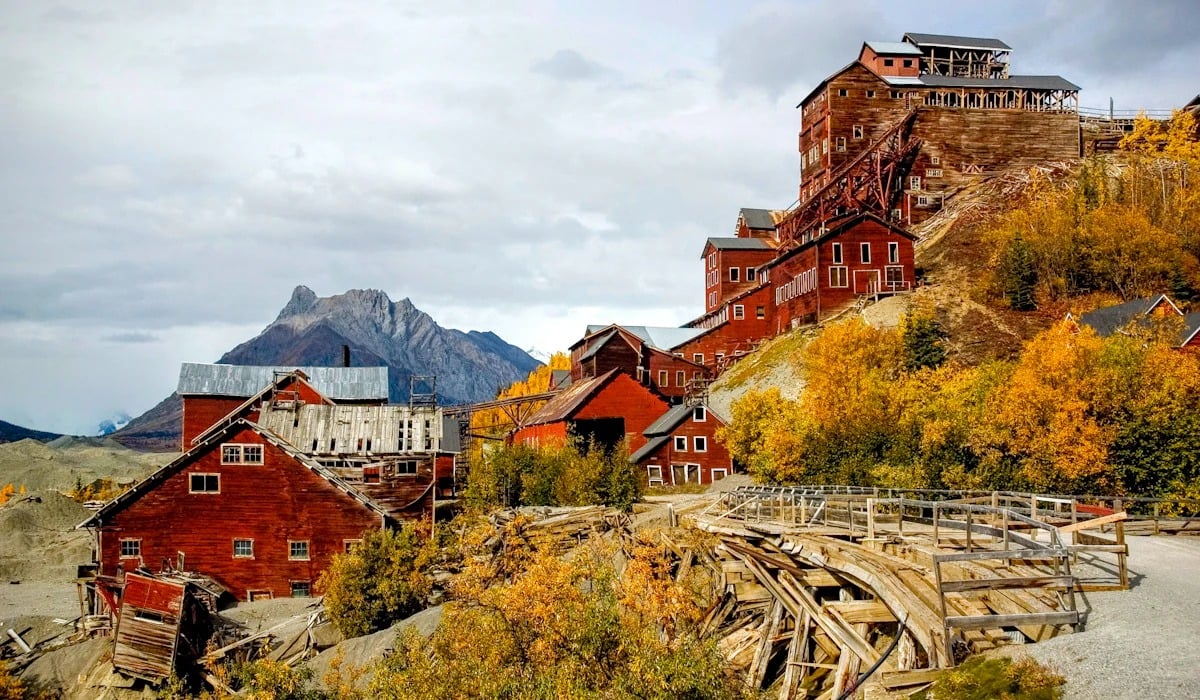
Kennecott grew up around some of the richest copper deposits ever found, in what is now Wrangell-St. Elias National Park.
The mines shut down in 1938, and the company left the settlement, leaving a towering red concentration mill on the hillside. Spruce and brush have crept toward the buildings, and the Kennicott Glacier lies nearby.
The site is a National Historic Landmark, and the National Park Service has stabilized many structures.
Pyramiden, Norway, the Soviet Coal Town at the Top of the World
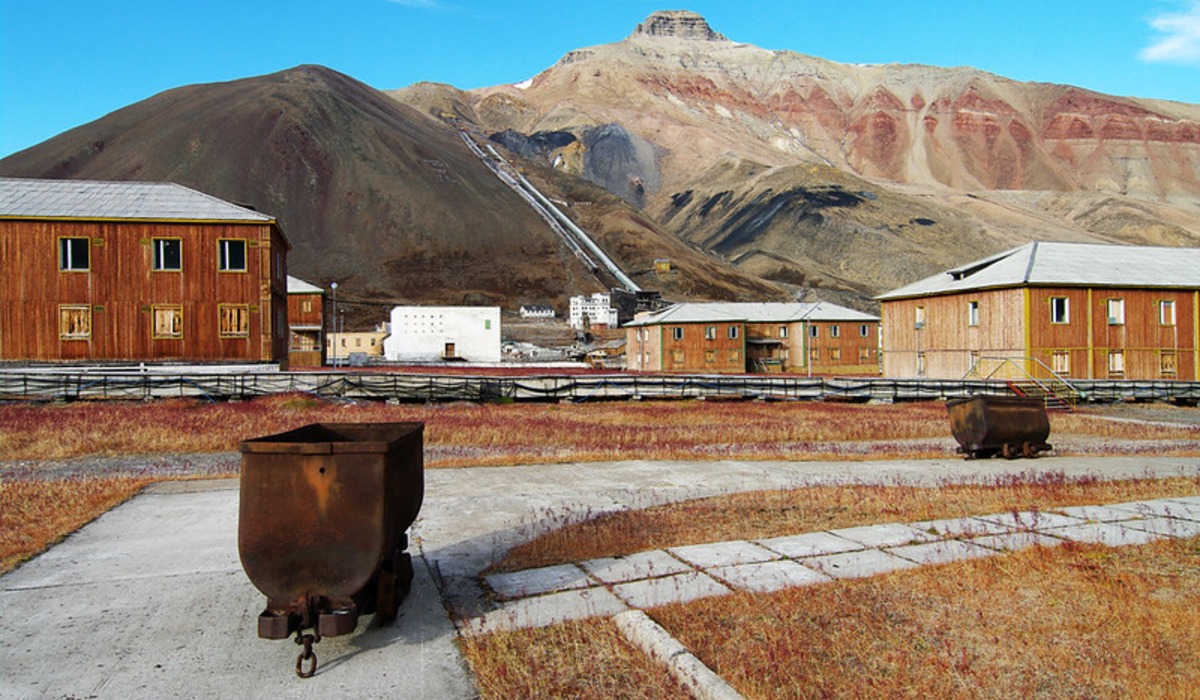
Sweden founded Pyramiden on the Svalbard archipelago in 1910, and the Soviet Union bought it in 1927 and ran it as a showpiece mining settlement. It was abandoned in 1998, and the buildings now sit quietly in the Arctic cold under lichen and moss.
A bust of Lenin still faces the mountains in front of the cultural center. Reindeer graze among the empty buildings, and visitors to the area are warned about polar bears.
Centralia, Pennsylvania, the Coal Town Above a Burning Seam
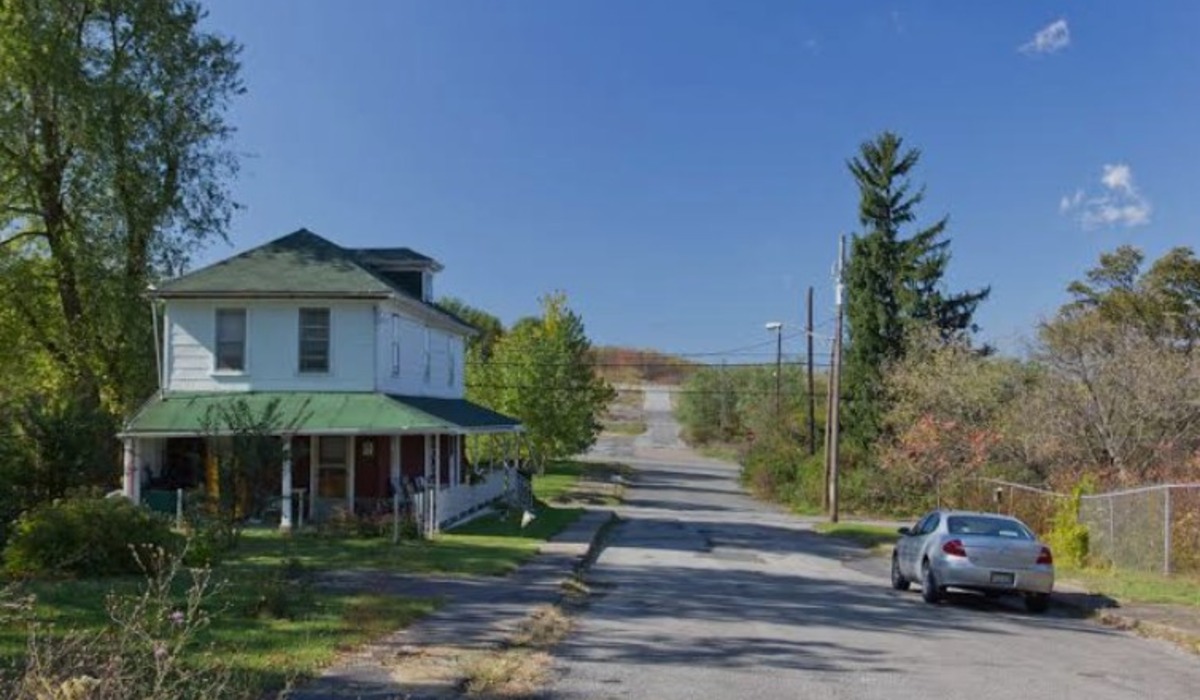
A fire in the coal seams beneath Centralia began in 1962 and has burned ever since, forcing most residents to leave. The post office lost its ZIP code in 2002, and the 2020 census counted just five people.
Trees and grass now cover parts of the former street grid, where only the curbs and a few intersections remain. A section of old Route 61 became known as Graffiti Highway before it was covered over in 2020.
Fordlandia, Brazil, Henry Ford’s Failed Rubber Town in the Amazon
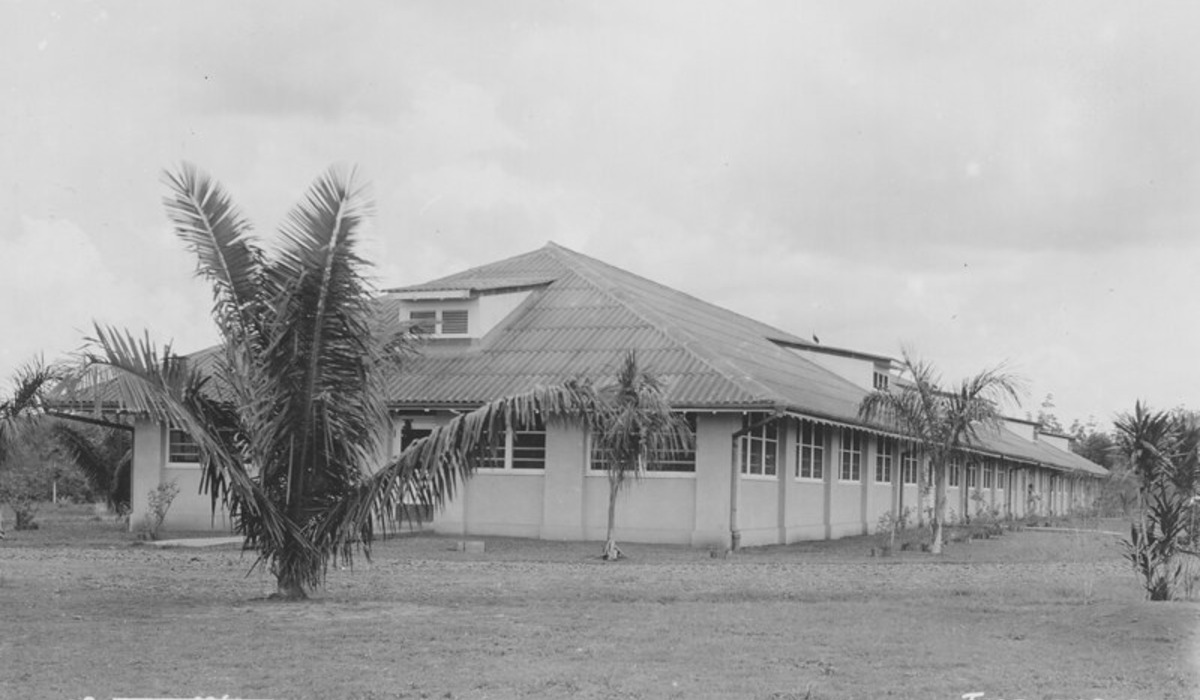
Henry Ford established Fordlandia on the Tapajós River in 1928 to grow rubber for his automobile tires. Blight and mismanagement doomed the plantation, and Ford sold it to the Brazilian government in 1945.
The jungle has spread back across the neat Midwestern-style streets, but a water tower and a hospital designed by the architect Albert Kahn still remain. A small population of residents lives on in the shadow of the ruins.
Belchite, Spain, the Town Left in Ruins by the Civil War
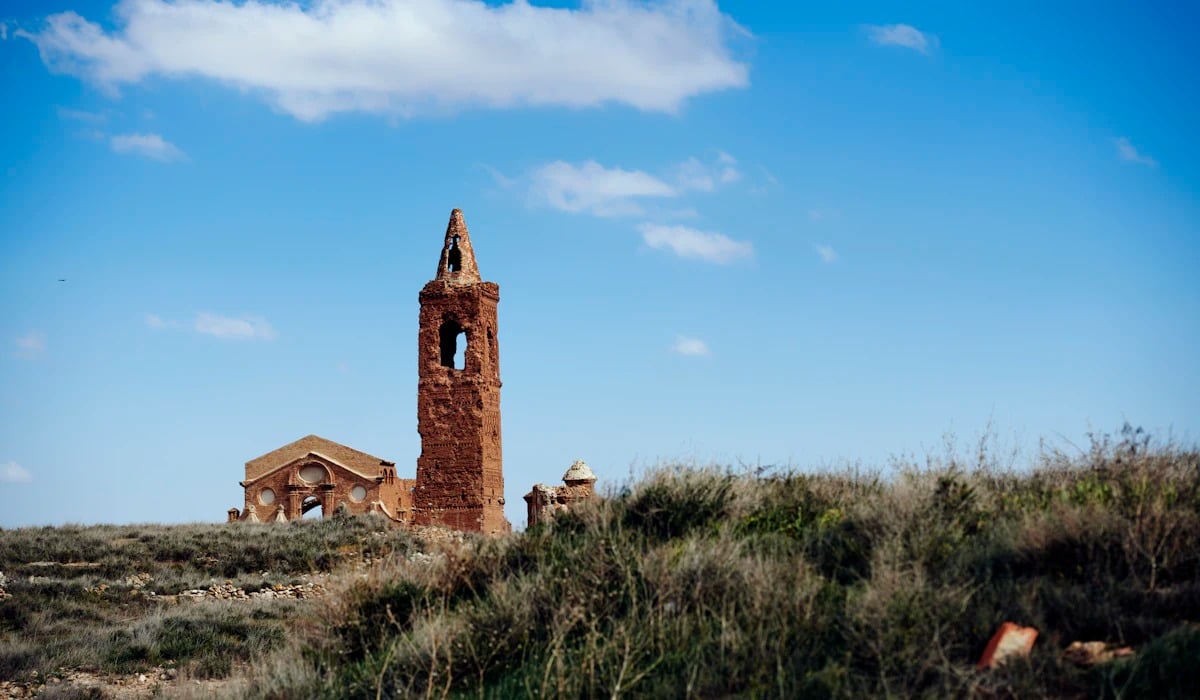
The old town of Belchite in Aragon was destroyed in the fighting of August and September 1937 during the Spanish Civil War. Francisco Franco’s government ordered a new village to be built next to the ruins and left the old town standing as a monument.
Weeds and wild shrubs now grow from broken church towers and bullet-pocked walls. Guillermo del Toro filmed scenes of Pan’s Labyrinth among the ruins.
Dungeness, Georgia, the Carnegie Mansion on Cumberland Island
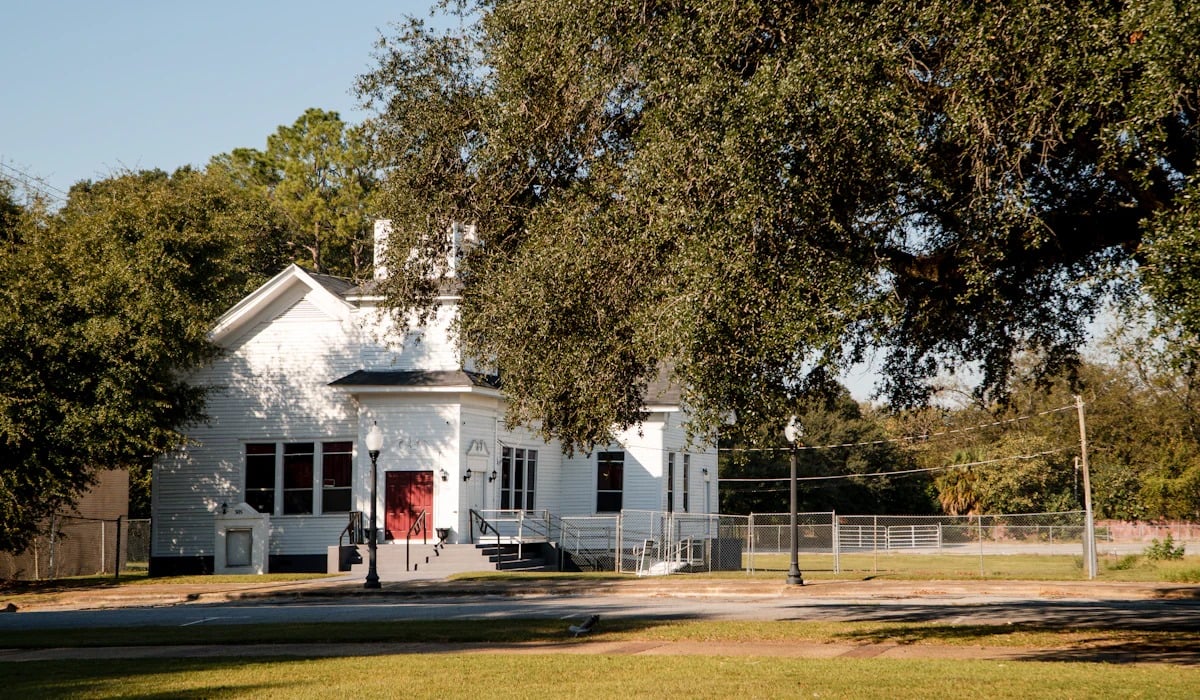
Thomas Carnegie, brother of the steel magnate Andrew Carnegie, built the grand house called Dungeness on Cumberland Island in the 1880s. A fire destroyed it in 1959, leaving a skeleton of walls and chimneys.
Palmettos and live oaks now surround the ruins, and wild horses graze on the lawn in front of them. The island is part of Cumberland Island National Seashore.
Dadipark, Belgium, a Theme Park Where Rides Rust Among the Trees
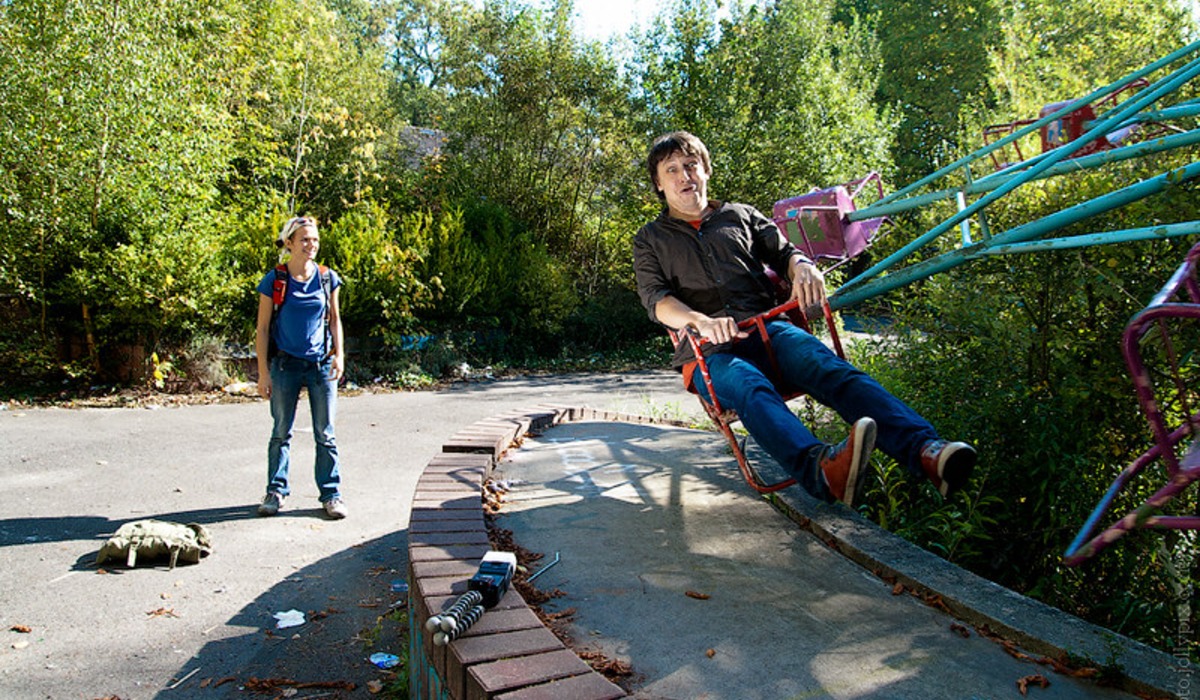
Dadipark opened in 1950 in the West Flanders village of Dadizele and entertained families for more than 50 years. It closed in 2002, and the rides were left in place.
Brambles, saplings, and graffiti once covered the carousel, the roller coaster track, and the pathways. Photographers were drawn to images of rusted rides half hidden by foliage.
Kadykchan, Russia, the Gulag Coal Town Lost in the Far East
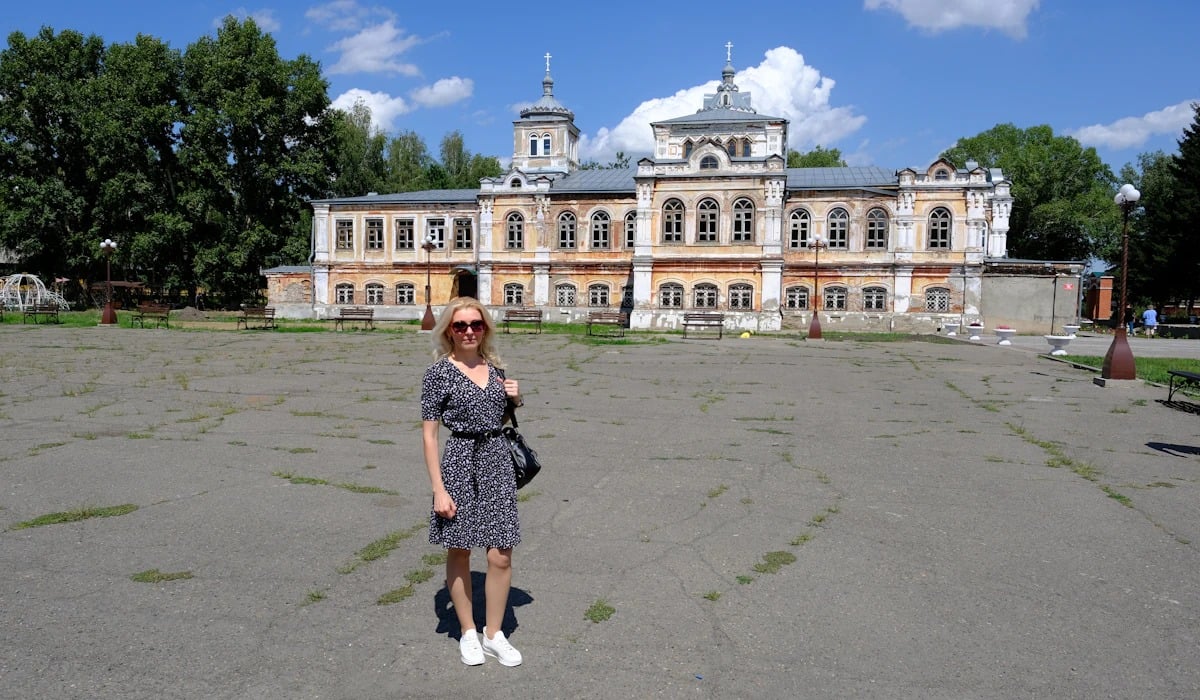
Kadykchan was founded in the 1940s in the Kolyma region of the Russian Far East to mine coal, with labor from Gulag prisoners. After a deadly mine explosion in 1996, the settlement was largely evacuated, and the mine closed.
Apartment blocks, a school, and a cultural center now stand empty under harsh Siberian winters. Grass and small trees grow through the broken pavement and in the cracks of the concrete.
Tyneham, England, the Dorset Village Evacuated for the War
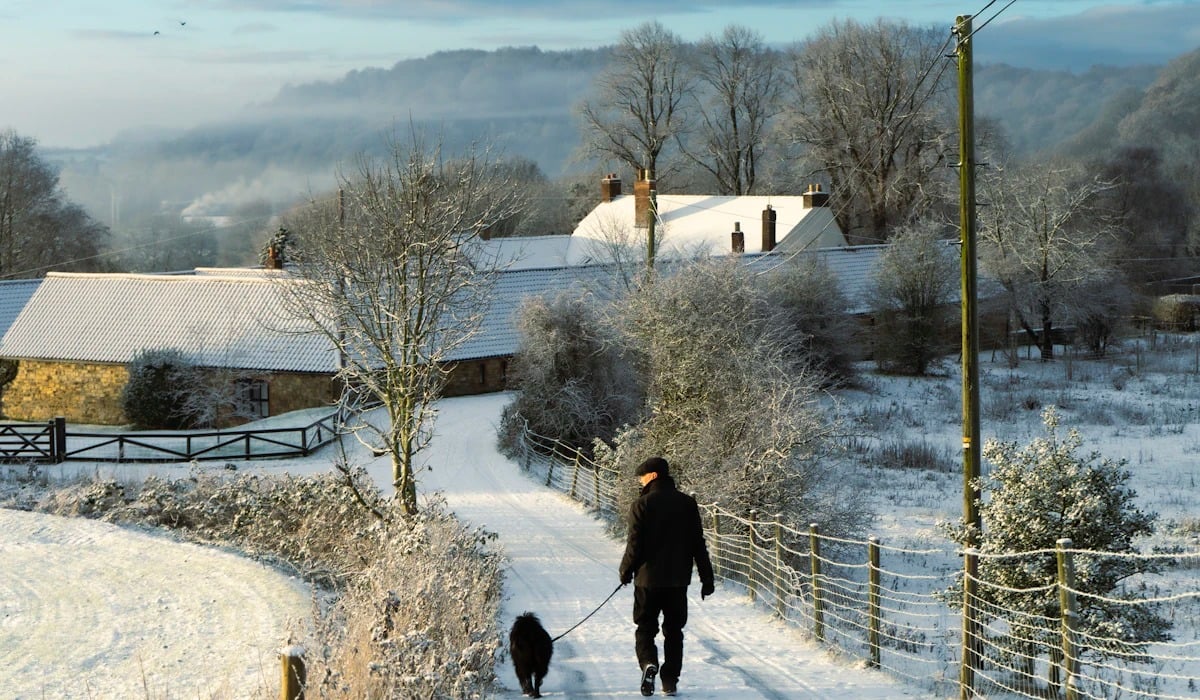
In December 1943, the villagers of Tyneham in Dorset were ordered to leave so the army could use the area for gunnery training. They were told they could return after the war, but the land stayed under military control.
The church and schoolroom survive and are open to visitors, while the cottages are roofless shells. A note pinned to the church door as the residents left is one of the best-known artifacts of the evacuation.
Gardens and hedgerows have run wild around the stones.
Beng Mealea, Cambodia, the Temple Where the Jungle Won
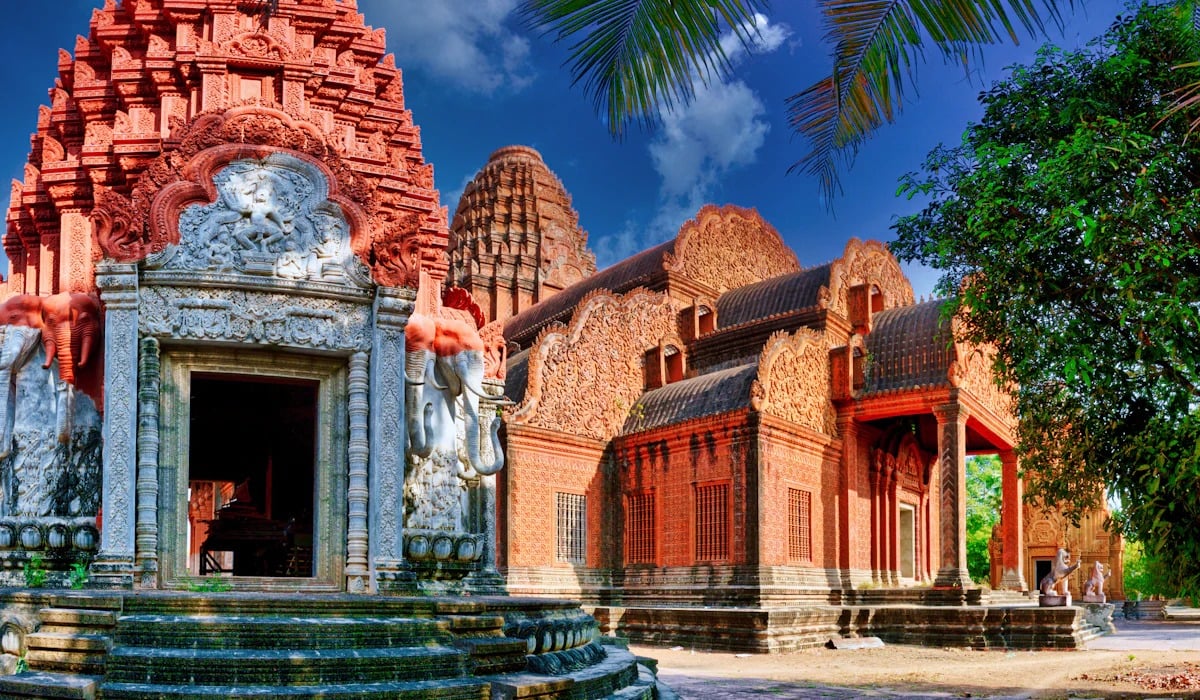
Beng Mealea was built in the 12th century in the same style as Angkor Wat, and it lies roughly 40 kilometers east of that famous temple. Unlike its better-known neighbors, it has been left largely in ruins, with fallen towers and tumbled sandstone blocks covered in moss and roots.
Visitors pick their way over the rubble along raised wooden walkways. Tall trees grow straight out of collapsed galleries.
Cahawba, Alabama, the Lost Capital Buried in Woods
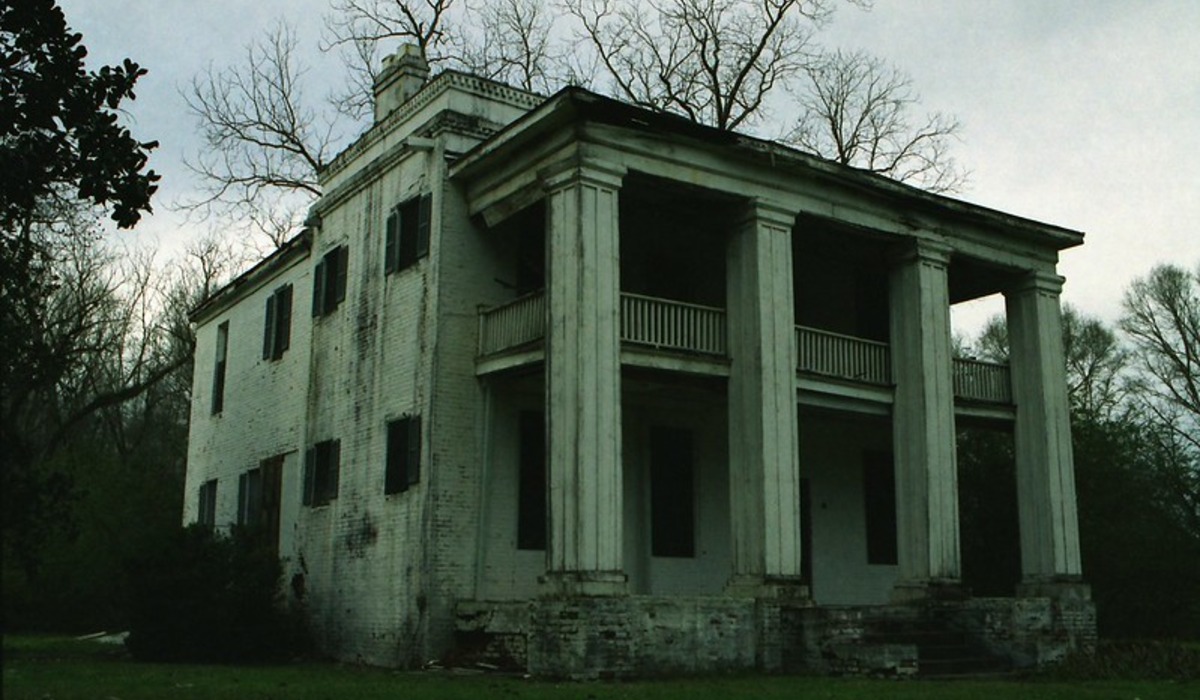
Cahawba served as Alabama’s first permanent state capital from 1820 to 1826 and later as a county seat. Repeated flooding from the Alabama and Cahaba rivers wore down the town, and it was gradually abandoned.
During the Civil War, a prison called Castle Morgan held Union soldiers there. Today the streets are shaded by oaks and overgrown with vines, and visitors walk through an archaeological park where mansions once stood.
Wittenoom, Australia, the Asbestos Town Erased From the Map
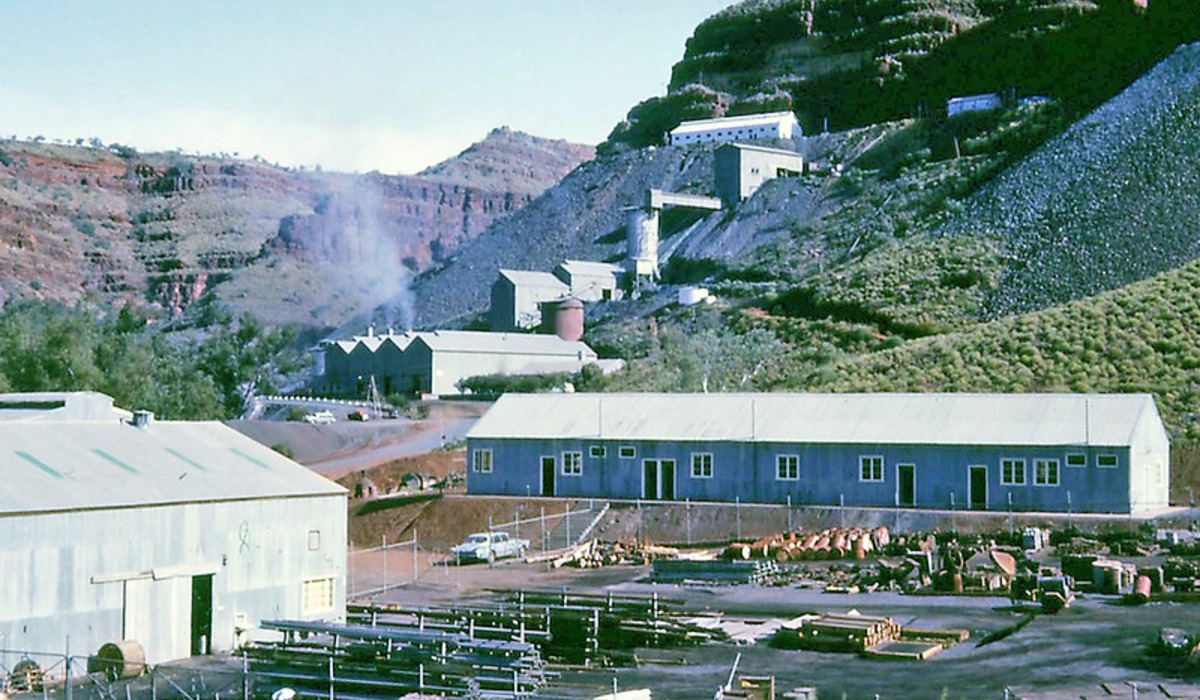
Wittenoom, named for the pastoralist Frank Wittenoom, was a mining town in the Pilbara region of Western Australia built to extract blue asbestos. The mine closed in 1966 after the health dangers became clear.
The state government later removed the town’s official status and urged visitors to stay away, though a few residents held on. Spinifex grass and desert scrub now overrun the empty roads and house foundations.
The wider area remains dangerously contaminated with asbestos, and authorities advise people not to visit.
What the Ivy Knows About Permanence
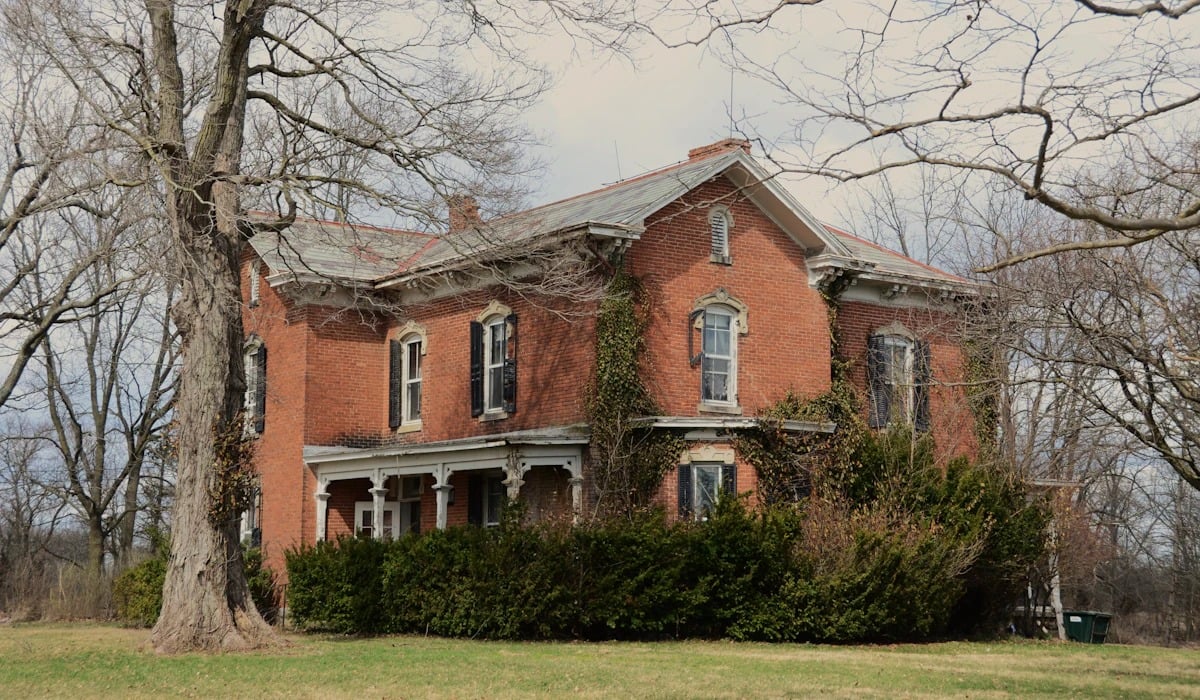
Taken together, these places suggest that a building is never really finished. It is an agreement between people and the surrounding ecosystem, and when the people stop upholding their side, the ecosystem steps in.
The reclaiming can be gentle, as with moss on a Ferris wheel, or forceful, as with banyan roots splitting a church wall. Either way, it begins the moment the maintenance does.
There is also an odd kind of comfort in what remains. Many of these sites have become refuges for wildlife, or photogenic reminders of history, or protected heritage areas that draw visitors who would never have noticed them while they were occupied.
Abandonment ends one chapter of a place and opens another, and the second chapter is written in leaves, roots, and sand.
More from Go2Tutors!

- The Romanov Crown Jewels and Their Tragic Fate
- 13 Historical Mysteries That Science Still Can’t Solve
- Famous Hoaxes That Fooled the World for Years
- 15 Child Stars with Tragic Adult Lives
- 16 Famous Jewelry Pieces in History
Like Go2Tutors’s content? Follow us on MSN.