Why Specific Misprinted Stamps Keep Climbing in Value Year After Year
There’s a reason collectors have spent decades hunting through dusty shoeboxes and estate sale bins with the quiet desperation of people who know exactly what they’re looking for. A misprint on a stamp isn’t a mistake the post office wants to celebrate — but the market has a very different opinion.
Some of the most valuable pieces of paper in philatelic history aren’t perfectly executed masterworks of engraving. They’re the ones where something went wrong.
The question worth asking is why those errors keep getting more expensive, year after year, with no real ceiling in sight.
Scarcity That Cannot Be Manufactured
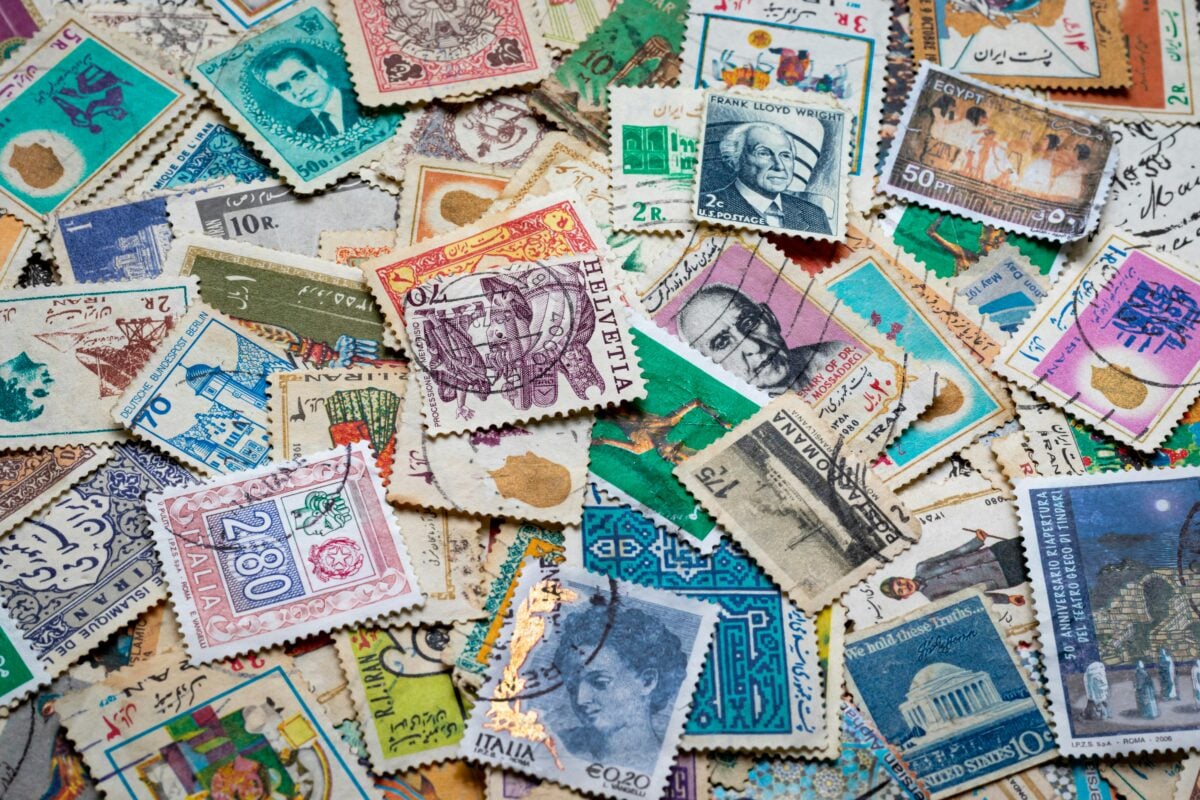
Errors happen once. When a printing plate is misaligned, when ink runs the wrong color, when a sheet goes through the press upside down — that’s it.
The post office doesn’t intentionally recreate the mistake, and once the error is caught, the run stops. So you’re left with a fixed number of surviving examples that will never, under any circumstances, increase.
The Inverted Jenny Sets the Standard
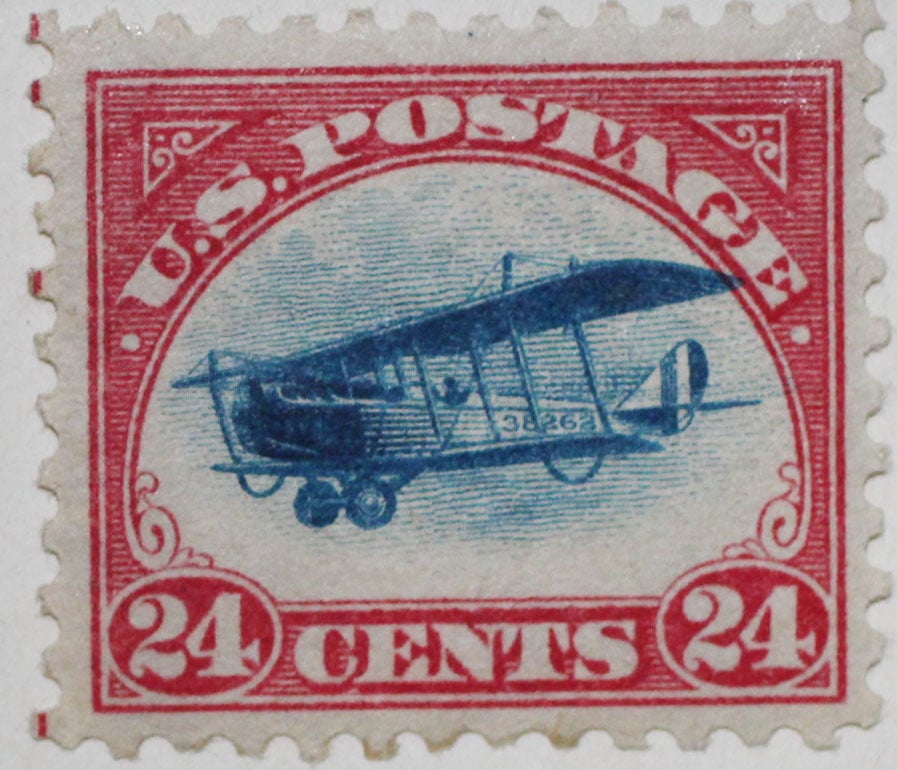
The 1918 Inverted Jenny — a 24-cent airmail stamp with the biplane printed upside down — is the most famous philatelic error in American history, and it still commands prices north of a million dollars at auction. Only one sheet of 100 was ever sold before the error was caught, which means the total surviving population is countable.
That combination of dramatic visual impact and documented scarcity made it the template against which every other stamp error gets measured.
Condition Collapses the Supply Further
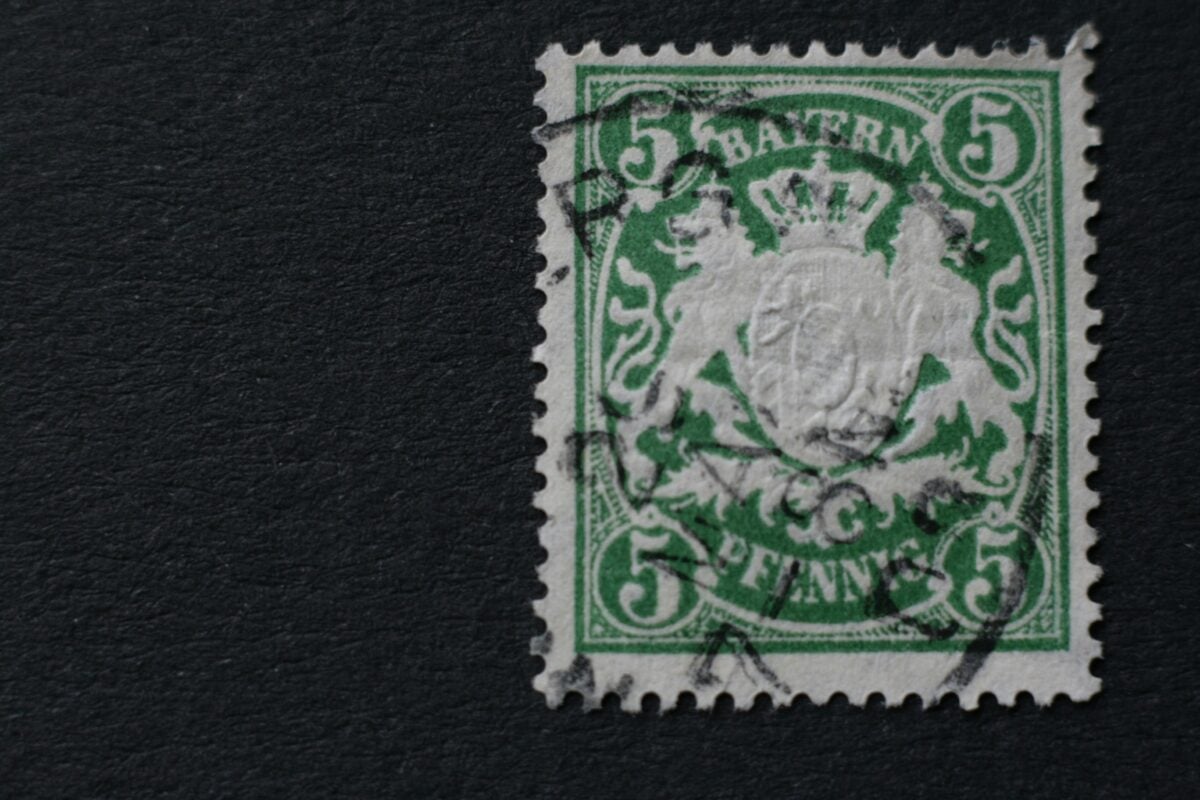
Even within a limited error population, most surviving examples are damaged — creased, thinned, or poorly centered in ways that send their market grade plummeting. So a misprint that started with 50 surviving examples might have only four or five in genuinely collectible condition, and perhaps one in the kind of pristine shape that auction houses get excited about.
The gap between “it exists” and “it exists and it’s beautiful” is where serious money lives.
Authentication Creates a Floor Price
Every significant misprint that passes through a reputable expertizing service — the Philatelic Foundation, the American Philatelic Expertizing Service — gets a certificate that follows it forever. That certificate is what separates a stamp worth six figures from a stamp worth nothing, and it’s also what keeps the market honest.
Buyers willing to pay serious money need serious proof, and authenticated errors carry a kind of institutional credibility that generic collectibles simply don’t have.
They Behave Like Blue-Chip Art
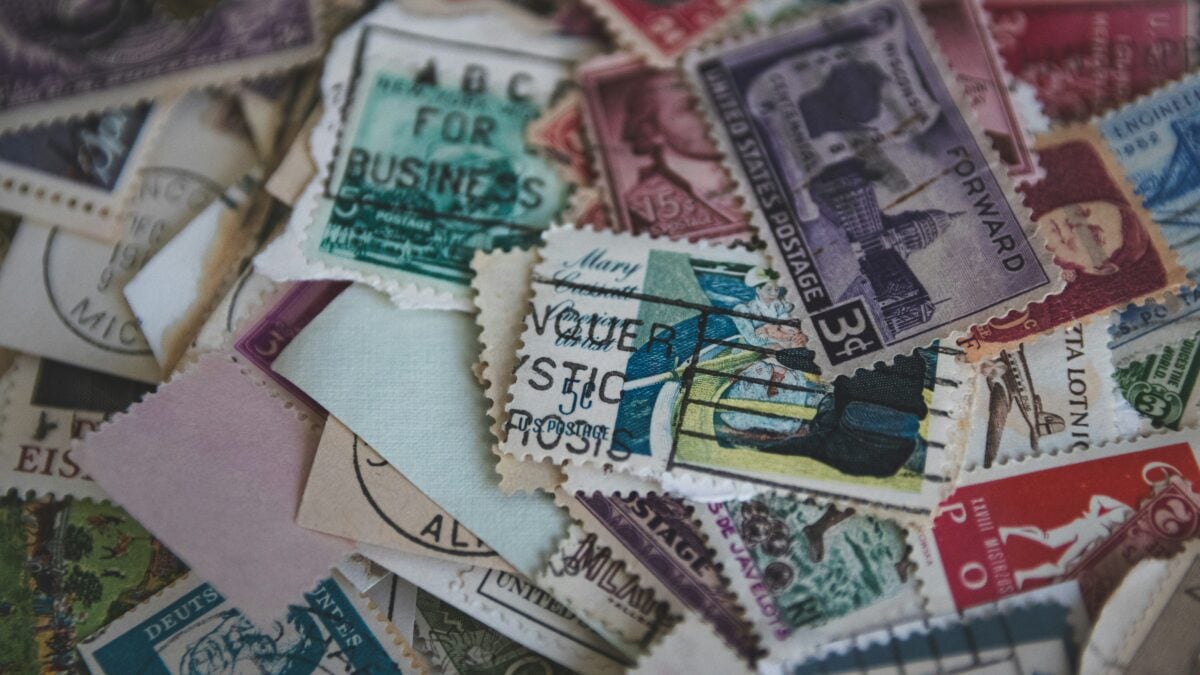
The most significant stamp errors don’t trade like hobby items — they trade like small, portable pieces of the art market. Prices track with broader movements in high-end collectibles, which means they tend to rise when wealthy collectors are looking for tangible assets that store value quietly and travel well.
A stamp fits in a vest pocket. That portability has always been part of its appeal to a certain kind of buyer who doesn’t want their net worth tied up in something that requires a climate-controlled warehouse.
Documented Provenance Multiplies Value
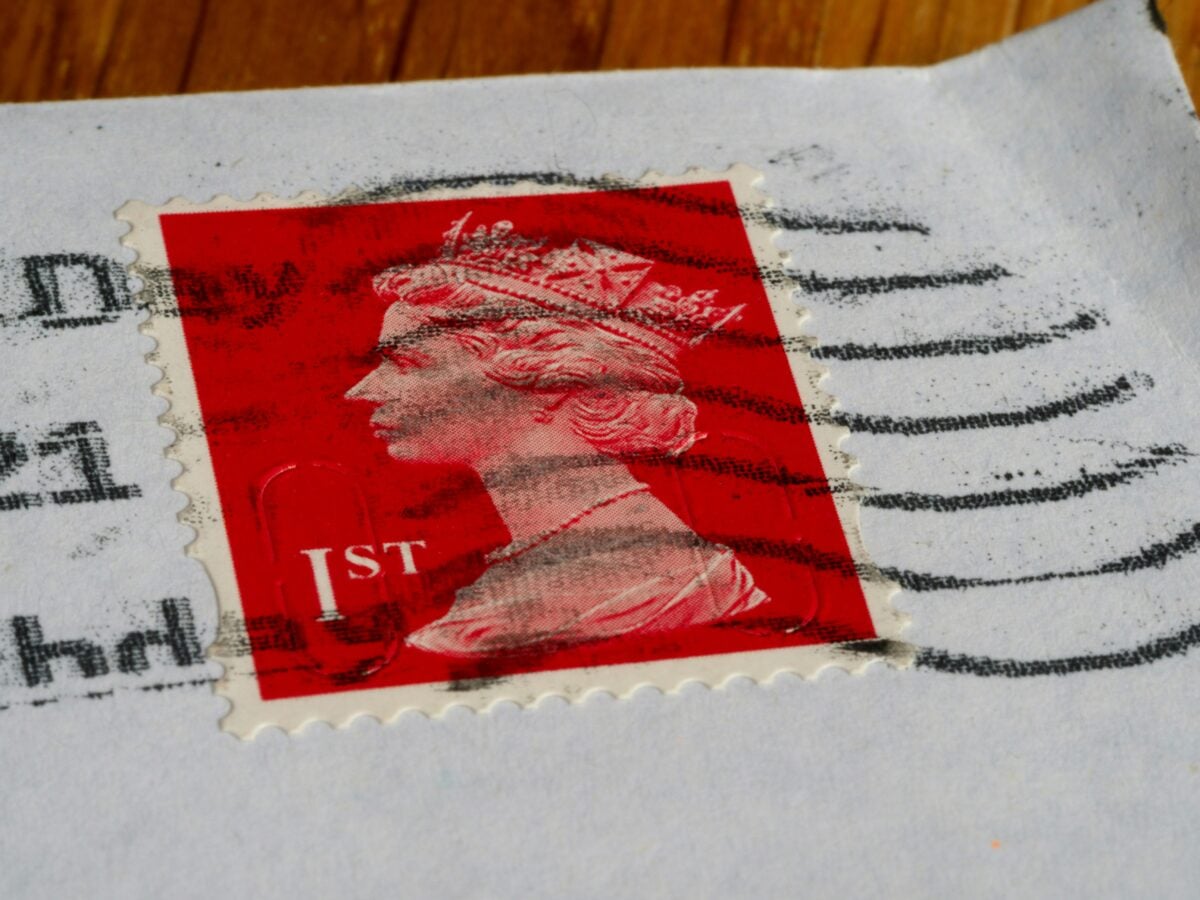
When a stamp error can be traced through a chain of notable collections — say, from an original purchaser in 1918 through a named dealer, then into a celebrated private collection, then to auction — that history doesn’t just add color, it adds dollars. Provenance is essentially a record of desirability, and a stamp that serious collectors have fought over before carries a kind of inherited prestige. The story becomes part of the price.
Color Errors Hit Differently
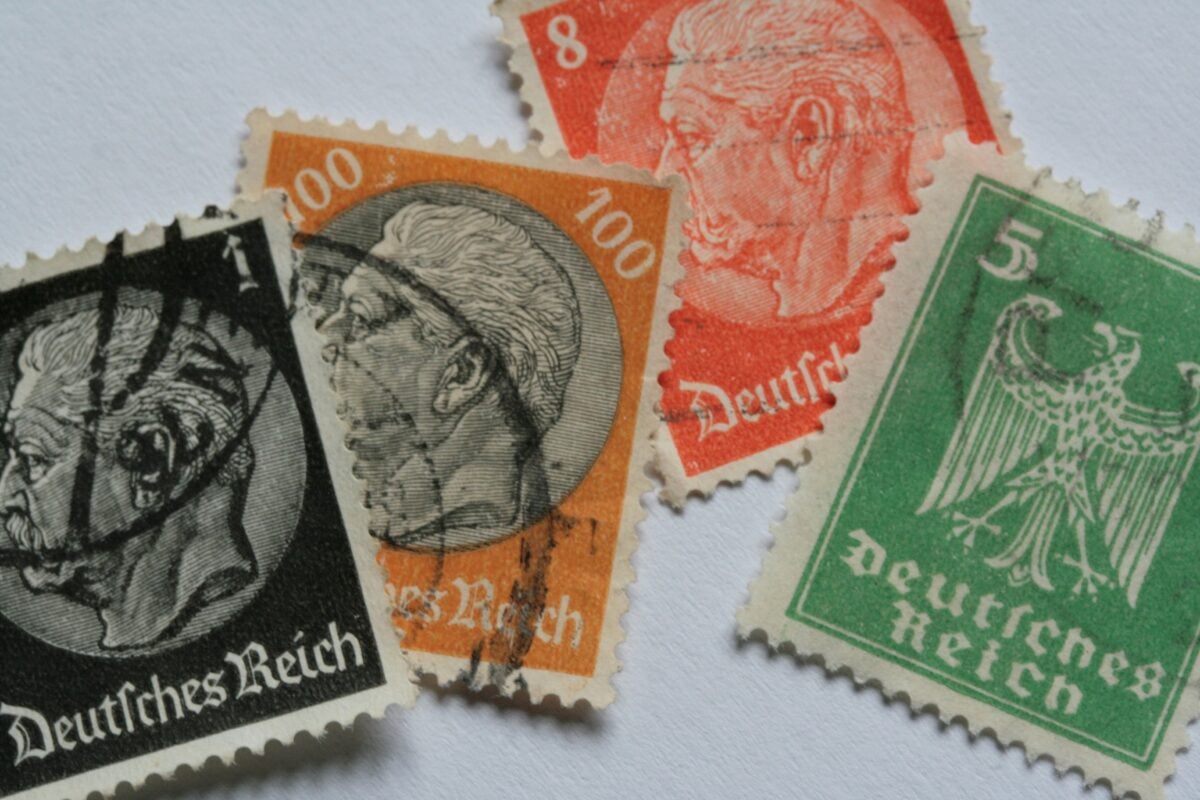
A stamp printed in the wrong color is visually arresting in a way that other errors aren’t — it announces itself immediately, even to someone with no philatelic knowledge. The United States’ 1869 15-cent stamp with the center inverted, for example, or the British 1965 4d Post Office Tower stamp missing its red color entirely.
These are pieces where the error is the spectacle, and spectacle drives auction room competition in ways that subtler errors sometimes don’t.
Missing Colors and Incomplete Prints
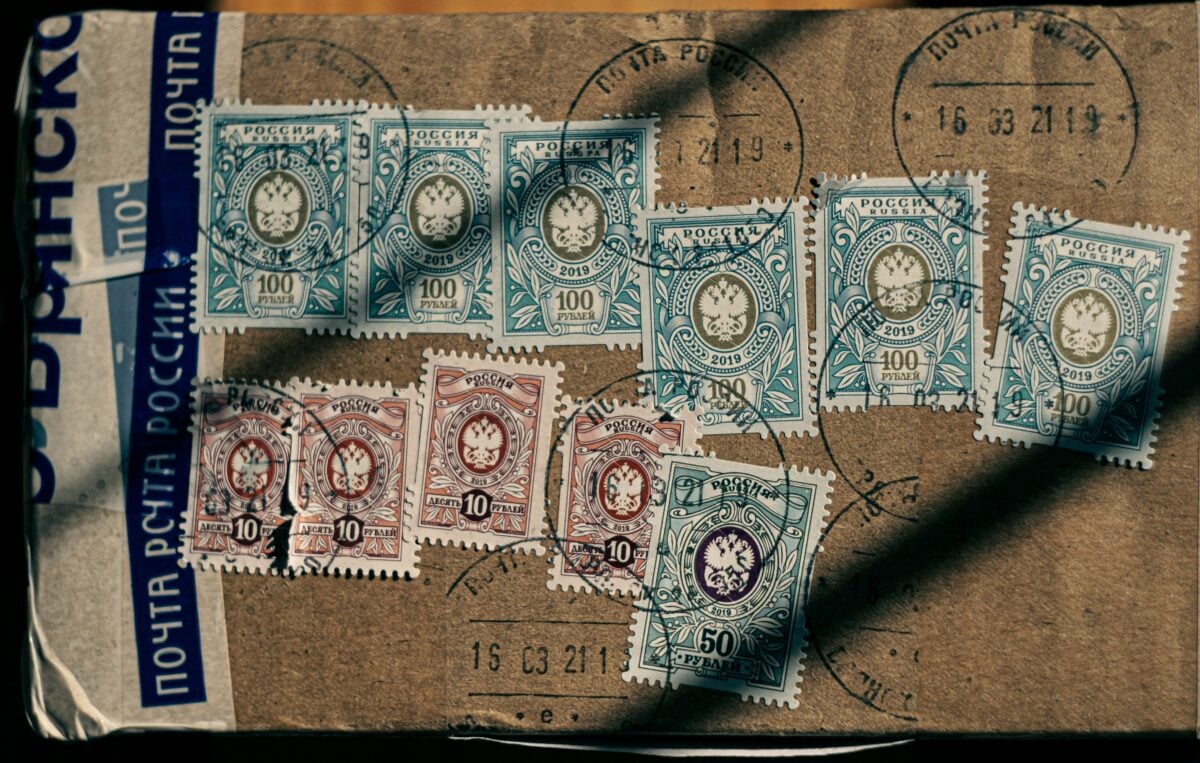
Some of the most collectible modern errors come not from inverted elements but from missing ones — a stamp where one entire color layer simply didn’t print, leaving a ghost of the intended design. These happen because modern stamps are printed in multiple passes, and if a sheet misses one pass, the result is something that looks like an unfinished proof.
That unfinished quality reads as stark and strange, which tends to attract a different, younger wave of collectors who respond to the visual tension of something that’s obviously wrong.
Perforations Tell Their Own Story
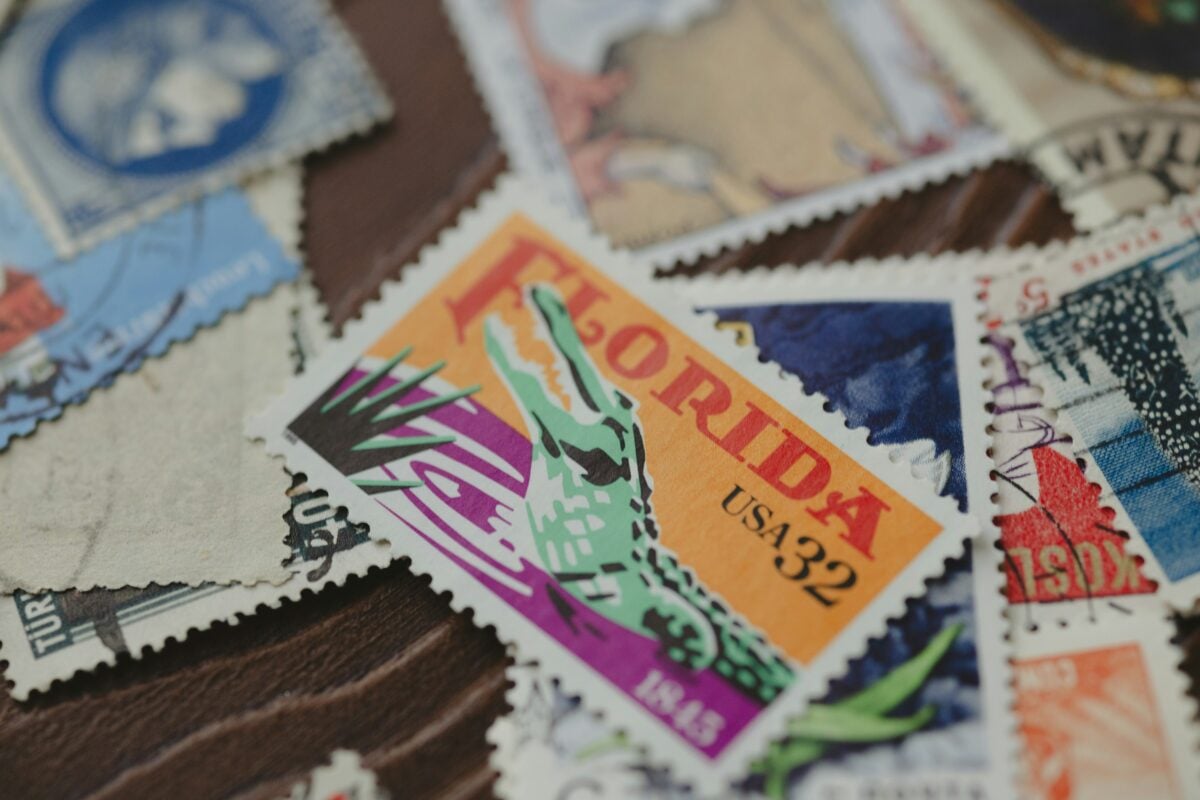
A stamp with dramatically misplaced perforations — where the cuts meant to separate individual stamps from the sheet land entirely in the wrong place — can end up with design elements from two adjacent stamps on a single piece of paper. It’s a structural error rather than a visual one, and it attracts collectors who care deeply about the mechanics of how stamps were made.
That technical audience is smaller but exceptionally loyal, and loyal buyers with deep pockets create price stability over time.
The Role of Famous Former Owners
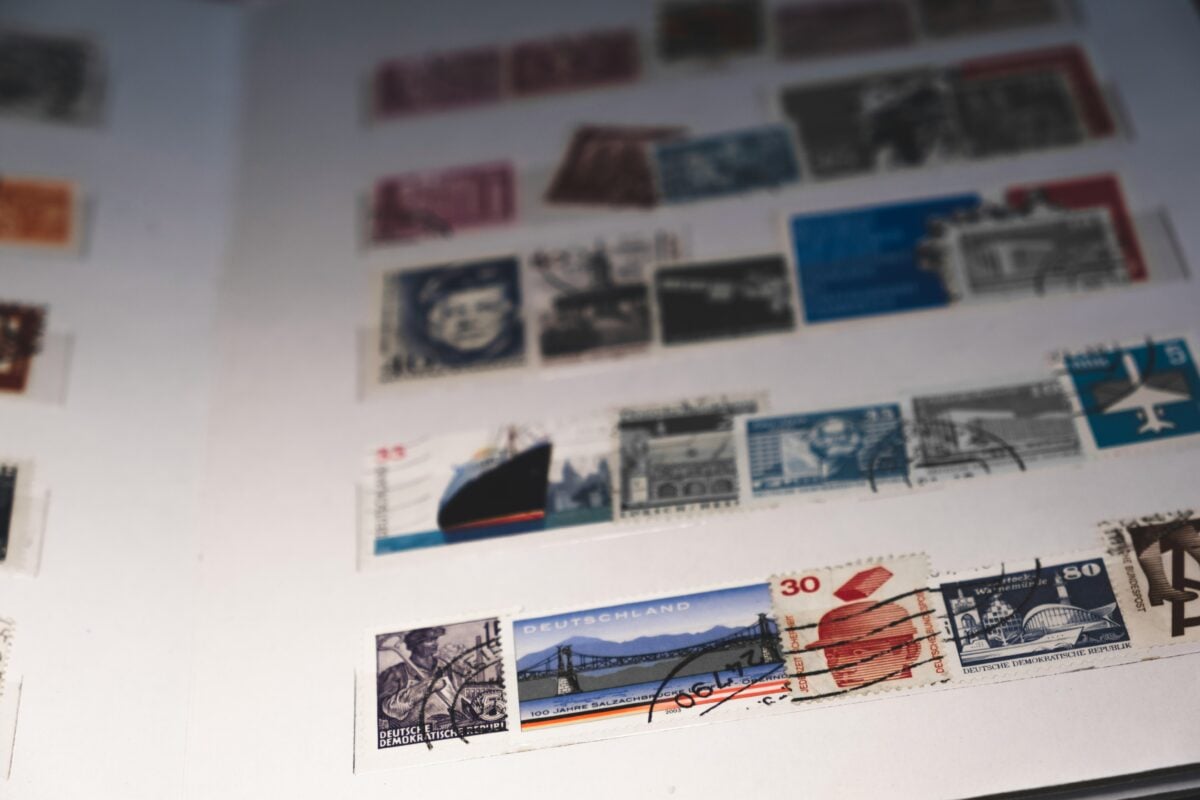
There’s a particular stamp error — the “Blue Boy” error from the 1954 U.S. 3-cent stamp issue — that carries extra weight because of the collectors who’ve held it. When a piece moves through the hands of someone like Colonel Edward Green (who bought the original Inverted Jenny sheet) or any number of celebrated philatelic names, those associations don’t fade.
They compound. Ownership by someone whose taste was trusted becomes a kind of endorsement that survives decades.
Print Technology Changes Locked In the Rarity

Modern printing processes have become precise enough that the kinds of dramatic errors common in the early twentieth century are now genuinely rare — almost vanishingly so. Automated quality control catches most mistakes before sheets are released. Which means the classic errors from the letterpress and intaglio printing eras are not just rare; they’re from a period of production that no longer exists.
Owning one is like owning something from a manufacturing process the world simply doesn’t use anymore.
Global Collector Networks Drive Competition

A significant American stamp error doesn’t just attract American buyers. International collectors — particularly from the UK, Germany, Australia, and increasingly from parts of Asia — compete actively for the best examples of any nation’s philatelic errors. That global demand operating against a fixed domestic supply is a reliable formula for price appreciation.
The internet made this competition frictionless in a way that earlier generations of collectors never experienced, and prices have reflected that.
Errors on High-Value Definitive Stamps
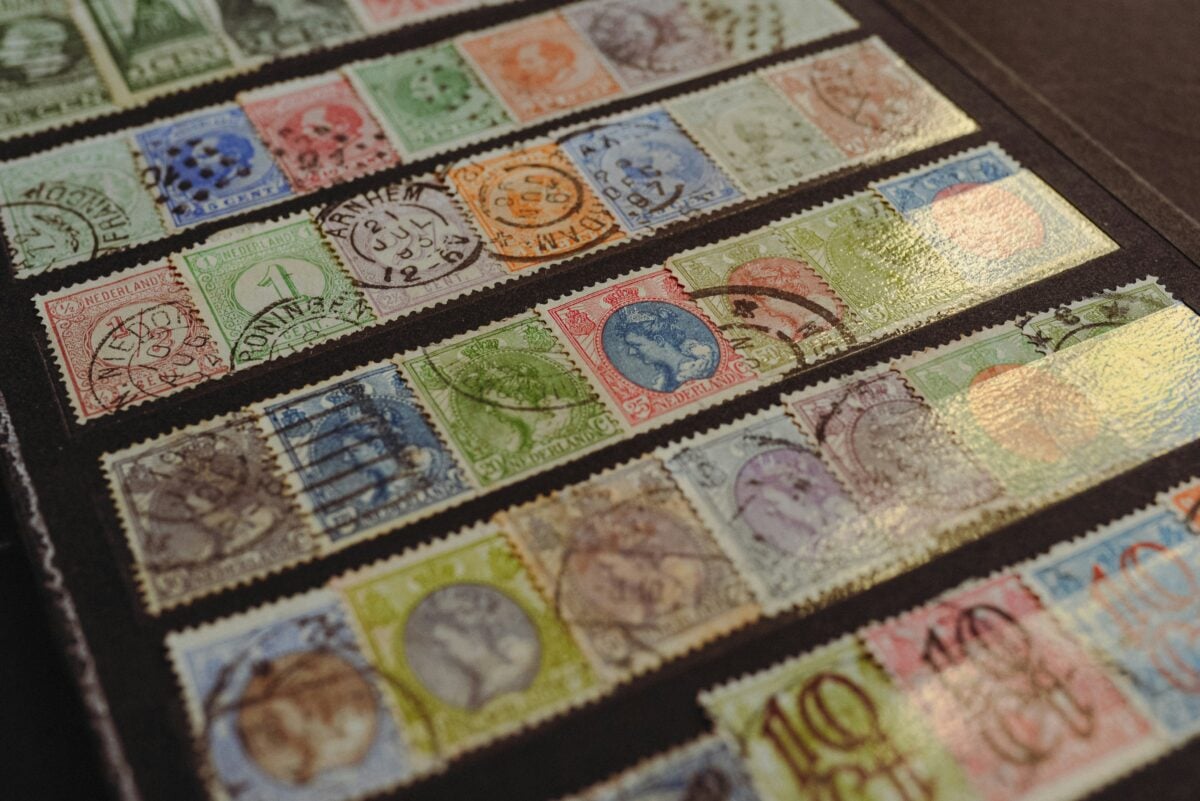
Not all misprints are created equal — and an error on a low-value stamp that most people used to mail letters is considerably less interesting than an error on a high-denomination stamp used for registered mail or international postage. The 1869 U.S. 90-cent stamp with Lincoln’s portrait inverted, for instance, existed in a denomination that saw limited use, which means fewer were printed, fewer survived, and the ones that did were handled with more care.
Denomination matters more than casual collectors realize.
The Psychological Pull of the Hunt
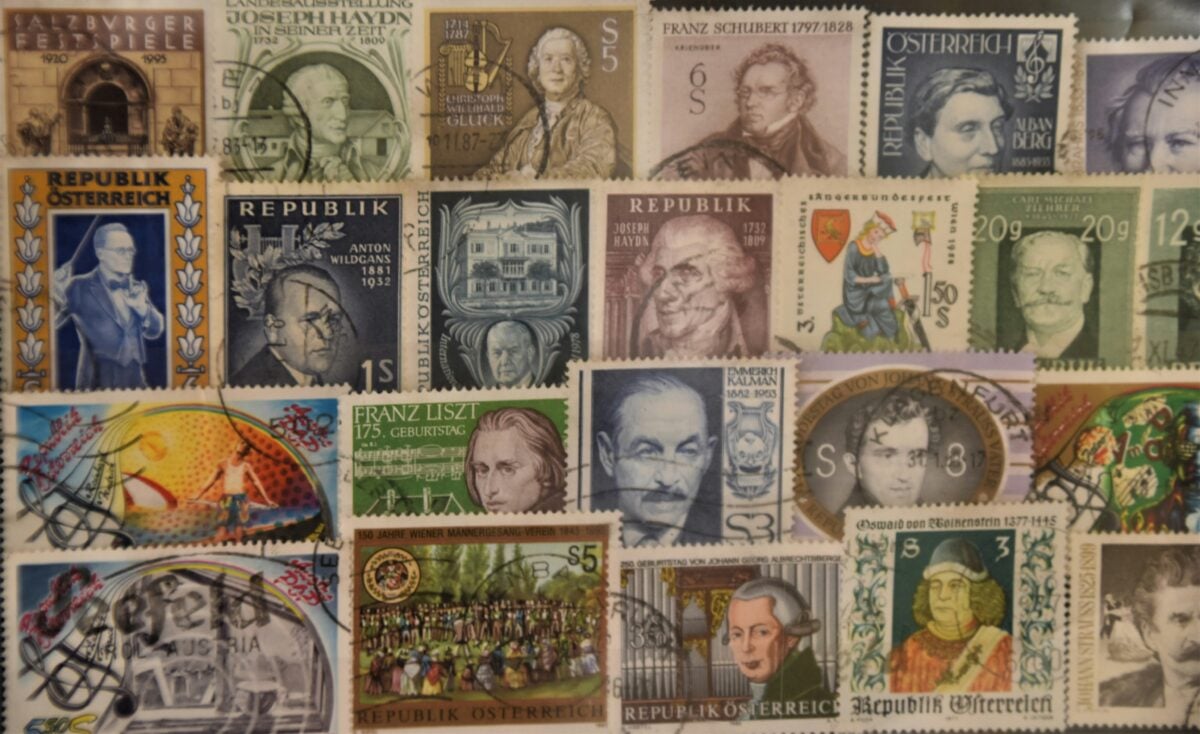
Stamp errors occupy a specific psychological space that most collectibles can’t replicate: they’re hiding in plain sight. Every old accumulation of stamps, every inherited collection, every box at an estate sale theoretically contains the possibility of something extraordinary.
That possibility — even when it’s statistically remote — keeps a steady stream of new people entering philately, and new collectors at the entry level eventually become serious buyers at the top. The dream funds the market.
Major Auction Houses Legitimize the Category

When Christie’s or Siegel Auction Galleries puts a significant misprint in a marquee sale alongside fine art and jewelry, it signals something to the broader collecting world about the category’s credibility. Those placement decisions aren’t accidental.
The auction houses take a percentage of the hammer price, so they have a direct financial interest in presenting stamp errors as the serious investment-grade objects they’ve become. That institutional backing attracts buyers who wouldn’t otherwise look twice at a piece of paper.
Errors From Short-Lived Stamp Programs
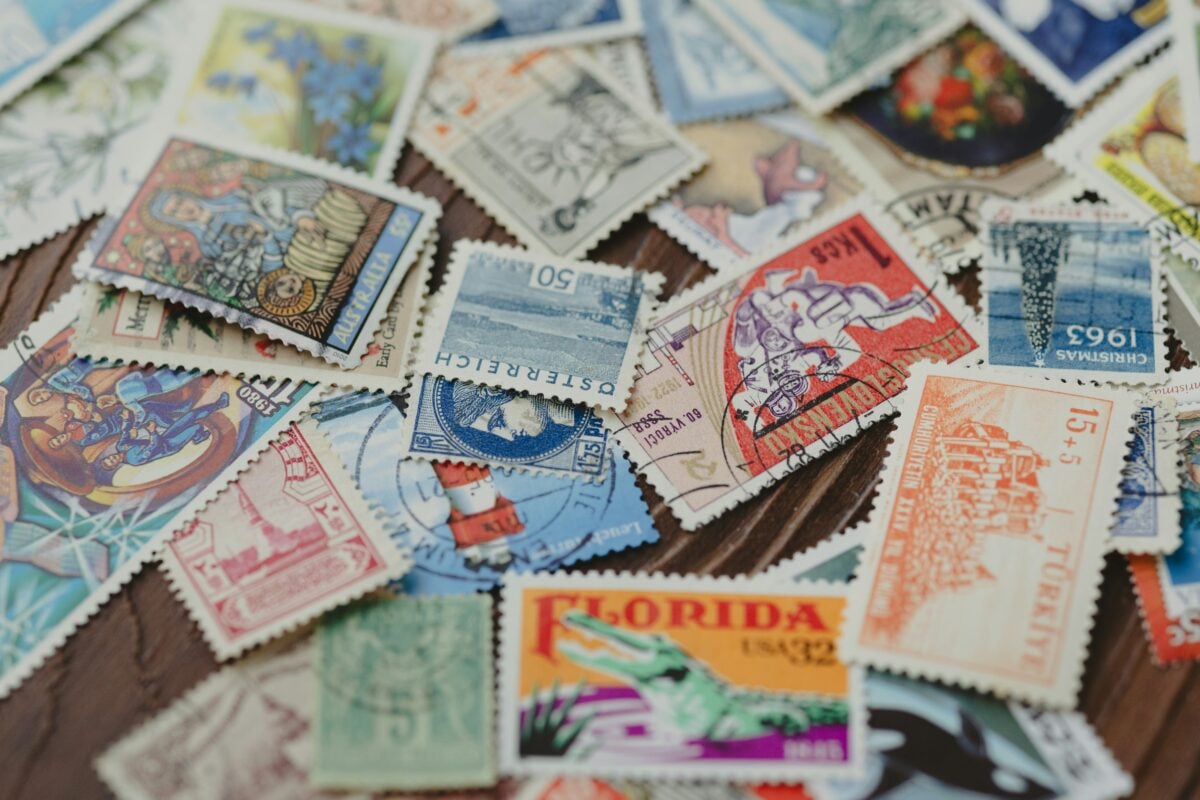
Some of the most aggressively appreciating errors come from stamp programs that were discontinued quickly — either because the design was controversial, the subject became politically awkward, or the postal service simply moved on faster than expected. Short print runs combined with error occurrences within those runs create genuinely minute surviving populations.
The 1971 8-cent United States stamp with the black color missing is one example where a relatively recent error has already built a strong price history.
What Happens When One Sells

Every time a significant stamp error changes hands at a major auction, it resets the market’s understanding of what similar pieces are worth. A record hammer price for an Inverted Jenny in 2016 didn’t just benefit the seller — it lifted the perceived value of every comparable example still in private hands.
This domino effect is well understood by sophisticated collectors, which is why some hold pieces specifically in anticipation of a market-resetting sale happening somewhere that they can then leverage. It’s a strategy, not a hobby.
The Stamp That Time Forgot
There’s something almost elegiac about a misprinted stamp — a small, accidental artifact that survived every reasonable expectation of its own destruction, passed through hands that may not have known what they held, and eventually arrived in a collector’s possession with a paper trail attaching it to a specific morning in a specific printing plant decades or a century ago. The value keeps climbing, year after year, not just because the economics demand it, but because that kind of survival story doesn’t get cheaper with time.
It gets heavier. And the market, whatever else it does, has always known how to price a good story.
More from Go2Tutors!

- The Romanov Crown Jewels and Their Tragic Fate
- 13 Historical Mysteries That Science Still Can’t Solve
- Famous Hoaxes That Fooled the World for Years
- 15 Child Stars with Tragic Adult Lives
- 16 Famous Jewelry Pieces in History
Like Go2Tutors’s content? Follow us on MSN.