29 Bizarre Royal Customs From Medieval Europe
A medieval king might be expected to heal the sick, own every unmarked swan on the river, and travel to the annual assembly behind a pair of oxen. Courts across Europe ran on rituals that now read like stage directions for a very serious comedy, and almost nobody involved saw anything funny about them.
Each custom below was performed in earnest, by real rulers, in real places. Some were theater, some were tax collection, and some were the only thing standing between a claimant and a stolen crown.
The Royal Touch for Scrofula

Kings of France and England laid hands on people suffering from scrofula, a swelling of the neck glands, because an anointed ruler was believed to carry healing power. English tradition credited Edward the Confessor with the first cures, while Robert II of France is generally identified as the earliest French king associated with the royal touch.
Patients in later versions of the ritual typically left with a coin pressed into their palm, which made the royal infirmary one of the few medical visits that paid the patient. The practice survived the Middle Ages by centuries and faded only in the eighteenth century.
Long Hair as the Mark of Merovingian Kings

The Merovingian kings were traditionally associated with long hair, which symbolized their royal blood. Losing it could mean losing the throne.
When Pepin the Short took power in 751, the last Merovingian king, Childeric III, was shorn and sent to a monastery. The haircut formally ended a dynasty that had ruled the Franks since Clovis in the late fifth century.
The Ox Cart of the Last Merovingians

Einhard, the biographer of Charlemagne, described the final Merovingian kings as traveling in a cart pulled by oxen and driven by a herdsman. Once a year, the king rode this way to the general assembly of the Franks, sat on the throne, and received envoys with answers that had been fed to him in advance.
Afterward, he returned to a modest estate with a small income, while the mayor of the palace handled real government. The ox cart became the lasting image of a monarchy that was all ceremony and no power.
The King’s Champion at English Coronations
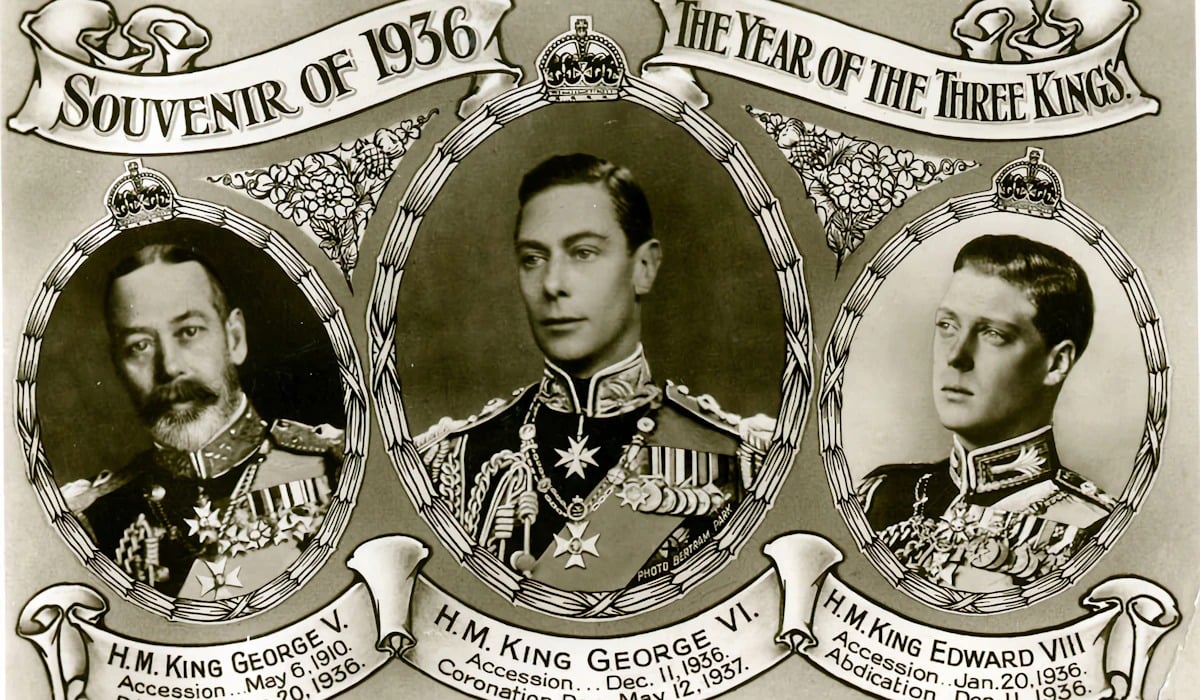
At the banquet following an English coronation, an armored knight rode into Westminster Hall and challenged anyone who denied the new monarch’s right to the crown. The role belonged to the Dymoke family, who held the manor of Scrivelsby in Lincolnshire in return for the service, and Sir John Dymoke performed it at the coronation of Richard II in 1377.
The champion publicly declared his readiness to defend the monarch’s title; later versions of the ceremony included throwing down a gauntlet. The last full performance took place at the coronation of George IV in 1821.
Whales and Sturgeon Belong to the Crown
A statute traditionally dated to 1324, in the reign of Edward II, declared that whales and sturgeon taken in English waters belonged to the king. According to a traditional account, a whale was divided between the monarch and his queen consort, with the head going to the king and the tail to the queen.
The usual explanation is that the queen’s share supplied whalebone for her wardrobe. The royal claim on these fish remains part of the Crown’s traditional legal prerogatives.
Swan Ownership and Swan Upping

English monarchs claimed ownership of unmarked mute swans swimming in open water, a right tied to the bird’s status as a luxury dish at medieval feasts. The Crown’s rights were not exclusive everywhere, and some swans on the Thames belonged to historic livery companies.
To keep track of the flocks, royal officials rounded up the cygnets on the Thames each summer and marked them according to who owned the parents. This census, known as swan upping, goes back to at least the twelfth century.
It still takes place every July, with the swans counted by rowers in skiffs.
One King, Three Burial Places

Richard I died in April 1199 after a crossbow bolt struck him during a siege at Châlus in France, and his remains were divided among several sites. His body was buried at Fontevraud Abbey near his father, Henry II; his entrails stayed at Châlus, and his heart went to Rouen Cathedral.
The heart was rediscovered in a lead box in 1838, and a 2013 scientific analysis found that it had been preserved with aromatic substances such as myrtle, mint and frankincense. Splitting a royal corpse let more than one church claim a share of a king’s memory.
Kings Washing the Feet of the Poor

On Maundy Thursday, English kings washed the feet of poor people in imitation of the Last Supper, then gave them food, clothing, and money. By the 1360s, under Edward III, the number of recipients was tied to the king’s age, so that a ruler turning 50 served 50 people.
The link between age and recipients survives in the modern royal Maundy service, where coins are given in the same proportion. The humble gesture was carefully staged, since a king kneeling before beggars made a point about humility that the entire court could see.
Wearing the Crown at Three Feasts
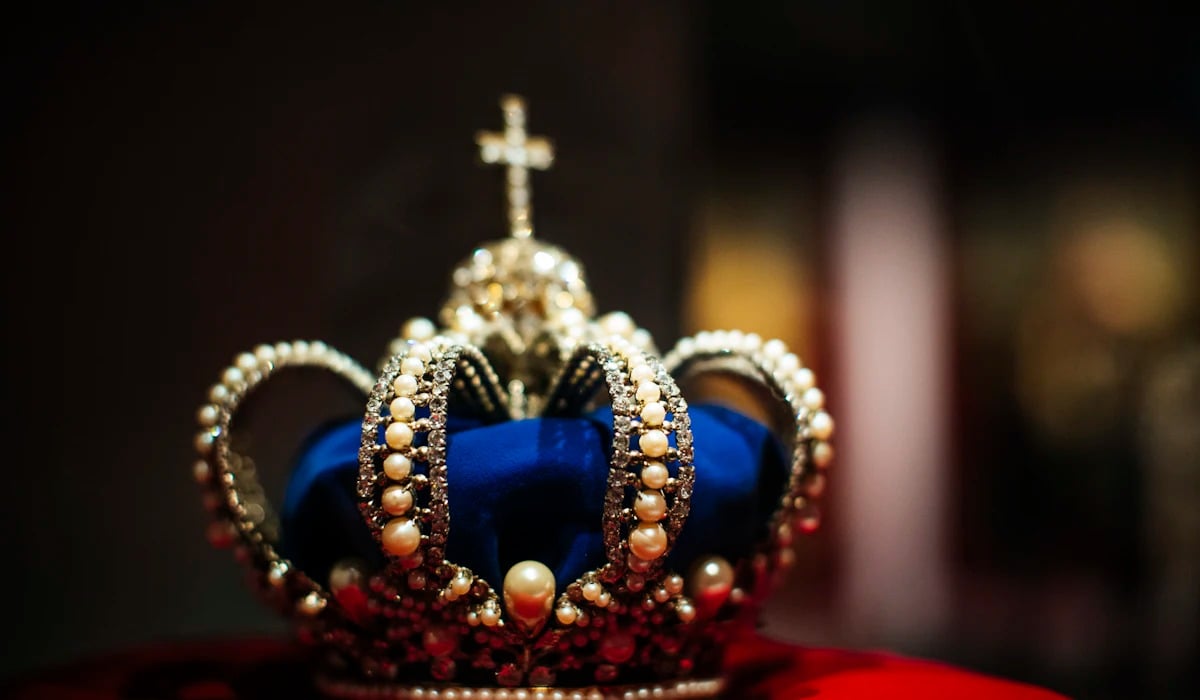
William the Conqueror wore his crown in formal ceremony three times a year, according to the Anglo-Saxon Chronicle. The settings rotated among Winchester at Easter, Westminster at Whitsun, and Gloucester at Christmas.
Bishops, earls, and other great men were expected to attend, which turned each festival into a political summit disguised as a church service. Being seen in the crown, surrounded by the realm’s leaders, was a way of reminding them who ruled.
The Holy Ampulla of Reims
French kings were anointed at Reims with oil from a small glass vial known as the Holy Ampulla. According to tradition, a dove had delivered the oil to Saint Remigius for the baptism of Clovis, which tied every later coronation back to the first Christian king of the Franks.
A drop of the oil was mixed with consecrated chrism for each new king. The vial was smashed during the French Revolution in 1793, although fragments were saved.
The Marble Throne at Aachen
Holy Roman kings were crowned at Aachen and then seated on a plain throne made of marble slabs and reached by six steps. The throne stood in the Palatine Chapel built by Charlemagne, and coronations there ran from Otto I in 936 to Ferdinand I in 1531.
The slabs are bare and undecorated, a contrast to the gold and jewels of the regalia. Sitting on it connected each new ruler directly to Charlemagne’s memory.
The Iron Crown of Lombardy
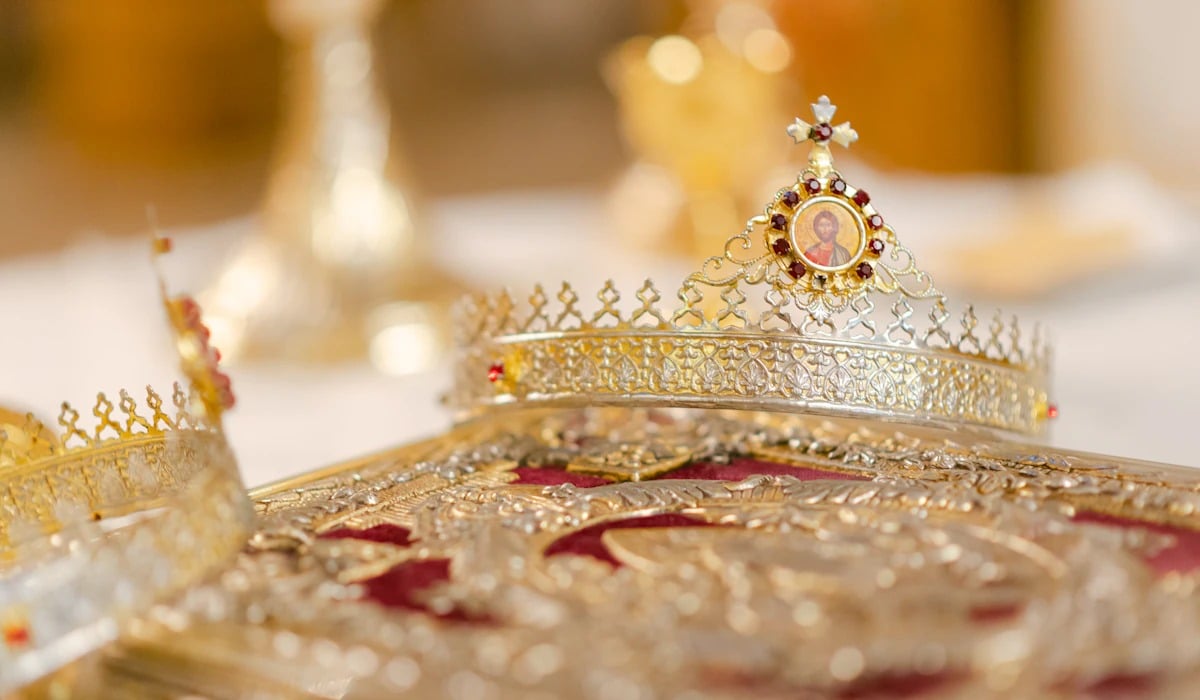
Kings of Italy were crowned with a thin band of iron set inside a gold circlet, kept at Monza. Tradition held that the iron had been hammered from a nail of the Crucifixion, which turned a modest strip of metal into a relic of the first rank.
Lombard and later Holy Roman rulers sought the crown to claim the Italian kingdom. Napoleon was crowned King of Italy with it in Milan in 1805, long after the Middle Ages had ended.
Electors on Bread and Water

The Golden Bull of 1356, issued by Emperor Charles IV, fixed the number of electors who chose the German king at seven. The vote was to take place at Frankfurt, and the electors were not allowed to leave until they had agreed.
If 30 days passed without a decision, they were to be limited to bread and water. The document took its name from the gold seal attached to it, which was called a bulla.
Holding the Pope’s Stirrup
Medieval emperors-elect were expected to hold the pope’s stirrup as he mounted his horse, a gesture of respect with disputed meaning. At Sutri in 1155, Frederick Barbarossa refused to do it for Pope Hadrian IV, since it could be read as a sign that the emperor served the pope.
A search of precedent followed, and Frederick eventually relented and performed the service at a second meeting. The argument over a few seconds of horse etiquette reflected a larger struggle between popes and emperors.
Born in the Purple Chamber
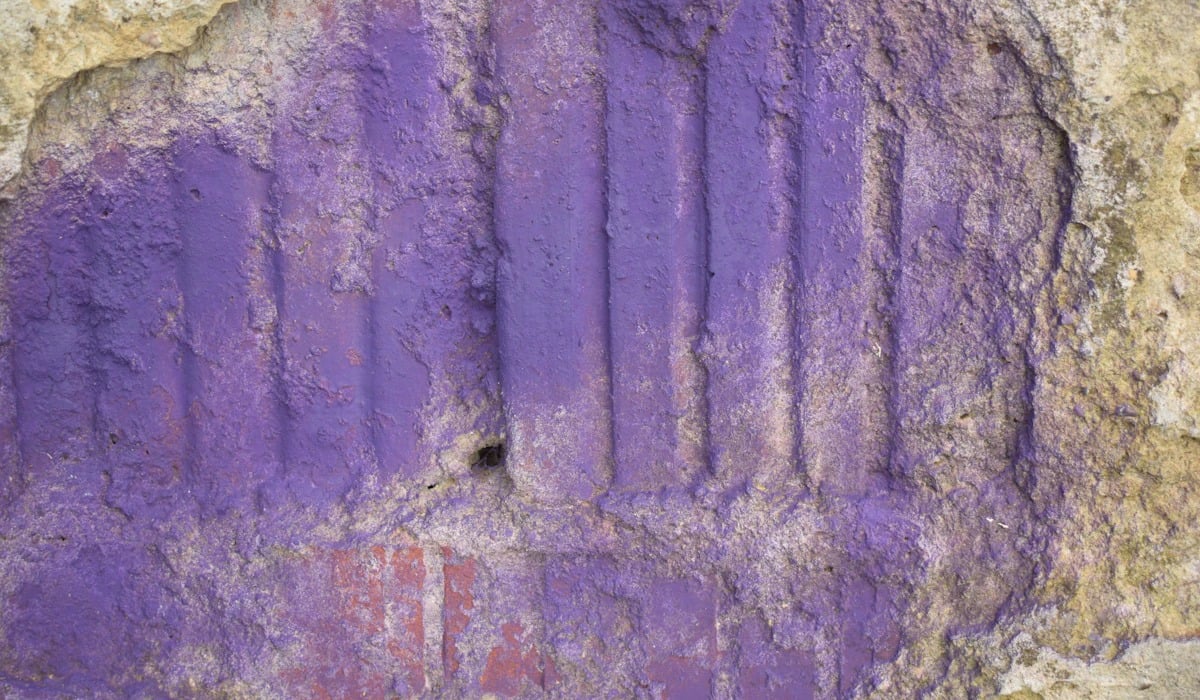
Byzantine empresses gave birth in a room of the Great Palace in Constantinople faced with purple porphyry, known as the Porphyra. A child born there while a parent reigned was called porphyrogennetos, meaning born in the purple.
The title carried real political weight, giving the child a stronger claim than any rival born earlier or elsewhere. Emperor Constantine VII proudly bore the epithet, which is why he is known as Constantine Porphyrogenitus.
Blinding and Nose Slitting at the Byzantine Court
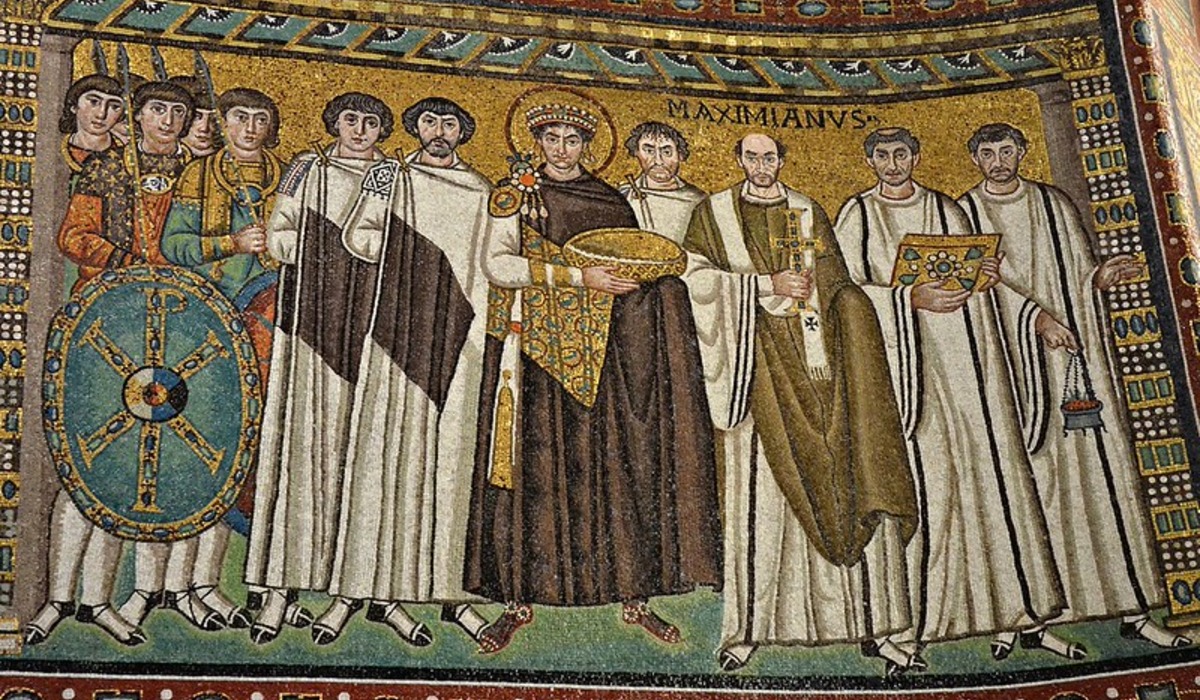
Byzantine tradition expected the emperor to be physically whole, so mutilating a rival disqualified him without the awkwardness of killing him. Empress Irene had her own son, Constantine VI, blinded in 797 so that she could rule alone.
Justinian II had his nose slit when he was overthrown in 695, yet he returned to the throne in 705 wearing, so the chroniclers say, a replacement nose of gold. The practice turned a ruler’s face and eyes into political property.
The Throne of Solomon in Constantinople
When the envoy Liudprand of Cremona visited Constantine VII’s court in 949, he found a throne guarded by bronze lions that roared and moved their tails. Golden birds sang in a tree beside it, and the throne itself rose into the air during the audience.
Liudprand had been told to prostrate himself three times, and when he looked up, the emperor had been lifted high above him in different robes. The staging was designed to overwhelm foreign visitors before a single word of diplomacy was spoken.
Proxy Weddings and a Bare Leg in the Bed
Royal marriages were often arranged between rulers who had never met, so a stand-in took the groom’s place at the ceremony. In December 1490, Maximilian I of Habsburg married Anne of Brittany by proxy at Rennes, with an ambassador representing him.
According to the traditional account, the proxy entered the marriage bed wearing armor except for a bare leg and hand, symbolizing the marriage without consummating it. The union did not last: Charles VIII of France invaded Brittany, married Anne himself in 1491, and the proxy marriage was annulled.
A Court on the Road Under Henry II

Henry II ruled lands stretching from the Scottish border to the Pyrenees, and his court rarely stayed in one place for long. He spent much of his reign on the Continent, and his household moved from castle to castle with officials, documents, and hunting gear.
Hosting the king was both an honor and a burden for the lords along his route. A government that traveled with the ruler meant justice and policy arrived wherever he happened to be.
Redeeming the Holy Crown of Hungary
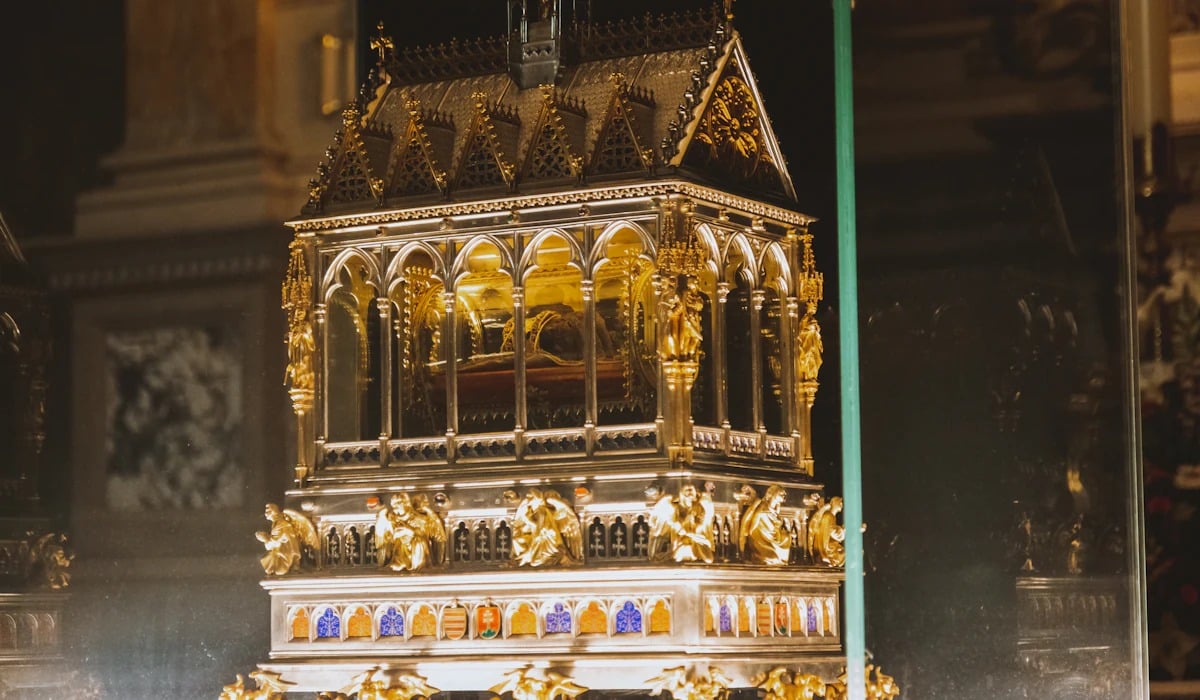
A Hungarian king was not fully legitimate without the Holy Crown, the crown traditionally linked to Saint Stephen. After the crown fell into the hands of Emperor Frederick III, Matthias Corvinus paid a ransom of 80,000 gold florins in 1463 to retrieve it.
He was crowned with it in 1464 at Székesfehérvár, the city where Hungarian kings had been crowned for centuries. The sum shows how much a piece of jewelry could matter to a kingdom’s legal identity.
The Eriksgata Through Sweden
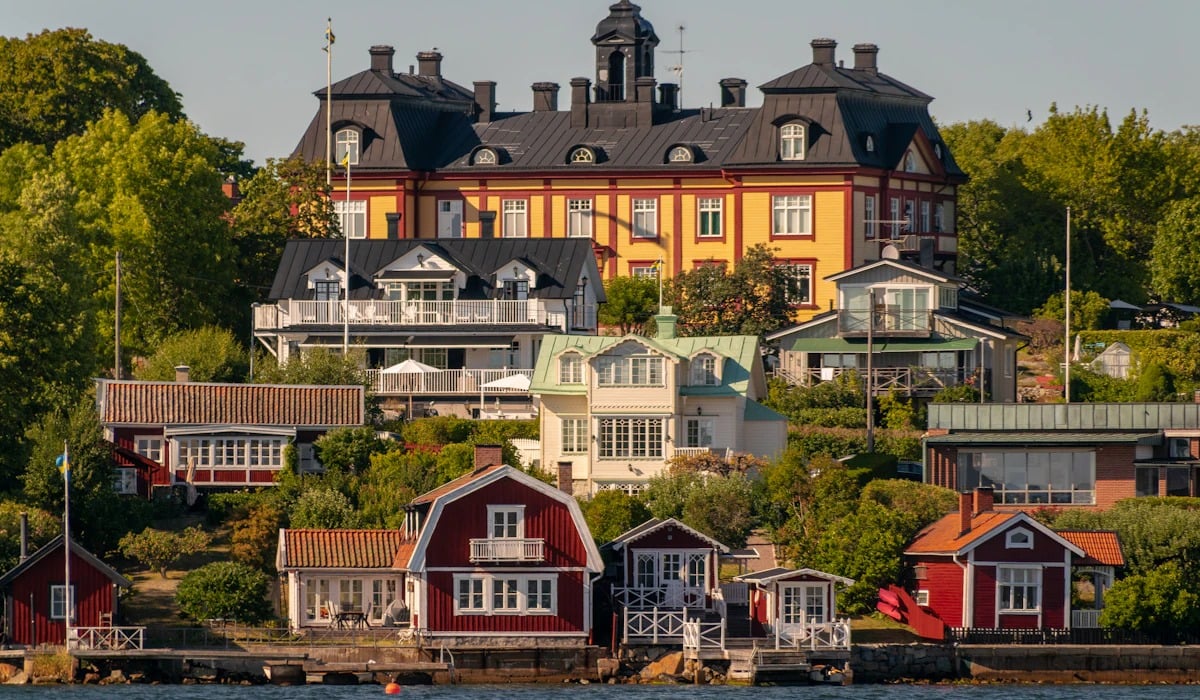
A newly chosen Swedish king traveled through the provinces to be recognized by each regional assembly, a journey called the Eriksgata. The custom helped confirm the king’s authority across the realm, where regional assemblies had their own laws and traditions.
The Stones of Mora near Uppsala were a separate, important site for royal elections; Charles VIII was elected king there in 1448. At each stop on the Eriksgata, the king swore to uphold local laws, and the assembly pledged its loyalty in return.
Authority in medieval Sweden depended on being approved region by region.
A Seven-Year-Old Crowned in Scotland

Alexander III of Scotland was crowned at Scone in 1249 at the age of seven. The ceremony included a Gaelic poet who greeted the boy and recited his royal ancestry in the Gaelic language, a reminder that the Scottish monarchy drew on older traditions than the Church ritual.
Lineage mattered more than age, and the boy was seated on the Stone of Scone. The mixture of Latin liturgy and Gaelic oral tradition made the occasion unlike any English coronation.
The King Who Knighted Himself
Alfonso XI of Castile arranged his own knighting in 1332 at the cathedral of Santiago de Compostela. An articulated statue of Saint James was used to tap the king’s shoulder, so no earthly lord stood above him in the chivalric chain.
After returning to Burgos, he also crowned himself, taking the crown and placing it on his own head rather than having a bishop do so. The ritual was a statement that Castile’s king answered to no one but God and the saint.
Henry III and the Tower Elephant
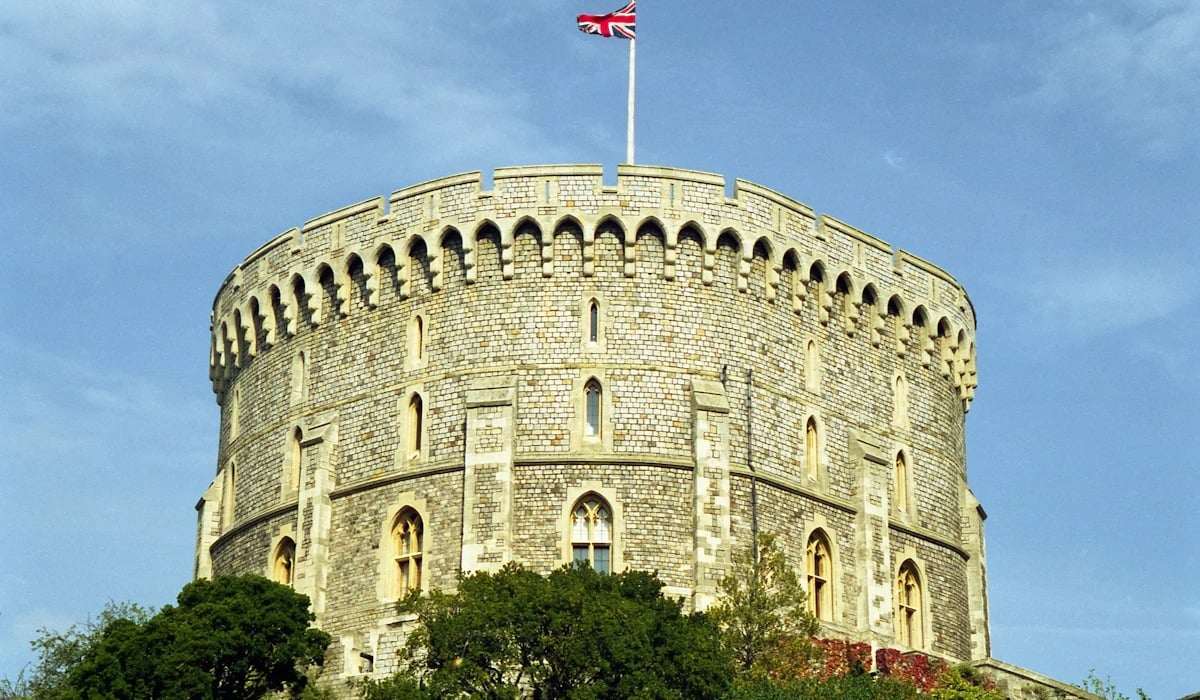
In 1255, Louis IX of France gave Henry III an elephant, which was shipped to England and housed in the Tower of London menagerie. A special building about 40 feet long and 20 feet wide was built to hold it.
The chronicler Matthew Paris drew the animal, giving a rare firsthand picture of a living elephant in thirteenth-century England. It did not survive long in the English climate, but exotic animals remained an expected gift between monarchs.
The King’s Share of Every Wine Ship

Under the right of prisage, the English Crown took a share of wine from merchant ships arriving at its ports. A vessel carrying a sufficiently large cargo could owe the king two casks, one taken from the front of the ship and one from the back.
The wine went to the royal household, which consumed a large amount at its feasts. Centuries later, the right was converted into a money duty paid by merchants.
A Mantle Embroidered in Arabic
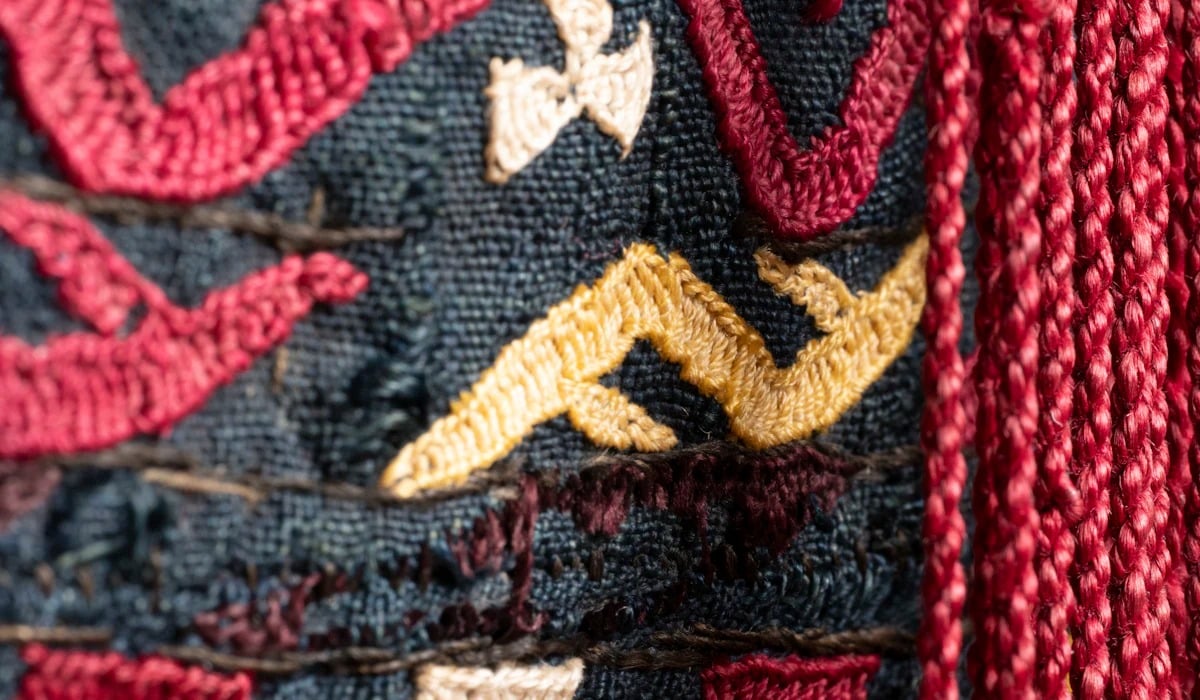
Roger II of Sicily was crowned in 1130, and a red silk mantle made in his Palermo workshops became part of the royal regalia. Gold embroidery shows a palm tree flanked by lions attacking camels, and a border of Arabic script runs along the edge.
The inscription includes a date corresponding to 1133 or 1134 in the Islamic calendar. Holy Roman emperors later wore the garment for their coronations, and it is now kept in Vienna.
Bathing Before the Crown

On the eve of his coronation in 1399, Henry IV of England created 46 Knights of the Bath in a ceremony that included a ritual bath and an overnight vigil. The new knights washed in tubs, prayed through the night, and received robes of honor from the king.
The custom of knights bathing before their initiation became tied to English coronations for centuries. The formal Order of the Bath, however, was not established until 1725.
It linked the new king’s authority to the cleansing and renewal of his followers.
Szczerbiec, the Polish Coronation Sword
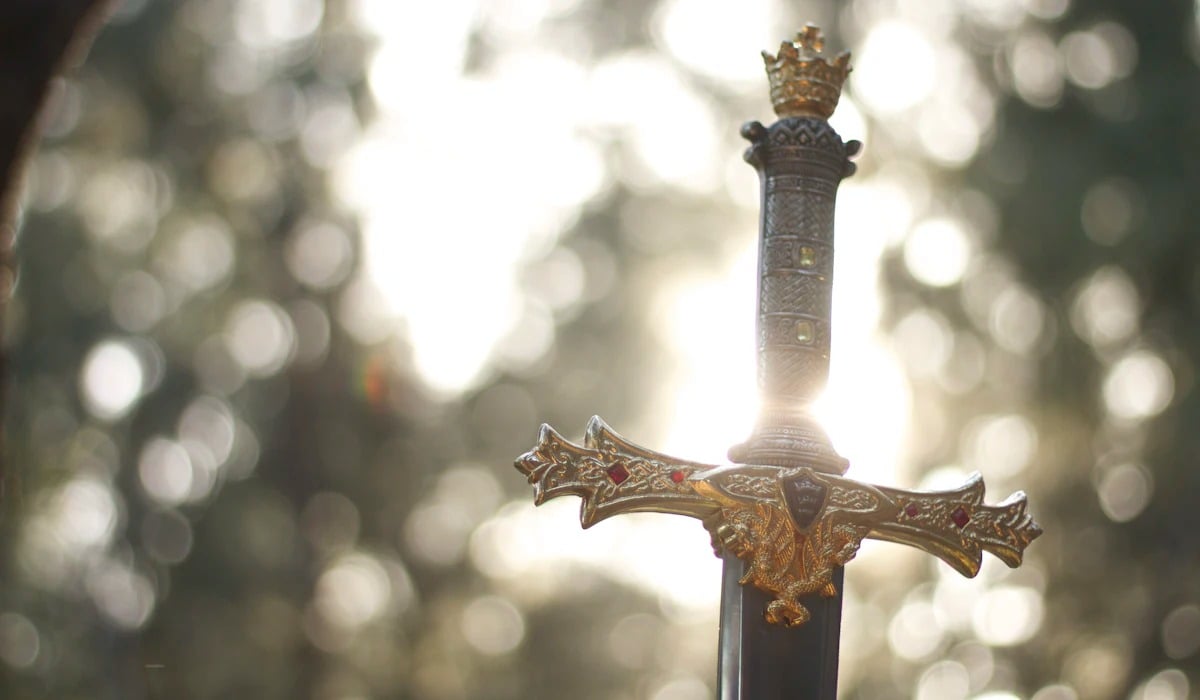
Polish kings were crowned with a sword known as Szczerbiec, meaning the jagged blade. A legend said that Bolesław the Brave had chipped it in 1018 by striking the Golden Gate of Kyiv.
The surviving sword dates from centuries later and was first used at a coronation in 1320, when Władysław I was crowned at Kraków. It became a symbol of the restored Polish kingdom.
Whatever the truth of the dent, the story gave the sword a heroic history that few other regalia could match.
When Ritual Did the Work of Law
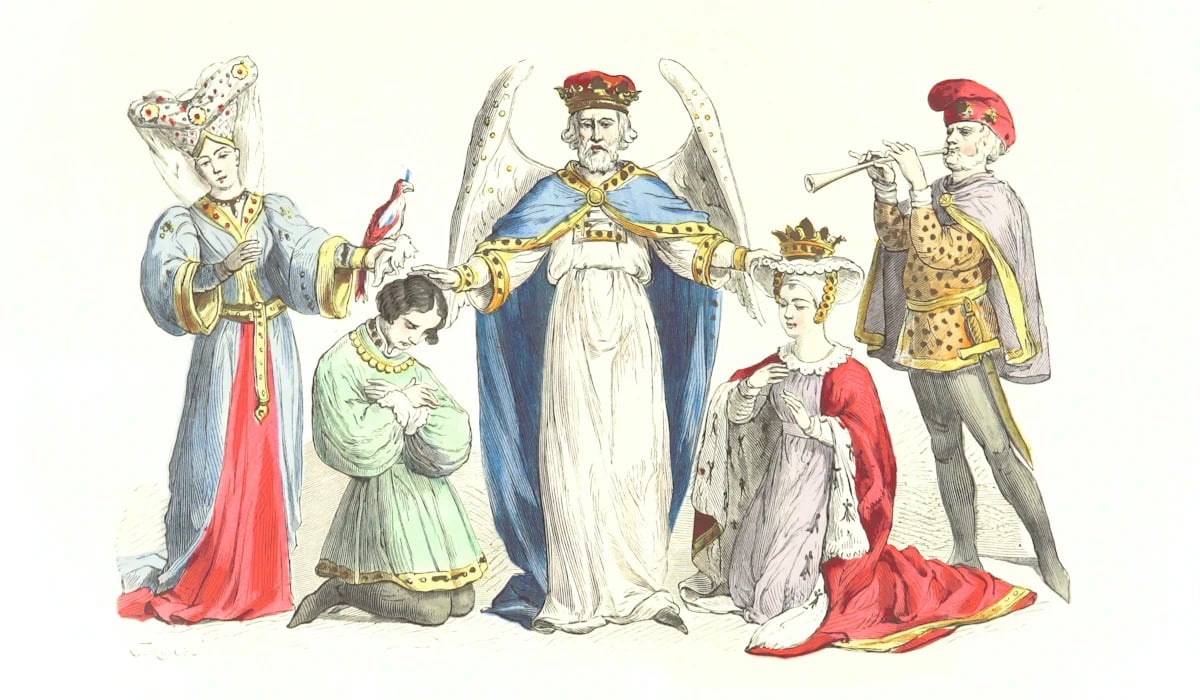
Medieval monarchs ruled without modern bureaucracies, standing armies, or reliable ways to communicate across distance. Ritual filled the gap.
A touch that healed, a throne that roared, or a vial of oil from heaven told people that the king’s authority was real and could not be reduced to force alone.
The oddest customs often carried the heaviest legal weight. They fixed who could be crowned, where, with what object, and in front of whom, and a missing crown or a skipped step could shake a reign.
Behind every strange ceremony was a practical question about who had the right to rule.
More from Go2Tutors!

- The Romanov Crown Jewels and Their Tragic Fate
- 13 Historical Mysteries That Science Still Can’t Solve
- Famous Hoaxes That Fooled the World for Years
- 15 Child Stars with Tragic Adult Lives
- 16 Famous Jewelry Pieces in History
Like Go2Tutors’s content? Follow us on MSN.