29 Board Games from the ’80s That Usually Ended in Arguments
The 1980s gave us neon colors, synthesizer music, and some of the most frustrating board games ever created. These weren’t your grandmother’s gentle parlor games — they were designed to test friendships, strain family relationships, and turn otherwise reasonable people into competitive monsters.
Whether it was the luck-based chaos that made skill irrelevant or the cutthroat mechanics that rewarded backstabbing, these games had a special talent for bringing out the worst in everyone around the table.
Trivial Pursuit
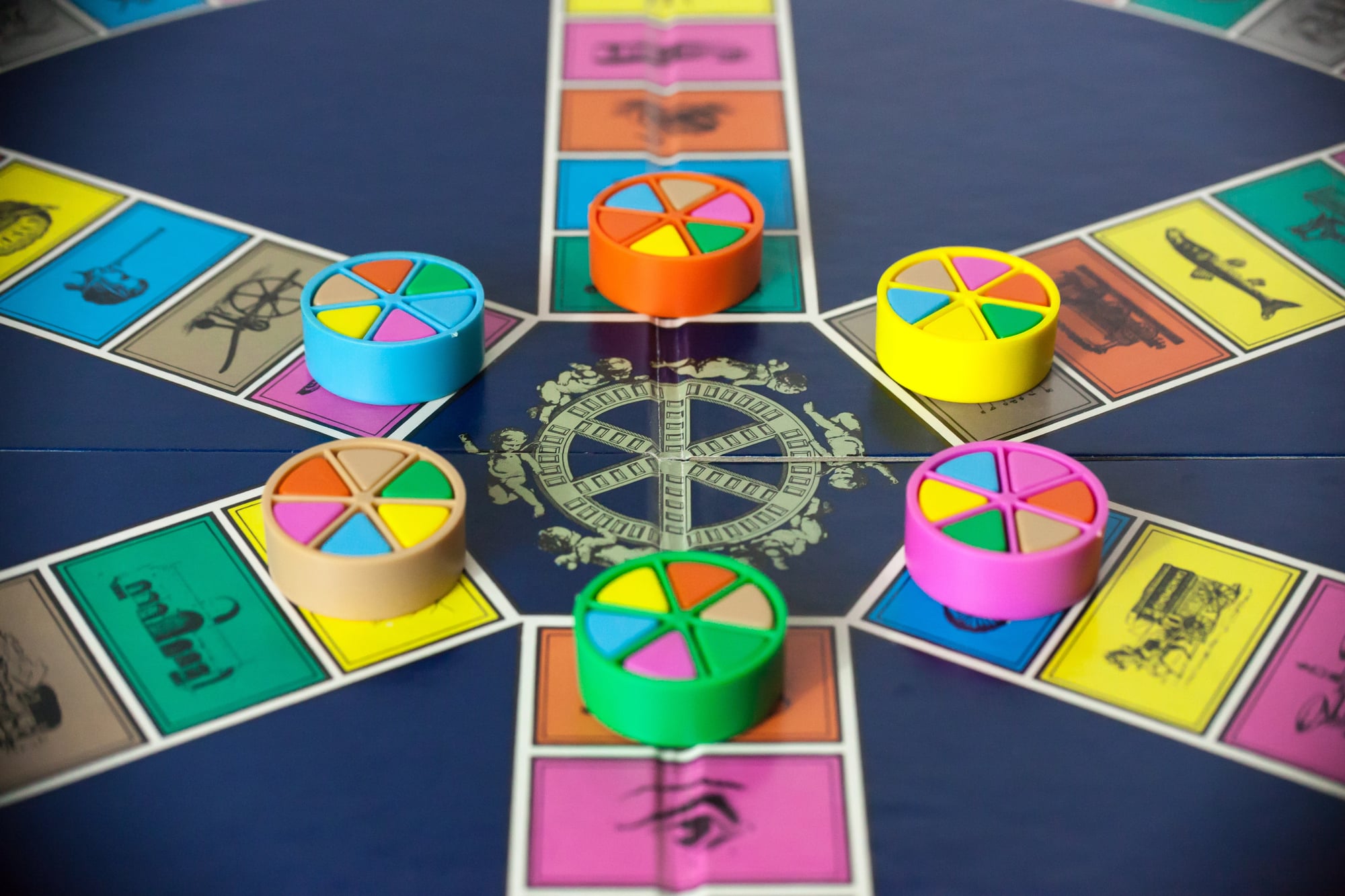
This game turned dinner parties into interrogations where someone always knew too much about sports trivia and someone else couldn’t name a single U.S. president. The pie-shaped game pieces became symbols of intellectual superiority, and landing on the same category repeatedly felt like cosmic punishment.
Arguments erupted over whether answers were “close enough” and whether that obscure 1960s pop culture question was actually fair game.
Monopoly
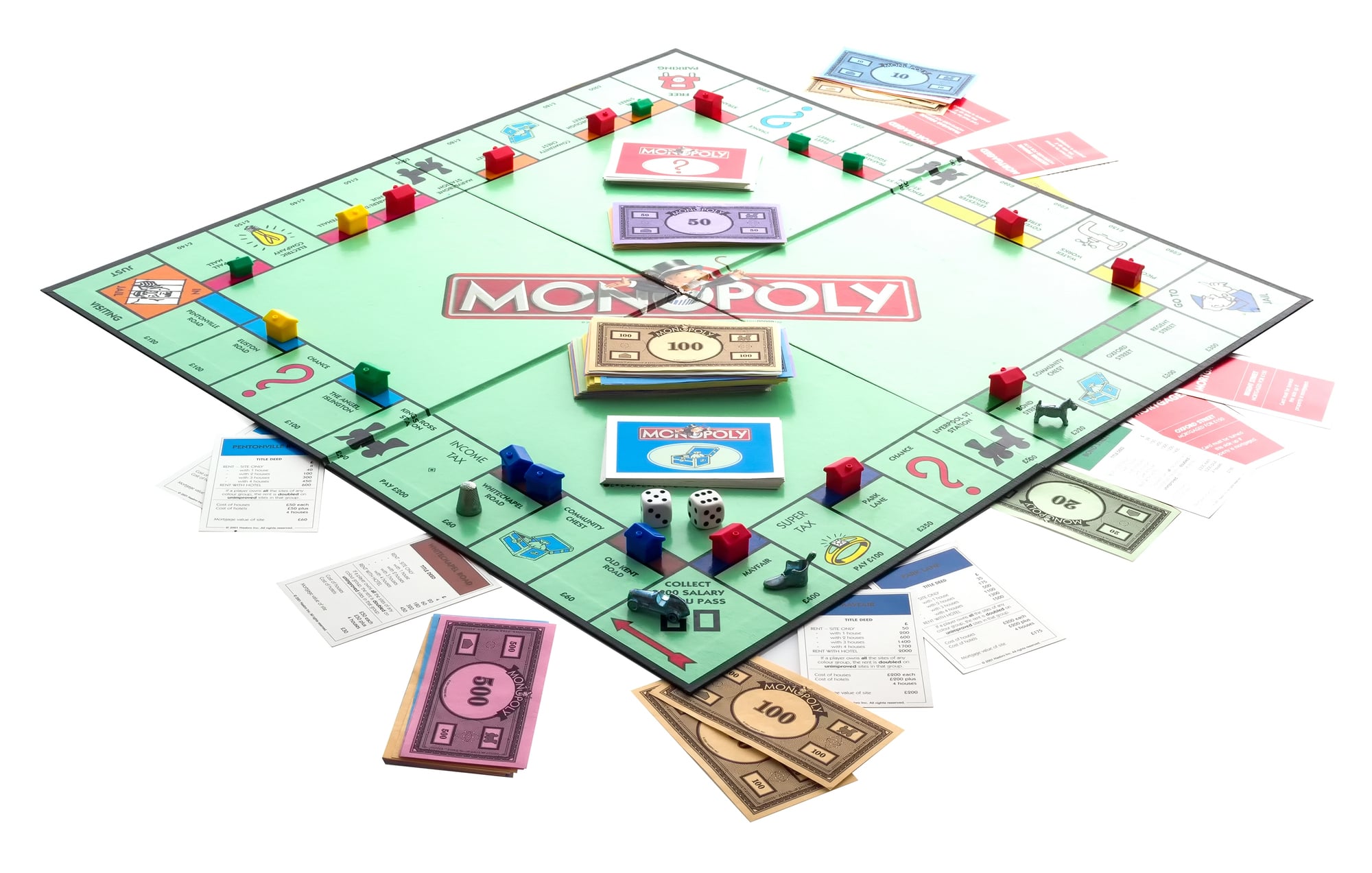
Monopoly didn’t just end friendships in the ’80s (it had been doing that since the 1930s), but the decade’s obsession with wealth and capitalism made every game feel personal. Property trading turned into psychological warfare, and someone always accused the banker of embezzling money from the bank.
The game dragged on for hours with players desperately mortgaging everything while one person collected rent like a feudal lord.
Risk
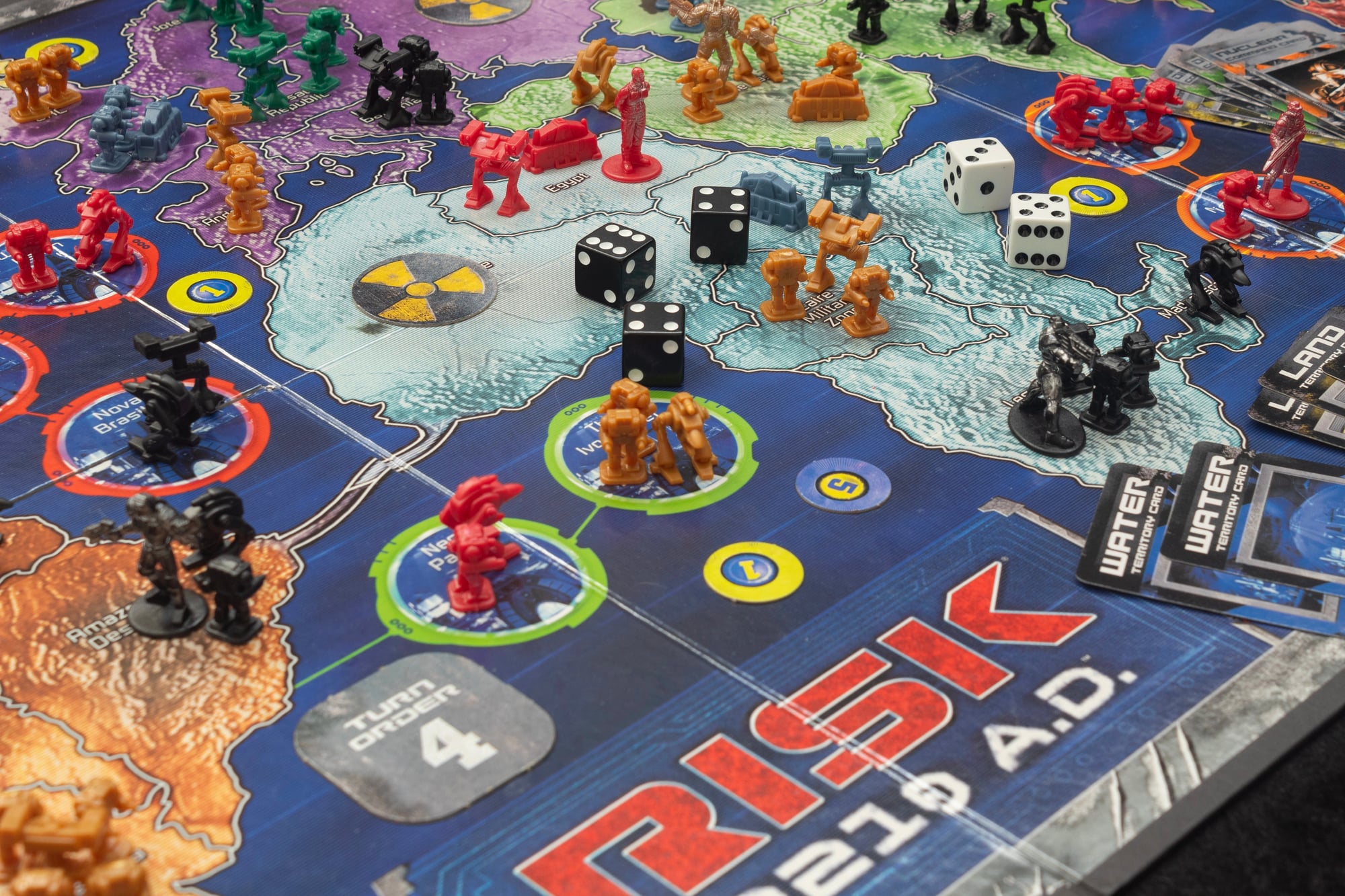
Risk transformed kitchen tables into battlefields where alliances formed and crumbled faster than actual geopolitics. The dice controlled everything, which meant careful strategy could be destroyed by a series of terrible rolls that left everyone questioning probability itself.
Brothers stopped speaking to each other over contested borders in Asia, and friendships ended when someone inevitably backstabbed their closest ally to claim Australia.
Uno
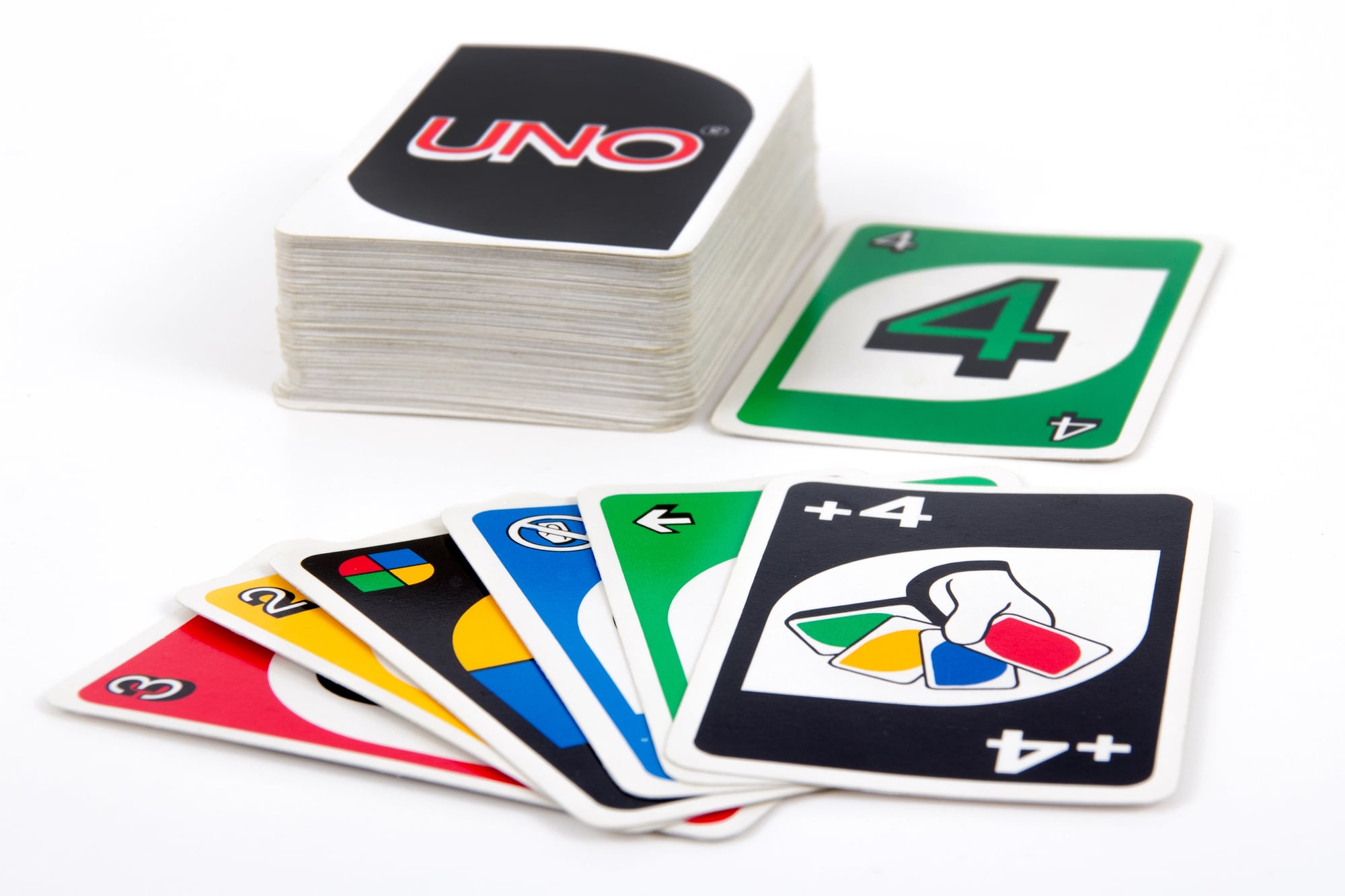
A simple card game became an exercise in betrayal when Draw Four cards appeared at the worst possible moments. The rules seemed straightforward until someone forgot to say “Uno” and faced the penalty, or when house rules conflicted with official rules mid-game.
Wild cards turned the tide so quickly that victory could be snatched away in a single turn, leaving players muttering about luck versus skill.
Clue
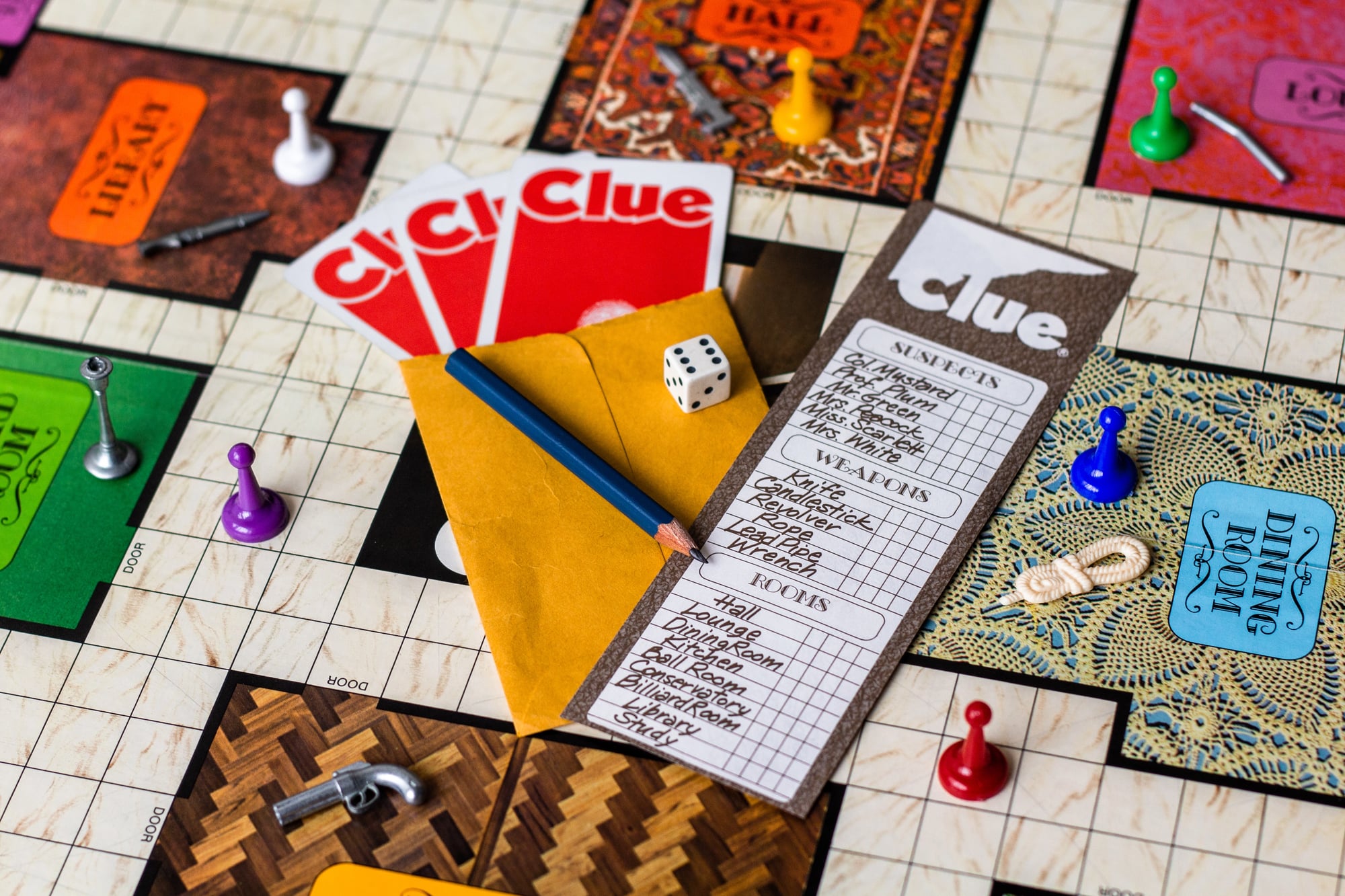
Clue turned everyone into amateur detectives and professional liars as players hoarded information like state secrets. The deduction element meant someone was always overthinking every response, analyzing tone and facial expressions for tells.
Arguments broke out over whether Colonel Mustard’s suggestion was strategic or accidental, and accusations flew when someone made notes that seemed too detailed.
Scrabble
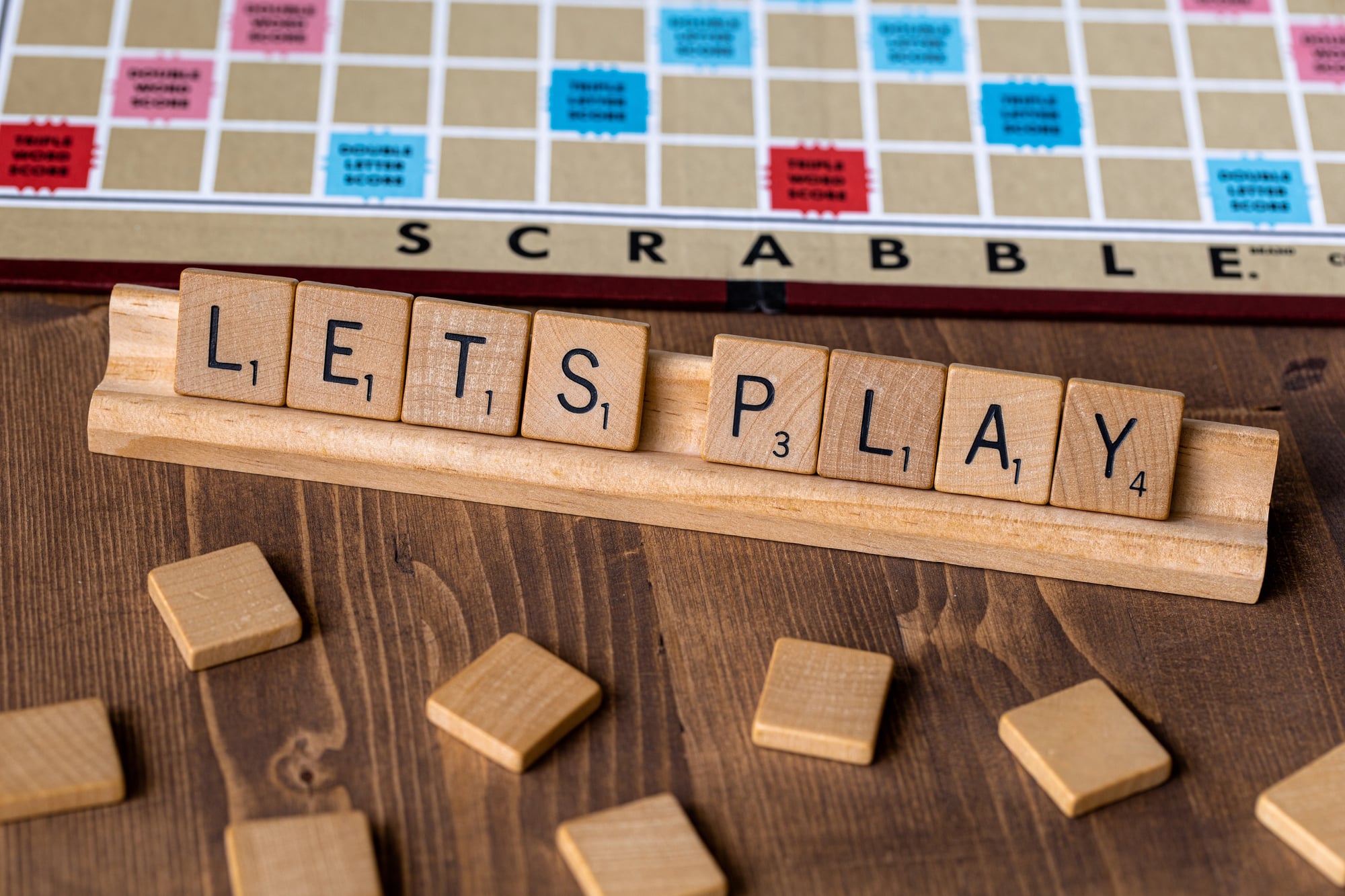
Scrabble separated the vocabulary elite from everyone else, creating a hierarchy based on word knowledge and letter-counting skills. Dictionary challenges became courtroom dramas where friendships hung in the balance of whether “qi” was a legitimate word.
The scoring system felt arbitrary when someone built off your carefully placed word and tripled their points, making previous turns seem worthless.
Life
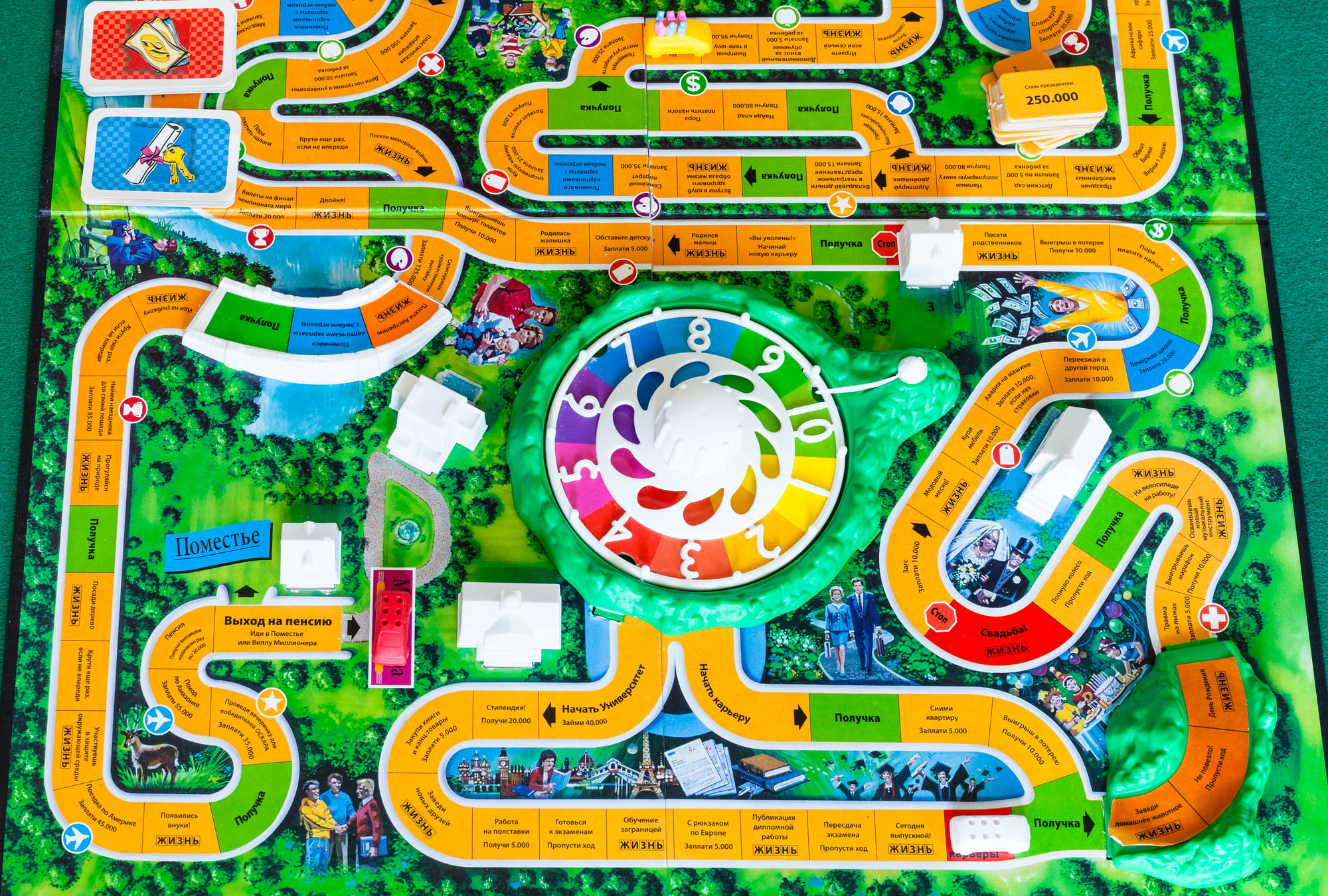
The Game of Life promised to simulate major life decisions but instead delivered random career assignments and arbitrary salary differences that reflected real-world frustrations. Spinning the wheel to determine your fate felt like a cruel metaphor for actual life, where hard work meant nothing and luck determined everything.
Players argued over shortcut routes and whether certain career paths gave unfair advantages.
Pictionary
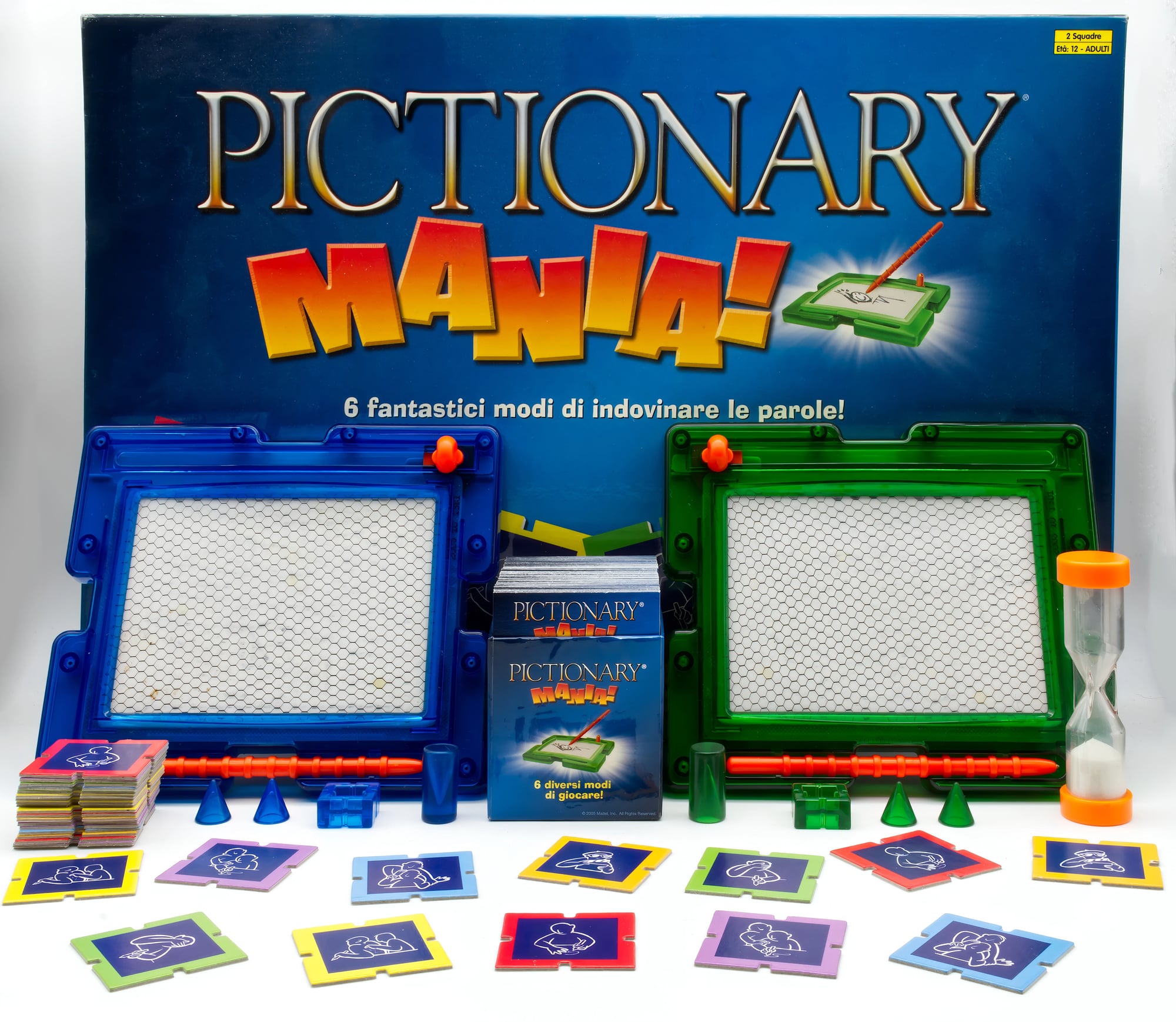
Pictionary revealed artistic limitations and communication failures in the most public way possible. Teams argued over whether that scribble looked anything like “mortgage” and whether stick figures counted as adequate representations.
Time pressure turned drawing sessions into frantic gesturing matches, and guessing became an exercise in mind-reading that usually failed spectacularly.
Yahtzee
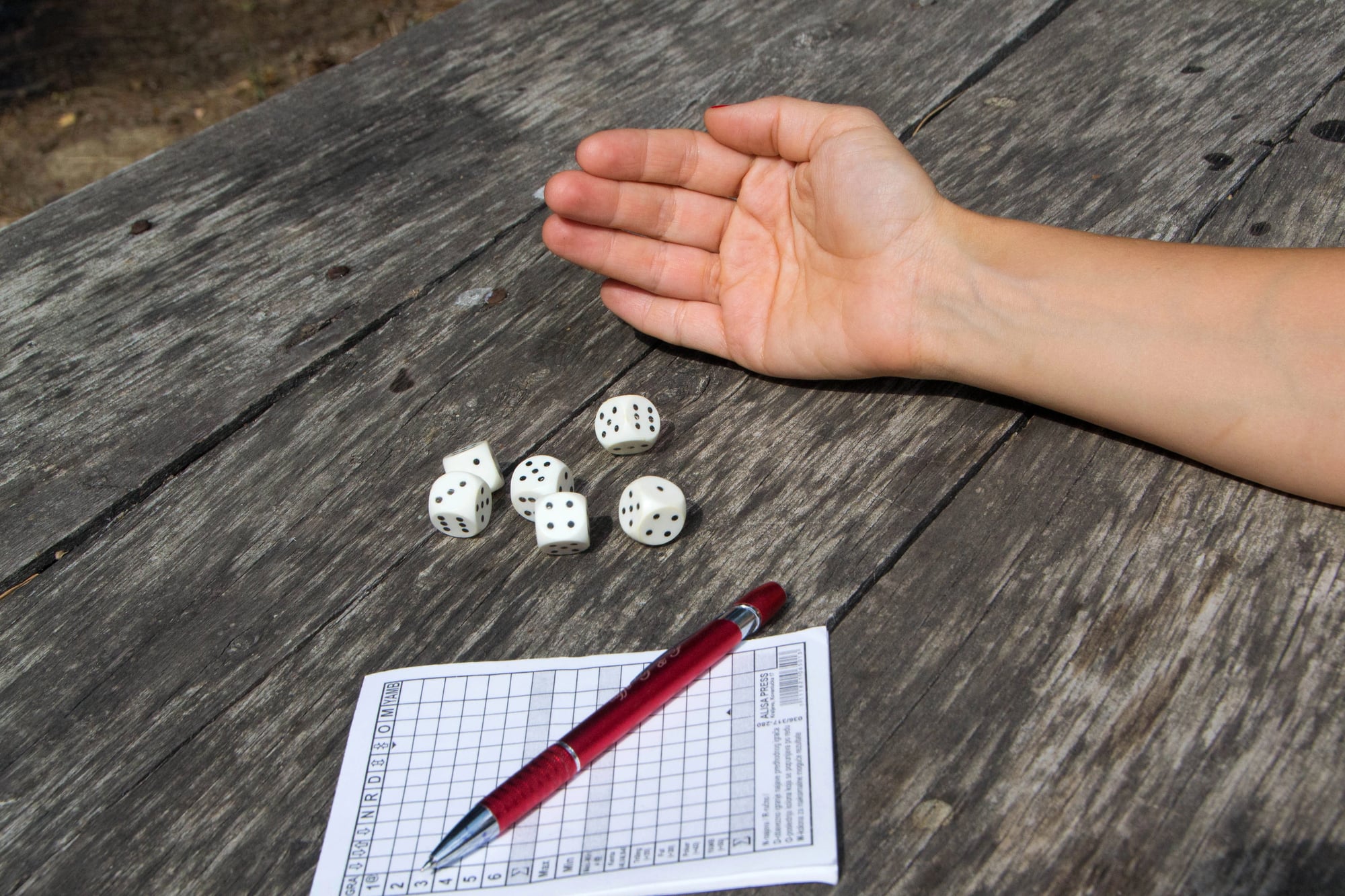
Yahtzee reduced complex strategy to dice-rolling prayers, where five-of-a-kind felt like divine intervention and consecutive ones felt like personal attacks. The scoring pad became a testament to missed opportunities and bad decisions that haunted players for entire games.
Upper section totals determined whether you reached that crucial 63-point bonus, making early dice rolls carry disproportionate weight.
Boggle
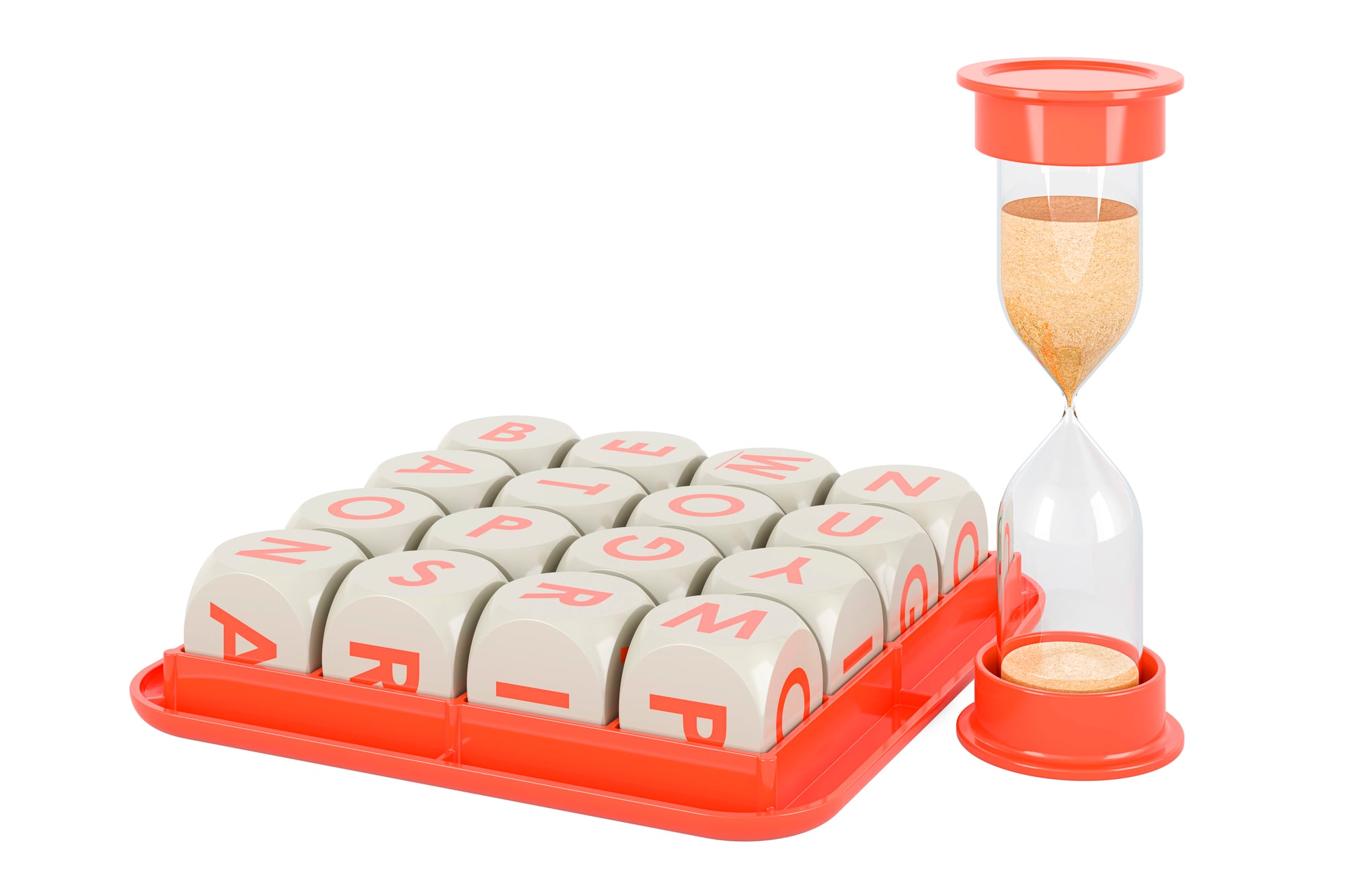
Boggle turned word-finding into a competitive sport where three-minute time limits created genuine panic. Players developed tunnel vision, missing obvious words while fixating on complex combinations that didn’t exist.
Arguments erupted over whether words were actually visible in the letter grid and whether proper nouns should count, despite clear rules against them.
Jenga

Jenga transformed steady hands into shaking appendages as tower stability became everyone’s responsibility and no one’s fault. The wooden blocks seemed to mock players’ careful strategies when the entire structure collapsed from an apparently stable move.
Blame shifted around the table as quickly as the tower fell, with each player claiming their previous moves were perfectly safe.
Battleship

Battleship reduced naval warfare to guessing games where luck mattered more than strategy, turning systematic searches into exercises in frustration. Grid coordinates became loaded with tension as players tried to read opponents’ reactions for hints about hits and misses.
The carrier ship felt impossible to find while opponents seemed to locate your destroyer in three moves.
Connect Four
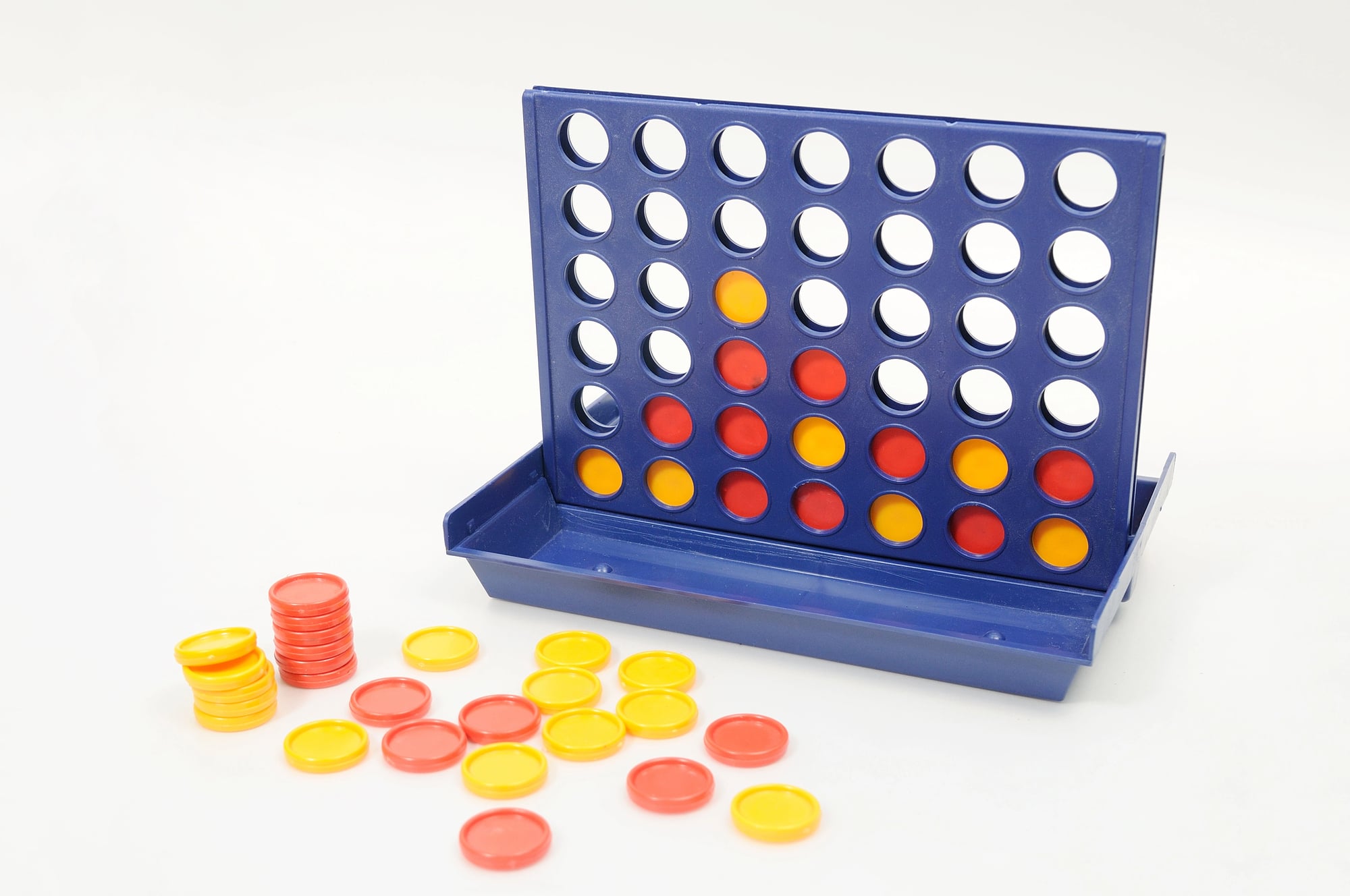
Connect Four appeared deceptively simple until someone mastered the strategy and won every subsequent game, creating an unbalanced playing field. Diagonal victories came out of nowhere, catching opponents off guard who were focused on horizontal and vertical threats.
The plastic discs became projectiles when games ended in disputes over whether four-in-a-row was actually achieved.
Parcheesi
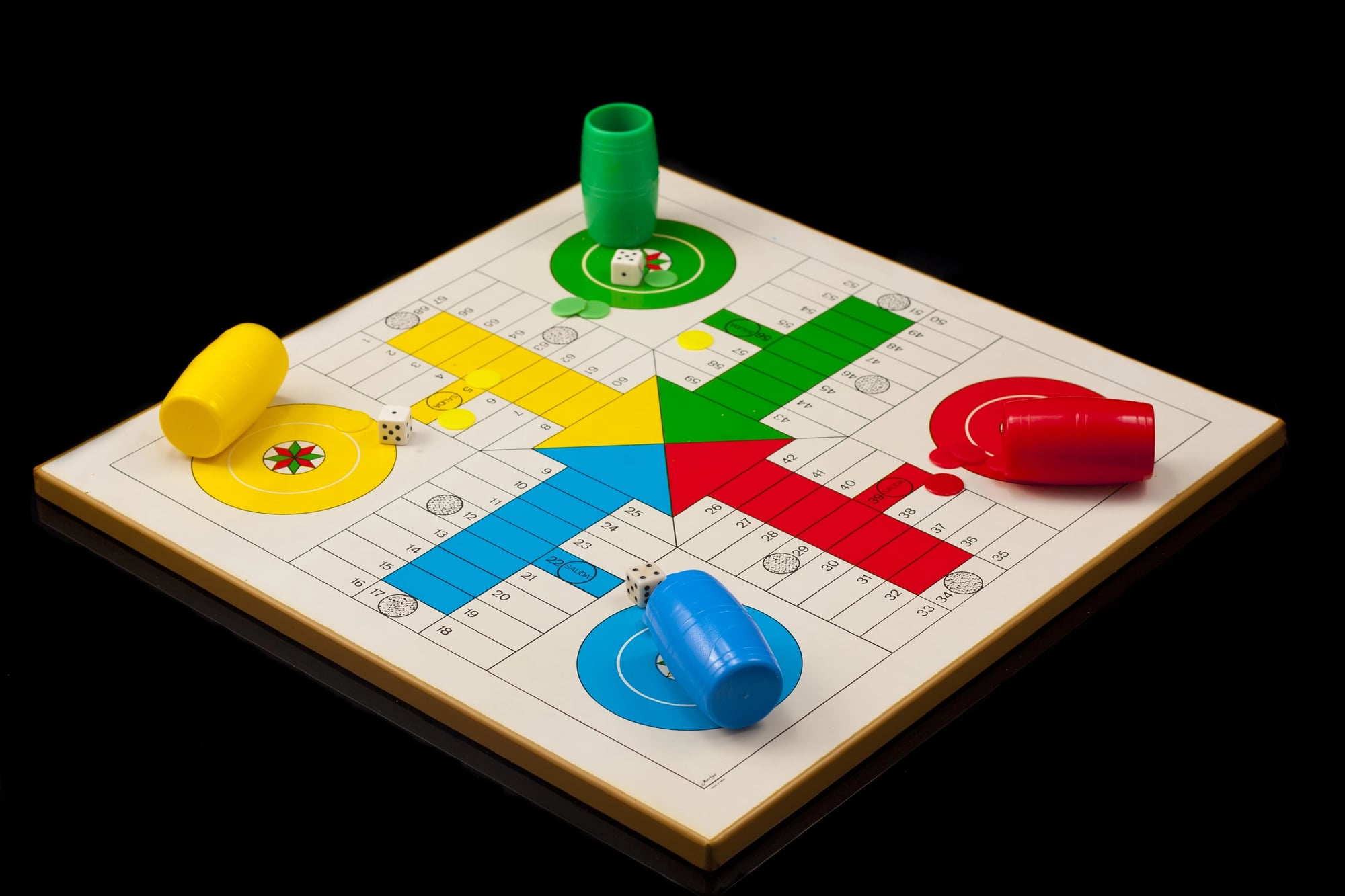
Parcheesi combined simple movement rules with enough complexity to confuse casual players who thought they understood the game. Blockades trapped pieces indefinitely while opponents argued over movement options and house rule variations.
The safety spaces provided temporary relief in a game designed to send pieces back to start at the worst possible moments.
Chinese Checkers
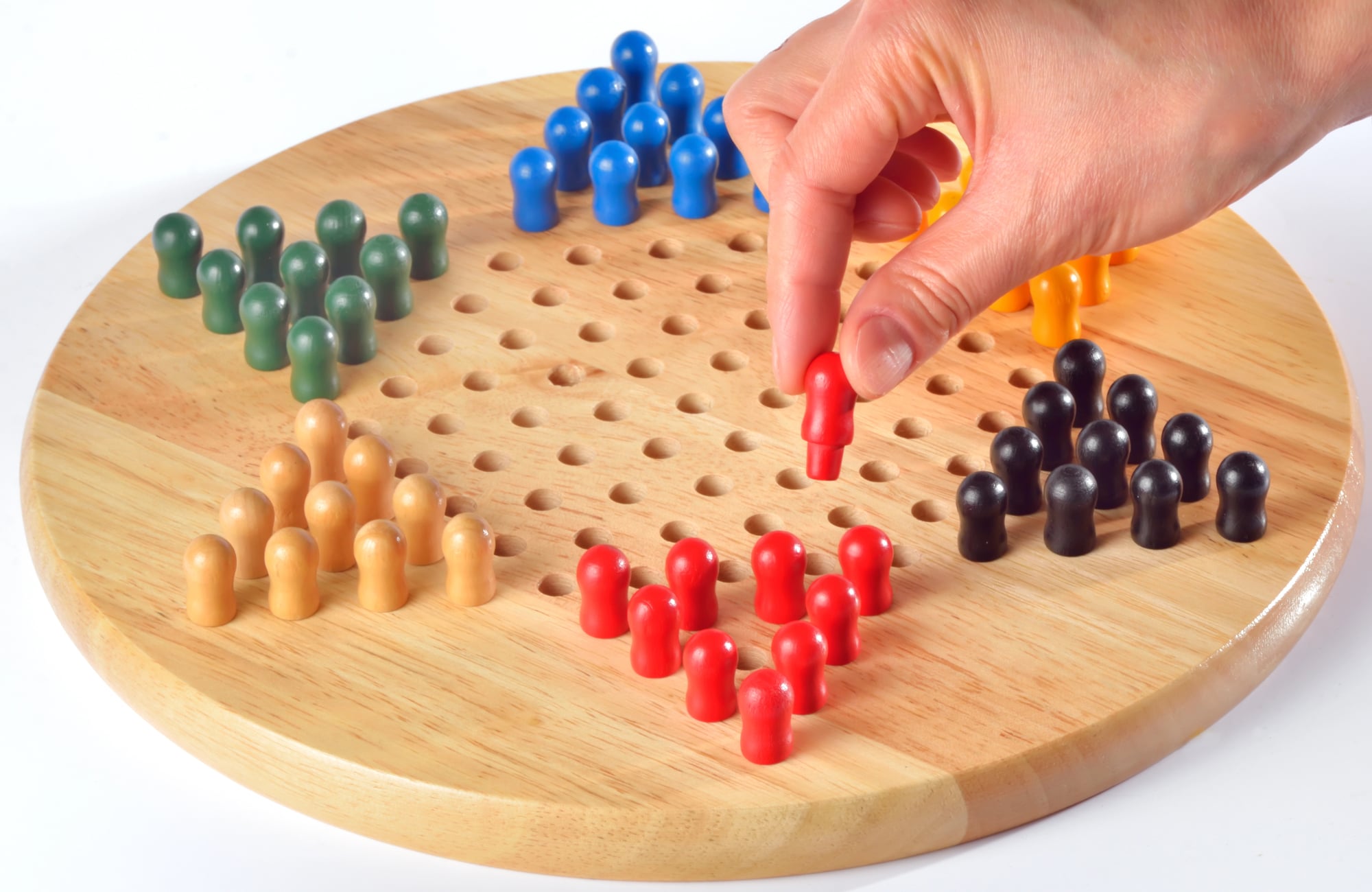
Chinese Checkers promised elegant marble-jumping strategies but delivered chaotic endgames where marbles scattered across the star-shaped board like lost causes. Players discovered that jumping sequences could be interrupted by opponents who moved blocking pieces at crucial moments.
The finish line always seemed within reach until someone else’s marble occupied your destination space.
Stratego
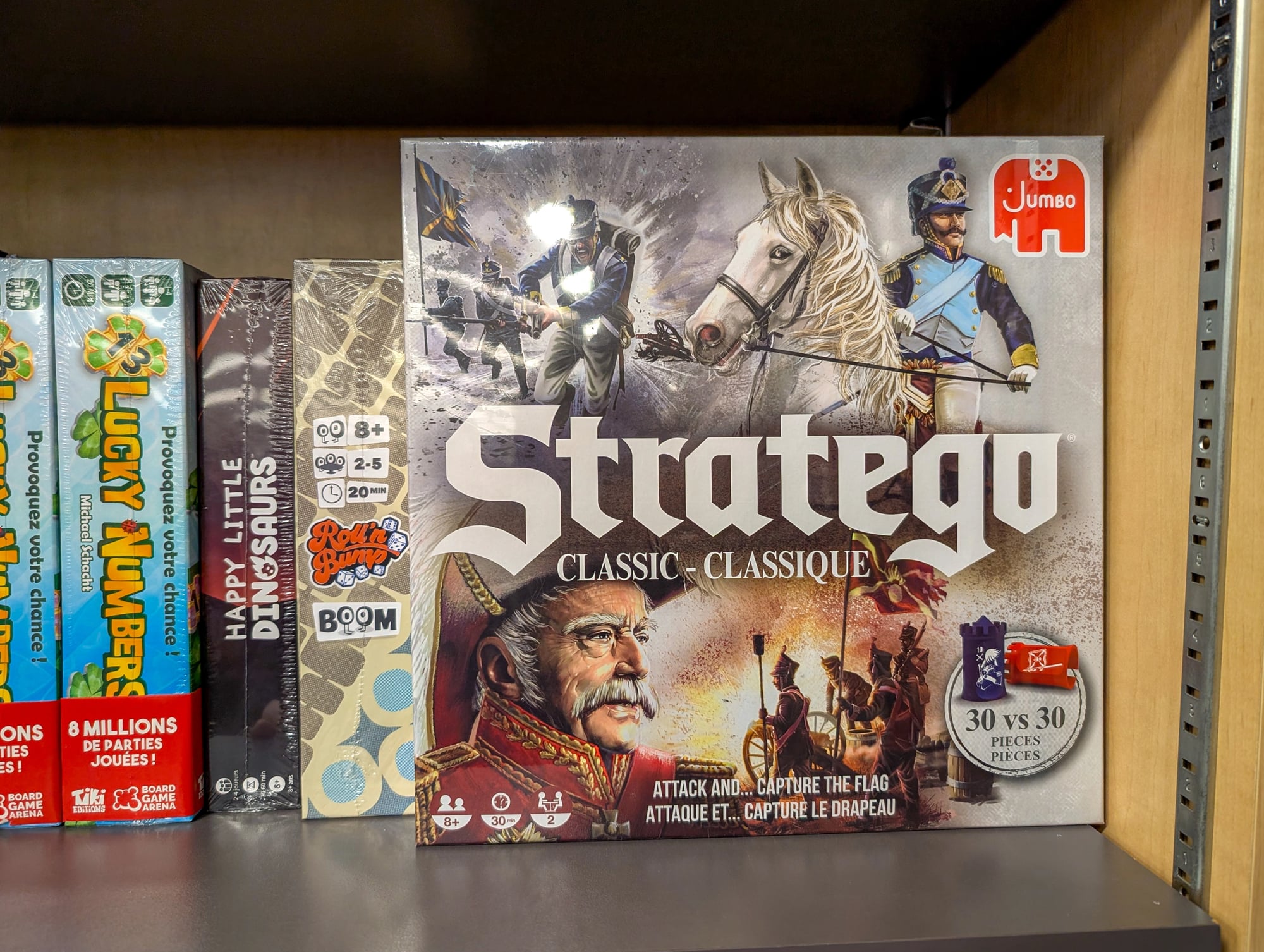
Stratego turned military strategy into psychological warfare where piece placement revealed too much about players’ tactical thinking. The hidden rank system meant every battle carried uncertainty, and losing your marshal to a lowly spy felt like ultimate betrayal.
Setup phases took forever as players second-guessed piece positions and tried to anticipate opponents’ strategies.
Sorry!
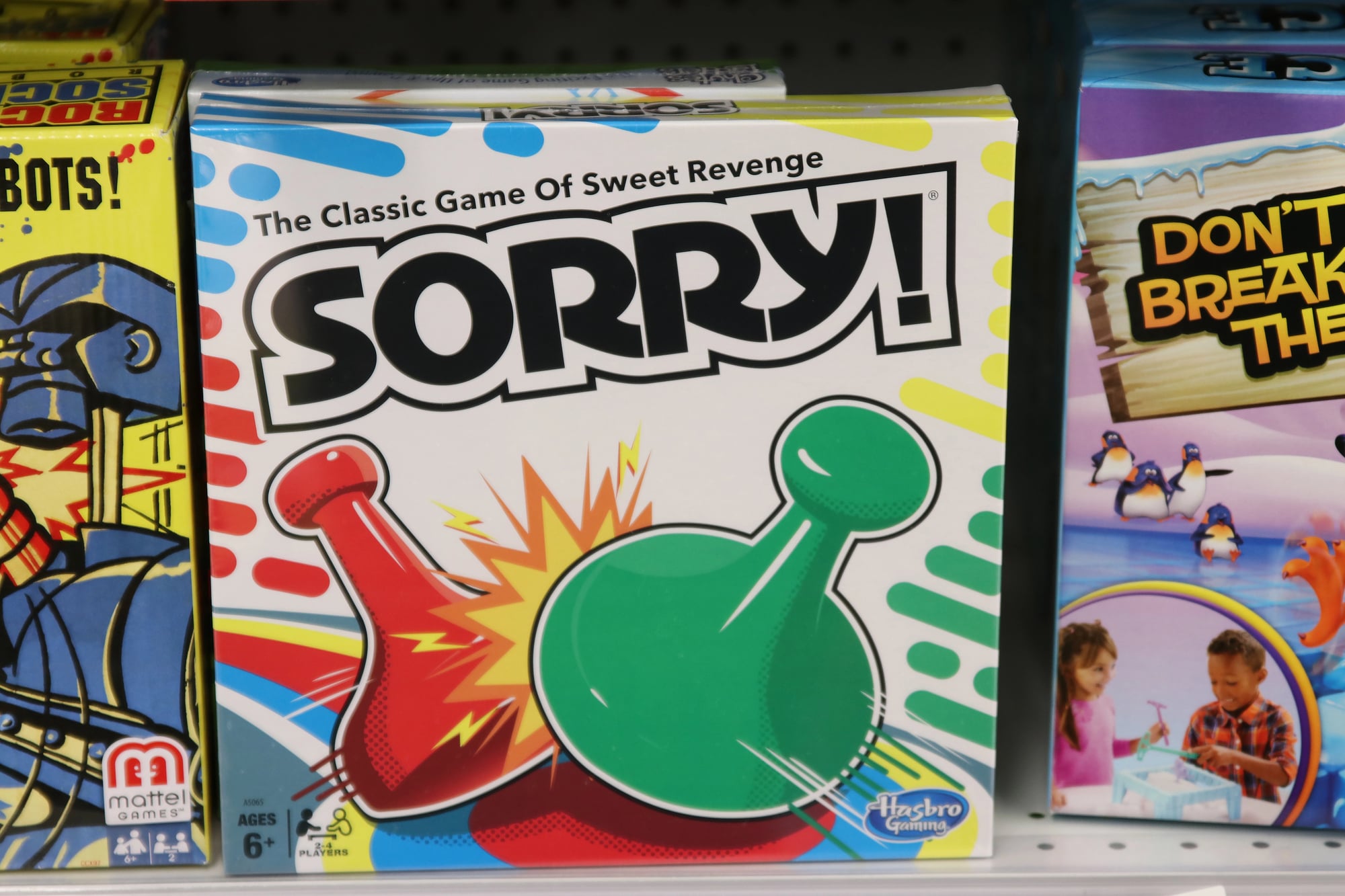
Sorry! lived up to its name by forcing players to apologize for game mechanics that sent opponents’ pieces back to start without warning. The card-driven movement system eliminated player choice while maintaining the illusion of strategy.
Drawing the wrong card at the wrong time could destroy twenty minutes of progress in a single turn.
Backgammon
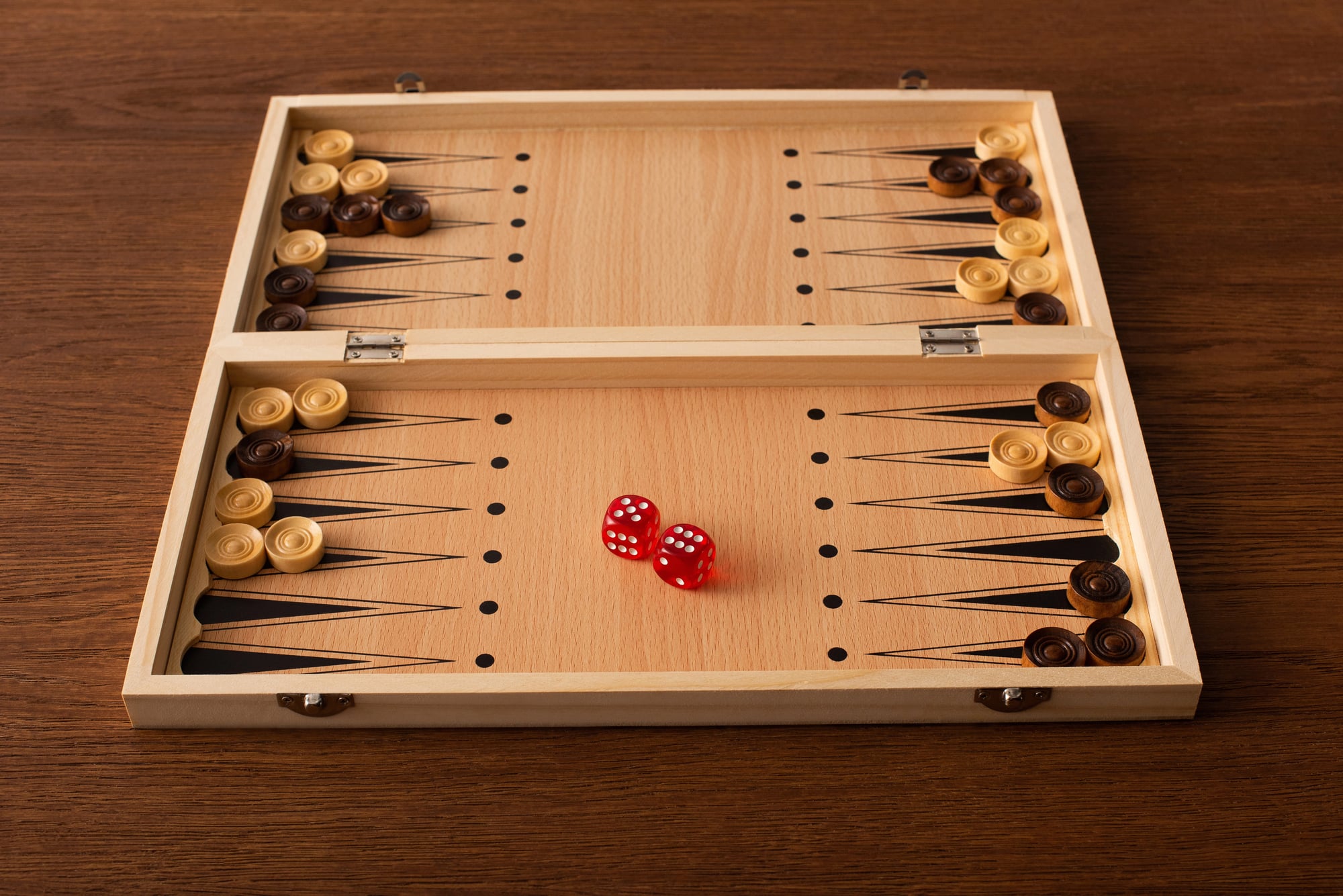
Backgammon elevated dice-rolling to an art form while frustrating players who preferred games where skill determined outcomes more than probability. Doubling cubes added gambling elements that made every game feel like high-stakes negotiations.
Bearing off pieces became exercises in mathematical optimization that most players approached through trial and error.
Othello
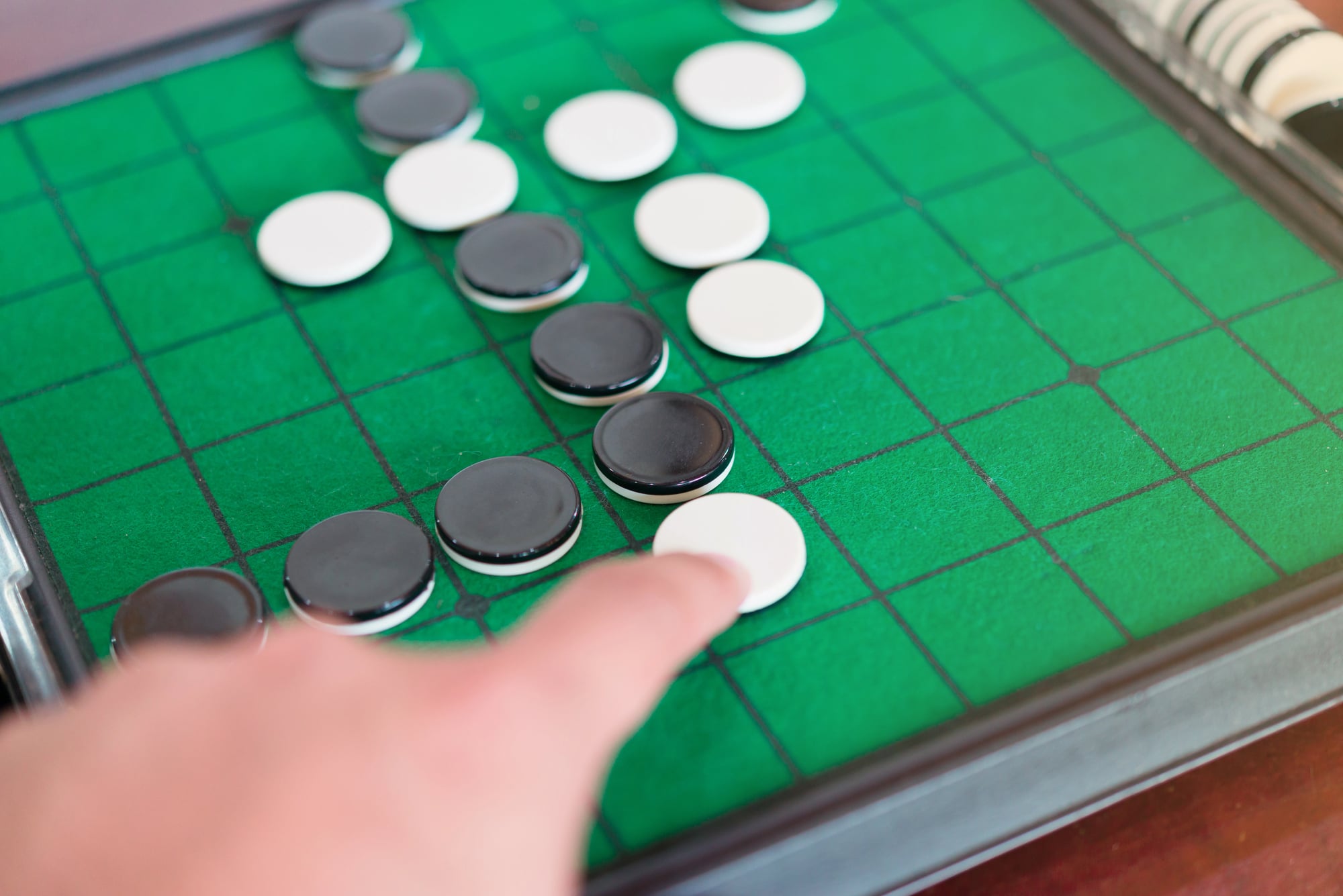
Othello’s “a minute to learn, a lifetime to master” promise proved accurate and infuriating as beginners faced experienced players who flipped entire board positions. Corner strategies dominated gameplay while casual players made moves that seemed reasonable until suddenly half their pieces changed colors.
The endgame reversals felt like magic tricks performed at opponents’ expense.
Mastermind

Mastermind reduced logical deduction to colored peg combinations that felt solvable until you actually tried solving them. The codemaker watched with smug satisfaction as opponents struggled through systematic elimination processes that seemed to lead nowhere.
Feedback pegs provided just enough information to be helpful and just little enough to be maddening.
Hungry Hungry Hippos
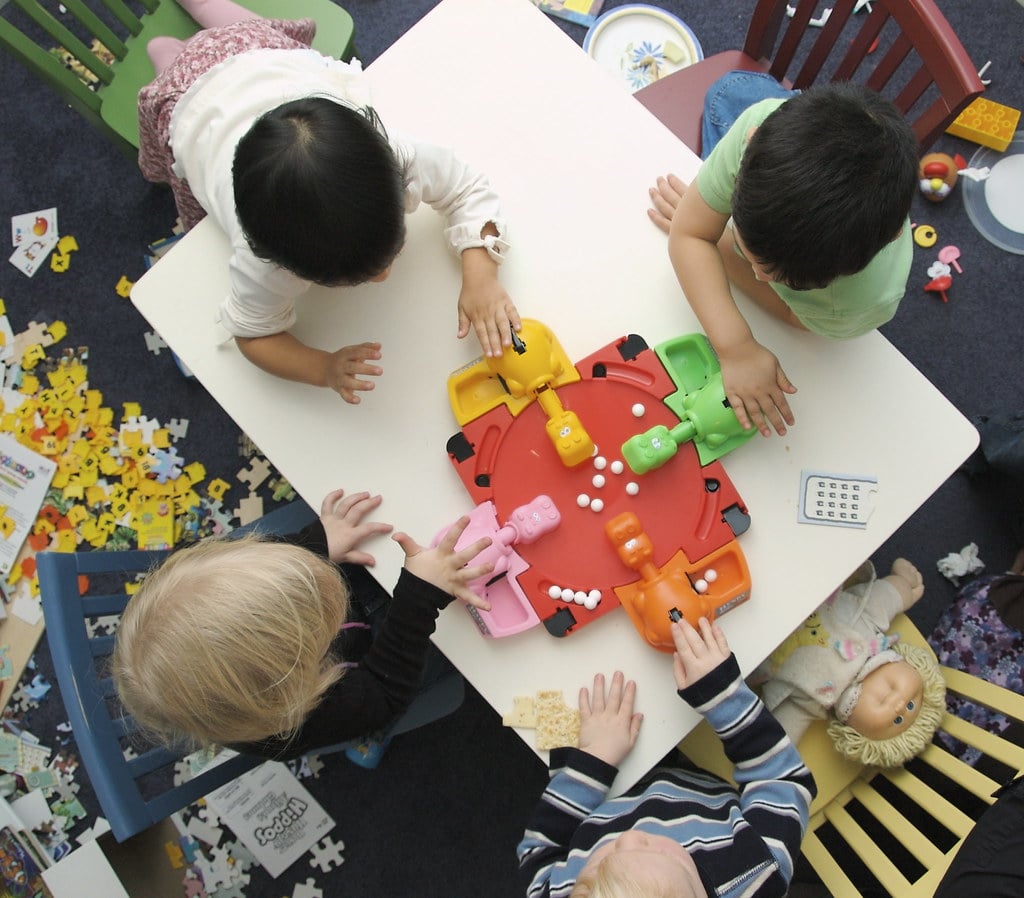
Hungry Hungry Hippos turned marble-chomping into frenzied button-mashing competitions that had nothing to do with strategy and everything to do with reflexes. The plastic hippos jammed at crucial moments while marbles scattered across floors and under furniture.
What started as innocent fun quickly escalated into aggressive lever-pulling that threatened to break the game.
Don’t Break the Ice
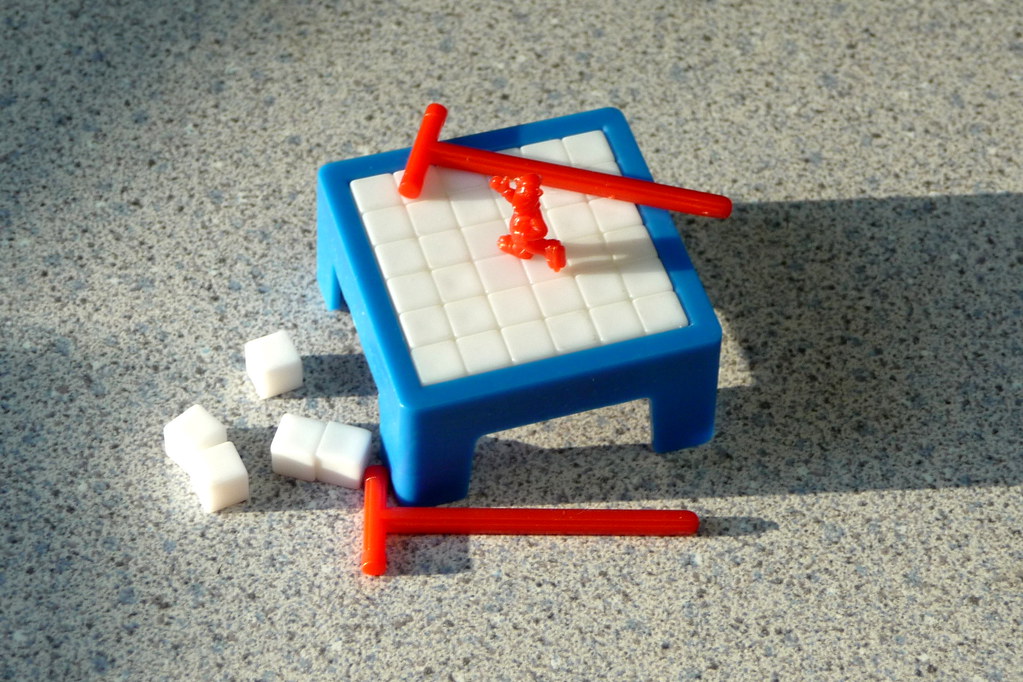
Don’t Break the Ice created tension through structural engineering challenges that no one was qualified to solve. Ice blocks seemed randomly distributed in terms of importance, making each turn feel like defusing a bomb.
The falling penguin became a symbol of failure that mocked players’ careful block selection strategies.
Perfection
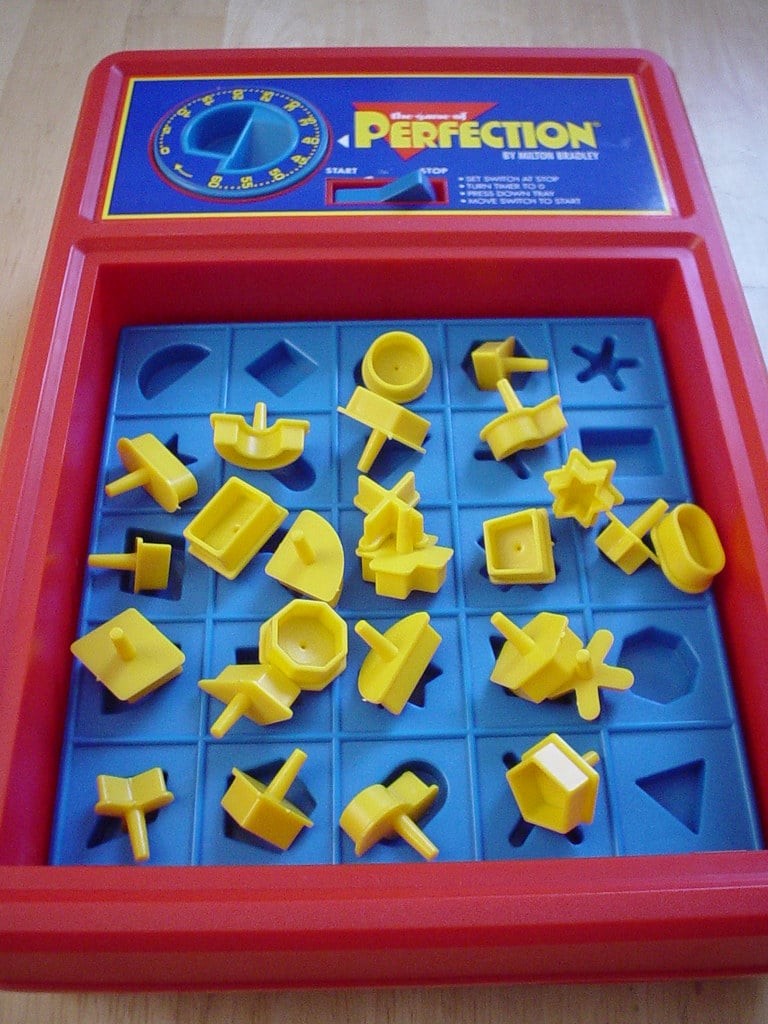
Perfection added time pressure to puzzle-solving in ways that guaranteed stress and failure for most players. The spring-loaded timer created artificial urgency that turned simple shape-matching into panic-inducing challenges.
Pieces popped out randomly when time expired, turning near-victories into spectacular defeats that scattered game components across rooms.
Operation
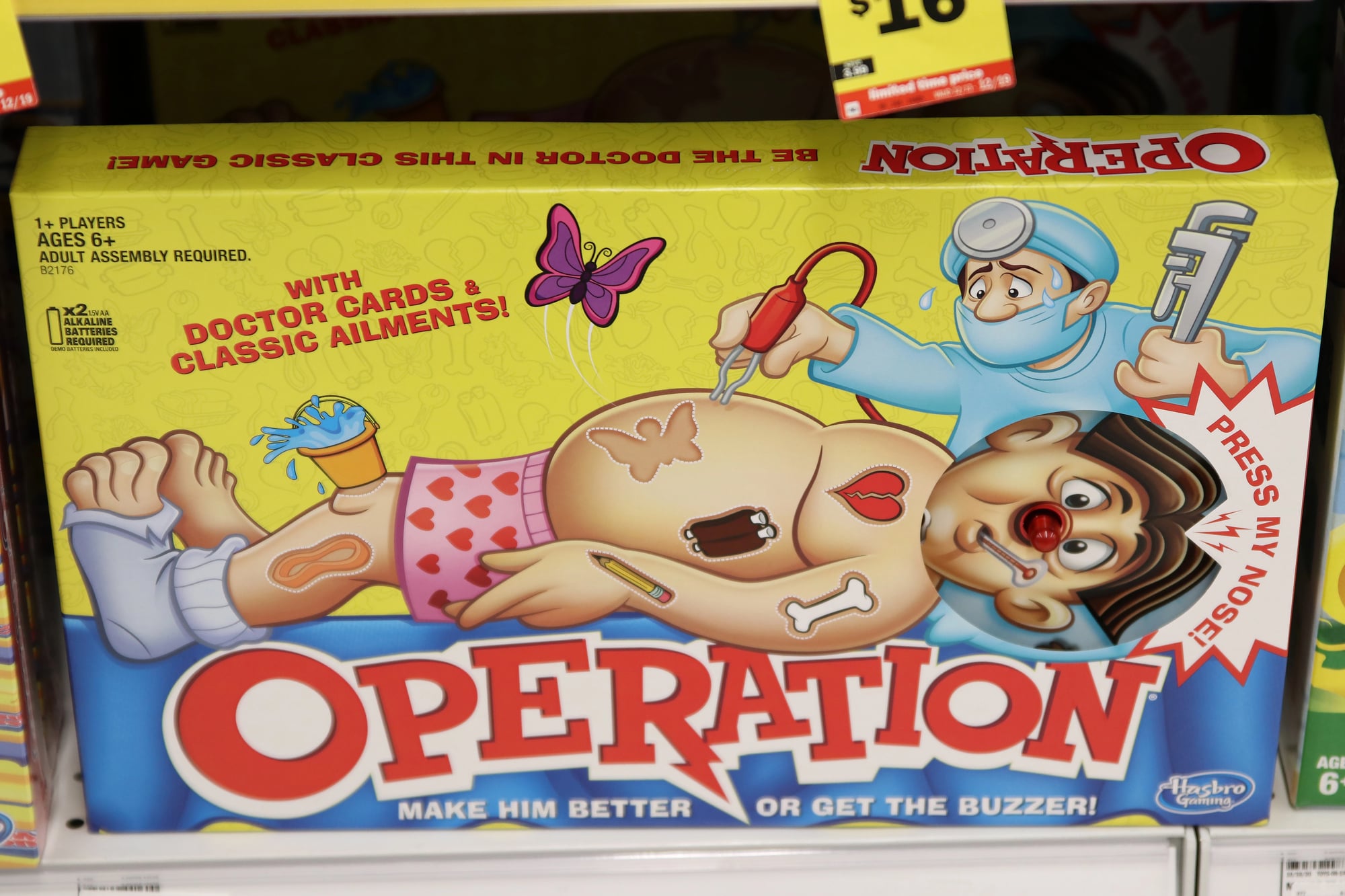
Operation tested steady hands and patience while punishing natural tremors and nervous energy with loud buzzers. The patient’s ailments had ridiculous names that added humor until you were actually trying to extract them with tweezers.
Failed operations felt personal, as if your surgical incompetence was being broadcast to everyone within hearing distance.
Twister

Twister eliminated the game board entirely, turning players into human pretzels who questioned their flexibility and personal space boundaries. Color combinations became increasingly impossible as players contorted into positions that defied basic anatomy.
The spinner seemed deliberately designed to choose the most awkward possible combinations for maximum embarrassment.
Aggravation
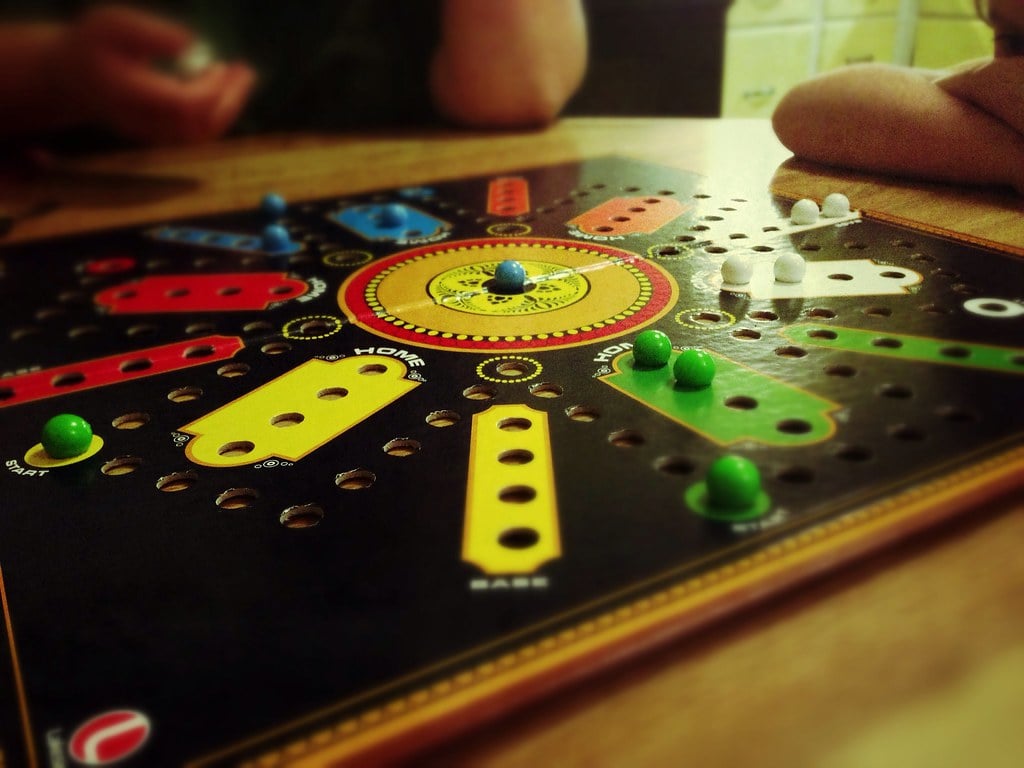
Aggravation delivered exactly what its name promised through marble-racing mechanics that sent players back to start whenever opponents landed on occupied spaces. The pop-o-matic dice roller provided satisfying tactile feedback while delivering consistently disappointing results.
Safe spaces offered brief respite in a game designed to punish progress and reward interference.
King of the Hill

King of the Hill turned simple climbing strategies into elaborate schemes where alliances formed and dissolved based on immediate tactical needs. The peak position felt simultaneously powerful and vulnerable as everyone else conspired to knock you down.
Victory conditions changed depending on player count, making consistent strategies nearly impossible to develop.
Labyrinth
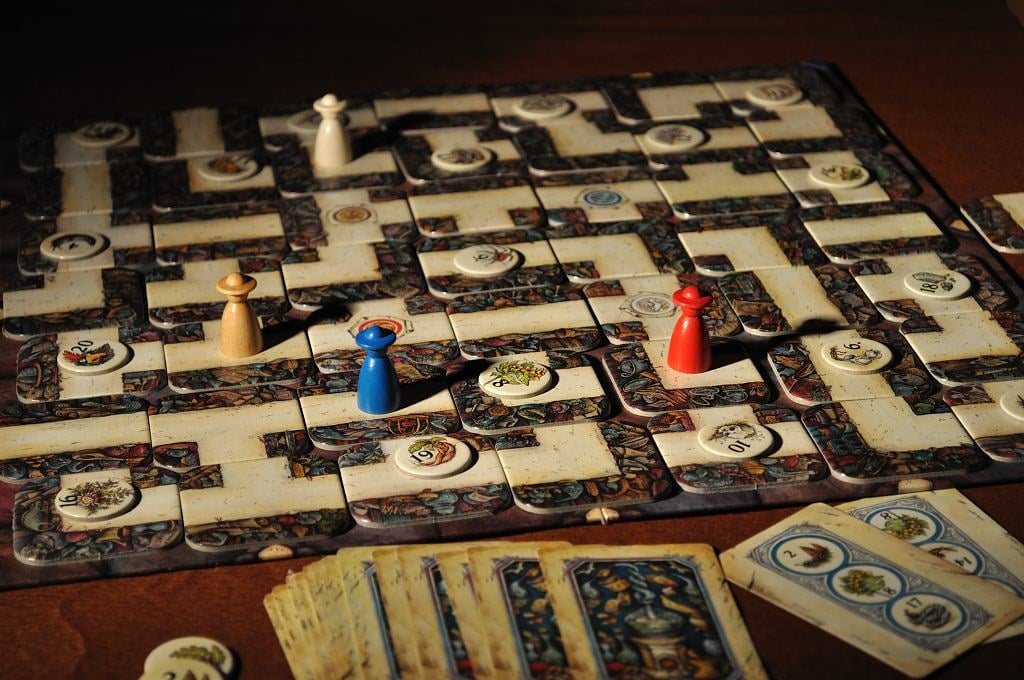
Labyrinth shifted maze walls constantly, turning navigation into exercises in adaptation where planned routes became obsolete mid-turn. The sliding tile mechanics meant every player’s move affected everyone else’s strategy, creating interdependent gameplay that felt chaotic.
Treasures that seemed within reach suddenly became unreachable when someone shifted the wrong corridor section.
Stock Ticker

Stock Ticker brought Wall Street speculation to family game night with market fluctuations that made and destroyed paper fortunes randomly. Players bought and sold shares based on dice rolls that simulated market forces no one understood or controlled.
The biggest winners often made the worst decisions, while careful investors watched their portfolios collapse through no fault of their own.
When Nostalgia Meets Reality

Looking back at these games, it becomes clear that the ’80s had a particular talent for creating entertainment that tested relationships as much as it provided fun. These weren’t just games — they were social experiments wrapped in colorful packaging, designed to reveal character flaws and competitive streaks that polite society usually kept hidden.
The arguments they generated weren’t bugs in the system; they were features, creating memorable moments that outlasted the actual gameplay and became family legends passed down through generations of grudge-holding siblings and friends.
More from Go2Tutors!

- The Romanov Crown Jewels and Their Tragic Fate
- 13 Historical Mysteries That Science Still Can’t Solve
- Famous Hoaxes That Fooled the World for Years
- 15 Child Stars with Tragic Adult Lives
- 16 Famous Jewelry Pieces in History
Like Go2Tutors’s content? Follow us on MSN.