29 Candy Brands from the ’80s That Vanished Without Warning
There’s a particular kind of grief reserved for discontinued candy — irrational, slightly embarrassing, and completely real. You reach for something that was always there, and then one day it just isn’t, and nobody sent a memo.
The ’80s were a golden era for sugar-forward, aggressively marketed sweets that lined checkout counters and filled Halloween pillowcases with the kind of density that made dentists nervous. Some of those candies are still around.
A startling number simply disappeared — pulled from shelves quietly, reformulated into something unrecognizable, or swallowed up by mergers that had no interest in preserving the originals. Here are 29 of them, the ones that vanished before anyone thought to say goodbye.
Reggie Bar

The Reggie Bar had exactly one thing going for it beyond the chocolate and peanuts: the name. Named after Yankees slugger Reggie Jackson, it launched in 1976 but had its real cultural moment in the early ’80s before Standard Brands pulled it in 1982.
It came back briefly in the ’90s, failed again, and that was that.
Wacky Wafers
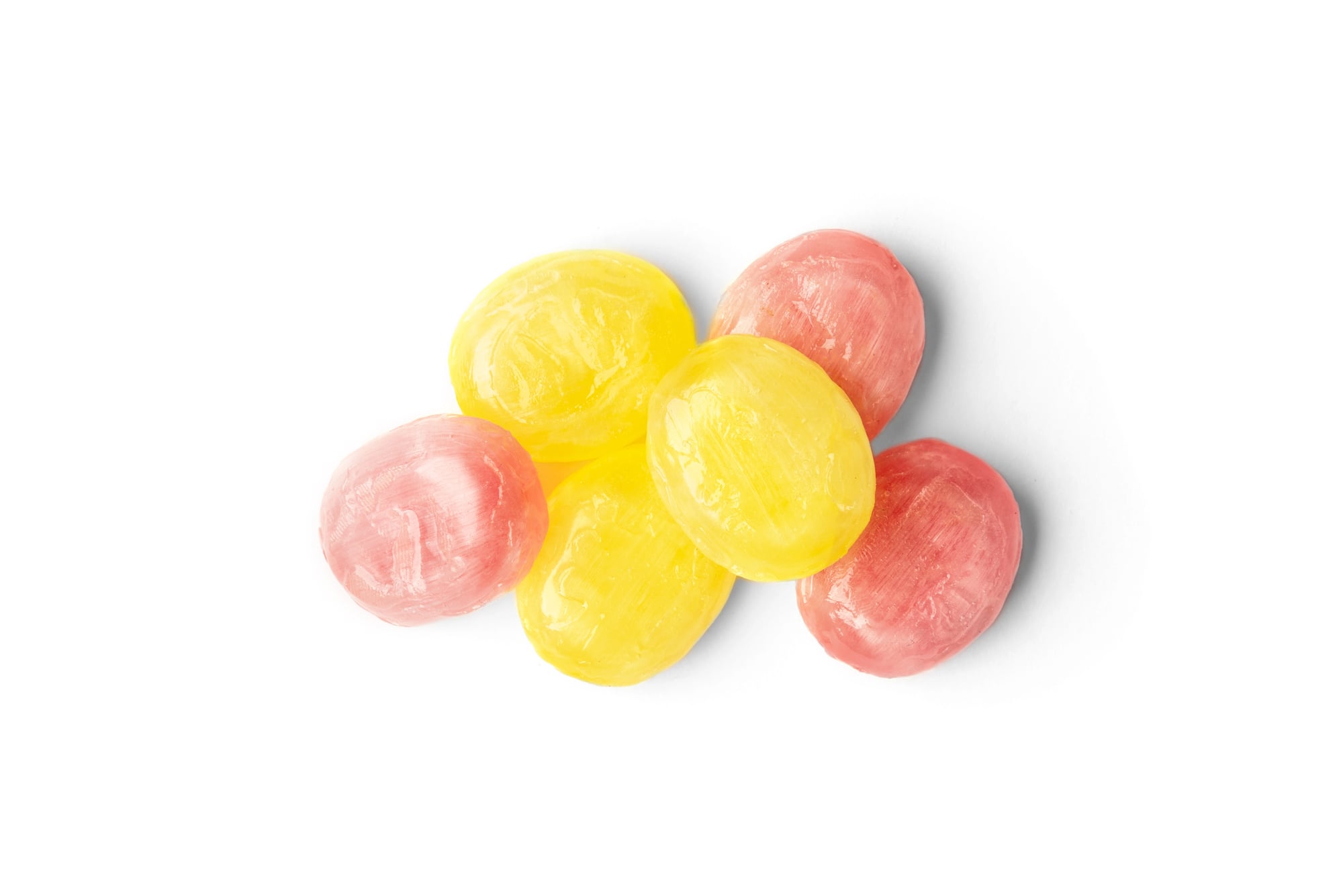
Wacky Wafers were large, flat, chalky discs that came in flavors like watermelon and banana, and they tasted like candy-colored ambition — a little sour, a little sweet, and completely unlike anything that had a right to exist. They were made by Willy Wonka Brands (Nestlé’s candy division), and for a stretch of the ’80s they were a lunchbox staple.
They quietly disappeared sometime in the 2000s, and their absence left a watermelon-disc-shaped void that no subsequent candy has bothered to fill.
PB Max
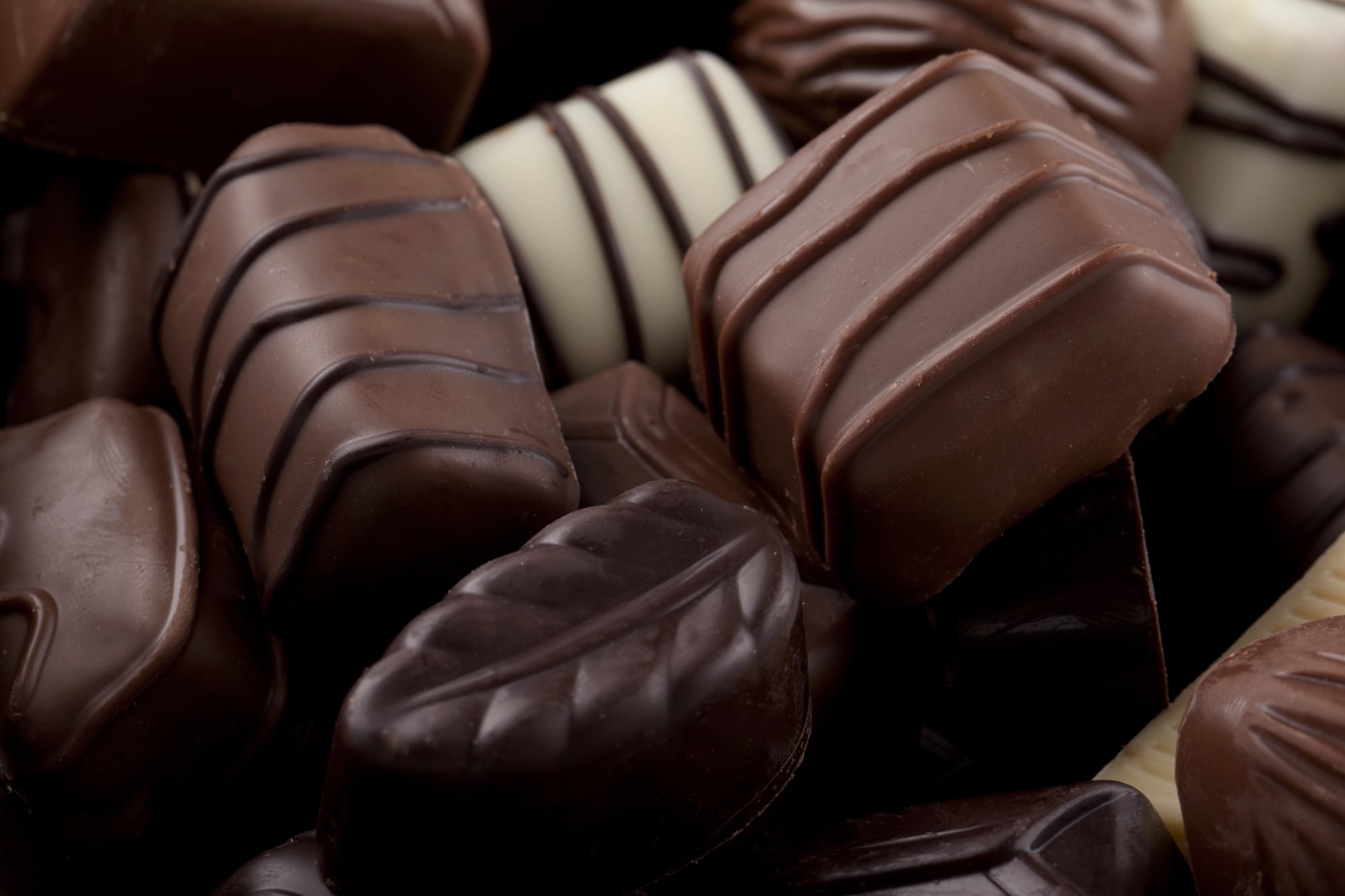
PB Max is the one that still makes people genuinely angry. A whole-grain cookie base, peanut butter, and a thick chocolate coating — Mars launched it in 1989 and it sold around $50 million worth in its first year.
And yet Mars pulled it in the early ’90s, reportedly because the founding Mars family had a personal distaste for peanut butter, which is one of the most extraordinary reasons to kill a profitable product in candy history.
Bonkers
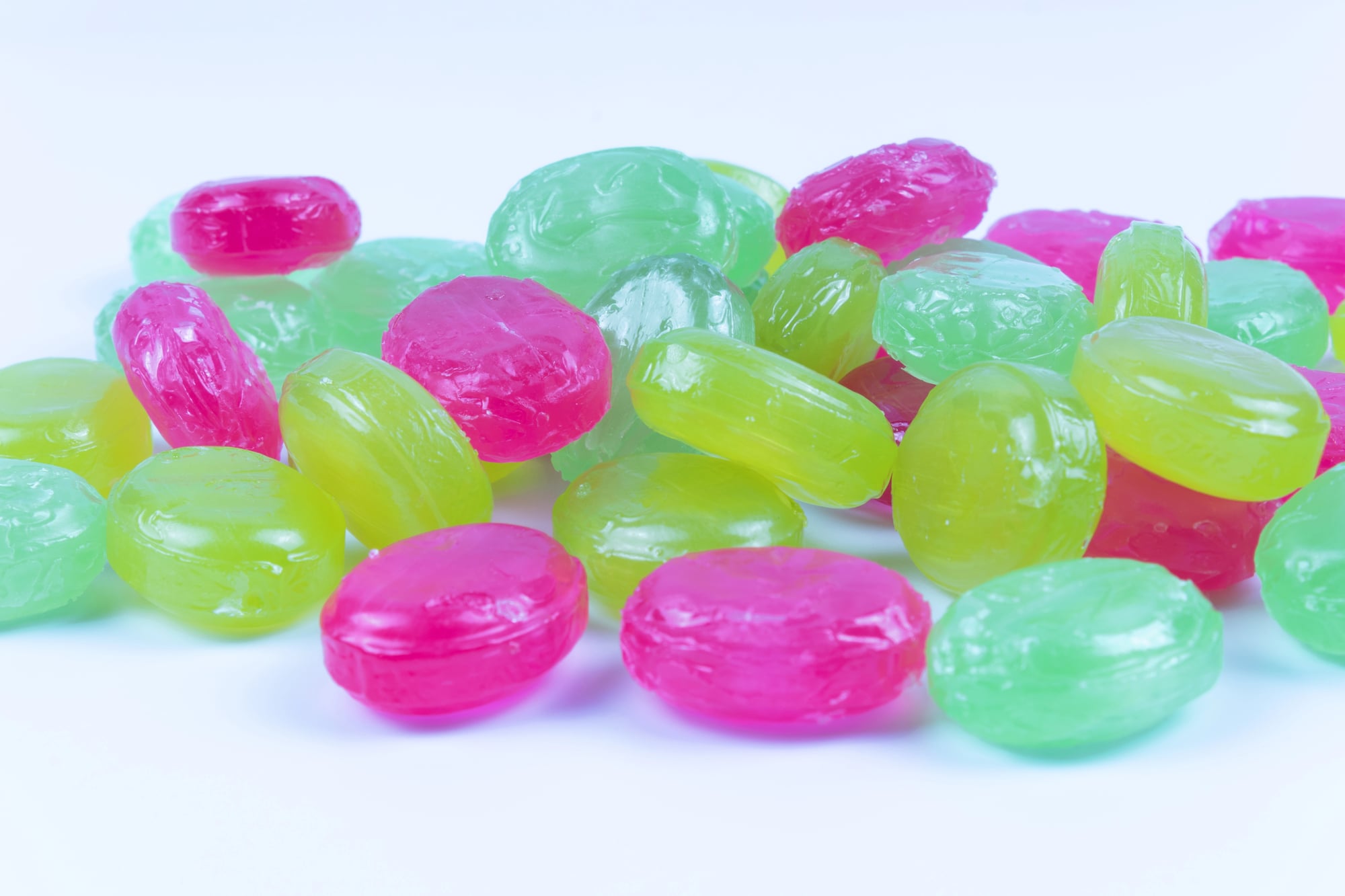
Bonkers were chewy fruit candies with a concentrated burst of flavor in the center — the whole pitch was that the fruit flavor would hit you so hard it would knock you sideways, and the commercials leaned into that absurdist premise with full commitment. They’re gone now.
Turns out absurdist marketing only carries a candy so far.
Marathon Bar
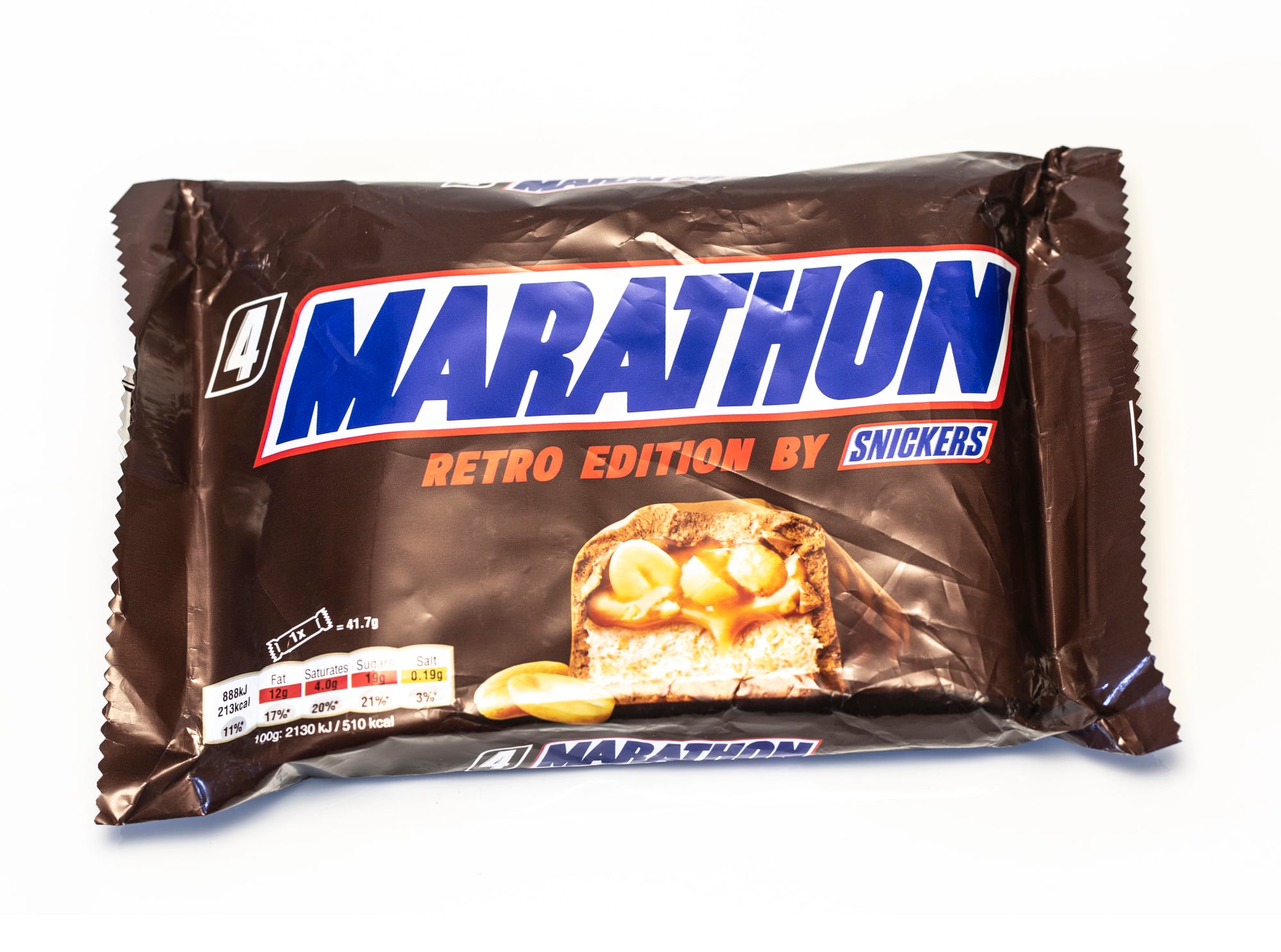
The Marathon Bar — a braided rope of caramel coated in chocolate, a full eight inches long — was one of the more structurally ambitious candies of its era. No other candy has really attempted the braided-rope approach since, as though the design itself was too specific to survive without the original.
The UK had a version called the Curly Wurly that’s still around, which is either comforting or infuriating depending on your geography.
Hubba Bubba Soda
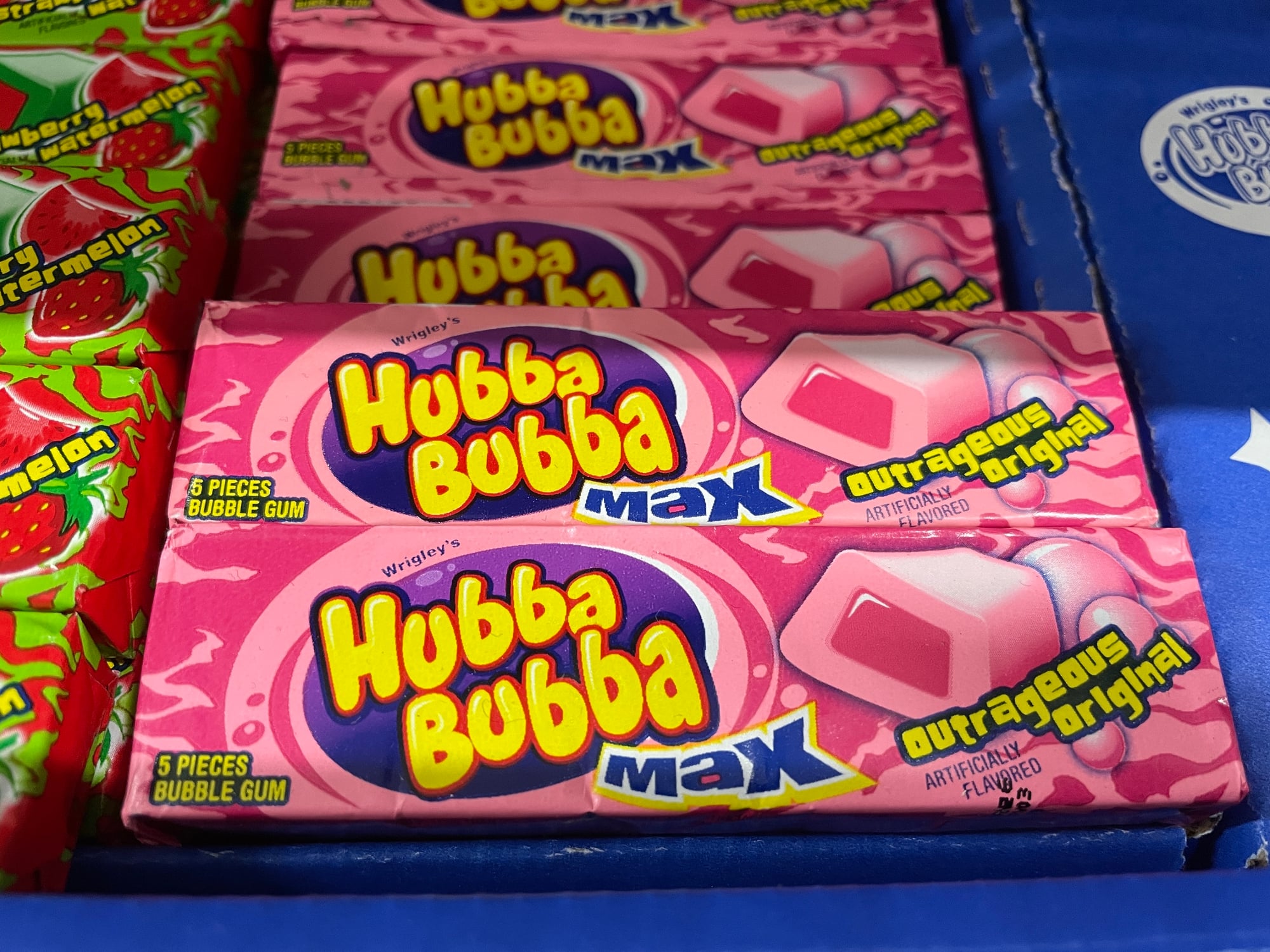
Hubba Bubba Soda was exactly what it sounds like and somehow worse in the best possible way. A carbonated drink that tasted like bubblegum — not vaguely, but aggressively, the way bubblegum tastes when you’re eight and have no reservations about flavor.
It showed up in the mid-’80s and disappeared without much fanfare.
Gatorgum
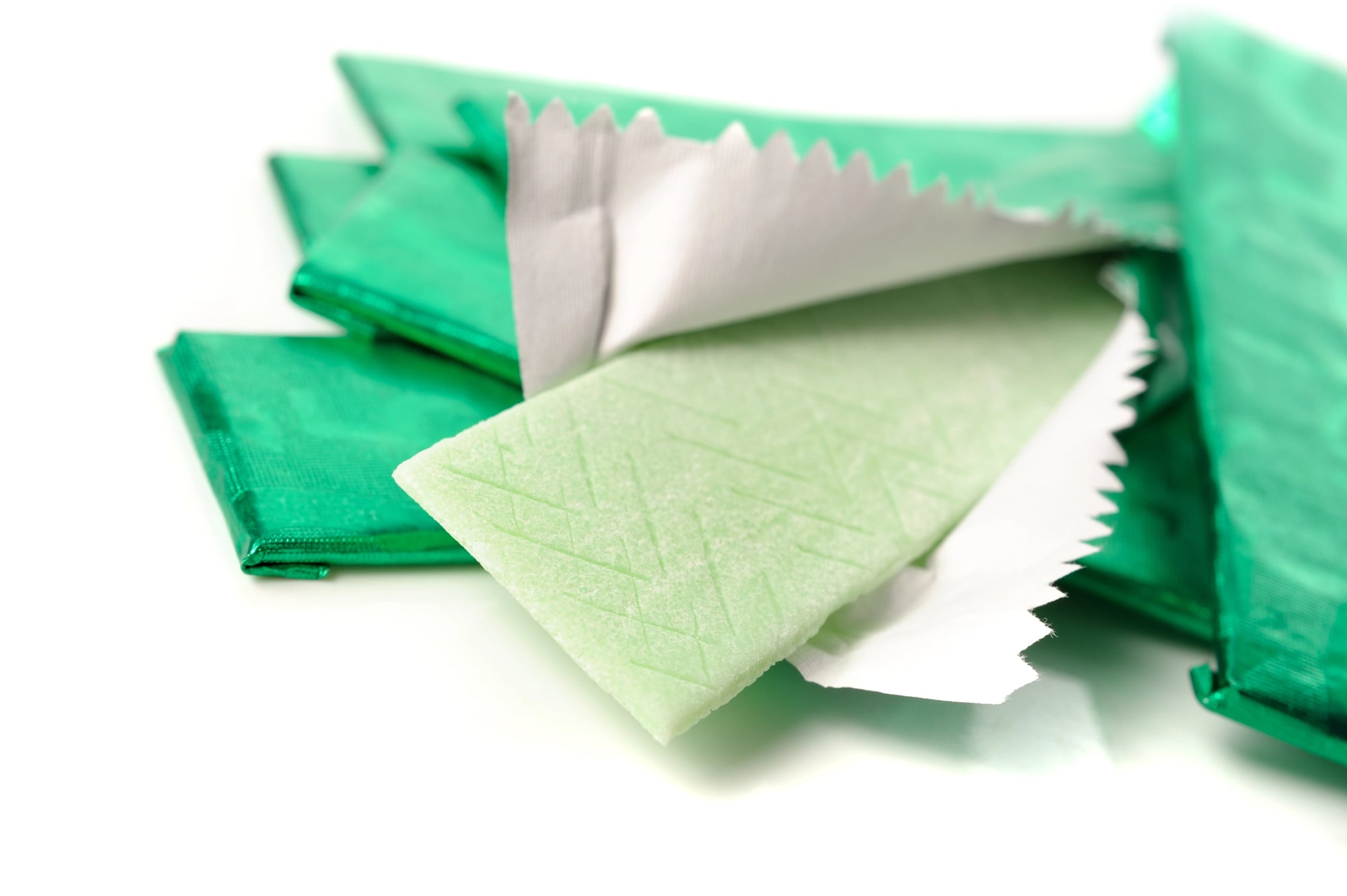
Gatorgum was Gatorade’s attempt to translate its sports drink flavor into chewing gum. The gum came in Lemon-Lime and Orange and actually delivered a burst of electrolyte-adjacent flavor before fading quickly.
It disappeared from shelves in the late ’80s, a quiet casualty of the gap between “interesting idea” and “thing people keep buying.”
Fruit Corners Fruit Rolls
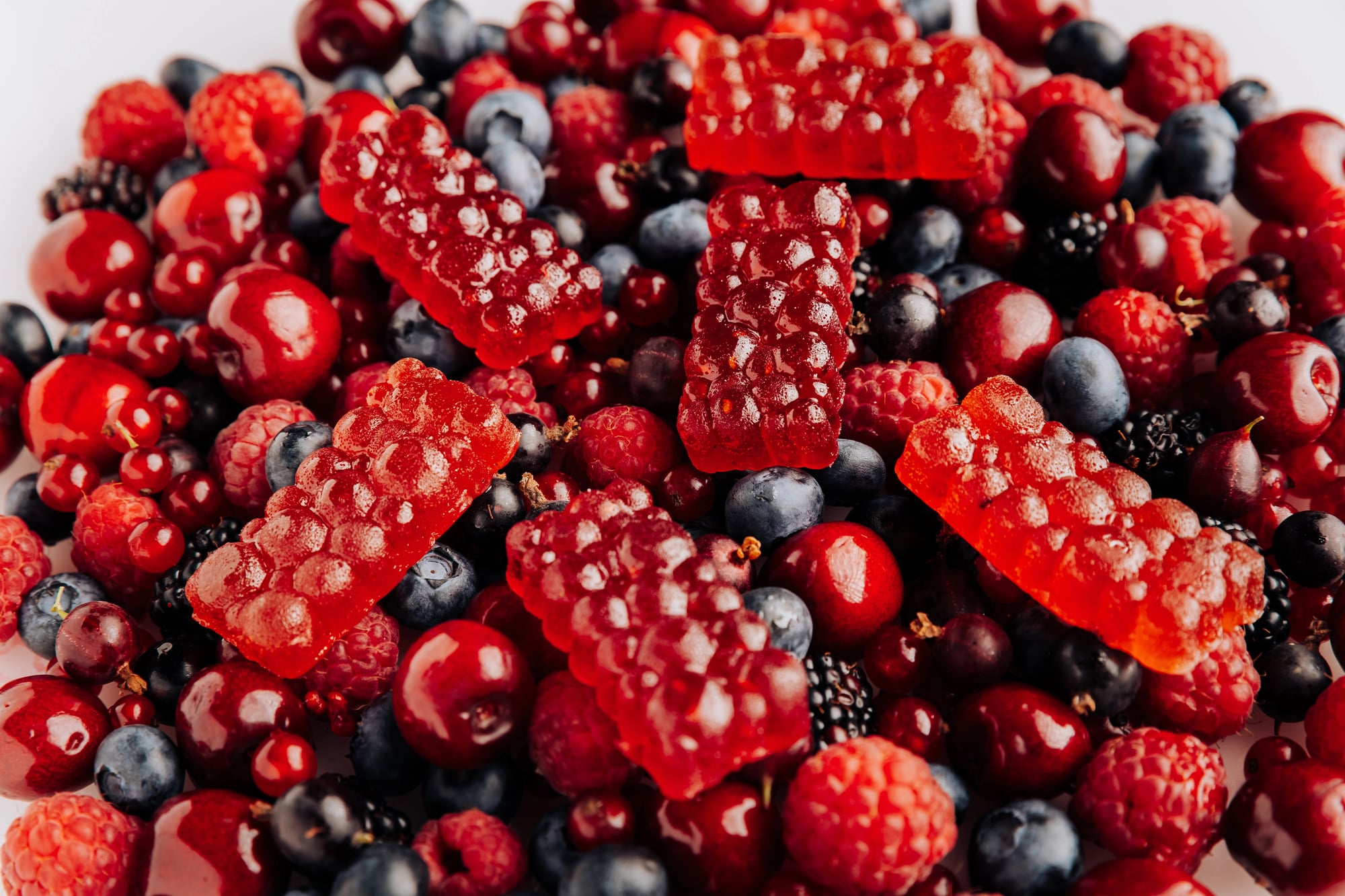
Before Fruit Roll-Ups became the genre-defining product, Fruit Corners Fruit Rolls existed in that same sticky, peel-from-plastic space. They had a particular texture that devotees insist was superior, thicker and less prone to tearing mid-unroll.
They were eventually folded into the broader Fruit Roll-Ups identity as consolidation reshaped the snack aisle.
Seven Up Bar
The Seven Up Bar from Pearson’s had nothing to do with the soda — it was a chocolate bar divided into seven sections, each filled with a different flavored fondant or nougat. It was an ambitious concept for a candy bar and a genuinely delightful one.
It stayed in production through parts of the ’80s before being discontinued, taking its seven-flavor promise with it.
Snickers Peanut Butter Bars
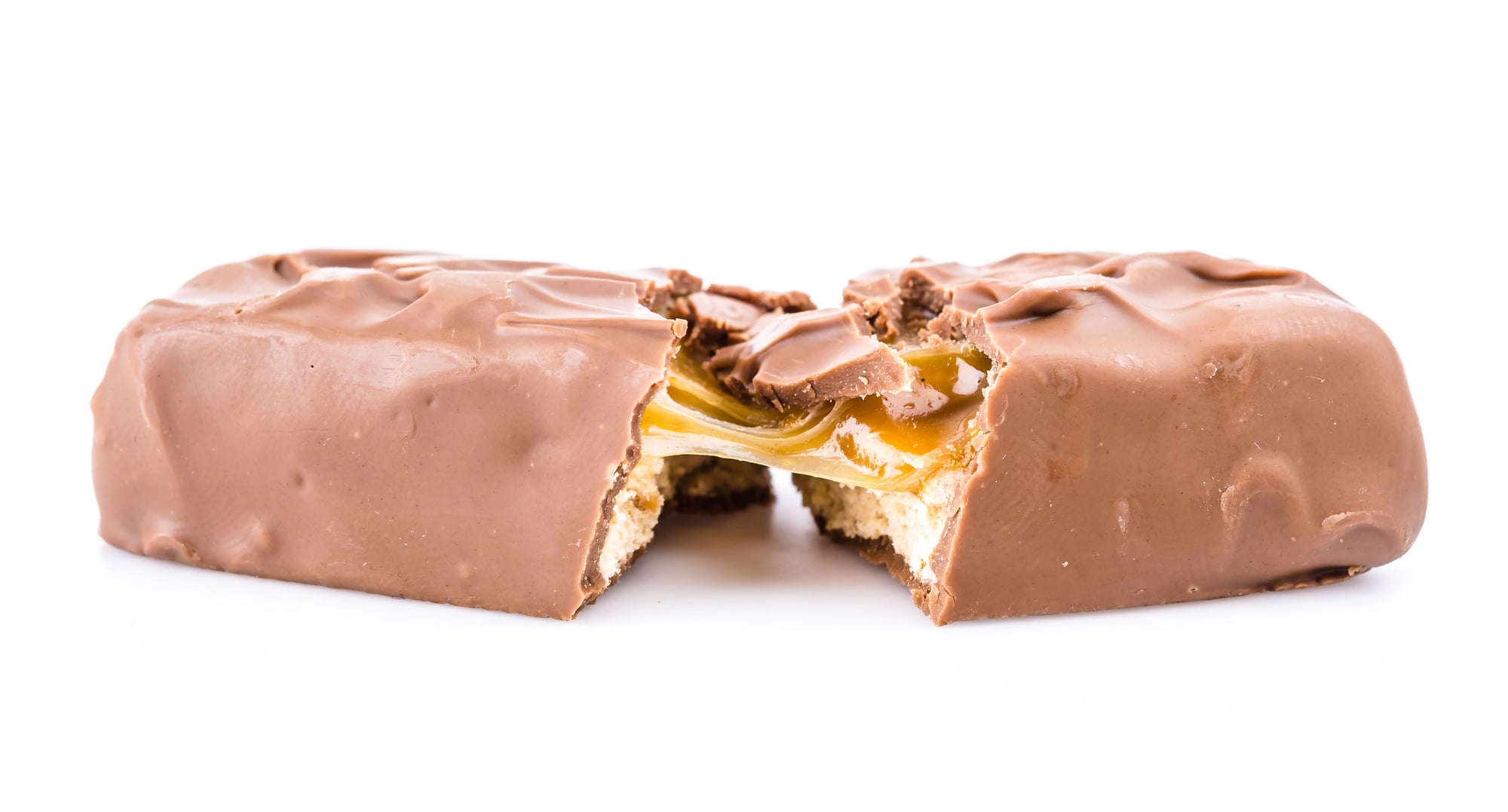
Snickers Peanut Butter Bars replaced the nougat with a peanut butter center, producing something that felt like an entirely different candy altogether. Mars ran them for a stretch in the ’80s and then pulled them.
They return occasionally in limited runs that generate enormous enthusiasm every time, which raises the obvious question of why they aren’t permanent.
Choco’Lite
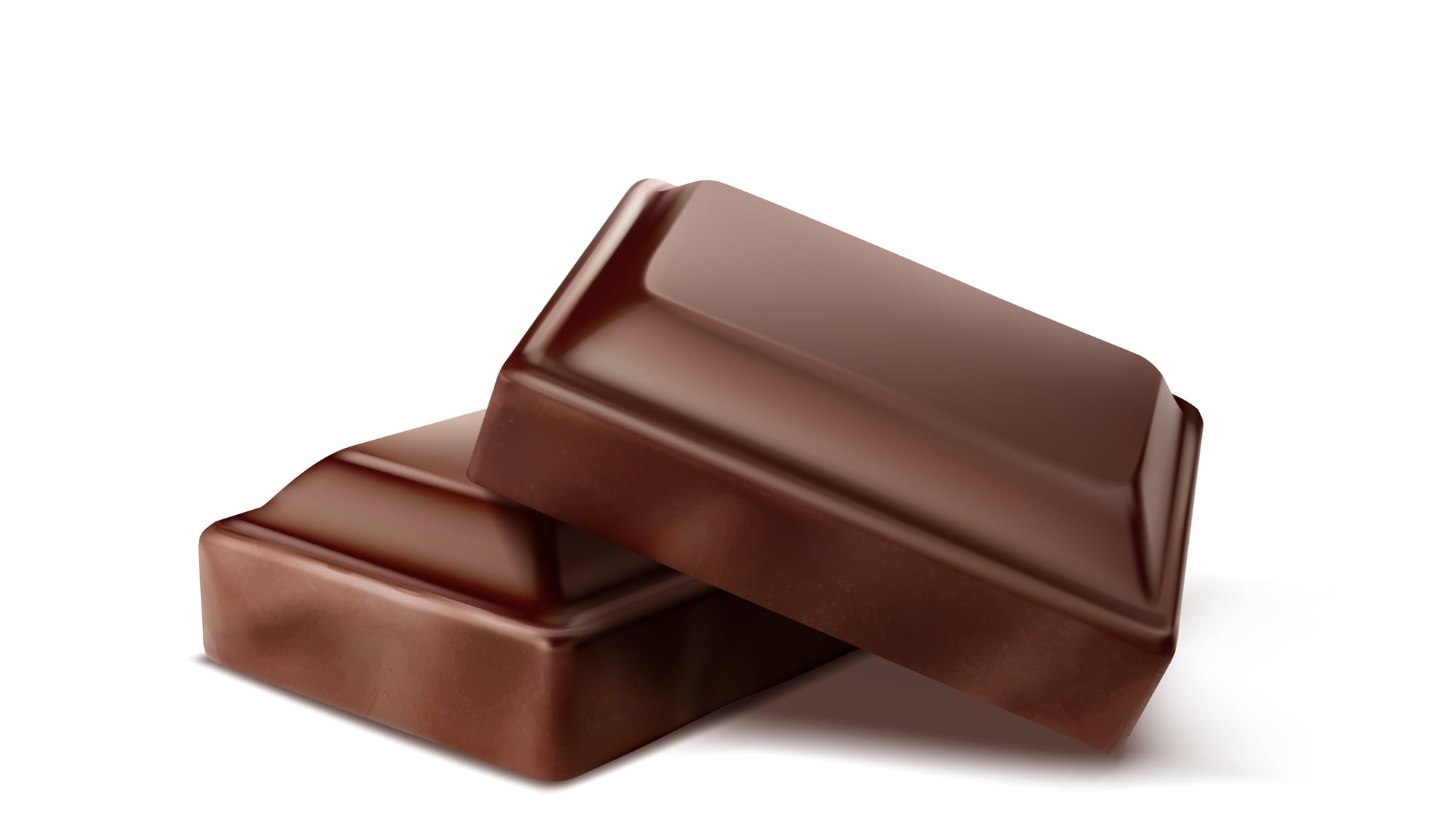
Choco’Lite was an aerated milk chocolate bar with a light, almost foamy texture that made it feel less dense than a standard chocolate bar. It was marketed as something you could eat more of while feeling like you were eating less.
It disappeared quietly, surviving only in the memory of people who specifically remember that airy bite.
Caravelle Bar
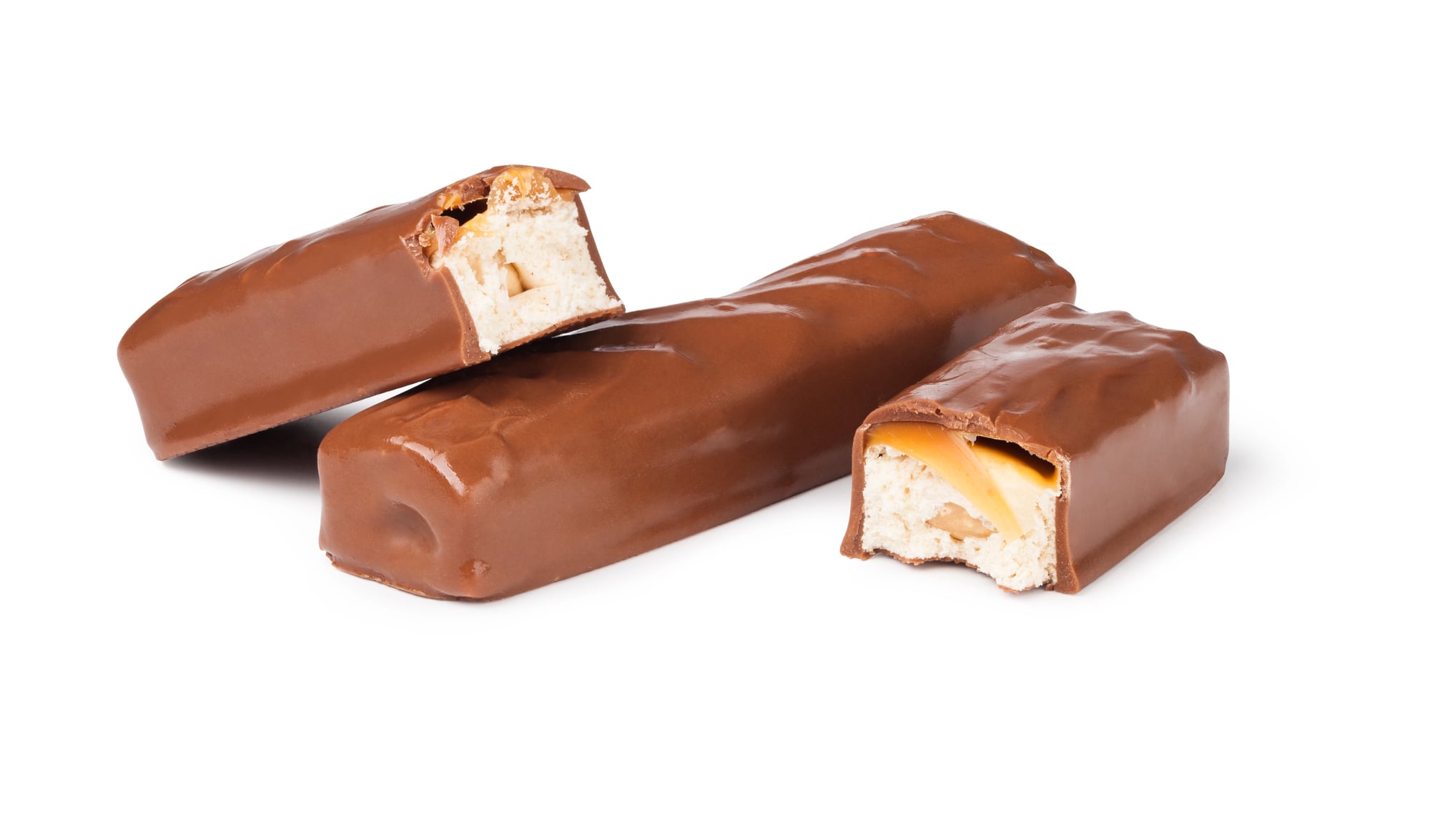
The Caravelle Bar was Peter Paul’s answer to the combination candy bar trend — chocolate, caramel, and a crispy wafer center. It competed with similar products without ever quite breaking through.
It was discontinued in the ’80s as the product lineup got rationalized.
Reggie-O’s
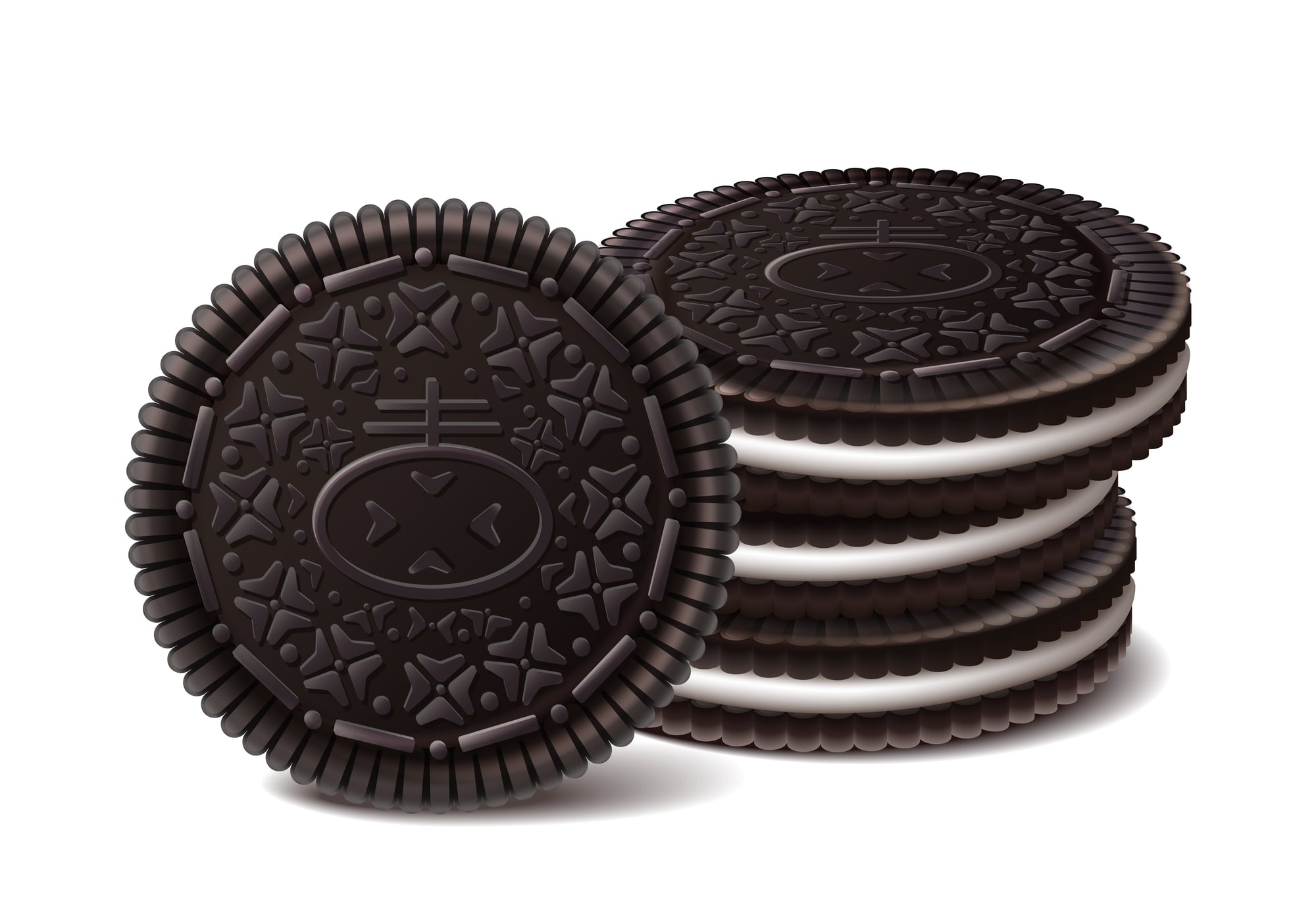
Reggie-O’s were a chocolate cookie sandwich — Oreo-adjacent in format, Reggie Jackson-endorsed in branding. They came out in the early ’80s and occupied a strange space between candy and cookie.
They didn’t last long.
Hippo Pops
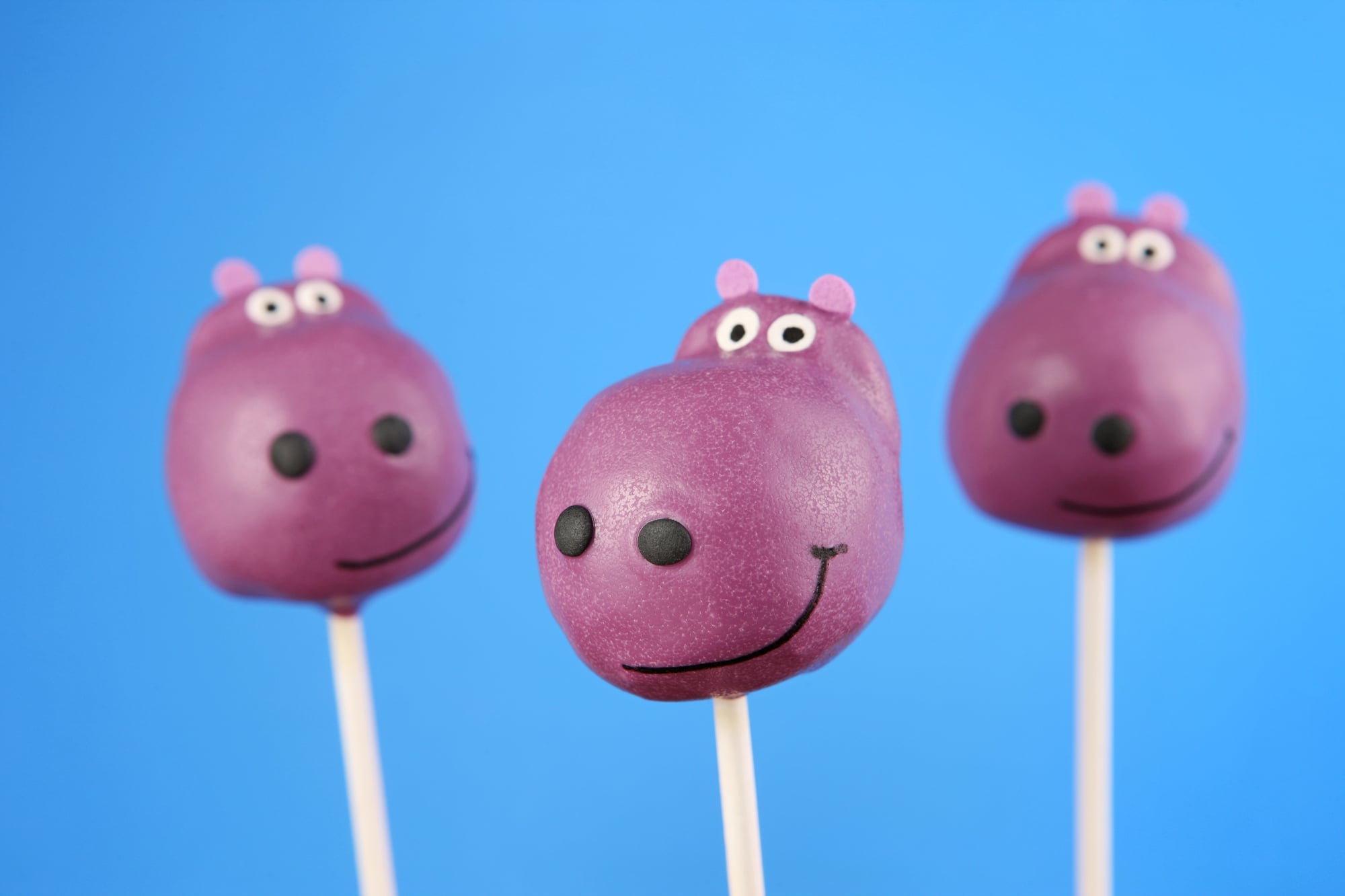
Hippo Pops were lollipops aimed at younger kids — brightly colored, animal-themed, and packaged like toy purchases. They were designed for impulse buying at checkout counters.
They disappeared into the general amnesia that covers most novelty candy products from the decade.
Sheep Stix
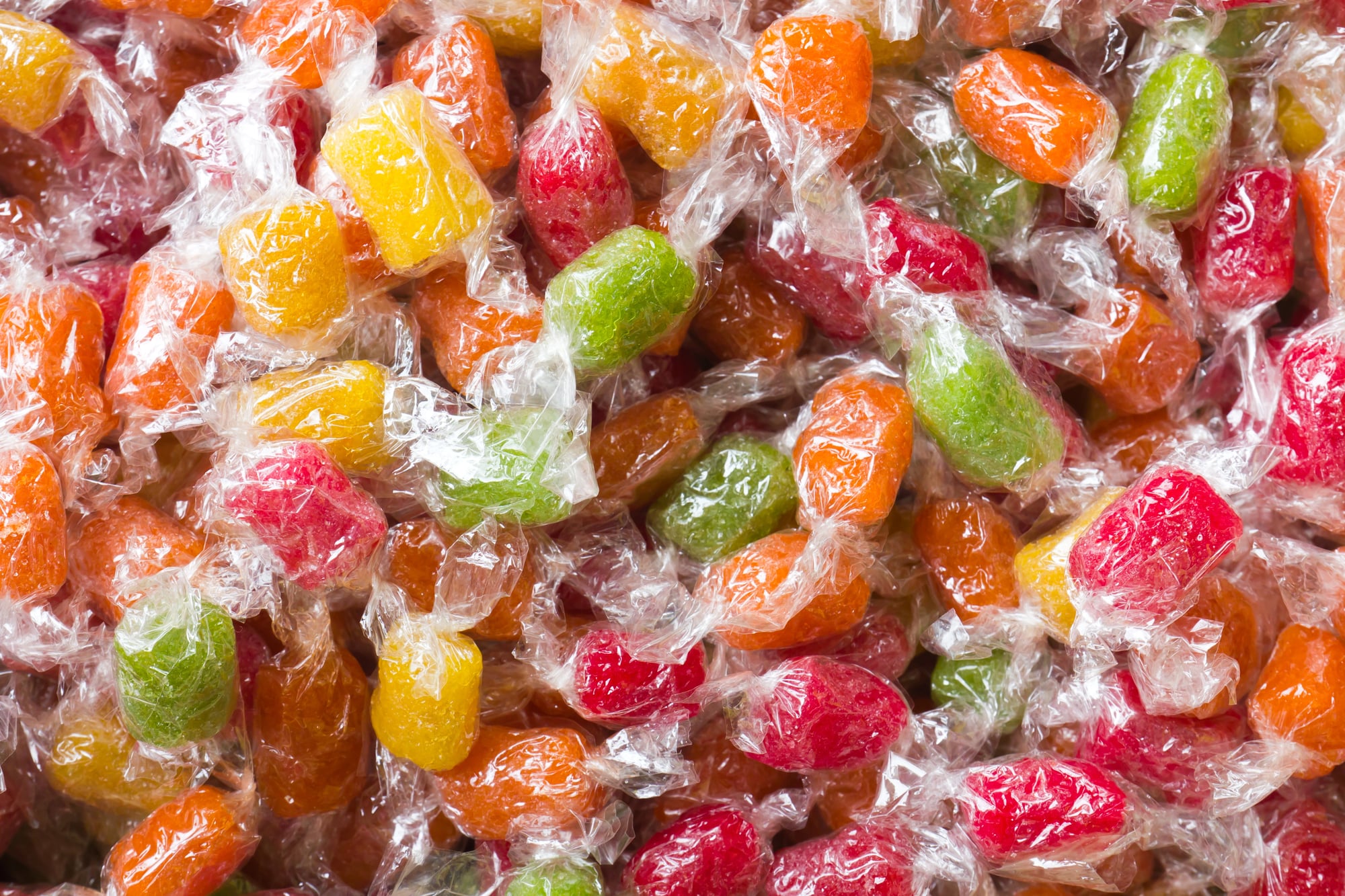
Sheep Stix were licorice-style candy shaped into small ropes with a mild, sweet flavor. They occupied a niche space without the aggressive anise punch of traditional licorice.
They faded out by the late ’80s in a crowded candy aisle that had no patience for niche formats.
Ouch! Bubblegum
Ouch! Bubblegum came packaged in a tin styled like a bandage box, which was either brilliant or confusing depending on how literal you were as a child. The gum itself was soft and fruit-flavored.
It disappeared in the ’90s after a brief return, but its cultural moment was distinctly ’80s.
Space Dust
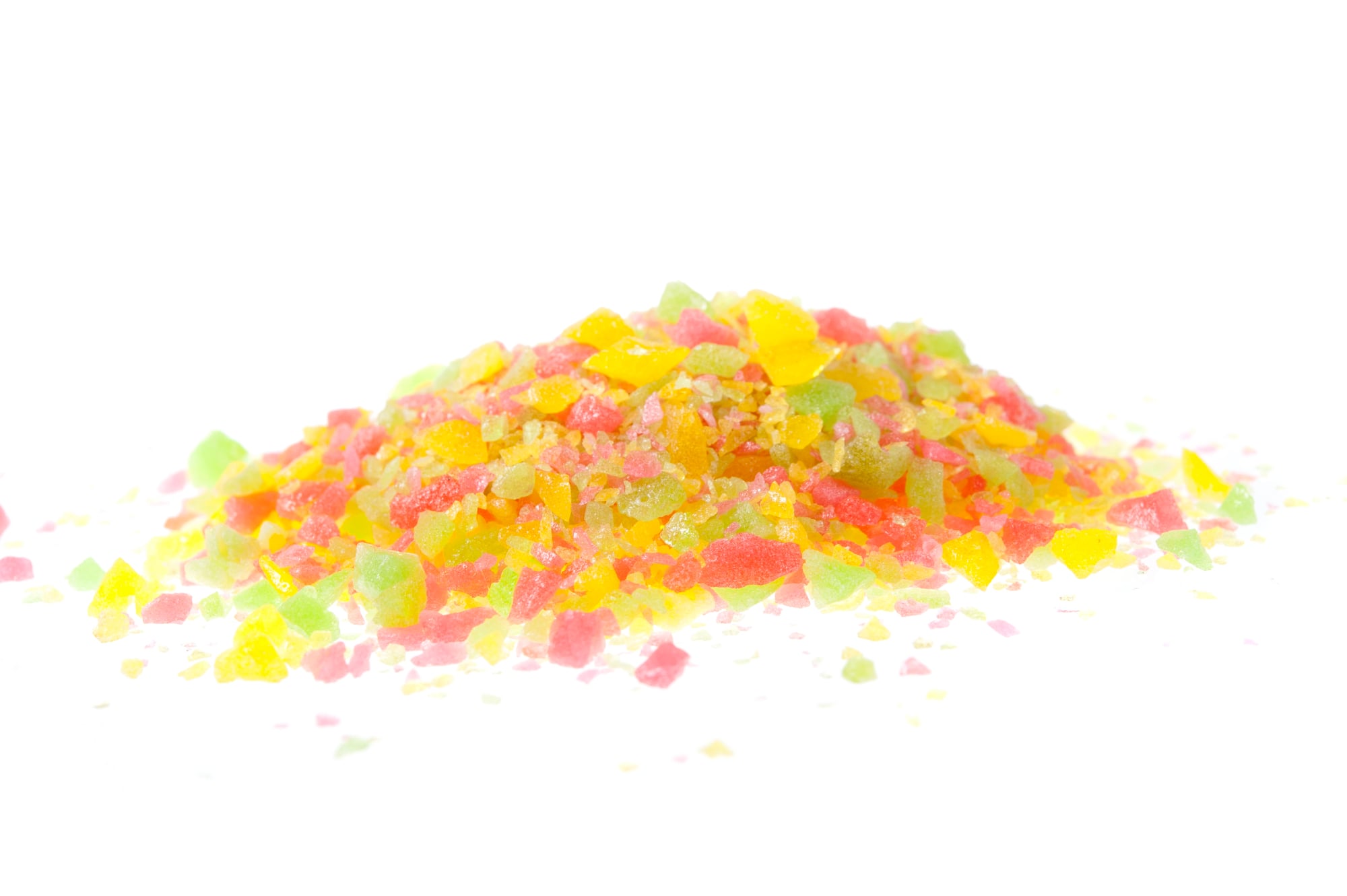
Space Dust was the popping candy that predated Pop Rocks’ mainstream dominance — a fizzing, crackling powder that dissolved on the tongue. It was rebranded as Cosmic Candy after safety concerns.
The name mattered. Space Dust sounded dangerous, and that was the point.
Chewels
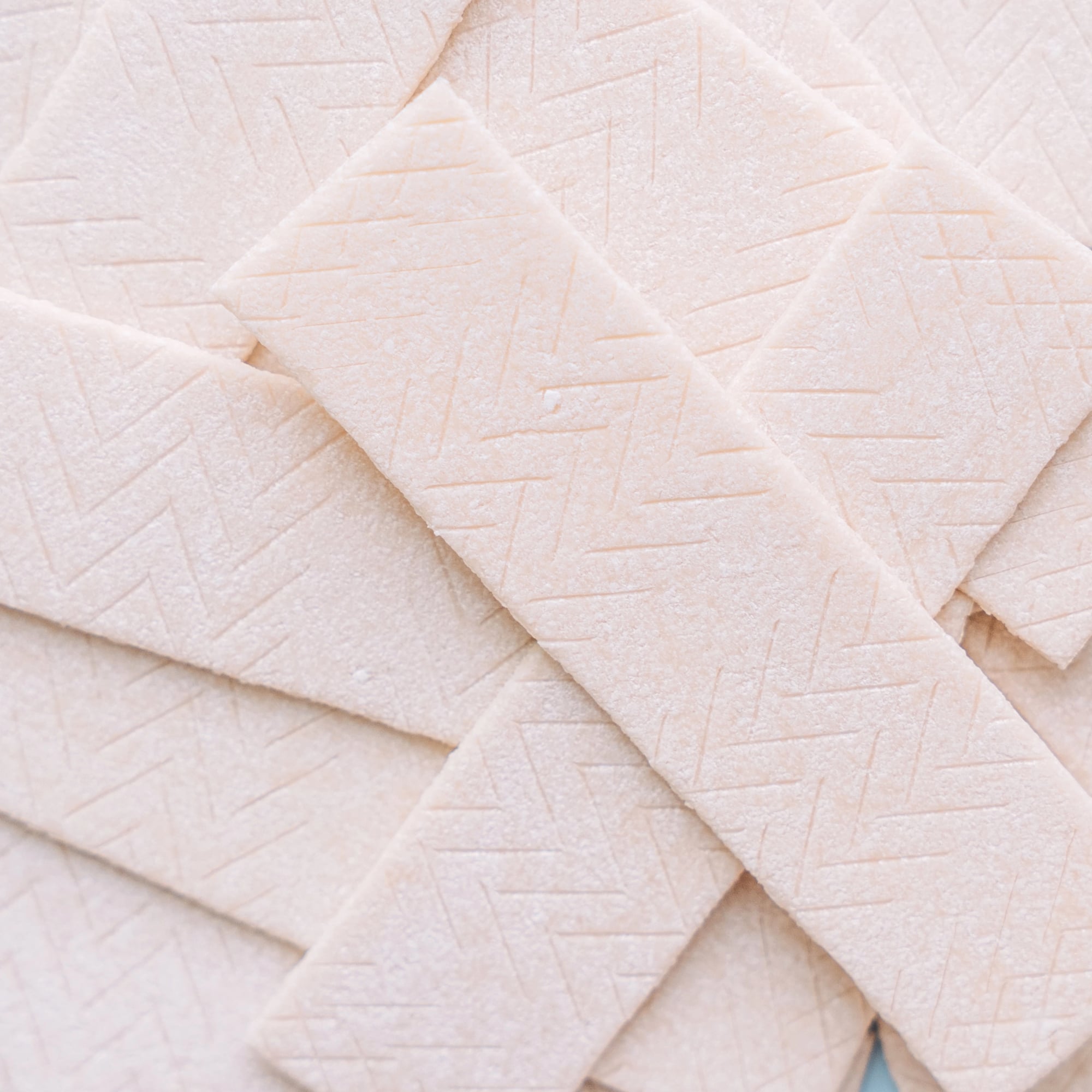
Chewels were a liquid-filled stick of gum that released flavored syrup when bitten. It was either a revelation or mildly alarming depending on your temperament.
They disappeared in the early ’80s, part of a subgenre of gum innovation that never fully caught on.
Jolly Rancher Stix
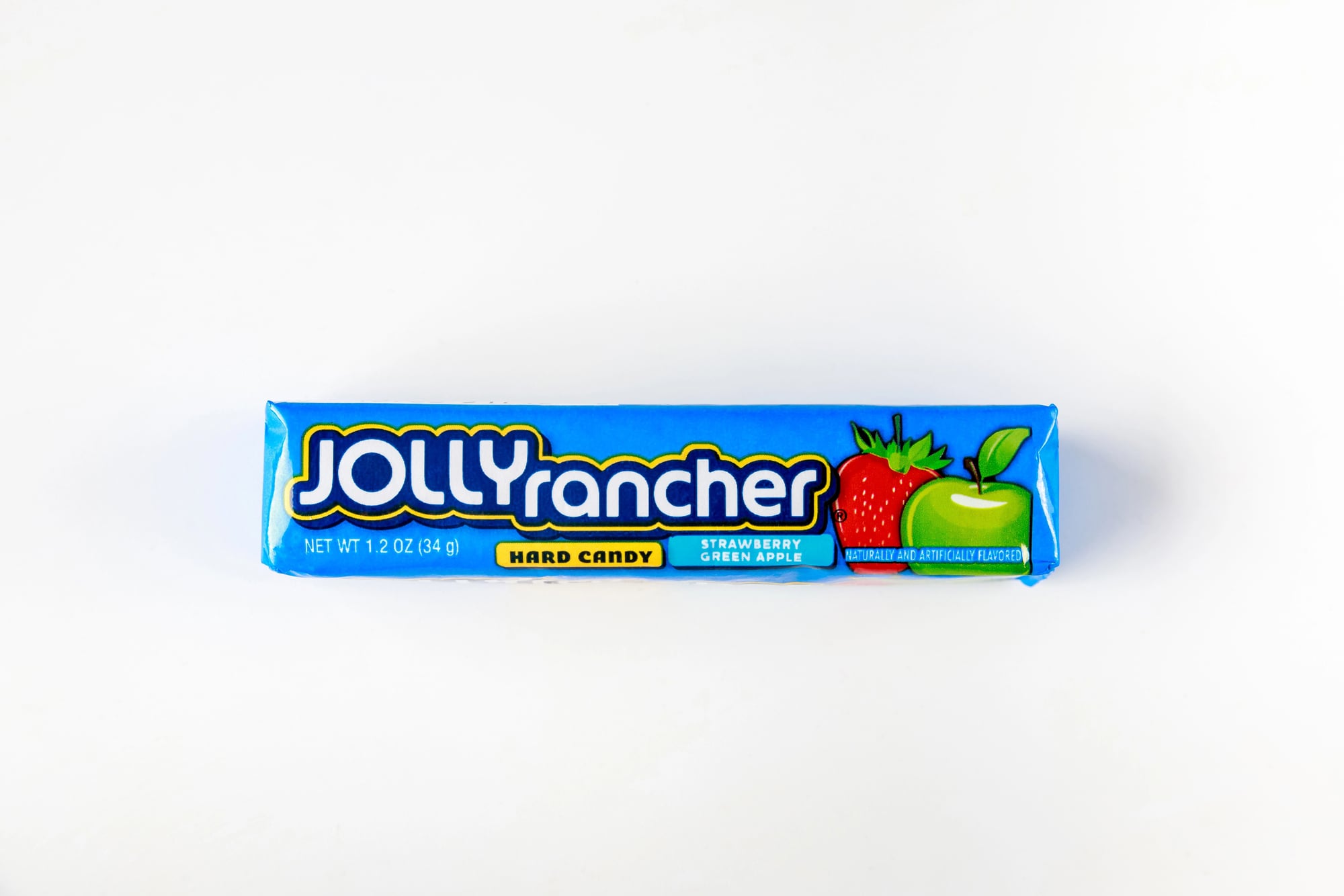
The original Jolly Rancher format was a thick hard candy “stix” rather than bite-sized pieces. It rewarded patience and slow eating.
The format disappeared as ownership changes pushed the brand toward bagged assortments.
Cherry Clan
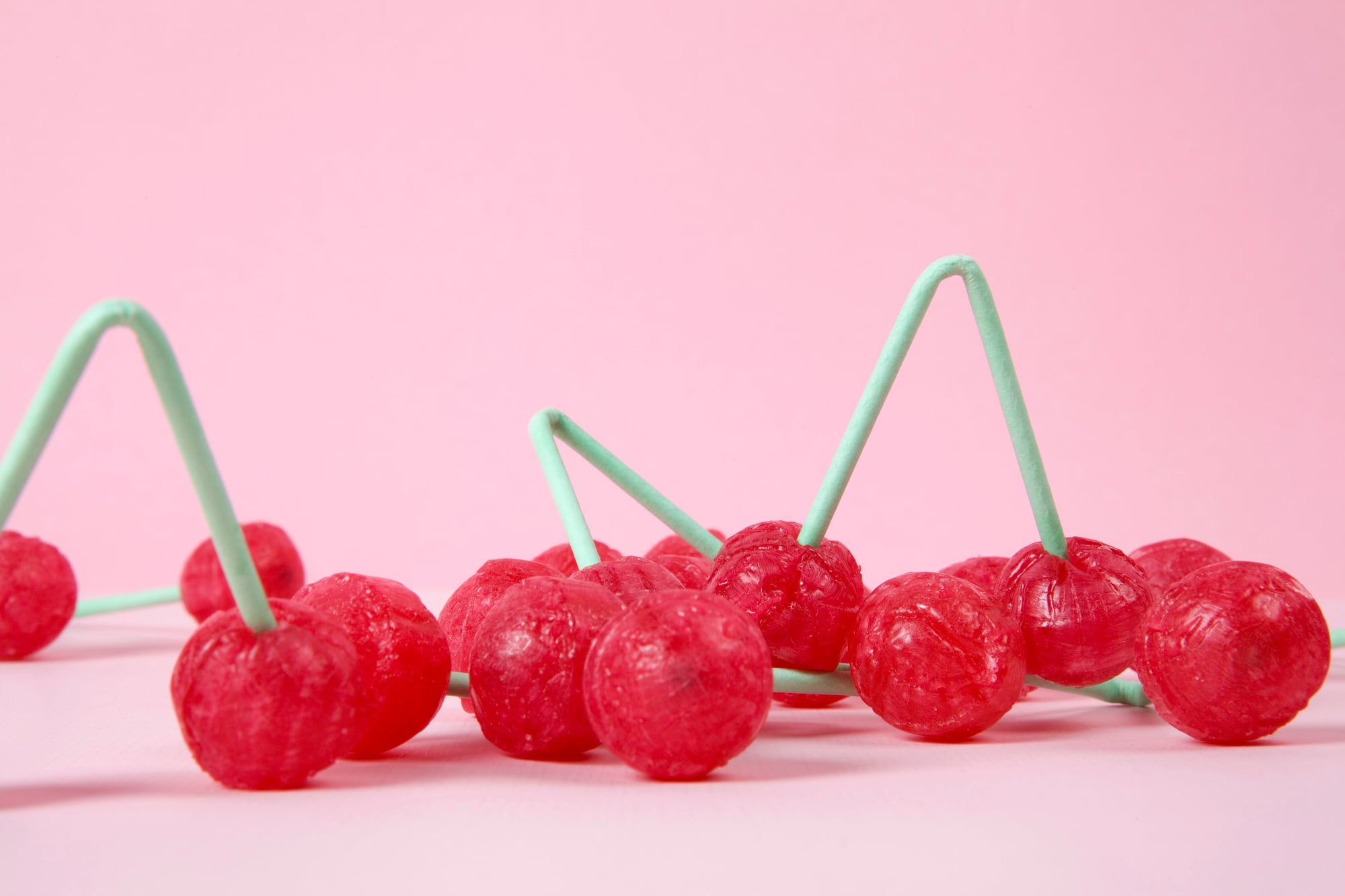
Cherry Clan was a cherry-flavored pressed-sugar candy in the Lemonheads-style category. It had a sweet-sour profile that worked well.
It faded as branding concerns and consolidation reshaped the candy aisle.
Caramel Apple Pops (Original Formulation)
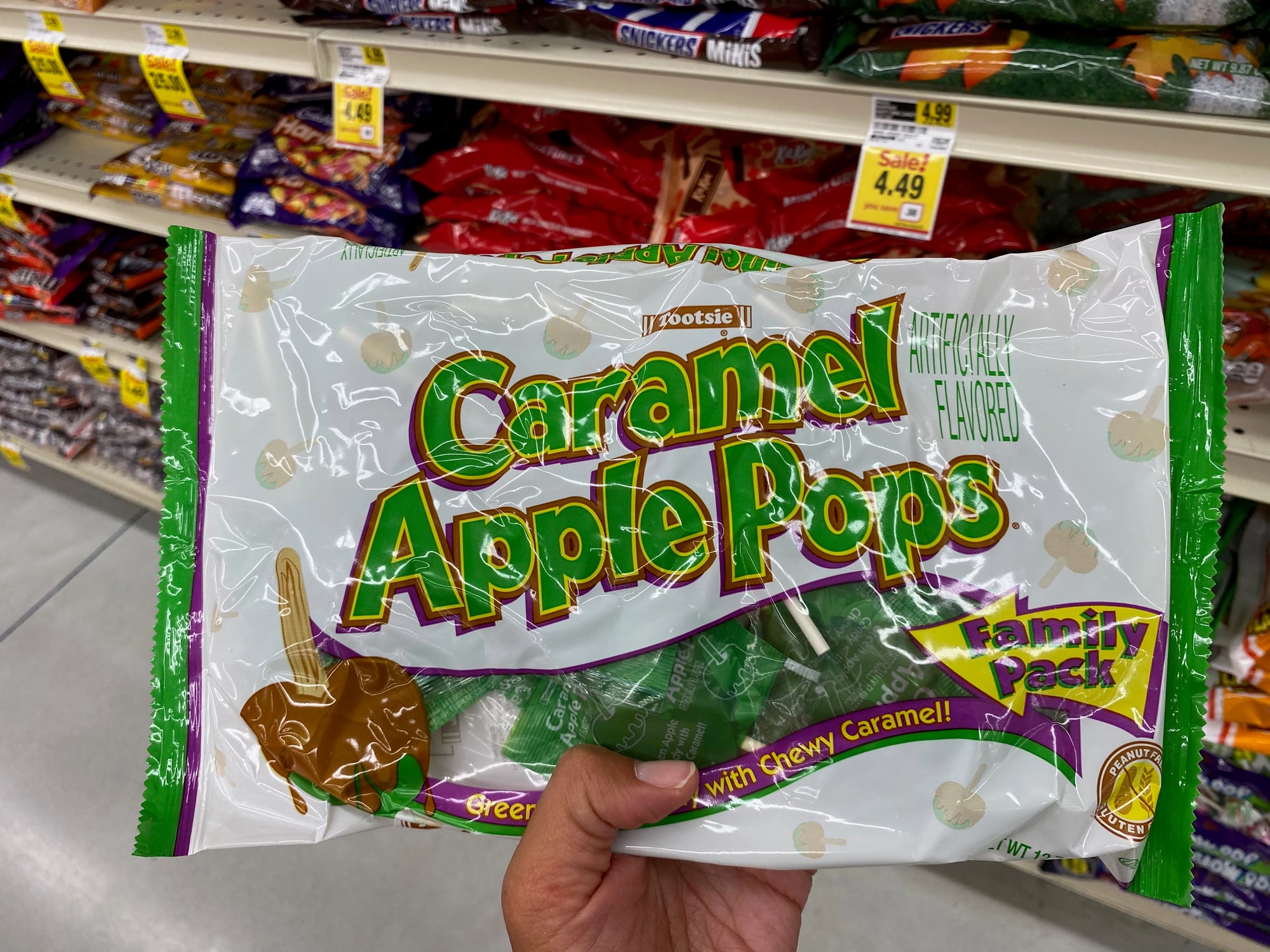
The original Caramel Apple Pops had a sharper tart apple layer than modern versions. Over time, the recipe softened into something sweeter.
For some, the current product is effectively a different candy wearing the same name.
Bit-O-Choc
Bit-O-Choc was the chocolate counterpart to Bit-O-Honey, featuring a chewy texture and cocoa flavor. It never achieved the same popularity as its sibling.
It was discontinued, leaving Bit-O-Honey to carry the brand alone.
Astro Pops
Astro Pops were large, inverted lollipops with layered fruit flavors and a pointed sugar cone. They were visually distinctive and widely remembered.
The original Spangler version was discontinued, though later revivals changed key aspects of the original design.
Big League Chew Original Grape
Big League Chew’s original grape flavor had a sharper artificial intensity in early formulations. The shredded gum format still exists.
But the original grape profile from the early ’80s has been softened through reformulation.
Dr. Pepper Gum
Dr. Pepper Gum attempted to compress the soda’s 23 flavors into chewing gum. The flavor lasted only briefly before becoming generic.
It disappeared quickly, as expected for something built on a collapsing time window of taste.
Screaming Yellow Zonkers
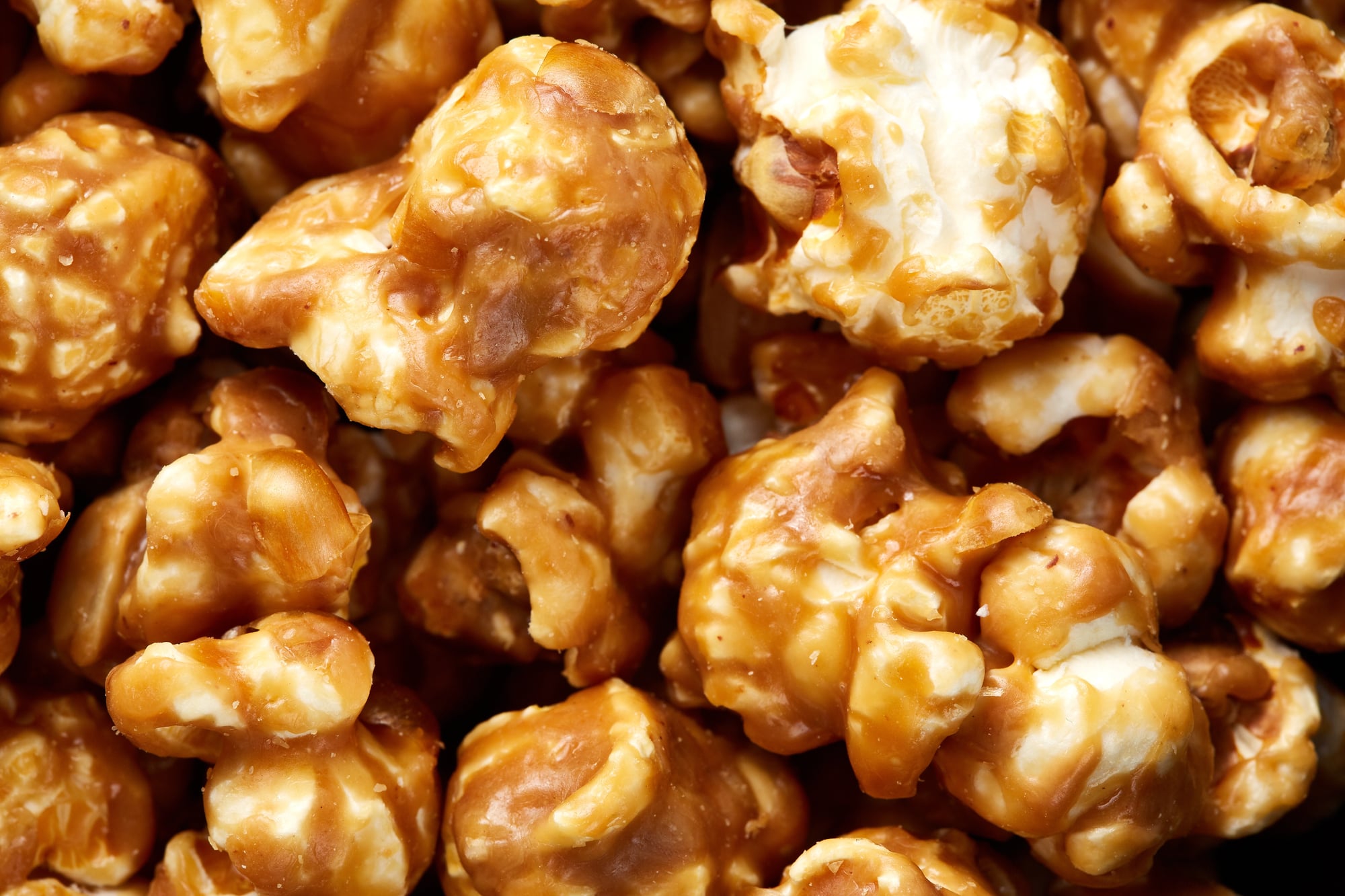
Screaming Yellow Zonkers was caramel popcorn packaged in a dense, irreverent black box filled with printed humor. The packaging was as important as the snack itself.
It was discontinued in 2000 after a long run and a loyal following.
Canteen Bar
The Canteen Bar was a regional candy product with chocolate and nougat elements that never broke into national dominance. It built a devoted following in the Midwest and South.
It disappeared as national consolidation absorbed regional candy brands.
The Sugar Didn’t Go Anywhere — Just The Candy
What’s strange about all of this is that none of these flavors were particularly exotic. Chocolate, caramel, fruit, peanut butter — the ingredients list reads like a pantry.
What disappeared wasn’t the candy itself but the specific arrangement of it. The ratios, textures, and formats that once defined them were quietly deemed not worth continuing.
Some have returned in limited runs, and the lines are always long. The answer to whether people still want them is simple.
They do. They just stopped being asked.
More from Go2Tutors!

- The Romanov Crown Jewels and Their Tragic Fate
- 13 Historical Mysteries That Science Still Can’t Solve
- Famous Hoaxes That Fooled the World for Years
- 15 Child Stars with Tragic Adult Lives
- 16 Famous Jewelry Pieces in History
Like Go2Tutors’s content? Follow us on MSN.



