29 Fashion Rules Women Followed in the ’50s
n the 1950s, getting dressed was a set of decisions with right and wrong answers. Etiquette guides told women which gloves to wear at which hour, when white shoes had to be put away, and how long a skirt could safely be.
Magazines and department stores repeated the rules so often that most women knew them by heart.
These twenty-nine rules cover hats, gloves, hemlines, stockings, and the layers that nobody was supposed to see. Some were practical, some were social code, and almost all of them assumed a woman would be looking her best at any hour.
Wear Gloves Nearly Everywhere

A guide to proper dress of the era listed streets, churches, luncheons, trains, and planes as places where a woman was expected to have her gloves on. Cotton, kid, and nylon versions filled department store counters.
A bare hand outdoors could look unfinished.
Match the Gloves to the Hour

Glove etiquette followed the clock. Morning called for pale gray goatskin, lunch for beige kid, and afternoon for mid-brown peccary, while evening called for black silk gloves that reached three-quarters of the way up the arm.
A woman who owned several pairs had to know which one belonged to which part of the day.
Take the Gloves Off to Eat

Once seated at the table, gloves came off and were set in the lap or beside the bag. Keeping them on over a meal was seen as careless.
The short ritual of peeling them off marked the moment a social outing turned into dinner.
Keep the Gloves On for Handshakes

A woman who was introduced to someone while wearing gloves was generally expected to leave them on. Removing a glove for a quick handshake was treated as unnecessary fuss.
The rule saved time and kept the outfit intact.
Never Leave the House Without a Hat

A hat was part of the outfit in the 1950s, not an afterthought. Small shapes such as the pillbox and the lampshade hat were popular, and many came with a short veil.
A woman who went downtown with her head uncovered risked looking underdressed.
Keep the Hat On at Lunch

Unlike gloves, the hat usually stayed in place through a restaurant lunch. Women arranged their hair with the hat in mind so it would sit properly.
Taking it off at the table was considered a choice rather than a requirement.
Add a Veil for Polish

Short veils on small hats added a touch of polish and framed the face. They were a finishing detail that cost little compared with a new hat.
Milliners built entire collections around the idea.
Match the Handbag and Shoes
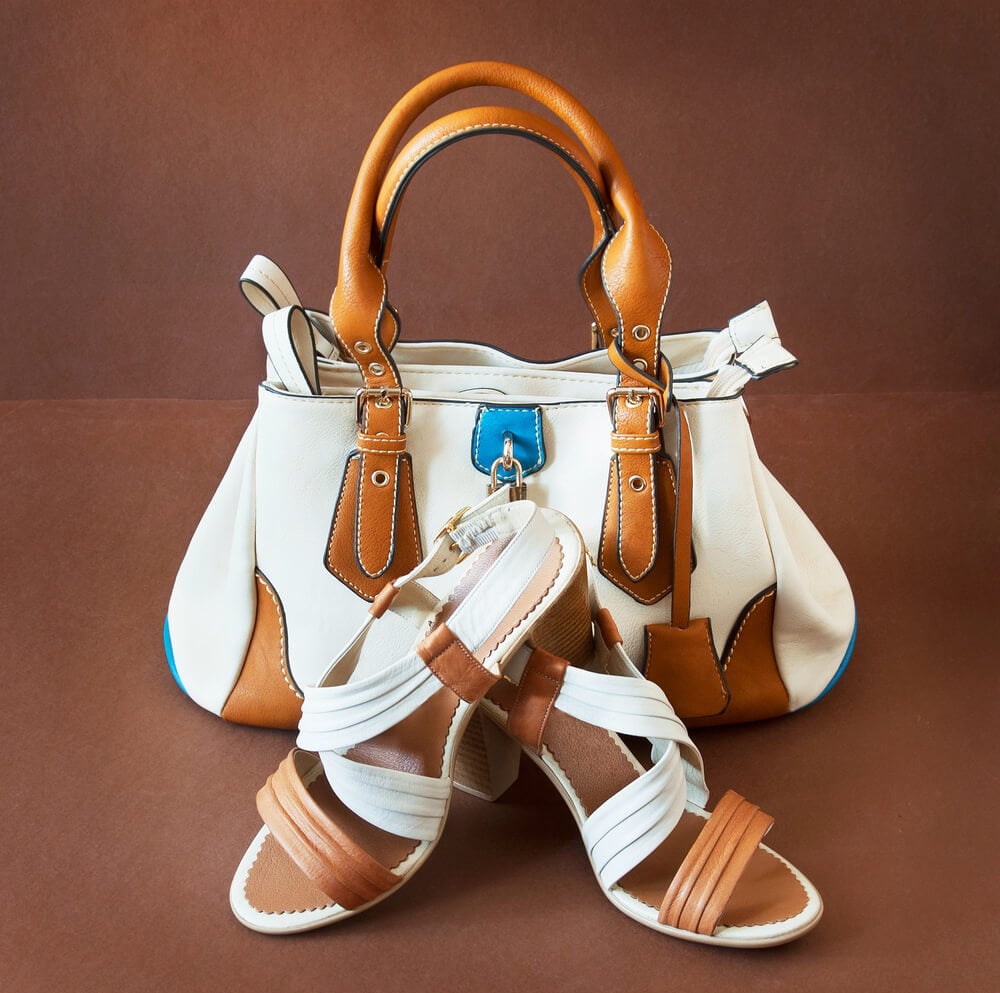
A coordinated bag and shoes signaled that a woman had taken care with her outfit. Stores sold matching sets, and a mismatch was noticed immediately.
The rule pushed shoppers to buy accessories in pairs.
Match the Belt Too

The belt joined the shoes and bag as part of the matched trio. A belt in a different shade looked like a mistake rather than a statement.
Dress shops often sold the belt as an item that arrived with the dress.
Put White Shoes Away After Labor Day

White shoes and white handbags belonged to summer, from Memorial Day to Labor Day. After the holiday, they went into the closet until the following spring.
Breaking the rule was a classic sign that a woman had not been paying attention.
Never Go Bare-Legged
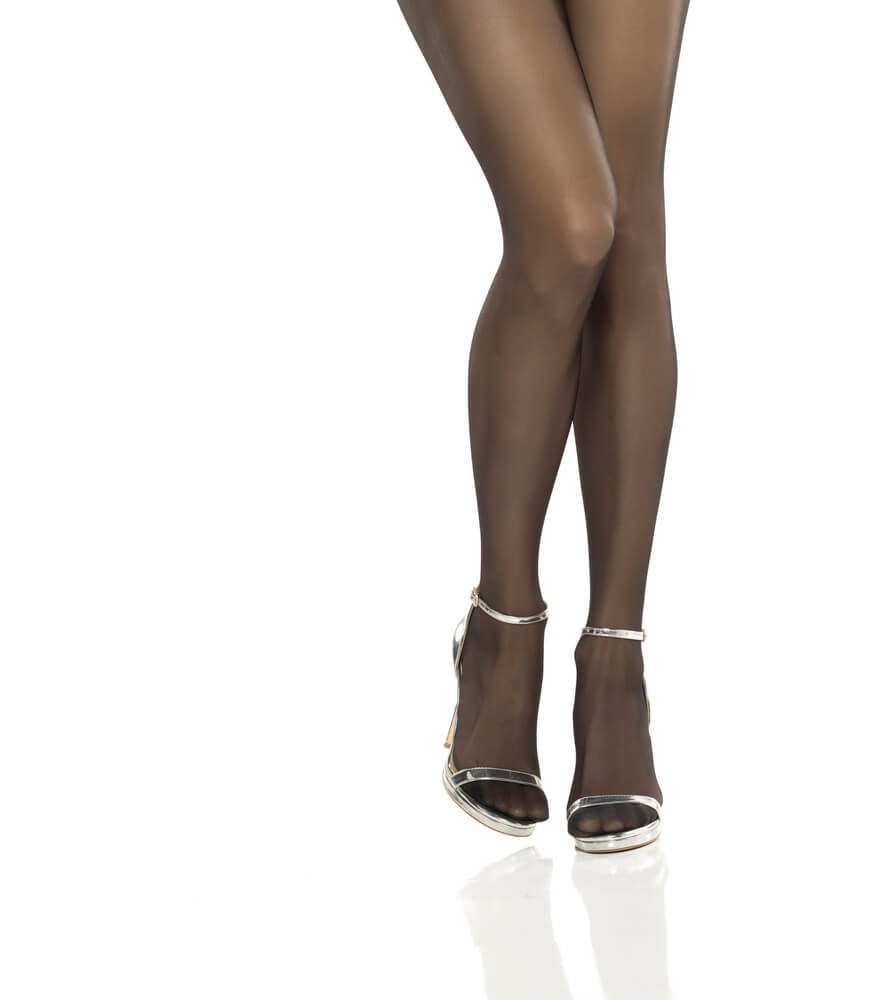
Bare legs in public were not considered proper dress. Women wore nylon stockings to church, to work, and to the grocery store.
The demand was so strong that the return of nylon after the war produced crowds at stores that became known as the nylon riots in 1945.
Keep the Seams Straight
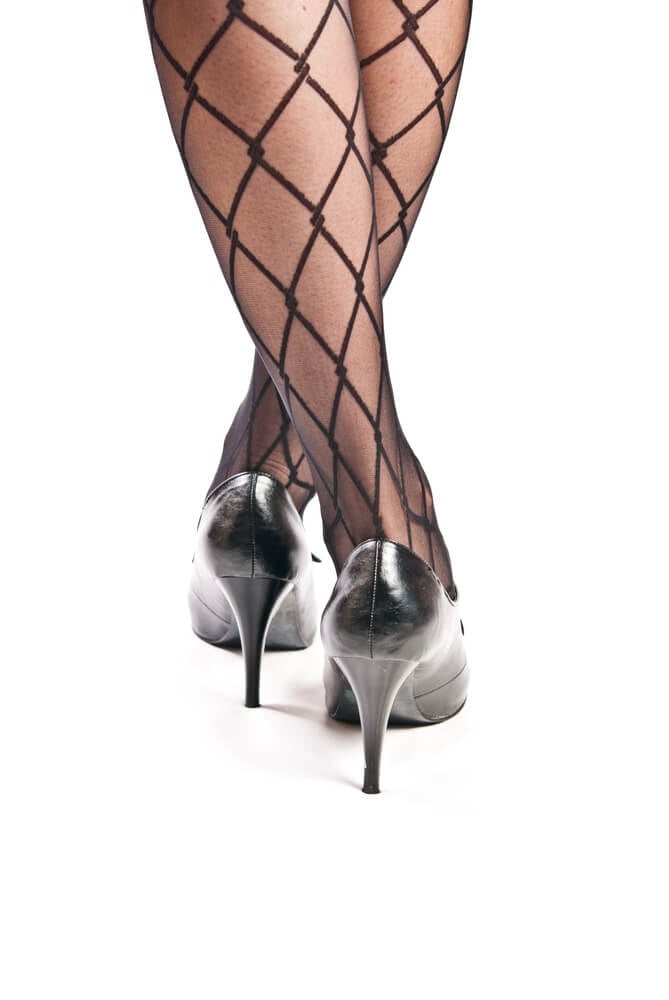
Many stockings had a dark seam running up the back of the leg, and keeping it straight was a point of pride. Some pairs added heel designs, such as a contrasting pattern at the back of the ankle.
Seamless versions became more widely available in Britain in the early 1950s.
Wear a Girdle

A girdle smoothed the lines under a fitted skirt and held up stockings with garters. It was part of the foundation that shaped the silhouette of the decade.
Few women skipped it for a dressy occasion.
Wear a Slip

A slip kept skirts from clinging and stopped light fabric from showing too much. It came in half-length and full-length versions to match different hems.
Peeking slip lace was a flaw, not a feature.
Hide the Straps and Lines

Bra straps and the outline of undergarments were meant to stay out of sight. Clothing was cut and fitted with that in mind.
A visible strap suggested that something had gone wrong with the outfit.
Wear Skirts and Dresses, Not Pants

Pants on women were barred in many restaurants, offices, and schools. A skirt or dress was the default for nearly every public setting.
Trousers were reserved for yard work and for a few daring celebrities.
Save Pedal Pushers for Casual Hours

Pedal pushers and capris were acceptable for summer weekends and backyard afternoons. Designer Claire McCardell was among those who helped make casual separates fashionable.
Wearing them downtown for shopping or lunch was not considered appropriate.
Cinch the Waist
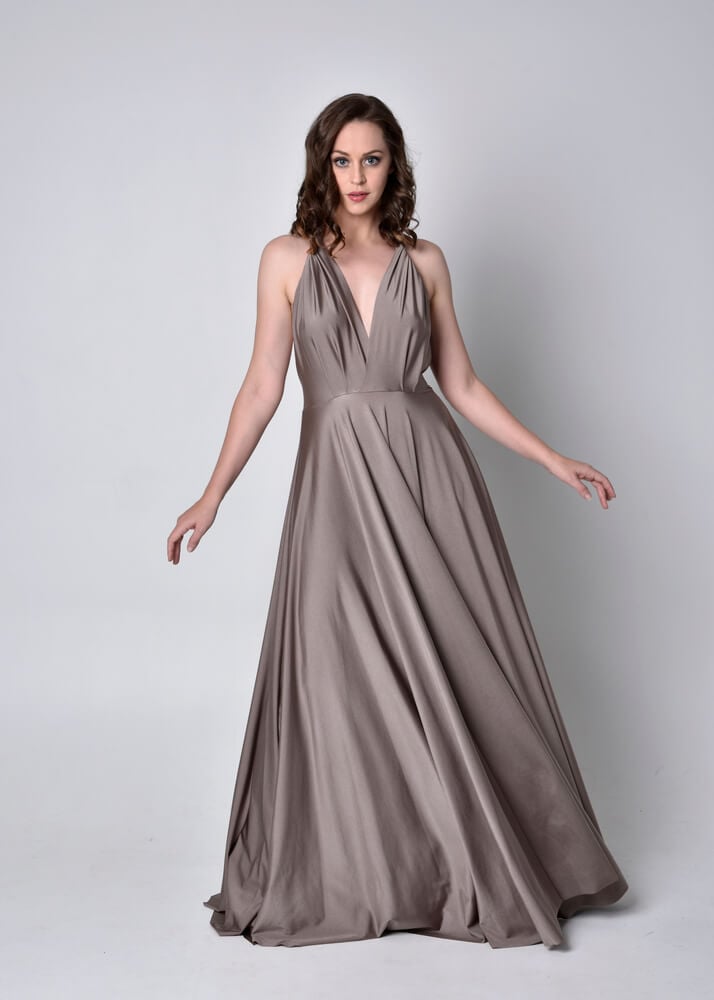
Christian Dior’s New Look, introduced in February 1947, made a small waist and full skirt the leading style. It remained the dominant silhouette until the mid-1950s.
Women adjusted their wardrobes, and their undergarments, to match.
Add Petticoats for Fullness
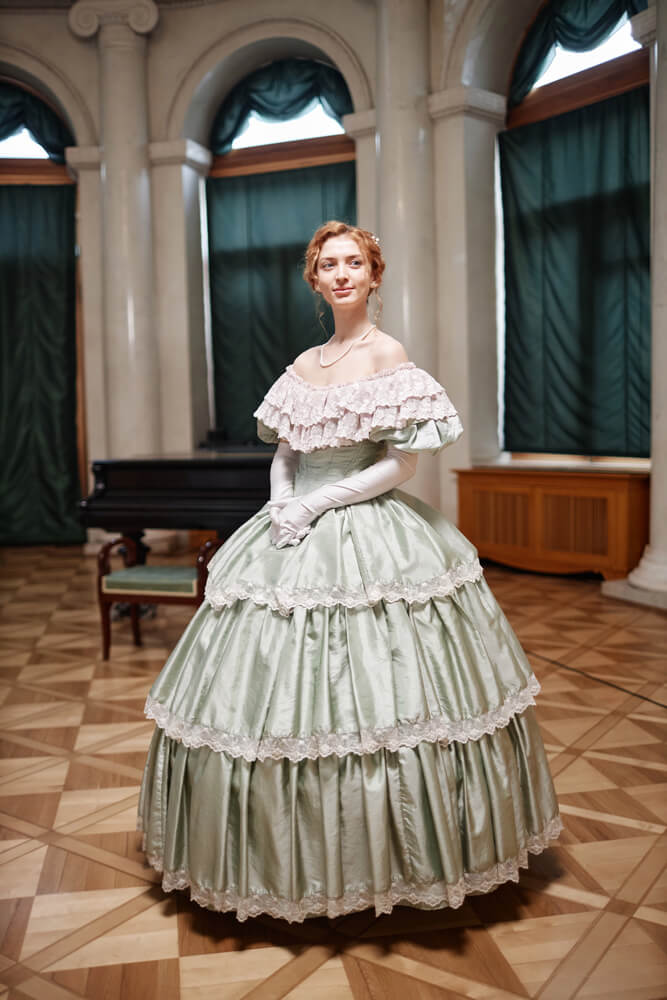
Full skirts needed support, and petticoats provided it. Some designs used as much as twelve meters of nylon net to create volume.
A flat skirt looked dated next to a full one.
Choose a Wide Belt
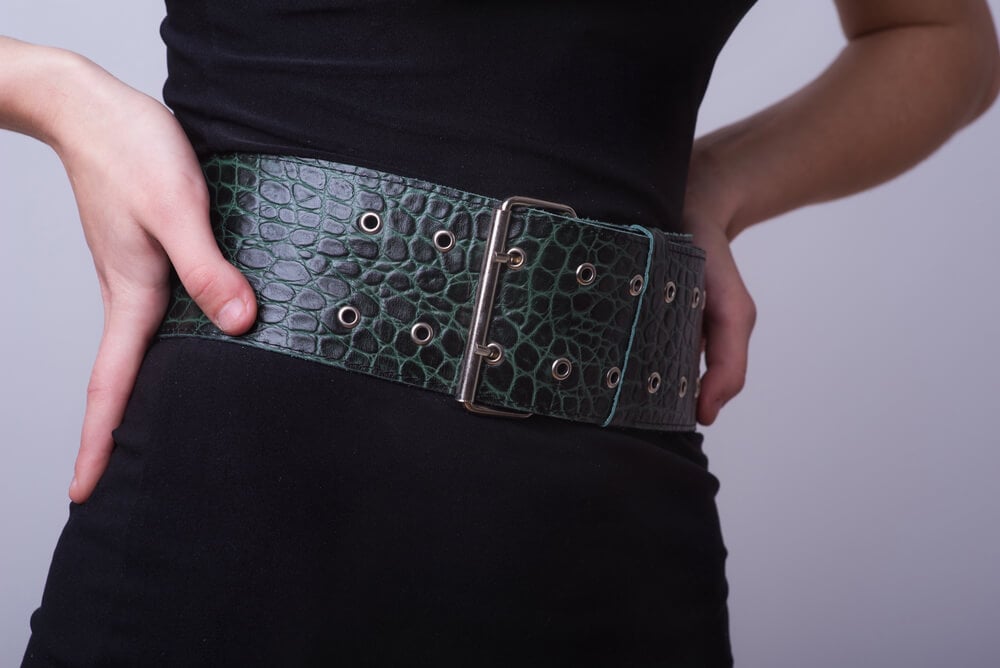
A wide belt accentuated the waist and finished the line of a full skirt. Leather and fabric versions came in many colors.
It was a quick way to turn a plain dress into a fitted one.
Keep Hemlines Between Knee and Mid-Calf

Skirts were cut to fall somewhere between the knee and mid-calf. Anything shorter risked looking out of step with the era.
Pattern companies and dress shops sold lengths that fit that narrow range.
Cover the Shoulders at Church and School

Sleeveless dresses often needed a jacket, a shawl, or a cardigan in churches and schools. The cover-up kept an outfit modest and appropriate.
Matching sweaters sold well as a result.
Wear Pearls
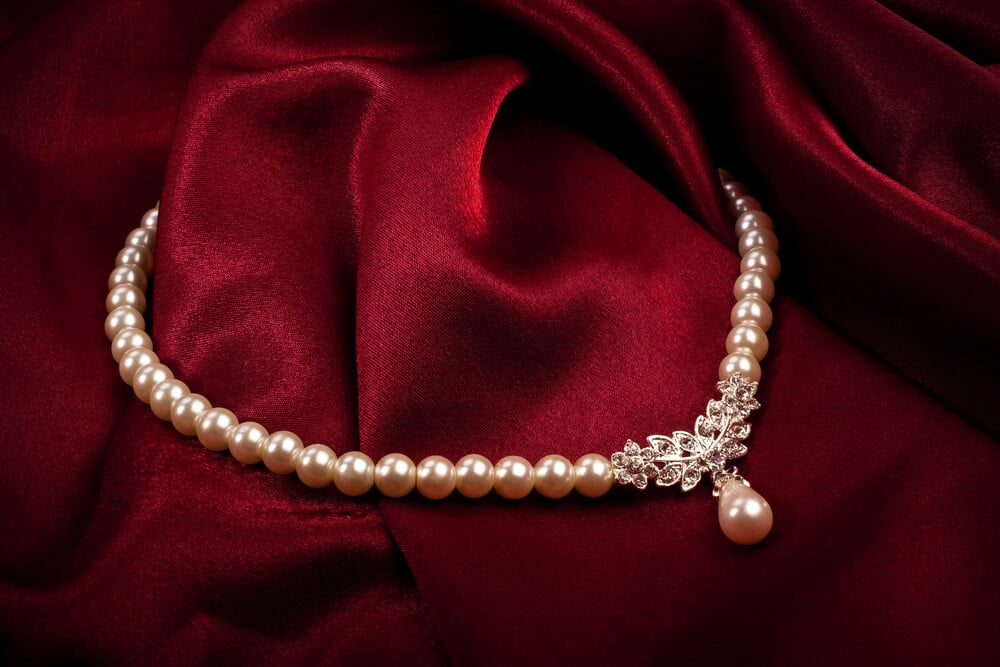
A strand of pearls, real or imitation, was a standard accent for day and evening. They suited dresses, suits, and sweater sets equally well.
Many women received a first strand as a gift for a graduation or a wedding.
Coordinate the Jewelry

Earrings, necklaces, and bracelets were meant to match one another. Stores sold jewelry in sets for exactly that reason.
A mixed collection of metals or colors seemed accidental.
Wear Pumps for Every Outing
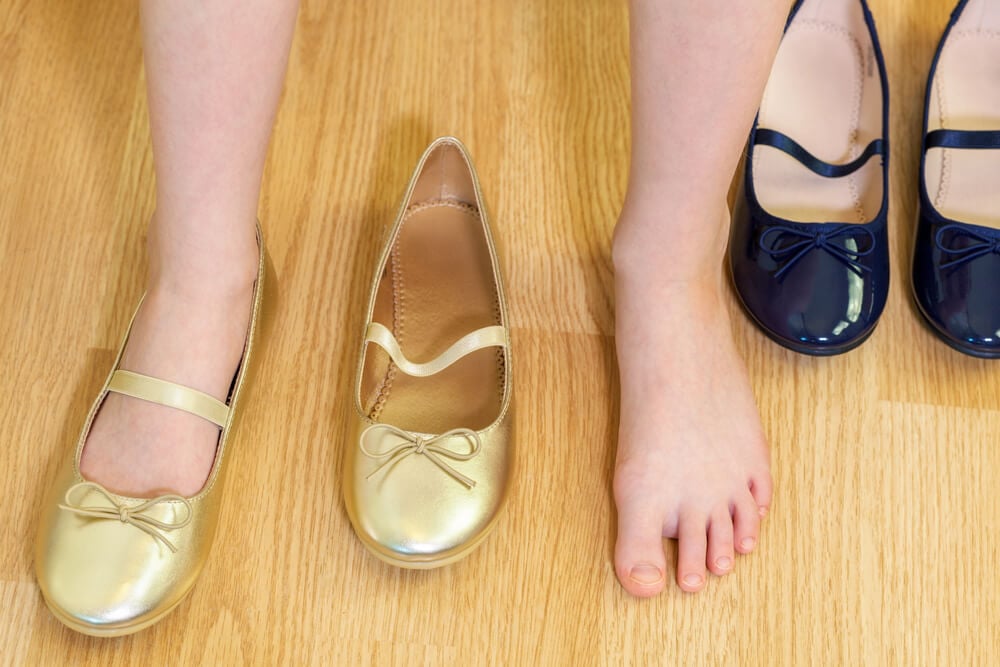
Pumps with moderate heels were the shoe for work, shopping, and church. Flat shoes appeared for casual wear, but heels were assumed for anything else.
The shoe completed the matched look of bag, belt, and gloves.
Keep Makeup Modest

Face powder, lipstick, and a hint of rouge were the standard kit. Red lipstick had a complicated reputation, since some people considered it bold.
Many women chose a shade that matched their outfits.
Leave Leather Jackets and Denim to Others

Leather jackets were associated with motorcycle riders and rebellious teenagers, not with respectable women. Denim was workwear before it became youth clothing.
Wearing either in the wrong setting drew stares.
Dress Up to Fly

Air travel was an occasion, and women dressed accordingly in dresses, hats, and white gloves. Airlines treated passengers as guests, and the clothing matched.
Casual travel clothes came much later.
Dress for Cocktail Hour

The cocktail hour called for a cocktail dress, pearls, heels, and often long gloves. It was the in-between look that fit a dinner party or an evening out.
A woman who arrived in daytime clothes seemed to have misjudged the invitation.
Rules That Dressed Everyone Alike
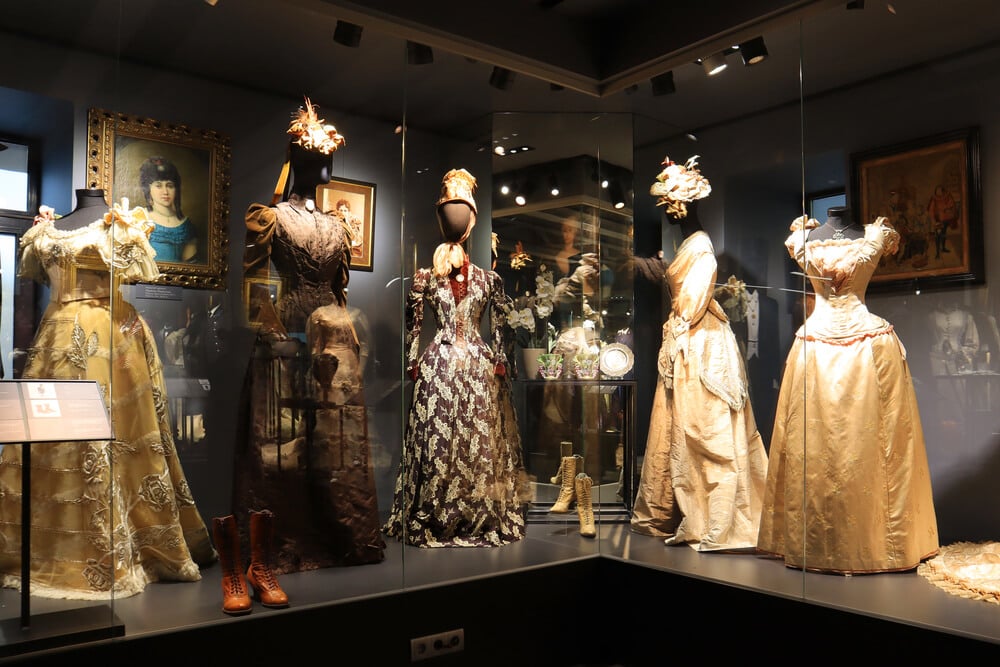
The strict code gave women a clear script for every part of the day. It also produced a uniform look, with hats, gloves, and matched accessories on nearly everyone.
Anyone who stepped outside it stood out, which was exactly the point.
Many of these rules loosened in the following decade as hemlines rose and pants entered the wardrobe. The structure that replaced them was looser, but the idea that clothing says something about its wearer never went away.
More from Go2Tutors!

- The Romanov Crown Jewels and Their Tragic Fate
- 13 Historical Mysteries That Science Still Can’t Solve
- Famous Hoaxes That Fooled the World for Years
- 15 Child Stars with Tragic Adult Lives
- 16 Famous Jewelry Pieces in History
Like Go2Tutors’s content? Follow us on MSN.