15 Facts About Modern Cars That Seem Impossible
Today’s vehicles pack technology that would’ve seemed like pure science fiction just a few decades ago. From engines that shut themselves off at red lights to paint that repairs its own scratches, modern automobiles are rolling laboratories of innovation. They constantly push the boundaries of what we thought possible.
The automotive industry has transformed so dramatically that many features we now take for granted would’ve blown minds in the 1990s. Here is a list of 15 facts about modern cars that seem impossible.
Self-Healing Paint

Some luxury cars now come equipped with paint that can actually repair minor scratches on its own. The technology uses special polymers that respond to heat — either from sunlight or warm water — causing the paint to flow back together.
It eliminates surface damage while the car sits in a parking lot, essentially performing its own touch-up work.
Engines That Turn Off While Driving
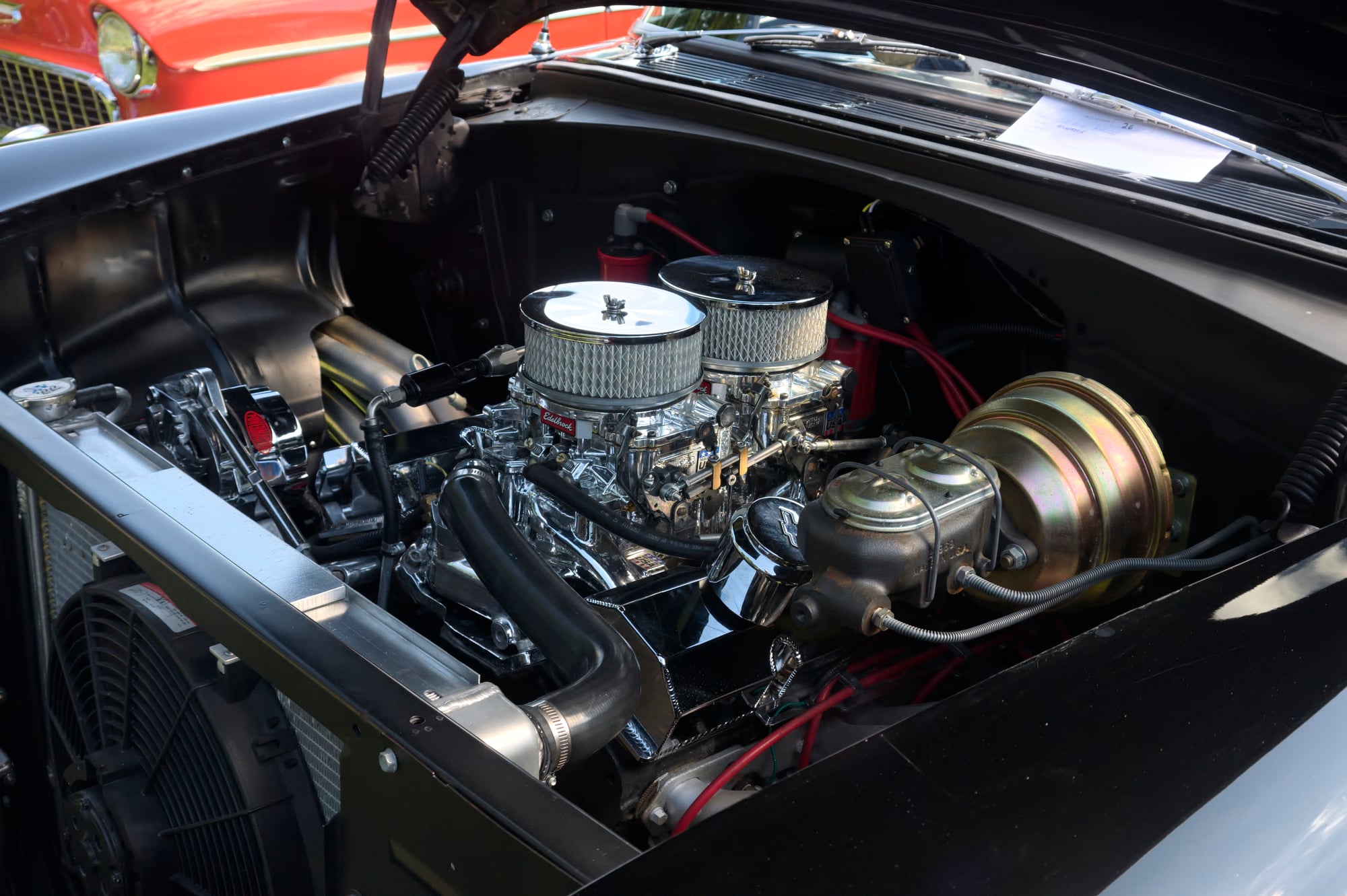
Modern hybrid systems can completely shut off the gasoline engine while cruising down the highway at 60 mph. The car continues moving using only electric power stored in the battery.
This creates an eerily quiet driving experience that feels almost supernatural, yet it’s not just for slow city driving anymore.
Cars That Park Themselves
Fully automated parking systems handle the entire parking process without any human input whatsoever. You simply get out of the car, use a smartphone app, then watch as your vehicle steers itself into a tight parking space with millimeter precision.
Some systems can even summon the car back when you’re ready to leave — like having a personal chauffeur who happens to be invisible.
Windows That Block Heat But Not Light

Advanced window tinting technology can reject up to 99% of infrared heat while still allowing nearly all visible light to pass through. This means crystal-clear visibility while your car’s interior stays significantly cooler than traditional tinted windows would allow.
The glass essentially functions like air conditioning built into the windows themselves.
Headlights That See Around Corners

Adaptive headlight systems can illuminate around curves before you turn the steering wheel. Using GPS data and sensors, these lights predict where you’re going — then swivel to light up the road ahead.
They reveal potential hazards that would normally be hidden in darkness, almost like headlights with their own crystal sphere.
Tires That Never Go Flat
Airless tire technology eliminates the possibility of punctures or blowouts entirely. These tires use a unique spoke-like structure made from flexible materials that can support the vehicle’s weight without any air pressure whatsoever.
You could drive over a field of nails — and keep going without missing a beat.
Brakes That Stop the Car Before You React

Emergency braking systems can detect an imminent collision and apply full braking force faster than humanly possible. These systems can stop a car traveling at 40 mph in situations where a human driver wouldn’t even have time to lift their foot off the gas pedal.
The car essentially has superhuman reflexes — making split-second decisions to prevent accidents.
Fuel That’s Made From Air
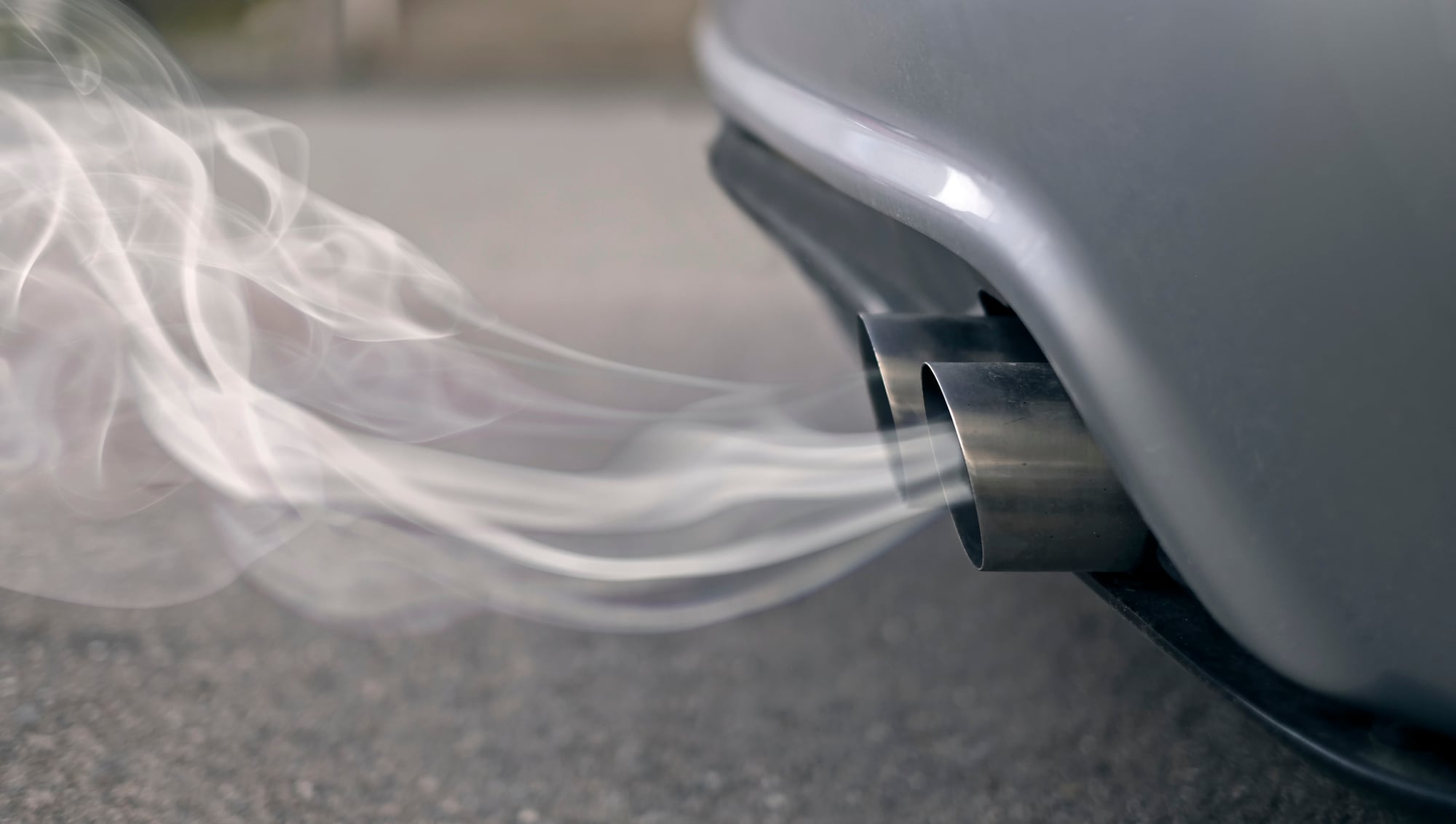
Some modern vehicles can run on synthetic fuels created by extracting carbon dioxide directly from the atmosphere. The process combines it with hydrogen, essentially reversing combustion by turning exhaust emissions back into usable fuel.
It’s like having a car that eats its own pollution — then converts it back into energy.
Seats That Give Massages While Driving
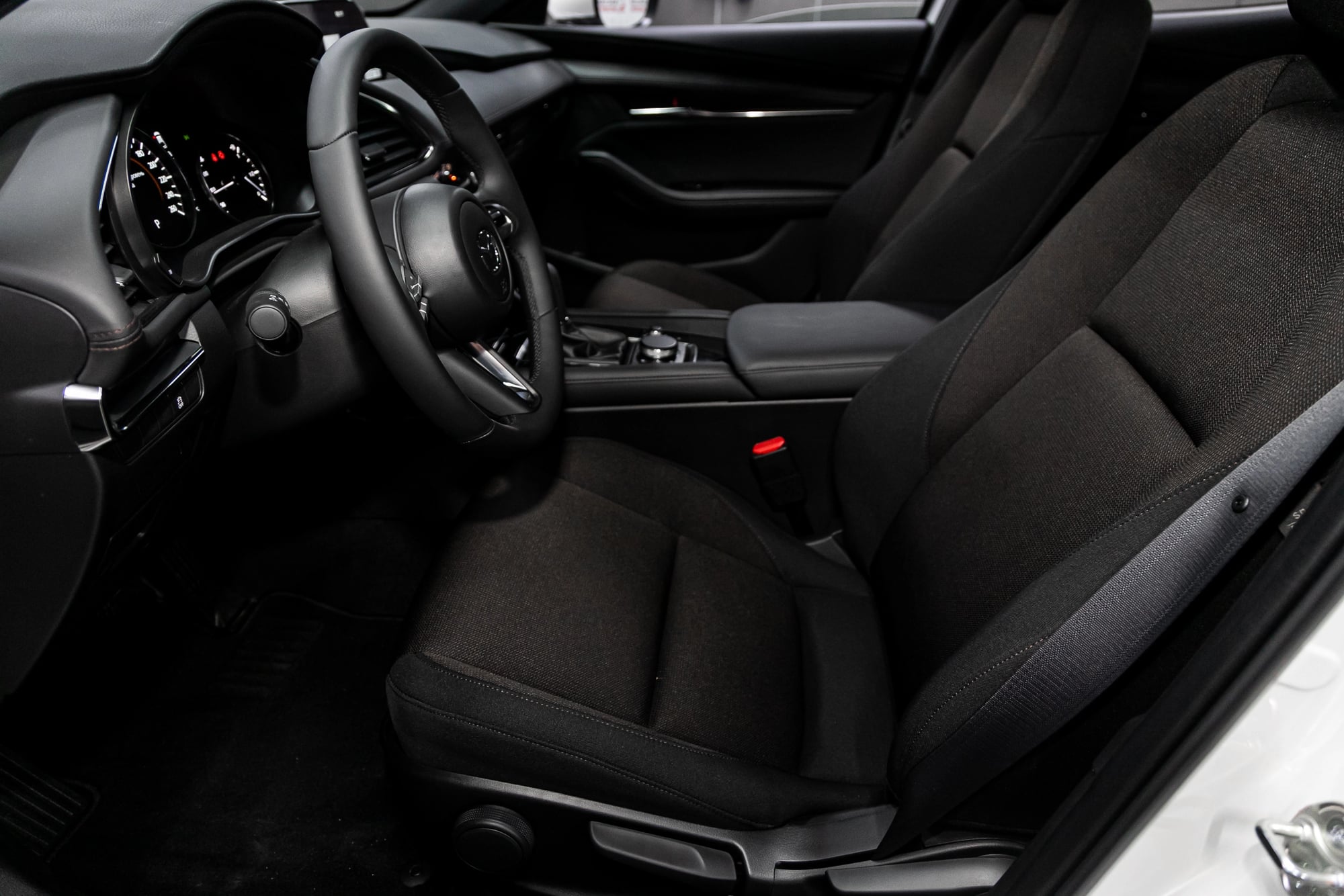
Advanced seat systems now include massage functions with multiple settings that can work on different muscle groups during your commute. Some even use heated stones or air bladders that inflate and deflate in specific patterns to relieve tension.
Your daily drive becomes a spa treatment — one that happens to get you from point A to point B.
Paint That Changes Color

Thermochromic and electrochromic paint technologies allow car colors to shift based on temperature or electrical current. Your car could be blue in the morning — then silver by afternoon.
Some versions change colors at the touch of a button, like having a chameleon in your driveway that happens to have four wheels.
Engines That Run on Water Vapor

Hydrogen fuel cell vehicles produce electricity by combining hydrogen with oxygen from the air, with water vapor as the only emission. These cars are powered by a controlled chemical reaction that creates electricity on demand.
The exhaust is so clean you could theoretically drink it, though that’s definitely not recommended.
Suspensions That Read the Road Ahead

Predictive suspension systems use cameras to scan the road surface ahead and adjust the suspension settings before hitting bumps or potholes. The car prepares for road imperfections you haven’t even seen yet, providing a smooth ride that seems to defy physics.
It’s like having shock absorbers that can see into the future, though the technology is grounded in sophisticated sensors rather than magic.
Glass That Becomes Opaque on Command
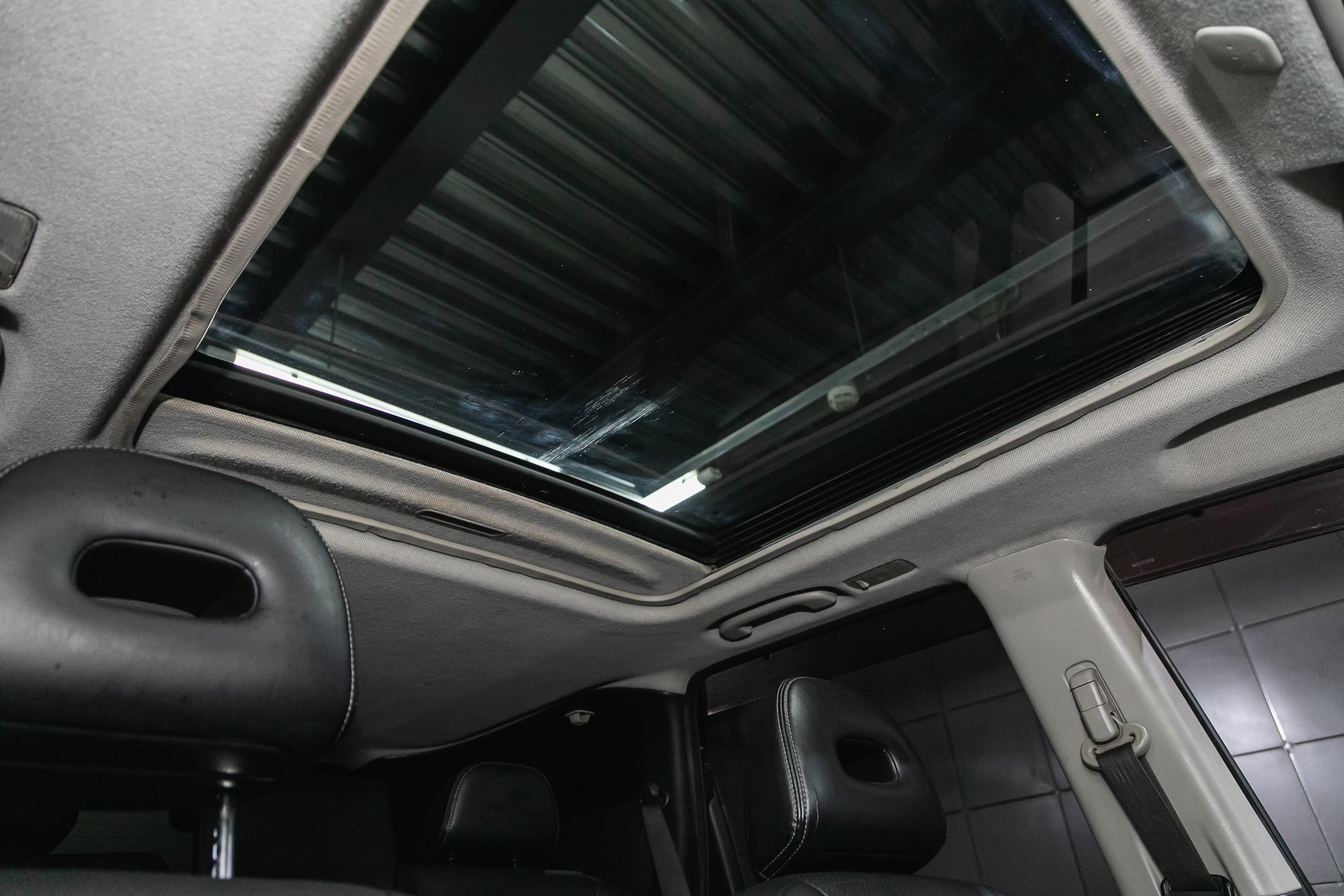
Electrochromic glass can switch from transparent to opaque instantly with the flip of a switch. This technology allows for privacy glass that can be turned on or off as needed, or sunroofs that can block intense sunlight without any mechanical shades.
The glass acts like a light switch for transparency, yet it’s completely solid material.
Doors That Open by Themselves
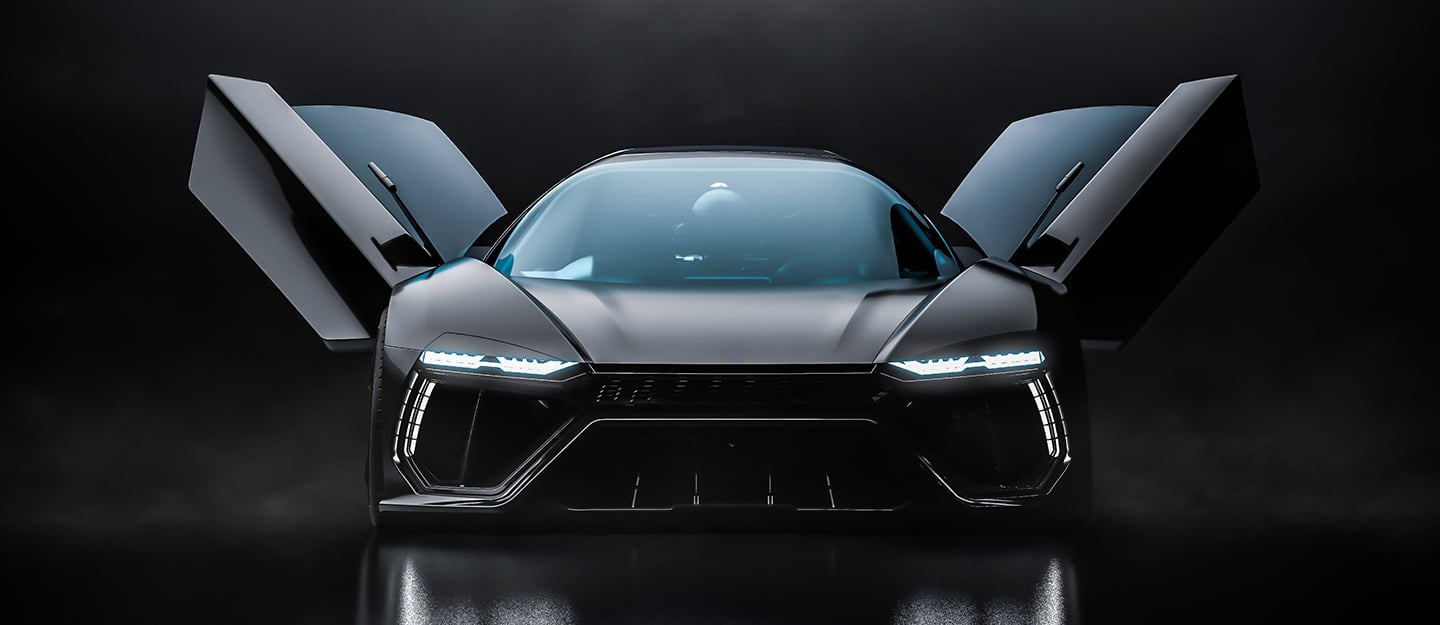
Gesture-controlled door systems can detect your approach and open automatically without any physical contact. Some systems use sensors to detect when you’re carrying packages and will open the trunk or doors before you even reach for the handle.
It’s like having a car that anticipates your needs, though the reality involves sophisticated proximity sensors working behind the scenes.
Batteries That Charge While Driving
Regenerative braking systems capture energy that would normally be lost during deceleration and convert it back into electrical power. Every time you slow down or go downhill, your car is recharging itself.
Some systems are so efficient they can recover enough energy during normal driving to significantly extend the vehicle’s range without plugging in, making the car partially self-sustaining.
The Road Ahead

These technological marvels represent just the beginning of what’s possible in automotive engineering. As electric powertrains become more sophisticated and artificial intelligence continues advancing, we’re likely to see even more impossible-seeming features become standard equipment.
The cars of tomorrow will make today’s most advanced vehicles look as primitive as a horse and buggy, proving that in the automotive world, impossible is just another word for ‘not yet invented.
More from Go2Tutors!

- The Romanov Crown Jewels and Their Tragic Fate
- 13 Historical Mysteries That Science Still Can’t Solve
- Famous Hoaxes That Fooled the World for Years
- 15 Child Stars with Tragic Adult Lives
- 16 Famous Jewelry Pieces in History
Like Go2Tutors’s content? Follow us on MSN.