15 Animals That Went Extinct In The 1920s
The twenties flash to mind with music, dancing, then women who broke old rules. Yet beneath those loud years, silent exits slipped by – species vanishing one by one, unnoticed.
These beings had seen empires rise, ice melt, forests shift, yet blinked out between breakfast and bedtime. A world moved on without them, hardly pausing to note they’d ever been.
A single name can say so much – silence where there once was life. Fifteen creatures vanished in the 1920s alone, erased by shrinking homes, relentless hunting, yet also quiet ignorance.
What slips away often goes unnoticed until it does not exist. Each entry here marks more than an endpoint; it reflects choices made slowly, then all at once. Loss builds without warning, one species after another.
Labrador Duck

The odd little seabird had been fading fast long before anyone wrote it off for good in the 1920s. Found only along rocky shores of eastern North America, its disappearance followed decades without a single verified glimpse.
Though never abundant, hunters may have pushed it further toward silence by taking too many. Coastal habitats where it once fed began vanishing – drowned under changing shorelines or disturbed by human spread.
Because scientists paid it so little attention while it survived, clues slipped away quietly when the last ones vanished.
Passenger Pigeon Aftermath

Martha, the very last passenger pigeon, passed away in 1914. It took until the 1920s for people to truly grasp what had happened – surveys kept coming back empty.
Once upon a time these birds filled the skies above North America, maybe more than any other bird around. Flocks flew overhead so thick they blocked sunlight, some said it lasted hours on end.
Hunters selling meat plus forests cut down left almost nothing behind, wiping them out fast. That kind of disappearance stunned scientists then; truth is, it still does now.
Syrian Wild Ass
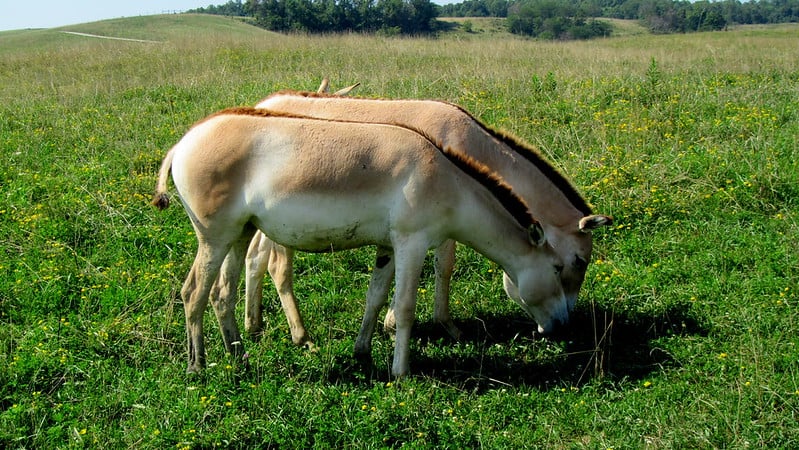
A dusty brown figure, the Syrian wild ass belonged to the onager family – distant cousin to today’s donkeys – wandering ancient grasslands from Syria to Iran. Guns spread fast through war zones after 1914, hunters took more each season, numbers shrank too far to bounce back.
By late summer of 1927, one lone animal spotted near Jordan marked the end of a lineage woven into human history since early farming towns rose.
Bubal Hartebeest
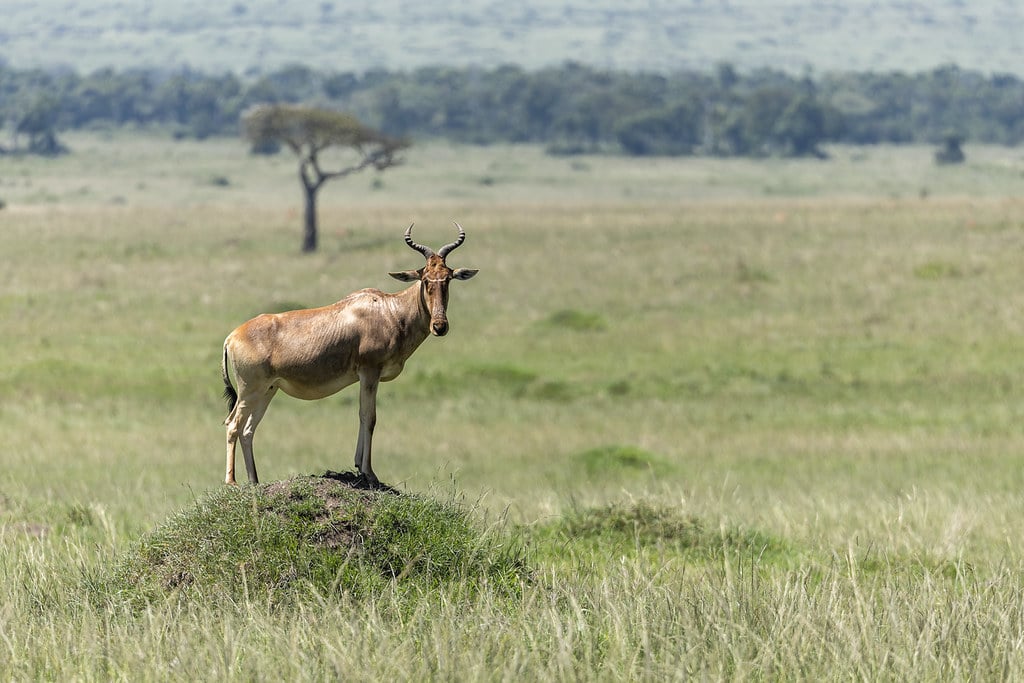
A big antelope called the bubal hartebeest once roamed North Africa and parts of the Middle East, standing tall but unable to escape human pursuit despite its strong build. Kept partly under control by ancient Egyptian societies, these animals show up in writings and carvings from long ago.
When the final one – a female living behind bars in Paris – passed away around the 1920s, silence followed; soon afterward officials confirmed what was already clear. Extinction took hold without fanfare, just an absence where life used to be.
Schomburgk’s Deer

A tall deer with sweeping horns once moved lightly across wet grasslands in central Thailand. Farms spread wide, taking over open land where it fed, while hunters sought its bold racks without pause.
By the time one died in 1932 – said to be the last seen – it had likely already vanished from nature decades earlier. After the 1920s, nobody found proof it still roamed free.
Heath Hen
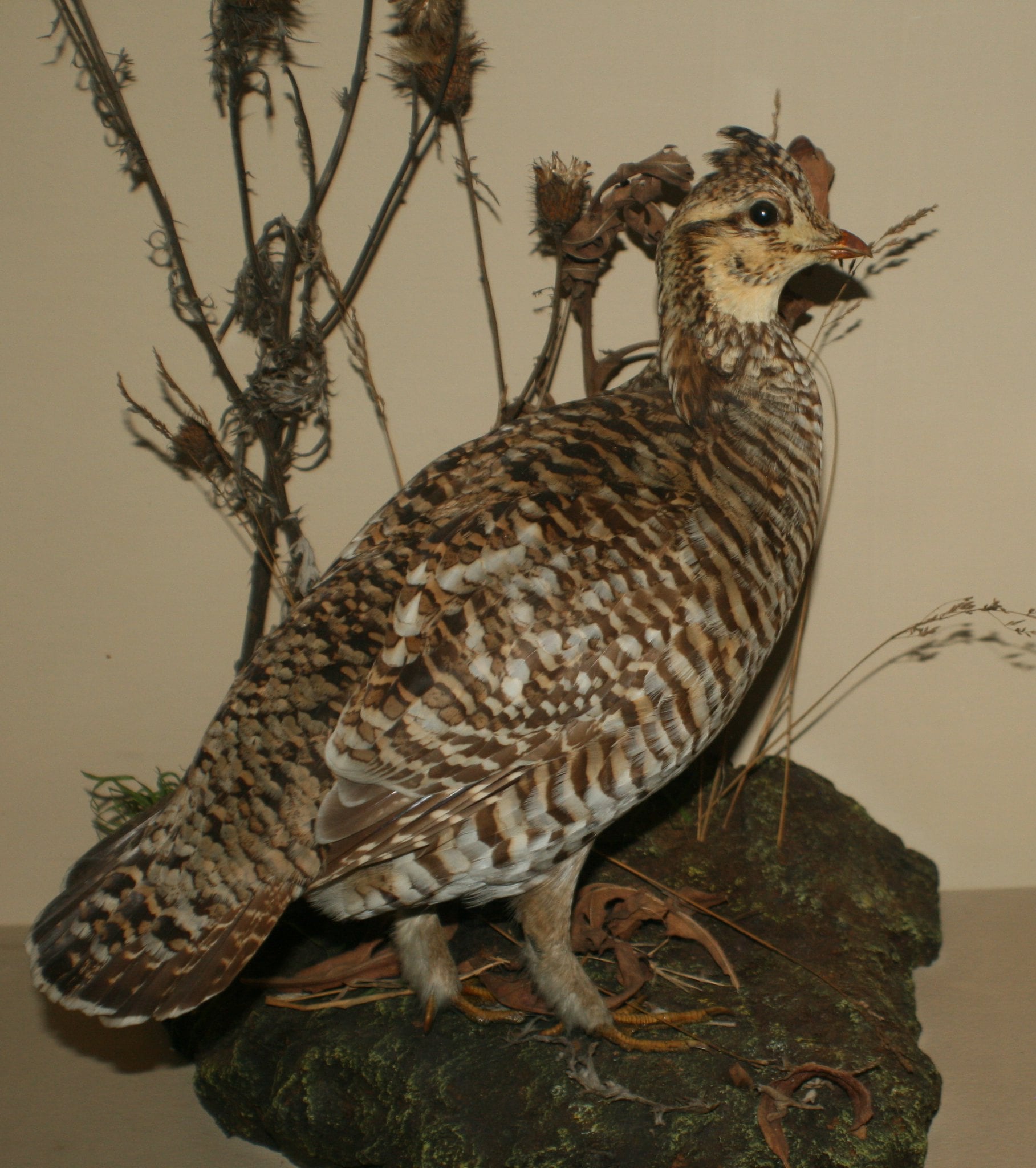
A flightless kind of grouse, much like the prairie chicken, made its home on forest floors throughout the eastern U.S., spreading widely long ago. Only one patch remained by the 1900s – a tiny island called Martha’s Vineyard near Massachusetts held every living member left.
Fire struck hard, then freezing weather lingered, sickness spread through weakened flocks, while cats prowling nearby plus sharp-eyed raptors picked off stragglers. One lone male, later named Booming Ben, stuck around for years without others of his kind until vanishing in 1932.
Caucasian Wisent (Lowland)

Deep in the forested slopes of the Caucasus lived a type of European bison known as the lowland Caucasian wisent. After World War I, chaos unfolded when revolution struck Russia, opening former royal hunting lands to unchecked shooting.
Because of this shift, people began killing animals freely where once rules had held them back. The year 1927 marked the end – someone hunting illegally fired at the last true wild individual.
That single bullet erased a line stretching through frozen epochs and endless turns of time.
Carolina Parakeet
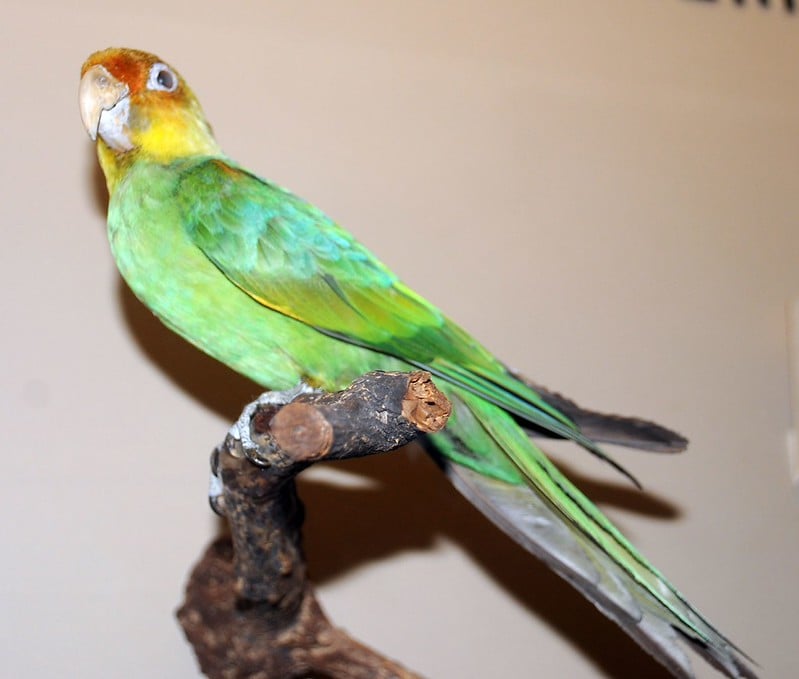
It wasn’t luck that left the Carolina parakeet gone – this bird once flew across the eastern U.S., the sole parrot there. Fruit orchards drew their attention, so growers saw trouble instead of beauty.
Bright plumage made them targets too; people took birds for fashion, especially hats back then. By 1918, one lone survivor passed away behind zoo walls in Cincinnati.
Stillness followed. Years later, with no trace found despite looking everywhere they’d lived before, silence became official: none remained by the time the decade closed.
Toolache Wallaby
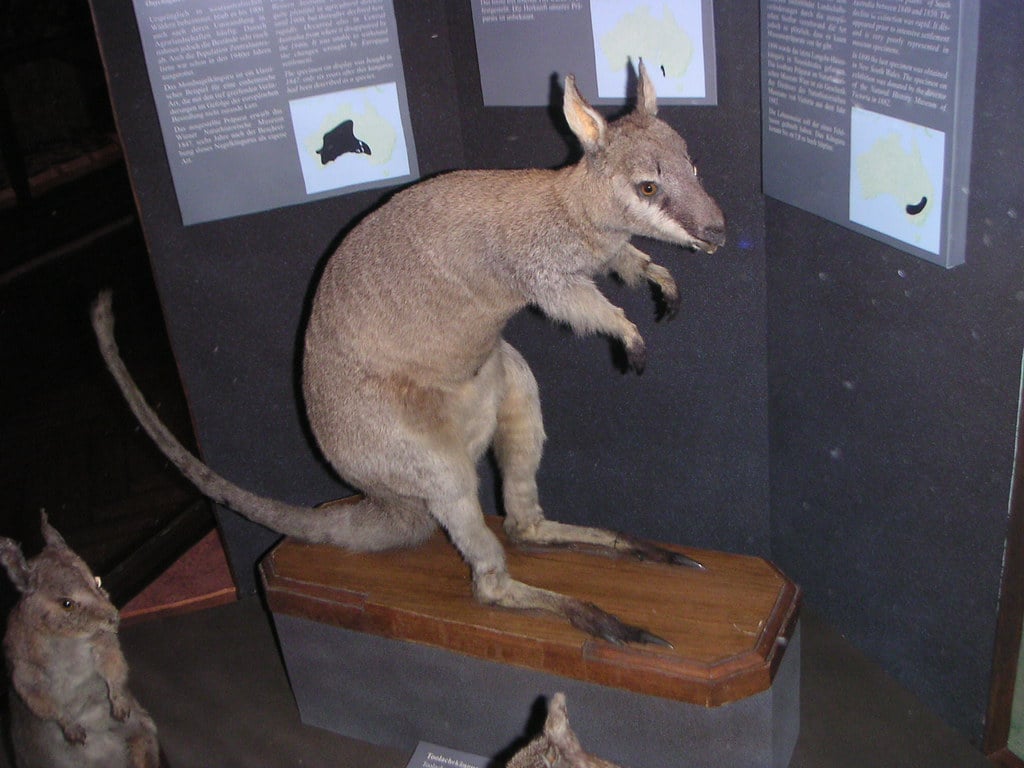
The toolache wallaby was considered one of the most elegant wallabies in Australia, known for its speed and graceful movement across open grassland. European settlers hunted it intensively for sport and for its fine fur, and introduced predators like foxes made survival even harder for the remaining animals.
The last confirmed individuals were seen in South Australia during the early 1920s, and despite a rescue attempt in 1924 that ended tragically when the stressed animals collapsed during capture, the species could not be saved.
Atlas Bear

The Atlas bear was Africa’s only native bear species, a stocky, dark-furred animal that lived in the Atlas Mountains of Morocco, Algeria, and Libya. Roman hunters captured them in massive numbers for use in gladiatorial arenas centuries earlier, and the population never fully recovered from that pressure.
By the early twentieth century, the Atlas bear was effectively gone from the wild, and the 1920s brought confirmation that no surviving individuals remained anywhere in its former range.
Antelope Jackrabbit (Certain Subspecies)
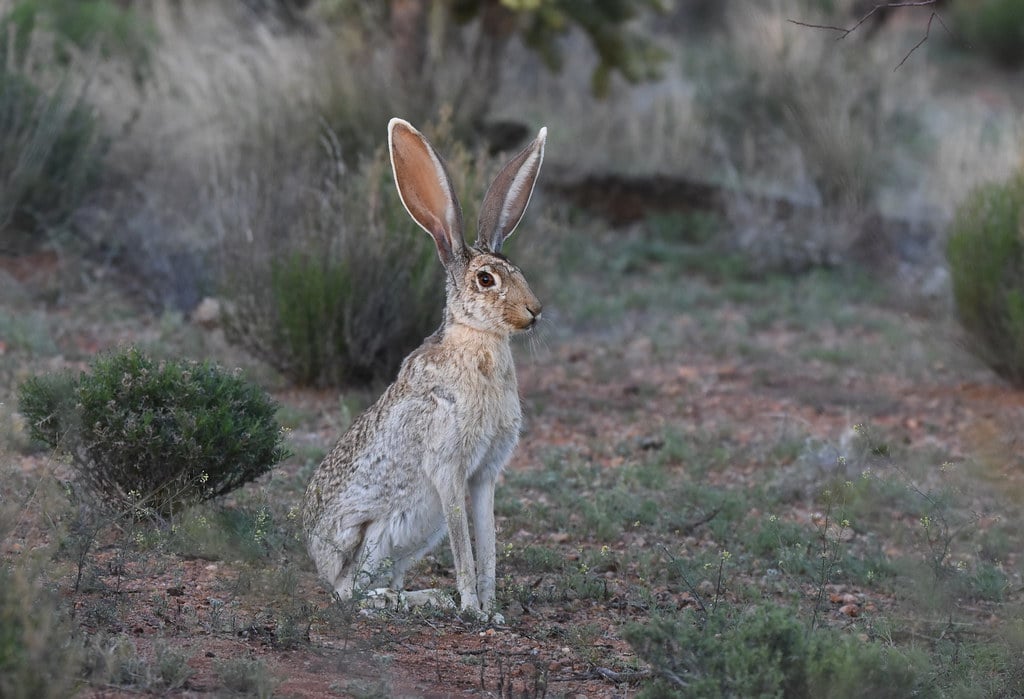
Several regional subspecies of the antelope jackrabbit experienced complete local extinction during the 1920s due to agricultural expansion across the American Southwest. As farms spread and native grasslands were converted to crops, the specific habitat these subspecies depended on shrank beyond recovery.
They were fast, wide-ranging animals, but speed is not much help when the land itself disappears underneath you.
Mysterious Starling
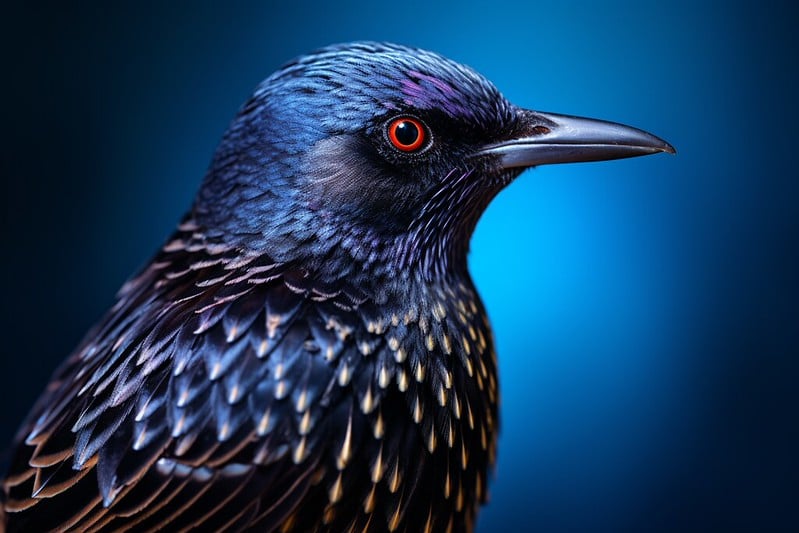
The mysterious starling, also called the mysterious bird of Uahuka, is a Pacific island species that researchers believe went extinct in the early twentieth century. Very little is known about it because so few specimens were ever collected, and no detailed behavioral studies were ever conducted.
The last physical specimen dates to the 1800s, but ornithologists place its extinction firmly within the early 1900s to 1920s window based on habitat surveys of the Marquesas Islands.
Huia

The huia was a striking New Zealand bird with a unique feature: the male and female had completely different beak shapes, which allowed them to work together to find food inside tree bark. European settlers hunted them heavily, and their tail feathers became a high-demand fashion accessory, worn in hats and sold as souvenirs.
The last confirmed sighting was in 1907, but it was not until surveys conducted through the 1920s confirmed total absence that extinction was formally accepted.
Colombian Grebe
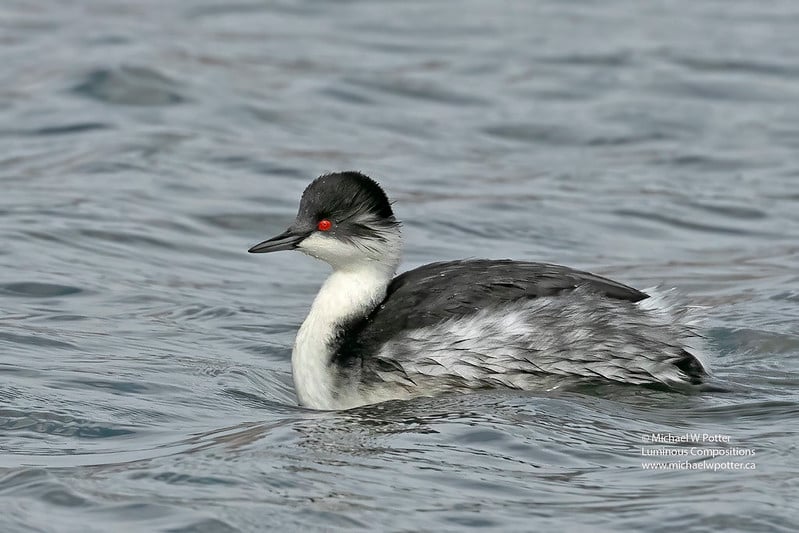
The Colombian grebe was a small diving bird found exclusively on Lake Tota in Colombia, making its entire world one single body of water. Hunting pressure, wetland drainage for agriculture, and pollution steadily degraded Lake Tota throughout the early twentieth century.
Population counts during the 1920s showed alarming decline, and while the species held on for a few more decades, the collapse that ultimately ended the species began during this critical period.
Paradise Parrot
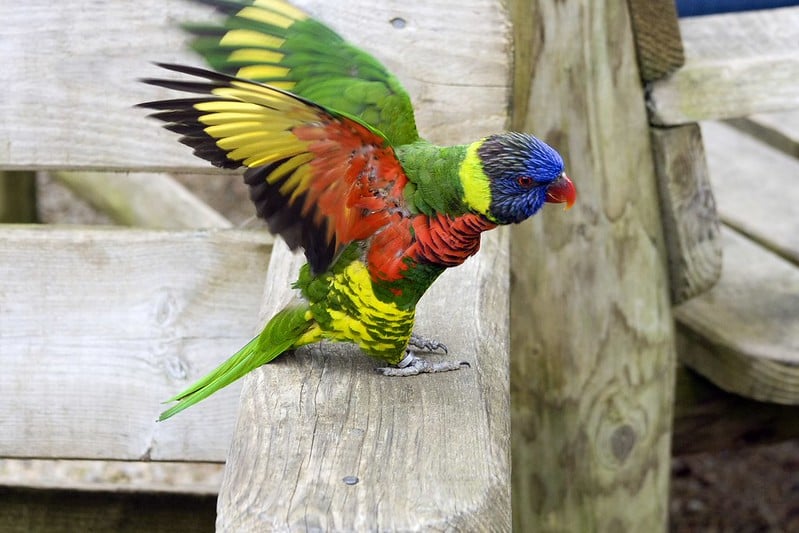
The paradise parrot was one of Australia’s most colorful birds, a small, vivid species that nested in termite mounds across Queensland and New South Wales. Drought, overgrazing by livestock, and trapping for the pet trade hit the species from multiple directions at once.
The last confirmed sighting of a paradise parrot was in 1927, and despite numerous searches in the decades that followed, not a single individual was ever found again.
What The 1920s Took From The World
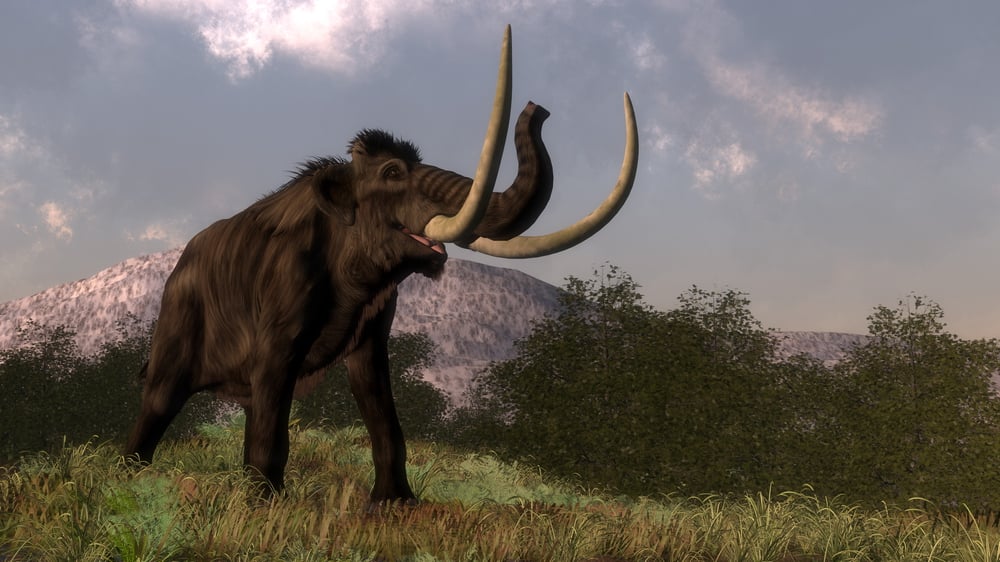
Looking back at this list, it is clear that the 1920s were not just a decade of human progress; they were also a decade of significant natural loss. Many of these extinctions did not happen overnight; they were the result of years of hunting, land clearing, and outright indifference that finally crossed a point of no return.
The world today handles wildlife conservation very differently, with international agreements, protected reserves, and laws that did not exist a century ago. But the animals on this list cannot benefit from any of that progress, which makes their absence a permanent reminder of why these protections matter so much now.
More from Go2Tutors!

- The Romanov Crown Jewels and Their Tragic Fate
- 13 Historical Mysteries That Science Still Can’t Solve
- Famous Hoaxes That Fooled the World for Years
- 15 Child Stars with Tragic Adult Lives
- 16 Famous Jewelry Pieces in History
Like Go2Tutors’s content? Follow us on MSN.



